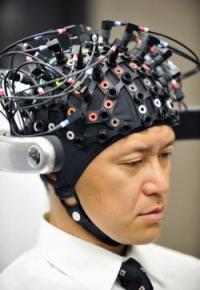
Study reveals gene expression changes with meditation

meditation

With evidence growing that meditation can have beneficial health effects, scientists have sought to understand how these practices physically affect the body.

A new study by researchers in Wisconsin, Spain, and France reports the first evidence of specific molecular changes in the body following a period of mindfulness meditation.

The study investigated the effects of a day of intensive mindfulness practice in a group of experienced meditators, compared to a group of untrained control subjects who engaged in quiet non-meditative activities. After eight hours of mindfulness practice, the meditators showed a range of genetic and molecular differences, including altered levels of gene-regulating machinery and reduced levels of pro-inflammatory genes, which in turn correlated with faster physical recovery from a stressful situation.

“To the best of our knowledge, this is the first paper that shows rapid alterations in gene expression within subjects associated with mindfulness meditation practice,” says study author Richard J. Davidson, founder of the Center for Investigating Healthy Minds and the William James and Vilas Professor of Psychology and Psychiatry at the University of Wisconsin-Madison.

“Most interestingly, the changes were observed in genes that are the current targets of anti-inflammatory and analgesic drugs,” says Perla Kaliman, first author of the article and a researcher at the Institute of Biomedical Research of Barcelona, Spain (IIBB-CSIC-IDIBAPS), where the molecular analyses were conducted.

The study was published in the journal Psychoneuroendocrinology.

Mindfulness-based trainings have shown beneficial effects on inflammatory disorders in prior clinical studies and are endorsed by the American Heart Association as a preventative intervention. The new results provide a possible biological mechanism for therapeutic effects.

The results show a down-regulation of genes that have been implicated in inflammation. The affected genes include the pro-inflammatory genes RIPK2 and COX2 as well as several histone deacetylase (HDAC) genes, which regulate the activity of other genes epigenetically by removing a type of chemical tag. What’s more, the extent to which some of those genes were downregulated was associated with faster cortisol recovery to a social stress test involving an impromptu speech and tasks requiring mental calculations performed in front of an audience and video camera.

Perhaps surprisingly, the researchers say, there was no difference in the tested genes between the two groups of people at the start of the study. The observed effects were seen only in the meditators following mindfulness practice. In addition, several other DNA-modifying genes showed no differences between groups, suggesting that the mindfulness practice specifically affected certain regulatory pathways.

However, it is important to note that the study was not designed to distinguish any effects of long-term meditation training from those of a single day of practice. Instead, the key result is that meditators experienced genetic changes following mindfulness practice that were not seen in the non-meditating group after other quiet activities — an outcome providing proof of principle that mindfulness practice can lead to epigenetic alterations of the genome.

Previous studies in rodents and in people have shown dynamic epigenetic responses to physical stimuli such as stress, diet, or exercise within just a few hours.

“Our genes are quite dynamic in their expression and these results suggest that the calmness of our mind can actually have a potential influence on their expression,” Davidson says.

“The regulation of HDACs and inflammatory pathways may represent some of the mechanisms underlying the therapeutic potential of mindfulness-based interventions,” Kaliman says. “Our findings set the foundation for future studies to further assess meditation strategies for the treatment of chronic inflammatory conditions.”

Study funding came from National Center for Complementary and Alternative Medicine (grant number P01-AT004952) and grants from the Fetzer Institute, the John Templeton Foundation, and an anonymous donor to Davidson. The study was conducted at the Center for Investigating Healthy Minds at the UW-Madison Waisman Center.

http://www.news.wisc.edu/22370

Thanks to Dr. D for bringing this to the attention of the It’s Interesting community.

Ballet dancers reduce their dizziness by shrinking part of their brains

ballet

A team from Imperial College London said dancers appear to suppress signals from the inner ear to the brain.

Dancers traditionally use a technique called “spotting”, which minimises head movement.

The researchers say their findings may help patients who experience chronic dizziness.

Dizziness is the feeling of movement when, in reality, you are still.

For most it is an occasional, temporary sensation. But around one person in four experiences chronic dizziness at some point in their life.

When someone turns or spins around rapidly, fluid in the vestibular organs of the inner ear can be felt moving through tiny hairs.

Once they stop, the fluid continues to move, which can make a person feel like they are still spinning.

Ballet dancers train hard to be able to spin, or pirouette, rapidly and repeatedly.

They use a technique called spotting, focusing on a spot – as they spin, their head should be the last bit to move and the first to come back.

In the study, published in the journal Cerebral Cortex, the team recruited 29 female ballet dancers and 20 female rowers of similar age and fitness levels.

After they were spun in the chair, each was asked to turn a handle in time with how quickly they felt like they were still spinning after they had stopped.

Eye reflexes triggered by input from the vestibular organs were also measured.

Magnetic resonance imaging (MRI) scans were also taken to look at participants’ brain structures.

Dancers’ perception of spinning lasted a shorter time than rowers’ – and the more experienced the dancers, the greater the effect.

The scans showed differences between the dancers and the rowers in two parts of the brain: the cerebellum, which is where sensory input from the vestibular organs is processed, and the cerebral cortex, which perceives dizziness.

The team also found that perception of spinning closely matched the eye reflexes triggered by vestibular signals in the rowers, but in dancers there was no such link.

Dr Barry Seemungal, of the department of medicine at Imperial College London, who led the research, said: “It’s not useful for a ballet dancer to feel dizzy or off balance. Their brains adapt over years of training to suppress that input.

“Consequently, the signal going to the brain areas responsible for perception of dizziness in the cerebral cortex is reduced, making dancers resistant to feeling dizzy.”

He added: “If we can target that same brain area or monitor it in patients with chronic dizziness, we can begin to understand how to treat them better.”

Deborah Bull, a former principal dancer with the Royal Ballet, who is now the executive director of the Cultural Institute at King’s College, London, told BBC Radio 4’s Today programme: “What’s really interesting is what ballet dancers have done is refine and make precise the instruction to the brain so that actually the brain has shrunk. We don’t need all those extra neurons.”

http://www.bbc.co.uk/news/health-24283709

How Exercise Beefs Up the Brain

exercise

New research explains how abstract benefits of exercise—from reversing depression to fighting cognitive decline—might arise from a group of key molecules.

While our muscles pump iron, our cells pump out something else: molecules that help maintain a healthy brain. But scientists have struggled to account for the well-known mental benefits of exercise, from counteracting depression and aging to fighting Alzheimer’s and Parkinson’s disease. Now, a research team may have finally found a molecular link between a workout and a healthy brain.

Much exercise research focuses on the parts of our body that do the heavy lifting. Muscle cells ramp up production of a protein called FNDC5 during a workout. A fragment of this protein, known as irisin, gets lopped off and released into the bloodstream, where it drives the formation of brown fat cells, thought to protect against diseases such as diabetes and obesity. (White fat cells are traditionally the villains.)

While studying the effects of FNDC5 in muscles, cellular biologist Bruce Spiegelman of Harvard Medical School in Boston happened upon some startling results: Mice that did not produce a so-called co-activator of FNDC5 production, known as PGC-1α, were hyperactive and had tiny holes in certain parts of their brains. Other studies showed that FNDC5 and PGC-1α are present in the brain, not just the muscles, and that both might play a role in the development of neurons.

Spiegelman and his colleagues suspected that FNDC5 (and the irisin created from it) was responsible for exercise-induced benefits to the brain—in particular, increased levels of a crucial protein called brain-derived neurotrophic factor (BDNF), which is essential for maintaining healthy neurons and creating new ones. These functions are crucial to staving off neurological diseases, including Alzheimer’s and Parkinson’s. And the link between exercise and BDNF is widely accepted. “The phenomenon has been established over the course of, easily, the last decade,” says neuroscientist Barbara Hempstead of Weill Cornell Medical College in New York City, who was not involved in the new work. “It’s just, we didn’t understand the mechanism.”

To sort out that mechanism, Spiegelman and his colleagues performed a series of experiments in living mice and cultured mouse brain cells. First, they put mice on a 30-day endurance training regimen. They didn’t have to coerce their subjects, because running is part of a mouse’s natural foraging behavior. “It’s harder to get them to lift weights,” Spiegelman notes. The mice with access to a running wheel ran the equivalent of a 5K every night.

Aside from physical differences between wheel-trained mice and sedentary ones—“they just look a little bit more like a couch potato,” says co-author Christiane Wrann, also of Harvard Medical School, of the latter’s plumper figures—the groups also showed neurological differences. The runners had more FNDC5 in their hippocampus, an area of the brain responsible for learning and memory.

Using mouse brain cells developing in a dish, the group next showed that increasing the levels of the co-activator PGC-1α boosts FNDC5 production, which in turn drives BDNF genes to produce more of the vital neuron-forming BDNF protein. They report these results online today in Cell Metabolism. Spiegelman says it was surprising to find that the molecular process in neurons mirrors what happens in muscles as we exercise. “What was weird is the same pathway is induced in the brain,” he says, “and as you know, with exercise, the brain does not move.”

So how is the brain getting the signal to make BDNF? Some have theorized that neural activity during exercise (as we coordinate our body movements, for example) accounts for changes in the brain. But it’s also possible that factors outside the brain, like those proteins secreted from muscle cells, are the driving force. To test whether irisin created elsewhere in the body can still drive BDNF production in the brain, the group injected a virus into the mouse’s bloodstream that causes the liver to produce and secrete elevated levels of irisin. They saw the same effect as in exercise: increased BDNF levels in the hippocampus. This suggests that irisin could be capable of passing the blood-brain barrier, or that it regulates some other (unknown) molecule that crosses into the brain, Spiegelman says.

Hempstead calls the findings “very exciting,” and believes this research finally begins to explain how exercise relates to BDNF and other so-called neurotrophins that keep the brain healthy. “I think it answers the question that most of us have posed in our own heads for many years.”

The effect of liver-produced irisin on the brain is a “pretty cool and somewhat surprising finding,” says Pontus Boström, a diabetes researcher at the Karolinska Institute in Sweden. But Boström, who was among the first scientists to identify irisin in muscle tissue, says the work doesn’t answer a fundamental question: How much of exercise’s BDNF-promoting effects come from irisin reaching the brain from muscle cells via the bloodstream, and how much are from irisin created in the brain?

Though the authors point out that other important regulator proteins likely play a role in driving BDNF and other brain-nourishing factors, they are focusing on the benefits of irisin and hope to develop an injectable form of FNDC5 as a potential treatment for neurological diseases and to improve brain health with aging.

http://news.sciencemag.org/biology/2013/10/how-exercise-beefs-brain

Thanks to Dr. Rajadhyaksha for bringing this to the attention of the It’s Interesting community.

Trouble With Math? Maybe You Should Get Your Brain Zapped

sn-math

by Emily Underwood
ScienceNOW

If you are one of the 20% of healthy adults who struggle with basic arithmetic, simple tasks like splitting the dinner bill can be excruciating. Now, a new study suggests that a gentle, painless electrical current applied to the brain can boost math performance for up to 6 months. Researchers don’t fully understand how it works, however, and there could be side effects.

The idea of using electrical current to alter brain activity is nothing new—electroshock therapy, which induces seizures for therapeutic effect, is probably the best known and most dramatic example. In recent years, however, a slew of studies has shown that much milder electrical stimulation applied to targeted regions of the brain can dramatically accelerate learning in a wide range of tasks, from marksmanship to speech rehabilitation after stroke.

In 2010, cognitive neuroscientist Roi Cohen Kadosh of the University of Oxford in the United Kingdom showed that, when combined with training, electrical brain stimulation can make people better at very basic numerical tasks, such as judging which of two quantities is larger. However, it wasn’t clear how those basic numerical skills would translate to real-world math ability.

To answer that question, Cohen Kadosh recruited 25 volunteers to practice math while receiving either real or “sham” brain stimulation. Two sponge-covered electrodes, fixed to either side of the forehead with a stretchy athletic band, targeted an area of the prefrontal cortex considered key to arithmetic processing, says Jacqueline Thompson, a Ph.D. student in Cohen Kadosh’s lab and a co-author on the study. The electrical current slowly ramped up to about 1 milliamp—a tiny fraction of the voltage of an AA battery—then randomly fluctuated between high and low values. For the sham group, the researchers simulated the initial sensation of the increase by releasing a small amount of current, then turned it off.

For roughly 20 minutes per day over 5 days, the participants memorized arbitrary mathematical “facts,” such as 4#10 = 23, then performed a more sophisticated task requiring multiple steps of arithmetic, also based on memorized symbols. A squiggle, for example, might mean “add 2,” or “subtract 1.” This is the first time that brain stimulation has been applied to improving such complex math skills, says neuroethicist Peter Reiner of the University of British Columbia, Vancouver, in Canada, who wasn’t involved in the research.

The researchers also used a brain imaging technique called near-infrared spectroscopy to measure how efficiently the participants’ brains were working as they performed the tasks.

Although the two groups performed at the same level on the first day, over the next 4 days people receiving brain stimulation along with training learned to do the tasks two to five times faster than people receiving a sham treatment, the authors reported in Current Biology. Six months later, the researchers called the participants back and found that people who had received brain stimulation were still roughly 30% faster at the same types of mathematical challenges. The targeted brain region also showed more efficient activity, Thompson says.

The fact that only participants who received electrical stimulation and practiced math showed lasting physiological changes in their brains suggests that experience is required to seal in the effects of stimulation, says Michael Weisend, a neuroscientist at the Mind Research Network in Albuquerque, New Mexico, who wasn’t involved with the study. That’s valuable information for people who hope to get benefits from stimulation alone, he says. “It’s not going to be a magic bullet.”

Although it’s not clear how the technique works, Thompson says, one hypothesis is that the current helps synchronize neuron firing, enabling the brain to work more efficiently. Scientists also don’t know if negative or unintended effects might result. Although no side effects of brain stimulation have yet been reported, “it’s impossible to say with any certainty” that there aren’t any, Thompson says.

“Math is only one of dozens of skills in which this could be used,” Reiner says, adding that it’s “not unreasonable” to imagine that this and similar stimulation techniques could replace the use of pills for cognitive enhancement.

In the future, the researchers hope to include groups that often struggle with math, such as people with neurodegenerative disorders and a condition called developmental dyscalculia. As long as further testing shows that the technique is safe and effective, children in schools could also receive brain stimulation along with their lessons, Thompson says. But there’s “a long way to go,” before the method is ready for schools, she says. In the meantime, she adds, “We strongly caution you not to try this at home, no matter how tempted you may be to slap a battery on your kid’s head.”

http://news.sciencemag.org/sciencenow/2013/05/trouble-with-math-maybe-you-shou.html?ref=hp

Brain implants: Restoring memory with a microchip

130507101540-brain-implants-human-horizontal-gallery

William Gibson’s popular science fiction tale “Johnny Mnemonic” foresaw sensitive information being carried by microchips in the brain by 2021. A team of American neuroscientists could be making this fantasy world a reality. Their motivation is different but the outcome would be somewhat similar. Hailed as one of 2013’s top ten technological breakthroughs by MIT, the work by the University of Southern California, North Carolina’s Wake Forest University and other partners has actually spanned a decade.

But the U.S.-wide team now thinks that it will see a memory device being implanted in a small number of human volunteers within two years and available to patients in five to 10 years. They can’t quite contain their excitement. “I never thought I’d see this in my lifetime,” said Ted Berger, professor of biomedical engineering at the University of Southern California in Los Angeles. “I might not benefit from it myself but my kids will.”

Rob Hampson, associate professor of physiology and pharmacology at Wake Forest University, agrees. “We keep pushing forward, every time I put an estimate on it, it gets shorter and shorter.”

The scientists — who bring varied skills to the table, including mathematical modeling and psychiatry — believe they have cracked how long-term memories are made, stored and retrieved and how to replicate this process in brains that are damaged, particularly by stroke or localized injury.

Berger said they record a memory being made, in an undamaged area of the brain, then use that data to predict what a damaged area “downstream” should be doing. Electrodes are then used to stimulate the damaged area to replicate the action of the undamaged cells.

They concentrate on the hippocampus — part of the cerebral cortex which sits deep in the brain — where short-term memories become long-term ones. Berger has looked at how electrical signals travel through neurons there to form those long-term memories and has used his expertise in mathematical modeling to mimic these movements using electronics.

Hampson, whose university has done much of the animal studies, adds: “We support and reinforce the signal in the hippocampus but we are moving forward with the idea that if you can study enough of the inputs and outputs to replace the function of the hippocampus, you can bypass the hippocampus.”

The team’s experiments on rats and monkeys have shown that certain brain functions can be replaced with signals via electrodes. You would think that the work of then creating an implant for people and getting such a thing approved would be a Herculean task, but think again.

For 15 years, people have been having brain implants to provide deep brain stimulation to treat epilepsy and Parkinson’s disease — a reported 80,000 people have now had such devices placed in their brains. So many of the hurdles have already been overcome — particularly the “yuck factor” and the fear factor.

“It’s now commonly accepted that humans will have electrodes put in them — it’s done for epilepsy, deep brain stimulation, (that has made it) easier for investigative research, it’s much more acceptable now than five to 10 years ago,” Hampson says.

Much of the work that remains now is in shrinking down the electronics.

“Right now it’s not a device, it’s a fair amount of equipment,”Hampson says. “We’re probably looking at devices in the five to 10 year range for human patients.”

The ultimate goal in memory research would be to treat Alzheimer’s Disease but unlike in stroke or localized brain injury, Alzheimer’s tends to affect many parts of the brain, especially in its later stages, making these implants a less likely option any time soon.

Berger foresees a future, however, where drugs and implants could be used together to treat early dementia. Drugs could be used to enhance the action of cells that surround the most damaged areas, and the team’s memory implant could be used to replace a lot of the lost cells in the center of the damaged area. “I think the best strategy is going to involve both drugs and devices,” he says.

Unfortunately, the team found that its method can’t help patients with advanced dementia.

“When looking at a patient with mild memory loss, there’s probably enough residual signal to work with, but not when there’s significant memory loss,” Hampson said.

Constantine Lyketsos, professor of psychiatry and behavioral sciences at John Hopkins Medicine in Baltimore which is trialing a deep brain stimulator implant for Alzheimer’s patients was a little skeptical of the other team’s claims.

“The brain has a lot of redundancy, it can function pretty well if loses one or two parts. But memory involves circuits diffusely dispersed throughout the brain so it’s hard to envision.” However, he added that it was more likely to be successful in helping victims of stroke or localized brain injury as indeed its makers are aiming to do.

The UK’s Alzheimer’s Society is cautiously optimistic.

“Finding ways to combat symptoms caused by changes in the brain is an ongoing battle for researchers. An implant like this one is an interesting avenue to explore,” said Doug Brown, director of research and development.

Hampson says the team’s breakthrough is “like the difference between a cane, to help you walk, and a prosthetic limb — it’s two different approaches.”

It will still take time for many people to accept their findings and their claims, he says, but they don’t expect to have a shortage of volunteers stepping forward to try their implant — the project is partly funded by the U.S. military which is looking for help with battlefield injuries.

There are U.S. soldiers coming back from operations with brain trauma and a neurologist at DARPA (the Defense Advanced Research Projects Agency) is asking “what can you do for my boys?” Hampson says.

“That’s what it’s all about.”

http://www.cnn.com/2013/05/07/tech/brain-memory-implants-humans/index.html?iref=allsearch

US suicide rate has risen sharply among middle-aged white men and women

suicide

The suicide rate among middle-aged Americans climbed a startling 28 percent in a decade, a period that included the recession and the mortgage crisis, the government reported Thursday. The trend was most pronounced among white men and women in that age group. Their suicide rate jumped 40 percent between 1999 and 2010. But the rates in younger and older people held steady. And there was little change among middle-aged blacks, Hispanics and most other racial and ethnic groups, the report from the Centers for Disease Control and Prevention found.

Why did so many middle-aged whites — that is, those who are 35 to 64 years old — take their own lives?

One theory suggests the recession caused more emotional trauma in whites, who tend not to have the same kind of church support and extended families that blacks and Hispanics do.

The economy was in recession from the end of 2007 until mid-2009. Even well afterward, polls showed most Americans remained worried about weak hiring, a depressed housing market and other problems.

Pat Smith, violence-prevention program coordinator for the Michigan Department of Community Health, said the recession — which hit manufacturing-heavy states particularly hard — may have pushed already-troubled people over the brink. Being unable to find a job or settling for one with lower pay or prestige could add “that final weight to a whole chain of events,” she said.

Another theory notes that white baby boomers have always had higher rates of depression and suicide, and that has held true as they’ve hit middle age. During the 11-year period studied, suicide went from the eighth leading cause of death among middle-aged Americans to the fourth, behind cancer, heart disease and accidents.

“Some of us think we’re facing an upsurge as this generation moves into later life,” said Dr. Eric Caine, a suicide researcher at the University of Rochester.

One more possible contributor is the growing sale and abuse of prescription painkillers over the past decade. Some people commit suicide by overdose. In other cases, abuse of the drugs helps put people in a frame of mind to attempt suicide by other means, said Thomas Simon, one of the authors of the CDC report, which was based on death certificates.

People ages 35 to 64 account for about 57 percent of suicides in the U.S.

The report contained surprising information about how middle-aged people kill themselves: During the period studied, hangings overtook drug overdoses in that age group, becoming the No. 2 manner of suicide. But guns remained far in the lead and were the instrument of death in nearly half of all suicides among the middle-aged in 2010.

The CDC does not collect gun ownership statistics and did not look at the relationship between suicide rates and the prevalence of firearms.

For the entire U.S. population, there were 38,350 suicides in 2010, making it the nation’s 10th leading cause of death, the CDC said. The overall national suicide rate climbed from 12 suicides per 100,000 people in 1999 to 14 per 100,000 in 2010. That was a 15 percent increase.

For the middle-aged, the rate jumped from about 14 per 100,000 to nearly 18 — a 28 percent increase. Among whites in that age group, it spiked from about 16 to 22.

Suicide prevention efforts have tended to concentrate on teenagers and the elderly, but research over the past several years has begun to focus on the middle-aged. The new CDC report is being called the first to show how the trend is playing out nationally and to look in depth at the racial and geographic breakdown.

Thirty-nine out of 50 states registered a statistically significant increase in suicide rates among the middle-aged. The West and the South had the highest rates. It’s not clear why, but one factor may be cultural differences in willingness to seek help during tough times, Simon said.

Also, it may be more difficult to find counseling and mental health services in certain places, he added.

Suicides among middle-aged Native Americans and Alaska Natives climbed 65 percent, to 18.5 per 100,000. However, the overall numbers remain very small — 171 such deaths in 2010. And changes in small numbers can look unusually dramatic.

The CDC did not break out suicides of current and former military service members, a tragedy that has been getting increased attention. But a recent Department of Veterans Affairs report concluded that suicides among veterans have been relatively stable in the past decade and that veterans have been a shrinking percentage of suicides nationally.

Thanks to Kebmodee for bringing this to the attention of the It’s Interesting community.

http://bigstory.ap.org/article/us-suicide-rate-rose-sharply-among-middle-aged

New Study Ties Autism Risk to Creases in Placenta

placenta

After most pregnancies, the placenta is thrown out, having done its job of nourishing and supporting the developing baby.

But a new study raises the possibility that analyzing the placenta after birth may provide clues to a child’s risk for developing autism. The study, which analyzed placentas from 217 births, found that in families at high genetic risk for having an autistic child, placentas were significantly more likely to have abnormal folds and creases.

“It’s quite stark,” said Dr. Cheryl K. Walker, an obstetrician-gynecologist at the Mind Institute at the University of California, Davis, and a co-author of the study, published in the journal Biological Psychiatry. “Placentas from babies at risk for autism, clearly there’s something quite different about them.”

Researchers will not know until at least next year how many of the children, who are between 2 and 5, whose placentas were studied will be found to have autism. Experts said, however, that if researchers find that children with autism had more placental folds, called trophoblast inclusions, visible after birth, the condition could become an early indicator or biomarker for babies at high risk for the disorder.

“It would be really exciting to have a real biomarker and especially one that you can get at birth,” said Dr. Tara Wenger, a researcher at the Center for Autism Research at Children’s Hospital of Philadelphia, who was not involved in the study.

The research potentially marks a new frontier, not only for autism, but also for the significance of the placenta, long considered an after-birth afterthought. Now, only 10 percent to 15 percent of placentas are analyzed, usually after pregnancy complications or a newborn’s death.

Dr. Harvey J. Kliman, a research scientist at the Yale School of Medicine and lead author of the study, said the placenta had typically been given such little respect in the medical community that wanting to study it was considered equivalent to someone in the Navy wanting to scrub ships’ toilets with a toothbrush. But he became fascinated with placentas and noticed that inclusions often occurred with births involving problematic outcomes, usually genetic disorders.

He also noticed that “the more trophoblast inclusions you have, the more severe the abnormality.” In 2006, Dr. Kliman and colleagues published research involving 13 children with autism, finding that their placentas were three times as likely to have inclusions. The new study began when Dr. Kliman, looking for more placentas, contacted the Mind Institute, which is conducting an extensive study, called Marbles, examining potential causes of autism.

“This person came out of the woodwork and said, ‘I want to study trophoblastic inclusions,’ ” Dr. Walker recalled. “Now I’m fairly intelligent and have been an obstetrician for years and I had never heard of them.”

Dr. Walker said she concluded that while “this sounds like a very smart person with a very intriguing hypothesis, I don’t know him and I don’t know how much I trust him.” So she sent him Milky Way bar-size sections of 217 placentas and let him think they all came from babies considered at high risk for autism because an older sibling had the disorder. Only after Dr. Kliman had counted each placenta’s inclusions did she tell him that only 117 placentas came from at-risk babies; the other 100 came from babies with low autism risk.

She reasoned that if Dr. Kliman found that “they all show a lot of inclusions, then maybe he’s a bit overzealous” in trying to link inclusions to autism. But the results, she said, were “astonishing.” More than two-thirds of the low-risk placentas had no inclusions, and none had more than two. But 77 high-risk placentas had inclusions, 48 of them had two or more, including 16 with between 5 and 15 inclusions.

Dr. Walker said that typically between 2 percent and 7 percent of at-risk babies develop autism, and 20 percent to 25 percent have either autism or another developmental delay. She said she is seeing some autism and non-autism diagnoses among the 117 at-risk children in the study, but does not yet know how those cases match with placental inclusions.

Dr. Jonathan L. Hecht, associate professor of pathology at Harvard Medical School, said the study was intriguing and “probably true if it finds an association between these trophoblast inclusions and autism.” But he said that inclusions were the placenta’s way of responding to many kinds of stress, so they might turn out not to be specific enough to predict autism.

Dr. Kliman calls inclusions a “check-engine light, a marker of: something’s wrong, but I don’t know what it is.”

That’s how Chris Mann Sullivan sees it, too. Dr. Sullivan, a behavioral analyst in Morrisville, N.C., was not in the study, but sent her placenta to Dr. Kliman after her daughter Dania, now 3, was born. He found five inclusions. Dr. Sullivan began intensive one-on-one therapy with Dania, who has not been given a diagnosis of autism, but has some relatively mild difficulties.

“What would have happened if I did absolutely nothing, I’m not sure,” Dr. Sullivan said. “I think it’s a great way for parents to say, ‘O.K., we have some risk factors; we’re not going to ignore it.’ ”

Thanks to Dr. Rajadhyaksha for bringing this to the attention of the It’s Interesting community.

FDA Lets Drugs Approved on Fraudulent Research Stay on the Market

fraud-kit

The FDA in 2011 announced years’ worth of studies from a major drug research lab were potentially worthless, but it has not pulled any of the compounds from the market nor identified them

By Rob Garver, Charles Seife and ProPublica

On the morning of May 3, 2010, three agents of the Food and Drug Administration descended upon the Houston office of Cetero Research, a firm that conducted research for drug companies worldwide. Lead agent Patrick Stone, now retired from the FDA, had visited the Houston lab many times over the previous decade for routine inspections. This time was different. His team was there to investigate a former employee’s allegation that the company had tampered with records and manipulated test data. When Stone explained the gravity of the inquiry to Chinna Pamidi, the testing facility’s president, the Cetero executive made a brief phone call. Moments later, employees rolled in eight flatbed carts, each double-stacked with file boxes. The documents represented five years of data from some 1,400 drug trials.

Pamidi bluntly acknowledged that much of the lab’s work was fraudulent, Stone said. “You got us,” Stone recalled him saying.

Based partly on records in the file boxes, the FDA eventually concluded that the lab’s violations were so “egregious” and pervasive that studies conducted there between April 2005 and August 2009 might be worthless.

The health threat was potentially serious: About 100 drugs, including sophisticated chemotherapy compounds and addictive prescription painkillers, had been approved for sale in the United States at least in part on the strength of Cetero Houston’s tainted tests. The vast majority, 81, were generic versions of brand-name drugs on which Cetero scientists had often run critical tests to determine whether the copies did, in fact, act the same in the body as the originals. For example, one of these generic drugs was ibuprofen, sold as gelatin capsules by one of the nation’s largest grocery-store chains for months before the FDA received assurance they were safe.

The rest were new medications that required so much research to win approval that the FDA says Cetero’s tests were rarely crucial. Stone said he expected the FDA to move swiftly to compel new testing and to publicly warn patients and doctors.

Instead, the agency decided to handle the matter quietly, evaluating the medicines with virtually no public disclosure of what it had discovered. It pulled none of the drugs from the market, even temporarily, letting consumers take the ibuprofen and other medicines it no longer knew for sure were safe and effective. To this day, some drugs remain on the market despite the FDA having no additional scientific evidence to back up the safety and efficacy of these drugs.

By contrast, the FDA’s transatlantic counterpart, the European Medicines Agency, has pulled seven Cetero-tested medicines from the market.

The FDA also has moved slowly to shore up the science behind the drugs. Twice the FDA announced it was requiring drug makers to repeat, reanalyze or audit many of Cetero’s tests, and to submit their findings to the agency. Both times the agency set deadlines, yet it has allowed some companies to blow by them. Today, six months after the last of those deadlines expired and almost three years after Cetero’s misconduct was discovered, the FDA has received the required submissions for just 53 drugs. The agency says most companies met the deadlines but acknowledged that “a few have not yet submitted new studies.” Other companies, it said, have not submitted new research because they removed their drugs from the market altogether. For its part, the FDA has finished its review of just 21 of the 53 submissions it has received, raising the possibility that patients are taking medications today that the agency might pull off the market tomorrow.

To this day, the agency refuses to disclose the names of the drugs it is reassessing, on the grounds that doing so would expose “confidential commercial information.” ProPublica managed to identify five drugs (http://projects.propublica.org/graphics/cetero) that used Cetero tests to help win FDA approval.

FDA officials defended the agency’s handling of the Cetero case as prudent and scientifically sound, noting that the agency has found no discrepancies between any original drug and its generic copy and no sign that any patients have been harmed. “It is non-trivial to have to redo all this, to withdraw drugs, to alarm the public and the providers for a large range of drugs,” said Janet Woodcock, the director of the FDA’s Center for Drug Evaluation and Research. “There are consequences. To repeat the studies requires human experimentation, and that is not totally without risk.” Woodcock added that an agency risk assessment found the potential for harm from drugs tested by Cetero to be “quite low,” an assessment she said has been “confirmed” by the fact that no problems have been found in the drugs the agency has finished reviewing. She declined to release the risk assessment or detail its design. A subsequent statement from the agency described the assessment as “fluid” and “ongoing.” The FDA also has not released its 21 completed reviews, which ProPublica has requested. Some experts say that by withholding so much information in the Cetero case the FDA failed to meet its obligations to the public.

“If there are problems with the scientific studies, as there have been in this case, then the FDA’s review of those problems needs to be transparent,” said David Kessler, who headed the FDA from 1990 to 1997 and who is now a professor at the University of California at San Francisco. Putting its reviews in public view would let the medical community “understand the basis for the agency’s actions,” he said. “FDA may be right here, but if it wants public confidence, they should be transparent. Otherwise it’s just a black box.”

Another former senior FDA official, who spoke on condition of anonymity, also felt the FDA had moved too slowly and secretively. “They’re keeping it all in the dark. It’s not transparent at all,” he said.

By contrast, the European Medicines Agency has provided a public accounting of the science behind all the drugs it has reviewed. Its policy, the EMA said in response to questions, is to make public “all review procedures where the benefit-risk balance of a medicine is under scrutiny.”

Woodcock dismissed comparisons to the EMA. “Europe had a smaller handful of drugs,” she said, “and they may not have engaged in as extensive negotiation and investigations with the company as we did.” She said the FDA would have disclosed more, including the names of drugs, had it believed there was a risk to public health. “We believe that this did not rise to the level where the public should be notified,” she said. “We felt it would result in misunderstanding and inappropriate actions.”

In a written response to Kessler’s comments, the FDA said, “We’ve been as transparent as possible given the legal protections surrounding an FDA investigation of this or any type. The issue is not a lack of transparency but rather the difficulty of explaining why the problems we identified at Cetero, which on their face would appear to be highly significant in terms of patient risk, fortunately were not.” Still, the FDA’s secrecy has had other ramifications. Some of Cetero’s suspect research made its way unchallenged into the peer-reviewed scientific literature on which the medical community relies. In one case, a researcher and a journal editor told ProPublica they had no idea the Cetero tests had been called into doubt.

Cetero, in correspondence with the FDA, conceded misconduct. And in an interview, Cetero’s former attorney, Marc Scheineson, acknowledged that chemists at the Houston facility committed fraud but said the problem was limited to six people who had all been fired.

“There is still zero evidence that any of the test results…were wrong, inaccurate, or incorrect,” he said. Scheineson called the FDA’s actions “overkill” and said they led to the demise of Cetero and its successor company.

In 2012, the company filed for Chapter 11 bankruptcy and emerged with a new name, PRACS Institute. PRACS, in turn, filed for bankruptcy on March 22 of this year. A PRACS spokesperson said the company had closed the Houston facility in October 2012.

Pamidi, the Cetero executive who provided the carts of file boxes, declined to comment. As for Stone, the former FDA investigator, he said he was disturbed by the agency’s decisions.

“They could have done more,” he said. “They should have done more.”

Cross-checking U.S. and European public records, including regulatory filings, scientific studies and civil lawsuits, ProPublica was able to identify a few of the drugs that are on the U.S. market because of tests performed at Cetero’s Houston lab. There is no evidence that patients have suffered harm from these drugs; the FDA says it has detected no increase in reports of side effects or lack of efficacy among Cetero-tested medications.

To be sure, just because a crucial study is deemed potentially unreliable does not mean that a drug is unsafe or ineffective. What it does mean is that the FDA’s scientific basis for approving that drug has been undermined.

The risks are real, academic experts say, particularly for drugs such as blood thinners and anti-seizure medications that must be given at very specific doses. And generic versions of drugs have been known to act differently from name-brand products.

There is no indication the generic ibuprofen gelatin capsules hurt anyone, but their case shows how the FDA left a drug on the market for months without confirmation that the drug was equivalent to the name brand.

The capsules were manufactured by Banner Pharmacaps and carried by Supervalu, a grocery company that operates or licenses more than 2,400 stores across the United States, including Albertson’s, Jewel-Osco, Shop ‘n Save, Save-A-Lot, and Shoppers Food & Pharmacy.

Cetero had performed a key analysis to show that the capsules were equivalent to other forms of the drug. Banner, the drug’s maker, said the FDA first alerted it to the problems at Cetero in August 2011. The FDA required drug companies to redo many of Cetero’s tests, but, a spokesperson for Banner wrote in an email, “We received no directive from FDA to recall or otherwise interrupt manufacture of the product.”

Banner said it repeated the tainted Cetero tests at a different research firm, and the FDA said it received the new data in January 2012 — leaving a gap of at least five months when the FDA knew the drug was on the market without a rock-solid scientific basis.

An FDA spokesperson wrote in an email that the agency found the new studies Banner submitted “acceptable” and told Banner it had no further questions.

A spokesperson for Supervalu told ProPublica it purchased the ibuprofen from a supplier, which has assured the grocery company that “there are no issues with the product.”

According to U.S. and European records, another one of the drugs approved based on research at Cetero’s troubled Houston lab was a chemotherapy drug known as Temodar for Injection.

Temodar was originally approved in 1999 as a capsule to fight an aggressive brain cancer, glioblastoma multiforme. Some patients, however, can’t tolerate taking the medication orally, so drug maker Schering-Plough decided to make an intravenous form of the drug.

To get Temodar for Injection approved, the FDA required what it called a “pivotal” test comparing the well-established capsule form of Temodar to the form injected directly into the bloodstream.

Cetero Houston conducted that test, comparing blood samples of patients who received the capsule to samples of those who got the injection to determine if the same amount of the drug was reaching the bloodstream. This test is crucial, particularly in the case of Temodar, where there was a question about the right dosing regimen of the injectable version. If too little drug gets into the blood, the cancer could continue to grow unabated. If too much gets in, the drug’s debilitating side effects could be even worse.

Cetero performed the test between September 2006 and October 2007, according to documents from the European Medicines Agency, and FDA records indicate that same test was used to win approval in the U.S.

In 2011, the FDA notified Merck & Co., which had acquired Schering-Plough, about the problems with Cetero’s testing. In April 2012, the FDA publicly announced that analyses done by Cetero during the time when it performed the Temodar work would have to be redone. But according to Merck spokesman Ronald Rogers, the FDA has not asked Merck for any additional analyses to replace the questionable study.

The FDA declined to answer specific questions about the Temodar case, saying to do so would reveal confidential commercial information. But Woodcock said that in some cases, drug manufacturers had submitted alternative test results to the FDA that satisfied the agency that no retesting was necessary for specific drugs.

The FDA never removed Temodar for Injection from the market. The European Medicines Agency also kept the injection form of the drug on the market, but the two agencies handled their decision in sharply different ways.

The EMA has publicly laid out evidence — including studies not performed by Cetero — for why it believes the benefits of the injection drug outweigh its risks. But in the United States, the FDA has kept silent. To this day, Temodar’s label — the single most important way the FDA communicates the risks and benefits of medication — still displays data from the dubious Cetero study. (The label of at least one other drug, a powerful pain reliever marketed as Lazanda, also still displays questionable Cetero data.)

Woodcock said the agency hadn’t required manufacturers to alter their labels because, despite any question about precise numerical precision, the FDA’s overall recommendation had not changed.

In a written response to questions, Merck said it “stands behind the data in the TEMODAR (temozolomide) label.” The company said it learned about “misconduct at a contract research organization (CRO) facility in Houston” from the FDA and that it cooperated with investigations by the FDA and its European counterpart. It said that Cetero had performed no other studies for Merck.

Even one of the researchers involved in evaluating injectable Temodar didn’t know that the FDA had flagged Cetero’s analysis as potentially unreliable until contacted by a reporter for this story.

Dr. Max Schwarz, an oncologist and clinical professor at Monash University in Melbourne, Australia, treated some brain-cancer patients with the experimental injectable form of Temodar and others with the capsule formulation. Blood from his patients was sent to Cetero’s Houston lab for analysis.

Schwarz said he still has confidence in the injectable form of the drug, but said that he was “taken aback” when a reporter told him that the FDA had raised questions about the analysis. “I think we should have been told,” he said.

Suspect research conducted by Cetero Houston was not only used to win FDA approval but was also submitted to peer-reviewed scientific journals. Aided by the FDA’s silence, those articles remain in the scientific literature with no indication that they might, in fact, be compromised. For example, based on Cetero’s work, an article in the journal Cancer Chemotherapy and Pharmacology purports to show that Temodar for Injection is equivalent to Temodar capsules.

Edward Sausville, co-editor-in-chief of the journal, said in an email that the first he heard that something might be wrong with the Cetero research was when a reporter contacted him for this story. He also said the publisher of the journal would conduct a “review of relevant records pertinent to this case.”

During his years of inspecting the Houston lab, the FDA’s Stone said he often had the sense that something wasn’t right. When he went to other contract research firms and asked for data on a trial, they generally produced an overwhelming amount of paper: records of failed tests, meticulous explanations of how the chemists had made adjustments, and more.

Cetero’s records, by contrast, showed very clean, error-free procedures. As Stone and his colleagues dug through the data, though, they often found gaps. When pressed, Cetero officials would often produce additional data — data that ought to have been in the files originally handed over to the FDA.

Stone said, “We should have looked back and said, ‘Wait a minute, there’s always something missing from the studies from here. Why?'”

One reason, the FDA would determine, was that Cetero’s chemists were taking shortcuts and other actions prohibited by the FDA’s Good Laboratory Practice guidelines, which set out such matters as how records must be kept and how tests must be performed.

Stone and his FDA colleagues might never have realized Cetero was engaging in misconduct if a whistleblower hadn’t stepped forward.

Cashton J. Briscoe operated a liquid chromatography-tandem mass spectrometry device, or “mass spec,” a sensitive machine that measures the concentration of a drug in the blood.

He took blood samples prepared by Cetero chemists and used mass specs to perform “runs” — tests to see how much of a drug is in patients’ blood — that must always be performed with control samples. Often those controls show readings that are clearly wrong, and chemists have to abort runs, document the failure, recalibrate the machines, and redo the whole process.

But Cetero paid its Houston chemists based on how many runs they completed in a day. Some chemists doubled or even tripled their income by squeezing in extra tests, according to time sheets entered as evidence in a lawsuit filed in U.S. District Court in Houston by six chemists seeking overtime payments. Briscoe thought several chemists were cutting corners — by using the control-sample readings from one run in other runs, for example.

Attorney Scheineson, who represented Cetero during the FDA’s investigation, acknowledged that the Houston lab’s compensation system was “crappy” and that a handful of “dishonest” chemists at the Houston facility committed fraud.

In April 2009, Briscoe blew the whistle in a letter to the company written by his lawyer, reporting that “many of the chemists were manipulating and falsifying data.” Soon thereafter, Briscoe told the company that he had documented the misconduct. According to Stone and documents reviewed by ProPublica, Briscoe had photographic evidence that mass spec operators had switched the quality control samples between different runs; before-and-after copies of documents with the dates and other material changed; and information about a shadow computer filing system, where data from failed runs could be stored out of sight of FDA inspectors.

On June 5, apparently frustrated with Cetero’s response, Briscoe went a step further and called the FDA’s Dallas office. He agreed to meet Stone the following Monday, but never showed. Stone called him, as did other FDA officials, but Briscoe had changed his mind and clammed up.

Still, Stone’s brief phone conversation with Briscoe reminded the agent of all those suspiciously clean records he had seen at Cetero over the years. “Now that you have a bigger picture,” Stone recalled, “you’re like, ‘Oh, some of this stuff is cooked.'”

Two days after Stone’s aborted meeting with Briscoe, Cetero informed the FDA that an employee had made allegations of misconduct and that the company had hired an outside auditor to review five years’ worth of data. That led to months of back-and-forth between the agency and Cetero that culminated when Stone and his inspectors arrived in Houston in May 2010.

Two teams of FDA investigators eventually confirmed Briscoe’s main allegations and cited the company for falsifying records and other violations of Good Laboratory Practice. The net effect of the misconduct was far-reaching, agency officials wrote in a July 2011 letter:

“The pervasiveness and egregious nature of the violative practices by your firm has led FDA to have significant concerns that the bioequivalence and bioavailability data generated at the Cetero Houston facility from April 1, 2005, to June 15, 2010 … are unreliable.”

Bioequivalence studies measure whether a generic drug acts the same in the body as the name-brand drug; bioavailability studies measure how much drug gets into a patient’s system.

The FDA’s next step was to try to determine which drugs were implicated — information the agency couldn’t glean from its own records.

“We couldn’t really tell — because most of the applications we get are in paper — which studies were actually linked to the key studies in an application without asking the application holders,” the FDA’s Woodcock said. “So we asked the application holders,” meaning the drug manufacturers.

In the interim, the FDA continued to investigate processes and procedures at Cetero.

“We put their operations under a microscope,” said Woodcock. A team of clinical pharmacologists, statisticians and IT experts conducted a risk analysis of the problems at Cetero, she said, and they “concluded that the risk of a misleading result was very low given how the studies were done, how the data were captured and so forth.”

In April 2012, nearly three years after Briscoe first alerted the FDA to problems at Cetero, and nearly two years after Cetero handed over its documentation to inspectors, the FDA entered into a final agreement with the company. Drug makers would need to redo tests conducted at the company’s Houston facility between April 1, 2005 and Feb. 28, 2008, if those studies had been part of a drug application submitted to the FDA. If stored blood samples were still usable, they could be reanalyzed. If not, the entire study would need to be repeated, the FDA said. The agency set a deadline of six months.

Cetero tests done between March 1, 2008 and Aug. 31, 2009 would be accepted only if they were accompanied by an independent data integrity audit.

Analyses done after Sept. 1, 2009 would not require retesting. The FDA said that Cetero had issued a written directive on Sept. 1, 2009, ordering one kind of misconduct to stop, which was why it did not require any action on Cetero Houston studies after that date. According to public documents, however, the agency’s inspectors “found continued deficiencies” that persisted into December 2010.

In response to questions, the FDA said the problem period “was subsequently narrowed as more information regarding Cetero’s practices became available.”

A year after concluding its final agreement with Cetero, the FDA’s review is still not finished. “Without the process being public it’s hard to know, but it seems that this has been going on for too long,” said Kessler, the former FDA chief.

“The process has been long,” the FDA said, “because of the number of products involved and our wish to be thorough and accurate in both our requests for and our review of the data.”

Cetero’s attorney Scheineson said the FDA scaled back its requirements because it finally talked with company officials. He noted that Cetero had tried repeatedly to talk with the FDA before the agency issued its strongly worded July 2011 letter, and that more than 1,000 employees have since lost their jobs.

“If you would get an honest assessment from the leaders of the agency,” he said, “I think in retrospect they would have argued that this was overkill here and that they should have had input from the company before essentially going public with that death sentence.”

“I’m not sure what is meant by ‘death sentence,'” an FDA spokesperson wrote in response, “but our first priority was and is patient safety and we proceeded to conduct the investigation toward that objective.”

The FDA’s Stone draws little satisfaction from unraveling the problems at Cetero.

There are thousands of bioequivalence studies done every year, he pointed out, with each study generating thousands of pages of paper records. “Do you really think we’re going to look at 100 percent of them? We’re going to look at maybe 5 percent if we’re lucky,” he said. “Sometimes 1 percent.”

Still, given how often he and other FDA teams had inspected the Houston lab, he thinks regulators should have spotted Cetero’s misconduct sooner.

“In hindsight I look back and I’m like, ‘Wow, should I be proud of this?'” he said. “It’s cool that I was part of it, but it’s crap that we didn’t catch it five years ago. How could we let this go so long?”

Rob Garver can be reached at rob.garver@propublica.org, and Charles Seife can be reached at cgseife@nasw.org.

Research assistance for this story was contributed by Nick Stockton, Christine Kelly, Lily Newman, Joss Fong and Sarah Jacoby of the Science, Health, and Environmental Reporting Program at NYU.

http://www.scientificamerican.com/article.cfm?id=fda-let-drugs-approved-on-fraudulent-research-stay-on-market

Researchers explore connecting the brain to machines

brain

Behind a locked door in a white-walled basement in a research building in Tempe, Ariz., a monkey sits stone-still in a chair, eyes locked on a computer screen. From his head protrudes a bundle of wires; from his mouth, a plastic tube. As he stares, a picture of a green cursor on the black screen floats toward the corner of a cube. The monkey is moving it with his mind.

The monkey, a rhesus macaque named Oscar, has electrodes implanted in his motor cortex, detecting electrical impulses that indicate mental activity and translating them to the movement of the ball on the screen. The computer isn’t reading his mind, exactly — Oscar’s own brain is doing a lot of the lifting, adapting itself by trial and error to the delicate task of accurately communicating its intentions to the machine. (When Oscar succeeds in controlling the ball as instructed, the tube in his mouth rewards him with a sip of his favorite beverage, Crystal Light.) It’s not technically telekinesis, either, since that would imply that there’s something paranormal about the process. It’s called a “brain-computer interface” (BCI). And it just might represent the future of the relationship between human and machine.

Stephen Helms Tillery’s laboratory at Arizona State University is one of a growing number where researchers are racing to explore the breathtaking potential of BCIs and a related technology, neuroprosthetics. The promise is irresistible: from restoring sight to the blind, to helping the paralyzed walk again, to allowing people suffering from locked-in syndrome to communicate with the outside world. In the past few years, the pace of progress has been accelerating, delivering dazzling headlines seemingly by the week.

At Duke University in 2008, a monkey named Idoya walked on a treadmill, causing a robot in Japan to do the same. Then Miguel Nicolelis stopped the monkey’s treadmill — and the robotic legs kept walking, controlled by Idoya’s brain. At Andrew Schwartz’s lab at the University of Pittsburgh in December 2012, a quadriplegic woman named Jan Scheuermann learned to feed herself chocolate by mentally manipulating a robotic arm. Just last month, Nicolelis’ lab set up what it billed as the first brain-to-brain interface, allowing a rat in North Carolina to make a decision based on sensory data beamed via Internet from the brain of a rat in Brazil.

So far the focus has been on medical applications — restoring standard-issue human functions to people with disabilities. But it’s not hard to imagine the same technologies someday augmenting capacities. If you can make robotic legs walk with your mind, there’s no reason you can’t also make them run faster than any sprinter. If you can control a robotic arm, you can control a robotic crane. If you can play a computer game with your mind, you can, theoretically at least, fly a drone with your mind.

It’s tempting and a bit frightening to imagine that all of this is right around the corner, given how far the field has already come in a short time. Indeed, Nicolelis — the media-savvy scientist behind the “rat telepathy” experiment — is aiming to build a robotic bodysuit that would allow a paralyzed teen to take the first kick of the 2014 World Cup. Yet the same factor that has made the explosion of progress in neuroprosthetics possible could also make future advances harder to come by: the almost unfathomable complexity of the human brain.

From I, Robot to Skynet, we’ve tended to assume that the machines of the future would be guided by artificial intelligence — that our robots would have minds of their own. Over the decades, researchers have made enormous leaps in artificial intelligence (AI), and we may be entering an age of “smart objects” that can learn, adapt to, and even shape our habits and preferences. We have planes that fly themselves, and we’ll soon have cars that do the same. Google has some of the world’s top AI minds working on making our smartphones even smarter, to the point that they can anticipate our needs. But “smart” is not the same as “sentient.” We can train devices to learn specific behaviors, and even out-think humans in certain constrained settings, like a game of Jeopardy. But we’re still nowhere close to building a machine that can pass the Turing test, the benchmark for human-like intelligence. Some experts doubt we ever will.

Philosophy aside, for the time being the smartest machines of all are those that humans can control. The challenge lies in how best to control them. From vacuum tubes to the DOS command line to the Mac to the iPhone, the history of computing has been a progression from lower to higher levels of abstraction. In other words, we’ve been moving from machines that require us to understand and directly manipulate their inner workings to machines that understand how we work and respond readily to our commands. The next step after smartphones may be voice-controlled smart glasses, which can intuit our intentions all the more readily because they see what we see and hear what we hear.

The logical endpoint of this progression would be computers that read our minds, computers we can control without any physical action on our part at all. That sounds impossible. After all, if the human brain is so hard to compute, how can a computer understand what’s going on inside it?

It can’t. But as it turns out, it doesn’t have to — not fully, anyway. What makes brain-computer interfaces possible is an amazing property of the brain called neuroplasticity: the ability of neurons to form new connections in response to fresh stimuli. Our brains are constantly rewiring themselves to allow us to adapt to our environment. So when researchers implant electrodes in a part of the brain that they expect to be active in moving, say, the right arm, it’s not essential that they know in advance exactly which neurons will fire at what rate. When the subject attempts to move the robotic arm and sees that it isn’t quite working as expected, the person — or rat or monkey — will try different configurations of brain activity. Eventually, with time and feedback and training, the brain will hit on a solution that makes use of the electrodes to move the arm.

That’s the principle behind such rapid progress in brain-computer interface and neuroprosthetics. Researchers began looking into the possibility of reading signals directly from the brain in the 1970s, and testing on rats began in the early 1990s. The first big breakthrough for humans came in Georgia in 1997, when a scientist named Philip Kennedy used brain implants to allow a “locked in” stroke victim named Johnny Ray to spell out words by moving a cursor with his thoughts. (It took him six exhausting months of training to master the process.) In 2008, when Nicolelis got his monkey at Duke to make robotic legs run a treadmill in Japan, it might have seemed like mind-controlled exoskeletons for humans were just another step or two away. If he succeeds in his plan to have a paralyzed youngster kick a soccer ball at next year’s World Cup, some will pronounce the cyborg revolution in full swing.

Schwartz, the Pittsburgh researcher who helped Jan Scheuermann feed herself chocolate in December, is optimistic that neuroprosthetics will eventually allow paralyzed people to regain some mobility. But he says that full control over an exoskeleton would require a more sophisticated way to extract nuanced information from the brain. Getting a pair of robotic legs to walk is one thing. Getting robotic limbs to do everything human limbs can do may be exponentially more complicated. “The challenge of maintaining balance and staying upright on two feet is a difficult problem, but it can be handled by robotics without a brain. But if you need to move gracefully and with skill, turn and step over obstacles, decide if it’s slippery outside — that does require a brain. If you see someone go up and kick a soccer ball, the essential thing to ask is, ‘OK, what would happen if I moved the soccer ball two inches to the right?'” The idea that simple electrodes could detect things as complex as memory or cognition, which involve the firing of billions of neurons in patterns that scientists can’t yet comprehend, is far-fetched, Schwartz adds.

That’s not the only reason that companies like Apple and Google aren’t yet working on devices that read our minds (as far as we know). Another one is that the devices aren’t portable. And then there’s the little fact that they require brain surgery.

A different class of brain-scanning technology is being touted on the consumer market and in the media as a way for computers to read people’s minds without drilling into their skulls. It’s called electroencephalography, or EEG, and it involves headsets that press electrodes against the scalp. In an impressive 2010 TED Talk, Tan Le of the consumer EEG-headset company Emotiv Lifescience showed how someone can use her company’s EPOC headset to move objects on a computer screen.

Skeptics point out that these devices can detect only the crudest electrical signals from the brain itself, which is well-insulated by the skull and scalp. In many cases, consumer devices that claim to read people’s thoughts are in fact relying largely on physical signals like skin conductivity and tension of the scalp or eyebrow muscles.

Robert Oschler, a robotics enthusiast who develops apps for EEG headsets, believes the more sophisticated consumer headsets like the Emotiv EPOC may be the real deal in terms of filtering out the noise to detect brain waves. Still, he says, there are limits to what even the most advanced, medical-grade EEG devices can divine about our cognition. He’s fond of an analogy that he attributes to Gerwin Schalk, a pioneer in the field of invasive brain implants. The best EEG devices, he says, are “like going to a stadium with a bunch of microphones: You can’t hear what any individual is saying, but maybe you can tell if they’re doing the wave.” With some of the more basic consumer headsets, at this point, “it’s like being in a party in the parking lot outside the same game.”

It’s fairly safe to say that EEG headsets won’t be turning us into cyborgs anytime soon. But it would be a mistake to assume that we can predict today how brain-computer interface technology will evolve. Just last month, a team at Brown University unveiled a prototype of a low-power, wireless neural implant that can transmit signals to a computer over broadband. That could be a major step forward in someday making BCIs practical for everyday use. Meanwhile, researchers at Cornell last week revealed that they were able to use fMRI, a measure of brain activity, to detect which of four people a research subject was thinking about at a given time. Machines today can read our minds in only the most rudimentary ways. But such advances hint that they may be able to detect and respond to more abstract types of mental activity in the always-changing future.

http://www.ydr.com/living/ci_22800493/researchers-explore-connecting-brain-machines

Putting the Clock in ‘Cock-A-Doodle-Doo’

130318132625-large
Of course, roosters crow with the dawn. But are they simply reacting to the environment, or do they really know what time of day it is? Researchers reporting on March 18 in Current Biology, a Cell Press publication, have evidence that puts the clock in “cock-a-doodle-doo”

“‘Cock-a-doodle-doo’ symbolizes the break of dawn in many countries,” says Takashi Yoshimura of Nagoya University. “But it wasn’t clear whether crowing is under the control of a biological clock or is simply a response to external stimuli.”

That’s because other things — a car’s headlights, for instance — will set a rooster off, too, at any time of day. To find out whether the roosters’ crowing is driven by an internal biological clock, Yoshimura and his colleague Tsuyoshi Shimmura placed birds under constant light conditions and turned on recorders to listen and watch.

Under round-the-clock dim lighting, the roosters kept right on crowing each morning just before dawn, proof that the behavior is entrained to a circadian rhythm. The roosters’ reactions to external events also varied over the course of the day.

In other words, predawn crowing and the crowing that roosters do in response to other cues both depend on a circadian clock.

The findings are just the start of the team’s efforts to unravel the roosters’ innate vocalizations, which aren’t learned like songbird songs or human speech, the researchers say.

“We still do not know why a dog says ‘bow-wow’ and a cat says ‘meow,’ Yoshimura says. “We are interested in the mechanism of this genetically controlled behavior and believe that chickens provide an excellent model.”

Tsuyoshi Shimmura, Takashi Yoshimura. Circadian clock determines the timing of rooster crowing. Current Biology, 2013; 23 (6): R231 DOI: 10.1016/j.cub.2013.02.015

http://www.sciencedaily.com/releases/2013/03/130318132625.htm