Alexandra Wolff: 1 of 55 people in the U.S. with highly superior autobiographical memory.

alexandra_custom-dd75c71966d9515cea210d91d68ce7aff737e3a5-s6-c85

On Feb. 21, Alexandra Wolff ate steak, mashed potatoes and broccoli for dinner. Later that night, sitting in her room, she spent 20 minutes scanning pictures in InStyle magazine.

She remembers those things, just as she remembers that on Aug. 2 she stopped at Target and bought Raisin Bran; and on April 17 she wore a white button-down shirt; and on Oct. 2 she went to TGI Fridays and spoke to the hostess, who was wearing black leather flats with small bows on them.

Alexandra Wolff has what’s known as highly superior autobiographical memory. She is one of only 55 people in the U.S. who have been identified with this ability. All of these people can remember details about their lives that the rest of us couldn’t hope to remember: the strangers they pass on the street, the first thing they saw when they woke up seven months ago.

And though it’s not clear why the brains of people with HSAM can do what they do, what is clear is that this ability gives them an access to the past that’s profoundly different from you and me.

If you think of 2013, probably only a handful of memories stand out. The day-by-day is a blur.

We forget most of our lives.

But Alexandra says that remembering even an inconsequential trip to Target is an almost physical experience for her. She says she sees what she saw that day, hears what she heard, and emotionally feels what she felt at the time.

“Right down to getting sick to my stomach or getting a headache,” she says. “It’s almost like time travel.”

But being unable to forget can affect your relationship to the present, people with this form of memory say.

Alexandra is 22 and lives with her mother in a long brick ranch house in southern Maryland. She has dark hair and beautifully balanced features, but hasn’t really dated and seems to have few of the preoccupations of most 22-year-olds. She blames her memory for this, saying it separates her from other people her age because they can’t understand why she’s so focused on things that have already happened.

Alexandra often feels frustrated with her preoccupation with the past. “It seems like you hold onto everything, and it seems like you’re just stuck in the past all the time,” she says.

It really bothers her. For one, Alexandra says, in her life there are no fresh days, no clean slates without association. Every morning when she wakes up, details of that date from years before are scrolling through her mind, details that can profoundly affect the new day she’s in.

For example, the day before we spoke was a day when years ago in middle school a boy bullied her in one of her classes.

“I didn’t mention it to anyone,” she says, “but I mean, still in the back of my mind I kept thinking and thinking about it. It knocked some of my confidence down.”

Because the past is so viscerally right there, so available, she finds that when the present gets overwhelming, it’s hard not to retreat to the past.

Even though she’s only 22, she says she spends huge amounts of time in her room with her eyes closed, reliving the past in her mind, particularly this one day a decade ago.

It was July 8, 2004. She spent that day in a bathing suit by a pool laughing and playing with her 10-year-old cousin. They ate macaroni and cheese, and swam. It was an easy, innocent time.

She says she probably takes herself through that day in her mind four times a week. Over the past couple of years, she estimates, she’s probably spent close to 2,000 hours reliving that one day.

“I mean, I definitely say it’s a huge temptation. I could, if I didn’t have stuff to do all day, I could probably live in the past 24/7.”
Scientists think there’s a reason why we forget.

“It has long been believed by research scientists that forgetting is adaptive,” says James McGaugh, the University of California, Irvine neurobiologist who first documented highly superior autobiographical memory.

McGaugh discovered HSAM by accident. He got an email out of the blue from a woman named Jill Price who said she had a serious memory problem: She couldn’t seem to forget anything, and like Alexandra, this bothered her.

“The emotions evoked by remembering bad things troubled her,” McGaugh says.

And so McGaugh started studying first Price and then other people with this kind of memory. He found ultimately that there are differences in the brains of people with HSAM, though it’s not clear whether the differences are the cause or the consequence of this ability.

But it is clear that it’s specifically this issue of forgetting that’s different. If you were asked to recall what happened to you earlier this morning, you’d remember roughly the same amount as someone like Alexandra. But if asked about this morning three months from now, for you it would probably be gone, while for her it’s as fresh as it is for you today.

“So it’s not that they’re superior learners,” McGaugh says, “it’s that they are very poor at forgetting.”
The emotional effects of not being able to forget aren’t clear, says McGaugh. No one, including McGaugh, has studied it. His sense is that there is variation in the group of 55.

“The effects of having this ability depends on the kind of experiences people have had in the past as well as their present circumstances,” he says.

But Bill Brown, another person with HSAM, says that he’s been in touch with most of the people in the group, and that everyone he has spoken to has struggled with depression. He says that very few of them have been able to maintain a long-term marriage — the rumor is only 2 out of the 55.
Brown himself, though a pretty jolly guy, recently separated from his wife.

And talking to him, you do get the sense that the difference in his memory has led to misunderstandings in his relationships.

“Just because I remember something that you did wrong doesn’t mean that I still hold it against you,” he says. “But it’s taken me a long while to realize that folks without my ability probably don’t understand that distinction. Because after all, if you’re bringing it up, the logic from the other side would be: You must still hold it against me.”

This is not, in fact, the case, he says. “It has more to do with wanting you to be honest in your dealings.”

What he eventually realized was that most of the people he talks to are being as honest as they know how to be. “They just don’t necessarily remember.”
Brown says it’s easier for him now, because over time he’s learned how to manage the memories, not to focus on the bad stuff, and instead use his memory to entertain himself.

“But you know,” he says, “life’s rough, and there’s so much bad that’s kinda there.”

Sometimes, he says, he thinks it might be nice to forget.

http://www.npr.org/blogs/health/2013/12/18/255285479/when-memories-never-fade-the-past-can-poison-the-present

Sleep therapy becoming increasingly important in depression treatment

Insomnia-Electronic-Cigarettes

An insomnia therapy that scientists just reported could double the effectiveness of depression treatment is not widely available nor particularly well understood by psychiatrists or the public. The American Board of Sleep Medicine has certified just 400 practitioners in the United States to administer it, and they are sparse, even in big cities.

That may change soon, however. Four rigorous studies of the treatment are nearing completion and due to be reported in coming months. In the past year, the American Psychological Association recognized sleep psychology as a specialty, and the Department of Veterans Affairs began a program to train about 600 sleep specialists. So-called insomnia disorder is defined as at least three months of poor sleep that causes problems at work, at home or in relationships.

The need is great: Depression is the most common mood disorder, affecting some 18 million Americans in any given year, and most have insomnia.

“I think it’s increasingly likely that this kind of sleep therapy will be used as a possible complement to standard care,” said Dr. John M. Oldham, chief of staff at the Menninger Clinic in Houston. “We are the court of last resort for the most difficult-to-treat patients, and I think sleep problems have been extremely underrecognized as a critical factor.”

The treatment, known as cognitive behavioral therapy for insomnia, or CBT-I, is not widely available. Most insurers cover it, and the rates for private practitioners are roughly the same as for any psychotherapy, ranging from $100 to $250 an hour, depending on the therapist.

“There aren’t many of us doing this therapy,” said Shelby Harris, the director of the behavioral sleep medicine program at Montefiore Medical Center in the Bronx, who also has a private practice in Tarrytown, N.Y. “I feel like we all know each other.”

According to preliminary results, one of the four studies has found that when CBT-I cures insomnia — it does so 40 percent to 50 percent of the time, previous work suggests — it powerfully complements the effect of antidepressant drugs.

“There’s been a huge recognition that insomnia cuts across a wide variety of medical disorders, and there’s a need to address it,” said Michael T. Smith, a professor at the Johns Hopkins School of Medicine and president of the Society of Behavioral Sleep Medicine.

The therapy is easy to teach, said Colleen Carney, director of the sleep and depression lab at Ryerson University in Toronto, whose presentation at a conference of the Association for Behavioral and Cognitive Therapies in Nashville on Saturday raised hopes for depression treatment. “In the study we did, I trained students to administer the therapy,” she said in an interview, “and the patients in the study got just four sessions.”

CBT-I is not a single technique but a collection of complementary ideas. Some date to the 1970s, others are more recent. One is called stimulus control, which involves breaking the association between being in bed and activities like watching television or eating. Another is sleep restriction: setting a regular “sleep window” and working to stick to it. The therapist typically has patients track their efforts on a standardized form called a sleep diary. Patients record bedtimes and when they wake up each day, as well as their perceptions about quality of sleep and number of awakenings. To this the therapist might add common-sense advice like reducing caffeine and alcohol intake, and making sure the bedroom is dark and quiet.

Those three elements — stimulus control, restriction and common sense — can do the trick for many patients. For those who need more, the therapist applies cognitive therapy — a means of challenging self-defeating assumptions. Patients fill out a standard questionnaire that asks how strongly they agree with statements like: “Without an adequate night’s sleep, I can hardly function the next day”; “I believe insomnia is the result of a chemical imbalance”; and “Medication is probably the only solution to sleeplessness.” In sessions, people learn to challenge those beliefs, using evidence from their own experiences.

“If someone has the belief that if they don’t sleep, they’ll somehow fail the next day, I’ll ask, ‘What does failure mean? You’ll be slower at work, not get everything done, not make dinner?’ ” Dr. Harris said. “Then we’ll look at the 300 nights they didn’t sleep well over the past few years and find out they managed; it might not have been as pleasant as they liked, but they did not fail. That’s how we challenge those kinds of thoughts.”

Dr. Aaron T. Beck, an emeritus professor of psychiatry at the University of Pennsylvania who is recognized as the father of cognitive therapy for mental disorders, said the techniques were just as applicable to sleep problems. “In fact, I have used it myself when I occasionally have insomnia,” he said by email.

In short-term studies of a month or two, CBT-I has been about as effective as prescription sleeping pills. But it appears to have more staying power. “There’s no data to show that if you take a sleeping pill — and then stop taking it — that you’ll still be good six months later,” said Jack Edinger, a professor at National Jewish Health in Denver and an author, with Dr. Carney, of “Overcoming Insomnia: A Cognitive-Behavioral Therapy Approach.”

“It might happen, but those certainly aren’t the people who come through my door,” he said.

Dr. Edinger and others say that those who respond well to CBT-I usually do so quickly — in an average of four sessions, and rarely more than eight. “You’re not going to break the bank doing this stuff; it’s not a marriage,” he said. “You do it for a fixed amount of time, and then you’re done. Once you’ve got the skills, they don’t go away.”

Electric brain stimulation in a specific area discovered to induce a sense of determination

Doctors in the US have induced feelings of intense determination in two men by stimulating a part of their brains with gentle electric currents.

The men were having a routine procedure to locate regions in their brains that caused epileptic seizures when they felt their heart rates rise, a sense of foreboding, and an overwhelming desire to persevere against a looming hardship.

The remarkable findings could help researchers develop treatments for depression and other disorders where people are debilitated by a lack of motivation.

One patient said the feeling was like driving a car into a raging storm. When his brain was stimulated, he sensed a shaking in his chest and a surge in his pulse. In six trials, he felt the same sensations time and again.

Comparing the feelings to a frantic drive towards a storm, the patient said: “You’re only halfway there and you have no other way to turn around and go back, you have to keep going forward.”

When asked by doctors to elaborate on whether the feeling was good or bad, he said: “It was more of a positive thing, like push harder, push harder, push harder to try and get through this.”

A second patient had similar feelings when his brain was stimulated in the same region, called the anterior midcingulate cortex (aMCC). He felt worried that something terrible was about to happen, but knew he had to fight and not give up, according to a case study in the journal Neuron.

Both men were having an exploratory procedure to find the focal point in their brains that caused them to suffer epileptic fits. In the procedure, doctors sink fine electrodes deep into different parts of the brain and stimulate them with tiny electrical currents until the patient senses the “aura” that precedes a seizure. Often, seizures can be treated by removing tissue from this part of the brain.

“In the very first patient this was something very unexpected, and we didn’t report it,” said Josef Parvizi at Stanford University in California. But then I was doing functional mapping on the second patient and he suddenly experienced a very similar thing.”

“Its extraordinary that two individuals with very different past experiences respond in a similar way to one or two seconds of very low intensity electricity delivered to the same area of their brain. These patients are normal individuals, they have their IQ, they have their jobs. We are not reporting these findings in sick brains,” Parvizi said.

The men were stimulated with between two and eight milliamps of electrical current, but in tests the doctors administered sham stimulation too. In the sham tests, they told the patients they were about to stimulate the brain, but had switched off the electical supply. In these cases, the men reported no changes to their feelings. The sensation was only induced in a small area of the brain, and vanished when doctors implanted electrodes just five millimetres away.

Parvizi said a crucial follow-up experiment will be to test whether stimulation of the brain region really makes people more determined, or simply creates the sensation of perseverance. If future studies replicate the findings, stimulation of the brain region – perhaps without the need for brain-penetrating electrodes – could be used to help people with severe depression.

The anterior midcingulate cortex seems to be important in helping us select responses and make decisions in light of the feedback we get. Brent Vogt, a neurobiologist at Boston University, said patients with chronic pain and obsessive-compulsive disorder have already been treated by destroying part of the aMCC. “Why not stimulate it? If this would enhance relieving depression, for example, let’s go,” he said.

http://www.theguardian.com/science/2013/dec/05/determination-electrical-brain-stimulation

Thanks to Kebmodee for bringing this to the attention of the It’s Interesting community.

Diamond Light Source particle accelerator enables discovery of CRF1 receptor structure that may help design new drugs for anxiety and depression

crf

Scientists have used one of the world’s most powerful X-ray machines to identify the molecule responsible for feelings of stress, anxiety and even depression.

The pituitary gland is known to the medical world as a key player in stress and anxiety, as it releases stress chemicals in the blood.

However, scientists have now discovered that the protein receptor CRF1 is responsible for releasing hormones which can cause anxiety and depression over extended periods of time. The protein receptor is found in the brain and controls our response to stress. When it detects stress molecules released by the hypothalamus, it releases these hormones.

The study, conducted by drug company Heptares Therapeutics, was published in the Nature journal on 17 July.

Researchers used a particle accelerator called the Diamond Light Source to understand the structure of CRF1. The X-ray machine’s powerful beams illuminated the protein’s structure, according to the Sunday Times, including a crevice that could become a new target for drug therapy.

The information gained from this study will be used to design small molecule drugs that fit into this new pocket to treat depression.

Speaking to the Sunday Times, Dr Fiona Marshall, Chief Scientific Officer at Heptares Therapeutics, said: “Now we know its shape, we can design a molecule that will lock into this crevice and block it so that CRF1 becomes inactive — ending the biochemical cascade that ends in stress.”

Writing on Diamond’s website, Dr. Andrew Dore, a senior scientist with Heptares added that the structure of the protein receptor “can be used as a template to solve closely related receptors that open up the potential for new drugs to treat a number of major diseases including Type 2 diabetes and osteoporosis”.

Thanks to Tracy Lindley for bringing this to the attention of the It’s Interesting community.

http://www.independent.co.uk/news/science/scientists-discover-the-molecule-responsible-for-causing-feelings-of-depression-8724471.html

Depression and some antidepressant medications may raise risk of gut infection

Clostridium%20difficile%20C

Two studies have found that depression and the use of certain antidepressants are both associated with increased risk for Clostridium difficile infection, an increasingly common cause of diarrhea that in the worst cases can be fatal.

Researchers studied 16,781 men and women, average age 68, using hospital records and interviews to record cases of the infection, often called C. diff, and diagnoses of depression. The interviews were conducted biennially from 1991 to 2007 to gather self-reports of feelings of sadness and other emotional problems. There were 404 cases of C. difficile infection. After adjusting for other variables, the researchers found that the risk of C. diff infection among people with a history of depression or depressive symptoms was 36 to 47 percent greater than among people without depression.

A second study, involving 4,047 hospitalized patients, average age 58, found a similar association of infection with depression. In addition, it found an association of some antidepressants — Remeron, Prozac and trazodone — with C. diff infection. There was no association with other antidepressants. “We have known for a long time that depression is associated with changes in the gastrointestinal system,” said the lead author, Mary A.M. Rogers, a research assistant professor at the University of Michigan, “and this interaction between the brain and the gut deserves more study.”

Both reports appeared in the journal BMC Medicine.

New study links first-person singular pronouns to relationship problems and higher rates of depression

me

Researchers in Germany have found that people who frequently use first-person singular words like “I,” “me,” and “myself,” are more likely to be depressed and have more interpersonal problems than people who often say “we” and “us.”

In the study, 103 women and 15 men completed 60- to 90-minute psychotherapeutic interviews about their relationships, their past, and their self-perception. (99 of the subjects were patients at a psychotherapy clinic who had problems ranging from eating disorders to anxiety.) They also filled out questionnaires about depression and their interpersonal behavior.

Then, researchers led by Johannes Zimmerman of Germany’s University of Kassel counted the number of first-person singular (I, me) and first-person plural (we, us) pronouns used in each interview. Subjects who said more first-personal singular words scored higher on measures of depression. They also were more likely to show problematic interpersonal behaviors such as attention seeking, inappropriate self-disclosure, and an inability to spend time alone.

By contrast, the participants who used more pronouns like “we” and “us” tended to have what the researches called a “cold” interpersonal style. But, they explained, the coldness functioned as a positive way to maintain appropriate relationship boundaries while still helping others with their needs.

“Using first-person singular pronouns highlights the self as a distinct entity,” Zimmermann says, “whereas using first-person plural pronouns emphasizes its embeddedness into social relationships.” According to the study authors, the use of more first-person singular pronouns may be part of a strategy to gain more friendly attention from others.

Zimmerman points out that there’s no evidence that using more “I” and “me” words actually causes depression—instead, the speaking habit probably reflects how people see themselves and relate to others, he says.

The study appears in the June 2013 issue of the Journal of Research in Personality.

http://www.popsci.com/science/article/2013-05/people-who-often-say-me-myself-and-i-are-more-depressed?src=SOC&dom=tw

Largest psychiatric genetic study in history shows a common genetic basis that underlies 5 types of mental disorders

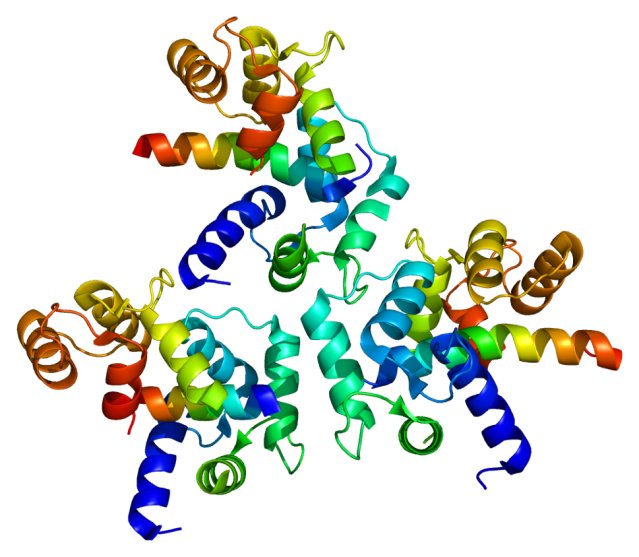
Protein_CACNA1C_PDB_2be6
Structure of the CACNA1C gene product, a calcium channel named Cav1.2, which is one of 4 genes that has now been found to be genetically held in common amongst schizophrenia, bipolar disorder, autism, major depression and attention deficit hyperactivity disoder. Groundbreaking work on the role of this protein on anxiety and other forms of behavior related to mental illness has previously been established in the Rajadhyaksha laboratory at Weill Cornell Medical Center.
http://weill.cornell.edu/research/arajadhyaksha/

http://www.ncbi.nlm.nih.gov/pmc/articles/PMC3481072/
http://www.ncbi.nlm.nih.gov/pmc/articles/PMC3192195/
http://www.ncbi.nlm.nih.gov/pmc/articles/PMC3077109/

From the New York Times:
The psychiatric illnesses seem very different — schizophrenia, bipolar disorder, autism, major depression and attention deficit hyperactivity disorder. Yet they share several genetic glitches that can nudge the brain along a path to mental illness, researchers report. Which disease, if any, develops is thought to depend on other genetic or environmental factors.

Their study, published online Wednesday in the Lancet, was based on an examination of genetic data from more than 60,000 people worldwide. Its authors say it is the largest genetic study yet of psychiatric disorders. The findings strengthen an emerging view of mental illness that aims to make diagnoses based on the genetic aberrations underlying diseases instead of on the disease symptoms.

Two of the aberrations discovered in the new study were in genes used in a major signaling system in the brain, giving clues to processes that might go awry and suggestions of how to treat the diseases.

“What we identified here is probably just the tip of an iceberg,” said Dr. Jordan Smoller, lead author of the paper and a professor of psychiatry at Harvard Medical School and Massachusetts General Hospital. “As these studies grow we expect to find additional genes that might overlap.”

The new study does not mean that the genetics of psychiatric disorders are simple. Researchers say there seem to be hundreds of genes involved and the gene variations discovered in the new study confer only a small risk of psychiatric disease.

Steven McCarroll, director of genetics for the Stanley Center for Psychiatric Research at the Broad Institute of Harvard and M.I.T., said it was significant that the researchers had found common genetic factors that pointed to a specific signaling system.

“It is very important that these were not just random hits on the dartboard of the genome,” said Dr. McCarroll, who was not involved in the new study.

The work began in 2007 when a large group of researchers began investigating genetic data generated by studies in 19 countries and including 33,332 people with psychiatric illnesses and 27,888 people free of the illnesses for comparison. The researchers studied scans of people’s DNA, looking for variations in any of several million places along the long stretch of genetic material containing three billion DNA letters. The question: Did people with psychiatric illnesses tend to have a distinctive DNA pattern in any of those locations?

Researchers had already seen some clues of overlapping genetic effects in identical twins. One twin might have schizophrenia while the other had bipolar disorder. About six years ago, around the time the new study began, researchers had examined the genes of a few rare families in which psychiatric disorders seemed especially prevalent. They found a few unusual disruptions of chromosomes that were linked to psychiatric illnesses. But what surprised them was that while one person with the aberration might get one disorder, a relative with the same mutation got a different one.

Jonathan Sebat, chief of the Beyster Center for Molecular Genomics of Neuropsychiatric Diseases at the University of California, San Diego, and one of the discoverers of this effect, said that work on these rare genetic aberrations had opened his eyes. “Two different diagnoses can have the same genetic risk factor,” he said.

In fact, the new paper reports, distinguishing psychiatric diseases by their symptoms has long been difficult. Autism, for example, was once called childhood schizophrenia. It was not until the 1970s that autism was distinguished as a separate disorder.

But Dr. Sebat, who did not work on the new study, said that until now it was not clear whether the rare families he and others had studied were an exception or whether they were pointing to a rule about multiple disorders arising from a single genetic glitch.

“No one had systematically looked at the common variations,” in DNA, he said. “We didn’t know if this was particularly true for rare mutations or if it would be true for all genetic risk.” The new study, he said, “shows all genetic risk is of this nature.”

The new study found four DNA regions that conferred a small risk of psychiatric disorders. For two of them, it is not clear what genes are involved or what they do, Dr. Smoller said. The other two, though, involve genes that are part of calcium channels, which are used when neurons send signals in the brain.

“The calcium channel findings suggest that perhaps — and this is a big if — treatments to affect calcium channel functioning might have effects across a range of disorders,” Dr. Smoller said.

There are drugs on the market that block calcium channels — they are used to treat high blood pressure — and researchers had already postulated that they might be useful for bipolar disorder even before the current findings.

One investigator, Dr. Roy Perlis of Massachusetts General Hospital, just completed a small study of a calcium channel blocker in 10 people with bipolar disorder and is about to expand it to a large randomized clinical trial. He also wants to study the drug in people with schizophrenia, in light of the new findings. He cautions, though, that people should not rush out to take a calcium channel blocker on their own.

“We need to be sure it is safe and we need to be sure it works,” Dr. Perlis said.

Researchers look down a different path for new antidepressants

hippneuron-640x447

As a teenager growing up in New Mexico, Zach Weinberg had the same thing for breakfast every day of high school. Next to his tortilla and cream cheese, which he insists is delicious, was a small, round, yellow pill – an antidepressant called Lexapro. By his senior year, the only thing different was the color of his pill, now a shiny white. This one was Wellbutrin. He’d traded one antidepressant for another. If the pills work, they certainly don’t work for long. Now, at age 23, he’s frustrated at still having to play around with different drug combinations and doses.

The odds are that you know someone in the same situation. According to the National Institutes of Health, approximately one in 10 men and one in four women in the U.S. will suffer from depression at some point in their lives. Clinical depression can come at any time, lasting anywhere from months to years, and is characterized by low self-esteem and a loss of interest in things that were once enjoyable.

Along with various forms of therapy, antidepressant drugs are the most effective treatment. But even when they work, they come with side effects – such as weight gain and trouble sleeping – that can make the symptoms of depression worse. So for people like Weinberg, choosing between one kind of antidepressant and another isn’t really much of a choice.

But that may be changing. New insights into how traditional antidepressants – including the wildly popular SSRIs, or selective serotonin reuptake inhibitor, drugs like Prozac, Paxil and Lexapro – work inside the brain are stimulating the development of a new generation of medications that may work faster and more effectively.

Contrary to what their developers originally thought, many antidepressants have a surprising, indirect way of altering brain chemistry: by stimulating the growth of new neurons and protecting those neurons from dying. “The SSRI hypothesis is really falling apart,” says Paul Currie, a neuroscientist at Reed College in Portland, Ore. He explains that these new ideas have researchers trying something a little different to treat depression.

SSRIs work by manipulating serotonin, one of the most important chemical messengers in the brain. Serotonin is at least partly responsible for everything from eating disorders to the pretty colors and patterns people see while on psychedelic drugs.

When serotonin is released from one neuron and picked up by another in the course of transmitting a message between them, some is taken back up into the original neuron. By blocking this mechanism, SSRIs force more serotonin to circulate in the system, supposedly reducing feelings of depression.

Similar drugs use the same reuptake-blocking technique with other neurotransmitters, usually dopamine and norepinephrine. The success of drugs that target this system provides the basis of the monoamine hypothesis of depression – the idea that depression is a result of a chemical imbalance. That’s why decades of research have been aimed at balancing out our monoamine neurotransmitters, including serotonin.

But it takes a week or two for antidepressants to have any noticeable effect, suggesting that it’s not that immediate boost in serotonin that’s making people feel better. Recently, studies have suggested a different explanation: using antidepressants seems to correlate with having more new neurons in the hippocampus, an area of the brain responsible for many memory processes. Those suffering from depression tend to lose neurons in their hippocampi, so researchers have started to think that the effectiveness of monoamine drugs actually comes from their repairing of damaged brain areas.

Rene Hen is one of those curious researchers. A neuroscientist at Columbia University, Hen used radiation to block neurogenesis – the process of growing, repairing, and protecting new neurons – in mice. Later, when given antidepressants, these mice still showed signs of anxiety and depression, unlike the mice that were generating new neurons. This suggested that neurogenesis is actually essential for antidepressants to have any effect. Instead of waiting for the slower, indirect effect on neurogenesis patients get from SSRIs, researchers are now experimenting with drugs that take more direct routes to stimulate neuron growth.

“If you don’t have to do it through the back door, then absolutely that’s the way to go,” says Reed’s Currie. The aim now is to nail down the indirect effect that Hen identified and make it as direct as possible.

And the first drugs specifically targeting neurogenesis for all sorts of disorders, including depression, are starting to appear. In 2010, Andrew Pieper, a psychiatrist at the University of Iowa, ran a massive screening test on 1,000 small molecules. He discovered eight that had positive effects on neurogenesis in the hippocampus. He picked one, called P7C3, and ran with it. When given to mice that lacked a gene necessary for neurogenesis, P7C3 helped them create new neurons and keep them alive.

“There’s a huge unmet need for treatments that block cell death,” Pieper says. And the hope is that treatments for depression derived from P7C3 will work faster, better, and with fewer side effects than SSRIs. Although Peiper and his team have only tested P7C3 on mice, he’s optimistic about its effects in humans and is on the hunt for a commercial partner to develop it.

Neuralstem Inc., a Maryland-based pharmaceutical company, has just announced that their first round of human clinical testing on a similar drug was successful. Their drug, NSI-189, targets neurogenesis in the hippocampus by actually creating new neurons and has been successful in animal models, but these are the first tests in humans.

Despite the early success of these treatments, other scientists are concerned that a drug targeting neurogenesis might be meddling with that system prematurely. “I’m a little worried that, again, we have an oversimplified model,” Currie says. It’s like stirring up a bowl of soup, he continues, “without any thought as to what makes it taste good.”

Brian Luikart at Dartmouth College’s Geisel School of Medicine agrees. “One possibility,” he says, “is that there are global changes in the brain that enhance neurogenesis in the hippocampus.” If that’s true, then more neurogenesis could just be one of many effects of SSRIs without being the key to their success. Although the links between neurogenesis and antidepressants are well established, there is still no evidence to suggest that solely enhancing neurogenesis can help fight depression in humans. “Increasing neurogenesis does not increase happiness,” he says.

Luikart also worries that, while a neurogenesis drug may have fewer side effects, the ones it does have could be even more damaging – especially for cancer patients. A drug that keeps neurons alive could potentially do the same to tumor cells.

But Pieper says he hasn’t seen any negative effects. Neuralstem also says there haven’t been any health concerns in their trials. And even if there are side effects like those Luikart is worried about, it might be worth the risk for those with severe depression.

Neurogenesis drugs are still years from being commercially available, however. Pieper’s is still in pre-clinical testing, and Neuralstem’s, while farther along, is still years away from patients. Until then, Zach Weinberg and the rest of us are just going to have to stick with our reuptake inhibitors and cream cheese tortillas.

Shiny happy neurons

Bullying by Childhood Peers Leaves a Trace That Can Change the Expression of a Gene Linked to Mood

bull

A recent study by a researcher at the Centre for Studies on Human Stress (CSHS) at the Hôpital Louis-H. Lafontaine and professor at the Université de Montréal suggests that bullying by peers changes the structure surrounding a gene involved in regulating mood, making victims more vulnerable to mental health problems as they age.

The study published in the journal Psychological Medicine seeks to better understand the mechanisms that explain how difficult experiences disrupt our response to stressful situations. “Many people think that our genes are immutable; however this study suggests that environment, even the social environment, can affect their functioning. This is particularly the case for victimization experiences in childhood, which change not only our stress response but also the functioning of genes involved in mood regulation,” says Isabelle Ouellet-Morin, lead author of the study.

A previous study by Ouellet-Morin, conducted at the Institute of Psychiatry in London (UK), showed that bullied children secrete less cortisol — the stress hormone — but had more problems with social interaction and aggressive behaviour. The present study indicates that the reduction of cortisol, which occurs around the age of 12, is preceded two years earlier by a change in the structure surrounding a gene (SERT) that regulates serotonin, a neurotransmitter involved in mood regulation and depression.

To achieve these results, 28 pairs of identical twins with a mean age of 10 years were analyzed separately according to their experiences of bullying by peers: one twin had been bullied at school while the other had not. “Since they were identical twins living in the same conditions, changes in the chemical structure surrounding the gene cannot be explained by genetics or family environment. Our results suggest that victimization experiences are the source of these changes,” says Ouellet-Morin. According to the author, it would now be worthwhile to evaluate the possibility of reversing these psychological effects, in particular, through interventions at school and support for victims.

Journal Reference:

1.I. Ouellet-Morin, C. C. Y. Wong, A. Danese, C. M. Pariante, A. S. Papadopoulos, J. Mill, L. Arseneault. Increased serotonin transporter gene (SERT) DNA methylation is associated with bullying victimization and blunted cortisol response to stress in childhood: a longitudinal study of discordant monozygotic twins. Psychological Medicine, 2012; DOI: 10.1017/S0033291712002784

http://www.sciencedaily.com/releases/2012/12/121218081615.htm

How gender stereotypes warp our view of depression

74583142depressioncrop

Stereotypes about male and female roles may influence the way we perceive depressed people.

It’s a well-known fact that men and women who behave the same way in the exact same situation—whether it’s a job interview, a cocktail party, or a traffic stop—are sometimes perceived and treated differently based on their gender.

Something similar, it seems, may happen when men and women start to show signs of depression. A new study, published this week in the journal PLoS ONE, suggests that people of both sexes are less likely to view men as being depressed and in need of professional help—even if a man’s symptoms are identical to a woman’s.

“A lot of attention has been paid to depression in women, and with good reason: Depression is twice as common in women,” says Dr. James B. Potash, the editor of the study and a professor of psychiatry at the University of Iowa, in Iowa City. “There has been relatively little focus on education about depression in men. This [study] emphasizes the importance of figuring out how to get through to men that depression can be disabling and treatment is important.”

Health.com: 12 Signs of Depression in Men

In the study, researchers in the U.K. asked a group of about 600 adults to read a short description of a hypothetical depressed person. This vignette, which was designed to illustrate the diagnostic criteria for clinical depression (also known as major depression), read in part:

For the past two weeks, Kate has been feeling really down. She wakes up in the morning with a flat, heavy feeling that sticks with her all day. She isn’t enjoying things the way she normally would. In fact, nothing gives her pleasure. Even when good things happen, they don’t seem to make Kate happy.

Fifty-seven percent of the study participants recognized Kate’s symptoms—which also included difficulty concentrating, fatigue, and insomnia—as indications of a mental health disorder, and more than three-quarters of those people correctly identified the disorder as depression. Only 10% of the respondents said Kate did not have a problem.

The researchers presented the same vignette to another group of 600 people. This time, however, every mention of “Kate” was replaced by “Jack,” and all the pronouns were switched from female to male. Those minor changes had a noticeable effect: Though nearly as many people recognized Jack as having a mental health problem (52%), more than twice as many as in the Kate scenario said he did not (21%).

In addition, men themselves were less likely than women to label Jack depressed—a pattern that was not seen with Kate.

Health.com: How to Help Someone Who’s Depressed

Why the difference? Male stereotypes that emphasize traits such as toughness and strength may dissuade both women and men, and especially the latter, from identifying or acknowledging the signs of depression in men, says study author Viren Swami.

“Men are expected to be strong, deny pain and vulnerability, and conceal any emotional fragility,” says Swami, a psychologist at the University of Westminster, in London. “Because of these societal expectations, men appear to have poorer understanding of mental health and aren’t as good at detecting symptoms of depression compared with women.”

Potash says the findings also may reflect the fact that women are generally more attuned to emotions and better at articulating them. Some men might have all the outward signs of depression, and yet when asked about their mood they “may not be able to say much more than ‘I don’t know,’” he says. “A substantial minority of men just don’t describe depression.”

Health.com: 10 Careers With High Rates of Depression

On a deeper level, men’s failure to recognize the symptoms of depression in a fellow male may represent a kind of defense mechanism prompted by an “unconscious identification” with that man, says Dr. Radu Saveanu, a professor of psychiatry at the University of Miami Miller School of Medicine.

“They may think, ‘If this guy is having trouble and may need treatment, I may be in the same position someday,’” says Saveanu, who was not involved in the study. “That anxiety distorts the ability to be more objective.”

All of these dynamics may affect the likelihood of seeking or recommending treatment. In the study, men were more likely than women to recommend that Kate seek professional help, but this gap disappeared in the Jack scenario. Men also expressed less sympathy for Jack than women did.

The reluctance to seek treatment isn’t unique to men, but it does reflect an independent-minded streak that is more common among males, Potash says. Men tend to think that pulling themselves out of depression is “something they ought to be able to do,” he says. “It’s the stereotype of men who never ask for directions. They won’t admit that they can’t take care of it themselves.”

Health.com: Depressed? 12 Mental Tricks to Turn It Around

Gender, of course, isn’t the only factor that shapes how we view depression symptoms. Swami also found that respondents of either sex who held negative attitudes towards psychiatry and science felt that both Kate and Jack’s symptoms were less distressing, more difficult to treat, and less worthy of sympathy or professional help.

Swami took these trends into account, but he can’t rule out that other factors might have influenced the gender differences seen in the study. The participants’ own mental health history was unknown, for instance, though Swami says previous diagnoses do not tend to impact “mental health literacy,” or how well people understand mental health issues.

Future research will need to address these limitations, he says.

Read more: http://healthland.time.com/2012/11/15/how-gender-stereotypes-warp-our-view-of-depression/#ixzz2Es26tBvB