R.I.P. Frederick Sanger, Two-Time Nobel-Winning Scientist, died yesterday at age of 95

sanger

By DENISE GELLENE

Frederick Sanger, a British biochemist whose discoveries about the chemistry of life led to the decoding of the human genome and to the development of new drugs like human growth hormone and earned him two Nobel Prizes, a distinction held by only three other scientists, died on Tuesday in Cambridge, England. He was 95.

His death was confirmed by Adrian Penrose, communications manager at the Medical Research Council in Cambridge. Dr. Sanger, who died at Addenbrooke’s Hospital in Cambridge, had lived in a nearby village called Swaffham Bulbeck.

Dr. Sanger won his first Nobel Prize, in chemistry, in 1958 for showing how amino acids link together to form insulin, a discovery that gave scientists the tools to analyze any protein in the body.

In 1980 he received his second Nobel, also in chemistry, for inventing a method of “reading” the molecular letters that make up the genetic code. This discovery was crucial to the development of biotechnology drugs and provided the basic tool kit for decoding the entire human genome two decades later.

Dr. Sanger spent his entire career working in a laboratory, which is unusual for someone of his stature. Long after receiving his first Nobel, he continued to perform many experiments himself instead of assigning them to a junior researcher, as is typical in modern science labs. But Dr. Sanger said he was not particularly adept at coming up with experiments for others to do, and had little aptitude for administration or teaching.

“I was in a position to do more or less what I liked, and that was doing research,” he said.

Frederick Sanger was born on Aug. 3, 1918, in Rendcomb, England, where his father was a physician. He expected to follow his father into medicine, but after studying biochemistry at Cambridge University, he decided to become a scientist. His father, he said in a 1988 interview, “led a scrappy sort of life” in which he was “always going from one patient to another.”

“I felt I would be much more interested in and much better at something where I could really work on a problem,” he said.

He received his bachelor’s degree in 1939. Raised as a Quaker, he was a conscientious objector during World War II and remained at Cambridge to work on his doctorate, which he received in 1943.

However, later in life, lacking hard evidence to support his religious beliefs, he became an agnostic.

“In science, you have to be so careful about truth,” he said. “You are studying truth and have to prove everything. I found that it was difficult to believe all the things associated with religion.”

Dr. Sanger stayed on at Cambridge and soon became immersed in the study of proteins. When he started his work, scientists knew that proteins were chains of amino acids, fitted together like a child’s colorful snap-bead toy. But there are 22 different amino acids, and scientists had no way of determining the sequence of these amino acid “beads” along the chains.
In 1962, Dr. Sanger moved to the British Medical Research Council Laboratory of Molecular Biology, where he was surrounded by scientists studying deoxyribonucleic acid, or DNA, the master chemical of heredity.

Scientists knew that DNA, like proteins, had a chainlike structure. The challenge was to determine the order of adenine, thymine, guanine and cytosine — the chemical bases from which DNA is made. These bases, which are represented by the letters A, T, G and C, spell out the genetic code for all living things.

Dr. Sanger decided to study insulin, a protein that was readily available in a purified form since it is used to treat diabetes. His choice of insulin turned out to be a lucky one — with 51 amino acids, insulin has a relatively simple structure. Nonetheless, it took him 10 years to unlock its chemical sequence.

His approach, which he called the “jigsaw puzzle method,” involved breaking insulin into manageable chunks for analysis and then using his knowledge of chemical bonds to fit the pieces back together. Using this technique, scientists went on to determine the sequences of other proteins. Dr. Sanger received the Nobel just four years after he published his results in 1954.

Dr. Sanger quickly discovered that his jigsaw method was too cumbersome for large pieces of DNA, which contain many thousands of letters. “For a while I didn’t see any hope of doing it, though I knew it was an important problem,” he said.

But he persisted, developing a more efficient approach that allowed stretches of 500 to 800 letters to be read at a time. His technique, known as the Sanger method, increased by a thousand times the rate at which scientists could sequence DNA.

In 1977, Dr. Sanger decoded the complete genome of a virus that had more than 5,000 letters. It was the first time the DNA of an entire organism had been sequenced. He went on to decode the 16,000 letters of mitochondria, the energy factories in cells.

Because the Sanger method lends itself to computer automation, it has allowed scientists to unravel ever more complicated genomes — including, in 2003, the three billion letters of the human genetic code, giving scientists greater ability to distinguish between normal and abnormal genes.

In addition, Dr. Sanger’s discoveries were critical to the development of biotechnology drugs, like human growth hormone and clotting factors for hemophilia, which are produced by tiny, genetically modified organisms.

Dr. Sanger shared the 1980 chemistry Nobel with two other scientists: Paul Berg, who determined how to transfer genetic material from one organism to another, and Walter Gilbert, who, independently of Dr. Sanger, also developed a technique to sequence DNA. Because of its relative simplicity, the Sanger method became the dominant approach.

Other scientists who have received two Nobels are John Bardeen for physics (1956 and 1972), Marie Curie for physics (1903) and chemistry (1911), and Linus Pauling for chemistry (1954) and peace (1962).

Dr. Sanger received the Albert Lasker Basic Medical Research Award, often a forerunner to the Nobel, in 1979 for his work on DNA. He retired from the British Medical Research Council in 1983.

Survivors include two sons, Robin and Peter, and a daughter, Sally.

In a 2001 interview, Dr. Sanger spoke about the challenge of winning two Nobel Prizes.

“It’s much more difficult to get the first prize than to get the second one,” he said, “because if you’ve already got a prize, then you can get facilities for work and you can get collaborators, and everything is much easier.”


Litterbugs Beware: Turning Found DNA Into Portraits

_sample2_face_web

sample4-4

_sample4_face_web

sample6-0

Heather Dewey-Hagborg was sitting in a therapy session a while ago and noticed a painting on the wall. The glass on the frame was cracked, and lodged in the crack was a single hair. She couldn’t take her eyes off it. “I just became obsessed with thinking about whose hair that was, and what they might look like, and what they might be like,” she says.

On the subway ride home, she noticed all of the insignificant things people left behind — a dropped cigarette butt, a chewed-up piece of gum. Like the hair stuck in the frame, she wondered how much genetic material might have been tossed away with the trash. So Dewey-Hagborg started collecting these forgotten “artifacts,” as she calls them, and bringing them back to a lab to analyze their embedded genetic material.

Yet it might seem Dewey-Hagborg would be more comfortable in a studio than a laboratory. She’s an artist; a doctoral student in Information Art at Rensselaer Polytechnic Institute in Troy, N.Y. For her most recent project, though, much of the creative process takes place in front of a centrifuge, wearing latex gloves, deep in the map of the human genome.

In short, Dewey-Hagborg extracts DNA from these samples of trash and turns that information from code into life-sized 3-D facial portraits resembling the person who left the sample behind. She can code for eye color, eye and nose width, skin tone, hair color and more. She starts by cutting up her sample, sometimes the end of a cigarette, thin slices of a chewed wad of gum, sometimes hair, and incubates the sample with chemicals to distill it into pure DNA. She then takes that DNA, and matches the code with different traits on the genome related to the way human faces look.

“That’s a very tiny subset of all of the things that we know about the entire mapping of the human genome, ” she says.

Next, she sends the DNA to a sequencing company that sends her back a text file full of A, C, Ts and Gs — the four nucleic acid bases that DNA is made out of. She then reads that information in a program she designed herself, translating the code into traits, then using those traits to build a 3-D model of a face. Dewey-Hagborg can determine ethnicity, gender, even a tendency to be overweight.

But even all of that can’t give her the whole picture. Much of the information is still missing, and Dewey-Hagborg has to fill in the gaps. She compares that part of the work to a sketch artist. “This person is more likely to be overweight, to have pale skin, to have freckles, blue eyes, how do I interpret this?”

People often ask her how accurate the portraits are. Of course, she has no way of knowing. After all, she collects these items from anonymous sources. But she did start off with her own portrait based on her own DNA. She exhibited that at an art and technology space in Chelsea.

“Half of the people would say, ‘Wow! It looks just like you!'” she says. “The other half would say, ‘Wow! It looks nothing like you!” The portraits are subjective in a big way, she acknowledges, but says much of the information is solidly based in data.

Though she started this project in part to “open up the conversation about genetic surveillance,” she says, it’s taken on another purpose. Right now she’s working with the Delaware medical examiner’s office to try to identify a woman in a 20-year-old unsolved case by using some of the victim’s remains to build a 3-D portrait of her. She’s six weeks away from finishing the process, when investigators will, for the first time, have some idea of what the victim looked like before her death.

http://www.npr.org/2013/05/12/183363361/litterbugs-beware-turning-found-dna-into-portraits

Thanks to Dr. Lutter for bringing this to the attention of the It’s Interesting community.

Life quite possibly existed before Earth, claim scientists

origins+of+life

Life existed long before Earth came into being, and may have originated outside our solar system, scientists claim.

Researchers say life first appeared about 10 billion years ago – long before Earth, which is believed to be 4.5 billion years old. Geneticists have applied Moore’s Law – observation that computers increase exponentially in complexity, at a rate of about double the transistors per integrated circuit every two years – to the rate at which life on Earth grows in complexity.

Alexei Sharov of the National Institute on Ageing in Baltimore, and Richard Gordon of the Gulf Specimen Marine Laboratory in Florida, replaced the transistors with nucleotides – the building blocks of DNA and RNA – and the circuits with genetic material. Their findings suggest life first appeared about 10 billion years ago, far older than the Earth’s projected age of 4.5 billion years. Like in the 2012 sci-fi movie Prometheus, as our solar system was forming, pre-existing bacteria-like organisms, or even simple nucleotides from an older part of the galaxy, could have reached Earth by hitching an interstellar ride on comets, asteroids or other inorganic space debris.

However, the calculations are not a scientific proof that life predates Earth – there’s no way of knowing for sure that organic complexity increased at a steady rate at any point in the universe’s history.

“There are lots of hypothetical elements to (our argument) … But to make a wider view, you need some hypothetical elements,” Sharov said.

Sharov said that if he had to bet on it, he’d say “it’s 99 per cent true that life started before Earth – but we should leave one per cent for some wild chance that we haven’t accounted for.”

The theory of “life before Earth,” if found true, challenges the long-held science-fiction trope of the scientifically advanced alien species. If genetic complexity progresses at a steady rate, then the social and scientific development of any other alien life form in the Milky Way galaxy would be roughly equivalent to those of humans, the report said.

“Contamination with bacterial spores from space appears the most plausible hypothesis that explains the early appearance of life on Earth,” researchers said.

http://www.phenomenica.com/2013/04/life-did-exist-before-earth-claim-scientists.html

Children with older fathers and grandfathers live longer

_60819372_fatherandbabyspl

Delaying fatherhood may offer survival advantages, say US scientists who have found children with older fathers and grandfathers appear to be “genetically programmed” to live longer.

The genetic make-up of sperm changes as a man ages and develops DNA code that favours a longer life – a trait he then passes to his children. The team found the link after analysing the DNA of 1,779 young adults. Their work appears in Proceedings of the National Academy of Sciences.

Experts have known for some time that lifespan is linked to the length of structures known as telomeres that sit at the end of the chromosomes that house our genetic code, DNA. Generally, a shorter telomere length means a shorter life expectancy. Like the plastic tips on shoelaces, telomeres protect chromosomal ends from damage. But in most cells, they shorten with age until the cells are no longer able to replicate.

However, scientists have discovered that in sperm, telomeres lengthen with age. And since men pass on their DNA to their children via sperm, these long telomeres can be inherited by the next generation. Dr Dan Eisenberg and colleagues from the Department of Anthropology at Northwestern University studied telomere inheritance in a group of young people living in the Philippines.

Telomeres, measured in blood samples, were longer in individuals whose fathers were older when they were born. The telomere lengthening seen with each year that the men delayed fatherhood was equal to the yearly shortening of telomere length that occurs in middle-aged adults. Telomere lengthening was even greater if the child’s paternal grandfather had also been older when he became a father. Although delaying fatherhood increases the risk of miscarriage, the researchers believe there may be long-term health benefits.

Inheriting longer telomeres will be particularly beneficial for tissues and biological functions that involve rapid cell growth and turnover – such as the immune system, gut and skin – the scientists believe. And it could have significant implications for general population health. “As paternal ancestors delay reproduction, longer telomere length will be passed to offspring, which could allow lifespan to be extended as populations survive to reproduce at older ages.”

Prof Thomas von Zglinicki, an expert in cellular ageing at Newcastle University, said more research was needed.

“Very few of the studies that linked telomere length to health in late life have studied the impact, if any, of paternal age. It is still completely unclear whether telomere length at conception (or birth) or rate of telomere loss with age is more important for age-related morbidity and mortality risk in humans. “The authors did not examine health status in the first generation offspring. It might be possible that the advantage of receiving long telomeres from an old father is more than offset by the disadvantage of higher levels of general DNA damage and mutations in sperm,” he said.

http://www.bbc.co.uk/news/health-18392873

Thanks to Kebmodee for bringing this to the attention of the It’s Interesting community.

Largest psychiatric genetic study in history shows a common genetic basis that underlies 5 types of mental disorders

Protein_CACNA1C_PDB_2be6
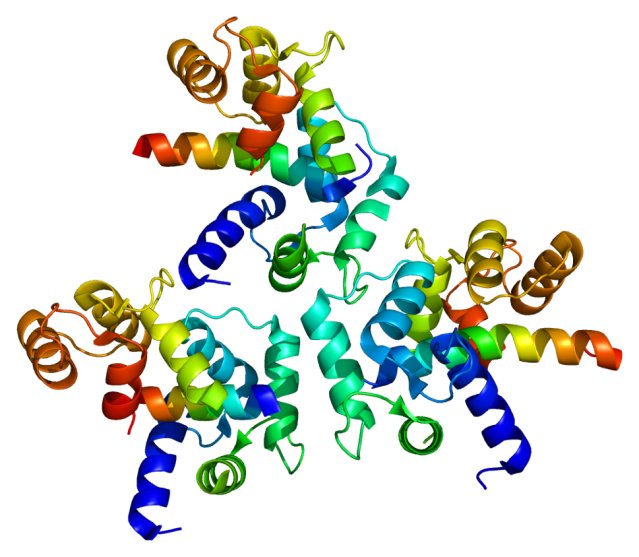
Structure of the CACNA1C gene product, a calcium channel named Cav1.2, which is one of 4 genes that has now been found to be genetically held in common amongst schizophrenia, bipolar disorder, autism, major depression and attention deficit hyperactivity disoder. Groundbreaking work on the role of this protein on anxiety and other forms of behavior related to mental illness has previously been established in the Rajadhyaksha laboratory at Weill Cornell Medical Center.
http://weill.cornell.edu/research/arajadhyaksha/

http://www.ncbi.nlm.nih.gov/pmc/articles/PMC3481072/
http://www.ncbi.nlm.nih.gov/pmc/articles/PMC3192195/
http://www.ncbi.nlm.nih.gov/pmc/articles/PMC3077109/

From the New York Times:
The psychiatric illnesses seem very different — schizophrenia, bipolar disorder, autism, major depression and attention deficit hyperactivity disorder. Yet they share several genetic glitches that can nudge the brain along a path to mental illness, researchers report. Which disease, if any, develops is thought to depend on other genetic or environmental factors.

Their study, published online Wednesday in the Lancet, was based on an examination of genetic data from more than 60,000 people worldwide. Its authors say it is the largest genetic study yet of psychiatric disorders. The findings strengthen an emerging view of mental illness that aims to make diagnoses based on the genetic aberrations underlying diseases instead of on the disease symptoms.

Two of the aberrations discovered in the new study were in genes used in a major signaling system in the brain, giving clues to processes that might go awry and suggestions of how to treat the diseases.

“What we identified here is probably just the tip of an iceberg,” said Dr. Jordan Smoller, lead author of the paper and a professor of psychiatry at Harvard Medical School and Massachusetts General Hospital. “As these studies grow we expect to find additional genes that might overlap.”

The new study does not mean that the genetics of psychiatric disorders are simple. Researchers say there seem to be hundreds of genes involved and the gene variations discovered in the new study confer only a small risk of psychiatric disease.

Steven McCarroll, director of genetics for the Stanley Center for Psychiatric Research at the Broad Institute of Harvard and M.I.T., said it was significant that the researchers had found common genetic factors that pointed to a specific signaling system.

“It is very important that these were not just random hits on the dartboard of the genome,” said Dr. McCarroll, who was not involved in the new study.

The work began in 2007 when a large group of researchers began investigating genetic data generated by studies in 19 countries and including 33,332 people with psychiatric illnesses and 27,888 people free of the illnesses for comparison. The researchers studied scans of people’s DNA, looking for variations in any of several million places along the long stretch of genetic material containing three billion DNA letters. The question: Did people with psychiatric illnesses tend to have a distinctive DNA pattern in any of those locations?

Researchers had already seen some clues of overlapping genetic effects in identical twins. One twin might have schizophrenia while the other had bipolar disorder. About six years ago, around the time the new study began, researchers had examined the genes of a few rare families in which psychiatric disorders seemed especially prevalent. They found a few unusual disruptions of chromosomes that were linked to psychiatric illnesses. But what surprised them was that while one person with the aberration might get one disorder, a relative with the same mutation got a different one.

Jonathan Sebat, chief of the Beyster Center for Molecular Genomics of Neuropsychiatric Diseases at the University of California, San Diego, and one of the discoverers of this effect, said that work on these rare genetic aberrations had opened his eyes. “Two different diagnoses can have the same genetic risk factor,” he said.

In fact, the new paper reports, distinguishing psychiatric diseases by their symptoms has long been difficult. Autism, for example, was once called childhood schizophrenia. It was not until the 1970s that autism was distinguished as a separate disorder.

But Dr. Sebat, who did not work on the new study, said that until now it was not clear whether the rare families he and others had studied were an exception or whether they were pointing to a rule about multiple disorders arising from a single genetic glitch.

“No one had systematically looked at the common variations,” in DNA, he said. “We didn’t know if this was particularly true for rare mutations or if it would be true for all genetic risk.” The new study, he said, “shows all genetic risk is of this nature.”

The new study found four DNA regions that conferred a small risk of psychiatric disorders. For two of them, it is not clear what genes are involved or what they do, Dr. Smoller said. The other two, though, involve genes that are part of calcium channels, which are used when neurons send signals in the brain.

“The calcium channel findings suggest that perhaps — and this is a big if — treatments to affect calcium channel functioning might have effects across a range of disorders,” Dr. Smoller said.

There are drugs on the market that block calcium channels — they are used to treat high blood pressure — and researchers had already postulated that they might be useful for bipolar disorder even before the current findings.

One investigator, Dr. Roy Perlis of Massachusetts General Hospital, just completed a small study of a calcium channel blocker in 10 people with bipolar disorder and is about to expand it to a large randomized clinical trial. He also wants to study the drug in people with schizophrenia, in light of the new findings. He cautions, though, that people should not rush out to take a calcium channel blocker on their own.

“We need to be sure it is safe and we need to be sure it works,” Dr. Perlis said.

DNA pioneer James Watson takes aim at “cancer establishments”

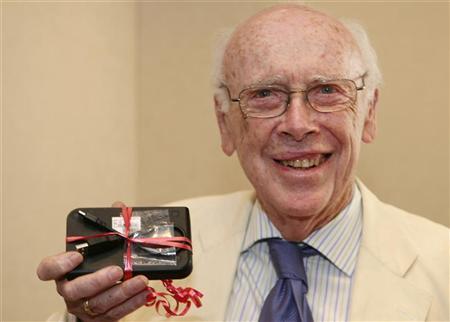
File photo of Watson receiving data encompassing his personal genome sequence in Houston

James Watson, co-discoverer of the double helix structure of DNA, lit into targets large and small. On government officials who oversee cancer research, he wrote in a paper published on Tuesday in the journal Open Biology, “We now have no general of influence, much less power … leading our country’s War on Cancer.”

On the $100 million U.S. project to determine the DNA changes that drive nine forms of cancer: It is “not likely to produce the truly breakthrough drugs that we now so desperately need,” Watson argued. On the idea that antioxidants such as those in colorful berries fight cancer: “The time has come to seriously ask whether antioxidant use much more likely causes than prevents cancer.”

That Watson’s impassioned plea came on the heels of the annual cancer report was coincidental. He worked on the paper for months, and it represents the culmination of decades of thinking about the subject. Watson, 84, taught a course on cancer at Harvard University in 1959, three years before he shared the Nobel Prize in medicine for his role in discovering the double helix, which opened the door to understanding the role of genetics in disease.

Other cancer luminaries gave Watson’s paper mixed reviews.

“There are a lot of interesting ideas in it, some of them sustainable by existing evidence, others that simply conflict with well-documented findings,” said one eminent cancer biologist who asked not to be identified so as not to offend Watson. “As is often the case, he’s stirring the pot, most likely in a very productive way.”

There is wide agreement, however, that current approaches are not yielding the progress they promised. Much of the decline in cancer mortality in the United States, for instance, reflects the fact that fewer people are smoking, not the benefits of clever new therapies.

“The great hope of the modern targeted approach was that with DNA sequencing we would be able to find what specific genes, when mutated, caused each cancer,” said molecular biologist Mark Ptashne of Memorial Sloan-Kettering Cancer Center in New York. The next step was to design a drug to block the runaway proliferation the mutation caused.

But almost none of the resulting treatments cures cancer. “These new therapies work for just a few months,” Watson told Reuters in a rare interview. “And we have nothing for major cancers such as the lung, colon and breast that have become metastatic.”

The main reason drugs that target genetic glitches are not cures is that cancer cells have a work-around. If one biochemical pathway to growth and proliferation is blocked by a drug such as AstraZeneca’s Iressa or Genentech’s Tarceva for non-small-cell lung cancer, said cancer biologist Robert Weinberg of MIT, the cancer cells activate a different, equally effective pathway.

That is why Watson advocates a different approach: targeting features that all cancer cells, especially those in metastatic cancers, have in common.

One such commonality is oxygen radicals. Those forms of oxygen rip apart other components of cells, such as DNA. That is why antioxidants, which have become near-ubiquitous additives in grocery foods from snack bars to soda, are thought to be healthful: they mop up damaging oxygen radicals.

That simple picture becomes more complicated, however, once cancer is present. Radiation therapy and many chemotherapies kill cancer cells by generating oxygen radicals, which trigger cell suicide. If a cancer patient is binging on berries and other antioxidants, it can actually keep therapies from working, Watson proposed.

“Everyone thought antioxidants were great,” he said. “But I’m saying they can prevent us from killing cancer cells.”

Research backs him up. A number of studies have shown that taking antioxidants such as vitamin E do not reduce the risk of cancer but can actually increase it, and can even shorten life. But drugs that block antioxidants – “anti-antioxidants” – might make even existing cancer drugs more effective.

Anything that keeps cancer cells full of oxygen radicals “is likely an important component of any effective treatment,” said cancer biologist Robert Benezra of Sloan-Kettering.

Watson’s anti-antioxidant stance includes one historical irony. The first high-profile proponent of eating lots of antioxidants (specifically, vitamin C) was biochemist Linus Pauling, who died in 1994 at age 93. Watson and his lab mate, Francis Crick, famously beat Pauling to the discovery of the double helix in 1953.

One elusive but promising target, Watson said, is a protein in cells called Myc. It controls more than 1,000 other molecules inside cells, including many involved in cancer. Studies suggest that turning off Myc causes cancer cells to self-destruct in a process called apoptosis.

“The notion that targeting Myc will cure cancer has been around for a long time,” said cancer biologist Hans-Guido Wendel of Sloan-Kettering. “Blocking production of Myc is an interesting line of investigation. I think there’s promise in that.”

Targeting Myc, however, has been a backwater of drug development. “Personalized medicine” that targets a patient’s specific cancer-causing mutation attracts the lion’s share of research dollars.

“The biggest obstacle” to a true war against cancer, Watson wrote, may be “the inherently conservative nature of today’s cancer research establishments.” As long as that’s so, “curing cancer will always be 10 or 20 years away.”

http://www.reuters.com/article/2013/01/09/us-usa-cancer-watson-idUSBRE90805N20130109

‘Scarecrow’ Gene: Key to Efficient Crops, Could Lead to Staple Crops With Much Higher Yields

scarecrow gene
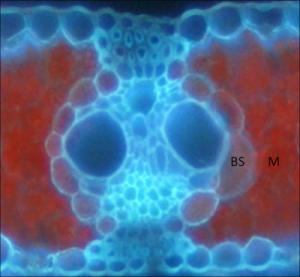
Cross section of a mature maize leaf showing Kranz (German for wreath) anatomy around a large vein. The bundle sheath cells (lighter red) encircle the vascular core (light blue). Mesophyll cells (dark red) encircle the bundle sheath cells. The interaction and cooperation between the mesophyll and bundle sheath is essential for the C4 photosynthetic mechanism. (Credit: Thomas Slewinski)

With projections of 9.5 billion people by 2050, humankind faces the challenge of feeding modern diets to additional mouths while using the same amounts of water, fertilizer and arable land as today.

Cornell researchers have taken a leap toward meeting those needs by discovering a gene that could lead to new varieties of staple crops with 50 percent higher yields.

The gene, called Scarecrow, is the first discovered to control a special leaf structure, known as Kranz anatomy, which leads to more efficient photosynthesis. Plants photosynthesize using one of two methods: C3, a less efficient, ancient method found in most plants, including wheat and rice; and C4, a more efficient adaptation employed by grasses, maize, sorghum and sugarcane that is better suited to drought, intense sunlight, heat and low nitrogen.

“Researchers have been trying to find the underlying genetics of Kranz anatomy so we can engineer it into C3 crops,” said Thomas Slewinski, lead author of a paper that appeared online in November in the journal Plant and Cell Physiology. Slewinski is a postdoctoral researcher in the lab of senior author Robert Turgeon, professor of plant biology in the College of Arts and Sciences.

The finding “provides a clue as to how this whole anatomical key is regulated,” said Turgeon. “There’s still a lot to be learned, but now the barn door is open and you are going to see people working on this Scarecrow pathway.” The promise of transferring C4 mechanisms into C3 plants has been fervently pursued and funded on a global scale for decades, he added.

If C4 photosynthesis is successfully transferred to C3 plants through genetic engineering, farmers could grow wheat and rice in hotter, dryer environments with less fertilizer, while possibly increasing yields by half, the researchers said.

C3 photosynthesis originated at a time in Earth’s history when the atmosphere had a high proportion of carbon dioxide. C4 plants have independently evolved from C3 plants some 60 times at different times and places. The C4 adaptation involves Kranz anatomy in the leaves, which includes a layer of special bundle sheath cells surrounding the veins and an outer layer of cells called mesophyll. Bundle sheath cells and mesophyll cells cooperate in a two-step version of photosynthesis, using different kinds of chloroplasts.

By looking closely at plant evolution and anatomy, Slewinski recognized that the bundle sheath cells in leaves of C4 plants were similar to endodermal cells that surrounded vascular tissue in roots and stems.

Slewinski suspected that if C4 leaves shared endodermal genes with roots and stems, the genetics that controlled those cell types may also be shared. Slewinski looked for experimental maize lines with mutant Scarecrow genes, which he knew governed endodermal cells in roots. When the researchers grew those plants, they first identified problems in the roots, then checked for abnormalities in the bundle sheath. They found that the leaves of Scarecrow mutants had abnormal and proliferated bundle sheath cells and irregular veins.

In all plants, an enzyme called RuBisCo facilitates a reaction that captures carbon dioxide from the air, the first step in producing sucrose, the energy-rich product of photosynthesis that powers the plant. But in C3 plants RuBisCo also facilitates a competing reaction with oxygen, creating a byproduct that has to be degraded, at a cost of about 30-40 percent overall efficiency. In C4 plants, carbon dioxide fixation takes place in two stages. The first step occurs in the mesophyll, and the product of this reaction is shuttled to the bundle sheath for the RuBisCo step. The RuBisCo step is very efficient because in the bundle sheath cells, the oxygen concentration is low and the carbon dioxide concentration is high. This eliminates the problem of the competing oxygen reaction, making the plant far more efficient.

The study was funded by the National Science Foundation and the U.S. Department of Agriculture.

http://www.sciencedaily.com/releases/2013/01/130124134051.htm

Dog’s dinner was key to domestication

dog

Dogs now have an excuse for waiting under the dinner table: domestication may have adapted them to thrive on the starch-filled foods that their owners eat.

A study published in Nature found that dogs possess genes for digesting starches, setting them apart from their carnivore cousins — wolves.

The authors say the results support the contentious idea that dogs became domesticated by lingering around human settlements. “While it’s possible that humans might have gone out to take wolf pups and domesticated them, it may have been more attractive for dogs to start eating from the scrap heaps as modern agriculture started,” says Kerstin Lindblad-Toh, a geneticist at Uppsala University in Sweden, who led the work.

Canine-domestication researchers agree that all dogs, from beagles to border collies, are the smaller, more sociable and less aggressive descendants of wolves. But neither the time nor the location of the first domestication is known: fossils place the earliest dogs anywhere from 33,000 years ago in Siberia to 11,000 years ago in Israel, whereas DNA studies of modern dogs put domestication at least 10,000 years ago, and in either Southeast Asia or the Middle East. Many researchers believe that dogs were domesticated more than once, and that even after domestication, they occasionally interbred with wild wolves.

Lindblad-Toh and her team catalogued the genetic changes involved in domestication by looking for differences between the genomes of 12 wolves and 60 dogs from 14 different breeds. Their search identified 36 regions of the genome that set dogs apart from wolves — but are not responsible for variation between dog breeds.

Nineteen of those regions contained genes with a role in brain development or function. These genes, says Lindblad-Toh, may explain why dogs are so much more friendly than wolves. Surprisingly, the team also found ten genes that help dogs to digest starches and break down fats. Lab work suggested that changes in three of those genes make dogs better than meat-eating wolves at splitting starches into sugars and then absorbing those sugars.

Most humans have also evolved to more easily digest starches. Lindblad-Toh suggests that the rise of farming, beginning around 10,000 years ago in the Middle East, led to the adaptations in both species. “This is a striking sign of parallel evolution,” she says. “It really shows how dogs and humans have evolved together to be able to eat starch.”

However, Greger Larson, an evolutionary archaeologist at Durham University, UK, very much doubts that genes involved in digesting starches catalysed domestication, pointing out that the earliest dog fossils predate the dawn of agriculture. His team plans to analyse DNA preserved in dog fossils, to discover when the genetic variations involved in domestication first emerged.

Robert Wayne, a geneticist at the University of California, Los Angeles, who is also studying ancient dog genomes, says that starch metabolism could have been an important adaptation for dogs. However, he thinks that such traits probably developed after behavioural changes that emerged when humans first took dogs in, back when most of our forebears still hunted large game.

Nevertheless, the study adds to evidence that dogs should not eat the same food as wolves, says Wayne, who points out that dog food is rich in carbohydrates and low in protein compared with plain meat. “Every day I get an email from a dog owner who asks, should they feed their dog like a wolf,” says Wayne. “I think this paper answers that question: no.”

http://www.nature.com/news/dog-s-dinner-was-key-to-domestication-1.12280

Thanks to Dr. Lutter for bringing this to the attention of the It’s Interesting community.

Smoking Smothers Your Genes

sn-epigenetic

Cigarettes leave you with more than a smoky scent on your clothes and fingernails. A new study has found strong evidence that tobacco use can chemically modify and affect the activity of genes known to increase the risk of developing cancer. The finding may give researchers a new tool to assess cancer risk among people who smoke.

DNA isn’t destiny. Chemical compounds that affect the functioning of genes can bind to our genetic material, turning certain genes on or off. These so-called epigenetic modifications can influence a variety of traits, such as obesity and sexual preference. Scientists have even identified specific epigenetic patterns on the genes of people who smoke. None of the modified genes has a direct link to cancer, however, making it unclear whether these chemical alterations increase the risk of developing the disease.

In the new study, published in Human Molecular Genetics, researchers analyzed epigenetic signatures in blood cells from 374 individuals enrolled in the European Prospective Investigation into Cancer and Nutrition. EPIC, as it’s known, is a massive study aimed at linking diet, lifestyle, and environmental factors to the incidence of cancer and other chronic diseases. Half of the group consisted of people who went on to develop colon or breast cancer 5 to 7 years after first joining the study, whereas the other half remained healthy.

The team, led by James Flanagan, a human geneticist at Imperial College London, discovered a distinct “epigenetic footprint” in study subjects who were smokers. Compared with people who had never smoked, these individuals had fewer chemical tags known as methyl groups—a common type of epigenetic change—on 20 different regions of their DNA. When the researchers extended the analysis to a separate group of patients and mice that had been exposed to tobacco smoke, they narrowed down the epigenetic modifications to several sites located in four genes that have been weakly linked to cancer before. All of these changes should increase the activity of these genes, Flanagan says. It’s unclear why increasing the activity of the genes would cause cancer, he says, but individuals who don’t have cancer tend not to have these modifications.

The study is the first to establish a close link between epigenetic modifications on a cancer gene and the risk of developing the disease, says Robert Philibert, a behavioral geneticist at the University of Iowa in Iowa City. “To the best of my knowledge, no previous genome-wide epigenetics study has taken such efforts from initial discovery to replication to experimental validation,” adds Lutz Breitling, an epidemiologist at the German Cancer Research Center in Heidelberg, Germany.

The work may lead to new ways to asses cancer risks from smoking. “Previous research into smoking has often asked people to fill out questionnaires, … which have their obvious drawbacks and inaccuracies,” Flanagan says. The new study, he says, may make it possible for doctors to quantify a person’s cancer risk simply through an epigenetic analysis of their DNA.

http://news.sciencemag.org/sciencenow/2012/12/smoking-smothers-your-genes.html

Thanks to Dr. Rajadhyaksha for bringing this to the attention of the It’s Interesting community.

Bullying by Childhood Peers Leaves a Trace That Can Change the Expression of a Gene Linked to Mood

bull

A recent study by a researcher at the Centre for Studies on Human Stress (CSHS) at the Hôpital Louis-H. Lafontaine and professor at the Université de Montréal suggests that bullying by peers changes the structure surrounding a gene involved in regulating mood, making victims more vulnerable to mental health problems as they age.

The study published in the journal Psychological Medicine seeks to better understand the mechanisms that explain how difficult experiences disrupt our response to stressful situations. “Many people think that our genes are immutable; however this study suggests that environment, even the social environment, can affect their functioning. This is particularly the case for victimization experiences in childhood, which change not only our stress response but also the functioning of genes involved in mood regulation,” says Isabelle Ouellet-Morin, lead author of the study.

A previous study by Ouellet-Morin, conducted at the Institute of Psychiatry in London (UK), showed that bullied children secrete less cortisol — the stress hormone — but had more problems with social interaction and aggressive behaviour. The present study indicates that the reduction of cortisol, which occurs around the age of 12, is preceded two years earlier by a change in the structure surrounding a gene (SERT) that regulates serotonin, a neurotransmitter involved in mood regulation and depression.

To achieve these results, 28 pairs of identical twins with a mean age of 10 years were analyzed separately according to their experiences of bullying by peers: one twin had been bullied at school while the other had not. “Since they were identical twins living in the same conditions, changes in the chemical structure surrounding the gene cannot be explained by genetics or family environment. Our results suggest that victimization experiences are the source of these changes,” says Ouellet-Morin. According to the author, it would now be worthwhile to evaluate the possibility of reversing these psychological effects, in particular, through interventions at school and support for victims.

Journal Reference:

1.I. Ouellet-Morin, C. C. Y. Wong, A. Danese, C. M. Pariante, A. S. Papadopoulos, J. Mill, L. Arseneault. Increased serotonin transporter gene (SERT) DNA methylation is associated with bullying victimization and blunted cortisol response to stress in childhood: a longitudinal study of discordant monozygotic twins. Psychological Medicine, 2012; DOI: 10.1017/S0033291712002784

http://www.sciencedaily.com/releases/2012/12/121218081615.htm