Study Finds Pedophiles’ Brains Wired to Find Children Attractive

Pedophiles’ brains are “abnormally tuned” to find young children attractive, according to a new study published this week. The research, led by Jorge Ponseti at Germany’s University of Kiel, means that it may be possible to diagnose pedophiles in the future before they are able to offend.

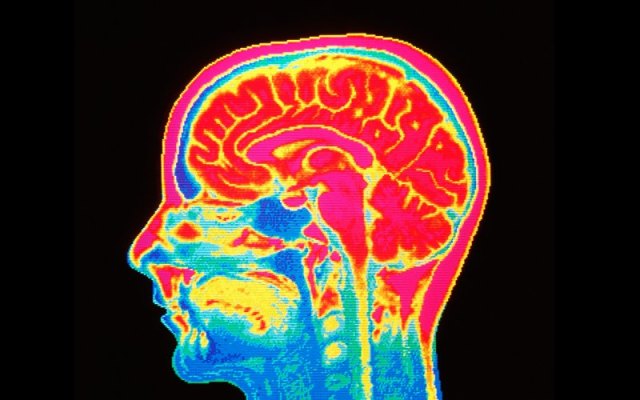
The findings, published in scientific journal Biology Letters, discovered that pedophiles have the same neurological reaction to images of those they find attractive as those of people with ordinary sexual predilections, but that all the relevant cerebral areas become engaged when they see children, as opposed to fellow adults. The occipital areas, prefrontal cortex, putamen, and nucleus caudatus become engaged whenever a person finds another attractive, but the subject of this desire is inverted for pedophiles.

While studies into the cognitive wiring of sex offenders have long been a source of debate, this latest research offers some fairly conclusive proof that there is a neural pattern behind their behavior.

The paper explains: “The human brain contains networks that are tuned to face processing, and these networks appear to activate different processing streams of the reproductive domain selectively: nurturing processing in the case of child faces and sexual processing in the case of sexually preferred adult faces. This implies that the brain extracts age-related face cues of the preferred sex that inform appropriate response selection in the reproductive domains: nurturing in the case of child faces and mating in the case of adult faces.”

Usually children’s faces elicit feelings of caregiving from both sexes, whereas those of adults provide stimuli in choosing a mate. But among pedophiles, this trend is skewed, with sexual, as opposed to nurturing, emotions burgeoning.

The study analyzed the MRI scans of 56 male participants, a group that included 13 homosexual pedophiles and 11 heterosexual pedophiles, exposing them to “high arousing” images of men, women, boys, and girls. Participants then ranked each photo for attractiveness, leading researchers to their conclusion that the brain network of pedophiles is activated by sexual immaturity.

The critical new finding is that face processing is also tuned to face cues revealing the developmental stage that is sexually preferred,” the paper reads.

Dr. James Cantor, associate professor at the University of Toronto’s Faculty of Medicine, said he was “delighted” by the study’s results. “I have previously described pedophilia as a ‘cross-wiring’ of sexual and nurturing instincts, and this data neatly verifies that interpretation.”

Cantor has undertaken extensive research into the area, previously finding that pedophiles are more likely to be left-handed, 2.3 cm shorter than the average male, and 10 to 15 IQ points lower than the norm.

He continued: “This [new] study is definitely a step in the right direction, and I hope other researchers repeat this kind of work. There still exist many contradictions among scientists’ observations, especially in identifying exactly which areas of the brain are the most central to pedophilia. Because financial support for these kinds of studies is quite small, these studies have been quite small, permitting them to achieve only incremental progress. Truly definitive studies about what in the brain causes pedophilia, what might detect it, and what might prevent it require much more significant support.”

Ponseti said that he hoped to investigate this area further by examining whether findings could be emulated when images of children’s faces are the sole ones used. This could lead to gauging a person’s predisposition to pedophilia far more simply than any means currently in place. “We could start to look at the onset of pedophilia, which is probably in puberty at about 12 or 14 years [old],” he told The Independent.

While Cantor is correct in citing the less than abundant size of the study, the research is certainly significant in providing scope for future practicable testing that could reduce the number of pedophilic crimes committed. By being able to run these tests and examine a person’s tendency toward being sexually attracted to underage children, rehabilitative care and necessary precautions could be taken to safeguard children and ensure that those at risk of committing a crime of this ilk would not be able to do so.

http://www.thedailybeast.com/articles/2014/05/23/study-finds-pedophiles-brains-wired-to-find-children-attractive.html#

New research shows molecular mechanism by which neuronal projections can regenerate after injury

The mechanisms that drive axon regeneration after central nervous system (CNS) injury or disease are proposed to recapitulate, at least in part, the developmental axon growth pathways. This hypothesis is bolstered by a new study by O’Donovan et al. showing that activation of a B-RAF kinase signaling pathway is sufficient to promote robust axon growth not only during development but also after injury.

B-RAF was previously shown to be essential for developmental axon growth but it was not known if additional signaling pathways are required. In this study, the authors demonstrate that activation of B-RAF alone is sufficient to promote sensory axon growth during development. Using a conditional B-RAF gain-of-function mouse model, the authors elegantly prove that B-RAF has a cell-autonomous role in the developmental axon growth program. Notably, activated B-RAF promoted overgrowth of embryonic sensory axons projecting centrally in the spinal cord, suggesting that this pathway may normally be quiescent in central axons.

Could activated B-RAF also enhance axon regeneration in the adult central nervous system? The authors found that activated B-RAF not only enabled sensory axon growth into the spinal cord after spinal injury, but also promoted regrowth of axons projecting in the optic nerve. Regeneration in the injured CNS is prevented by both the poor intrinsic regrowth capacity of axons and by inhibitory factors in the tissue environment. Importantly, the B-RAF–activated signaling growth program was insensitive to this repulsive environment.

Interestingly, the authors find that B-RAF synergizes with the PI3-kinase–mTOR pathway, which also functions downstream of growth factors. This opens the possibility that combinatorial approaches that integrate these two pathways may heighten regenerative capacity.

This in vivo study significantly advances the understanding of the role of MAP kinases in axon growth and suggests that reactivation of the B-RAF pathway may be exploited to promote axon regeneration in the injured central nervous system. An exciting future avenue will be to determine the downstream mechanisms controlled by B-RAF.

O’Donovan, K.J., et al. 2014. J. Exp. Med. doi:10.1084/jem.20131780.

http://jem.rupress.org/content/211/5/746.1.long

What I’ve Learned: Sol Snyder


Sol Snyder, Distinguished Service Professor of Neuroscience, Pharmacology and Psychiatry, School of Medicine

Growing up, I never had any strong interest in science. I did well in lots of things in high school. I liked reading philosophy and things like that, but being a philosopher is not a fit job for a nice Jewish boy.

This was in the mid-1950s, and many of my friends were going into engineering, preparatory to joining the then prominent military industrial complex. Others were going to be doctors, so I got the idea that maybe I’d be a psychiatrist. I didn’t have any special affinity for medicine or desire to cast out the lepers or heal mankind.

I was always reading things. My father valued education. He wasn’t a big advice giver, but he … had a lot of integrity. What was important to him was doing the right thing. And he had great respect for the intellectual life and science.

My father’s professional life commenced in 1935 as the 10th employee of what became the NSA. He led a team that broke one of the principal Japanese codes. At the end of World War II, computers were invented, and, if you think about it, what could be the best entity to take advantage of computers than NSA, with its mission of sorting gibberish and looking for patterns. So my father was assigned to look at these new machines and see if they would be helpful. He led the computer installations at NSA.

Summers in college I worked in the NSA. My father taught me to program computers in machine language. Computers were a big influence on me.

I learned at the NSA about keeping secrets. What is top secret, what is need-to-know—that is one of the things you learn in the business. You don’t talk to the guy at the next desk even if you’re working on the same project. If that person doesn’t need to know, you just shut up.

In medical school, I started working at the NIH in Bethesda during the summers and elective periods, largely because the only thing I really did well up to that time was play the classical guitar and one of my guitar students was an NIH researcher. In high school I thought I might go the conservatory route, but that’s even less fitting for a nice Jewish boy than being a philosopher.

It was through my contacts at NIH that I was able to get a position working with future Nobel Prize winner Julius Axelrod. Julie was a wonderful mentor who did research on drugs and neurotransmitters. Working with him was inspirational. I just adored it.

What was notable about Julie was his great creativity, always coming up with original ideas. Even though he was an eminent scientist, he didn’t have a regular office. He just had a desk in a lab. He did experiments with his own two hands every day.

Philosophically, Julie emphasized you go where the data takes you. Don’t worry that you’re an expert in enzyme X and so should focus on that. If the data point to enzyme Y, go for it. Do what’s exciting.

My very first project with Julie was studying the disposition of histamine. I thought I had found that histamine had been converted into a novel product that looked really interesting, and I was wrong. I missed the true product because we separated the chemicals on paper and discarded the radioactivity at the bottom, throwing away the real McCoy. Another lab at Yale found it, led, remarkably, by a close friend since kindergarten. My humiliation didn’t last very long. I learned not to be so sloppy, to take greater care, and, most important, to explore peculiar results.

How does one pick research directions? You can go where it’s “hot,” but there you’re competing with 300 other people, and everyone can make only incremental changes. But if you follow Julie Axelrod’s rules and you don’t worry about what’s hot, or what other people are doing—just go where your data are taking you—then you have a better chance of finding something that nobody else had found before.

With the discovery of the opiate receptor, I was fortunate to launch a new field: molecular identification of neurotransmitter receptors. Later we discovered that the gas nitrous oxide is a neurotransmitter.

I’m a klutz. I can’t hammer a nail. So for the technical side, like dissecting brains to look at different regions, I enlisted friends. I learned to collaborate, a key element in so many discoveries.

Johns Hopkins has always been a collegial place. People are just friendly and interact with each other. This tradition goes back to the founding of the medical school, permeating the school’s governance as well as research. We tend to be more productive than faculty at other schools, where one gets ahead by sticking an ice pick in the backs of colleagues.

One of my heroes was my guitar teacher, Sophocles Papas, Andrés Segovia’s best friend. Sophocles was an important influence in my life, and we stayed close until he died in his 90s. In a couple of years after commencing lessons, I was giving recitals, all thanks to him. Like Julie, Sophocles emphasized innovative short cuts to creativity.

I’ve remained involved with music. I’m the longest-serving trustee on the Baltimore Symphony Orchestra, chairing for many years its music committee. Trustees of arts organizations are typically businesspeople selected for their fundraising acumen. But the person who nominated me reportedly commented, I’d like to propose something radical: I’d like to propose a trustee who cares about music.

Most notable about psychiatry is that the major drugs—antipsychotics for schizophrenia, antidepressants, and anti-anxiety drugs—were all discovered in the mid-1950s. Subsequent tweaking has enhanced potency and diminished side effects, but there have been no major breakthroughs. No new class of drugs since 1958—rather frustrating.

As biomedical science advances, especially with the dawn of molecular biology, our power to innovate is just dazzling. Today’s students take all of this for granted, but those of us who have been doing research for several decades are daily amazed by our abilities to probe the mysteries of life.

The logic of nature is elegant and straightforward. The more we learn about how the body works, the more we are amazed by its beauty and inherent simplicity.

One of my pet peeves is that the very power of modern science leads journal and grant reviewers to expect every “i” dotted and every “t” crossed. Because of this, four years or more of work go into each scientific manuscript. Then, editors and reviewers of journals are so picayune that revising a paper consumes another year.

Now let’s consider the poor post­doctoral fellow or graduate student. To move forward in his or her career requires at least one major publication—a five-year enterprise. If you only have one shot on goal, one paper in five years, your chances of success shrivel. The duration of PhD training and postdoctoral training is getting so long that from the entry point at graduate school to the time you’re out looking for a job as an assistant professor is easily 12, 15 years. Well, that is ridiculous. If you got paid $10 million at the end of this road, that would be one thing, but scientists earn less than most other professionals. We’re deterring the young smart people from going into science.

Biomedical researchers don’t work in a vacuum. They work with grad students and postdoctoral fellows, so being a good mentor is key to being a good scientist. Keep your students well motivated and happy. Have them feel that they are good human beings, and they will do better science.

The most important thing is that you value the integrity of each person. I ask my students all the time, What do you think? And this discussion turns into minor league psychotherapy. Ah, you think that? Tell me more. Tell me more.

The “stupidest” of the students here are smarter than me. It’s a pleasure to watch them emerge.

I see my life as taking care of other people. Although I didn’t go to medical school with any intelligent motivation, once I did, I loved being a doctor and trying to help people. And I love being a psychiatrist and trying to understand people, and I try to carry that into everything I do.

In medical research, all of us want to find the causes and cures for diseases. I haven’t found the cause of any disease, although with Huntington’s disease, we are making inroads. And, of course, being a pharmacologist, my métier is discovering drugs and better treatments.

My secret? I come to work every day, and I keep my own calendar. That way I have free time to just wander around the lab and talk to the boys and girls and ask them how it’s going. That’s what makes me happy.

Sol Snyder joined Johns Hopkins in 1965 as an assistant resident in Psychiatry and would later become the youngest full professor in JHU history. In 1978, he received the Albert Lasker Basic Medical Research Award for his role in discovering the brain’s opiate receptors. In 1980, he founded the School of Medicine’s Department of Neuroscience, which in 2006 was renamed the Solomon H. Snyder Department of Neuroscience.

http://hub.jhu.edu/gazette/2014/january-february/what-ive-learned-sol-snyder

http://en.wikipedia.org/wiki/Solomon_H._Snyder

Protecting new neurons reduces depression caused by stress, and may lead to a new class of molecules to treat depression.

Scientists probing the link between depression and a hormone that controls hunger have found that the hormone’s antidepressant activity is due to its ability to protect newborn neurons in a part of the brain that controls mood, memory, and complex eating behaviors. Moreover, the researchers also showed that a new class of neuroprotective molecules achieves the same effect by working in the same part of the brain, and may thus represent a powerful new approach for treating depression.

“Despite the availability of many antidepressant drugs and other therapeutic approaches, major depression remains very difficult to treat,” says Andrew Pieper, associate professor of psychiatry and neurology at the University of Iowa Carver College of Medicine and Department of Veterans Affairs, and co-senior author of the study.

In the new study, Pieper and colleagues from University of Texas Southwestern Medical Center led by Jeffrey Zigman, associate professor of internal medicine and psychiatry at UT Southwestern, focused on understanding the relationship between depression, the gut hormone ghrelin, and the survival of newborn neurons in the hippocampus, the brain region involved in mood, memory, and eating behaviors.

“Not only did we demonstrate that the P7C3 compounds were able to block the exaggerated stress-induced depression experienced by mice lacking ghrelin receptors, but we also showed that a more active P7C3 analog was able to complement the antidepressant effect of ghrelin in normal mice, increasing the protection against depression caused by chronic stress in these animals,” Zigman explains.

“The P7C3 compounds showed potent antidepressant activity that was based on their neurogenesis-promoting properties,” Pieper adds. “Another exciting finding was that our experiments showed that the highly active P7C3 analog acted more rapidly and was more effective [at enhancing neurogenesis] than a wide range of currently available antidepressant drugs.”

The findings suggest that P7C3-based compounds may represent a new approach for treating depression. Drugs based on P7C3 might be particularly helpful for treating depression associated with chronic stress and depression associated with a reduced response to ghrelin activity, which may occur in conditions such as obesity and anorexia nervosa.

Future studies, including clinical trials, will be needed to investigate whether the findings are applicable to other forms of depression, and determine whether the P7C3 class will have antidepressant effects in people with major depression.

The hippocampus is one of the few regions in the adult brain where new neurons are continually produced – a process known as neurogenesis. Certain neurological diseases, including depression, interfere with neurogenesis by causing death of these new neurons, leading to a net decrease in the number of new neurons produced in the hippocampus.

Ghrelin, which is produced mainly by the stomach and is best known for its ability to stimulate appetite, also acts as a natural antidepressant. During chronic stress, ghrelin levels rise and limit the severity of depression caused by long-term stress. When mice that are unable to respond to ghrelin experience chronic stress they have more severe depression than normal mice.

In the new study, Pieper and Zigman’s team showed that disrupted neurogenesis is a contributing cause of depression induced by chronic stress, and that ghrelin’s antidepressant effect works through the hormone’s ability to enhance neurogenesis in the hippocampus. Specifically, ghrelin helps block the death of these newborn neurons that otherwise occurs with depression-inducing stress. Importantly, the study also shows that the new “P7C3-class” of neuroprotective compounds, which bolster neurogenesis in the hippocampus, are powerful, fast-acting antidepressants in an animal model of stress-induced depression. The results were published online April 22 in the journal Molecular Psychiatry.

Potential for new antidepressant drugs

The neuroprotective compounds tested in the study were discovered about eight years ago by Pieper, then at UT Southwestern Medical Center, and colleagues there, including Steven McKnight and Joseph Ready. The root compound, known as P7C3, and its analogs protect newborn neurons from cell death, leading to an overall increase in neurogenesis. These compounds have already shown promising neuroprotective effects in models of neurodegenerative disease, including Parkinson’s disease, amyotrophic lateral sclerosis (ALS), and traumatic brain injury. In the new study, the team investigated whether the neuroprotective P7C3 compounds would reduce depression in mice exposed to chronic stress, by enhancing neurogenesis in the hippocampus.

http://now.uiowa.edu/2014/04/protecting-new-neurons-reduces-depression-caused-stress

New blood test to predict who will develop Alzheimer’s disease

Alzheimers_elderly_1665136c

In a first-of-its-kind study, researchers have developed a blood test for Alzheimer’s disease that predicts with astonishing accuracy whether a healthy person will develop the disease.

Though much work still needs to be done, it is hoped the test will someday be available in doctors’ offices, since the only methods for predicting Alzheimer’s right now, such as PET scans and spinal taps, are expensive, impractical, often unreliable and sometimes risky.

“This is a potential game-changer,” said Dr. Howard Federoff, senior author of the report and a neurologist at Georgetown University Medical Center. “My level of enthusiasm is very high.”

The study was published in Nature Medicine.

In the beginning, the researchers knew they wanted to find a blood test to detect Alzheimer’s but didn’t know what specifically to look for. Should they examine patients’ DNA? Their RNA? Or should they look for the byproducts of DNA and RNA, such as fats and proteins?

They decided to start with fats, since it was the easiest and least expensive. They drew blood from hundreds of healthy people over age 70 living near Rochester, New York, and Irvine, California. Five years later, 28 of the seniors had developed Alzheimer’s disease or the mild cognitive problems that usually precede it.

Scouring more than 100 fats, or lipids, for what might set this group apart, they found that these 28 seniors had low levels of 10 particular lipids, compared with healthy seniors.

To confirm their findings, the researchers then looked at the blood of 54 other patients who had Alzheimer’s or mild cognitive impairment. This group also had low levels of the lipids.

Overall, the blood test predicted who would get Alzheimer’s or mild cognitive impairment with over 90% accuracy.

“We were surprised,” said Mark Mapstone, a neuropsychologist at the University of Rochester Medical Center and lead author of the study. “But it turns out that it appears we were looking in the right place.”

The beauty of this test, Mapstone says, is that it caught Alzheimer’s before the patient even had symptoms, suggesting that the disease process begins long before people’s memories start failing. He says that perhaps the lipid levels started decreasing at the same time as brain cells started dying.

He and his team plan to try out this test in people in their 40s and 50s. If that works, he says, that would be the “holy grail,” because then researchers could try experimental drugs and treatments in a group that’s almost sure to get the disease. That would speed research along immensely.

Plus, people could get a heads up that they were probably destined to get Alzheimer’s. Although some people might not want to know that they’re destined for a horrible disease, others might be grateful for the warning.

Federoff said he would want to know whether he was on his way to getting the disease, even though there’s nothing he could do about it. He might want to take a family trip he’d been thinking about or might want to appoint a successor at work.

“I would make sure that things that are important to me get done,” he said.

But, Federoff added, others might not want to know they were about to get a devastating disease they were powerless to stop.

“I think it’s a very personal decision,” Federoff said. “It would have to be thought through on multiple dimensions. Patients and their families would have to be counseled.”

Other research teams are looking at other possible tests for Alzheimer’s. The need for a screening test of some kind for Alzheimer’s has never been greater: A report released last week says the disease claims the lives of perhaps a half a million Americans, making it nearly as deadly as heart disease and cancer.

If any of these tests work out — and that’s still an if — it would take years to make it to doctors’ offices, since the test would need to be validated by other labs and with larger groups of people. Thee test developed by the Georgetown and Rochester researchers, for example, was used mainly in white people, and it might not work as well with other groups.

Heather Snyder, a spokeswoman for the Alzheimer’s Association, said the study was well done but much work is still needed.

“It’s an interesting paper. It’s an intriguing study. But it is very preliminary,” she said.http://www.cnn.com/2014/03/09/health/alzheimers-blood-test/index.html?hpt=hp_t2

Mild electric current to the brain can improve math skills

MATH

In a lab in Oxford University’s experimental psychology department, researcher Roi Cohen Kadosh is testing an intriguing treatment: He is sending low-dose electric current through the brains of adults and children as young as 8 to make them better at math.

A relatively new brain-stimulation technique called transcranial electrical stimulation may help people learn and improve their understanding of math concepts.

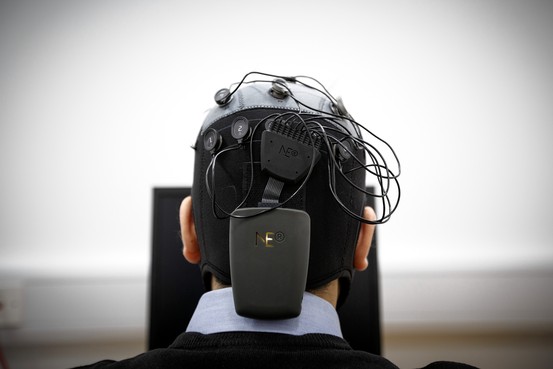
The electrodes are placed in a tightly fitted cap and worn around the head. The device, run off a 9-volt battery commonly used in smoke detectors, induces only a gentle current and can be targeted to specific areas of the brain or applied generally. The mild current reduces the risk of side effects, which has opened up possibilities about using it, even in individuals without a disorder, as a general cognitive enhancer. Scientists also are investigating its use to treat mood disorders and other conditions.

Dr. Cohen Kadosh’s pioneering work on learning enhancement and brain stimulation is one example of the long journey faced by scientists studying brain-stimulation and cognitive-stimulation techniques. Like other researchers in the community, he has dealt with public concerns about safety and side effects, plus skepticism from other scientists about whether these findings would hold in the wider population.

There are also ethical questions about the technique. If it truly works to enhance cognitive performance, should it be accessible to anyone who can afford to buy the device—which already is available for sale in the U.S.? Should parents be able to perform such stimulation on their kids without monitoring?

“It’s early days but that hasn’t stopped some companies from selling the device and marketing it as a learning tool,” Dr. Cohen Kadosh says. “Be very careful.”

The idea of using electric current to treat the brain of various diseases has a long and fraught history, perhaps most notably with what was called electroshock therapy, developed in 1938 to treat severe mental illness and often portrayed as a medieval treatment that rendered people zombielike in movies such as “One Flew over the Cuckoo’s Nest.”

Electroconvulsive therapy has improved dramatically over the years and is considered appropriate for use against types of major depression that don’t respond to other treatments, as well as other related, severe mood states.

A number of new brain-stimulation techniques have been developed, including deep brain stimulation, which acts like a pacemaker for the brain. With DBS, electrodes are implanted into the brain and, though a battery pack in the chest, stimulate neurons continuously. DBS devices have been approved by U.S. regulators to treat tremors in Parkinson’s disease and continue to be studied as possible treatments for chronic pain and obsessive-compulsive disorder.

Transcranial electrical stimulation, or tES, is one of the newest brain stimulation techniques. Unlike DBS, it is noninvasive.

If the technique continues to show promise, “this type of method may have a chance to be the new drug of the 21st century,” says Dr. Cohen Kadosh.

The 37-year-old father of two completed graduate school at Ben-Gurion University in Israel before coming to London to do postdoctoral work with Vincent Walsh at University College London. Now, sitting in a small, tidy office with a model brain on a shelf, the senior research fellow at Oxford speaks with cautious enthusiasm about brain stimulation and its potential to help children with math difficulties.

Up to 6% of the population is estimated to have a math-learning disability called developmental dyscalculia, similar to dyslexia but with numerals instead of letters. Many more people say they find math difficult. People with developmental dyscalculia also may have trouble with daily tasks, such as remembering phone numbers and understanding bills.

Whether transcranial electrical stimulation proves to be a useful cognitive enhancer remains to be seen. Dr. Cohen Kadosh first thought about the possibility as a university student in Israel, where he conducted an experiment using transcranial magnetic stimulation, a tool that employs magnetic coils to induce a more powerful electrical current.

He found that he could temporarily turn off regions of the brain known to be important for cognitive skills. When the parietal lobe of the brain was stimulated using that technique, he found that the basic arithmetic skills of doctoral students who were normally very good with numbers were reduced to a level similar to those with developmental dyscalculia.

That led to his next inquiry: If current could turn off regions of the brain making people temporarily math-challenged, could a different type of stimulation improve math performance? Cognitive training helps to some extent in some individuals with math difficulties. Dr. Cohen Kadosh wondered if such learning could be improved if the brain was stimulated at the same time.

But transcranial magnetic stimulation wasn’t the right tool because the current induced was too strong. Dr. Cohen Kadosh puzzled over what type of stimulation would be appropriate until a colleague who had worked with researchers in Germany returned and told him about tES, at the time a new technique. Dr. Cohen Kadosh decided tES was the way to go.

His group has since conducted a series of studies suggesting that tES appears helpful improving learning speed on various math tasks in adults who don’t have trouble in math. Now they’ve found preliminary evidence for those who struggle in math, too.

Participants typically come for 30-minute stimulation-and-training sessions daily for a week. His team is now starting to study children between 8 and 10 who receive twice-weekly training and stimulation for a month. Studies of tES, including the ones conducted by Dr. Cohen Kadosh, tend to have small sample sizes of up to several dozen participants; replication of the findings by other researchers is important.

In a small, toasty room, participants, often Oxford students, sit in front of a computer screen and complete hundreds of trials in which they learn to associate numerical values with abstract, nonnumerical symbols, figuring out which symbols are “greater” than others, in the way that people learn to know that three is greater than two.

When neurons fire, they transfer information, which could facilitate learning. The tES technique appears to work by lowering the threshold neurons need to reach before they fire, studies have shown. In addition, the stimulation appears to cause changes in neurochemicals involved in learning and memory.

However, the results so far in the field appear to differ significantly by individual. Stimulating the wrong brain region or at too high or long a current has been known to show an inhibiting effect on learning. The young and elderly, for instance, respond exactly the opposite way to the same current in the same location, Dr. Cohen Kadosh says.

He and a colleague published a paper in January in the journal Frontiers in Human Neuroscience, in which they found that one individual with developmental dyscalculia improved her performance significantly while the other study subject didn’t.

What is clear is that anyone trying the treatment would need to train as well as to stimulate the brain. Otherwise “it’s like taking steroids but sitting on a couch,” says Dr. Cohen Kadosh.

Dr. Cohen Kadosh and Beatrix Krause, a graduate student in the lab, have been examining individual differences in response. Whether a room is dark or well-lighted, if a person smokes and even where women are in their menstrual cycle can affect the brain’s response to electrical stimulation, studies have found.

Results from his lab and others have shown that even if stimulation is stopped, those who benefited are going to maintain a higher performance level than those who weren’t stimulated, up to a year afterward. If there isn’t any follow-up training, everyone’s performance declines over time, but the stimulated group still performs better than the non-stimulated group. It remains to be seen whether reintroducing stimulation would then improve learning again, Dr. Cohen Kadosh says.

http://online.wsj.com/news/articles/SB10001424052702303650204579374951187246122?mod=WSJ_article_EditorsPicks&mg=reno64-wsj&url=http%3A%2F%2Fonline.wsj.com%2Farticle%2FSB10001424052702303650204579374951187246122.html%3Fmod%3DWSJ_article_EditorsPicks

‘Jumping Genes’ Linked to Schizophrenia

sn-schizophrenia

Roaming bits of DNA that can relocate and proliferate throughout the genome, called “jumping genes,” may contribute to schizophrenia, a new study suggests. These rogue genetic elements pepper the brain tissue of deceased people with the disorder and multiply in response to stressful events, such as infection during pregnancy, which increase the risk of the disease. The study could help explain how genes and environment work together to produce the complex disorder and may even point to ways of lowering the risk of the disease, researchers say.

Schizophrenia causes hallucinations, delusions, and a host of other cognitive problems, and afflicts roughly 1% of all people. It runs in families—a person whose twin sibling has the disorder, for example, has a roughly 50-50 chance of developing it. Scientists have struggled to define which genes are most important to developing the disease, however; each individual gene associated with the disorder confers only modest risk. Environmental factors such as viral infections before birth have also been shown to increase risk of developing schizophrenia, but how and whether these exposures work together with genes to skew brain development and produce the disease is still unclear, says Tadafumi Kato, a neuroscientist at the RIKEN Brain Science Institute in Wako City, Japan and co-author of the new study.

Over the past several years, a new mechanism for genetic mutation has attracted considerable interest from researchers studying neurological disorders, Kato says. Informally called jumping genes, these bits of DNA can replicate and insert themselves into other regions of the genome, where they either lie silent, doing nothing; start churning out their own genetic products; or alter the activity of their neighboring genes. If that sounds potentially dangerous, it is: Such genes are often the culprits behind tumor-causing mutations and have been implicated in several neurological diseases. However, jumping genes also make up nearly half the current human genome, suggesting that humans owe much of our identity to their audacious leaps.

Recent research by neuroscientist Fred Gage and colleagues at the University of California (UC), San Diego, has shown that one of the most common types of jumping gene in people, called L1, is particularly abundant in human stem cells in the brain that ultimately differentiate into neurons and plays an important role in regulating neuronal development and proliferation. Although Gage and colleagues have found that increased L1 is associated with mental disorders such as Rett syndrome, a form of autism, and a neurological motor disease called Louis-Bar syndrome, “no one had looked very carefully” to see if the gene might also contribute to schizophrenia, he says.

To investigate that question, principal investigator Kazuya Iwamoto, a neuroscientist; Kato; and their team at RIKEN extracted brain tissue of deceased people who had been diagnosed with schizophrenia as well as several other mental disorders, extracted DNA from their neurons, and compared it with that of healthy people. Compared with controls, there was a 1.1-fold increase in L1 in the tissue of people with schizophrenia, as well as slightly less elevated levels in people with other mental disorders such as major depression, the team reports today in Neuron.

Next, the scientists tested whether environmental factors associated with schizophrenia could trigger a comparable increase in L1. They injected pregnant mice with a chemical that simulates viral infection and found that their offspring did, indeed, show higher levels of the gene in their brain tissue. An additional study in infant macaques, which mimicked exposure to a hormone also associated with increased schizophrenia risk, produced similar results. Finally, the group examined human neural stem cells extracted from people with schizophrenia and found that these, too, showed higher levels of L1.

The fact that it is possible to increase the number of copies of L1 in the mouse and macaque brains using established environmental triggers for schizophrenia shows that such genetic mutations in the brain may be preventable if such exposures can be avoided, Kato says. He says he hopes that the “new view” that environmental factors can trigger or deter genetic changes involved in the disease will help remove some of the disorder’s stigma.

Combined with previous studies on other disorders, the new study suggests that L1 genes are indeed more active in the brain of patients with neuropsychiatric diseases, Gage says. He cautions, however, that no one yet knows whether they are actually causing the disease. “Now that we have multiple confirmations of this occurring in humans with different diseases, the next step is to determine if possible what role, if any, they play.”

One tantalizing possibility is that as these restless bits of DNA drift throughout the genomes of human brain cells, they help create the vibrant cognitive diversity that helps humans as a species respond to changing environmental conditions, and produces extraordinary “outliers,” including innovators and geniuses such as Picasso, says UC San Diego neuroscientist Alysson Muotri. The price of such rich diversity may be that mutations contributing to mental disorders such as schizophrenia sometimes emerge. Figuring out what these jumping genes truly do in the human brain is the “next frontier” for understanding complex mental disorders, he says. “This is only the tip of the iceberg.”

Thanks to Dr. Rajadhyaksha for bringing this to the attention of the It’s Interesting community.

http://news.sciencemag.org/biology/2014/01/jumping-genes-linked-schizophrenia

Alexandra Wolff: 1 of 55 people in the U.S. with highly superior autobiographical memory.

alexandra_custom-dd75c71966d9515cea210d91d68ce7aff737e3a5-s6-c85

On Feb. 21, Alexandra Wolff ate steak, mashed potatoes and broccoli for dinner. Later that night, sitting in her room, she spent 20 minutes scanning pictures in InStyle magazine.

She remembers those things, just as she remembers that on Aug. 2 she stopped at Target and bought Raisin Bran; and on April 17 she wore a white button-down shirt; and on Oct. 2 she went to TGI Fridays and spoke to the hostess, who was wearing black leather flats with small bows on them.

Alexandra Wolff has what’s known as highly superior autobiographical memory. She is one of only 55 people in the U.S. who have been identified with this ability. All of these people can remember details about their lives that the rest of us couldn’t hope to remember: the strangers they pass on the street, the first thing they saw when they woke up seven months ago.

And though it’s not clear why the brains of people with HSAM can do what they do, what is clear is that this ability gives them an access to the past that’s profoundly different from you and me.

If you think of 2013, probably only a handful of memories stand out. The day-by-day is a blur.

We forget most of our lives.

But Alexandra says that remembering even an inconsequential trip to Target is an almost physical experience for her. She says she sees what she saw that day, hears what she heard, and emotionally feels what she felt at the time.

“Right down to getting sick to my stomach or getting a headache,” she says. “It’s almost like time travel.”

But being unable to forget can affect your relationship to the present, people with this form of memory say.

Alexandra is 22 and lives with her mother in a long brick ranch house in southern Maryland. She has dark hair and beautifully balanced features, but hasn’t really dated and seems to have few of the preoccupations of most 22-year-olds. She blames her memory for this, saying it separates her from other people her age because they can’t understand why she’s so focused on things that have already happened.

Alexandra often feels frustrated with her preoccupation with the past. “It seems like you hold onto everything, and it seems like you’re just stuck in the past all the time,” she says.

It really bothers her. For one, Alexandra says, in her life there are no fresh days, no clean slates without association. Every morning when she wakes up, details of that date from years before are scrolling through her mind, details that can profoundly affect the new day she’s in.

For example, the day before we spoke was a day when years ago in middle school a boy bullied her in one of her classes.

“I didn’t mention it to anyone,” she says, “but I mean, still in the back of my mind I kept thinking and thinking about it. It knocked some of my confidence down.”

Because the past is so viscerally right there, so available, she finds that when the present gets overwhelming, it’s hard not to retreat to the past.

Even though she’s only 22, she says she spends huge amounts of time in her room with her eyes closed, reliving the past in her mind, particularly this one day a decade ago.

It was July 8, 2004. She spent that day in a bathing suit by a pool laughing and playing with her 10-year-old cousin. They ate macaroni and cheese, and swam. It was an easy, innocent time.

She says she probably takes herself through that day in her mind four times a week. Over the past couple of years, she estimates, she’s probably spent close to 2,000 hours reliving that one day.

“I mean, I definitely say it’s a huge temptation. I could, if I didn’t have stuff to do all day, I could probably live in the past 24/7.”
Scientists think there’s a reason why we forget.

“It has long been believed by research scientists that forgetting is adaptive,” says James McGaugh, the University of California, Irvine neurobiologist who first documented highly superior autobiographical memory.

McGaugh discovered HSAM by accident. He got an email out of the blue from a woman named Jill Price who said she had a serious memory problem: She couldn’t seem to forget anything, and like Alexandra, this bothered her.

“The emotions evoked by remembering bad things troubled her,” McGaugh says.

And so McGaugh started studying first Price and then other people with this kind of memory. He found ultimately that there are differences in the brains of people with HSAM, though it’s not clear whether the differences are the cause or the consequence of this ability.

But it is clear that it’s specifically this issue of forgetting that’s different. If you were asked to recall what happened to you earlier this morning, you’d remember roughly the same amount as someone like Alexandra. But if asked about this morning three months from now, for you it would probably be gone, while for her it’s as fresh as it is for you today.

“So it’s not that they’re superior learners,” McGaugh says, “it’s that they are very poor at forgetting.”
The emotional effects of not being able to forget aren’t clear, says McGaugh. No one, including McGaugh, has studied it. His sense is that there is variation in the group of 55.

“The effects of having this ability depends on the kind of experiences people have had in the past as well as their present circumstances,” he says.

But Bill Brown, another person with HSAM, says that he’s been in touch with most of the people in the group, and that everyone he has spoken to has struggled with depression. He says that very few of them have been able to maintain a long-term marriage — the rumor is only 2 out of the 55.
Brown himself, though a pretty jolly guy, recently separated from his wife.

And talking to him, you do get the sense that the difference in his memory has led to misunderstandings in his relationships.

“Just because I remember something that you did wrong doesn’t mean that I still hold it against you,” he says. “But it’s taken me a long while to realize that folks without my ability probably don’t understand that distinction. Because after all, if you’re bringing it up, the logic from the other side would be: You must still hold it against me.”

This is not, in fact, the case, he says. “It has more to do with wanting you to be honest in your dealings.”

What he eventually realized was that most of the people he talks to are being as honest as they know how to be. “They just don’t necessarily remember.”
Brown says it’s easier for him now, because over time he’s learned how to manage the memories, not to focus on the bad stuff, and instead use his memory to entertain himself.

“But you know,” he says, “life’s rough, and there’s so much bad that’s kinda there.”

Sometimes, he says, he thinks it might be nice to forget.

http://www.npr.org/blogs/health/2013/12/18/255285479/when-memories-never-fade-the-past-can-poison-the-present

Electric brain stimulation in a specific area discovered to induce a sense of determination

Doctors in the US have induced feelings of intense determination in two men by stimulating a part of their brains with gentle electric currents.

The men were having a routine procedure to locate regions in their brains that caused epileptic seizures when they felt their heart rates rise, a sense of foreboding, and an overwhelming desire to persevere against a looming hardship.

The remarkable findings could help researchers develop treatments for depression and other disorders where people are debilitated by a lack of motivation.

One patient said the feeling was like driving a car into a raging storm. When his brain was stimulated, he sensed a shaking in his chest and a surge in his pulse. In six trials, he felt the same sensations time and again.

Comparing the feelings to a frantic drive towards a storm, the patient said: “You’re only halfway there and you have no other way to turn around and go back, you have to keep going forward.”

When asked by doctors to elaborate on whether the feeling was good or bad, he said: “It was more of a positive thing, like push harder, push harder, push harder to try and get through this.”

A second patient had similar feelings when his brain was stimulated in the same region, called the anterior midcingulate cortex (aMCC). He felt worried that something terrible was about to happen, but knew he had to fight and not give up, according to a case study in the journal Neuron.

Both men were having an exploratory procedure to find the focal point in their brains that caused them to suffer epileptic fits. In the procedure, doctors sink fine electrodes deep into different parts of the brain and stimulate them with tiny electrical currents until the patient senses the “aura” that precedes a seizure. Often, seizures can be treated by removing tissue from this part of the brain.

“In the very first patient this was something very unexpected, and we didn’t report it,” said Josef Parvizi at Stanford University in California. But then I was doing functional mapping on the second patient and he suddenly experienced a very similar thing.”

“Its extraordinary that two individuals with very different past experiences respond in a similar way to one or two seconds of very low intensity electricity delivered to the same area of their brain. These patients are normal individuals, they have their IQ, they have their jobs. We are not reporting these findings in sick brains,” Parvizi said.

The men were stimulated with between two and eight milliamps of electrical current, but in tests the doctors administered sham stimulation too. In the sham tests, they told the patients they were about to stimulate the brain, but had switched off the electical supply. In these cases, the men reported no changes to their feelings. The sensation was only induced in a small area of the brain, and vanished when doctors implanted electrodes just five millimetres away.

Parvizi said a crucial follow-up experiment will be to test whether stimulation of the brain region really makes people more determined, or simply creates the sensation of perseverance. If future studies replicate the findings, stimulation of the brain region – perhaps without the need for brain-penetrating electrodes – could be used to help people with severe depression.

The anterior midcingulate cortex seems to be important in helping us select responses and make decisions in light of the feedback we get. Brent Vogt, a neurobiologist at Boston University, said patients with chronic pain and obsessive-compulsive disorder have already been treated by destroying part of the aMCC. “Why not stimulate it? If this would enhance relieving depression, for example, let’s go,” he said.

http://www.theguardian.com/science/2013/dec/05/determination-electrical-brain-stimulation

Thanks to Kebmodee for bringing this to the attention of the It’s Interesting community.

New research shows that sleep functions to allow the brain to eliminate toxins that accumulate while we are awake

sleepingbrain_wide-e40290d47221863e13990f78f86b983781d5673e-s40-c85

While the brain sleeps, it clears out harmful toxins, a process that may reduce the risk of Alzheimer’s, researchers say.

During sleep, the flow of cerebrospinal fluid in the brain increases dramatically, washing away harmful waste proteins that build up between brain cells during waking hours, a study of mice found.

“It’s like a dishwasher,” says Dr. Maiken Nedergaard, a professor of neurosurgery at the University of Rochester and an author of the study in Science.

The results appear to offer the best explanation yet of why animals and people need sleep. If this proves to be true in humans as well, it could help explain a mysterious association between sleep disorders and brain diseases, including Alzheimer’s.

Nedergaard and a team of scientists discovered the cleaning process while studying the brains of sleeping mice. The scientists noticed that during sleep, the system that circulates cerebrospinal fluid through the brain and nervous system was “pumping fluid into the brain and removing fluid from the brain in a very rapid pace,” Nedergaard says.

The team discovered that this increased flow was possible in part because when mice went to sleep, their brain cells actually shrank, making it easier for fluid to circulate. When an animal woke up, the brain cells enlarged again and the flow between cells slowed to a trickle. “It’s almost like opening and closing a faucet,” Nedergaard says. “It’s that dramatic.”

Nedergaard’s team, which is funded by the National Institute of Neurological Disorders and Stroke, had previously shown that this fluid was carrying away waste products that build up in the spaces between brain cells.

The process is important because what’s getting washed away during sleep are waste proteins that are toxic to brain cells, Nedergaard says. This could explain why we don’t think clearly after a sleepless night and why a prolonged lack of sleep can actually kill an animal or a person, she says.

So why doesn’t the brain do this sort of housekeeping all the time? Nedergaard thinks it’s because cleaning takes a lot of energy. “It’s probably not possible for the brain to both clean itself and at the same time [be] aware of the surroundings and talk and move and so on,” she says.

The brain-cleaning process has been observed in rats and baboons, but not yet in humans, Nedergaard says. Even so, it could offer a new way of understanding human brain diseases including Alzheimer’s. That’s because one of the waste products removed from the brain during sleep is beta amyloid, the substance that forms sticky plaques associated with the disease.

That’s probably not a coincidence, Nedergaard says. “Isn’t it interesting that Alzheimer’s and all other diseases associated with dementia, they are linked to sleep disorders,” she says.

Researchers who study Alzheimer’s say Nedergaard’s research could help explain a number of recent findings related to sleep. One of these involves how sleep affects levels of beta amyloid, says Randall Bateman, a professor of neurology Washington University in St. Louis who wasn’t involved in the study.

“Beta amyloid concentrations continue to increase while a person is awake,” Bateman says. “And then after people go to sleep that concentration of beta amyloid decreases. This report provides a beautiful mechanism by which this may be happening.”

The report also offers a tantalizing hint of a new approach to Alzheimer’s prevention, Bateman says. “It does raise the possibility that one might be able to actually control sleep in a way to improve the clearance of beta amyloid and help prevent amyloidosis that we think can lead to Alzheimer’s disease.”

http://www.npr.org/blogs/health/2013/10/17/236211811/brains-sweep-themselves-clean-of-toxins-during-sleep

http://m.sciencemag.org/content/342/6156/373.abstract

Thanks to Kebmodee for bringing this to the It’s Interesting community.