Brief History of 8 Hallucinogens

Humans have been ingesting mind-altering substances for a very long time. Hallucinogen-huffing bowls 2,500 years old (http://www.livescience.com/5240-ancient-family-heirlooms-snort-hallucinogens.html) have been found on islands in the Lesser Antilles, and traditional cultures from the Americas to Africa use hallucinogenic substances for spiritual purposes. Here are some notable substances that send the mind tripping.

LSD is commonly known as “acid,” but its scientific name is a mouthful: lysergic acid diethylamaide. The drug was first synthesized in 1938 from a chemical called ergotamine. Ergotamine, in turn, is produced by a grain fungus that grow on rye.

LSD was originally produced by a pharmaceutical company under the name Delysid, but it got a bad reputation in the 1950s when the CIA decided to research its effects on mind control. The test subjects of the CIA project MKULTRA proved very difficult to control indeed, and many, like counter-culture writer Ken Kesey, started taking the drug for fun (and for their own form of 1960s enlightenment).

ayahuasca-vine-110929

Ayahuasca is a hallucinatory mixture of Amazonian infusions centered around the Banisteriopsis caapi vine. The brew has long been used by native South American tribes for spiritual rituals and healing, and like other hallucinogens, ayahuasca often triggers very intense emotional experiences (vomiting is also common). In 2006, National Geographic writer Kira Salak described her experience with ayahuasca in Peru for the magazine.

” I will never forget what it was like. The overwhelming misery. The certainty of never-ending suffering. No one to help you, no way to escape. Everywhere I looked: darkness so thick that the idea of light seemed inconceivable,” Salak wrote. “Suddenly, I swirled down a tunnel of fire, wailing figures calling out to me in agony, begging me to save them. Others tried to terrorize me. ‘You will never leave here,’ they said. ‘Never. Never.'”

Nonetheless, Salak wrote, when she broke free of her hallucinations, her crippling depression was alleviated. It’s anecdotal experiences like this that have led researchers to investigate the uses of hallucinogens as therapy for mental disorders such as anxiety, depression and post-traumatic stress disorder.

Peyote is a cactus that gets its hallucinatory power from mescaline. Like most hallucinogens, mescaline binds to serotonin receptors in the brain, producing heightened sensations and kaleidoscopic visions.

Native groups in Mexico have used peyote in ceremonies for thousands of years, and other mescaline-producing cacti have long been used by South American tribes for their rituals. Peyote has been the subject of many a court battle because of its role in religious practice; currently, Arizona, Colorado, New Mexico, Nevada and Oregon allow some peyote possession, but only if linked to religious ceremonies, according to Arizona’s Peyote Way Church of God.

The “magic” ingredient in hallucinogenic mushrooms is psilocybin, a compound that breaks down into psilocin in the body. Psilocin bonds to serotonin receptors all over the brain, and can cause hallucinations as well as synesthesia, or the mixture of two senses. Under the influence, for example, a person might feel that they can smell colors.

In keeping with the human tradition of eating anything that might alter your mind, people have been ingesting psilocybin-continuing mushrooms for thousands of years. Synthetic psilocybin is now under study as a potential treatment for anxiety, depression and addiction.

Best known by its street name, “angel dust,” PCP stands for phencyclidine. The drug blocks receptors in the brain for the neurotransmitter glutamate. It’s more dangerous than other hallucinogens, with schizophrenia-like symptoms and nasty side effects.

Those side effects are why PCP has no medical uses. The drug was tested as an anesthetic in the 1950s and used briefly to knock out animals during veterinary surgeries. But by the 1960s, PCP had hit the streets and was being used as a recreation drug, famous for the feelings of euphoria and invincibility it bestowed on the user. Unfortunately, a side effect of all that euphoria is sometimes truly destructive behavior, including users trying to jump out of windows or otherwise self-mutilating. Not to mention that high enough doses can cause convulsions.

Derived from the African iboga plant, ibogaine is another hallucinogen with a long history of tribal use. More recently, the drug has shown promise in treating addiction, although mostly in Mexico and Europe where ibogaine treatment is not prohibited as it is in the U.S.

Using ibogaine as therapy is tricky, however. The drug can cause heart rhythm problems, and vomiting is a common side effect. The Massachusetts-based Multidisciplinary Association for Psychedelic Research (MAPS) reports that an estimated 1 in 300 ibogaine users die due to the drug. The group is studying the long-term effects of ibogaine on patients in drug treatment programs in New Zealand and Mexico.

Salvia divinorum, also known as seer’s or diviner’s sage, grows in the cloud forest of Oaxaca, Mexico. The native Mazatec people have long used tea made out of the leaves in spiritual ceremonies, but the plant can also be smoked or chewed for its hallucinogenic effects.

Salvia is not currently a controlled substance, according to the National Institute on Drug Abuse, but it is under consideration to be made illegal and placed in the same drug class as marijuana.

Ecstasy, “E” or “X” are the street names for MDMA, or (get ready for a long one) 3,4-methylenedioxymethamphetamine. The drug acts on serotonin in the brain, causing feelings of euphoria, energy and distortions of perception. It can also nudge body temperatures up, raising the risk of heat stroke. Animal studies suggest that MDMA causes long-term and potentially dangerous changes in the brain, according to the National Institute on Drug Abuse.

MDMA was first synthesized by a chemist looking for substances to stop bleeding in 1912. No one paid the compound much mind for the next half-decade, but by the 1970s, MDMA had hit the streets. It was popular at raves and nightclubs and among those who liked their music psychedelic. Today, ecstasy is still a common street drug, but researchers are investigating whether MDMA could be used to treat post-traumatic stress disorder and cancer-related anxiety.

http://www.livescience.com/16286-hallucinogens-lsd-mushrooms-ecstasy-history.html
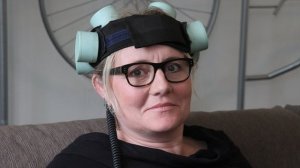
Electromagnetic helmet provides possible new treatment for depression.

A high-tech helmet has reduced symptoms of depression in two-thirds of people who’ve worn it, BBC reports. Now undergoing clinical trials, the hood works by sending electromagnetic impulses to the brain to activate the formation of new blood vessels. Patients who wear the device daily for half an hour to an hour show mood improvement in as little as week, according to the results, published in Acta Neuropsychiatrica.

Thanks to Dr. Rajadhyaksha for bringing this to the attention of the It’s Interesting community.

http://news.sciencemag.org/sifter/2014/05/watch-electromagnetic-helmet-treats-depression

Inner-City Oakland Youth Suffering From Post-Traumatic Stress Disorder

In the inner city, a health problem is making it harder for young people to learn. inner-city kids suffer from post-traumatic stress disorder (PTSD).

“Youth living in inner cities show a higher prevalence of post-traumatic stress disorder than soldiers,” according to Howard Spivak M.D., director of the U.S. Centers for Disease Control and Prevention’s Division of Violence Prevention.

Spivak presented research at a congressional briefing in April 2012 showing that children are essentially living in combat zones. Unlike soldiers, children in the inner city never leave the combat zone and often experience trauma repeatedly.

One local expert says national data suggests one in three urban youth have mild to severe PTSD. “You could take anyone who is experiencing the symptoms of PTSD, and the things we are currently emphasizing in school will fall off their radar. Because frankly it does not matter in our biology if we don’t survive the walk home,” said Jeff Duncan-Andrade, Ph.D. of San Francisco State University.

In 2013, there were 47 recorded lockdowns in Oakland public schools – again, almost all in East and West Oakland.

Students at Fremont High showed where one classmate was shot.

“If someone got shot that they knew or that they cared about… they’re going to be numb,” one student said. “If someone else in their family got shot and killed they will be sad, they will be isolated because I have been through that.”

Gun violence is only one of the traumas or stressors in concentrated areas of deep poverty.

“Its kids are unsafe, they’re not well fed,” Duncan-Andrade said. “And when you start stacking those kids of stressors on top of each other, that’s when you get these kinds of negative health outcomes that seriously disrupt school performance.”

Duncan-Andrade said doctors at Harvard’s School of Public Health have come up with a new diagnosis of complex PTSD, describing people who are repeatedly re-exposed to trauma, which Duncan-Andrade said, would include many inner-city youth.

In Oakland, about two-thirds of the murders last year were actually clustered in East Oakland, where 59 people were killed.

Teachers and administrators who graduated from Fremont High School in East Oakland and have gone back to work there spoke with KPIX 5.

“These cards that (students) are suddenly wearing around their neck that say ‘Rest in peace.’ You have some kids that are walking around with six of them. Laminated cards that are tributes to their slain friends,” said teacher Jasmene Miranda.

Jaliza Collins, also a teacher at Fremont, said, “It’s depression, it’s stress, it’s withdrawal, it’s denial. It’s so many things that is encompassed and embodied in them. And when somebody pushes that one button where it can be like, ‘please go have a seat,’ and that can be the one thing that just sets them off.”

Even the slang nickname for the condition, “Hood Disease,” itself causes pain, and ignites debate among community leaders, as they say the term pejoratively refers to impoverished areas, and distances the research and medical community from the issue.

“People from afar call it ‘Hood Disease,’ – it’s what academics call it,” said Olis Simmons, CEO of Youth UpRising working in what she describes as the epicenter of the issue: East Oakland.

She said the term minimizes the pain that her community faces, and fails to capture the impact this has on the larger community.

“In the real world where this affects real lives, people are suffering from a chronic level of trauma that doesn’t have a chance to heal because they’re effectively living in a war zone within your town,” said Simmons.

“Terms like ‘hood disease’ mean it’s someone else’s problem, but it’s not. That’s a lie. It’s a collective problem, and the question is what are we prepared to do about it?”

Thanks to Kebmodee for bringing this to the attention of the It’s Interesting community.

http://sanfrancisco.cbslocal.com/2014/05/16/hood-disease-inner-city-oakland-youth-suffering-from-post-traumatic-stress-disorder-ptsd-crime-violence-shooting-homicide-murder/

New phone app might be able to predict onset of manic behavior in people in bipolar disorder

by Joe Palca

There are smartphone apps for monitoring your diet, your drugs, even your heart. And now a Michigan psychiatrist is developing an app he hopes doctors will someday use to predict when a manic episode is imminent in patients with bipolar disorder.

People with the disorder alternate between crushing depression and wild manic episodes that come with the dangerous mix of uncontrollable energy and impaired judgment.

There are drugs that can prevent these episodes and allow people with bipolar disorder to live normal lives, according to Dr. Melvin McInnis, a psychiatrist at the University of Michigan Medical Center. But relapses are common.

“We want to be able to detect that well in advance,” McInnis says. “The importance of detecting that well in advance is that they reach a point where their insight is compromised, so they don’t feel themselves that anything is wrong.”

Early detection would give doctors a chance to adjust a patient’s medications and stave off full-blown manic episodes.

McInnis says researchers have known for some time that when people are experiencing a manic or depressive episode, their speech patterns change. Depressed patients tend to speak slowly, with long pauses, whereas people with a full-blown manic attack tend to speak extremely rapidly, jumping from topic to topic.

“It occurred to me a number of years ago that monitoring speech patterns would be a really powerful way to devise some kind of an approach to have the ability to predict when an episode is imminent,” says McInnis.

So he and some computer science colleagues invented a smartphone app. The idea is that doctors would give patients the app. The app would record whenever they spoke on the phone. Once a day, the phone would send the recorded speech to a computer in the doctor’s office that would analyze it for such qualities as speed, energy and inflection.

Right now the app is being tested with 12 or 15 volunteers who are participating in a longitudinal study of bipolar disorder.

McInnis and his colleagues presented preliminary results at this year’s International Conference on Acoustics, Speech and Signal Processing, and so far, things are looking encouraging. McInnis says the software is reasonably good at detecting signs of an impending manic attack. It’s not quite as good catching an oncoming depression.

For now, this app is only intended for patients with bipolar disorder, but McInnis thinks that routinely listening for changes in speech could be an important tool for early detection of a variety of diseases.

Richard A. Friedman: Why can’t doctors identify killers?

MASS killers like Elliot Rodger teach society all the wrong lessons about the connection between violence, mental illness and guns — and what we should do about it. One of the biggest misconceptions, pushed by our commentators and politicians, is that we can prevent these tragedies if we improve our mental health care system. It is a comforting notion, but nothing could be further from the truth.

And although the intense media attention might suggest otherwise, mass killings — when four or more people are killed at once — are very rare events. In 2012, they accounted for only about 0.15 percent of all homicides in the United States. Because of their horrific nature, however, they receive lurid media attention that distorts the public’s perception about the real risk posed by the mentally ill.

Anyone who watched Elliot Rodger’s chilling YouTube video, detailing his plan for murderous vengeance before he killed six people last week near Santa Barbara, Calif., would understandably conflate madness with violence. While it is true that most mass killers have a psychiatric illness, the vast majority of violent people are not mentally ill and most mentally ill people are not violent. Indeed, only about 4 percent of overall violence in the United States can be attributed to those with mental illness. Most homicides in the United States are committed by people without mental illness who use guns.

Mass killers are almost always young men who tend to be angry loners. They are often psychotic, seething with resentment and planning revenge for perceived slights and injuries. As a group, they tend to avoid contact with the mental health care system, so it’s tough to identify and help them. Even when they have received psychiatric evaluation and treatment, as in the case of Mr. Rodger and Adam Lanza, who killed 20 children and seven adults, including his mother, in Connecticut in 2012, we have to acknowledge that our current ability to predict who is likely to be violent is no better than chance.

Large epidemiologic studies show that psychiatric illness is a risk factor for violent behavior, but the risk is small and linked only to a few serious mental disorders. People with schizophrenia, major depression or bipolar disorder were two to three times as likely as those without these disorders to be violent. The actual lifetime prevalence of violence among people with serious mental illness is about 16 percent compared with 7 percent among people who are not mentally ill.

What most people don’t know is that drug and alcohol abuse are far more powerful risk factors for violence than other psychiatric illnesses. Individuals who abuse drugs or alcohol but have no other psychiatric disorder are almost seven times more likely than those without substance abuse to act violently.

As a psychiatrist, I welcome calls from our politicians to improve our mental health care system. But even the best mental health care is unlikely to prevent these tragedies.

If we can’t reliably identify people who are at risk of committing violent acts, then how can we possibly prevent guns from falling into the hands of those who are likely to kill? Mr. Rodger had no problem legally buying guns because he had neither been institutionalized nor involuntarily hospitalized, both of which are generally factors that would have prevented him from purchasing firearms.

Would lowering the threshold for involuntary psychiatric treatment, as some argue, be effective in preventing mass killings or homicide in general?

It’s doubtful.

The current guideline for psychiatric treatment over the objection of the patient is, in most states, imminent risk of harm to self or others. Short of issuing a direct threat of violence or appearing grossly disturbed, you will not receive involuntary treatment. When Mr. Rodger was interviewed by the police after his mother expressed alarm about videos he had posted, several weeks ago, he appeared calm and in control and was thus not apprehended. In other words, a normal-appearing killer who is quietly planning a massacre can easily evade detection.

In the wake of these horrific killings, it would be understandable if the public wanted to make it easier to force treatment on patients before a threat is issued. But that might simply discourage other mentally ill people from being candid and drive some of the sickest patients away from the mental health care system.

We have always had — and always will have — Adam Lanzas and Elliot Rodgers. The sobering fact is that there is little we can do to predict or change human behavior, particularly violence; it is a lot easier to control its expression, and to limit deadly means of self-expression. In every state, we should prevent individuals with a known history of serious psychiatric illness or substance abuse, both of which predict increased risk of violence, from owning or purchasing guns.

But until we make changes like that, the tragedy of mass killings will remain a part of American life.

Richard A. Friedman is a professor of clinical psychiatry and the director of the psychopharmacology clinic at the Weill Cornell Medical College.

NIH Gears Up for a Closer Look at the Human Placenta

A placenta sustained you and every person ever born for 9 months, serving as your lungs and kidneys and pumping out hormones while you developed in the womb. Problems with this disk-shaped mass of tissue can contribute to everything from preterm births to diseases of middle age. Yet when a baby is born, hospitals usually throw the placenta away.

“It’s the least understood human organ,” says Alan Guttmacher, director of the National Institute of Child Health and Human Development (NICHD) in Bethesda, Maryland. “A large part of the scientific community never thinks about the placenta at all.” He and others hope to change that, however, by rallying researchers and funders, including other parts of the National Institutes of Health (NIH), around an effort to better understand the underappreciated organ. At an NICHD-sponsored workshop last week, some 70 researchers laid out their ideas for what NICHD calls the Human Placenta Project, including ways to better monitor the placenta during a pregnancy, and drugs to bolster it when it falters.

The human placenta forms primarily from cells that develop from the outer layer of fetal cells that surround an early embryo. Early in pregnancy, these trophoblasts invade the uterine wall and later develop a complex network of tiny projections called villi, which contain fetal blood vessels. This treelike structure of villi absorbs oxygen and nutrients from maternal blood; fetal waste and carbon dioxide meanwhile diffuse into the maternal bloodstream. Other specialized cells link the developing placenta to the umbilical cord. To avoid rejection by the mother’s immune system, the placenta employs various tricks, such as not expressing certain proteins. The placenta’s role during pregnancy is “an incredibly interesting biological time” that offers lessons for everything from cancer to organ transplantation, says physician-scientist Kimberly Leslie of the University of Iowa in Iowa City.

A malfunctioning, too small, or weakly attached placenta can starve the fetus, stunting its growth, and can also contribute to preeclampsia, or pregnancy-related high blood pressure, a condition that occurs in up to 6% of pregnancies and can require premature delivery of a baby. Adult diseases, too, ranging from cardiovascular disease to insulin resistance, seem to be linked to abnormal placenta morphology for poorly understood reasons.

During recent strategic planning at NICHD, researchers concluded that the placenta deserved closer study. “It came up repeatedly,” Guttmacher says. He expects that the Human Placenta Project will focus on understanding both the normal and abnormal placenta in real time during the course of pregnancy. It will also look for possible interventions—for example, a drug that would spur the growth of an abnormally small placenta.

Some at the workshop hope to adapt ultrasound and magnetic resonance imaging techniques now used to study the heart and brain to measure blood flow and oxygenation in the placenta. Injecting tracers, however, may be sensitive ethical territory. “People are very scared of doing things to pregnant women,” said placenta researcher Nicholas Illsley, of Hackensack University Medical Center in New Jersey, at the meeting. Another idea is to probe the mother’s bloodstream for cells and nucleic acids shed by the placenta as a window into the function of the organ.

Researchers also mused about creating a “placenta on a chip” that would mimic the tissue in the lab or developing molecular sensors that could monitor the placenta throughout pregnancy. “This sounds like science fiction, but if you showed me an iPhone 20 years ago, I would have said this was science fiction,” said Yoel Sadovsky, of the Magee-Womens Research Institute in Pittsburgh, Pennsylvania, at the meeting.

Attendees described a few immediate goals. One is to come up with standard definitions of a normal and abnormal placenta. Placenta morphology varies widely, and those from a healthy pregnancy can still have visible abnormalities, whereas those from sick babies often look completely normal, says systems biologist Brian Cox of the University of Toronto in Canada. Even before the NICHD meeting, the international community of placenta researchers had begun to coordinate their efforts by planning a website that will list existing placenta biobanks and help match collaborators.

At a time when NICHD’s budget is flat, money could be a limiting factor for the Human Placenta Project, which Guttmacher hopes will fund its first grants in 2016 and go for a decade or more. He expects that in addition to setting aside new money for the project, NICHD may give extra weight to high-quality grant applications focusing on the placenta. NICHD’s own contribution may be only “in the millions” of dollars, Guttmacher says. But he says eight other NIH institutes have expressed interest in contributing, as has the March of Dimes, an organization long focused on maternal and infant health. At long last, a throwaway organ may get the attention it deserves.

Thanks to Kebmodee for bringing this to the attention of the It’s Interesting community.

http://news.sciencemag.org/biology/2014/06/nih-gears-closer-look-human-placenta

This Mouthguard Knows If You’re At Risk Of Concussion

When Anthony Gonzales received a hard tackle while playing rugby in 2011, he didn’t know if he had a concussion — despite showing possible symptoms. His story is a common one among young athletes — a dangerous prospect if you consider the potential consequences of an undetected head injury.

The Centers for Disease Control and Prevention report that each year, American emergency departments treat an estimated 173,285 sports- and recreation-related traumatic brain injuries (TBIs), including concussions, among athletes aged 19 and younger. Though symptoms can be subtle and difficult to detect, these head injuries can lead to lifelong cognitive problems that affect memory, behavior, and emotions. If repeated within a short period of time, head trauma can cause more serious brain problems or even death.

To help reduce the number of athletes who return to play too early and risk worsening an existing injury, Gonzales and fellow Arizona State University alum Bob Merriman developed the FITGuard, a mouthguard that indicates when a blow to the head is serious enough to warrant further attention.

The FITGuard has a green LED strip on the front that turns blue when it detects a medium force impact and red when there’s an above-50 percent chance the athlete has suffered a concussion. The athlete can then use an app to download a data log showing why the guard is displaying a given color. The data will also be uploaded to a central database to help the FIT team improve the device.

“[The FITGuard] will allow parents, coaches and leagues to follow their normal concussion protocol while having some quantitative data to support their conclusion,” Gonzales said in the video above. “We want to provide them with the tools to make informed decisions about the safety of athletes and reduce the traumatic effects of brain injury.”

The company has so far won several thousand dollars in grant funding, begun software development and produced several prototypes. If it works as planned, the FITGuard could be a big step forward in the proper treatment and diagnosis of head injuries, protecting athletes and helping relieve anxious parents and coaches.

While the issue of concussion prevention has received increased attention in recent years, including a $30 million donation by the NFL to the National Institutes of Health for medical research, sports-related brain injuries remain common, with the majority of cases involving young athletes. President Obama even hosted a summit on youth sports concussions this week at the White House to call attention to the issue.

The FITGuard is one of many recent strategies to limit the effects of head trauma, including new and improved helmets and stricter enforcement of concussion protocol, which generally consists of a medical examination for any changes in a player’s behavior, thinking, or physical functioning.

Though they haven’t brought their product to market yet, Gonzales has high hopes for his product: “Our device, made right here in the good old U.S.A., is the next step in sports evolution.”

http://www.huffingtonpost.com/2014/06/03/concussion-mouth-guard-fitguard_n_5399966.html?ncid=fcbklnkushpmg00000063

Suspended-animation trials to begin on humans

This month, the world’s first attempts at placing humans in suspended animation using a new technique will take place at the UPMC Presbyterian Hospital in Pittsburgh, Pennsylvania — not for space travel, but to save lives.

The technique will initially be used on 10 patients whose wounds would otherwise be lethal in an attempt to buy the surgeons some time. It works, as suggested by science fiction, by cooling the body — but not by applying an external temperature change.

Instead, a team of surgeons will remove all of the patient’s blood, replacing it with a cold saline solution. This will cool the body, slowing its functions to a halt and reducing the need for oxygen. Effects similar to this have been seen in accidents: Swedish Anna Bågenholm survived trapped under a layer of ice in freezing water for 80 minutes in a skiing accident; Japanese Mitsutaka Uchikoshi survived 24 days without food or water by entering a state of hypothermic hibernation.

“We are suspending life, but we don’t like to call it suspended animation because it sounds like science fiction,” Doctor Samuel Tisherman, the surgeon who will lead the trial, told New Scientist. “So we call it emergency preservation and resuscitation.”

The technique was developed by Doctor Peter Rhee, who successfully managed to test it on pigs in the year 2000. In 2006, Dr Rhee and his colleagues published the results of their subsequent research. After inducing fatal wounds in the pigs by cutting their arteries with scalpels, the team replaced the pigs’ blood with saline, which lowered their body temperature to 10 degrees Celsius.

All of the control pigs, whose body temperature was left alone, died. The pigs who were warmed back up at a medium speed demonstrated a 90 percent survival rate, although some of their hearts had to be given a jump start (the pigs that were warmed up slow and fast had a 50 and 30 per cent survival rate respectively). Afterwards, the pigs demonstrated no physical or cognitive impairment.

The technique, therefore, will only be used as an emergency measure on patients who have suffered cardiac arrest after severe traumatic injury, with their chest cavity open and having lost at least half their blood already — injuries that see only a seven percent survival rate. The survival rate of these patients will then be measured against a control group that has not received the treatment before further testing can begin.

It’s not science fiction quite yet — a human body can only be safely placed under these conditions for a maximum of a few hours — but even if it raises the survival rate just the little, it will be a massive step forward.

http://www.cnet.com/news/suspended-animation-trials-to-begin-on-humans/

Thanks to Kebmodee for bringing this to the attention of the It’s Interesting community.

How dark beer can make grilled meat less carcinogenic

If you’re grilling meat this Memorial Day, you should seriously consider stocking up on Guinness.

Grilling meat is a warm-weather tradition in America, especially on Memorial Day weekend. It’s also an ancient human tradition, uniting friends and family around food and fire as long as our species has existed. Unfortunately, it also unites us around chemicals that can cause cancer.

Warnings like that can make it seem like scientists ruin everything — they already took sitting, late-night snacks and fireworks from us. But science works both ways, and now it has found at least a partial solution for this carnivore’s conundrum. According to a recent study, published in the Journal of Agricultural and Food Chemistry, the secret to safer grilling has been under our noses all along.

Beer is a common ingredient at backyard cookouts, usually as a beverage. But research suggests marinating meat with beer, particularly dark beer, can curb the creation of polycyclic aromatic hydrocarbons (PAHs). These carcinogenic chemicals form as fat and juices drip from meat onto flames or embers, which then send smoky PAHs wafting up to coat the surface of our food.

PAHs can exist in more than 100 different combinations, some of which are found in known toxic cocktails like cigarette smoke and car exhaust. These chemicals have caused tumors, birth defects and reproductive problems in lab animals, according to the U.S. EPA, but the same effects have not been seen in humans. The National Cancer Institute says PAHs “become capable of damaging DNA only after they are metabolized by specific enzymes in the body.” Nonetheless, health concerns raised in a 2002 report have led the European Union to set safety standards for PAHs in food.

Previous studies have shown that beer, wine, tea and rosemary marinades can reduce carcinogens in cooked meat, but until now little was known about how various beer styles affect this phenomenon. And according to the recent study, the kind of beer seems to make a pretty significant difference.

To reach that conclusion, the researchers marinated pork for four hours in one of three beer types: regular pilsner, non-alcoholic pilsner or black beer. They then grilled the pork to well-done on a charcoal grill and tested its PAH levels. Black beer had the most dramatic effect, reducing eight major PAHs to less than half the amount found in unmarinated grilled pork. (The researchers chose eight PAHs that are identified by the EU as “suitable indicators for carcinogenic potency of PAHs in food.”)

The two pilsners also showed an “inhibitory effect” on PAHs, but not as much. The regular pilsner suppressed PAHs by 13 percent, and the non-alcoholic variety went slightly further with 25 percent.

“Thus, the intake of beer-marinated meat can be a suitable mitigation strategy,” the researchers say.

The study’s authors aren’t sure why beer marinade has this effect, or why dark beer fights PAHs better than pilsner does. It isn’t the alcohol, since non-alcoholic pilsner nearly doubled the PAH suppression of its boozier relative. They suspect it might be antioxidant compounds in beer, especially darker beers, since antioxidants could restrict the movement of free radicals that are required for PAH formation. More research will be needed to know for sure, but this theory could help explain why antioxidant-rich red wine, green tea and rosemary extracts also keep carcinogens in check.

Whatever you use, the American Institute for Cancer Research already recommends marinating meat for at least 30 minutes to limit both PAHs and heterocyclic amines (HCAs), another type of chemical compound that can damage DNA. It also suggests grilling fish and poultry more often than red meat or processed meats like hot dogs, which can increase the risk for certain cancers. Reducing temperature, time on the grill and smoke exposure are other options for limiting cancer risk.

And while it can’t take the place of a juicy, beer-marinated pork chop, there’s also another, even more surefire way to cut back your risk: Save some room on the grill for fruits, vegetables and mushrooms.

http://www.mnn.com/food/healthy-eating/blogs/how-dark-beer-can-make-grilled-meat-less-carcinogenic

Thousands of Toddlers Are Inapprorpiately Medicated for A.D.H.D., Report Finds, Raising Worries

By ALAN SCHWARZ

More than 10,000 American toddlers 2 or 3 years old are being medicated for attention deficit hyperactivity disorder outside established pediatric guidelines, according to data presented on Friday by an official at the Center.

The report, which found that toddlers covered by Medicaid are particularly prone to be put on medication such as Ritalin and Adderall, is among the first efforts to gauge the diagnosis of A.D.H.D. in children below age 4. Doctors at the Georgia Mental Health Forum at the Carter Center in Atlanta, where the data was presented, as well as several outside experts strongly criticized the use of medication in so many children that young.

The American Academy of Pediatrics standard practice guidelines for A.D.H.D. do not even address the diagnosis in children 3 and younger — let alone the use of such stimulant medications, because their safety and effectiveness have barely been explored in that age group. “It’s absolutely shocking, and it shouldn’t be happening,” said Anita Zervigon-Hakes, a children’s mental health consultant to the Carter Center. “People are just feeling around in the dark. We obviously don’t have our act together for little children.”

Dr. Lawrence H. Diller, a behavioral pediatrician in Walnut Creek, Calif., said in a telephone interview: “People prescribing to 2-year-olds are just winging it. It is outside the standard of care, and they should be subject to malpractice if something goes wrong with a kid.”

Friday’s report was the latest to raise concerns about A.D.H.D. diagnoses and medications for American children beyond what many experts consider medically justified. Last year, a nationwide C.D.C. survey found that 11 percent of children ages 4 to 17 have received a diagnosis of the disorder, and that about one in five boys will get one during childhood.

A vast majority are put on medications such as methylphenidate (commonly known as Ritalin) or amphetamines like Adderall, which often calm a child’s hyperactivity and impulsivity but also carry risks for growth suppression, insomnia and hallucinations.

Only Adderall is approved by the Food and Drug Administration for children below age 6. However, because off-label use of methylphenidate in preschool children had produced some encouraging results, the most recent American Academy of Pediatrics guidelines authorized it in 4- and 5-year-olds — but only after formal training for parents and teachers to improve the child’s environment were unsuccessful.

Children below age 4 are not covered in those guidelines because hyperactivity and impulsivity are developmentally appropriate for toddlers, several experts said, and more time is needed to see if a disorder is truly present.

Susanna N. Visser, who oversees the C.D.C.’s research on the disorder, compiled Friday’s report through two sources: Medicaid claims in Georgia and claims by privately insured families nationwide kept by MarketScan, a research firm. Her report did not directly present a total number of toddlers 2 and 3 years old nationwide being medicated for the disorder, however her data suggested a number of at least 10,000 and perhaps many more.

Dr. Visser’s analysis of Georgia Medicaid claims found about one in 225 toddlers being medicated for A.D.H.D., or 760 cases in that state alone. Dr. Visser said that nationwide Medicaid data were not yet available, but Georgia’s rates of the disorder are very typical of the United States as a whole.

“If we applied Georgia’s rate to the number of toddlers on Medicaid nationwide, we would expect at least 10,000 of those to be on A.D.H.D. medication,” Dr. Visser said in an interview. She added that MarketScan data suggested that an additional 4,000 toddlers covered by private insurance were being medicated for the disorder.

Dr. Visser said that effective nonpharmacological treatments, such as teaching parents and day care workers to provide more structured environments for such children, were often ignored. “Families of toddlers with behavioral problems are coming to the doctor’s office for help, and the help they’re getting too often is a prescription for a Class II controlled substance, which has not been established as safe for that young of a child,” Dr. Visser said. “It puts these children and their developing minds at risk, and their health is at risk.”

Very few scientific studies have examined the use of stimulant medications in young children. A prominent 2006 study found that methylphenidate could mollify A.D.H.D.-like symptoms in preschoolers, but only about a dozen 3-year-olds were included in the study, and no 2-year-olds. Most researchers on that study, sponsored by the National Institute of Mental Health, had significant financial ties to pharmaceutical companies that made A.D.H.D. medications.

Some doctors said in interviews on Friday that they understood the use of stimulant medication in 2- and 3-year-olds under rare circumstances.

Keith Conners, a psychologist and professor emeritus at Duke University who since the 1960s has been one of A.D.H.D.’s most prominent figures, said that he had occasionally recommended it when nothing else would calm a toddler who was a harm to himself or others.

Dr. Doris Greenberg, a behavioral pediatrician in Savannah, Ga., who attended Dr. Visser’s presentation, said that methylphenidate can be a last resort for situations that have become so stressful that the family could be destroyed. She cautioned, however, that there should not be 10,000 such cases in the United States a year.

“Some of these kids are having really legitimate problems,” Dr. Greenberg said. “But you also have overwhelmed parents who can’t cope and the doctor prescribes as a knee-jerk reaction. You have children with depression or anxiety who can present the same way, and these medications can just make those problems worse.”

Dr. Visser said she could offer no firm explanation for why she found toddlers covered by Medicaid to be medicated for the disorder far more often than those covered by private insurance.

Dr. Nancy Rappaport, a child psychiatrist and director of school-based programs at Cambridge Health Alliance outside Boston who specializes in underprivileged youth, said that some home environments can lead to behavior often mistaken for A.D.H.D., particularly in the youngest children.

“In acting out and being hard to control, they’re signaling the chaos in their environment,” Dr. Rappaport said. “Of course only some homes are like this — but if you have a family with domestic violence, drug or alcohol abuse, or a parent neglecting a 2-year-old, the kid might look impulsive or aggressive. And the parent might just want a quick fix, and the easiest thing to do is medicate. It’s a travesty.”