Mother-Child Connection: Scientists Discover Children’s Cells Living in Mothers’ Brains, Including Male Cells Living in the Female Brain for Decades

scientists-discover-childrens-cells-living-in-mothers-brain_1


The link between a mother and child is profound, and new research suggests a physical connection even deeper than anyone thought. The profound psychological and physical bonds shared by the mother and her child begin during gestation when the mother is everything for the developing fetus, supplying warmth and sustenance, while her heartbeat provides a soothing constant rhythm.

The physical connection between mother and fetus is provided by the placenta, an organ, built of cells from both the mother and fetus, which serves as a conduit for the exchange of nutrients, gasses, and wastes. Cells may migrate through the placenta between the mother and the fetus, taking up residence in many organs of the body including the lung, thyroid muscle, liver, heart, kidney and skin. These may have a broad range of impacts, from tissue repair and cancer prevention to sparking immune disorders.

It is remarkable that it is so common for cells from one individual to integrate into the tissues of another distinct person. We are accustomed to thinking of ourselves as singular autonomous individuals, and these foreign cells seem to belie that notion, and suggest that most people carry remnants of other individuals. As remarkable as this may be, stunning results from a new study show that cells from other individuals are also found in the brain. In this study, male cells were found in the brains of women and had been living there, in some cases, for several decades. What impact they may have had is now only a guess, but this study revealed that these cells were less common in the brains of women who had Alzheimer’s disease, suggesting they may be related to the health of the brain.

We all consider our bodies to be our own unique being, so the notion that we may harbor cells from other people in our bodies seems strange. Even stranger is the thought that, although we certainly consider our actions and decisions as originating in the activity of our own individual brains, cells from other individuals are living and functioning in that complex structure. However, the mixing of cells from genetically distinct individuals is not at all uncommon. This condition is called chimerism after the fire-breathing Chimera from Greek mythology, a creature that was part serpent part lion and part goat. Naturally occurring chimeras are far less ominous though, and include such creatures as the slime mold and corals.

 Microchimerism is the persistent presence of a few genetically distinct cells in an organism. This was first noticed in humans many years ago when cells containing the male “Y” chromosome were found circulating in the blood of women after pregnancy. Since these cells are genetically male, they could not have been the women’s own, but most likely came from their babies during gestation.

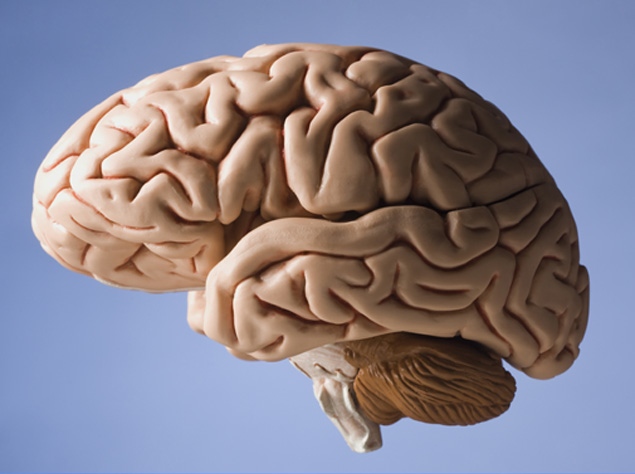
In this new study, scientists observed that microchimeric cells are not only found circulating in the blood, they are also embedded in the brain. They examined the brains of deceased women for the presence of cells containing the male “Y” chromosome. They found such cells in more than 60 percent of the brains and in multiple brain regions. Since Alzheimer’s disease is more common in women who have had multiple pregnancies, they suspected that the number of fetal cells would be greater in women with AD compared to those who had no evidence for neurological disease. The results were precisely the opposite: there were fewer fetal-derived cells in women with Alzheimer’s. The reasons are unclear.

Microchimerism most commonly results from the exchange of cells across the placenta during pregnancy, however there is also evidence that cells may be transferred from mother to infant through nursing. In addition to exchange between mother and fetus, there may be exchange of cells between twins in utero, and there is also the possibility that cells from an older sibling residing in the mother may find their way back across the placenta to a younger sibling during the latter’s gestation. Women may have microchimeric cells both from their mother as well as from their own pregnancies, and there is even evidence for competition between cells from grandmother and infant within the mother.

What it is that fetal microchimeric cells do in the mother’s body is unclear, although there are some intriguing possibilities. For example, fetal microchimeric cells are similar to stem cells in that they are able to become a variety of different tissues and may aid in tissue repair. One research group investigating this possibility followed the activity of fetal microchimeric cells in a mother rat after the maternal heart was injured: they discovered that the fetal cells migrated to the maternal heart and differentiated into heart cells helping to repair the damage. In animal studies, microchimeric cells were found in maternal brains where they became nerve cells, suggesting they might be functionally integrated in the brain. It is possible that the same may true of such cells in the human brain.

These microchimeric cells may also influence the immune system. A fetal microchimeric cell from a pregnancy is recognized by the mother’s immune system partly as belonging to the mother, since the fetus is genetically half identical to the mother, but partly foreign, due to the father’s genetic contribution. This may “prime” the immune system to be alert for cells that are similar to the self, but with some genetic differences. Cancer cells which arise due to genetic mutations are just such cells, and there are studies which suggest that microchimeric cells may stimulate the immune system to stem the growth of tumors. Many more microchimeric cells are found in the blood of healthy women compared to those with breast cancer, for example, suggesting that microchimeric cells can somehow prevent tumor formation. In other circumstances, the immune system turns against the self, causing significant damage. Microchimerism is more common in patients suffering from Multiple Sclerosis than in their healthy siblings, suggesting chimeric cells may have a detrimental role in this disease, perhaps by setting off an autoimmune attack.

This is a burgeoning new field of inquiry with tremendous potential for novel findings as well as for practical applications. But it is also a reminder of our interconnectedness.
http://www.scientificamerican.com/article.cfm?id=scientists-discover-childrens-cells-living-in-mothers-brain

Sexually-deprived fruitflies drink more alcohol

drinking_drosophila

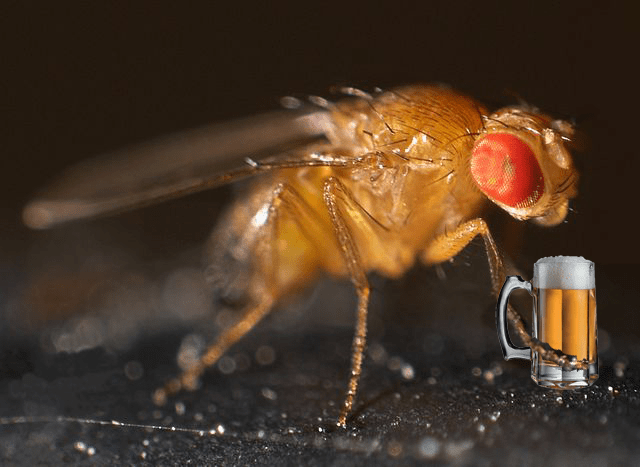
Rejection stinks. It literally hurts. But worse, it has an immediate and negative impact on our brains, producing withdrawal symptoms as if we’re quitting a serious addiction cold turkey. It’s no wonder, then, that we are tempted to turn to drugs to makeourselves feel better. But we’re not the only species that drowns our sorrows when we’re lonely – as a new study in Science reveals, rejected Drosophila do, too. Scientists have found not only will these sexually frustrated flies choose to consume more alcohol than their happily mated peers, sex and alcohol consumption activate the same neurological pathway in their brains.

Drosophila melanogaster males sure know how to woo a lady. When placed in the same container as a potential mate, a male fly will play her a delicate love song by vibrating one wing, caress her rear end, and gently nuzzle her most private of parts with his proboiscis to convince her that he is one heck of a lover. But even the most romantic fly can’t convince an already mated female Drosophila to give up the goods, so scientists were able to use the girls’ steely resolve to see how rejection affects fly drinking behavior.

“Alcohol is one of the most widely used and abused drugs in the world,” explains lead author Galit Shohat-Ophir. “The fruit fly Drosophila melanogaster is an ideal model organism to study how the social environment modulates behavior.” Previous studies have found that Drosophila melanogaster exhibit complex addiction-like behaviors. So in the controlled setting of Ulrike Heberlein’s lab at the University of California San Francisco, researchers paired male fruit flies with three types of females: 1) unmated females, which were willing and happy to mate; 2) mated females, which actively rejected the men; and 3) decapitated females, which didn’t actively reject the guys but, well, weren’t exactly willing partners either. After the flies were satisfied or frustrated, they were offered regular food and food spiked with ethanol, and the researchers measured which type they preferred to see if there was any connection between sex and drinking.

The flies that were rejected drank significantly more than their satisfied peers, but so did the ones paired with incapacitated girls, suggesting that it wasn’t the social aspect of rejection but sexual deprivation that drives male flies to increase their ethanol consumption (see the video at the end!). This alcoholic behavior was very directly related to the guy fly ever getting laid, for even after days of blue balls, if he was allowed to spend some time with a willing woman, he no longer preferred the spiked food.

What the scientists really wanted to understand, though, was why. What drives a frustrated fly to the flask? So to look at the underlying mechanism of this phenomenon, the scientists examined the flies’ brains. A body of scientific literature has connected one particular neurotransmitter, neuropeptide F (NPF), to ethanol-related behaviors in Drosophila, so it was a logical place to start. A very similar neurotransmitter in our brains, called neuropeptide Y (NPY), is linked to alcoholism.

Increased expression of NPF in mated male brains, as shown through immunochemistry.

The team found that sexual frustration caused an immediate decrease in the expression of NPF, while sex increased expression. Furthermore, when they used genetics to artificially knock down NPF levels in the satisfied flies, they drank as much as their not-so-satisfied friends. Similarly, when the researchers artificially increased NPF levels, flies stayed sober. This is the first time NPF levels have connected sexual activity to drinking. Clearly, NPF levels controlled the flies’ desire to drink, so the team further explored how NPF works in the fly’s brain.

Many animals, including ourselves, possess a neurological reward system which reinforces good behavior. Through this system, we ascribe pleasure or positive feelings to things we do that are necessary for species survival, including sex, eating, and social interaction. Drugs tap into this system, stimulating pleasure which can lead to addiction. Previous studies have shown that flies find intoxication rewarding, so the researchers hypothesized that NPF may play a role in the reward system.

Preference tests showed that artificially increasing NPF levels in the absence of sex or ethanol was rewarding to the flies, confirming the scientists’ hypothesis. This was further supported by the discovery that constantly activating NPF abolished the flies’ tendency to consider ethanol rewarding.

“NPF is a currency of reward” explains Shohat-Ophir. High NPF levels signal good behavior in Drosophila brains, thus reinforcing any activities which led to that state. This is a truly novel discovery, for while NPF and the mammal version, NPY, have been linked to alcohol consumption, no animal model has ever placed NPF/NPY in the reward system.

Understanding the role of NPF in reward-seeking behaviors may lead to better treatments for addicts. “In mammals, including humans, NPY may have a similar role [as NPF],” says Shohat-Ophir. “If so, one could argue that activating the NPY system in the proper brain regions might reverse the detrimental effects of traumatic and stressful experiences, which often lead to drug abuse.” Already, NPY and drugs that affect the function of its receptors are in clinical trials for anxiety, PTSD, mood disorders and obesity. This study suggests that perhaps they should be tested as treatment for alcoholism, too, as well as other reward-based addictions.

Research: Shohat-Ophir, G, KR Kaun & R Azanchi (2012). Sexual Deprivation Increases Ethanol Intake in Drosophila. Science 335: 1351-1355.

Click  http://blogs.scientificamerican.com/science-sushi/2012/03/15/flies-drink-upon-rejection/

to view a sequence of  three videos that show a male fly courting and successfully mating with a female fly, another male fly being rejected by a female, and a male choosing to consume an alcohol-infused solution over a non-alcohol solution. Video © Science/AAAS

Research from Asia is overturning long-held notions about the factors that drive people to commit suicide


SHANGHAI, CHINA—Mrs. Y’s death would have stumped many experts. A young mother and loyal wife, the rural Chinese woman showed none of the standard risk factors for suicide. She was not apparently depressed or mentally ill. Villagers said she exuded happiness and voiced few complaints. But when a neighbor publicly accused Mrs. Y of stealing eggs from her henhouse, the shame was unbearable. Mrs. Y rushed home and downed a bottle of pesticide. “A person cannot live without face,” she cried before she died. “I will die to prove that I did not steal her eggs.”

Decades of research in Western countries have positioned mental illness as an overwhelming predictor of suicide, figuring in more than 90% of such deaths. Another big risk factor is gender: Men commit suicide at much higher rates than women, by a ratio of nearly 4 to 1 in the United States, according to the U.S. Centers for Disease Control and Prevention. Other common correlates include city life and divorce. But in China, says Jie Zhang, a sociologist at the State University of New York, Buffalo State, the case of Mrs. Y is “a very typical scenario.”

Zhang oversaw interviews with Mrs. Y’s family and acquaintances while researching the prevalence of mental illness among suicide victims aged 15 to 34 in rural China. Through psychological autopsies—detailed assessments after death—Zhang and coauthors found that only 48% of 392 victims had a mental illness, they reported in the July 2010 issue of the American Journal of Psychiatry. An earlier study of Chinese suicide victims put the prevalence of mental disorders at 63%—still nowhere near as high as accepted models of suicide prevention would predict. Meanwhile, other standard risk factors simply don’t hold true, or are even reversed, in China. Chinese women commit suicide at unusually high rates; rural residents kill themselves more frequently than city dwellers do; and marriage may make a person more, rather than less, volatile.

Such differences matter because China accounts for an estimated 22% of global suicides, or roughly 200,000 deaths every year. In India, meanwhile, some 187,000 people took their own lives in 2010—twice as many as died from HIV/AIDS. By comparison, the World Health Organization (WHO) estimates that suicides in high-income countries total only 140,000 a year. Suicide rates in Japan and South Korea, however, are similar to China’s (see p. 1026), suggesting that this is a regional public health issue. And yet suicide in Asia is poorly understood. “Suicide has not gotten the attention it deserves vis-à-vis its disease burden,” says Prabhat Jha, director of the Centre for Global Health Research in Toronto, Canada.

Emerging research from developing countries like China and India is now filling that gap—and overturning prevailing notions. “The focus of the study of suicide in the West is psychiatry,” Zhang says. While mental illness remains an important correlate in Asia, he says, researchers may learn more from a victim’s family, religion, education, and personality. New findings, Zhang says, suggest that some researchers may have misread correlation as causation: In both the East and the West, “mental illness might not be the real cause of suicide.”

Distressing data

Reliable data on suicide across Asia were once maddeningly scarce. In Thailand until 2003, there was no requirement that the reported cause of death be medically validated—a flaw that rendered the country’s suicide data inaccurate. In India, suicide is a crime, which means it often goes unreported. But the Thai government now has a more accurate reporting system for mortality figures, while Indian researchers are benefiting from the Million Death Study, an effort to catalog causes of death for 1 million Indians in a 16-year survey relying on interviews with family members (Science, 15 June, p. 1372). The study has already produced a disturbing revelation about reported suicide rates. “When we compare our data with police reports, you find undercounts of at least 25% in men and 36% in women,” says Jha, the study’s lead investigator.

New insights from China are particularly instructive. Because suicide carries a stigma, the Chinese government withheld data on the topic until the late 1980s. When information finally came out, it quickly became clear that the country had a serious problem. In 1990, for example, the World Bank’s Global Burden of Disease Study estimated there were 343,000 suicides in China—or 30 per 100,000 people. The U.S. rate for the same year was 12 per 100,000.

But other reports gave different figures, prompting a debate on sources. WHO’s extrapolated total was based on data that China had reported from stations covering only 10% of the population, skewed toward urban residents. As researchers focused on the problem, they arrived at more reliable figures—but also unearthed more mysteries. In an analysis in The Lancet in 2002, a group led by Michael Phillips of Shanghai Mental Health Center and Emory University School of Medicine in Atlanta estimated that from 1995 to 1999, Chinese women killed themselves more frequently than men—by a ratio of 5 to 4. “There was originally disbelief about the very different gender ratio in China,” Phillips says, although later it was accepted.

Today, the suicide sex ratio in China is roughly 1 to 1, still a significant departure from the overall U.S. male-to-female ratio of 4 to 1. In India, the male-to-female suicide ratio is 1.5 to 1, although in the 15 to 29 age group it is close to equal. And yet, WHO estimates the global sex ratio at three men to one woman. (With colleague Cheng Hui, Phillips recently used Chinese and Indian figures to lower that estimate to 1.67 to 1.) Among young adults in India, suicide is second only to maternal mortality as a cause of death for women, according to the Million Death Survey.

In both China and India, cases like Mrs. Y’s involving no apparent mental illness are common. In India, suicide is most prevalent among teenagers and young adults—the cohort that is entering the workforce, marrying, and facing new life stresses. This contrasts with the Western pattern of high suicide rates among the middle-aged, suggesting that although “there might well be some underlying psychiatric conditions, the main drivers of [suicide in India] are probably chiefly social conditions,” Jha says. While cautioning that detailed psychological autopsies are still needed in India, he says, “it’s a reasonable assumption that many of these young folks are not mentally ill.”

Convincing researchers outside Asia may prove an uphill battle. Matthew Miller, a suicide researcher at the Harvard Injury Control Research Center in Boston, says that mental illness may be underdiagnosed in Asia for reasons that aren’t fully understood. That could throw off correlation studies. Phillips, who has worked in China for over 20 years, agrees that underdiagnosis is a problem, and that “many Western researchers still believe that we are just missing cases.” But he rejects that explanation. Even accounting for underdiagnosis, he says, the finding of a lower rate of mental illness among suicide victims has held up in multiple studies. Many Chinese suicide victims, he adds, are “most certainly severely distressed, but they don’t meet the criteria of a formal mental illness.”

Lethal weapons

Assuming that suicide risk is shaped by different factors in Asia, researchers are striving to uncover the roots. One clue may lie in the high proportion of unplanned Chinese suicides. In a 2002 survey of 306 Chinese patients who had been hospitalized for at least 6 hours following a suicide attempt, Phillips and colleagues found that 35% had contemplated suicide for less than 10 minutes—and 54% for less than 2 hours. Impulsiveness among suicide victims in Asia “tends to be higher than in the West,” says Paul Yip, director of the Hong Kong Jockey Club Centre for Suicide Research and Prevention at the University of Hong Kong and one of the authors of a recent WHO report on suicide in Asia. Although impulsive personality traits are sometimes linked to illnesses like bipolar disorder, studies in China have not uncovered full-fledged personality disorders in impulsive suicide victims.

In a tragic twist, impulsive victims in Asia tend to favor highly fatal methods. After interviewing family members and friends of 505 Chinese suicide victims, Kenneth Conner, a psychiatric researcher at the University of Rochester Medical Center in New York, and colleagues reported in 2005 that those who had ingested pesticides were more likely to have acted rashly than were those who used other methods such as hanging or drowning. Pesticides are a leading cause of suicide death in China and India, and the cause of roughly half of suicides worldwide. Pesticides may also explain Asia’s unusual suicide sex ratio, Jha says. In the West, women attempt suicide just as frequently as men do, but they tend to down sleeping pills—and often survive.

The trends in Asia point to a need for innovative prevention strategies. Zhang believes efforts should focus less on mental illness and more on “educating people to have realistic goals in life and teaching them to cope with crisis.” Front and center should be universities and rural women’s organizations, both of which already have active suicide prevention programs in China, he says. Such community-based approaches appear to have been effective in Hong Kong, Yip says. Over the past decade, the territory has rolled out programs for schoolchildren on dealing with stress and outreach groups for older adults. Its suicide rate has fallen 27% since 2003.

But resources in many Asian countries are limited. The vast majority of cities in China and India still do not have 24-hour suicide prevention hotlines. That may make what scholars call means restriction—reducing access to tools commonly used in suicide—a better goal. In Sri Lanka, pesticides once accounted for two-thirds of suicide deaths. Then in 1995, the government took steps to ban the most toxic pesticides. The suicide rate plummeted by 50% in the following decade.

The varying degrees to which mental illness and suicide correlate in East and West may ultimately be beside the point, argues Zhang, who believes a third factor may be the trigger in both regions. Strain theory, which posits that societal pressures, rather than inborn traits, contribute to crime, can help explain suicide, he believes. “Psychological strains usually precede a suicidal behavior, and they also happen before an individual becomes mentally ill.”

When a person is pulled by two or more conflicting pressures, Zhang says, as with “a girl who receives Confucian values at home and then goes to school and learns about modern values and gender equality,” she may be more prone to suicide. Other situational stresses may include a sudden crisis faced by a rural woman lacking coping mechanisms—such as the case of Mrs. Y—or an incident that forces a young man to confront a gap between his aspirations and reality. Zhang found that strain theory held up for his study subjects in rural China. He plans to probe whether it also applies to older Chinese.

Ultimately, Zhang hopes to test strain theory on Americans. The U.S. National Institutes of Health “spends millions and millions of dollars every year on treating mental illness to prevent suicide,” he says. “But no matter how much money we spend, how many psychiatrists we train, or how much work we do in psychiatric clinics, the U.S. suicide rate doesn’t decrease.” It has hovered around 10 to 12 suicides per 100,000 people since 1960.

Such research may be the tip of the iceberg when it comes to debunking long-held ideas about behavior disorders. Alcoholism is another area ripe for exploration, Cheng says: The profile of alcoholics in China contrasts sharply with that in the West. Because of social pressure to drink, Chinese alcoholics are far more likely to be working and married than American counterparts, who are often unemployed and divorced, she says. Suicide, Cheng muses, “is just another example of how environment can change behavior.”

http://www.sciencemag.org/content/338/6110/1025.full

Pica is highly prevalent among men in Madagascar

Turns out pregnant women aren’t the only ones who eat dirt. A new study reveals a surprising incidence of picacraving and consuming nonfood substancesamong men.

Conducted in Madagascar, where pica is common, the research is the first to identify a population where the practice is highly prevalent among men, the scientists say. In fact, the men in the study ate nonfood items at least as much as pregnant women and adolescents, whom previous case studies had shown to be the main pica practitioners.

So why this sudden appearance of pica-practicing men?

“My guess, which is not substantiated, is that prior research study designs may have ignored men in their study samples as an artifact of studying pregnant women,” said study author Christopher Golden, an eco-epidemiologist and National Geographic Society Conservation Trust grantee.

Pica researcher Laura Beatriz López, nutrition director at the University of Buenos Aires, agreed.

“Traditionally studies of geophagy [eating earth] and pica have focused on describing the prevalence in children and pregnant women,” López wrote in an email, which has been translated from Spanish.

“Personally, I think the work is pioneering,” she said, because it reveals “such a high prevalence of pica in men and also found no significant differences with women.”

Golden and colleagues—advised by Cornell nutritional anthropologist Sera Young—surveyed pica behaviors in a random sample of 760 people in 16 villages of Madagascar’s Makira Protected Area in 2009. (See Madagascar pictures from National Geographic magazine.)

The study subjects—male and female—identified eating 13 nonfood substances, including sand, soil, chicken feces, uncooked rice, raw cassava root, charcoal, salt, and ash, according to the new report, which appeared Wednesday in the journal PLOS ONE.

More than 53 percent of the survey respondents reported engaging in pica. For adult men alone, that number was 63 percent.

Bucking the stereotype, less than one percent of nonpregnant women said they ate any nonfoods only during pregnancy.

Many people reported eating nonfoods for their healing powers, especially for stomach troubles, Golden said. And many believed that pica would bring good luck for better overall health.

Previously, scientists had suggested people practice pica for two reasons: to fulfill a deficiency of trace minerals in their diet and to cleanse and deworm the intestinal tract.

The nutrition theory would make sense for pregnant women and children, whose dietary needs are greater those of the rest of the population.

Even so, there’s no evidence that the human body can actually absorb trace minerals from soil, said Golden, adding that pica “may not serve any health purpose.”

The University of Buenos Aires’s López added that the cultural norms of Madagascar contribute to the high rate of eating inedible substances. For instance, many Malagasy don’t consider eating raw starches, such as uncooked rice, to be a form of pica.

Pica, study co-author Golden emphasized, “is not exclusive to rural populations in developing countries.”

For example, many Americans do it, Golden said, and he speaks from experience. “A close college friend of mine,” he said, “is a frequent consumer of chalk.

“It is very prevalent, yet stigmatized, and thus underreported.”

Added Cleveland Clinic psychologist Susan Albers by email: “Pica is an eating disorder that gets far less attention and research than other eating disorders such as anorexia and bulimia, yet it is important, as it can lead to significant health consequences, due to the possibility of consuming toxic substances.

“We’ve seen more attention on men and eating disorders over the last few years,” Albers said. “This study notes the importance of further research on men and pica and making sure they are adequately represented in the sample.”

Study co-author Golden said he isn’t quite ready to label pica an eating disorder, since it’s not yet clear whether the practice is harmful. But he agreed that more pica research is needed, especially among men.

The new Madagascar study may be a big step in that direction. To Golden, the discovery “opens up this whole field of research, to have fellow researchers acknowledge both men and women in their studies.”

More: “Why People Eat Dirt”—interview with Christopher Golden >>

http://news.nationalgeographic.com/news/2012/10/121019-pica-food-health-science-madagascar-men-women-pregnant-eat-dirt/

Early therapy can change brains of kids with autism


As the number of children with autism has risen dramatically over the past couple of decades, experts have learned that the earlier a child gets diagnosed, the earlier specialized therapy can be initiated, which can significantly improve outcomes.

Now researchers have been able to show that a particular type of behavioral therapy called the Early Start Denver Model (ESDM) not only improves autism symptoms, but actually normalizes brain activity and improves social behavior.

Autism is a neurodevelopmental disorder that starts to become very apparent around age 3. The main signs and symptoms of autism involve communication, social interactions and repetitive behaviors. According to the latest statistics from the U.S. Centers for Disease Control and Prevention, one in 88 children currently is diagnosed with autism, including one in 54 boys.

“Early intervention alters the trajectory of the brain and social development in children with autism,” says Geraldine Dawson, the lead study author who developed the ESDM therapy along with study co-author Sally Rogers.

Dawson was a researcher at the University of Washington when she helped devise ESDM; she’s now the chief science officer for the advocacy and research group Autism Speaks and a professor at the University of North Carolina. Rogers is a professor and researcher at the University of California Davis MIND Institute.

ESDM therapy uses teaching methods from ABA ,or applied behavioral analysis, the traditional one-on-one interaction between a child and the therapist.

But rather than sitting at a desk next to the child — where a teacher or therapist breaks down complex tasks into small components and gives tangible reinforcements — children receiving ESDM are sitting on the floor, playing with their therapist or parents.

It can be done just about anywhere, and Dawson says the play-based method of engaging a child helps him or her develop a social relationship.

The study began with 48 children in Seattle and Sacramento, California, who were between who were between 1 1/2 and 2 1/2 years old. Half of the children received a total of 20 hours of ESDM therapy over five days a week.

But since parents can be taught the methods in just a few hours, they could engage their children using the ESDM method as well. The other half of the toddlers received community-based interventions, which included in some individual therapist sessions and some day care-based sessions. The number of hours spent with therapists was the same in both groups.

Three years ago, Rogers and Dawson published their first findings from this study and found that children receiving ESDM therapy increased their IQ and language skills three times more than children in the community-intervention group.

That in itself was “very significant,” says Dr. Thomas Insel, director of the National Institute of Mental Health, because it proved that early detection and intervention leads to improved outcomes.

In their latest study, published Friday in the Journal of the American Academy of Child & Adolescent Psychiatry, Rogers and Dawson show what parts of a child’s brain are active after two years of therapy, compared to typically developing children, using an EEG (electroencephalogram). In an EEG, electrical activity in different parts of the brain is measured using electrodes that attached to the child’s head.

“If the child wiggles too much, the data is not interpretable,” says Dawson.

In the end, researchers could only get 60% of the children to sit still enough to get usable EEG results, she says, but that was true in both the group of children with autism and those without.

Fifteen children in the EDSM group, 14 in the community intervention group and 17 typically developing children underwent EEGs while looking at pictures of faces (social stimuli) vs. pictures of toys (nonsocial stimuli).

Technicians measuring the brain activity had no idea which children had autism and which did not.

“Children who received ESDM now showed a normal (brain) response, identical to typical 4-year-olds,” Dawson tells CNN. That wasn’t the case with most children who didn’t have ESDM therapy.

Babies are naturally drawn to people and faces, and their brains show greater responses when they look at a face, compared to an object or a toy, Dawson says.

But in young and even older children with autism, the opposite happens. The part of the brain that should be responding to a face or social activity doesn’t light up, but the part of the brain that responds to objects is more active.

Insel says this study shows that the ESDM form of therapy “not only changes behavior, it changes the brain.”

The exact cause, or more precisely causes, of autism are unknown and there is no cure.

Parents and pediatricians are urged to look for early signs of autism including: little or no eye contact, lack of or delay of spoken language, repetitive use of language and behaviors and persistent fixation on parts of objects.

Since 2007, the American Academy of Pediatrics recommends that pediatricians screen 18- and 24-month-old toddlers for signs of autism.

When something is wrong in the brain — not just in autism, but also in diseases like Alzheimer’s and Parkinson’s — what’s causing the disease is occurring much earlier than when symptoms appear, Insel explains.

Based on the new findings, perhaps using EEGs to measure this type of brain activity could be a biomarker for autism, he says. A biomarker is a distinct characteristic that indicates a particular condition.

Measuring a baby’s brain activity as early as 3 and 6 months could identify changes in the brain before changes in behavior are noticed, he says, and therapy could begin even earlier.

The ESDM model could be applied as early as 12 months, say Dawson and Rogers.

More research will probably have to be done to confirm the biomarker. So until there is a definitive test for diagnosing autism, Dawson says this it’s even more important that pediatricians screen children for autism as early as possible.

“The average age of diagnosis is still 4 and 5 and even older in minority groups,” she says. “We really need to close the gap.”

Autism Speaks has many tools on its website to help parents see what a child with autism looks like compared to a typically developing child. There are also many tool kits to help families of children with autism.

http://www.cnn.com/2012/10/31/health/autism-therapy-brain/index.html?hpt=hp_t3

Effforts to Combat Diss Information

False information is pervasive and difficult to eradicate, but scientists are developing new strategies such as “de-biasing,” a method that focuses on facts, to help spread the truth.

ByCarrie Arnold

A recurring red herring in the current presidential campaign is the verity of President Barack Obama’s birth certificate. Although the president has made this document public, and records of his 1961 birth in Honolulu have been corroborated by newspaper announcements, a vocal segment of the population continues to insist that Obama’s birth certificate proving U.S. citizenship is a fraud, making him legally ineligible to be president. A Politico survey found that a majority of voters in the 2011 Republican primary shared this clearly false belief.

Scientific issues can be just as vulnerable to misinformation campaigns. Plenty of people still believe that vaccines cause autism and that human-caused climate change is a hoax. Science has thoroughly debunked these myths, but the misinformation persists in the face of overwhelming evidence. Straightforward efforts to combat the lies may backfire as well. A paper published on September 18 in Psychological Science in the Public Interest (PSPI) says that efforts to fight the problem frequently have the opposite effect.

“You have to be careful when you correct misinformation that you don’t inadvertently strengthen it,” says Stephan Lewandowsky, a psychologist at the University of Western Australia in Perth and one of the paper’s authors. “If the issues go to the heart of people’s deeply held world views, they become more entrenched in their opinions if you try to update their thinking.”

Psychologists call this reaction belief perseverance: maintaining your original opinions in the face of overwhelming data that contradicts your beliefs. Everyone does it, but we are especially vulnerable when invalidated beliefs form a key part of how we narrate our lives. Researchers have found that stereotypes, religious faiths and even our self-concept are especially vulnerable to belief perseverance. A 2008 study in the Journal of Experimental Social Psychology found that people are more likely to continue believing incorrect information if it makes them look good (enhances self-image). For example, if an individual has become known in her community for purporting that vaccines cause autism, she might build her self-identity as someone who helps prevent autism by helping other parents avoid vaccination. Admitting that the original study linking autism to the MMR (measles–mumps–rubella) vaccine was ultimately deemed fraudulent would make her look bad (diminish her self-concept).

In this circumstance, it is easier to continue believing that autism and vaccines are linked, according to Dartmouth College political science researcher Brendan Nyhan. “It’s threatening to admit that you’re wrong,” he says. “It’s threatening to your self-concept and your worldview.” It’s why, Nyhan says, so many examples of misinformation are from issues that dramatically affect our lives and how we live.

Ironically, these issues are also the hardest to counteract. Part of the problem, researchers have found, is how people determine whether a particular statement is true. We are more likely to believe a statement if it confirms our preexisting beliefs, a phenomenon known as confirmation bias. Accepting a statement also requires less cognitive effort than rejecting it. Even simple traits such as language can affect acceptance: Studies have found that the way a statement is printed or voiced (or even the accent) can make those statements more believable. Misinformation is a human problem, not a liberal or conservative one, Nyhan says.

Misinformation is even more likely to travel and be amplified by the ongoing diversification of news sources and the rapid news cycle. Today, publishing news is as simple as clicking “send.” This, combined with people’s tendency to seek out information that confirms their beliefs, tends to magnify the effects of misinformation. Nyhan says that although a good dose of skepticism doesn’t hurt while reading news stories, the onus to prevent misinformation should be on political pundits and journalists rather than readers. “If we all had to research every factual claim we were exposed to, we’d do nothing else,” Nyhan says. “We have to address the supply side of misinformation, not just the demand side.”

Correcting misinformation, however, isn’t as simple as presenting people with true facts. When someone reads views from the other side, they will create counterarguments that support their initial viewpoint, bolstering their belief of the misinformation. Retracting information does not appear to be very effective either. Lewandowsky and colleagues published two papers in 2011 that showed a retraction, at best, halved the number of individuals who believed misinformation.

Combating misinformation has proved to be especially difficult in certain scientific areas such as climate science. Despite countless findings to the contrary, a large portion of the population doesn’t believe that scientists agree on the existence of human-caused climate change, which affects their willingness to seek a solution to the problem, according to a 2011 study in Nature Climate Change. (Scientific Americanis part of Nature Publishing Group.)

“Misinformation is inhibiting public engagement in climate change in a major way,” says Edward Maibach, director of the Center for Climate Change Communication at George Mason University and author of the Nature article, as well as a commentary that accompanied the recent article in PSPI by Lewandowsky and colleagues. Although virtually all climate scientists agree that human actions are changing the climate and that immediate action must be taken, roughly 60 percent of Americans believe that no scientific consensus on climate change exists.

“This is not a random event,” Maibach says. Rather, it is the result of a concerted effort by a small number of politicians and industry leaders to instill doubt in the public. They repeat the message that climate scientists don’t agree that global warming is real, is caused by people or is harmful. Thus, the message concludes, it would be premature for the government to take action and increase regulations.

To counter this effort, Maibach and others are using the same strategies employed by climate change deniers. They are gathering a group of trusted experts on climate and encouraging them to repeat simple, basic messages. It’s difficult for many scientists, who feel that such simple explanations are dumbing down the science or portraying it inaccurately. And researchers have been trained to focus on the newest research, Maibach notes, which can make it difficult to get them to restate older information. Another way to combat misinformation is to create a compelling narrative that incorporates the correct information, and focuses on the facts rather than dispelling myths—a technique called “de-biasing.”

Although campaigns to counteract misinformation can be difficult to execute, they can be remarkably effective if done correctly. A 2009 study found that an anti-prejudice campaign in Rwanda aired on the country’s radio stations successfully altered people’s perceptions of social norms and behaviors in the aftermath of the 1994 tribally based genocide of an estimated 800,000 minority Tutsi. Perhaps the most successful de-biasing campaign, Maibach notes, is the current near-universal agreement that tobacco smoking is addictive and can cause cancer. In the 1950s smoking was considered a largely safe lifestyle choice—so safe that it was allowed almost everywhere and physicians appeared in ads to promote it. The tobacco industry carried out a misinformation campaign for decades, reassuring smokers that it was okay to light up. Over time opinions began to shift as overwhelming evidence of ill effects was made public by more and more scientists and health administrators.

The most effective way to fight misinformation, ultimately, is to focus on people’s behaviors, Lewandowsky says. Changing behaviors will foster new attitudes and beliefs.

http://www.scientificamerican.com/article.cfm?id=how-to-stop-misinformation-from-becoming-popular-belief&WT.mc_id=SA_20121016

$7 Million in gold discovered in home of deceased recluse

Authorities in Carson City recently made an astounding discovery in the home of a local recluse whose body was found in his residence. Walter Samaszko Jr. had left only $200 in his bank account. But hidden throughout the house were other treasures – including gold bars and coins valued at $7 million.

“You never anticipate running into anything like this,” Carson City Clerk-Recorder Alan Glover told the Los Angeles Times. “It was a run-of-the-mill 1,200-square-foot tract home that still had orange shag carpet. This guy was everybody’s next-door neighbor.”

Samaszko, 69, was described by officials as a loner who went about his business and had few friends. He had been dead at least a month when neighbors called authorities. The victim, who suffered from heart trouble, had lived in the house since the 1960s, and his mother lived with him until her death in 1992.

Glover, who also serves as the local public administrator, was tasked with dealing with the effects of a man who had left no will and had no known living relatives. But during the home cleanup, workers struck gold.

“He was a hoarder – there was everything inside that home you could think of,” Glover said. “The workers found a crawl space from the garage. That led to everything else.

“He was apparently buying gold from a local coin dealer. We found it in sealed boxes marked ‘books.’ We also found gold wrapped in tinfoil stored in ammunition boxes,” Glover told The Times. “There was just more and more. We found a family silver set with rolls of U.S. $20s and Mexican five peso coins.”

The gold coins had been minted as early as the 1840s in such countries as Mexico, England, Austria and South Africa, he said.

Based on just the weight of the gold, Glover estimates the value at $7 million. Because some of the coins appear to be collector items, the value could go much higher, he said.

Officials eventually used a metal detector to search the backyard to make sure they had left no coin uncovered. Samaszko also had stock accounts of more than $165,000 and another $12,000 in cash at the house.

Then came the task of finding relatives. Investigators used list of people who attended Samaszko’s mother’s funeral to track down a first cousin who lives in San Rafael, Calif.

“This will be good for her,” Glover said. “She’s a substitute school teacher who lives in an apartment.”

He said the deceased remains an enigma. “He didn’t socialize. He wasn’t exactly a hermit – he shopped for groceries and talked with at least one elderly neighbor. In his garage was a 1968 Mustang he bought new.”

“He didn’t belong to anything. He just went his own way, with all that gold.”

http://www.latimes.com/news/nation/nationnow/la-na-nn-carson-city-gold-20120917,0,5763811.story

Parasite in cat litter may increase risk of suicide


Women infected with the common cat parasite Toxoplasma gondii, which lurks in litter boxes, may suffer undetected brain changes that lead to personality changes and even mental illness. That’s according to a new study of more than 45,000 women in Denmark published Monday in the Archives of General Psychiatry. The parasite, excreted in cat feces, also spreads through undercooked meat and unwashed vegetables. Pregnant women have long been warned to avoid the parasite, because they can pass it onto their fetus, causing brain damage or stillbirth. In the new study, researchers found that women infected by T. gondii were one and a half times more likely to try to take their own lives than those who were not affected. They were also more likely to try to commit suicide violently—with a gun, sharp object, or by jumping, Time reports. Suicide risk increased with the levels of T. gondii antibodies found. “We can’t say with certainty that T. gondii caused the women to try to kill themselves, but we did find a predictive association between the infection and suicide attempts later in life that warrants additional studies,” study author Teodor Postolache, an associate professor of psychiatry and director of the Mood and Anxiety Program at the University of Maryland School of Medicine, said in a press statement.


Freezer malfunction at Harvard destroys crucial supply of brains being used to study autism

A freezer malfunctioned at a Harvard-affiliated hospital that oversees the world’s largest collection of autistic brain samples, damaging a third of the scientifically precious specimens and casting doubt on whether they can be used in research.

The director of the Harvard Brain Tissue Resource Center said the loss was “devastating,” particularly in light of the increasing demand for brain samples among scientists searching for the cause of autism and potential treatments.

“Over the last 10 years, the autism tissue program has been working very hard to get the autism community to understand the importance of brain donation,” Dr. Francine Benes said. Now many of those samples have been compromised.

The freezer failed sometime late last month at the center, which is housed at McLean Hospital in the Boston suburb of Belmont. At least 54 samples earmarked for autism research were harmed. Many of them turned dark with decay.

However, an initial review indicates that the DNA in the samples is intact and can still be used for genetic research. It’s unclear, however, whether the samples could be used for the full range of neuroscience needs.

Thirty-two of the brains had been cut in half, with one side placed in a formaldehyde solution and the other placed in the freezer. The samples in the solution remain available for all research projects, the hospital said.

The frozen tissue samples are normally maintained at about minus 80 degrees Celsius, but the temperature had reached about 7 degrees — the temperature of a common refrigerator — when the failure was discovered, Benes said.

That means an important chemical cousin of DNA called RNA was destroyed, she said.

Center officials say they’ve already completed an inspection of the equipment to ensure the safety of the collection.

Dr. Fred Volkmar, an autism researcher and director of the Child Study Center at Yale University, said the damage is even more disheartening given recent advances in autism research.

Some of that research, including autism studies involving stem cells, wasn’t even possible at the time when some of the brains were donated.

“We can’t always know where the science is going to take us,” Volkmar said. “In that respect, it’s a horrible loss. The hope is that at least it’s not a total disaster.”

The hospital launched an investigation to determine why the freezer malfunctioned and why two alarm systems failed to go off as the temperature rose.

Benes said her biggest fear is that the loss of samples could make it harder in the future to encourage brain donation from autistic children and young adults.

“There has been a lot of resistance of brain donations for religious and cultural reasons,” she said.

The collection is owned by the advocacy and research organization Autism Speaks.

The Harvard Brain Tissue Resource Center is the largest and oldest federally funded “brain bank” in the United States. It provides thousands of postmortem brain tissue samples annually to researchers across the nation.

Read more: http://www.nydailynews.com/life-style/health/freezer-malfunction-thaws-brains-harvard-research-hospital-article-1.1094094#ixzz1xnz81QSj

Swiss woman starves to death on sunlight-only diet


Swiss newspaper Tages-Anzeiger reports that a woman starved to death after embarking on a spiritual diet that required her to stop eating or drinking and live off sunlight alone.

The Zurich newspaper reported Wednesday that the unnamed Swiss woman in her fifties decided to follow the radical fast in 2010 after viewing an Austrian documentary about an Indian guru who claims to have lived this way for 70 years.

Tages-Anzeiger says there have been similar cases of self-starvation in Germany, Britain and Australia.

The prosecutors’ office in the Swiss canton (state) of Aargau confirmed Wednesday that the woman died in January 2011 in the town of Wolfhalden in eastern Switzerland.

Read more: http://www.nydailynews.com/life-style/health/swiss-women-dies-giving-water-food-thought-live-sunlight-article-1.1067359#ixzz1tFY0yuar