Introducing the first bank of feces

BY Erika Engelhaupt

A new nonprofit called OpenBiome is hoping to do for fecal transplants what blood banks have done for transfusions. It’s a kind of Brown Cross.

And it’s an idea whose time has come. Recent trials testing transplants of fecal microbes from the healthy to the sick have been so promising that people are attempting dangerous do-it-yourself fecal transplants by enema, for lack of access to authorized medical procedures.

Graduate students Carolyn Edelstein and Mark B. Smith got the idea for OpenBiome after a friend had trouble getting a fecal transplant to treat an infection with Clostridium difficile. The bacterium causes dangerous, even fatal, diarrhea and in an increasing number of cases is resistant to antibiotics.

People tend to get C. difficile infections after antibiotics or chemotherapy has knocked out helpful bacteria, allowing what is normally a background player to take over. Transplants of fecal bacteria from healthy donors can help reset the microbiome, the mix of bacteria in the body, and crowd out C. difficile. A 2011 review of 317 patients treated for C. difficile found that fecal transplants cleared up infections in 92 percent of patients. And more recent research showed that taking a round of pills containing bacteria isolated from fecal matter (without the feces itself) resolved C. difficile infections in all of 32 patients treated.

There’s also interest in transplanting healthy fecal microbiomes into people with inflammatory bowel disease or even obesity. In one recent test, mice implanted with fecal microbes from thin humans stayed thin, while mice given bacteria from obese people gained weight.

But the transplants are hard to get. As Edelstein and Smith’s friend learned, the U.S. Food and Drug Administration requires lots of paperwork for the experimental therapy, and donor feces has to be screened for a host of potential pathogens.

That’s where OpenBiome steps in. The nonprofit offers hospitals fecal samples for $250 that have been prescreened to ensure they are free of pathogens and parasites. Since October, they’ve sent more than 100 samples to a dozen hospitals and clinics, according to an interview with Smith in the Chronicle of Higher Education. Edelstein, who’s studying public affairs at Princeton, and Smith, who’s studying microbiology at MIT, recruited friends and donors and negotiated permissions with the FDA to set up the organization, which houses its samples at MIT. OpenBiome is also offering to collaborate with researchers for long-term follow-up on patients’ microbiomes.

Because FDA considers feces to be a drug in the context of transplants, OpenBiome is providing stool only for treatment of C. difficile. People hoping to shift their microbiomes for other purposes are still out of luck. Until more testing and approval comes through, that leaves open the risk that some people may resort to home transplants.

Let me be very clear about this: Whipping up an enema of your friend’s stool is a terrible idea.There are excellent reasons why people normally avoid poop: It can carry pathogens and parasites that cause serious disease. Even a donor who appears perfectly healthy might be carrying around bacteria or viruses that his or her immune system or particular microbiome mix is able to deal with. Your mileage may vary.

Your genetics, your immune system, your diet and environment — all these things create the ecology of your insides, making it hard to predict what your outcome might be. What’s more, you may need to make other medically supervised changes along with the transplant. Research on microbiome links to obesity, for instance, suggests that a new “skinny” microbiome has to be accompanied by a switch to a diet lower in fat and calories, or else the new microbes will just be outcompeted.

These dangers and complicating factors are why a supply of prescreened stool is so important. The procedures need to be done under medical supervision, and when done right the results look really promising. The recently tested pill approach avoids some of the yuck factor of fecal transplants, but most transplants are done via an enema, colonoscopy or nose tube to the gut.

If you get transplant material from OpenBiome, you’ll have to submit to one of the usual transplant methods rather than a pill, but you can rest assured you’re getting high-quality stuff. Not only are the samples screened, the donors are among the best and brightest: a few young researchers and scientists from Harvard and MIT.

Introducing the first bank of feces

Thanks to Jody Troupe for bringing this to the attention of the It’s Interesting community.
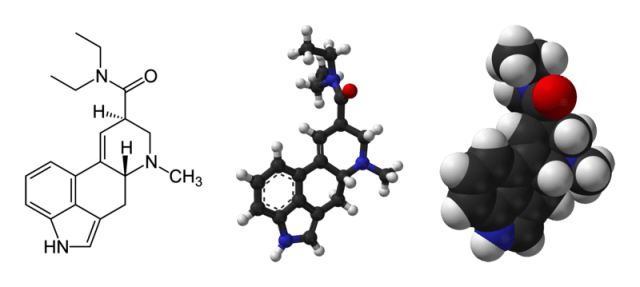
LSD’s ability to make minds malleable revisited

Could taking LSD help people make peace with their neuroses?

Psychiatrists in the 1960s certainly thought so. They carried out many studies looking at the effect of LSD and other psychedelics on people undergoing psychotherapy for schizophrenia, OCD and alcoholism.

The idea was that the drug would mimic the effect of hypnotherapy, making people more suggestible and open to changing their thought patterns. The results were reportedly positive, but the experiments rarely included control groups and so don’t stand up to modern scrutiny.

The work ground to a halt when recreational use of LSD was banned in 1971 – even though using LSD for research purposes was exempt.

Several decades on and LSD research is less of a contentious issue. This has allowed a team of researchers to revisit LSD’s suggestive powers with more care.

A team at Imperial College London gave 10 healthy volunteers two injections a week apart, either a moderate dose of LSD or a placebo. The subjects acted as their own controls, and didn’t know which dose was which. Two hours after the injection, the volunteers lay down and listened to the researchers describe various scenarios often used in hypnotherapy. They were asked to “think along” with each one. These scenarios included tasting a delicious orange, re-experiencing a childhood memory, or relaxing on the shore of a lake.

“Sometimes the suggestions had a kind of irresistible quality” says team member Robin Carhart-Harris. “In a suggestion which describes heavy dictionaries in the palm of your hand, one of the volunteers said that even though they knew that I was offering a suggestion and it wasn’t real, their arm really ached, and only by letting their arm drop a little bit did the ache go away.”

Once all the scenarios had been read out, the participants had to rate the vividness of the mental experiences they triggered on a standard scale.

The volunteers rated their experiences after taking LSD as 20 per cent more vivid than when they had been injected with the placebo.

Treating neuroses with psychotherapy requires the therapist to be able to influence the patient’s way of viewing themselves and their obsession. Co-author David Nutt, also at Imperial College, says the work suggests that psychedelic-assisted psychotherapy may provide a unique opportunity for the brain to enter the plastic, or malleable, state required for this to happen.

Peter Gasser, a psychiatrist working in Solothurn, Switzerland, who recently conducted the first clinical trial using LSD in over 40 years, commended the study and emphasized the importance of suggestibility for therapy. “The mind on LSD is easily able to make connections between ideas and thoughts,” he says.

Now that the team has verified the historical findings, the path is laid for them to explore the mechanisms underpinning LSD’s effect on consciousness, and the legitimacy of its use in psychotherapy.

Journal reference: Psychopharmacology, DOI: 10.1007/s00213-014-3714-z

http://www.newscientist.com/article/dn26351-lsds-ability-to-make-minds-malleable-revisited.html

NewLink Genetics in Ames, Iowa is closing in on human trials for Ebola vaccine

The biotech company NewLink Genetics in Ames, Iowa is closing in on human trials for an Ebola vaccine.

“From the laboratory to moving these first human trials has moved faster than I’ve ever seen anything move before in my professional career,” said Charles Link, CEO of NewLink Genetics.

Link said they are just a few days away from human testing. During Phase 1 of testing, healthy volunteers will be given the vaccine. Researchers will test to see how safe the vaccine is and what dosage is necessary for an immune reaction.

“With a dangerous virus, you don’t ever use the dangerous virus. You basically use a little snippet of it,” said Link.

Link said that snippet is a surface protein you get from Ebola and assures us there is no Ebola is in the vaccine.

“If you get an immune reaction to the surface protein an then it sees the real Ebola, it will attack it,” said Link.

Once those tests are complete, the company will move into Phase 2 where tests focus on how effective and useful the vaccine is. Those tests will be done in West Africa.

Link said he’s hoping it’ll take less than a year, but there’s no real way of telling when the vaccine will be ready for distribution until test results start coming in.

“We want to shorten the process as much as humanely possible within the bounds of safety and the ethics that’s required to conduct these sorts of studies in healthy volunteers,” said Link.

The Phase 1 of the tests will be conducted at the National Institute of Allergy and Infectious Disease and the Walter Reed Army Medical Center.
Ames Company Close to Ebola Vaccine Trials

http://www.cbs2iowa.com/news/features/top-stories/stories/ames-company-close-ebola-vaccine-trials-30679.shtml

New research may help explain why curiosity promotes better memory

Everyone knows it’s easier to learn about a topic you’re curious about. Now, a new study reveals what’s going on in the brain during that process, revealing that such curiosity may give a person a memory boost.

When participants in the study were feeling curious, they were better at remembering information even about unrelated topics, and brain scans showed activity in areas linked to reward and memory.

The results, detailed October 2 in the journal Neuron, hint at ways to improve learning and memory in both healthy people and those with neurological disorders, the researchers said.

“Curiosity may put the brain in a state that allows it to learn and retain any kind of information, like a vortex that sucks in what you are motivated to learn, and also everything around it,” Matthias Gruber, a memory researcher at the University of California, Davis, said in a statement. “These findings suggest ways to enhance learning in the classroom and other settings.”

Gruber and his colleagues put people in a magnetic resonance imaging (MRI) scanner and showed them a series of trivia questions, asking them to rate their curiosity about the answers to those questions. Later, the participants were shown selected trivia questions, then a picture of a neutral face during a 14-second delay, followed by the answer. Afterward, the participants were given a surprise memory test of the faces, and then a memory test of the trivia answers.

Not surprisingly, the study researchers found that people remembered more information about the trivia when they were curious about the trivia answers. But unexpectedly, when the participants were curious, they were also better at remembering the faces, an entirely unrelated task. Participants who were curious were also more likley than others to remember both the trivia information and unrelated faces a day later, the researchers found.

The brain scans showed that, compared with when their curiosity wasn’t piqued, when people were curious, they showed more activation of brain circuits in the nucleus accumbens, an area involved in reward. These same circuits, mediated by the neurochemical messenger dopamine, are involved in forms of external motivation, such as food, sex or drug addiction.

Finally, being curious while learning seemed to produce a spike of activity in the hippocampus, an area involved in forming new memories, and strengthened the link between memory and reward brain circuits.

The study’s findings not only highlight the importance of curiosity for learning in healthy people, but could also give insight into neurological conditions. For example, as people age, their dopamine circuits tend to deteriorate, so understanding how curiosity affects these circuits could help scientists develop treatments for patients with memory disorders, the researchers said.

http://www.livescience.com/48121-curiosity-boosts-memory-learning.html

Physicists discover the Majorna Particle, originally predicted in 1937, which is simultaneously matter and anti-matter

Since the 1930s scientists have been searching for particles that are simultaneously matter and antimatter. Now physicists have found strong evidence for one such entity inside a superconducting material. The discovery could represent the first so-called Majorana particle, and may help researchers encode information for quantum computers.

Physicists think that every particle of matter has an antimatter counterpart with equal mass but opposite charge. When matter meets its antimatter equivalent, the two annihilate one another. But some particles might be their own antimatter partners, according to a 1937 prediction by Italian physicist Ettore Majorana. For the first time researchers say they have imaged one of these Majorana particles, and report their findings in the October 3 Science.

The new Majorana particle showed up inside a superconductor, a material in which the free movement of electrons allows electricity to flow without resistance. The research team, led by Ali Yazdani of Princeton University, placed a long chain of iron atoms, which are magnetic, on top of a superconductor made of lead. Normally, magnetism disrupts superconductors, which depend on a lack of magnetic fields for their electrons to flow unimpeded. But in this case the magnetic chain turned into a special type of superconductor in which electrons next to one another in the chain coordinated their spins to simultaneously satisfy the requirements of magnetism and superconductivity. Each of these pairs can be thought of as an electron and an antielectron, with a negative and a positive charge, respectively. That arrangement, however, leaves one electron at each end of the chain without a neighbor to pair with, causing them to take on the properties of both electrons and antielectrons—in other words, Majorana particles.

As opposed to particles found in a vacuum, unattached to other matter, these Majoranas are what’s called “emergent particles.” They emerge from the collective properties of the surrounding matter and could not exist outside the superconductor.

The new study shows a convincing signature of Majorana particles, says Leo Kouwenhoven of the Delft University of Technology in the Netherlands who was not involved in the research but previously found signs of Majorana particles in a different superconductor arrangement. “But to really speak of full proof, unambiguous evidence, I think you have to do a DNA test.” Such a test, he says, must show the particles do not obey the normal laws of the two known classes of particles in nature—fermions (protons, electrons and most other particles we are familiar with) and bosons (photons and other force-carrying particles, including the Higgs boson). “The great thing about Majoranas is that they are potentially a new class of particle,” Kouwenhoven adds. “If you find a new class of particles, that really would add a new chapter to physics.”

Physicist Jason Alicea of California Institute of Technology, who also did not participate in the research, said the study offers “compelling evidence” for Majorana particles but that “we should keep in mind possible alternative explanations—even if there are no immediately obvious candidates.” He praised the experimental setup for its apparent ability to easily produce the elusive Majoranas. “One of the great virtues of their platform relative to earlier works is that it allowed the researchers to apply a new type of microscope to probe the detailed anatomy of the physics.”

The discovery could have implications for searches for free Majorana particles outside of superconducting materials. Many physicists suspect neutrinos—very lightweight particles with the strange ability to alter their identities, or flavors—are Majorana particles, and experiments are ongoing to investigate whether this is the case. Now that we know Majorana particles can exist inside superconductors, it might not be surprising to find them in nature, Yazdani says. “Once you find the concept to be correct, it’s very likely that it shows up in another layer of physics. That’s what’s exciting.”

The finding could also be useful for constructing quantum computers that harness the laws of quantum mechanics to make calculations many times faster than conventional computers. One of the main issues in building a quantum computer is the susceptibility of quantum properties such as entanglement (a connection between two particles such that an action on one affects the other) to collapse due to outside interference. A particle chain with Majoranas capping each end would be somewhat immune to this danger, because damage would have to be done to both ends simultaneously to destroy any information encoded there. “You could build a quantum bit based on these Majoranas,” Yazdani says. ”The idea is that such a bit would be much more robust to the environment than the types of bits people have tried to make so far.”

http://www.scientificamerican.com/article/majorana-particle-matter-and-antimatter/

New invisibility technology


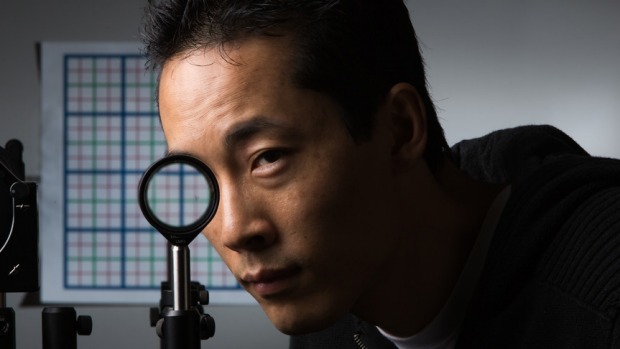
Doctoral student Joseph Choi demonstrates a multidirectional ‘perfect paraxial’ cloak using 4 lenses.


Choi uses his hand to further demonstrate his device.


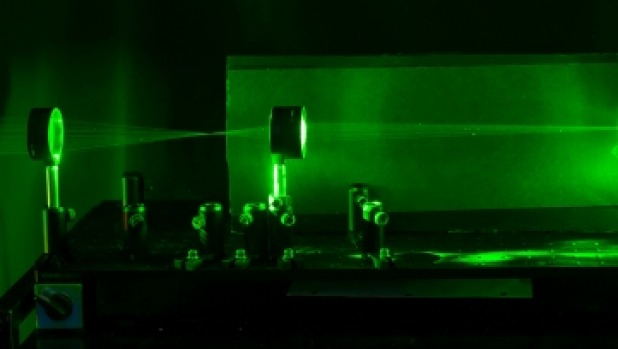
A laser shows the paths that light rays travel through the system, showing regions that can be used for cloaking an object.

Scientists at the University of Rochester have discovered a way to hide large objects from sight using inexpensive and readily available lenses.

Cloaking is the process by which an object becomes hidden from view, while everything else around the cloaked object appears undisturbed.

“A lot of people have worked on a lot of different aspects of optical cloaking for years,” John Howell, a professor of physics at the upstate New York school, said on Friday.

The so-called Rochester Cloak is not really a tangible cloak at all. Rather the device looks like equipment used by an optometrist. When an object is placed behind the layered lenses it seems to disappear.

Previous cloaking methods have been complicated, expensive, and not able to hide objects in three dimensions when viewed at varying angles, they say.

“From what, we know this is the first cloaking device that provides three-dimensional, continuously multidirectional cloaking,” said Joseph Choi, a graduate student who helped develop the method at Rochester, which is renowned for its optical research.

In their tests, the researchers have cloaked a hand, a face, and a ruler – making each object appear “invisible” while the image behind the hidden object remains in view. The implications for the discovery are endless, they say.

“I imagine this could be used to cloak a trailer on the back of a semi-truck so the driver can see directly behind him,” Choi said. “It can be used for surgery, in the military, in interior design, art.”

Howell said the Rochester Cloak, like the fictitious cloak described in the pages of the Harry Potter series, causes no distortion of the background object.

Building the device does not break the bank either. It cost Howell and Choi a little over $US1000 ($1140) in materials to create it and they believe it can be done even cheaper.

Although a patent is pending, they have released simple instructions on how to create a Rochester Cloak at home for under $US100 (114).

There is also a one-minute video about the project on YouTube.

http://www.smh.com.au/technology/sci-tech/scientists-unveil-invisibility-cloak-to-rival-harry-potters-20140927-10n1dp.html

Device on the International Space Station may enable detection of Dark Matter in the Universe

Take a look around you, and in your mind’s eye, randomly wipe out all but a small fraction of what you can see. Pretend the vast rest of reality is there but invisible.

You’d probably like a device that helps you see much more of it.

Scientists working at CERN, the European Organization for Nuclear Research, have made some progress in that direction with the Alpha Magnetic Spectrometer (AMS), which has been riding aboard the International Space Station since 2011.

Physicists believe that mental exercise in blindness reflects the reality of our universe, only about 4% of which manifests as the kind of matter and energy we can perceive.

More than 70% consists of so-called dark energy, physicists say, and more than 20% is dark matter, neither of which humans can directly detect so far.

But scientists feel certain it must exist, partly because of the gravity it exerts on the visible universe.

This week, CERN scientists published an analysis of data from the AMS, which detects subatomic particles constantly bombarding Earth. They include exceedingly rare antimatter particles that can result from the breakdown of dark matter.
They are called positrons, also known as anti-electrons. They have the same mass as electrons, but electrons have a negative charge, and positrons have a positive charge.

Scientists believe dark matter collides, splitting into pairs of electrons and positrons, so the ability to examine positrons in detail could help in proving the existence of dark matter.

Positrons are produced in minute quantities in our corner of the universe, and mostly come flying our way from its far reaches, bundled up with gangs of other subatomic particles, mainly protons and electrons.

The flying particles bear the name “cosmic rays,” a misnomer given to them at a time when they were not as well understood.

The AMS project has analyzed 41 billion cosmic ray particles, and determined 10 million of them to be made of electrons and positrons.
There have been fluctuations in the number of positrons in the mix, and thanks to the orbiting spectrometer, for the first time in a half-century of cosmic ray research scientists have been able to measure an important peak in positrons.

“AMS now unveiled data that no other experiment could ever record,” said CERN spokesman Arnaud Marsollier.

The data hint at the existence of dark matter. But CERN scientists are not completely sure yet that dark matter is the true source of the positrons.

“It may come from high-energy phenomena somewhere in our universe: But what?” Marsollier asks. “Pulsars? Supernovas?”

Pulsars are stars similar to black holes that spray particles and light through the universe. Supernovas are exploded former stars.

Because it detects particles as opposed to light, the way a telescope would, AMS may also be able to see other cosmic phenomena a telescope cannot.

The data released this week need more study, but at first glance, CERN says, what they have seen so far looks “tantalizingly consistent with dark matter particles.”

If that’s the case, the AMS may have begun to remove humanity’s greatest blindfold.

http://www.cnn.com/2014/09/20/tech/innovation/dark-matter-experiment-data/index.html?hpt=hp_t2

The Recovering Americans and the ‘Top Secret’ Ebola Treatment

Because Kent Brantly is a physician who has watched people die of Ebola, there was an especially chilling prescience to his assessment last week, between labored breaths: “I am going to die.”

His condition was grave. But then on Saturday, we saw images of Brantly’s heroic return to U.S. soil, walking with minimal assistance from an ambulance into an isolation unit at Emory University Hospital.

“One of the doctors called it ‘miraculous,'” Dr. Sanjay Gupta reported from Emory this morning, of Brantly’s turnaround within hours of receiving a treatment delivered from the U.S. National Institutes of Health. “Not a term we scientists like to throw around.”

“The outbreak is moving faster than our efforts to control it,” Dr. Margaret Chan, director of the World Health Organization, said on Friday in a plea for international help containing the virus. “If the situation continues to deteriorate, the consequences can be catastrophic in terms of lost lives, but also severe socioeconomic disruption and a high risk of spread to other countries.”

In that light, and because Ebola is notoriously incurable (and the strain at large its most lethal), it is overwhelming to hear that “Secret Serum Likely Saved Ebola Patients,” as we do this morning from Gupta’s every-20-minute CNN reports. He writes:

Three top secret, experimental vials stored at subzero temperatures were flown into Liberia last week in a last-ditch effort to save two American missionary workers [Dr. Kent Brantly and Nancy Writebol] who had contracted Ebola, according to a source familiar with details of the treatment.

Brantly had been working for the Christian aid organization Samaritan’s Purse as medical director of the Ebola Consolidation Case Management Center in Monrovia, Liberia. The group yesterday confirmed that he received a dose of an experimental serum before leaving the country.

In Gupta’s optimistic assessment, Brantly’s “near complete recovery” began within hours of receiving the treatment that “likely saved his life.” Writebol is also reportedly improved since receiving the treatment, known as zMapp. But to say that it was a secret implies a frigid American exceptionalism; that the people of West Africa are dying in droves while a classified cure lies in wait.

The “top-secret serum” is a monoclonal antibody. Administration of monoclonal antibodies is an increasingly common but time-tested approach to eradicating interlopers in the human body. In a basic monoclonal antibody paradigm, scientists infect animals (in this case mice) with a disease, the mice mount an immune response (antibodies to fight the disease), and then the scientists harvest those antibodies and give them to infected humans. It’s an especially promising area in cancer treatment.

In this case, the proprietary blend of three monoclonal antibodies known as zMapp had never been tested in humans. It had previously been tested in eight monkeys with Ebola who survived—though all received treatment within 48 hours of being infected. A monkey treated outside of that exposure window did not survive. That means very little is known about the safety and effectiveness of this treatment—so little that outside of extreme circumstances like this, it would not be legal to use. Gupta speculates that the FDA may have allowed it under the compassionate use exemption.

A small 2012 study of monoclonal antibody therapy against Ebola found that it was only effective when administered before or just after exposure to the virus. A 2013 study found that rhesus macaques given an antibody mix called MB-003 within the 48-hour window had a 43 percent chance of surviving—as opposed to their untreated counterparts, whose survival rate was zero.

This Ebola outbreak is the largest in the history of the disease, in terms of both cases and deaths, 729 887 known so far. As Chan warned in her call for urgent international action, the outbreak is geographically the largest, already in four countries with fluid population movement across porous borders and a demonstrated ability to spread by air travel. The outbreak will be stopped by strategic quarantines and preventive education, primarily proper handling of corpses. More than 60 aid workers have become infected, but many more will be needed to stem the tide.

Dr. Anthony Fauci, director of the U.S. National Institute of Allergy and Infectious Disease (NIAID), is encouraged by the antibody treatment.

“Obviously there are plans and enthusiasm to expand this,” Fauci told me. “The limiting factor is the extraordinary paucity of treatment regimens.” Right now the total amount available, to Fauci’s knowledge, is three treatment courses (in addition to what was given to Brantly and Writebol).

NIAID did some of the original research that led to the development, but this is owned by Mapp Biopharmaceuticals. “They are certainly trying to scale up,” Fauci said, “but I’ve heard that their capability is such that it’s going to be months before they have a substantial number of doses, and even then they’re going to be limited.”

“We’re hearing that the administration of this cocktail of antibodies improved both Dr. Brantly and Ms. Writebol, but you know, we don’t know that,” Fauci said, noting the sample size (two) of this small, ad hoc study. Proving effectiveness would require a much larger group of patients being compared to an untreated group. “And we don’t know that they weren’t getting better anyway.”

Thanks to Kebmodee for bringing this to the attention of the It’s Interesting community.

http://www.theatlantic.com/health/archive/2014/08/the-secret-ebola-treatment/375525/

How stress can clog your arteries

By Sarah C. P. Williams

There’s a reason people say “Calm down or you’re going to have a heart attack.” Chronic stress—such as that brought on by job, money, or relationship troubles—is suspected to increase the risk of a heart attack. Now, researchers studying harried medical residents and harassed rodents have offered an explanation for how, at a physiological level, long-term stress can endanger the cardiovascular system. It revolves around immune cells that circulate in the blood, they propose.

The new finding is “surprising,” says physician and atherosclerosis researcher Alan Tall of Columbia University, who was not involved in the new study. “The idea has been out there that chronic psychosocial stress is associated with increased cardiovascular disease in humans, but what’s been lacking is a mechanism,” he notes.

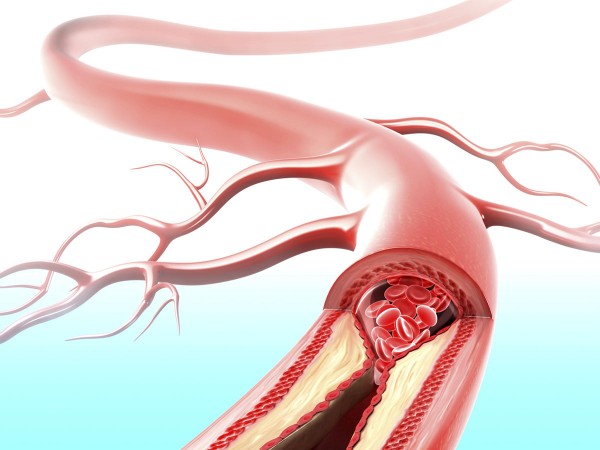
Epidemiological studies have shown that people who face many stressors—from those who survive natural disasters to those who work long hours—are more likely to develop atherosclerosis, the accumulation of fatty plaques inside blood vessels. In addition to fats and cholesterols, the plaques contain monocytes and neutrophils, immune cells that cause inflammation in the walls of blood vessels. And when the plaques break loose from the walls where they’re lodged, they can cause more extreme blockages elsewhere—leading to a stroke or heart attack.

Studying the effect of stressful intensive care unit (ICU) shifts on medical residents, biologist Matthias Nahrendorf of Harvard Medical School in Boston recently found that blood samples taken when the doctors were most stressed out had the highest levels of neutrophils and monocytes. To probe whether these white blood cells, or leukocytes, are the missing link between stress and atherosclerosis, he and his colleagues turned to experiments on mice.

Nahrendorf’s team exposed mice for up to 6 weeks to stressful situations, including tilting their cages, rapidly alternating light with darkness, or regularly switching the mice between isolation and crowded quarters. Compared with control mice, the stressed mice—like stressed doctors—had increased levels of neutrophils and monocytes in their blood.

The researchers then homed in on an explanation for the higher levels of immune cells. They already knew that chronic stress increases blood concentrations of the hormone noradrenaline; noradrenaline, Nahrendorf discovered, binds to a cell surface receptor protein called β3 on stem cells in the bone marrow. In turn, the chemical environment of the bone marrow changes and there’s an increase in the activity of the white blood cells produced by the stem cells.

“It makes sense that stress wakes up these immune cells because an enlarged production of leukocytes prepares you for danger, such as in a fight, where you might be injured,” Nahrendorf says. “But chronic stress is a different story—there’s no wound to heal and no infection.”

In mice living with chronic stress, Nahrendorf’s team reported today in Nature Medicine, atherosclerotic plaques more closely resemble plaques known to be most at risk of rupturing and causing a heart attack or stroke. When the scientists blocked the β3 receptor, though, stressed mice not only had fewer of these dangerous plaques, but also had reduced levels of the active immune cells in their plaques, pinpointing β3 as a key link between stress and atheroscelerosis.

The finding could lead to new drugs to help prevent cardiovascular disease, suggests biologist Lynn Hedrick of the La Jolla Institute for Allergy and Immunology in San Diego, California. “I think this gives us a really direct hint that the β3 receptor is important in regulating the stress-induced response by the bone marrow,” Hedrick says. “If we can develop a drug that targets the receptor, this may be very clinically relevant.”

More immediately, the new observations suggest a way that clinicians could screen patients for their risk of atherosclerosis, heart attack, and stroke, Tall says. “Rather than asking four questions about stress levels, we could use their white blood cell counts to monitor psychosocial stress,” he says.

Thanks to Dr. Rajadhyaksha for bringing this to the attention of the It’s Interesting community.

http://news.sciencemag.org/biology/2014/06/how-stress-can-clog-your-arteries

Neuroscientist Says NIH Funding Squeeze Causing ‘Crisis’ in Biomedical Enterprise

By Jeannie Baumann

Many scientists now spend more time scrambling to raise money for their work than actually doing the research because of the erosion of NIH funding over the last decade, the president of a biomedical research university said during a June 18 congressional briefing.

Mark Tessier-Lavigne said the 25 percent decline in the National Institutes of Health’s purchasing power has led to grants being funded at historically low rates, causing promising young scientists to leave the field altogether and threatening the future of the biomedical research workforce.

“The financial squeeze has triggered a crisis in the biomedical research enterprise,” according to Tessier-Lavigne, who is president of the Rockefeller University in New York and investigates how neural circuits in the brain form during embryonic development. “Renewing NIH funding is an essential investment, not just for our health, but also for our economy.”

Tessier-Lavigne was the main speaker at the Capitol Hill briefing, “Paying Dividends: How Federally Funded Biomedical Research Fuels the Pharmaceutical Industry in the U.S.,” which was organized by the Coalition for the Life Sciences and theCongressional Biomedical Research Caucus as part of the 2014 caucus briefing series.

The key point of Tessier-Lavigne’s presentation—that scientific opportunity has never been greater while federal funding for basic research is at a low—has been echoed, especially by NIH Director Francis S. Collins when testifying before lawmakers in both the House and the Senate.

“We live in a golden age of biological research, of disease research, and of drug discovery that’s been enabled by a revolution in the biosciences that’s occurred over the past 40 years, thanks to the development of very powerful technologies,” said Tessier-Lavigne, citing as examples recombinant DNA, gene sequencing, human genetics and imaging. “We can now tackle disease systematically and that is enabling systematic drug discovery.”

The research ecosystem requires early investment through NIH funding to academia to yield the treatments and cures from the pharmaceutical industry, Tessier-Lavigne said.

“There’s a division of labor,” he said. “Most of the scientific discovery that leads to the insights that are built upon are made in academia, in research labs, in research institutes, in universities supported by the NIH. At the other end of the spectrum, industry—mostly large pharmaceutical companies and large biotech companies—are responsible for making the drugs and taking them through human clinical trials.”

Tessier-Lavigne has worked at both ends of the spectrum, serving as chief scientific officer at biotechnology company Genentech before taking over at Rockefeller. He rejected the idea that drug companies could take on funding the basic research. The cost and time lines of drug discovery and development are already too great, he said.

“To make a drug, to get a drug approved there’s huge attritions,” he said. The process starts with targeting 24 projects, and scientists try to make drugs to fight them that yields on average about nine drug candidates that make it into clinical trials.

“But of those nine, only a single one will make it over the finish line as an approved drug,” he said.

That drug-making process takes an average of 13 years, including five years to make the drug candidates and eight years to get to clinical approval. Including failures, he estimated those costs at anywhere between $2 billion to $4 billion per drug.

“So companies that do this are already struggling to succeed just at this. There are no more resources to fund the ferment back here that leads to the identification of new knowledge. The companies can’t do it and they won’t do it,” he said.

“Couldn’t we just rely on other nations to generate the basic knowledge and then industry here could continue to do the translational work?” Tessier-Lavigne asked rhetorically.

“Well, that’s not how it works. Industry wants its R&D [research and development] sites to be located next to the sites of innovation. It’s as simple as that,” he said.

Over the past 30 years, Tessier-Lavigne said, there has been a “massive” transfer of industry from Europe to the U.S. because of the prominence of the U.S. biomedical enterprise.

“If we don’t maintain, sustain our investment in our basic biomedical enterprise, industry will pick up and move to the other sites,” he said, adding that countries like China are where these companies will move, taking jobs with them.
Rep. Jackie Speier (D-Calif.), co-chairman of the Congressional Biomedical Research Caucus, also mentioned that the U.S. may lose its position as the leader in R&D.

“We still lead in terms of patents and overall research, but China is about to eat our lunch,” said Speier, whose district includes the Bay Area and Genentech’s headquarters. “In fact, China has just about eclipsed Japan now in terms of research and within the next 10 years, it is anticipated that they will indeed overcome us in terms of research and development. And that would indeed be a tragic set of circumstances.”
Action Plan

Tessier-Lavigne proposed an action plan that primarily involves gradually restoring NIH funding in absolute dollars to its 2003 level—the final year of a five-year doubling. Since the 2003 doubling, the NIH’s budget has remained flat at about $30 billion. Collins has said that his agency would have about a $40 billion annual budget if the NIH had continued to receive the steady, 3 percent increases it received from the 1970s onward.

Restoring funding to the 2003 levels would relieve the squeeze on existing programs so scientists can focus on their work as well as stimulate new initiatives to accelerate progress and open new areas of discovery, Tessier-Lavigne said.

At the same time, the academic sector has a responsibility to make sure it spends these dollars effectively while developing a pipeline of new talent. And all stakeholders—academia, the NIH, disease foundations and the private sector—must ensure research discoveries are effectively translated into new therapies and cures.

The next congressional briefing is scheduled for July 16 on the advances and potential of embryonic stem cell research, withLawrence Goldstein, director of the University of California, San Diego, Stem Cell Program.

Thanks to Pete Cuomo for bringing this to the attention of the It’s Interesting community.