Chaac Ha Water Collector: Students-Designed Water-Collector, Harvests 2.5L of Drinking Water Each Night From Dew

dew

dew

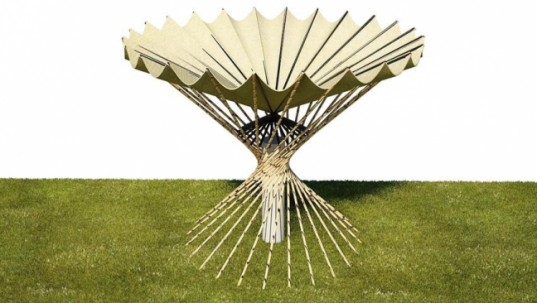
With an idea to provide clean water consistently to rural Mexican communities where access is limited, students in the Yucatan region of Southern Mexico designed Chaac Ha Water Collector. This concept had won an award for its innovative ways of harvesting water. Along with rainwater, it can also collect up to 2.5 liters of water each night from dew alone. Amazingly, this water-harvesting concept is portable.

The Chaac Ha design-students named it after the Mayan god of rain.

On observing natural processes, the students had designed this concept. While designing the structure and texture of the membrane that captures the water, they had derived their ideas from bromeliads, which draw moisture and nutrients from the atmosphere. The bromeliad leaves are hydrophobic; their microscopic irregularities facilitate water to channel into a single reservoir. Likewise, the students have used Teflon in the case of Chaac Ha design. Its structure resembles spider web and it is inflatable for full portability.

Last year, the Chaac Ha system was recognized with the Autodesk Sustainability Workshop award. The awarded students were Diana Carolina Vega Basto, Luis Didier Cox Tamay, Andy Francisco Arjona Massa, Cindy Beatriz, Shirley Molina, and Álvaro Jesús Buenfil Ovando, from the Universidad Autónoma de Yucatán, Mérida.

Thanks to Kebmodee for bringing this to the attention of the It’s Interesting community.

http://www.designntrend.com/articles/3894/20130418/chaac-ha-students-designed-water-collector-harvests-2-5l-drinking.htm

Two-headed shark discovered in Gulf of Mexico

Two-headed shark

Experts say the discovery of a two-headed shark may be a world first. The sea creature was found when a fisherman working in the Gulf of Mexico cut into the uterus of an adult shark. The shark has two hearts and two stomachs but only one tail/

http://www.guardian.co.uk/environment/video/2013/mar/28/two-headed-shark-video

Shuttlecock industry threatened by China bird flu-related feather shortage

burd flu

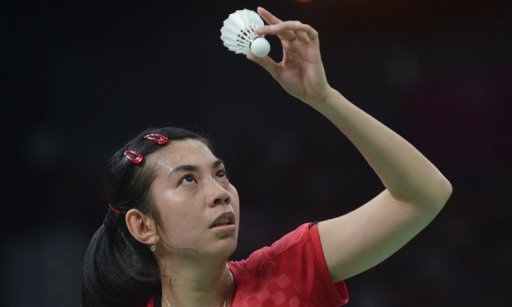
The slaughter and burial of fowl in Zhejiang Province and Anhui Province, the main sources of feathers for the shuttlecock industry in Guangdong Province, has resulted in a feather shortage, triggering a price increase. In some shuttlecock factories, feather inventories can only meet about a month of production demand. If the feather shortage continues to worsen, some factories will have to suspend shuttlecock production.

Sports shops suggest that fans buy shuttlecocks as soon as possible, as prices are expected to continue rising.

http://www.globaltimes.cn/content/777596.shtml

Brain implants: Restoring memory with a microchip

130507101540-brain-implants-human-horizontal-gallery

William Gibson’s popular science fiction tale “Johnny Mnemonic” foresaw sensitive information being carried by microchips in the brain by 2021. A team of American neuroscientists could be making this fantasy world a reality. Their motivation is different but the outcome would be somewhat similar. Hailed as one of 2013’s top ten technological breakthroughs by MIT, the work by the University of Southern California, North Carolina’s Wake Forest University and other partners has actually spanned a decade.

But the U.S.-wide team now thinks that it will see a memory device being implanted in a small number of human volunteers within two years and available to patients in five to 10 years. They can’t quite contain their excitement. “I never thought I’d see this in my lifetime,” said Ted Berger, professor of biomedical engineering at the University of Southern California in Los Angeles. “I might not benefit from it myself but my kids will.”

Rob Hampson, associate professor of physiology and pharmacology at Wake Forest University, agrees. “We keep pushing forward, every time I put an estimate on it, it gets shorter and shorter.”

The scientists — who bring varied skills to the table, including mathematical modeling and psychiatry — believe they have cracked how long-term memories are made, stored and retrieved and how to replicate this process in brains that are damaged, particularly by stroke or localized injury.

Berger said they record a memory being made, in an undamaged area of the brain, then use that data to predict what a damaged area “downstream” should be doing. Electrodes are then used to stimulate the damaged area to replicate the action of the undamaged cells.

They concentrate on the hippocampus — part of the cerebral cortex which sits deep in the brain — where short-term memories become long-term ones. Berger has looked at how electrical signals travel through neurons there to form those long-term memories and has used his expertise in mathematical modeling to mimic these movements using electronics.

Hampson, whose university has done much of the animal studies, adds: “We support and reinforce the signal in the hippocampus but we are moving forward with the idea that if you can study enough of the inputs and outputs to replace the function of the hippocampus, you can bypass the hippocampus.”

The team’s experiments on rats and monkeys have shown that certain brain functions can be replaced with signals via electrodes. You would think that the work of then creating an implant for people and getting such a thing approved would be a Herculean task, but think again.

For 15 years, people have been having brain implants to provide deep brain stimulation to treat epilepsy and Parkinson’s disease — a reported 80,000 people have now had such devices placed in their brains. So many of the hurdles have already been overcome — particularly the “yuck factor” and the fear factor.

“It’s now commonly accepted that humans will have electrodes put in them — it’s done for epilepsy, deep brain stimulation, (that has made it) easier for investigative research, it’s much more acceptable now than five to 10 years ago,” Hampson says.

Much of the work that remains now is in shrinking down the electronics.

“Right now it’s not a device, it’s a fair amount of equipment,”Hampson says. “We’re probably looking at devices in the five to 10 year range for human patients.”

The ultimate goal in memory research would be to treat Alzheimer’s Disease but unlike in stroke or localized brain injury, Alzheimer’s tends to affect many parts of the brain, especially in its later stages, making these implants a less likely option any time soon.

Berger foresees a future, however, where drugs and implants could be used together to treat early dementia. Drugs could be used to enhance the action of cells that surround the most damaged areas, and the team’s memory implant could be used to replace a lot of the lost cells in the center of the damaged area. “I think the best strategy is going to involve both drugs and devices,” he says.

Unfortunately, the team found that its method can’t help patients with advanced dementia.

“When looking at a patient with mild memory loss, there’s probably enough residual signal to work with, but not when there’s significant memory loss,” Hampson said.

Constantine Lyketsos, professor of psychiatry and behavioral sciences at John Hopkins Medicine in Baltimore which is trialing a deep brain stimulator implant for Alzheimer’s patients was a little skeptical of the other team’s claims.

“The brain has a lot of redundancy, it can function pretty well if loses one or two parts. But memory involves circuits diffusely dispersed throughout the brain so it’s hard to envision.” However, he added that it was more likely to be successful in helping victims of stroke or localized brain injury as indeed its makers are aiming to do.

The UK’s Alzheimer’s Society is cautiously optimistic.

“Finding ways to combat symptoms caused by changes in the brain is an ongoing battle for researchers. An implant like this one is an interesting avenue to explore,” said Doug Brown, director of research and development.

Hampson says the team’s breakthrough is “like the difference between a cane, to help you walk, and a prosthetic limb — it’s two different approaches.”

It will still take time for many people to accept their findings and their claims, he says, but they don’t expect to have a shortage of volunteers stepping forward to try their implant — the project is partly funded by the U.S. military which is looking for help with battlefield injuries.

There are U.S. soldiers coming back from operations with brain trauma and a neurologist at DARPA (the Defense Advanced Research Projects Agency) is asking “what can you do for my boys?” Hampson says.

“That’s what it’s all about.”

http://www.cnn.com/2013/05/07/tech/brain-memory-implants-humans/index.html?iref=allsearch

Psychiatry’s Guide Is Out of Touch With Science, Experts Say

dsm-5

Just weeks before the long-awaited publication of a new edition of the so-called bible of mental disorders, the federal government’s most prominent psychiatric expert has said the book suffers from a scientific “lack of validity.”

The expert, Dr. Thomas R. Insel, director of the National Institute of Mental Health, said in an interview Monday that his goal was to reshape the direction of psychiatric research to focus on biology, genetics and neuroscience so that scientists can define disorders by their causes, rather than their symptoms.

While the Diagnostic and Statistical Manual of Mental Disorders, or D.S.M., is the best tool now available for clinicians treating patients and should not be tossed out, he said, it does not reflect the complexity of many disorders, and its way of categorizing mental illnesses should not guide research.

“As long as the research community takes the D.S.M. to be a bible, we’ll never make progress,” Dr. Insel said, adding, “People think that everything has to match D.S.M. criteria, but you know what? Biology never read that book.”

The revision, known as the D.S.M.-5 and the first since 1994, has stirred unprecedented questioning from the public, patient groups and, most fundamentally, senior figures in psychiatry who have challenged not only decisions about specific diagnoses but the scientific basis of the entire enterprise. Basic research into the biology of mental disorders and treatment has stalled, they say, confounded by the labyrinth of the brain.


Decades of spending on neuroscience have taught scientists mostly what they do not know, undermining some of their most elemental assumptions. Genetic glitches that appear to increase the risk of schizophrenia in one person may predispose others to autism-like symptoms, or bipolar disorder. The mechanisms of the field’s most commonly used drugs — antidepressants like Prozac, and antipsychosis medications like Zyprexa — have revealed nothing about the causes of those disorders. And major drugmakers have scaled back psychiatric drug development, having virtually no new biological “targets” to shoot for.

Dr. Insel is one of a growing number of scientists who think that the field needs an entirely new paradigm for understanding mental disorders, though neither he nor anyone else knows exactly what it will look like.

Even the chairman of the task force making revisions to the D.S.M., Dr. David J. Kupfer, a professor of psychiatry at the University of Pittsburgh, said the new manual was faced with doing the best it could with the scientific evidence available.

“The problem that we’ve had in dealing with the data that we’ve had over the five to 10 years since we began the revision process of D.S.M.-5 is a failure of our neuroscience and biology to give us the level of diagnostic criteria, a level of sensitivity and specificity that we would be able to introduce into the diagnostic manual,” Dr. Kupfer said.

The creators of the D.S.M. in the 1960s and ’70s “were real heroes at the time,” said Dr. Steven E. Hyman, a psychiatrist and neuroscientist at the Broad Institute and a former director at the National Institute of Mental Health. “They chose a model in which all psychiatric illnesses were represented as categories discontinuous with ‘normal.’ But this is totally wrong in a way they couldn’t have imagined. So in fact what they produced was an absolute scientific nightmare. Many people who get one diagnosis get five diagnoses, but they don’t have five diseases — they have one underlying condition.”

Dr. Hyman, Dr. Insel and other experts said they hoped that the science of psychiatry would follow the direction of cancer research, which is moving from classifying tumors by where they occur in the body to characterizing them by their genetic and molecular signatures.

About two years ago, to spur a move in that direction, Dr. Insel started a federal project called Research Domain Criteria, or RDoC, which he highlighted in a blog post last week. Dr. Insel said in the blog that the National Institute of Mental Health would be “reorienting its research away from D.S.M. categories” because “patients with mental disorders deserve better.” His commentary has created ripples throughout the mental health community.

Dr. Insel said in the interview that his motivation was not to disparage the D.S.M. as a clinical tool, but to encourage researchers and especially outside reviewers who screen proposals for financing from his agency to disregard its categories and investigate the biological underpinnings of disorders instead. He said he had heard from scientists whose proposals to study processes common to depression, schizophrenia and psychosis were rejected by grant reviewers because they cut across D.S.M. disease categories.

“They didn’t get it,” Dr. Insel said of the reviewers. “What we’re trying to do with RDoC is say actually this is a fresh way to think about it.” He added that he hoped researchers would also participate in projects funded through the Obama administration’s new brain initiative.

Dr. Michael First, a psychiatry professor at Columbia who edited the last edition of the manual, said, “RDoC is clearly the way of the future,” although it would take years to get results that could apply to patients. In the meantime, he said, “RDoC can’t do what the D.S.M. does. The D.S.M. is what clinicians use. Patients will always come into offices with symptoms.”

For at least a decade, Dr. First and others said, patients will continue to be diagnosed with D.S.M. categories as a guide, and insurance companies will reimburse with such diagnoses in mind.

Dr. Jeffrey Lieberman, the chairman of the psychiatry department at Columbia and president-elect of the American Psychiatric Association, which publishes the D.S.M., said that the new edition’s refinements were “based on research in the last 20 years that will improve the utility of this guide for practitioners, and improve, however incrementally, the care patients receive.”

He added: “The last thing we want to do is be defensive or apologetic about the state of our field. But at the same time, we’re not satisfied with it either. There’s nothing we’d like better than to have more scientific progress.”

US suicide rate has risen sharply among middle-aged white men and women

suicide

The suicide rate among middle-aged Americans climbed a startling 28 percent in a decade, a period that included the recession and the mortgage crisis, the government reported Thursday. The trend was most pronounced among white men and women in that age group. Their suicide rate jumped 40 percent between 1999 and 2010. But the rates in younger and older people held steady. And there was little change among middle-aged blacks, Hispanics and most other racial and ethnic groups, the report from the Centers for Disease Control and Prevention found.

Why did so many middle-aged whites — that is, those who are 35 to 64 years old — take their own lives?

One theory suggests the recession caused more emotional trauma in whites, who tend not to have the same kind of church support and extended families that blacks and Hispanics do.

The economy was in recession from the end of 2007 until mid-2009. Even well afterward, polls showed most Americans remained worried about weak hiring, a depressed housing market and other problems.

Pat Smith, violence-prevention program coordinator for the Michigan Department of Community Health, said the recession — which hit manufacturing-heavy states particularly hard — may have pushed already-troubled people over the brink. Being unable to find a job or settling for one with lower pay or prestige could add “that final weight to a whole chain of events,” she said.

Another theory notes that white baby boomers have always had higher rates of depression and suicide, and that has held true as they’ve hit middle age. During the 11-year period studied, suicide went from the eighth leading cause of death among middle-aged Americans to the fourth, behind cancer, heart disease and accidents.

“Some of us think we’re facing an upsurge as this generation moves into later life,” said Dr. Eric Caine, a suicide researcher at the University of Rochester.

One more possible contributor is the growing sale and abuse of prescription painkillers over the past decade. Some people commit suicide by overdose. In other cases, abuse of the drugs helps put people in a frame of mind to attempt suicide by other means, said Thomas Simon, one of the authors of the CDC report, which was based on death certificates.

People ages 35 to 64 account for about 57 percent of suicides in the U.S.

The report contained surprising information about how middle-aged people kill themselves: During the period studied, hangings overtook drug overdoses in that age group, becoming the No. 2 manner of suicide. But guns remained far in the lead and were the instrument of death in nearly half of all suicides among the middle-aged in 2010.

The CDC does not collect gun ownership statistics and did not look at the relationship between suicide rates and the prevalence of firearms.

For the entire U.S. population, there were 38,350 suicides in 2010, making it the nation’s 10th leading cause of death, the CDC said. The overall national suicide rate climbed from 12 suicides per 100,000 people in 1999 to 14 per 100,000 in 2010. That was a 15 percent increase.

For the middle-aged, the rate jumped from about 14 per 100,000 to nearly 18 — a 28 percent increase. Among whites in that age group, it spiked from about 16 to 22.

Suicide prevention efforts have tended to concentrate on teenagers and the elderly, but research over the past several years has begun to focus on the middle-aged. The new CDC report is being called the first to show how the trend is playing out nationally and to look in depth at the racial and geographic breakdown.

Thirty-nine out of 50 states registered a statistically significant increase in suicide rates among the middle-aged. The West and the South had the highest rates. It’s not clear why, but one factor may be cultural differences in willingness to seek help during tough times, Simon said.

Also, it may be more difficult to find counseling and mental health services in certain places, he added.

Suicides among middle-aged Native Americans and Alaska Natives climbed 65 percent, to 18.5 per 100,000. However, the overall numbers remain very small — 171 such deaths in 2010. And changes in small numbers can look unusually dramatic.

The CDC did not break out suicides of current and former military service members, a tragedy that has been getting increased attention. But a recent Department of Veterans Affairs report concluded that suicides among veterans have been relatively stable in the past decade and that veterans have been a shrinking percentage of suicides nationally.

Thanks to Kebmodee for bringing this to the attention of the It’s Interesting community.

http://bigstory.ap.org/article/us-suicide-rate-rose-sharply-among-middle-aged

Saudi dies at 120; leaves behind 447 progeny

saudi

Saudi Arabia’s oldest man died at the age of 120 years, leaving behind 447 children, grand children and great grand children, including his 98-year-old eldest son.

Sheikh Awad bin Abdul Aziz bin Saifi Al Qarni died of old age at his house in the central village of Al Badadha although he was in a good health just before his demise.

The chief of his tribe for most of his life, Sheikh Awad left behind 24 sons and daughters from various wives, including his eldest son, 98, youngest 22-year-old son and his eldest grandson aged around 65 years.

“Sheikh Awad was born in 1893…he witnessed three centuries and all the kings of Saudi Arabia…he was known by his tribe and many other people as nice, wise and frank man and for this reason, he was loved by all,” Sabq newspaper said.

http://www.emirates247.com/offbeat/this-is-life/saudi-dies-at-120-leaves-behind-447-progeny-2013-04-24-1.503910

Skeletons in Romania uncovered holding hands

Skeletons-grave-love-coup-393958

While excavating the courtyard of a former Dominican monastery in experts discovered skeletons of a couple buried together holding hands. The bodies were discovered in the former cemetery of the monastery and it is believed the double grave dated back to the Middle Ages.

Adrian Rusu, from the Cluj-Napoca Institute of Archaeology and History of Art, said: “It is a mystery – and rare for such burials at that time. We can see that the man had suffered a severe injury that left him with a broken hip from which he probably died. Because of the fact that the young woman obviously died at the same time and was presumably healthy we are speculating that she possibly died of a broken heart at the loss of her partner.”

It is believed the bodies were buried somewhere between 1450-155. The remains of a child were also found in the grave but archaeologists believe that may not have been linked to the pair.

Mr Rusu added: “Suicide is unlikely as it is regarded as a sin and it’s unlikely she would have been buried in such a holy place if that was the case. They were obviously buried together as a tribute to the love they had for each other.”

http://www.express.co.uk/news/weird/393958/Love-beyond-the-grave-Skeletons-discovered-holding-hands-in-coffin-together

Bionic superhumans on the horizon

1-bionic-hand-story-top

Around 220,000 people worldwide already walk around with cochlear implants — devices worn around the ear that turn sound waves into electrical impulses shunted directly into the auditory nerve.

Tens of thousands of people have been implanted with deep brain stimulators, devices that send an electrode tunneling several inches in the brain. Deep brain stimulators are used to control Parkinson’s disease, though lately they’ve also been tested — with encouraging results — in use against severe depression and obsessive compulsive disorder.

The most obvious bionics are those that replace limbs. Olympian “Blade Runner” Oscar Pistorius, now awaiting trial for the alleged murder of his girlfriend, made a splash with his Cheetah carbon fiber prostheses. Yet those are a relatively simple technology — a curved piece of slightly springy, super-strong material. In the digital age, we’re seeing more sophisticated limbs.

Consider the thought-controlled bionic leg that Zac Vawter used to climb all 103 floors of Chicago’s Willis Tower. Or the nerve-controlled bionic hand that Iraq war veteran Glen Lehman had attached after the loss of his original hand.

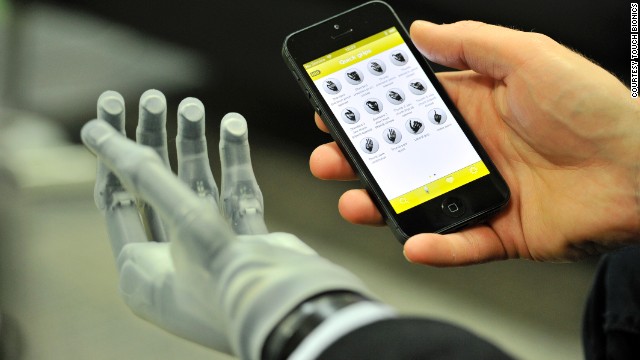
Or the even more sophisticated i-limb Ultra, an artificial hand with five independently articulating artificial fingers. Those limbs don’t just react mechanically to pressure. They actually respond to the thoughts and intentions of their owners, flexing, extending, gripping, and releasing on mental command.

The age when prostheses were largely inert pieces of wood, metal, and plastic is passing. Advances in microprocessors, in techniques to interface digital technology with the human nervous system, and in battery technology to allow prostheses to pack more power with less weight are turning replacement limbs into active parts of the human body.

In some cases, they’re not even part of the body at all. Consider the case of Cathy Hutchinson. In 1997, Cathy had a stroke, leaving her without control of her arms. Hutchinson volunteered for an experimental procedure that could one day help millions of people with partial or complete paralysis. She let researchers implant a small device in the part of her brain responsible for motor control. With that device, she is able to control an external robotic arm by thinking about it.

That, in turn, brings up an interesting question: If the arm isn’t physically attached to her body, how far away could she be and still control it? The answer is at least thousands of miles. In animal studies, scientists have shown that a monkey with a brain implant can control a robot arm 7,000 miles away. The monkey’s mental signals were sent over the internet, from Duke University in North Carolina, to the robot arm in Japan. In this day and age, distance is almost irrelevant.

The 7,000-mile-away prosthetic arm makes an important point: These new prostheses aren’t just going to restore missing human abilities. They’re going to enhance our abilities, giving us powers we never had before, and augmenting other capabilities we have. While the current generation of prostheses is still primitive, we can already see this taking shape when a monkey moves a robotic arm on the other side of the planet just by thinking about it.

Other research is pointing to enhancements to memory and decision making.

The hippocampus is a small, seahorse-shaped part of the brain that’s essential in forming new memories. If it’s damaged — by an injury to the head, for example — people start having difficulty forming new long-term memories. In the most extreme cases, this can lead to the complete inability to form new long-term memories, as in the film Memento. Working to find a way to repair this sort of brain damage, researchers in 2011 created a “hippocampus chip” that can replace damaged brain tissue. When they implanted it in rats with a damaged hippocampus, they found that not only could their chip repair damaged memory — it could improve the rats’ ability to learn new things.

Nor is memory the end of it. Another study, in 2012, demonstrated that we can boost intelligence — at least one sort — in monkeys. Scientists at Wake Forest University implanted specialized brain chips in a set of monkeys and trained those monkeys to perform a picture-matching game. When the implant was activated, it raised their scores by an average of 10 points on a 100-point scale. The implant makes monkeys smarter.

Both of those technologies for boosting memory and intelligence are in very early stages, in small animal studies only, and years (or possibly decades) away from wide use in humans. Still, they make us wonder — what happens when it’s possible to improve on the human body and mind?

The debate has started already, of course. Oscar Pistorius had to fight hard for inclusion in the Olympics. Many objected that his carbon fiber prostheses gave him a competitive advantage. He was able — with the help of doctors and biomedical engineers — to make a compelling case that his Cheetah blades didn’t give him any advantage on the field. But how long will that be true? How long until we have prostheses (not to mention drugs and genetic therapies) that make athletes better in their sports?

But the issue is much, much wider than professional sports. We may care passionately about the integrity of the Olympics or professional cycling or so on, but they only directly affect a very small number of us. In other areas of life — in the workforce in particular — enhancement technology might affect all of us.

When it’s possible to make humans smarter, sharper, and faster, how will that affect us? Will the effect be mostly positive, boosting our productivity and the rate of human innovation? Or will it be just another pressure to compete at work? Who will be able to afford these technologies? Will anyone be able to have their body, and more importantly, their brain upgraded? Or will only the rich have access to these enhancements?

We have a little while to consider these questions, but we ought to start. The technology will sneak its way into our lives, starting with people with disabilities, the injured, and the ill. It’ll improve their lives in ways that are unquestionably good. And then, one day, we’ll wake up and realize that we’re doing more than restoring lost function. We’re enhancing it.

Superhuman technology is on the horizon. Time to start thinking about what that means for us.

http://www.cnn.com/2013/04/24/opinion/bionic-superhumans-ramez-naam/index.html?iid=article_sidebar

Humans Share Microbiomes With Their Dogs

three-puppies

You know you share genes with your biological parents and kids, but what about microbes? A new study finds that families share skin, tongue and gut microbes with each other… and their dogs.

The study shows how the people and pets you live with affect the microscopic bacteria, fungi and other creatures living all over your body.

Researchers from universities across the U.S. studied 17 families with heterosexual parents and children ranging from infants to 18-year-olds; 17 families with one or more dogs, but no children; 18 families with kids and dogs; and 18 couples with no children or dogs. Volunteers sent in Q-tip-like swabs that they had rubbed on their foreheads, the palms of their hands, the tops of their tongues and a smudge of their feces (really). Study volunteers also sent in swabs of their dogs’ paws, fur and tongues.

The researchers ran genetic analyses on the samples, looking for the genetic material of microbes. They found that family members had more similar microbes on all parts of their bodies than people from different families. Family members’ skin microbes were the most alike, demonstrating that people share microbes on the surfaces they touch, and from touching each other. The adults in the family shared the most microbes.

Parents also shared many microbes with their children, but only if the kids were older than three. Younger kids may have vastly different microbes than their older family members because they’re still developing, the researchers wrote in a paper they published April 16 in the journal eLIFE.

As for Rover, he seems to have a some interesting effects on his humans’ microbes. As with other family members, adults share more microbes with their own dogs than they do with other people’s dogs.

But the researchers also found that simply owning a dog seems to have an effect on overall microbe-sharing. Cohabiting couples shared more microbes with one another if they had a dog, compared with couples that didn’t have dogs. Dog owners also had more species in common with other dog owners than they did with puppy-less people.

Want to know about the little critters that live on Fido? Dogs have more diverse microbes living on their bodies than humans do, including groups of microbes normally associated with humans, plus microbes that live in soil and water. One of the major groups of bacteria that dog owners and their pets share is Betaproteobacteria, which appear on human skin and on dog tongues.

http://www.popsci.com/science/article/2013-04/humans-share-microbiomes-their-dogs-study-finds