NewLink Genetics in Ames, Iowa is closing in on human trials for Ebola vaccine

The biotech company NewLink Genetics in Ames, Iowa is closing in on human trials for an Ebola vaccine.

“From the laboratory to moving these first human trials has moved faster than I’ve ever seen anything move before in my professional career,” said Charles Link, CEO of NewLink Genetics.

Link said they are just a few days away from human testing. During Phase 1 of testing, healthy volunteers will be given the vaccine. Researchers will test to see how safe the vaccine is and what dosage is necessary for an immune reaction.

“With a dangerous virus, you don’t ever use the dangerous virus. You basically use a little snippet of it,” said Link.

Link said that snippet is a surface protein you get from Ebola and assures us there is no Ebola is in the vaccine.

“If you get an immune reaction to the surface protein an then it sees the real Ebola, it will attack it,” said Link.

Once those tests are complete, the company will move into Phase 2 where tests focus on how effective and useful the vaccine is. Those tests will be done in West Africa.

Link said he’s hoping it’ll take less than a year, but there’s no real way of telling when the vaccine will be ready for distribution until test results start coming in.

“We want to shorten the process as much as humanely possible within the bounds of safety and the ethics that’s required to conduct these sorts of studies in healthy volunteers,” said Link.

The Phase 1 of the tests will be conducted at the National Institute of Allergy and Infectious Disease and the Walter Reed Army Medical Center.
Ames Company Close to Ebola Vaccine Trials

http://www.cbs2iowa.com/news/features/top-stories/stories/ames-company-close-ebola-vaccine-trials-30679.shtml

Physicists discover the Majorna Particle, originally predicted in 1937, which is simultaneously matter and anti-matter

Since the 1930s scientists have been searching for particles that are simultaneously matter and antimatter. Now physicists have found strong evidence for one such entity inside a superconducting material. The discovery could represent the first so-called Majorana particle, and may help researchers encode information for quantum computers.

Physicists think that every particle of matter has an antimatter counterpart with equal mass but opposite charge. When matter meets its antimatter equivalent, the two annihilate one another. But some particles might be their own antimatter partners, according to a 1937 prediction by Italian physicist Ettore Majorana. For the first time researchers say they have imaged one of these Majorana particles, and report their findings in the October 3 Science.

The new Majorana particle showed up inside a superconductor, a material in which the free movement of electrons allows electricity to flow without resistance. The research team, led by Ali Yazdani of Princeton University, placed a long chain of iron atoms, which are magnetic, on top of a superconductor made of lead. Normally, magnetism disrupts superconductors, which depend on a lack of magnetic fields for their electrons to flow unimpeded. But in this case the magnetic chain turned into a special type of superconductor in which electrons next to one another in the chain coordinated their spins to simultaneously satisfy the requirements of magnetism and superconductivity. Each of these pairs can be thought of as an electron and an antielectron, with a negative and a positive charge, respectively. That arrangement, however, leaves one electron at each end of the chain without a neighbor to pair with, causing them to take on the properties of both electrons and antielectrons—in other words, Majorana particles.

As opposed to particles found in a vacuum, unattached to other matter, these Majoranas are what’s called “emergent particles.” They emerge from the collective properties of the surrounding matter and could not exist outside the superconductor.

The new study shows a convincing signature of Majorana particles, says Leo Kouwenhoven of the Delft University of Technology in the Netherlands who was not involved in the research but previously found signs of Majorana particles in a different superconductor arrangement. “But to really speak of full proof, unambiguous evidence, I think you have to do a DNA test.” Such a test, he says, must show the particles do not obey the normal laws of the two known classes of particles in nature—fermions (protons, electrons and most other particles we are familiar with) and bosons (photons and other force-carrying particles, including the Higgs boson). “The great thing about Majoranas is that they are potentially a new class of particle,” Kouwenhoven adds. “If you find a new class of particles, that really would add a new chapter to physics.”

Physicist Jason Alicea of California Institute of Technology, who also did not participate in the research, said the study offers “compelling evidence” for Majorana particles but that “we should keep in mind possible alternative explanations—even if there are no immediately obvious candidates.” He praised the experimental setup for its apparent ability to easily produce the elusive Majoranas. “One of the great virtues of their platform relative to earlier works is that it allowed the researchers to apply a new type of microscope to probe the detailed anatomy of the physics.”

The discovery could have implications for searches for free Majorana particles outside of superconducting materials. Many physicists suspect neutrinos—very lightweight particles with the strange ability to alter their identities, or flavors—are Majorana particles, and experiments are ongoing to investigate whether this is the case. Now that we know Majorana particles can exist inside superconductors, it might not be surprising to find them in nature, Yazdani says. “Once you find the concept to be correct, it’s very likely that it shows up in another layer of physics. That’s what’s exciting.”

The finding could also be useful for constructing quantum computers that harness the laws of quantum mechanics to make calculations many times faster than conventional computers. One of the main issues in building a quantum computer is the susceptibility of quantum properties such as entanglement (a connection between two particles such that an action on one affects the other) to collapse due to outside interference. A particle chain with Majoranas capping each end would be somewhat immune to this danger, because damage would have to be done to both ends simultaneously to destroy any information encoded there. “You could build a quantum bit based on these Majoranas,” Yazdani says. ”The idea is that such a bit would be much more robust to the environment than the types of bits people have tried to make so far.”

http://www.scientificamerican.com/article/majorana-particle-matter-and-antimatter/

New invisibility technology


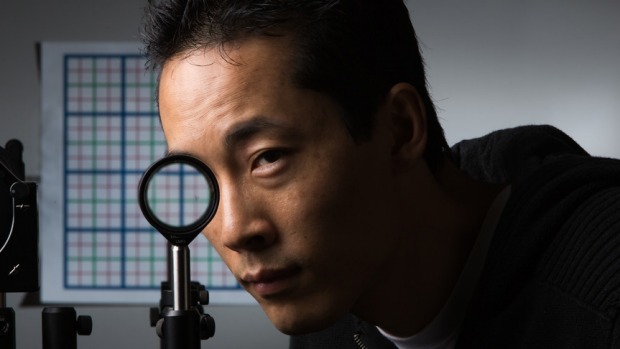
Doctoral student Joseph Choi demonstrates a multidirectional ‘perfect paraxial’ cloak using 4 lenses.


Choi uses his hand to further demonstrate his device.


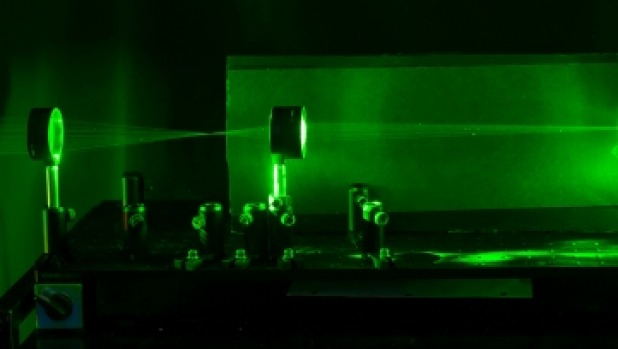
A laser shows the paths that light rays travel through the system, showing regions that can be used for cloaking an object.

Scientists at the University of Rochester have discovered a way to hide large objects from sight using inexpensive and readily available lenses.

Cloaking is the process by which an object becomes hidden from view, while everything else around the cloaked object appears undisturbed.

“A lot of people have worked on a lot of different aspects of optical cloaking for years,” John Howell, a professor of physics at the upstate New York school, said on Friday.

The so-called Rochester Cloak is not really a tangible cloak at all. Rather the device looks like equipment used by an optometrist. When an object is placed behind the layered lenses it seems to disappear.

Previous cloaking methods have been complicated, expensive, and not able to hide objects in three dimensions when viewed at varying angles, they say.

“From what, we know this is the first cloaking device that provides three-dimensional, continuously multidirectional cloaking,” said Joseph Choi, a graduate student who helped develop the method at Rochester, which is renowned for its optical research.

In their tests, the researchers have cloaked a hand, a face, and a ruler – making each object appear “invisible” while the image behind the hidden object remains in view. The implications for the discovery are endless, they say.

“I imagine this could be used to cloak a trailer on the back of a semi-truck so the driver can see directly behind him,” Choi said. “It can be used for surgery, in the military, in interior design, art.”

Howell said the Rochester Cloak, like the fictitious cloak described in the pages of the Harry Potter series, causes no distortion of the background object.

Building the device does not break the bank either. It cost Howell and Choi a little over $US1000 ($1140) in materials to create it and they believe it can be done even cheaper.

Although a patent is pending, they have released simple instructions on how to create a Rochester Cloak at home for under $US100 (114).

There is also a one-minute video about the project on YouTube.

http://www.smh.com.au/technology/sci-tech/scientists-unveil-invisibility-cloak-to-rival-harry-potters-20140927-10n1dp.html

The Recovering Americans and the ‘Top Secret’ Ebola Treatment

Because Kent Brantly is a physician who has watched people die of Ebola, there was an especially chilling prescience to his assessment last week, between labored breaths: “I am going to die.”

His condition was grave. But then on Saturday, we saw images of Brantly’s heroic return to U.S. soil, walking with minimal assistance from an ambulance into an isolation unit at Emory University Hospital.

“One of the doctors called it ‘miraculous,'” Dr. Sanjay Gupta reported from Emory this morning, of Brantly’s turnaround within hours of receiving a treatment delivered from the U.S. National Institutes of Health. “Not a term we scientists like to throw around.”

“The outbreak is moving faster than our efforts to control it,” Dr. Margaret Chan, director of the World Health Organization, said on Friday in a plea for international help containing the virus. “If the situation continues to deteriorate, the consequences can be catastrophic in terms of lost lives, but also severe socioeconomic disruption and a high risk of spread to other countries.”

In that light, and because Ebola is notoriously incurable (and the strain at large its most lethal), it is overwhelming to hear that “Secret Serum Likely Saved Ebola Patients,” as we do this morning from Gupta’s every-20-minute CNN reports. He writes:

Three top secret, experimental vials stored at subzero temperatures were flown into Liberia last week in a last-ditch effort to save two American missionary workers [Dr. Kent Brantly and Nancy Writebol] who had contracted Ebola, according to a source familiar with details of the treatment.

Brantly had been working for the Christian aid organization Samaritan’s Purse as medical director of the Ebola Consolidation Case Management Center in Monrovia, Liberia. The group yesterday confirmed that he received a dose of an experimental serum before leaving the country.

In Gupta’s optimistic assessment, Brantly’s “near complete recovery” began within hours of receiving the treatment that “likely saved his life.” Writebol is also reportedly improved since receiving the treatment, known as zMapp. But to say that it was a secret implies a frigid American exceptionalism; that the people of West Africa are dying in droves while a classified cure lies in wait.

The “top-secret serum” is a monoclonal antibody. Administration of monoclonal antibodies is an increasingly common but time-tested approach to eradicating interlopers in the human body. In a basic monoclonal antibody paradigm, scientists infect animals (in this case mice) with a disease, the mice mount an immune response (antibodies to fight the disease), and then the scientists harvest those antibodies and give them to infected humans. It’s an especially promising area in cancer treatment.

In this case, the proprietary blend of three monoclonal antibodies known as zMapp had never been tested in humans. It had previously been tested in eight monkeys with Ebola who survived—though all received treatment within 48 hours of being infected. A monkey treated outside of that exposure window did not survive. That means very little is known about the safety and effectiveness of this treatment—so little that outside of extreme circumstances like this, it would not be legal to use. Gupta speculates that the FDA may have allowed it under the compassionate use exemption.

A small 2012 study of monoclonal antibody therapy against Ebola found that it was only effective when administered before or just after exposure to the virus. A 2013 study found that rhesus macaques given an antibody mix called MB-003 within the 48-hour window had a 43 percent chance of surviving—as opposed to their untreated counterparts, whose survival rate was zero.

This Ebola outbreak is the largest in the history of the disease, in terms of both cases and deaths, 729 887 known so far. As Chan warned in her call for urgent international action, the outbreak is geographically the largest, already in four countries with fluid population movement across porous borders and a demonstrated ability to spread by air travel. The outbreak will be stopped by strategic quarantines and preventive education, primarily proper handling of corpses. More than 60 aid workers have become infected, but many more will be needed to stem the tide.

Dr. Anthony Fauci, director of the U.S. National Institute of Allergy and Infectious Disease (NIAID), is encouraged by the antibody treatment.

“Obviously there are plans and enthusiasm to expand this,” Fauci told me. “The limiting factor is the extraordinary paucity of treatment regimens.” Right now the total amount available, to Fauci’s knowledge, is three treatment courses (in addition to what was given to Brantly and Writebol).

NIAID did some of the original research that led to the development, but this is owned by Mapp Biopharmaceuticals. “They are certainly trying to scale up,” Fauci said, “but I’ve heard that their capability is such that it’s going to be months before they have a substantial number of doses, and even then they’re going to be limited.”

“We’re hearing that the administration of this cocktail of antibodies improved both Dr. Brantly and Ms. Writebol, but you know, we don’t know that,” Fauci said, noting the sample size (two) of this small, ad hoc study. Proving effectiveness would require a much larger group of patients being compared to an untreated group. “And we don’t know that they weren’t getting better anyway.”

Thanks to Kebmodee for bringing this to the attention of the It’s Interesting community.

http://www.theatlantic.com/health/archive/2014/08/the-secret-ebola-treatment/375525/

Student goes blind after keeping her contact lenses in for six months and microscopic bug eat her eyeballs

A student in Taiwan who kept a pair of disposable contact lenses in her eyes for six months has been left blinded after a microscopic bug devoured her eyeballs.

The tiny single-cell amoeba ate away at undergraduate Lian Kao’s sight because she didn’t take out and clean the contacts once during that time.

According to a warning issued by doctors the case was a particularly severe example of a young person under pressure who did not take the time to carry out basic hygiene on their contact lenses

As well as being regularly cleaned, contact lenses should also be removed when swimming and washing.

The general advice is to avoid wearing contacts for more than eight hours a day.

Yet apparently 23-year-old Kao had even kept her contact lenses in at all times, even at the swimming pool.

Medics were horrified when they removed the contact lenses to find that the surface of the girl’s eyes had literally been eaten by the amoeba that had been able to breed in the perfect conditions that existed between the contact lens and the eye.

The director of ophthalmology at Taipei’s Wan Fang Hospital, Wu Jian-liang, said: ‘Contact lens wearers are a high-risk group that can easily be exposed to eye diseases.

‘A shortage of oxygen can destroy the surface of the epithelial tissue, creating tiny wounds into which the bacteria can easily infect, spreading to the rest of the eye and providing a perfect breeding ground.

‘The girl should have thrown the contact lenses away after a month but instead she overused them and has now permanently damaged her corneas.’

He said that she had been diagnosed with acanthamoeba keratitis, which although rare was always more common in the summer.

He confirmed and spoke about the girl’s case as a way of urging others to be more careful if they had to use contact lenses.

The problem is the condition can build up over several years – it’s only when it gets to an advanced stage that contacts wearers become aware of a problem, as that’s when it will cause red, irritated eyes, by which time it may be too late.

Acanthamoeba bugs stick to contact lenses and can then burrow their way through the cornea, causing acute pain.

It’s only at this stage that a sufferer would be aware they had a problem.

Prescription drugs may be able to treat the bug in the early stages, but specialists say it is very difficult to get rid of. In serious cases, the patient needs a corneal transplant but these have a high failure rate, resulting in sight loss.

Other steps to prevent the infection include never swimming or using a hot tub or shower when wearing contacts.

Each year, infections cause around 6,000 cases of a severe eye condition known as microbial keratitis – inflammation and ulceration of the cornea that can lead to vision loss.

Contact lens wearers are at a higher risk, since bacteria can get trapped in the lenses.

Read more: http://www.dailymail.co.uk/news/article-2687477/Student-goes-blind-keeping-contact-lenses-six-months-microscopic-bug-EATS-eyeballs.html#ixzz37dnGxTKv

Thanks to Pete Cuomo for bringing this to the attention of the It’s Interesting community.

How stress can clog your arteries

By Sarah C. P. Williams

There’s a reason people say “Calm down or you’re going to have a heart attack.” Chronic stress—such as that brought on by job, money, or relationship troubles—is suspected to increase the risk of a heart attack. Now, researchers studying harried medical residents and harassed rodents have offered an explanation for how, at a physiological level, long-term stress can endanger the cardiovascular system. It revolves around immune cells that circulate in the blood, they propose.

The new finding is “surprising,” says physician and atherosclerosis researcher Alan Tall of Columbia University, who was not involved in the new study. “The idea has been out there that chronic psychosocial stress is associated with increased cardiovascular disease in humans, but what’s been lacking is a mechanism,” he notes.

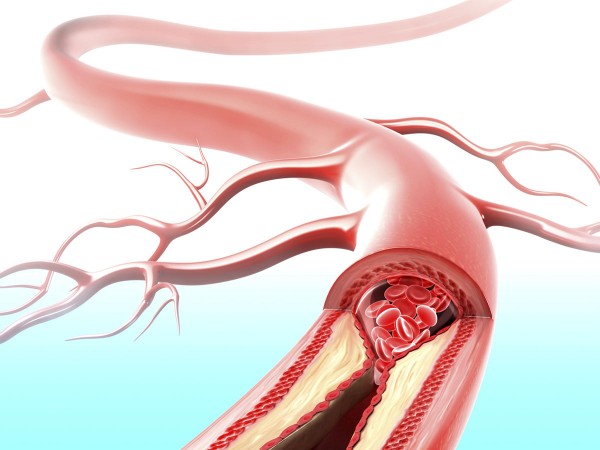
Epidemiological studies have shown that people who face many stressors—from those who survive natural disasters to those who work long hours—are more likely to develop atherosclerosis, the accumulation of fatty plaques inside blood vessels. In addition to fats and cholesterols, the plaques contain monocytes and neutrophils, immune cells that cause inflammation in the walls of blood vessels. And when the plaques break loose from the walls where they’re lodged, they can cause more extreme blockages elsewhere—leading to a stroke or heart attack.

Studying the effect of stressful intensive care unit (ICU) shifts on medical residents, biologist Matthias Nahrendorf of Harvard Medical School in Boston recently found that blood samples taken when the doctors were most stressed out had the highest levels of neutrophils and monocytes. To probe whether these white blood cells, or leukocytes, are the missing link between stress and atherosclerosis, he and his colleagues turned to experiments on mice.

Nahrendorf’s team exposed mice for up to 6 weeks to stressful situations, including tilting their cages, rapidly alternating light with darkness, or regularly switching the mice between isolation and crowded quarters. Compared with control mice, the stressed mice—like stressed doctors—had increased levels of neutrophils and monocytes in their blood.

The researchers then homed in on an explanation for the higher levels of immune cells. They already knew that chronic stress increases blood concentrations of the hormone noradrenaline; noradrenaline, Nahrendorf discovered, binds to a cell surface receptor protein called β3 on stem cells in the bone marrow. In turn, the chemical environment of the bone marrow changes and there’s an increase in the activity of the white blood cells produced by the stem cells.

“It makes sense that stress wakes up these immune cells because an enlarged production of leukocytes prepares you for danger, such as in a fight, where you might be injured,” Nahrendorf says. “But chronic stress is a different story—there’s no wound to heal and no infection.”

In mice living with chronic stress, Nahrendorf’s team reported today in Nature Medicine, atherosclerotic plaques more closely resemble plaques known to be most at risk of rupturing and causing a heart attack or stroke. When the scientists blocked the β3 receptor, though, stressed mice not only had fewer of these dangerous plaques, but also had reduced levels of the active immune cells in their plaques, pinpointing β3 as a key link between stress and atheroscelerosis.

The finding could lead to new drugs to help prevent cardiovascular disease, suggests biologist Lynn Hedrick of the La Jolla Institute for Allergy and Immunology in San Diego, California. “I think this gives us a really direct hint that the β3 receptor is important in regulating the stress-induced response by the bone marrow,” Hedrick says. “If we can develop a drug that targets the receptor, this may be very clinically relevant.”

More immediately, the new observations suggest a way that clinicians could screen patients for their risk of atherosclerosis, heart attack, and stroke, Tall says. “Rather than asking four questions about stress levels, we could use their white blood cell counts to monitor psychosocial stress,” he says.

Thanks to Dr. Rajadhyaksha for bringing this to the attention of the It’s Interesting community.

http://news.sciencemag.org/biology/2014/06/how-stress-can-clog-your-arteries

Neuroscientist Says NIH Funding Squeeze Causing ‘Crisis’ in Biomedical Enterprise

By Jeannie Baumann

Many scientists now spend more time scrambling to raise money for their work than actually doing the research because of the erosion of NIH funding over the last decade, the president of a biomedical research university said during a June 18 congressional briefing.

Mark Tessier-Lavigne said the 25 percent decline in the National Institutes of Health’s purchasing power has led to grants being funded at historically low rates, causing promising young scientists to leave the field altogether and threatening the future of the biomedical research workforce.

“The financial squeeze has triggered a crisis in the biomedical research enterprise,” according to Tessier-Lavigne, who is president of the Rockefeller University in New York and investigates how neural circuits in the brain form during embryonic development. “Renewing NIH funding is an essential investment, not just for our health, but also for our economy.”

Tessier-Lavigne was the main speaker at the Capitol Hill briefing, “Paying Dividends: How Federally Funded Biomedical Research Fuels the Pharmaceutical Industry in the U.S.,” which was organized by the Coalition for the Life Sciences and theCongressional Biomedical Research Caucus as part of the 2014 caucus briefing series.

The key point of Tessier-Lavigne’s presentation—that scientific opportunity has never been greater while federal funding for basic research is at a low—has been echoed, especially by NIH Director Francis S. Collins when testifying before lawmakers in both the House and the Senate.

“We live in a golden age of biological research, of disease research, and of drug discovery that’s been enabled by a revolution in the biosciences that’s occurred over the past 40 years, thanks to the development of very powerful technologies,” said Tessier-Lavigne, citing as examples recombinant DNA, gene sequencing, human genetics and imaging. “We can now tackle disease systematically and that is enabling systematic drug discovery.”

The research ecosystem requires early investment through NIH funding to academia to yield the treatments and cures from the pharmaceutical industry, Tessier-Lavigne said.

“There’s a division of labor,” he said. “Most of the scientific discovery that leads to the insights that are built upon are made in academia, in research labs, in research institutes, in universities supported by the NIH. At the other end of the spectrum, industry—mostly large pharmaceutical companies and large biotech companies—are responsible for making the drugs and taking them through human clinical trials.”

Tessier-Lavigne has worked at both ends of the spectrum, serving as chief scientific officer at biotechnology company Genentech before taking over at Rockefeller. He rejected the idea that drug companies could take on funding the basic research. The cost and time lines of drug discovery and development are already too great, he said.

“To make a drug, to get a drug approved there’s huge attritions,” he said. The process starts with targeting 24 projects, and scientists try to make drugs to fight them that yields on average about nine drug candidates that make it into clinical trials.

“But of those nine, only a single one will make it over the finish line as an approved drug,” he said.

That drug-making process takes an average of 13 years, including five years to make the drug candidates and eight years to get to clinical approval. Including failures, he estimated those costs at anywhere between $2 billion to $4 billion per drug.

“So companies that do this are already struggling to succeed just at this. There are no more resources to fund the ferment back here that leads to the identification of new knowledge. The companies can’t do it and they won’t do it,” he said.

“Couldn’t we just rely on other nations to generate the basic knowledge and then industry here could continue to do the translational work?” Tessier-Lavigne asked rhetorically.

“Well, that’s not how it works. Industry wants its R&D [research and development] sites to be located next to the sites of innovation. It’s as simple as that,” he said.

Over the past 30 years, Tessier-Lavigne said, there has been a “massive” transfer of industry from Europe to the U.S. because of the prominence of the U.S. biomedical enterprise.

“If we don’t maintain, sustain our investment in our basic biomedical enterprise, industry will pick up and move to the other sites,” he said, adding that countries like China are where these companies will move, taking jobs with them.
Rep. Jackie Speier (D-Calif.), co-chairman of the Congressional Biomedical Research Caucus, also mentioned that the U.S. may lose its position as the leader in R&D.

“We still lead in terms of patents and overall research, but China is about to eat our lunch,” said Speier, whose district includes the Bay Area and Genentech’s headquarters. “In fact, China has just about eclipsed Japan now in terms of research and within the next 10 years, it is anticipated that they will indeed overcome us in terms of research and development. And that would indeed be a tragic set of circumstances.”
Action Plan

Tessier-Lavigne proposed an action plan that primarily involves gradually restoring NIH funding in absolute dollars to its 2003 level—the final year of a five-year doubling. Since the 2003 doubling, the NIH’s budget has remained flat at about $30 billion. Collins has said that his agency would have about a $40 billion annual budget if the NIH had continued to receive the steady, 3 percent increases it received from the 1970s onward.

Restoring funding to the 2003 levels would relieve the squeeze on existing programs so scientists can focus on their work as well as stimulate new initiatives to accelerate progress and open new areas of discovery, Tessier-Lavigne said.

At the same time, the academic sector has a responsibility to make sure it spends these dollars effectively while developing a pipeline of new talent. And all stakeholders—academia, the NIH, disease foundations and the private sector—must ensure research discoveries are effectively translated into new therapies and cures.

The next congressional briefing is scheduled for July 16 on the advances and potential of embryonic stem cell research, withLawrence Goldstein, director of the University of California, San Diego, Stem Cell Program.

Thanks to Pete Cuomo for bringing this to the attention of the It’s Interesting community.

Century-old drug reverses signs of autism in mice

By Elizabeth Norton

A single dose of a century-old drug has eliminated autism symptoms in adult mice with an experimental form of the disorder. Originally developed to treat African sleeping sickness, the compound, called suramin, quells a heightened stress response in neurons that researchers believe may underlie some traits of autism. The finding raises the hope that some hallmarks of the disorder may not be permanent, but could be correctable even in adulthood.

That hope is bolstered by reports from parents who describe their autistic children as being caught behind a veil. “Sometimes the veil parts, and the children are able to speak and play more normally and use words that didn’t seem to be there before, if only for a short time during a fever or other stress” says Robert Naviaux, a geneticist at the University of California, San Diego, who specializes in metabolic disorders.

Research also shows that the veil can be parted. In 2007, scientists found that 83% of children with autism disorders showed temporary improvement during a high fever. The timing of a fever is crucial, however: A fever in the mother can confer a higher risk for the disorder in the unborn child.

As a specialist in the cell’s life-sustaining metabolic processes, Naviaux was intrigued. Autism is generally thought to result from scrambled signals at synapses, the points of contact between nerve cells. But given the specific effects of something as general as a fever, Naviaux wondered if the problem lay “higher up” in the cell’s metabolism.

To test the idea, he and colleagues focused on a process called the cell danger response, by which the cell protects itself from threats like infection, temperature changes, and toxins. As part of this strategy, Naviaux explains, “the cells behave like countries at war. They harden their borders. They don’t trust their neighbors.” If the cells in question are neurons, he says, disrupted communication could result—perhaps underlying the social difficulties; heightened sensitivity to sights, sounds, and sensations; and intolerance for anything new that often afflict patients with autism.

The key player may be ATP, the chief carrier of energy within a cell, which can also relay messages to other nearby cells. When too much ATP is released for too long, it can induce a hair-trigger cell danger response in neighboring neurons. In 2013, Naviaux spelled out his hypothesis that autism involves a prolonged, heightened cell danger response, disrupting pathways within and between neurons and contributing to the symptoms of the disorder.

The same year, he and his colleagues homed in on the drug suramin as a way to call off the response. The medication has been in use since the early 20th century to kill the organisms that cause African sleeping sickness. In 1988, it was found to block the so-called purinergic receptors, which bind to compounds called purines and pyrimidines—including ATP. These receptors are found on every cell in the body; on neurons, they help orchestrate many of the processes impaired in autism—such as brain development, the production of new synapses, inflammation, and motor coordination.

To determine if suramin could protect these receptors from overstimulation by ATP, Naviaux’s team worked with mice that developed an autism-like disorder after their mothers had been exposed to a simulated viral infection (and heightened cell danger responses) during pregnancy. Like children with autism, the mice born after these pregnancies were less social and did not seek novelty; they avoided unfamiliar mice and passed up the chance to explore new runs of a maze. In the 2013 paper, the researchers reported that these traits vanished after weekly injections of suramin begun when the mice were 6 weeks old (equivalent to 15-year-old humans). Many consequences of altered metabolism—including the structure of synapses, body temperature, the production of key receptors, and energy transport within neurons—were either corrected or improved.

In the new study, published online today in Translational Psychiatry, the researchers found equally compelling results after a single injection of suramin given to 6-month-old mice (equivalent to 30-year-old humans) with the same autism-like condition. Once again, previously reclusive animals approached unknown mice and investigated unfamiliar parts of a maze, suggesting that the animals had overcome the aversion to novelty that’s a hallmark of autism in children. After the single injection, the team lowered the levels of suramin by half each week. Within 5 weeks most, but not all, of the benefits of treatment had been lost. The drug also corrected 17 of 18 metabolic pathways that are disrupted in mice with autism-like symptoms.

Naviaux cautions that mice aren’t people, and therapies that are promising in rodents have a track record of not panning out in humans. He also says that prolonged treatment with suramin is not an option for children, because it can have side effects such as anemia with long-term use. He notes that there are 19 different kinds of purinergic receptors; if suramin does prove to be helpful in humans, newer drugs could be developed that would target only one or a few key receptors. The researchers are beginning a small clinical trial in humans of a single dose of suramin that they hope will be completed by the end of the year.

The study is exciting, says Bruce Cohen, a pediatric neurologist at Akron Children’s Hospital in Ohio. “The authors have come up with a novel idea, tested it thoroughly, and got a very positive response after one dose.” He notes, however, that the mice with a few characteristics of autism don’t necessarily reflect the entire condition in humans. “Autism isn’t a disease. It’s a set of behaviors contributing to hundreds of conditions and resulting from multiple genes and environmental effects. Great work starts with a single study like this one, but there’s more work to be done.”

http://news.sciencemag.org/biology/2014/06/century-old-drug-reverses-signs-autism-mice

Earth’s Most Abundant, But Hidden Mineral Finally Seen, Named: bridgmanite

Earth’s most abundant mineral lies deep in the planet’s interior, sealed off from human eyes. Now, scientists for the first time have gotten a glimpse of the material in nature, enclosed inside a 4.5-billion-year-old meteorite. The result: They have characterized and named the elusive mineral.

The new official name, bridgmanite, was approved for the mineral formerly known by its chemical components and crystal structure — silicate-perovskite. The magnesium-silicate mineral was named after Percy Bridgman, a 1946 Nobel Prize-winning physicist, according to the American Geophysical Union blog.

http://www.livescience.com/46337-elusive-mineral-named-bridgmanite.html

NASA unveils model of warp-drive starship, which is currently impossible.

NASA’s Harold White has been working since 2010 to develop a warp drive that will allow spacecraft to travel at speeds faster than light — 186,000 miles per second.

White, who heads NASA’s Advanced Propulsion Team, spoke about his conceptual starship at a conference last fall. But interest in his project reached a new level this week when he unveiled images of what the craft might look like.

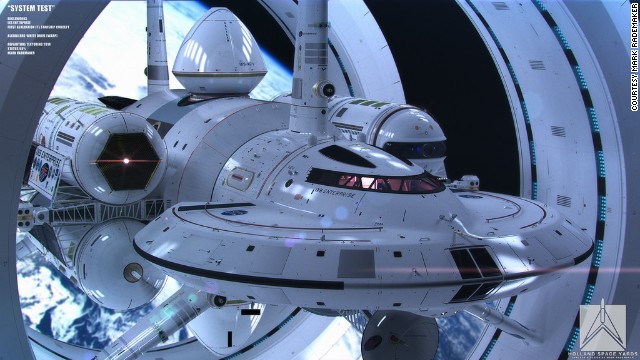
Created by artist Mark Rademaker, who based them on White’s designs, the images show a technologically detailed spacecraft that wouldn’t look out of place in a “Star Trek” movie. Rademaker says creating them took more than 1,600 hours.

For now, warp speed is only possible in TV and movies, with both “Star Trek” and “Star Wars” referencing an idea that was completely speculative at the time. White has fittingly named the concept spacecraft IXS Enterprise, for the starship famously piloted by Captain James T. Kirk in the “Star Trek” TV series and movies.

At the SpaceVision 2013 Space Conference last November in Phoenix, White talked about his design, the concepts behind it and the progress that’s been made in warp-drive development over the decades. He discussed the idea of a “space warp,” a loophole in the theory of general relativity that would allow for massive distances to be traveled very quickly, reducing travel times from thousands of years to days.

In his speech, White described space warps as faraway galaxies that can bend light around them. They work on the principle of bending space both in front of and behind a spacecraft. This would essentially allow for the empty space behind the craft to expand, both pushing and pulling it forward at the same time. The concept is similar to that of an escalator or moving walkway.

“There’s no speed limit on the expansion and contraction of space,” White said at the conference. “You can actually find a way to get around what I like to call the 11th commandment: Thou shall not exceed the speed of light.”

It’s the idea of space warps that inspired physicist Miguel Alcubierre in 1994 to first theorize a mathematical model of a warp drive that would be able to bend space and time. While studying Alcubierre’s equations, White decided to design his own retooled version of the Alcubierre Drive. His recently unveiled design has much less empty space than the first concept model, increasing its efficiency.

The warp drive that White’s team has been working on would literally transcend space, shortening the distance between two points and allowing the craft to break the speed of light. This would be a spaceship with no speed limit.

Because travel into space has been extremely limited due to existing means of propulsion, such a technology could blow open the possibilities of space exploration. It could allow for study of the farthest reaches of space, parts that scientists once considered unimaginable.

Although the technology to create the spacecraft or the warp drive doesn’t yet exist, the artistic renderings Rademaker created could potentially be a model of what’s to come — the first spacecraft to break the speed-of-light barrier and journey beyond our solar system.

In his design, White says he drew from Matthew Jeffries’ 1965 sketches of the Enterprise from “Star Trek,” saying parts of that ship were mathematically correct. He worked with Rademaker and graphic designer Mike Okuda to update the math and produce what he believes to be a viable spacecraft.

According to NASA, there hasn’t been any proof that a warp drive can exist, but the agency is experimenting nonetheless. Although the concept doesn’t violate the laws of physics, that doesn’t guarantee that it will work.

“We’re starting to talk about what the next chapter for human space exploration going to be,” White said at SpaceVision.

http://www.cnn.com/2014/06/12/tech/innovation/warp-speed-spaceship/index.html