Saudi Researchers Want Clinical Trials For Camel Urine Cancer Cure

Camel

A research team from Saudi Arabia’s King Abdulaziz University has been making claims about discovering anti-cancer properties in camel urine for the last several years, and are now claiming they’ve shown good results in tests on healthy humans, though those results have yet to see publication. The researchers are seeking support from the Saudi Food and Drug authority, which oversees the nation’s clinical trials, to let them keep moving forward and testing the substance — which is extracted from camel urine — on patients suffering from cancer.

The team plan to release more data on their work at a conference later this month.

http://www.geekosystem.com/camel-urine-cancer-cure/

First Evidence That Magnetism Helps Salmon Find Home

salmon

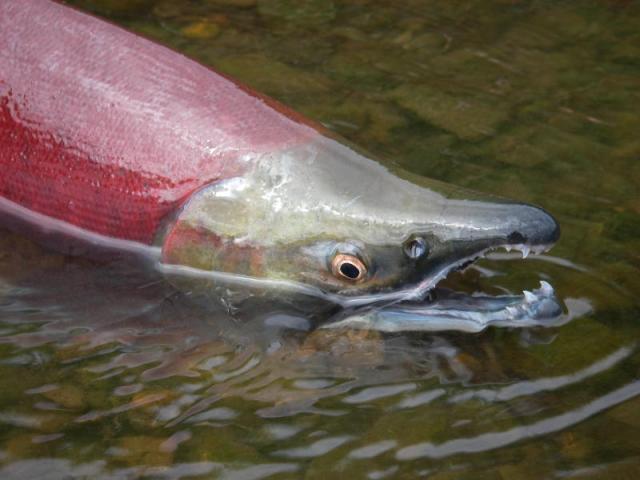
When migrating, sockeye salmon typically swim up to 4,000 miles into the ocean and then, years later, navigate back to the upstream reaches of the rivers in which they were born to spawn their young. Scientists, the fishing community and lay people have long wondered how salmon find their way to their home rivers over such epic distances.

A new study, published in this week’s issue of Current Biology and partly funded by the National Science Foundation, suggests that salmon find their home rivers by sensing the rivers’ unique magnetic signature.

As part of the study, the research team used data from more than 56 years of catches in salmon fisheries to identify the routes that salmon had taken from their most northerly destinations, which were probably near Alaska or the Aleutian Islands in the Pacific Ocean, to the mouth of their home river–the Fraser River in British Columbia, Canada. This data was compared to the intensity of Earth’s magnetic field at pivotal locations in the salmon’s migratory route.

Earth has a magnetic field that weakens with proximity to the equator and distance from the poles and gradually changes on a yearly basis. Therefore, the intensity of the magnetosphere in any particular location is unique and differs slightly from year to year.

Because Vancouver Island is located directly in front of the Fraser River’s mouth, it blocks direct access to the river’s mouth from the Pacific Ocean. However, salmon may slip behind Vancouver Island and reach the river’s mouth from the north via the Queen Charlotte Strait or from the south via the Juan De Fuca Strait.

Results from this study showed that the intensity of the magnetic field largely predicted which route the salmon used to detour around Vancouver Island; in any given year, the salmon were more likely to take whichever route had a magnetic signature that most closely matched that of the Fraser River years before, when the salmon initially swam from the river into the Pacific Ocean.

“These results are consistent with the idea that juvenile salmon imprint on (i.e. learn and remember) the magnetic signature of their home river, and then seek that same magnetic signature during their spawning migration,” said Nathan Putman, a post-doctoral researcher at Oregon State University and the lead author of the study.

It has long been known that some animals use Earth’s magnetic field to generally orient themselves and to follow a straight course. However, scientists have never before documented an animal’s ability to “learn” the magnetic field rather than to simply inherit information about it or to use the magnetic field to find a specific location.

This study provides the first empirical evidence of magnetic imprinting in animals and represents the discovery of a major new phenomenon in behavioral biology.

In addition, this study suggests that it would be possible to forecast salmon movements using geomagnetic models–a development that has important implications for fisheries management.

Putman says scientists don’t know exactly how early and how often salmon check Earth’s magnetic field in order to identify their geographic locations during their trip back home. “But,” he says, “for the salmon to be able to go from some location out in the middle of the Pacific 4,000 miles away, they need to make a correct migratory choice early–and they need to know which direction to start going in. For that, they would presumably use the magnetic field.”

Putman continues, “As the salmon travel that route, ocean currents and other forces might blow them off course. So they would probably need to check their magnetic position several times during this migration to stay on track. Once they get close to the coastline, they would need to hone in on their target, and so would presumably check in more continuously during this stage of their migration.”

Putman says that once the salmon reach their home river, they probably use their sense of smell to find the particular tributary in which they were born. However, over long distances, magnetism would be a more useful cue to salmon than odors because magnetism–unlike odors–can be detected across thousands of miles of open ocean.

Like other Pacific Salmon, sockeye salmon spawn in the gravel beds of rivers and streams. After the newly hatched salmon emerge from these beds, they spend one to three years in fresh water, and then they migrate downstream to the ocean.

Next, the salmon travel thousands of miles from their home river to forage in the North Pacific for about two more years, and then, as well-fed adults, they migrate back to the same gravel beds in which they were born.

When migrating, salmon must transition from fresh water to sea water, and then back again. During each transition, the salmon undergo a metamorphosis that Putman says is almost as dramatic as the metamorphosis of a caterpillar into a butterfly. Each such salmon metamorphosis involves a replacement of gill tissues that enables the fish to maintain the correct salt balance in its environment: the salmon retains salt when in fresh water and pumps out excess salt when in salt water.

Salmon usually undertake their taxing, round-trip migration, which may total up to 8,000 miles, only once in their lives; they typically die soon after spawning.

http://www.sciencedaily.com/releases/2013/02/130207131713.htm

GIMPS discovers new largest prime number

prime number

The largest prime number yet has been discovered — and it’s 17,425,170 digits long. The new prime number crushes the last one discovered in 2008, which was a paltry 12,978,189 digits long.

The number — 2 raised to the 57,885,161 power minus 1 — was discovered by University of Central Missouri mathematician Curtis Cooper as part of a giant network of volunteer computers devoted to finding primes, similar to projects like SETI@Home, which downloads and analyzes radio telescope data in the Search for Extraterrestrial Intelligence (SETI). The network, called the Great Internet Mersenne Prime Search (GIMPS) harnesses about 360,000 processors operating at 150 trillion calculations per second. This is the third prime number discovered by Cooper.

“It’s analogous to climbing Mt. Everest,” said George Woltman, the retired, Orlando, Fla.-based computer scientist who created GIMPS. “People enjoy it for the challenge of the discovery of finding something that’s never been known before.”

In addition, the number is the 48th example of a rare class of primes called Mersenne Primes. Mersenne primes take the form of 2 raised to the power of a prime number minus 1. Since they were first described by French monk Marin Mersenne 350 years ago, only 48 of these elusive numbers have been found, including the most recent discovery.

After the prime was discovered, it was double-checked by several other researchers using other computers.

While the intuitive way to search for primes would be to divide every potential candidate by ever single number smaller than itself, that would be extremely time-consuming, Woltman told LiveScience.

“If you were to do it that way it would take longer than the age of the universe,” he said.

Instead, mathematicians have devised a much cleverer strategy, that dramatically reduces the time to find primes. That method uses a formula to check much fewer numbers.

The new discovery makes Cooper elligible for a $3,000 GIMPS research discovery award.

http://www.livescience.com/26866-largest-prime-number-discovered.html

Intoxicating ability of alcohol varies by whether it’s mized with diet or regular soda

soda-glass-120207

The simple choice of whether or not to mix liquor with a diet or regular soda may affect how intoxicated you get, a new study suggests.

In the study, men and women ages 21 to 33 who drank vodka mixed with diet soda had breath alcohol concentrations that were 18 percent higher after 40 minutes compared with people who drank the same dose of vodka mixed with regular soda.

In fact, after three to four drinks, people who used diet soda as a mixer had a breath alcohol level that exceeded the legal limit for an adult operating a motor vehicle. People who used regular soda in their drink did not.

What’s more, people who used diet mixers scored more poorly on a test of reaction time that people who used regular mixers, although both groups reported feeling similar levels of intoxication.

The study was small — just eight men and eight women participated — so more research is needed to confirm the findings. And although results from breath alcohol tests are usually consistent with those from tests of blood alcohol, there can sometimes be a discrepancy between the two methods, so the study should be replicated using blood alcohol tests, the researchers said.

But the findings suggest that diet mixers, although lower in calories, may have insidious effects, said study researcher Cecile Marczinski, an assistant professor of psychology at Northern Kentucky University.

People “think they’re saving some calories by drinking their alcohol with a diet drink, [but] it’s much more harmful to the body to have a high blood alcohol concentration,” Marczinski said.

During the study, the 16 participants came into the laboratory three times, and received either vodka mixed with Squirt, vodka mixed with diet Squirt, or a placebo (Squirt containing a very small dose of alcohol to mimic the appearance and smell of an alcoholic beverage.) Besides the placebo, each drink contained equal amounts of alcohol and mixer. The dose of alcohol in each individual drink was based on the participant’s body weight.

Regular mixers may slow down the time it takes a person to become intoxicated from drinking, the researchers said. Alcohol is absorbed by the body when it reaches the small intestine. But the stomach may treat the sugar in regular mixers as if it were food. As a result, the alcohol doesn’t reach the small intestine as quickly, Marczinski said. The artificial sweeteners in diet soda, on the other hand, may not delay stomach emptying, so the alcohol travels straight through to the small intestine, Marczinski added. An earlier study found that men who drank vodka mixed with a diet beverage had higher blood alcohol levels than men who drank vodka mixed with a regular beverage. Using an ultrasound, the researchers showed that the regular drink delayed stomach emptying, but the diet drink did not.

The new finding “helps people to make an informed decision” about the mixer they chose for their alcohol, said Emma Childs, an assistant professor in the University of Chicago’s Department of Psychiatry, who has researched the effects of alcohol on physiology and behavior, and was not involved in the study.

http://www.livescience.com/26885-diet-soda-alcohol-mixers-intoxication.html

Origin of the myth that we only use 10% of our brains

ten-percent-brain

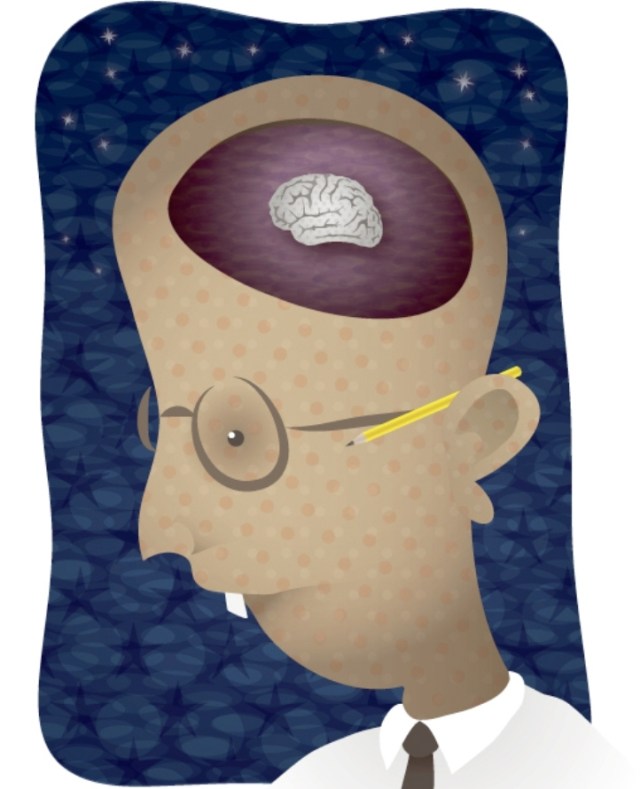
The human brain is complex. Along with performing millions of mundane acts, it composes concertos, issues manifestos and comes up with elegant solutions to equations. It’s the wellspring of all human feelings, behaviors, experiences as well as the repository of memory and self-awareness. So it’s no surprise that the brain remains a mystery unto itself.

Adding to that mystery is the contention that humans “only” employ 10 percent of their brain. If only regular folk could tap that other 90 percent, they too could become savants who remember π to the twenty-thousandth decimal place or perhaps even have telekinetic powers.

Though an alluring idea, the “10 percent myth” is so wrong it is almost laughable, says neurologist Barry Gordon at Johns Hopkins School of Medicine in Baltimore. Although there’s no definitive culprit to pin the blame on for starting this legend, the notion has been linked to the American psychologist and author William James, who argued in The Energies of Men that “We are making use of only a small part of our possible mental and physical resources.” It’s also been associated with to Albert Einstein, who supposedly used it to explain his cosmic towering intellect.

The myth’s durability, Gordon says, stems from people’s conceptions about their own brains: they see their own shortcomings as evidence of the existence of untapped gray matter. This is a false assumption. What is correct, however, is that at certain moments in anyone’s life, such as when we are simply at rest and thinking, we may be using only 10 percent of our brains.

“It turns out though, that we use virtually every part of the brain, and that [most of] the brain is active almost all the time,” Gordon adds. “Let’s put it this way: the brain represents three percent of the body’s weight and uses 20 percent of the body’s energy.”

The average human brain weighs about three pounds and comprises the hefty cerebrum, which is the largest portion and performs all higher cognitive functions; the cerebellum, responsible for motor functions, such as the coordination of movement and balance; and the brain stem, dedicated to involuntary functions like breathing. The majority of the energy consumed by the brain powers the rapid firing of millions of neurons communicating with each other. Scientists think it is such neuronal firing and connecting that gives rise to all of the brain’s higher functions. The rest of its energy is used for controlling other activities—both unconscious activities, such as heart rate, and conscious ones, such as driving a car.

Although it’s true that at any given moment all of the brain’s regions are not concurrently firing, brain researchers using imaging technology have shown that, like the body’s muscles, most are continually active over a 24-hour period. “Evidence would show over a day you use 100 percent of the brain,” says John Henley, a neurologist at the Mayo Clinic in Rochester, Minn. Even in sleep, areas such as the frontal cortex, which controls things like higher level thinking and self-awareness, or the somatosensory areas, which help people sense their surroundings, are active, Henley explains.

Take the simple act of pouring coffee in the morning: In walking toward the coffeepot, reaching for it, pouring the brew into the mug, even leaving extra room for cream, the occipital and parietal lobes, motor sensory and sensory motor cortices, basal ganglia, cerebellum and frontal lobes all activate. A lightning storm of neuronal activity occurs almost across the entire brain in the time span of a few seconds.

“This isn’t to say that if the brain were damaged that you wouldn’t be able to perform daily duties,” Henley continues. “There are people who have injured their brains or had parts of it removed who still live fairly normal lives, but that is because the brain has a way of compensating and making sure that what’s left takes over the activity.”

Being able to map the brain’s various regions and functions is part and parcel of understanding the possible side effects should a given region begin to fail. Experts know that neurons that perform similar functions tend to cluster together. For example, neurons that control the thumb’s movement are arranged next to those that control the forefinger. Thus, when undertaking brain surgery, neurosurgeons carefully avoid neural clusters related to vision, hearing and movement, enabling the brain to retain as many of its functions as possible.

What’s not understood is how clusters of neurons from the diverse regions of the brain collaborate to form consciousness. So far, there’s no evidence that there is one site for consciousness, which leads experts to believe that it is truly a collective neural effort. Another mystery hidden within our crinkled cortices is that out of all the brain’s cells, only 10 percent are neurons; the other 90 percent are glial cells, which encapsulate and support neurons, but whose function remains largely unknown. Ultimately, it’s not that we use 10 percent of our brains, merely that we only understand about 10 percent of how it functions.

http://www.scientificamerican.com/article.cfm?id=people-only-use-10-percent-of-brain&page=2

Thanks to SRW for bringing this to the attention of the It’s Interesting community.

Drugs to enhance massage

massage

Nerves dedicated to creating these feelings have been identified and artificially stimulated in mice, leading to hope that the work could aid the development of drugs that relieve pain or stress.

Some nerves rapidly transmit sensations of touch or pain to the brain, but others work much more slowly. These C-tactile fibres, as they are known in humans, are found under hairy skin and respond to stroking.

David Anderson at the California Institute of Technology in Pasadena and colleagues used calcium imaging to identify similar bundles of nerves in mice.

When the mice were in a special chamber, the team injected them with a chemical that activated these nerves. Afterwards, the mice visited the chamber almost twice as often as they had before, suggesting that they enjoyed the experience and wanted more (Nature, DOI: 10.1038/nature11810).

A drug that evokes a similar response in humans could boost the beneficial effects of skin-to-skin contact such as massage in rehabilitation or for psychiatric conditions, says Johan Wessberg at the University of Gothenburg in Sweden.

Interactions involving stroking are common among many mammals, particularly in nurturing, and removing this contact can impair development. “For the first time we are getting a neurological basis for these phenomena,” says Francis McGlone at Liverpool John Moores University in the UK.

http://www.newscientist.com/article/mg21729025.200-think-that-massage-feels-good-try-adding-drugs.html

Abnormal gut bacteria linked to severe malnutrition

starve

There’s more to malnutrition than poor diet. Two complementary studies suggest that microbes have an important role to play in both the onset and treatment of a poorly understood form of malnutrition called kwashiorkor.

Malnutrition, the leading cause of death among children worldwide, remains something of a puzzle. It is unclear, for instance, why some children are especially prone to becoming malnourished when siblings they live with appear to fare better.

Now Jeffrey Gordon at Washington University in St Louis, Missouri, and his colleagues have found that a child’s risk of malnutrition may come down to the microbes in his or her guts.

Working in southern Malawi, the team identified sets of identical and non-identical twins in which one child had kwashiorkor – thought to be caused by a lack of protein – and the other did not, despite the shared genetics and diet. Gordon’s team took faecal samples from three sets of twins and transplanted the samples into the guts of mice, which were then fed a typical nutrient-poor Malawian diet.

Mouse weight lossAll of the mice lost some weight. However, some lost significantly more weight, and more quickly, than others. Further investigation showed that these mice had all received a faecal sample from children with kwashiorkor.

The finding strongly hinted that the mice had picked up a kwashiorkor-like condition from the microbes within the faecal implant, so the researchers studied the rodents’ gut flora. They found higher than normal levels of bacteria associated with illnesses such as inflammatory bowel disease.

The results suggest pathogenic microbes may heighten the problems of malnutrition in some children, says Jeremy Nicholson at Imperial College London, a member of the study team. “There’s a lot of work revolving around obesogenesis – how given a standard diet one set of bugs might make more calories available than another set,” he says. “But the other side of that coin is that maybe particular bugs can restrict calorie availability and exacerbate a poor diet.”

Indi Trehan at Washington University, another member of the research team, agrees. “I think it is correct that there are more factors than simple food insecurity at play in terms of malnutrition,” he says.

Antibiotic aidTrehan is lead author on a second new study, which examines how children with kwashiorkor respond when given nutrient-rich therapeutic diets. Trehan’s team found that the children were significantly less likely to become malnourished once the dietary treatment had ended if they were given a course of antibiotics along with the diet.

Together, the studies help us understand the role that infections might play in malnutrition, says Trehan. This might point towards a future in which microbial concoctions can be tailored to guard against such infections and treat specific conditions, suggests Nicholson.

Alexander Khoruts at the University of Minnesota in Minneapolis has been using faecal transplants to treat resistant Clostridium difficile disease in humans. “It is likely that microbiota are involved in pathogenesis of many other diseases, and it is possible that faecal transplants may be an approach to treat those as well,” he says. But because gut bacteria are so complex, he thinks more research will be needed to develop appropriate microbe-based therapies.

http://www.newscientist.com/article/dn23127-abnormal-gut-bacteria-linked-to-severe-malnutrition.html

Retreating rebels burn Timbuktu’s science manuscripts

t1

t2

It is what conservators, archivists and researchers have feared. As Malian troops, supported by the French military, advanced on the fabled city of Timbuktu in northern Mali, retreating Islamist rebels have set fire to the Ahmed Baba Institute and a warehouse containing valuable scientific manuscripts dating back to medieval times.

The Ahmed Baba Institute housed an estimated 30,000 manuscripts. The texts include documents on astronomy, medicine, botany, mathematics and biology, evidence that science was under way in Africa before European settlers arrived. They were not only from scholars working in Timbuktu, once a centre for learning, but also from all over Mali and as far as the borders of Mauritania, Burkina Faso, Senegal, Guinea, Niger, Algeria and the Ivory Coast.

It is unclear at this stage how many of the texts have been destroyed.

The rebel group Ansar al Dine wrestled control of Timbuktu from Tuareg separatists in April last year, and since have been using the Institute as their base. The rebels had earlier looted the building of its vehicles, computers and other equipment.

Rich academic history“There is no way these people can claim to be Africans when they destroy the very foundation of our contribution to world knowledge and academia,” says George Abungu, vice president of the executive council of the International Council of Museums. The texts “are the very evidence that Africa had a rich academic history before the coming of the Europeans, as opposed to the earlier notion that we had none”, he says. He describes the burning as “an incredible loss to Africa’s heritage, a backward move to the dark ages”.

Following the rebels’ destruction of Timbuktu’s shrines and tombs in recent weeks, there had been talk of a behind-the-scenes plan to remove for safekeeping some of the estimated 700,000 manuscripts housed in public and private libraries throughout the city.

But even if the plan had been carried out in time, not all the ancient texts would have been rescued given their number and their scattered locations. In any case, some manuscripts are too fragile to be moved.

http://www.newscientist.com/article/dn23113-retreating-rebels-burn-timbuktus-science-manuscripts.html?cmpid=RSS|NSNS|2012-GLOBAL|online-news

Miami 4th grader wins science fair with drug sniffing dogs and ounce of cocaine

dog

When fourth-grader Emma Bartelt wanted to wow the judges at her elementary school’s science fair, she knew she had to do something unexpected.

All she needed was a box, a jar, three dogs … and an ounce of cocaine.

These days, vinegar and baking soda is so passé.

In what Miami-Dade school district officials are calling a first, Emma tapped her connections with Miami-Dade police to show how a dog’s sense of smell helps it find narcotics.

“The student’s science project involved a very unusual set of circumstances, including having a parent who is a well-respected police detective with experience in training dogs that sniff for illegal substances,” school district spokesman John Schuster said in statement.

Earlier this month, Miami-Dade police Det. Douglas Bartelt and his colleagues let Emma sit in while they put three drug sniffing canines through a search exercise at their narcotics training facility. There was Roger, a springer spaniel; Levi, a golden retriever; and Franky, a retired chocolate Labrador.

The dogs were individually timed as they searched for 28 grams of cocaine — worth an estimated $1,300 on the street — locked in a metal canister, hidden in a box somewhere in a single room. The exercise was then repeated in a second room.

In the end, Franky came out first, sniffing out the cocaine in 43 seconds. At no time did Emma handle the drugs or the dogs, a Police Department spokeswoman said.

Cocaine is not specifically banned from use in district science fair rules, the Miami Herald reported.

The project earned Emma first prize at her school, Coral Gables Preparatory Academy, and a chance to participate in the county science fair at Miami Dade College on Jan. 26. She received an honorable mention there, district officials said.

Emma explained “the purpose of this scientific investigation was to find which dog would find the cocaine fastest using its sense of smell,” according to the Herald.

http://www.latimes.com/health/boostershots/la-sci-sn-student-cocaine-science-fair-20130131,0,1052960.story

First Evidence of Life in Antarctic Subglacial Lake

subglacial lake 4
subglacial lake 3
subglacial lake 2
subglacial lake 1

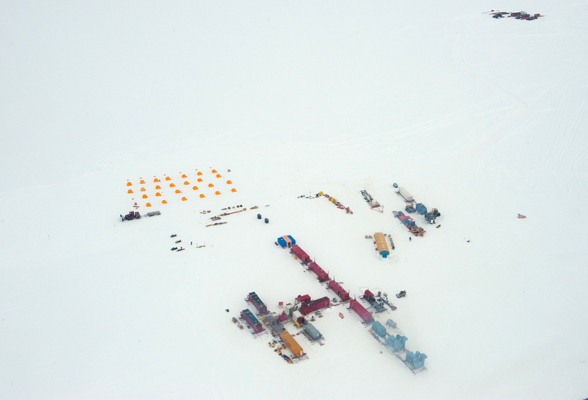
The search continues for life in subglacial Lake Whillans, 2,600 feet below the surface of the West Antarctic Ice Sheet—but a thrilling preliminary result has detected signs of life.

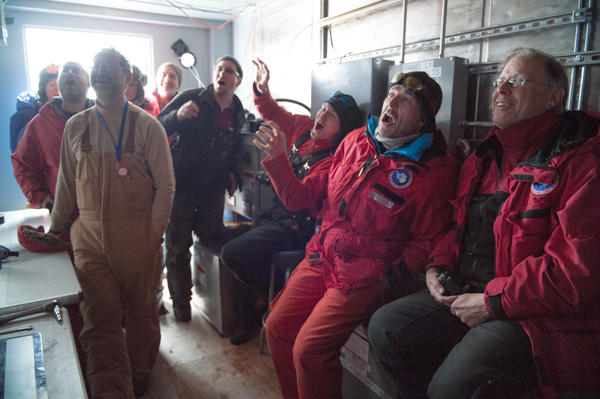
At 6:20am on January 28, four people in sterile white Tyvek suits tended to a wench winding cable onto the drill platform. One person knocked frost off the cable as it emerged from the ice borehole a few feet below. The object of their attention finally rose into sight: a gray plastic vessel, as long as a baseball bat, filled with water from Lake Whillans, half a mile below.

The bottle was hurried into a 40-foot cargo container outfitted as a laboratory on skis. Some of the lake water was squirted into bottles of media in order to grow whatever microbes might inhabit the lake. Those cultures could require weeks to produce results. But one test has already produced an interesting preliminary finding. When lake water was viewed under a microscope, cells were seen: their tiny bodies glowed green in response to DNA-sensitive dye. It was the first evidence of life in an Antarctic subglacial lake.

(A Russian team has reported that two types of bacteria were found in water from subglacial Lake Vostok, but DNA sequences matched those of bacteria that are known to live inside kerosene—causing the scientists to conclude that those bacteria came from kerosene drilling fluid used to bore the hole, and not from Lake Vostok itself.)

In order to conclusively demonstrate that Lake Whillans harbors life, the researchers will need to complete more time-consuming experiments showing that the cells actually grow—since dead cells can sometimes show up under a microscope with DNA-sensitive staining. And weeks or months will pass before it is known whether these cells represent known types of microbes, or something never seen before. But a couple of things seem likely. Most of those microbes probably subsist by chewing on rocks. And despite being sealed beneath 2,600 feet of ice, they probably have a steady supply of oxygen.

The oxygen comes from water melting off the base of the ice sheet—maybe a few penny thicknesses of ice per year. “When you melt ice, you’re liberating the air bubbles [trapped in that ice],” says Mark Skidmore, a geomicrobiologist at Montana State University who is part of the Whillans drilling, or WISSARD, project. “That’s 20 percent oxygen,” he says. “It’s being supplied to the bed of the glacier.”

In one possible scenario, lake bacteria could live on commonly occurring pyrite minerals that contain iron and sulfur. The bacteria would obtain energy by using oxygen to essentially “burn” that iron and sulfur (analogous to the way that animals use oxygen to slowly burn sugars and fats). Small amounts of sulfuric acid would seep out as a byproduct; that acid would attack other minerals in the sands and sediments of the lake—leaching out sodium, potassium, calcium, and other materials that would accumulate in the water.

This process, called weathering, breaks down billions of tons of minerals across the Earth’s surface each year. Researchers working on the National Science Foundation-funded WISSARD project hope to learn whether something like this also happens under the massive ice sheets covering Antarctica and Greenland. They’ve already seen one tantalizing sign.

The half mile of glacial ice sitting atop Lake Whillans is quite pure—derived from snow that fell onto Antarctica thousands of years ago. It contains only one-hundredth the level of dissolved minerals that are seen in a clear mountain creek, or in tap water from a typical city. But a sensor lowered down the borehole this week showed that dissolved minerals were far more abundant in the lake itself. “The fact that we see high concentrations is suggestive that there’s some interesting water-rock-microbe interaction that’s going on,” says Andrew Mitchell, a microbial geochemist from Aberystwyth University in the UK who is working this month at Lake Whillans.

Microbes, in other words, might well be munching on minerals under the ice sheet. The Whillans team will take months or years to unravel this picture. They will perform experiments to see whether microbes taken from the lake metabolize iron, sulfur, or other components of minerals. And they will analyze the DNA of those microbes to see whether they’re related to rock-chewing bacteria that are already known to science.

Antarctica isn’t the only place in the solar system where water sits concealed in the dark beneath thick ice. Europa and Enceladus (moons of Jupiter and Saturn, respectively) are also thought to harbor oceans of liquid water. What is learned at Lake Whillans could shed light on how best to look for life in these other places.

http://blogs.discovermagazine.com/crux/2013/01/29/first-evidence-of-life-in-antarctic-subglacial-lake/

Thanks to Kebmodee for bringing this to the attention of the It’s Interesting community.