Study Finds Pedophiles’ Brains Wired to Find Children Attractive

Pedophiles’ brains are “abnormally tuned” to find young children attractive, according to a new study published this week. The research, led by Jorge Ponseti at Germany’s University of Kiel, means that it may be possible to diagnose pedophiles in the future before they are able to offend.

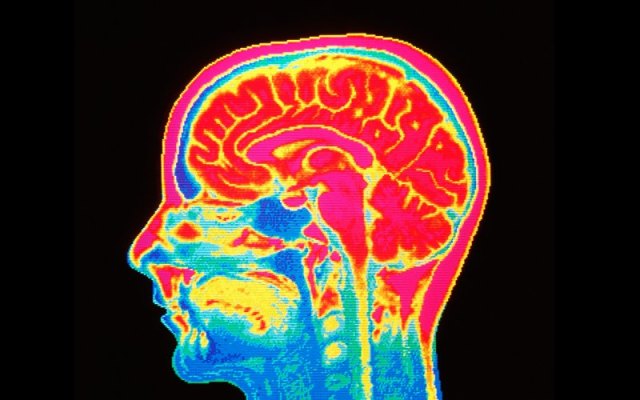
The findings, published in scientific journal Biology Letters, discovered that pedophiles have the same neurological reaction to images of those they find attractive as those of people with ordinary sexual predilections, but that all the relevant cerebral areas become engaged when they see children, as opposed to fellow adults. The occipital areas, prefrontal cortex, putamen, and nucleus caudatus become engaged whenever a person finds another attractive, but the subject of this desire is inverted for pedophiles.

While studies into the cognitive wiring of sex offenders have long been a source of debate, this latest research offers some fairly conclusive proof that there is a neural pattern behind their behavior.

The paper explains: “The human brain contains networks that are tuned to face processing, and these networks appear to activate different processing streams of the reproductive domain selectively: nurturing processing in the case of child faces and sexual processing in the case of sexually preferred adult faces. This implies that the brain extracts age-related face cues of the preferred sex that inform appropriate response selection in the reproductive domains: nurturing in the case of child faces and mating in the case of adult faces.”

Usually children’s faces elicit feelings of caregiving from both sexes, whereas those of adults provide stimuli in choosing a mate. But among pedophiles, this trend is skewed, with sexual, as opposed to nurturing, emotions burgeoning.

The study analyzed the MRI scans of 56 male participants, a group that included 13 homosexual pedophiles and 11 heterosexual pedophiles, exposing them to “high arousing” images of men, women, boys, and girls. Participants then ranked each photo for attractiveness, leading researchers to their conclusion that the brain network of pedophiles is activated by sexual immaturity.

The critical new finding is that face processing is also tuned to face cues revealing the developmental stage that is sexually preferred,” the paper reads.

Dr. James Cantor, associate professor at the University of Toronto’s Faculty of Medicine, said he was “delighted” by the study’s results. “I have previously described pedophilia as a ‘cross-wiring’ of sexual and nurturing instincts, and this data neatly verifies that interpretation.”

Cantor has undertaken extensive research into the area, previously finding that pedophiles are more likely to be left-handed, 2.3 cm shorter than the average male, and 10 to 15 IQ points lower than the norm.

He continued: “This [new] study is definitely a step in the right direction, and I hope other researchers repeat this kind of work. There still exist many contradictions among scientists’ observations, especially in identifying exactly which areas of the brain are the most central to pedophilia. Because financial support for these kinds of studies is quite small, these studies have been quite small, permitting them to achieve only incremental progress. Truly definitive studies about what in the brain causes pedophilia, what might detect it, and what might prevent it require much more significant support.”

Ponseti said that he hoped to investigate this area further by examining whether findings could be emulated when images of children’s faces are the sole ones used. This could lead to gauging a person’s predisposition to pedophilia far more simply than any means currently in place. “We could start to look at the onset of pedophilia, which is probably in puberty at about 12 or 14 years [old],” he told The Independent.

While Cantor is correct in citing the less than abundant size of the study, the research is certainly significant in providing scope for future practicable testing that could reduce the number of pedophilic crimes committed. By being able to run these tests and examine a person’s tendency toward being sexually attracted to underage children, rehabilitative care and necessary precautions could be taken to safeguard children and ensure that those at risk of committing a crime of this ilk would not be able to do so.

http://www.thedailybeast.com/articles/2014/05/23/study-finds-pedophiles-brains-wired-to-find-children-attractive.html#

Medicine’s Top Earners Are Not the M.D.s

Though the recent release of Medicare’s physician payments cast a spotlight on the millions of dollars paid to some specialists, there is a startling secret behind America’s health care hierarchy: Physicians, the most highly trained members in the industry’s work force, are on average right in the middle of the compensation pack.

That is because the biggest bucks are currently earned not through the delivery of care, but from overseeing the business of medicine.

The base pay of insurance executives, hospital executives and even hospital administrators often far outstrips doctors’ salaries, according to an analysis performed for The New York Times by Compdata Surveys: $584,000 on average for an insurance chief executive officer, $386,000 for a hospital C.E.O. and $237,000 for a hospital administrator, compared with $306,000 for a surgeon and $185,000 for a general doctor.

And those numbers almost certainly understate the payment gap, since top executives frequently earn the bulk of their income in nonsalary compensation. In a deal that is not unusual in the industry, Mark T. Bertolini, the chief executive of Aetna, earned a salary of about $977,000 in 2012 but a total compensation package of over $36 million, the bulk of it from stocks vested and options he exercised that year. Likewise, Ronald J. Del Mauro, a former president of Barnabas Health, a midsize health system in New Jersey, earned a salary of just $28,000 in 2012, the year he retired, but total compensation of $21.7 million.

The proliferation of high earners in the medical business and administration ranks adds to the United States’ $2.7 trillion health care bill and stands in stark contrast with other developed countries, where top-ranked hospitals have only skeleton administrative staffs and where health care workers are generally paid less. And many experts say it’s bad value for health care dollars.

“At large hospitals there are senior V.P.s, V.P.s of this, that and the other,” said Cathy Schoen, senior vice president for policy, research and evaluation at the Commonwealth Fund, a New York-based foundation that focuses on health care. “Each one of them is paid more than before, and more than in any other country.”

She added, “The pay for the top five or 10 executives at insurers is pretty astounding — way more than a highly trained surgeon.”

She said that executive salaries in health care “increased hugely in the ‘90s” and that the trend has continued. For example, in addition to Mr. Del Mauro’s $21.7 million package, Barnabas Health listed more than 20 vice presidents who earned over $350,000 on its latest available tax return; the new chief executive earned about $3 million. Data released by Medicare show that Barnabas Health’s hospitals bill more than twice the national average for many procedures. (In 2006, the hospital paid one of the largest Medicare fines ever to settle fraud charges brought by federal prosecutors.)

Hospitals and insurers maintain that large pay packages are necessary to attract top executives who have the expertise needed to cope with the complex structure of American health care, where hospitals and insurers undertake hundreds of negotiations to set prices.

Ellen Greene, a spokeswoman for Barnabas Health, said Mr. Del Mauro’s retirement package was “a function of over four decades of service and reflects his exceptional legacy.” Nearly $14 million was a cumulative payout from a deferred retirement plan, she said, and the remainder included base compensation, a bonus and an incentive plan

Ms. Greene also said Barnabas’s compensation program follows I.R.S. rules and is established by an executive compensation committee with “guidance from a nationally recognized compensation consultant.”

In many areas, the health care industry is home to the top earning executives in the nonprofit sector.

And studies suggest that administrative costs make up 20 to 30 percent of the United States health care bill, far higher than in any other country. American insurers, meanwhile, spent $606 per person on administrative costs, more than twice as much as in any other developed country and more than three times as much as many, according to a study by the Commonwealth Fund.

As a result of the system’s complexity, there are many jobs descriptions for positions that often don’t exist elsewhere: medical coders, claims adjusters, medical device brokers, drug purchasers — not to mention the “navigators” created by the Affordable Care Act.

Among doctors, there is growing frustration over the army of businesspeople around them and the impact of administrative costs, which are reflected in inflated charges for medical services.

“Most doctors want to do well by their patients,” said Dr. Abeel A. Mangi, a cardiothoracic surgeon at the Yale School of Medicine, who is teaming up with a group at the Yale School of Management to better evaluate cost and outcomes in his department. “Other constituents, such as device manufacturers, pharmaceutical companies and even hospital administrators, may not necessarily have that perspective.”

Doctors are beginning to push back: Last month, 75 doctors in northern Wisconsin took out an advertisement in The Wisconsin State Journal demanding widespread health reforms to lower prices, including penalizing hospitals for overbuilding and requiring that 95 percent of insurance premiums be used on medical care. The movement was ignited when a surgeon, Dr. Hans Rechsteiner, discovered that a brief outpatient appendectomy he had performed for a fee of $1,700 generated over $12,000 in hospital bills, including $6,500 for operating room and recovery room charges.

It’s worth noting that the health care industry is staffed by some of the lowest as well as highest paid professionals in any business. The average staff nurse is paid about $61,000 a year, and an emergency medical technician earns just about minimum wage, for a yearly income of $27,000, according to the Compdata analysis. Many medics work two or three jobs to make ends meet.

“It’s stressful, dirty, hard work, and the burnout rate is high,” said Tom McNulty, a 19-year-old college student who volunteers for an ambulance corps outside Rochester. Though he finds it fulfilling, he said he would not make it a career: “Financially, it’s not feasible.”

Elisabeth Rosenthal is a reporter for The New York Times who is writing a series about the cost of health care, “Paying Till It Hurts.”

Thanks to Ray Gaudette for bringing this to the attention of the It’s Interesting community.

New research shows molecular mechanism by which neuronal projections can regenerate after injury

The mechanisms that drive axon regeneration after central nervous system (CNS) injury or disease are proposed to recapitulate, at least in part, the developmental axon growth pathways. This hypothesis is bolstered by a new study by O’Donovan et al. showing that activation of a B-RAF kinase signaling pathway is sufficient to promote robust axon growth not only during development but also after injury.

B-RAF was previously shown to be essential for developmental axon growth but it was not known if additional signaling pathways are required. In this study, the authors demonstrate that activation of B-RAF alone is sufficient to promote sensory axon growth during development. Using a conditional B-RAF gain-of-function mouse model, the authors elegantly prove that B-RAF has a cell-autonomous role in the developmental axon growth program. Notably, activated B-RAF promoted overgrowth of embryonic sensory axons projecting centrally in the spinal cord, suggesting that this pathway may normally be quiescent in central axons.

Could activated B-RAF also enhance axon regeneration in the adult central nervous system? The authors found that activated B-RAF not only enabled sensory axon growth into the spinal cord after spinal injury, but also promoted regrowth of axons projecting in the optic nerve. Regeneration in the injured CNS is prevented by both the poor intrinsic regrowth capacity of axons and by inhibitory factors in the tissue environment. Importantly, the B-RAF–activated signaling growth program was insensitive to this repulsive environment.

Interestingly, the authors find that B-RAF synergizes with the PI3-kinase–mTOR pathway, which also functions downstream of growth factors. This opens the possibility that combinatorial approaches that integrate these two pathways may heighten regenerative capacity.

This in vivo study significantly advances the understanding of the role of MAP kinases in axon growth and suggests that reactivation of the B-RAF pathway may be exploited to promote axon regeneration in the injured central nervous system. An exciting future avenue will be to determine the downstream mechanisms controlled by B-RAF.

O’Donovan, K.J., et al. 2014. J. Exp. Med. doi:10.1084/jem.20131780.

http://jem.rupress.org/content/211/5/746.1.long

New research shows that women who never sunbathe are twice as likely to die than those who do so regularly

Researchers at the Karolinska Institute, Sweden, say guidelines that advise people to stay out of the sun unless wearing sunscreen may be harmful, particularly in northern countries which have long, cold winters.

Exposure to ultraviolet radiation from sunlight is often cited as a cause of skin melanoma (malignant tumour of melanocytes) and avoiding overexposure to the sun to prevent all types of skin cancer is recommended by health authorities.

But the new study, which followed nearly 30000 women over 20 years, suggests that women who stay out of the sun are at increased risk of melanomas and are twice as likely to die from any cause, including cancer.

It is thought that a lack of vitamin D may be to blame. Vitamin D is created in the body through exposure to sunshine and a deficiency is known to increase the risk of diabetes, TB, multiple sclerosis and rickets.

Previous studies showed that vitamin D can increase survival rates for women with breast cancer while deficiencies can signal prostate cancer in men.

The study looked at 29518 Swedish women who were recruited from 1990 to 1992 and asked to monitor their sunbathing habits.

After 20 years there had been 2545 deaths and it was found that women who never sunbathed were twice as likely to have died from any cause.

Women who sunbathed in the mild Swedish summer were also 10% less likely to die from skin cancer, although those who sunbathed abroad in sunnier countries were twice as likely to die from melanoma.

Yinka Ebo, senior health information officer at Cancer Research UK, said striking a balance was important.

“The reasons behind higher death rates in women with lower sun exposure are unexplained . overexposure to UV radiation from the sun or sunbeds is the main cause of skin cancer.”

http://www.timeslive.co.za/thetimes/2014/05/09/avoiding-sunshine-could-kill-you-study-finds

Thanks to Kebmodee for bringing this to the attention of the It’s Interesting community.

Using botox to treat depression

Nearly 150 years ago, Charles Darwin recognized that facial expressions not only communicate the emotions we feel but intensify them, by sending cues back to the brain. In the ensuing decades, researchers proved again and again that we can influence the way we feel by the visage we project. Smiling can help us feel happier. Frowning can make us feel angrier.

But it was only in the past few years that a dermatologist from Chevy Chase, Md., noticed that some of the patients whose brows he temporarily paralyzed with Botox, to remove wrinkles, began to feel relief from depression. That physician, Eric Finzi, took his idea to psychiatrist, Norman Rosenthal, who teaches at Georgetown Medical School and had spent many years studying how light and odors, transmitted to the brain through the nerves that connect it with the eyes and nose, affect our moods.

Now there have been three small studies that show that Botox injections can help with depression. In the latest, published in the current issue of the Journal of Psychiatric Research, Finzi and Rosenthal showed that 17 of 33 patients experienced better than 50 percent reductions in their depression symptoms after a single Botox injection, and 27 percent of the group saw their depression go into remission. The study confirms a similar one reported in 2012 by German researchers Tillmann Kroger and Axel Wollmer, who spoke of their findings at a meeting of the American Psychiatric Association in New York this past weekend.

“There are several nerves, about 12 of them, that go straight into the brain through the skull,” Rosenthal told me Tuesday. “…We’re used to thinking of them in terms of their outbound messages or signals. We’re not used to thinking of them in terms of their inbound messages.”

The idea holds promise as a supplement or alternative to anti-depressants and psychotherapy for treating depression, according to Rosenthal. Minuscule amounts of Botox — which is made from the lethal botulinum toxin — are injected into the facial muscles and don’t even enter the bloodstream. The procedure has shown no side-effects.

If the whole idea seems almost too outlandish to believe — as it did for me — Rosenthal was quick to point out that he was laughed at 30 years ago, when he proposed the idea of “seasonal affective disorder” and the notion that exposing people to bright light in the depths of winter could help with that kind of depression. “Now, it’s ubiquitous,” he said. “Then, they thought it was ridiculous.”

The treatment isn’t perfect. Botox is expensive, at about $400 per dose, wears off in about three months and isn’t covered by insurance. And as the studies showed, it doesn’t work for everyone.

But the botulinum toxin already is used to treat a wide variety of medical conditions. Perhaps depression is next.

http://www.washingtonpost.com/news/to-your-health/wp/2014/05/07/using-botox-to-treat-depression-seriously/

Brain Injury Turns Man Into Math Genius

In 2002, two men savagely attacked Jason Padgett outside a karaoke bar, leaving him with a severe concussion and post-traumatic stress disorder. But the incident also turned Padgett into a mathematical genius who sees the world through the lens of geometry.

Padgett, a furniture salesman from Tacoma, Wash., who had very little interest in academics, developed the ability to visualize complex mathematical objects and physics concepts intuitively. The injury, while devastating, seems to have unlocked part of his brain that makes everything in his world appear to have a mathematical structure.

“I see shapes and angles everywhere in real life” — from the geometry of a rainbow, to the fractals in water spiraling down a drain, Padgett told Live Science. “It’s just really beautiful.”

Padgett, who just published a memoir with Maureen Seaberg called “Struck by Genius” (Houghton Mifflin Harcourt, 2014), is one of a rare set of individuals with acquired savant syndrome, in which a normal person develops prodigious abilities after a severe injury or disease. Other people have developed remarkable musical or artistic abilities, but few people have acquired mathematical faculties like Padgett’s.

Now, researchers have figured out which parts of the man’s brain were rejiggered to allow for such savant skills, and the findings suggest such skills may lie dormant in all human brains.

Before the injury, Padgett was a self-described jock and partyer. He hadn’t progressed beyond than pre-algebra in his math studies. “I cheated on everything, and I never cracked a book,” he said.

But all that would change the night of his attack. Padgett recalls being knocked out for a split second and seeing a bright flash of light. Two guys started beating him, kicking him in the head as he tried to fight back. Later that night, doctors diagnosed Padgett with a severe concussion and a bleeding kidney, and sent him home with pain medications, he said.

Soon after the attack, Padgett suffered from PTSD and debilitating social anxiety. But at the same time, he noticed that everything looked different. He describes his vision as “discrete picture frames with a line connecting them, but still at real speed.” If you think of vision as the brain taking pictures all the time and smoothing them into a video, it’s as though Padgett sees the frames without the smoothing. In addition, “everything has a pixilated look,” he said.

With Padgett’s new vision came an astounding mathematical drawing ability. He started sketching circles made of overlapping triangles, which helped him understand the concept of pi, the ratio of a circle’s circumference to its diameter. There’s no such thing as a perfect circle, he said, which he knows because he can always see the edges of a polygon that approximates the circle.

Padgett dislikes the concept of infinity, because he sees every shape as a finite construction of smaller and smaller units that approach what physicists refer to as the Planck length, thought to be the shortest measurable length.

After his injury, Padgett was drawing complex geometric shapes, but he didn’t have the formal training to understand the equations they represented. One day, a physicist spotted him making these drawings in a mall, and urged him to pursue mathematical training. Now Padgett is a sophomore in college and an aspiring number theorist.

Padgett’s remarkable abilities garnered the interest of neuroscientists who wanted to understand how he developed them.

Berit Brogaard, a philosophy professor now at the University of Miami, in Coral Gables, Fla., and her colleagues scanned Padgett’s brain with functional magnetic resonance imaging (fMRI) to understand how he acquired his savant skills and the synesthesia that allows him to perceive mathematical formulas as geometric figures. (Synesthesia is a phenomenon in which one sense bleeds into another.)

“Acquired savant syndrome is very rare,” Brogaard said, adding that only 15 to 25 cases have ever been described in medical studies.

Functional magnetic resonance imaging measures changes in blood flow and oxygen use throughout the brain. During scans of Padgett, the researchers showed the man real and nonsense mathematical formulas meant to conjure images in his mind.

The resulting scans showed significant activity in the left hemisphere of Padgett’s brain, where mathematical skills have been shown to reside. His brain lit up most strongly in the left parietal cortex, an area behind the crown of the head that is known to integrate information from different senses. There was also some activation in parts of his temporal lobe (involved in visual memory, sensory processing and emotion) and frontal lobe (involved in executive function, planning and attention).

But the fMRI only showed what areas were active in Padgett’s brain. In order to show these particular areas were causing the man’s synesthesia, Brogaard’s team used transcranial magnetic stimulation (TMS), which involves zapping the brain with a magnetic pulse that activates or inhibits a specific region. When they zapped the parts of Padgett’s parietal cortex that had shown the greatest activity in the fMRI scans, it made his synesthesia fade or disappear, according to a study published in August 2013 in the journal Neurocase.

Brogaard showed, in another study, that when neurons die, they release brain-signaling chemicals that can increase brain activity in surrounding areas. The increased activity usually fades over time, but sometimes it results in structural changes that can cause brain-activity modifications to persist, Brogaard told Live Science.

Scientists don’t know whether the changes in Padgett’s brain are permanent, but if he had structural changes, it’s more likely his abilities are here to stay, Brogaard said.

So do abilities like Padgett’s lie dormant in everyone, waiting to be uncovered? Or was there something unique about Padgett’s brain to begin with?

Most likely, there is something dormant in everyone that Padgett tapped into, Brogaard said. “It would be quite a coincidence if he were to have that particular special brain and then have an injury,” she said. “And he’s not the only [acquired savant].”

In addition to head injuries, mental disease has also been known to reveal latent abilities. And Brogaard and others have done studies that suggest zapping the brains of normal people using TMS can temporarily bring out unusual mathematical and artistic skills.

Yet Padgett wouldn’t change his new abilities if he could. “It’s so good, I can’t even describe it,” he said.

It’s always possible that having savant skills may come with trade-offs. In Padgett’s case, he developed fairly severe post-traumatic stress disorder and obsessive-compulsive disorder, and he still finds it difficult to appear in public.

http://news.discovery.com/human/life/brain-injury-turns-man-into-math-genius-1405061.htm

End The War On Drugs, Say Nobel Prize-Winning Economists

war_on_drugs_thumb

The decades-long global war on drugs has failed and it’s time to shift the focus from mass incarceration to public health and human rights, according to a new report endorsed by five Nobel Prize-winning economists.

The report, titled “Ending the Drug Wars” and put together by the London School of Economics’ IDEAS center, looks at the high costs and unintended consequences of drug prohibitions on public health and safety, national security and law enforcement.

“The pursuit of a militarized and enforcement-led global ‘war on drugs’ strategy has produced enormous negative outcomes and collateral damage,” says the 82-page report. “These include mass incarceration in the US, highly repressive policies in Asia, vast corruption and political destabilization in Afghanistan and West Africa, immense violence in Latin America, an HIV epidemic in Russia, an acute global shortage of pain medication and the propagation of systematic human rights abuses around the world.”

The report urges the world’s governments to reframe their drug policies around treatment and harm reduction rather than prosecution and prison.

It is also aimed at the United Nations General Assembly, which is preparing to convene a special session on drug policy in 2016. The hope is to push the U.N. to encourage countries to develop their own policies, because the report declares the current one-size-fits-all approach has not proved to be effective.

“The UN must recognize its role is to assist states as they pursue best-practice policies based on scientific evidence, not undermine or counteract them,” said Danny Quah, a professor of economics at LSE and a contributor to the report. “If this alignment occurs, a new and effective international regime can emerge that effectively tackles the global drug problem.”

In addition to contributions from Quah and a dozen other foreign and drug policy experts, the report has been endorsed by five past winners of the Nobel Prize in Economics: Kenneth Arrow (1972), Sir Christopher Pissarides (2010), Thomas Schelling (2005), Vernon Smith (2002) and Oliver Williamson (2009). Also signing on to the report’s foreword are a number of current and former international leaders, including George Shultz, secretary of state under President Ronald Reagan; Nick Clegg, British deputy prime minister; and Javier Solana, the former EU high representative for common foreign and security policy.

Guatemalan President Otto Perez Molina, who has announced that his government may present a plan to legalize production of marijuana and opium poppies by the end of 2014, has also publicly backed the report. Molina plans to discuss the report at the U.N.

A recent Pew survey suggests that Americans may be ready to refocus the U.S. end of the drug war, with 67 percent favoring policies that would provide drug treatment.

“The drug war’s failure has been recognized by public health professionals, security experts, human rights authorities and now some of the world’s most respected economists,” said John Collins, the International Drug Policy Project coordinator at LSE IDEAS. “Leaders need to recognize that toeing the line on current drug control strategies comes with extraordinary human and financial costs to their citizens and economies.”

http://www.huffingtonpost.com/2014/05/06/end-drug-war_n_5275078.html?utm_hp_ref=politics

Thanks to Dr. Lutter for bringing this to the attention of the It’s Interesting community.

New research shows that blood from young mice reverses aging in brain and muscle

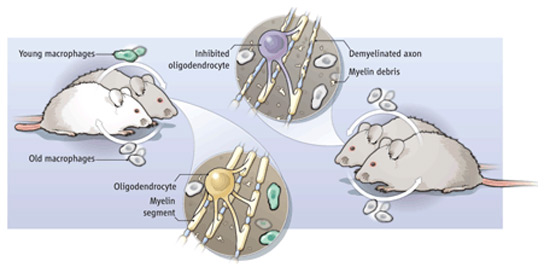
In a trio of studies published Sunday, scientists reported that they reversed aging in the muscles and brains of old mice — simply by running the blood of young mice through their veins.

The papers, from two independent groups in Cambridge and California, used different approaches to begin to unravel the rejuvenating effects of young animals’ blood, in the hopes of eventually developing a therapy that could be tested in people.

Researchers at Harvard University administered a protein found in young blood to older mice, and found that treated mice could run longer on a treadmill and had more branching blood vessels in their brains than untreated mice. A group led by a University of California, San Francisco researcher identified a molecular switch in a memory center of the brain that appears to be turned on by blood from young mice.

“These are the tissues that are really affected by advancing age. Changes in these tissues are responsible for the changes that people worry about the most — loss of cognition and loss of independent function,” said Amy Wagers, a professor of stem cell and regenerative biology at Harvard University involved in two of the studies.

Wagers said many questions remain about the mechanism of the protein and what the best therapeutic strategy might be, but she is already working to commercialize the protein discovery. The same substance is found in human blood.

Outside scientists cautioned that the findings are limited to one strain of mice and that it is not yet clear that something so simple would have dramatic anti-aging effects in people.

The new studies build on a decade of research that showed that young blood can have a rejuvenating effect on older mice. When scientists stitched together the circulatory systems of pairs of old and young mice, in a procedure called parabiosis, they found beneficial effects on the cells of the spinal cord, muscles, brain, and liver of the older animals. The next question was why — which of the many substances floating around in blood were responsible for the changes, and how did it work?

Last year, Wagers and another Harvard stem cell scientist, Dr. Richard T. Lee, found that a protein called GDF11 could cause a mouse heart thickened with age to revert to a youthful state. No one knew, however, whether the effect was specific to the heart, or would apply to aging in other tissues. Two of the new papers, published online by the journal Science, extend that work to the mouse brain and muscle.

In one study, Wagers and colleagues first connected the blood vessels of old and young mice. They measured profound changes to muscle stem cells in the older mice that made the cells appear more youthful. There were also changes to the structure of muscle. Next, they injected the protein that had been shown to rejuvenate hearts into the older mice. Although some individual mice did not change much, on average, the treated mice could run nearly twice as long on a treadmill as older mice not given the protein. The protein had no effect when injected into younger mice.

In a second study, Dr. Lee Rubin, director of translational medicine at the Harvard Stem Cell Institute, found that after parabiosis, the older mice had an increase in the branching network of blood vessels in the brain and in the rate of creation of new brain cells. Treated mice were more sensitive to changes in smell, suggesting the new neurons had an effect on their abilities. The GDF11 protein alone resulted in similar structural changes.

Wagers said that she has begun working with Atlas Venture, a venture capital firm based in Cambridge, to come up with a strategy to turn the insights about GDF11 into potential treatments that could be tested in people.

David Harrison, an aging researcher at Jackson Laboratory, a nonprofit research organization based in Bar Harbor, Maine, who was not involved in the research, said that an important caveat about the research is that it was done on a particular strain of mouse that is inbred. It will be important, he said, to test the protein’s effect in a more genetically diverse population of mice before thinking about extending the work to clinical trials.

Thomas Rando, a professor of neurology at Stanford University School of Medicine who pioneered using the parabiosis technique to study aging, said it is important to try and understand how young blood has its potent effects. But he said it seems very unlikely, given how complex aging is, that reversing it will depend on a single pathway.

“My answer always was and always will be there’s no way there’s a factor,” Rando said. “There are going to be hundreds of factors.”

In the third study published in the journal Nature Medicine, researchers from the University of California, San Francisco and Stanford used parabiosis to search for changes in gene activity in the brain that might help point to how young blood had its effects. They found changes in the activity of genes involved in the connectivity of brain cells in the hippocampus, a memory center.

Instead of using a specific protein, the researchers then gave older mice repeated transfusions of blood from young mice and found that the older animals improved on specific age-related memory tasks, such as locating an underwater platform and remembering an environment where they had experienced an unpleasant foot shock.

Saul Villeda, a UCSF faculty fellow who led the work, said that the results of the three studies reinforce one another, but they differ in their approach.

“I’m really interested to see whether GDF11 accounts for everything, or whether it’s going to be a combination of factors that together that has the full effect,” Villeda said.

All the researchers warned that people hoping to reverse aging shouldn’t get any wild ideas about infusing themselves with young blood, although they acknowledged making their share of vampire jokes.

“I am the oldest member of the team here, and I personally understand the sentiment for patients,” Rubin said. But he still wouldn’t try it.

Written by Carolyn Y. Johnson, who can be reached at cjohnson@globe.com. Follow her on Twitter @carolynyjohnson.

http://www.bostonglobe.com/news/science/2014/05/04/blood-from-young-mice-reverses-aging-brain-muscles/iepDMMf7wrLJy6WgXqpdIJ/story.html?rss_id=Top-GNP&google_editors_picks=true

Thanks to Da Brayn for bringing this to the attention of the It’s Interesting community

Food poisoning strikes 100 participants in Baltimore Food Safety Summit

More than 100 people have now reported they got sick with suspected food poisoning at a national Food Safety Summit held earlier this month in Baltimore.

Maryland state health officials say they still don’t know what caused the outbreak of gastroenteritis that left participants suffering symptoms that included diarrhea and nausea.

“We are working on evaluating possible exposures and doing testing at the Maryland state public health laboratory to attempt to identify an agent,” officials said in a letter to attendees.

The conference, held April 8 to 10 at the Baltimore Convention Center, attracted at least 1,300 of the top food safety officials in the nation, including staff from federal agencies such as the Food and Drug Administration and the Centers for Disease Control and Prevention as well as businesses such as McDonald’s, Tyson and ConAgra Foods.

Health officials have heard back from about 400 of those who attended, so the actual toll of illness might be higher.

City health officials inspected the convention center and its food service provider, Centerplate. The company was issued a violation notice for condensation dripping from one of the two ice machines in the kitchen, a spokesman said.

http://www.nbcnews.com/#/health/health-news/possible-food-poisoning-sickens-100-safety-summit-n91631

Thanks to Ray Gaudette for bringing this to the attention of the It’s Interesting community.

7.5% of American schoolchildren take prescription psychiatric medications

The National Center for Health Statistics has found that 7.5 percent of American schoolchildren between the ages of six and 17 had been prescribed and taking pills for emotional or behavioral difficulties.

That is one in every 13 kids.

The study also found that more than half (55 percent) of the parents of the participants said that the medications helped their children “a lot,” while another 26 percent said it helped “some.”

The researchers were unable to identify the specific medications prescribed to the children, however they did make some discoveries regarding race and gender of the children on these medications.

Significantly more boys than girls were given medication; about 9.7 percent of boys compared with 5.2 percent of girls.

Older girls were more likely than younger females to be put on medication.

White children were the most likely to be on psychiatric medications (9.2 percent), followed by Black children (7.4 percent) and Hispanic children (4.5 percent).

Children on Medicaid or a Children’s Health Insurance Program (CHIP) were more likely on medication for emotional and behavioral problems (9.9 percent), versus 6.7 percent of kids with private insurance and only 2.7 percent of uninsured children.

Parents of younger children (between ages 6 and 11) were slightly more likely to feel the medications helped “a lot” compared to those of older children.

Parents of males were also more likely to feel the medications helped “a lot” — about 58 percent of parents of males reported that they helped “a lot” compared to 50 percent of the parents of females.

Parents with incomes less than 100 percent of the federal poverty level were the least likely to feel the medications helped “a lot”. Just 43 percent of these parents said the medications helped “a lot”, while about 31 percent said they helped “some”.

More families living below 100 percent of the federal poverty level had children taking medications for emotional and behavioral problems than those above the federal poverty level.

http://atlantablackstar.com/2014/04/25/1-13-schoolkids-takes-psych-meds/

Thanks to Da Brayn for bringing this to the attention of the It’s Interesting community.