Wake Forest scientists are growing penises in the lab.

Penises grown in laboratories could soon be tested on men by scientists developing technology to help people with congenital abnormalities, or who have undergone surgery for aggressive cancer or suffered traumatic injury.

Researchers at the Wake Forest Institute for Regenerative Medicine in Winston-Salem, North Carolina, are assessing engineered penises for safety, function and durability. They hope to receive approval from the US Food and Drug Administration and to move to human testing within five years.

Professor Anthony Atala, director of the institute, oversaw the team’s successful engineering of penises for rabbits in 2008. “The rabbit studies were very encouraging,” he said, “but to get approval for humans we need all the safety and quality assurance data, we need to show that the materials aren’t toxic, and we have to spell out the manufacturing process, step by step.”

The penises would be grown using a patient’s own cells to avoid the high risk of immunological rejection after organ transplantation from another individual. Cells taken from the remainder of the patient’s penis would be grown in culture for four to six weeks.

For the structure, they wash a donor penis in a mild detergent to remove all donor cells. After two weeks a collagen scaffold of the penis is left, on to which they seed the patient’s cultured cells – smooth muscle cells first, then endothelial cells, which line the blood vessels. Because the method uses a patient’s own penis-specific cells, the technology will not be suitable for female-to-male sex reassignment surgery.

“Our target is to get the organs into patients with injuries or congenital abnormalities,” said Atala, whose work is funded by the US Armed Forces Institute of Regenerative Medicine, which hopes to use the technology to help soldiers who sustain battlefield injuries.

As a paediatric urological surgeon, Atala began his work in 1992 to help children born with genital abnormalities. Because of a lack of available tissue for reconstructive surgery, baby boys with ambiguous genitalia are often given a sex-change at birth, leading to much psychological anguish in later life. “Imagine being genetically male but living as a woman,” he said. “It’s a firmly devastating problem that we hope to help with.”

Asif Muneer, a consultant urological surgeon and andrologist at University College hospital, London, said the technology, if successful, would offer a huge advance over current treatment strategies for men with penile cancer and traumatic injuries. At present, men can have a penis reconstructed using a flap from their forearm or thigh, with a penile prosthetic implanted to simulate an erection.

“My concern is that they might struggle to recreate a natural erection,” he said. “Erectile function is a coordinated neurophysiological process starting in the brain, so I wonder if they can reproduce that function or whether this is just an aesthetic improvement. That will be their challenge.”

Atala’s team are working on 30 different types of tissues and organs, including the kidney and heart. They bioengineered and transplanted the first human bladder in 1999, the first urethra in 2004 and the first vagina in 2005.

Professor James Yoo, a collaborator of Atala’s at Wake Forest Institute, is working on bioengineering and replacing parts of the penis to help treat erectile dysfunction. His focus is on the spongy erectile tissue that fills with blood during an erection, causing the penis to lengthen and stiffen. Disorders such as high blood pressure and diabetes can damage this tissue, and the resulting scar tissue is less elastic, meaning the penis cannot fill fully with blood.

“If we can engineer and replace this tissue, these men can have erections again,” said Yoo, acknowledging the many difficulties. “As a scientist and clinician, it’s this possibility of pushing forward current treatment practice that really keeps you awake at night.”

http://www.theguardian.com/science/2014/oct/05/laboratory-penises-test-on-men

New research may help explain why curiosity promotes better memory

Everyone knows it’s easier to learn about a topic you’re curious about. Now, a new study reveals what’s going on in the brain during that process, revealing that such curiosity may give a person a memory boost.

When participants in the study were feeling curious, they were better at remembering information even about unrelated topics, and brain scans showed activity in areas linked to reward and memory.

The results, detailed October 2 in the journal Neuron, hint at ways to improve learning and memory in both healthy people and those with neurological disorders, the researchers said.

“Curiosity may put the brain in a state that allows it to learn and retain any kind of information, like a vortex that sucks in what you are motivated to learn, and also everything around it,” Matthias Gruber, a memory researcher at the University of California, Davis, said in a statement. “These findings suggest ways to enhance learning in the classroom and other settings.”

Gruber and his colleagues put people in a magnetic resonance imaging (MRI) scanner and showed them a series of trivia questions, asking them to rate their curiosity about the answers to those questions. Later, the participants were shown selected trivia questions, then a picture of a neutral face during a 14-second delay, followed by the answer. Afterward, the participants were given a surprise memory test of the faces, and then a memory test of the trivia answers.

Not surprisingly, the study researchers found that people remembered more information about the trivia when they were curious about the trivia answers. But unexpectedly, when the participants were curious, they were also better at remembering the faces, an entirely unrelated task. Participants who were curious were also more likley than others to remember both the trivia information and unrelated faces a day later, the researchers found.

The brain scans showed that, compared with when their curiosity wasn’t piqued, when people were curious, they showed more activation of brain circuits in the nucleus accumbens, an area involved in reward. These same circuits, mediated by the neurochemical messenger dopamine, are involved in forms of external motivation, such as food, sex or drug addiction.

Finally, being curious while learning seemed to produce a spike of activity in the hippocampus, an area involved in forming new memories, and strengthened the link between memory and reward brain circuits.

The study’s findings not only highlight the importance of curiosity for learning in healthy people, but could also give insight into neurological conditions. For example, as people age, their dopamine circuits tend to deteriorate, so understanding how curiosity affects these circuits could help scientists develop treatments for patients with memory disorders, the researchers said.

http://www.livescience.com/48121-curiosity-boosts-memory-learning.html

The Recovering Americans and the ‘Top Secret’ Ebola Treatment

Because Kent Brantly is a physician who has watched people die of Ebola, there was an especially chilling prescience to his assessment last week, between labored breaths: “I am going to die.”

His condition was grave. But then on Saturday, we saw images of Brantly’s heroic return to U.S. soil, walking with minimal assistance from an ambulance into an isolation unit at Emory University Hospital.

“One of the doctors called it ‘miraculous,'” Dr. Sanjay Gupta reported from Emory this morning, of Brantly’s turnaround within hours of receiving a treatment delivered from the U.S. National Institutes of Health. “Not a term we scientists like to throw around.”

“The outbreak is moving faster than our efforts to control it,” Dr. Margaret Chan, director of the World Health Organization, said on Friday in a plea for international help containing the virus. “If the situation continues to deteriorate, the consequences can be catastrophic in terms of lost lives, but also severe socioeconomic disruption and a high risk of spread to other countries.”

In that light, and because Ebola is notoriously incurable (and the strain at large its most lethal), it is overwhelming to hear that “Secret Serum Likely Saved Ebola Patients,” as we do this morning from Gupta’s every-20-minute CNN reports. He writes:

Three top secret, experimental vials stored at subzero temperatures were flown into Liberia last week in a last-ditch effort to save two American missionary workers [Dr. Kent Brantly and Nancy Writebol] who had contracted Ebola, according to a source familiar with details of the treatment.

Brantly had been working for the Christian aid organization Samaritan’s Purse as medical director of the Ebola Consolidation Case Management Center in Monrovia, Liberia. The group yesterday confirmed that he received a dose of an experimental serum before leaving the country.

In Gupta’s optimistic assessment, Brantly’s “near complete recovery” began within hours of receiving the treatment that “likely saved his life.” Writebol is also reportedly improved since receiving the treatment, known as zMapp. But to say that it was a secret implies a frigid American exceptionalism; that the people of West Africa are dying in droves while a classified cure lies in wait.

The “top-secret serum” is a monoclonal antibody. Administration of monoclonal antibodies is an increasingly common but time-tested approach to eradicating interlopers in the human body. In a basic monoclonal antibody paradigm, scientists infect animals (in this case mice) with a disease, the mice mount an immune response (antibodies to fight the disease), and then the scientists harvest those antibodies and give them to infected humans. It’s an especially promising area in cancer treatment.

In this case, the proprietary blend of three monoclonal antibodies known as zMapp had never been tested in humans. It had previously been tested in eight monkeys with Ebola who survived—though all received treatment within 48 hours of being infected. A monkey treated outside of that exposure window did not survive. That means very little is known about the safety and effectiveness of this treatment—so little that outside of extreme circumstances like this, it would not be legal to use. Gupta speculates that the FDA may have allowed it under the compassionate use exemption.

A small 2012 study of monoclonal antibody therapy against Ebola found that it was only effective when administered before or just after exposure to the virus. A 2013 study found that rhesus macaques given an antibody mix called MB-003 within the 48-hour window had a 43 percent chance of surviving—as opposed to their untreated counterparts, whose survival rate was zero.

This Ebola outbreak is the largest in the history of the disease, in terms of both cases and deaths, 729 887 known so far. As Chan warned in her call for urgent international action, the outbreak is geographically the largest, already in four countries with fluid population movement across porous borders and a demonstrated ability to spread by air travel. The outbreak will be stopped by strategic quarantines and preventive education, primarily proper handling of corpses. More than 60 aid workers have become infected, but many more will be needed to stem the tide.

Dr. Anthony Fauci, director of the U.S. National Institute of Allergy and Infectious Disease (NIAID), is encouraged by the antibody treatment.

“Obviously there are plans and enthusiasm to expand this,” Fauci told me. “The limiting factor is the extraordinary paucity of treatment regimens.” Right now the total amount available, to Fauci’s knowledge, is three treatment courses (in addition to what was given to Brantly and Writebol).

NIAID did some of the original research that led to the development, but this is owned by Mapp Biopharmaceuticals. “They are certainly trying to scale up,” Fauci said, “but I’ve heard that their capability is such that it’s going to be months before they have a substantial number of doses, and even then they’re going to be limited.”

“We’re hearing that the administration of this cocktail of antibodies improved both Dr. Brantly and Ms. Writebol, but you know, we don’t know that,” Fauci said, noting the sample size (two) of this small, ad hoc study. Proving effectiveness would require a much larger group of patients being compared to an untreated group. “And we don’t know that they weren’t getting better anyway.”

Thanks to Kebmodee for bringing this to the attention of the It’s Interesting community.

http://www.theatlantic.com/health/archive/2014/08/the-secret-ebola-treatment/375525/

On/Off switch for consciousness in the human brain may have been discovered

ONE moment you’re conscious, the next you’re not. For the first time, researchers have switched off consciousness by electrically stimulating a single brain area.

Scientists have been probing individual regions of the brain for over a century, exploring their function by zapping them with electricity and temporarily putting them out of action. Despite this, they have never been able to turn off consciousness – until now.

Although only tested in one person, the discovery suggests that a single area – the claustrum – might be integral to combining disparate brain activity into a seamless package of thoughts, sensations and emotions. It takes us a step closer to answering a problem that has confounded scientists and philosophers for millennia – namely how our conscious awareness arises.

Many theories abound but most agree that consciousness has to involve the integration of activity from several brain networks, allowing us to perceive our surroundings as one single unifying experience rather than isolated sensory perceptions.

One proponent of this idea was Francis Crick, a pioneering neuroscientist who earlier in his career had identified the structure of DNA. Just days before he died in July 2004, Crick was working on a paper that suggested our consciousness needs something akin to an orchestra conductor to bind all of our different external and internal perceptions together.

With his colleague Christof Koch, at the Allen Institute for Brain Science in Seattle, he hypothesised that this conductor would need to rapidly integrate information across distinct regions of the brain and bind together information arriving at different times. For example, information about the smell and colour of a rose, its name, and a memory of its relevance, can be bound into one conscious experience of being handed a rose on Valentine’s day.

The pair suggested that the claustrum – a thin, sheet-like structure that lies hidden deep inside the brain – is perfectly suited to this job (Philosophical Transactions of The Royal Society B, doi.org/djjw5m).

It now looks as if Crick and Koch were on to something. In a study published last week, Mohamad Koubeissi at the George Washington University in Washington DC and his colleagues describe how they managed to switch a woman’s consciousness off and on by stimulating her claustrum. The woman has epilepsy so the team were using deep brain electrodes to record signals from different brain regions to work out where her seizures originate. One electrode was positioned next to the claustrum, an area that had never been stimulated before.

When the team zapped the area with high frequency electrical impulses, the woman lost consciousness. She stopped reading and stared blankly into space, she didn’t respond to auditory or visual commands and her breathing slowed. As soon as the stimulation stopped, she immediately regained consciousness with no memory of the event. The same thing happened every time the area was stimulated during two days of experiments (Epilepsy and Behavior, doi.org/tgn).
To confirm that they were affecting the woman’s consciousness rather than just her ability to speak or move, the team asked her to repeat the word “house” or snap her fingers before the stimulation began. If the stimulation was disrupting a brain region responsible for movement or language she would have stopped moving or talking almost immediately. Instead, she gradually spoke more quietly or moved less and less until she drifted into unconsciousness. Since there was no sign of epileptic brain activity during or after the stimulation, the team is sure that it wasn’t a side effect of a seizure.

Koubeissi thinks that the results do indeed suggest that the claustrum plays a vital role in triggering conscious experience. “I would liken it to a car,” he says. “A car on the road has many parts that facilitate its movement – the gas, the transmission, the engine – but there’s only one spot where you turn the key and it all switches on and works together. So while consciousness is a complicated process created via many structures and networks – we may have found the key.”

Counter-intuitively, Koubeissi’s team found that the woman’s loss of consciousness was associated with increased synchrony of electrical activity, or brainwaves, in the frontal and parietal regions of the brain that participate in conscious awareness. Although different areas of the brain are thought to synchronise activity to bind different aspects of an experience together, too much synchronisation seems to be bad. The brain can’t distinguish one aspect from another, stopping a cohesive experience emerging.

Since similar brainwaves occur during an epileptic seizure, Koubeissi’s team now plans to investigate whether lower frequency stimulation of the claustrum could jolt them back to normal. It may even be worth trying for people in a minimally conscious state, he says. “Perhaps we could try to stimulate this region in an attempt to push them out of this state.”

Anil Seth, who studies consciousness at the University of Sussex, UK, warns that we have to be cautious when interpreting behaviour from a single case study. The woman was missing part of her hippocampus, which was removed to treat her epilepsy, so she doesn’t represent a “normal” brain, he says.

However, he points out that the interesting thing about this study is that the person was still awake. “Normally when we look at conscious states we are looking at awake versus sleep, or coma versus vegetative state, or anaesthesia.” Most of these involve changes of wakefulness as well as consciousness but not this time, says Seth. “So even though it’s a single case study, it’s potentially quite informative about what’s happening when you selectively modulate consciousness alone.”

“Francis would have been pleased as punch,” says Koch, who was told by Crick’s wife that on his deathbed, Crick was hallucinating an argument with Koch about the claustrum and its connection to consciousness.

“Ultimately, if we know how consciousness is created and which parts of the brain are involved then we can understand who has it and who doesn’t,” says Koch. “Do robots have it? Do fetuses? Does a cat or dog or worm? This study is incredibly intriguing but it is one brick in a large edifice of consciousness that we’re trying to build.”

http://www.newscientist.com/article/mg22329762.700-consciousness-onoff-switch-discovered-deep-in-brain.html?full=true#.U7n7sI1dVC8

Thanks to Kebmodee for bringing this to the attention of the It’s Interesting community.

7 Very Bizarre (and Very Rare) Psychotic Hallucinations

brain

The many documented cases of strange delusions and neurological syndromes can offer a window into how bizarre the brain can be.

It may seem that hallucinations are random images that appear to some individuals, or that delusions are thoughts that arise without purpose. However, in some cases, a specific brain pathway may create a particular image or delusion, and different people may experience the same hallucination.

In recent decades, with advances in brain science, researchers have started to unravel the causes of some of these conditions, while others have remained a mystery.

Here is a look at seven odd hallucinations, which show that anything is possible when the brain takes a break from reality.

1. Alice-in-Wonderland syndrome
This neurological syndrome is characterized by bizarre, distorted perceptions of time and space, similar to what Alice experienced in Lewis Carroll’s “Alice’s Adventures in Wonderland.”

Patients with Alice-in-Wonderland syndrome describe seeing objects or parts of their bodies as smaller or bigger than their actual sizes, or in an altered shape. These individuals may also perceive time differently.

The rare syndrome seems to be caused by some viral infections, epilepsy, migraine headaches and brain tumors. Studies have also suggested that abnormal activity in parts of the visual cortex that handle information about the shape and size of objects might cause the hallucinations.

It’s also been suggested that Carroll himself experienced the condition during migraine headaches and used them as inspiration for writing the tale of Alice’s strange dream.

English psychiatrist John Todd first described the condition in an article published in the Canadian Medical Association Journal in 1955, and that’s why the condition is also called Todd’s syndrome. However, an earlier reference to the condition appears in a 1952 article by American neurologist Caro Lippman. The doctor describes a patient who reported feeling short and wide as she walked, and referenced “Alice’s Adventures in Wonderland” to explain her body image illusions.

2. Walking Corpse Syndrome
This delusion, also called Cotard’s Syndrome, is a rare mental illness in which patients believe they are dead, are dying or have lost their internal organs.

French neurologist Jules Cotard first described the condition in 1880, finding it in a woman who had depression and also symptoms of psychosis. The patient believed she didn’t have a brain or intestines, and didn’t need to eat. She died of starvation.

Other cases of Cotard’s syndrome have been reported in people with a range of psychiatric and neurological problems, including schizophrenia, traumatic brain injury and multiple sclerosis.

In a recent case report of Cotard’s syndrome, researchers described a previously healthy 73-year-old woman who went to the emergency room insisting that she was “going to die and going to hell.” Eventually, doctors found the patient had bleeding in her brain due to a stroke. After she received treatment in the hospital, her delusion resolved within a week, according to the report published in January 2014 in the journal of Neuropsychiatry.

3. Charles Bonnet syndrome
People who have lost their sight may develop Charles Bonnet syndrome, which involves having vivid, complex visual hallucinations of things that aren’t really there.

People with this syndrome usually hallucinate people’s faces, cartoons, colored patterns and objects. It is thought the condition occurs because the brain’s visual system is no longer receiving visual information from the eye or part of the retina, and begins making up its own images.

Charles Bonnet syndrome occurs in between 10 and 40% of older adults who have significant vision loss, according to studies.

4. Clinical lycanthropy
In this extremely rare psychiatric condition, patients believe they are turning into wolves or other animals. They may perceive their own bodies differently, and insist they are growing the fur, sharp teeth and claws of a wolf.

Cases have also been reported of people with delusional beliefs about turning into dogs, pigs, frogs and snakes.

The condition usually occurs in combination with another disorder, such as schizophrenia, bipolar disorder or severe depression, according to a review study published in the March issue of the journal History of Psychiatry in 2014.

5. Capgras delusion
Patients with Capgras delusion believe that an imposter has replaced a person they feel close to, such as a friend or spouse. The delusion has been reported in patients with schizophrenia, Alzheimer’s disease, advanced Parkinson’s disease, dementia and brain lesions.

One brain imaging study suggested the condition may involve reduced neural activity in the brain system that processes information about faces and emotional responses.

6. Othello syndrome
Named after Shakespeare’s character, Othello syndrome involves a paranoid belief that the sufferer’s partner is cheating. People with this condition experience strong obsessive thoughts and may show aggression and violence.

In one recent case report, doctors described a 46-year-old married man in the African country Burkina Faso who had a stroke, which left him unable to communicate and paralyzed in half of his body. The patient gradually recovered from his paralysis and speaking problems, but developed a persistent delusional jealousy and aggression toward his wife, accusing her of cheating with an unidentified man.

7. Ekbom’s syndrome
Patients with Ekbom’s syndrome, also known as delusional parasitosis or delusional infestations, strongly believe they are infested with parasites that are crawling under their skin. Patients report sensations of itching and being bitten, and sometimes, in an effort to get rid of the pathogens, they may hurt themselves, which can result in wounds and actual infections.

It’s unknown what causes these delusions, but studies have linked the condition with structural changes in the brain, and some patients have improved when treated with antipsychotic medications.

http://www.livescience.com/46477-oddest-hallucinations.html

New Weapon in Fight Against ‘Superbugs’

By Ann Lukits

A soil sample from a national park in eastern Canada has produced a compound that appears to reverse antibiotic resistance in dangerous bacteria.

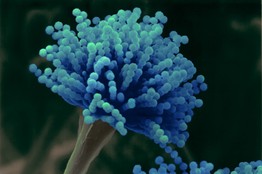
Scientists at McMaster University in Ontario discovered that the compound almost instantly turned off a gene in several harmful bacteria that makes them highly resistant to treatment with a class of antibiotics used to fight so-called superbug infections. The compound, called aspergillomarasmine A, or AMA, was extracted from a common fungus found in soil and mold.

Antibiotic resistance is a growing public-health threat. Common germs such as Escherichia coli, or E. coli, are becoming harder to treat because they increasingly don’t respond to antibiotics. Some two million people in the U.S. are infected each year by antibiotic-resistant bacteria and 23,000 die as a result, according to the Centers for Disease Control and Prevention. The World Health Organization has called antibiotic resistance a threat to global public health.

The Canadian team was able to disarm a gene—New Delhi Metallo-beta-Lactamase-1, or NDM-1—that has become “public enemy No. 1” since its discovery in 2009, says Gerard Wright, director of McMaster’s Michael G. DeGroote Institute for Infectious Disease Research and lead researcher on the study. The report appears on the cover of this week’s issue of the journal Nature.

“Discovery of a fungus capable of rendering these multidrug-resistant organisms incapable of further infection is huge,” says Irena Kenneley, a microbiologist and infectious disease specialist at Frances Payne Bolton School of Nursing at Cleveland’s Case Western Reserve University. “The availability of more treatment options will ultimately save many more lives,” says Dr. Kenneley, who wasn’t involved in the McMaster research.

The McMaster team plans further experiments to determine the safety and effective dosage of AMA. It could take as long as a decade to complete clinical trials on people with superbug infections, Dr. Wright says.

The researchers found that AMA, extracted from a strain of Aspergillus versicolor and combined with a carbapenem antibiotic, inactivated the NDM-1 gene in three drug-resistant superbugs—Enterobacteriaceae, a group of bacteria that includes E. coli; Acenitobacter, which can cause pneumonia and blood infections; and Pseudomonas, which often infect patients in hospitals and nursing homes. The NDM-1 gene encodes an enzyme that helps bacteria become resistant to antibiotics and that requires zinc to survive. AMA works by removing zinc from the enzyme, freeing the antibiotic to do its job, Dr. Wright says. Although AMA was only tested on carbapenem-resistant bacteria, he expects the compound would have a similar effect when combined with other antibiotics.

AMA was first identified in the 1960s in connection with leaf wilt in plants and later investigated as a potential drug for treating high blood pressure. The compound turned up in Dr. Wright’s lab a few years ago during a random screening of organisms derived from 10,000 soil samples stored at McMaster. The sample that produced AMA was collected by one of Dr. Wright’s graduate students during a visit to a Nova Scotia park. It was the only sample of 500 tested that inhibited NDM-1 in cell cultures.

“It was a lucky hit,” says Dr. Wright. “It tells us that going back to those environmental organisms, where we got antibiotics in the first place, is a really good idea.”

The McMaster team developed a purified form of AMA for experiments on mice injected with a lethal form of drug-resistant pneumonia. Treatment with either AMA or a carbapenem antibiotic alone proved ineffective. But combining the substances resulted in more than 95% of the mice still being alive after five days. The combination was also tested on 229 cell cultures from human patients infected with resistant superbugs. The treatment resensitized 88% of the samples to carbapenem.

Still, bacteria could someday find a way to outwit AMA. “I can’t imagine anything we could make where resistance would never be an issue,” he says. “At the end of the day, this is evolution and you can’t fight evolution.”

Thanks to Da Brayn for bringing this to the attention of the It’s Interesting community.

http://m.us.wsj.com/articles/new-weapon-in-fight-against-superbugs-1404175658?mobile=y

Psychedelic mushrooms put your brain in a “waking dream,” study finds

imrs

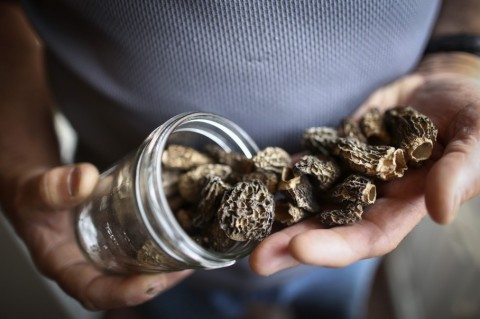
Psychedelic mushrooms can do more than make you see the world in kaleidoscope. Research suggests they may have permanent, positive effects on the human brain.

In fact, a mind-altering compound found in some 200 species of mushroom is already being explored as a potential treatment for depression and anxiety. People who consume these mushrooms, after “trips” that can be a bit scary and unpleasant, report feeling more optimistic, less self-centered, and even happier for months after the fact.

But why do these trips change the way people see the world? According to a study published today in Human Brain Mapping, the mushroom compounds could be unlocking brain states usually only experienced when we dream, changes in activity that could help unlock permanent shifts in perspective.

The study examined brain activity in those who’d received injections of psilocybin, which gives “shrooms” their psychedelic punch. Despite a long history of mushroom use in spiritual practice, scientists have only recently begun to examine the brain activity of those using the compound, and this is the first study to attempt to relate the behavioral effects to biological changes.

After injections, the 15 participants were found to have increased brain function in areas associated with emotion and memory. The effect was strikingly similar to a brain in dream sleep, according to Dr. Robin Carhart-Harris, a post-doctoral researcher in neuropsychopharmacology at Imperial College London and co-author of the study.

“You’re seeing these areas getting louder, and more active,” he said. “It’s like someone’s turned up the volume there, in these regions that are considered part of an emotional system in the brain. When you look at a brain during dream sleep, you see the same hyperactive emotion centers.”

In fact, administration of the drug just before or during sleep seemed to promote higher activity levels during Rapid Eye Movement sleep, when dreams occur. An intriguing finding, Carhart-Harris says, given that people tend to describe their experience on psychedelic drugs as being like “a waking dream.” It seems that the brain may literally be slipping into unconscious patterns while the user is awake.

Conversely, the subjects of the study had decreased activity in other parts of the brain—areas associated with high level cognition. “These are the most recent parts of our brain, in an evolutionary sense,” Carhart-Harris said. “And we see them getting quieter and less organized.”

This dampening of one area and amplification of another could explain the “mind-broadening” sensation of psychedelic drugs, he said. Unlike most recreational drugs, psychotropic mushrooms and LSD don’t provide a pleasant, hedonistic reward when they’re consumed. Instead, users take them very occasionally, chasing the strange neurological effects instead of any sort of high.

“Except for some naïve users who go looking for a good time…which, by the way, is not how it plays out,” Carhart-Harris said, “you see people taking them to experience some kind of mental exploration, and to try to understand themselves.”

Our firm sense of self—the habits and experiences that we find integral to our personality—is quieted by these trips. Carhart-Harris believes that the drugs may unlock emotion while “basically killing the ego,” allowing users to be less narrow-minded and let go of negative outlooks.

It’s still not clear why such effects can have more profound long-term effects on the brain than our nightly dreams. But Carhart-Harris hopes to see more of these compounds in modern medicine. “The way we treat psychological illnesses now is to dampen things,” he said. “We dampen anxiety, dampen ones emotional range in the hope of curing depression, taking the sting out of what one feels.”

But some patients seem to benefit from having their emotions “unlocked” instead. “It would really suit the style of psychotherapy where we engage in a patient’s history and hang-ups,” Carhart-Harris said. “Instead of putting a bandage over the exposed wound, we’d be essentially loosening their minds—promoting a permanent change in outlook.”

Thanks to Steven Weihing for bringing this to the attention of the It’s Interesting community.

http://www.washingtonpost.com/news/to-your-health/wp/2014/07/03/psychedelic-drugs-put-your-brain-in-a-waking-dream-study-finds/

Deep brain stimulation treatment for patients with obsessive-compulsive disorder (OCD)

It seems simple: Walk to the refrigerator and grab a drink.

But Brett Larsen, 37, opens the door gingerly — peeks in — closes it, opens it, closes it and opens it again. This goes on for several minutes.

When he finally gets out a bottle of soda, he places his thumb and index finger on the cap, just so. Twists it open. Twists it closed. Twists it open.

“Just think about any movement that you have during the course of a day — closing a door or flushing the toilet — over and over and over,” said Michele Larsen, Brett’s mother.

“I cannot tell you the number of things we’ve had to replace for being broken because they’ve been used so many times.”

At 12, Larsen was diagnosed with obsessive-compulsive disorder, or OCD. It causes anxiety, which grips him so tightly that his only relief is repetition. It manifests in the smallest of tasks: taking a shower, putting on his shoes, walking through a doorway.

There are days when Larsen cannot leave the house.

“I can only imagine how difficult that is to live with that every single living waking moment of your life,” said Dr. Gerald Maguire, Larsen’s psychiatrist.

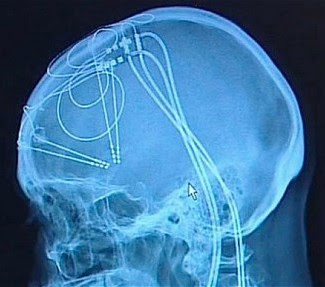
In a last-ditch effort to relieve his symptoms, Larsen decided to undergo deep brain stimulation. Electrodes were implanted in his brain, nestled near the striatum, an area thought to be responsible for deep, primitive emotions such as anxiety and fear.

Brett’s OCD trigger

Brett says his obsessions and compulsions began when he was 10, after his father died.

“I started worrying a lot about my family and loved ones dying or something bad happening to them,” he said. “I just got the thought in my head that if I switch the light off a certain amount of times, maybe I could control it somehow.

“Then I just kept doing it, and it got worse and worse.”

“Being OCD” has become a cultural catchphrase, but for people with the actual disorder, life can feel like a broken record. With OCD, the normal impulse to go back and check if you turned off the stove, or whether you left the lights on, becomes part of a crippling ritual.

The disease hijacked Larsen’s life (he cannot hold down a job and rarely sees friends); his personality (he can be stone-faced, with only glimpses of a slight smile); and his speech (a stuttering-like condition causes his speaking to be halting and labored.)

He spent the past two decades trying everything: multiple medication combinations, cognitive behavioral therapy, cross-country visits to specialists, even hospitalization.

Nothing could quell the anxiety churning inside him.

“This is not something that you consider first line for patients because this is invasive,” said Maguire, chair of psychiatry and neuroscience at the University of California Riverside medical school, and part of the team evaluating whether Larsen was a good candidate for deep brain stimulation. “It’s reserved for those patients when the standard therapies, the talk therapies, the medication therapies have failed.”

Deep brain stimulation is an experimental intervention, most commonly used among patients with nervous system disorders such as essential tremor, dystonia or Parkinson’s disease. In rare cases, it has been used for patients with intractable depression and OCD.

The electrodes alter the electrical field around regions of the brain thought to influence disease — in some cases amplifying it, in others dampening it — in hopes of relieving symptoms, said Dr. Frank Hsu, professor and chair of the department of neurosurgery at University of California, Irvine.

Hsu says stimulating the brain has worked with several OCD patients, but that the precise mechanism is not well understood.

The procedure is not innocuous: It involves a small risk of bleeding in the brain, stroke and infection. A battery pack embedded under the skin keeps the electrical current coursing to the brain, but each time the batteries run out, another surgical procedure is required.

‘I feel like laughing’

As doctors navigated Larsen’s brain tissue in the operating room — stimulating different areas to determine where to focus the electrical current — Larsen began to feel his fear fade.

At one point he began beaming, then giggling. It was an uncharacteristic light moment for someone usually gripped by anxiety.

In response to Larsen’s laughter, a staff member in the operating room asked him what he was feeling. Larsen said, “I don’t know why, but I feel happy. I feel like laughing.”

Doctors continued probing his brain for hours, figuring out what areas — and what level of stimulation — might work weeks later, when Larsen would have his device turned on for good.

In the weeks after surgery, the residual swelling in his brain kept those good feelings going. For the first time in years, Larsen and his mother had hope for normalcy.

“I know that Brett has a lot of normal in him, even though this disease eats him up at times,” said Michele Larsen. “There are moments when he’s free enough of anxiety that he can express that. But it’s only moments. It’s not days. It’s not hours. It’s not enough.”

Turning it on

In January, Larsen had his device activated. Almost immediately, he felt a swell of happiness reminiscent of what he had felt in the OR weeks earlier.

But that feeling would be fleeting — the process for getting him to an optimal level would take months. Every few weeks doctors increased the electrical current.

“Each time I go back it feels better,” Larsen said. “I’m more calm every time they turn it up.”

With time, some of his compulsive behaviors became less pronounced. In May, several weeks after his device was activated, he could put on his shoes with ease. He no longer spun them around in an incessant circle to allay his anxiety.

But other behaviors — such as turning on and shutting off the faucet — continued. Today, things are better, but not completely normal.

Normal, by society’s definition, is not the outcome Larsen should expect, experts say. Patients with an intractable disease who undergo deep brain stimulation should expect to have manageable OCD.

Lately, Larsen feels less trapped by his mind. He is able to make the once interminable trek outside his home within minutes, not hours. He has been to Disneyland with friends twice. He takes long rides along the beach to relax.

In his mind, the future looks bright.

“I feel like I’m getting better every day,” said Larsen, adding that things like going back to school or working now feel within his grasp. “I feel like I’m more able to achieve the things I want to do since I had the surgery.”

Thanks to Da Brayn for bringing this to the attention of the It’s Interesting community.

http://www.cnn.com/2014/06/24/health/brain-stimulation-ocd/?c=&page=0

How stress can clog your arteries

By Sarah C. P. Williams

There’s a reason people say “Calm down or you’re going to have a heart attack.” Chronic stress—such as that brought on by job, money, or relationship troubles—is suspected to increase the risk of a heart attack. Now, researchers studying harried medical residents and harassed rodents have offered an explanation for how, at a physiological level, long-term stress can endanger the cardiovascular system. It revolves around immune cells that circulate in the blood, they propose.

The new finding is “surprising,” says physician and atherosclerosis researcher Alan Tall of Columbia University, who was not involved in the new study. “The idea has been out there that chronic psychosocial stress is associated with increased cardiovascular disease in humans, but what’s been lacking is a mechanism,” he notes.

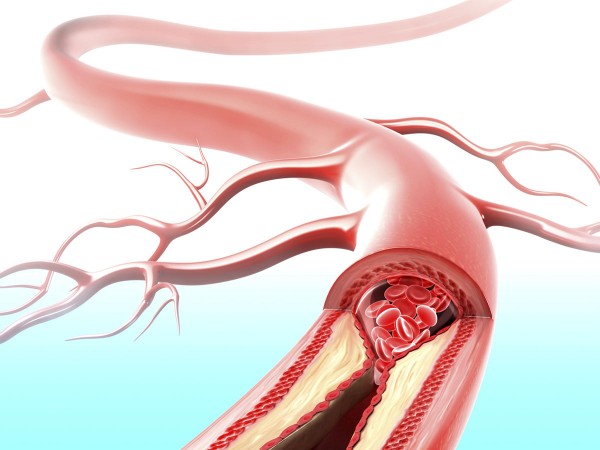
Epidemiological studies have shown that people who face many stressors—from those who survive natural disasters to those who work long hours—are more likely to develop atherosclerosis, the accumulation of fatty plaques inside blood vessels. In addition to fats and cholesterols, the plaques contain monocytes and neutrophils, immune cells that cause inflammation in the walls of blood vessels. And when the plaques break loose from the walls where they’re lodged, they can cause more extreme blockages elsewhere—leading to a stroke or heart attack.

Studying the effect of stressful intensive care unit (ICU) shifts on medical residents, biologist Matthias Nahrendorf of Harvard Medical School in Boston recently found that blood samples taken when the doctors were most stressed out had the highest levels of neutrophils and monocytes. To probe whether these white blood cells, or leukocytes, are the missing link between stress and atherosclerosis, he and his colleagues turned to experiments on mice.

Nahrendorf’s team exposed mice for up to 6 weeks to stressful situations, including tilting their cages, rapidly alternating light with darkness, or regularly switching the mice between isolation and crowded quarters. Compared with control mice, the stressed mice—like stressed doctors—had increased levels of neutrophils and monocytes in their blood.

The researchers then homed in on an explanation for the higher levels of immune cells. They already knew that chronic stress increases blood concentrations of the hormone noradrenaline; noradrenaline, Nahrendorf discovered, binds to a cell surface receptor protein called β3 on stem cells in the bone marrow. In turn, the chemical environment of the bone marrow changes and there’s an increase in the activity of the white blood cells produced by the stem cells.

“It makes sense that stress wakes up these immune cells because an enlarged production of leukocytes prepares you for danger, such as in a fight, where you might be injured,” Nahrendorf says. “But chronic stress is a different story—there’s no wound to heal and no infection.”

In mice living with chronic stress, Nahrendorf’s team reported today in Nature Medicine, atherosclerotic plaques more closely resemble plaques known to be most at risk of rupturing and causing a heart attack or stroke. When the scientists blocked the β3 receptor, though, stressed mice not only had fewer of these dangerous plaques, but also had reduced levels of the active immune cells in their plaques, pinpointing β3 as a key link between stress and atheroscelerosis.

The finding could lead to new drugs to help prevent cardiovascular disease, suggests biologist Lynn Hedrick of the La Jolla Institute for Allergy and Immunology in San Diego, California. “I think this gives us a really direct hint that the β3 receptor is important in regulating the stress-induced response by the bone marrow,” Hedrick says. “If we can develop a drug that targets the receptor, this may be very clinically relevant.”

More immediately, the new observations suggest a way that clinicians could screen patients for their risk of atherosclerosis, heart attack, and stroke, Tall says. “Rather than asking four questions about stress levels, we could use their white blood cell counts to monitor psychosocial stress,” he says.

Thanks to Dr. Rajadhyaksha for bringing this to the attention of the It’s Interesting community.

http://news.sciencemag.org/biology/2014/06/how-stress-can-clog-your-arteries

Century-old drug reverses signs of autism in mice

By Elizabeth Norton

A single dose of a century-old drug has eliminated autism symptoms in adult mice with an experimental form of the disorder. Originally developed to treat African sleeping sickness, the compound, called suramin, quells a heightened stress response in neurons that researchers believe may underlie some traits of autism. The finding raises the hope that some hallmarks of the disorder may not be permanent, but could be correctable even in adulthood.

That hope is bolstered by reports from parents who describe their autistic children as being caught behind a veil. “Sometimes the veil parts, and the children are able to speak and play more normally and use words that didn’t seem to be there before, if only for a short time during a fever or other stress” says Robert Naviaux, a geneticist at the University of California, San Diego, who specializes in metabolic disorders.

Research also shows that the veil can be parted. In 2007, scientists found that 83% of children with autism disorders showed temporary improvement during a high fever. The timing of a fever is crucial, however: A fever in the mother can confer a higher risk for the disorder in the unborn child.

As a specialist in the cell’s life-sustaining metabolic processes, Naviaux was intrigued. Autism is generally thought to result from scrambled signals at synapses, the points of contact between nerve cells. But given the specific effects of something as general as a fever, Naviaux wondered if the problem lay “higher up” in the cell’s metabolism.

To test the idea, he and colleagues focused on a process called the cell danger response, by which the cell protects itself from threats like infection, temperature changes, and toxins. As part of this strategy, Naviaux explains, “the cells behave like countries at war. They harden their borders. They don’t trust their neighbors.” If the cells in question are neurons, he says, disrupted communication could result—perhaps underlying the social difficulties; heightened sensitivity to sights, sounds, and sensations; and intolerance for anything new that often afflict patients with autism.

The key player may be ATP, the chief carrier of energy within a cell, which can also relay messages to other nearby cells. When too much ATP is released for too long, it can induce a hair-trigger cell danger response in neighboring neurons. In 2013, Naviaux spelled out his hypothesis that autism involves a prolonged, heightened cell danger response, disrupting pathways within and between neurons and contributing to the symptoms of the disorder.

The same year, he and his colleagues homed in on the drug suramin as a way to call off the response. The medication has been in use since the early 20th century to kill the organisms that cause African sleeping sickness. In 1988, it was found to block the so-called purinergic receptors, which bind to compounds called purines and pyrimidines—including ATP. These receptors are found on every cell in the body; on neurons, they help orchestrate many of the processes impaired in autism—such as brain development, the production of new synapses, inflammation, and motor coordination.

To determine if suramin could protect these receptors from overstimulation by ATP, Naviaux’s team worked with mice that developed an autism-like disorder after their mothers had been exposed to a simulated viral infection (and heightened cell danger responses) during pregnancy. Like children with autism, the mice born after these pregnancies were less social and did not seek novelty; they avoided unfamiliar mice and passed up the chance to explore new runs of a maze. In the 2013 paper, the researchers reported that these traits vanished after weekly injections of suramin begun when the mice were 6 weeks old (equivalent to 15-year-old humans). Many consequences of altered metabolism—including the structure of synapses, body temperature, the production of key receptors, and energy transport within neurons—were either corrected or improved.

In the new study, published online today in Translational Psychiatry, the researchers found equally compelling results after a single injection of suramin given to 6-month-old mice (equivalent to 30-year-old humans) with the same autism-like condition. Once again, previously reclusive animals approached unknown mice and investigated unfamiliar parts of a maze, suggesting that the animals had overcome the aversion to novelty that’s a hallmark of autism in children. After the single injection, the team lowered the levels of suramin by half each week. Within 5 weeks most, but not all, of the benefits of treatment had been lost. The drug also corrected 17 of 18 metabolic pathways that are disrupted in mice with autism-like symptoms.

Naviaux cautions that mice aren’t people, and therapies that are promising in rodents have a track record of not panning out in humans. He also says that prolonged treatment with suramin is not an option for children, because it can have side effects such as anemia with long-term use. He notes that there are 19 different kinds of purinergic receptors; if suramin does prove to be helpful in humans, newer drugs could be developed that would target only one or a few key receptors. The researchers are beginning a small clinical trial in humans of a single dose of suramin that they hope will be completed by the end of the year.

The study is exciting, says Bruce Cohen, a pediatric neurologist at Akron Children’s Hospital in Ohio. “The authors have come up with a novel idea, tested it thoroughly, and got a very positive response after one dose.” He notes, however, that the mice with a few characteristics of autism don’t necessarily reflect the entire condition in humans. “Autism isn’t a disease. It’s a set of behaviors contributing to hundreds of conditions and resulting from multiple genes and environmental effects. Great work starts with a single study like this one, but there’s more work to be done.”

http://news.sciencemag.org/biology/2014/06/century-old-drug-reverses-signs-autism-mice