Finger lengths may indicate risk of schizophrenia in males

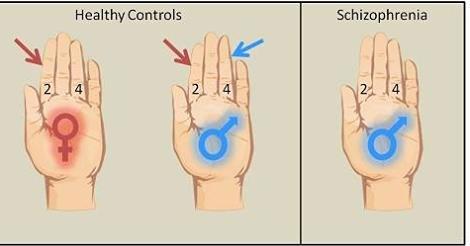
Research suggests that the ratio of the lengths of the index finger and the ring finger in males may be predictive of a variety of disorders related to disturbed hormonal balance. When the index finger is shorter than the ring finger, this results in a small 2D:4D ratio, pointing to a high exposure to testosterone in the uterus.

In a new study of 103 male patients diagnosed with schizophrenia and 100 matched healthy male individuals, investigators found that the 2D:4D ratio may be an effective predictor of schizophrenia — there were significant differences between schizophrenia and control groups concerning the ratio of the lengths of the second digit to the fourth digit, as well as its asymmetry, in both hands.

“Asymmetry index showed moderate discriminatory power and, therefore asymmetry index has a potential utility as a diagnostic test in determining the presence of schizophrenia,” said Dr. Taner Oznur, co-author of the Clinical Anatomy study.

Abdullah Bolu, Taner Oznur, Sedat Develi, Murat Gulsun, Emre Aydemir, Mustafa Alper, Mehmet Toygar. The ratios of 2nd to 4th digit may be a predictor of schizophrenia in male patients. Clinical Anatomy, 2015; DOI: 10.1002/ca.22527

http://www.sciencedaily.com/releases/2015/03/150316134920.htm

Richard A. Friedman: Why can’t doctors identify killers?

MASS killers like Elliot Rodger teach society all the wrong lessons about the connection between violence, mental illness and guns — and what we should do about it. One of the biggest misconceptions, pushed by our commentators and politicians, is that we can prevent these tragedies if we improve our mental health care system. It is a comforting notion, but nothing could be further from the truth.

And although the intense media attention might suggest otherwise, mass killings — when four or more people are killed at once — are very rare events. In 2012, they accounted for only about 0.15 percent of all homicides in the United States. Because of their horrific nature, however, they receive lurid media attention that distorts the public’s perception about the real risk posed by the mentally ill.

Anyone who watched Elliot Rodger’s chilling YouTube video, detailing his plan for murderous vengeance before he killed six people last week near Santa Barbara, Calif., would understandably conflate madness with violence. While it is true that most mass killers have a psychiatric illness, the vast majority of violent people are not mentally ill and most mentally ill people are not violent. Indeed, only about 4 percent of overall violence in the United States can be attributed to those with mental illness. Most homicides in the United States are committed by people without mental illness who use guns.

Mass killers are almost always young men who tend to be angry loners. They are often psychotic, seething with resentment and planning revenge for perceived slights and injuries. As a group, they tend to avoid contact with the mental health care system, so it’s tough to identify and help them. Even when they have received psychiatric evaluation and treatment, as in the case of Mr. Rodger and Adam Lanza, who killed 20 children and seven adults, including his mother, in Connecticut in 2012, we have to acknowledge that our current ability to predict who is likely to be violent is no better than chance.

Large epidemiologic studies show that psychiatric illness is a risk factor for violent behavior, but the risk is small and linked only to a few serious mental disorders. People with schizophrenia, major depression or bipolar disorder were two to three times as likely as those without these disorders to be violent. The actual lifetime prevalence of violence among people with serious mental illness is about 16 percent compared with 7 percent among people who are not mentally ill.

What most people don’t know is that drug and alcohol abuse are far more powerful risk factors for violence than other psychiatric illnesses. Individuals who abuse drugs or alcohol but have no other psychiatric disorder are almost seven times more likely than those without substance abuse to act violently.

As a psychiatrist, I welcome calls from our politicians to improve our mental health care system. But even the best mental health care is unlikely to prevent these tragedies.

If we can’t reliably identify people who are at risk of committing violent acts, then how can we possibly prevent guns from falling into the hands of those who are likely to kill? Mr. Rodger had no problem legally buying guns because he had neither been institutionalized nor involuntarily hospitalized, both of which are generally factors that would have prevented him from purchasing firearms.

Would lowering the threshold for involuntary psychiatric treatment, as some argue, be effective in preventing mass killings or homicide in general?

It’s doubtful.

The current guideline for psychiatric treatment over the objection of the patient is, in most states, imminent risk of harm to self or others. Short of issuing a direct threat of violence or appearing grossly disturbed, you will not receive involuntary treatment. When Mr. Rodger was interviewed by the police after his mother expressed alarm about videos he had posted, several weeks ago, he appeared calm and in control and was thus not apprehended. In other words, a normal-appearing killer who is quietly planning a massacre can easily evade detection.

In the wake of these horrific killings, it would be understandable if the public wanted to make it easier to force treatment on patients before a threat is issued. But that might simply discourage other mentally ill people from being candid and drive some of the sickest patients away from the mental health care system.

We have always had — and always will have — Adam Lanzas and Elliot Rodgers. The sobering fact is that there is little we can do to predict or change human behavior, particularly violence; it is a lot easier to control its expression, and to limit deadly means of self-expression. In every state, we should prevent individuals with a known history of serious psychiatric illness or substance abuse, both of which predict increased risk of violence, from owning or purchasing guns.

But until we make changes like that, the tragedy of mass killings will remain a part of American life.

Richard A. Friedman is a professor of clinical psychiatry and the director of the psychopharmacology clinic at the Weill Cornell Medical College.

7.5% of American schoolchildren take prescription psychiatric medications

The National Center for Health Statistics has found that 7.5 percent of American schoolchildren between the ages of six and 17 had been prescribed and taking pills for emotional or behavioral difficulties.

That is one in every 13 kids.

The study also found that more than half (55 percent) of the parents of the participants said that the medications helped their children “a lot,” while another 26 percent said it helped “some.”

The researchers were unable to identify the specific medications prescribed to the children, however they did make some discoveries regarding race and gender of the children on these medications.

Significantly more boys than girls were given medication; about 9.7 percent of boys compared with 5.2 percent of girls.

Older girls were more likely than younger females to be put on medication.

White children were the most likely to be on psychiatric medications (9.2 percent), followed by Black children (7.4 percent) and Hispanic children (4.5 percent).

Children on Medicaid or a Children’s Health Insurance Program (CHIP) were more likely on medication for emotional and behavioral problems (9.9 percent), versus 6.7 percent of kids with private insurance and only 2.7 percent of uninsured children.

Parents of younger children (between ages 6 and 11) were slightly more likely to feel the medications helped “a lot” compared to those of older children.

Parents of males were also more likely to feel the medications helped “a lot” — about 58 percent of parents of males reported that they helped “a lot” compared to 50 percent of the parents of females.

Parents with incomes less than 100 percent of the federal poverty level were the least likely to feel the medications helped “a lot”. Just 43 percent of these parents said the medications helped “a lot”, while about 31 percent said they helped “some”.

More families living below 100 percent of the federal poverty level had children taking medications for emotional and behavioral problems than those above the federal poverty level.

http://atlantablackstar.com/2014/04/25/1-13-schoolkids-takes-psych-meds/

Thanks to Da Brayn for bringing this to the attention of the It’s Interesting community.

‘Jumping Genes’ Linked to Schizophrenia

sn-schizophrenia

Roaming bits of DNA that can relocate and proliferate throughout the genome, called “jumping genes,” may contribute to schizophrenia, a new study suggests. These rogue genetic elements pepper the brain tissue of deceased people with the disorder and multiply in response to stressful events, such as infection during pregnancy, which increase the risk of the disease. The study could help explain how genes and environment work together to produce the complex disorder and may even point to ways of lowering the risk of the disease, researchers say.

Schizophrenia causes hallucinations, delusions, and a host of other cognitive problems, and afflicts roughly 1% of all people. It runs in families—a person whose twin sibling has the disorder, for example, has a roughly 50-50 chance of developing it. Scientists have struggled to define which genes are most important to developing the disease, however; each individual gene associated with the disorder confers only modest risk. Environmental factors such as viral infections before birth have also been shown to increase risk of developing schizophrenia, but how and whether these exposures work together with genes to skew brain development and produce the disease is still unclear, says Tadafumi Kato, a neuroscientist at the RIKEN Brain Science Institute in Wako City, Japan and co-author of the new study.

Over the past several years, a new mechanism for genetic mutation has attracted considerable interest from researchers studying neurological disorders, Kato says. Informally called jumping genes, these bits of DNA can replicate and insert themselves into other regions of the genome, where they either lie silent, doing nothing; start churning out their own genetic products; or alter the activity of their neighboring genes. If that sounds potentially dangerous, it is: Such genes are often the culprits behind tumor-causing mutations and have been implicated in several neurological diseases. However, jumping genes also make up nearly half the current human genome, suggesting that humans owe much of our identity to their audacious leaps.

Recent research by neuroscientist Fred Gage and colleagues at the University of California (UC), San Diego, has shown that one of the most common types of jumping gene in people, called L1, is particularly abundant in human stem cells in the brain that ultimately differentiate into neurons and plays an important role in regulating neuronal development and proliferation. Although Gage and colleagues have found that increased L1 is associated with mental disorders such as Rett syndrome, a form of autism, and a neurological motor disease called Louis-Bar syndrome, “no one had looked very carefully” to see if the gene might also contribute to schizophrenia, he says.

To investigate that question, principal investigator Kazuya Iwamoto, a neuroscientist; Kato; and their team at RIKEN extracted brain tissue of deceased people who had been diagnosed with schizophrenia as well as several other mental disorders, extracted DNA from their neurons, and compared it with that of healthy people. Compared with controls, there was a 1.1-fold increase in L1 in the tissue of people with schizophrenia, as well as slightly less elevated levels in people with other mental disorders such as major depression, the team reports today in Neuron.

Next, the scientists tested whether environmental factors associated with schizophrenia could trigger a comparable increase in L1. They injected pregnant mice with a chemical that simulates viral infection and found that their offspring did, indeed, show higher levels of the gene in their brain tissue. An additional study in infant macaques, which mimicked exposure to a hormone also associated with increased schizophrenia risk, produced similar results. Finally, the group examined human neural stem cells extracted from people with schizophrenia and found that these, too, showed higher levels of L1.

The fact that it is possible to increase the number of copies of L1 in the mouse and macaque brains using established environmental triggers for schizophrenia shows that such genetic mutations in the brain may be preventable if such exposures can be avoided, Kato says. He says he hopes that the “new view” that environmental factors can trigger or deter genetic changes involved in the disease will help remove some of the disorder’s stigma.

Combined with previous studies on other disorders, the new study suggests that L1 genes are indeed more active in the brain of patients with neuropsychiatric diseases, Gage says. He cautions, however, that no one yet knows whether they are actually causing the disease. “Now that we have multiple confirmations of this occurring in humans with different diseases, the next step is to determine if possible what role, if any, they play.”

One tantalizing possibility is that as these restless bits of DNA drift throughout the genomes of human brain cells, they help create the vibrant cognitive diversity that helps humans as a species respond to changing environmental conditions, and produces extraordinary “outliers,” including innovators and geniuses such as Picasso, says UC San Diego neuroscientist Alysson Muotri. The price of such rich diversity may be that mutations contributing to mental disorders such as schizophrenia sometimes emerge. Figuring out what these jumping genes truly do in the human brain is the “next frontier” for understanding complex mental disorders, he says. “This is only the tip of the iceberg.”

Thanks to Dr. Rajadhyaksha for bringing this to the attention of the It’s Interesting community.

http://news.sciencemag.org/biology/2014/01/jumping-genes-linked-schizophrenia

Largest psychiatric genetic study in history shows a common genetic basis that underlies 5 types of mental disorders

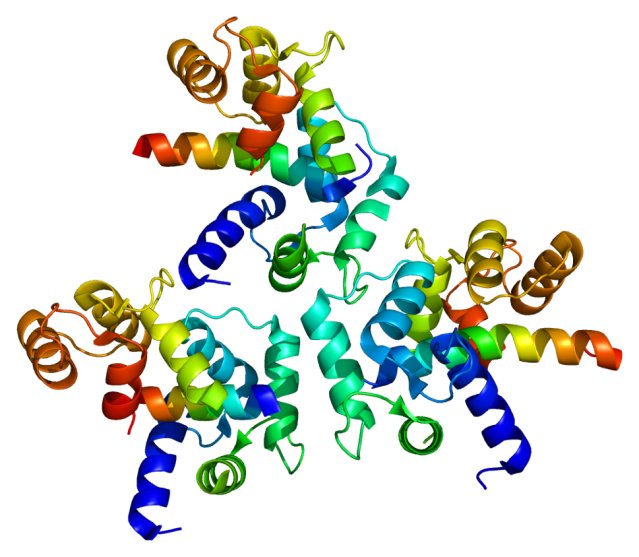
Protein_CACNA1C_PDB_2be6
Structure of the CACNA1C gene product, a calcium channel named Cav1.2, which is one of 4 genes that has now been found to be genetically held in common amongst schizophrenia, bipolar disorder, autism, major depression and attention deficit hyperactivity disoder. Groundbreaking work on the role of this protein on anxiety and other forms of behavior related to mental illness has previously been established in the Rajadhyaksha laboratory at Weill Cornell Medical Center.
http://weill.cornell.edu/research/arajadhyaksha/

http://www.ncbi.nlm.nih.gov/pmc/articles/PMC3481072/
http://www.ncbi.nlm.nih.gov/pmc/articles/PMC3192195/
http://www.ncbi.nlm.nih.gov/pmc/articles/PMC3077109/

From the New York Times:
The psychiatric illnesses seem very different — schizophrenia, bipolar disorder, autism, major depression and attention deficit hyperactivity disorder. Yet they share several genetic glitches that can nudge the brain along a path to mental illness, researchers report. Which disease, if any, develops is thought to depend on other genetic or environmental factors.

Their study, published online Wednesday in the Lancet, was based on an examination of genetic data from more than 60,000 people worldwide. Its authors say it is the largest genetic study yet of psychiatric disorders. The findings strengthen an emerging view of mental illness that aims to make diagnoses based on the genetic aberrations underlying diseases instead of on the disease symptoms.

Two of the aberrations discovered in the new study were in genes used in a major signaling system in the brain, giving clues to processes that might go awry and suggestions of how to treat the diseases.

“What we identified here is probably just the tip of an iceberg,” said Dr. Jordan Smoller, lead author of the paper and a professor of psychiatry at Harvard Medical School and Massachusetts General Hospital. “As these studies grow we expect to find additional genes that might overlap.”

The new study does not mean that the genetics of psychiatric disorders are simple. Researchers say there seem to be hundreds of genes involved and the gene variations discovered in the new study confer only a small risk of psychiatric disease.

Steven McCarroll, director of genetics for the Stanley Center for Psychiatric Research at the Broad Institute of Harvard and M.I.T., said it was significant that the researchers had found common genetic factors that pointed to a specific signaling system.

“It is very important that these were not just random hits on the dartboard of the genome,” said Dr. McCarroll, who was not involved in the new study.

The work began in 2007 when a large group of researchers began investigating genetic data generated by studies in 19 countries and including 33,332 people with psychiatric illnesses and 27,888 people free of the illnesses for comparison. The researchers studied scans of people’s DNA, looking for variations in any of several million places along the long stretch of genetic material containing three billion DNA letters. The question: Did people with psychiatric illnesses tend to have a distinctive DNA pattern in any of those locations?

Researchers had already seen some clues of overlapping genetic effects in identical twins. One twin might have schizophrenia while the other had bipolar disorder. About six years ago, around the time the new study began, researchers had examined the genes of a few rare families in which psychiatric disorders seemed especially prevalent. They found a few unusual disruptions of chromosomes that were linked to psychiatric illnesses. But what surprised them was that while one person with the aberration might get one disorder, a relative with the same mutation got a different one.

Jonathan Sebat, chief of the Beyster Center for Molecular Genomics of Neuropsychiatric Diseases at the University of California, San Diego, and one of the discoverers of this effect, said that work on these rare genetic aberrations had opened his eyes. “Two different diagnoses can have the same genetic risk factor,” he said.

In fact, the new paper reports, distinguishing psychiatric diseases by their symptoms has long been difficult. Autism, for example, was once called childhood schizophrenia. It was not until the 1970s that autism was distinguished as a separate disorder.

But Dr. Sebat, who did not work on the new study, said that until now it was not clear whether the rare families he and others had studied were an exception or whether they were pointing to a rule about multiple disorders arising from a single genetic glitch.

“No one had systematically looked at the common variations,” in DNA, he said. “We didn’t know if this was particularly true for rare mutations or if it would be true for all genetic risk.” The new study, he said, “shows all genetic risk is of this nature.”

The new study found four DNA regions that conferred a small risk of psychiatric disorders. For two of them, it is not clear what genes are involved or what they do, Dr. Smoller said. The other two, though, involve genes that are part of calcium channels, which are used when neurons send signals in the brain.

“The calcium channel findings suggest that perhaps — and this is a big if — treatments to affect calcium channel functioning might have effects across a range of disorders,” Dr. Smoller said.

There are drugs on the market that block calcium channels — they are used to treat high blood pressure — and researchers had already postulated that they might be useful for bipolar disorder even before the current findings.

One investigator, Dr. Roy Perlis of Massachusetts General Hospital, just completed a small study of a calcium channel blocker in 10 people with bipolar disorder and is about to expand it to a large randomized clinical trial. He also wants to study the drug in people with schizophrenia, in light of the new findings. He cautions, though, that people should not rush out to take a calcium channel blocker on their own.

“We need to be sure it is safe and we need to be sure it works,” Dr. Perlis said.

Elyn R. Saks – Successful and Schizophrenic

27SCHIZOPHRENIA-popup-v2

THIRTY years ago, I was given a diagnosis of schizophrenia. My prognosis was “grave”: I would never live independently, hold a job, find a loving partner, get married. My home would be a board-and-care facility, my days spent watching TV in a day room with other people debilitated by mental illness. I would work at menial jobs when my symptoms were quiet. Following my last psychiatric hospitalization at the age of 28, I was encouraged by a doctor to work as a cashier making change. If I could handle that, I was told, we would reassess my ability to hold a more demanding position, perhaps even something full-time.

Then I made a decision. I would write the narrative of my life. Today I am a chaired professor at the University of Southern California Gould School of Law. I have an adjunct appointment in the department of psychiatry at the medical school of the University of California, San Diego, and am on the faculty of the New Center for Psychoanalysis. The MacArthur Foundation gave me a genius grant.

Although I fought my diagnosis for many years, I came to accept that I have schizophrenia and will be in treatment the rest of my life. Indeed, excellent psychoanalytic treatment and medication have been critical to my success. What I refused to accept was my prognosis.

Conventional psychiatric thinking and its diagnostic categories say that people like me don’t exist. Either I don’t have schizophrenia (please tell that to the delusions crowding my mind), or I couldn’t have accomplished what I have (please tell that to U.S.C.’s committee on faculty affairs). But I do, and I have. And I have undertaken research with colleagues at U.S.C. and U.C.L.A. to show that I am not alone. There are others with schizophrenia and such active symptoms as delusions and hallucinations who have significant academic and professional achievements.

Over the last few years, my colleagues, including Stephen Marder, Alison Hamilton and Amy Cohen, and I have gathered 20 research subjects with high-functioning schizophrenia in Los Angeles. They suffered from symptoms like mild delusions or hallucinatory behavior. Their average age was 40. Half were male, half female, and more than half were minorities. All had high school diplomas, and a majority either had or were working toward college or graduate degrees. They were graduate students, managers, technicians and professionals, including a doctor, lawyer, psychologist and chief executive of a nonprofit group.

At the same time, most were unmarried and childless, which is consistent with their diagnoses. (My colleagues and I intend to do another study on people with schizophrenia who are high-functioning in terms of their relationships. Marrying in my mid-40s — the best thing that ever happened to me — was against all odds, following almost 18 years of not dating.) More than three-quarters had been hospitalized between two and five times because of their illness, while three had never been admitted.

How had these people with schizophrenia managed to succeed in their studies and at such high-level jobs? We learned that, in addition to medication and therapy, all the participants had developed techniques to keep their schizophrenia at bay. For some, these techniques were cognitive. An educator with a master’s degree said he had learned to face his hallucinations and ask, “What’s the evidence for that? Or is it just a perception problem?” Another participant said, “I hear derogatory voices all the time. … You just gotta blow them off.”

Part of vigilance about symptoms was “identifying triggers” to “prevent a fuller blown experience of symptoms,” said a participant who works as a coordinator at a nonprofit group. For instance, if being with people in close quarters for too long can set off symptoms, build in some alone time when you travel with friends.

Other techniques that our participants cited included controlling sensory inputs. For some, this meant keeping their living space simple (bare walls, no TV, only quiet music), while for others, it meant distracting music. “I’ll listen to loud music if I don’t want to hear things,” said a participant who is a certified nurse’s assistant. Still others mentioned exercise, a healthy diet, avoiding alcohol and getting enough sleep. A belief in God and prayer also played a role for some.

One of the most frequently mentioned techniques that helped our research participants manage their symptoms was work. “Work has been an important part of who I am,” said an educator in our group. “When you become useful to an organization and feel respected in that organization, there’s a certain value in belonging there.” This person works on the weekends too because of “the distraction factor.” In other words, by engaging in work, the crazy stuff often recedes to the sidelines.

Personally, I reach out to my doctors, friends and family whenever I start slipping, and I get great support from them. I eat comfort food (for me, cereal) and listen to quiet music. I minimize all stimulation. Usually these techniques, combined with more medication and therapy, will make the symptoms pass. But the work piece — using my mind — is my best defense. It keeps me focused, it keeps the demons at bay. My mind, I have come to say, is both my worst enemy and my best friend.

THAT is why it is so distressing when doctors tell their patients not to expect or pursue fulfilling careers. Far too often, the conventional psychiatric approach to mental illness is to see clusters of symptoms that characterize people. Accordingly, many psychiatrists hold the view that treating symptoms with medication is treating mental illness. But this fails to take into account individuals’ strengths and capabilities, leading mental health professionals to underestimate what their patients can hope to achieve in the world.

It’s not just schizophrenia: earlier this month, The Journal of Child Psychology and Psychiatry posted a study showing that a small group of people who were given diagnoses of autism, a developmental disorder, later stopped exhibiting symptoms. They seemed to have recovered — though after years of behavioral therapy and treatment. A recent New York Times Magazine article described a new company that hires high-functioning adults with autism, taking advantage of their unusual memory skills and attention to detail.

I don’t want to sound like a Pollyanna about schizophrenia; mental illness imposes real limitations, and it’s important not to romanticize it. We can’t all be Nobel laureates like John Nash of the movie “A Beautiful Mind.” But the seeds of creative thinking may sometimes be found in mental illness, and people underestimate the power of the human brain to adapt and to create.

An approach that looks for individual strengths, in addition to considering symptoms, could help dispel the pessimism surrounding mental illness. Finding “the wellness within the illness,” as one person with schizophrenia said, should be a therapeutic goal. Doctors should urge their patients to develop relationships and engage in meaningful work. They should encourage patients to find their own repertory of techniques to manage their symptoms and aim for a quality of life as they define it. And they should provide patients with the resources — therapy, medication and support — to make these things happen.

“Every person has a unique gift or unique self to bring to the world,” said one of our study’s participants. She expressed the reality that those of us who have schizophrenia and other mental illnesses want what everyone wants: in the words of Sigmund Freud, to work and to love.

A law professor at the University of Southern California and the author of the memoir “The Center Cannot Hold: My Journey Through Madness.”

Our failed approach to treating schizophrenia

1226OPEDdorfman-popup

By PAUL STEINBERG
Published: December 25, 2012
New York Times

TOO many pendulums have swung in the wrong directions in the United States. I am not referring only to the bizarre all-or-nothing rhetoric around gun control, but to the swing in mental health care over the past 50 years: too little institutionalizing of teenagers and young adults (particularly men, generally more prone to violence) who have had a recent onset of schizophrenia; too little education about the public health impact of untreated mental illness; too few psychiatrists to talk about and treat severe mental disorders — even though the medications available in the past 15 to 20 years can be remarkably effective.

Instead we have too much concern about privacy, labeling and stereotyping, about the civil liberties of people who have horrifically distorted thinking. In our concern for the rights of people with mental illness, we have come to neglect the rights of ordinary Americans to be safe from the fear of being shot — at home and at schools, in movie theaters, houses of worship and shopping malls.
“Psychosis” — a loss of touch with reality — is an umbrella term, not unlike “fever.” As with fevers, there are many causes, from drugs and alcohol to head injuries and dementias. The most common source of severe psychosis in young adults is schizophrenia, a badly named disorder that, in the original Greek, means “split mind.” In fact, schizophrenia has nothing to do with multiple personality, a disorder that is usually caused by major repeated traumas in childhood. Schizophrenia is a physiological disorder caused by changes in the prefrontal cortex, an area of the brain that is essential for language, abstract thinking and appropriate social behavior. This highly evolved brain area is weakened by stress, as often occurs in adolescence.

Psychiatrists and neurobiologists have observed biochemical changes and alterations in brain connections in patients with schizophrenia. For example, miscommunications between the prefrontal cortex and the language area in the temporal cortex may result in auditory hallucinations, as well as disorganized thoughts. When the voices become commands, all bets are off. The commands might insist, for example, that a person jump out of a window, even if he has no intention of dying, or grab a set of guns and kill people, without any sense that he is wreaking havoc. Additional symptoms include other distorted thinking, like the notion that something — even a spaceship, or a comic book character — is controlling one’s thoughts and actions.

Schizophrenia generally rears its head between the ages of 15 and 24, with a slightly later age for females. Early signs may include being a quirky loner — often mistaken for Asperger’s syndrome — but acute signs and symptoms do not appear until adolescence or young adulthood.

People with schizophrenia are unaware of how strange their thinking is and do not seek out treatment. At Virginia Tech, where Seung-Hui Cho killed 32 people in a rampage shooting in 2007, professors knew something was terribly wrong, but he was not hospitalized for long enough to get well. The parents and community-college classmates of Jared L. Loughner, who killed 6 people and shot and injured 13 others (including a member of Congress) in 2011, did not know where to turn. We may never know with certainty what demons tormented Adam Lanza, who slaughtered 26 people at an elementary school in Newtown, Conn., on Dec. 14, though his acts strongly suggest undiagnosed schizophrenia.

I write this despite the so-called Goldwater Rule, an ethical standard the American Psychiatric Association adopted in the 1970s that directs psychiatrists not to comment on someone’s mental state if they have not examined him and gotten permission to discuss his case. It has had a chilling effect. After mass murders, our airwaves are filled with unfounded speculations about video games, our culture of hedonism and our loss of religious faith, while psychiatrists, the ones who know the most about severe mental illness, are largely marginalized.

Severely ill people like Mr. Lanza fall through the cracks, in part because school counselors are more familiar with anxiety and depression than with psychosis. Hospitalizations for acute onset of schizophrenia have been shortened to the point of absurdity. Insurance companies and families try to get patients out of hospitals as quickly as possible because of the prohibitively high cost of care.

As documented by writers like the law professor Elyn R. Saks, author of the memoir “The Center Cannot Hold: My Journey Through Madness,” medication and treatment work. The vast majority of people with schizophrenia, treated or untreated, are not violent, though they are more likely than others to commit violent crimes. When treated with medication after a rampage, many perpetrators who have shown signs of schizophrenia — including John Lennon’s killer and Ronald Reagan’s would-be assassin — have recognized the heinousness of their actions and expressed deep remorse.

It takes a village to stop a rampage. We need reasonable controls on semiautomatic weapons; criminal penalties for those who sell weapons to people with clear signs of psychosis; greater insurance coverage and capacity at private and public hospitals for lengthier care for patients with schizophrenia; intense public education about how to deal with schizophrenia; greater willingness to seek involuntary commitment of those who pose a threat to themselves or others; and greater incentives for psychiatrists (and other mental health professionals) to treat the disorder, rather than less dangerous conditions.

Too many people with acute schizophrenia have gone untreated. There have been too many Glocks, too many kids and adults cut down in their prime. Enough already.

Paul Steinberg is a psychiatrist in private practice.

Thanks to David Frey for bringing this to the attention of the It’s Interesting community.

Research from Asia is overturning long-held notions about the factors that drive people to commit suicide


SHANGHAI, CHINA—Mrs. Y’s death would have stumped many experts. A young mother and loyal wife, the rural Chinese woman showed none of the standard risk factors for suicide. She was not apparently depressed or mentally ill. Villagers said she exuded happiness and voiced few complaints. But when a neighbor publicly accused Mrs. Y of stealing eggs from her henhouse, the shame was unbearable. Mrs. Y rushed home and downed a bottle of pesticide. “A person cannot live without face,” she cried before she died. “I will die to prove that I did not steal her eggs.”

Decades of research in Western countries have positioned mental illness as an overwhelming predictor of suicide, figuring in more than 90% of such deaths. Another big risk factor is gender: Men commit suicide at much higher rates than women, by a ratio of nearly 4 to 1 in the United States, according to the U.S. Centers for Disease Control and Prevention. Other common correlates include city life and divorce. But in China, says Jie Zhang, a sociologist at the State University of New York, Buffalo State, the case of Mrs. Y is “a very typical scenario.”

Zhang oversaw interviews with Mrs. Y’s family and acquaintances while researching the prevalence of mental illness among suicide victims aged 15 to 34 in rural China. Through psychological autopsies—detailed assessments after death—Zhang and coauthors found that only 48% of 392 victims had a mental illness, they reported in the July 2010 issue of the American Journal of Psychiatry. An earlier study of Chinese suicide victims put the prevalence of mental disorders at 63%—still nowhere near as high as accepted models of suicide prevention would predict. Meanwhile, other standard risk factors simply don’t hold true, or are even reversed, in China. Chinese women commit suicide at unusually high rates; rural residents kill themselves more frequently than city dwellers do; and marriage may make a person more, rather than less, volatile.

Such differences matter because China accounts for an estimated 22% of global suicides, or roughly 200,000 deaths every year. In India, meanwhile, some 187,000 people took their own lives in 2010—twice as many as died from HIV/AIDS. By comparison, the World Health Organization (WHO) estimates that suicides in high-income countries total only 140,000 a year. Suicide rates in Japan and South Korea, however, are similar to China’s (see p. 1026), suggesting that this is a regional public health issue. And yet suicide in Asia is poorly understood. “Suicide has not gotten the attention it deserves vis-à-vis its disease burden,” says Prabhat Jha, director of the Centre for Global Health Research in Toronto, Canada.

Emerging research from developing countries like China and India is now filling that gap—and overturning prevailing notions. “The focus of the study of suicide in the West is psychiatry,” Zhang says. While mental illness remains an important correlate in Asia, he says, researchers may learn more from a victim’s family, religion, education, and personality. New findings, Zhang says, suggest that some researchers may have misread correlation as causation: In both the East and the West, “mental illness might not be the real cause of suicide.”

Distressing data

Reliable data on suicide across Asia were once maddeningly scarce. In Thailand until 2003, there was no requirement that the reported cause of death be medically validated—a flaw that rendered the country’s suicide data inaccurate. In India, suicide is a crime, which means it often goes unreported. But the Thai government now has a more accurate reporting system for mortality figures, while Indian researchers are benefiting from the Million Death Study, an effort to catalog causes of death for 1 million Indians in a 16-year survey relying on interviews with family members (Science, 15 June, p. 1372). The study has already produced a disturbing revelation about reported suicide rates. “When we compare our data with police reports, you find undercounts of at least 25% in men and 36% in women,” says Jha, the study’s lead investigator.

New insights from China are particularly instructive. Because suicide carries a stigma, the Chinese government withheld data on the topic until the late 1980s. When information finally came out, it quickly became clear that the country had a serious problem. In 1990, for example, the World Bank’s Global Burden of Disease Study estimated there were 343,000 suicides in China—or 30 per 100,000 people. The U.S. rate for the same year was 12 per 100,000.

But other reports gave different figures, prompting a debate on sources. WHO’s extrapolated total was based on data that China had reported from stations covering only 10% of the population, skewed toward urban residents. As researchers focused on the problem, they arrived at more reliable figures—but also unearthed more mysteries. In an analysis in The Lancet in 2002, a group led by Michael Phillips of Shanghai Mental Health Center and Emory University School of Medicine in Atlanta estimated that from 1995 to 1999, Chinese women killed themselves more frequently than men—by a ratio of 5 to 4. “There was originally disbelief about the very different gender ratio in China,” Phillips says, although later it was accepted.

Today, the suicide sex ratio in China is roughly 1 to 1, still a significant departure from the overall U.S. male-to-female ratio of 4 to 1. In India, the male-to-female suicide ratio is 1.5 to 1, although in the 15 to 29 age group it is close to equal. And yet, WHO estimates the global sex ratio at three men to one woman. (With colleague Cheng Hui, Phillips recently used Chinese and Indian figures to lower that estimate to 1.67 to 1.) Among young adults in India, suicide is second only to maternal mortality as a cause of death for women, according to the Million Death Survey.

In both China and India, cases like Mrs. Y’s involving no apparent mental illness are common. In India, suicide is most prevalent among teenagers and young adults—the cohort that is entering the workforce, marrying, and facing new life stresses. This contrasts with the Western pattern of high suicide rates among the middle-aged, suggesting that although “there might well be some underlying psychiatric conditions, the main drivers of [suicide in India] are probably chiefly social conditions,” Jha says. While cautioning that detailed psychological autopsies are still needed in India, he says, “it’s a reasonable assumption that many of these young folks are not mentally ill.”

Convincing researchers outside Asia may prove an uphill battle. Matthew Miller, a suicide researcher at the Harvard Injury Control Research Center in Boston, says that mental illness may be underdiagnosed in Asia for reasons that aren’t fully understood. That could throw off correlation studies. Phillips, who has worked in China for over 20 years, agrees that underdiagnosis is a problem, and that “many Western researchers still believe that we are just missing cases.” But he rejects that explanation. Even accounting for underdiagnosis, he says, the finding of a lower rate of mental illness among suicide victims has held up in multiple studies. Many Chinese suicide victims, he adds, are “most certainly severely distressed, but they don’t meet the criteria of a formal mental illness.”

Lethal weapons

Assuming that suicide risk is shaped by different factors in Asia, researchers are striving to uncover the roots. One clue may lie in the high proportion of unplanned Chinese suicides. In a 2002 survey of 306 Chinese patients who had been hospitalized for at least 6 hours following a suicide attempt, Phillips and colleagues found that 35% had contemplated suicide for less than 10 minutes—and 54% for less than 2 hours. Impulsiveness among suicide victims in Asia “tends to be higher than in the West,” says Paul Yip, director of the Hong Kong Jockey Club Centre for Suicide Research and Prevention at the University of Hong Kong and one of the authors of a recent WHO report on suicide in Asia. Although impulsive personality traits are sometimes linked to illnesses like bipolar disorder, studies in China have not uncovered full-fledged personality disorders in impulsive suicide victims.

In a tragic twist, impulsive victims in Asia tend to favor highly fatal methods. After interviewing family members and friends of 505 Chinese suicide victims, Kenneth Conner, a psychiatric researcher at the University of Rochester Medical Center in New York, and colleagues reported in 2005 that those who had ingested pesticides were more likely to have acted rashly than were those who used other methods such as hanging or drowning. Pesticides are a leading cause of suicide death in China and India, and the cause of roughly half of suicides worldwide. Pesticides may also explain Asia’s unusual suicide sex ratio, Jha says. In the West, women attempt suicide just as frequently as men do, but they tend to down sleeping pills—and often survive.

The trends in Asia point to a need for innovative prevention strategies. Zhang believes efforts should focus less on mental illness and more on “educating people to have realistic goals in life and teaching them to cope with crisis.” Front and center should be universities and rural women’s organizations, both of which already have active suicide prevention programs in China, he says. Such community-based approaches appear to have been effective in Hong Kong, Yip says. Over the past decade, the territory has rolled out programs for schoolchildren on dealing with stress and outreach groups for older adults. Its suicide rate has fallen 27% since 2003.

But resources in many Asian countries are limited. The vast majority of cities in China and India still do not have 24-hour suicide prevention hotlines. That may make what scholars call means restriction—reducing access to tools commonly used in suicide—a better goal. In Sri Lanka, pesticides once accounted for two-thirds of suicide deaths. Then in 1995, the government took steps to ban the most toxic pesticides. The suicide rate plummeted by 50% in the following decade.

The varying degrees to which mental illness and suicide correlate in East and West may ultimately be beside the point, argues Zhang, who believes a third factor may be the trigger in both regions. Strain theory, which posits that societal pressures, rather than inborn traits, contribute to crime, can help explain suicide, he believes. “Psychological strains usually precede a suicidal behavior, and they also happen before an individual becomes mentally ill.”

When a person is pulled by two or more conflicting pressures, Zhang says, as with “a girl who receives Confucian values at home and then goes to school and learns about modern values and gender equality,” she may be more prone to suicide. Other situational stresses may include a sudden crisis faced by a rural woman lacking coping mechanisms—such as the case of Mrs. Y—or an incident that forces a young man to confront a gap between his aspirations and reality. Zhang found that strain theory held up for his study subjects in rural China. He plans to probe whether it also applies to older Chinese.

Ultimately, Zhang hopes to test strain theory on Americans. The U.S. National Institutes of Health “spends millions and millions of dollars every year on treating mental illness to prevent suicide,” he says. “But no matter how much money we spend, how many psychiatrists we train, or how much work we do in psychiatric clinics, the U.S. suicide rate doesn’t decrease.” It has hovered around 10 to 12 suicides per 100,000 people since 1960.

Such research may be the tip of the iceberg when it comes to debunking long-held ideas about behavior disorders. Alcoholism is another area ripe for exploration, Cheng says: The profile of alcoholics in China contrasts sharply with that in the West. Because of social pressure to drink, Chinese alcoholics are far more likely to be working and married than American counterparts, who are often unemployed and divorced, she says. Suicide, Cheng muses, “is just another example of how environment can change behavior.”

http://www.sciencemag.org/content/338/6110/1025.full

Indian Farmer Dies After Having 13 Pounds of Metal Removed From His Stomach


A man has man died after stunned doctors removed 13 pounds of metal from his stomach.

Farmer Kamleshwar Singh was admitted to hospital in the Indian state of Chhattisgarh complaining of abdominal pains.

Following x-ray inspection, three keys, 431 coins, 196 iron pellets and 17 small bolts were found in his stomach.

Despite removing the items, doctors were unable to save his life.

Bhojram Dewangan, Director of Shreesti Institute of Medical Science and Research Centre, where Mr Singh was treated, said, ‘The patient had been consuming small iron objects for the last nine months.’

‘He visited us complaining of intolerable abdominal pain.

‘After sonography and X- ray tests, the doctors carried out the major surgery.’

Even after the tests the doctors who opened Mr Singh’s stomach were shocked by the number and variety of everyday metallic objects they found.

Dr Yadav, led the team that operated upon Mr Singh, who is suspected of having schizophrenia.

‘All the iron objects were lying at the base of his stomach,’ he said.

‘When we started the surgery, we thought we would find a few items.

‘But as we progressed, we were amazed to find such a huge number of coins and pellets had passed into his intestines.

‘Signs of chronic ulceration were apparent in the stomach.’

Mr Singh’s friends and family were apparently unaware of his habit of swallowing iron objects.

His wife, said: ‘My husband complained of frequent stomach ache and spent sleepless nights in the past four weeks.

‘But he kept us in the dark about swallowing iron objects.

‘He stopped going to the field citing weakness and was even unable to have his regular meals.’

In addition to schizophrenia experts believed Mr Singh was suffering from additional psychiatric problems which gave him an appetite for non-nutritional foreign objects.

Read more: http://www.dailymail.co.uk/news/article-2067189/431-coins-196-pellets-17-small-bolts-Man-dies-doctors-remove-13lbs-metal-stomach.html#ixzz1fIJuTGJS

Living With Voices

The job was gone, the gun was loaded, and a voice was saying, “You’re a waste, give up now, do it now.”

It was a command, not a suggestion, and what mattered at that moment — a winter evening in 2000 — was not where the voice was coming from, but how assured it was, how persuasive.

Losing his first decent job ever seemed like too much for Joe Holt to live with. It was time.

“All I remember then is a knock on the bedroom door and my wife, Patsy, she sits down on the bed and hugs me, and I’m holding the gun in my left hand, down here, out of sight,” said Mr. Holt, 50, a computer consultant and entrepreneur who has a diagnosis of schizophrenia.

“She says, ‘Joe, I know you feel like quitting, but what if tomorrow is the day you get what you want?’ And walks out. I sat there staring at that gun for an hour at least, and finally decided — never again. It can never be an option. Patsy deserves for me to be trying.”

Read here about how patients cope with auditory hallucinations:  http://www.nytimes.com/2011/08/07/health/07lives.html