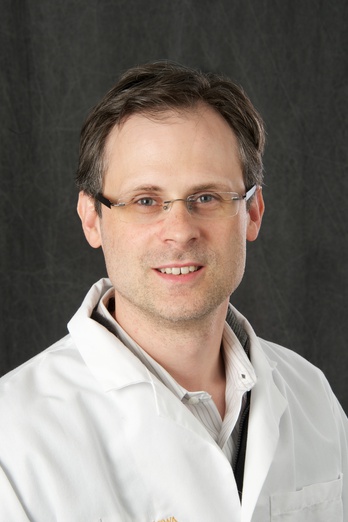
University of Iowa psychiatrist Dr. Michael Lutter reports discovery of 2 genes linked to eating disorders

Lutter,Michael

Eating-1

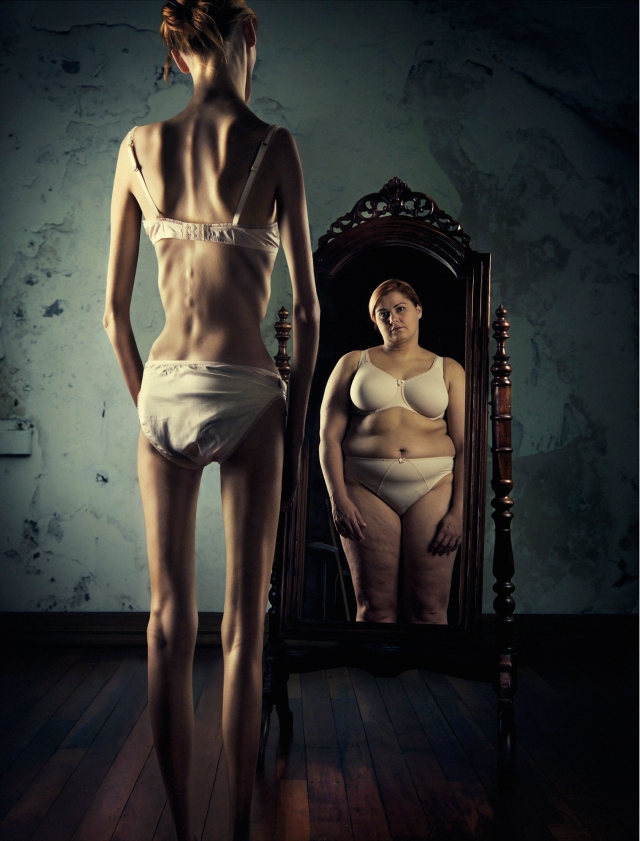
Eating disorders like anorexia nervosa and bulimia often run in families, but identifying specific genes that increase a person’s risk for these complex disorders has proved difficult.

Now scientists from the University of Iowa and University of Texas Southwestern Medical Center have discovered — by studying the genetics of two families severely affected by eating disorders — two gene mutations, one in each family, that are associated with increased risk of developing eating disorders.

Moreover, the new study shows that the two genes interact in the same signaling pathway in the brain, and that the two mutations produce the same biological effect. The findings suggest that this pathway might represent a new target for understanding and potentially treating eating disorders.

“If you’re considering two randomly discovered genes, the chance that they will interact is small. But, what really sealed the deal for us that the association was real was that the mutations have the same effect,” says Michael Lutter, M.D., Ph.D., UI assistant professor of psychiatry and senior author of the study.

Overall, the study, published Oct. 8 in the Journal of Clinical Investigation, suggests that mutations that decrease the activity of a transcription factor — a protein that turns on the expression of other genes — called estrogen-related receptor alpha (ESRRA) increase the risk of eating disorders.

Anorexia nervosa and bulimia nervosa are fairly common, especially among women. They affect between 1 and 3 percent of women. They also are among the most lethal of all psychiatric diseases; about 1 in 1,000 women will die from anorexia.

Finding genes associated with complex diseases like eating disorders is challenging. Scientists can analyze the genetics of thousands of people and use statistics to find common, low-risk gene variations, the accumulation of which causes complex disorders from psychiatric conditions like eating disorders to conditions like heart disease or obesity.

On the other end of the spectrum are very rare gene variants, which confer an almost 100 percent risk of getting the disease. To track down these variants, researchers turn to large families that are severely affected by an illness.

Lutter and his colleagues were able to work with two such families to identify the two new genes associated with eating disorders.

“It’s basically a matter of finding out what the people with the disorder share in common that people without the disease don’t have,” Lutter explains. “From a theoretical perspective, it’s straightforward. But the difficulty comes in having a large enough group to find these rare genes. You have to have large families to get the statistical power.”

In the new study, 20 members from three generations of one family (10 affected individuals and 10 unaffected), and eight members of a second family (six affected and two unaffected) were analyzed.

The gene discovered in the larger family was ESRRA, a transcription factor that turns on the expression of other genes. The mutation associated with eating disorders decreases ESSRA activity.

The gene found in the second family is a transcriptional repressor called histone deacetylase 4 (HDAC4), which turns off transcription factors, including ESRRA. This mutation is unusual in the sense that it increases the gene’s activity — most mutations decrease or destroy a gene’s activity.

Importantly, the team also found that the two affected proteins interacted with one another; HDAC4 binds to ESRRA and inhibits it.

“The fact that the HDAC4 mutation happens to increase the gene activity and happens to increase its ability to repress the ESSRA protein we found in the other family was just beyond coincidence,” Lutter says.

The two genes are already known to be involved in metabolic pathways in muscle and fat tissue. They also are both regulated by exercise.

In the brain, HDAC4 is very important for regulating genes that form connections between neurons. However, there’s almost nothing known about ESRRA in the brain, although it is expressed in many brain regions that are disrupted in anorexia.

Lutter and his colleagues plan to study the role of these genes in mice and in cultured neurons to find out exactly what they are doing in the brain. They will also look for ways to modify the genes’ activity, with the long-term goal of finding small molecules that might be developed into therapies for eating disorders.

They also plan to study patients with eating disorders and see if other genes associated with the ESSRA/HDAC4 brain pathway are affected in humans.

http://www.sciencedaily.com/releases/2013/10/131008122443.htm

First cases of flesh-eating drug Krokodil surface in US

krokodil640

A man prepares heroin in Zhukovsky, Russia, near Moscow. To produce krokodil, which has a comparable effect to heroin but is much cheaper to make, users mix codeine with gasoline, paint thinner, iodine, hydrochloric acid and red phosphorous.

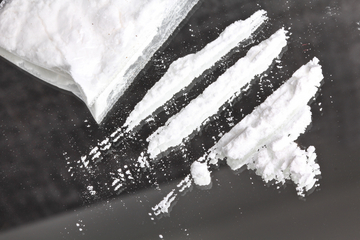
Krokodil, a flesh-eating drug which first surfaced in Russia more than a decade ago, has reportedly been found in the United States.

Similar to morphine or heroin, krokodil is made by mixing codeine with substances like gasoline, paint thinner, oil or alcohol. That mixture is then injected into a vein, potentially causing an addict’s skin to turn greenish, scaly and eventually rot away.

Dr. Frank LoVecchio, co-medical director at Banner Good Samaritan Poison and Drug Information Center in Arizona, told CBS5 that the first two cases of people using the drug have been reported in the state. He declined to comment on the patients’ conditions.

“As far as I know, these are the first cases in the United States that are reported,” LoVecchio said, adding that the cases are believed to be linked. “So we’re extremely frightened.”

Users of krokodil — or desomorphine — had previously only been found in large numbers in Russia, where 65 million doses of the opiate were seized during the first three months of 2011, Russia’s Federal Drug Control Service told Time.

“This is really frightening,” Dr. Aaron Skolnik, a toxicologist at Banner Good Samaritan Poison and Drug Information Center told MyFoxPhoenix.com. “This is something we hoped would never make it to the U.S. because it’s so detrimental to the people who use it.”

To produce the potentially deadly drug, which has a comparable effect to heroin but is much cheaper to make, users mix codeine with gasoline, paint thinner, iodine, hydrochloric acid and red phosphorous. Codeine, a controlled substance in the United States used to treat mild to moderate pain, is widely available over the counter in Russia.

In 2010, up to a million people, according to various estimates, were injecting the resulting substance into their veins in Russia, thus far the only country worldwide to see it grow into an epidemic, Time reports.

The drug’s sinister moniker — also known as crocodile — refers to the greenish and scaly appearance of a user’s skin at the site of injection as blood vessels rupture and cause surrounding tissues to die. According to reports, the drug first appeared in Siberia and parts of Russia around 2002, but has spread throughout the country in recent years.

Officials at the Washington-based National Institute on Drug Abuse told FoxNews.com in 2011 that they had not heard of the drug prior to an inquiry by FoxNews.com.

Dr. Ellen Marmur, chief of dermatological and cosmetic surgery at the Mount Sinai Medical Center in New York City, told FoxNews.com in 2011 she had never seen any cases involving krokodil, but said it reminded her of “skin popping,” or when intravenous drug users inject a substance directly into their skin due to damaged veins.

“This looks to me a lot like skin popping, what drug users used to do back in the day with heroin and other drugs,” Marmur said. “It just kills the skin, that’s what you’re seeing, big dead pieces of skin.”

Those large pieces of dead skin are referred to as eschars, Marmur said, leaving the user prone to infection, amputation and other complications.

Marmur said at the time that she was concerned the drug could eventually make its way into the United States.

“It’s horrible,” she continued. “These people are the ultimate in self-destructive drug addiction. Once you’re an addict at this level, any rational thinking doesn’t apply.”

Dr. Lewis Nelson, a medical toxicologist at Bellevue Hospital Center in New York, also said in 2011 that he doubted krokodil would reach the United States due to the availability of other cheap, powerful drugs such as black tar heroin and Oxycontin.

“It’s not going to become a club drug, I can guarantee you that,” he said.

http://www.foxnews.com/health/2013/09/26/first-cases-flesh-eating-drug-krokodil-surface-in-us/

Diamond Light Source particle accelerator enables discovery of CRF1 receptor structure that may help design new drugs for anxiety and depression

crf

Scientists have used one of the world’s most powerful X-ray machines to identify the molecule responsible for feelings of stress, anxiety and even depression.

The pituitary gland is known to the medical world as a key player in stress and anxiety, as it releases stress chemicals in the blood.

However, scientists have now discovered that the protein receptor CRF1 is responsible for releasing hormones which can cause anxiety and depression over extended periods of time. The protein receptor is found in the brain and controls our response to stress. When it detects stress molecules released by the hypothalamus, it releases these hormones.

The study, conducted by drug company Heptares Therapeutics, was published in the Nature journal on 17 July.

Researchers used a particle accelerator called the Diamond Light Source to understand the structure of CRF1. The X-ray machine’s powerful beams illuminated the protein’s structure, according to the Sunday Times, including a crevice that could become a new target for drug therapy.

The information gained from this study will be used to design small molecule drugs that fit into this new pocket to treat depression.

Speaking to the Sunday Times, Dr Fiona Marshall, Chief Scientific Officer at Heptares Therapeutics, said: “Now we know its shape, we can design a molecule that will lock into this crevice and block it so that CRF1 becomes inactive — ending the biochemical cascade that ends in stress.”

Writing on Diamond’s website, Dr. Andrew Dore, a senior scientist with Heptares added that the structure of the protein receptor “can be used as a template to solve closely related receptors that open up the potential for new drugs to treat a number of major diseases including Type 2 diabetes and osteoporosis”.

Thanks to Tracy Lindley for bringing this to the attention of the It’s Interesting community.

http://www.independent.co.uk/news/science/scientists-discover-the-molecule-responsible-for-causing-feelings-of-depression-8724471.html

New theory on why some people may be better than others at getting inside people’s heads

Mind-Reading-300x232

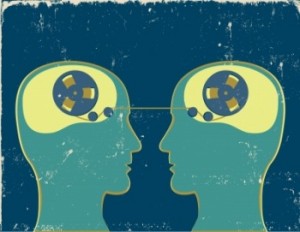
Humans have an impressive ability to take on other viewpoints – it’s crucial for a social species like ours. So why are some of us better at it than others?

Picture two friends, Sally and Anne, having a drink in a bar. While Sally is in the bathroom, Anne decides to buy another round, but she notices that Sally has left her phone on the table. So no one can steal it, Anne puts the phone into her friend’s bag before heading to the bar. When Sally returns, where will she expect to see her phone?

If you said she would look at the table where she left it, congratulations! You have a theory of mind – the ability to understand that another person may have knowledge, ideas and beliefs that differ from your own, or from reality.

If that sounds like nothing out of the ordinary, perhaps it’s because we usually take it for granted. Yet it involves doing something no other animal can do to the same extent: temporarily setting aside our own ideas and beliefs about the world – that the phone is in the bag, in this case – in order to take on an alternative world view.

This process, also known as “mentalising”, not only lets us see that someone else can believe something that isn’t true, but also lets us predict other people’s behaviour, tell lies, and spot deceit by others. Theory of mind is a necessary ingredient in the arts and religion – after all, a belief in the spirit world requires us to conceive of minds that aren’t present – and it may even determine the number of friends we have.

Yet our understanding of this crucial aspect of our social intelligence is in flux. New ways of investigating and analysing it are challenging some long-held beliefs. As the dust settles, we are getting glimpses of how this ability develops, and why some of us are better at it than others. Theory of mind has “enormous cultural implications”, says Robin Dunbar, an evolutionary anthropologist at the University of Oxford. “It allows you to look beyond the world as we physically see it, and imagine how it might be different.”

The first ideas about theory of mind emerged in the 1970s, when it was discovered that at around the age of 4, children make a dramatic cognitive leap. The standard way to test a child’s theory of mind is called the Sally-Anne test, and it involves acting out the chain of events described earlier, only with puppets and a missing ball.

When asked, “When Sally returns, where will she look for the ball?”, most 3-year-olds say with confidence that she’ll look in the new spot, where Anne has placed it. The child knows the ball’s location, so they cannot conceive that Sally would think it was anywhere else.

Baby change
But around the age of 4, that changes. Most 4 and 5-year olds realise that Sally will expect the ball to be just where she left it.

For over two decades that was the dogma, but more recently those ideas have been shaken. The first challenge came in 2005, when it was reported in Science (vol 308, p 255) that theory of mind seemed to be present in babies just 15 months old.

Such young children cannot answer questions about where they expect Sally to look for the ball, but you can tell what they’re thinking by having Sally look in different places and noting how long they stare: babies look for longer at things they find surprising.

When Sally searched for a toy in a place she should not have expected to find it, the babies did stare for longer. In other words, babies barely past their first birthdays seemed to understand that people can have false beliefs. More remarkable still, similar findings were reported in 2010 for 7-month-old infants (Science, vol 330, p 1830).

Some say that since theory of mind seems to be present in infants, it must be present in young children as well. Something about the design of the classic Sally-Anne test, these critics argue, must be confusing 3-year-olds.

Yet there’s another possibility: perhaps we gain theory of mind twice. From a very young age we possess a basic, or implicit, form of mentalising, so this theory goes, and then around age 4, we develop a more sophisticated version. The implicit system is automatic but limited in its scope; the explicit system, which allows for a more refined understanding of other people’s mental states, is what you need to pass the Sally-Anne test.

If you think that explanation sounds complicated, you’re not alone. “The key problem is explaining why you would bother acquiring the same concept twice,” says Rebecca Saxe, a cognitive scientist at Massachusetts Institute of Technology.

Yet there are other mental skills that develop twice. Take number theory. Long before they can count, infants have an ability to gauge rough quantities; they can distinguish, for instance, between a general sense of “threeness” and “fourness”. Eventually, though, they do learn to count and multiply and so on, although the innate system still hums beneath the surface. Our decision-making ability, too, may develop twice. We seem to have an automatic and intuitive system for making gut decisions, and a second system that is slower and more explicit.

Double-think
So perhaps we also have a dual system for thinking about thoughts, says Ian Apperly, a cognitive scientist at the University of Birmingham, UK. “There might be two kinds of processes, on the one hand for speed and efficiency, and on the other hand for flexibility,” he argues (Psychological Review, vol 116, p 953).

Apperly has found evidence that we still possess the fast implicit system as adults. People were asked to study pictures showing a man looking at dots on a wall; sometimes the man could see all the dots, sometimes not. When asked how many dots there were, volunteers were slower and less accurate if the man could see fewer dots than they could. Even when trying not to take the man’s perspective into account, they couldn’t help but do so, says Apperly. “That’s a strong indication of an automatic process,” he says – in other words, an implicit system working at an unconscious level.

If this theory is true, it suggests we should pay attention to our gut feelings about people’s state of mind, says Apperly. Imagine surprising an intruder in your home. The implicit system might help you make fast decisions about what they see and know, while the explicit system could help you to make more calculated judgments about their motives. “Which system is better depends on whether you have time to make the more sophisticated judgement,” says Apperly.

The idea that we have a two-tier theory of mind is gaining ground. Further support comes from a study of people with autism, a group known to have difficulty with social skills, who are often said to lack theory of mind. In fact, tests on a group of high-functioning people with Asperger’s syndrome, a form of autism, showed they had the explicit system, yet they failed at non-verbal tests of the kind that reveal implicit theory of mind in babies (Science, vol 325, p 883). So people with autism can learn explicit mentalising skills, even without the implicit system, although the process remains “a little bit cumbersome” says Uta Frith, a cognitive scientist at University College London, who led the work. The finding suggests that the capacity to understand others should not be so easily written off in those with autism. “They can handle it when they have time to think about it,” says Frith.

If theory of mind is not an all-or-nothing quality, does that help explain why some of us seem to be better than others at putting ourselves into other people’s shoes? “Clearly people vary,” points out Apperly. “If you think of all your colleagues and friends, some are socially more or less capable.”

Unfortunately, that is not reflected in the Sally-Anne test, the mainstay of theory of mind research for the past four decades. Nearly everyone over the age of 5 can pass it standing on their head.

To get the measure of the variation in people’s abilities, different approaches are needed. One is called the director task; based on a similar idea to Apperly’s dot pictures, this involves people moving objects around on a grid while taking into account the viewpoint of an observer. This test reveals how children and adolescents improve progressively as they mature, only reaching a plateau in their 20s.

How does that timing square with the fact that the implicit system – which the director test hinges on – is supposed to emerge in early infancy? Sarah-Jayne Blakemore, a cognitive neuroscientist at University College London who works with Apperly, has an answer. What improves, she reckons, is not theory of mind per se but how we apply it in social situations using cognitive skills such as planning, attention and problem-solving, which keep developing during adolescence. “It’s the way we use that information when we make decisions,” she says.

So teenagers can blame their reputation for being self-centred on the fact they are still developing their theory of mind. The good news for parents is that most adolescents will learn how to put themselves in others’ shoes eventually. “You improve your skills by experiencing social scenarios,” says Frith.

It is also possible to test people’s explicit mentalising abilities by asking them convoluted “who-thought-what-about-whom” questions. After all, we can do better than realising that our friend mistakenly thinks her phone will be on the table. If such a construct represents “second-order” theory of mind, most of us can understand a fourth-order sentence like: “John said that Michael thinks that Anne knows that Sally thinks her phone will be on the table.”

In fact Dunbar’s team has shown that such a concept would be the limit of about 20 per cent of the general population (British Journal of Psychology, vol 89, p 191). Sixty per cent of us can manage fifth-order theory of mind and the top 20 per cent can reach the heights of sixth order.

As well as letting us keep track of our complex social lives, this kind of mentalising is crucial for our appreciation of works of fiction. Shakespeare’s genius, according to Dunbar, was to make his audience work at the edge of their ability, tracking multiple mind states. In Othello, for instance, the audience has to understand that Iago wants jealous Othello to mistakenly think that his wife Desdemona loves Cassio. “He’s able to lift the audience to his limits,” says Dunbar.

So why do some of us operate at the Bard’s level while others are less socially capable? Dunbar argues it’s all down to the size of our brains.

According to one theory, during human evolution the prime driver of our expanding brains was the growing size of our social groups, with the resulting need to keep track of all those relatives, rivals and allies. Dunbar’s team has shown that among monkeys and apes, those living in bigger groups have a larger prefrontal cortex. This is the outermost section of the brain covering roughly the front third of our heads, where a lot of higher thought processes go on.

Last year, Dunbar applied that theory to a single primate species: us. His team got 40 people to fill in a questionnaire about the number of friends they had, and then imaged their brains in an MRI scanner. Those with the biggest social networks had a larger region of the prefrontal cortex tucked behind the eye sockets. They also scored better on theory of mind tests (Proceedings of the Royal Society B, vol 279, p 2157). “The size of the bits of prefrontal cortex involved in mentalising determine your mentalising competencies,” says Dunbar. “And your mentalising competencies then determine the number of friends you have.” It’s a bold claim, and one that has not convinced everyone in the field. After all, correlation does not prove causation. Perhaps having lots of friends makes this part of the brain grow bigger, rather than the other way round, or perhaps a large social network is a sign of more general intelligence.

Lying robots
What’s more, there seem to be several parts of the brain involved in mentalising – perhaps unsurprisingly for such a complex ability. In fact, so many brain areas have been implicated that scientists now talk about the theory of mind “network” rather than a single region.

A type of imaging called fMRI scanning, which can reveal which parts of the brain “light up” for specific mental functions, strongly implicates a region called the right temporoparietal junction, located towards the rear of the brain, as being crucial for theory of mind. In addition, people with damage to this region tend to fail the Sally-Anne test.

Other evidence has emerged for the involvement of the right temporoparietal junction. When Rebecca Saxe temporarily disabled that part of the brain in healthy volunteers, by holding a magnet above the skull, they did worse at tests that involved considering others’ beliefs while making moral judgments (PNAS, vol 107, p 6753).

Despite the explosion of research in this area in recent years, there is still lots to learn about this nifty piece of mental machinery. As our understanding grows, it is not just our own skills that stand to improve. If we can figure out how to give mentalising powers to computers and robots, they could become a lot more sophisticated. “Part of the process of socialising robots might draw upon things we’re learning from how people think about people,” Apperly says.

For instance, programmers at the Georgia Institute of Technology in Atlanta have developed robots that can deceive each other and leave behind false clues in a high-tech game of hide-and-seek. Such projects may ultimately lead to robots that can figure out the thoughts and intentions of people.

For now, though, the remarkable ability to thoroughly worm our way into someone else’s head exists only in the greatest computer of all – the human brain.

(Article by Kirsten Weir, who is a science writer based in Minneapolis).

http://beyondmusing.wordpress.com/2013/06/07/mind-reading-how-we-get-inside-other-peoples-heads/

The Virtual Therapist

_67807883_face_research

_67807877_virtualshrink

Ellie is a creation of ICT, and could serve as an important diagnostic and therapeutic tool for veterans with Post-Traumatic Stress Disorder.

By Alastair Leithead
BBC News, Los Angeles

The University of Southern California’s Institute for Creative Technologies is leading the way in creating virtual humans. The result may produce real help for those in need.

The virtual therapist sits in a big armchair, shuffling slightly and blinking naturally, apparently waiting for me to get comfortable in front of the screen.

“Hi, I’m Ellie,” she says. “Thanks for coming in today.”

She laughs when I say I find her a little bit creepy, and then goes straight into questions about where I’m from and where I studied.

“I’m not a therapist, but I’m here to learn about people and would love to learn about you,” she asks. “Is that OK?”

Ellie’s voice is soft and calming, and as her questions grow more and more personal I quickly slip into answering as if there were a real person in the room rather than a computer-generated image.

“How are you at controlling your temper?” she probes. “When did you last get into an argument?”

With every answer I’m being watched and studied in minute detail by a simple gaming sensor and a webcam.

How I smile, which direction I look, the tone of my voice, and my body language are all being precisely recorded and analysed by the computer system, which then tells Ellie how best to interact with me.

“Wizard of Oz mode” is how researcher Louis-Philippe Morency describes this experiment at the University of Southern California’s Institute for Creative Technologies (ICT).

In the next room his team of two are controlling what Ellie says, changing her voice and body language to get the most out of me.

Real people come in to answer Ellie’s questions every day as part of the research, and the computer is gradually learning how to react in every situation.

It is being taught how to be human, and to respond as a doctor would to the patients’ cues.

Soon Ellie will be able to go it alone. That opens up a huge opportunity for remote therapy sessions online using the knowledge of some of the world’s top psychologists.

But Dr Morency doesn’t like the expression “virtual shrink”, and doesn’t think this method will replace flesh-and-blood practitioners.

“We see it more as being an assistant for the clinician in the same way you take a blood sample which is analysed in a lab and the results sent back to the doctor,” he said.

The system is designed to assess signs of depression or post-traumatic stress, particularly useful among soldiers and veterans.

“We’re looking for an emotional response, or perhaps even any lack of emotional response,” he says.

“Now we have an objective way to measure people’s behaviour, so hopefully this can be used for a more precise diagnosis.”

The software allows a doctor to follow a patient’s progress over time. It objectively and scientifically compares sessions.

“The problem we have, particularly with the current crisis in mental health in the military, is that we don’t have enough well trained providers to handle the problem,” says Skip Rizzo, the associate director for medical virtual reality at the ICT.

“This is not a replacement for a live provider, but it might be a stop-gap that helps to direct a person towards the kind of care they might need.”

The centre does a lot of work with the US military, which after long wars in Iraq and Afghanistan has to deal with hundreds of thousands of troops and veterans suffering from various levels of post-traumatic stress disorder.

“We have an issue in the military with stigma and a lot of times people feel hesitant talking about their problems,” he says. A virtual counselling tool can alleviate some of this reluctance.

“We see this as a way for service members or veterans to talk openly and explore their issues.”

The whole lab is running experiments with virtual humans. To do so, it blends a range of technologies and disciplines such as movement sensing and facial recognition.

Dr Morency has won awards for his work into the relationship between psychology and minute physical movements in the face.

“People who are anxious fidget with their hands more, and people who are distressed often have a shorter smile with less intensity. People who are depressed are looking away a lot more,” he says.

Making computer-generated images appear human isn’t easy, but if believable they can be powerful tools for teaching and learning. To that end, the lab is involved in several different projects to test the limits and potential of virtual interactions.

In the lab’s demonstration space a virtual soldier sits behind a desk and responds to a disciplinary scenario as part of officer training.

The team have even built a Wild West style saloon, complete with swinging doors and bar.

Full-size characters appear on three projection screens and interact with a real person walking in, automatically responding to questions and asking their own to play out a fictional scenario.

Downstairs, experiments are creating 3D holograms of a human face.

Throughout the building, the work done is starting to blur the lines between the real world and the virtual world.

And the result just may be real help for humans who need it.

http://www.bbc.co.uk/news/magazine-22630812

Many thanks to Jody, for bringing this to the attention of the It’s Interesting community.

Depression and some antidepressant medications may raise risk of gut infection

Clostridium%20difficile%20C

Two studies have found that depression and the use of certain antidepressants are both associated with increased risk for Clostridium difficile infection, an increasingly common cause of diarrhea that in the worst cases can be fatal.

Researchers studied 16,781 men and women, average age 68, using hospital records and interviews to record cases of the infection, often called C. diff, and diagnoses of depression. The interviews were conducted biennially from 1991 to 2007 to gather self-reports of feelings of sadness and other emotional problems. There were 404 cases of C. difficile infection. After adjusting for other variables, the researchers found that the risk of C. diff infection among people with a history of depression or depressive symptoms was 36 to 47 percent greater than among people without depression.

A second study, involving 4,047 hospitalized patients, average age 58, found a similar association of infection with depression. In addition, it found an association of some antidepressants — Remeron, Prozac and trazodone — with C. diff infection. There was no association with other antidepressants. “We have known for a long time that depression is associated with changes in the gastrointestinal system,” said the lead author, Mary A.M. Rogers, a research assistant professor at the University of Michigan, “and this interaction between the brain and the gut deserves more study.”

Both reports appeared in the journal BMC Medicine.

Cocaine Vaccine Passes Key Testing Hurdle of Preventing Drug from Reaching the Brain – Human Clinical Trials soon

cocaine

Researchers at Weill Cornell Medical College have successfully tested their novel anti-cocaine vaccine in primates, bringing them closer to launching human clinical trials. Their study, published online by the journal Neuropsychopharmacology, used a radiological technique to demonstrate that the anti-cocaine vaccine prevented the drug from reaching the brain and producing a dopamine-induced high.

“The vaccine eats up the cocaine in the blood like a little Pac-man before it can reach the brain,” says the study’s lead investigator, Dr. Ronald G. Crystal, chairman of the Department of Genetic Medicine at Weill Cornell Medical College. “We believe this strategy is a win-win for those individuals, among the estimated 1.4 million cocaine users in the United States, who are committed to breaking their addiction to the drug,” he says. “Even if a person who receives the anti-cocaine vaccine falls off the wagon, cocaine will have no effect.”

Dr. Crystal says he expects to begin human testing of the anti-cocaine vaccine within a year.

Cocaine, a tiny molecule drug, works to produce feelings of pleasure because it blocks the recycling of dopamine — the so-called “pleasure” neurotransmitter — in two areas of the brain, the putamen in the forebrain and the caudate nucleus in the brain’s center. When dopamine accumulates at the nerve endings, “you get this massive flooding of dopamine and that is the feel good part of the cocaine high,” says Dr. Crystal.

The novel vaccine Dr. Crystal and his colleagues developed combines bits of the common cold virus with a particle that mimics the structure of cocaine. When the vaccine is injected into an animal, its body “sees” the cold virus and mounts an immune response against both the virus and the cocaine impersonator that is hooked to it. “The immune system learns to see cocaine as an intruder,” says Dr. Crystal. “Once immune cells are educated to regard cocaine as the enemy, it produces antibodies, from that moment on, against cocaine the moment the drug enters the body.”

In their first study in animals, the researchers injected billions of their viral concoction into laboratory mice, and found a strong immune response was generated against the vaccine. Also, when the scientists extracted the antibodies produced by the mice and put them in test tubes, it gobbled up cocaine. They also saw that mice that received both the vaccine and cocaine were much less hyperactive than untreated mice given cocaine.

In this study, the researchers sought to precisely define how effective the anti-cocaine vaccine is in non-human primates, who are closer in biology to humans than mice. They developed a tool to measure how much cocaine attached to the dopamine transporter, which picks up dopamine in the synapse between neurons and brings it out to be recycled. If cocaine is in the brain, it binds on to the transporter, effectively blocking the transporter from ferrying dopamine out of the synapse, keeping the neurotransmitter active to produce a drug high.

In the study, the researchers attached a short-lived isotope tracer to the dopamine transporter. The activity of the tracer could be seen using positron emission tomography (PET). The tool measured how much of the tracer attached to the dopamine receptor in the presence or absence of cocaine.

The PET studies showed no difference in the binding of the tracer to the dopamine transporter in vaccinated compared to unvaccinated animals if these two groups were not given cocaine. But when cocaine was given to the primates, there was a significant drop in activity of the tracer in non-vaccinated animals. That meant that without the vaccine, cocaine displaced the tracer in binding to the dopamine receptor.

Previous research had shown in humans that at least 47 percent of the dopamine transporter had to be occupied by cocaine in order to produce a drug high. The researchers found, in vaccinated primates, that cocaine occupancy of the dopamine receptor was reduced to levels of less than 20 percent.

“This is a direct demonstration in a large animal, using nuclear medicine technology, that we can reduce the amount of cocaine that reaches the brain sufficiently so that it is below the threshold by which you get the high,” says Dr. Crystal.

When the vaccine is studied in humans, the non-toxic dopamine transporter tracer can be used to help study its effectiveness as well, he adds.

The researchers do not know how often the vaccine needs to be administered in humans to maintain its anti-cocaine effect. One vaccine lasted 13 weeks in mice and seven weeks in non-human primates.

“An anti-cocaine vaccination will require booster shots in humans, but we don’t know yet how often these booster shots will be needed,” says Dr. Crystal. “I believe that for those people who desperately want to break their addiction, a series of vaccinations will help.”

Co-authors of the study include Dr. Anat Maoz, Dr. Martin J. Hicks, Dr. Shankar Vallabhajosula, Michael Synan, Dr. Paresh J. Kothari, Dr. Jonathan P. Dyke, Dr. Douglas J. Ballon, Dr. Stephen M. Kaminsky, Dr. Bishnu P. De and Dr. Jonathan B. Rosenberg from Weill Cornell Medical College; Dr. Diana Martinez from Columbia University; and Dr. George F. Koob and Dr. Kim D. Janda from The Scripps Research Institute.

The study was funded by grants from the National Institute on Drug Abuse (NIDA).

Thanks to Kebmodee and Dr. Rajadhyaksha for bringing this to the attention of the It’s Interesting community.

New study links first-person singular pronouns to relationship problems and higher rates of depression

me

Researchers in Germany have found that people who frequently use first-person singular words like “I,” “me,” and “myself,” are more likely to be depressed and have more interpersonal problems than people who often say “we” and “us.”

In the study, 103 women and 15 men completed 60- to 90-minute psychotherapeutic interviews about their relationships, their past, and their self-perception. (99 of the subjects were patients at a psychotherapy clinic who had problems ranging from eating disorders to anxiety.) They also filled out questionnaires about depression and their interpersonal behavior.

Then, researchers led by Johannes Zimmerman of Germany’s University of Kassel counted the number of first-person singular (I, me) and first-person plural (we, us) pronouns used in each interview. Subjects who said more first-personal singular words scored higher on measures of depression. They also were more likely to show problematic interpersonal behaviors such as attention seeking, inappropriate self-disclosure, and an inability to spend time alone.

By contrast, the participants who used more pronouns like “we” and “us” tended to have what the researches called a “cold” interpersonal style. But, they explained, the coldness functioned as a positive way to maintain appropriate relationship boundaries while still helping others with their needs.

“Using first-person singular pronouns highlights the self as a distinct entity,” Zimmermann says, “whereas using first-person plural pronouns emphasizes its embeddedness into social relationships.” According to the study authors, the use of more first-person singular pronouns may be part of a strategy to gain more friendly attention from others.

Zimmerman points out that there’s no evidence that using more “I” and “me” words actually causes depression—instead, the speaking habit probably reflects how people see themselves and relate to others, he says.

The study appears in the June 2013 issue of the Journal of Research in Personality.

http://www.popsci.com/science/article/2013-05/people-who-often-say-me-myself-and-i-are-more-depressed?src=SOC&dom=tw

Psychiatry’s Guide Is Out of Touch With Science, Experts Say

dsm-5

Just weeks before the long-awaited publication of a new edition of the so-called bible of mental disorders, the federal government’s most prominent psychiatric expert has said the book suffers from a scientific “lack of validity.”

The expert, Dr. Thomas R. Insel, director of the National Institute of Mental Health, said in an interview Monday that his goal was to reshape the direction of psychiatric research to focus on biology, genetics and neuroscience so that scientists can define disorders by their causes, rather than their symptoms.

While the Diagnostic and Statistical Manual of Mental Disorders, or D.S.M., is the best tool now available for clinicians treating patients and should not be tossed out, he said, it does not reflect the complexity of many disorders, and its way of categorizing mental illnesses should not guide research.

“As long as the research community takes the D.S.M. to be a bible, we’ll never make progress,” Dr. Insel said, adding, “People think that everything has to match D.S.M. criteria, but you know what? Biology never read that book.”

The revision, known as the D.S.M.-5 and the first since 1994, has stirred unprecedented questioning from the public, patient groups and, most fundamentally, senior figures in psychiatry who have challenged not only decisions about specific diagnoses but the scientific basis of the entire enterprise. Basic research into the biology of mental disorders and treatment has stalled, they say, confounded by the labyrinth of the brain.


Decades of spending on neuroscience have taught scientists mostly what they do not know, undermining some of their most elemental assumptions. Genetic glitches that appear to increase the risk of schizophrenia in one person may predispose others to autism-like symptoms, or bipolar disorder. The mechanisms of the field’s most commonly used drugs — antidepressants like Prozac, and antipsychosis medications like Zyprexa — have revealed nothing about the causes of those disorders. And major drugmakers have scaled back psychiatric drug development, having virtually no new biological “targets” to shoot for.

Dr. Insel is one of a growing number of scientists who think that the field needs an entirely new paradigm for understanding mental disorders, though neither he nor anyone else knows exactly what it will look like.

Even the chairman of the task force making revisions to the D.S.M., Dr. David J. Kupfer, a professor of psychiatry at the University of Pittsburgh, said the new manual was faced with doing the best it could with the scientific evidence available.

“The problem that we’ve had in dealing with the data that we’ve had over the five to 10 years since we began the revision process of D.S.M.-5 is a failure of our neuroscience and biology to give us the level of diagnostic criteria, a level of sensitivity and specificity that we would be able to introduce into the diagnostic manual,” Dr. Kupfer said.

The creators of the D.S.M. in the 1960s and ’70s “were real heroes at the time,” said Dr. Steven E. Hyman, a psychiatrist and neuroscientist at the Broad Institute and a former director at the National Institute of Mental Health. “They chose a model in which all psychiatric illnesses were represented as categories discontinuous with ‘normal.’ But this is totally wrong in a way they couldn’t have imagined. So in fact what they produced was an absolute scientific nightmare. Many people who get one diagnosis get five diagnoses, but they don’t have five diseases — they have one underlying condition.”

Dr. Hyman, Dr. Insel and other experts said they hoped that the science of psychiatry would follow the direction of cancer research, which is moving from classifying tumors by where they occur in the body to characterizing them by their genetic and molecular signatures.

About two years ago, to spur a move in that direction, Dr. Insel started a federal project called Research Domain Criteria, or RDoC, which he highlighted in a blog post last week. Dr. Insel said in the blog that the National Institute of Mental Health would be “reorienting its research away from D.S.M. categories” because “patients with mental disorders deserve better.” His commentary has created ripples throughout the mental health community.

Dr. Insel said in the interview that his motivation was not to disparage the D.S.M. as a clinical tool, but to encourage researchers and especially outside reviewers who screen proposals for financing from his agency to disregard its categories and investigate the biological underpinnings of disorders instead. He said he had heard from scientists whose proposals to study processes common to depression, schizophrenia and psychosis were rejected by grant reviewers because they cut across D.S.M. disease categories.

“They didn’t get it,” Dr. Insel said of the reviewers. “What we’re trying to do with RDoC is say actually this is a fresh way to think about it.” He added that he hoped researchers would also participate in projects funded through the Obama administration’s new brain initiative.

Dr. Michael First, a psychiatry professor at Columbia who edited the last edition of the manual, said, “RDoC is clearly the way of the future,” although it would take years to get results that could apply to patients. In the meantime, he said, “RDoC can’t do what the D.S.M. does. The D.S.M. is what clinicians use. Patients will always come into offices with symptoms.”

For at least a decade, Dr. First and others said, patients will continue to be diagnosed with D.S.M. categories as a guide, and insurance companies will reimburse with such diagnoses in mind.

Dr. Jeffrey Lieberman, the chairman of the psychiatry department at Columbia and president-elect of the American Psychiatric Association, which publishes the D.S.M., said that the new edition’s refinements were “based on research in the last 20 years that will improve the utility of this guide for practitioners, and improve, however incrementally, the care patients receive.”

He added: “The last thing we want to do is be defensive or apologetic about the state of our field. But at the same time, we’re not satisfied with it either. There’s nothing we’d like better than to have more scientific progress.”

New Study Ties Autism Risk to Creases in Placenta

placenta

After most pregnancies, the placenta is thrown out, having done its job of nourishing and supporting the developing baby.

But a new study raises the possibility that analyzing the placenta after birth may provide clues to a child’s risk for developing autism. The study, which analyzed placentas from 217 births, found that in families at high genetic risk for having an autistic child, placentas were significantly more likely to have abnormal folds and creases.

“It’s quite stark,” said Dr. Cheryl K. Walker, an obstetrician-gynecologist at the Mind Institute at the University of California, Davis, and a co-author of the study, published in the journal Biological Psychiatry. “Placentas from babies at risk for autism, clearly there’s something quite different about them.”

Researchers will not know until at least next year how many of the children, who are between 2 and 5, whose placentas were studied will be found to have autism. Experts said, however, that if researchers find that children with autism had more placental folds, called trophoblast inclusions, visible after birth, the condition could become an early indicator or biomarker for babies at high risk for the disorder.

“It would be really exciting to have a real biomarker and especially one that you can get at birth,” said Dr. Tara Wenger, a researcher at the Center for Autism Research at Children’s Hospital of Philadelphia, who was not involved in the study.

The research potentially marks a new frontier, not only for autism, but also for the significance of the placenta, long considered an after-birth afterthought. Now, only 10 percent to 15 percent of placentas are analyzed, usually after pregnancy complications or a newborn’s death.

Dr. Harvey J. Kliman, a research scientist at the Yale School of Medicine and lead author of the study, said the placenta had typically been given such little respect in the medical community that wanting to study it was considered equivalent to someone in the Navy wanting to scrub ships’ toilets with a toothbrush. But he became fascinated with placentas and noticed that inclusions often occurred with births involving problematic outcomes, usually genetic disorders.

He also noticed that “the more trophoblast inclusions you have, the more severe the abnormality.” In 2006, Dr. Kliman and colleagues published research involving 13 children with autism, finding that their placentas were three times as likely to have inclusions. The new study began when Dr. Kliman, looking for more placentas, contacted the Mind Institute, which is conducting an extensive study, called Marbles, examining potential causes of autism.

“This person came out of the woodwork and said, ‘I want to study trophoblastic inclusions,’ ” Dr. Walker recalled. “Now I’m fairly intelligent and have been an obstetrician for years and I had never heard of them.”

Dr. Walker said she concluded that while “this sounds like a very smart person with a very intriguing hypothesis, I don’t know him and I don’t know how much I trust him.” So she sent him Milky Way bar-size sections of 217 placentas and let him think they all came from babies considered at high risk for autism because an older sibling had the disorder. Only after Dr. Kliman had counted each placenta’s inclusions did she tell him that only 117 placentas came from at-risk babies; the other 100 came from babies with low autism risk.

She reasoned that if Dr. Kliman found that “they all show a lot of inclusions, then maybe he’s a bit overzealous” in trying to link inclusions to autism. But the results, she said, were “astonishing.” More than two-thirds of the low-risk placentas had no inclusions, and none had more than two. But 77 high-risk placentas had inclusions, 48 of them had two or more, including 16 with between 5 and 15 inclusions.

Dr. Walker said that typically between 2 percent and 7 percent of at-risk babies develop autism, and 20 percent to 25 percent have either autism or another developmental delay. She said she is seeing some autism and non-autism diagnoses among the 117 at-risk children in the study, but does not yet know how those cases match with placental inclusions.

Dr. Jonathan L. Hecht, associate professor of pathology at Harvard Medical School, said the study was intriguing and “probably true if it finds an association between these trophoblast inclusions and autism.” But he said that inclusions were the placenta’s way of responding to many kinds of stress, so they might turn out not to be specific enough to predict autism.

Dr. Kliman calls inclusions a “check-engine light, a marker of: something’s wrong, but I don’t know what it is.”

That’s how Chris Mann Sullivan sees it, too. Dr. Sullivan, a behavioral analyst in Morrisville, N.C., was not in the study, but sent her placenta to Dr. Kliman after her daughter Dania, now 3, was born. He found five inclusions. Dr. Sullivan began intensive one-on-one therapy with Dania, who has not been given a diagnosis of autism, but has some relatively mild difficulties.

“What would have happened if I did absolutely nothing, I’m not sure,” Dr. Sullivan said. “I think it’s a great way for parents to say, ‘O.K., we have some risk factors; we’re not going to ignore it.’ ”

Thanks to Dr. Rajadhyaksha for bringing this to the attention of the It’s Interesting community.