New study may explain gene’s role in major psychiatric disorders

A new study shows the death of newborn brain cells may be linked to a genetic risk factor for five major psychiatric diseases, and at the same time shows a compound currently being developed for use in humans may have therapeutic value for these diseases by preventing the cells from dying.

In 2013, the largest genetic study of psychiatric illness to date implicated mutations in the gene called CACNA1C as a risk factor in five major forms of neuropsychiatric disease — schizophrenia, major depression, bipolar disorder, autism, and attention deficit hyperactivity disorder (ADHD). All the conditions also share the common clinical feature of high anxiety. By recognizing an overlap between several lines of research, scientists at the University of Iowa and Weill Cornell Medicine of Cornell University have now discovered a new and unexpected role for CACNA1C that may explain its association with these neuropsychiatric diseases and provide a new therapeutic target.

The new study, recently published in eNeuro, shows that loss of the CACNA1C gene from the forebrain of mice results in decreased survival of newborn neurons in the hippocampus, one of only two regions in the adult brain where new neurons are continually produced – a process known as neurogenesis. Death of these hippocampal neurons has been linked to a number of psychiatric conditions, including schizophrenia, depression, and anxiety.

“We have identified a new function for one of the most important genes in psychiatric illness,” says Andrew Pieper, MD, PhD, co-senior author of the study, professor of psychiatry at the UI Carver College of Medicine and a member of the Pappajohn Biomedical Institute at the UI. “It mediates survival of newborn neurons in the hippocampus, part of the brain that is important in learning and memory, mood and anxiety.”

Moreover, the scientists were able to restore normal neurogenesis in mice lacking the CACNA1C gene using a neuroprotective compound called P7C3-A20, which Pieper’s group discovered and which is currently under development as a potential therapy for neurodegenerative diseases. The finding suggests that the P7C3 compounds may also be of interest as potential therapies for these neuropsychiatric conditions, which affect millions of people worldwide and which often are difficult to treat.

Pieper’s co-lead author, Anjali Rajadhyaksha, associate professor of neuroscience in Pediatrics and the Feil Family Brain and Mind Research Institute at Weill Cornell Medicine and director of the Weill Cornell Autism Research Program, studies the role of the Cav1.2 calcium channel encoded by the CACNA1C gene in reward pathways affected in various neuropsychiatric disorders.

“Genetic risk factors that can disrupt the development and function of brain circuits are believed to contribute to multiple neuropsychiatric disorders. Adult newborn neurons may serve a role in fine-tuning rewarding and environmental experiences, including social cognition, which are disrupted in disorders such as schizophrenia and autism spectrum disorders,” Rajadhyaksha says. “The findings of this study provide a direct link between the CACNA1C risk gene and a key cellular deficit, providing a clue into the potential neurobiological basis of CACNA1C-linked disease symptoms.”

Several years ago, Rajadhyaksha and Pieper created genetically altered mice that are missing the CACNA1C gene in the forebrain. The team discovered that the animals have very high anxiety.

“That was an exciting finding, because all of the neuropsychiatric diseases in which this gene is implicated are associated with symptoms of anxiety,” says Pieper who also holds appointments in the UI Departments of Neurology, Radiation Oncology, Molecular Physiology and Biophysics, the Holden Comprehensive Cancer Center, and the Iowa City VA Health Care System.

By studying neurogenesis in the mice, the research team has now shown that loss of the CACNA1C gene from the forebrain decreases the survival of newborn neurons in the hippocampus – only about half as many hippocampal neurons survive in mice without the gene compared to normal mice. Loss of CACNA1C also reduces production of BDNF, an important brain growth factor that supports neurogenesis.

The findings suggest that loss of the CACNA1C gene disrupts neurogenesis in the hippocampus by lowering the production of BDNF.

Pieper had previously shown that the “P7C3-class” of neuroprotective compounds bolsters neurogenesis in the hippocampus by protecting newborn neurons from cell death. When the team gave the P7C3-A20 compound to mice lacking the CACNA1C gene, neurogenesis was restored back to normal levels. Notably, the cells were protected despite the fact that BDNF levels remained abnormally low, demonstrating that P7C3-A20 bypasses the BDNF deficit and independently rescues hippocampal neurogenesis.

Pieper indicated the next step would be to determine if the P7C3-A20 compound could also ameliorate the anxiety symptoms in the mice. If that proves to be true, it would strengthen the idea that drugs based on this compound might be helpful in treating patients with major forms of psychiatric disease.

“CACNA1C is probably the most important genetic finding in psychiatry. It probably influences a number of psychiatric disorders, most convincingly, bipolar disorder and schizophrenia,” says Jimmy Potash, MD, professor and DEO of psychiatry at the UI who was not involved in the study. “Understanding how these genetic effects are manifested in the brain is among the most exciting challenges in psychiatric neuroscience right now.”

http://www.news-medical.net/news/20160427/Study-reveals-new-function-for-CACNA1C-gene-in-psychiatric-diseases.aspx

Meditating in a tiny Iowa town to help recovery from war

By Supriya Venkatesan

At 19, I enlisted in the U.S. Army and was deployed to Iraq. I spent 15 months there — eight at the U.S. Embassy, where I supported the communications for top generals. I understand that decisions at that level are complex and layered, but for me, as an observer, some of those actions left my conscience uneasy.

To counteract my guilt, I volunteered as a medic on my sole day off at Ibn Sina Hospital, the largest combat hospital in Iraq. There I helped wounded Iraqi civilians heal or transition into the afterlife. But I still felt lost and disconnected. I was nostalgic for a young adulthood I never had. While other 20-somethings had traditional college trajectories, followed by the hallmarks of first job interviews and early career wins, I had spent six emotionally numbing years doing ruck marches, camping out on mountaintops near the demilitarized zone in South Korea and fighting someone else’s battle in Iraq.

During my deployment, a few soldiers and I were awarded a short resort stay in Kuwait. There, I had a brief but powerful experience in a meditation healing session. I wanted more. So when I returned to the United States at the end of my service, I headed to Iowa.

Forty-eight hours after being discharged from the Army, I arrived on campus at Maharishi University of Management in Fairfield, Iowa. MUM is a small liberal arts college, smack dab in the middle of the cornfields, founded by Maharishi Mahesh Yogi, the guru of transcendental meditation. I joked that I was in a quarter-life crisis, but in truth my conscience was having a crisis. Iraq left me with questions about the world and grappling with my own mortality and morality.

Readjustment was a sucker punch of culture shock. While on a camping trip for incoming students, I watched girls curl their eyelashes upon waking up and burn incense and bundles of sage to ward off negative energy. I was used to being in a similar field environment but with hundreds of guys who spit tobacco, spoke openly of their sexual escapades and played video games incessantly. Is this what it looked like to be civilian woman? Is this what spirituality looked like?

Mediation was mandatory for students on campus, and the rest of the town was composed mainly of former students or longtime followers of the maharishi. Shortly after arriving, I completed an advanced meditator course and began meditating three hours a day — a habit that is still with me five years later. Every morning, I went to a dome where students, teachers and the people of Fairfield gathered to practice meditation. In the evening, we met again for another round of meditation. During my time in Fairfield, even Oprah came to meditate in the dome.

I was incredibly lucky to have supportive mentors in the Army, but Fairfield embraced me in a maternal way. I cried for hours during post-meditation reflection. I released the trauma that is familiar to every soldier who has gone to war but is rarely discussed or even acknowledged. I let go, and I blossomed. I was emancipated of the unhealthy habits of binge-drinking and co-dependency in romantic interludes, as well as a fear that I didn’t know controlled me.

Suicide and other byproducts of post-traumatic stress disorder plague the military. In 2010, a veteran committed suicide every 65 minutes. In 2012, there were more deaths by suicide than by combat. In Iraq, one of my neighbors took his M16, put it in his mouth and shot himself. Overwhelmed with PTSD-related issues from back-to-back deployments and with no clear solution to the problem, in 2012, the Defense Department began researching meditation practices to see whether they would affect PTSD. The first study of meditation and the military population, done with Vietnam veterans in 1985, had shown 70 percent of veterans finding relief, but meditation never gained in popularity nor was it offered through veterans’ services. Even in 2010, when I learned TM, the military was alien to the concept.

But today, the results of the studies showcase immense benefits for veterans. According to the journal Military Medicine, meditation has shown a 40 percent to 55 percent reduction in symptoms of PTSD and depression among veterans. Furthermore, studies show that meditation correlates with a 42 percent reduction in insomnia and a 25 percent reduction in the stress hormone cortisol in the veteran population. To complement meditation, yoga has also been embraced as a tool for treatment by the military. With the growing acceptance of holistic approaches, psychological wounds are beginning to heal.

The four-day training course to learn TM is now available at every Veterans Affairs facility for those who have PTSD or traumatic brain injury. Even medical staff and counselors who help veterans at the VA are offered training in both TM and mindfulness meditation. Additionally, Norwich University, the oldest military college in the country, has done extensive research on TM and incoming cadets, and many military installations have integrated meditation programs into their mental health services. When I had first learned to meditate, many of my active-duty friends found it a bit too crunchy. But with the military’s recent efforts at researching meditation and funding it for all veterans, the stigma is gone, and my battle buddies see meditation as a tool for building resilience.

For me, meditation has created small but significant changes. One day, while going for a walk downtown, I stopped and patted a dog. A few minutes later, I came to a halt. I realized what I had done. While in Iraq, during a month when we were under heavy mortar attack, a bomb-sniffing K-9 had become traumatized and attacked me. This, coupled with a life-long fear of dogs, had left me guarded around the canines. I touched the scar on my elbow from where the K-9 had latched on and could no longer find the fear that had been there. Soon I was shedding all the things that held me back from living my life in an entirely unforeseen way.

For the first time in my life, I found forgiveness for those who had wronged me in the past. I literally stopped to smell the flowers on my way to work every day. And I smiled. All the freaking time. I even felt smarter. Research shows that meditation raises IQ. I’m not surprised. After graduation, I went on to complete my master’s at Columbia University.

Fairfield is also home to generations of Iowans who are born there, brought up there and die there. Many of these blue-collar Midwesterners have had animosity toward the meditators. Locals felt as if their town had been overtaken. They preferred steak to quinoa, beers at the bar to yoga and pickup trucks to carbon-reducing bicycles. And with MUM having a student body from more than 100 countries, the ethnic differences were a challenge. However, things are changing. Meditators and townspeople now fill less stereotypical roles. And with the economic boom that meditating entrepreneurs have provided the town, the differences are easier to ignore.

It was strange for me to live removed from the local Iowans. When I went shopping at the only Walmart the town had, I’d see the “Wall of Heroes” — a wall of photos of veterans from Fairfield. One day, I noticed a familiar face — a soldier from my last assignment. Fairfield and other socioeconomically depressed areas are where most military recruits come from. Here I was living among them, but not moving in step with them. Having that synchronous experience made me come back full circle. When I had first learned to meditate, my teacher had asked me what my goal was. I told her, “I want to be in the world, but not of it.” And that’s exactly what I got.

For me, this little Iowan town provided a place of respite and rejuvenation. It was easy for me to trade one lifestyle of order and discipline for another, and this provided me with nourishment and an understanding of self. Nowhere else in America can you find an entire town living and breathing the principles of Eastern mysticism. It goes way beyond taking a yoga class or going to the Burning Man festival. I continue my meditation practice and am grateful for the gifts it has provided me. But in the end, my time had come, and I had to leave. As residents would say, that was just my karma.

https://www.washingtonpost.com/posteverything/wp/2016/04/06/how-meditating-in-a-tiny-iowa-town-helped-me-recover-from-war/

Research uncovers genetic cause underlying schizophrenia

Excessive activity in complement component 4 (C4) genes linked to the development of schizophrenia may explain the excessive pruning and reduced number of synapses in the brains of patients with schizophrenia, according to a study published in Nature.

The study, co-funded by the Office of Genomics Research Coordination at the National Institute of Mental Health and the Stanley Center for Psychiatric Research at the Broad Institute in Cambridge, Massachusetts, analyzed various structurally diverse versions of the C4 gene.

Led by Steve McCarroll, PhD, of the Broad Institute of Harvard and MIT, researchers analyzed the genomes of 65 000 study participants and 700 postmortem brains, detecting a link between specific gene versions and the biological process that causes some cases of schizophrenia.

The team—including Beth Stevens, PhD; Michael Carroll, PhD; and Aswin Sekar, BBS— determined that C4 genes generate varying levels of C4A and C4B proteins; the more C4A found in a person, the higher his or her risk of developing schizophrenia. The researchers found that during critical periods of brain maturation, C4 identifies synapses for pruning. Overexpression of C4 results in higher amounts of C4A, which could cause excessive pruning during the late teens and early adulthood, “conspicuously corresponding to the age-of-onset of schizophrenia symptoms,” the researchers noted.

“It has been virtually impossible to model [schizophrenic] disorder in cells or animals,” said Dr McCarroll. “The human genome is providing a powerful new way into this disease. Understanding these genetic effects on risk is a way of prying open that black box, peering inside, and starting to see actual biological mechanisms.”

Research suggests that future schizophrenia treatments may be developed to target and suppress excessive levels of pruning, halting a process that has the potential to develop into psychotic illness.

Reference

Sekar A, Bialas AR, de Rivera H, et al. Schizophrenia risk from complex variation of complement component 4. Nature. 2016; doi: 10.1038/nature16549.

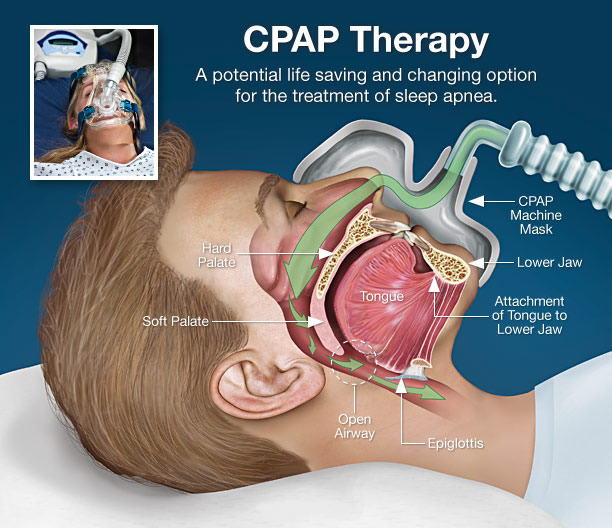
CPAP therapy demonstrated to reduce depression in adults with obstructive sleep apnea

A new study shows that depressive symptoms are extremely common in people who have obstructive sleep apnea, and these symptoms improve significantly when sleep apnea is treated with continuous positive airway pressure therapy.

Results show that nearly 73 percent of sleep apnea patients (213 of 293 patients) had clinically significant depressive symptoms at baseline, with a similar symptom prevalence between men and women. These symptoms increased progressively and independently with sleep apnea severity.

However, clinically significant depressive symptoms remained in only 4 percent of the sleep apnea patients who adhered to CPAP therapy for 3 months (9 of 228 patients). Of the 41 treatment adherent patients who reported baseline feelings of self-harm or that they would be “better dead,” none reported persisting suicidal thoughts at the 3-month follow-up.

“Effective treatment of obstructive sleep apnea resulted in substantial improvement in depressive symptoms, including suicidal ideation,” said senior author David R. Hillman, MD, clinical professor at the University of Western Australia and sleep physician at the Sir Charles Gairdner Hospital in Perth. “The findings highlight the potential for sleep apnea, a notoriously underdiagnosed condition, to be misdiagnosed as depression.”

Study results are published in the September issue of the Journal of Clinical Sleep Medicine.

The American Academy of Sleep Medicine reports that obstructive sleep apnea (OSA) is a common sleep disease afflicting at least 25 million adults in the U.S. Untreated sleep apnea increases the risk of other chronic health problems including heart disease, high blood pressure, Type 2 diabetes, stroke and depression.

The study group comprised 426 new patients referred to a hospital sleep center for evaluation of suspected sleep apnea, including 243 males and 183 females. Participants had a mean age of 52 years. Depressive symptoms were assessed using the validated Patient Health Questionnaire (PHQ-9), and the presence of obstructive sleep apnea was determined objectively using overnight, in-lab polysomnography. Of the 293 patients who were diagnosed with sleep apnea and prescribed CPAP therapy, 228 were treatment adherent, which was defined as using CPAP therapy for an average of 5 hours or more per night for 3 months.

According to the authors, the results emphasize the importance of screening people with depressive symptoms for obstructive sleep apnea. These patients should be asked about common sleep apnea symptoms including habitual snoring, witnessed breathing pauses, disrupted sleep, and excessive daytime sleepiness.

http://www.eurekalert.org/pub_releases/2015-09/aaos-ctr092215.php

The human brain is particularly vulnerable to trauma at two distinct ages

Our brain’s ability to process information and adapt effectively is dependent on a number of factors, including genes, nutrition, and life experiences. These life experiences wield particular influence over the brain during a few sensitive periods when our most important muscle is most likely to undergo physical, chemical, and functional remodeling.

According to Tara Swart, a neuroscientist and senior lecturer at MIT, your “terrible twos” and those turbulent teen years are when the brain’s wiring is most malleable. As a result, traumatic experiences that occur during these time periods can alter brain activity and ultimately change gene expressions—sometimes for good.

Throughout the first two years of life, the brain develops at a rapid pace. However, around the second year, something important happens—babies begin to speak.

“We start to understand speech first, then we start to articulate speech ourselves and that’s a really complex thing that goes on in the brain,” Swart, who conducts ongoing research on the brain and how it affects how we become leaders, told Quartz. “Additionally, children start to walk—so from a physical point of view, that’s also a huge achievement for the brain.

Learning and understanding a new language forces your brain to work in new ways, connecting neurons and forming new pathways. This is a mentally taxing process, which is why learning a new language or musical instrument often feels exhausting.

With so many important changes happening to the brain in such a short period of time, physical or emotional trauma can cause potentially momentous interruptions to neurological development. Even though you won’t have any memories of the interruptions (most people can’t remember much before age five), any kind of traumatic event—whether it’s abuse, neglect, ill health, or separation from your loved ones—can lead to lasting behavioral and cognitive deficits later in life, warns Swart.

To make her point, Swart points to numerous studies on orphans in Romania during the 1980s and 1990s. After the nation’s communist regime collapsed, an economic decline swept throughout the region and 100,000 children found themselves in harsh, overcrowded government institutions.

“[The children] were perfectly well fed, clothed, washed, but for several reasons—one being that people didn’t want to spread germs—they were never cuddled or played with,” explains Swart. “There was a lot of evidence that these children grew up with some mental health problems and difficulty holding down jobs and staying in relationships.”

Swart continues: “When brain scanning became possible, they scanned the brains of these children who had grown up into adults and showed that they had issues in the limbic system, the part of the brain [that controls basic emotions].”

In short, your ability to maintain proper social skills and develop a sense of empathy is largely dependent on the physical affection, eye contact, and playtime of those early years. Even something as simple as observing facial expressions and understanding what those expressions mean is tied to your wellbeing as a toddler.

The research also found that the brains of the Romanian orphans had lower observable brain activity and were physically smaller than average. As a result, researchers concluded that children adopted into loving homes by age two have a much better chance of recovering from severe emotional trauma or disturbances.

The teenage years

By the time you hit your teenage years, the brain has typically reached its adult weight of about three pounds. Around this same time, the brain is starting to eliminate, or “prune” fragile connections and unused neural pathways. The process is similar to how one would prune a garden—cutting back the deadwood allows other plants to thrive.

During this period, the brain’s frontal lobes, especially the prefrontal cortex, experience increased activity and, for the first time, the brain is capable of comparing and analyzing several complex concepts at once. Similar to a baby learning how to speak, this period in an adolescent’s life is marked by a need for increasingly advanced communication skills and emotional maturity.

“At that age, they’re starting to become more understanding of social relationships and politics. It’s really sophisticated,” Swart noted. All of this brain activity is also a major reason why teenagers need so much sleep.

Swart’s research dovetails with the efforts of many other scientists who have spent decades attempting to understand how the brain develops, and when. The advent of MRIs and other brain-scanning technology has helped speed along this research, but scientists are still working to figure out what exactly the different parts of the brain do.

What is becoming more certain, however, is the importance of stability and safety in human development, and that such stability is tied to cognitive function. At any point in time, a single major interruption has the ability to throw off the intricate workings of our brain. We may not really understand how these events affect our lives until much later.

http://qz.com/470751/your-brain-is-particularly-vulnerable-to-trauma-at-two-distinct-ages/

Eye tests may predict schizophrenia

Schizophrenia is associated with structural and functional alterations of the visual system, including specific structural changes in the eye. Tracking such changes may provide new measures of risk for, and progression of the disease, according to a literature review published online in the journal Schizophrenia Research: Cognition, authored by researchers at New York Eye and Ear Infirmary of Mount Sinai and Rutgers University.

Individuals with schizophrenia have trouble with social interactions and in recognizing what is real. Past research has suggested that, in schizophrenia, abnormalities in the way the brain processes visual information contribute to these problems by making it harder to track moving objects, perceive depth, draw contrast between light and dark or different colors, organize visual elements into shapes, and recognize facial expressions. Surprisingly though, there has been very little prior work investigating whether differences in the retina or other eye structures contribute to these disturbances.

“Our analysis of many studies suggests that measuring retinal changes may help doctors in the future to adjust schizophrenia treatment for each patient,” said study co-author Richard B. Rosen, MD, Director of Ophthalmology Research, New York Eye and Ear Infirmary of Mount Sinai, and Professor of Ophthalmology, Icahn School of Medicine at Mount Sinai. “More studies are needed to drive the understanding of the contribution of retinal and other ocular pathology to disturbances seen in these patients, and our results will help guide future research.”

The link between vision problems and schizophrenia is well established, with as many as 62 percent of adult patients with schizophrenia experience visual distortions involving form, motion, or color. One past study found that poorer visual acuity at four years of age predicted a diagnosis of schizophrenia in adulthood, and another that children who later develop schizophrenia have elevated rates of strabismus, or misalignment of the eyes, compared to the general population.

Dr. Rosen and Steven M. Silverstein, PhD, Director of the Division of Schizophrenia Research at Rutgers University Behavioral Health Care, were the lead authors of the analysis, which examined the results of approximately 170 existing studies and grouped the findings into multiple categories, including changes in the retina vs. other parts of the eye, and changes related to dopamine vs. other neurotransmitters, key brain chemicals associated with the disease.

The newly published review found multiple, replicated, indicators of eye abnormalities in schizophrenia. One of these involves widening of small blood vessels in the eyes of schizophrenia patients, and in young people at high risk for the disorder, perhaps caused by chronic low oxygen supply to the brain. This could explain several key vision changes and serve as a marker of disease risk and worsening. Also important in this regard was thinning of the retinal nerve fiber layer in schizophrenia, which is known to be related to the onset of hallucinations and visual acuity problems in patients with Parkinson’s disease. In addition, abnormal electrical responses by retinal cells exposed to light (as measured by electroretinography) suggest cellular-level differences in the eyes of schizophrenia patients, and may represents a third useful measure of disease progression, according to the authors.

In addition, the review highlighted the potentially detrimental effects of dopamine receptor-blocking medications on visual function in schizophrenia (secondary to their retinal effects), and the need for further research on effects of excessive retinal glutamate on visual disturbances in the disorder.

Interestingly, the analysis found that there are no reports of people with schizophrenia who were born blind, suggesting that congenital blindness may completely or partially protect against the development of schizophrenia. Because congenitally blind people tend to have cognitive abilities in certain domains (e.g., attention) that are superior to those of healthy individuals, understanding brain re-organization after blindness may have implications for designing cognitive remediation interventions for people with schizophrenia.

“The retina develops from the same tissue as the brain,” said Dr. Rosen. “Thus retinal changes may parallel or mirror the integrity of brain structure and function. When present in children, these changes may suggest an increased risk for schizophrenia in later life. Additional research is needed to clarify these relationships, with the goals of better predicting emergence of schizophrenia, and of predicting relapse and treatment response and people diagnosed with the condition.”

Dr. Silverstein points out that, to date, vision has been understudied in schizophrenia, and studies of the retina and other ocular structures in the disorder are in their infancy. However, he added, “because it is much faster and less expensive to obtain data on retinal structure and function, compared to brain structure and function, measures of retinal and ocular structure and function may have an important role in both future research studies and the routine clinical care of people with schizophrenia.”

http://www.eurekalert.org/pub_releases/2015-08/tmsh-rcm081715.php

Psychiatry’s Identity Crisis

psych

By Richard A Friedman, a professor of clinical psychiatry at Weill Cornell Medical College

American psychiatry is facing a quandary: Despite a vast investment in basic neuroscience research and its rich intellectual promise, we have little to show for it on the treatment front.

With few exceptions, every major class of current psychotropic drugs — antidepressants, antipsychotics, anti-anxiety medications — basically targets the same receptors and neurotransmitters in the brain as did their precursors, which were developed in the 1950s and 1960s.

Sure, the newer drugs are generally safer and more tolerable than the older ones, but they are no more effective.

Even the new brain stimulatory treatments like repetitive transcranial magnetic stimulation don’t come close to the efficacy of electroconvulsive treatment, developed in the 1940s. (Deep brain stimulation is promising as a treatment for intractable depression, but it is an invasive treatment and little is known about its long-term safety or efficacy.)

At the same time, judging from research funding priorities, it seems that leaders in my field are turning their backs on psychotherapy and psychotherapy research. In 2015, 10 percent of the overall National Institute of Mental Health research funding has been allocated to clinical trials research, of which slightly more than half — a mere 5.4 percent of the whole research allotment — goes to psychotherapy clinical trials research.

As a psychiatrist and psychopharmacologist who loves neuroscience, I find this trend very disturbing. First, psychotherapy has been shown in scores of well-controlled clinical trials to be as effective as psychotropic medication for very common psychiatric illnesses like major depression and anxiety disorders; second, a majority of Americans clearly prefer psychotherapy to taking medication. For example, in a meta-analysis of 34 studies, Dr. R. Kathryn McHugh at McLean Hospital found that patients were three times more likely to want psychotherapy than psychotropic drugs.

Finally, many of our patients have histories of trauma, sexual abuse, the stress of poverty or deprivation. There is obviously no quick biological fix for these complex problems.

Still, there has been a steady decline in the number of Americans receiving psychotherapy along with a concomitant increase in the use of psychotropic medication in those who are treated in the outpatient setting. These trends are most likely driven by many factors, including cost and the limited availability that most Americans have to mental health practitioners. It is clearly cheaper and faster to give a pill than deliver psychotherapy.

The doubling down on basic neuroscience research seems to reflect the premise that if we can unravel the function of the brain, we will have a definitive understanding of the mind and the causes of major psychiatric disorders. Indeed, an editorial in May in one of the most respected journals in our field, JAMA Psychiatry, echoed this view: “The diseases that we treat are diseases of the brain,” the authors wrote.

Even if this premise were true — and many would consider it reductionist and simplistic — an undertaking as ambitious as unraveling the function of the brain would most likely take many years. Moreover, a complete understanding of neurobiology is unlikely to elucidate the complex interactions between genes and the environment that lie at the heart of many mental disorders. Anyone who thinks otherwise should remember the Decade of the Brain, which ended 15 years ago without yielding a significant clue about the underlying causes of psychiatric illnesses.

Sure, we now have astounding new techniques for studying the brain, like optogenetics, in which neurons can be controlled by light, allowing researchers to understand how neurons work alone and in networks. But no one thinks breakthrough biological treatments are just around the corner.

More fundamentally, the fact that all feelings, thoughts and behavior require brain activity to happen does not mean that the only or best way to change — or understand — them is with medicine. We know, for instance, that not all psychiatric disorders can be adequately treated with biological therapy. Personality disorders, like borderline and narcissistic personality disorders, which are common and can cause impairment and suffering comparable to that of severe depression, are generally poorly responsive to psychotropic drugs, but are very treatable with various types of psychotherapy.

There is often no substitute for the self-understanding that comes with therapy. Sure, as a psychiatrist, I can quell a patient’s anxiety, improve mood and clear psychosis with the right medication. But there is no pill — and probably never will be — for any number of painful and disruptive emotional problems we are heir to, like narcissistic rage and paralyzing ambivalence, to name just two.

This requires patients to re-experience the circumstances of their traumatic event, which is meant to desensitize them and teach them that their belief that they are in danger is no longer true.

But we know that many patients with PTSD do not respond to exposure, and many of them find the process emotionally upsetting or intolerable.

Dr. John C. Markowitz, a professor of clinical psychiatry at Columbia University, recently showed for the first time that PTSD is treatable with a psychotherapy that does not involve exposure. Dr. Markowitz and his colleagues randomly assigned a group of patients with PTSD to one of three treatments: prolonged exposure, relaxation therapy and interpersonal psychotherapy, which focuses on patients’ emotional responses to interpersonal relationships and helps them to solve problems and improve these relationships. His federally funded study, published in May’s American Journal of Psychiatry, reported that the response rate to interpersonal therapy (63 percent) was comparable to that of exposure therapy (47 percent).

PTSD is a serious public mental health problem, particularly given the rates of PTSD in our veterans returning from war. This study now gives clinicians a powerful new therapy for this difficult-to-treat disorder. Imagine how many more studies like Dr. Markowitz’s might be possible if the federal funding of psychotherapy research were not so stingy.

The brain is notoriously hard to study and won’t give up its secrets easily. In contrast, psychotherapy research can yield relatively quick and powerful results. Given the critically important value — and popularity — of therapy, psychotherapy research deserves a much larger share of research dollars than it currently receives.

Don’t get me wrong. I’m all for cutting-edge neuroscience research — and lots of it. But we are more than a brain in a jar. Just ask anyone who has benefited from psychotherapy.

The Healing Power of Caring and Hope in Psychotherapy

By Allen Frances, MD

There are 3 consistent research findings that should make a world of difference to therapists and to the people they treat.

1. Psychotherapy works at least as well as drugs for most mild to moderate problems and, all things being equal, should be used first

2. A good relationship is much more important in promoting good outcome than the specific psychotherapy techniques that are used

3. There is a very high placebo response rate for all sorts of milder psychiatric and medical problems

This is partly a “time effect”—people come for help at particularly bad times in their lives and are likely to improve with time even if nothing is done. But placebo response also reflects the magical power of hope and expectation. And the effect is not just psychological—the body often actually responds to placebo just as it would respond to active medication.

These 3 findings add up to one crucial conclusion—the major focus of effective therapy should be to establish a powerfully healing relationship and to inspire hope. Specific techniques help when they enhance the primary focus on the relationship; they hurt when they distract from it.

The paradox is that therapists are increasingly schooled in specific techniques to the detriment of learning how to heal. The reason is clear—it is easy to manualize technique, hard to teach great healing.

I have, therefore, asked a great healer, Fanny Marell, a Swedish social worker and licensed psychotherapist, to share some of her secrets. Ms Marell writes:

Many therapists worry so much about assessing symptoms, performing techniques, and filling out forms that they miss the wonderful vibrancy of a strong therapeutic relationship.

Thinking I can help someone just by asking about concerns, troubles, and symptoms is like thinking that I can drive a car solely by looking in the rearview mirror. Dreams, hopes, and abilities are seen out of the front window of the car and help us together to navigate the road ahead. Where are we going? Which roads will you choose and why? It surely will not be the same roads I would take. We are different—we have to find your own best direction.

If we focus only on troubles and diagnosis, we lose the advantage of capitalizing on the person’s strengths and resources. If I am to help someone overcome symptoms, change behaviors, and climb out of difficult situations, I need to emphasize also all the positives he brings to the situation. Therapy without conversations about strengths and hopes is not real therapy.

And often most important: Does the patient have a sense of humor? Laugh together! Be human. No one wants a perfect therapist. It is neither credible nor human.

Symptom checklists and diagnoses play a role but they do not give me an understanding of how this person/patient understands his world and her troubles.

And don’t drown in manuals, missing the person while applying the technique.

People come to me discouraged and overwhelmed—their hopes and dreams abandoned. Early in our time together, I ask many detailed questions about how they would like life to change. What would you do during the day? Where would you live? What would your relationship to your family be like? What would you do in your spare time? What kind of social circle would you have? By getting detailed descriptions, I get concrete goals (eg, I want to go to school, argue less with my parents, spend more time with friends).

Almost always, working with the family is useful; sometimes it is absolutely necessary. What would be a good life for your child? How would it affect you?

Sometimes our dreams are big, perhaps even too extravagant; sometimes they are small and perhaps too cautious. But dreams always become more realistic and realizable when they are expressed. Sharing a dream and making it a treatment goal helps the person make a bigger investment in the treatment, and to take more responsibility for it. He becomes the driver and the therapist may sit in the back seat.

Because my first conversation is not just about symptoms and troubles, we start off on a basis of realistic hope and avoid a negative spiral dominated only by troubles. Problems have to be faced, but from a position of strength, not despair and helplessness.

Having a rounded view of the person’s problems and strengths enriches the therapeutic contact and creates a strong alliance.

Thanks, Ms Marell, for terrific advice. Some of the best natural therapists I have known have been ruined by psychotherapy training—becoming so preoccupied learning and implementing technique that they lost the healing warmth of their personalities.

Therapy should always be an exciting adventure, an intense meeting of hearts and minds. You can’t learn to be an effective therapist by reading a manual and applying it mechanically.

I would tell therapists I supervised never to apply what we discussed to their next session with the patient, lest they would always be a week behind. Therapy should be informed by technique, but not stultified by it.

See more at: http://www.psychiatrictimes.com/blogs/couch-crisis/magical-healing-power-caring-and-hope-psychotherapy?GUID=C523B8FD-3416-4DAC-8E3C-6E28DE36C515&rememberme=1&ts=16072015#sthash.2AOArvAW.dpuf

Virtual human designed to help patients feel comfortable talking about themselves with therapists

By Suzanne Allard Levingston

With her hair pulled back and her casual office attire, Ellie is a comforting presence. She’s trained to put patients at ease as she conducts mental health interviews with total confidentiality.

She draws you into conversation: “So how are you doing today?” “When was the last time you felt really happy?” She notices if you look away or fidget or pause, and she follows up with a nod of encouragement or a question: “Can you tell me more about that?”

Not bad for an interviewer who’s not human.

Ellie is a virtual human created by scientists at the University of Southern California to help patients feel comfortable talking about themselves so they’ll be honest with their doctors. She was born of two lines of findings: that anonymity can help people be more truthful and that rapport with a trained caregiver fosters deep disclosure. In some cases, research has shown, the less human involvement, the better. In a 2014 study of 239 people, participants who were told that Ellie was operating automatically as opposed to being controlled by a person nearby, said they felt less fearful about self-disclosure, better able to express sadness and more willing to disclose.

Getting a patient’s full story is crucial in medicine. Many technological tools are being used to help with this quest: virtual humans such as Ellie, electronic health records, secure e-mail, computer databases. Although these technologies often smooth the way, they sometimes create hurdles.

Honesty with doctors is a bedrock of proper care. If we hedge in answering their questions, we’re hampering their ability to help keep us well.

But some people resist divulging their secrets. In a 2009 national opinion survey conducted by GE, the Cleveland Clinic and Ochsner Health System, 28 percent of patients said they “sometimes lie to their health care professional or omit facts about their health.” The survey was conducted by telephone with 2,000 patients.

The Hippocratic Oath imposes a code of confidentiality on doctors: “I will respect the privacy of my patients, for their problems are not disclosed to me that the world may know.”

Nonetheless, patients may not share sensitive, potentially stigmatizing health information on topics such as drug and alcohol abuse, mental health problems and reproductive and sexual history. Patients also might fib about less-fraught issues such as following doctor’s orders or sticking to a diet and exercise plan.

Why patients don’t tell the full truth is complicated. Some want to disclose only information that makes the doctor view them positively. Others fear being judged.

“We never say everything that we’re thinking and everything that we know to another human being, for a lot of different reasons,” says William Tierney, president and chief executive of the Regenstrief Institute, which studies how to improve health-care systems and is associated with the Indiana University School of Medicine.

In his work as an internist at an Indianapolis hospital, Tierney has encountered many situations in which patients aren’t honest. Sometimes they say they took their blood pressure medications even though it’s clear that they haven’t; they may be embarrassed because they can’t pay for the medications or may dislike the medication but don’t want to offend the doctor. Other patients ask for extra pain medicine without admitting that they illegally share or sell the drug.

Incomplete or incorrect information can cause problems. A patient who lies about taking his blood pressure medication, for example, may end up being prescribed a higher dose, which could send the patient into shock, Tierney said.

Leah Wolfe, a primary care physician who trains students, residents and faculty at the Johns Hopkins School of Medicine in Baltimore, said that doctors need to help patients understand why questions are being asked. It helps to normalize sensitive questions by explaining, for example, why all patients are asked about their sexual history.

“I’m a firm believer that 95 percent of diagnosis is history,” she said. “The physician has a lot of responsibility here in helping people understand why they’re asking the questions that they’re asking.”

Technology, which can improve health care, can also have unintended consequences in doctor-patient rapport. In a recent study of 4,700 patients in the Journal of the American Medical Informatics Association, 13 percent of patients said they had kept information from a doctor because of concerns about privacy and security, and this withholding was more likely among patients whose doctors used electronic health records than those who used paper charts.

“It was surprising that it would actually have a negative consequence for that doctor-patient interaction,” said lead author Celeste Campos-Castillo of the University of Wisconsin at Milwaukee. Campos-Castillo suggests that doctors talk to their patients about their computerized-record systems and the security measures that protect those systems.

When given a choice, some patients would use technology to withhold information from providers. Regenstrief Institute researchers gave 105 patients the option to control access to their electronic health records, broken down into who could see the record and what kind of information they chose to share. Nearly half chose to place some limits on access to their health records in a six-month study published in January in the Journal of General Internal Medicine.

While patient control can empower, it can also obstruct. Tierney, who was not involved as a provider in that study, said that if he had a patient who would not allow him full access to health information, he would help the patient find another physician because he would feel unable to provide the best and safest care possible.

“Hamstringing my ability to provide such care is unacceptable to me,” he wrote in a companion article to the study.

Technology can also help patients feel comfortable sharing private information.

A study conducted by the Veterans Health Administration found that some patients used secure e-mail messaging with their providers to address sensitive topics — such as erectile dysfunction and sexually transmitted diseases — a fact that they had not acknowledged in face-to-face interviews with the research team.

“Nobody wants to be judged,” said Jolie Haun, lead author of the 2014 study and a researcher at the Center of Innovation on Disability and Rehabilitation Research at the James A. Haley VA Hospital in Tampa. “We realized that this electronic form of communication created this somewhat removed, confidential, secure, safe space for individuals to bring up these topics with their provider, while avoiding those social issues around shame and embarrassment and discomfort in general.”

USC’s Ellie shows promise as a mental health screening tool. With a microphone, webcam and an infrared camera device that tracks a person’s body posture and movements, Ellie can process such cues as tone of voice or change in gaze and react with a nod, encouragement or question. But the technology can neither understand deeply what the person is saying nor offer therapeutic support.

“Some people make the mistake when they see Ellie — they assume she’s a therapist and that’s absolutely not the case,” says Jonathan Gratch, director for virtual human research at USC’s Institute for Creative Technologies.

The anonymity and rapport created by virtual humans factor into an unpublished USC study of screenings for post-traumatic stress disorder. Members of a National Guard unit were interviewed by a virtual human before and after a year of service in Afghanistan. Talking to the animated character elicited more reports of PTSD symptoms than completing a computerized form did.

One of the challenges for doctors is when a new patient seeks a prescription for a controlled substance. Doctors may be concerned that the drug will be used illegally, a possibility that’s hard to predict.

Here, technology is a powerful lever for honesty. Maryland, like almost all states, keeps a database of prescriptions. When her patients request narcotics, Wolfe explains that it’s her office’s practice to check all such requests against the database that monitors where and when a patient filled a prescription for a controlled substance. This technology-based information helps foster honest give-and-take.

“You’ve created a transparent environment where they are going to be motivated to tell you the truth because they don’t want to get caught in a lie,” she said. “And that totally changes the dynamics.”

It is yet to be seen how technology will evolve to help patients share or withhold their secrets. But what will not change is a doctor’s need for full, open communication with patients.

“It has to be personal,” Tierney says. “I have to get to know that patient deeply if I want to understand what’s the right decision for them.”

New study identifies potential new class of more rapidly acting antidepressant medications

A new study by researchers at University of Maryland School of Medicine has identified promising compounds that could successfully treat depression in less than 24 hours while minimizing side effects. Although they have not yet been tested in people, the compounds could offer significant advantages over current antidepressant medications.

The research, led by Scott Thompson, PhD, Professor and Chair of the Department of Physiology at the University of Maryland School of Medicine (UM SOM), was published this month in the journal Neuropsychopharmacology.

“Our results open up a whole new class of potential antidepressant medications,” said Dr. Thompson. “We have evidence that these compounds can relieve the devastating symptoms of depression in less than one day, and can do so in a way that limits some of the key disadvantages of current approaches.”

Currently, most people with depression take medications that increase levels of the neurochemical serotonin in the brain. The most common of these drugs, such as Prozac and Lexapro, are selective serotonin reuptake inhibitors, or SSRIs. Unfortunately, SSRIs are effective in only a third of patients with depression. In addition, even when these drugs work, they typically take between three and eight weeks to relieve symptoms. As a result, patients often suffer for months before finding a medicine that makes them feel better. This is not only emotionally excruciating; in the case of patients who are suicidal, it can be deadly. Better treatments for depression are clearly needed.

Dr. Thompson and his team focused on another neurotransmitter besides serotonin, an inhibitory compound called GABA. Brain activity is determined by a balance of opposing excitatory and inhibitory communication between brain cells. Dr. Thompson and his team argue that in depression, excitatory messages in some brain regions are not strong enough. Because there is no safe way to directly strengthen excitatory communication, they examined a class of compounds that reduce the inhibitory messages sent via GABA. They predicted that these compounds would restore excitatory strength. These compounds, called GABA-NAMs, minimize unwanted side effects because they are precise: they work only in the parts of the brain that are essential for mood.

The researchers tested the compounds in rats that were subjected to chronic mild stress that caused the animals to act in ways that resemble human depression. Giving stressed rats GABA-NAMs successfully reversed experimental signs of a key symptom of depression, anhedonia, or the inability to feel pleasure. Remarkably, the beneficial effects of the compounds appeared within 24 hours – much faster than the multiple weeks needed for SSRIs to produce the same effects.

“These compounds produced the most dramatic effects in animal studies that we could have hoped for,” Dr. Thompson said. “It will now be tremendously exciting to find out whether they produce similar effects in depressed patients. If these compounds can quickly provide relief of the symptoms of human depression, such as suicidal thinking, it could revolutionize the way patients are treated.”

In tests on the rats’ brains, the researchers found that the compounds rapidly increased the strength of excitatory communication in regions that were weakened by stress and are thought to be weakened in human depression. No effects of the compound were detected in unstressed animals, raising hopes that they will not produce side effects in human patients.

“This work underscores the importance of basic research to our clinical future,” said Dean E. Albert Reece, MD, PhD, MBA, who is also the vice president for Medical Affairs, University of Maryland, and the John Z. and Akiko K. Bowers Distinguished Professor and Dean of the School of Medicine. “Dr. Thompson’s work lays the crucial groundwork to transform the treatment of depression and reduce the tragic loss of lives to suicide.”

http://www.news-medical.net/news/20150714/New-study-identifies-potential-antidepressant-medications-with-few-side-effects.aspx