Psychedelic mushrooms put your brain in a “waking dream,” study finds

imrs

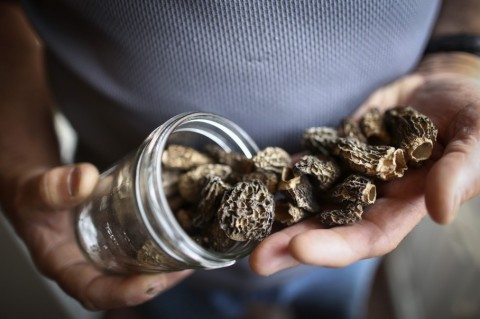
Psychedelic mushrooms can do more than make you see the world in kaleidoscope. Research suggests they may have permanent, positive effects on the human brain.

In fact, a mind-altering compound found in some 200 species of mushroom is already being explored as a potential treatment for depression and anxiety. People who consume these mushrooms, after “trips” that can be a bit scary and unpleasant, report feeling more optimistic, less self-centered, and even happier for months after the fact.

But why do these trips change the way people see the world? According to a study published today in Human Brain Mapping, the mushroom compounds could be unlocking brain states usually only experienced when we dream, changes in activity that could help unlock permanent shifts in perspective.

The study examined brain activity in those who’d received injections of psilocybin, which gives “shrooms” their psychedelic punch. Despite a long history of mushroom use in spiritual practice, scientists have only recently begun to examine the brain activity of those using the compound, and this is the first study to attempt to relate the behavioral effects to biological changes.

After injections, the 15 participants were found to have increased brain function in areas associated with emotion and memory. The effect was strikingly similar to a brain in dream sleep, according to Dr. Robin Carhart-Harris, a post-doctoral researcher in neuropsychopharmacology at Imperial College London and co-author of the study.

“You’re seeing these areas getting louder, and more active,” he said. “It’s like someone’s turned up the volume there, in these regions that are considered part of an emotional system in the brain. When you look at a brain during dream sleep, you see the same hyperactive emotion centers.”

In fact, administration of the drug just before or during sleep seemed to promote higher activity levels during Rapid Eye Movement sleep, when dreams occur. An intriguing finding, Carhart-Harris says, given that people tend to describe their experience on psychedelic drugs as being like “a waking dream.” It seems that the brain may literally be slipping into unconscious patterns while the user is awake.

Conversely, the subjects of the study had decreased activity in other parts of the brain—areas associated with high level cognition. “These are the most recent parts of our brain, in an evolutionary sense,” Carhart-Harris said. “And we see them getting quieter and less organized.”

This dampening of one area and amplification of another could explain the “mind-broadening” sensation of psychedelic drugs, he said. Unlike most recreational drugs, psychotropic mushrooms and LSD don’t provide a pleasant, hedonistic reward when they’re consumed. Instead, users take them very occasionally, chasing the strange neurological effects instead of any sort of high.

“Except for some naïve users who go looking for a good time…which, by the way, is not how it plays out,” Carhart-Harris said, “you see people taking them to experience some kind of mental exploration, and to try to understand themselves.”

Our firm sense of self—the habits and experiences that we find integral to our personality—is quieted by these trips. Carhart-Harris believes that the drugs may unlock emotion while “basically killing the ego,” allowing users to be less narrow-minded and let go of negative outlooks.

It’s still not clear why such effects can have more profound long-term effects on the brain than our nightly dreams. But Carhart-Harris hopes to see more of these compounds in modern medicine. “The way we treat psychological illnesses now is to dampen things,” he said. “We dampen anxiety, dampen ones emotional range in the hope of curing depression, taking the sting out of what one feels.”

But some patients seem to benefit from having their emotions “unlocked” instead. “It would really suit the style of psychotherapy where we engage in a patient’s history and hang-ups,” Carhart-Harris said. “Instead of putting a bandage over the exposed wound, we’d be essentially loosening their minds—promoting a permanent change in outlook.”

Thanks to Steven Weihing for bringing this to the attention of the It’s Interesting community.

http://www.washingtonpost.com/news/to-your-health/wp/2014/07/03/psychedelic-drugs-put-your-brain-in-a-waking-dream-study-finds/

Earth-Size Diamond Found in Space

A team of astronomers has identified possibly the coldest, faintest white dwarf star ever detected. This ancient stellar remnant is so cold that its carbon has crystallised, forming, in effect, an earth-sized diamond in space.

It is likely its age is the same as of the Milky Way, approximately 11 billion years old.

“It is a really remarkable object,” said David Kaplan, professor at University of Wisconsin-Milwaukee in the US.

“These things should be out there, but because they are so dim they are very hard to find,” he said.

Kaplan and his colleagues found this stellar gem using the National Radio Astronomy Observatory’s (NRAO) Green Bank Telescope (GBT) and Very Long Baseline Array (VLBA), as well as other observatories.

White dwarfs are extremely dense end-states of stars that have collapsed.

Composed mostly of carbon and oxygen, white dwarfs slowly cool and fade over billions of years.

“Our final image should show us a companion 100 times fainter than any other white dwarf orbiting a neutron star and about 10 times fainter than any known white dwarf, but we don’t see a thing,” said Bart Dunlap, a graduate student at the University of North Carolina at Chapel Hill and one of the team members.

“If there is a white dwarf there, and there almost certainly is, it must be extremely cold,” he added.

The researchers calculated that the white dwarf would be no more than a comparatively cool 3,000 degrees Kelvin (2,700 degrees Celsius).

Astronomers believe that such a cool, collapsed star would be largely crystallised carbon, not unlike a diamond.

The findings were published in the Astrophysical Journal.

http://www.ndtv.com/article/world/earth-size-diamond-found-in-space-547564

Parkland Hospital Uses Executive Bonus Money to Give Its Workers a Raise

parkland

Parkland Health & Hospital System in Dallas will raise its own minimum wage to $10.25 an hour next month, paying for the increase with money originally devoted to executive bonuses.

The lowest-level employees at the hospital currently make $8.78 an hour, and the increase will give about 230 workers a raise. Those workers were already making more than Texas’s minimum wage, which is the same as the federal $7.25 an hour rate. The move also means that every worker employed by Dallas county, inside and outside the hospital, will make more than $10.25 an hour.

The wage increase will cost the hospital about $350,000 a year. The expense will be covered with money from the upcoming quarter’s bonus pool for the hospital’s 60 vice presidents and top executives. That pool was between $750,000 and $1.2 million in the most recent quarter, and it’s between $3 million and $5 million for the full year.

Dr. Jim Dunn, the hospital’s executive vice president and chief talent officer, told Modern Healthcare that the decision was made in the hopes of improving workers’ morale and to provide a living wage. “We really want, in any way possible, to break down any gaps or anything between the top leaders and those who are closest to our patients,” he said. “We feel like it’s the right thing to do.”

Raising wages can help businesses’ bottom lines, as it can improve efficiency, make it easier to recruit workers and lower turnover. Losing employees to turnover is particularly expensive, as it can cost as much as 20 percent of a workers’ salary to replace an employee. Other companies have voluntarily raised their minimum wages lately, including the retailer Gap, which boosted its lowest pay to $10 an hour.

Funding a raise with executive compensation also makes sense, given the growing disconnect between pay at the top and the bottom. CEO pay is now 295.9 times the pay for their own workers, far higher than the 87.3-to-one ratio in the early 1990s. Average pay for a chief executive last year was $15.2 million, a 21.7 percent increase over 2010, while workers saw their pay fall by 1.3 percent in the same time. Corporate profits have also hit record highs as workers keep increasing their productivity, but they haven’t shared in that growth. If the minimum wage had kept up with rising productivity, it would be nearly $22 an hour, and if it had simply kept up with inflation since the 1960s it would be over $10 an hour.

President Obama and Congressional Democrats have pushed to raise the federal minimum wage to $10.10 an hour, but have been stymied by Republicans. In light of that inaction, some states have taken matters into their own hands, and three have passed a $10.10 minimum wage while Vermont put its at $10.50.

Hospital Uses Executive Bonus Money to Give Its Workers a Raise

Deep brain stimulation treatment for patients with obsessive-compulsive disorder (OCD)

It seems simple: Walk to the refrigerator and grab a drink.

But Brett Larsen, 37, opens the door gingerly — peeks in — closes it, opens it, closes it and opens it again. This goes on for several minutes.

When he finally gets out a bottle of soda, he places his thumb and index finger on the cap, just so. Twists it open. Twists it closed. Twists it open.

“Just think about any movement that you have during the course of a day — closing a door or flushing the toilet — over and over and over,” said Michele Larsen, Brett’s mother.

“I cannot tell you the number of things we’ve had to replace for being broken because they’ve been used so many times.”

At 12, Larsen was diagnosed with obsessive-compulsive disorder, or OCD. It causes anxiety, which grips him so tightly that his only relief is repetition. It manifests in the smallest of tasks: taking a shower, putting on his shoes, walking through a doorway.

There are days when Larsen cannot leave the house.

“I can only imagine how difficult that is to live with that every single living waking moment of your life,” said Dr. Gerald Maguire, Larsen’s psychiatrist.

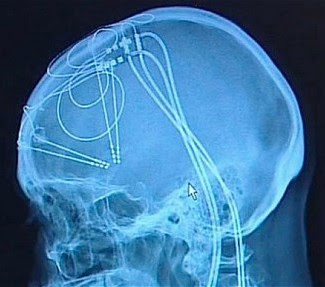
In a last-ditch effort to relieve his symptoms, Larsen decided to undergo deep brain stimulation. Electrodes were implanted in his brain, nestled near the striatum, an area thought to be responsible for deep, primitive emotions such as anxiety and fear.

Brett’s OCD trigger

Brett says his obsessions and compulsions began when he was 10, after his father died.

“I started worrying a lot about my family and loved ones dying or something bad happening to them,” he said. “I just got the thought in my head that if I switch the light off a certain amount of times, maybe I could control it somehow.

“Then I just kept doing it, and it got worse and worse.”

“Being OCD” has become a cultural catchphrase, but for people with the actual disorder, life can feel like a broken record. With OCD, the normal impulse to go back and check if you turned off the stove, or whether you left the lights on, becomes part of a crippling ritual.

The disease hijacked Larsen’s life (he cannot hold down a job and rarely sees friends); his personality (he can be stone-faced, with only glimpses of a slight smile); and his speech (a stuttering-like condition causes his speaking to be halting and labored.)

He spent the past two decades trying everything: multiple medication combinations, cognitive behavioral therapy, cross-country visits to specialists, even hospitalization.

Nothing could quell the anxiety churning inside him.

“This is not something that you consider first line for patients because this is invasive,” said Maguire, chair of psychiatry and neuroscience at the University of California Riverside medical school, and part of the team evaluating whether Larsen was a good candidate for deep brain stimulation. “It’s reserved for those patients when the standard therapies, the talk therapies, the medication therapies have failed.”

Deep brain stimulation is an experimental intervention, most commonly used among patients with nervous system disorders such as essential tremor, dystonia or Parkinson’s disease. In rare cases, it has been used for patients with intractable depression and OCD.

The electrodes alter the electrical field around regions of the brain thought to influence disease — in some cases amplifying it, in others dampening it — in hopes of relieving symptoms, said Dr. Frank Hsu, professor and chair of the department of neurosurgery at University of California, Irvine.

Hsu says stimulating the brain has worked with several OCD patients, but that the precise mechanism is not well understood.

The procedure is not innocuous: It involves a small risk of bleeding in the brain, stroke and infection. A battery pack embedded under the skin keeps the electrical current coursing to the brain, but each time the batteries run out, another surgical procedure is required.

‘I feel like laughing’

As doctors navigated Larsen’s brain tissue in the operating room — stimulating different areas to determine where to focus the electrical current — Larsen began to feel his fear fade.

At one point he began beaming, then giggling. It was an uncharacteristic light moment for someone usually gripped by anxiety.

In response to Larsen’s laughter, a staff member in the operating room asked him what he was feeling. Larsen said, “I don’t know why, but I feel happy. I feel like laughing.”

Doctors continued probing his brain for hours, figuring out what areas — and what level of stimulation — might work weeks later, when Larsen would have his device turned on for good.

In the weeks after surgery, the residual swelling in his brain kept those good feelings going. For the first time in years, Larsen and his mother had hope for normalcy.

“I know that Brett has a lot of normal in him, even though this disease eats him up at times,” said Michele Larsen. “There are moments when he’s free enough of anxiety that he can express that. But it’s only moments. It’s not days. It’s not hours. It’s not enough.”

Turning it on

In January, Larsen had his device activated. Almost immediately, he felt a swell of happiness reminiscent of what he had felt in the OR weeks earlier.

But that feeling would be fleeting — the process for getting him to an optimal level would take months. Every few weeks doctors increased the electrical current.

“Each time I go back it feels better,” Larsen said. “I’m more calm every time they turn it up.”

With time, some of his compulsive behaviors became less pronounced. In May, several weeks after his device was activated, he could put on his shoes with ease. He no longer spun them around in an incessant circle to allay his anxiety.

But other behaviors — such as turning on and shutting off the faucet — continued. Today, things are better, but not completely normal.

Normal, by society’s definition, is not the outcome Larsen should expect, experts say. Patients with an intractable disease who undergo deep brain stimulation should expect to have manageable OCD.

Lately, Larsen feels less trapped by his mind. He is able to make the once interminable trek outside his home within minutes, not hours. He has been to Disneyland with friends twice. He takes long rides along the beach to relax.

In his mind, the future looks bright.

“I feel like I’m getting better every day,” said Larsen, adding that things like going back to school or working now feel within his grasp. “I feel like I’m more able to achieve the things I want to do since I had the surgery.”

Thanks to Da Brayn for bringing this to the attention of the It’s Interesting community.
http://www.cnn.com/2014/06/24/health/brain-stimulation-ocd/?c=&page=0

How stress can clog your arteries

By Sarah C. P. Williams

There’s a reason people say “Calm down or you’re going to have a heart attack.” Chronic stress—such as that brought on by job, money, or relationship troubles—is suspected to increase the risk of a heart attack. Now, researchers studying harried medical residents and harassed rodents have offered an explanation for how, at a physiological level, long-term stress can endanger the cardiovascular system. It revolves around immune cells that circulate in the blood, they propose.

The new finding is “surprising,” says physician and atherosclerosis researcher Alan Tall of Columbia University, who was not involved in the new study. “The idea has been out there that chronic psychosocial stress is associated with increased cardiovascular disease in humans, but what’s been lacking is a mechanism,” he notes.

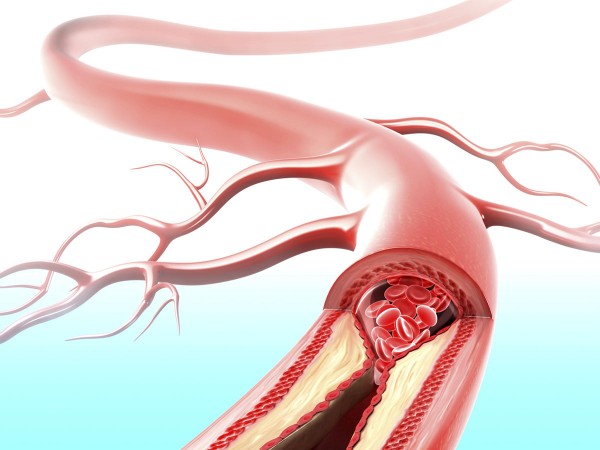
Epidemiological studies have shown that people who face many stressors—from those who survive natural disasters to those who work long hours—are more likely to develop atherosclerosis, the accumulation of fatty plaques inside blood vessels. In addition to fats and cholesterols, the plaques contain monocytes and neutrophils, immune cells that cause inflammation in the walls of blood vessels. And when the plaques break loose from the walls where they’re lodged, they can cause more extreme blockages elsewhere—leading to a stroke or heart attack.

Studying the effect of stressful intensive care unit (ICU) shifts on medical residents, biologist Matthias Nahrendorf of Harvard Medical School in Boston recently found that blood samples taken when the doctors were most stressed out had the highest levels of neutrophils and monocytes. To probe whether these white blood cells, or leukocytes, are the missing link between stress and atherosclerosis, he and his colleagues turned to experiments on mice.

Nahrendorf’s team exposed mice for up to 6 weeks to stressful situations, including tilting their cages, rapidly alternating light with darkness, or regularly switching the mice between isolation and crowded quarters. Compared with control mice, the stressed mice—like stressed doctors—had increased levels of neutrophils and monocytes in their blood.

The researchers then homed in on an explanation for the higher levels of immune cells. They already knew that chronic stress increases blood concentrations of the hormone noradrenaline; noradrenaline, Nahrendorf discovered, binds to a cell surface receptor protein called β3 on stem cells in the bone marrow. In turn, the chemical environment of the bone marrow changes and there’s an increase in the activity of the white blood cells produced by the stem cells.

“It makes sense that stress wakes up these immune cells because an enlarged production of leukocytes prepares you for danger, such as in a fight, where you might be injured,” Nahrendorf says. “But chronic stress is a different story—there’s no wound to heal and no infection.”

In mice living with chronic stress, Nahrendorf’s team reported today in Nature Medicine, atherosclerotic plaques more closely resemble plaques known to be most at risk of rupturing and causing a heart attack or stroke. When the scientists blocked the β3 receptor, though, stressed mice not only had fewer of these dangerous plaques, but also had reduced levels of the active immune cells in their plaques, pinpointing β3 as a key link between stress and atheroscelerosis.

The finding could lead to new drugs to help prevent cardiovascular disease, suggests biologist Lynn Hedrick of the La Jolla Institute for Allergy and Immunology in San Diego, California. “I think this gives us a really direct hint that the β3 receptor is important in regulating the stress-induced response by the bone marrow,” Hedrick says. “If we can develop a drug that targets the receptor, this may be very clinically relevant.”

More immediately, the new observations suggest a way that clinicians could screen patients for their risk of atherosclerosis, heart attack, and stroke, Tall says. “Rather than asking four questions about stress levels, we could use their white blood cell counts to monitor psychosocial stress,” he says.

Thanks to Dr. Rajadhyaksha for bringing this to the attention of the It’s Interesting community.
http://news.sciencemag.org/biology/2014/06/how-stress-can-clog-your-arteries

US student is rescued from giant vagina sculpture in Germany

In the space of 24 hours last week, two spectacular rescue operations were carried out in southern Germany.

Both involved men who had become trapped deep inside cave-like structures, and a large team working to set them free. But if explorer Johann Westhauser is expected to soon tell the world how he got trapped inside Germany’s deepest cave, an anonymous exchange student might prefer to keep quiet about the story of how he got into a tight spot.

On Friday afternoon, a young American in Tübingen had to be rescued by 22 firefighters after getting trapped inside a giant sculpture of a vagina. The Chacán-Pi (Making Love) artwork by the Peruvian artist Fernando de la Jara has been outside Tübingen University’s institute for microbiology and virology since 2001 and had previously mainly attracted juvenile sniggers rather than adventurous explorers.

According to De la Jara, the 32-ton sculpture made out of red Veronese marble is meant to signify “the gateway to the world”.

Police confirmed that the firefighters turned midwives delivered the student “by hand and without the application of tools”.

The mayor of Tübingen told the Süddeutsche Zeitung newspaper that he struggled to imagine how the accident could have happened, “even when considering the most extreme adolescent fantasies. To reward such a masterly achievement with the use of 22 firefighters almost pains my soul.”

Thanks to Michael Moore for bringing this to the attention of the It’s Interesting community.
http://www.theguardian.com/world/2014/jun/23/us-student-rescued-giant-vagina-sculpture-germany

Neuroscientist Says NIH Funding Squeeze Causing ‘Crisis’ in Biomedical Enterprise

By Jeannie Baumann

Many scientists now spend more time scrambling to raise money for their work than actually doing the research because of the erosion of NIH funding over the last decade, the president of a biomedical research university said during a June 18 congressional briefing.

Mark Tessier-Lavigne said the 25 percent decline in the National Institutes of Health’s purchasing power has led to grants being funded at historically low rates, causing promising young scientists to leave the field altogether and threatening the future of the biomedical research workforce.

“The financial squeeze has triggered a crisis in the biomedical research enterprise,” according to Tessier-Lavigne, who is president of the Rockefeller University in New York and investigates how neural circuits in the brain form during embryonic development. “Renewing NIH funding is an essential investment, not just for our health, but also for our economy.”

Tessier-Lavigne was the main speaker at the Capitol Hill briefing, “Paying Dividends: How Federally Funded Biomedical Research Fuels the Pharmaceutical Industry in the U.S.,” which was organized by the Coalition for the Life Sciences and theCongressional Biomedical Research Caucus as part of the 2014 caucus briefing series.

The key point of Tessier-Lavigne’s presentation—that scientific opportunity has never been greater while federal funding for basic research is at a low—has been echoed, especially by NIH Director Francis S. Collins when testifying before lawmakers in both the House and the Senate.

“We live in a golden age of biological research, of disease research, and of drug discovery that’s been enabled by a revolution in the biosciences that’s occurred over the past 40 years, thanks to the development of very powerful technologies,” said Tessier-Lavigne, citing as examples recombinant DNA, gene sequencing, human genetics and imaging. “We can now tackle disease systematically and that is enabling systematic drug discovery.”

The research ecosystem requires early investment through NIH funding to academia to yield the treatments and cures from the pharmaceutical industry, Tessier-Lavigne said.

“There’s a division of labor,” he said. “Most of the scientific discovery that leads to the insights that are built upon are made in academia, in research labs, in research institutes, in universities supported by the NIH. At the other end of the spectrum, industry—mostly large pharmaceutical companies and large biotech companies—are responsible for making the drugs and taking them through human clinical trials.”

Tessier-Lavigne has worked at both ends of the spectrum, serving as chief scientific officer at biotechnology company Genentech before taking over at Rockefeller. He rejected the idea that drug companies could take on funding the basic research. The cost and time lines of drug discovery and development are already too great, he said.

“To make a drug, to get a drug approved there’s huge attritions,” he said. The process starts with targeting 24 projects, and scientists try to make drugs to fight them that yields on average about nine drug candidates that make it into clinical trials.

“But of those nine, only a single one will make it over the finish line as an approved drug,” he said.

That drug-making process takes an average of 13 years, including five years to make the drug candidates and eight years to get to clinical approval. Including failures, he estimated those costs at anywhere between $2 billion to $4 billion per drug.

“So companies that do this are already struggling to succeed just at this. There are no more resources to fund the ferment back here that leads to the identification of new knowledge. The companies can’t do it and they won’t do it,” he said.

“Couldn’t we just rely on other nations to generate the basic knowledge and then industry here could continue to do the translational work?” Tessier-Lavigne asked rhetorically.

“Well, that’s not how it works. Industry wants its R&D [research and development] sites to be located next to the sites of innovation. It’s as simple as that,” he said.

Over the past 30 years, Tessier-Lavigne said, there has been a “massive” transfer of industry from Europe to the U.S. because of the prominence of the U.S. biomedical enterprise.

“If we don’t maintain, sustain our investment in our basic biomedical enterprise, industry will pick up and move to the other sites,” he said, adding that countries like China are where these companies will move, taking jobs with them.
Rep. Jackie Speier (D-Calif.), co-chairman of the Congressional Biomedical Research Caucus, also mentioned that the U.S. may lose its position as the leader in R&D.

“We still lead in terms of patents and overall research, but China is about to eat our lunch,” said Speier, whose district includes the Bay Area and Genentech’s headquarters. “In fact, China has just about eclipsed Japan now in terms of research and within the next 10 years, it is anticipated that they will indeed overcome us in terms of research and development. And that would indeed be a tragic set of circumstances.”
Action Plan

Tessier-Lavigne proposed an action plan that primarily involves gradually restoring NIH funding in absolute dollars to its 2003 level—the final year of a five-year doubling. Since the 2003 doubling, the NIH’s budget has remained flat at about $30 billion. Collins has said that his agency would have about a $40 billion annual budget if the NIH had continued to receive the steady, 3 percent increases it received from the 1970s onward.

Restoring funding to the 2003 levels would relieve the squeeze on existing programs so scientists can focus on their work as well as stimulate new initiatives to accelerate progress and open new areas of discovery, Tessier-Lavigne said.

At the same time, the academic sector has a responsibility to make sure it spends these dollars effectively while developing a pipeline of new talent. And all stakeholders—academia, the NIH, disease foundations and the private sector—must ensure research discoveries are effectively translated into new therapies and cures.

The next congressional briefing is scheduled for July 16 on the advances and potential of embryonic stem cell research, withLawrence Goldstein, director of the University of California, San Diego, Stem Cell Program.

Thanks to Pete Cuomo for bringing this to the attention of the It’s Interesting community.

First Transatlantic ‘Scent Message’ Sent From Paris To NYC

The first transatlantic “scent messages” were exchanged June 17 between New York City and Paris, and they smelled like champagne and macaroons.

At the American Museum of Natural History here in Manhattan, co-inventors David Edwards, a Harvard professor, and Rachel Field showcased their novel scent-messaging platform, which involves tagging photographs with scents selected from a palette of aromas, and sending them via email or social networks. The messages are then played back on a new device called an oPhone.

From Paris, collaborators Christophe Laudamiel and Blake Armstrong joined the New York audience via Skype, and emailed a scent-tagged photograph of French delicacies and champagne they had just poured to celebrate the launch of the oPhone. When the oPhone on the New York side picked up the message, the device dissipated a subtle aroma that matched perfectly with the picture.

“OPhone introduces a new kind of sensory experience into mobile messaging, a form of communication that until now has remained consigned to our immediate local experience of the world,” Edwards, who is also the CEO of Vapor Communications, the company behind the scent-messaging platform, said. “With the oPhone, people will be able to share with anyone, anywhere, not just words, images and sounds, but sensory experience itself.”

How it works
The scent messages, called oNotes, are composed in an iPhone app called oSnap, which also launched today. Using oSnap, users can mix and match from 32 primitive aromas to produce more than 300,000 unique scents, Edwards said.

The 32 aromas are placed inside oPhone’s eight “oChips,” which could be thought of as a printer’s ink cartridges. When the device receives an oNote, it releases the corresponding aroma based on the aromatic tags assigned to the image.

Each scent is designed to last roughly 10 seconds, about the same time that people take to sense an aroma, Edwards told reporters in a news briefing today at the American Museum of Natural History. If the photo is tagged with more than one scent, the smells will play one after the other.

A virtual world of aromas
The idea of sharing scents started two years ago in Edwards’ course at Harvard, a class called “How to Create Things and Have Them Matter.” Field, then a mechanical engineering undergrad, and some of her classmates planned to create a virtual world of aroma. They further developed the idea at Le Laboratoire, Edwards’ creative hub in Paris known for conducting experiments at the intersection of science and art.

Edwards’ previous projects are no less imaginative. The engineer has designed air-purifying plants, edible bottles and vaccine technologies to deliver drugs to the lungs to eliminate injections, among other inventions.

In the scent-messaging project, Edwards is focusing on the food space, at least for now. The oPhones will be displayed in cafes in Paris in the coming days, and the idea is to test the devices’ business potential at places where aromas matter, Edwards said.

oNotes are transmitted via email or social media, and can be picked up at hotspots where there are oPhones in place to receive them. The oPhones are available to preorder for $149 as part of the company’s Indiegogo campaign, which started today. The American Museum of Natural History will host the first U.S. hotspot during three weekends in July, where people can try the oPhones and participate in educational activities demonstrating how humans process smell.

Human noses may be able to discriminate between as many as a trillion different odors. However, the olfactory ability has changed over time, making it an important subject in the study of the evolution of species. Throughout the last 55 million years of evolution, primates have lost their sharp sense of smell in a trade-off for better vision, according to current theories.

“We know, based on fossils and reconstruction of the brain on those fossils, that the olfactory system was far more developed than visual and auditory systems in the early stages of the mammalian evolution,” said Michael Novacek, the American Museum of Natural History’s senior vice president and provost for science. “So in a sense, our whole legacy really comes from the olfactory system, and its modifications and refinement, not just the vision and auditory systems.”

http://www.scientificamerican.com/article/world-s-first-scent-message-e-mailed-from-paris-to-new-york/

Century-old drug reverses signs of autism in mice

By Elizabeth Norton

A single dose of a century-old drug has eliminated autism symptoms in adult mice with an experimental form of the disorder. Originally developed to treat African sleeping sickness, the compound, called suramin, quells a heightened stress response in neurons that researchers believe may underlie some traits of autism. The finding raises the hope that some hallmarks of the disorder may not be permanent, but could be correctable even in adulthood.

That hope is bolstered by reports from parents who describe their autistic children as being caught behind a veil. “Sometimes the veil parts, and the children are able to speak and play more normally and use words that didn’t seem to be there before, if only for a short time during a fever or other stress” says Robert Naviaux, a geneticist at the University of California, San Diego, who specializes in metabolic disorders.

Research also shows that the veil can be parted. In 2007, scientists found that 83% of children with autism disorders showed temporary improvement during a high fever. The timing of a fever is crucial, however: A fever in the mother can confer a higher risk for the disorder in the unborn child.

As a specialist in the cell’s life-sustaining metabolic processes, Naviaux was intrigued. Autism is generally thought to result from scrambled signals at synapses, the points of contact between nerve cells. But given the specific effects of something as general as a fever, Naviaux wondered if the problem lay “higher up” in the cell’s metabolism.

To test the idea, he and colleagues focused on a process called the cell danger response, by which the cell protects itself from threats like infection, temperature changes, and toxins. As part of this strategy, Naviaux explains, “the cells behave like countries at war. They harden their borders. They don’t trust their neighbors.” If the cells in question are neurons, he says, disrupted communication could result—perhaps underlying the social difficulties; heightened sensitivity to sights, sounds, and sensations; and intolerance for anything new that often afflict patients with autism.

The key player may be ATP, the chief carrier of energy within a cell, which can also relay messages to other nearby cells. When too much ATP is released for too long, it can induce a hair-trigger cell danger response in neighboring neurons. In 2013, Naviaux spelled out his hypothesis that autism involves a prolonged, heightened cell danger response, disrupting pathways within and between neurons and contributing to the symptoms of the disorder.

The same year, he and his colleagues homed in on the drug suramin as a way to call off the response. The medication has been in use since the early 20th century to kill the organisms that cause African sleeping sickness. In 1988, it was found to block the so-called purinergic receptors, which bind to compounds called purines and pyrimidines—including ATP. These receptors are found on every cell in the body; on neurons, they help orchestrate many of the processes impaired in autism—such as brain development, the production of new synapses, inflammation, and motor coordination.

To determine if suramin could protect these receptors from overstimulation by ATP, Naviaux’s team worked with mice that developed an autism-like disorder after their mothers had been exposed to a simulated viral infection (and heightened cell danger responses) during pregnancy. Like children with autism, the mice born after these pregnancies were less social and did not seek novelty; they avoided unfamiliar mice and passed up the chance to explore new runs of a maze. In the 2013 paper, the researchers reported that these traits vanished after weekly injections of suramin begun when the mice were 6 weeks old (equivalent to 15-year-old humans). Many consequences of altered metabolism—including the structure of synapses, body temperature, the production of key receptors, and energy transport within neurons—were either corrected or improved.

In the new study, published online today in Translational Psychiatry, the researchers found equally compelling results after a single injection of suramin given to 6-month-old mice (equivalent to 30-year-old humans) with the same autism-like condition. Once again, previously reclusive animals approached unknown mice and investigated unfamiliar parts of a maze, suggesting that the animals had overcome the aversion to novelty that’s a hallmark of autism in children. After the single injection, the team lowered the levels of suramin by half each week. Within 5 weeks most, but not all, of the benefits of treatment had been lost. The drug also corrected 17 of 18 metabolic pathways that are disrupted in mice with autism-like symptoms.

Naviaux cautions that mice aren’t people, and therapies that are promising in rodents have a track record of not panning out in humans. He also says that prolonged treatment with suramin is not an option for children, because it can have side effects such as anemia with long-term use. He notes that there are 19 different kinds of purinergic receptors; if suramin does prove to be helpful in humans, newer drugs could be developed that would target only one or a few key receptors. The researchers are beginning a small clinical trial in humans of a single dose of suramin that they hope will be completed by the end of the year.

The study is exciting, says Bruce Cohen, a pediatric neurologist at Akron Children’s Hospital in Ohio. “The authors have come up with a novel idea, tested it thoroughly, and got a very positive response after one dose.” He notes, however, that the mice with a few characteristics of autism don’t necessarily reflect the entire condition in humans. “Autism isn’t a disease. It’s a set of behaviors contributing to hundreds of conditions and resulting from multiple genes and environmental effects. Great work starts with a single study like this one, but there’s more work to be done.”

http://news.sciencemag.org/biology/2014/06/century-old-drug-reverses-signs-autism-mice

Brain tumor causes uncontrollable laughter

They say laughter is the best medicine. But what if laughter is the disease?

For a 6-year-old girl in Bolivia who suffered from uncontrollable and inappropriate bouts of giggles, laughter was a symptom of a serious brain problem. But doctors initially diagnosed the child with “misbehavior.”

“She was considered spoiled, crazy — even devil-possessed,” Dr. José Liders Burgos Zuleta, ofAdvanced Medical Image Centre, in Bolivia, said in a statement.

But Burgos Zuleta discovered that the true cause of the girl’s laughing seizures, medically called gelastic seizures, was a brain tumor.

After the girl underwent a brain scan, the doctors discovered a hamartoma, a small, benign tumor that was pressing against her brain’s temporal lobe.The doctors surgically removed the tumor, and the girl is now healthy, the doctors said.

The girl stopped having the uncontrollable attacks of laughter and now only laughs normally, the doctors said.

Gelastic seizures are a form of epilepsy that is relatively rare, said Dr. Solomon Moshé, a pediatric neurologist at Albert Einstein College of Medicine in New York. The word comes from the Greek word for laughter, “gelos.”

“It’s not necessarily ‘hahaha’ laughing,” Moshé told Live Science. “There’s no happiness in this. Some of the kids may be very scared,” he added.

The seizures are most often caused by tumors in the hypothalamus, especially in kids, although they can also come from tumors in other parts of brain, Moshé said. Although laughter is the main symptom, patients may also have outbursts of crying.

These tumors can cause growth abnormalities if they affect the pituitary gland, he said.

The surgery to remove such brain tumors used to be difficult and dangerous, but a new surgical technique developed within the last 10 years allows doctors to remove them effectively without great risk, Moshé said.

The doctors who treated the girl said their report of her case could raise awareness of the strange condition, so doctors in Latin America can diagnose the true cause of some children’s “behavioral” problems, and refer them to a neurologist.

The case report was published June 16 in the journal ecancermedicalscience.

Thanks to Michael Moore for sharing this with the It’s Interesting community.

http://www.cbsnews.com/news/girls-uncontrollable-laughter-caused-by-brain-tumor/