Deep brain stimulation treatment for patients with obsessive-compulsive disorder (OCD)

It seems simple: Walk to the refrigerator and grab a drink.

But Brett Larsen, 37, opens the door gingerly — peeks in — closes it, opens it, closes it and opens it again. This goes on for several minutes.

When he finally gets out a bottle of soda, he places his thumb and index finger on the cap, just so. Twists it open. Twists it closed. Twists it open.

“Just think about any movement that you have during the course of a day — closing a door or flushing the toilet — over and over and over,” said Michele Larsen, Brett’s mother.

“I cannot tell you the number of things we’ve had to replace for being broken because they’ve been used so many times.”

At 12, Larsen was diagnosed with obsessive-compulsive disorder, or OCD. It causes anxiety, which grips him so tightly that his only relief is repetition. It manifests in the smallest of tasks: taking a shower, putting on his shoes, walking through a doorway.

There are days when Larsen cannot leave the house.

“I can only imagine how difficult that is to live with that every single living waking moment of your life,” said Dr. Gerald Maguire, Larsen’s psychiatrist.

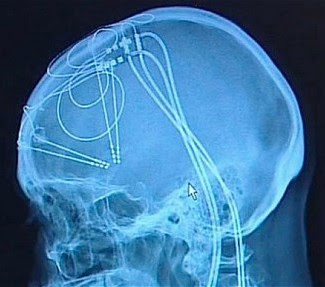
In a last-ditch effort to relieve his symptoms, Larsen decided to undergo deep brain stimulation. Electrodes were implanted in his brain, nestled near the striatum, an area thought to be responsible for deep, primitive emotions such as anxiety and fear.

Brett’s OCD trigger

Brett says his obsessions and compulsions began when he was 10, after his father died.

“I started worrying a lot about my family and loved ones dying or something bad happening to them,” he said. “I just got the thought in my head that if I switch the light off a certain amount of times, maybe I could control it somehow.

“Then I just kept doing it, and it got worse and worse.”

“Being OCD” has become a cultural catchphrase, but for people with the actual disorder, life can feel like a broken record. With OCD, the normal impulse to go back and check if you turned off the stove, or whether you left the lights on, becomes part of a crippling ritual.

The disease hijacked Larsen’s life (he cannot hold down a job and rarely sees friends); his personality (he can be stone-faced, with only glimpses of a slight smile); and his speech (a stuttering-like condition causes his speaking to be halting and labored.)

He spent the past two decades trying everything: multiple medication combinations, cognitive behavioral therapy, cross-country visits to specialists, even hospitalization.

Nothing could quell the anxiety churning inside him.

“This is not something that you consider first line for patients because this is invasive,” said Maguire, chair of psychiatry and neuroscience at the University of California Riverside medical school, and part of the team evaluating whether Larsen was a good candidate for deep brain stimulation. “It’s reserved for those patients when the standard therapies, the talk therapies, the medication therapies have failed.”

Deep brain stimulation is an experimental intervention, most commonly used among patients with nervous system disorders such as essential tremor, dystonia or Parkinson’s disease. In rare cases, it has been used for patients with intractable depression and OCD.

The electrodes alter the electrical field around regions of the brain thought to influence disease — in some cases amplifying it, in others dampening it — in hopes of relieving symptoms, said Dr. Frank Hsu, professor and chair of the department of neurosurgery at University of California, Irvine.

Hsu says stimulating the brain has worked with several OCD patients, but that the precise mechanism is not well understood.

The procedure is not innocuous: It involves a small risk of bleeding in the brain, stroke and infection. A battery pack embedded under the skin keeps the electrical current coursing to the brain, but each time the batteries run out, another surgical procedure is required.

‘I feel like laughing’

As doctors navigated Larsen’s brain tissue in the operating room — stimulating different areas to determine where to focus the electrical current — Larsen began to feel his fear fade.

At one point he began beaming, then giggling. It was an uncharacteristic light moment for someone usually gripped by anxiety.

In response to Larsen’s laughter, a staff member in the operating room asked him what he was feeling. Larsen said, “I don’t know why, but I feel happy. I feel like laughing.”

Doctors continued probing his brain for hours, figuring out what areas — and what level of stimulation — might work weeks later, when Larsen would have his device turned on for good.

In the weeks after surgery, the residual swelling in his brain kept those good feelings going. For the first time in years, Larsen and his mother had hope for normalcy.

“I know that Brett has a lot of normal in him, even though this disease eats him up at times,” said Michele Larsen. “There are moments when he’s free enough of anxiety that he can express that. But it’s only moments. It’s not days. It’s not hours. It’s not enough.”

Turning it on

In January, Larsen had his device activated. Almost immediately, he felt a swell of happiness reminiscent of what he had felt in the OR weeks earlier.

But that feeling would be fleeting — the process for getting him to an optimal level would take months. Every few weeks doctors increased the electrical current.

“Each time I go back it feels better,” Larsen said. “I’m more calm every time they turn it up.”

With time, some of his compulsive behaviors became less pronounced. In May, several weeks after his device was activated, he could put on his shoes with ease. He no longer spun them around in an incessant circle to allay his anxiety.

But other behaviors — such as turning on and shutting off the faucet — continued. Today, things are better, but not completely normal.

Normal, by society’s definition, is not the outcome Larsen should expect, experts say. Patients with an intractable disease who undergo deep brain stimulation should expect to have manageable OCD.

Lately, Larsen feels less trapped by his mind. He is able to make the once interminable trek outside his home within minutes, not hours. He has been to Disneyland with friends twice. He takes long rides along the beach to relax.

In his mind, the future looks bright.

“I feel like I’m getting better every day,” said Larsen, adding that things like going back to school or working now feel within his grasp. “I feel like I’m more able to achieve the things I want to do since I had the surgery.”

Thanks to Da Brayn for bringing this to the attention of the It’s Interesting community.

http://www.cnn.com/2014/06/24/health/brain-stimulation-ocd/?c=&page=0

How stress can clog your arteries

By Sarah C. P. Williams

There’s a reason people say “Calm down or you’re going to have a heart attack.” Chronic stress—such as that brought on by job, money, or relationship troubles—is suspected to increase the risk of a heart attack. Now, researchers studying harried medical residents and harassed rodents have offered an explanation for how, at a physiological level, long-term stress can endanger the cardiovascular system. It revolves around immune cells that circulate in the blood, they propose.

The new finding is “surprising,” says physician and atherosclerosis researcher Alan Tall of Columbia University, who was not involved in the new study. “The idea has been out there that chronic psychosocial stress is associated with increased cardiovascular disease in humans, but what’s been lacking is a mechanism,” he notes.

Epidemiological studies have shown that people who face many stressors—from those who survive natural disasters to those who work long hours—are more likely to develop atherosclerosis, the accumulation of fatty plaques inside blood vessels. In addition to fats and cholesterols, the plaques contain monocytes and neutrophils, immune cells that cause inflammation in the walls of blood vessels. And when the plaques break loose from the walls where they’re lodged, they can cause more extreme blockages elsewhere—leading to a stroke or heart attack.

Studying the effect of stressful intensive care unit (ICU) shifts on medical residents, biologist Matthias Nahrendorf of Harvard Medical School in Boston recently found that blood samples taken when the doctors were most stressed out had the highest levels of neutrophils and monocytes. To probe whether these white blood cells, or leukocytes, are the missing link between stress and atherosclerosis, he and his colleagues turned to experiments on mice.

Nahrendorf’s team exposed mice for up to 6 weeks to stressful situations, including tilting their cages, rapidly alternating light with darkness, or regularly switching the mice between isolation and crowded quarters. Compared with control mice, the stressed mice—like stressed doctors—had increased levels of neutrophils and monocytes in their blood.

The researchers then homed in on an explanation for the higher levels of immune cells. They already knew that chronic stress increases blood concentrations of the hormone noradrenaline; noradrenaline, Nahrendorf discovered, binds to a cell surface receptor protein called β3 on stem cells in the bone marrow. In turn, the chemical environment of the bone marrow changes and there’s an increase in the activity of the white blood cells produced by the stem cells.

“It makes sense that stress wakes up these immune cells because an enlarged production of leukocytes prepares you for danger, such as in a fight, where you might be injured,” Nahrendorf says. “But chronic stress is a different story—there’s no wound to heal and no infection.”

In mice living with chronic stress, Nahrendorf’s team reported today in Nature Medicine, atherosclerotic plaques more closely resemble plaques known to be most at risk of rupturing and causing a heart attack or stroke. When the scientists blocked the β3 receptor, though, stressed mice not only had fewer of these dangerous plaques, but also had reduced levels of the active immune cells in their plaques, pinpointing β3 as a key link between stress and atheroscelerosis.

The finding could lead to new drugs to help prevent cardiovascular disease, suggests biologist Lynn Hedrick of the La Jolla Institute for Allergy and Immunology in San Diego, California. “I think this gives us a really direct hint that the β3 receptor is important in regulating the stress-induced response by the bone marrow,” Hedrick says. “If we can develop a drug that targets the receptor, this may be very clinically relevant.”

More immediately, the new observations suggest a way that clinicians could screen patients for their risk of atherosclerosis, heart attack, and stroke, Tall says. “Rather than asking four questions about stress levels, we could use their white blood cell counts to monitor psychosocial stress,” he says.

Thanks to Dr. Rajadhyaksha for bringing this to the attention of the It’s Interesting community.

http://news.sciencemag.org/biology/2014/06/how-stress-can-clog-your-arteries

Century-old drug reverses signs of autism in mice

By Elizabeth Norton

A single dose of a century-old drug has eliminated autism symptoms in adult mice with an experimental form of the disorder. Originally developed to treat African sleeping sickness, the compound, called suramin, quells a heightened stress response in neurons that researchers believe may underlie some traits of autism. The finding raises the hope that some hallmarks of the disorder may not be permanent, but could be correctable even in adulthood.

That hope is bolstered by reports from parents who describe their autistic children as being caught behind a veil. “Sometimes the veil parts, and the children are able to speak and play more normally and use words that didn’t seem to be there before, if only for a short time during a fever or other stress” says Robert Naviaux, a geneticist at the University of California, San Diego, who specializes in metabolic disorders.

Research also shows that the veil can be parted. In 2007, scientists found that 83% of children with autism disorders showed temporary improvement during a high fever. The timing of a fever is crucial, however: A fever in the mother can confer a higher risk for the disorder in the unborn child.

As a specialist in the cell’s life-sustaining metabolic processes, Naviaux was intrigued. Autism is generally thought to result from scrambled signals at synapses, the points of contact between nerve cells. But given the specific effects of something as general as a fever, Naviaux wondered if the problem lay “higher up” in the cell’s metabolism.

To test the idea, he and colleagues focused on a process called the cell danger response, by which the cell protects itself from threats like infection, temperature changes, and toxins. As part of this strategy, Naviaux explains, “the cells behave like countries at war. They harden their borders. They don’t trust their neighbors.” If the cells in question are neurons, he says, disrupted communication could result—perhaps underlying the social difficulties; heightened sensitivity to sights, sounds, and sensations; and intolerance for anything new that often afflict patients with autism.

The key player may be ATP, the chief carrier of energy within a cell, which can also relay messages to other nearby cells. When too much ATP is released for too long, it can induce a hair-trigger cell danger response in neighboring neurons. In 2013, Naviaux spelled out his hypothesis that autism involves a prolonged, heightened cell danger response, disrupting pathways within and between neurons and contributing to the symptoms of the disorder.

The same year, he and his colleagues homed in on the drug suramin as a way to call off the response. The medication has been in use since the early 20th century to kill the organisms that cause African sleeping sickness. In 1988, it was found to block the so-called purinergic receptors, which bind to compounds called purines and pyrimidines—including ATP. These receptors are found on every cell in the body; on neurons, they help orchestrate many of the processes impaired in autism—such as brain development, the production of new synapses, inflammation, and motor coordination.

To determine if suramin could protect these receptors from overstimulation by ATP, Naviaux’s team worked with mice that developed an autism-like disorder after their mothers had been exposed to a simulated viral infection (and heightened cell danger responses) during pregnancy. Like children with autism, the mice born after these pregnancies were less social and did not seek novelty; they avoided unfamiliar mice and passed up the chance to explore new runs of a maze. In the 2013 paper, the researchers reported that these traits vanished after weekly injections of suramin begun when the mice were 6 weeks old (equivalent to 15-year-old humans). Many consequences of altered metabolism—including the structure of synapses, body temperature, the production of key receptors, and energy transport within neurons—were either corrected or improved.

In the new study, published online today in Translational Psychiatry, the researchers found equally compelling results after a single injection of suramin given to 6-month-old mice (equivalent to 30-year-old humans) with the same autism-like condition. Once again, previously reclusive animals approached unknown mice and investigated unfamiliar parts of a maze, suggesting that the animals had overcome the aversion to novelty that’s a hallmark of autism in children. After the single injection, the team lowered the levels of suramin by half each week. Within 5 weeks most, but not all, of the benefits of treatment had been lost. The drug also corrected 17 of 18 metabolic pathways that are disrupted in mice with autism-like symptoms.

Naviaux cautions that mice aren’t people, and therapies that are promising in rodents have a track record of not panning out in humans. He also says that prolonged treatment with suramin is not an option for children, because it can have side effects such as anemia with long-term use. He notes that there are 19 different kinds of purinergic receptors; if suramin does prove to be helpful in humans, newer drugs could be developed that would target only one or a few key receptors. The researchers are beginning a small clinical trial in humans of a single dose of suramin that they hope will be completed by the end of the year.

The study is exciting, says Bruce Cohen, a pediatric neurologist at Akron Children’s Hospital in Ohio. “The authors have come up with a novel idea, tested it thoroughly, and got a very positive response after one dose.” He notes, however, that the mice with a few characteristics of autism don’t necessarily reflect the entire condition in humans. “Autism isn’t a disease. It’s a set of behaviors contributing to hundreds of conditions and resulting from multiple genes and environmental effects. Great work starts with a single study like this one, but there’s more work to be done.”

http://news.sciencemag.org/biology/2014/06/century-old-drug-reverses-signs-autism-mice

Parkland psych ER is again scene of patient abuse

Parkland Memorial Hospital said the patient-gagging incident in the psychiatric emergency room was discovered on April 8 during a routine review of security video from March 16. Parkland notified the Texas health department within a day, it said, in compliance with regulations.

By MILES MOFFEIT AND BROOKS EGERTON

The psychiatric patient spat at Parkland Memorial Hospital staff as they strapped her into a chair. Then a nurse shoved a toilet paper roll into her mouth, while a co-worker put a sheet over her head.

“Blood stains can be seen on the toilet tissue” after its removal, says a police report that describes security camera footage. A follow-up report says a third employee warned the caregivers that their actions were “illegal.”

Texas health authorities are investigating the March incident — the first abuse in Parkland’s psychiatric emergency room to become public since the hospital hired a new chief executive. One nurse involved in the gagging was also involved in the 2011 restraint of a psych ER patient whose death triggered a federal investigation and virtual takeover of Parkland.

State health regulations prohibit restraint that obstructs a psychiatric patient’s airway or ability to communicate. A prior state enforcement action against Parkland requires hospital managers to report patient abuse within two days of becoming aware of it.

Parkland reported the gagging incident more than three weeks after it occurred. The hospital said managers didn’t know about it initially but acted promptly once they did.

“Employees on site did not elevate this incident appropriately,” Parkland spokeswoman April Foran said. The hospital fired two of five employees who were present during the restraint, she said. Two others resigned, and a fifth “received corrective action.”

Parkland, which collects hundreds of millions of dollars a year from Dallas County taxpayers, would not name the employees. But The Dallas Morning News confirmed the identities of two: Charles Enyinna-Okeigbo, the nurse who forced the toilet paper roll into the patient’s mouth, and Sherwin De Guzman, a supervising nurse.

Authorities have previously investigated both nurses: Enyinna-Okeigbo for domestic violence, and De Guzman in connection with the 2011 death of psych ER patient George Cornell. State and federal regulators found that Cornell was illegally restrained shortly before dying. They cited De Guzman for failing to supervise the technicians who subdued Cornell.

Parkland’s in-house police department investigated the March incident and asked the Dallas County district attorney’s office whether assault charges should be filed. A prosecutor said that the use of force was “unfortunate” but not criminal.

Both nurses declined to comment to The News. Enyinna-Okeigbo told police that he was merely trying to stop the spitting and was not angry with the patient, according to Parkland records.

UT Southwestern Medical Center, whose physicians supervise care at the public hospital, identified the psychiatrist in charge as Dr. Uros Zrnic. He “was not informed or aware of the incident until the videotape was reviewed” in April, UTSW said.

Terrified patient

Experts criticized Parkland after reading police reports on the latest incident at The News’ request.

“When a patient spits, it’s the last resort of a terrified human being, and being restrained like this is terrifying,” said Dr. Peter Breggin, a New York psychiatrist and former consultant for the National Institute of Mental Health.

“Trained mental health workers in this day and age know that spitting is a cause for staff to back off,” he said, adding that forcing objects into patients’ mouths can escalate violence. “There’s no excuse for this abuse.”

Dennis Borel, executive director of the Coalition of Texans with Disabilities, said some Parkland psych workers “still don’t get it.”

“This is pretty outrageous when it was just a few years ago that these kinds of actions were supposed to trigger training and other safe approaches at Parkland,” Borel said. “Everything in the patient’s behavior indicates she was desperately trying to protect herself, and they were making it worse. They failed the patient miserably.”

The state health department hit Parkland in 2012 with a $1 million fine because of Cornell’s death and several other “egregious deficiencies.” It was by far the largest hospital fine in Texas history.

Under a settlement, the hospital paid $750,000. It can avoid paying the rest if, by later this summer, it demonstrates compliance with safety requirements.

Because of the gagging incident, regulators are investigating whether there have been more “significant, egregious deficiencies and a failure to correct them or an attempt to hide them,” said health department spokeswoman Carrie Williams. “It’s an open investigation, and there have been no findings in this case so far.”

Parkland also remains under a 2013 corporate integrity agreement with the U.S. Department of Health & Human Services. It requires periodic reports on patient safety, among other steps.

Compliance with that agreement is a top stated priority of Dr. Fred Cerise, Parkland’s new chief executive. He started work about a week after the March gagging incident.

Cerise and other hospital officials declined to be interviewed for this report. In written responses to questions, Parkland said “the event was discovered” on April 8 during a routine review of security video from March 16. Parkland notified the Texas health department within a day, they said, in compliance with state regulations.

Parkland also said that in addition to taking personnel actions, it now requires video reviews of restraints within 24 hours. But it would not say whether it previously had a schedule for reviewing the security videos, or why it took more than three weeks to detect the gagging incident.

Quick investigation

The criminal investigation lasted less than 48 hours before the case was closed as “unfounded,” police reports show. A News investigation last year found that Parkland police have a history of quickly closing cases in which hospital employees are accused of abuse.

The hospital released nine pages of reports on the investigation, blacking out the names of employees and the patient. It released no information about why the patient was in the psych ER or whether she was injured in the restraint incident. There is no indication in the records that police tried to interview the woman.

When asked, the hospital spokeswoman told The News that “Parkland made multiple attempts to locate the patient” but failed.

The reports contain conflicting versions of what led to strapping the patient to the chair.

Enyinna-Okeigbo told police the woman became “extremely agitated” while in a common area of the psych ER. He said he gave her medication to calm down, but it didn’t work. When staff then directed her toward seclusion rooms, she began to “spit, swing, and kick at the staff,” police wrote, summarizing Enyinna-Okeigbo’s account.

A fellow caregiver who was interviewed “does not recall seeing the patient strike or attempt to strike any staff members,” a police report says. This caregiver also said he didn’t recall seeing the toilet paper roll put into the patient’s mouth or any bleeding. He denied covering the patient’s face with the sheet. The police report noted that “video of the incident contradicts this.”

The reports quote another staffer as saying he saw the bleeding and thought the patient had been “struck by a nurse.” He described the scene as “very chaotic” and said employees lacked training for such situations.

The police description of video footage begins as the patient resists efforts to strap her into a restraint chair: “She appeared to be acting aggressively toward to the medical staff, including spitting on multiple occasions in the direction of the staff.”

Five staffers approached the woman, including one who “immediately placed the roll of toilet tissue over the patient’s mouth,” a report says. “The patient began to resist,” leading Enyinna-Okeigbo to “shove the end of the roll into the patient’s mouth, at one point even appearing to force the patient’s jaw open to completely insert the roll.”

Then another employee secured the sheet around the patient’s head, and the bloody toilet paper was removed from her mouth. Next, a surgical mask was put on the patient. It, too, later showed blood stains.

A Parkland officer met with Assistant District Attorney Craig McNeil on April 10 to discuss potential criminal charges against Enyinna-Okeigbo. “McNeil stated that he felt the culpable mental state exhibited was negligence, and the mental state that has to be met for assault is reckless,” a police report says. “Therefore, McNeil stated that he did not feel that [Enyinna-Okeigbo] met the culpable state to be charged with a crime.”

McNeil told The News he did not know why the hospital didn’t consider charges against the staff member who put the sheet around the patient’s head. Foran, the Parkland spokeswoman, said hospital police gave the DA’s office “complete details” of the incident and noted that prosecutors have “full discretion” about how to proceed.

No assault

The News became aware of the incident on May 28 and asked Parkland for all related police reports. That same day, a Parkland detective asked McNeil for a written explanation of his reasoning, which the hospital gave The News.

“The use of force against a patient in an altered mental state is always unfortunate and should be avoided,” McNeil wrote. But it “does not appear to have been done with the intent to harm the patient.”

In an interview with The News, McNeil identified Enyinna-Okeigbo as the nurse who stuffed the toilet paper roll into the patient’s mouth.

The prosecutor said that spitting could be considered assault because of the potential for disease transmission. In using that term, he said, he did not mean to suggest that the patient should be charged with assault but added: “You have the right to defend yourself.”

McNeil said he could not tell from the video why the patient had blood in her mouth. He said he saw no footage of the patient being struck.

McNeil handled a 2011 case in which security video showed Parkland psychiatric technician Johnny Roberts choking a patient into unconsciousness. The hospital fired Roberts, but grand jurors declined to indict him.

“I was not happy about that,” McNeil said. “I still don’t know why they did that.”

Troubled pasts

The News’ reporting of George Cornell’s death ultimately led to a regulatory crackdown and two years of round-the-clock federal monitoring of Parkland.

The hospital installed security cameras — the same ones that captured the recent gagging incident. It also promised to fire problem employees and retrain others, especially on patient restraints.

Parkland would not say whether Enyinna-Okeigbo or De Guzman received this training.

De Guzman left his job at Parkland at some point after Cornell’s death in February 2011. He returned to work later the same year, according to hospital employment data. Parkland would not explain his departure or return.

Cornell’s death also led to a federal civil rights lawsuit that’s still pending against the hospital, UTSW, De Guzman and other caregivers. In court records, Cornell’s family has noted ways that regulators found fault with De Guzman.

Enyinna-Okeigbo, who was hired at Parkland in 2005, was charged with misdemeanor assault of his wife in 2008.

Dallas County prosecutors initially proposed a deal under which he could plead guilty and serve probation, court records show. Instead, for reasons the records don’t explain, they dismissed the charge in exchange for his completion of an anger management class. He never entered a plea and has no conviction record.

Parkland would not say whether it was aware of the allegations against Enyinna-Okeigbo. The hospital said that before 2011 it conducted criminal background checks only on prospective employees. It said it now checks existing employees, too.

In 2013, Parkland hired privately owned Green Oaks Hospital to manage its psychiatric services. Green Oaks, which receives $1.1 million a year under the deal, declined to comment for this report. Parkland would not discuss the company’s performance.

http://www.dallasnews.com/investigations/20140614-parkland-psych-er-is-again-scene-of-patient-abuse.ece

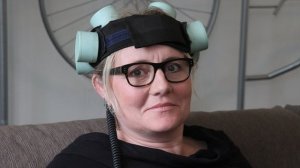
Electromagnetic helmet provides possible new treatment for depression.

A high-tech helmet has reduced symptoms of depression in two-thirds of people who’ve worn it, BBC reports. Now undergoing clinical trials, the hood works by sending electromagnetic impulses to the brain to activate the formation of new blood vessels. Patients who wear the device daily for half an hour to an hour show mood improvement in as little as week, according to the results, published in Acta Neuropsychiatrica.

Thanks to Dr. Rajadhyaksha for bringing this to the attention of the It’s Interesting community.

http://news.sciencemag.org/sifter/2014/05/watch-electromagnetic-helmet-treats-depression

Inner-City Oakland Youth Suffering From Post-Traumatic Stress Disorder

In the inner city, a health problem is making it harder for young people to learn. inner-city kids suffer from post-traumatic stress disorder (PTSD).

“Youth living in inner cities show a higher prevalence of post-traumatic stress disorder than soldiers,” according to Howard Spivak M.D., director of the U.S. Centers for Disease Control and Prevention’s Division of Violence Prevention.

Spivak presented research at a congressional briefing in April 2012 showing that children are essentially living in combat zones. Unlike soldiers, children in the inner city never leave the combat zone and often experience trauma repeatedly.

One local expert says national data suggests one in three urban youth have mild to severe PTSD. “You could take anyone who is experiencing the symptoms of PTSD, and the things we are currently emphasizing in school will fall off their radar. Because frankly it does not matter in our biology if we don’t survive the walk home,” said Jeff Duncan-Andrade, Ph.D. of San Francisco State University.

In 2013, there were 47 recorded lockdowns in Oakland public schools – again, almost all in East and West Oakland.

Students at Fremont High showed where one classmate was shot.

“If someone got shot that they knew or that they cared about… they’re going to be numb,” one student said. “If someone else in their family got shot and killed they will be sad, they will be isolated because I have been through that.”

Gun violence is only one of the traumas or stressors in concentrated areas of deep poverty.

“Its kids are unsafe, they’re not well fed,” Duncan-Andrade said. “And when you start stacking those kids of stressors on top of each other, that’s when you get these kinds of negative health outcomes that seriously disrupt school performance.”

Duncan-Andrade said doctors at Harvard’s School of Public Health have come up with a new diagnosis of complex PTSD, describing people who are repeatedly re-exposed to trauma, which Duncan-Andrade said, would include many inner-city youth.

In Oakland, about two-thirds of the murders last year were actually clustered in East Oakland, where 59 people were killed.

Teachers and administrators who graduated from Fremont High School in East Oakland and have gone back to work there spoke with KPIX 5.

“These cards that (students) are suddenly wearing around their neck that say ‘Rest in peace.’ You have some kids that are walking around with six of them. Laminated cards that are tributes to their slain friends,” said teacher Jasmene Miranda.

Jaliza Collins, also a teacher at Fremont, said, “It’s depression, it’s stress, it’s withdrawal, it’s denial. It’s so many things that is encompassed and embodied in them. And when somebody pushes that one button where it can be like, ‘please go have a seat,’ and that can be the one thing that just sets them off.”

Even the slang nickname for the condition, “Hood Disease,” itself causes pain, and ignites debate among community leaders, as they say the term pejoratively refers to impoverished areas, and distances the research and medical community from the issue.

“People from afar call it ‘Hood Disease,’ – it’s what academics call it,” said Olis Simmons, CEO of Youth UpRising working in what she describes as the epicenter of the issue: East Oakland.

She said the term minimizes the pain that her community faces, and fails to capture the impact this has on the larger community.

“In the real world where this affects real lives, people are suffering from a chronic level of trauma that doesn’t have a chance to heal because they’re effectively living in a war zone within your town,” said Simmons.

“Terms like ‘hood disease’ mean it’s someone else’s problem, but it’s not. That’s a lie. It’s a collective problem, and the question is what are we prepared to do about it?”

Thanks to Kebmodee for bringing this to the attention of the It’s Interesting community.

http://sanfrancisco.cbslocal.com/2014/05/16/hood-disease-inner-city-oakland-youth-suffering-from-post-traumatic-stress-disorder-ptsd-crime-violence-shooting-homicide-murder/

New phone app might be able to predict onset of manic behavior in people in bipolar disorder

by Joe Palca

There are smartphone apps for monitoring your diet, your drugs, even your heart. And now a Michigan psychiatrist is developing an app he hopes doctors will someday use to predict when a manic episode is imminent in patients with bipolar disorder.

People with the disorder alternate between crushing depression and wild manic episodes that come with the dangerous mix of uncontrollable energy and impaired judgment.

There are drugs that can prevent these episodes and allow people with bipolar disorder to live normal lives, according to Dr. Melvin McInnis, a psychiatrist at the University of Michigan Medical Center. But relapses are common.

“We want to be able to detect that well in advance,” McInnis says. “The importance of detecting that well in advance is that they reach a point where their insight is compromised, so they don’t feel themselves that anything is wrong.”

Early detection would give doctors a chance to adjust a patient’s medications and stave off full-blown manic episodes.

McInnis says researchers have known for some time that when people are experiencing a manic or depressive episode, their speech patterns change. Depressed patients tend to speak slowly, with long pauses, whereas people with a full-blown manic attack tend to speak extremely rapidly, jumping from topic to topic.

“It occurred to me a number of years ago that monitoring speech patterns would be a really powerful way to devise some kind of an approach to have the ability to predict when an episode is imminent,” says McInnis.

So he and some computer science colleagues invented a smartphone app. The idea is that doctors would give patients the app. The app would record whenever they spoke on the phone. Once a day, the phone would send the recorded speech to a computer in the doctor’s office that would analyze it for such qualities as speed, energy and inflection.

Right now the app is being tested with 12 or 15 volunteers who are participating in a longitudinal study of bipolar disorder.

McInnis and his colleagues presented preliminary results at this year’s International Conference on Acoustics, Speech and Signal Processing, and so far, things are looking encouraging. McInnis says the software is reasonably good at detecting signs of an impending manic attack. It’s not quite as good catching an oncoming depression.

For now, this app is only intended for patients with bipolar disorder, but McInnis thinks that routinely listening for changes in speech could be an important tool for early detection of a variety of diseases.

Richard A. Friedman: Why can’t doctors identify killers?

MASS killers like Elliot Rodger teach society all the wrong lessons about the connection between violence, mental illness and guns — and what we should do about it. One of the biggest misconceptions, pushed by our commentators and politicians, is that we can prevent these tragedies if we improve our mental health care system. It is a comforting notion, but nothing could be further from the truth.

And although the intense media attention might suggest otherwise, mass killings — when four or more people are killed at once — are very rare events. In 2012, they accounted for only about 0.15 percent of all homicides in the United States. Because of their horrific nature, however, they receive lurid media attention that distorts the public’s perception about the real risk posed by the mentally ill.

Anyone who watched Elliot Rodger’s chilling YouTube video, detailing his plan for murderous vengeance before he killed six people last week near Santa Barbara, Calif., would understandably conflate madness with violence. While it is true that most mass killers have a psychiatric illness, the vast majority of violent people are not mentally ill and most mentally ill people are not violent. Indeed, only about 4 percent of overall violence in the United States can be attributed to those with mental illness. Most homicides in the United States are committed by people without mental illness who use guns.

Mass killers are almost always young men who tend to be angry loners. They are often psychotic, seething with resentment and planning revenge for perceived slights and injuries. As a group, they tend to avoid contact with the mental health care system, so it’s tough to identify and help them. Even when they have received psychiatric evaluation and treatment, as in the case of Mr. Rodger and Adam Lanza, who killed 20 children and seven adults, including his mother, in Connecticut in 2012, we have to acknowledge that our current ability to predict who is likely to be violent is no better than chance.

Large epidemiologic studies show that psychiatric illness is a risk factor for violent behavior, but the risk is small and linked only to a few serious mental disorders. People with schizophrenia, major depression or bipolar disorder were two to three times as likely as those without these disorders to be violent. The actual lifetime prevalence of violence among people with serious mental illness is about 16 percent compared with 7 percent among people who are not mentally ill.

What most people don’t know is that drug and alcohol abuse are far more powerful risk factors for violence than other psychiatric illnesses. Individuals who abuse drugs or alcohol but have no other psychiatric disorder are almost seven times more likely than those without substance abuse to act violently.

As a psychiatrist, I welcome calls from our politicians to improve our mental health care system. But even the best mental health care is unlikely to prevent these tragedies.

If we can’t reliably identify people who are at risk of committing violent acts, then how can we possibly prevent guns from falling into the hands of those who are likely to kill? Mr. Rodger had no problem legally buying guns because he had neither been institutionalized nor involuntarily hospitalized, both of which are generally factors that would have prevented him from purchasing firearms.

Would lowering the threshold for involuntary psychiatric treatment, as some argue, be effective in preventing mass killings or homicide in general?

It’s doubtful.

The current guideline for psychiatric treatment over the objection of the patient is, in most states, imminent risk of harm to self or others. Short of issuing a direct threat of violence or appearing grossly disturbed, you will not receive involuntary treatment. When Mr. Rodger was interviewed by the police after his mother expressed alarm about videos he had posted, several weeks ago, he appeared calm and in control and was thus not apprehended. In other words, a normal-appearing killer who is quietly planning a massacre can easily evade detection.

In the wake of these horrific killings, it would be understandable if the public wanted to make it easier to force treatment on patients before a threat is issued. But that might simply discourage other mentally ill people from being candid and drive some of the sickest patients away from the mental health care system.

We have always had — and always will have — Adam Lanzas and Elliot Rodgers. The sobering fact is that there is little we can do to predict or change human behavior, particularly violence; it is a lot easier to control its expression, and to limit deadly means of self-expression. In every state, we should prevent individuals with a known history of serious psychiatric illness or substance abuse, both of which predict increased risk of violence, from owning or purchasing guns.

But until we make changes like that, the tragedy of mass killings will remain a part of American life.

Richard A. Friedman is a professor of clinical psychiatry and the director of the psychopharmacology clinic at the Weill Cornell Medical College.

Thousands of Toddlers Are Inapprorpiately Medicated for A.D.H.D., Report Finds, Raising Worries

By ALAN SCHWARZ

More than 10,000 American toddlers 2 or 3 years old are being medicated for attention deficit hyperactivity disorder outside established pediatric guidelines, according to data presented on Friday by an official at the Center.

The report, which found that toddlers covered by Medicaid are particularly prone to be put on medication such as Ritalin and Adderall, is among the first efforts to gauge the diagnosis of A.D.H.D. in children below age 4. Doctors at the Georgia Mental Health Forum at the Carter Center in Atlanta, where the data was presented, as well as several outside experts strongly criticized the use of medication in so many children that young.

The American Academy of Pediatrics standard practice guidelines for A.D.H.D. do not even address the diagnosis in children 3 and younger — let alone the use of such stimulant medications, because their safety and effectiveness have barely been explored in that age group. “It’s absolutely shocking, and it shouldn’t be happening,” said Anita Zervigon-Hakes, a children’s mental health consultant to the Carter Center. “People are just feeling around in the dark. We obviously don’t have our act together for little children.”

Dr. Lawrence H. Diller, a behavioral pediatrician in Walnut Creek, Calif., said in a telephone interview: “People prescribing to 2-year-olds are just winging it. It is outside the standard of care, and they should be subject to malpractice if something goes wrong with a kid.”

Friday’s report was the latest to raise concerns about A.D.H.D. diagnoses and medications for American children beyond what many experts consider medically justified. Last year, a nationwide C.D.C. survey found that 11 percent of children ages 4 to 17 have received a diagnosis of the disorder, and that about one in five boys will get one during childhood.

A vast majority are put on medications such as methylphenidate (commonly known as Ritalin) or amphetamines like Adderall, which often calm a child’s hyperactivity and impulsivity but also carry risks for growth suppression, insomnia and hallucinations.

Only Adderall is approved by the Food and Drug Administration for children below age 6. However, because off-label use of methylphenidate in preschool children had produced some encouraging results, the most recent American Academy of Pediatrics guidelines authorized it in 4- and 5-year-olds — but only after formal training for parents and teachers to improve the child’s environment were unsuccessful.

Children below age 4 are not covered in those guidelines because hyperactivity and impulsivity are developmentally appropriate for toddlers, several experts said, and more time is needed to see if a disorder is truly present.

Susanna N. Visser, who oversees the C.D.C.’s research on the disorder, compiled Friday’s report through two sources: Medicaid claims in Georgia and claims by privately insured families nationwide kept by MarketScan, a research firm. Her report did not directly present a total number of toddlers 2 and 3 years old nationwide being medicated for the disorder, however her data suggested a number of at least 10,000 and perhaps many more.

Dr. Visser’s analysis of Georgia Medicaid claims found about one in 225 toddlers being medicated for A.D.H.D., or 760 cases in that state alone. Dr. Visser said that nationwide Medicaid data were not yet available, but Georgia’s rates of the disorder are very typical of the United States as a whole.

“If we applied Georgia’s rate to the number of toddlers on Medicaid nationwide, we would expect at least 10,000 of those to be on A.D.H.D. medication,” Dr. Visser said in an interview. She added that MarketScan data suggested that an additional 4,000 toddlers covered by private insurance were being medicated for the disorder.

Dr. Visser said that effective nonpharmacological treatments, such as teaching parents and day care workers to provide more structured environments for such children, were often ignored. “Families of toddlers with behavioral problems are coming to the doctor’s office for help, and the help they’re getting too often is a prescription for a Class II controlled substance, which has not been established as safe for that young of a child,” Dr. Visser said. “It puts these children and their developing minds at risk, and their health is at risk.”

Very few scientific studies have examined the use of stimulant medications in young children. A prominent 2006 study found that methylphenidate could mollify A.D.H.D.-like symptoms in preschoolers, but only about a dozen 3-year-olds were included in the study, and no 2-year-olds. Most researchers on that study, sponsored by the National Institute of Mental Health, had significant financial ties to pharmaceutical companies that made A.D.H.D. medications.

Some doctors said in interviews on Friday that they understood the use of stimulant medication in 2- and 3-year-olds under rare circumstances.

Keith Conners, a psychologist and professor emeritus at Duke University who since the 1960s has been one of A.D.H.D.’s most prominent figures, said that he had occasionally recommended it when nothing else would calm a toddler who was a harm to himself or others.

Dr. Doris Greenberg, a behavioral pediatrician in Savannah, Ga., who attended Dr. Visser’s presentation, said that methylphenidate can be a last resort for situations that have become so stressful that the family could be destroyed. She cautioned, however, that there should not be 10,000 such cases in the United States a year.

“Some of these kids are having really legitimate problems,” Dr. Greenberg said. “But you also have overwhelmed parents who can’t cope and the doctor prescribes as a knee-jerk reaction. You have children with depression or anxiety who can present the same way, and these medications can just make those problems worse.”

Dr. Visser said she could offer no firm explanation for why she found toddlers covered by Medicaid to be medicated for the disorder far more often than those covered by private insurance.

Dr. Nancy Rappaport, a child psychiatrist and director of school-based programs at Cambridge Health Alliance outside Boston who specializes in underprivileged youth, said that some home environments can lead to behavior often mistaken for A.D.H.D., particularly in the youngest children.

“In acting out and being hard to control, they’re signaling the chaos in their environment,” Dr. Rappaport said. “Of course only some homes are like this — but if you have a family with domestic violence, drug or alcohol abuse, or a parent neglecting a 2-year-old, the kid might look impulsive or aggressive. And the parent might just want a quick fix, and the easiest thing to do is medicate. It’s a travesty.”

Study Finds Pedophiles’ Brains Wired to Find Children Attractive

Pedophiles’ brains are “abnormally tuned” to find young children attractive, according to a new study published this week. The research, led by Jorge Ponseti at Germany’s University of Kiel, means that it may be possible to diagnose pedophiles in the future before they are able to offend.

The findings, published in scientific journal Biology Letters, discovered that pedophiles have the same neurological reaction to images of those they find attractive as those of people with ordinary sexual predilections, but that all the relevant cerebral areas become engaged when they see children, as opposed to fellow adults. The occipital areas, prefrontal cortex, putamen, and nucleus caudatus become engaged whenever a person finds another attractive, but the subject of this desire is inverted for pedophiles.

While studies into the cognitive wiring of sex offenders have long been a source of debate, this latest research offers some fairly conclusive proof that there is a neural pattern behind their behavior.

The paper explains: “The human brain contains networks that are tuned to face processing, and these networks appear to activate different processing streams of the reproductive domain selectively: nurturing processing in the case of child faces and sexual processing in the case of sexually preferred adult faces. This implies that the brain extracts age-related face cues of the preferred sex that inform appropriate response selection in the reproductive domains: nurturing in the case of child faces and mating in the case of adult faces.”

Usually children’s faces elicit feelings of caregiving from both sexes, whereas those of adults provide stimuli in choosing a mate. But among pedophiles, this trend is skewed, with sexual, as opposed to nurturing, emotions burgeoning.

The study analyzed the MRI scans of 56 male participants, a group that included 13 homosexual pedophiles and 11 heterosexual pedophiles, exposing them to “high arousing” images of men, women, boys, and girls. Participants then ranked each photo for attractiveness, leading researchers to their conclusion that the brain network of pedophiles is activated by sexual immaturity.

The critical new finding is that face processing is also tuned to face cues revealing the developmental stage that is sexually preferred,” the paper reads.

Dr. James Cantor, associate professor at the University of Toronto’s Faculty of Medicine, said he was “delighted” by the study’s results. “I have previously described pedophilia as a ‘cross-wiring’ of sexual and nurturing instincts, and this data neatly verifies that interpretation.”

Cantor has undertaken extensive research into the area, previously finding that pedophiles are more likely to be left-handed, 2.3 cm shorter than the average male, and 10 to 15 IQ points lower than the norm.

He continued: “This [new] study is definitely a step in the right direction, and I hope other researchers repeat this kind of work. There still exist many contradictions among scientists’ observations, especially in identifying exactly which areas of the brain are the most central to pedophilia. Because financial support for these kinds of studies is quite small, these studies have been quite small, permitting them to achieve only incremental progress. Truly definitive studies about what in the brain causes pedophilia, what might detect it, and what might prevent it require much more significant support.”

Ponseti said that he hoped to investigate this area further by examining whether findings could be emulated when images of children’s faces are the sole ones used. This could lead to gauging a person’s predisposition to pedophilia far more simply than any means currently in place. “We could start to look at the onset of pedophilia, which is probably in puberty at about 12 or 14 years [old],” he told The Independent.

While Cantor is correct in citing the less than abundant size of the study, the research is certainly significant in providing scope for future practicable testing that could reduce the number of pedophilic crimes committed. By being able to run these tests and examine a person’s tendency toward being sexually attracted to underage children, rehabilitative care and necessary precautions could be taken to safeguard children and ensure that those at risk of committing a crime of this ilk would not be able to do so.

http://www.thedailybeast.com/articles/2014/05/23/study-finds-pedophiles-brains-wired-to-find-children-attractive.html#