New research finds that evidence of autism shows up in the brain’s blood vessels

by BEC CREW

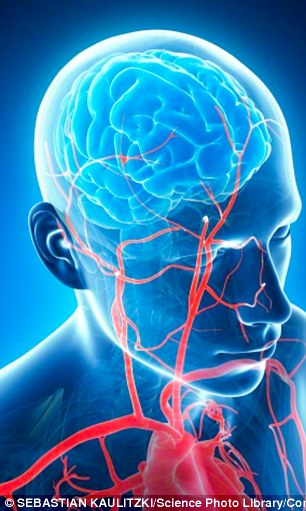
Evidence of autism can be identified in the composition of blood vessels in the brain, and certain defects or malfunctions in these vessels could serve as a new basis for detection, scientists have found.

While previous research has focussed on the neurological structure and function in a patient’s brain, a team from New York University (NYU) has found evidence of the disorder in the vascular system, suggesting that this could be a new target for medical treatments.

“Our findings show that those afflicted with autism have unstable blood vessels, disrupting proper delivery of blood to the brain,” says lead researcher, Efrain Azmitia.

“In a typical brain, blood vessels are stable, thereby ensuring a stable distribution of blood,” she adds. “Whereas in the autism brain, the cellular structure of blood vessels continually fluctuates, which results in circulation that is fluctuating and, ultimately, neurologically limiting.”

Azmita and her colleagues figured this out by examining the auditory cortex region in human postmortem brain tissue from people with diagnosed autism spectrum disorder (ADS) and an age-matched control group. To mitigate bias, they stripped the samples of all identifiers so they couldn’t tell which was which when examining them at a cellular level.

They found significant increases of two types of protein, called nestin and CD34, in the autistic brain vessels, but not in the control brains, which indicated that the vessels of the autistic patients had a higher level of plasticity. This protein surge was identified in several sections of the autistic brains, including the superior temporal cortex, the fusiform cortex (or face recognition centre), the pons/midbrain, and cerebellum.

This kind of plasticity is characteristic of a process known as angiogenesis, which controls the the production of new blood vessels. Publishing in the Journal of Autism and Developmental Disorders, the researchers suggest that evidence of angiogenesis in autistic brain tissue indicates that these vessels are being formed over and over and are in a state of constant flux. This could mean that inside the brains of people with autism, there’s a significant level of instability in the blood’s delivery mechanism.

“We found that angiogenesis is correlated with more neurogenesis in other brain diseases, therefore there is the possibility that a change in brain vasculature in autism means a change in cell proliferation or maturation, or survival, and brain plasticity in general,” said one of the team, psychiatrist Maura Boldrini. “These changes could potentially affect brain networks.”

So what now? The researchers hope to continue their investigation into how blood vessels in the brain differ in people with and without ADS, and if they can confirm angiogenesis markers as a reliable indication of the disorder, they could have a new detection method on their hands, and perhaps even a new avenue of research for future treatments.

“It’s clear that there are changes in brain vascularisation in autistic individuals from two to 20 years that are not seen in normally developing individuals past the age of two years,” says Azmitia. “Now that we know this, we have new ways of looking at this disorder and, hopefully with this new knowledge, novel and more effective ways to address it.”

http://www.sciencealert.com/evidence-of-autism-can-be-found-in-the-brain-s-blood-vessels-study-finds

The Power of Music in Alleviating Dementia Symptoms

by Tori Rodriguez, MA, LPC

As the search continues for effective drug treatments for dementia, patients and caregivers may find some measure of relief from a common, non-pharmaceutical source. Researchers have found that music-related memory appears to be exempt from the extent of memory impairment generally associated with dementia, and several studies report promising results for several different types of musical experiences across a variety of settings and formats.

“We can say that perception of music can be intact, even when explicit judgments and overt recognition have been lost,” Manuela Kerer, PhD, told Psychiatry Advisor. “We are convinced that there is a specialized memory system for music, which is distinct from other domains, like verbal or visual memory, and may be very resilient against Alzheimer’s disease.”

Kerer is a full-time musical composer with a doctoral degree in psychology who co-authored a study on the topic while working at the University of Innsbruck in Austria. She and her colleagues investigated explicit memory for music among ten patients with early-state Alzheimer’s disease (AD) and ten patients with mild cognitive impairment (MCI), and compared their performance to that of 23 healthy participants. Not surprisingly, the patient group demonstrated worse performance on tasks involving verbal memory, but they did significantly better than controls on the music-perceptional tasks of detecting distorted tunes and judging timbre.

“The temporal brain structures necessary for verbal musical memory were mildly affected in our clinical patients, therefore attention might have shifted to the discrimination tasks which led to better results in this area,” she said. “Our results enhance the notion of an explicit memory for music that can be distinguished from other types of explicit memory — that means that memory for music could be spared in this patient group.”

Other findings suggest that music might even improve certain aspects of memory among people with dementia. In a randomized controlled trial published in last month in the Journal of Alzheimer’s Disease, music coaching interventions improved multiple outcomes for both patients with dementia and their caregivers. The researchers divided 89 pairs of patients with dementia and their caregivers into three groups: two groups were assigned to caregiver-led interventions that involved either singing or listening to music, while a third group received standard care. Before and after the 10-week intervention, and six months after the intervention, participants were assessed on measures of mood, quality of life and neuropsychological functioning.

Results showed that the singing intervention improved working memory among patients with mild dementia and helped to preserve executive function and orientation among younger patients, and it also improved the well-being of caregivers. The listening intervention was found to have a positive impact on general cognition, working memory and quality of life, particularly among patients in institutional care with moderate dementia not caused by AD. Both interventions led to reductions in depression.

The findings suggest that “music has the power to improve mood and stimulate cognitive functions in dementia, most likely by engaging limbic and medial prefrontal brain regions, which are often preserved in the early stages of the illness,” study co-author Teppo Särkämö, PhD, a researcher at the University of Helsinki, Finland, told Psychiatry Advisor. “The results indicate that when used regularly, caregiver-implemented musical activities can be an important and easily applicable way to maintain the emotional and cognitive well-being of persons with dementia and also to reduce the psychological burden of family caregivers.”

Singing has also been shown to increase learning and retention of new verbal material in patients with AD, according to research published this year in the Journal of Clinical & Experimental Neuropsychology, and findings published in 2013 show that listening to familiar music improves the verbal narration of autobiographical memories in such patients. Another study found that a music intervention delivered in a group format reduced depression and delayed the deterioration of cognitive functions, especially short-term recall, in patients with mild and moderate dementia. Group-based music therapy appears to also decrease agitation among patients in all stages of dementia, as described in a systematic review published in 2014 in Nursing Times.

n addition to the effects of singing and listening to music on patients who already have dementia, playing a musical instrument may also offer some protection against the condition, according to a population-based twin study reported in 2014 in the International Journal of Alzheimer’s Disease. Researchers at the University of Southern California found that older adults who played an instrument were 64% less likely than their non-musician twin to develop dementia or cognitive impairment.

“Playing an instrument is a unique activity in that it requires a wide array of brain regions and cognitive functions to work together simultaneously, throughout both the right and left hemispheres,” co-author Alison Balbag, PhD, told Psychiatry Advisor. While the study did not examine causal mechanisms, “playing an instrument may be a very effective and efficient way to engage the brain, possibly granting older musicians better maintained cognitive reserve and possibly providing compensatory abilities to mitigate age-related cognitive declines.”

She notes that clinicians might consider suggesting that patients incorporate music-making into their lives as a preventive activity, or encouraging them to keep it up if they already play an instrument.
Further research, particularly neuroimaging studies, is needed to elucidate the mechanisms behind the effects of music on dementia, but in the meantime it could be a helpful supplement to patients’ treatment plans. “Music has considerable potential and it should be introduced much more in rehabilitation and neuropsychological assessment,” Kerer said.

http://www.psychiatryadvisor.com/alzheimers-disease-and-dementia/neurocognitive-neurodegenerative-memory-musical-alzheimers/article/452120/3/

References

Kerer M, Marksteiner J, Hinterhuber H, et al. Explicit (semantic) memory for music in patients with mild cognitive impairment and early-stage Alzheimer’s disease. Experimental Aging Research; 2013; 39(5):536-64.

Särkämö T, Laitinen S, Numminen A, et al. Clinical and Demographic Factors Associated with the Cognitive and Emotional Efficacy of Regular Musical Activities in Dementia. Journal of Alzheimer’s Disease; 2015; published online ahead of print.

Palisson J, Roussel-Baclet C, Maillet D, et al. Music enhances verbal episodic memory in Alzheimer’s disease. Journal of Clinical & Experimental Neuropsychology; 2015; 37(5):503-17.

El Haj M, Sylvain Clément, Luciano Fasotti, Philippe Allain. Effects of music on autobiographical verbal narration in Alzheimer’s disease. Journal of Neurolinguistics; 2013; 26(6): 691–700.

Chu H, Yang CY, Lin Y, et al. The impact of group music therapy on depression and cognition in elderly persons with dementia: a randomized controlled study. Biological Research for Nursing; 2014; 16(2):209-17.

Craig J. Music therapy to reduce agitation in dementia. Nursing Times; 2014; 110(32-33):12-5.
Balbag MA, Pedersen NL, Gatz M. Playing a Musical Instrument as a Protective Factor against Dementia and Cognitive Impairment: A Population-Based Twin Study. International Journal of Alzheimer’s Disease; 2014; 2014: 836748.

Exploring the Biology of Eating Disorders

With the pressure for a certain body type prevalent in the media, eating disorders are on the rise. But these diseases are not completely socially driven; researchers have uncovered important genetic and biological components as well and are now beginning to tease out the genes and pathways responsible for eating disorder predisposition and pathology.

As we enter the holiday season, shoppers will once again rush into crowded department stores searching for the perfect gift. They will be jostled and bumped, yet for the most part, remain cheerful because of the crisp air, lights, decorations, and the sound of Karen Carpenter’s contralto voice ringing out familiar carols.

While Carpenter is mainly remembered for her musical talents, unfortunately, she is also known for introducing the world to anorexia nervosa (AN), a severe life-threatening mental illness characterized by altered body image and stringent eating patterns that claimed her life just before her 33rd birthday in 1983.

Even though eating disorders (ED) carry one of the highest mortality rates of any mental illness, many researchers and clinicians still view them as socially reinforced behaviors and diagnose them based on criteria such as “inability to maintain body weight,” “undue influence of body weight or shape on self-evaluation,” and “denial of the seriousness of low body weight” (1). This way of thinking was prevalent when Michael Lutter, then an MD/PhD student at the University of Texas Southwestern Medical Center, began his psychiatry residency in an eating disorders unit. “I just remember the intense fear of eating that many patients exhibited and thought that it had to be biologically driven,” he said.

Lutter carried this impression with him when he established his own research laboratory at the University of Iowa. Although clear evidence supports the idea that EDs are biologically driven—they predominantly affect women and significantly alter energy homeostasis—a lack of well-defined animal models combined with the view that they are mainly behavioral abnormalities have hindered studies of the neurobiology of EDs. Still, Lutter is determined to find the biological roots of the disease and tease out the relationship between the psychiatric illness and metabolic disturbance using biochemistry, neuroscience, and human genetics approaches.

We’ve Only Just Begun

Like many diseases, EDs result from complex interactions between genes and environmental risk factors. They tend to run in families, but of course, for many family members, genetics and environment are similar enough that teasing apart the influences of nature and nurture is not easy. Researchers estimate that 50-80% of the predisposition for developing an ED is genetic, but preliminary genome-wide analyses and candidate gene studies failed to identify specific genes that contribute to the risk.

According to Lutter, finding ED study participants can be difficult. “People are either reluctant to participate, or they don’t see that they have a problem,” he reported. Set on finding the genetic underpinnings of EDs, his team began recruiting volunteers and found 2 families, 1 with 20 members, 10 of whom had an ED and another with 5 out of 8 members affected. Rather than doing large-scale linkage and association studies, the team decided to characterize rare single-gene mutations in these families, which led them to identify mutations in the first two genes, estrogen-related receptor α (ESRRA) and histone deacetylase 4 (HDAC4), that clearly associated with ED predisposition in 2013 (1).

“We have larger genetic studies on-going, including the collection of more families. We just happened to publish these two families first because we were able to collect enough individuals and because there is a biological connection between the two genes that we identified,” Lutter explained.

ESRRA appears to be a transcription factor upregulated by exercise and calorie restriction that plays a role in energy balance and metabolism. HDAC4, on the other hand, is a well-described histone deacteylase that has previously been implicated in locomotor activity, body weight homeostasis, and neuronal plasticity.

Using immunoprecipitation, the researchers found that ESRRA interacts with HDAC4, in both the wild type and mutant forms, and transcription assays showed that HDAC4 represses ESRRA activity. When Lutter’s team repeated the transcription assays using mutant forms of the proteins, they found that the ESRRA mutation seen in one family significantly reduced the induction of target gene transcription compared to wild type, and that the mutation in HDAC4 found in the other family increased transcriptional repression for ESRRA target genes.

“ESRRA is a well known regulator of mitochondrial function, and there is an emerging view that mitochondria in the synapse are critical for neurotransmission,” Lutter said. “We are working on identifying target pathways now.”

Bless the Beasts and the Children

Finding genes associated with EDs provides the groundwork for molecular studies, but EDs cannot be completely explained by the actions of altered transcription factors. Individuals suffering these disorders often experience intense anxiety, intrusive thoughts, hyperactivity, and poor coping strategies that lead to rigid and ritualized behaviors and severe crippling perfectionism. They are less aware of their emotions and often try to avoid emotion altogether. To study these complex behaviors, researchers need animal models.

Until recently, scientists relied on mice with access to a running wheel and restricted access to food. Under these conditions, the animals quickly increase their locomotor activity and reduce eating, frequently resulting in death. While some characteristics of EDs—excessive exercise and avoiding food—can be studied in these mice, the model doesn’t allow researchers to explore how the disease actually develops. However, Lutter’s team has now introduced a promising new model (3).

Based on their previous success with identifying the involvement of ESRRA and HDAC4 in EDs, the researchers wondered if mice lacking ESRRA might make suitable models for studies on ED development. To find out, they first performed immunohistochemistry to understand more about the potential cognitive role of ESRRA.

“ESRRA is not expressed very abundantly in areas of the brain typically implicated in the regulation of food intake, which surprised us,” Lutter said. “It is expressed in many cortical regions that have been implicated in the etiology of EDs by brain imaging like the prefrontal cortex, orbitofrontal cortex, and insula. We think that it probably affects the activity of neurons that modulate food intake instead of directly affecting a core feeding circuit.”

With these data, the team next tried providing only 60% of the normal daily calories to their mice for 10 days and looked again at ESRRA expression. Interestingly, ESRRA levels increased significantly when the mice were insufficiently fed, indicating that the protein might be involved in the response to energy balance.

Lutter now believes that upregulation of ESRRA helps organisms adapt to calorie restriction, an effect possibly not happening in those with ESRRA or HDAC4 mutations. “This makes sense for the clinical situation where most individuals will be doing fine until they are challenged by something like a diet or heavy exercise for a sporting event. Once they start losing weight, they don’t adapt their behaviors to increase calorie intake and rapidly spiral into a cycle of greater and greater weight loss.”

When Lutter’s team obtained mice lacking ESRRA, they found that these animals were 15% smaller than their wild type littermates and put forth less effort to obtain food both when fed restricted calorie diets and when they had free access to food. These phenotypes were more pronounced in female mice than male mice, likely due to the role of estrogen signaling. Loss of ESRRA increased grooming behavior, obsessive marble burying, and made mice slower to abandon an escape hole after its relocation, indicating behavioral rigidity. And the mice demonstrated impaired social functioning and reduced locomotion.

Some people with AN exercise extensively, but this isn’t seen in all cases. “I would say it is controversial whether or not hyperactivity is due to a genetic predisposition (trait), secondary to starvations (state), or simply a ritual that develops to counter the anxiety of weight related obsessions. Our data would suggest that it is not due to genetic predisposition,” Lutter explained. “But I would caution against over-interpretation of mouse behavior. The locomotor activity of mice is very different from people and it’s not clear that you can directly translate the results.”

For All We Know

Going forward, Lutter’s group plans to drill down into the behavioral phenotypes seen in their ESRRA null mice. They are currently deleting ESRRA from different neuronal cell types to pair individual neurons with the behaviors they mediate in the hope of working out the neural circuits involved in ED development and pathology.

In addition, the team has created a mouse line carrying one of the HDAC4 mutations previously identified in their genetic study. So far, this mouse “has interesting parallels to the ESRRA-null mouse line,” Lutter reported.

The team continues to recruit volunteers for larger-scale genetic studies. Eventually, they plan to perform RNA-seq to identify the targets of ESRRA and HDAC4 and look into their roles in mitochondrial biogenesis in neurons. Lutter suspects that this process is a key target of ESRRA and could shed light on the cognitive differences, such as altered body image, seen in EDs. In the end, a better understanding of the cells and pathways involved with EDs could create new treatment options, reduce suffering, and maybe even avoid the premature loss of talented individuals to the effects of these disorders.

References

1. Lutter M, Croghan AE, Cui H. Escaping the Golden Cage: Animal Models of Eating Disorders in the Post-Diagnostic and Statistical Manual Era. Biol Psychiatry. 2015 Feb 12.

2. Cui H, Moore J, Ashimi SS, Mason BL, Drawbridge JN, Han S, Hing B, Matthews A, McAdams CJ, Darbro BW, Pieper AA, Waller DA, Xing C, Lutter M. Eating disorder predisposition is associated with ESRRA and HDAC4 mutations. J Clin Invest. 2013 Nov;123(11):4706-13.

3. Cui H, Lu Y, Khan MZ, Anderson RM, McDaniel L, Wilson HE, Yin TC, Radley JJ, Pieper AA, Lutter M. Behavioral disturbances in estrogen-related receptor alpha-null mice. Cell Rep. 2015 Apr 21;11(3):344-50.

http://www.biotechniques.com/news/Exploring-the-Biology-of-Eating-Disorders/biotechniques-361522.html

Cancer drug nilotinib may reverse Parkinson’s disease

by Jon Hamilton

A drug that’s already approved for treating leukemia appears to dramatically reduce symptoms in people who have Parkinson’s disease with dementia, or a related condition called Lewy body dementia.

A pilot study of 12 patients given small doses of nilotinib found that movement and mental function improved in all of the 11 people who completed the six-month trial, researchers reported Saturday at the Society for Neuroscience meeting in Chicago.

And for several patients the improvements were dramatic, says Fernando Pagan, an author of the study and director of the Movement Disorders Program at Georgetown University Medical Center. One woman regained the ability to feed herself, one man was able to stop using a walker, and three previously nonverbal patients began speaking again, Pagan says.

“After 25 years in Parkinson’s disease research, this is the most excited I’ve ever been,” Pagan says.

If the drug’s effectiveness is confirmed in larger, placebo-controlled studies, nilotinib could become the first treatment to interrupt a process that kills brain cells in Parkinson’s and other neurodegenerative diseases, including Alzheimer’s.

One of the patients in the pilot study was Alan Hoffman, 74, who lives with his wife, Nancy, in Northern Virginia.

Hoffman was diagnosed with Parkinson’s in 1997. At first, he had trouble moving his arms. Over time, walking became more difficult and his speech became slurred. And by 2007, the disease had begun to affect his thinking.

“I knew I’d dropped off in my ability to read,” Hoffman says. “People would keep giving me books and I’d have read the first chapter of about 10 of them. I had no ability to focus on it.”

“He had more and more difficulty making sense,” Nancy Hoffman says. He also became less active, less able to have conversations, and eventually stopped doing even household chores, she says.

But after a few weeks on nilotinib, Hoffman “improved in every way,” his wife says. “He began loading the dishwasher, loading the clothes in the dryer, things he had not done in a long time.”

Even more surprising, Hoffman’s scores on cognitive tests began to improve. At home, Nancy Hoffman says her husband was making sense again and regained his ability to focus. “He actually read the David McCullough book on the Wright Brothers and started reading the paper from beginning to end,” she says.

The idea of using nilotinib to treat people like Alan Hoffman came from Charbel Moussa, an assistant professor of neurology at Georgetown University and an author of the study.

Moussa knew that in people who have Parkinson’s disease with dementia or a related condition called Lewy body dementia, toxic proteins build up in certain brain cells, eventually killing them. Moussa thought nilotinib might be able to reverse this process.

His reasoning was that nilotinib activates a system in cells that works like a garbage disposal — it clears out unwanted proteins. Also, Moussa had shown that while cancer cells tend to die when exposed to nilotinib, brain cells actually become healthier.

So Moussa had his lab try the drug on brain cells in a Petri dish. “And we found that, surprisingly, with a very little amount of the drug we can clear all these proteins that are supposed to be neurotoxic,” he says.

Next, Moussa had his team give the drug to transgenic mice that were almost completely paralyzed from Parkinson’s disease. The treatment “rescued” the animals, he says, allowing them to move almost as well as healthy mice.

Moussa’s mice got the attention of Pagan from Georgetown’s Movement Disorders Program. “When Dr. Moussa showed them to me,” Pagan says, “it looked like, hey, this is type of drug that we’ve been looking for because it goes to the root of the problem.”

The pilot study was designed to determine whether nilotinib was safe for Parkinson’s patients and to determine how much drug from the capsules they were taking was reaching their brains. “But we also saw efficacy, which is really unheard of in a safety study,” Pagan says.

The study found that levels of toxic proteins in blood and spinal fluid decreased once patients began taking nilotinib. Also, tests showed that the symptoms of Parkinson’s including tremor and “freezing” decreased. And during the study patients were able to use lower doses of Parkinson’s drugs, suggesting that the brain cells that produce dopamine were working better.

But there are some caveats, Pagan says. For one thing, the study was small, not designed to measure effectiveness, and included no patients taking a placebo.

Also, nilotinib is very expensive. The cost of providing it to leukemia patients is thousands of dollars a month.

And finally, Parkinson’s and dementia patients would have to keep taking nilotinib indefinitely or their symptoms would continue to get worse.

Alan Hoffman was okay for about three weeks after the study ended and he stopped taking the drug. Since then, “There’s (been) a pretty big change,” his wife says. “He does have more problems with his speech, and he has more problems with cognition and more problems with mobility.”

The Hoffmans hope to get more nilotinib from the drug’s maker, Novartis, through a special program for people who improve during experiments like this one.

Meanwhile, the Georgetown team plans to try nilotinib in patients with another brain disease that involves toxic proteins: Alzheimer’s.

http://www.npr.org/sections/health-shots/2015/10/17/448323916/can-a-cancer-drug-reverse-parkinsons-disease-and-dementia

Computers are now able to predict who will develop psychosis years later based on analysis of their speech patterns.

An automated speech analysis program correctly differentiated between at-risk young people who developed psychosis over a two-and-a-half year period and those who did not. In a proof-of-principle study, researchers at Columbia University Medical Center, New York State Psychiatric Institute, and the IBM T. J. Watson Research Center found that the computerized analysis provided a more accurate classification than clinical ratings. The study, “Automated Analysis of Free Speech Predicts Psychosis Onset in High-Risk Youths,” was recently published in NPJ-Schizophrenia.

About one percent of the population between the age of 14 and 27 is considered to be at clinical high risk (CHR) for psychosis. CHR individuals have symptoms such as unusual or tangential thinking, perceptual changes, and suspiciousness. About 20% will go on to experience a full-blown psychotic episode. Identifying who falls in that 20% category before psychosis occurs has been an elusive goal. Early identification could lead to intervention and support that could delay, mitigate or even prevent the onset of serious mental illness.
Speech provides a unique window into the mind, giving important clues about what people are thinking and feeling. Participants in the study took part in an open-ended, narrative interview in which they described their subjective experiences. These interviews were transcribed and then analyzed by computer for patterns of speech, including semantics (meaning) and syntax (structure).

The analysis established each patient’s semantic coherence (how well he or she stayed on topic), and syntactic structure, such as phrase length and use of determiner words that link the phrases. A clinical psychiatrist may intuitively recognize these signs of disorganized thoughts in a traditional interview, but a machine can augment what is heard by precisely measuring the variables. The participants were then followed for two and a half years.
The speech features that predicted psychosis onset included breaks in the flow of meaning from one sentence to the next, and speech that was characterized by shorter phrases with less elaboration. The speech classifier tool developed in this study to mechanically sort these specific, symptom-related features is striking for achieving 100% accuracy. The computer analysis correctly differentiated between the five individuals who later experienced a psychotic episode and the 29 who did not. These results suggest that this method may be able to identify thought disorder in its earliest, most subtle form, years before the onset of psychosis. Thought disorder is a key component of schizophrenia, but quantifying it has proved difficult.

For the field of schizophrenia research, and for psychiatry more broadly, this opens the possibility that new technology can aid in prognosis and diagnosis of severe mental disorders, and track treatment response. Automated speech analysis is inexpensive, portable, fast, and non-invasive. It has the potential to be a powerful tool that can complement clinical interviews and ratings.

Further research with a second, larger group of at-risk individuals is needed to see if this automated capacity to predict psychosis onset is both robust and reliable. Automated speech analysis used in conjunction with neuroimaging may also be useful in reaching a better understanding of early thought disorder, and the paths to develop treatments for it.

http://medicalxpress.com/news/2015-08-psychosis-automated-speech-analysis.html

Eye tests may predict schizophrenia

Schizophrenia is associated with structural and functional alterations of the visual system, including specific structural changes in the eye. Tracking such changes may provide new measures of risk for, and progression of the disease, according to a literature review published online in the journal Schizophrenia Research: Cognition, authored by researchers at New York Eye and Ear Infirmary of Mount Sinai and Rutgers University.

Individuals with schizophrenia have trouble with social interactions and in recognizing what is real. Past research has suggested that, in schizophrenia, abnormalities in the way the brain processes visual information contribute to these problems by making it harder to track moving objects, perceive depth, draw contrast between light and dark or different colors, organize visual elements into shapes, and recognize facial expressions. Surprisingly though, there has been very little prior work investigating whether differences in the retina or other eye structures contribute to these disturbances.

“Our analysis of many studies suggests that measuring retinal changes may help doctors in the future to adjust schizophrenia treatment for each patient,” said study co-author Richard B. Rosen, MD, Director of Ophthalmology Research, New York Eye and Ear Infirmary of Mount Sinai, and Professor of Ophthalmology, Icahn School of Medicine at Mount Sinai. “More studies are needed to drive the understanding of the contribution of retinal and other ocular pathology to disturbances seen in these patients, and our results will help guide future research.”

The link between vision problems and schizophrenia is well established, with as many as 62 percent of adult patients with schizophrenia experience visual distortions involving form, motion, or color. One past study found that poorer visual acuity at four years of age predicted a diagnosis of schizophrenia in adulthood, and another that children who later develop schizophrenia have elevated rates of strabismus, or misalignment of the eyes, compared to the general population.

Dr. Rosen and Steven M. Silverstein, PhD, Director of the Division of Schizophrenia Research at Rutgers University Behavioral Health Care, were the lead authors of the analysis, which examined the results of approximately 170 existing studies and grouped the findings into multiple categories, including changes in the retina vs. other parts of the eye, and changes related to dopamine vs. other neurotransmitters, key brain chemicals associated with the disease.

The newly published review found multiple, replicated, indicators of eye abnormalities in schizophrenia. One of these involves widening of small blood vessels in the eyes of schizophrenia patients, and in young people at high risk for the disorder, perhaps caused by chronic low oxygen supply to the brain. This could explain several key vision changes and serve as a marker of disease risk and worsening. Also important in this regard was thinning of the retinal nerve fiber layer in schizophrenia, which is known to be related to the onset of hallucinations and visual acuity problems in patients with Parkinson’s disease. In addition, abnormal electrical responses by retinal cells exposed to light (as measured by electroretinography) suggest cellular-level differences in the eyes of schizophrenia patients, and may represents a third useful measure of disease progression, according to the authors.

In addition, the review highlighted the potentially detrimental effects of dopamine receptor-blocking medications on visual function in schizophrenia (secondary to their retinal effects), and the need for further research on effects of excessive retinal glutamate on visual disturbances in the disorder.

Interestingly, the analysis found that there are no reports of people with schizophrenia who were born blind, suggesting that congenital blindness may completely or partially protect against the development of schizophrenia. Because congenitally blind people tend to have cognitive abilities in certain domains (e.g., attention) that are superior to those of healthy individuals, understanding brain re-organization after blindness may have implications for designing cognitive remediation interventions for people with schizophrenia.

“The retina develops from the same tissue as the brain,” said Dr. Rosen. “Thus retinal changes may parallel or mirror the integrity of brain structure and function. When present in children, these changes may suggest an increased risk for schizophrenia in later life. Additional research is needed to clarify these relationships, with the goals of better predicting emergence of schizophrenia, and of predicting relapse and treatment response and people diagnosed with the condition.”

Dr. Silverstein points out that, to date, vision has been understudied in schizophrenia, and studies of the retina and other ocular structures in the disorder are in their infancy. However, he added, “because it is much faster and less expensive to obtain data on retinal structure and function, compared to brain structure and function, measures of retinal and ocular structure and function may have an important role in both future research studies and the routine clinical care of people with schizophrenia.”

http://www.eurekalert.org/pub_releases/2015-08/tmsh-rcm081715.php

New study identifies potential new class of more rapidly acting antidepressant medications

A new study by researchers at University of Maryland School of Medicine has identified promising compounds that could successfully treat depression in less than 24 hours while minimizing side effects. Although they have not yet been tested in people, the compounds could offer significant advantages over current antidepressant medications.

The research, led by Scott Thompson, PhD, Professor and Chair of the Department of Physiology at the University of Maryland School of Medicine (UM SOM), was published this month in the journal Neuropsychopharmacology.

“Our results open up a whole new class of potential antidepressant medications,” said Dr. Thompson. “We have evidence that these compounds can relieve the devastating symptoms of depression in less than one day, and can do so in a way that limits some of the key disadvantages of current approaches.”

Currently, most people with depression take medications that increase levels of the neurochemical serotonin in the brain. The most common of these drugs, such as Prozac and Lexapro, are selective serotonin reuptake inhibitors, or SSRIs. Unfortunately, SSRIs are effective in only a third of patients with depression. In addition, even when these drugs work, they typically take between three and eight weeks to relieve symptoms. As a result, patients often suffer for months before finding a medicine that makes them feel better. This is not only emotionally excruciating; in the case of patients who are suicidal, it can be deadly. Better treatments for depression are clearly needed.

Dr. Thompson and his team focused on another neurotransmitter besides serotonin, an inhibitory compound called GABA. Brain activity is determined by a balance of opposing excitatory and inhibitory communication between brain cells. Dr. Thompson and his team argue that in depression, excitatory messages in some brain regions are not strong enough. Because there is no safe way to directly strengthen excitatory communication, they examined a class of compounds that reduce the inhibitory messages sent via GABA. They predicted that these compounds would restore excitatory strength. These compounds, called GABA-NAMs, minimize unwanted side effects because they are precise: they work only in the parts of the brain that are essential for mood.

The researchers tested the compounds in rats that were subjected to chronic mild stress that caused the animals to act in ways that resemble human depression. Giving stressed rats GABA-NAMs successfully reversed experimental signs of a key symptom of depression, anhedonia, or the inability to feel pleasure. Remarkably, the beneficial effects of the compounds appeared within 24 hours – much faster than the multiple weeks needed for SSRIs to produce the same effects.

“These compounds produced the most dramatic effects in animal studies that we could have hoped for,” Dr. Thompson said. “It will now be tremendously exciting to find out whether they produce similar effects in depressed patients. If these compounds can quickly provide relief of the symptoms of human depression, such as suicidal thinking, it could revolutionize the way patients are treated.”

In tests on the rats’ brains, the researchers found that the compounds rapidly increased the strength of excitatory communication in regions that were weakened by stress and are thought to be weakened in human depression. No effects of the compound were detected in unstressed animals, raising hopes that they will not produce side effects in human patients.

“This work underscores the importance of basic research to our clinical future,” said Dean E. Albert Reece, MD, PhD, MBA, who is also the vice president for Medical Affairs, University of Maryland, and the John Z. and Akiko K. Bowers Distinguished Professor and Dean of the School of Medicine. “Dr. Thompson’s work lays the crucial groundwork to transform the treatment of depression and reduce the tragic loss of lives to suicide.”

http://www.news-medical.net/news/20150714/New-study-identifies-potential-antidepressant-medications-with-few-side-effects.aspx

Antidepressant Clinical Trials Exclude about 80% of People with Depression

A provocative new study suggests that more than 80 percent of people with depression in the general population aren’t eligible for clinical trials of antidepressant drugs.

Researchers comment that at least five patients would need to be screened to enroll just one patient meeting the typical inclusion and exclusion criteria for antidepressant registration trials (ARTs).

Drs. Sheldon Preskorn and Matthew Macaluso of University of Kansas School of Medicine-Wichita and Dr. Madhukar Trivedi of Southwestern Medical School in Dallas led the study.

The investigation illuminates some major differences between patients with depression seen in everyday clinical practice and those enrolled in ARTs. This awareness is meaningful as ARTs commonly lead to FDA drug approval for depression medications.

The study appears in the Journal of Psychiatric Practice.

Antidepressant registration trials use certain inclusion and exclusion criteria to create a group of patients with similar characteristics. These criteria increase the chances of detecting true drug effects, while reducing “false signals” of safety problems or side effects.

For example, ARTs commonly exclude patients with other medical problems — if their illness worsened during the study, it might raise inaccurate safety concerns about the drug being studied.

To find out how these inclusion and exclusion criteria affect patient selection for ARTs, the researchers analyzed more than 4,000 patients from the Sequenced Treatment Alternatives to Relieve Depression (STAR*D) study.

Funded by the National Institute of Mental Health, STAR*D was the largest and longest study of depression treatment ever conducted. To ensure that the “real world” population of patients with depression was represented, STAR*D used minimal exclusion criteria.

The researchers found that more than 82 percent of STAR*D patients would not be eligible for enrollment in current ARTs, based on a list of “usual” inclusion and exclusion criteria. Fourteen percent would be excluded on the basis of age alone–that’s because most ARTs exclude patients older than 65. Another 15 percent would be excluded because their depression was less severe than a commonly used cutoff point.

More than 20 percent of STAR*D patients would be excluded from ARTs because of a “clinically significant or unstable general medical condition.” Twenty-one percent of women would be excluded because they were not using birth control to prevent pregnancy during the study.

Because many ARTs use stricter criteria, the true exclusion rate is probably even higher, the authors note.

For example, more recent studies have used even higher severity thresholds for enrollment, which would eliminate more than 90 percent of the STAR*D population. The researchers also point out that all of the STAR*D patients had obviously agreed to participate in that research study — which is something many people with depression might be unwilling to do.

The researchers hope their work will help drug developers understand how inclusion and exclusion criteria may affect enrollment in ARTs, and help them in developing an appropriate recruitment plan and timeline.

“The timelines in most drug studies are unrealistically short and their recruitment plans are often woefully inadequate, resulting in studies that take longer than expected to complete and frequent budget overruns,” the researchers write.

Failure to consider the effort needed for ART recruitment might lead to lost revenue, delays in bringing a drug to market, or failure to develop a potentially effective medication.

The findings may also help to explain to healthcare practitioners why ARTs tend to overestimate the benefits of antidepressant treatment in “real world” patients with depression. “Obviously,” the researchers add, “the more patients who are excluded from the ARTs, the greater the chances that the results will not generalize to the routine clinical practice.”

http://psychcentral.com/news/2015/07/15/antidepressant-clinical-trials-exclude-many-people-with-depression/86887.html

Meet the Man Trying to Use Ayahuasca to Treat PTSD

Deep in the Amazon rainforest, a group of veterans chokes down a gritty, gut-wrenching shot of liquid absolution. They try to drink away their severe mental disturbances, but not the way you drink away your ex-girlfriend with a bottle of whiskey. They’re looking for a cure. Their leader: 27-year-old retired infantryman Ryan LeCompte. Their goal: to hallucinate away their terrible memories.

From a few fringe psychiatrists to veterans like LeCompte, there is a budding belief that extreme hallucination can save our brains from themselves. Several organizations, including the Multidisciplinary Association for Psychedelic Studies (MAPS), and adventurous doctors around the world test out psychedelics such as MDMA, psilocybin and ayahuasca for possible medical uses.

Ayahuasca is a devilish brew. It’s made of vines and roots found in the Amazon; drinking it equals a heavy psychedelic experience and profuse vomiting. “As the shapes and colors continued to move about, they sometimes converged to create the face of a woman, who of course I immediately labeled as Aya,” says an ayahuasca user on the underground drug website Erowid. Aya is known as the spirit or soul of the ayahuasca world. LeCompte described having kaleidoscope vision during his ayahuasca trip, and he even began to dance and went to look at leaves and other pieces of the nature around him at points.

Ryan LeCompte is a scruffy former Marine who, today, is studying at the eccentric Naropa University in Boulder. The school was founded by Tibetan Buddhist teacher and Oxford University scholar Chögyam Trungpa and includes schools such as the Jack Kerouac School of Disembodied Poetics. The beat poets used to flock to there. It’s a Buddhist-inspired school infamous for attracting people who are looking for an alternative education in an attractive location.

For his part, LeCompte didn’t ever face a PTSD diagnosis during his time in service. But he’s lucky, because many of his peers did. What he did experience still shook him. In 2008, while stationed in 8th and I Marine Barracks in Washington, D.C., LeCompte walked into the room of a good friend in his barracks one morning to find Sgt. Jorge Leon-Alcivar dead—a suicide. He was not the only Marine LeCompte encountered who would take his own life. At least 22 veterans kill themselves every day. Leon-Alcivar’s death was the final straw, and three years later LeCompte retired from the Marines to start fighting PTSD. He received his End of Active Service honorable discharge after four years in the Marines and didn’t look back.

LeCompte began traveling to the VA hospital in Birmingham, Alabama, where he was living, to learn what was ailing disturbed veterans and soldiers. He hung around in waiting rooms, cautiously approaching the soldiers, wheedling their stories out. But it didn’t take much persuasion; the men were “so beat,” he recalls, that they opened up to him instantly. This took course over several years, during his free time, while he did contract work building helicopters.

Soon, LeCompte had amassed the information from about 100 cases in Birmingham; Veterans spilled almost everything to him: their meds, their dosages, their choice of therapy. It all added up. Over and over again, he discovered his peers were taking the same types of medicines such Zoloft and Paxil, in the same dosages, 50 to 200mg of Zoloft a day or 20 to 60mg of Paxil a day were common, and with the same form of EMDR therapy. EMDR is a somatic therapy that follows eye movements and dream states.

LeCompte didn’t see anything wrong with the therapy. How about the drugs? Yeah, it’s probably the drugs. LeCompte’s complaints ring of an old story these days in American psychiatry: we’re too drugged up, we’re overdosed and overdiagnosed. It’s a complaint plenty of professionals agree with, but only a handful of psychiatrists are taking alternate routes. “There are some veterans who actually do respond to those meds, but it’s rare,” Dr. Sue Sisley, an expert on PTSD in veterans who has studied treating the illness with marijuana, told ATTN:. “The vets who respond to the standard FDA approved meds like Zoloft or Paxil is probably less than 10 percent. The rest come in looking like zombies.”

LeCompte had tried almost all the drugs they were offering, from “highly addictive anxiolytics like Klonopin, and … Prozac as an anti-depressant and Ambien for a sleep aid,” he said. “These different drugs sort of mixed together in a cocktail just as a recipe for disaster,” he said. He never tried to contact U.S. Veteran’s Affairs to inform them of these problems, because he didn’t think they would do anything about it. VA psychiatrists like Dr. Basimah Khulusi of Missouri have been fired for simply refusing to increase medication dosages that they didn’t think their patients needed shows the kind of system LeCompte was dealing with.

LeCompte looked into how these drugs work and found they’re just mind blockers, they’re not helping you deal with your problems. “Medications do not entirely eliminate symptoms but provide a symptom reduction and are sometimes more effective when used in conjunction with an ongoing program of trauma specific psychotherapy,” according to the VA website.

LeCompte looked at research from people like Julie D. Megler, watched videos of the academic conferences focusing on psychedelics called Psychedemia from Penn State and went on websites like Erowid to look at ayahuasca experiences people had posted to the site. What did he learn? “Something like ayahuasca or MDMA is used to bridge severed connections in the brain that trauma plays a big part in creating,” he said.

“Ayahuasca opens the limbic pathways of the brain to affect the emotional core of the trauma in a way similar to affective psychotherapy for trauma, and also impacts higher cortical areas … to allow the patient to assign a new context to their trauma,” wrote brain experts J. L. Nielson and J. D. Megler, in the book The Therapeutic Use of Ayahuasca.

Soon, LeCompte started having conversations with veterans and began informing people of the possible benefits of ayahuasca, wondering if anyone else was daring enough to start considering the idea of drinking a shot of psychedelics for their PTSD. LeCompte had never tried ayahuasca, but he was willing to try anything to help his comrades. Eventually he heard of an ayahuasca retreat, the Phoenix Ayahuasca retreat in Peru, where he could test out his medicine.

It took him six months to do what any sane person would do before planning a group outing to South America to hallucinate in a forest together… he started a nonprofit. Its name? The Veterans for Entheogenic Therapy. Other vets started to find him; some were suicidal, exhausted by the daily challenge of deciding whether or not they wanted to be alive. He didn’t know them, but he felt he intimately understood – or at least sympathized with – their minds. He rounded up a trip: five other vets, and him. MAPS helped pay for two of the trips for veterans who couldn’t afford it, and the rest paid for themselves.

The prep was strangely regimented: LeCompte had to ensure the veterans were off their medication for a month leading up to the trip; anti-depressants plus ayahuasca equal a lethal mix. That task amounted to phone therapy and keeping a close eye on everyone: He called the guys every day, even their friends and family, to make sure the men had quit their pills, he said. But he made it work. The families may have thought the idea was strange, but LeCompte says none of them tried to stop their family members because of their knowledge that the drugs weren’t helping treat the PTSD symptoms, and they just wanted to help their family.

The veterans flew into Iquitos, Peru, from Lima – from Iquitos, they sat in a van all the way to the Amazon, winding past motorbikes and rickshaws “on back roads in the middle of bum fuck,” LeCompte says.

Then their lives collided and things got weird.

They were stationed for 10 days at Phoenix Ayahuasca. The camp was little more than a set of huts in the jungle, made from wood and leaves. They would drink the ayahuasca on ceremony nights and be led through their experience by the shaman, and they would stay in their personal huts on days off to reflect on their experiences alone.

LeCompte said the ayahuasca drink “tastes like shit.” The shaman leading the experience dressed in all white scrub-like clothes, like a nurse lost in the jungle. After you drink the brew, the shaman’s job is simply to observe. He diagnoses: Is anyone losing it? Some people have been known to begin convulsing. Is this the moment they need to hear a song that will send them burrowing into a different dimension? “I don’t know how he does it. It’s beyond my rational mind,” LeCompte said. “It” amounts to singing, blowing smoke on trippers’ faces and using instruments like a rattler to change their state of mind.

For his part, LeCompte only wanted two out of the four drink ceremonies, since they were so powerful. It certainly wasn’t about the PTSD for LeCompte; he was trying to get past his experiences of fallen friends and broken relationships. He says just returning home to family and friends from military service or an ayahuasca trip is a difficult experience of its own. “You’re a changed person and there’s no doubting or denying that.”

“Most people get a cut, and they put a bandaid on it,” he said. “These people have had these wounds for so long that they’ve become infected. The infection can’t be fought off with a bandaid.” LeCompte sees ayahuasca as an antibiotic, not a bandaid.

LeCompte is now planning to do an official study to look at how ayahuasca could treat PTSD, which will serve as his thesis for Naropa University. It is being sponsored by MAPS, and it will focus on 12 veterans with treatment resistant PTSD who will try using ayahuasca to treat it. The plan is to conduct the study over 10 days in early 2016. LeCompte is currently running an Indiegogo campaign to fund research and education around the medicinal use of ayahuasca.

http://www.stumbleupon.com/su/2KDuBh/:1EfXhqlsu:Y+0NYw4t/www.attn.com/stories/2301/semicolon-tattoo-mental-health

Bullying by peers has even more severe effects on adulthood mental health than mistreatment by adults in childhood

By Ashley Strickland

Bullying can be defined by many things. It’s teasing, name-calling, stereotyping, fighting, exclusion, spreading rumors, public shaming and aggressive intimidation. It can be in person and online. But it can no longer be considered a rite of passage that strengthens character, new research suggests.

Adolescents who are bullied by their peers actually suffer from worse long-term mental health effects than children who are maltreated by adults, based on a study published last week in The Lancet Psychiatry.

The findings were a surprise to Dr. Dieter Wolke and his team that led the study, who expected the two groups to be similarly affected. However, because children tend to spend more time with their peers, it stands to reason that if they have negative relationships with one another, the effects could be severe and long-lasting, he said. They also found that children maltreated by adults were more likely to be bullied.

The researchers discovered that children who were bullied are more likely to suffer anxiety, depression and consider self-harm and suicide later in life.

While all children face conflict, disagreements between friends can usually be resolved in some way. But the repetitive nature of bullying is what can cause such harm, Wolke said.

“Bullying is comparable to a scenario for a caged animal,” he said. “The classroom is a place where you’re with people you didn’t choose to be with, and you can’t escape them if something negative happens.”

Children can internalize the harmful effects of bullying, which creates stress-related issues such as anxiety and depression, or they can externalize it by turning from a victim to a bully themselves. Either way, the result has a painful impact.

The study also concluded with a call to action, suggesting that while the government has justifiably focused on addressing maltreatment and abuse in the home, they should also consider bullying as a serious problem that requires schools, health services and communities to prevent, respond to or stop this abusive culture from forming.

“It’s a community problem,” Wolke said. “Physicians don’t ask about bullying. Health professionals, educators and legislation could provide parents with medical and social resources. We all need to be trained to ask about peer relationships.”

Stopping bullying in schools

Division and misunderstanding are some of the motivations behind bullying because they highlight differences. If children don’t understand those differences, they can form negative associations, said Johanna Eager, director for the Human Rights Campaign Foundation’s Welcoming Schools program.

Programs such as Welcoming Schools, for kindergarten through fifth grade, and Not in Our School, a movement for kindergarten through high school, want to help teachers, parents and children to stop a culture of bullying from taking hold in a school or community.

They offer lesson plans, staff training and speakers for schools, as well as events for parents.

Welcoming Schools is focused on helping children embrace diversity and overcome stereotypes at a young age. It’s the best place to start to prevent damaging habits that could turn into bullying by middle school or high school.

The lesson plans aim to help teachers and students by encouraging that our differences are positive aspects rather than negatives, whether it be in appearance, gender or religion, Eager said. They are also designed to help teachers lead discussions and answer tough questions that might come up.

Teachable moments present themselves in these classrooms daily, and Welcoming Schools offers resources to navigate those difficult moments. If they are prepared, teachers can address it and following up with a question.

They cover questions from “Why do you think it’s wrong for a boy to wear pink?” and “What does it mean to be gay or lesbian?” to “Would you be an ally or a bystander if someone was picking on your friend?” and “Why does it hurt when someone says this?”

Welcoming Schools is present in more than 30 states, working with about 500 schools and 115 districts.

Not in Our School has the same mission to create identity-safe school climates that encourage acceptance. They want to help build empathy in students and encourage them to become “upstanders” rather than bystanders.

Their lesson plans and videos, viewed by schools across the country, include teaching students about how to safely intervene in a situation, reach out to a trusted adult, befriend a bullied child or be an activist against bullying. While the role of teachers, counselors and resource officers will always be important, peer-to-peer relationships make a big difference, said Becki Cohn-Vargas, director of Not in Our Schools.

These positive practices can help build self-esteem and don’t focus on punishing bullies because the emphasis is on restorative justice: repairing harm and helping children and teens to change their aggressive behavior.

But it can’t be up to the schools alone.

“What’s really important is getting the public and the medical world to recognize bullying for what it is — a serious issue,” Cohn-Vargas said.

A global problem

Bullying, the study suggests, is a global issue. It is particularly prevalent in countries where there are rigid class divisions between higher and lower income families, Wolke said.

Dr. Tracy Vaillancourt, a University of Ottawa professor and Canada Research Chair for Children’s Mental Health and Violence Prevention, believes that defining bullying can help in how we address it. Look at it as a behavior that causes harm, rather than normal adolescent behavior, she said.

Role models should also keep a close eye on their own behavior, she said. Sometimes, adults can say or do things in front of their children that mimic aggressive behavior, such gossiping, demeaning others, encouraging their children to hit back or allowing sibling rivalry to escalate into something more harmful.

“We tend to admire power,” Vaillancourt said. “But we also tend to abuse power, because we don’t talk about achieving power in an appropriate way. Bullying is part of the human condition, but that doesn’t make it right. We should be taking care of each other. ”

The study compared young adults in the United States and the United Kingdom who were maltreated and bullied in childhood. Data was collected from two separate studies, comparing 4,026 participants from the Avon Longitudinal Study of Parents and Children in the UK and 1,273 participants from the Great Smoky Mountain Study in the U.S.

The UK data looked at maltreatment from the ages of 8 weeks to 8.6 years, bullying at ages 8, 10 and 13 and the mental health effects at age 18. The U.S. study presented data on bullying and maltreatment between the ages of 9 and 16, and the mental health effects from ages 19 to 25.

http://www.thelancet.com/journals/lanpsy/article/PIIS2215-0366(15)00165-0/abstract