Controversial surgical treatment for addiction burns away the brain’s pleasure center


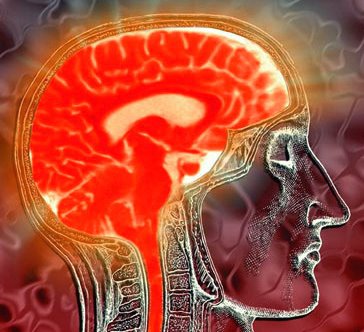
How far should doctors go in attempting to cure addiction? In China, some physicians are taking the most extreme measures. By destroying parts of the brain’s “pleasure centers” in heroin addicts and alcoholics, these neurosurgeons hope to stop drug cravings. But damaging the brain region involved in addictive desires risks permanently ending the entire spectrum of natural longings and emotions, including the ability to feel joy.

In 2004, the Ministry of Health in China banned this procedure due to lack of data on long term outcomes and growing outrage in Western media over ethical issues about whether the patients were fully aware of the risks.

However, some doctors were allowed to continue to perform it for research purposes—and recently, a Western medical journal even published a new study of the results. In 2007, The Wall Street Journal detailed the practice of a physician who claimed he performed 1000 such procedures to treat mental illnesses such as depression, schizophrenia and epilepsy, after the ban in 2004; the surgery for addiction has also since been done on at least that many people.

The November publication has generated a passionate debate in the scientific community over whether such research should be published or kept outside the pages of reputable scientific journals, where it may find undeserved legitimacy and only encourage further questionable science to flourish.

The latest study is the third published since 2003 in Stereotactic and Functional Neurosurgery, which isn’t the only journal chronicling results from the procedure, which is known as ablation of the nucleus accumbens. In October, the journal World Neurosurgery also published results from the same researchers, who are based at Tangdu Hospital in Xi’an.

The authors, led by Guodong Gao, claim that the surgery is “a feasible method for alleviating psychological dependence on opiate drugs.” At the same time, they report that more than half of the 60 patients had lasting side effects, including memory problems and loss of motivation. Within five years, 53% had relapsed and were addicted again to opiates, leaving 47% drug free.

(MORE: Addicted: Why We Get Hooked)

Conventional treatment only results in significant recovery in about 30-40% of cases, so the procedure apparently improves on that, but experts do not believe that such a small increase in benefit is worth the tremendous risk the surgery poses.  Even the most successful brain surgeries carry risk of infection, disability and death since opening the skull and cutting brain tissue for any reason is both dangerous and unpredictable. And the Chinese researchers report that 21% of the patients they studied experienced memory deficits after the surgery and 18% had “weakened motivation,” including at least one report of lack of sexual desire. The authors claim, however, that “all of these patients reported that their [adverse results] were tolerable.” In addition, 53% of patients had a change in personality, but the authors describe the majority of these changes as “mildness oriented,” presumably meaning that they became more compliant. Around 7%, however, became more impulsive.

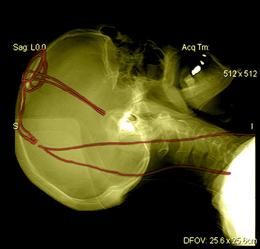
The surgery is actually performed while patients are awake in order to minimize the chances of destroying regions necessary for sensation, consciousness or movement.  Surgeons use heat to kill cells in small sections of both sides of the brain’s nucleus accumbens.  That region is saturated with neurons containing dopamine and endogenous opioids, which are involved in pleasure and desire related both to drugs and to ordinary experiences like eating, love and sex.

(MORE: A Drug to End Drug Addiction)

In the U.S. and the U.K., reports the Wall Street Journal, around two dozen stereotactic ablations are performed each year, but only in the most intractable cases of depression and obsessive-compulsive disorder and after extensive review by institutional review boards and intensive discussions with the patient, who must acknowledge the risks. Often, a different brain region is targeted, not the nucleus accumbens. Given the unpredictable and potentially harmful consequences of the procedure, experts are united in their condemnation of using the technique to treat addictions. “To lesion this region that is thought to be involved in all types of motivation and pleasure risks crippling a human being,” says Dr. Charles O’Brien, head of the Center for Studies of Addiction at the University of Pennsylvania.

David Linden, professor of neuroscience at Johns Hopkins and author of a recent book about the brain’s pleasure systems calls the surgery “horribly misguided.”  He says “This treatment will almost certainly render the subjects unable to feel pleasure from a wide range of experiences, not just drugs of abuse.”

But some neurosurgeons see it differently. Dr. John Adler, professor emeritus of neurosurgery at Stanford University, collaborated with the Chinese researchers on the publication and is listed as a co-author.  While he does not advocate the surgery and did not perform it, he believes it can provide valuable information about how the nucleus accumbens works, and how best to attempt to manipulate it. “I do think it’s worth learning from,” he says. ” As far as I’m concerned, ablation of the nucleus accumbens makes no sense for anyone.  There’s a very high complication rate. [But] reporting it doesn’t mean endorsing it. While we should have legitimate ethical concerns about anything like this, it is a bigger travesty to put our heads in the sand and not be willing to publish it,” he says.

(MORE: Anesthesia Study Opens Window Into Consciousness)

Dr. Casey Halpern, a neurosurgery resident at the University of Pennsylvania makes a similar case. He notes that German surgeons have performed experimental surgery involving placing electrodes in the same region to treat the extreme lack of pleasure and motivation associated with otherwise intractable depression.  “That had a 60% success rate, much better than [drugs like Prozac],” he says. Along with colleagues from the University of Magdeburg in Germany, Halpern has just published a paper in the Proceedings of the New York Academy of Sciences calling for careful experimental use of DBS in the nucleus accumbens to treat addictions, which have failed repeatedly to respond to other approaches. The paper cites the Chinese surgery data and notes that addiction itself carries a high mortality risk.

DBS, however, is quite different from ablation.  Although it involves the risk of any brain surgery, the stimulation itself can be turned off if there are negative side effects, while surgical destruction of brain tissue is irreversible. That permanence—along with several other major concerns — has ethicists and addiction researchers calling for a stop to the ablation surgeries, and for journals to refuse to publish related studies.

Harriet Washington, author of Medical Apartheid:  The Dark History of Medical Experimentation on Black Americans from Colonial Times to the Present, argues that by publishing the results of unethical studies, scientists are condoning the questionable conditions under which the trials are conducted. “When medical journals publish research that violates the profession’sethical guidelines, this serves not only to sanction such abuses, but to encourage them,” she says. “In doing so, this practice encourages a relaxing of moral standards that threatens all patients and subjects, but especially  the medically vulnerable.”

(MORE: Real-Time Video: First Look at a Brain Losing Consciousness Under Anesthesia)

Shi-Min Fang, a Chinese biochemist who became a freelance journalist and recently won the journal Nature‘s Maddox prize for his exposes of widespread fraud in Chinese research, has revealed some of the subpar scientific practices behind research conducted in China, facing death threats and, as the New York Times reported, a beating with a hammer. He agrees that publishing such research only perpetuates the unethical practices. Asked by TIME to comment on the addiction surgery studies, Fang writes that publishing the research, particularly in western journals, “would encourage further unethical research, particularly in China where rewards for publication in international journals are high.”

While he doesn’t have the expertise to comment specifically on the ablation data, he says “the results of clinical research in China are very often fabricated. I suspect that the approvals by Ethics Committee mentioned in these papers were made up to meet publication requirement. I also doubt if the patients were really informed in detail about the nature of the study.” Fang also notes that two of the co-authors of the paper are advertising on the internet in Chinese, offering the surgery at a cost of 35,000 renminbi, about $5,600.  That’s more than the average annual income in China, which is about $5,000.

Given the available evidence, in fact, it’s hard to find a scientific justification for even studying the technique in people at all. Carl Hart, associate professor of psychology at Columbia University and author of the leading college textbook on psychoactive drugs, says animal studies suggest the approach may ultimately fail as an effective treatment for addiction; a 1984 experiment, for example, showed that destroying the nucleus accumbens in rats does not permanently stop them from taking opioids like heroin and later research found that it similarly doesn’t work for curbing cocaine cravings. Those results alone should discourage further work in humans. “These data are clear,” he says, “If you are going to take this drastic step, you damn well better know all of the animal literature.” [Disclosure:  Hart and I have worked on a book project together].

(MORE: Top 10 Medical Breakthroughs of 2012)

Moreover, in China, where addiction is so demonized that execution has been seen as an appropriate punishment and where the most effective known treatment for heroin addiction— methadone or buprenorphine maintenance— is illegal, it’s highly unlikely that addicted people could give genuinely informed consent for any brain surgery, let alone one that risks losing the ability to feel pleasure. And even if all of the relevant research suggested that ablating the nucleus accumbens prevented animals from seeking drugs, it would be hard to tell from rats or even primates whether the change was due to an overall reduction in motivation and pleasure or to a beneficial reduction in desiring just the drug itself.

There is no question that addiction can be difficult to treat, and in the most severe cases, where patients have suffered decades of relapses and failed all available treatments multiple times, it may make sense to consider treatments that carry significant risks, just as such dangers are accepted in fighting suicidal depression or cancer.  But in the ablation surgery studies, some of the participants were reportedly as young as 19 years old and had only been addicted for three years.  Addiction research strongly suggests that such patients are likely to recover even without treatment, making the risk-benefit ratio clearly unacceptable.

The controversy highlights the tension between the push for innovation and the reality of risk. Rules on informed consent didn’t arise from fears about theoretical abuses:  they were a response to the real scientific horrors of the Holocaust. And ethical considerations become especially important when treating a condition like addiction, which is still seen by many not as an illness but as a moral problem to be solved by punishment.  Scientific innovation is the goal, but at what price?
Read more: http://healthland.time.com/2012/12/13/controversial-surgery-for-addiction-burns-away-brains-pleasure-center/#ixzz2ExzobWQq

Thanks to Dr. Lutter for bringing this to the attention of the It’s Interesting community.

 

Research from Asia is overturning long-held notions about the factors that drive people to commit suicide


SHANGHAI, CHINA—Mrs. Y’s death would have stumped many experts. A young mother and loyal wife, the rural Chinese woman showed none of the standard risk factors for suicide. She was not apparently depressed or mentally ill. Villagers said she exuded happiness and voiced few complaints. But when a neighbor publicly accused Mrs. Y of stealing eggs from her henhouse, the shame was unbearable. Mrs. Y rushed home and downed a bottle of pesticide. “A person cannot live without face,” she cried before she died. “I will die to prove that I did not steal her eggs.”

Decades of research in Western countries have positioned mental illness as an overwhelming predictor of suicide, figuring in more than 90% of such deaths. Another big risk factor is gender: Men commit suicide at much higher rates than women, by a ratio of nearly 4 to 1 in the United States, according to the U.S. Centers for Disease Control and Prevention. Other common correlates include city life and divorce. But in China, says Jie Zhang, a sociologist at the State University of New York, Buffalo State, the case of Mrs. Y is “a very typical scenario.”

Zhang oversaw interviews with Mrs. Y’s family and acquaintances while researching the prevalence of mental illness among suicide victims aged 15 to 34 in rural China. Through psychological autopsies—detailed assessments after death—Zhang and coauthors found that only 48% of 392 victims had a mental illness, they reported in the July 2010 issue of the American Journal of Psychiatry. An earlier study of Chinese suicide victims put the prevalence of mental disorders at 63%—still nowhere near as high as accepted models of suicide prevention would predict. Meanwhile, other standard risk factors simply don’t hold true, or are even reversed, in China. Chinese women commit suicide at unusually high rates; rural residents kill themselves more frequently than city dwellers do; and marriage may make a person more, rather than less, volatile.

Such differences matter because China accounts for an estimated 22% of global suicides, or roughly 200,000 deaths every year. In India, meanwhile, some 187,000 people took their own lives in 2010—twice as many as died from HIV/AIDS. By comparison, the World Health Organization (WHO) estimates that suicides in high-income countries total only 140,000 a year. Suicide rates in Japan and South Korea, however, are similar to China’s (see p. 1026), suggesting that this is a regional public health issue. And yet suicide in Asia is poorly understood. “Suicide has not gotten the attention it deserves vis-à-vis its disease burden,” says Prabhat Jha, director of the Centre for Global Health Research in Toronto, Canada.

Emerging research from developing countries like China and India is now filling that gap—and overturning prevailing notions. “The focus of the study of suicide in the West is psychiatry,” Zhang says. While mental illness remains an important correlate in Asia, he says, researchers may learn more from a victim’s family, religion, education, and personality. New findings, Zhang says, suggest that some researchers may have misread correlation as causation: In both the East and the West, “mental illness might not be the real cause of suicide.”

Distressing data

Reliable data on suicide across Asia were once maddeningly scarce. In Thailand until 2003, there was no requirement that the reported cause of death be medically validated—a flaw that rendered the country’s suicide data inaccurate. In India, suicide is a crime, which means it often goes unreported. But the Thai government now has a more accurate reporting system for mortality figures, while Indian researchers are benefiting from the Million Death Study, an effort to catalog causes of death for 1 million Indians in a 16-year survey relying on interviews with family members (Science, 15 June, p. 1372). The study has already produced a disturbing revelation about reported suicide rates. “When we compare our data with police reports, you find undercounts of at least 25% in men and 36% in women,” says Jha, the study’s lead investigator.

New insights from China are particularly instructive. Because suicide carries a stigma, the Chinese government withheld data on the topic until the late 1980s. When information finally came out, it quickly became clear that the country had a serious problem. In 1990, for example, the World Bank’s Global Burden of Disease Study estimated there were 343,000 suicides in China—or 30 per 100,000 people. The U.S. rate for the same year was 12 per 100,000.

But other reports gave different figures, prompting a debate on sources. WHO’s extrapolated total was based on data that China had reported from stations covering only 10% of the population, skewed toward urban residents. As researchers focused on the problem, they arrived at more reliable figures—but also unearthed more mysteries. In an analysis in The Lancet in 2002, a group led by Michael Phillips of Shanghai Mental Health Center and Emory University School of Medicine in Atlanta estimated that from 1995 to 1999, Chinese women killed themselves more frequently than men—by a ratio of 5 to 4. “There was originally disbelief about the very different gender ratio in China,” Phillips says, although later it was accepted.

Today, the suicide sex ratio in China is roughly 1 to 1, still a significant departure from the overall U.S. male-to-female ratio of 4 to 1. In India, the male-to-female suicide ratio is 1.5 to 1, although in the 15 to 29 age group it is close to equal. And yet, WHO estimates the global sex ratio at three men to one woman. (With colleague Cheng Hui, Phillips recently used Chinese and Indian figures to lower that estimate to 1.67 to 1.) Among young adults in India, suicide is second only to maternal mortality as a cause of death for women, according to the Million Death Survey.

In both China and India, cases like Mrs. Y’s involving no apparent mental illness are common. In India, suicide is most prevalent among teenagers and young adults—the cohort that is entering the workforce, marrying, and facing new life stresses. This contrasts with the Western pattern of high suicide rates among the middle-aged, suggesting that although “there might well be some underlying psychiatric conditions, the main drivers of [suicide in India] are probably chiefly social conditions,” Jha says. While cautioning that detailed psychological autopsies are still needed in India, he says, “it’s a reasonable assumption that many of these young folks are not mentally ill.”

Convincing researchers outside Asia may prove an uphill battle. Matthew Miller, a suicide researcher at the Harvard Injury Control Research Center in Boston, says that mental illness may be underdiagnosed in Asia for reasons that aren’t fully understood. That could throw off correlation studies. Phillips, who has worked in China for over 20 years, agrees that underdiagnosis is a problem, and that “many Western researchers still believe that we are just missing cases.” But he rejects that explanation. Even accounting for underdiagnosis, he says, the finding of a lower rate of mental illness among suicide victims has held up in multiple studies. Many Chinese suicide victims, he adds, are “most certainly severely distressed, but they don’t meet the criteria of a formal mental illness.”

Lethal weapons

Assuming that suicide risk is shaped by different factors in Asia, researchers are striving to uncover the roots. One clue may lie in the high proportion of unplanned Chinese suicides. In a 2002 survey of 306 Chinese patients who had been hospitalized for at least 6 hours following a suicide attempt, Phillips and colleagues found that 35% had contemplated suicide for less than 10 minutes—and 54% for less than 2 hours. Impulsiveness among suicide victims in Asia “tends to be higher than in the West,” says Paul Yip, director of the Hong Kong Jockey Club Centre for Suicide Research and Prevention at the University of Hong Kong and one of the authors of a recent WHO report on suicide in Asia. Although impulsive personality traits are sometimes linked to illnesses like bipolar disorder, studies in China have not uncovered full-fledged personality disorders in impulsive suicide victims.

In a tragic twist, impulsive victims in Asia tend to favor highly fatal methods. After interviewing family members and friends of 505 Chinese suicide victims, Kenneth Conner, a psychiatric researcher at the University of Rochester Medical Center in New York, and colleagues reported in 2005 that those who had ingested pesticides were more likely to have acted rashly than were those who used other methods such as hanging or drowning. Pesticides are a leading cause of suicide death in China and India, and the cause of roughly half of suicides worldwide. Pesticides may also explain Asia’s unusual suicide sex ratio, Jha says. In the West, women attempt suicide just as frequently as men do, but they tend to down sleeping pills—and often survive.

The trends in Asia point to a need for innovative prevention strategies. Zhang believes efforts should focus less on mental illness and more on “educating people to have realistic goals in life and teaching them to cope with crisis.” Front and center should be universities and rural women’s organizations, both of which already have active suicide prevention programs in China, he says. Such community-based approaches appear to have been effective in Hong Kong, Yip says. Over the past decade, the territory has rolled out programs for schoolchildren on dealing with stress and outreach groups for older adults. Its suicide rate has fallen 27% since 2003.

But resources in many Asian countries are limited. The vast majority of cities in China and India still do not have 24-hour suicide prevention hotlines. That may make what scholars call means restriction—reducing access to tools commonly used in suicide—a better goal. In Sri Lanka, pesticides once accounted for two-thirds of suicide deaths. Then in 1995, the government took steps to ban the most toxic pesticides. The suicide rate plummeted by 50% in the following decade.

The varying degrees to which mental illness and suicide correlate in East and West may ultimately be beside the point, argues Zhang, who believes a third factor may be the trigger in both regions. Strain theory, which posits that societal pressures, rather than inborn traits, contribute to crime, can help explain suicide, he believes. “Psychological strains usually precede a suicidal behavior, and they also happen before an individual becomes mentally ill.”

When a person is pulled by two or more conflicting pressures, Zhang says, as with “a girl who receives Confucian values at home and then goes to school and learns about modern values and gender equality,” she may be more prone to suicide. Other situational stresses may include a sudden crisis faced by a rural woman lacking coping mechanisms—such as the case of Mrs. Y—or an incident that forces a young man to confront a gap between his aspirations and reality. Zhang found that strain theory held up for his study subjects in rural China. He plans to probe whether it also applies to older Chinese.

Ultimately, Zhang hopes to test strain theory on Americans. The U.S. National Institutes of Health “spends millions and millions of dollars every year on treating mental illness to prevent suicide,” he says. “But no matter how much money we spend, how many psychiatrists we train, or how much work we do in psychiatric clinics, the U.S. suicide rate doesn’t decrease.” It has hovered around 10 to 12 suicides per 100,000 people since 1960.

Such research may be the tip of the iceberg when it comes to debunking long-held ideas about behavior disorders. Alcoholism is another area ripe for exploration, Cheng says: The profile of alcoholics in China contrasts sharply with that in the West. Because of social pressure to drink, Chinese alcoholics are far more likely to be working and married than American counterparts, who are often unemployed and divorced, she says. Suicide, Cheng muses, “is just another example of how environment can change behavior.”

http://www.sciencemag.org/content/338/6110/1025.full

‘Magic Mushrooms’ May Treat Depression


Rave-goers and visitors to Amsterdam before December 2008 may be intimately familiar with magic mushrooms, but there’s little scientific knowledge on what happens to the brain while tripping.

Now it appears that more research is warranted. A growing number of studies suggested that perhaps the mushrooms’ key ingredient could work magic for certain mental disorders.

New research in Proceedings of the National Academy of Sciences sheds light on why one of the mushrooms’ hallucinogenic chemical compounds, psilocybin, may hold promise for the treatment of depression. Scientists explored the effect of psilocybin on the brain, documenting the neural basis behind the altered state of consciousness that people have reported after using magic mushrooms.

“We have found that these drugs turn off the parts of the brain that integrate sensations – seeing, hearing, feeling – with thinking,” said David Nutt, co-author of the study and researcher at Imperial College London in the United Kingdom.

Nutt is also Britain’s former chief drug adviser, who has published controversial papers about the relative harms of various drugs. He was asked to leave his government position in 2009 because “he cannot be both a government adviser and a campaigner against government policy,” according to a letter in the Guardian from a member of the British Parliament.

Psilocybin is illegal in the United States and considered a Schedule 1 drug, along with heroin and LSD. Schedule 1 drugs “have a high potential for abuse and serve no legitimate medical purpose in the United States,” according to the Department of Justice.

But in the early stages of research on psilocybin, there’s been a bunch of good news for its medicinal potential: psilocybin has shown to be helpful for terminally ill cancer patients dealing with anxiety, and preliminary studies on depression are also promising.

Nutt’s study is also preliminary and small, with only 30 participants. His group used magnetic resonance imaging (MRI) to look at how the brain responds to psilocybin, from normal waking consciousness to a psychedelic state.

The study found that the more psilocybin shuts off the brain, the greater the feeling of being in an altered state of consciousness, he said. It’s not the same as dreaming, because you’re fully conscious and aware, he said.

The medial prefrontal cortex, the front part of the brain in the middle, appears to be crucial – it determines how you think, feel and behave. Damage to it produces profound changes in personality, and so if you switch it off, your sense of self becomes fragmented, Nutt said. That’s what happens when psilocybin decreases activity in it.

“Some people say they become one with the universe,” he said. “It’s that sort of transcendental experience.”

Another brain region that psilocybin affects is the anterior cingulate cortex, which is over-active in depression, Nutt said. Some patients with severe depression that cannot be treated with pharmaceuticals receive deep brain stimulation, a technique of surgically implanting a device that delivers electrical impulses directed at decreasing activity in that brain region. Psilocybin could be a cheaper option, Nutt said.

It’s counterintuitive that a hallucinogenic drug would de-activate rather than stimulate key brain regions, although other studies have shown a mix of results regarding psilocybin turning brain areas on and off, said Roland Griffiths, a professor of psychiatry and neuroscience at the Johns Hopkins University School of Medicine. Griffiths was not involved in Nutt’s study, but has also researched the effects of psilocybin.

Even if this drug gets approved some day, don’t expect to be able to pick up a prescription for psilocybin at your local pharmacy, Griffiths cautioned. There’s too much potential for abuse, he said.

Although scientists have found many positive effects of psilocybin in experimental trials, there are of course potential dangers. Some people have frightening experiences while on psilocybin. The fear and anxiety responses of magic mushrooms can be so great that, when taken casually in a non-medical setting, people can cause harm to themselves or others. They may jump out a window or run into traffic because of a panic reaction.

The drug would have to be administered in a controlled setting in a hospital, if found in further research to be an effective and safe therapy for certain mental illnesses, Griffiths said. It would not be appropriate for people who already have psychotic disorders such as schizophrenia, since psilocybin can exacerbate those symptoms.

But among healthy volunteers, Griffiths and others have found that people may have long-lasting positive effects from the vivid memories of being on psilocybin (in a controlled, experimental setting). People report mystical experiences of feeling the “interconnectedness of all things,” which can be life-changing.

“People claim to have an enhanced sense of self, more emotional balance, they’re more compassionate, they’re more sensitive to the needs of others,” he said. “They have more well-being and less depression, but they’re not ‘high’ in any conventional sense. They feel like their perceptual set has shifted.”

The memories of the psilocybin experience, and positive outcomes that users attribute toward them, can last as much as 25 years, research has shown.

Still, there’s just not enough known yet about the long-term safety of psilocybin to say whether it could also do damage to the brain, Griffiths said.

“There’d have to be changes in the brain for these long-lasting memories and attributions to occur,” Griffiths said. “We don’t know how those changes occur, and why.”


Wiring the Brain to Treat Depression


The procedure starts with a surgeon drilling two holes in the patient’s skull. “Every bone and tooth in my head was rattling,” says Lisa Battiloro, who was awake, but not in pain, during the eight-hour operation.

Neurologists asked her questions and issued commands as they pinpointed the exact spot in her brain for electrical stimulation. At one point, “I suddenly felt hopeful and optimistic about the future,” recalls Ms. Battiloro, who had battled severe depression for more than a decade. That’s when the doctors knew they had found Brodmann 25, an area deep in the cerebral cortex associated with negative mood. They secured the electrodes in place, then sedated Ms. Battiloro while they ran an extension wire under the skin, down the side of her head and into her chest, where they implanted a battery pack to supply her brain with a mild electrical current.

Within two months, Ms. Battiloro says, her depression had lifted considerably. Now, nearly four years later, it hasn’t returned. “My friends and family are amazed,” say Ms. Battiloro, 41, of Boynton Beach, Fla. “I’m a new and improved Lisa.”

Deep brain stimulation, sometimes called a pacemaker for the brain, has helped halt tremors in more than 100,000 patients with Parkinson’s disease and other movement disorders since 1997. Now, researchers are reporting encouraging results using the procedure for psychiatric conditions as well. Ms. Battiloro was one of 17 patients in a study published this month in the Archives of General Psychiatry. After two years of DBS, 92% reported significant relief from their major depression or bipolar disorder and more than half were in remission, with no manic side effects.

“We are seeing dramatic effects in the small numbers of subjects, and they are not just getting well, they are getting well without side effects and without relapsing,” says neurologist Helen Mayberg, who led the study at Emory University in Atlanta.

read more here:  http://online.wsj.com/article/SB10001424052970204555904577164813955136748.html#articleTabs=article


Depressed People Process Hate Differently in Their Brains

Scientists in China and the UK scanned the brains of people with and without depression, and they found a surprising pattern in nearly all of the depressed people: Their brain activity was out of sync in three regions collectively known as the “hate circuit” — so called because in previous experiments they have been shown to light up when people look at photographs of someone they can’t stand.

It’s as if the brains of depressed people hate incorrectly. The brain disruptions the researchers observed could be a sign that people with depression have an impaired ability to cope with — and learn from — social situations in which they feel hate, Feng says. This may explain why they often turn emotions such as hatred and anger inward, instead of handling them in more constructive ways, he adds.

The study, which was published Tuesday in the journal Molecular Psychiatry, is the first to connect disruptions in the hate circuit to depression, and the findings may help doctors understand why depressed people react the way they do to certain circumstances, says Madhkar Trivedi, M.D., director of the mood disorders program and clinic at the University of Texas Southwestern Medical Center at Dallas.


http://www.cnn.com/2011/10/04/health/depressed-brains-hate-differently/index.html?hpt=hp_t2


Physical training can substitute effectively in place of a second medication for people diagnosed with depression


Exercise can be as effective as a second medication for as many as half of depressed patients whose condition has not been cured by a single antidepressant medication.

“Many people who start on an antidepressant medication feel better after they begin treatment, but they still don’t feel completely well or as good as they did before they became depressed,” said Dr. Madhukar Trivedi, professor of psychiatry at UT Southwestern Medical Center in Dallas, and the study’s lead author. “This study shows that exercise can be as effective as adding another medication. Many people would rather use exercise than add another drug, particularly as exercise has a proven positive effect on a person’s overall health and well-being.”

http://www8.utsouthwestern.edu/utsw/cda/dept353744/files/651304.html

A Dearth of New Medications for Neuropsychiatric Disease on the Horizon


Neuropsychiatric diseases like schizophrenia, depression, Alzheimer’s disease, Parkinson’s disease and more cost billions per year and account for 13% of the global burden of disease (a measure of years of life lost due to premature mortality and living in a state less than full health), according to the World Health Organization.

However, pharmaceutical companies have decided that generating new drugs to treat these disorders are simply too costly to pursue, and are pulling the plug on research and development in this area.

Read more here:  http://www.scientificamerican.com/article.cfm?id=a-dearth-of-new-meds

Treating depression in mothers helps their children.


Maternal major depression is an established risk factor for childhood pyschopathology.  It has now been established that children whose mothers are successfully treated for depression show progressive and marked improvement in their own behaviors, in terms of depressive symptoms and social functioning, even a year after their moms discontinue treatment.

This effect was seen without any form of treatment being given to the children.

Additionally, the faster mothers got better, the faster their kids improved – and the greater the degree of improvement experienced.

This work was recently published by Dr. Madhukar Trivedi, Professor of Psychiatry at UT Southwestern Medical Center of Dallas, Texas.

http://www.utsouthwestern.edu/utsw/cda/dept353744/files/638731.html

http://www.ncbi.nlm.nih.gov/pubmed/21406462