Psychedelic mushrooms put your brain in a “waking dream,” study finds

imrs

Psychedelic mushrooms can do more than make you see the world in kaleidoscope. Research suggests they may have permanent, positive effects on the human brain.

In fact, a mind-altering compound found in some 200 species of mushroom is already being explored as a potential treatment for depression and anxiety. People who consume these mushrooms, after “trips” that can be a bit scary and unpleasant, report feeling more optimistic, less self-centered, and even happier for months after the fact.

But why do these trips change the way people see the world? According to a study published today in Human Brain Mapping, the mushroom compounds could be unlocking brain states usually only experienced when we dream, changes in activity that could help unlock permanent shifts in perspective.

The study examined brain activity in those who’d received injections of psilocybin, which gives “shrooms” their psychedelic punch. Despite a long history of mushroom use in spiritual practice, scientists have only recently begun to examine the brain activity of those using the compound, and this is the first study to attempt to relate the behavioral effects to biological changes.

After injections, the 15 participants were found to have increased brain function in areas associated with emotion and memory. The effect was strikingly similar to a brain in dream sleep, according to Dr. Robin Carhart-Harris, a post-doctoral researcher in neuropsychopharmacology at Imperial College London and co-author of the study.

“You’re seeing these areas getting louder, and more active,” he said. “It’s like someone’s turned up the volume there, in these regions that are considered part of an emotional system in the brain. When you look at a brain during dream sleep, you see the same hyperactive emotion centers.”

In fact, administration of the drug just before or during sleep seemed to promote higher activity levels during Rapid Eye Movement sleep, when dreams occur. An intriguing finding, Carhart-Harris says, given that people tend to describe their experience on psychedelic drugs as being like “a waking dream.” It seems that the brain may literally be slipping into unconscious patterns while the user is awake.

Conversely, the subjects of the study had decreased activity in other parts of the brain—areas associated with high level cognition. “These are the most recent parts of our brain, in an evolutionary sense,” Carhart-Harris said. “And we see them getting quieter and less organized.”

This dampening of one area and amplification of another could explain the “mind-broadening” sensation of psychedelic drugs, he said. Unlike most recreational drugs, psychotropic mushrooms and LSD don’t provide a pleasant, hedonistic reward when they’re consumed. Instead, users take them very occasionally, chasing the strange neurological effects instead of any sort of high.

“Except for some naïve users who go looking for a good time…which, by the way, is not how it plays out,” Carhart-Harris said, “you see people taking them to experience some kind of mental exploration, and to try to understand themselves.”

Our firm sense of self—the habits and experiences that we find integral to our personality—is quieted by these trips. Carhart-Harris believes that the drugs may unlock emotion while “basically killing the ego,” allowing users to be less narrow-minded and let go of negative outlooks.

It’s still not clear why such effects can have more profound long-term effects on the brain than our nightly dreams. But Carhart-Harris hopes to see more of these compounds in modern medicine. “The way we treat psychological illnesses now is to dampen things,” he said. “We dampen anxiety, dampen ones emotional range in the hope of curing depression, taking the sting out of what one feels.”

But some patients seem to benefit from having their emotions “unlocked” instead. “It would really suit the style of psychotherapy where we engage in a patient’s history and hang-ups,” Carhart-Harris said. “Instead of putting a bandage over the exposed wound, we’d be essentially loosening their minds—promoting a permanent change in outlook.”

Thanks to Steven Weihing for bringing this to the attention of the It’s Interesting community.

http://www.washingtonpost.com/news/to-your-health/wp/2014/07/03/psychedelic-drugs-put-your-brain-in-a-waking-dream-study-finds/

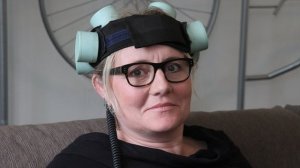
Electromagnetic helmet provides possible new treatment for depression.

A high-tech helmet has reduced symptoms of depression in two-thirds of people who’ve worn it, BBC reports. Now undergoing clinical trials, the hood works by sending electromagnetic impulses to the brain to activate the formation of new blood vessels. Patients who wear the device daily for half an hour to an hour show mood improvement in as little as week, according to the results, published in Acta Neuropsychiatrica.

Thanks to Dr. Rajadhyaksha for bringing this to the attention of the It’s Interesting community.

http://news.sciencemag.org/sifter/2014/05/watch-electromagnetic-helmet-treats-depression

Inner-City Oakland Youth Suffering From Post-Traumatic Stress Disorder

In the inner city, a health problem is making it harder for young people to learn. inner-city kids suffer from post-traumatic stress disorder (PTSD).

“Youth living in inner cities show a higher prevalence of post-traumatic stress disorder than soldiers,” according to Howard Spivak M.D., director of the U.S. Centers for Disease Control and Prevention’s Division of Violence Prevention.

Spivak presented research at a congressional briefing in April 2012 showing that children are essentially living in combat zones. Unlike soldiers, children in the inner city never leave the combat zone and often experience trauma repeatedly.

One local expert says national data suggests one in three urban youth have mild to severe PTSD. “You could take anyone who is experiencing the symptoms of PTSD, and the things we are currently emphasizing in school will fall off their radar. Because frankly it does not matter in our biology if we don’t survive the walk home,” said Jeff Duncan-Andrade, Ph.D. of San Francisco State University.

In 2013, there were 47 recorded lockdowns in Oakland public schools – again, almost all in East and West Oakland.

Students at Fremont High showed where one classmate was shot.

“If someone got shot that they knew or that they cared about… they’re going to be numb,” one student said. “If someone else in their family got shot and killed they will be sad, they will be isolated because I have been through that.”

Gun violence is only one of the traumas or stressors in concentrated areas of deep poverty.

“Its kids are unsafe, they’re not well fed,” Duncan-Andrade said. “And when you start stacking those kids of stressors on top of each other, that’s when you get these kinds of negative health outcomes that seriously disrupt school performance.”

Duncan-Andrade said doctors at Harvard’s School of Public Health have come up with a new diagnosis of complex PTSD, describing people who are repeatedly re-exposed to trauma, which Duncan-Andrade said, would include many inner-city youth.

In Oakland, about two-thirds of the murders last year were actually clustered in East Oakland, where 59 people were killed.

Teachers and administrators who graduated from Fremont High School in East Oakland and have gone back to work there spoke with KPIX 5.

“These cards that (students) are suddenly wearing around their neck that say ‘Rest in peace.’ You have some kids that are walking around with six of them. Laminated cards that are tributes to their slain friends,” said teacher Jasmene Miranda.

Jaliza Collins, also a teacher at Fremont, said, “It’s depression, it’s stress, it’s withdrawal, it’s denial. It’s so many things that is encompassed and embodied in them. And when somebody pushes that one button where it can be like, ‘please go have a seat,’ and that can be the one thing that just sets them off.”

Even the slang nickname for the condition, “Hood Disease,” itself causes pain, and ignites debate among community leaders, as they say the term pejoratively refers to impoverished areas, and distances the research and medical community from the issue.

“People from afar call it ‘Hood Disease,’ – it’s what academics call it,” said Olis Simmons, CEO of Youth UpRising working in what she describes as the epicenter of the issue: East Oakland.

She said the term minimizes the pain that her community faces, and fails to capture the impact this has on the larger community.

“In the real world where this affects real lives, people are suffering from a chronic level of trauma that doesn’t have a chance to heal because they’re effectively living in a war zone within your town,” said Simmons.

“Terms like ‘hood disease’ mean it’s someone else’s problem, but it’s not. That’s a lie. It’s a collective problem, and the question is what are we prepared to do about it?”

Thanks to Kebmodee for bringing this to the attention of the It’s Interesting community.

http://sanfrancisco.cbslocal.com/2014/05/16/hood-disease-inner-city-oakland-youth-suffering-from-post-traumatic-stress-disorder-ptsd-crime-violence-shooting-homicide-murder/

Richard A. Friedman: Why can’t doctors identify killers?

MASS killers like Elliot Rodger teach society all the wrong lessons about the connection between violence, mental illness and guns — and what we should do about it. One of the biggest misconceptions, pushed by our commentators and politicians, is that we can prevent these tragedies if we improve our mental health care system. It is a comforting notion, but nothing could be further from the truth.

And although the intense media attention might suggest otherwise, mass killings — when four or more people are killed at once — are very rare events. In 2012, they accounted for only about 0.15 percent of all homicides in the United States. Because of their horrific nature, however, they receive lurid media attention that distorts the public’s perception about the real risk posed by the mentally ill.

Anyone who watched Elliot Rodger’s chilling YouTube video, detailing his plan for murderous vengeance before he killed six people last week near Santa Barbara, Calif., would understandably conflate madness with violence. While it is true that most mass killers have a psychiatric illness, the vast majority of violent people are not mentally ill and most mentally ill people are not violent. Indeed, only about 4 percent of overall violence in the United States can be attributed to those with mental illness. Most homicides in the United States are committed by people without mental illness who use guns.

Mass killers are almost always young men who tend to be angry loners. They are often psychotic, seething with resentment and planning revenge for perceived slights and injuries. As a group, they tend to avoid contact with the mental health care system, so it’s tough to identify and help them. Even when they have received psychiatric evaluation and treatment, as in the case of Mr. Rodger and Adam Lanza, who killed 20 children and seven adults, including his mother, in Connecticut in 2012, we have to acknowledge that our current ability to predict who is likely to be violent is no better than chance.

Large epidemiologic studies show that psychiatric illness is a risk factor for violent behavior, but the risk is small and linked only to a few serious mental disorders. People with schizophrenia, major depression or bipolar disorder were two to three times as likely as those without these disorders to be violent. The actual lifetime prevalence of violence among people with serious mental illness is about 16 percent compared with 7 percent among people who are not mentally ill.

What most people don’t know is that drug and alcohol abuse are far more powerful risk factors for violence than other psychiatric illnesses. Individuals who abuse drugs or alcohol but have no other psychiatric disorder are almost seven times more likely than those without substance abuse to act violently.

As a psychiatrist, I welcome calls from our politicians to improve our mental health care system. But even the best mental health care is unlikely to prevent these tragedies.

If we can’t reliably identify people who are at risk of committing violent acts, then how can we possibly prevent guns from falling into the hands of those who are likely to kill? Mr. Rodger had no problem legally buying guns because he had neither been institutionalized nor involuntarily hospitalized, both of which are generally factors that would have prevented him from purchasing firearms.

Would lowering the threshold for involuntary psychiatric treatment, as some argue, be effective in preventing mass killings or homicide in general?

It’s doubtful.

The current guideline for psychiatric treatment over the objection of the patient is, in most states, imminent risk of harm to self or others. Short of issuing a direct threat of violence or appearing grossly disturbed, you will not receive involuntary treatment. When Mr. Rodger was interviewed by the police after his mother expressed alarm about videos he had posted, several weeks ago, he appeared calm and in control and was thus not apprehended. In other words, a normal-appearing killer who is quietly planning a massacre can easily evade detection.

In the wake of these horrific killings, it would be understandable if the public wanted to make it easier to force treatment on patients before a threat is issued. But that might simply discourage other mentally ill people from being candid and drive some of the sickest patients away from the mental health care system.

We have always had — and always will have — Adam Lanzas and Elliot Rodgers. The sobering fact is that there is little we can do to predict or change human behavior, particularly violence; it is a lot easier to control its expression, and to limit deadly means of self-expression. In every state, we should prevent individuals with a known history of serious psychiatric illness or substance abuse, both of which predict increased risk of violence, from owning or purchasing guns.

But until we make changes like that, the tragedy of mass killings will remain a part of American life.

Richard A. Friedman is a professor of clinical psychiatry and the director of the psychopharmacology clinic at the Weill Cornell Medical College.

Using botox to treat depression

Nearly 150 years ago, Charles Darwin recognized that facial expressions not only communicate the emotions we feel but intensify them, by sending cues back to the brain. In the ensuing decades, researchers proved again and again that we can influence the way we feel by the visage we project. Smiling can help us feel happier. Frowning can make us feel angrier.

But it was only in the past few years that a dermatologist from Chevy Chase, Md., noticed that some of the patients whose brows he temporarily paralyzed with Botox, to remove wrinkles, began to feel relief from depression. That physician, Eric Finzi, took his idea to psychiatrist, Norman Rosenthal, who teaches at Georgetown Medical School and had spent many years studying how light and odors, transmitted to the brain through the nerves that connect it with the eyes and nose, affect our moods.

Now there have been three small studies that show that Botox injections can help with depression. In the latest, published in the current issue of the Journal of Psychiatric Research, Finzi and Rosenthal showed that 17 of 33 patients experienced better than 50 percent reductions in their depression symptoms after a single Botox injection, and 27 percent of the group saw their depression go into remission. The study confirms a similar one reported in 2012 by German researchers Tillmann Kroger and Axel Wollmer, who spoke of their findings at a meeting of the American Psychiatric Association in New York this past weekend.

“There are several nerves, about 12 of them, that go straight into the brain through the skull,” Rosenthal told me Tuesday. “…We’re used to thinking of them in terms of their outbound messages or signals. We’re not used to thinking of them in terms of their inbound messages.”

The idea holds promise as a supplement or alternative to anti-depressants and psychotherapy for treating depression, according to Rosenthal. Minuscule amounts of Botox — which is made from the lethal botulinum toxin — are injected into the facial muscles and don’t even enter the bloodstream. The procedure has shown no side-effects.

If the whole idea seems almost too outlandish to believe — as it did for me — Rosenthal was quick to point out that he was laughed at 30 years ago, when he proposed the idea of “seasonal affective disorder” and the notion that exposing people to bright light in the depths of winter could help with that kind of depression. “Now, it’s ubiquitous,” he said. “Then, they thought it was ridiculous.”

The treatment isn’t perfect. Botox is expensive, at about $400 per dose, wears off in about three months and isn’t covered by insurance. And as the studies showed, it doesn’t work for everyone.

But the botulinum toxin already is used to treat a wide variety of medical conditions. Perhaps depression is next.

http://www.washingtonpost.com/news/to-your-health/wp/2014/05/07/using-botox-to-treat-depression-seriously/

7.5% of American schoolchildren take prescription psychiatric medications

The National Center for Health Statistics has found that 7.5 percent of American schoolchildren between the ages of six and 17 had been prescribed and taking pills for emotional or behavioral difficulties.

That is one in every 13 kids.

The study also found that more than half (55 percent) of the parents of the participants said that the medications helped their children “a lot,” while another 26 percent said it helped “some.”

The researchers were unable to identify the specific medications prescribed to the children, however they did make some discoveries regarding race and gender of the children on these medications.

Significantly more boys than girls were given medication; about 9.7 percent of boys compared with 5.2 percent of girls.

Older girls were more likely than younger females to be put on medication.

White children were the most likely to be on psychiatric medications (9.2 percent), followed by Black children (7.4 percent) and Hispanic children (4.5 percent).

Children on Medicaid or a Children’s Health Insurance Program (CHIP) were more likely on medication for emotional and behavioral problems (9.9 percent), versus 6.7 percent of kids with private insurance and only 2.7 percent of uninsured children.

Parents of younger children (between ages 6 and 11) were slightly more likely to feel the medications helped “a lot” compared to those of older children.

Parents of males were also more likely to feel the medications helped “a lot” — about 58 percent of parents of males reported that they helped “a lot” compared to 50 percent of the parents of females.

Parents with incomes less than 100 percent of the federal poverty level were the least likely to feel the medications helped “a lot”. Just 43 percent of these parents said the medications helped “a lot”, while about 31 percent said they helped “some”.

More families living below 100 percent of the federal poverty level had children taking medications for emotional and behavioral problems than those above the federal poverty level.

http://atlantablackstar.com/2014/04/25/1-13-schoolkids-takes-psych-meds/

Thanks to Da Brayn for bringing this to the attention of the It’s Interesting community.

Protecting new neurons reduces depression caused by stress, and may lead to a new class of molecules to treat depression.

Scientists probing the link between depression and a hormone that controls hunger have found that the hormone’s antidepressant activity is due to its ability to protect newborn neurons in a part of the brain that controls mood, memory, and complex eating behaviors. Moreover, the researchers also showed that a new class of neuroprotective molecules achieves the same effect by working in the same part of the brain, and may thus represent a powerful new approach for treating depression.

“Despite the availability of many antidepressant drugs and other therapeutic approaches, major depression remains very difficult to treat,” says Andrew Pieper, associate professor of psychiatry and neurology at the University of Iowa Carver College of Medicine and Department of Veterans Affairs, and co-senior author of the study.

In the new study, Pieper and colleagues from University of Texas Southwestern Medical Center led by Jeffrey Zigman, associate professor of internal medicine and psychiatry at UT Southwestern, focused on understanding the relationship between depression, the gut hormone ghrelin, and the survival of newborn neurons in the hippocampus, the brain region involved in mood, memory, and eating behaviors.

“Not only did we demonstrate that the P7C3 compounds were able to block the exaggerated stress-induced depression experienced by mice lacking ghrelin receptors, but we also showed that a more active P7C3 analog was able to complement the antidepressant effect of ghrelin in normal mice, increasing the protection against depression caused by chronic stress in these animals,” Zigman explains.

“The P7C3 compounds showed potent antidepressant activity that was based on their neurogenesis-promoting properties,” Pieper adds. “Another exciting finding was that our experiments showed that the highly active P7C3 analog acted more rapidly and was more effective [at enhancing neurogenesis] than a wide range of currently available antidepressant drugs.”

The findings suggest that P7C3-based compounds may represent a new approach for treating depression. Drugs based on P7C3 might be particularly helpful for treating depression associated with chronic stress and depression associated with a reduced response to ghrelin activity, which may occur in conditions such as obesity and anorexia nervosa.

Future studies, including clinical trials, will be needed to investigate whether the findings are applicable to other forms of depression, and determine whether the P7C3 class will have antidepressant effects in people with major depression.

The hippocampus is one of the few regions in the adult brain where new neurons are continually produced – a process known as neurogenesis. Certain neurological diseases, including depression, interfere with neurogenesis by causing death of these new neurons, leading to a net decrease in the number of new neurons produced in the hippocampus.

Ghrelin, which is produced mainly by the stomach and is best known for its ability to stimulate appetite, also acts as a natural antidepressant. During chronic stress, ghrelin levels rise and limit the severity of depression caused by long-term stress. When mice that are unable to respond to ghrelin experience chronic stress they have more severe depression than normal mice.

In the new study, Pieper and Zigman’s team showed that disrupted neurogenesis is a contributing cause of depression induced by chronic stress, and that ghrelin’s antidepressant effect works through the hormone’s ability to enhance neurogenesis in the hippocampus. Specifically, ghrelin helps block the death of these newborn neurons that otherwise occurs with depression-inducing stress. Importantly, the study also shows that the new “P7C3-class” of neuroprotective compounds, which bolster neurogenesis in the hippocampus, are powerful, fast-acting antidepressants in an animal model of stress-induced depression. The results were published online April 22 in the journal Molecular Psychiatry.

Potential for new antidepressant drugs

The neuroprotective compounds tested in the study were discovered about eight years ago by Pieper, then at UT Southwestern Medical Center, and colleagues there, including Steven McKnight and Joseph Ready. The root compound, known as P7C3, and its analogs protect newborn neurons from cell death, leading to an overall increase in neurogenesis. These compounds have already shown promising neuroprotective effects in models of neurodegenerative disease, including Parkinson’s disease, amyotrophic lateral sclerosis (ALS), and traumatic brain injury. In the new study, the team investigated whether the neuroprotective P7C3 compounds would reduce depression in mice exposed to chronic stress, by enhancing neurogenesis in the hippocampus.

http://now.uiowa.edu/2014/04/protecting-new-neurons-reduces-depression-caused-stress

Boosting Excess Neuron Activity Builds Resilience In Mice Vulnerable To Depression

A new study has found that activating natural resilience in the brain could reduce susceptibility for stress in mice, and potentially humans.

Depressive behaviors in mice are often linked to “out-of-balance” neuron activity in the brain’s reward circuit. Suppressing or stopping this hyperactive neuron activity was typically thought to treat this susceptibility to depression or anxiety — but the new study has found quite the opposite.

“To our surprise, neurons in this circuit harbor their own self-tuning, homeostatic mechanism of natural resilience,” Ming-Hu Han of the Icahn School of Medicine at Mount Sinai in New York City, explained in a press release. What this means is that instead of suppressing this excessive neuron activity, boosting it provided a self-stabilizing response, re-establishing balance and producing an antidepressant-like effect.

The mice that were once vulnerable to being anxious, listless, depressed or withdrawn after socially stressful experiences stopped exhibiting these behaviors after their neuron activity received a boost. “As we get to the bottom of a mystery that has perplexed the field for more than a decade, the story takes an unexpected twist that may hold clues to future antidepressants that would at through this counterintuitive resilience mechanism,” Dr. Thomas Insel, NIMH Director, said in the press release.

In susceptible mice, neurons that secrete dopamine — a feel-good hormone — from a reward circuit area called the ventral tegmental area (VTA) become unusually hyperactive. This hyperaction was much higher in mice that were resilient to stress, “even though they were spared the runaway dopamine activity and depression-related behaviors,” the press release reads. Using this logic, the susceptible mice just needed a boost in activation in these neurons to produce resilience.

What is interesting about this study is that it points to the power of the body and brain’s self-correcting prowess. “Homeostatic mechanisms finely regulate other critical components of physiology required for survival — blood glucose and oxygen, body temperature, blood pressure,” Lois Winsky, chief of the NIMH Molecular, Cellular, and Genomic Neuroscience Research Branch, said in the press release. “Similar mechanisms appear to also maintain excitatory balance in brain cells. This study shows how they may regulate circuits underlying behavior.”

http://www.medicaldaily.com/boosting-excess-neuron-activity-builds-resilience-mice-vulnerable-depression-277452

When doctors prescribe books to heal the mind

bibliotherapy_WEB

By Leah Price

More than 350 million people worldwide suffer from depression. Fewer than half receive any treatment; even fewer have access to psychotherapy. Around the turn of the millennium, antidepressants became the most prescribed kind of drug in the United States. In the United Kingdom, 1 in 6 adults has taken one.

But what if a scientist were to discover a treatment that required minimal time and training to administer, and didn’t have the side effects of drugs? In 2003, a psychiatrist in Wales became convinced that he had. Dr. Neil Frude noticed that some patients, frustrated by year-long waits for treatment, were reading up on depression in the meantime. And of the more than 100,000 self-help books in print, a handful often seemed to work.

This June, a program was launched that’s allowing National Health Service doctors across England to act upon Frude’s insight. The twist is that the books are not just being recommended, they’re being “prescribed.” If your primary care physician diagnoses you with “mild to moderate” depression, one of her options is now to scribble a title on a prescription pad. You take the torn-off sheet not to the pharmacy but to your local library, where it can be exchanged for a copy of “Overcoming Depression,” “Mind Over Mood,” or “The Feeling Good Handbook.” And depression is only one of over a dozen conditions treated. Other titles endorsed by the program include “Break Free from OCD,” “Feel the Fear and Do it Anyway,” “Getting Better Bit(e) by Bit(e),” and “How to Stop Worrying.”

The NHS’s Books on Prescription program is only the highest-profile example of a broader boom in “bibliotherapy.” The word is everywhere in Britain this year, although—or because—it means different things to different people. In London, a painter, a poet, and a former bookstore manager have teamed up to offer over-the-counter “bibliotherapy consultations”: after being quizzed about their literary tastes and personal problems, the worried well-heeled pay 80 pounds for a customized reading list. At the Reading Agency, a charity that developed and administers Books on Prescription, a second program called Mood-Boosting Books recommends fiction and poetry. The NHS’s public health and mental health budgets also fund nonprofits such as The Reader Organization, which gathers people who are unemployed, imprisoned, old, or just lonely to read poems and fiction aloud to one another.

At best, Books on Prescription looks like a win-win for both patients and book lovers. It boosts mental health while also bringing new library users in the door. Libraries loaned out NHS-approved self-help books 100,000 times in the first three months of the program; no doubt some of their borrowers must have picked up a novel or a memoir en route to the circulation desk. At worst, it’s hard to see what harm the program can do. Unlike drugs, books carry no risk of side effects like weight gain, dampened libido, or nausea (unless you read in the car).

For book lovers, an organization with as much clout as the NHS would seem to be a welcome ally. Yet its initiatives raise troubling questions about why exactly a society should value reading. What’s lost when a bookshelf is repurposed as a medicine cabinet—and when a therapist’s job gets outsourced to the page?

In 1916, the clergyman Samuel Crothers coined the term “bibliotherapy,” positing tongue-in-cheek that “a book may be a stimulant or a sedative or an irritant or a soporific.” In the intervening century, doctors, nurses, librarians, and social workers have more seriously championed “bibliopathy,” “bibliocounseling,” “biblioguidance,” and “literatherapy”—all variations on the notion that reading can heal.

Only recently, however, have the mental health effects of one genre—self-help books—been rigorously studied. As early as 1997, a randomized trial found bibliotherapy supervised by therapists no less effective in treating unipolar depression than individual or group therapy. More surprisingly, a 2007 literature review by the same researcher found that books treated anxiety just as effectively without a therapist’s guidance as with it. A 2004 meta-analysis comparing bibliotherapy for anxiety and depression to short-term talk therapy found books “as effective as professional treatment of relatively short duration.”

None of this means a book can outperform a therapist, even if it can underbid him. A 2012 meta-analysis of anxiety disorders concluding that “comparing self-help with waiting list gave a significant effect size of 0.84 in favour of self-help” nevertheless cautioned that “comparison of self-help with therapist-administered treatments revealed a significant difference in favour of the latter.” Translation: A book does worse than a therapist, but it’s better than nothing. And in the short term, at least, nothing is what many patients get.

Books on Prescription can be understood as an extension of larger changes in psychiatry over the past few decades. For most of the 20th century, psychodynamic therapy placed more emphasis on the therapist-patient relationship than on the content of the therapist’s words. More recently, insurers’ interest in cutting costs and researchers’ interest in protocols that can be measured and replicated have combined to nudge treatment toward short-term, standardized methods such as cognitive-behavioral therapy. Books take this trajectory to its logical conclusion. If your aim is less to help patients explore the underlying causes of their condition than to offer step-by-step instructions for managing it, then who cares whether the exercises emanate from a mouth, a manual, or even a smartphone app?

But even therapies like cognitive-behavioral therapy require the patient to feel recognized and understood by another human being. Asked how a printed page can mimic that face-to-face encounter, Frude comes up with an unexpected word: “magic.” The best books give the illusion of listening and caring, he explains, because authors who are also clinicians can draw on years of experience interacting with patients to leave each reader saying “that book was about me.” He does acknowledge that not every case fits books “off the peg” (or off the rack, as we say in the United States). But it’s a striking metaphor to choose—one that makes psychodynamic therapy sound like a luxury good as unattainable as Savile Row tailoring.

Where Frude sees magic, a cynic might smell pragmatism. Even short-term cognitive-behavioral therapy costs more than a $24.95 hardcover. But in any case, many patients read whether or not they have the NHS’s blessing. If recommended titles crowd out the misinformation that patients might otherwise stumble upon, whether in print or online, Books on Prescription will already have helped.

It’s hard not to notice that Books on Prescription was developed in the same years when American universities began to offer MOOCs, or massive open online courses. Even if an online course lacks the give-and-take of a seminar, it’s better than nothing. Like Books on Prescription, MOOCs scale up an activity whose face-to-face version was traditionally out of reach of the masses. Also like Books on Prescription, MOOCs create a cost-effective alternative that may eventually squeeze out personal contact even at the high end of the market.

That concern aside, it’s no surprise that self-help books can help the self. That literature might help, however, is a more controversial proposition. The other half of the Reading Agency’s two-pronged Reading Well initiative, Mood-Boosting Books, promotes fiction, poetry, and memoirs. Its annual list of “good reads for people who are anxious or depressed” mixes titles that represent characters experiencing anxiety or depression (Mark Haddon’s “A Spot of Bother”) with others calculated to combat those conditions. Some go for laughs (Sue Townsend’s “The Secret Diary of Adrian Mole Aged 13¾”); others, such as “A Street Cat Named Bob” and “The Bad Dog’s Diary,” read like printouts of PetTube.com. Others are darker and more demanding: Reading Well anointed Alice Munro’s short stories as a selection before the Nobel Prize Committee did.

The Reading Agency’s endorsement of imaginative reading stops short of recommending specific titles. Its website bristles with disclaimers that the works of literature are nominated by reading groups rather than tested by scientists. Yet the charity has given Mood-Boosting Books prestige—and the NHS has put hard cash behind them as well, providing some libraries with grants to purchase the recommended works of literature along with the “prescribed” self-help titles.

I ask Judith Shipman, who runs the Mood-Boosting Books program, whether recommending books “for people who are anxious or depressed” implies that poems or novels can treat those conditions. “I don’t think we could claim that they are therapy or a substitute for therapy,” she hazards after a long pause. “But for those who don’t quite need therapy, Mood-Boosting Books could be a nice little lift.”

Today it might seem commonplace to suggest that books are good for you. In the longer view, though, the hope that both literature and practical nonfiction can cure reverses an older belief by doctors that reading could cause physical and mental illness. In 1867, one expert cautioned that taking a book to bed could “injure your eyes, your brain, your nervous system.” Some social reformers proposed regulating books as if they were drugs. In 1883, the New York State Legislature debated whether to fine “any person who shall sell, loan, or give to any minor under sixteen years of age any dime novel or book of fiction, without first obtaining the written consent of the parent or guardian of such a minor.” As late as 1889, one politician called fiction “moral poison.”

As radio, TV, gaming, and eventually the Internet began to compete with books, though, fiction-reading came to look wholesome by comparison. Today, with only half of Americans reading any book for pleasure in a given year, reading is finding new champions from an unlikely quarter: science. This year, Science published a study concluding that reading about fictional characters increases empathy; in his 2011 book “The Better Angels of Our Nature,” the psychologist Steven Pinker correlated the rise of imaginative literature with a centuries-long decline in violence. And while correlation doesn’t imply causation, randomized trials have also attempted to link fiction-reading to physical health. In a 2008 study of 81 preteens, girls assigned fiction in which characters eat balanced breakfasts ended up with a lower body mass index than the control group. The Reading Well website itself cites a 2009 study that compared heart rates and muscle tension before and after various activities and found that reading is “68% better at reducing stress levels than listening to music; 100% more effective than drinking a cup of tea.” The numbers may be less telling than the fact that someone would think to compare books to tea in the first place.

It’s too early to predict the long-term effects of bibliotherapy programs. There’s little precedent for a government to make neuroscientists and psychiatrists the arbiters of what books should be read and why. And literary critics like me recoil from reducing the value of reading to a set of health metrics. But as library budgets shrink and any text longer than 140 characters gets crowded out by audio and video, white-coated experts may be the only ones prospective readers can hear. Racing to find out what happens next, seeing the world through a character’s eyes, wallowing in the play of language—all are becoming means to medical ends. Today, for an increasing number of people, the pleasures of reading require a doctor’s note.

http://www.bostonglobe.com/ideas/2013/12/22/when-doctors-prescribe-books-heal-mind/H2mbhLnTJ3Gy96BS8TUgiL/story.html


More evidence that mindfullness meditation can help with anxiety, depression and pain

mindfulness-meditation

By Andrew M. Seaman

Mindfulness meditation may be useful in battles against anxiety, depression and pain, according to a fresh look at past research.

Using data from 47 earlier studies, researchers found moderate evidence to support the use of mindfulness meditation to treat those conditions. Meditation didn’t seem to affect mood, sleep or substance use.

“Many people have the idea that meditation means just sitting quietly and doing nothing,” wrote Dr. Madhav Goyal in an email to Reuters Health. “That is not true. It is an active training of the mind to increase awareness, and different meditation programs approach this in different ways.”

Goyal led the study at The Johns Hopkins University in Baltimore.

He and his colleagues write in JAMA Internal Medicine that meditation techniques emphasize mindfulness and concentration.

So-called mindfulness meditation is aimed at allowing the mind to pay attention to whatever thoughts enter it, such as sounds in the environment, without becoming too focused. Mantra meditation, on the other hand, involves focusing concentration on a particular word or sound.

Approximately 9 percent of people in the U.S. reported meditating in 2007, according to the National Institutes of Health. About 1 percent said they use meditation as some sort of treatment or medicine.

For the new report, the researchers searched several electronic databases that catalog medical research for trials that randomly assigned people with a certain condition – such as anxiety, pain or depression – to do meditation or another activity. These randomized controlled trials are considered the gold standard of medical research.

The researchers found 47 studies with over 3,500 participants that met their criteria.

After combining the data, Goyal said his team found between a 5 and 10 percent improvement in anxiety symptoms among people who took part in mindfulness meditation, compared to those who did another activity.

There was also about a 10 to 20 percent improvement in symptoms of depression among those who practiced mindfulness meditation, compared to the other group.

“This is similar to the effects that other studies have found for the use of antidepressants in similar populations,” Goyal said.

Mindfulness meditation was also tied to reduced pain. But Goyal said it’s hard to know what kind of pain may be most affected by meditation.

The benefits of meditation didn’t surpass what is typically associated with other treatments, such as drugs and exercise, for those conditions.

“As with many therapies, we try to get a moderate level of confidence that the therapy works before we prescribe it,” Goyal said. “If we have a high level of confidence, it is much better.”

But he noted that the researchers didn’t find anything more than moderate evidence of benefit from meditation for anxiety, depression and pain.

There was some suggestion that meditation may help improve stress and overall mental health, but the evidence supporting those findings was of low quality.

There was no clear evidence that meditation could influence positive mood, attention, substance use, eating habits, sleep or weight.

“Clinicians should be prepared to talk with their patients about the role that meditation programs could have in addressing psychological stress, particularly when symptoms are mild,” Goyal said.

Dr. Allan Goroll, who wrote an editorial accompanying the new study, told Reuters Health the analysis is an example of an area of much-needed scientific study, because many people make treatment decisions based on beliefs – not data.

“That is particularly the case with alternative and complimentary approaches to treating medical problems,” he said. “It ranges from taking vitamins to undergoing particular procedures for which the scientific evidence is very slim but people’s beliefs are very great.”

Goroll is professor at Harvard Medical School and Massachusetts General Hospital in Boston.

Goyal said people should remember that meditation was not conceived to treat any particular health problem.

“Rather, it is a path we travel on to increase our awareness and gain insight into our lives,” he wrote. “The best reason to meditate is to gain this insight. Improvements in health conditions are really a side benefit, and it’s best to think of them that way.”

SOURCE: bit.ly/WiwDtv JAMA Internal Medicine, online January 6, 2014.