Luke Holmes, 28, grew huge quantities of marijuana in three-foiled lined tents, with each one containing rows of powerful halogen lights.
The heat they generated sent temperatures soaring to dangerous levels, with police nearly fainting from heat when they entered the house last June, according to a report in The Sun.
Holmes passed away in his sleep in his Halifax, West Yorks, property. He was found by friends three days later when they broke in, concerned that they hadn’t heard from him.
Holmes’ death was declared accidental by an inquest, which ruled that he died from hyperthermia, or excessive heat.
A 23-year-old British man died from what the coroner said was a dangerous dose of caffeine, according to British media reports.
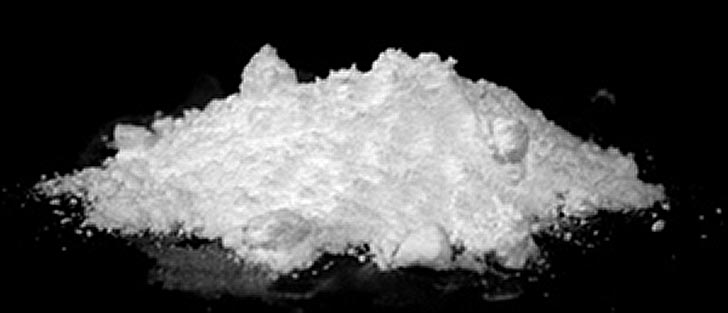
Information from the coroner’s inquest revealed that Michael Lee Bedford ingested two spoonfuls of pure caffeine powder that he washed down with an energy drink. Coroner Dr. Nigel Chapman said the dose Bedford consumed was equivalent to 70 cans of Red Bull.
“This should serve as a warning that caffeine is so freely available on the Internet but so lethal if the wrong dosage is taken,” Chapman said at the inquest.
A warning label on the product said only one-sixteenth of a teaspoon should be taken, but Bedford far exceeded that amount.
“He wasn’t doing anything wrong, it was just the danger of the dose he took,” said Chapman.
Though toxicologists in the U.S. say they’re not aware of any cases of people overdosing on caffeine powder, they say that caffeine overdoses are on the rise thanks in large part to the wide availability of caffeine-loaded energy drinks. They believe that increased consumption of these drinks can lead to caffeine abuse, which can lead to significant illness, injury and even death.
“It’s already a big problem,” said Bruce Goldberger, professor and director of toxicology at the University of Florida College of Medicine. “we’re a chemical-based society, because so many of us rely on psychotropic drugs to get by every day.”
“We’re seeing a lot more of it, and one of the reasons is, it’s difficult to figure out how much stimulant is in some of these products,” said Dr. Robert Hendrickson, medical toxicologist and emergency physician at Oregon Health and Science University in Portland.
Hendrickson explained that there may be other ingredients in many energy drinks and supplements, such as taurine and guarana, that also have caffeine in them, but there’s no indication of how much caffeine they contain.
Experts say there’s been a rise in the number of caffeine-related illnesses because more and more people are taking caffeine for a variety of reasons.
“Students are using it for studying, people are using it to try and stay awake and participate in late night social activities,” said Dr. Richard Clark, director of medical toxicology at UCSD Medical Center in San Diego, Calif.
Medical experts agree that the amount of caffeine that led to Bedford’s death is clearly fatal, and they can only speculate about why someone would choose to ingest that much caffeine.
“It’s a stimulant, so if you’re looking for a stimulant high, caffeine is perceived to be a lot safer,” said Hendrickson.
They aren’t sure how much caffeine is considered life-threatening, although they say there are ways to tell when you’ve reached the caffeine breaking point.
“Caffeine increases our heart rate and our blood pressure and in some people, their degree of anxiety,” said Goldberger.
“[You can also] develop a tremor and feel restless,” Clark added.
When people start to experience these symptoms, it’s a sure sign they’ve had too much caffeine. With extremely high doses, people may start to experience a rapid and irregular heart beat and may eventually have seizures. Death can occur within hours.
“In a life-threatening situation, it’s not unlike the effects of other well-known stimulants like cocaine and amphetamine,” said Goldberger.
Despite the dangers of very high doses of caffeine, studies have shown that caffeine can offer some benefits in small doses.
“We’re seeing a lot more of it, and one of the reasons is, it’s difficult to figure out how much stimulant is in some of these products,” said Dr. Robert Hendrickson, medical toxicologist and emergency physician at Oregon Health and Science University in Portland.
Hendrickson explained that there may be other ingredients in many energy drinks and supplements, such as taurine and guarana, that also have caffeine in them, but there’s no indication of how much caffeine they contain.
Experts say there’s been a rise in the number of caffeine-related illnesses because more and more people are taking caffeine for a variety of reasons.
“Students are using it for studying, people are using it to try and stay awake and participate in late night social activities,” said Dr. Richard Clark, director of medical toxicology at UCSD Medical Center in San Diego, Calif.
Medical experts agree that the amount of caffeine that led to Bedford’s death is clearly fatal, and they can only speculate about why someone would choose to ingest that much caffeine.
“It’s a stimulant, so if you’re looking for a stimulant high, caffeine is perceived to be a lot safer,” said Hendrickson.
They aren’t sure how much caffeine is considered life-threatening, although they say there are ways to tell when you’ve reached the caffeine breaking point.
“Caffeine increases our heart rate and our blood pressure and in some people, their degree of anxiety,” said Goldberger.
“[You can also] develop a tremor and feel restless,” Clark added.
When people start to experience these symptoms, it’s a sure sign they’ve had too much caffeine. With extremely high doses, people may start to experience a rapid and irregular heart beat and may eventually have seizures. Death can occur within hours.
“In a life-threatening situation, it’s not unlike the effects of other well-known stimulants like cocaine and amphetamine,” said Goldberger.
Despite the dangers of very high doses of caffeine, studies have shown that caffeine can offer some benefits in small doses.
Even if a person suffers no ill effects from consuming an energy drink, experts advise they should not be consumed regularly or over a long period of time because of all the unknowns.
They also urge people to consume any caffeinated foods and drinks in moderation.
“There is no recommended amount, so the key is to know your body and how caffeine affects it,” said Goldberger.
Experts also expressed concern over the growing trend of mixing alcohol and caffeine. This combination can be dangerous, as one recent incident showed.
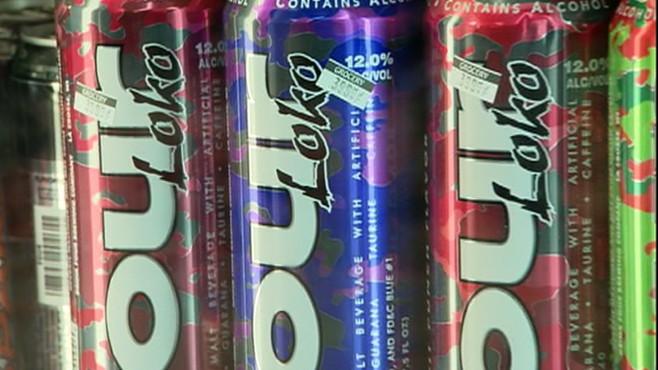
A group of Central Washington University students became extremely ill after drinking Four Loko, a legal beverage that’s a mix of alcohol and caffeine. Another popular drink is a mixture of Red Bull and vodka.
“Some folks think they can drive better by mixing caffeine with alcohol, but no study confirms that,” said Clark. “Believing you can go drive this way has all kinds of problems associated with it.”
The family of Michael Bedford also has a strong message about the dangers of products like the caffeine powder that led to his death.
“I feel like it should be banned,” his grandmother told British media outlets.
“I think there should be a warning on it saying it can kill,” his aunt said.
Even though Post Traumatic Stress Disorder is triggered by a stressful incident, it is really a disease of memory. The problem isn’t the trauma—it’s that the trauma can’t be forgotten. Most memories, and their associated emotions, fade with time. But PTSD memories remain horribly intense, bleeding into the present and ruining the future.
Neuroscientists have a molecular explanation of how and why memories change. In fact, their definition of memory has broadened to encompass not only the cliché cinematic scenes from childhood but also the persisting mental loops of illnesses like PTSD and addiction—and even pain disorders like neuropathy. Unlike most brain research, the field of memory has actually developed simpler explanations. Whenever the brain wants to retain something, it relies on just a handful of chemicals. Even more startling, an equally small family of compounds could turn out to be a universal eraser of history, a pill that we could take whenever we wanted to forget anything.
And researchers have found one of these compounds.
In the very near future, the act of remembering will become a choice.
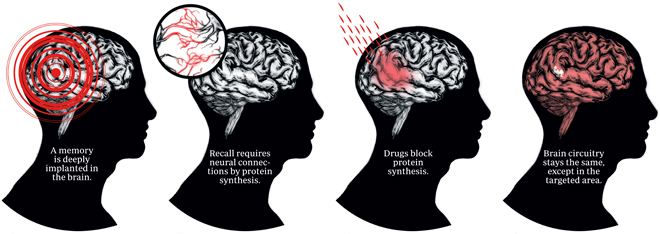
1. Pick a memory.
It has to be something deeply implanted in the brain, a long-term memory that has undergone a process called consolidation—a restructuring of neural connections.
2. Recall requires neural connections by protein synthesis.
To remember something, your brain synthesizes new proteins to stabilize circuits of neural connections. To date, researchers have identified one such protein, called PKMzeta. Before trying to erase the targeted memory, researchers would ensure that it was ensconsed by having the patient write down an account of the event or retell it aloud several times.
3. Nuke the memory.
To delete the memory, researchers would administer a drug that blocks PKMzeta and then ask the patient to recall the event again. Because the protein required to reconsolidate the memory will be absent, the memory will cease to exist. Neuroscientists think they’ll be able to target the specific memory by using drugs that bind selectively to receptors found only in the correct area of the brain.
4. Everything else is fine.
If the drug is selective enough and the memory precise enough, everything else in the brain should be unaffected and remain as correct—or incorrect—as ever.
Two studies showing how scientists mutated the H5N1 bird flu virus into a form that could cause a deadly human pandemic will be published only after experts fully assess the risks, the World Health Organization (WHO) said on Friday.
The WHO called the meeting to break a deadlock between scientists who have studied the mutations needed to make H5N1 bird flu transmit between mammals, and the U.S. National Science Advisory Board for Biosecurity (NSABB), which wanted the work censored before it was published in scientific journals.
Biosecurity experts fear mutated forms of the virus that research teams in The Netherlands and the United States independently created could escape or fall into the wrong hands and be used to spark a pandemic worse than the 1918-19 outbreak of Spanish flu that killed up to 40 million people.
The WHO said experts at the meeting included lead researchers of the two studies, scientific journals interested in publishing the research, funders of the research, countries who provided the viruses, bioethicists and directors from several WHO-linked laboratories specializing in influenza.
The H5N1 virus, first detected in Hong Kong in 1997, is entrenched among poultry in many countries, mainly in Asia, but so far remains in a form that is hard for humans to catch.
It is known to have infected nearly 600 people worldwide since 2003, killing half of them, a far higher death rate than the H1N1 swine flu which caused a flu pandemic in 2009/2010.
Last year two teams of scientists – one led by Ron Fouchier at Erasmus Medical Center and another led by Yoshihiro Kawaoka at the University of Wisconsin – said they had found that just a handful of mutations would allow H5N1 to spread like ordinary flu between mammals, and remain as deadly as it is now.
This type of research is seen as vital for scientists to be able to develop vaccines, diagnostic tests and anti-viral drugs that could be deployed in the event of an H5N1 pandemic.
In December, the NSABB asked two leading scientific journals, Nature and Science, to withhold details of the research for fear it could be used by bioterrorists.
They said a potentially deadlier form of bird flu poses one of the gravest known threats to humans and justified the unprecedented call to censor the research.
The WHO voiced concern, and flu researchers from around the world declared a 60-day moratorium on Jan. 20 on “any research involving highly pathogenic avian influenza H5N1 viruses” that produce easily contagious forms.
Fouchier, who took part in the two-day meeting at the WHO which ended on Friday, said the consensus of experts and officials there was “that in the interest of public health, the full paper should be published” at some future date.
In its current form, people can contract H5N1 only through close contact with ducks, chickens, or other birds that carry it, and not from infected individuals.
But H5N1 can acquire mutations that allow it to live in the upper respiratory tract rather than the lower, and the Dutch and U.S. researchers found a way to make it travel via airborne droplets between infected ferrets. Flu viruses are thought to behave similarly in the animals and in people.
Scientists say they “serendipitously” discovered that a drug used to treat a type of cancer quickly reversed Alzheimer’s disease in mice.
“It’s really exciting,” said Maria Carrillo, senior director for medical and scientific relations for the Alzheimer’s Association. “They saw very positive and robust behavior effects in the mice.”
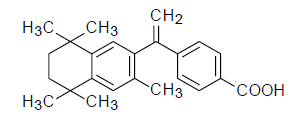
In the study, researchers at Case Western Reserve University School of Medicine gave mice mega-doses of bexarotene, a drug used to treat a type of skin cancer called cutaneous T-cell lymphoma. Within 72 hours, the mice showed dramatic improvements in memory and more than 50% of amyloid plaque — a hallmark of Alzheimer’s disease — had been removed from the brain.
The study was published Thursday in the journal Science.
Gary Landreth, the lead researcher at Case Western, cautioned that even though his results were impressive in mice, it may turn out not to work in people.
“I want to say as loudly and clearly as possible that this was a study in mice, not in humans,” he said. “We’ve fixed Alzheimer’s in mice lots of times, so we need to move forward expeditiously but cautiously.”
Mice — and humans — with Alzheimer’s have high levels of a substance called amyloid beta in their brain. Pathology tests on the mice showed bexarotene lowered the levels of amyloid beta and raised the levels of apolipoprotein E, which helps keep amyloid beta levels low.
Landreth said he hopes to try the drug out in healthy humans within two months, to see if it has the same effect.
Those participating in the trial would be given the standard dose that cancer patients are usually given.
Researchers tested the memories of mice with Alzheimer’s both before and after giving them bexarotene. For example, the Alzheimer’s mice walked right into a cage where they’d previously been given a painful electrical shock, but after treatment with bexarotene, the mice remembered the shock and refused to enter the cage.
In another test, the scientists put tissue paper in a cage. Normal mice instinctively use tissues in their cage to make a nest, but mice with Alzheimer’s can’t figure out what to do with the tissues. After treatment with the drug, the Alzheimer’s mice made a nest with the paper.
Carrillo said one of the major advantages of bexarotene is that it’s already been approved by the Food and Drug Administration for use in humans, which means the researchers can move into human trials sooner than if it were a completely new drug.
The Alzheimer’s Foundation is funding Case Western’s next phase of research, which will involve using bexarotene at the levels used on cancer patients, Landreth said. Since the drug does have some side effects — it can increase cholesterol, for example — he hopes to use it in even lower levels as the study goes on.
Landreth said his lab had been working on other drugs for Alzheimer’s for 10 years when a graduate student, Paige Cramer, decided to try bexarotene, which works on a receptor involved in amyloid beta clearance. Some other drugs that worked in mice were too toxic to use in humans.
“We’re really lucky that bexarotene is a great drug with an acceptable safety profile,” he said. “This doesn’t happen very many times in life.”
A new gene therapy method developed by University of Florida researchers has the potential to treat a common form of blindness that strikes both youngsters and adults. The technique works by replacing a malfunctioning gene in the eye with a normal working copy that supplies a protein necessary for light-sensitive cells in the eye to function. The findings are published today (Monday, Jan. 23) in the Proceedings of the National Academy of Sciences online.
Several complex and costly steps remain before the gene therapy technique can be used in humans, but once at that stage, it has great potential to change lives.
“Imagine that you can’t see or can just barely see, and that could be changed to function at some levels so that you could read, navigate, maybe even drive — it would change your life considerably,” said study co-author William W. Hauswirth, Ph.D., the Rybaczki-Bullard professor of ophthalmology in the UF College of Medicine and a professor and eminent scholar in department of molecular genetics and microbiology and the UF Genetics Institute. “Providing the gene that’s missing is one of the ultimate ways of treating disease and restoring significant visual function.”
The researchers tackled a condition called X-linked retinitis pigmentosa, a genetic defect that is passed from mothers to sons. Girls carry the trait, but do not have the kind of vision loss seen among boys. About 100,000 people in the U.S. have a form of retinitis pigmentosa, which is characterized by initial loss of peripheral vision and night vision, which eventually progresses to tunnel vision, then blindness. In some cases, loss of sight coincides with the appearance of dark-colored areas on the usually orange-colored retina.
The UF researchers previously had success pioneering the use of gene therapy in clinical trials to reverse a form of blindness known as Leber’s congenital amaurosis. About 5 percent of people who have retinitis pigmentosa have this form, which affects the eye’s inner lining.
“That was a great advance, which showed that gene therapy is safe and lasts for years in humans, but this new study has the potential for a bigger impact, because it is treating a form of the disease that affects many more people,” said John G. Flannery, Ph.D., a professor of neurobiology at the University of California, Berkeley who is an expert in the design of viruses for delivering replacement genes. Flannery was not involved in the current study.
The X-linked form of retinitis pigmentosa addressed in the new study is the most common, and is caused by degeneration of light-sensitive cells in the eyes known as photoreceptor cells. It starts early in life, so though affected children are often born seeing, they gradually lose their vision.
“These children often go blind in the second decade of life, which is a very crucial period,” said co-author Alfred S. Lewin, Ph.D., a professor in the UF College of Medicine department of molecular genetics and microbiology and a member of the UF Genetics Institute. “This is a compelling reason to try to develop a therapy, because this disease hinders people’s ability to fully experience their world.”
Both Lewin and Hauswirth are members of UF’s Powell Gene Therapy Center.
The UF researchers and colleagues at the University of Pennsylvania performed the technically challenging task of cloning a working copy of the affected gene into a virus that served as a delivery vehicle to transport it to the appropriate part of the eye. They also cloned a genetic “switch” that would turn on the gene once it was in place, so it could start producing a protein needed for the damaged eye cells to function.
After laboratory tests proved successful, the researchers expanded their NIH-funded studies and were able to cure animals in which X-linked retinitis pigmentosa occurs naturally. The injected genes made their way only to the spot where they were needed, and not to any other places in the body. The study gave a good approximation of how the gene therapy might work in humans.
“The results are encouraging and the rescue of the damaged photoreceptor cells is quite convincing,” said Flannery, who is on the scientific advisory board of the Foundation Fighting Blindness, which provided some funding for the study. “Since this type of study is often the step before applying a treatment to human patients, showing that it works is critical.”
The researchers plan to repeat their studies on a larger scale over a longer term, and make a version of the virus that proves to be safe in humans. Once that is achieved, a pharmaceutical grade of the virus would have to be produced and tested before moving into clinical trials in humans. The researchers will be able to use much of the technology they have already developed and used successfully to restore vision.
Rave-goers and visitors to Amsterdam before December 2008 may be intimately familiar with magic mushrooms, but there’s little scientific knowledge on what happens to the brain while tripping.
Now it appears that more research is warranted. A growing number of studies suggested that perhaps the mushrooms’ key ingredient could work magic for certain mental disorders.
New research in Proceedings of the National Academy of Sciences sheds light on why one of the mushrooms’ hallucinogenic chemical compounds, psilocybin, may hold promise for the treatment of depression. Scientists explored the effect of psilocybin on the brain, documenting the neural basis behind the altered state of consciousness that people have reported after using magic mushrooms.
“We have found that these drugs turn off the parts of the brain that integrate sensations – seeing, hearing, feeling – with thinking,” said David Nutt, co-author of the study and researcher at Imperial College London in the United Kingdom.
Nutt is also Britain’s former chief drug adviser, who has published controversial papers about the relative harms of various drugs. He was asked to leave his government position in 2009 because “he cannot be both a government adviser and a campaigner against government policy,” according to a letter in the Guardian from a member of the British Parliament.
Psilocybin is illegal in the United States and considered a Schedule 1 drug, along with heroin and LSD. Schedule 1 drugs “have a high potential for abuse and serve no legitimate medical purpose in the United States,” according to the Department of Justice.
Nutt’s study is also preliminary and small, with only 30 participants. His group used magnetic resonance imaging (MRI) to look at how the brain responds to psilocybin, from normal waking consciousness to a psychedelic state.
The study found that the more psilocybin shuts off the brain, the greater the feeling of being in an altered state of consciousness, he said. It’s not the same as dreaming, because you’re fully conscious and aware, he said.
The medial prefrontal cortex, the front part of the brain in the middle, appears to be crucial – it determines how you think, feel and behave. Damage to it produces profound changes in personality, and so if you switch it off, your sense of self becomes fragmented, Nutt said. That’s what happens when psilocybin decreases activity in it.
“Some people say they become one with the universe,” he said. “It’s that sort of transcendental experience.”
Another brain region that psilocybin affects is the anterior cingulate cortex, which is over-active in depression, Nutt said. Some patients with severe depression that cannot be treated with pharmaceuticals receive deep brain stimulation, a technique of surgically implanting a device that delivers electrical impulses directed at decreasing activity in that brain region. Psilocybin could be a cheaper option, Nutt said.
It’s counterintuitive that a hallucinogenic drug would de-activate rather than stimulate key brain regions, although other studies have shown a mix of results regarding psilocybin turning brain areas on and off, said Roland Griffiths, a professor of psychiatry and neuroscience at the Johns Hopkins University School of Medicine. Griffiths was not involved in Nutt’s study, but has also researched the effects of psilocybin.
Even if this drug gets approved some day, don’t expect to be able to pick up a prescription for psilocybin at your local pharmacy, Griffiths cautioned. There’s too much potential for abuse, he said.
Although scientists have found many positive effects of psilocybin in experimental trials, there are of course potential dangers. Some people have frightening experiences while on psilocybin. The fear and anxiety responses of magic mushrooms can be so great that, when taken casually in a non-medical setting, people can cause harm to themselves or others. They may jump out a window or run into traffic because of a panic reaction.
The drug would have to be administered in a controlled setting in a hospital, if found in further research to be an effective and safe therapy for certain mental illnesses, Griffiths said. It would not be appropriate for people who already have psychotic disorders such as schizophrenia, since psilocybin can exacerbate those symptoms.
But among healthy volunteers, Griffiths and others have found that people may have long-lasting positive effects from the vivid memories of being on psilocybin (in a controlled, experimental setting). People report mystical experiences of feeling the “interconnectedness of all things,” which can be life-changing.
“People claim to have an enhanced sense of self, more emotional balance, they’re more compassionate, they’re more sensitive to the needs of others,” he said. “They have more well-being and less depression, but they’re not ‘high’ in any conventional sense. They feel like their perceptual set has shifted.”
The memories of the psilocybin experience, and positive outcomes that users attribute toward them, can last as much as 25 years, research has shown.
Still, there’s just not enough known yet about the long-term safety of psilocybin to say whether it could also do damage to the brain, Griffiths said.
“There’d have to be changes in the brain for these long-lasting memories and attributions to occur,” Griffiths said. “We don’t know how those changes occur, and why.”
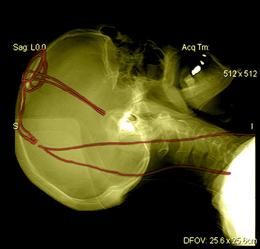
The procedure starts with a surgeon drilling two holes in the patient’s skull. “Every bone and tooth in my head was rattling,” says Lisa Battiloro, who was awake, but not in pain, during the eight-hour operation.
Neurologists asked her questions and issued commands as they pinpointed the exact spot in her brain for electrical stimulation. At one point, “I suddenly felt hopeful and optimistic about the future,” recalls Ms. Battiloro, who had battled severe depression for more than a decade. That’s when the doctors knew they had found Brodmann 25, an area deep in the cerebral cortex associated with negative mood. They secured the electrodes in place, then sedated Ms. Battiloro while they ran an extension wire under the skin, down the side of her head and into her chest, where they implanted a battery pack to supply her brain with a mild electrical current.
Within two months, Ms. Battiloro says, her depression had lifted considerably. Now, nearly four years later, it hasn’t returned. “My friends and family are amazed,” say Ms. Battiloro, 41, of Boynton Beach, Fla. “I’m a new and improved Lisa.”
Deep brain stimulation, sometimes called a pacemaker for the brain, has helped halt tremors in more than 100,000 patients with Parkinson’s disease and other movement disorders since 1997. Now, researchers are reporting encouraging results using the procedure for psychiatric conditions as well. Ms. Battiloro was one of 17 patients in a study published this month in the Archives of General Psychiatry. After two years of DBS, 92% reported significant relief from their major depression or bipolar disorder and more than half were in remission, with no manic side effects.
“We are seeing dramatic effects in the small numbers of subjects, and they are not just getting well, they are getting well without side effects and without relapsing,” says neurologist Helen Mayberg, who led the study at Emory University in Atlanta.
Firefighters had to cut through an exterior wall to rescue a man who became stuck in the bathroom of his cluttered, second-story apartment on Long Island, NY, officials told local media.
According to authorities quoted by Newsday, a rescue team used a series of ladders and a rope system Thursday to lower the man, identified as a 55-year-old former postal worker, to safety on a stretcher around 12:30 p.m. — about three hours after someone called 911. His weight is unknown.
The man, who was not identified by police or firefighters, was taken to a local hospital for treatment, the paper said. Officials said the man fell in his bathroom and could not get back on his feet. He was listed in stable condition.
Stacks of boxes blocked firefighters from bringing rescue equipment up to the man’s apartment, prompting them to cut a way out through the wall, Brookhaven Town spokesman Jack Krieger said in an email to Newsday. The narrowness of the space in some places added to their difficulty, authorities said.
“From what I’m told stuff was stacked to the ceiling in most of the rooms” on the second floor, Krieger told the paper.
The second floor of the wood-frame home was condemned by the town after the rescue, Krieger said. Officials deemed it unfit for human occupancy because of what he called hoarding. The home’s owner declined to comment.
After the rescue, a massive pile of junk and collectibles — including stacks of newspapers and figurines of dragons and “Star Wars” characters — lay in the yard, Newsday said.
By BENEDICT CAREY
Proposed changes in the definition of autism would sharply reduce the skyrocketing rate at which the disorder is diagnosed and might make it harder for many people who would no longer meet the criteria to get health, educational and social services, a new analysis suggests.
The definition is now being reassessed by an expert panel appointed by the American Psychiatric Association, which is completing work on the fifth edition of its Diagnostic and Statistical Manual of Mental Disorders, the first major revision in 17 years. The D.S.M., as the manual is known, is the standard reference for mental disorders, driving research, treatment and insurance decisions. Most experts expect that the new manual will narrow the criteria for autism; the question is how sharply.
The results of the new analysis are preliminary, but they offer the most drastic estimate of how tightening the criteria for autism could affect the rate of diagnosis. For years, many experts have privately contended that the vagueness of the current criteria for autism and related disorders like Asperger syndrome was contributing to the increase in the rate of diagnoses — which has ballooned to one child in 100, according to some estimates.
The psychiatrists’ association is wrestling with one of the most agonizing questions in mental health — where to draw the line between unusual and abnormal — and its decisions are sure to be wrenching for some families. At a time when school budgets for special education are stretched, the new diagnosis could herald more pitched battles. Tens of thousands of people receive state-backed services to help offset the disorders’ disabling effects, which include sometimes severe learning and social problems, and the diagnosis is in many ways central to their lives. Close networks of parents have bonded over common experiences with children; and the children, too, may grow to find a sense of their own identity in their struggle with the disorder.
The proposed changes would probably exclude people with a diagnosis who were higher functioning. “I’m very concerned about the change in diagnosis, because I wonder if my daughter would even qualify,” said Mary Meyer of Ramsey, N.J. A diagnosis of Asperger syndrome was crucial to helping her daughter, who is 37, gain access to services that have helped tremendously. “She’s on disability, which is partly based on the Asperger’s; and I’m hoping to get her into supportive housing, which also depends on her diagnosis.”
The new analysis, presented Thursday at a meeting of the Icelandic Medical Association, opens a debate about just how many people the proposed diagnosis would affect.
The changes would narrow the diagnosis so much that it could effectively end the autism surge, said Dr. Fred R. Volkmar, director of the Child Study Center at the Yale School of Medicine and an author of the new analysis of the proposal. “We would nip it in the bud.”
Experts working for the Psychiatric Association on the manual’s new definition — a group from which Dr. Volkmar resigned early on — strongly disagree about the proposed changes’ impact. “I don’t know how they’re getting those numbers,” Catherine Lord, a member of the task force working on the diagnosis, said about Dr. Volkmar’s report.
Previous projections have concluded that far fewer people would be excluded under the change, said Dr. Lord, director of the Institute for Brain Development, a joint project of NewYork-Presbyterian Hospital, Weill Medical College of Cornell University, Columbia University Medical Center and the New York Center for Autism.
Disagreement about the effect of the new definition will almost certainly increase scrutiny of the finer points of the psychiatric association’s changes to the manual. The revisions are about 90 percent complete and will be final by December, according to Dr. David J. Kupfer, a professor of psychiatry at the University of Pittsburgh and chairman of the task force making the revisions.
At least a million children and adults have a diagnosis of autism or a related disorder, like Asperger syndrome or “pervasive developmental disorder, not otherwise specified,” also known as P.D.D.-N.O.S. People with Asperger’s or P.D.D.-N.O.S. endure some of the same social struggles as those with autism but do not meet the definition for the full-blown version. The proposed change would consolidate all three diagnoses under one category, autism spectrum disorder, eliminating Asperger syndrome and P.D.D.-N.O.S. from the manual. Under the current criteria, a person can qualify for the diagnosis by exhibiting 6 or more of 12 behaviors; under the proposed definition, the person would have to exhibit 3 deficits in social interaction and communication and at least 2 repetitive behaviors, a much narrower menu.
Dr. Kupfer said the changes were an attempt to clarify these variations and put them under one name. Some advocates have been concerned about the proposed changes.
“Our fear is that we are going to take a big step backward,” said Lori Shery, president of the Asperger Syndrome Education Network. “If clinicians say, ‘These kids don’t fit the criteria for an autism spectrum diagnosis,’ they are not going to get the supports and services they need, and they’re going to experience failure.”
Mark Roithmayr, president of the advocacy organization Autism Speaks, said that the proposed diagnosis should bring needed clarity but that the effect it would have on services was not yet clear. “We need to carefully monitor the impact of these diagnostic changes on access to services and ensure that no one is being denied the services they need,” Mr. Roithmayr said by e-mail. “Some treatments and services are driven solely by a person’s diagnosis, while other services may depend on other criteria such as age, I.Q. level or medical history.”
In the new analysis, Dr. Volkmar, along with Brian Reichow and James McPartland, both at Yale, used data from a large 1993 study that served as the basis for the current criteria. They focused on 372 children and adults who were among the highest functioning and found that overall, only 45 percent of them would qualify for the proposed autism spectrum diagnosis now under review.
The focus on a high-functioning group may have slightly exaggerated that percentage, the authors acknowledge. The likelihood of being left out under the new definition depended on the original diagnosis: about a quarter of those identified with classic autism in 1993 would not be so identified under the proposed criteria; about three-quarters of those with Asperger syndrome would not qualify; and 85 percent of those with P.D.D.-N.O.S. would not.
Dr. Volkmar presented the preliminary findings on Thursday. The researchers will publish a broader analysis, based on a larger and more representative sample of 1,000 cases, later this year. Dr. Volkmar said that although the proposed diagnosis would be for disorders on a spectrum and implies a broader net, it focuses tightly on “classically autistic” children on the more severe end of the scale. “The major impact here is on the more cognitively able,” he said.
Dr. Lord said that the study numbers are probably exaggerated because the research team relied on old data, collected by doctors who were not aware of what kinds of behaviors the proposed definition requires. “It’s not that the behaviors didn’t exist, but that they weren’t even asking about them — they wouldn’t show up at all in the data,” Dr. Lord said.
Dr. Volkmar acknowledged as much but said that problems transferring the data could not account for the large differences in rates.









 It's Interesting