7 habits to avoid in order to have a healthy brain

Why are some people sharp as a tack at 95 years old, while others begin struggling with mental clarity in their 50s?

A lot of it has to do with genetics, but certain lifestyle factors also play an important role in how our brain ages. So while you can’t control your genes, you can take advantage of the latest science and avoid these seven big brain mistakes:

Mistake No. 1: Eating a standard American diet

Foods high in sugar, unhealthy fats and processed foods — i.e., the typical American diet — can wreak havoc on your brain over time. Studies have shown that excess sugar consumption can impair learning and memory, and increase your vulnerability to neurodegenerative diseases like Alzheimer’s. Some scientists have even referred to Alzheimer’s as “Type 3 Diabetes,” suggesting that diet may have some role in an individual’s risk for developing the disease.

A Mediterranean-based diet, on the other hand, can help protect the brain from signs of aging and ward off cognitive decline. A recent study showed that following this type of diet — which is a good source of brain-healthy nutrients and includes a lot of fish, healthy fats, whole grains and vegetables — could slash Alzheimer’s risk by up to 50 percent.

Mistake No. 2: Living next to a highway

Living in a smoggy city might be bad news for your brain. According to research published this month in the journal Stroke, exposure to air pollution is linked with premature aging of the brain.

The researchers found that people who lived closer to a major highway had greater markers of pollution in their lungs and blood, which increased their risk for a form of brain damage known as “silent strokes,” or symptomless strokes. Increased pollution volume was also linked to decreased brain volume — a major sign of aging.

Mistake No. 3: Drinking a few evening cocktails

Don Draper’s daily cigarettes and two-martini lunches might seem glamorous on “Mad Men,” but research suggests that they’re a fast track to neurodegeneration.

It should come as no surprise that excessive drinking and cigarette smoking at any stage of life can have a negative effect on the brain, damaging brain tissue and leading to cognitive impairment. Alcoholism can cause or accelerate aging of the brain.

But just a couple of glasses of wine a night could pose a risk to brain health, even though there are some cardiovascular benefits. A 2012 Rutgers University study found that moderate to binge drinking — drinking relatively lightly during the week and then more on the weekends — can decrease adult brain cell production by 40 percent.

“In the short term there may not be any noticeable motor skills or overall functioning problems, but in the long term this type of behavior could have an adverse effect on learning and memory,” one of the study’s authors, Rutgers neuroscience graduate student Megan Anderson, said in a statement.

Mistake No. 4: Giving in to stress

Living a stressful lifestyle may be the worst thing you can do for your health as you age. Chronic stress is known to shorten the length of telomeres, the sequences at the end of DNA strands that help determine how fast (or slow) the cells in our body age. By shortening telomeres, stress can accelerate the onset of age-related health problems.

What about the brain? Well, some research has suggested that high levels of stress hormones can increase an individual’s risk for age-related brain damage.

“Over the course of a lifetime, the effects of chronic stress can accumulate and become a risk factor for cognitive decline and Alzheimer’s disease,” Howard Fillit, a clinical professor of geriatric medicine at The Mount Sinai School of Medicine, wrote in Psychology Today. “Several studies have shown that stress, and particularly one’s individual way of reacting to stress (the propensity to become ‘dis-stressed’ often found in neurotic people for example), increases the risk for Alzheimer’s disease.”

If you’re feeling stressed out, try picking up a meditation practice. Research has shown that meditation is effective in lowering levels of the stress hormone cortisol and protecting the brain from aging.

Mistake No. 5: Getting by on less sleep than you need

There are a number of scary health effects associated with sleep deprivation, from a higher risk of stroke and diabetes to impaired cognitive functioning. Over the years, losing shut-eye can also accelerate brain aging. In a study conducted last year, researchers from Singapore found that the less that older adults slept, the faster their brains aged.

The study’s lead author explained in a statement that among older adults, “sleeping less will increase the rate their brain ages and speed up the decline in their cognitive functions.”

Mistake No. 6: Sitting all day

It’s a well-established fact that sitting for long periods is terrible for your health. A growing body of research has linked a sedentary lifestyle with health risks including heart disease, diabetes, cancer and early death, even among people who get the recommended daily amount of exercise.

And it turns out that sitting is also pretty bad for your brain. Research has linked physical inactivity with cognitive decline. Moreover, weight gain in older adults — which may result from too much sitting — has been linked with shrinkage in brain areas associated with memory.

So when in doubt, move around. Physical activity has been linked with a number of brain health benefits, including improved learning and memory.

Mistake No. 7: Zoning out

Use it or lose it! If you want to keep your brain sharp, keep it engaged. It doesn’t have to be a challenging intellectual task or a brain-training game, either — simply engaging in everyday activities like reading, cooking or having a conversation (as opposed to vegging out in front of the TV or computer) can make a difference.

But mental exercises like crossword puzzles and sudoku can help, too. A 2013 study published in the Canadian Medical Association Journal found that brain exercises are more effective than drugs in preventing cognitive decline.

The bottom line? Doing new and novel things promotes neurogenesis, the creation of new neurons in the brain. So get outside, learn, discover and try something new to keep your brain sharp through the decades.

http://www.huffingtonpost.com/2015/04/30/brain-aging-risk-factors_n_7169912.html

Keeping gut bacteria in balance could help delay age-related diseases

Why do some people remain healthy into their 80s and beyond, while others age faster and suffer serious diseases decades earlier? New research led by UCLA life scientists may produce a new way to answer that question—and an approach that could help delay declines in health.

Specifically, the study suggests that analyzing intestinal bacteria could be a promising way to predict health outcomes as we age.

The researchers discovered changes within intestinal microbes that precede and predict the death of fruit flies. The findings were published in the open-source journal Cell Reports.

“Age-onset decline is very tightly linked to changes within the community of gut microbes,” said David Walker, a UCLA professor of integrative biology and physiology, and senior author of the research. “With age, the number of bacterial cells increase substantially and the composition of bacterial groups changes.”

The study used fruit flies in part because although their typical life span is just eight weeks, some live to the age equivalent of humans’ 80s and 90s, while others age and die much younger. In addition, scientists have identified all of the fruit fly’s genes and know how to switch individual ones on and off.

In a previous study, the UCLA researchers discovered that five or six days before flies died, their intestinal tracts became more permeable and started leaking.

In the latest research, which analyzed more than 10,000 female flies, the scientists found that they were able to detect bacterial changes in the intestine before the leaking began. As part of the study, some fruit flies were given antibiotics that significantly reduce bacterial levels in the intestine; the study found that the antibiotics prevented the age-related increase in bacteria levels and improved intestinal function during aging.

The biologists also showed that reducing bacterial levels in old flies can significantly prolong their life span.

“When we prevented the changes in the intestinal microbiota that were linked to the flies’ imminent death by feeding them antibiotics, we dramatically extended their lives and improved their health,” Walker said. (Microbiota are the bacteria and other microorganisms that are abundant in humans, other mammals, fruit flies and many other animals.)

Flies with leaky intestines that were given antibiotics lived an average of 20 days after the leaking began—a substantial part of the animal’s life span. On average, flies with leaky intestines that did not receive antibiotics died within a week.

The intestine acts as a barrier to protect our organs and tissue from environmental damage.

“The health of the intestine—in particular the maintenance of the barrier protecting the rest of the body from the contents of the gut—is very important and might break down with aging,” said Rebecca Clark, the study’s lead author. Clark was a UCLA postdoctoral scholar when the research was conducted and is now a lecturer at England’s Durham University.

The biologists collaborated with William Ja, an assistant professor at Florida’s Scripps Research Institute, and Ryuichi Yamada, a postdoctoral research associate in Ja’s laboratory, to produce an additional group of flies that were completely germ-free, with no intestinal microbes. Those flies showed a very dramatic delay in intestinal damage, and they lived for about 80 days, approximately one-and-a-half times as long as the animal’s typical life span.

Scientists have recently begun to connect a wide variety of diseases, including diabetes and Parkinson’s, among many others, to changes in the microbiota, but they do not yet know exactly what healthy microbiota look like.

“One of the big questions in the biology of aging relates to the large variation in how we age and how long we live,” said Walker, who added that scientific interest in intestinal microbes has exploded in the last five years.

When a fruit fly’s intestine begins to leak, its immune response increases substantially and chronically throughout its body. Chronic immune activation is linked with age-related diseases in people as well, Walker said.

Walker said that the study could lead to realistic ways for scientists to intervene in the aging process and delay the onset of Parkinson’s disease, Alzheimer’s disease, cancer, stroke, cardiovascular disease, diabetes and other diseases of aging—although such progress could take many years, he said.

6 Tools to Help Predict Your Life Expectancy

There’s always the Magic 8 Ball, but when it comes to determining life expectancy, some people want a little more scientific help. Thankfully, there are some useful tests and calculators to help us figure out how many more years we have left — at least until the Fountain of Youth is available in pill form. With that in mind, here are six ways to help predict whether you should keep on working and paying the mortgage or just blow it all on a big beach vacation.

Treadmill test
Want to know if you’ll survive the decade? Hop on a treadmill. Johns Hopkins researchers analyzed more than 58,000 stress tests and concluded that the results of a treadmill test can predict survival over the next 10 years. They came up with a formula, called the FIT Treadmill Score, which helps use fitness to predict mortality.

“The notion that being in good physical shape portends lower death risk is by no means new, but we wanted to quantify that risk precisely by age, gender and fitness level, and do so with an elegantly simple equation that requires no additional fancy testing beyond the standard stress test,” says lead investigator Haitham Ahmed, M.D. M.P.H., a cardiology fellow at the Johns Hopkins University School of Medicine.

In addition to age and gender, the formula factors in your ability to tolerate physical exertion — measured in “metabolic equivalents” or METs. Slow walking equals two METs, while running equals eight.

Researchers used the most common treadmill test, called the Bruce Protocol. The test utilizes three-minute segments, starting at 1.7 mph and a 10 percent grade, which slowly increase in speed and grade.

Researchers analyzed information on the thousands of people ages 18 to 96 who took the treadmill test. They tracked down how many of them died for whatever reason over the next decade. They found that fitness level, as measured by METs and peak heart rate reached during exercise, were the best predictors of death and survival, even after accounting for important variables such as diabetes and family history of premature death.

Sitting test
You don’t need special equipment for this adult version of crisscross applesauce that uses flexibility, balance and strength to measure life expectancy. Brazilian physician Claudio Gil Araujo created the test when he noticed many of his older patients had trouble picking things up off the floor or getting out of a chair.

To try, start by standing upright in the middle of a room. Without using your arms or hands for balance, carefully squat into a cross-legged sitting position. Once you’re settled, stand up from the sitting position — again, without using your arms for help.

You can earn up to 10 points for this maneuver. You get five points for sitting, five for standing, and you subtract a point each time you use an arm or knee for leverage or 1/2 point any time you lose your balance or the movement gets clumsy.

The test seems fairly simple, but Araujo found that it was an accurate predictor of life expectancy. He tested it on more than 2,000 of his patients age 51 to 80, and found that those who scored fewer than eight points were twice as likely to die within the next six years. Those who scored three points or even lower were five times more likely to die within the same time frame.

Araujo didn’t have anyone under 50 try the test, so the results won’t mean the same if you’re younger. As MNN’s Bryan Nelson writes, “If you’re younger than 50 and have trouble with the test, it ought to be a wake-up call. The good news is that the younger you are, the more time you have to get into better shape.”

Test your telomeres

A simple test may help determine your “biological age” by measuring the length of your telomeres. Telomeres are protective sections of DNA located at the end of your chromosomes. They’re sometimes compared to the plastic tips of shoelaces that keep the laces from fraying.

Each time a cell replicates, the telomeres become shorter. Some researchers believe that lifespan can be roughly predicted based upon how long your telomeres are. Shorter telomeres hint at a shorter lifespan for cells. Longer telomeres may mean you have more cell replications left.

Originally offered a few years ago only as an expensive — and relatively controversial — blood test in Britain, telomere testing in now available all over the world, and some companies even test using saliva. The results tell you where your telomere lengths fall in relation to other participants your age.

The link between genetics and longevity has been so embraced that testing companies have since been founded by respected scientists and researchers including Nobel laureate Elizabeth Blackburn of UC San Francisco and George Church, director of Harvard University’s Molecular Technology Group.

The increase in the number of at-home tests is getting the attention of concerned federal regulators and other researchers who question whether the science should stay in the lab.

“It is worth doing. It does tell us something. It is the best measure we have” of cellular aging, aging-researcher and Genescient CEO Bryant Villeponteau told the San Jose Mercury News. But testing still belongs in a research setting, he said, not used as a personal diagnostic tool.

As more people take them, he said, “I think the tests will get better, with more potential to learn something.”

Grip strength

Do you have an iron handshake or a limp fish grasp? Your grip strength can be an indicator of your longevity.

Recent research has shown a link between grip strength and your biological age. Hand-grip strength typically decreases as you age, although many studies have shown links between stronger grip strength and increased mortality.

You can keep your grip strong by doing regular hand exercises such as slowly squeezing and holding a tennis or foam ball, then repeating several more times.

Take a sniff

Does every little smell bug you? People who wear too much perfume? Grilled fish in the kitchen? A sensitive sense of smell is good news for your lifespan.

In a study last fall, University of Chicago researchers asked more than 3,000 people to identify five different scents. The found that 39 percent of the study subjects who failed the smelling test died within five years, compared to 19 percent of those with moderate smell loss and just 10 percent of those with a healthy sense of smell.

“We think loss of the sense of smell is like the canary in the coal mine,” said the study’s lead author Jayant M. Pinto, M.D., an associate professor of surgery at the University of Chicago who specializes in the genetics and treatment of olfactory and sinus disease. “It doesn’t directly cause death, but it’s a harbinger, an early warning that something has gone badly wrong, that damage has been done. Our findings could provide a useful clinical test, a quick and inexpensive way to identify patients most at risk.”

Life expectancy calculator

There are many online calculators that can serve up you estimated last birthday — thanks to some fancy algorithms. Some only take into account a few simple factors such as your age, height and weight. The better ones consider a range of variables including family health history, diet and exercise practices, marital and education status, smoking, drinking and sex habits, and even where you live.

Enter as much data as you can into an online form, like this one from researchers at the University of Pennsylvania, and click to get your results: http://gosset.wharton.upenn.edu/mortality/perl/CalcForm.html

Read more: http://www.mnn.com/health/fitness-well-being/stories/6-tools-to-help-predict-how-long-youll-live#ixzz3WScKjbUW

World’s oldest person dies at 117

Misao Okawa, the world’s oldest person according to Guinness World Records, has died at the age of 117.

Okawa passed away Wednesday morning in Osaka, Japan, Tadahi Uchimura, a local official from the city told CNN.

She left behind three children, four grandchildren and six great grandchildren.

Okawa was born on March 5, 1898.

Her family ran a Kimono shop in Osaka, Satoshi Yoshioka, an employee at the nursing home where she had lived since 1997 told CNN.

“She was a person with mild character, and loved to eat so much. Her favorite food was sushi and udon noodles,” Yoshioka said.

“She had eaten a lot of cake for her birthday last March 5. ”

“However, in the last 10 days she stopped eating. I think eating was her motivation to live, and when she lost it, she passed away.”

According to Guiness World Records, the oldest person ever was Jeanne Louise Calment, who died at age 122 in 1997.

http://www.cnn.com/2015/04/01/asia/worlds-oldest-person-dies/index.html

Senior citizens pose naked for charity calendar

A charity calendar featuring women in their 80s and 90s from an Ohio assisted living facility is opening more than a few eyes.

The residents of the Pleasant Pointe Assisted Living near Akron decided to show a little skin in calendar. The centerfolds are two women in their 90s appearing to play poker with strategically placed oversize cards.

The 87-year-old Miss February is soaking in a bubble bath and flower petals while another resident in the calendar is covered only by a large exercise ball.

Administrator Teresa Morris said that the residents were giggling and acting like 20-year-olds when the photos were taken.

Money from the $12 calendars goes toward providing shoes for children in the city of Barberton.

http://news.yahoo.com/grandma-centerfold-rest-home-bares-calendar-143349098.html

Old as time: What we can learn from past attempts to treat aging

Erika Check Hayden
Nature Medicine 20,1362–1364(2014)doi:10.1038/nm1214-1362Published online 04 December 2014

In 1889, the pioneering endocrinologist Charles Edouard Brown-Séquard told Parisian doctors that he had reinvigorated himself by injecting an extract made from dog and guinea pig testicles. Thousands of physicians began administering the extract—sold as “Elixir of Life”—to their patients. Though other researchers looked derisively on his salesmanship, his was among the early investigations that led to the eventual discovery of hormones.

The quest to end aging, rife with bizarre and doomed therapies, is perhaps as old as humanity itself. And even though researchers today have more sophisticated tools for studying aging, the hunt for drugs to prevent human decay has still seen many false leads.

Now, the field hopes to improve its track record with the entrance of two new players, Calico, which launched in September 2013, and Human Longevity, which entered the stage six months later. South San Francisco–based Calico, founded by Google with an initial commitment of at least $250 million, boasts an all-star slate of biotechnology industry leaders such as Genentech alums Art Levinson and Hal Barron and aging researchers David Botstein and Cynthia Kenyon. Human Longevity was founded by genome pioneer Craig Venter and hopes to use a big data approach to combat age-related disease.

The involvement of high-profile names from outside the aging field—and the deep pockets of a funder like Google—have inspired optimism among longevity researchers. “For Google to say, ‘This is something I’m putting a lot of money into,’ is a boost for the field,” says Stephanie Lederman, executive director of the New York–based American Federation for Aging Research, which funds aging research. “There’s a tremendous amount of excitement.”

The lift was badly needed; in August 2013, a major funder of antiaging research, the Maryland-based Ellison Medical Foundation, founded by billionaire Larry Ellison, had said it would no longer sponsor aging research. But so far, neither Calico nor Human Longevity has progressed enough to know whether they will be able to turn around the field’s losing track record, and the obstacles they face are formidable, say veterans of antiaging research.

“We’ve made inroads over the past 20 years or so,” says molecular biologist Leonard Guarente of the Massachusetts Institute of Technology in Cambridge, who has founded and advised high-profile companies in the space. “But I think there’s a long way to go.”

Pathway to success?

Calico appears to be taking the approach that worked for Barron and Levinson at Genentech, the pioneering biotechnology company that has become among the more successful drug companies in the world by making targeted medicines—largely engineered proteins—that disrupt disease pathways in diseases such as cancer. The hallmark of Genentech’s approach has been to dissect the pathways involved in disease and then target them with biotechnology drugs. This past September, Calico announced an alliance with AbbVie, the drug development firm spun out of Abbott Laboratories in 2013. In that deal, Calico and AbbVie said they would jointly spend up to $1.5 billion to develop drugs for age-related diseases including neurodegenerative disorders and cancer.

Such an approach is representative of one way to cure aging: targeting the diseases that become more prevalent as people grow older. This follows the argument that treating such diseases is itself treating aging. The opposing view is to see aging as an inherently pathological program that, if switched off or reprogrammed, could be halted. But because regulators don’t consider the progression of life itself a disease, the semantic debate is moot to drug companies: they can only get drugs approved by targeting diseases that become more common with age, such as cancer, diabetes and neurodegenerative disorders.

Calico has a close view on disease targets. In another September announcement, the company revealed one of its first development areas: drugs related to a class of compounds called P7C3s, which appear to protect nerve cells in the brain from dying by activating an enzyme called nicotinamide phosphoribosyltransferase that inhibits cell death. The P7C3 compounds, discovered in 2010 by researchers at University of Texas Southwestern in Dallas, have been tested in numerous models of neurodegenerative diseases associated with aging, including Alzheimer’s disease and Parkinson’s disease.

The AbbVie and P7C3 deals signal that Calico may focus on a traditional drug development strategy aimed at developing drugs that affect molecular players in the aging process in animal models. That approach makes sense to many who have been in the field for a long time, who say there is still much to learn about the molecular biology of aging: “The way Calico has said they are approaching this is the right way, which is to understand some fundamental aspects of the aging process and see how intervening in them affects that process,” says George Vlasuk, the chief executive of Cambridge, Massachusetts–based Navitor Pharmaceuticals and former head of the now defunct antiaging company Sirtris Pharmaceuticals.

But so far that approach has been difficult to translate successfully into interventions that delay aging or prevent age-related disease. For the most part, the biology of aging has been worked out in animal models; Kenyon’s foundational discoveries, for instance, were made in Caenorhabditis elegans roundworms. But the legion of companies that have failed to commercialize these discoveries is large, and some in the field now think that further progress can be made only by studying human aging. Screening for drugs that affect lifespan in model organisms such as yeast and nematodes is a gamble, says physician Nir Barzilai of the Albert Einstein College of Medicine in New York, who leads a large study of human centenarians. “I’m not sure those are going to be so important.”

Human focus

Craig Venter is squarely in the camp of those who believe the focus must shift towards humans. His Human Longevity is taking a big data dive into human aging, planning to sequence the genes of up to 100,000 people per year and analyze a slew of phenotypic data about them, including their protein profiles, the microbial content of their bodies and digitized imagery of their bodies. “We’re trying to get as much information as we can about humans so that we can find the components in the human genome that are predictive of those features,” Venter told Nature Medicine. “The model organism approach has largely failed. There’s only one model for humans, and that’s humans.”

Venter has a point, according to Judith Campisi, a cell and molecular biologist at the Buck Institute for Age Research in Novato, California. “We now have lots of targets, so I think there’s room for optimism,” she says. “But we’re still swimming in a sea of ignorance about how all these pathways and targets are integrated and how we can intervene in them safely.”

Michael West, CEO of the California-based regenerative medicine company BioTime, knows this well. In 1990, West founded a company, Geron, with $40 million from Silicon Valley venture capitalists such as Menlo Park, California–based Kleiner Perkins, dedicated to activating an enzyme called telomerase to forestall human aging. Telomerase activity, discovered in 1984, extends telomeres—the ends of chromosomes, thought to function as timekeepers of the age of a cell. But researchers soon found that human cancer cells have overactive telomerase, and it’s now thought that telomerase serves a highly useful function as a defense against unchecked cell growth that could lead to cancer1. Geron has shifted its telomerase strategy to blocking telomerase to fight cancer; it no longer works on longevity. “The focus on aging was abandoned,” West says.

Other companies, however, carried forward with the search for drugs against aging, inspired by a 1982 finding that mutating some genes in roundworms could enable them to live longer2. For example, one mutant lived for an average of 40% to 60% longer than normal, and at warm temperatures more than doubled its maximum life expectancy from 22 to 46.2 days. It was the first demonstration that aging was not an inevitable process. The work triggered a flurry of activity to find genes linked to aging and use them in interventions to stave off age-related disease.

Companies rooted in this strategy include Elixir Pharmaceuticals, cofounded in 1999 by Guarente and Kenyon, and Sirtris, established in 2004 by one of Guarente’s former students, David Sinclair. Kenyon had discovered genes in nematodes that extended life; with Guarente, she hoped to make drugs that could do this in humans. Guarente and Sinclair founded different companies, but both were interested in a pathway discovered at MIT that, they believed, acted similarly to a drastic treatment, called calorie restriction, long known to extend the lives of rats. If the rats were fed 40% fewer calories than normal, they could live up to 20–40% longer than the average rat. Guarente’s lab discovered that boosting the dose of genes called sirtuins could prolong the lives of roundworms3, and Sinclair published similar evidence in yeast. They thought that sirtuins worked through the same pathway as calorie restriction and that this same pathway was targeted by a naturally occurring compound called resveratrol found in red grapes and red wine. Both companies began looking for chemicals similar to resveratrol that, they predicted, might ultimately cure aging.

Sirtuin stepbacks

UK-based GlaxoSmithKline bought Sirtris for $720 million in 2008, a move seen as an important endorsement of that “calorie restriction mimetic” strategy. But other researchers were not able to reproduce some of Sinclair’s key studies4—for instance, those showing that resveratrol exerted its antiaging effects through sirtuins. It was also later found that the kind of diet fed to lab mice could affect whether or not sirtuins extended their lifespans; those eating a very high-fat diet seemed to benefit5, but it wasn’t clear that this was the most relevant model for human beings. Similar arguments about diet composition have yielded conflicting results for calorie restriction studies in monkeys and have raised the question of whether animal models of caloric restriction that appear to find a benefit are really just proving that bringing fat animals down to normal weight helps keep them disease free, thus extending lifespan.

Last year, GSK closed Sirtris, absorbed its drug development work and laid off some of Sirtris’s 60 employees. Elixir shut down some time after 2010, having burned through $82 million in venture capital.

The Sirtris experience underscored the unpredictability of aging research. Since the field does not agree on biological readouts of aging, such as altered signaling of certain pathways or expression of particular molecules that serve as proximate measurements of the aging process, the only way to do these studies was to follow animals until they died in order to record their lifespan.

The US National Institute on Aging stepped in, organizing a 1999 meeting that led to the Interventions Testing Program, aimed at bringing some order to the field. The program would systematically run experiments of candidate life extension treatments in mice at three separate sites. The hope was that the studies, which began in 2004, would help identify candidate life extension interventions that most deserved to be taken forward.

Already, most researchers agree, the program has succeeded in building more consensus around some drugs. One of the winners from the program so far, for instance, has been rapamycin, a relatively old drug given to kidney transplant recipients and some patients with cancer. In 2009, the drug was shown to extend the lives of genetically diverse mice7. (Resveratrol failed to prolong mouse lifespan in these same studies.) It was also shown to work in much older mice—the equivalent of about 60-year-old people—than had been studied in previous experiments, a situation that researchers say is much more relevant to the way antiaging drugs would be used in human patients. “You’re not going to give these drugs to teenagers,” says Matthew Kaeberlein of the University of Washington in Seattle. “You’ll probably want to give them to people who are certainly post-reproductive, and perhaps in their 60s and 70s.”

Strong signals

Rapamycin suffers from some of the same issues as previous failed antiaging treatments. It’s an old, unpatentable drug, like resveratrol, and has side effects such as a diabetes-like syndrome when given to transplant patients, who continue to take the drug for life after their surgeries. The side effects are worrying for a potential medicine that might be given over years to delay aging. But the signal from the rapamycin studies in mice is so strong that it’s now seen as one of the most promising leads in aging research, even despite these problems. Navitor, for instance, is looking for compounds that influence the mTOR, short for the ‘mammalian target of rapamycin’, pathway, through which rapamycin seems to extend lifespan. The pathway has the potential to influence a wide range of diseases, including neurodegenerative, autoimmune, metabolic and rare diseases and cancer. That’s been enough to entice investors to fund a $23.5 million financing in the company in June. By targeting a specific branch of the mTOR pathway, Navitor hopes they can elicit the benefits of rapamycin without its side effects.

Vlasuk says that companies like his now focus on treating age-related diseases rather than trumpeting the potential to cure aging itself and all associated maladies. “I’m acutely aware that I don’t want to be caught up in the same hype cycle that Sirtris was at one time,” Vlasuk says.

The field is also maturing in other ways. For instance, there’s a growing realization that the people who wish to take life extension drugs will be more old than young, but that it might be difficult to reverse age-related pathology once it has already set in.

Meanwhile, young researchers are taking the field in new directions. In May, three groups published results of experiments in which they transferred blood or blood products from young to old mice. They showed that the technique can rejuvenate muscle, neurons and age-related cognitive decline. A batch of companies is now forming to translate the finding into people; one, privately funded Alkahest, has begun enrolling patients into a study that will test whether blood donated from young adults and infused into patients with mild to moderate Alzheimer’s disease can improve their symptoms. Importantly, says regenerative biologist Amy Wagers of the Harvard Stem Cell Institute in Cambridge, Massachusetts, one of the pioneers of this approach, it seems to reverse some signs of age-related disease: “This notion that you can do some good even after pathology begins means its much more likely that we can come to a place where we can support people with more healthy aging,” she says.

The challenge of clinical trials for aging-related illnesses is familiar to the brains behind the newest antiaging companies. One solution could be to prove that an intervention prevents the sick from becoming sicker. It’s long been suspected, for instance, that the diabetes drug metformin has antiaging properties, but it can have potential side effects because it inhibits glucose production by the liver, so it can’t be given to healthy people. This year, however, UK-based researchers reported in a large retrospective trial that patients with diabetes taking metformin lived a small but significantly longer time than both diabetics taking another class of drugs and healthy people who were not taking metformin.

Barzilai has been impressed enough by these and other findings to try to round up funding for an international clinical trial to test whether metformin or some other drug improves health of the elderly by delaying the onset of a second disease in those who begin taking it when they are newly diagnosed with diabetes. He argues that second diseases, which can include cancer, become much more likely once a patient has been diagnosed with a first. Preventing the onset of a second disease is a way of extending longevity, he argues, by reducing the disease burden in any one patient. “Let’s show that we can delay aging and delay the onset of a second disease,” he says. “If we can do that, we can make FDA [the US Food and Drug Administration] change its review process and look at better potential drugs that delay aging.”

The challenges of testing treatments in patients with age-related diseases, such as Alzheimer’s, are formidable. Hal Barron knows this well; he presided over a failed Genentech trial of an antibody called crenezumab, which was designed to alleviate symptoms of mild to moderate Alzheimer’s disease. Still, that hasn’t deterred him or Levinson from going all in on neurodegenerative diseases with Calico.

“Art Levinson is one of the smartest guys around in terms of his perception of what drug discovery can do,” Vlasuk says. “His involvement in Calico and the group that he’s assembling there and the backing that Google has provided for this has really opened a lot of people’s eyes.” The question now is what Levinson, Venter and others are seeing—and whether it will be enough to lead aging research to finally fulfill its potential.

New research may help explain why curiosity promotes better memory

Everyone knows it’s easier to learn about a topic you’re curious about. Now, a new study reveals what’s going on in the brain during that process, revealing that such curiosity may give a person a memory boost.

When participants in the study were feeling curious, they were better at remembering information even about unrelated topics, and brain scans showed activity in areas linked to reward and memory.

The results, detailed October 2 in the journal Neuron, hint at ways to improve learning and memory in both healthy people and those with neurological disorders, the researchers said.

“Curiosity may put the brain in a state that allows it to learn and retain any kind of information, like a vortex that sucks in what you are motivated to learn, and also everything around it,” Matthias Gruber, a memory researcher at the University of California, Davis, said in a statement. “These findings suggest ways to enhance learning in the classroom and other settings.”

Gruber and his colleagues put people in a magnetic resonance imaging (MRI) scanner and showed them a series of trivia questions, asking them to rate their curiosity about the answers to those questions. Later, the participants were shown selected trivia questions, then a picture of a neutral face during a 14-second delay, followed by the answer. Afterward, the participants were given a surprise memory test of the faces, and then a memory test of the trivia answers.

Not surprisingly, the study researchers found that people remembered more information about the trivia when they were curious about the trivia answers. But unexpectedly, when the participants were curious, they were also better at remembering the faces, an entirely unrelated task. Participants who were curious were also more likley than others to remember both the trivia information and unrelated faces a day later, the researchers found.

The brain scans showed that, compared with when their curiosity wasn’t piqued, when people were curious, they showed more activation of brain circuits in the nucleus accumbens, an area involved in reward. These same circuits, mediated by the neurochemical messenger dopamine, are involved in forms of external motivation, such as food, sex or drug addiction.

Finally, being curious while learning seemed to produce a spike of activity in the hippocampus, an area involved in forming new memories, and strengthened the link between memory and reward brain circuits.

The study’s findings not only highlight the importance of curiosity for learning in healthy people, but could also give insight into neurological conditions. For example, as people age, their dopamine circuits tend to deteriorate, so understanding how curiosity affects these circuits could help scientists develop treatments for patients with memory disorders, the researchers said.

http://www.livescience.com/48121-curiosity-boosts-memory-learning.html

Fasting for three days can regenerate entire immune system, study finds

A person’s entire immune system can be rejuvenated by fasting for as little as three days as it triggers the body to start producing new white blood cells, a study suggests.

By Sarah Knapton

Fasting for as little as three days can regenerate the entire immune system, even in the elderly, scientists have found in a breakthrough described as “remarkable”.

Although fasting diets have been criticised by nutritionists for being unhealthy, new research suggests starving the body kick-starts stem cells into producing new white blood cells, which fight off infection.

Scientists at the University of Southern California say the discovery could be particularly beneficial for people suffering from damaged immune systems, such as cancer patients on chemotherapy.

It could also help the elderly whose immune system becomes less effective as they age, making it harder for them to fight off even common diseases.

The researchers say fasting “flips a regenerative switch” which prompts stem cells to create brand new white blood cells, essentially regenerating the entire immune system.

“It gives the ‘OK’ for stem cells to go ahead and begin proliferating and rebuild the entire system,” said Prof Valter Longo, Professor of Gerontology and the Biological Sciences at the University of California.

“And the good news is that the body got rid of the parts of the system that might be damaged or old, the inefficient parts, during the fasting.

“Now, if you start with a system heavily damaged by chemotherapy or ageing, fasting cycles can generate, literally, a new immune system.”

Prolonged fasting forces the body to use stores of glucose and fat but also breaks down a significant portion of white blood cells.

During each cycle of fasting, this depletion of white blood cells induces changes that trigger stem cell-based regeneration of new immune system cells.

In trials humans were asked to regularly fast for between two and four days over a six-month period.

Scientists found that prolonged fasting also reduced the enzyme PKA, which is linked to ageing and a hormone which increases cancer risk and tumour growth.

“We could not predict that prolonged fasting would have such a remarkable effect in promoting stem cell-based regeneration of the hematopoietic system,” added Prof Longo.

“When you starve, the system tries to save energy, and one of the things it can do to save energy is to recycle a lot of the immune cells that are not needed, especially those that may be damaged,” Dr Longo said.

“What we started noticing in both our human work and animal work is that the white blood cell count goes down with prolonged fasting. Then when you re-feed, the blood cells come back. So we started thinking, well, where does it come from?”

Fasting for 72 hours also protected cancer patients against the toxic impact of chemotherapy.

“While chemotherapy saves lives, it causes significant collateral damage to the immune system. The results of this study suggest that fasting may mitigate some of the harmful effects of chemotherapy,” said co-author Tanya Dorff, assistant professor of clinical medicine at the USC Norris Comprehensive Cancer Center and Hospital.

“More clinical studies are needed, and any such dietary intervention should be undertaken only under the guidance of a physician.”

“We are investigating the possibility that these effects are applicable to many different systems and organs, not just the immune system,” added Prof Longo.

However, some British experts were sceptical of the research.

Dr Graham Rook, emeritus professor of immunology at University College London, said the study sounded “improbable”.

Chris Mason, Professor of Regenerative Medicine at UCL, said: “There is some interesting data here. It sees that fasting reduces the number and size of cells and then re-feeding at 72 hours saw a rebound.

“That could be potentially useful because that is not such a long time that it would be terribly harmful to someone with cancer.

“But I think the most sensible way forward would be to synthesize this effect with drugs. I am not sure fasting is the best idea. People are better eating on a regular basis.”

Dr Longo added: “There is no evidence at all that fasting would be dangerous while there is strong evidence that it is beneficial.

“I have received emails from hundreds of cancer patients who have combined chemo with fasting, many with the assistance of the oncologists.

“Thus far the great majority have reported doing very well and only a few have reported some side effects including fainting and a temporary increase in liver markers. Clearly we need to finish the clinical trials, but it looks very promising.”

http://www.telegraph.co.uk/news/uknews/10878625/Fasting-for-three-days-can-regenerate-entire-immune-system-study-finds.html

Live to 100: Number of centenarians has doubled


Edward Rondthaler was born on June 9, 1905, in Bethlehem, Pennsylvania, and died in 2009 at the age of 104. He was a noted typographer, earning a national reputation for helping to usher in the age of photographic typesetting, according to The New York Times. Photographic typesetting was an easier way to print than hot-metal type. He credited cold showers with his longevity. He died at home in Cedar City, Utah.


A 116-year-old Japanese woman named Misao Okawa from Osaka is still alive. She was born March 5, 1898, and had three children. Her husband died in 1931. She kept in shape throughout much of her life. At 102, she said she did leg squats to keep healthy. She didn’t start using a wheelchair until she turned 110. She currently lives in a nursing home.


Ann Nixon Cooper became famous after President-elect Barack Obama used her story on election night 2008 to talk about the country’s progress. “She was born just a generation past slavery,” Obama said. “At a time when women’s voices were silenced and their hopes dismissed, she lived to see them stand up and speak out and reach for the ballot.” She died in 2009 of “natural causes” at age 107. The secret to her long life, she said, was being cheerful. “I’ve always been a happy person, a giggling person, a wide-mouthed person.” She also kept fit — dancing the electric slide until age 103.


Jeanne Calment was born on February 21, 1875, and lived to the age of 122 in Arles, France (home of the painter Vincent Van Gogh, whom she met as a little girl). At 85, she took up fencing lessons. At 100, she was still riding her bike. She said she ate more than two pounds of chocolate a week and only quit smoking at age 120, not for health reasons, but because she could not see well enough to light her cigarettes. She credited her longevity to port wine, her sense of humor and a diet rich in olive oil. She died in August 1997.


Jiroemon Kimura was born April 19, 1897, and died June 12, 2013, at the age of 116. The retired Japanese postman attributed his long life to light eating, not smoking and work in the sunshine. After his postal career, he worked on a farm. “I am always looking up towards the sky; that is how I am.” Of his six siblings, five lived to the age of 90. He died of natural causes.


In this March 31, 2010 photo, Mississippi Winn listens to a speaker during her 113th birthday party at Magnolia Manor Nursing Home in Shreveport, La. Winn, who was believed to be the oldest living African-American in the U.S. and the seventh-oldest living person in the world, died Friday, Jan. 14, 2011.


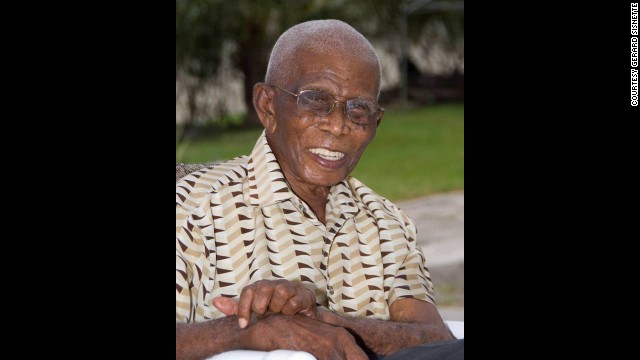
The oldest verified living man in the Western Hemisphere, James Sisnett, died in his sleep in Barbados on Thursday, May 23, 2013.


SYDNEY, AUSTRALIA – OCTOBER 18: Ruth Frith aged 100 competes in the Throws Pentathlon during the Sydney 2009 World Masters Games at the Sydney Olympic Park Athletic Centre on October 18, 2009 in Sydney, Australia.


Fauja Singh is recognized as the first 100-year-old to ever run a marathon. The great-grandfather, now 103, continues to run or walk every day. Nicknamed the “Turbaned Tornado,” he took up running to overcome his grief after the death of his wife and a son. He ran his first marathon at age 89. The key to life: “Laughter and happiness,” he says. “That’s your remedy for everything.”

It is Her Majesty’s custom to send a personal greeting to her subjects on their 100th birthdays. These days the Queen of England has a lot more letters to write.

That’s because a record number of people are living to 100 and beyond in the United Kingdom — and worldwide. In fact, one-third of babies born in the UK in 2013 are expected to live to 100, according to their Office of National Statistics. In the United States, the population has seen similar trends.

As this centenarian population grows, scientists want a better understanding of how and why those people do eventually die.

A new study finds that these 100+ types are more likely to have “old age” listed as their cause of death than chronic diseases, according to lead author Dr. Catherine Evans.

The study, published in the most recent edition of PLOS Medicine, finds that most centenarians die from pneumonia or general frailty rather than cancer or heart disease. Chronic diseases are more likely to kill people who only make it to their 80s and 90s.

To get at this information, Evans examined data from the death records of people in the United Kingdom who died between 2001 and 2010. She looked at a group of 35,867 people who were between 100 and 115 when they died. The median age of death was 101.

Evans said she was surprised at how large that 100+ population is. It has nearly doubled every decade since the 1950s in the UK. Globally the 100+ population is projected to grow to about 18 million people by the end of the century.

Looking at where these centenarians died showed that the majority ended their days in a care home (61%) or hospital (27%). They were less likely to die at home (10%) or in hospice care (0.2%).

Earlier studies show the elderly prefer to die at home, so the study authors argue that as this population grows there is an “urgent need to ensure adequate long-term care and responsive community care services to support people living with extreme longevity in these care settings.”

Since the elderly are often frail, earlier studies have shown that “home” isn’t necessarily about the brick and mortar where a person’s family lived. Home, Evans suggests, may be more of a “metaphor for where you feel safe and secure, and where your loved ones are nearby.”

While this study specifically looked at the British population, the number of centenarians has grown all around the world.

Dr. Ronald D. Adelman, who works with many of these old-old people as the medical director of Cornell’s Wright Center on Aging, said that the study is an important tool to understand a population that’s often overlooked.

“When it comes to the elderly there are really three groups we look at,” explained Adelman. “Those who are considered old, who are 65 to 74 years of age; the older, between ages 75 to 84; and the old-old, which are those people over the age of 85.

“But when you look at centenarians, that really is an expanding group, and the important thing is to get their advance directives, to make sure these people express how they want to be treated in their later years, so they can live a better quality of life and be more comfortable. Where do they want to live, how do they want to live and what’s best for them?”

Because of advances made in medical technology, and the fact many people entering their golden years are more health-conscious than ever before, Adelman says it’s time society takes the elderly, including centenarians, seriously because this older age group will continue to grow and need care.

“To be honest, 65 is no longer old,” noted Adelman. “Ten thousand Americans are turning 65 every day. There are 77 million baby boomers, who were born between 1946 and 1964. They are more educated, they have the best health literacy than prior generations, they exercise, they eat right and they are living longer, healthier lives.

“We need to be able to provide them the best care and services possible, as they age into their 80s, 90s and beyond.”

http://www.cnn.com/2014/06/04/health/centenarian-death/index.html?hpt=hp_c3

New research shows that blood from young mice reverses aging in brain and muscle

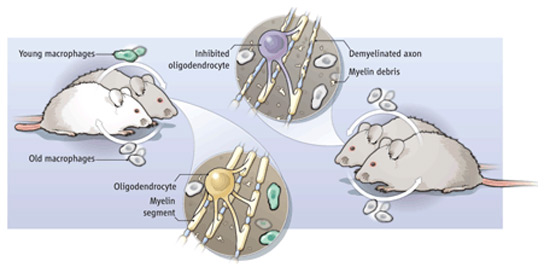
In a trio of studies published Sunday, scientists reported that they reversed aging in the muscles and brains of old mice — simply by running the blood of young mice through their veins.

The papers, from two independent groups in Cambridge and California, used different approaches to begin to unravel the rejuvenating effects of young animals’ blood, in the hopes of eventually developing a therapy that could be tested in people.

Researchers at Harvard University administered a protein found in young blood to older mice, and found that treated mice could run longer on a treadmill and had more branching blood vessels in their brains than untreated mice. A group led by a University of California, San Francisco researcher identified a molecular switch in a memory center of the brain that appears to be turned on by blood from young mice.

“These are the tissues that are really affected by advancing age. Changes in these tissues are responsible for the changes that people worry about the most — loss of cognition and loss of independent function,” said Amy Wagers, a professor of stem cell and regenerative biology at Harvard University involved in two of the studies.

Wagers said many questions remain about the mechanism of the protein and what the best therapeutic strategy might be, but she is already working to commercialize the protein discovery. The same substance is found in human blood.

Outside scientists cautioned that the findings are limited to one strain of mice and that it is not yet clear that something so simple would have dramatic anti-aging effects in people.

The new studies build on a decade of research that showed that young blood can have a rejuvenating effect on older mice. When scientists stitched together the circulatory systems of pairs of old and young mice, in a procedure called parabiosis, they found beneficial effects on the cells of the spinal cord, muscles, brain, and liver of the older animals. The next question was why — which of the many substances floating around in blood were responsible for the changes, and how did it work?

Last year, Wagers and another Harvard stem cell scientist, Dr. Richard T. Lee, found that a protein called GDF11 could cause a mouse heart thickened with age to revert to a youthful state. No one knew, however, whether the effect was specific to the heart, or would apply to aging in other tissues. Two of the new papers, published online by the journal Science, extend that work to the mouse brain and muscle.

In one study, Wagers and colleagues first connected the blood vessels of old and young mice. They measured profound changes to muscle stem cells in the older mice that made the cells appear more youthful. There were also changes to the structure of muscle. Next, they injected the protein that had been shown to rejuvenate hearts into the older mice. Although some individual mice did not change much, on average, the treated mice could run nearly twice as long on a treadmill as older mice not given the protein. The protein had no effect when injected into younger mice.

In a second study, Dr. Lee Rubin, director of translational medicine at the Harvard Stem Cell Institute, found that after parabiosis, the older mice had an increase in the branching network of blood vessels in the brain and in the rate of creation of new brain cells. Treated mice were more sensitive to changes in smell, suggesting the new neurons had an effect on their abilities. The GDF11 protein alone resulted in similar structural changes.

Wagers said that she has begun working with Atlas Venture, a venture capital firm based in Cambridge, to come up with a strategy to turn the insights about GDF11 into potential treatments that could be tested in people.

David Harrison, an aging researcher at Jackson Laboratory, a nonprofit research organization based in Bar Harbor, Maine, who was not involved in the research, said that an important caveat about the research is that it was done on a particular strain of mouse that is inbred. It will be important, he said, to test the protein’s effect in a more genetically diverse population of mice before thinking about extending the work to clinical trials.

Thomas Rando, a professor of neurology at Stanford University School of Medicine who pioneered using the parabiosis technique to study aging, said it is important to try and understand how young blood has its potent effects. But he said it seems very unlikely, given how complex aging is, that reversing it will depend on a single pathway.

“My answer always was and always will be there’s no way there’s a factor,” Rando said. “There are going to be hundreds of factors.”

In the third study published in the journal Nature Medicine, researchers from the University of California, San Francisco and Stanford used parabiosis to search for changes in gene activity in the brain that might help point to how young blood had its effects. They found changes in the activity of genes involved in the connectivity of brain cells in the hippocampus, a memory center.

Instead of using a specific protein, the researchers then gave older mice repeated transfusions of blood from young mice and found that the older animals improved on specific age-related memory tasks, such as locating an underwater platform and remembering an environment where they had experienced an unpleasant foot shock.

Saul Villeda, a UCSF faculty fellow who led the work, said that the results of the three studies reinforce one another, but they differ in their approach.

“I’m really interested to see whether GDF11 accounts for everything, or whether it’s going to be a combination of factors that together that has the full effect,” Villeda said.

All the researchers warned that people hoping to reverse aging shouldn’t get any wild ideas about infusing themselves with young blood, although they acknowledged making their share of vampire jokes.

“I am the oldest member of the team here, and I personally understand the sentiment for patients,” Rubin said. But he still wouldn’t try it.

Written by Carolyn Y. Johnson, who can be reached at cjohnson@globe.com. Follow her on Twitter @carolynyjohnson.

http://www.bostonglobe.com/news/science/2014/05/04/blood-from-young-mice-reverses-aging-brain-muscles/iepDMMf7wrLJy6WgXqpdIJ/story.html?rss_id=Top-GNP&google_editors_picks=true

Thanks to Da Brayn for bringing this to the attention of the It’s Interesting community