Fear of financial loss helps people exercise more.

By Morgan Manella

Companies that want their employees to exercise more might want to skip the promise of prizes or pats on the back. Instead, a new study shows, giving someone a financial incentive and then threatening to take it away might work better.

Workplace wellness programs are gaining popularity, and more than 80% of large employers are now using some form of financial incentive to increase physical activity, according a new study published in the Annals of Internal Medicine. This comes after the Centers for Disease Control and Prevention reported that more than half of adults in the United States do not reach the minimum recommended level of physical activity to see benefits to their health.

The study gave 281 people a 7,000 step-a-day goal that they were to keep up during a 13-week challenge. Researchers tested three financial incentive designs.

One group received $1.40 each day that they hit the 7,000-step goal. A second group was entered into a daily lottery, but participants were only eligible to collect a reward if they reached 7,000 steps the day before. The third group was given $42 upfront each month, and $1.40 was taken away each day the goal was not met. The control group received no money but did get some daily feedback.

The researchers found that the possibility of losing money led people to exercise more than the other incentives. It resulted in a 50% relative increase in the average amount of days participants achieved their physical activity goals.

“People are more motivated by losses than gains, and they like immediate gratification,” said study author, Dr. Mitesh Patel, an assistant professor in the Perelman School of Medicine and at the Wharton School at the University of Pennsylvania. “They want to be rewarded today, not next year or far into the future.”

The findings suggest that the way a financial incentive is framed is important to how effective it is — and it can influence the success of health promotion programs, according to the study.

“There is a large body of evidence in behavioral economics that has looked at ways of framing,” Patel said. “It’s the way our brains are wired that we tend to avoid wanting to lose things more than the benefit we get from gaining them. It makes people think like the money is theirs to lose from day one. By having skin in the game, it makes people more motivated, and we think we can leverage that in these types of programs.”

The study participants had an average BMI of 33.2, which classifies a person as obese, according to Patel.

“That is significant because most employers or wellness programs are designed to target people that are already motivated and people that tend to engage,” he said. “We wanted to target overweight and obese people that are more sedentary and have the most to benefit from these programs.”

In most programs, many participants will drop out quickly and only the motivated will stay involved, Patel said.

“In ours, we were pleasantly surprised that 96% stayed,” he said.

He attributes such high engagement rates in this study to the combination of design and technology. “The main takeaway is that the design of the incentive is critical to its success,” he said.

“Our study can help them [wellness programs] to design these incentives in a way that can be more effective and engage employees that have more to benefit, especially those that are obese, and to take into account that simple changes in the way we frame incentives can have a dramatic outcome in how we influence adults to change their behavior.”

http://www.cnn.com/2016/02/17/health/financial-incentive-exercise-goals/index.html

Exploring the Biology of Eating Disorders

With the pressure for a certain body type prevalent in the media, eating disorders are on the rise. But these diseases are not completely socially driven; researchers have uncovered important genetic and biological components as well and are now beginning to tease out the genes and pathways responsible for eating disorder predisposition and pathology.

As we enter the holiday season, shoppers will once again rush into crowded department stores searching for the perfect gift. They will be jostled and bumped, yet for the most part, remain cheerful because of the crisp air, lights, decorations, and the sound of Karen Carpenter’s contralto voice ringing out familiar carols.

While Carpenter is mainly remembered for her musical talents, unfortunately, she is also known for introducing the world to anorexia nervosa (AN), a severe life-threatening mental illness characterized by altered body image and stringent eating patterns that claimed her life just before her 33rd birthday in 1983.

Even though eating disorders (ED) carry one of the highest mortality rates of any mental illness, many researchers and clinicians still view them as socially reinforced behaviors and diagnose them based on criteria such as “inability to maintain body weight,” “undue influence of body weight or shape on self-evaluation,” and “denial of the seriousness of low body weight” (1). This way of thinking was prevalent when Michael Lutter, then an MD/PhD student at the University of Texas Southwestern Medical Center, began his psychiatry residency in an eating disorders unit. “I just remember the intense fear of eating that many patients exhibited and thought that it had to be biologically driven,” he said.

Lutter carried this impression with him when he established his own research laboratory at the University of Iowa. Although clear evidence supports the idea that EDs are biologically driven—they predominantly affect women and significantly alter energy homeostasis—a lack of well-defined animal models combined with the view that they are mainly behavioral abnormalities have hindered studies of the neurobiology of EDs. Still, Lutter is determined to find the biological roots of the disease and tease out the relationship between the psychiatric illness and metabolic disturbance using biochemistry, neuroscience, and human genetics approaches.

We’ve Only Just Begun

Like many diseases, EDs result from complex interactions between genes and environmental risk factors. They tend to run in families, but of course, for many family members, genetics and environment are similar enough that teasing apart the influences of nature and nurture is not easy. Researchers estimate that 50-80% of the predisposition for developing an ED is genetic, but preliminary genome-wide analyses and candidate gene studies failed to identify specific genes that contribute to the risk.

According to Lutter, finding ED study participants can be difficult. “People are either reluctant to participate, or they don’t see that they have a problem,” he reported. Set on finding the genetic underpinnings of EDs, his team began recruiting volunteers and found 2 families, 1 with 20 members, 10 of whom had an ED and another with 5 out of 8 members affected. Rather than doing large-scale linkage and association studies, the team decided to characterize rare single-gene mutations in these families, which led them to identify mutations in the first two genes, estrogen-related receptor α (ESRRA) and histone deacetylase 4 (HDAC4), that clearly associated with ED predisposition in 2013 (1).

“We have larger genetic studies on-going, including the collection of more families. We just happened to publish these two families first because we were able to collect enough individuals and because there is a biological connection between the two genes that we identified,” Lutter explained.

ESRRA appears to be a transcription factor upregulated by exercise and calorie restriction that plays a role in energy balance and metabolism. HDAC4, on the other hand, is a well-described histone deacteylase that has previously been implicated in locomotor activity, body weight homeostasis, and neuronal plasticity.

Using immunoprecipitation, the researchers found that ESRRA interacts with HDAC4, in both the wild type and mutant forms, and transcription assays showed that HDAC4 represses ESRRA activity. When Lutter’s team repeated the transcription assays using mutant forms of the proteins, they found that the ESRRA mutation seen in one family significantly reduced the induction of target gene transcription compared to wild type, and that the mutation in HDAC4 found in the other family increased transcriptional repression for ESRRA target genes.

“ESRRA is a well known regulator of mitochondrial function, and there is an emerging view that mitochondria in the synapse are critical for neurotransmission,” Lutter said. “We are working on identifying target pathways now.”

Bless the Beasts and the Children

Finding genes associated with EDs provides the groundwork for molecular studies, but EDs cannot be completely explained by the actions of altered transcription factors. Individuals suffering these disorders often experience intense anxiety, intrusive thoughts, hyperactivity, and poor coping strategies that lead to rigid and ritualized behaviors and severe crippling perfectionism. They are less aware of their emotions and often try to avoid emotion altogether. To study these complex behaviors, researchers need animal models.

Until recently, scientists relied on mice with access to a running wheel and restricted access to food. Under these conditions, the animals quickly increase their locomotor activity and reduce eating, frequently resulting in death. While some characteristics of EDs—excessive exercise and avoiding food—can be studied in these mice, the model doesn’t allow researchers to explore how the disease actually develops. However, Lutter’s team has now introduced a promising new model (3).

Based on their previous success with identifying the involvement of ESRRA and HDAC4 in EDs, the researchers wondered if mice lacking ESRRA might make suitable models for studies on ED development. To find out, they first performed immunohistochemistry to understand more about the potential cognitive role of ESRRA.

“ESRRA is not expressed very abundantly in areas of the brain typically implicated in the regulation of food intake, which surprised us,” Lutter said. “It is expressed in many cortical regions that have been implicated in the etiology of EDs by brain imaging like the prefrontal cortex, orbitofrontal cortex, and insula. We think that it probably affects the activity of neurons that modulate food intake instead of directly affecting a core feeding circuit.”

With these data, the team next tried providing only 60% of the normal daily calories to their mice for 10 days and looked again at ESRRA expression. Interestingly, ESRRA levels increased significantly when the mice were insufficiently fed, indicating that the protein might be involved in the response to energy balance.

Lutter now believes that upregulation of ESRRA helps organisms adapt to calorie restriction, an effect possibly not happening in those with ESRRA or HDAC4 mutations. “This makes sense for the clinical situation where most individuals will be doing fine until they are challenged by something like a diet or heavy exercise for a sporting event. Once they start losing weight, they don’t adapt their behaviors to increase calorie intake and rapidly spiral into a cycle of greater and greater weight loss.”

When Lutter’s team obtained mice lacking ESRRA, they found that these animals were 15% smaller than their wild type littermates and put forth less effort to obtain food both when fed restricted calorie diets and when they had free access to food. These phenotypes were more pronounced in female mice than male mice, likely due to the role of estrogen signaling. Loss of ESRRA increased grooming behavior, obsessive marble burying, and made mice slower to abandon an escape hole after its relocation, indicating behavioral rigidity. And the mice demonstrated impaired social functioning and reduced locomotion.

Some people with AN exercise extensively, but this isn’t seen in all cases. “I would say it is controversial whether or not hyperactivity is due to a genetic predisposition (trait), secondary to starvations (state), or simply a ritual that develops to counter the anxiety of weight related obsessions. Our data would suggest that it is not due to genetic predisposition,” Lutter explained. “But I would caution against over-interpretation of mouse behavior. The locomotor activity of mice is very different from people and it’s not clear that you can directly translate the results.”

For All We Know

Going forward, Lutter’s group plans to drill down into the behavioral phenotypes seen in their ESRRA null mice. They are currently deleting ESRRA from different neuronal cell types to pair individual neurons with the behaviors they mediate in the hope of working out the neural circuits involved in ED development and pathology.

In addition, the team has created a mouse line carrying one of the HDAC4 mutations previously identified in their genetic study. So far, this mouse “has interesting parallels to the ESRRA-null mouse line,” Lutter reported.

The team continues to recruit volunteers for larger-scale genetic studies. Eventually, they plan to perform RNA-seq to identify the targets of ESRRA and HDAC4 and look into their roles in mitochondrial biogenesis in neurons. Lutter suspects that this process is a key target of ESRRA and could shed light on the cognitive differences, such as altered body image, seen in EDs. In the end, a better understanding of the cells and pathways involved with EDs could create new treatment options, reduce suffering, and maybe even avoid the premature loss of talented individuals to the effects of these disorders.

References

1. Lutter M, Croghan AE, Cui H. Escaping the Golden Cage: Animal Models of Eating Disorders in the Post-Diagnostic and Statistical Manual Era. Biol Psychiatry. 2015 Feb 12.

2. Cui H, Moore J, Ashimi SS, Mason BL, Drawbridge JN, Han S, Hing B, Matthews A, McAdams CJ, Darbro BW, Pieper AA, Waller DA, Xing C, Lutter M. Eating disorder predisposition is associated with ESRRA and HDAC4 mutations. J Clin Invest. 2013 Nov;123(11):4706-13.

3. Cui H, Lu Y, Khan MZ, Anderson RM, McDaniel L, Wilson HE, Yin TC, Radley JJ, Pieper AA, Lutter M. Behavioral disturbances in estrogen-related receptor alpha-null mice. Cell Rep. 2015 Apr 21;11(3):344-50.

http://www.biotechniques.com/news/Exploring-the-Biology-of-Eating-Disorders/biotechniques-361522.html


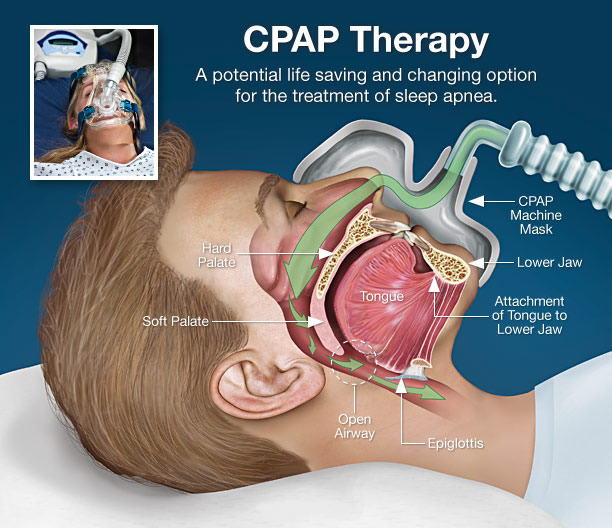
CPAP therapy demonstrated to reduce depression in adults with obstructive sleep apnea

A new study shows that depressive symptoms are extremely common in people who have obstructive sleep apnea, and these symptoms improve significantly when sleep apnea is treated with continuous positive airway pressure therapy.

Results show that nearly 73 percent of sleep apnea patients (213 of 293 patients) had clinically significant depressive symptoms at baseline, with a similar symptom prevalence between men and women. These symptoms increased progressively and independently with sleep apnea severity.

However, clinically significant depressive symptoms remained in only 4 percent of the sleep apnea patients who adhered to CPAP therapy for 3 months (9 of 228 patients). Of the 41 treatment adherent patients who reported baseline feelings of self-harm or that they would be “better dead,” none reported persisting suicidal thoughts at the 3-month follow-up.

“Effective treatment of obstructive sleep apnea resulted in substantial improvement in depressive symptoms, including suicidal ideation,” said senior author David R. Hillman, MD, clinical professor at the University of Western Australia and sleep physician at the Sir Charles Gairdner Hospital in Perth. “The findings highlight the potential for sleep apnea, a notoriously underdiagnosed condition, to be misdiagnosed as depression.”

Study results are published in the September issue of the Journal of Clinical Sleep Medicine.

The American Academy of Sleep Medicine reports that obstructive sleep apnea (OSA) is a common sleep disease afflicting at least 25 million adults in the U.S. Untreated sleep apnea increases the risk of other chronic health problems including heart disease, high blood pressure, Type 2 diabetes, stroke and depression.

The study group comprised 426 new patients referred to a hospital sleep center for evaluation of suspected sleep apnea, including 243 males and 183 females. Participants had a mean age of 52 years. Depressive symptoms were assessed using the validated Patient Health Questionnaire (PHQ-9), and the presence of obstructive sleep apnea was determined objectively using overnight, in-lab polysomnography. Of the 293 patients who were diagnosed with sleep apnea and prescribed CPAP therapy, 228 were treatment adherent, which was defined as using CPAP therapy for an average of 5 hours or more per night for 3 months.

According to the authors, the results emphasize the importance of screening people with depressive symptoms for obstructive sleep apnea. These patients should be asked about common sleep apnea symptoms including habitual snoring, witnessed breathing pauses, disrupted sleep, and excessive daytime sleepiness.

http://www.eurekalert.org/pub_releases/2015-09/aaos-ctr092215.php

Eye tests may predict schizophrenia

Schizophrenia is associated with structural and functional alterations of the visual system, including specific structural changes in the eye. Tracking such changes may provide new measures of risk for, and progression of the disease, according to a literature review published online in the journal Schizophrenia Research: Cognition, authored by researchers at New York Eye and Ear Infirmary of Mount Sinai and Rutgers University.

Individuals with schizophrenia have trouble with social interactions and in recognizing what is real. Past research has suggested that, in schizophrenia, abnormalities in the way the brain processes visual information contribute to these problems by making it harder to track moving objects, perceive depth, draw contrast between light and dark or different colors, organize visual elements into shapes, and recognize facial expressions. Surprisingly though, there has been very little prior work investigating whether differences in the retina or other eye structures contribute to these disturbances.

“Our analysis of many studies suggests that measuring retinal changes may help doctors in the future to adjust schizophrenia treatment for each patient,” said study co-author Richard B. Rosen, MD, Director of Ophthalmology Research, New York Eye and Ear Infirmary of Mount Sinai, and Professor of Ophthalmology, Icahn School of Medicine at Mount Sinai. “More studies are needed to drive the understanding of the contribution of retinal and other ocular pathology to disturbances seen in these patients, and our results will help guide future research.”

The link between vision problems and schizophrenia is well established, with as many as 62 percent of adult patients with schizophrenia experience visual distortions involving form, motion, or color. One past study found that poorer visual acuity at four years of age predicted a diagnosis of schizophrenia in adulthood, and another that children who later develop schizophrenia have elevated rates of strabismus, or misalignment of the eyes, compared to the general population.

Dr. Rosen and Steven M. Silverstein, PhD, Director of the Division of Schizophrenia Research at Rutgers University Behavioral Health Care, were the lead authors of the analysis, which examined the results of approximately 170 existing studies and grouped the findings into multiple categories, including changes in the retina vs. other parts of the eye, and changes related to dopamine vs. other neurotransmitters, key brain chemicals associated with the disease.

The newly published review found multiple, replicated, indicators of eye abnormalities in schizophrenia. One of these involves widening of small blood vessels in the eyes of schizophrenia patients, and in young people at high risk for the disorder, perhaps caused by chronic low oxygen supply to the brain. This could explain several key vision changes and serve as a marker of disease risk and worsening. Also important in this regard was thinning of the retinal nerve fiber layer in schizophrenia, which is known to be related to the onset of hallucinations and visual acuity problems in patients with Parkinson’s disease. In addition, abnormal electrical responses by retinal cells exposed to light (as measured by electroretinography) suggest cellular-level differences in the eyes of schizophrenia patients, and may represents a third useful measure of disease progression, according to the authors.

In addition, the review highlighted the potentially detrimental effects of dopamine receptor-blocking medications on visual function in schizophrenia (secondary to their retinal effects), and the need for further research on effects of excessive retinal glutamate on visual disturbances in the disorder.

Interestingly, the analysis found that there are no reports of people with schizophrenia who were born blind, suggesting that congenital blindness may completely or partially protect against the development of schizophrenia. Because congenitally blind people tend to have cognitive abilities in certain domains (e.g., attention) that are superior to those of healthy individuals, understanding brain re-organization after blindness may have implications for designing cognitive remediation interventions for people with schizophrenia.

“The retina develops from the same tissue as the brain,” said Dr. Rosen. “Thus retinal changes may parallel or mirror the integrity of brain structure and function. When present in children, these changes may suggest an increased risk for schizophrenia in later life. Additional research is needed to clarify these relationships, with the goals of better predicting emergence of schizophrenia, and of predicting relapse and treatment response and people diagnosed with the condition.”

Dr. Silverstein points out that, to date, vision has been understudied in schizophrenia, and studies of the retina and other ocular structures in the disorder are in their infancy. However, he added, “because it is much faster and less expensive to obtain data on retinal structure and function, compared to brain structure and function, measures of retinal and ocular structure and function may have an important role in both future research studies and the routine clinical care of people with schizophrenia.”

http://www.eurekalert.org/pub_releases/2015-08/tmsh-rcm081715.php

The Healing Power of Caring and Hope in Psychotherapy

By Allen Frances, MD

There are 3 consistent research findings that should make a world of difference to therapists and to the people they treat.

1. Psychotherapy works at least as well as drugs for most mild to moderate problems and, all things being equal, should be used first

2. A good relationship is much more important in promoting good outcome than the specific psychotherapy techniques that are used

3. There is a very high placebo response rate for all sorts of milder psychiatric and medical problems

This is partly a “time effect”—people come for help at particularly bad times in their lives and are likely to improve with time even if nothing is done. But placebo response also reflects the magical power of hope and expectation. And the effect is not just psychological—the body often actually responds to placebo just as it would respond to active medication.

These 3 findings add up to one crucial conclusion—the major focus of effective therapy should be to establish a powerfully healing relationship and to inspire hope. Specific techniques help when they enhance the primary focus on the relationship; they hurt when they distract from it.

The paradox is that therapists are increasingly schooled in specific techniques to the detriment of learning how to heal. The reason is clear—it is easy to manualize technique, hard to teach great healing.

I have, therefore, asked a great healer, Fanny Marell, a Swedish social worker and licensed psychotherapist, to share some of her secrets. Ms Marell writes:

Many therapists worry so much about assessing symptoms, performing techniques, and filling out forms that they miss the wonderful vibrancy of a strong therapeutic relationship.

Thinking I can help someone just by asking about concerns, troubles, and symptoms is like thinking that I can drive a car solely by looking in the rearview mirror. Dreams, hopes, and abilities are seen out of the front window of the car and help us together to navigate the road ahead. Where are we going? Which roads will you choose and why? It surely will not be the same roads I would take. We are different—we have to find your own best direction.

If we focus only on troubles and diagnosis, we lose the advantage of capitalizing on the person’s strengths and resources. If I am to help someone overcome symptoms, change behaviors, and climb out of difficult situations, I need to emphasize also all the positives he brings to the situation. Therapy without conversations about strengths and hopes is not real therapy.

And often most important: Does the patient have a sense of humor? Laugh together! Be human. No one wants a perfect therapist. It is neither credible nor human.

Symptom checklists and diagnoses play a role but they do not give me an understanding of how this person/patient understands his world and her troubles.

And don’t drown in manuals, missing the person while applying the technique.

People come to me discouraged and overwhelmed—their hopes and dreams abandoned. Early in our time together, I ask many detailed questions about how they would like life to change. What would you do during the day? Where would you live? What would your relationship to your family be like? What would you do in your spare time? What kind of social circle would you have? By getting detailed descriptions, I get concrete goals (eg, I want to go to school, argue less with my parents, spend more time with friends).

Almost always, working with the family is useful; sometimes it is absolutely necessary. What would be a good life for your child? How would it affect you?

Sometimes our dreams are big, perhaps even too extravagant; sometimes they are small and perhaps too cautious. But dreams always become more realistic and realizable when they are expressed. Sharing a dream and making it a treatment goal helps the person make a bigger investment in the treatment, and to take more responsibility for it. He becomes the driver and the therapist may sit in the back seat.

Because my first conversation is not just about symptoms and troubles, we start off on a basis of realistic hope and avoid a negative spiral dominated only by troubles. Problems have to be faced, but from a position of strength, not despair and helplessness.

Having a rounded view of the person’s problems and strengths enriches the therapeutic contact and creates a strong alliance.

Thanks, Ms Marell, for terrific advice. Some of the best natural therapists I have known have been ruined by psychotherapy training—becoming so preoccupied learning and implementing technique that they lost the healing warmth of their personalities.

Therapy should always be an exciting adventure, an intense meeting of hearts and minds. You can’t learn to be an effective therapist by reading a manual and applying it mechanically.

I would tell therapists I supervised never to apply what we discussed to their next session with the patient, lest they would always be a week behind. Therapy should be informed by technique, but not stultified by it.

See more at: http://www.psychiatrictimes.com/blogs/couch-crisis/magical-healing-power-caring-and-hope-psychotherapy?GUID=C523B8FD-3416-4DAC-8E3C-6E28DE36C515&rememberme=1&ts=16072015#sthash.2AOArvAW.dpuf

Virtual human designed to help patients feel comfortable talking about themselves with therapists

By Suzanne Allard Levingston

With her hair pulled back and her casual office attire, Ellie is a comforting presence. She’s trained to put patients at ease as she conducts mental health interviews with total confidentiality.

She draws you into conversation: “So how are you doing today?” “When was the last time you felt really happy?” She notices if you look away or fidget or pause, and she follows up with a nod of encouragement or a question: “Can you tell me more about that?”

Not bad for an interviewer who’s not human.

Ellie is a virtual human created by scientists at the University of Southern California to help patients feel comfortable talking about themselves so they’ll be honest with their doctors. She was born of two lines of findings: that anonymity can help people be more truthful and that rapport with a trained caregiver fosters deep disclosure. In some cases, research has shown, the less human involvement, the better. In a 2014 study of 239 people, participants who were told that Ellie was operating automatically as opposed to being controlled by a person nearby, said they felt less fearful about self-disclosure, better able to express sadness and more willing to disclose.

Getting a patient’s full story is crucial in medicine. Many technological tools are being used to help with this quest: virtual humans such as Ellie, electronic health records, secure e-mail, computer databases. Although these technologies often smooth the way, they sometimes create hurdles.

Honesty with doctors is a bedrock of proper care. If we hedge in answering their questions, we’re hampering their ability to help keep us well.

But some people resist divulging their secrets. In a 2009 national opinion survey conducted by GE, the Cleveland Clinic and Ochsner Health System, 28 percent of patients said they “sometimes lie to their health care professional or omit facts about their health.” The survey was conducted by telephone with 2,000 patients.

The Hippocratic Oath imposes a code of confidentiality on doctors: “I will respect the privacy of my patients, for their problems are not disclosed to me that the world may know.”

Nonetheless, patients may not share sensitive, potentially stigmatizing health information on topics such as drug and alcohol abuse, mental health problems and reproductive and sexual history. Patients also might fib about less-fraught issues such as following doctor’s orders or sticking to a diet and exercise plan.

Why patients don’t tell the full truth is complicated. Some want to disclose only information that makes the doctor view them positively. Others fear being judged.

“We never say everything that we’re thinking and everything that we know to another human being, for a lot of different reasons,” says William Tierney, president and chief executive of the Regenstrief Institute, which studies how to improve health-care systems and is associated with the Indiana University School of Medicine.

In his work as an internist at an Indianapolis hospital, Tierney has encountered many situations in which patients aren’t honest. Sometimes they say they took their blood pressure medications even though it’s clear that they haven’t; they may be embarrassed because they can’t pay for the medications or may dislike the medication but don’t want to offend the doctor. Other patients ask for extra pain medicine without admitting that they illegally share or sell the drug.

Incomplete or incorrect information can cause problems. A patient who lies about taking his blood pressure medication, for example, may end up being prescribed a higher dose, which could send the patient into shock, Tierney said.

Leah Wolfe, a primary care physician who trains students, residents and faculty at the Johns Hopkins School of Medicine in Baltimore, said that doctors need to help patients understand why questions are being asked. It helps to normalize sensitive questions by explaining, for example, why all patients are asked about their sexual history.

“I’m a firm believer that 95 percent of diagnosis is history,” she said. “The physician has a lot of responsibility here in helping people understand why they’re asking the questions that they’re asking.”

Technology, which can improve health care, can also have unintended consequences in doctor-patient rapport. In a recent study of 4,700 patients in the Journal of the American Medical Informatics Association, 13 percent of patients said they had kept information from a doctor because of concerns about privacy and security, and this withholding was more likely among patients whose doctors used electronic health records than those who used paper charts.

“It was surprising that it would actually have a negative consequence for that doctor-patient interaction,” said lead author Celeste Campos-Castillo of the University of Wisconsin at Milwaukee. Campos-Castillo suggests that doctors talk to their patients about their computerized-record systems and the security measures that protect those systems.

When given a choice, some patients would use technology to withhold information from providers. Regenstrief Institute researchers gave 105 patients the option to control access to their electronic health records, broken down into who could see the record and what kind of information they chose to share. Nearly half chose to place some limits on access to their health records in a six-month study published in January in the Journal of General Internal Medicine.

While patient control can empower, it can also obstruct. Tierney, who was not involved as a provider in that study, said that if he had a patient who would not allow him full access to health information, he would help the patient find another physician because he would feel unable to provide the best and safest care possible.

“Hamstringing my ability to provide such care is unacceptable to me,” he wrote in a companion article to the study.

Technology can also help patients feel comfortable sharing private information.

A study conducted by the Veterans Health Administration found that some patients used secure e-mail messaging with their providers to address sensitive topics — such as erectile dysfunction and sexually transmitted diseases — a fact that they had not acknowledged in face-to-face interviews with the research team.

“Nobody wants to be judged,” said Jolie Haun, lead author of the 2014 study and a researcher at the Center of Innovation on Disability and Rehabilitation Research at the James A. Haley VA Hospital in Tampa. “We realized that this electronic form of communication created this somewhat removed, confidential, secure, safe space for individuals to bring up these topics with their provider, while avoiding those social issues around shame and embarrassment and discomfort in general.”

USC’s Ellie shows promise as a mental health screening tool. With a microphone, webcam and an infrared camera device that tracks a person’s body posture and movements, Ellie can process such cues as tone of voice or change in gaze and react with a nod, encouragement or question. But the technology can neither understand deeply what the person is saying nor offer therapeutic support.

“Some people make the mistake when they see Ellie — they assume she’s a therapist and that’s absolutely not the case,” says Jonathan Gratch, director for virtual human research at USC’s Institute for Creative Technologies.

The anonymity and rapport created by virtual humans factor into an unpublished USC study of screenings for post-traumatic stress disorder. Members of a National Guard unit were interviewed by a virtual human before and after a year of service in Afghanistan. Talking to the animated character elicited more reports of PTSD symptoms than completing a computerized form did.

One of the challenges for doctors is when a new patient seeks a prescription for a controlled substance. Doctors may be concerned that the drug will be used illegally, a possibility that’s hard to predict.

Here, technology is a powerful lever for honesty. Maryland, like almost all states, keeps a database of prescriptions. When her patients request narcotics, Wolfe explains that it’s her office’s practice to check all such requests against the database that monitors where and when a patient filled a prescription for a controlled substance. This technology-based information helps foster honest give-and-take.

“You’ve created a transparent environment where they are going to be motivated to tell you the truth because they don’t want to get caught in a lie,” she said. “And that totally changes the dynamics.”

It is yet to be seen how technology will evolve to help patients share or withhold their secrets. But what will not change is a doctor’s need for full, open communication with patients.

“It has to be personal,” Tierney says. “I have to get to know that patient deeply if I want to understand what’s the right decision for them.”

Bullying by peers has even more severe effects on adulthood mental health than mistreatment by adults in childhood

By Ashley Strickland

Bullying can be defined by many things. It’s teasing, name-calling, stereotyping, fighting, exclusion, spreading rumors, public shaming and aggressive intimidation. It can be in person and online. But it can no longer be considered a rite of passage that strengthens character, new research suggests.

Adolescents who are bullied by their peers actually suffer from worse long-term mental health effects than children who are maltreated by adults, based on a study published last week in The Lancet Psychiatry.

The findings were a surprise to Dr. Dieter Wolke and his team that led the study, who expected the two groups to be similarly affected. However, because children tend to spend more time with their peers, it stands to reason that if they have negative relationships with one another, the effects could be severe and long-lasting, he said. They also found that children maltreated by adults were more likely to be bullied.

The researchers discovered that children who were bullied are more likely to suffer anxiety, depression and consider self-harm and suicide later in life.

While all children face conflict, disagreements between friends can usually be resolved in some way. But the repetitive nature of bullying is what can cause such harm, Wolke said.

“Bullying is comparable to a scenario for a caged animal,” he said. “The classroom is a place where you’re with people you didn’t choose to be with, and you can’t escape them if something negative happens.”

Children can internalize the harmful effects of bullying, which creates stress-related issues such as anxiety and depression, or they can externalize it by turning from a victim to a bully themselves. Either way, the result has a painful impact.

The study also concluded with a call to action, suggesting that while the government has justifiably focused on addressing maltreatment and abuse in the home, they should also consider bullying as a serious problem that requires schools, health services and communities to prevent, respond to or stop this abusive culture from forming.

“It’s a community problem,” Wolke said. “Physicians don’t ask about bullying. Health professionals, educators and legislation could provide parents with medical and social resources. We all need to be trained to ask about peer relationships.”

Stopping bullying in schools

Division and misunderstanding are some of the motivations behind bullying because they highlight differences. If children don’t understand those differences, they can form negative associations, said Johanna Eager, director for the Human Rights Campaign Foundation’s Welcoming Schools program.

Programs such as Welcoming Schools, for kindergarten through fifth grade, and Not in Our School, a movement for kindergarten through high school, want to help teachers, parents and children to stop a culture of bullying from taking hold in a school or community.

They offer lesson plans, staff training and speakers for schools, as well as events for parents.

Welcoming Schools is focused on helping children embrace diversity and overcome stereotypes at a young age. It’s the best place to start to prevent damaging habits that could turn into bullying by middle school or high school.

The lesson plans aim to help teachers and students by encouraging that our differences are positive aspects rather than negatives, whether it be in appearance, gender or religion, Eager said. They are also designed to help teachers lead discussions and answer tough questions that might come up.

Teachable moments present themselves in these classrooms daily, and Welcoming Schools offers resources to navigate those difficult moments. If they are prepared, teachers can address it and following up with a question.

They cover questions from “Why do you think it’s wrong for a boy to wear pink?” and “What does it mean to be gay or lesbian?” to “Would you be an ally or a bystander if someone was picking on your friend?” and “Why does it hurt when someone says this?”

Welcoming Schools is present in more than 30 states, working with about 500 schools and 115 districts.

Not in Our School has the same mission to create identity-safe school climates that encourage acceptance. They want to help build empathy in students and encourage them to become “upstanders” rather than bystanders.

Their lesson plans and videos, viewed by schools across the country, include teaching students about how to safely intervene in a situation, reach out to a trusted adult, befriend a bullied child or be an activist against bullying. While the role of teachers, counselors and resource officers will always be important, peer-to-peer relationships make a big difference, said Becki Cohn-Vargas, director of Not in Our Schools.

These positive practices can help build self-esteem and don’t focus on punishing bullies because the emphasis is on restorative justice: repairing harm and helping children and teens to change their aggressive behavior.

But it can’t be up to the schools alone.

“What’s really important is getting the public and the medical world to recognize bullying for what it is — a serious issue,” Cohn-Vargas said.

A global problem

Bullying, the study suggests, is a global issue. It is particularly prevalent in countries where there are rigid class divisions between higher and lower income families, Wolke said.

Dr. Tracy Vaillancourt, a University of Ottawa professor and Canada Research Chair for Children’s Mental Health and Violence Prevention, believes that defining bullying can help in how we address it. Look at it as a behavior that causes harm, rather than normal adolescent behavior, she said.

Role models should also keep a close eye on their own behavior, she said. Sometimes, adults can say or do things in front of their children that mimic aggressive behavior, such gossiping, demeaning others, encouraging their children to hit back or allowing sibling rivalry to escalate into something more harmful.

“We tend to admire power,” Vaillancourt said. “But we also tend to abuse power, because we don’t talk about achieving power in an appropriate way. Bullying is part of the human condition, but that doesn’t make it right. We should be taking care of each other. ”

The study compared young adults in the United States and the United Kingdom who were maltreated and bullied in childhood. Data was collected from two separate studies, comparing 4,026 participants from the Avon Longitudinal Study of Parents and Children in the UK and 1,273 participants from the Great Smoky Mountain Study in the U.S.

The UK data looked at maltreatment from the ages of 8 weeks to 8.6 years, bullying at ages 8, 10 and 13 and the mental health effects at age 18. The U.S. study presented data on bullying and maltreatment between the ages of 9 and 16, and the mental health effects from ages 19 to 25.

http://www.thelancet.com/journals/lanpsy/article/PIIS2215-0366(15)00165-0/abstract

Hip-hop music can improve mental health

by John Haltiwanger

As a musical genre, hip-hop is often denigrated for seemingly condoning misogyny, materialism, violence and crime. But this is an unfair characterization and an overgeneralization.

Yes, there are some rap artists who write songs containing nothing of substance. More often than not, however, hip-hop offers many of us an insightful view into a dark world we’re unfamiliar with: the impoverished inner city.

In this sense, hip-hop has the potential to educate and foster empathy.

To borrow from Jay Z:

I think that hip-hop has done more for racial relations than most cultural icons. Save Martin Luther King, because his dream speech we realized when President Obama got elected.

[Hip-hop] music didn’t only influence kids from urban areas. People listen to this music all around the world, and [they] took to this music.

Once you have people partying, dancing and singing along to the same music, then conversations naturally happen after that.

We all realize that we’re more alike than we’re separate.

Indeed, hip-hop breaches ostensibly impenetrable cultural divides, breeding solidarity among people with disparate backgrounds.

This is precisely why recent albums like Kendrick Lamar’s To Pimp a Butterfly have been widely celebrated and even used by high school teachers to teach lessons about race and oppression.

Beyond enlightening people on race, poverty, the War on Drugs and the inner city, it also appears hip-hop has a hidden benefit as a powerful tool against mental illness.

A study from Cambridge University found that hip-hop is extremely effective in combatting depression, bipolar disorder and addiction.

When you think about the themes hip-hop encompasses, this makes a lot of sense. Many artists rap about overcoming numerous obstacles in the ghetto, from gang violence and poverty to drugs and police brutality.

The overall narrative of hip-hop is one of progress. Artists tell dynamic stories of advancing from deeply oppressive environments to living out their wildest dreams.

Fundamentally, the message of hip-hop is one of hope.

Thus, hip-hop has the effect of “positive visual imagery,” helping people see the light when the whole world feels dark.

In other words, during bipolar episodes or periods of depression, listening to hip-hop can help people visualize or imagine a more positive place and where they’d like to be in the future. In turn, they arrive at a more secure mental state.

The study was conducted by neuroscientist Dr. Becky Inkster and psychiatrist Dr. Akeem Sule.

As Dr. Sule puts it:

Much of hip-hop comes from areas of great socioeconomic deprivation, so it’s inevitable that its lyrics will reflect the issues faced by people brought up in these areas, including poverty, marginalization, crime and drugs.

We can see in the lyrics many of the key risk factors for mental illness, from which it can be difficult to escape.

Hip-hop artists use their skills and talents not only to describe the world they see, but also as a means of breaking free.

We believe that hip-hop, with its rich, visual narrative style, can be used to make therapies that are more effective for specific populations and can help patients with depression to create more positive images of themselves, their situations and their future.

One of the prime examples utilized in the study is that of the Notorious B.I.G.’s “Juicy,” a hip-hop classic.

In the song, Biggie details his rise from deprivation on the harsh streets of Brooklyn to the covers of magazines and a life of affluence. It’s a song about making it against impossible odds.

There are so many other examples like this within the world of hip-hop. From Jay Z’s “On To The Next One” to the more recent Kendrick Lamar track, “i.”

Interestingly enough, not long ago, Lamar stated he penned the song as a form of encouragement and inspiration for prison inmates and suicidal teenagers:

I wrote a record for the homies that’s in the penitentiary right now, and I also wrote a record for these kids that come up to my shows with these slashes on they wrists, saying they don’t want to live no more.

Accordingly, it’s apparent some hip-hop artists are already deliberately attempting to help people with mental illness.

Regardless of the criticism it receives, hip-hop is a form of artistic expression with limitless educative and therapeutic potential.

The rapper Killer Mike has noted there is a commonly held view that hip-hop poses a threat or danger to society, but as he explains:

The kids spending hours per day writing rap songs aren’t a threat to society; they are often trying to escape the threats from society.

Measuring attention to angry faces may help predict depression relapse

Up to 80 percent of individuals with a past history of depression will get depressed again in the future. However, little is known about the specific factors that put these people at risk. New research suggests that it may be due to the things you pay attention to in your life.

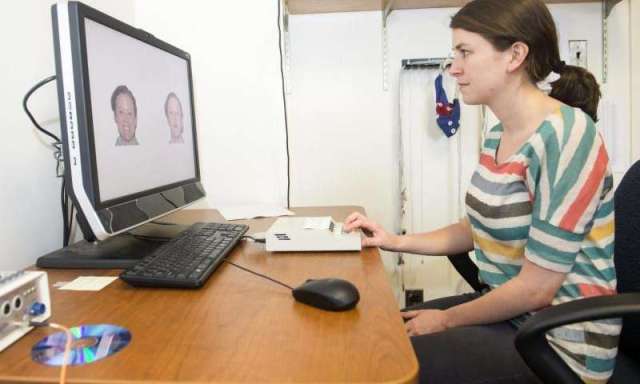
Researchers at Binghamton University recruited 160 women—60 with a past history of depression, 100 with no history of depression. They showed each woman a series of two faces, one with a neutral expression and the other with either an angry, sad or happy expression. Using eye-tracking, they found that women with a past history of depression paid more attention to the angry faces. More importantly, among women with a history of prior depression, those who tended to look the most at the angry faces were at greatest risk for developing depression again over the next two years.

“If you’re walking around day to day, your attention will just be drawn to certain things and you’ll tend to look at some things more than others. What we showed is if your attention is drawn to people who appear to be angry with you or critical of you, then you’re at risk for depression,” said Brandon Gibb, professor of psychology at Binghamton University and director of the Mood Disorders Institute and Center for Affective Science.

“I think the most interesting thing about this is that we followed these women for two years, and the women who are paying attention to angry faces are the most likely to become depressed again, and they become depressed in the

shortest amount of time. So they’re at greatest risk,” said graduate student and lead author of the study Mary Woody. “We might be able to identify women who are at greatest risk for future depression just by something as simple as how they pay attention to different emotional expressions in their world.”

To address these types of attentional biases, computer programs and games are being used to retrain peoples’ attention. This approach has shown promise in the treatment of anxiety and is now being tested as a treatment for depression. Woody said that, by showing the important role that attentional biases play in depression risk, this new research highlights the promise of these types of attention retraining programs.

“It’s a very important first step in developing a new line of treatment for people who are at risk for depression and for who currently have depression,” Woody said.

“Some people might be able to use this instead of traditional therapy or could use it as an adjunct to traditional treatment,” Gibb added.
The study, “Selective Attention toward Angry Faces and Risk for Major Depressive Disorder in Women: Converging Evidence from Retrospective and Prospective Analyses,” was published in Clinical Psychological Science.

http://medicalxpress.com/news/2015-06-attention-angry-future-depression.html

New study shows that use of psychedelic drugs does not increase risk of mental illness

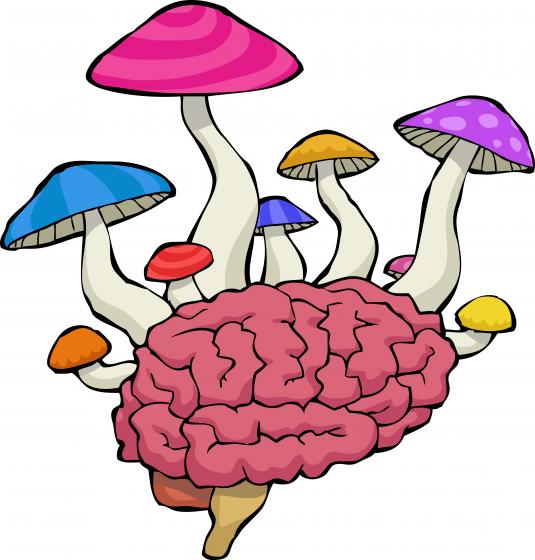
An analysis of data provided by 135,000 randomly selected participants – including 19,000 people who had used drugs such as LSD and magic mushrooms – finds that use of psychedelics does not increase risk of developing mental health problems. The results are published in the Journal of Psychopharmacology.

Previously, the researchers behind the study – from the Norwegian University of Science and Technology in Trondheim – had conducted a population study investigating associations between mental health and psychedelic use. However, that study, which looked at data from 2001-04, was unable to find a link between use of these drugs and mental health problems.

“Over 30 million US adults have tried psychedelics and there just is not much evidence of health problems,” says author and clinical psychologist Pål-Ørjan Johansen.

“Drug experts consistently rank LSD and psilocybin mushrooms as much less harmful to the individual user and to society compared to alcohol and other controlled substances,” concurs co-author and neuroscientist Teri Krebs.

For their study, they analyzed a data set from the US National Health Survey (2008-2011) consisting of 135,095 randomly selected adults from the US, including 19,299 users of psychedelic drugs.

Krebs and Johansen report that they found no evidence for a link between use of psychedelic drugs and psychological distress, depression, anxiety or suicidal thoughts, plans and attempts.

In fact, on a number of factors, the study found a correlation between use of psychedelic drugs and decreased risk for mental health problems.

“Many people report deeply meaningful experiences and lasting beneficial effects from using psychedelics,” says Krebs.

However, Johansen acknowledges that – given the design of the study – the researchers cannot “exclude the possibility that use of psychedelics might have a negative effect on mental health for some individuals or groups, perhaps counterbalanced at a population level by a positive effect on mental health in others.”

Despite this, Johansen believes that the findings of the study are robust enough to draw the conclusion that prohibition of psychedelic drugs cannot be justified as a public health measure.

Krebs says:

“Concerns have been raised that the ban on use of psychedelics is a violation of the human rights to belief and spiritual practice, full development of the personality, and free-time and play.”

Commenting on the research in a piece for the journal Nature, Charles Grob, a paediatric psychiatrist at the University of California-Los Angeles, says the study “assures us that there were not widespread ‘acid casualties’ in the 1960s.” However, he urges caution when interpreting the results, as individual cases of adverse effects can and do occur as a consequence of psychedelic use.

For instance, Grob describes hallucinogen persisting perception disorder, sometimes referred to as “a never-ending trip.” Patients with this disorder experience “incessant distortions” in their vision, such as shimmering lights and colored dots. “I’ve seen a number of people with these symptoms following a psychedelic experience, and it can be a very serious condition,” says Grob.

http://www.medicalnewstoday.com/articles/290461.php