Scientific evidence that bad habits are wired into your brain

by Ben Taub

Bad habits are never easy to kick, and the reason could be down to more than just flimsy will power. According to a new study into the neurological mechanisms behind habit formation, such problematic modes of behavior can actually cause changes in the way the brain is wired, to the point where our little (or not so little) imperfections become written into our mental machinery.

This process is mediated via the dorsolateral striatum, a brain region that processes sensory-motor signals in order to stimulate the striatal projection neurons (SPNs) of another part of the brain called the basal ganglia, which has been associated with controlling habitual behavior. The SPNs in the basal ganglia are arranged in two pathways, called the direct and indirect pathways.

Previous research has indicated that the SPNs of the direct pathway stimulate action, while those of the indirect pathway inhibit action. As such, the direct and indirect pathways are sometimes described as the “go” and “stop” pathways, respectively.

To test how these mechanisms become disrupted by the formation of habits, a team of researchers from Duke University conducted an experiment in which mice were trained to press a lever in order to receive a sugary pellet. When the supply of these treats was later stopped, some mice continued to press the lever – indicating they had formed a habit – while others did not. The researchers then used a dye to observe the firing of neurons in the basal ganglia of the mice, noting the differences between those who had formed a habit and those who had not.

Describing their findings in the journal Neuron, the study authors reveal that firing rates increased for both the direct and indirect pathways in habit-forming mice, and that the order in which these neurons fired had become disrupted. More specifically, they found that the SNPs of the “go” pathway tended to fire earlier than those of the “stop” pathway, which would appear to explain why the mice habitually performed a particular action.

Furthermore, they noted that this disparity between direct and indirect SNPs was apparent throughout the basal ganglia, rather than just in those neurons involved in the lever-pressing task. Because of this, they suggest that the formation of a single habit causes “broad modifications” to the neural firing pathways of the brain, which may then make a person more vulnerable to developing other habits. In other words, it may be possible to develop a “habit-forming brain.”

To conclude their study, the researchers attempted to erase the habit that some of the mice had developed. To do so, they began rewarding mice with treats if they stopped pressing the lever, and then once again traced the neural patterns in those who overcame their habit.

This was found to result in a reduction in direct SNP firing, but did not affect indirect SNP firing. Therefore, the study authors conclude that while the formation of a habit distorts both pathways, the erasure of this behavior only affects one of the two pathways.

Whether or not this research can be used to develop new treatments for those with harmful habits such as addictions remains to be seen. For instance, while these findings raise the possibility of erasing habits by stimulating certain neurons, such as through a technique known as transcranial magnetic stimulation, the side effects of any such intervention could ultimately outweigh the benefits, since the neurons of the basal ganglia are involved in a wide range of processes beyond those associated with habit formation.

http://www.iflscience.com/brain/bad-habits-may-be-wired-your-brain

Direct brain to brain communication

By Jerry Adler
SMITHSONIAN MAGAZINE

Telepathy, 2015: At the Center for Sensorimotor Neural Engineering of the University of Washington, a young woman dons an electroencephalogram cap, studded with electrodes that can read the minute fluctuations of voltage across her brain. She is playing a game, answering questions by turning her gaze to one of two strobe lights labeled “yes” and “no.” The “yes” light is flashing at 13 times a second, the “no” at 12, and the difference is too small for her to perceive, but sufficient for a computer to detect in the firing of neurons in her visual cortex. If the computer determines she is looking at the “yes” light, it sends a signal to a room in another building, where another woman is sitting with a magnetic coil positioned behind her head. A “yes” signal activates the magnet, causing a brief disturbance in the second subject’s visual field, a virtual flash (a “phosphene”) that she describes as akin to the appearance of heat lightning on the horizon. In this way, the first woman’s answers are conveyed to another person across the campus, going “Star Trek” one better: exchanging information between two minds that aren’t even in the same place.

For nearly all of human history, only the five natural senses were known to serve as a way into the brain, and language and gesture as the channels out. Now researchers are breaching those boundaries of the mind, moving information in and out and across space and time, manipulating it and potentially enhancing it. This experiment and others have been a “demonstration to get the conversation started,” says researcher Rajesh Rao, who conducted it along with his colleague Andrea Stocco. The conversation, which will likely dominate neuroscience for much of this century, holds the promise of new technology that will dramatically affect how we treat dementia, stroke and spinal cord injuries. But it will also be about the ethics of powerful new tools to enhance thinking, and, ultimately, the very nature of consciousness and identity.

That new study grew out of Rao’s work in “brain-computer interfaces,” which process neural impulses into signals that can control external devices. Using an EEG to control a robot that can navigate a room and pick up objects—which Rao and his colleagues demonstrated as far back as 2008—may be commonplace someday for quadriplegics.

In what Rao says was the first instance of a message sent directly from one human brain to another, he enlisted Stocco to help play a basic “Space Invaders”-type game. As one person watched the attack on a screen and communicated by using only thought the best moment to fire, the other got a magnetic impulse that caused his hand, without conscious effort, to press a button on a keyboard. After some practice, Rao says, they got quite good at it.

“That’s nice,” I said, when he described the procedure to me. “Can you get him to play the piano?”

Rao sighed. “Not with anything we’re using now.”

For all that science has studied and mapped the brain in recent decades, the mind remains a black box. A famous 1974 essay by the philosopher Thomas Nagel asked, “What Is It Like to Be a Bat?” and concluded that we will never know; another consciousness—another person’s, let alone a member of another species—can never be comprehended or accessed. For Rao and a few others to open that door a tiny crack, then, is a notable achievement, even if the work has mostly underscored how big a challenge it is, both conceptually and technologically.

The computing power and the programming are up to the challenge; the problem is the interface between brain and computer, and especially the one that goes in the direction from computer to brain. How do you deliver a signal to the right group of nerve cells among the estimated 86 billion in a human brain? The most efficient approach is an implanted transceiver that can be hard-wired to stimulate small regions of the brain, even down to a single neuron. Such devices are already in use for “deep brain stimulation,” a technique for treating patients with Parkinson’s and other disorders with electrical impulses. But it’s one thing to perform brain surgery for an incurable disease, and something else to do it as part of an experiment whose benefits are speculative at best.

So Rao used a technique that does not involve opening the skull, a fluctuating magnetic field to induce a tiny electric current in a region of the brain. It appears to be safe—his first volunteer was his collaborator, Stocco—but it is a crude mechanism. The smallest area that can be stimulated in this way, Rao says, is not quite half an inch across. This limits its application to gross motor movements, such as hitting a button, or simple yes-or-no communication.

Another way to transmit information, called focused ultrasound, appears to be capable of stimulating a region of the brain as small as a grain of rice. While the medical applications for ultrasound, such as imaging and tissue ablation, use high frequencies, from 800 kilohertz up to the megahertz range, a team led by Harvard radiologist Seung-Schik Yoo found that a frequency of 350 kilohertz works well, and apparently safely, to send a signal to the brain of a rat. The signal originated with a human volunteer outfitted with an EEG, which sampled his brainwaves; when he focused on a specific pattern of lights on a computer screen, a computer sent an ultrasound signal to the rat, which moved his tail in response. Yoo says the rat showed no ill effects, but the safety of focused ultrasound on the human brain is unproven. Part of the problem is that, unlike magnetic stimulation, the mechanism by which ultrasound waves—a form of mechanical energy—creates an electric potential isn’t fully understood. One possibility is that it operates indirectly by “popping” open the vesicles, or sacs, within the cells of the brain, flooding them with neurotransmitters, like delivering a shot of dopamine to exactly the right area. Alternatively, the ultrasound could induce cavitation—bubbling—in the cell membrane, changing its electrical properties. Yoo suspects that the brain contains receptors for mechanical stimulation, including ultrasound, which have been largely overlooked by neuroscientists. Such receptors would account for the phenomenon of “seeing stars,” or flashes of light, from a blow to the head, for instance. If focused ultrasound is proven safe, and becomes a feasible approach to a computer-brain interface, it would open up a wide range of unexplored—in fact, barely imagined—possibilities.

Direct verbal communication between individuals—a more sophisticated version of Rao’s experiment, with two connected people exchanging explicit statements just by thinking them—is the most obvious application, but it’s not clear that a species possessing language needs a more technologically advanced way to say “I’m running late,” or even “I love you.” John Trimper, an Emory University doctoral candidate in psychology, who has written about the ethical implications of brain-to-brain interfaces, speculates that the technology, “especially through wireless transmissions, could eventually allow soldiers or police—or criminals—to communicate silently and covertly during operations.” That would be in the distant future. So far, the most content-rich message sent brain-to-brain between humans traveled from a subject in India to one in Strasbourg, France. The first message, laboriously encoded and decoded into binary symbols by a Barcelona-based group, was “hola.” With a more sophisticated interface one can imagine, say, a paralyzed stroke victim communicating to a caregiver—or his dog. Still, if what he’s saying is, “Bring me the newspaper,” there are, or will be soon, speech synthesizers—and robots—that can do that. But what if the person is Stephen Hawking, the great physicist afflicted by ALS, who communicates by using a cheek muscle to type the first letters of a word? The world could surely benefit from a direct channel to his mind.

Maybe we’re still thinking too small. Maybe an analog to natural language isn’t the killer app for a brain-to-brain interface. Instead, it must be something more global, more ambitious—information, skills, even raw sensory input. What if medical students could download a technique directly from the brain of the world’s best surgeon, or if musicians could directly access the memory of a great pianist? “Is there only one way of learning a skill?” Rao muses. “Can there be a shortcut, and is that cheating?” It doesn’t even have to involve another human brain on the other end. It could be an animal—what would it be like to experience the world through smell, like a dog—or by echolocation, like a bat? Or it could be a search engine. “It’s cheating on an exam if you use your smartphone to look things up on the Internet,” Rao says, “but what if you’re already connected to the Internet through your brain? Increasingly the measure of success in society is how quickly we access, digest and use the information that’s out there, not how much you can cram into your own memory. Now we do it with our fingers. But is there anything inherently wrong about doing it just by thinking?”

Or, it could be your own brain, uploaded at some providential moment and digitally preserved for future access. “Let’s say years later you have a stroke,” says Stocco, whose own mother had a stroke in her 50s and never walked again. “Now, you go to rehab and it’s like learning to walk all over again. Suppose you could just download that ability into your brain. It wouldn’t work perfectly, most likely, but it would be a big head start on regaining that ability.”

Miguel Nicolelis, a creative Duke neuroscientist and a mesmerizing lecturer on the TED Talks circuit, knows the value of a good demonstration. For the 2014 World Cup, Nicolelis—a Brazilian-born soccer aficionado—worked with others to build a robotic exoskeleton controlled by EEG impulses, enabling a young paraplegic man to deliver the ceremonial first kick. Much of his work now is on brain-to-brain communication, especially in the highly esoteric techniques of linking minds to work together on a problem. The minds aren’t human ones, so he can use electrode implants, with all the advantages that conveys.

One of his most striking experiments involved a pair of lab rats, learning together and moving in synchrony as they communicated via brain signals. The rats were trained in an enclosure with two levers and a light above each. The left- or right-hand light would flash, and the rats learned to press the corresponding lever to receive a reward. Then they were separated, and each fitted with electrodes to the motor cortex, connected via computers that sampled brain impulses from one rat (the “encoder”), and sent a signal to a second (the “decoder”). The “encoder” rat would see one light flash—say, the left one—and push the left-hand lever for his reward; in the other box, both lights would flash, so the “decoder” wouldn’t know which lever to push—but on receiving a signal from the first rat, he would go to the left as well.

Nicolelis added a clever twist to this demonstration. When the decoder rat made the correct choice, he was rewarded, and the encoder got a second reward as well. This served to reinforce and strengthen the (unconscious) neural processes that were being sampled in his brain. As a result, both rats became more accurate and faster in their responses—“a pair of interconnected brains…transferring information and collaborating in real time.” In another study, he wired up three monkeys to control a virtual arm; each could move it in one dimension, and as they watched a screen they learned to work together to manipulate it to the correct location. He says he can imagine using this technology to help a stroke victim regain certain abilities by networking his brain with that of a healthy volunteer, gradually adjusting the proportions of input until the patient’s brain is doing all the work. And he believes this principle could be extended indefinitely, to enlist millions of brains to work together in a “biological computer” that tackled questions that could not be posed, or answered, in binary form. You could ask this network of brains for the meaning of life—you might not get a good answer, but unlike a digital computer, “it” would at least understand the question. At the same time, Nicolelis criticizes efforts to emulate the mind in a digital computer, no matter how powerful, saying they’re “bogus, and a waste of billions of dollars.” The brain works by different principles, modeling the world by analogy. To convey this, he proposes a new concept he calls “Gödelian information,” after the mathematician Kurt Gödel; it’s an analog representation of reality that cannot be reduced to bytes, and can never be captured by a map of the connections between neurons (“Upload Your Mind,” see below). “A computer doesn’t generate knowledge, doesn’t perform introspection,” he says. “The content of a rat, monkey or human brain is much richer than we could ever simulate by binary processes.”

The cutting edge of this research involves actual brain prostheses. At the University of Southern California, Theodore Berger is developing a microchip-based prosthesis for the hippocampus, the part of the mammal­ian brain that processes short-term impressions into long-term memories. He taps into the neurons on the input side, runs the signal through a program that mimics the transformations the hippocampus normally performs, and sends it back into the brain. Others have used Berger’s technique to send the memory of a learned behavior from one rat to another; the second rat then learned the task in much less time than usual. To be sure, this work has only been done in rats, but because degeneration of the hippocampus is one of the hallmarks of dementia in human beings, the potential of this research is said to be enormous.

Given the sweeping claims for the future potential of brain-to-brain communication, it’s useful to list some of the things that are not being claimed. There is, first, no implication that humans possess any form of natural (or supernatural) telepathy; the voltages flickering inside your skull just aren’t strong enough to be read by another brain without electronic enhancement. Nor can signals (with any technology we possess, or envision) be transmitted or received surreptitiously, or at a distance. The workings of your mind are secure, unless you give someone else the key by submitting to an implant or an EEG. It is, however, not too soon to start considering the ethical implications of future developments, such as the ability to implant thoughts in other people or control their behavior (prisoners, for example) using devices designed for those purposes. “The technology is outpacing the ethical discourse at this time,” Emory’s Trimper says, “and that’s where things get dicey.” Consider that much of the brain traffic in these experiments—and certainly anything like Nicolelis’ vision of hundreds or thousands of brains working together—involves communicating over the Internet. If you’re worried now about someone hacking your credit card information, how would you feel about sending the contents of your mind into the cloud?There’s another track, though, on which brain-to-brain communication is being studied. Uri Hasson, a Princeton neuroscientist, uses functional magnetic resonance imaging to research how one brain influences another, how they are coupled in an intricate dance of cues and feedback loops. He is focusing on a communication technique that he considers far superior to EEGs used with transcranial magnetic stimulation, is noninvasive and safe and requires no Internet connection. It is, of course, language.

Read more: http://www.smithsonianmag.com/innovation/why-brain-brain-communication-no-longer-unthinkable-180954948/#y1xADWfAk1VkKIJc.99


Uploading Our Minds into Digital Space


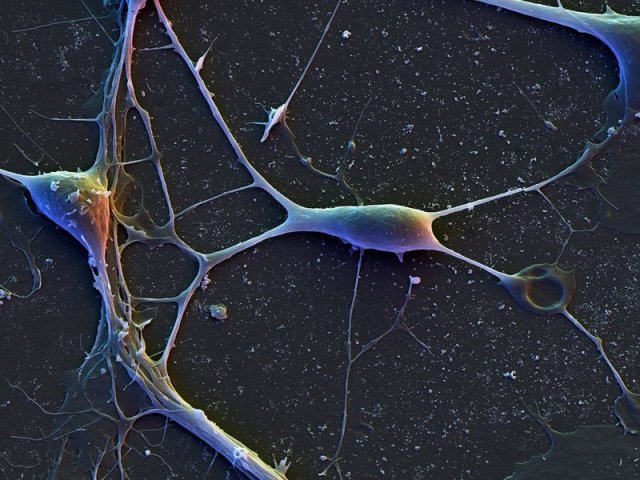
Human cortical neurons in the brain. (David Scharf/Corbis)

By Jerry Adler
Smithsonian Magazine

Ken Hayworth, a neuroscientist, wants to be around in 100 years but recognizes that, at 43, he’s not likely to make it on his own. Nor does he expect to get there preserved in alcohol or a freezer; despite the claims made by advocates of cryonics, he says, the ability to revivify a frozen body “isn’t really on the horizon.” So Hayworth is hoping for what he considers the next best thing. He wishes to upload his mind—his memories, skills and personality—to a computer that can be programmed to emulate the processes of his brain, making him, or a simulacrum, effectively immortal (as long as someone keeps the power on).

Hayworth’s dream, which he is pursuing as president of the Brain Preservation Foundation, is one version of the “technological singularity.” It envisions a future of “substrate-independent minds,” in which human and machine consciousness will merge, transcending biological limits of time, space and memory. “This new substrate won’t be dependent on an oxygen atmosphere,” says Randal Koene, who works on the same problem at his organization, Carboncopies.org. “It can go on a journey of 1,000 years, it can process more information at a higher speed, it can see in the X-ray spectrum if we build it that way.” Whether Hayworth or Koene will live to see this is an open question. Their most optimistic scenarios call for at least 50 years, and uncounted billions of dollars, to implement their goal. Meanwhile, Hayworth hopes to achieve the ability to preserve an entire human brain at death—through chemicals, cryonics or both—to keep the structure intact with enough detail that it can, at some future time, be scanned into a database and emulated on a computer.

That approach presumes, of course, that all of the subtleties of a human mind and memory are contained in its anatomical structure—conventional wisdom among neuroscientists, but it’s still a hypothesis. There are electrochemical processes at work. Are they captured by a static map of cells and synapses? We won’t know, advocates argue, until we try to do it.

The initiatives require a big bet on the future of technology. A 3-D map of all the cells and synapses in a nervous system is called a “connectome,” and so far researchers have produced exactly one, for a roundworm called Caenorhabditis elegans, with 302 neurons and about 7,000 connections among them. A human brain, according to one reasonable estimate, has about 86 billion neurons and 100 trillion synapses. And then there’s the electrochemical activity on top of that. In 2013, announcing a federal initiative to produce a complete model of the human brain, Francis Collins, head of the National Institutes of Health, said it could generate “yottabytes” of data—a million million million megabytes. To scan an entire human brain at the scale Hayworth thinks is necessary—effectively slicing it into virtual cubes ten nanometers on a side—would require, with today’s technology, “a million electron microscopes running in parallel for ten years.” Mainstream researchers are divided between those who regard Hayworth’s quest as impossible in practice, and those, like Miguel Nicolelis of Duke University, who consider it impossible in theory. “The brain,” he says, “is not computable.”

And what does it mean for a mind to exist outside a brain? One immediately thinks of the disembodied HAL in 2001: A Space Odyssey. But Koene sees no reason that, if computers continue to grow smaller and more powerful, an uploaded mind couldn’t have a body—a virtual one, or a robotic one. Will it sleep? Experience hunger, pain, desire? In the absence of hormones and chemical neurotransmitters, will it feel emotion? It will be you, in a sense, but will you be it?

These questions don’t trouble Hayworth. To him, the brain is the most sophisticated computer on earth, but only that, and he figures his mind could also live in one made of transistors instead. He hopes to become the first human being to live entirely in cyberspace, to send his virtual self into the far future.

Read more: http://www.smithsonianmag.com/innovation/quest-upload-mind-into-digital-space-180954946/#OBRGToqVzeqftrBt.99

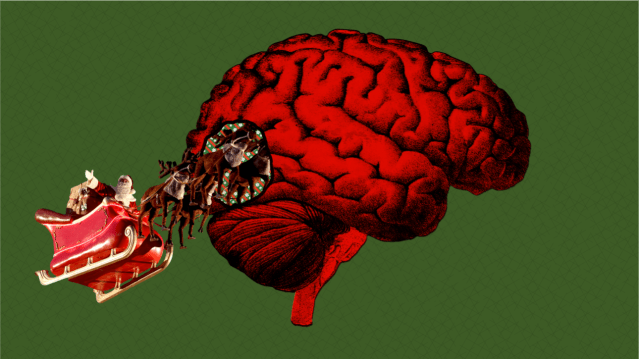
Scientists claim to have localized the brain region of Christmas Spirit

It being a widespread phenomenon, researchers were interested to determine where in the human body holiday people find their penchant for “merriment, gifts, delightful smells, and copious amounts of good food.” They recruited 26 participants to undergo functional magnetic resonance imaging (fMRI), given this technology has long been used to locate emotional and functional centers in the human brain; feelings such as joy, sorrow, and disgust.

Participants watched a series of images through video goggles as they were being scanned. It was a continual series of 84 images, where each one was displayed for two seconds each and were organized in a way that after six consecutive images of all things Christmas, there were then six everyday images with similar form and features. Afterward, participants answered questionnaires about their Christmas traditions (if any), feelings associated with Christmas, and ethnicity.

Based on their answers, 10 were put into the “Christmas group,” 10 were put into the “non-Christmas group,” and six ended up being excluded for either too strong a spirit or non-positive associations with Christmas. The Christmas group was comprised entirely of ethnic Danes, while the non-Christmas group consisted of people from Pakistan, India, Iraq, and Turkey.

The scans showed an increase of brain activity in the primary visual cortex of both groups when the images were Christmas-themed compared to everyday images. The Christmas group, however, also experienced increased activity in the somatosensory cortex. When comparing brain activation maps of both groups, researchers found five areas with more neural activity among the Christmas group responding to Christmas images than those in the non-Christmas group.

After the primary visual and somatosensory cortex, the left primary motor and premotor cortex, right inferior/superior parietal lobe, and bilateral primary somatosensory cortex were also activated. These parts of the brain have been associated with spirituality, somatic sense, and recognizing facial emotional.

“There is a cerebral response when people view Christmas images, and there are differences in this response between people who celebrate Christmas compared with those with no Christmas traditions,” researchers wrote. “Cerebral perfusion was similar between the two groups, despite the Christmas group’s yearly yuletide feast.”

Researchers propose the Christmas spirit is a functional neurological network, which they realize their colleagues may not agree with. They anticipate the argument that “studies such as the present one overemphasize the importance of localized brain activity and that attempts to localize complex emotions in the brain contribute little to the understanding of these emotions.” But, they added, “with the good spirit of the holiday they reject these negative perspectives.”

“We generally believe that fMRI is an outstanding technology for exploring the brain, but that any fMRI experiment is only as good as its hypothesis, design, and interpretation,” they explained. “While celebrating the current results at a subsequent Christmas party, we discussed some limitations of the study.”

They continued: “For instance, the study design doesn’t distinguish whether the observed activation is Christmas specific or the result of any combination of joyful, festive, or nostalgic emotions in general. The paired Christmas/non-Christmas pictures might have been systematically different in a way that we were not aware of — for example, the ‘Christmas pictures’ containing more red color. Maybe the groups were different in other ways apart from the obvious cultural difference.”

But even they can acknowledge further research into this topic is necessary to identify the factors affecting one’s response to Christmas. Understanding how this spirit works as a neurological network could “be an important first step in transcultural neuroscience and the associations humans have with their festive traditions.”

Source: Haddock BT et al. Evidence of a Christmas spirit network in the brain: functional MRI study. BMJ Open. 2015.

http://www.medicaldaily.com/lack-christmas-spirit-may-be-traced-back-brain-bah-humbug-365468

New research finds that evidence of autism shows up in the brain’s blood vessels

by BEC CREW

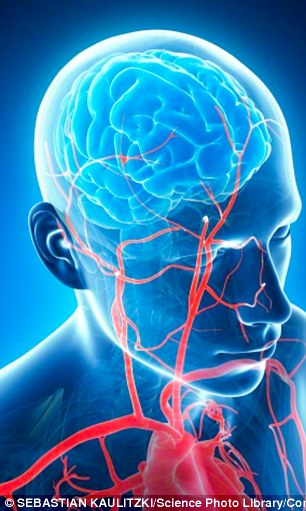
Evidence of autism can be identified in the composition of blood vessels in the brain, and certain defects or malfunctions in these vessels could serve as a new basis for detection, scientists have found.

While previous research has focussed on the neurological structure and function in a patient’s brain, a team from New York University (NYU) has found evidence of the disorder in the vascular system, suggesting that this could be a new target for medical treatments.

“Our findings show that those afflicted with autism have unstable blood vessels, disrupting proper delivery of blood to the brain,” says lead researcher, Efrain Azmitia.

“In a typical brain, blood vessels are stable, thereby ensuring a stable distribution of blood,” she adds. “Whereas in the autism brain, the cellular structure of blood vessels continually fluctuates, which results in circulation that is fluctuating and, ultimately, neurologically limiting.”

Azmita and her colleagues figured this out by examining the auditory cortex region in human postmortem brain tissue from people with diagnosed autism spectrum disorder (ADS) and an age-matched control group. To mitigate bias, they stripped the samples of all identifiers so they couldn’t tell which was which when examining them at a cellular level.

They found significant increases of two types of protein, called nestin and CD34, in the autistic brain vessels, but not in the control brains, which indicated that the vessels of the autistic patients had a higher level of plasticity. This protein surge was identified in several sections of the autistic brains, including the superior temporal cortex, the fusiform cortex (or face recognition centre), the pons/midbrain, and cerebellum.

This kind of plasticity is characteristic of a process known as angiogenesis, which controls the the production of new blood vessels. Publishing in the Journal of Autism and Developmental Disorders, the researchers suggest that evidence of angiogenesis in autistic brain tissue indicates that these vessels are being formed over and over and are in a state of constant flux. This could mean that inside the brains of people with autism, there’s a significant level of instability in the blood’s delivery mechanism.

“We found that angiogenesis is correlated with more neurogenesis in other brain diseases, therefore there is the possibility that a change in brain vasculature in autism means a change in cell proliferation or maturation, or survival, and brain plasticity in general,” said one of the team, psychiatrist Maura Boldrini. “These changes could potentially affect brain networks.”

So what now? The researchers hope to continue their investigation into how blood vessels in the brain differ in people with and without ADS, and if they can confirm angiogenesis markers as a reliable indication of the disorder, they could have a new detection method on their hands, and perhaps even a new avenue of research for future treatments.

“It’s clear that there are changes in brain vascularisation in autistic individuals from two to 20 years that are not seen in normally developing individuals past the age of two years,” says Azmitia. “Now that we know this, we have new ways of looking at this disorder and, hopefully with this new knowledge, novel and more effective ways to address it.”

http://www.sciencealert.com/evidence-of-autism-can-be-found-in-the-brain-s-blood-vessels-study-finds

Mother-child MRI

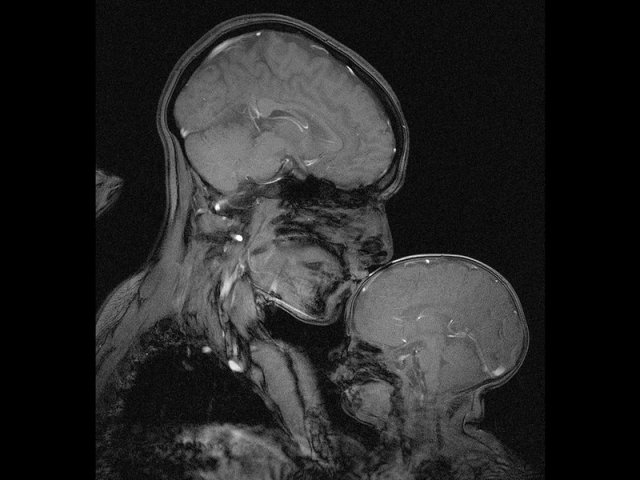
While most new moms get their children’s first portrait done at, say, the local mall’s JC Penney Portrait Studio, neuroscientist Rebecca Saxe opted for a slightly different location: the tube of an MRI scanner.

“No one, to my knowledge, had ever made an MR image of a mother and child,” she wrote in a article for Smithsonian magazine.

“We made this one because we wanted to see it.”

A Professor of Cognitive Neuroscience at the Massachusetts Institute of Technology, Saxe told Mic that the inspiration behind the photo had little to do with the typical medical or research-based uses of MRI technology.

“We see brain scan images on TV and in subways advertisements as a proxy for technology and progress… [and] the Madonna is one of the oldest tropes in human art making,” she said of trying to capture the union between science and art in the image.

“These brain scanners are extremely modern technology, only available here and now, to the wealthiest place and time in human history,” she added. “[Yet] the image you see would look the same if it had been made on any continent or in any century, because the biology of human mothers and children you see in the picture has been the same for thousands, probably tens of thousands of years.”

In an interview with Today, Saxe suggested that the image may be indicative of how a child’s brain development is strengthened by a mother’s love. “Some people look at it and see mostly the differences: how thin his skull is, how little space there is between the outside world and his brain. It’s just this very fragile, very thin little shell,” she said. “On the other hand, you can look at it and see how similar it is to his mother’s brain. How close in size — so much closer in size than his hand is.”

Past MRI scans have also suggested that the bond between a child and mother can indeed have a major impact on brain size. Back in 2012, a side-by-side image of two three-year-olds’ brain scans indicated that the size of a neglected child’s brain is significantly smaller than one who was nurtured by his or her mother. Of that particular image, neurology professor Allan Schore told the Telegraph that the development of brain cells is a “consequence of an infant’s interaction with the main caregiver [usually the mother].”

Meanwhile, Saxe believes that the image can also help generate an interest in science. “I hope the main takeaway is that people who don’t normally feel a human connection to science and scientists, have a moment to pause and feel touched, and recognize that the scientific pursuit of self-knowledge is being done for, and by, people like us,” she told Mic.

http://mic.com/articles/130456/this-brain-scan-image-illustrates-the-powerful-bond-between-mother-and-child#.tkqP2UYTE

Women can navigate better when given testosterone, study finds

To investigate whether the differences in how men and women navigate are related to our sex or to cultural conditioning, researchers in Norway measured male and female brain activity while volunteers tried to find their way through a virtual reality maze.

Wearing 3D goggles and using a joystick to make their way through an artificial environment, the participants (18 males and 18 females) had their brain functions continuously recorded by an fMRI scanner as they carried out virtual navigation tasks.

In line with previous findings, the men performed better, using shortcuts, orienting themselves more using cardinal directions, and solving 50 percent more tasks than the women in the study.

“Men’s sense of direction was more effective,” said Carl Pintzka, a neuroscientist at the Norwegian University of Science and Technology (NTNU). “They quite simply got to their destination faster.”

One of the reasons for this is because of the difference in how men and women use their brains when we’re finding our way around. According to the researchers, men use the hippocampus more, whereas women place greater reliance on their brains’ frontal areas.

“That’s in sync with the fact that the hippocampus is necessary to make use of cardinal directions,” said Pintzka. “[M]en usually go in the general direction where [their destination is] located. Women usually orient themselves along a route to get there.”

Generally, the cardinal approach is more efficient, as it depends less on where you start.

But women’s brains make them better at finding objects locally, the researchers say. “In ancient times, men were hunters and women were gatherers. Therefore, our brains probably evolved differently,” said Pintzka. “In simple terms, women are faster at finding things in the house, and men are faster at finding the house.”

What was most remarkable about the study was what happened when the researchers gave women a drop of testosterone to see how it affected their ability to navigate the virtual maze. In a separate experiment, 21 women received a drop of testosterone under their tongues, while 21 got a placebo.

The researchers found that the women receiving testosterone showed improved knowledge of the layout of the maze, and relied on their hippocampus more to find their way around. Having said that, these hormone-derived benefits didn’t enable them to solve more maze tasks in the exercise.

It’s worth bearing in mind that the study used a fairly small sample size in both of the experiments carried out, so the findings need to be read in light of that. Nonetheless, the scientists believe their paper, which is published in Behavioural Brain Research, will help us to better understand the different ways male and female brains work, which could assist in the fight against diseases such as Alzheimer’s.

“Almost all brain-related diseases are different in men and women, either in the number of affected individuals or in severity,” said Pintzka. “Therefore, something is likely protecting or harming people of one sex. Since we know that twice as many women as men are diagnosed with Alzheimer’s disease, there might be something related to sex hormones that is harmful.”

http://www.sciencealert.com/women-can-navigate-better-when-given-testosterone-study-finds

Thanks to Dr. Enrique Leira for bringing this to the It’s Interesting community.

New progress in understanding what may give animals a magnetic sense: a protein that acts as a compass

Quick – can you tell where north is? Animals as diverse as sea turtles, birds, worms, butterflies and wolves can, thanks to sensing Earth’s magnetic field.

But the magnet-sensing structures inside their cells that allow them to do this have evaded scientists – until now.

A team led by Can Xie’s at Peking University in China has now found a protein in fruit flies, butterflies and pigeons that they believe to be responsible for this magnetic sense.

“It’s provocative and potentially groundbreaking,” says neurobiologist Steven Reppert of the University of Massachusetts who was not involved in the work. “It took my breath away.”

There used to be two competing theories about magnetic sense: some thought it came from iron-binding molecules, others thought it came from a protein called cryptochrome, which senses light and has been linked to magnetic sense in birds.

Xie’s group was the first to guess these two were part of the same system, and has now figured out how they fit together.

“This was a very creative approach,” says Reppert. “Everyone thought they were two separate systems.”

Xie’s team first screened the fruit fly genome for a protein that would fit a very specific bill.

The molecule had to bind iron, it had to be expressed inside a cell instead of on the cell membrane and do so in the animal’s head – where animals tend to sense magnetic fields – and it also had to interact with cryptochrome.

“We found one [gene] fit all of our predictions,” says Xie. They called it MagR and then used techniques including electron microscopy and computer modelling to figure out the protein’s structure.

They found that MagR and cryptochrome proteins formed a cylinder, with an inside filling of 20 MagR molecules surrounded by 10 cryptochromes.

The researchers then identified and isolated this protein complex from pigeons and monarch butterflies.

In the lab, the proteins snapped into alignment in response to a magnetic field. They were so strongly magnetic that they flew up and stuck to the researchers’ tools, which contained iron. So the team had to use custom tools made of plastic.

The team hasn’t yet tried to remove the MagR protein from an animal like a fruit fly to see if it loses its magnetic sense, but Xie believes the proteins work the same way in a living animal.

Although this protein complex seems to form the basis of magnetic sense, the exact mechanism is still to be figured out.

One idea is that when an animal changes direction, the proteins may swing around to point north, “just like a compass needle,” says Xie. Perhaps the proteins’ movement could trigger a connected molecule, which would send a signal to the nervous system.

Journal reference: Nature Materials, DOI: 10.1038/nmat4484

https://www.newscientist.com/article/dn28494-animal-magnetic-sense-comes-from-protein-that-acts-as-a-compass

Thanks to Kebmodee for bringing this to the It’s Interesting community.

The Power of Music in Alleviating Dementia Symptoms

by Tori Rodriguez, MA, LPC

As the search continues for effective drug treatments for dementia, patients and caregivers may find some measure of relief from a common, non-pharmaceutical source. Researchers have found that music-related memory appears to be exempt from the extent of memory impairment generally associated with dementia, and several studies report promising results for several different types of musical experiences across a variety of settings and formats.

“We can say that perception of music can be intact, even when explicit judgments and overt recognition have been lost,” Manuela Kerer, PhD, told Psychiatry Advisor. “We are convinced that there is a specialized memory system for music, which is distinct from other domains, like verbal or visual memory, and may be very resilient against Alzheimer’s disease.”

Kerer is a full-time musical composer with a doctoral degree in psychology who co-authored a study on the topic while working at the University of Innsbruck in Austria. She and her colleagues investigated explicit memory for music among ten patients with early-state Alzheimer’s disease (AD) and ten patients with mild cognitive impairment (MCI), and compared their performance to that of 23 healthy participants. Not surprisingly, the patient group demonstrated worse performance on tasks involving verbal memory, but they did significantly better than controls on the music-perceptional tasks of detecting distorted tunes and judging timbre.

“The temporal brain structures necessary for verbal musical memory were mildly affected in our clinical patients, therefore attention might have shifted to the discrimination tasks which led to better results in this area,” she said. “Our results enhance the notion of an explicit memory for music that can be distinguished from other types of explicit memory — that means that memory for music could be spared in this patient group.”

Other findings suggest that music might even improve certain aspects of memory among people with dementia. In a randomized controlled trial published in last month in the Journal of Alzheimer’s Disease, music coaching interventions improved multiple outcomes for both patients with dementia and their caregivers. The researchers divided 89 pairs of patients with dementia and their caregivers into three groups: two groups were assigned to caregiver-led interventions that involved either singing or listening to music, while a third group received standard care. Before and after the 10-week intervention, and six months after the intervention, participants were assessed on measures of mood, quality of life and neuropsychological functioning.

Results showed that the singing intervention improved working memory among patients with mild dementia and helped to preserve executive function and orientation among younger patients, and it also improved the well-being of caregivers. The listening intervention was found to have a positive impact on general cognition, working memory and quality of life, particularly among patients in institutional care with moderate dementia not caused by AD. Both interventions led to reductions in depression.

The findings suggest that “music has the power to improve mood and stimulate cognitive functions in dementia, most likely by engaging limbic and medial prefrontal brain regions, which are often preserved in the early stages of the illness,” study co-author Teppo Särkämö, PhD, a researcher at the University of Helsinki, Finland, told Psychiatry Advisor. “The results indicate that when used regularly, caregiver-implemented musical activities can be an important and easily applicable way to maintain the emotional and cognitive well-being of persons with dementia and also to reduce the psychological burden of family caregivers.”

Singing has also been shown to increase learning and retention of new verbal material in patients with AD, according to research published this year in the Journal of Clinical & Experimental Neuropsychology, and findings published in 2013 show that listening to familiar music improves the verbal narration of autobiographical memories in such patients. Another study found that a music intervention delivered in a group format reduced depression and delayed the deterioration of cognitive functions, especially short-term recall, in patients with mild and moderate dementia. Group-based music therapy appears to also decrease agitation among patients in all stages of dementia, as described in a systematic review published in 2014 in Nursing Times.

n addition to the effects of singing and listening to music on patients who already have dementia, playing a musical instrument may also offer some protection against the condition, according to a population-based twin study reported in 2014 in the International Journal of Alzheimer’s Disease. Researchers at the University of Southern California found that older adults who played an instrument were 64% less likely than their non-musician twin to develop dementia or cognitive impairment.

“Playing an instrument is a unique activity in that it requires a wide array of brain regions and cognitive functions to work together simultaneously, throughout both the right and left hemispheres,” co-author Alison Balbag, PhD, told Psychiatry Advisor. While the study did not examine causal mechanisms, “playing an instrument may be a very effective and efficient way to engage the brain, possibly granting older musicians better maintained cognitive reserve and possibly providing compensatory abilities to mitigate age-related cognitive declines.”

She notes that clinicians might consider suggesting that patients incorporate music-making into their lives as a preventive activity, or encouraging them to keep it up if they already play an instrument.
Further research, particularly neuroimaging studies, is needed to elucidate the mechanisms behind the effects of music on dementia, but in the meantime it could be a helpful supplement to patients’ treatment plans. “Music has considerable potential and it should be introduced much more in rehabilitation and neuropsychological assessment,” Kerer said.

http://www.psychiatryadvisor.com/alzheimers-disease-and-dementia/neurocognitive-neurodegenerative-memory-musical-alzheimers/article/452120/3/

References

Kerer M, Marksteiner J, Hinterhuber H, et al. Explicit (semantic) memory for music in patients with mild cognitive impairment and early-stage Alzheimer’s disease. Experimental Aging Research; 2013; 39(5):536-64.

Särkämö T, Laitinen S, Numminen A, et al. Clinical and Demographic Factors Associated with the Cognitive and Emotional Efficacy of Regular Musical Activities in Dementia. Journal of Alzheimer’s Disease; 2015; published online ahead of print.

Palisson J, Roussel-Baclet C, Maillet D, et al. Music enhances verbal episodic memory in Alzheimer’s disease. Journal of Clinical & Experimental Neuropsychology; 2015; 37(5):503-17.

El Haj M, Sylvain Clément, Luciano Fasotti, Philippe Allain. Effects of music on autobiographical verbal narration in Alzheimer’s disease. Journal of Neurolinguistics; 2013; 26(6): 691–700.

Chu H, Yang CY, Lin Y, et al. The impact of group music therapy on depression and cognition in elderly persons with dementia: a randomized controlled study. Biological Research for Nursing; 2014; 16(2):209-17.

Craig J. Music therapy to reduce agitation in dementia. Nursing Times; 2014; 110(32-33):12-5.
Balbag MA, Pedersen NL, Gatz M. Playing a Musical Instrument as a Protective Factor against Dementia and Cognitive Impairment: A Population-Based Twin Study. International Journal of Alzheimer’s Disease; 2014; 2014: 836748.

Exploring the Biology of Eating Disorders

With the pressure for a certain body type prevalent in the media, eating disorders are on the rise. But these diseases are not completely socially driven; researchers have uncovered important genetic and biological components as well and are now beginning to tease out the genes and pathways responsible for eating disorder predisposition and pathology.

As we enter the holiday season, shoppers will once again rush into crowded department stores searching for the perfect gift. They will be jostled and bumped, yet for the most part, remain cheerful because of the crisp air, lights, decorations, and the sound of Karen Carpenter’s contralto voice ringing out familiar carols.

While Carpenter is mainly remembered for her musical talents, unfortunately, she is also known for introducing the world to anorexia nervosa (AN), a severe life-threatening mental illness characterized by altered body image and stringent eating patterns that claimed her life just before her 33rd birthday in 1983.

Even though eating disorders (ED) carry one of the highest mortality rates of any mental illness, many researchers and clinicians still view them as socially reinforced behaviors and diagnose them based on criteria such as “inability to maintain body weight,” “undue influence of body weight or shape on self-evaluation,” and “denial of the seriousness of low body weight” (1). This way of thinking was prevalent when Michael Lutter, then an MD/PhD student at the University of Texas Southwestern Medical Center, began his psychiatry residency in an eating disorders unit. “I just remember the intense fear of eating that many patients exhibited and thought that it had to be biologically driven,” he said.

Lutter carried this impression with him when he established his own research laboratory at the University of Iowa. Although clear evidence supports the idea that EDs are biologically driven—they predominantly affect women and significantly alter energy homeostasis—a lack of well-defined animal models combined with the view that they are mainly behavioral abnormalities have hindered studies of the neurobiology of EDs. Still, Lutter is determined to find the biological roots of the disease and tease out the relationship between the psychiatric illness and metabolic disturbance using biochemistry, neuroscience, and human genetics approaches.

We’ve Only Just Begun

Like many diseases, EDs result from complex interactions between genes and environmental risk factors. They tend to run in families, but of course, for many family members, genetics and environment are similar enough that teasing apart the influences of nature and nurture is not easy. Researchers estimate that 50-80% of the predisposition for developing an ED is genetic, but preliminary genome-wide analyses and candidate gene studies failed to identify specific genes that contribute to the risk.

According to Lutter, finding ED study participants can be difficult. “People are either reluctant to participate, or they don’t see that they have a problem,” he reported. Set on finding the genetic underpinnings of EDs, his team began recruiting volunteers and found 2 families, 1 with 20 members, 10 of whom had an ED and another with 5 out of 8 members affected. Rather than doing large-scale linkage and association studies, the team decided to characterize rare single-gene mutations in these families, which led them to identify mutations in the first two genes, estrogen-related receptor α (ESRRA) and histone deacetylase 4 (HDAC4), that clearly associated with ED predisposition in 2013 (1).

“We have larger genetic studies on-going, including the collection of more families. We just happened to publish these two families first because we were able to collect enough individuals and because there is a biological connection between the two genes that we identified,” Lutter explained.

ESRRA appears to be a transcription factor upregulated by exercise and calorie restriction that plays a role in energy balance and metabolism. HDAC4, on the other hand, is a well-described histone deacteylase that has previously been implicated in locomotor activity, body weight homeostasis, and neuronal plasticity.

Using immunoprecipitation, the researchers found that ESRRA interacts with HDAC4, in both the wild type and mutant forms, and transcription assays showed that HDAC4 represses ESRRA activity. When Lutter’s team repeated the transcription assays using mutant forms of the proteins, they found that the ESRRA mutation seen in one family significantly reduced the induction of target gene transcription compared to wild type, and that the mutation in HDAC4 found in the other family increased transcriptional repression for ESRRA target genes.

“ESRRA is a well known regulator of mitochondrial function, and there is an emerging view that mitochondria in the synapse are critical for neurotransmission,” Lutter said. “We are working on identifying target pathways now.”

Bless the Beasts and the Children

Finding genes associated with EDs provides the groundwork for molecular studies, but EDs cannot be completely explained by the actions of altered transcription factors. Individuals suffering these disorders often experience intense anxiety, intrusive thoughts, hyperactivity, and poor coping strategies that lead to rigid and ritualized behaviors and severe crippling perfectionism. They are less aware of their emotions and often try to avoid emotion altogether. To study these complex behaviors, researchers need animal models.

Until recently, scientists relied on mice with access to a running wheel and restricted access to food. Under these conditions, the animals quickly increase their locomotor activity and reduce eating, frequently resulting in death. While some characteristics of EDs—excessive exercise and avoiding food—can be studied in these mice, the model doesn’t allow researchers to explore how the disease actually develops. However, Lutter’s team has now introduced a promising new model (3).

Based on their previous success with identifying the involvement of ESRRA and HDAC4 in EDs, the researchers wondered if mice lacking ESRRA might make suitable models for studies on ED development. To find out, they first performed immunohistochemistry to understand more about the potential cognitive role of ESRRA.

“ESRRA is not expressed very abundantly in areas of the brain typically implicated in the regulation of food intake, which surprised us,” Lutter said. “It is expressed in many cortical regions that have been implicated in the etiology of EDs by brain imaging like the prefrontal cortex, orbitofrontal cortex, and insula. We think that it probably affects the activity of neurons that modulate food intake instead of directly affecting a core feeding circuit.”

With these data, the team next tried providing only 60% of the normal daily calories to their mice for 10 days and looked again at ESRRA expression. Interestingly, ESRRA levels increased significantly when the mice were insufficiently fed, indicating that the protein might be involved in the response to energy balance.

Lutter now believes that upregulation of ESRRA helps organisms adapt to calorie restriction, an effect possibly not happening in those with ESRRA or HDAC4 mutations. “This makes sense for the clinical situation where most individuals will be doing fine until they are challenged by something like a diet or heavy exercise for a sporting event. Once they start losing weight, they don’t adapt their behaviors to increase calorie intake and rapidly spiral into a cycle of greater and greater weight loss.”

When Lutter’s team obtained mice lacking ESRRA, they found that these animals were 15% smaller than their wild type littermates and put forth less effort to obtain food both when fed restricted calorie diets and when they had free access to food. These phenotypes were more pronounced in female mice than male mice, likely due to the role of estrogen signaling. Loss of ESRRA increased grooming behavior, obsessive marble burying, and made mice slower to abandon an escape hole after its relocation, indicating behavioral rigidity. And the mice demonstrated impaired social functioning and reduced locomotion.

Some people with AN exercise extensively, but this isn’t seen in all cases. “I would say it is controversial whether or not hyperactivity is due to a genetic predisposition (trait), secondary to starvations (state), or simply a ritual that develops to counter the anxiety of weight related obsessions. Our data would suggest that it is not due to genetic predisposition,” Lutter explained. “But I would caution against over-interpretation of mouse behavior. The locomotor activity of mice is very different from people and it’s not clear that you can directly translate the results.”

For All We Know

Going forward, Lutter’s group plans to drill down into the behavioral phenotypes seen in their ESRRA null mice. They are currently deleting ESRRA from different neuronal cell types to pair individual neurons with the behaviors they mediate in the hope of working out the neural circuits involved in ED development and pathology.

In addition, the team has created a mouse line carrying one of the HDAC4 mutations previously identified in their genetic study. So far, this mouse “has interesting parallels to the ESRRA-null mouse line,” Lutter reported.

The team continues to recruit volunteers for larger-scale genetic studies. Eventually, they plan to perform RNA-seq to identify the targets of ESRRA and HDAC4 and look into their roles in mitochondrial biogenesis in neurons. Lutter suspects that this process is a key target of ESRRA and could shed light on the cognitive differences, such as altered body image, seen in EDs. In the end, a better understanding of the cells and pathways involved with EDs could create new treatment options, reduce suffering, and maybe even avoid the premature loss of talented individuals to the effects of these disorders.

References

1. Lutter M, Croghan AE, Cui H. Escaping the Golden Cage: Animal Models of Eating Disorders in the Post-Diagnostic and Statistical Manual Era. Biol Psychiatry. 2015 Feb 12.

2. Cui H, Moore J, Ashimi SS, Mason BL, Drawbridge JN, Han S, Hing B, Matthews A, McAdams CJ, Darbro BW, Pieper AA, Waller DA, Xing C, Lutter M. Eating disorder predisposition is associated with ESRRA and HDAC4 mutations. J Clin Invest. 2013 Nov;123(11):4706-13.

3. Cui H, Lu Y, Khan MZ, Anderson RM, McDaniel L, Wilson HE, Yin TC, Radley JJ, Pieper AA, Lutter M. Behavioral disturbances in estrogen-related receptor alpha-null mice. Cell Rep. 2015 Apr 21;11(3):344-50.

http://www.biotechniques.com/news/Exploring-the-Biology-of-Eating-Disorders/biotechniques-361522.html