Risk of later developing dementia is doubled after a concussion

High school football player in for the touchdown.; Shutterstock ID 408266332; Purchase Order: –

Researchers reported on Monday in the journal JAMA Neurology that dementia was a possible complication following concussion even if the patient did not lose consciousness.

Scientists from the University of California, San Francisco (UCSF) tracked more than one-third of a million American veterans, and found that the likelihood of dementia more than doubled following concussion.

After adjusting for age, sex, race, education and other health conditions, they found that concussion without loss of consciousness led to 2.36 times the risk for dementia.

According to the study, these risks were slightly elevated for those in the loss-of-consciousness bracket (2.51 times) and were nearly four times higher (3.77 times) for those with the more serious moderate-to-severe traumatic brain injury.

In the total of 357,558 participants, whose average age was 49, half had been diagnosed with traumatic brain injury, of which 54 percent had concussion. The study followed participants for an average of 4.2 years, and 91 percent were male and 72 percent were white.

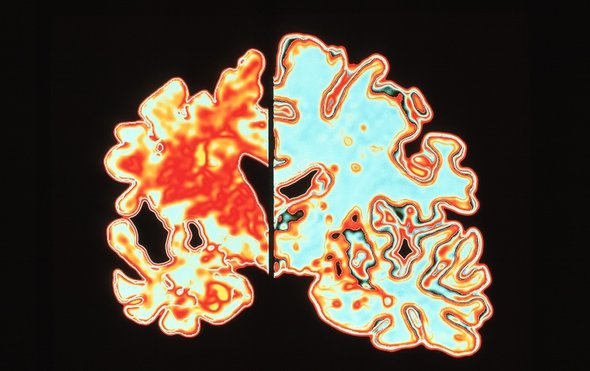
“There are several mechanisms that may explain the association between traumatic brain injury and dementia,” said the study’s senior author Kristine Yaffe, professor with the UCSF departments of neurology, psychiatry, and epidemiology and biostatistics.

“There’s something about trauma that may hasten the development of neurodegenerative conditions. One theory is that brain injury induces or accelerates the accumulation of abnormal proteins that lead to neuronal death associated with conditions like Alzheimer’s disease,” said Yaffe.

“It’s also possible that trauma leaves the brain more vulnerable to other injuries or aging processes,” said Yaffe, “but we need more work in this area.”

http://www.xinhuanet.com/english/2018-05/08/c_137162226.htm

Targeting astrocytes, the brain cells that support neurons, in the brain might help alleviate symptoms of Alzheiemer’s disease

A study by scientists of the German Center for Neurodegenerative Diseases (DZNE) points to a novel potential approach against Alzheimer’s disease. In studies in mice, the researchers were able to show that blocking a particular receptor located on astrocytes normalized brain function and improved memory performance. Astrocytes are star-shaped, non-neuronal cells involved in the regulation of brain activity and blood flow. The findings are published in the Journal of Experimental Medicine (JEM).

Alzheimer’s disease is a common and currently incurable brain disorder leading to dementia, whose mechanisms remain incompletely understood. The disease appears to be sustained by a combination of factors that include pathological changes in blood flow, neuroinflammation and detrimental changes in brain cell activity.

“The brain contains different types of cells including neurons and astrocytes”, explains Dr. Nicole Reichenbach, a postdoc researcher at the DZNE and first author of the paper published in JEM. “Astrocytes support brain function and shape the communication between neurons, called synaptic transmission, by releasing a variety of messenger proteins. They also provide metabolic and structural support and contribute to the regulation of blood flow in the brain.”

Glitches in network activity

Similar to neurons, astrocytes are organized into functional networks that may involve thousands of cells. “For normal brain function, it is crucial that networks of brain cells coordinate their firing rates. It’s like in a symphony orchestra where the instruments have to be correctly tuned and the musicians have to stay in synchrony in order to play the right melody”, says Professor Gabor Petzold, a research group leader at the DZNE and supervisor of the current study. “Interestingly, one of the main jobs of astrocytes is very similar to this: to keep neurons healthy and to help maintain neuronal network function. However, in Alzheimer’s disease, there is aberrant activity of these networks. Many cells are hyperactive, including neurons and astrocytes. Hence, understanding the role of astrocytes, and targeting such network dysfunctions, holds a strong potential for treating Alzheimer’s.”

Astrocyte-targeted treatment alleviated memory impairment

Petzold and colleagues tested this approach in an experimental study involving mice. Due to a genetic disposition, these rodents exhibited certain symptoms of Alzheimer’s similar to those that manifest in humans with the disease. In the brain, this included pathological deposits of proteins known as “Amyloid-beta plaques” and aberrant network activity. In addition, the mice showed impaired learning ability and memory.

In their study, the DZNE scientists targeted a cell membrane receptor called P2Y1R, which is predominately expressed by astrocytes. Previous experiments by Petzold and colleagues had revealed that activation of this receptor triggers cellular hyperactivity in mouse models of Alzheimer’s. Therefore, the researchers treated groups of mice with different P2Y1R antagonists. These chemical compounds can bind to the receptor, thus switching it off. The treatment lasted for several weeks.

“We found that long-term treatment with these drugs normalized the brain’s network activity. Furthermore, the mice’s learning ability and memory greatly improved”, Petzold says. On the other hand, in a control group of wild type mice this treatment had no significant effect on astrocyte activity. “This indicates that P2Y1R inhibition acts quite specifically. It does not dampen network activity when pathological hyperactivity is absent.”

New approaches for research and therapies?

Petzold summarizes: “This is an experimental study that is currently not directly applicable to human patients. However, our results suggest that astrocytes, as important safeguards of neuronal health and normal network function, may hold the potential for novel treatment options in Alzheimer’s disease.” In future studies, the scientists intend to identify additional novel pathways in astrocytes and other cells as potential drug targets.

Reference:
Reichenbach, N., Delekate, A., Breithausen, B., Keppler, K., Poll, S., Schulte, T., . . . Petzold, G. C. (2018). P2Y1 receptor blockade normalizes network dysfunction and cognition in an Alzheimer’s disease model. The Journal of Experimental Medicine. doi:10.1084/jem.20171487

https://www.dzne.de/en/news/public-relations/press-releases/press/detail/the-brains-rising-stars-new-options-against-alzheimers/

Using magnetism to regulate neural activity shows a small benefit in patients with mild forms of Alzheimer’s disease

On the heels of one failed drug trial after another, a recent study suggests people with early Alzheimer’s disease could reap modest benefits from a device that uses magnetic fields to produce small electric currents in the brain.

Alzheimer’s is a degenerative brain disorder that afflicts more than 46 million people worldwide. At present there are no treatments that stop or slow its progression, although several approved drugs offer temporary relief from memory loss and other cognitive symptoms by preventing the breakdown of chemical messengers among nerve cells.

The new study tested a regimen that combines computerized cognitive training with a procedure known as repetitive transcranial magnetic stimulation (rTMS). The U.S. Food and Drug Administration has cleared rTMS devices for some migraine sufferers as well as for people with depression who have not responded to antidepressant medications.

Israel-based Neuronix reported results of a phase III clinical trial of its therapy system, known as neuroAD, in Alzheimer’s patients. More than 99 percent of Alzheimer’s drug trials have failed. The last time a phase III trial for a wholly new treatment succeeded (not just a combination of two already approved drugs) was about 15 years ago. The recent study did not test a drug but rather a device, which usually has an easier time gaining FDA clearance. NeuroAD has been approved for use in Europe and the U.K., where six weeks of therapy costs about $6,700. The system is not commercially available in the U.S., but based on the latest results the company submitted an application for FDA clearance last fall.

The neuroAD setup resembles a dental chair fitted with a touch screen and flexible arms, which generate magnetic fields from metal coils positioned near the person’s scalp. The magnetic fields produce electric currents within the brain that influence the activity of neurons. The procedure can reportedly speed up learning by strengthening synaptic connections between neurons while the person performs tasks that engage those particular brain cells. In the cognitive training that accompanies rTMS, when study participants see a picture of a strawberry and touch the screen to identify it as “fruit” or “furniture,” for instance, the system stimulates Wernicke’s area, the brain region responsible for language comprehension.

For its latest rTMS trial, the company enrolled about 130 people with mild to moderate Alzheimer’s at 10 sites—nine in the U.S. and one in Israel. Four out of five participants were already taking symptom-relieving therapies. At the start of the trial, each person took a cognitive battery—a 30-minute paper-and-pencil test commonly used to gauge mental function in Alzheimer’s studies—and was randomly assigned to receive the rTMS-cognitive therapy or a sham treatment for six weeks. The sessions lasted about an hour each day, five days per week.

A week after the six-week regimen, and again five weeks later, participants retook the paper-and-pencil test to see if their cognition improved. Despite the elaborate protocol, study adherence was high. More than 90 percent of participants completed at least 90 percent of their visits, says Babak Tousi, who heads the Clinical Trials Program at Cleveland Clinic Lou Ruvo Center for Brain Health and reported the trial’s results at the Vienna meeting.

Based on past studies of the neuroAD system in smaller groups (none had more than 30 participants), the company expected to see a cognitive benefit after six weeks of treatment. Curiously, though, the recent study revealed no significant difference in test scores between active and sham groups at the seven-week time point. (The sham group sat in the chair and saw pictures on the screen but received no cognitive training or exposure to magnetic fields.) At week 12—six weeks after the therapy ended—the active group did show an 1.8-point test score advantage over the sham group. “That is a pretty small effect,” says Lon Schneider, who directs the State of California Alzheimer’s Disease Center at the University of Southern California in Los Angeles and heard the study results presented in Vienna. By comparison, he says, drugs currently approved to treat Alzheimer’s symptoms have shown a 2.5- to 3-point improvement in six-month clinical trials. And in a study reported last fall, a leading pharmaceutical candidate tested in more than 2,100 people seemed to work about as well (a roughly 1.5-point improvement) but failed to achieve statistical significance.

Plus, the modest effect seen with the new rTMS trial only turned up in participants with mild Alzheimer’s, Tousi reported. People with more advanced cases did not improve on the therapy. “We’ve got that typical problem of a small study that does seem to give outcomes, but the outcomes are either unclear or not fully evaluable,” Schneider says, adding it is unclear, for instance, if the test scores improved because of the cognitive training or resulted from possible mood-enhancing effects of the rTMS, because some Alzheimer’s patients have depression or other psychiatric symptoms.

John-Paul Taylor, a neuropsychiatrist at Newcastle University in England who was not involved with the study and researches TMS’s prospects for treating visual hallucinations in dementia, agrees that it is hard to tell if the cognitive improvement was indeed “a real TMS effect.” He says, however, this technology is “ripe for more investigation.”

Taylor is working with colleagues who are trying to use computational modeling to get a better idea how rTMS works. “That’s where it’s going to get really interesting,” he says. “I suspect you’ll have to tailor the stimulation to individual patients.” Consistent with that idea, earlier this year researchers reported using brain imaging to identify different types of depression—and patients in one of those subgroups responded especially well to rTMS.

With the computational modeling, one could imagine feeding in a person’s brain scan “and the computer would say, you need to be in this position at this stimulation intensity to equal what another person would receive,” Taylor says. “That’s not that far off.” Ultimately, though, “we want a therapeutic that still works across everybody to some degree,” he says. “There’s a hint of that in this trial. I’m cautiously optimistic.”

https://www.scientificamerican.com/article/could-magnetic-brain-stimulation-help-people-with-alzheimer-rsquo-s/

Clock Nucleus and Aggression Centres Linked, Implication For Alzheimer’s Treatment

A research team at University of Copenhagen including a researcher from the Faculty of Health and Medical Sciences has discovered a circuit in the brains of mice connecting circadian rhythm to aggressive behaviour. The discovery is particularly interesting to Alzheimer’s patients who experience increased aggression at night. The researchers have developed special protein tools capable of turning off the cells in the brain causing the behaviour.

Each year around 8,000 Danes are diagnosed with a form of dementia. Alzheimer’s disease is one of them. The disease manifests itself in memory difficulties in particular, but can also result in personality changes and mood swings.

When the sun sets 20 per cent of all Alzheimer’s patients experience increased bewilderment, anxiety, unease, disorientation, irritation and aggression. This phenomenon is called ‘sundowning’ or sundown syndrome. At worst, the condition can mean that the patient must be left in professional care, as it can be difficult for family members to handle. The cause of the condition is unknown, but previous research has suggested that it is connected to the circadian rhythm.

A research team including a researcher from the Department of Drug Design and Pharmacology at the University of Copenhagen is now able to confirm this connection. The researchers have identified and mapped a circuit between the part of the brain containing the circadian clock or circadian rhythm and a part of the brain controlling aggression.

’We have shown that the circadian clock in mice is closely linked to an aggression centre in the mouse brain by a cell circuit. The human brain has those same groups of cells that the circuit goes through. With this knowledge, we are now enabled to target this circuit pharmacologically and target cells that make people aggressive at the end of the day’, says Assistant Professor Timothy Lynagh from the Department of Drug Design and Pharmacology at the University of Copenhagen.

Turn off the Aggression
The inner clock or circadian rhythm is located in the part of the brain called suprachiasmatic nucleus. One of the parts of the brain that control aggressive behaviour is called the ventromedial hypothalamus. Researchers have previously observed a connection between the two parts of the brain, though none have had knowledge of the specific circuit connecting them.

Using electrophysiology and microscopy, the researchers measured the activity of the brain cells at main author Clifford Saper’s laboratory in Boston. They also turned off parts of the cell circuit in the brains of mice to map the circuit and to identify the cells connecting the two parts of the brain. To map circuits in the brain you need a protein tool that can turn off the various cells to determine their function. Assistant Professor Timothy Lynagh has designed precisely such a tool.

‘We take a receptor and mutate it, so that it is not sensitive to anything in the brain, but very sensitive to a particular drug. The tool works like an on/off switch. When you put the protein tool in the mouse brain, under normal circumstances, nothing will happen. But when you give the animal the drug, the cells that have the receptor on them will be turned off’, Timothy Lynagh explains.

Using this tool, the researchers can thus in theory turn off the cells that cause people suffering from sundown syndrome to become more aggressive at night.

May Be Used on Humans 20 Years into the Future
The tool can also be used in other contexts than sundown syndrome. In other studies, Tim Lynagh’s tool has been used to turn off cells in rats linked to anxiety and fear.

‘If you can start understanding which cells in the brain lead to which problems, you can then put this tool into any of those parts of the brain. The person who takes the drug will then have the cells causing the problem turned off’, Timothy Lynagh says.

Even though the study was conducted on mice, the tool and the knowledge the research has generated can potentially be used in the treatment of humans.

‘Because of the huge advances that are coming along with CRISPR, I would be tempted to say that based on a recent demonstration of gene therapy for brain disease, potentially, it could be used in the human brain in 20 years’ time. Of course it needs a lot more research’, he says.

Reference:
Todd, W. D., Fenselau, H., Wang, J. L., Zhang, R., Machado, N. L., Venner, A., … & Lowell, B. B. (2018). A hypothalamic circuit for the circadian control of aggression. Nature neuroscience, 1.

http://healthsciences.ku.dk/news/2018/05/researchers-discover-connection-between-circadian-rhythm-and-aggression/

Frequently heading the ball in soccer is more dangerous to the brain than acute concussions

Frequent soccer ball heading is a common and under recognized cause of concussion symptoms, according to a study of amateur players led by Albert Einstein College of Medicine researchers. The findings run counter to earlier soccer studies suggesting concussion injuries mainly result from inadvertent head impacts, such as collisions with other players or a goalpost. The study was published in Neurology, the medical journal of the American Academy of Neurology.

“The prevailing wisdom is that routine heading in soccer is innocuous and we need only worry about players when they have unintentional head collisions,” says study leader Michael L. Lipton, M.D., Ph.D., professor of radiology and of psychiatry and behavioral sciences at Einstein and director of MRI Services at Montefiore. “But our study suggests that you don’t need an overt collision to warrant this type of concern. Many players who head the ball frequently are experiencing classic concussion symptoms such as headache, confusion, and dizziness during games and practice, even though they are not actually diagnosed with concussion. Concussion sufferers should avoid additional collisions or head impacts during the following days or weeks, when their risk of incurring a second concussion is extremely high. Because these injuries go unrecognized and unmanaged, there may be important clinical consequences for the short and long term.”

Studies clearly show that single or repeated concussion causes neurologic problems. But little is known about the effects of frequent but lesser impacts, such as those experienced while heading a soccer ball. Some research, notably a recent study of adolescent players published in JAMA Pediatrics, suggest that heading is not a common cause of concussion. “However, these studies did not actually measure heading, and thus they were unable to separate the relative contributions of intentional and unintentional head impacts,” says Dr. Lipton.

In the current study, a part of the Einstein Soccer Study, Dr. Lipton and his colleagues asked 222 adult amateur soccer players (80 percent men, ages 18 to 55) to fill out online questionnaires on their soccer-related activities during the previous two weeks, including details about heading and other unintentional head impacts and any resulting headaches, pain and dizziness as well as more severe symptoms, such as feeling dazed, needing medical attention, and becoming unconscious. Some of the 222 players filled out questionnaires for more than a single two-week span, resulting in a total of 470 questionnaires during a nine-month period in 2013-2014.

Approximately 35 percent of the participants reported one unintentional head impact, and 16 percent reported more than one such impact. The median number of headings during the two-week reporting period for all respondents was 40.5. Twenty percent of the participants reported experiencing moderate-to-very severe concussion symptoms, with 18 percent reporting severe and 7 percent very severe symptoms. Although these symptoms were more strongly connected with unintentional head impacts, heading was shown to be an independent risk factor for concussion symptoms.

“This finding is consistent with one of our previous studies, where 30 percent of soccer players who’d had more than 1,000 headings per year had a higher risk of microstructural changes in the brain’s white matter, typical of traumatic brain injury, and worse cognitive performance,” says Dr. Lipton

In the new study, players who headed the most were the most susceptible to concussion. “The extent to which lesser degrees of exposure to heading lead to cumulative injury over time is not known and deserves further study,” Dr. Lipton says. “Our findings certainly indicate that heading is more than just a ‘sub-concussive’ impact, and that heading-related concussions are common. We need to give people who have these injuries proper care and make efforts to prevent multiple head impacts, which are particularly dangerous.”

The study is titled, “Symptoms from Repeated Intentional and Unintentional Head Impact in Soccer Players.” Other contributors are Walter F. Stewart, Ph.D., M.P.H., at Sutter Health Research, Walnut Creek, CA; Namhee Kim, Chloe Ifrah, Richard B. Lipton, M.D., Tamar Glattstein, and Mimi Kim, Sc.D., all at Einstein; and Molly E. Zimmerman, Ph.D., at Einstein and Fordham University, Bronx, NY.

http://www.einstein.yu.edu/news/releases/1218/soccer-ball-heading-may-commonly-cause-concussion-symptoms/

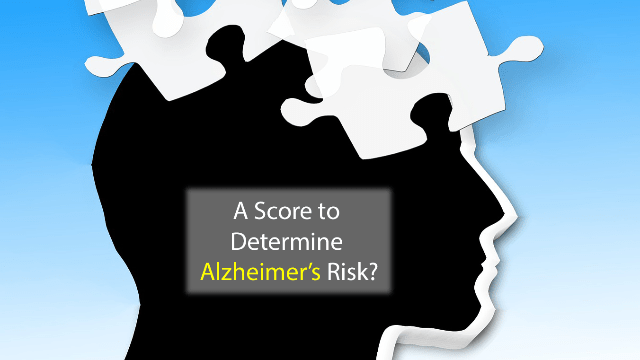
A simple score may be able to determine the personal risk of developing Alzheimer’s disease

For the first time, an international team of scientists, led by researchers at University of California San Diego School of Medicine, have determined that an Alzheimer’s disease (AD) polygenic risk score can be used to correctly identify adults with mild cognitive impairment (MCI) who were only in their 50s. MCI is considered a precursor to AD.

Findings were published in the February 27 online edition of Molecular Psychiatry.

The AD polygenic risk score was created from genome-wide association studies of AD with a combination of genes weighted according to the association of single nucleotide polymorphisms (SNPs) with AD. SNPs are variations of a single nucleotide or DNA-building block that occur at a specific position in the genome. There is some SNP variation in genomic information in all humans, which affects individual susceptibility to disease.

“Current studies of the AD polygenic risk score typically occur in adults in their 70s, but the AD pathological process begins decades before the onset of dementia,” said William S. Kremen, PhD, professor of psychiatry and co-director of the Center for Behavior Genetics of Aging at UC San Diego School of Medicine. “By focusing on a younger population with cognitive impairment, we may be better able to identify patients for critical early interventions and clinical trials.”

Kremen and team found that someone with an AD polygenic risk score in the upper quartile was 2.5 to 3 times more likely to have MCI than someone with a score in the lowest quartile. Signs of MCI may include difficulty with word recall, forgetting appointments, or often losing personal belongings. The type of MCI most associated with memory loss is called amnestic MCI.

According to the National Institute on Aging, more people with MCI than those without it go on to develop Alzheimer’s. Approximately eight of every 10 persons who fit the definition of amnestic MCI develop Alzheimer’s disease within seven years.

“Our research team found that the polygenic score could differentiate individuals with mild cognitive impairment from those who were cognitively normal,” said Kremen. “We also noticed that for study participants who had cognitive deficits other than memory problems, diabetes was three-fold more likely.”

Kremen added that while this test is not yet available to primary care physicians, it may be an important tool to aid researchers in predicting MCI and AD, and, eventually, reducing the number of future cases.

“The Alzheimer’s Association and others have modeled how the impact of delaying the onset of AD by five years could reduce the number of cases by nearly 50 percent by 2050. We want to do what we can to make this projection a reality,” said Kremen.

Data for this study were collected from 1,329 men who participated in the Vietnam Era Twin Study of Aging (VESTA.). VESTA constitutes a national sample comparable to U.S. men in their age range with respect to health and lifestyle characteristics. Approximately 90 percent of subjects in this analysis were in their 50s. Diagnosis of AD was based on the Jak-Bondi actuarial/neuropsychological approach.

This article has been republished from materials provided by UCSD. Note: material may have been edited for length and content. For further information, please contact the cited source.

Reference: Logue, M. W., Panizzon, M. S., Elman, J. A., Gillespie, N. A., Hatton, S. N., Gustavson, D. E., … Kremen, W. S. (2018). Use of an Alzheimer’s disease polygenic risk score to identify mild cognitive impairment in adults in their 50s. Molecular Psychiatry, 1. https://doi.org/10.1038/s41380-018-0030-8

Mind-controlling molecules (ampulexins) from wasp venom could someday help Parkinson’s patients

After being stung by a parasitic wasp, the American cockroach loses control of its behavior, becoming host to the wasp’s egg. Days later, the hatchling consumes the cockroach alive. While this is a gruesome process for the cockroach, scientists now report in ACS’ journal Biochemistry the discovery of a new family of peptides in the wasp’s venom that could be key to controlling roach minds, and might even help researchers develop better Parkinson’s disease treatments.

Scientists have long studied venoms, such as that of the wasp, seeking out novel and potent molecules to treat disease, among other applications. In the case of the enigmatic wasp Ampulex compressa, it uses its venom in a two-pronged approach against the cockroach, with an initial sting to the thorax to paralyze the front legs and a subsequent sting directly to the brain. This second sting causes the roach first to vigorously groom itself, then to fall into a state of lethargy, allowing the wasp to do whatever it wants. This immobile state resembles symptoms of Parkinson’s disease, and both may be related to dysfunction in the dopamine pathway. In this study, Michael E. Adams and colleagues wanted to identify the ingredients in wasp venom that dictate this behavior.

The researchers milked wasps for their venom and then analyzed the components using liquid chromatography and mass spectrometry. They identified a new family of alpha-helical peptides and named them ampulexins. To test their function, the team injected the most abundant venom peptide into cockroaches. Afterward, the bugs needed, on average, a 13-volt electric shock to the foot to get them moving, while an average of 9 volts sufficed prior to the injection, suggesting the peptides help the wasp immobilize its prey. Future work will focus on identifying cellular targets of ampulexins, and potentially generating a useful animal model for the study of Parkinson’s disease treatments.

The authors acknowledge funding from the United States-Israel Binational Science Foundation, the University of California, Riverside Office of Research and Economic Development and the University of California Agricultural Experiment Station.

https://www.acs.org/content/acs/en/pressroom/presspacs/2018/acs-presspac-february-7-2018/mind-controlling-molecules-from-wasp-venom-could-someday-help-parkinsons-patients.html

Eyes and eardrums move in sync

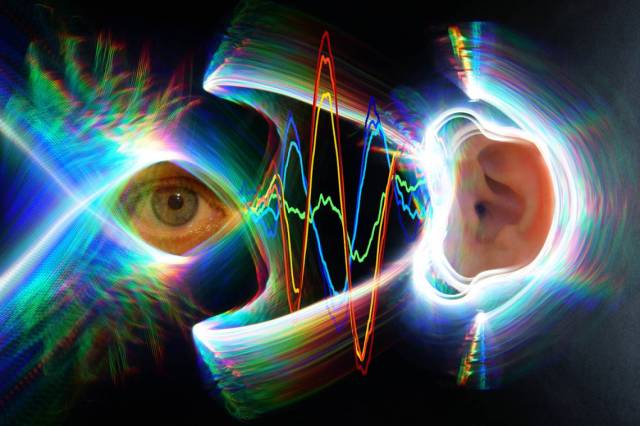
Simply moving the eyes triggers the eardrums to move too, says a new study by Duke University neuroscientists.

The researchers found that keeping the head still but shifting the eyes to one side or the other sparks vibrations in the eardrums, even in the absence of any sounds.

Surprisingly, these eardrum vibrations start slightly before the eyes move, indicating that motion in the ears and the eyes are controlled by the same motor commands deep within the brain.

“It’s like the brain is saying, ‘I’m going to move the eyes, I better tell the eardrums, too,’” said Jennifer Groh, a professor in the departments of neurobiology and psychology and neuroscience at Duke.

The findings, which were replicated in both humans and rhesus monkeys, provide new insight into how the brain coordinates what we see and what we hear. It may also lead to new understanding of hearing disorders, such as difficulty following a conversation in a crowded room.

The paper appeared Jan. 23 in Proceedings of the National Academy of Sciences.

It’s no secret that the eyes and ears work together to make sense of the sights and sounds around us. Most people find it easier to understand somebody if they are looking at them and watching their lips move. And in a famous illusion called the McGurk Effect, videos of lip cues dubbed with mismatched audio cause people to hear the wrong sound.

But researchers are still puzzling over where and how the brain combines these two very different types of sensory information.

“Our brains would like to match up what we see and what we hear according to where these stimuli are coming from, but the visual system and the auditory system figure out where stimuli are located in two completely different ways,” Groh said. “The eyes are giving you a camera-like snapshot of the visual scene, whereas for sounds, you have to calculate where they are coming from based on differences in timing and loudness across the two ears.”

Because the eyes are usually darting about within the head, the visual and auditory worlds are constantly in flux with respect to one another, Groh added.

In an experiment designed by Kurtis Gruters, a formal doctoral student in Groh’s lab and co-first author on the paper, 16 participants were asked to sit in a dark room and follow shifting LED lights with their eyes. Each participant also wore small microphones in their ear canals that were sensitive enough to pick up the slight vibrations created when the eardrum sways back and forth.

Though eardrums vibrate primarily in response to outside sounds, the brain can also control their movements using small bones in the middle ear and hair cells in the cochlea. These mechanisms help modulate the volume of sounds that ultimately reach the inner ear and brain, and produce small sounds known as otoacoustic emissions.

Gruters found that when the eyes moved, both eardrums moved in sync with one another, one side bulging inward at the same time the other side bulged outward. They continued to vibrate back and forth together until shortly after the eyes stopped moving. Eye movements in opposite directions produced opposite patterns of vibrations.

Larger eye movements also triggered bigger vibrations than smaller eye movements, the team found.

“The fact that these eardrum movements are encoding spatial information about eye movements means that they may be useful for helping our brains merge visual and auditory space,” said David Murphy, a doctoral student in Groh’s lab and co-first author on the paper. “It could also signify a marker of a healthy interaction between the auditory and visual systems.”

The team, which included Christopher Shera at the University of Southern California and David W. Smith of the University of Florida, is still investigating how these eardrum vibrations impact what we hear, and what role they may play in hearing disorders. In future experiments, they will look at whether up and down eye movements also cause unique signatures in eardrum vibrations.

“The eardrum movements literally contain information about what the eyes are doing,” Groh said. “This demonstrates that these two sensory pathways are coupled, and they are coupled at the earliest points.”

Cole Jenson, an undergraduate neuroscience major at Duke, also coauthored the new study.

CITATION: “The Eardrums Move When the Eyes Move: A Multisensory Effect on the Mechanics of Hearing,” K. G. Gruters, D. L. K. Murphy, Cole D. Jensen, D. W. Smith, C. A. Shera and J. M. Groh. Proceedings of the National Academy of Sciences, Jan. 23, 2018. DOI: 10.1073/pnas.1717948115

This Man Will Get the World’s First Human Head Transplant Procedure

by Paul Ratner

Italian neurosurgeon Sergio Canavero is planning to perform the first-ever head transplant in December 2017. He will put the head of a terminally ill, wheelchair-bound Russian citizen Valery Spiridonov (31) on an entirely new body.

Spiridonov, a computer scientist, has Werdnig-Hoffman disease, a rare and incurable spinal muscular atrophy. As the disease is sure to kill him, Spiridonov sees the head transplant as his one shot to have a new body.

The controversial surgeon Canavero, dubbed by some “Dr. Frankenstein,” has been criticized for intending to do a possibly unethical and certainly dangerous operation. There are numerous things that could go wrong in such a medical feat that’s never been successfully carried out on humans. The main difficulty is seen in the fusion of the spinal cords.

One positive precedent has been set earlier this year by a team of Chinese surgeons, who successfully transplanted a monkey’s head. Dr. Xiaoping Ren, from Harbin Medical University, led that effort.

Canavero is raising around $18 million to pay for the procedure that he named “HEAVEN” (an acronym for “head anastomosis venture”). The details the doctor has given so far for the two-day operation first involve cooling the patient’s head to -15 C. Then the heads of both the patient and the donor would be severed and the patient’s head would be attached to the donor’s body. The spinal cords would be fused together while the muscle and blood supply would be attached. Spiridonov would then be placed into a coma for about a month to prevent movement and to allow for healing.

The donor of the body would be brain-dead, but otherwise healthy.

How does Spiridonov feel about doing the revolutionary surgery?

He says in an interview:

“If I manage to replace my body and if everything goes well, it will allow me to be free of the limitations I am experiencing. I am not rushing to go under the surgeon’s knife, I am not shouting – come and save me here and now. Yes, I do have a disease which often leads to death, but my first role in this project is not that of a patient. First of all, I am a scientist, I am an engineer, and I am keen to persuade people – medical professionals – that such operation is necessary. I am not going crazy here and rushing to cut off my head, believe me. The surgery will take place only when all believe that the success is 99% possible. In other words, the main task now is to get support for Canavero from the medical community, to let him go on with his methods and to improve them within these two coming years.

Canavero sees the potential use of his procedure not only in situations involving patients with severe disabilities like Spiridonov’s, but also to extend life.

“We are one step closer to extend life indefinitely because when I will be able to give a new body to an 80-year-old they could live for other 40 years,” said the Italian surgeon.

http://bigthink.com/paul-ratner/worlds-first-human-head-transplant-going-ahead

44 year old man discovers he’s been living without 90% of his brain


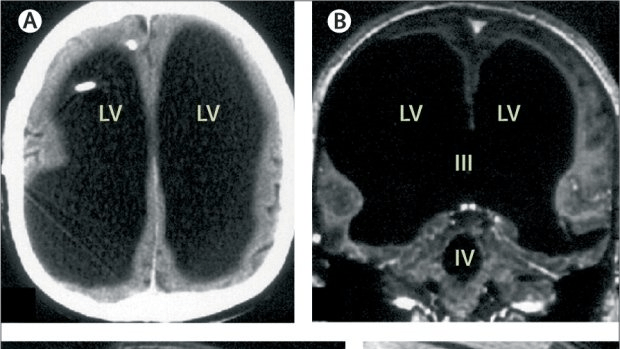
A scan of the man missing 90% of his brain.

by Paul Ratner

What we think we know about our brains is nothing compared to what we don’t know. This fact is brought into focus by the medical mystery of a 44-year-old French father of two who found out one day that he had most of his brain missing. Instead his skull is mostly full of liquid, with almost no brain tissue left. He has a life-long condition known as hydrocephalus, commonly called “water on the brain” or “water head”. It happens when too much cerebrospinal fluid puts pressure on the brain and the brain’s cavities abnormally increase.

As Axel Cleeremans, a cognitive psychologist at the Université Libre in Brussels, who has lectured about this case, told CBC:

“He was living a normal life. He has a family. He works. His IQ was tested at the time of his complaint. This came out to be 84, which is slightly below the normal range … So, this person is not bright — but perfectly, socially apt”.

The complaint Cleeremans refers to is the original reason the man sought help – he had leg pain. Imagine that – you go to your doctor with a leg cramp and get told that you’re living without most of your brain.

The man continues to live a normal life, being a family man with a wife and kids, while working as a civil servant. All this while having 3 of his main brain cavities filled with only fluid and his brainstem and cerebellum stuck into a small space that they share with a cyst.

What can we learn from this rare case? As Cleeremans points out:

“One of the lessons is that plasticity is probably more pervasive than we thought it was… It is truly incredible that the brain can continue to function, more or less, within the normal range — with probably many fewer neurons than in a typical brain. Second lesson perhaps, if you’re interested in consciousness — that is the manner in which the biological activity of the brain produces awareness… One idea that I’m defending is the idea that awareness depends on the brain’s ability to learn.”

The French man’s story really challenges the idea that consciousness arises in one part of the brain only. Current theories hold that the part of the brain called the thalamus is responsible for our self-awareness. A man living with most of his brain missing does not fit neatly into such hypotheses.

http://bigthink.com/paul-ratner/the-medical-mystery-of-a-man-living-with-90-of-his-brain-missing?utm_source=Big+Think+Weekly+Newsletter+Subscribers&utm_campaign=709f2481ff-Newsletter_072016&utm_medium=email&utm_term=0_6d098f42ff-709f2481ff-41106061