Human thoughts used to switch on genes

Could a futuristic society of humans with the power to control their own biological functions ever become reality?

It’s not as out there as it sounds, now the technical foundations have been laid. Researchers have created a link between thoughts and cells, allowing people to switch on genes in mice using just their thoughts.

“We wanted to be able to use brainwaves to control genes. It’s the first time anyone has linked synthetic biology and the mind,” says Martin Fussenegger, a bioengineer at ETH Zurich in Basel, Switzerland, who led the team behind the work.

They hope to use the technology to help people who are “locked-in” – that is, fully conscious but unable to move or speak – to do things like self-administer pain medication. It might also be able to help people with epilepsy control their seizures.

In theory, the technology could be used for non-medical purposes, too. For example, we could give ourselves a hormone burst on demand, much like in the Culture – Iain M. Banks’s utopian society, where people are able to secrete hormones and other chemicals to change their mood.

Mouse meet man

Fussenegger’s team started by inserting a light-responsive gene into human kidney cells in a dish. The gene is activated, or expressed, when exposed to infrared light. The cells were engineered so that when the gene activated, it caused a cascade of chemical reactions leading to the expression of another gene – the one the team wanted to switch on.

Next, they put the cells into an implant about the size of a 10-pence piece or a US quarter, alongside an infrared LED that could be controlled wirelessly. The implant was inserted under the skin of a mouse. A semi-permeable membrane allowed vital nutrients from the animal’s blood supply to reach the cells inside.

With the mouse part of the experiment prepared, the team turned to the human volunteers. Eight people, wearing EEG devices that monitored their brainwaves, were taught how to conjure up different mental states that the device could recognise by their distinctive brain waves.

The volunteers were shown meditation techniques to produce a “relaxed” pattern of brainwaves, and played a computer game to produce patterns that reflected deep concentration. They also used a technique known as biofeedback, in which they learned by trial and error to control their thoughts to switch on a set of lights on a computer.

By linking the volunteer’s EEG device to the wireless LED implant in the mouse, they were able to switch on the LED using any of the three mental states. This activated the light-responsive gene in the kidney cells, which, in turn, led to the activation of the target gene. A human protein was produced that passed through the implant’s membrane and into the rodent’s bloodstream, where it could be detected. “We picked a protein that made an enzyme that was easy to identify in the mouse as a proof of concept, but essentially we think we could switch on any target gene we liked,” says Fussenegger.

Behaviour controlled

The possibilities this could open up extend as far as your imagination. For example, the implant cells could produce hormones, so how about giving yourself a burst of oxytocin before a stressful social event – just by concentrating on a computer game?

That’s possible in principle, Fussenegger says, but for now his team is focused on creating a device to help people who are locked-in, or those with chronic pain, medicate themselves. For people with epilepsy, a similar device could potentially pick up the specific electrical patterns that appear in the brain just before a seizure. It might be possible to engineer cells to react to this pattern and release drugs to lessen the seizure.

While the applications are futuristic, the work itself is very interesting, says Florian Wurm, head of cellular biotechnology at EPFL in Lausanne, Switzerland. He says it shows for the first time that you can link together two really important ideas – synthetic biology and mind control.

“But we have to consider the ethical and legal challenges associated with this kind of technology,” Wurm says. “The moment you can control genes by thought you might be able to interfere with human behaviour, perhaps against someone’s wishes.” He doesn’t want to paint a negative picture, though. “We shouldn’t close our eyes to these inventions. It’s not going to be made into a medical device any time soon but it’s interesting to consider who it could help.”

Fussenegger says he would like to start a clinical trial within 10 years.

Journal reference: Nature Communications, DOI: 10.1038/ncomms6392

http://www.newscientist.com/article/dn26538-human-thoughts-used-to-switch-on-genes.html

Ebola’s Family Tree: Disease May Have Existed For 23 Million Years, Much Longer Than Previously Believed

A family of viruses that Ebola belongs to may have existed over 20 million years ago, according to a new study published in the journal PeerJ.

Researchers from the University of Buffalo found that Filoviruses did not begin appearing 10,000 years ago as previously thought, but in fact have been around for much longer. The Ebola virus belongs to the family of filoviruses, also known as the Filoviridae family. “Filoviruses are far more ancient than previously thought,” said Derek Taylor, lead author of the study and a professor of biological sciences at the University of Buffalo, in the press release. “These things have been interacting with mammals for a long time, several million years.”

Despite the fact that scientists around the world are frantically searching for a cure and better treatment for Ebola, there’s still much to learn about the deadly virus. The authors of the study argue that better understanding Ebola’s evolutionary roots could “affect design of vaccines and programs that identify emerging pathogens.”

The study focused not on Ebola specifically, but the ancestors and family of Ebola to better understand where it may have come from. Both the Ebola virus and Marburg virus — also a hemorrhagic fever virus that belongs to the Filoviridae family — were found to be tied to ancient evolutionary lines, and they shared a common ancestor 16 to 23 million years ago. The authors discovered this by examining viral fossil genes, which are bits of genetic material that animals acquire from viruses during infection. They found Filovirus-like genes in rodents, particularly hamsters and voles, which means that the filovirus family is likely as old as these rodents’ common ancestor. The genetic material in these fossils were more closely related to Ebola than Marburg, meaning the two lines had already begun to diverge during the Miocene Epoch, a time period that occurred five to 23 million years ago. During this time, there were also warmer climates, as well as the first appearances of kelp forests and grasslands on Earth.

“These rodents have billions of base pairs in their genomes, so the odds of a viral gene inserting itself at the same position in different species at different times are very small,” Taylor said. “It’s likely that the insertion was present in the common ancestor of these rodents.”

The Filoviridae family is defined by viruses that form virions, or filamentous infectious viral particles. The Ebola virus and Marburg virus are the most well-known among this group, and they are both severe viruses that cause hemorrhagic fevers in both animals and humans (essentially, they’re deadly diseases that lead to fever and bleeding).

Taylor believes that the study may help in the fight against Ebola by widening our knowledge about its history, and identifying what species are most likely to be hosts of the virus. “When they first started looking for reservoirs for Ebola, they were crashing through the rainforest, looking at everything — mammals, insects, other organisms,” Taylor said. “The more we know about the evolution of filovirus-host interactions, the more we can learn about who the players might be in the system.”

Source: Taylor D, Ballinger M, Zhan J, Hanzly L, Bruenn J. Evidence that ebolaviruses and cuevaviruses have been diverging from marburgviruses since the Miocene. PeerJ. 2014.

http://www.medicaldaily.com/ebolas-family-tree-disease-may-have-existed-23-million-years-much-longer-previously-307958

Glen Campbell releases powerful final song and video about his future with Alzheimer’s disease

I’m still here, but yet I’m gone
I don’t play guitar or sing my songs
They never defined who I am
The man that loves you ’til the end
You’re the last person I will love
You’re the last face I will recall
And best of all, I’m not gonna miss you.
Not gonna miss you.
I’m never gonna hold you like I did
Or say I love you to the kids
You’re never gonna see it in my eyes
It’s not gonna hurt me when you cry
I’m never gonna know what you go through
All the things I say or do
All the hurt and all the pain
One thing selfishly remains
I’m not gonna miss you

The Country Music Hall of Fame member, who was diagnosed with Alzheimer’s disease in 2011, is out with the video for the final song he’ll ever record — “I’m Not Gonna Miss You.” It was recorded in 2013 with producer Julian Raymond.

“I’m still here but yet I’m gone/ I don’t play guitar or sing my songs,” the tune begins as it details his struggles with the disease.

The poignant music video that accompanies it spans Campbell’s career. It contrasts Campbell singing in the studio with home video and clips from throughout his career. There are even images of doctors discussing his brain scans with him.

Because of the progression of the disease, the 78-year-old Campbell was admitted to a special care facility in Nashville in April.

“Sadly, Glen’s condition has progressed enough that we were no longer able to keep him at home,” Campbell’s family said in a statement to Rolling Stone. “He is getting fantastic care and we get to see him every day. Our family wants to thank everyone for their continued prayers, love and support.”

Campbell, who was inducted into the Country Music Hall of Fame in 2005 and is best known for his hits like “Rhinestone Cowboy” and “Wichita Lineman,” took his Alzheimer’s in stride.

“I just take it as it comes, you know,” Campbell said in a CNN interview in February 2012. “I know that I have a problem with that (forgetfulness), but it doesn’t bother me. If you’re going to have it handed to you, you have got to take it, anyway. So that is the way I look at it.”

In a career that spans five decades, he released his final album “Ghost on Canvas” in 2011 and then went on a farewell tour.

http://www.cnn.com/2014/10/14/showbiz/glen-campbell-final-song/index.html?hpt=hp_c2

Infectious disease specialists from University of Illinois make first recommendation that health workers need optimal respiratory protection for Ebola, due to possible transmission in the air.

Lisa M Brosseau, ScD, and Rachael Jones, PhD

The authors are national experts on respiratory protection and infectious disease transmission. In May they published a similar commentary on MERS-CoV. Dr Brosseau is a Professor and Dr Jones an Assistant Professor in the School of Public Health, Division of Environmental and Occupational Health Sciences, at the University of Illinois at Chicago.

Healthcare workers play a very important role in the successful containment of outbreaks of infectious diseases like Ebola. The correct type and level of personal protective equipment (PPE) ensures that healthcare workers remain healthy throughout an outbreak—and with the current rapidly expanding Ebola outbreak in West Africa, it’s imperative to favor more conservative measures.

The precautionary principle—that any action designed to reduce risk should not await scientific certainty—compels the use of respiratory protection for a pathogen like Ebola virus that has:

•No proven pre- or post-exposure treatment modalities
•A high case-fatality rate
•Unclear modes of transmission

We believe there is scientific and epidemiologic evidence that Ebola virus has the potential to be transmitted via infectious aerosol particles both near and at a distance from infected patients, which means that healthcare workers should be wearing respirators, not facemasks (1).

The minimum level of protection in high-risk settings should be a respirator with an assigned protection factor greater than 10. A powered air-purifying respirator (PAPR) with a hood or helmet offers many advantages over an N95 filtering facepiece or similar respirator, being more protective, comfortable, and cost-effective in the long run.

We strongly urge the US Centers for Disease Control and Prevention (CDC) and the World Health Organization (WHO) to seek funds for the purchase and transport of PAPRs to all healthcare workers currently fighting the battle against Ebola throughout Africa—and beyond.

There has been a lot of on-line and published controversy about whether Ebola virus can be transmitted via aerosols. Most scientific and medical personnel, along with public health organizations, have been unequivocal in their statements that Ebola can be transmitted only by direct contact with virus-laden fluids (2,3) and that the only modes of transmission we should be concerned with are those termed “droplet” and “contact.”

These statements are based on two lines of reasoning. The first is that no one located at a distance from an infected individual has contracted the disease, or the converse, every person infected has had (or must have had) “direct” contact with the body fluids of an infected person.

This reflects an incorrect and outmoded understanding of infectious aerosols, which has been institutionalized in policies, language, culture, and approaches to infection control. We will address this below. Briefly, however, the important points are that virus-laden bodily fluids may be aerosolized and inhaled while a person is in proximity to an infectious person and that a wide range of particle sizes can be inhaled and deposited throughout the respiratory tract.

The second line of reasoning is that respirators or other control measures for infectious aerosols cannot be recommended in developing countries because the resources, time, and/or understanding for such measures are lacking (4).

Although there are some important barriers to the use of respirators, especially PAPRs, in developing countries, healthcare workers everywhere deserve and should be afforded the same best-practice types of protection, regardless of costs and resources. Every healthcare worker is a precious commodity whose well-being ensures everyone is protected.

If we are willing to offer infected US healthcare workers expensive treatments and experimental drugs free of charge when most of the world has no access to them, we wonder why we are unwilling to find the resources to provide appropriate levels of comparatively less expensive respiratory protection to every healthcare worker around the world.

How are infectious diseases transmitted via aerosols?

Medical and infection control professionals have relied for years on a paradigm for aerosol transmission of infectious diseases based on very outmoded research and an overly simplistic interpretation of the data. In the 1940s and 50s, William F. Wells and other “aerobiologists” employed now significantly out-of-date sampling methods (eg, settling plates) and very blunt analytic approaches (eg, cell culturing) to understand the movement of bacterial aerosols in healthcare and other settings. Their work, though groundbreaking at the time, provides a very incomplete picture.

Early aerobiologists were not able to measure small particles near an infectious person and thus assumed such particles existed only far from the source. They concluded that organisms capable of aerosol transmission (termed “airborne”) can only do so at around 3 feet or more from the source. Because they thought that only larger particles would be present near the source, they believed people would be exposed only via large “droplets” on their face, eyes, or nose.

Modern research, using more sensitive instruments and analytic methods, has shown that aerosols emitted from the respiratory tract contain a wide distribution of particle sizes—including many that are small enough to be inhaled (5,6). Thus, both small and large particles will be present near an infectious person.

The chance of large droplets reaching the facial mucous membranes is quite small, as the nasal openings are small and shielded by their external and internal structure. Although close contact may permit large-droplet exposure, it also maximizes the possibility of aerosol inhalation.

As noted by early aerobiologists, liquid in a spray aerosol, such as that generated during coughing or sneezing, will quickly evaporate (7), which increases the concentration of small particles in the aerosol. Because evaporation occurs in milliseconds, many of these particles are likely to be found near the infectious person.

The current paradigm also assumes that only “small” particles (less than 5 micrometers [mcm]) can be inhaled and deposited in the respiratory tract. This is not true. Particles as large as 100 mcm (and perhaps even larger) can be inhaled into the mouth and nose. Larger particles are deposited in the nasal passages, pharynx, and upper regions of the lungs, while smaller particles are more likely to deposit in the lower, alveolar regions. And for many pathogens, infection is possible regardless of the particle size or deposition site.

It’s time to abandon the old paradigm of three mutually exclusive transmission routes for a new one that considers the full range of particle sizes both near and far from a source. In addition, we need to factor in other important features of infectivity, such as the ability of a pathogen to remain viable in air at room temperature and humidity and the likelihood that systemic disease can result from deposition of infectious particles in the respiratory system or their transfer to the gastrointestinal tract.

We recommend using “aerosol transmissible” rather than the outmoded terms “droplet” or “airborne” to describe pathogens that can transmit disease via infectious particles suspended in air.

Is Ebola an aerosol-transmissible disease?

We recently published a commentary on the CIDRAP site discussing whether Middle East respiratory syndrome (MERS) could be an aerosol-transmissible disease, especially in healthcare settings. We drew comparisons with a similar and more well-studied disease, severe acute respiratory syndrome (SARS).

For Ebola and other filoviruses, however, there is much less information and research on disease transmission and survival, especially in healthcare settings.

Being at first skeptical that Ebola virus could be an aerosol-transmissible disease, we are now persuaded by a review of experimental and epidemiologic data that this might be an important feature of disease transmission, particularly in healthcare settings.

What do we know about Ebola transmission?

No one knows for certain how Ebola virus is transmitted from one person to the next. The virus has been found in the saliva, stool, breast milk, semen, and blood of infected persons (8,9). Studies of transmission in Ebola virus outbreaks have identified activities like caring for an infected person, sharing a bed, funeral activities, and contact with blood or other body fluids to be key risk factors for transmission (10-12).

On the basis of epidemiologic evidence, it has been presumed that Ebola viruses are transmitted by contaminated hands in contact with the mouth or eyes or broken skin or by splashes or sprays of body fluids into these areas. Ebola viruses appear to be capable of initiating infection in a variety of human cell types (13,14), but the primary portal or portals of entry into susceptible hosts have not been identified.

Some pathogens are limited in the cell type and location they infect. Influenza, for example, is generally restricted to respiratory epithelial cells, which explains why flu is primarily a respiratory infection and is most likely aerosol transmissible. HIV infects T-helper cells in the lymphoid tissues and is primarily a bloodborne pathogen with low probability for transmission via aerosols.

Ebola virus, on the other hand, is a broader-acting and more non-specific pathogen that can impede the proper functioning of macrophages and dendritic cells—immune response cells located throughout the epithelium (15,16). Epithelial tissues are found throughout the body, including in the respiratory tract. Ebola prevents these cells from carrying out their antiviral functions but does not interfere with the initial inflammatory response, which attracts additional cells to the infection site. The latter contribute to further dissemination of the virus and similar adverse consequences far beyond the initial infection site.

The potential for transmission via inhalation of aerosols, therefore, cannot be ruled out by the observed risk factors or our knowledge of the infection process. Many body fluids, such as vomit, diarrhea, blood, and saliva, are capable of creating inhalable aerosol particles in the immediate vicinity of an infected person. Cough was identified among some cases in a 1995 outbreak in Kikwit, Democratic Republic of the Congo (11), and coughs are known to emit viruses in respirable particles (17). The act of vomiting produces an aerosol and has been implicated in airborne transmission of gastrointestinal viruses (18,19). Regarding diarrhea, even when contained by toilets, toilet flushing emits a pathogen-laden aerosol that disperses in the air (20-22).

Experimental work has shown that Marburg and Ebola viruses can be isolated from sera and tissue culture medium at room temperature for up to 46 days, but at room temperature no virus was recovered from glass, metal, or plastic surfaces (23). Aerosolized (1-3 mcm) Marburg, Ebola, and Reston viruses, at 50% to 55% relative humidity and 72°F, had biological decay rates of 3.04%, 3.06%. and 1.55% per minute, respectively. These rates indicate that 99% loss in aerosol infectivity would occur in 93, 104, and 162 minutes, respectively (23).

In still air, 3-mcm particles can take up to an hour to settle. With air currents, these and smaller particles can be transported considerable distances before they are deposited on a surface.

There is also some experimental evidence that Ebola and other filoviruses can be transmitted by the aerosol route. Jaax et al (24) reported the unexpected death of two rhesus monkeys housed approximately 3 meters from monkeys infected with Ebola virus, concluding that respiratory or eye exposure to aerosols was the only possible explanation.

Zaire Ebola viruses have also been transmitted in the absence of direct contact among pigs (25) and from pigs to non-human primates (26), which experienced lung involvement in infection. Persons with no known direct contact with Ebola virus disease patients or their bodily fluids have become infected (12).

Direct injection and exposure via a skin break or mucous membranes are the most efficient ways for Ebola to transmit. It may be that inhalation is a less efficient route of transmission for Ebola and other filoviruses, as lung involvement has not been reported in all non-human primate studies of Ebola aerosol infectivity (27). However, the respiratory and gastrointestinal systems are not complete barriers to Ebola virus. Experimental studies have demonstrated that it is possible to infect non-human primates and other mammals with filovirus aerosols (25-27).

Altogether, these epidemiologic and experimental data offer enough evidence to suggest that Ebola and other filoviruses may be opportunistic with respect to aerosol transmission(28). That is, other routes of entry may be more important and probable, but, given the right conditions, it is possible that transmission could also occur via aerosols.

Guidance from the CDC and WHO recommends the use of facemasks for healthcare workers providing routine care to patients with Ebola virus disease and respirators when aerosol-generating procedures are performed. (Interestingly, the 1998 WHO and CDC infection-control guidance for viral hemorrhagic fevers in Africa, still available on the CDC Web site, recommends the use of respirators.)

Facemasks, however, do not offer protection against inhalation of small infectious aerosols, because they lack adequate filters and do not fit tightly against the face (1). Therefore, a higher level of protection is necessary.

Which respirator to wear?

As described in our earlier CIDRAP commentary, we can use a Canadian control-banding approach to select the most appropriate respirator for exposures to Ebola in healthcare settings (29). (See this document for a detailed description of the Canadian control banding approach and the data used to select respirators in our examples below.)

The control banding method involves the following steps:

1.Identify the organism’s risk group (1 to 4). Risk group reflects the toxicity of an organism, including the degree and type of disease and whether treatments are available. Ebola is in risk group 4, the most toxic organisms, because it can cause serious human or animal disease, is easily transmitted, directly or indirectly, and currently has no effective treatments or preventive measures.

2.Identify the generation rate. The rate of aerosol generation reflects the number of particles created per time (eg, particles per second). Some processes, such as coughing, create more aerosols than others, like normal breathing. Some processes, like intubation and toilet flushing, can rapidly generate very large quantities of aerosols. The control banding approach assigns a qualitative rank ranging from low (1) to high (4) (eg, normal breathing without coughing has a rank of 1).

3.Identify the level of control. Removing contaminated air and replacing it with clean air, as accomplished with a ventilation system, is effective for lowering the overall concentration of infectious aerosol particles in a space, although it may not be effective at lowering concentration in the immediate vicinity of a source. The number of air changes per hour (ACH) reflects the rate of air removal and replacement. This is a useful variable, because it is relatively easy to measure and, for hospitals, reflects building code requirements for different types of rooms. Again, a qualitative ranking is used to reflect low (1) versus high (4) ACH. Even if the true ventilation rate is not known, the examples can be used to select an appropriate air exchange rate.

4.Identify the respirator assigned protection factor. Respirators are designated by their “class,” each of which has an assigned protection factor (APF) that reflects the degree of protection. The APF represents the outside, environmental concentration divided by the inside, facepiece concentration. An APF of 10 means that the outside concentration of a particular contaminant will be 10 times greater than that inside the respirator. If the concentration outside the respirator is very high, an assigned protection factor of 10 may not prevent the wearer from inhaling an infective dose of a highly toxic organism.

Practical examples

Two examples follow. These assume that infectious aerosols are generated only during vomiting, diarrhea, coughing, sneezing, or similar high-energy emissions such as some medical procedures. It is possible that Ebola virus may be shed as an aerosol in other manners not considered.

Caring for a patient in the early stages of disease (no bleeding, vomiting, diarrhea, coughing, sneezing, etc). In this case, the generation rate is 1. For any level of control (less than 3 to more than 12 ACH), the control banding wheel indicates a respirator protection level of 1 (APF of 10), which corresponds to an air purifying (negative pressure) half-facepiece respirator such as an N95 filtering facepiece respirator. This type of respirator requires fit testing.

Caring for a patient in the later stages of disease (bleeding, vomiting, diarrhea, etc). If we assume the highest generation rate (4) and a standard patient room (control level = 2, 3-6 ACH), a respirator with an APF of at least 50 is needed. In the United States, this would be equivalent to either a full-facepiece air-purifying (negative-pressure) respirator or a half-facepiece PAPR (positive pressure), but standards differ in other countries. Fit testing is required for these types of respirators.

The control level (room ventilation) can have a big effect on respirator selection. For the same patient housed in a negative-pressure airborne infection isolation room (6-12 ACH), a respirator with an assigned protection factor of 25 is required. This would correspond in the United States to a PAPR with a loose-fitting facepiece or with a helmet or hood. This type of respirator does not need fit testing.

Implications for protecting health workers in Africa

Healthcare workers have experienced very high rates of morbidity and mortality in the past and current Ebola virus outbreaks. A facemask, or surgical mask, offers no or very minimal protection from infectious aerosol particles. As our examples illustrate, for a risk group 4 organism like Ebola, the minimum level of protection should be an N95 filtering facepiece respirator.

This type of respirator, however, would only be appropriate only when the likelihood of aerosol exposure is very low. For healthcare workers caring for many patients in an epidemic situation, this type of respirator may not provide an adequate level of protection.

For a risk group 4 organism, any activity that has the potential for aerosolizing liquid body fluids, such as medical or disinfection procedures, should be avoided, if possible. Our risk assessment indicates that a PAPR with a full facepiece (APF = 50) or a hood or helmet (APF = 25) would be a better choice for patient care during epidemic conditions.

We recognize that PAPRs present some logistical and infection-control problems. Batteries require frequent charging (which requires a reliable source of electricity), and the entire ensemble requires careful handling and disinfection between uses. A PAPR is also more expensive to buy and maintain than other types of respirators.

On the other hand, a PAPR with a loose-fitting facepiece (hood or helmet) does not require fit testing. Wearing this type of respirator minimizes the need for other types of PPE, such as head coverings and goggles. And, most important, it is much more comfortable to wear than a negative-pressure respirator like an N95, especially in hot environments.

A recent report from a Medecins Sans Frontieres healthcare worker in Sierra Leone30 notes that healthcare workers cannot tolerate the required PPE for more than 40 minutes. Exiting the workplace every 40 minutes requires removal and disinfection or disposal (burning) of all PPE. A PAPR would allow much longer work periods, use less PPE, require fewer doffing episodes, generate less infectious waste, and be more protective. In the long run, we suspect this type of protection could also be less expensive.

Adequate protection is essential

To summarize, for the following reasons we believe that Ebola could be an opportunistic aerosol-transmissible disease requiring adequate respiratory protection:
•Patients and procedures generate aerosols, and Ebola virus remains viable in aerosols for up to 90 minutes.
•All sizes of aerosol particles are easily inhaled both near to and far from the patient.
•Crowding, limited air exchange, and close interactions with patients all contribute to the probability that healthcare workers will be exposed to high concentrations of very toxic infectious aerosols.
•Ebola targets immune response cells found in all epithelial tissues, including in the respiratory and gastrointestinal system.
•Experimental data support aerosols as a mode of disease transmission in non-human primates.

Risk level and working conditions suggest that a PAPR will be more protective, cost-effective, and comfortable than an N95 filtering facepiece respirator.

Acknowledgements

We thank Kathleen Harriman, PhD, MPH, RN, Chief, Vaccine Preventable Diseases Epidemiology Section, Immunization Branch, California Department of Public Health, and Nicole Vars McCullough, PhD, CIH, Manager, Global Technical Services, Personal Safety Division, 3M Company, for their input and review.

References
1.Oberg L, Brosseau LM. Surgical mask filter and fit performance. Am J Infect Control 2008 May;36(4):276-82

2.CDC. Ebola hemorrhagic fever: transmission. 2014 Aug 13

3.ECDC. Outbreak of Ebola virus disease in West Africa: third update, 1 August 2014. Stockholm: ECDC 2014 Aug 1

4.Martin-Moreno JM, Llinas G, Hernandez JM. Is respiratory protection appropriate in the Ebola response? Lancet 2014 Sep 6;384(9946):856

5.Papineni RS, Rosenthal FS. The size distribution of droplets in the exhaled breath of healthy human subjects. J Aerosol Med 1997;10(2):105-16

6.Chao CYH, Wan MP, Morawska L, et al. Characterization of expiration air jets and droplet size distributions immediately at the mouth opening. J Aerosol Sci 2009 Feb;40(2):122-33

7.Nicas M, Nazaroff WW, Hubbard A. Toward understanding the risk of secondary airborne infection: emission of respirable pathogens. J Occup Environ Hyg 2005 Mar;2(3):143-54

8.Bauchsch DG, Towner JS, Dowell SF, et al. Assessment of the risk of Ebola virus transmission from bodily fluids and fomites. J Infect Dis 2007;196:S142-7

9.Formenty P, Leroy EM, Epelboin A, et al. Detection of Ebola virus in oral fluid specimens during outbreaks of Ebola virus hemorrhagic fever in the Republic of Congo. Clin Infect Dis 2006 Jun;42(11):1521-6

10.Francesconi P, Yoti Z, Declich S, et al. Ebola hemorrhagic fever transmission and risk factors of contacts, Uganda. Emerg Infect Dis 2003 Nov;9(11):1430-7

11.Dowell SF, Mukunu R, Ksiazek TG, et al. Transmission of Ebola hemorrhagic fever: a study of risk factors in family members, Kikwit, Democratic Republic of Congo, 1995. J Infect Dis 1999 Feb;179:S87-91

12.Roels TH, Bloom AS, Buffington J, et al. Ebola hemorrhagic fever, Kikwit, Democratic Republic of the Congo, 1995: risk factors for patients without a reported exposure. J Infect Dis 1999 Feb;179:S92-7

13.Kuhl A, Hoffmann M, Muller MA, et al. Comparative analysis of Ebola virus glycoprotein interactions with human and bat cells. J Infect Dis 2011 Nov;204:S840-9

14.Hunt CL, Lennemann NJ, Maury W. Filovirus entry: a novelty in the viral fusion world. Viruses 2012 Feb;4(2):258-75

15.Bray M, Geisbert TW. Ebola virus: the role of macrophages and dendritic cells in the pathogenesis of Ebola hemorrhagic fever. Int J Biochem Cell Biol 2005 Aug;37(8):1560-6

16.Mohamadzadeh M, Chen L, Schmaljohn AL. How Ebola and Marburg viruses battle the immune system. Nat Rev Immunol 2007 Jul;7(7):556-67

17.Lindsley WG, Blachere FM, Thewlis RE, et al. Measurements of airborne influenza virus in aerosol particles from human coughs. PLoS One 2010 Nov 30;5(11):e15100

18.Caul EO. Small round structured viruses: airborne transmission and hospital control. Lancet 1994 May 21;343(8908):1240-2

19.Chadwick PR, Walker M, Rees AE. Airborne transmission of a small round structured virus. Lancet 1994 Jan 15;343(8890):171

20.Best EL, Snadoe JA, Wilcox MH. Potential for aerosolization of Clostridium difficile after flushing toilets: the role of toilet lids in reducing environmental contamination. J Hosp Infect 2012 Jan;80(1):1-5

21.Gerba CP, Wallis C, Melnick JL. Microbiological hazards of household toilets: droplet production and the fate of residual organisms. Appl Microbiol 1975 Aug;30(2):229-37

22.Barker J, Jones MV. The potential spread of infection caused by aerosol contamination of surfaces after flushing a domestic toilet. J Appl Microbiol 2005;99(2):339-47

23.Piercy TJ, Smither SJ, Steward JA, et al. The survival of filoviruses in liquids, on solid substrates and in a dynamic aerosol. J Appl Microbiol 2010 Nov;109(5):1531-9

24.Jaax N, Jahrling P, Geisbert T, et al. Transmission of Ebola virus (Zaire strain) to uninfected control monkeys in a biocontainment laboratory. Lancet 1995 Dec 23-30;346(8991-2):1669-71

25.Kobinger GP, Leung A, Neufeld J, et al. Replication, pathogenicity, shedding and transmission of Zaire ebolavirus in pigs. J Infect Dis 2011 Jul 15;204(2):200-8

26.Weingartl HM, Embury-Hyatt C, Nfon C, et al. Transmission of Ebola virus from pigs to non-human primates. Sci Rep 2012;2:811

27.Reed DS, Lackemeyer MG, Garza NL, et al. Aerosol exposure to Zaire Ebolavirus in three nonhuman primate species: differences in disease course and clinical pathology. Microb Infect 2011 Oct;13(11):930-6

28.Roy CJ, Milton DK. Airborne transmission of communicable infection—the elusive pathway. N Engl J Med 2004 Apr;350(17):1710-2

29.Canadian Standards Association. Selection, use and care of respirators. CAN/CSA Z94.4-11

30.Wolz A. Face to face with Ebola—an emergency care center in Sierra Leone. (Perspective) N Engl J Med 2014 Aug 27

http://www.cidrap.umn.edu/news-perspective/2014/09/commentary-health-workers-need-optimal-respiratory-protection-ebola

Thanks to Kebmodee for bringing this to the attention of the It’s Interesting community.

Introducing the first bank of feces

BY Erika Engelhaupt

A new nonprofit called OpenBiome is hoping to do for fecal transplants what blood banks have done for transfusions. It’s a kind of Brown Cross.

And it’s an idea whose time has come. Recent trials testing transplants of fecal microbes from the healthy to the sick have been so promising that people are attempting dangerous do-it-yourself fecal transplants by enema, for lack of access to authorized medical procedures.

Graduate students Carolyn Edelstein and Mark B. Smith got the idea for OpenBiome after a friend had trouble getting a fecal transplant to treat an infection with Clostridium difficile. The bacterium causes dangerous, even fatal, diarrhea and in an increasing number of cases is resistant to antibiotics.

People tend to get C. difficile infections after antibiotics or chemotherapy has knocked out helpful bacteria, allowing what is normally a background player to take over. Transplants of fecal bacteria from healthy donors can help reset the microbiome, the mix of bacteria in the body, and crowd out C. difficile. A 2011 review of 317 patients treated for C. difficile found that fecal transplants cleared up infections in 92 percent of patients. And more recent research showed that taking a round of pills containing bacteria isolated from fecal matter (without the feces itself) resolved C. difficile infections in all of 32 patients treated.

There’s also interest in transplanting healthy fecal microbiomes into people with inflammatory bowel disease or even obesity. In one recent test, mice implanted with fecal microbes from thin humans stayed thin, while mice given bacteria from obese people gained weight.

But the transplants are hard to get. As Edelstein and Smith’s friend learned, the U.S. Food and Drug Administration requires lots of paperwork for the experimental therapy, and donor feces has to be screened for a host of potential pathogens.

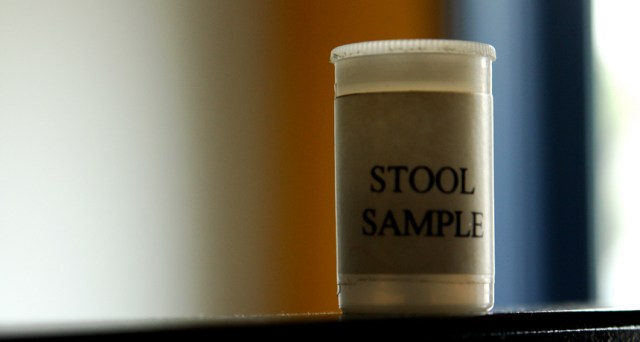
That’s where OpenBiome steps in. The nonprofit offers hospitals fecal samples for $250 that have been prescreened to ensure they are free of pathogens and parasites. Since October, they’ve sent more than 100 samples to a dozen hospitals and clinics, according to an interview with Smith in the Chronicle of Higher Education. Edelstein, who’s studying public affairs at Princeton, and Smith, who’s studying microbiology at MIT, recruited friends and donors and negotiated permissions with the FDA to set up the organization, which houses its samples at MIT. OpenBiome is also offering to collaborate with researchers for long-term follow-up on patients’ microbiomes.

Because FDA considers feces to be a drug in the context of transplants, OpenBiome is providing stool only for treatment of C. difficile. People hoping to shift their microbiomes for other purposes are still out of luck. Until more testing and approval comes through, that leaves open the risk that some people may resort to home transplants.

Let me be very clear about this: Whipping up an enema of your friend’s stool is a terrible idea.There are excellent reasons why people normally avoid poop: It can carry pathogens and parasites that cause serious disease. Even a donor who appears perfectly healthy might be carrying around bacteria or viruses that his or her immune system or particular microbiome mix is able to deal with. Your mileage may vary.

Your genetics, your immune system, your diet and environment — all these things create the ecology of your insides, making it hard to predict what your outcome might be. What’s more, you may need to make other medically supervised changes along with the transplant. Research on microbiome links to obesity, for instance, suggests that a new “skinny” microbiome has to be accompanied by a switch to a diet lower in fat and calories, or else the new microbes will just be outcompeted.

These dangers and complicating factors are why a supply of prescreened stool is so important. The procedures need to be done under medical supervision, and when done right the results look really promising. The recently tested pill approach avoids some of the yuck factor of fecal transplants, but most transplants are done via an enema, colonoscopy or nose tube to the gut.

If you get transplant material from OpenBiome, you’ll have to submit to one of the usual transplant methods rather than a pill, but you can rest assured you’re getting high-quality stuff. Not only are the samples screened, the donors are among the best and brightest: a few young researchers and scientists from Harvard and MIT.

Introducing the first bank of feces

Thanks to Jody Troupe for bringing this to the attention of the It’s Interesting community.

LSD’s ability to make minds malleable revisited

Could taking LSD help people make peace with their neuroses?

Psychiatrists in the 1960s certainly thought so. They carried out many studies looking at the effect of LSD and other psychedelics on people undergoing psychotherapy for schizophrenia, OCD and alcoholism.

The idea was that the drug would mimic the effect of hypnotherapy, making people more suggestible and open to changing their thought patterns. The results were reportedly positive, but the experiments rarely included control groups and so don’t stand up to modern scrutiny.

The work ground to a halt when recreational use of LSD was banned in 1971 – even though using LSD for research purposes was exempt.

Several decades on and LSD research is less of a contentious issue. This has allowed a team of researchers to revisit LSD’s suggestive powers with more care.

A team at Imperial College London gave 10 healthy volunteers two injections a week apart, either a moderate dose of LSD or a placebo. The subjects acted as their own controls, and didn’t know which dose was which. Two hours after the injection, the volunteers lay down and listened to the researchers describe various scenarios often used in hypnotherapy. They were asked to “think along” with each one. These scenarios included tasting a delicious orange, re-experiencing a childhood memory, or relaxing on the shore of a lake.

“Sometimes the suggestions had a kind of irresistible quality” says team member Robin Carhart-Harris. “In a suggestion which describes heavy dictionaries in the palm of your hand, one of the volunteers said that even though they knew that I was offering a suggestion and it wasn’t real, their arm really ached, and only by letting their arm drop a little bit did the ache go away.”

Once all the scenarios had been read out, the participants had to rate the vividness of the mental experiences they triggered on a standard scale.

The volunteers rated their experiences after taking LSD as 20 per cent more vivid than when they had been injected with the placebo.

Treating neuroses with psychotherapy requires the therapist to be able to influence the patient’s way of viewing themselves and their obsession. Co-author David Nutt, also at Imperial College, says the work suggests that psychedelic-assisted psychotherapy may provide a unique opportunity for the brain to enter the plastic, or malleable, state required for this to happen.

Peter Gasser, a psychiatrist working in Solothurn, Switzerland, who recently conducted the first clinical trial using LSD in over 40 years, commended the study and emphasized the importance of suggestibility for therapy. “The mind on LSD is easily able to make connections between ideas and thoughts,” he says.

Now that the team has verified the historical findings, the path is laid for them to explore the mechanisms underpinning LSD’s effect on consciousness, and the legitimacy of its use in psychotherapy.

Journal reference: Psychopharmacology, DOI: 10.1007/s00213-014-3714-z

http://www.newscientist.com/article/dn26351-lsds-ability-to-make-minds-malleable-revisited.html

Live cricket extracted from a man’s ear

Above is video of what happened when an Indian man went to a doctor complaining of an ear ache.

The doctor told the man, believed to be from Southern India, that he had a two-inch cricket lodged in his ear canal, which was then removed with tweezers as shown.

An expert told the Daily Star that the insect is likely a house cricket.

“These critters are known to be an invasive species, appearing all over the globe,” Michael Sweet, lecturer at the University of Derby and invertebrate biology expert, told the paper.

“It is likely this cricket crawled into the man’s ear while he was sleeping and was just hiding there until night came around.”

It is not believed the pest caused the man any harm.

http://www.aol.com/article/2014/10/09/the-amazing-moment-a-live-cricket-is-extracted-from-a-mans-ear/20975693/

Thanks to Mrs. Lindley for bringing this to the attention of the It’s Interesting community.
NewLink Genetics in Ames, Iowa is closing in on human trials for Ebola vaccine

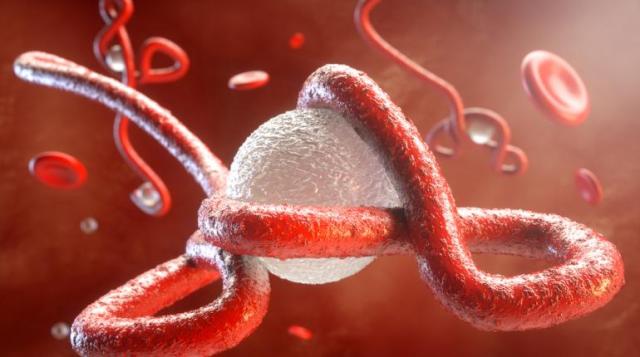
The biotech company NewLink Genetics in Ames, Iowa is closing in on human trials for an Ebola vaccine.

“From the laboratory to moving these first human trials has moved faster than I’ve ever seen anything move before in my professional career,” said Charles Link, CEO of NewLink Genetics.

Link said they are just a few days away from human testing. During Phase 1 of testing, healthy volunteers will be given the vaccine. Researchers will test to see how safe the vaccine is and what dosage is necessary for an immune reaction.

“With a dangerous virus, you don’t ever use the dangerous virus. You basically use a little snippet of it,” said Link.

Link said that snippet is a surface protein you get from Ebola and assures us there is no Ebola is in the vaccine.

“If you get an immune reaction to the surface protein an then it sees the real Ebola, it will attack it,” said Link.

Once those tests are complete, the company will move into Phase 2 where tests focus on how effective and useful the vaccine is. Those tests will be done in West Africa.

Link said he’s hoping it’ll take less than a year, but there’s no real way of telling when the vaccine will be ready for distribution until test results start coming in.

“We want to shorten the process as much as humanely possible within the bounds of safety and the ethics that’s required to conduct these sorts of studies in healthy volunteers,” said Link.

The Phase 1 of the tests will be conducted at the National Institute of Allergy and Infectious Disease and the Walter Reed Army Medical Center.
Ames Company Close to Ebola Vaccine Trials

http://www.cbs2iowa.com/news/features/top-stories/stories/ames-company-close-ebola-vaccine-trials-30679.shtml

Wake Forest scientists are growing penises in the lab.

Penises grown in laboratories could soon be tested on men by scientists developing technology to help people with congenital abnormalities, or who have undergone surgery for aggressive cancer or suffered traumatic injury.

Researchers at the Wake Forest Institute for Regenerative Medicine in Winston-Salem, North Carolina, are assessing engineered penises for safety, function and durability. They hope to receive approval from the US Food and Drug Administration and to move to human testing within five years.

Professor Anthony Atala, director of the institute, oversaw the team’s successful engineering of penises for rabbits in 2008. “The rabbit studies were very encouraging,” he said, “but to get approval for humans we need all the safety and quality assurance data, we need to show that the materials aren’t toxic, and we have to spell out the manufacturing process, step by step.”

The penises would be grown using a patient’s own cells to avoid the high risk of immunological rejection after organ transplantation from another individual. Cells taken from the remainder of the patient’s penis would be grown in culture for four to six weeks.

For the structure, they wash a donor penis in a mild detergent to remove all donor cells. After two weeks a collagen scaffold of the penis is left, on to which they seed the patient’s cultured cells – smooth muscle cells first, then endothelial cells, which line the blood vessels. Because the method uses a patient’s own penis-specific cells, the technology will not be suitable for female-to-male sex reassignment surgery.

“Our target is to get the organs into patients with injuries or congenital abnormalities,” said Atala, whose work is funded by the US Armed Forces Institute of Regenerative Medicine, which hopes to use the technology to help soldiers who sustain battlefield injuries.

As a paediatric urological surgeon, Atala began his work in 1992 to help children born with genital abnormalities. Because of a lack of available tissue for reconstructive surgery, baby boys with ambiguous genitalia are often given a sex-change at birth, leading to much psychological anguish in later life. “Imagine being genetically male but living as a woman,” he said. “It’s a firmly devastating problem that we hope to help with.”

Asif Muneer, a consultant urological surgeon and andrologist at University College hospital, London, said the technology, if successful, would offer a huge advance over current treatment strategies for men with penile cancer and traumatic injuries. At present, men can have a penis reconstructed using a flap from their forearm or thigh, with a penile prosthetic implanted to simulate an erection.

“My concern is that they might struggle to recreate a natural erection,” he said. “Erectile function is a coordinated neurophysiological process starting in the brain, so I wonder if they can reproduce that function or whether this is just an aesthetic improvement. That will be their challenge.”

Atala’s team are working on 30 different types of tissues and organs, including the kidney and heart. They bioengineered and transplanted the first human bladder in 1999, the first urethra in 2004 and the first vagina in 2005.

Professor James Yoo, a collaborator of Atala’s at Wake Forest Institute, is working on bioengineering and replacing parts of the penis to help treat erectile dysfunction. His focus is on the spongy erectile tissue that fills with blood during an erection, causing the penis to lengthen and stiffen. Disorders such as high blood pressure and diabetes can damage this tissue, and the resulting scar tissue is less elastic, meaning the penis cannot fill fully with blood.

“If we can engineer and replace this tissue, these men can have erections again,” said Yoo, acknowledging the many difficulties. “As a scientist and clinician, it’s this possibility of pushing forward current treatment practice that really keeps you awake at night.”

http://www.theguardian.com/science/2014/oct/05/laboratory-penises-test-on-men

A Few Ebola Cases Likely In U.S., Air Traffic Analysis Predicts

by Richard Knox

It’s only a matter of time, some researchers are warning, before isolated cases of Ebola start turning up in developed nations, as well as hitherto-unaffected African countries.

The current Ebola outbreak in West Africa has killed more people than all previous outbreaks combined, the World Health Organization said Wednesday. The official count includes about 3,600 cases and 1,800 deaths across four countries.

Meanwhile, the authors of a new analysis say many countries — including the U.S. — should gear up to recognize, isolate and treat imported cases of Ebola.

The probability of seeing at least one imported case of Ebola in the U.S. is as high as 18 percent by late September, researchers reported Tuesday in the journal PLOS Currents: Outbreaks. That’s compared with less than 5 percent right now.

These predictions are based on the flow of airline passengers from West Africa and the difficulty of preventing an infected passenger from boarding a flight.

As with any such analysis, there’s some uncertainty. The range of a probable U.S. importation of Ebola by Sept. 22 runs from 1 percent to 18 percent. But with time — and a continuing intense outbreak in West Africa — importation is almost inevitable, the researchers told NPR.

“What is happening in West Africa is going to get here. We can’t escape that at this point,” says physicist Alessandro Vespignani, the senior author on the study, who analyzes the spread of infectious diseases at Northeastern University.

To be clear, the projection is for at least one imported case of Ebola — not for the kind of viral mayhem afflicting Guinea, Liberia and Sierra Leone.

“What we could expect, if there is an importation, would be very small clusters of cases, between one and three,” Vespignani says.

But the probability increases as long as the West African epidemics keep growing. And that means U.S. hospitals, doctors and public health officials need to heighten their vigilance.

The same is true for a roster of 16 other nations, from the U.K. to South Africa, which are connected to West Africa through air traffic, Vespignani and his colleagues say.

There’s a 25 to 28 percent chance that an Ebola case will turn up in the U.K. by late September. Belgium, France and Germany will have lower risk. “But it’s not negligible,” Vespignani says. “Sooner or later, they will arrive.”

The probability of imported cases in Africa is higher, not surprisingly. There’s more than a 50 percent probability Ebola will show up in the West African nation of Ghana by late September, according to the study. Gambia, Ivory Coast, Morocco, South Africa and Kenya are among 11 African countries where Ebola could pop up.

Officials at the U.S. Centers for Disease Control and Prevention had a presentation on the numbers on Tuesday. The CDC has deployed teams of personnel in West Africa to help bring Ebola under control. And here at home, the agency is charged with preparing both the U.S. medical system and the American public for the possibility that the deadly virus could sneak into this country.

Biostatistician Ira Longini from the University of Florida agrees that Ebola doesn’t pose a public health threat in the U.S. and other developed nations. But that doesn’t mean that preparation isn’t urgent.

“We certainly need to make sure that staff and leadership of American medical centers understand the implications of Ebola,” says Longini, who also worked on the study. “We need to have diagnostics in place to identify Ebola quickly. We need quite a few local labs to do this and not just rely on sending samples to the CDC. And we need to make sure isolation and quarantine of contacts takes place. If it doesn’t, we could have a small cluster of cases.”

The analysis by Longini, Vespignani and their colleagues takes into account the number of airline passengers coming from West Africa to various countries. For instance, more than 6,000 a week arrive in Britain from Nigeria, many of them originating in other African countries.

Hundreds to several thousands travel every week from West Africa to France, Germany, Spain, Italy, South Africa, Egypt, Saudi Arabia, India, China and other countries.

The researchers calculated the impact of severe restrictions on flights from Ebola-affected regions. An 80 percent reduction in air travelers would do no more than delay the impact of Ebola by a few weeks. (A 100 percent choke-off of air travel is considered impossible.)

“Unless you can completely shut down the transportation systems, these kinds of efforts will, at best, buy you a little time,” Longini says. “And they can be quite counterproductive because you’re interrupting the flow of help, goods and services. It can make the epidemic worse in the country that’s being quarantined.”

The basic problem with confining Ebola is that, like any infectious disease, people can be infected without showing symptoms. In Ebola’s case, the average incubation period is 7 days, though it can be longer. That’s more than enough time for an infected traveler to land on the other side of the world.

Fortunately, an Ebola-infected person can’t infect others unless he’s obviously sick. At that stage, the virus can spread by direct contact with the infected person or bodily fluids. On average, each case of Ebola infects about two other people. That spread rate is similar to that of the flu, and roughly half the rate of smallpox.

Vespignani, from Northeastern University, says screening airline passengers is not going to prevent Ebola from traveling across the globe. “I don’t trust screening too much,” he says. “It’s difficult. Intercepting passengers that are really not sick is not easy.”

http://www.npr.org/blogs/goatsandsoda/2014/09/04/345767439/a-few-ebola-cases-likely-in-u-s-air-traffic-analysis-shows

Thanks to Ray Gaudette for bringing this to the attention of the It’s Interesting community.