
New research shows that high salt diet suppresses weight gain in mice on a high fat diet


Dr. Justin Grobe, PhD


Dr. Michael Lutter, MD PhD

In a study that seems to defy conventional dietary wisdom, University of Iowa scientists have found that adding high salt to a high-fat diet actually prevents weight gain in mice.

As exciting as this may sound to fast food lovers, the researchers caution that very high levels of dietary salt are associated with increased risk for cardiovascular disease in humans. Rather than suggest that a high salt diet is suddenly a good thing, the researchers say these findings really point to the profound effect non-caloric dietary nutrients can have on energy balance and weight gain.

“People focus on how much fat or sugar is in the food they eat, but [in our experiments] something that has nothing to do with caloric content – sodium – has an even bigger effect on weight gain,” say Justin Grobe, PhD, assistant professor of pharmacology at the UI Carver College of Medicine and co-senior author of the study, which was published in the journal Scientific Reports on June 11.

The UI team started the study with the hypothesis that fat and salt, both being tasty to humans, would act together to increase food consumption and promote weight gain. They tested the idea by feeding groups of mice different diets: normal chow or high-fat chow with varying levels of salt (0.25 to 4 percent). To their surprise, the mice on the high-fat diet with the lowest salt gained the most weight, about 15 grams over 16 weeks, while animals on the high-fat, highest salt diet had low weight gain that was similar to the chow-fed mice, about 5 grams.

“We found out that our ‘french fry’ hypothesis was perfectly wrong,” says Grobe, who also is a member of the Fraternal Order of Eagles Diabetes Research Center at the UI and a Fellow of the American Heart Association. “The findings also suggest that public health efforts to continue lowering sodium intake may have unexpected and unintended consequences.”

To investigate why the high salt prevented weight gain, the researchers examined four key factors that influence energy balance in animals. On the energy input side, they ruled out changes in feeding behavior – all the mice ate the same amount of calories regardless of the salt content in their diet. On the energy output side, there was no difference in resting metabolism or physical activity between the mice on different diets. In contrast, varying levels of salt had a significant effect on digestive efficiency – the amount of fat from the diet that is absorbed by the body.

“Our study shows that not all calories are created equal,” says Michael Lutter, MD, PhD, co-senior study author and UI assistant professor of psychiatry. “Our findings, in conjunction with other studies, are showing that there is a wide range of dietary efficiency, or absorption of calories, in the populations, and that may contribute to resistance or sensitivity to weight gain.”

“This suppression of weight gain with increased sodium was due entirely to a reduced efficiency of the digestive tract to extract calories from the food that was consumed,” explains Grobe.

It’s possible that this finding explains the well-known digestive ill effects of certain fast foods that are high in both fat and salt, he adds.

Through his research on hypertension, Grobe knew that salt levels affect the activity of an enzyme called renin, which is a component in the renin- angiotensin system, a hormone system commonly targeted clinically to treat various cardiovascular diseases. The new study shows that angiotensin mediates the control of digestive efficiency by dietary sodium.

The clinical usefulness of reducing digestive efficiency for treating obesity has been proven by the drug orlistat, which is sold over-the-counter as Alli. The discovery that modulating the renin-angiotensin system also reduces digestive efficiency may lead to the developments of new anti-obesity treatments.

Lutter, who also is an eating disorders specialist with UI Health Care, notes that another big implication of the findings is that we are just starting to understand complex interactions between nutrients and how they affect calorie absorption, and it is important for scientists investigating the health effects of diet to analyze diets that are more complex than those currently used in animal experiments and more accurately reflect normal eating behavior.

“Most importantly, these findings support continued and nuanced discussions of public policies regarding dietary nutrient recommendations,” Grobe adds.

http://www.eurekalert.org/pub_releases/2015-06/uoih-hsp061115.php

6 Tools to Help Predict Your Life Expectancy

There’s always the Magic 8 Ball, but when it comes to determining life expectancy, some people want a little more scientific help. Thankfully, there are some useful tests and calculators to help us figure out how many more years we have left — at least until the Fountain of Youth is available in pill form. With that in mind, here are six ways to help predict whether you should keep on working and paying the mortgage or just blow it all on a big beach vacation.

Treadmill test
Want to know if you’ll survive the decade? Hop on a treadmill. Johns Hopkins researchers analyzed more than 58,000 stress tests and concluded that the results of a treadmill test can predict survival over the next 10 years. They came up with a formula, called the FIT Treadmill Score, which helps use fitness to predict mortality.

“The notion that being in good physical shape portends lower death risk is by no means new, but we wanted to quantify that risk precisely by age, gender and fitness level, and do so with an elegantly simple equation that requires no additional fancy testing beyond the standard stress test,” says lead investigator Haitham Ahmed, M.D. M.P.H., a cardiology fellow at the Johns Hopkins University School of Medicine.

In addition to age and gender, the formula factors in your ability to tolerate physical exertion — measured in “metabolic equivalents” or METs. Slow walking equals two METs, while running equals eight.

Researchers used the most common treadmill test, called the Bruce Protocol. The test utilizes three-minute segments, starting at 1.7 mph and a 10 percent grade, which slowly increase in speed and grade.

Researchers analyzed information on the thousands of people ages 18 to 96 who took the treadmill test. They tracked down how many of them died for whatever reason over the next decade. They found that fitness level, as measured by METs and peak heart rate reached during exercise, were the best predictors of death and survival, even after accounting for important variables such as diabetes and family history of premature death.

Sitting test
You don’t need special equipment for this adult version of crisscross applesauce that uses flexibility, balance and strength to measure life expectancy. Brazilian physician Claudio Gil Araujo created the test when he noticed many of his older patients had trouble picking things up off the floor or getting out of a chair.

To try, start by standing upright in the middle of a room. Without using your arms or hands for balance, carefully squat into a cross-legged sitting position. Once you’re settled, stand up from the sitting position — again, without using your arms for help.

You can earn up to 10 points for this maneuver. You get five points for sitting, five for standing, and you subtract a point each time you use an arm or knee for leverage or 1/2 point any time you lose your balance or the movement gets clumsy.

The test seems fairly simple, but Araujo found that it was an accurate predictor of life expectancy. He tested it on more than 2,000 of his patients age 51 to 80, and found that those who scored fewer than eight points were twice as likely to die within the next six years. Those who scored three points or even lower were five times more likely to die within the same time frame.

Araujo didn’t have anyone under 50 try the test, so the results won’t mean the same if you’re younger. As MNN’s Bryan Nelson writes, “If you’re younger than 50 and have trouble with the test, it ought to be a wake-up call. The good news is that the younger you are, the more time you have to get into better shape.”

Test your telomeres

A simple test may help determine your “biological age” by measuring the length of your telomeres. Telomeres are protective sections of DNA located at the end of your chromosomes. They’re sometimes compared to the plastic tips of shoelaces that keep the laces from fraying.

Each time a cell replicates, the telomeres become shorter. Some researchers believe that lifespan can be roughly predicted based upon how long your telomeres are. Shorter telomeres hint at a shorter lifespan for cells. Longer telomeres may mean you have more cell replications left.

Originally offered a few years ago only as an expensive — and relatively controversial — blood test in Britain, telomere testing in now available all over the world, and some companies even test using saliva. The results tell you where your telomere lengths fall in relation to other participants your age.

The link between genetics and longevity has been so embraced that testing companies have since been founded by respected scientists and researchers including Nobel laureate Elizabeth Blackburn of UC San Francisco and George Church, director of Harvard University’s Molecular Technology Group.

The increase in the number of at-home tests is getting the attention of concerned federal regulators and other researchers who question whether the science should stay in the lab.

“It is worth doing. It does tell us something. It is the best measure we have” of cellular aging, aging-researcher and Genescient CEO Bryant Villeponteau told the San Jose Mercury News. But testing still belongs in a research setting, he said, not used as a personal diagnostic tool.

As more people take them, he said, “I think the tests will get better, with more potential to learn something.”

Grip strength

Do you have an iron handshake or a limp fish grasp? Your grip strength can be an indicator of your longevity.

Recent research has shown a link between grip strength and your biological age. Hand-grip strength typically decreases as you age, although many studies have shown links between stronger grip strength and increased mortality.

You can keep your grip strong by doing regular hand exercises such as slowly squeezing and holding a tennis or foam ball, then repeating several more times.

Take a sniff

Does every little smell bug you? People who wear too much perfume? Grilled fish in the kitchen? A sensitive sense of smell is good news for your lifespan.

In a study last fall, University of Chicago researchers asked more than 3,000 people to identify five different scents. The found that 39 percent of the study subjects who failed the smelling test died within five years, compared to 19 percent of those with moderate smell loss and just 10 percent of those with a healthy sense of smell.

“We think loss of the sense of smell is like the canary in the coal mine,” said the study’s lead author Jayant M. Pinto, M.D., an associate professor of surgery at the University of Chicago who specializes in the genetics and treatment of olfactory and sinus disease. “It doesn’t directly cause death, but it’s a harbinger, an early warning that something has gone badly wrong, that damage has been done. Our findings could provide a useful clinical test, a quick and inexpensive way to identify patients most at risk.”

Life expectancy calculator

There are many online calculators that can serve up you estimated last birthday — thanks to some fancy algorithms. Some only take into account a few simple factors such as your age, height and weight. The better ones consider a range of variables including family health history, diet and exercise practices, marital and education status, smoking, drinking and sex habits, and even where you live.

Enter as much data as you can into an online form, like this one from researchers at the University of Pennsylvania, and click to get your results: http://gosset.wharton.upenn.edu/mortality/perl/CalcForm.html

Read more: http://www.mnn.com/health/fitness-well-being/stories/6-tools-to-help-predict-how-long-youll-live#ixzz3WScKjbUW

The Health Concerns in Wearable Tech

In 1946, a new advertising campaign appeared in magazines with a picture of a doctor in a lab coat holding a cigarette and the slogan, “More doctors smoke Camels than any other cigarette.” No, this wasn’t a spoof. Back then, doctors were not aware that smoking could cause cancer, heart disease and lung disease.

In a similar vein, some researchers and consumers are now asking whether wearable computers will be considered harmful in several decades’ time.

We have long suspected that cellphones, which give off low levels of radiation, could lead to brain tumors, cancer, disturbed blood rhythms and other health problems if held too close to the body for extended periods.

Yet here we are in 2015, with companies like Apple and Samsung encouraging us to buy gadgets that we should attach to our bodies all day long.

While there is no definitive research on the health effects of wearable computers (the Apple Watch isn’t even on store shelves yet), we can hypothesize a bit from existing research on cellphone radiation.

The most definitive and arguably unbiased results in this area come from the International Agency for Research on Cancer, a panel within the World Health Organization that consisted of 31 scientists from 14 countries.

After dissecting dozens of peer-reviewed studies on cellphone safety, the panel concluded in 2011 that cellphones were “possibly carcinogenic” and that the devices could be as harmful as certain dry-cleaning chemicals and pesticides. (Note that the group hedged its findings with the word “possibly.”)

The W.H.O. panel concluded that the farther away a device is from one’s head, the less harmful — so texting or surfing the Web will not be as dangerous as making calls, with a cellphone inches from the brain. (This is why there were serious concerns about Google Glass when it was first announced and why we’ve been told to use hands-free devices when talking on cellphones.)

A longitudinal study conducted by a group of European researchers and led by Dr. Lennart Hardell, a professor of oncology and cancer epidemiology at Orebro University Hospital in Sweden, concluded that talking on a mobile or cordless phone for extended periods could triple the risk of a certain kind of brain cancer.

There is, of course, antithetical research. But some of this was partly funded by cellphone companies or trade groups.

One example is the international Interphone study, which was published in 2010 and did not find strong links between mobile phones and an increased risk of brain tumors. The Centers for Disease Control and Prevention concluded in 2014 that “more research is needed before we know if using cell phones causes health effects.”

Continue reading the main story
Another study, in The BMJ, which measured cellphone subscription data rather than actual use, said there was no proof of increased cancer. Yet even here, the Danish team behind the report acknowledged that a “small to moderate increase” in cancer risk among heavy cellphone users could not be ruled out.

But what does all this research tell the Apple faithful who want to rush out and buy an Apple Watch, or the Google and Windows fanatics who are eager to own an alternative smartwatch?

Dr. Joseph Mercola, a physician who focuses on alternative medicine and has written extensively about the potential harmful effects of cellphones on the human body, said that as long as a wearable does not have a 3G connection built into it, the harmful effects are minimal, if any.

“The radiation really comes from the 3G connection on a cellphone, so devices like the Jawbone Up and Apple Watch should be O.K.,” Dr. Mercola said in a phone interview. “But if you’re buying a watch with a cellular chip built in, then you’ve got a cellphone attached to your wrist.” And that, he said, is a bad idea.

(The Apple Watch uses Bluetooth and Wi-Fi to receive data, and researchers say there is no proven harm from those frequencies on the human body. Wearables with 3G or 4G connections built in, including the Samsung Gear S, could be more harmful, though that has not been proved. Apple declined to comment for this article, and Samsung could not be reached for comment.)

Researchers have also raised concerns about having powerful batteries so close to the body for extended periods of time. Some reports over the last several decades have questioned whether being too close to power lines could cause leukemia (though other research has also negated this).

So what should consumers do? Perhaps we can look at how researchers themselves handle their smartphones.

While Dr. Mercola is a vocal proponent of cellphone safety, he told me to call him on his cell when I emailed about an interview. When I asked him whether he was being hypocritical, he replied that technology is a fact of life, and that he uses it with caution. As an example, he said he was using a Bluetooth headset during our call.

In the same respect, people who are concerned about the possible side effects of a smartwatch should avoid placing it close to their brain (besides, it looks a little strange). But there are some people who may be more vulnerable to the dangers of these devices: children.

While researchers debate about how harmful cellphones and wearable computers actually are, most agree that children should exercise caution.

Continue reading the main story
In an email, Dr. Hardell sent me research illustrating that a child’s skull is thinner and smaller than an adult’s, which means that children’s brain tissues are more exposed to certain types of radiation, specifically the kind that emanates from a cellphone.

Children should limit how much time they spend talking on a cellphone, doctors say. And if they have a wearable device, they should take it off at night so it does not end up under their pillow, near their brain. Doctors also warn that women who are pregnant should be extra careful with all of these technologies.

But what about adults? After researching this column, talking to experts and poring over dozens of scientific papers, I have realized the dangers of cellphones when used for extended periods, and as a result I have stopped holding my phone next to my head and instead use a headset.

That being said, when it comes to wearable computers, I’ll still buy the Apple Watch, but I won’t let it go anywhere near my head. And I definitely won’t let any children I know play with it for extended periods of time.While researchers debate about how harmful cellphones and wearable computers actually are, most agree that children should exercise caution.

In an email, Dr. Hardell sent me research illustrating that a child’s skull is thinner and smaller than an adult’s, which means that children’s brain tissues are more exposed to certain types of radiation, specifically the kind that emanates from a cellphone.

Children should limit how much time they spend talking on a cellphone, doctors say. And if they have a wearable device, they should take it off at night so it does not end up under their pillow, near their brain. Doctors also warn that women who are pregnant should be extra careful with all of these technologies.

But what about adults? After researching this column, talking to experts and poring over dozens of scientific papers, I have realized the dangers of cellphones when used for extended periods, and as a result I have stopped holding my phone next to my head and instead use a headset.

That being said, when it comes to wearable computers, I’ll still buy the Apple Watch, but I won’t let it go anywhere near my head. And I definitely won’t let any children I know play with it for extended periods of time.

How Much Sleep Should You Get? New Recommendations Released

There are new recommendations for how much time people should spend snoozing.

The new guidelines, released by the National Sleep Foundation, include small changes to the recommended ranges for the amount of sleep that children and teens should get. Most of the new advice recommends wider sleep ranges than before. Now, there are also specific sleep ranges for young and older adults, as well as for middle-age adults. Previously, the National Sleep Foundation had a single sleep recommendation for all adults.

To come up with the recommendations, a panel of experts reviewed more than 300 scientific studies on sleep — including studies of the health effects of getting too little or too much sleep — that were published between 2004 and 2014. Here are the new recommended sleep duration ranges for each age group:

• Newborns (up to 3 months old): 14 to 17 hours a day. (Previously, the recommendation was 12 to 18 hours daily.)
• Infants (4 to 11 months): 12 to 15 hours. (Previously, the recommendation was 14 to 15 hours.)
• Toddlers (ages 1 to 2): 11 to 14 hours. (Previously, the recommendation was 12 to 14 hours.)
• Preschoolers (ages 3 to 5): 10 to 13 hours. (Previously, the recommendation was 11 to 13 hours.)
• School-age children (ages 6 to 13): 9 to 11 hours. (Previously, the recommendation was 10 to 11 hours.)
• Teenagers (ages 14 to 17): 8 to 10 hours. (Previously, the recommendation was 8.5 to 9.5 hours.)
• Younger adults (ages 18 to 25): 7 to 9 hours (new age category)
• Adults (ages 26 to 64): 7 to 9 hours (same recommendation as before)
• Older adults (ages 65 and older): 7 to 8 hours (new age category)

“The National Sleep Foundation Sleep Duration Recommendations will help individuals make sleep schedules that are within a healthy range. They also serve as a useful starting point for individuals to discuss their sleep with their health care providers,” David Cloud, CEO of the National Sleep Foundation, said in a statement.

The panel also acknowledged that some people may naturally sleep for shorter or longer periods than the recommendations call for, without experiencing adverse health consequences. For this reason, the recommendations also include sleep ranges that “may be appropriate for some individuals.”

The panel also acknowledged that some people may naturally sleep for shorter or longer periods than the recommendations call for, without experiencing adverse health consequences. For this reason, the recommendations also include sleep ranges that “may be appropriate for some individuals.”

For example, although the NSF recommends that adults ages 26 to 64 sleep 7 to 9 hours, it may be appropriate for some people to sleep for as little as 6 hours, or as long as 10 hours, the guidelines say.

However, “individuals with sleep durations far outside the normal range may be engaging in volitional sleep restriction, or have serious health problems,” the recommendations say.

Too little sleep has been linked with health problems, including obesity and high blood pressure, as well as decreased productivity and drowsy driving, the NSF says. Too much sleep has been linked with health conditions as well, including heart disease and premature death.

A full chart of the recommendations is available from the National Sleep Foundation. The guidelines were released yesterday Feb. 2, and were published in Sleep Health: The Official Journal of the National Sleep Foundation.

The National Sleep Foundation is a non-profit organization that advocates for sleep-related research and education. It accepts funding from corporations involved in healthcare and consumer products, but the organization says that it accepts such money only on an unrestricted basis, meaning the corporations giving the money do not influence the ideas and content published or promoted by the research.

http://www.livescience.com/49676-new-sleep-recommendations.html

Sitting too much may be twice as dangerous for your health as being obese.

There’s been a fast growing body of evidence in the last several years that lack of exercise – or sedentariness – is a major risk factor in health. It’s been linked to heart disease, cancer, and to an early death. And now, a new study finds that lack of exercise may actually be even more of a risk than obesity in early mortality: The researchers calculate that a sedentary lifestyle may actually confer twice the risk of death as being obese. That said, the two are both important and, luckily, closely related: So if you start getting active, you’ll probably lose a little weight along the way, which itself is a very good thing.

The new study looked at data from over 334,000 people who participated in the European Prospective Investigation into Cancer and Nutrition (EPIC) Study. Over a period of 12 years, the participants’ height, weight, and waist circumferences were tracked, along with self-reports of activity levels, both at work and in free time. All-cause mortality (i.e., death from any cause) was the main outcome of interest.

It turned out that lack of physical activity was linked to the greatest risk of death – and the greatest reduction in death risk was in the difference between the lowest two activity groups. In other words, just moving from “inactive” to “moderately inactive” showed the largest reduction in death risk, especially for normal weight people, but true for people of all body weights. And, the authors say, just taking a brisk 20-minute walk per day can move you from one category to the other, and reduce the risk of death anywhere from 16% to 30%.

Using a statistical model, the team also calculated that being sedentary may account for double the death risk of obesity. According to their math, of the 9.2 million deaths in Europe in 2008, about 337,000 were attributable to obesity, whereas 676,000 were attributable to sedentariness.

Another takeaway from the study, however, is that waist circumference is a bigger player in mortality risk than overall body weight, which has certainly been suggested by previous studies. Belly fat seems to be disproportionately linked to chronic health issues like heart disease, stroke, diabetes, cancer, and of course, early mortality. So reducing belly fat is always a significant benefit to one’s health.

“This large study is rather complex in its details, but the take-away messages are actually both clear and simple,” says David L, Katz, Director of the Yale University Prevention Research CenterGriffin Hospital. “At any given body weight, going from inactive to active can reduce the risk of premature mortality substantially. At any given level of activity, going from overweight to a more optimal weight can do the same. We have long known that not all forms of obesity are equally hazardous, and this study reaffirms that. Losing weight if you have an excess around the middle, where it is most dangerous, exerts an influence on mortality comparable to physical activity. Losing excess weight that is not associated with a high waist circumference reduces mortality risk, but less — as we would expect.”

But perhaps the main point in all of this is that being active and being a healthy weight are inextricably linked. Though activity by itself can offer an immediate health benefit if you remain overweight, getting active also leads naturally to loss of body weight. “This study reminds that being both fit and unfat are good for health,” says Katz, “and can add both life to years, and years to life. These are not really disparate challenges, since the physical activity that leads to fitness is on the short list of priorities for avoiding fatness as well. The challenge before us now is for our culture to make it easier to get there from here.”

Earlier this month a study showed that the concept of “healthy obesity” may be very misleading, since health markers in an obese person tend to deteriorate over time. Though the current study suggests that fitness may matter more than fatness, the two are really two sides of a coin: It would be silly to become active and not lose weight — and it would be very hard to do, since the one leads to the other. But perhaps given the great benefits of exercise alone, public health campaigns should focus not just on losing weight, but on encouraging people to add just small amounts physical activity to their lives right off the bat, and to see where it goes from there.

http://www.forbes.com/sites/alicegwalton/2015/01/15/is-lack-of-exercise-worse-for-your-health-than-obesity/

How stress can clog your arteries

By Sarah C. P. Williams

There’s a reason people say “Calm down or you’re going to have a heart attack.” Chronic stress—such as that brought on by job, money, or relationship troubles—is suspected to increase the risk of a heart attack. Now, researchers studying harried medical residents and harassed rodents have offered an explanation for how, at a physiological level, long-term stress can endanger the cardiovascular system. It revolves around immune cells that circulate in the blood, they propose.

The new finding is “surprising,” says physician and atherosclerosis researcher Alan Tall of Columbia University, who was not involved in the new study. “The idea has been out there that chronic psychosocial stress is associated with increased cardiovascular disease in humans, but what’s been lacking is a mechanism,” he notes.

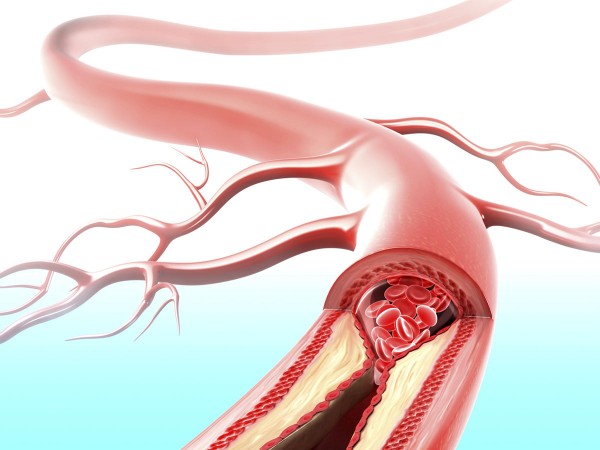
Epidemiological studies have shown that people who face many stressors—from those who survive natural disasters to those who work long hours—are more likely to develop atherosclerosis, the accumulation of fatty plaques inside blood vessels. In addition to fats and cholesterols, the plaques contain monocytes and neutrophils, immune cells that cause inflammation in the walls of blood vessels. And when the plaques break loose from the walls where they’re lodged, they can cause more extreme blockages elsewhere—leading to a stroke or heart attack.

Studying the effect of stressful intensive care unit (ICU) shifts on medical residents, biologist Matthias Nahrendorf of Harvard Medical School in Boston recently found that blood samples taken when the doctors were most stressed out had the highest levels of neutrophils and monocytes. To probe whether these white blood cells, or leukocytes, are the missing link between stress and atherosclerosis, he and his colleagues turned to experiments on mice.

Nahrendorf’s team exposed mice for up to 6 weeks to stressful situations, including tilting their cages, rapidly alternating light with darkness, or regularly switching the mice between isolation and crowded quarters. Compared with control mice, the stressed mice—like stressed doctors—had increased levels of neutrophils and monocytes in their blood.

The researchers then homed in on an explanation for the higher levels of immune cells. They already knew that chronic stress increases blood concentrations of the hormone noradrenaline; noradrenaline, Nahrendorf discovered, binds to a cell surface receptor protein called β3 on stem cells in the bone marrow. In turn, the chemical environment of the bone marrow changes and there’s an increase in the activity of the white blood cells produced by the stem cells.

“It makes sense that stress wakes up these immune cells because an enlarged production of leukocytes prepares you for danger, such as in a fight, where you might be injured,” Nahrendorf says. “But chronic stress is a different story—there’s no wound to heal and no infection.”

In mice living with chronic stress, Nahrendorf’s team reported today in Nature Medicine, atherosclerotic plaques more closely resemble plaques known to be most at risk of rupturing and causing a heart attack or stroke. When the scientists blocked the β3 receptor, though, stressed mice not only had fewer of these dangerous plaques, but also had reduced levels of the active immune cells in their plaques, pinpointing β3 as a key link between stress and atheroscelerosis.

The finding could lead to new drugs to help prevent cardiovascular disease, suggests biologist Lynn Hedrick of the La Jolla Institute for Allergy and Immunology in San Diego, California. “I think this gives us a really direct hint that the β3 receptor is important in regulating the stress-induced response by the bone marrow,” Hedrick says. “If we can develop a drug that targets the receptor, this may be very clinically relevant.”

More immediately, the new observations suggest a way that clinicians could screen patients for their risk of atherosclerosis, heart attack, and stroke, Tall says. “Rather than asking four questions about stress levels, we could use their white blood cell counts to monitor psychosocial stress,” he says.

Thanks to Dr. Rajadhyaksha for bringing this to the attention of the It’s Interesting community.

http://news.sciencemag.org/biology/2014/06/how-stress-can-clog-your-arteries