Medieval ‘vampire skull’


In a mass grave dating to the 1500s on the Venetian island of Lazzaretto Nuovo, this skull of a woman was found with a brick shoved in its mouth. Researchers think gravediggers came upon the skeleton and feared she was a vampire.

by Heather Whipps

The remains of a medieval “vampire” have been discovered among the corpses of 16th century plague victims in Venice, according to an Italian archaeologist who led the dig.

The body of the woman was found in a mass grave on the Venetian island of Lazzaretto Nuovo. Suspecting that she might be a vampire, a common folk belief at the time, gravediggers shoved a rock into her skull to prevent her from chewing through her shroud and infecting others with the plague, said anthropologist Matteo Borrini of the University of Florence.

In the absence of medical science, vampires were just one of many possible contemporary explanations for the spread of the Venetian plague in 1576, which ran rampant through the city and ultimately killed up to 50,000 people, some officials estimate.

Italy’s famous canal city wasn’t really overrun with medieval Draculas, however.

With hundreds of Venetians dying every day, gravediggers likely just misinterpreted the corpses they saw at varying levels of decomposition while reopening fresh mass graves, said Borrini.

The “stages which reduce the corpse to a skeleton were poorly known because they happen in the grave,” Borrini told LiveScience. “Graves were usually reopened after years, when the body had completely turned into a skeleton.”

Death exposed

Vampire superstition was already part of European culture by the time the bubonic plague reappeared on the continent in sporadic outbreaks throughout the late 1500s. The classic folkloric image of the undead, bloodsucking vampire likely originated in Eastern Europe and spread westwards, historians say, blending and morphing with local beliefs as it went.

Ignorance about the natural stages of decomposition probably fed the original vampire myths, Borrini said, noting that historical documentation of vampires harped on the oddly life-like appearance of recently buried bodies.

“There are some recurring aspects in vampire exhumation reports (usually written in the 17th and 18th century by church-goers and well-educated men, and sometimes even by scientists): uncorrupted corpse, pliable limbs, smooth and tensed skin, renewed beard and nails,” Borrini said. At the time “death was linked to a cold and stiff corpse, or to a blanched skeleton (dry bones),” he said, so evidence of anything to the contrary was considered worrisome when the rare body was exhumed for examination.

In the middle of the plague in Venice, however, victims were being dumped into mass graves such as the one on Lazzaretto Nuovo very regularly, exposing bodies at every gruesome stage of decay.

Frightened gravediggers

A phenomenon that occurs early on in the process of decomposition – abdominal bloating – is what likely concerned the Venetian gravediggers, Borrini said. When humans die, the body releases a myriad of bacterial gases that cause a corpse to bloat with fluid, usually just a few days after death in the absence of any kind of preservation or protection from coffins.

“During this phase, the decay of the gastrointestinal tract contents and lining create a dark fluid called ‘purge fluid’; it can flow freely from the nose and mouth…and it could easily be confused with the blood sucked by the vampire,” said Borrini.

If the “vampire” woman was emitting blood from her mouth, the fluid likely moistened her burial shroud causing it to sink into her jaw cavity and be dissolved by the fluids, Borrini said, making it appear as though she was trying to bite through her shroud. When discovered in that state, a stone was jammed into her mouth as a kind of exorcism to prevent her from potentially spreading the disease further, the researchers think.

Medieval skeletons have been found in a similar state in other parts of Europe, Borrini said.

Bad times = superstition

It is difficult to decipher whether the brick-in-mouth tactic discovered in Venice was truly based on a deep fear of vampires or was merely extra precaution in troubled times, Borrini acknowledged.

“From a forensic point of view, we can accept the reports about the ‘vampire corpses’ as real descriptions, but we can also realize why those legends spread especially during plagues,” Borrini said. The mere fact that tombs and mass graves were reopened so frequently during pandemics to bury new victims of a disease, exposing partially decomposed bodies, only increased “dread and superstition among people who were already suffering pestilence and massive death,” he said.

Borrini presented his findings to a recent meeting of the American Association of Forensic Sciences, along with forensic orthodontist Emilio Nuzzolese.

http://www.livescience.com/3374-medieval-vampire-skull.html

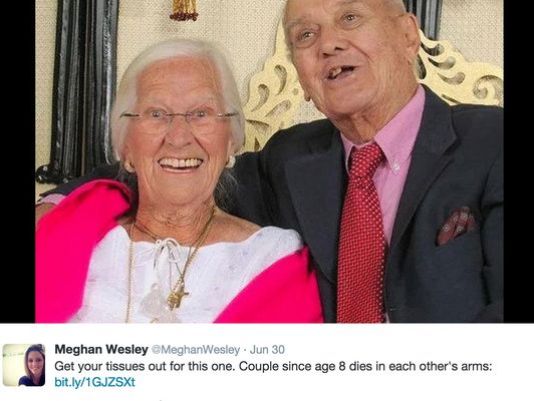
Couple married 75 years die in each other’s arms

A California couple, married for three-quarters of a century, took their “til death do us part” vow seriously, passing away in each other’s arms last month.

Jeanette and Alexander Toczko were born in 1919, met when they were just 8 years old and fell in love immediately, their children told KGTV in San Diego.

The couple married in 1940 and moved to San Diego in 1970, according to their daughter, Aimee Toczko-Cushman. She told KGTV that her parents couldn’t bear the thought of being apart and said they hoped to one day die in their bed, holding hands.

“Their hearts beat as one from as long as I can remember,” Toczko-Cushman said.

Until recently Alexander, 95, was healthy and playing golf every day, their son, Richard Toczko, told the news station.

“He must have fallen. He broke his hip,” Toczko said. He told KGTV that his father never fully recovered and his health began fading quickly.

Unwilling to keep their parents apart, they had hospice bring Alexander Toczko’s bed into the couple’s home and place it beside his wife.

On June 17, he passed away.

“And he died in her arms, which is exactly what he wanted,” Toczko-Cushman told KGTV. “I went in there and told my mother he was gone; she hugged him and she said, ‘See this is what you wanted. You died in my arms, and I love you. I love you, wait for me, I’ll be there soon.’ ”

Within 24 hours, she passed away, holding her husband’s hand.

The couple was buried on June 29.

http://www.freep.com/story/news/2015/07/03/couple-dies-in-each-others-arms/29662581/

Antechinus mate until the point of death

The antechinus is a small, shrewlike marsupial indigenous to Australia and New Guinea. These animals are best known for their odd practice of having sex until it kills them, but what else does their mating behavior entail?

There are currently 15 known species of antechinus (animals in the Antechinus genus) living in the forests and woodlands of Australia and New Guinea, five of which were discovered since 2012, said Andrew Baker, a mammal ecologist at the Queensland University of Technology in Australia and leader of the group that made the discoveries.

Generally speaking, antechinus are loners that stick to themselves until the breeding season nears.

Antechinus breed during the Australian winter, when their food — small vertebrates and invertebrates — is scarce. This timing ensures their babies will be born in the spring, when food is bountiful.

Interestingly, males stop producing sperm before the mating season begins.

It’s not clear how sexually mature males and females find mates, but Baker suspects scent, and pheromones, are involved. And as with many other species, males likely roam longer and wider in search of sex, he said.

Baker also suspects that male-male fighting is probably common among antechinuses. “They have surging testosterone levels that tend to make them very aggressive,” Baker said.

Antechinus don’t bother wasting time with wooing mates or engaging in courtship rituals. Instead, they prefer to get down to business immediately.

In fact, a male has no issue with resorting to ambush mating, during which he will catch hold of a female from behind and mate with her while grabbing the scruff of her neck with his forepaws and biting her neck.

It’s not uncommon to find females with tufts of fur around the neck area missing, Baker said, adding that females are fine with the rough ambush as long as they have an opportunity to mate with other males afterward.

Both male and female antechinus are promiscuous, and will try to mate with numerous partners throughout the breeding period. However, to increase their chances of fathering offspring, males will mate with females for as long as possible.

Scientists have documented antechinus copulation events lasting for 10, 12 and even 14 hours. “That’s intermittent thrusting between just one male and one female,” Baker said. When not thrusting, the male will guard the female, keeping her from getting away (and looking for other mates) and other males from getting to her.

Anetchinus will mate continuously for the entire breeding period, which lasts, on average, about two weeks. This activity takes a toll on the male’s body.

The sustained high levels of testosterone stop the production of cortisol from being turned off, allowing males to burn more sugar, Baker said. “It frees them from the need to feed as often, but the downside is that cortisol in sustained levels is poisonous,” he said.

Over time, the males will start to behave erratically, bleed internally, lose fur, develop sores and ulcers that don’t heal, become blind, and develop high parasite loads as their immune system shuts down. “They are like a blank slate for every parasite and disease going around,” Baker said.

It’s rare for a male to survive the breeding period.

Females, on the other hand, may die of exhaustion after weaning their litter, which have multiple paternities. Less than 50 percent of females make it to their second breeding season, and only a very small percentage make it to their third, Baker said.

http://www.livescience.com/51371-animal-sex-antechinus.html

Map of the most unusual way that people die in each of the United States

Every one of us will die someday, but not necessarily in an interesting way. Courtesy of the Centers for Disease Control and Prevention, here’s a map you can use to figure out just what kind of unusual causes of death occur in your state.

The CDC recently released an infographic of the “most distinctive causes of death” in each of the 50 states. The peer-reviewed paper, which was published on the CDC’s website, details which cause of death in each state sticks out when compared to the national average. The authors write that the results, which used data from 2000 to 2010, were intended to give a “more nuanced view of mortality variation” across the country.

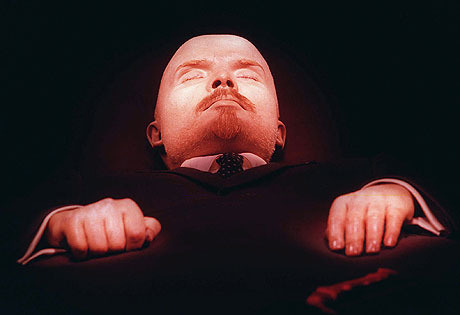
Lenin’s Body Improves with Age

Russian scientists have developed experimental embalming methods to maintain the look, feel and flexibility of the Soviet Union’s founder’s body, which is 145 years old.

For thousands of years humans have used embalming methods to preserve dead bodies. But nothing compares with Russia’s 90-year-old experiment to preserve the body of Vladimir Lenin, communist revolutionary and founder of the Soviet Union. Generations of Russian scientists have spent almost a century fine-tuning preservation techniques that have maintained the look, feel and flexibility of Lenin’s body. This year Russian officials closed the Lenin Mausoleum in Moscow’s Red Square so that scientists could prepare the body for public display again in time for the Soviet leader’s 145th birthday anniversary today.

The job of maintaining Lenin’s corpse belongs to an institute known in post-Soviet times as the Center for Scientific Research and Teaching Methods in Biochemical Technologies in Moscow. A core group of five to six anatomists, biochemists and surgeons, known as the “Mausoleum group,” have primary responsibility for maintaining Lenin’s remains. (They also help maintain the preserved bodies of three other national leaders: the Vietnamese leader Ho Chi Minh and the North Korean father–son duo of Kim Il-sung and Kim Jong-il, respectively.) The Russian methods focus on preserving the body’s physical form—its look, shape, weight, color, limb flexibility and suppleness—but not necessarily its original biological matter. In the process they have created a “quasibiological” science that differs from other embalming methods. “They have to substitute occasional parts of skin and flesh with plastics and other materials, so in terms of the original biological matter the body is less and less of what it used to be,” says Alexei Yurchak, professor of social anthropology at the University of California, Berkeley. “That makes it dramatically different from everything in the past, such as mummification, where the focus was on preserving the original matter while the form of the body changes,” he adds.

Yurchak has been writing a book describing the history of Lenin’s body, the history of the science that arose around it, and the political role that the body and science have played in the Soviet and post-Soviet eras. Much of his material comes from original interviews with Russian researchers working at the “Lenin Lab” (Yurchak’s nickname for the institute). He has already published a paper on this project in the journal Representations, and previously published a book, “Everything Was Forever, until It Was No More: The Last Soviet Generation.”

When Lenin died in January 1924, most Soviet leaders opposed the idea of preserving his body beyond a temporary period of public display. Many envisioned a burial in a closed tomb on Moscow’s Red Square. But the cold winter kept Lenin’s publicly displayed corpse in fair condition for almost two months as huge crowds waited to pay their respects. That also gave the leaders time to reconsider the idea of preserving the body for a longer period. To avoid any association of Lenin’s remains with religious relics, they publicized the fact that Soviet science and researchers were responsible for preserving and maintaining it.

The leaders eventually agreed to try an experimental embalming technique developed by anatomist Vladimir Vorobiev and biochemist Boris Zbarsky. The first embalming experiment lasted from late March to late July in 1924. Such an effort was complicated by the fact that the physician who carried out Lenin’s autopsy had already cut the body’s major arteries and other blood vessels. An intact circulatory system could have helped deliver embalming fluids throughout the body.

Lenin Lab researchers eventually developed microinjection techniques that used single needles to deliver embalming fluids to certain bodily parts, preferentially places where cuts or scars from past treatments already existed, Yurchak says. They also created a double-layered rubber suit to keep a thin layer of embalming fluid covering Lenin’s body during public display; a regular suit of clothes fits over the rubber suit. The body gets reembalmed once every other year; a process that involves submerging the body in separate solutions of glycerol solution baths, formaldehyde, potassium acetate, alcohol, hydrogen peroxide, acetic acid solution and acetic sodium. Each session takes about one and a half months.

Such painstaking maintenance goes above and beyond common embalming methods used to preserve bodies for funerals and medical education. “Most embalming uses a mix of formaldehyde and alcohol or water, which is called formalin,” says Sue Black, director of the Center for Anatomy and Human Identification at the University of Dundee in Scotland. “This has good preservation qualities and has good antifungal properties. Bodies embalmed in this way have a shelf life of tens of years.”

Both conventional embalmers and the Lenin Lab face several common challenges, Black explains. Bodies must be kept from drying out so that they don’t mummify. Heavy use of formalin can also turn human tissue the color of “canned tuna fish,” which is why funeral embalmers use colorants in their embalming fluids to make the recently deceased look a healthy pink. Funeral embalmers also apply cosmetics for temporary funeral displays prior to burial.

But bodies preserved in formalin become discolored, stiff and fragile over the long run. A modern alternative called the Thiel soft-fix method combines a different mix of liquids—including nitrate salts—to maintain the natural color, feel and flexibility of the tissues. Such a method is useful for medical education and training. “Plastination,” a technique popularized by Body Worlds exhibits around the world, replaces all the liquid in bodies with a polymer to transform bodies into hard, static sculptures frozen in time.

Although such modern approaches were not available to the Lenin Lab, a technique such as plastination would not have been acceptable in any case, because it creates unnatural stiffness in preserved bodies. To maintain the precise condition of Lenin’s body, the staff must perform regular maintenance on the corpse and sometimes even replace parts with an excruciating attention to detail. Artificial eyelashes have taken the place of Lenin’s original eyelashes, which were damaged during the initial embalming procedures. The lab had to deal with mold and wrinkles on certain parts of Lenin’s body, especially in the early years. Researchers developed artificial skin patches when a piece of skin on Lenin’s foot went missing in 1945. They resculpted Lenin’s nose, face and other parts of the body to restore them to their original feel and appearance. A moldable material made of paraffin, glycerin and carotene has replaced much of the skin fat to maintain the original “landscape” of the skin.

At the height of activity from the 1950s to the 1980s, the lab employed up to 200 people who did research on subjects ranging from the aging of skin cells to skin transplantation methods, Yurchak says. The institute temporarily lost government funding in the 1990s after the fall of the Soviet Union, but survived on private contributions until government money returned at more modest levels.

During his book research, Yurchak discovered that the Lenin Lab’s efforts have even led to spinoff medical applications. One technique influenced Russian development of special equipment used to keeping the blood flowing through donor kidneys during transplantation. In another case veteran lab researcher Yuri Lopukhin and several colleagues developed a “noninvasive three-drop test” to measure cholesterol in skin tissue in the late 1980s. The Russian invention eventually received a patent in 2002 and was commercialized by the Canadian company PreVu as “the world’s first and only noninvasive skin cholesterol test” for patient home care. That’s one legacy of Lenin that neither the Soviets nor the West could have imagined a century ago.

An axon self-destruct mechanism that kills neurons

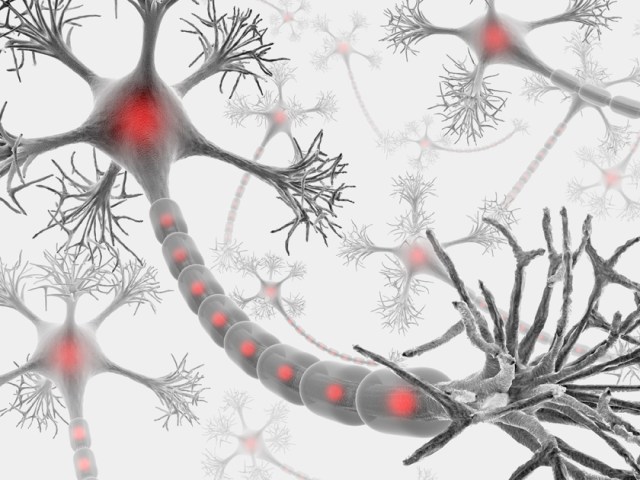
Just as losing a limb can spare a life, parting with a damaged axon by way of Wallerian degeneration can spare a neuron. A protein called SARM1 acts as the self-destruct button, and now researchers led by Jeffrey Milbrandt of Washington University Medical School in St. Louis believe they have figured out how. They report in the April 24 Science that SARM1 forms dimers that trigger the destruction of NAD+. Basic biochemistry dictates that this enzyme cofactor is essential for cell survival.

ARM1 and NAD+ have emerged as key players in the complex, orderly process underlying Wallerian degeneration. Scientists are still filling in other parts of the pathway. SARM1, short for sterile alpha and TIR motif-containing 1, seems to act as a damage sensor, but researchers are not sure how. Recently, researchers led by Marc Tessier-Lavigne at Rockefeller University, New York, found that SARM1 turns on a mitogen-activated protein (MAP) kinase cascade that is involved. Loss of NAD+ may also contribute to axon degeneration, because its concentration drops in dying axons, and Wlds mutant mice that overproduce an NAD+ synthase have slower Wallerian degeneration.

Now, first author Josiah Gerdts confirms that SARM1 is the self-destruct switch. He engineered a version of the protein with a target sequence for tobacco etch virus (TEV) protease embedded in it. Using a rapamycin-activated form of TEV, he eliminated SARM1 from axons he had sliced off of mouse dorsal root ganglion (DRG) neurons. Without SARM1, the severed axons survived.

SARM1 contains SAM and TIR domains, which promote protein-protein interactions. Previously, Gerdts discovered that the TIR domain was sufficient to induce degeneration, even in healthy axons, but it relied on the SAM region to bring multiple SARM1 molecules together. He hypothesized that axonal SARM1 multimerizes upon axon damage. To test this idea, he used a standard biochemical technique to force the SARM1 TIR domains together. He fused domains to one or another of the rapamycin-binding peptides Frb and Fkbp and expressed them in DRG neurons. When he added rapamycin to the cultures, the Frb and Fkbp snapped the TIR domains together within minutes. As Gerdts had predicted, this destroyed axons, confirming that SARM1 activates via dimerization.

Next, the authors investigated what happens to NAD+ during that process. Using high-performance liquid chromatography, Gerdts measured the concentration of NAD+ in the disembodied axons. Normally, its level dropped by about two-thirds within 15 minutes of severing. In axons from SARM1 knockout mice, however, the NAD+ concentration stayed unchanged. In neurons carrying the forced-dimerization constructs, adding rapamycin was sufficient to knock down NAD+ levels—Gerdts did not even have to cut the axons. Ramping up NAD+ production by overexpressing its synthases, NMNAT and NAMPT, overcame the effects of TIR dimerization, and the axons survived. Gerdts concluded that loss of NAD+ was a crucial, SARM1-controlled step on the way to degeneration.

He still wondered what caused the loss of NAD+. It might be that the axon simply stopped making it, or maybe the Wallerian pathway actively destroyed it. To distinguish between these possibilities, Gerdts added radiolabeled exogenous NAD+ to human embryonic kidney HEK293 cultures expressing the forced-dimerization TIR domains. Rapamycin caused them to rapidly degrade the radioactive NAD+, confirming that the cell actively disposes of it.

Gerdts suspects that with this essential cofactor gone, the axon runs out of energy and can no longer survive. He speculated that the MAP kinase cascade reportedly turned on by SARM1 might lead to NAD+ destruction. Alternatively, SARM1 might induce distinct MAP kinase and NAD+ destruction pathways in parallel, he suggested.

“Demonstrating how NAD+ is actively and locally degraded in the axon is a big advance,” commented Andrew Pieper of the Iowa Carver College of Medicine in Iowa City, who was not involved in the study. Jonathan Gilley and Michael Coleman of the Babraham Institute in Cambridge, U.K., predict that there will be more to the story. They note that a drug called FK866, which prevents NAD+ production, protects axons in some instances. Gerdts suggested that FK866 acts on processes upstream of SARM1, delaying the start of axon degeneration. In contrast, his paper only addressed what happens after SARM1 activates. “It will be fascinating to see how the apparent contradictions raised by this new study will be resolved,” wrote Gilley and Coleman.

Could these findings help researchers looking for ways to prevent neurodegeneration? “The study supports the notion that augmenting NAD+ levels is potentially a valuable approach,” said Pieper. He and his colleagues developed a small molecule that enhances NAD+ synthesis, now under commercial development. It improved symptoms in ALS model mice, and protected neurons in mice mimicking Parkinson’s. NAD+ also activates sirtuin, an enzyme important for longevity and stress resistance as well as learning and memory.

However, both Pieper and Gerdts cautioned that they cannot clearly predict which conditions might benefit from an anti-SARM1 or NAD+-boosting therapy. At this point, Gerdts said, researchers do not fully understand how much axon degeneration contributes to symptoms of diseases like Alzheimer’s and Parkinson’s. He suggested that crossing SARM1 knockout mice with models for various neurodegenerative conditions would indicate how well an anti-Wallerian therapy might work.

—Amber Dance

http://www.alzforum.org/news/research-news/axon-self-destruct-button-triggers-energy-woes

6 Tools to Help Predict Your Life Expectancy

There’s always the Magic 8 Ball, but when it comes to determining life expectancy, some people want a little more scientific help. Thankfully, there are some useful tests and calculators to help us figure out how many more years we have left — at least until the Fountain of Youth is available in pill form. With that in mind, here are six ways to help predict whether you should keep on working and paying the mortgage or just blow it all on a big beach vacation.

Treadmill test
Want to know if you’ll survive the decade? Hop on a treadmill. Johns Hopkins researchers analyzed more than 58,000 stress tests and concluded that the results of a treadmill test can predict survival over the next 10 years. They came up with a formula, called the FIT Treadmill Score, which helps use fitness to predict mortality.

“The notion that being in good physical shape portends lower death risk is by no means new, but we wanted to quantify that risk precisely by age, gender and fitness level, and do so with an elegantly simple equation that requires no additional fancy testing beyond the standard stress test,” says lead investigator Haitham Ahmed, M.D. M.P.H., a cardiology fellow at the Johns Hopkins University School of Medicine.

In addition to age and gender, the formula factors in your ability to tolerate physical exertion — measured in “metabolic equivalents” or METs. Slow walking equals two METs, while running equals eight.

Researchers used the most common treadmill test, called the Bruce Protocol. The test utilizes three-minute segments, starting at 1.7 mph and a 10 percent grade, which slowly increase in speed and grade.

Researchers analyzed information on the thousands of people ages 18 to 96 who took the treadmill test. They tracked down how many of them died for whatever reason over the next decade. They found that fitness level, as measured by METs and peak heart rate reached during exercise, were the best predictors of death and survival, even after accounting for important variables such as diabetes and family history of premature death.

Sitting test
You don’t need special equipment for this adult version of crisscross applesauce that uses flexibility, balance and strength to measure life expectancy. Brazilian physician Claudio Gil Araujo created the test when he noticed many of his older patients had trouble picking things up off the floor or getting out of a chair.

To try, start by standing upright in the middle of a room. Without using your arms or hands for balance, carefully squat into a cross-legged sitting position. Once you’re settled, stand up from the sitting position — again, without using your arms for help.

You can earn up to 10 points for this maneuver. You get five points for sitting, five for standing, and you subtract a point each time you use an arm or knee for leverage or 1/2 point any time you lose your balance or the movement gets clumsy.

The test seems fairly simple, but Araujo found that it was an accurate predictor of life expectancy. He tested it on more than 2,000 of his patients age 51 to 80, and found that those who scored fewer than eight points were twice as likely to die within the next six years. Those who scored three points or even lower were five times more likely to die within the same time frame.

Araujo didn’t have anyone under 50 try the test, so the results won’t mean the same if you’re younger. As MNN’s Bryan Nelson writes, “If you’re younger than 50 and have trouble with the test, it ought to be a wake-up call. The good news is that the younger you are, the more time you have to get into better shape.”

Test your telomeres

A simple test may help determine your “biological age” by measuring the length of your telomeres. Telomeres are protective sections of DNA located at the end of your chromosomes. They’re sometimes compared to the plastic tips of shoelaces that keep the laces from fraying.

Each time a cell replicates, the telomeres become shorter. Some researchers believe that lifespan can be roughly predicted based upon how long your telomeres are. Shorter telomeres hint at a shorter lifespan for cells. Longer telomeres may mean you have more cell replications left.

Originally offered a few years ago only as an expensive — and relatively controversial — blood test in Britain, telomere testing in now available all over the world, and some companies even test using saliva. The results tell you where your telomere lengths fall in relation to other participants your age.

The link between genetics and longevity has been so embraced that testing companies have since been founded by respected scientists and researchers including Nobel laureate Elizabeth Blackburn of UC San Francisco and George Church, director of Harvard University’s Molecular Technology Group.

The increase in the number of at-home tests is getting the attention of concerned federal regulators and other researchers who question whether the science should stay in the lab.

“It is worth doing. It does tell us something. It is the best measure we have” of cellular aging, aging-researcher and Genescient CEO Bryant Villeponteau told the San Jose Mercury News. But testing still belongs in a research setting, he said, not used as a personal diagnostic tool.

As more people take them, he said, “I think the tests will get better, with more potential to learn something.”

Grip strength

Do you have an iron handshake or a limp fish grasp? Your grip strength can be an indicator of your longevity.

Recent research has shown a link between grip strength and your biological age. Hand-grip strength typically decreases as you age, although many studies have shown links between stronger grip strength and increased mortality.

You can keep your grip strong by doing regular hand exercises such as slowly squeezing and holding a tennis or foam ball, then repeating several more times.

Take a sniff

Does every little smell bug you? People who wear too much perfume? Grilled fish in the kitchen? A sensitive sense of smell is good news for your lifespan.

In a study last fall, University of Chicago researchers asked more than 3,000 people to identify five different scents. The found that 39 percent of the study subjects who failed the smelling test died within five years, compared to 19 percent of those with moderate smell loss and just 10 percent of those with a healthy sense of smell.

“We think loss of the sense of smell is like the canary in the coal mine,” said the study’s lead author Jayant M. Pinto, M.D., an associate professor of surgery at the University of Chicago who specializes in the genetics and treatment of olfactory and sinus disease. “It doesn’t directly cause death, but it’s a harbinger, an early warning that something has gone badly wrong, that damage has been done. Our findings could provide a useful clinical test, a quick and inexpensive way to identify patients most at risk.”

Life expectancy calculator

There are many online calculators that can serve up you estimated last birthday — thanks to some fancy algorithms. Some only take into account a few simple factors such as your age, height and weight. The better ones consider a range of variables including family health history, diet and exercise practices, marital and education status, smoking, drinking and sex habits, and even where you live.

Enter as much data as you can into an online form, like this one from researchers at the University of Pennsylvania, and click to get your results: http://gosset.wharton.upenn.edu/mortality/perl/CalcForm.html

Read more: http://www.mnn.com/health/fitness-well-being/stories/6-tools-to-help-predict-how-long-youll-live#ixzz3WScKjbUW

New death test to predict whether someone will die in the next 30 days of being admitted to the hospital

A test to determine if elderly patients will die within 30 days of being admitted to hospital has been developed by doctors to give them the chance to go home or say goodbye to loved ones.

Health experts say the checklist will prevent futile and expensive medical treatments which merely prolong suffering.

The screening test looks at 29 indicators of health, including age, frailty, illness, mental impairment, previous emergency admissions and heart rate and produces a percentage chance of death within one month and 12 weeks.

Researchers say the aim of Critera for Screening and Triaging to Appropriate aLternative care, or CriSTAL for short, is to kick-start frank discussions about end of life care, and minimise the risk of invasive ineffective treatment.

“Delaying unavoidable death contributes to unsustainable and escalating healthcare costs, despite aggressive and expensive interventions,” said lead author Dr Magnolia Cardona-Morrel, a researcher at the University of New South Wales.

“These interventions may not influence patient outcome; often do not improve the patient’s quality of life; may compromise bereavement outcomes for families; and cause frustration for health professionals.”

The new test aims to provide a ‘starting point’ for ‘honest communication with patients and families about recognising that dying is part of the life cycle.’

Researchers looked at 112 peer-reviewed studies to find out which tests and questions were the best predictors of death.

They claim the test will help doctors and nurses who are often under great pressure from family members and society to prolong the life of patients at all costs.

“While there are accepted policies for de-escalating treatment in terminally ill patients, there are also inherent and societal pressures on medicine to continue utilising technological advances to prolong life even in plainly futile situations,” said Dr Cardona-Morrel.

“Training for nurses and doctors in the use of the screening tool and in approaching patients and families with concrete information about inevitability of death and lack of benefit of further intensive treatment are paramount.”

Most patients end up dying in hospital, even though that is not their stated preference, when asked.

Caroline Abrahams, Charity Director at Age UK, said:“The best time to begin discussing end of life issues and an older person’s wishes, is well in advance, when they are fit and well, but we acknowledge that this isn’t always possible.

“The ability to accurately identify people entering hospital who are nearing the end of their lives ought to help ensure they receive high quality care, appropriate to their needs, so we welcome this development. However, in practice, access to good end of life care services remains extremely variable and discussions with older people and their families about this most difficult of subjects are not always handled sensitively and well.

“So as well as improved analysis and triage of people’s needs, better training and support for medical staff in speaking compassionately with older people and their families about end of life care is also required. “

By giving families and patients some options about the preferred place of death, the test could also help terminally ill elderly people choose to go home, the authors said.

The checklist is yet to be tested but the researchers hope it will eventually be used for all hospital admissions.

The research was published in the BMJ Open publication Supportive & Palliative Care.

http://www.telegraph.co.uk/news/science/science-news/11363731/Death-test-could-predict-chance-of-dying-within-30-days.html

Sitting too much may be twice as dangerous for your health as being obese.

There’s been a fast growing body of evidence in the last several years that lack of exercise – or sedentariness – is a major risk factor in health. It’s been linked to heart disease, cancer, and to an early death. And now, a new study finds that lack of exercise may actually be even more of a risk than obesity in early mortality: The researchers calculate that a sedentary lifestyle may actually confer twice the risk of death as being obese. That said, the two are both important and, luckily, closely related: So if you start getting active, you’ll probably lose a little weight along the way, which itself is a very good thing.

The new study looked at data from over 334,000 people who participated in the European Prospective Investigation into Cancer and Nutrition (EPIC) Study. Over a period of 12 years, the participants’ height, weight, and waist circumferences were tracked, along with self-reports of activity levels, both at work and in free time. All-cause mortality (i.e., death from any cause) was the main outcome of interest.

It turned out that lack of physical activity was linked to the greatest risk of death – and the greatest reduction in death risk was in the difference between the lowest two activity groups. In other words, just moving from “inactive” to “moderately inactive” showed the largest reduction in death risk, especially for normal weight people, but true for people of all body weights. And, the authors say, just taking a brisk 20-minute walk per day can move you from one category to the other, and reduce the risk of death anywhere from 16% to 30%.

Using a statistical model, the team also calculated that being sedentary may account for double the death risk of obesity. According to their math, of the 9.2 million deaths in Europe in 2008, about 337,000 were attributable to obesity, whereas 676,000 were attributable to sedentariness.

Another takeaway from the study, however, is that waist circumference is a bigger player in mortality risk than overall body weight, which has certainly been suggested by previous studies. Belly fat seems to be disproportionately linked to chronic health issues like heart disease, stroke, diabetes, cancer, and of course, early mortality. So reducing belly fat is always a significant benefit to one’s health.

“This large study is rather complex in its details, but the take-away messages are actually both clear and simple,” says David L, Katz, Director of the Yale University Prevention Research CenterGriffin Hospital. “At any given body weight, going from inactive to active can reduce the risk of premature mortality substantially. At any given level of activity, going from overweight to a more optimal weight can do the same. We have long known that not all forms of obesity are equally hazardous, and this study reaffirms that. Losing weight if you have an excess around the middle, where it is most dangerous, exerts an influence on mortality comparable to physical activity. Losing excess weight that is not associated with a high waist circumference reduces mortality risk, but less — as we would expect.”

But perhaps the main point in all of this is that being active and being a healthy weight are inextricably linked. Though activity by itself can offer an immediate health benefit if you remain overweight, getting active also leads naturally to loss of body weight. “This study reminds that being both fit and unfat are good for health,” says Katz, “and can add both life to years, and years to life. These are not really disparate challenges, since the physical activity that leads to fitness is on the short list of priorities for avoiding fatness as well. The challenge before us now is for our culture to make it easier to get there from here.”

Earlier this month a study showed that the concept of “healthy obesity” may be very misleading, since health markers in an obese person tend to deteriorate over time. Though the current study suggests that fitness may matter more than fatness, the two are really two sides of a coin: It would be silly to become active and not lose weight — and it would be very hard to do, since the one leads to the other. But perhaps given the great benefits of exercise alone, public health campaigns should focus not just on losing weight, but on encouraging people to add just small amounts physical activity to their lives right off the bat, and to see where it goes from there.

http://www.forbes.com/sites/alicegwalton/2015/01/15/is-lack-of-exercise-worse-for-your-health-than-obesity/

91 year old Polish woman declared dead and then later wakes up in mortuary

A Polish woman who spent 11 hours in cold storage in a mortuary after being declared dead has returned to her family, complaining of feeling cold. Officials say Janina Kolkiewicz, 91, was declared dead after an examination by the family doctor. However, mortuary staff were astonished to notice movement in her body bag while it was in storage. The police have launched an investigation.

Back home, Ms Kolkiewicz warmed up with a bowl of soup and two pancakes. Her family and doctor said they were in shock, according to the website of the Polish newspaper Dziennik Wschodni.

The woman’s niece, in the eastern Polish town of Ostrow Lubelski, summoned the doctor after coming home one morning to find that her aunt did not seem to be breathing or to have a pulse. After examining the woman, the family doctor declared her dead and wrote out her death certificate.

The body was taken to the mortuary and preparations were made for a funeral in two days’ time. “I was sure she was dead,” Dr Wieslawa Czyz told the television channel TVP. “I’m stunned, I don’t understand what happened. Her heart had stopped beating, she was no longer breathing,” Dr Czyz said.

However, the mortuary staff called some hours later to report that the woman was not yet dead, her niece told Dziennik Wschodni. The death certificate has been declared invalid, the newspaper says.

Ms Kolkiewicz told her relatives she felt “normal, fine” after returning home. She is apparently unaware of how near she came to the grave. “My aunt has no inkling of what happened since she has late-stage dementia,” Bogumila Kolkiewicz, her niece, told local media.

http://www.bbc.com/news/world-europe-30048087