New research shows that people with ‘O’ blood type have decreased risk of cognitive decline

A pioneering study conducted by leading researchers at the University of Sheffield has revealed blood types play a role in the development of the nervous system and may impact the risk of developing cognitive decline.

The research, carried out in collaboration with the IRCCS San Camillo Hospital Foundation in Venice, shows that people with an ‘O’ blood type have more grey matter in their brain, which helps to protect against diseases such as Alzheimer’s, than those with ‘A’, ‘B’ or ‘AB’ blood types.

Research fellow Matteo De Marco and Professor Annalena Venneri, from the University’s Department of Neuroscience, made the discovery after analysing the results of 189 Magnetic Resonance Imaging (MRI) scans from healthy volunteers.

The researchers calculated the volumes of grey matter within the brain and explored the differences between different blood types.

The results, published in the Brain Research Bulletin, show that individuals with an ‘O’ blood type have more grey matter in the posterior proportion of the cerebellum.

In comparison, those with ‘A’, ‘B’ or ‘AB’ blood types had smaller grey matter volumes in temporal and limbic regions of the brain, including the left hippocampus, which is one of the earliest part of the brain damaged by Alzheimer’s disease.

These findings indicate that smaller volumes of grey matter are associated with non-‘O’ blood types.

As we age a reduction of grey matter volumes is normally seen in the brain, but later in life this grey matter difference between blood types will intensify as a consequence of ageing.

“The findings seem to indicate that people who have an ‘O’ blood type are more protected against the diseases in which volumetric reduction is seen in temporal and mediotemporal regions of the brain like with Alzheimer’s disease for instance,” said Matteo DeMarco.

“However additional tests and further research are required as other biological mechanisms might be involved.”

Professor Annalena Venneri added: “What we know today is that a significant difference in volumes exists, and our findings confirm established clinical observations. In all likelihood the biology of blood types influences the development of the nervous system. We now have to understand how and why this occurs.”

More information: “‘O’ blood type is associated with larger grey-matter volumes in the cerebellum,” Brain Research Bulletin, Volume 116, July 2015, Pages 1-6, ISSN 0361-9230, dx.doi.org/10.1016/j.brainresbull.2015.05.005

Scientists Have Figured Out How to Recover Forgotten Memories Still Lurking in the Brain

memory

All might not be lost. Researchers recently announced a discovery that could have significant implications later down the road for helping people with severe amnesia or Alzheimer’s disease.

The research tackles a highly debated topic of whether memory loss due to damaged brain cells means that memories cannot be stored anymore or if just accessing that memory is inhibited in some way.

Scientists from MIT found in new research that the latter is most likely the case, demonstrating how lost memories could be recovered using technology known as optogenetics, which a news release about the study described as when “proteins are added to neurons to allow them to be activated with light.”

“The majority of researchers have favored the storage theory, but we have shown in this paper that this majority theory is probably wrong,” Susumu Tonegawa, a professor in MIT’s biology department and director of the RIKEN-MIT Center at the Picower Institute for Learning and Memory, said in a statement. “Amnesia is a problem of retrieval impairment.”

First, the scientists demonstrated how “memory engram cells” — brain cells that trigger a memory upon experiencing a related sight or smell, for example — could be strengthened in mice.

The researchers then gave the mice anisomycin, which blocked protein synthesis in neurons, after they had formed a new memory. In doing so, the researchers prevented the engram cells from strengthening.

A day later, the scientists tried to trigger the memory in mice, but couldn’t see any activation that would indicate the mice were remembering it.

“So even though the engram cells are there, without protein synthesis those cell synapses are not strengthened, and the memory is lost,” Tonegawa explained of this part of the research.

The team first developed a clever technique to selectively label the neurons representing what is known as a memory engram – in other words, the brain cells involved in forming a specific memory. They did this by genetically engineering mice so they had extra genes in all their neurons. As a result, when neurons fire as a memory is formed, they produce red proteins visible under a microscope, allowing the researchers to tell which cells were part of the engram. They also inserted a gene that made the neurons fire when illuminated by blue light.

After the researchers induced amnesia, they used optogenetic tools on the mice and witnessed the animals experiencing full recollection.

“If you test memory recall with natural recall triggers in an anisomycin-treated animal, it will be amnesiac, you cannot induce memory recall. But if you go directly to the putative engram-bearing cells and activate them with light, you can restore the memory,” Tonegawa said.

With this discovery, the researchers wrote in the study published this week in the journal Science that they believe a “specific pattern of connectivity of engram cells may be crucial for memory information storage and that strengthened synapses in these cells critically contribute to the memory retrieval process.”

James Bisby, a neuroscientist at University College London, told New Scientist that it’s “not surprising that they could trigger the memories, but it is a cool way to do it.”

http://www.newscientist.com/article/dn27618-lost-memories-recovered-in-mice-with-a-flash-of-light.html

Thanks to Steven Weihing for bringing this to the It’s Interesting community.

Columbia University neuroscientist​ gives new perspective on drug abuse and addiction

“I grew up in the hood in Miami in a poor neighborhood. I came from a community in which drug use was prevalent. I kept a gun in my car. I engaged in petty crime. I used and sold drugs. But I stand before you today also — emphasis on also — a professor at Columbia University who studies drug addiction.”

That’s how Dr. Carl Hart, a neuroscientist and professor of psychology and psychiatry, opened a recent TED talk he gave about his research into addiction. After his difficult youth, Hart said he toed the drug war line for a number of years: “I fully believed that the crime and poverty in my community was a direct result of crack cocaine.” He bought into the notion, pushed by policymakers in the 1980s and 1990s, that you could get hooked on crack and other drugs after just one hit.

But his research has disabused him of these notions. He recruited cocaine and meth users into his lab, and over a period of several days offered them some options: they could either receive hits of their drug of choice, or they could take payments of five dollars instead. Crucially, the payments offered were less than the value of the drugs they could consume.

Contrary to the notion of the craven drug fiend who will do literally anything for one more hit, Hart found that half of cocaine and meth users opted for the money over the drugs. And when he increased the payments to 20 dollars, closer to 80 percent of meth users chose the money. The lesson? “Attractive alternatives dramatically decrease drug use,” he said in his talk.

This speaks to another point Hart made, which is worth quoting at length:

80 to 90 percent of people who use illegal drugs are not addicts. They don’t have a drug problem. Most are responsible members of our society. They are employed. They pay their taxes. They take care of their families. And in some cases they even become president of the United States.

He’s right, of course. Among people who have ever used marijuana, only 9 percent become addicted. That rate is 11 percent for cocaine and 17 percent for stimulants like meth. Even the vast majority of people who use heroin — 77 percent of them — never get addicted to the drug.

When it comes to his own kids, Hart, who is black, is less worried about drugs and more worried about the people who enforce drug laws. He says that the effects of drugs at the individual-level are predictable and easy to understand: you smoke some weed, you will experience X effects after Y amount of time. But interactions with the police are a different story. “I don’t know how to keep my children safe with the police because, particularly when it comes to Black folks, interactions with police are not predictable,” he said in a recent Q&A hosted by the Drug Policy Alliance and reported in Ebony magazine.

Thanks to Kebmodee for bringing this to the It’s Interesting community.

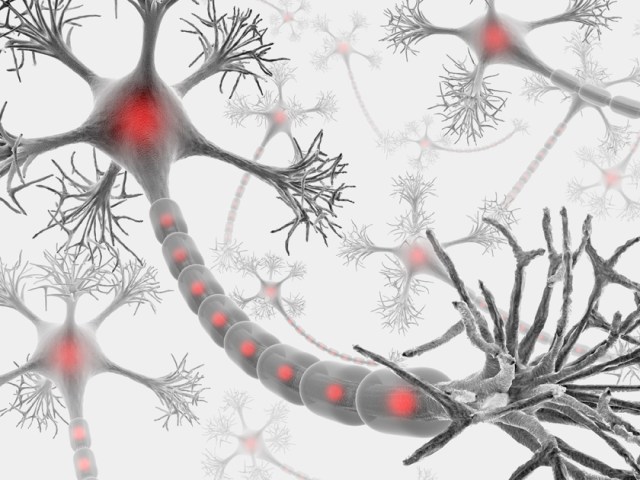
An axon self-destruct mechanism that kills neurons

Just as losing a limb can spare a life, parting with a damaged axon by way of Wallerian degeneration can spare a neuron. A protein called SARM1 acts as the self-destruct button, and now researchers led by Jeffrey Milbrandt of Washington University Medical School in St. Louis believe they have figured out how. They report in the April 24 Science that SARM1 forms dimers that trigger the destruction of NAD+. Basic biochemistry dictates that this enzyme cofactor is essential for cell survival.

ARM1 and NAD+ have emerged as key players in the complex, orderly process underlying Wallerian degeneration. Scientists are still filling in other parts of the pathway. SARM1, short for sterile alpha and TIR motif-containing 1, seems to act as a damage sensor, but researchers are not sure how. Recently, researchers led by Marc Tessier-Lavigne at Rockefeller University, New York, found that SARM1 turns on a mitogen-activated protein (MAP) kinase cascade that is involved. Loss of NAD+ may also contribute to axon degeneration, because its concentration drops in dying axons, and Wlds mutant mice that overproduce an NAD+ synthase have slower Wallerian degeneration.

Now, first author Josiah Gerdts confirms that SARM1 is the self-destruct switch. He engineered a version of the protein with a target sequence for tobacco etch virus (TEV) protease embedded in it. Using a rapamycin-activated form of TEV, he eliminated SARM1 from axons he had sliced off of mouse dorsal root ganglion (DRG) neurons. Without SARM1, the severed axons survived.

SARM1 contains SAM and TIR domains, which promote protein-protein interactions. Previously, Gerdts discovered that the TIR domain was sufficient to induce degeneration, even in healthy axons, but it relied on the SAM region to bring multiple SARM1 molecules together. He hypothesized that axonal SARM1 multimerizes upon axon damage. To test this idea, he used a standard biochemical technique to force the SARM1 TIR domains together. He fused domains to one or another of the rapamycin-binding peptides Frb and Fkbp and expressed them in DRG neurons. When he added rapamycin to the cultures, the Frb and Fkbp snapped the TIR domains together within minutes. As Gerdts had predicted, this destroyed axons, confirming that SARM1 activates via dimerization.

Next, the authors investigated what happens to NAD+ during that process. Using high-performance liquid chromatography, Gerdts measured the concentration of NAD+ in the disembodied axons. Normally, its level dropped by about two-thirds within 15 minutes of severing. In axons from SARM1 knockout mice, however, the NAD+ concentration stayed unchanged. In neurons carrying the forced-dimerization constructs, adding rapamycin was sufficient to knock down NAD+ levels—Gerdts did not even have to cut the axons. Ramping up NAD+ production by overexpressing its synthases, NMNAT and NAMPT, overcame the effects of TIR dimerization, and the axons survived. Gerdts concluded that loss of NAD+ was a crucial, SARM1-controlled step on the way to degeneration.

He still wondered what caused the loss of NAD+. It might be that the axon simply stopped making it, or maybe the Wallerian pathway actively destroyed it. To distinguish between these possibilities, Gerdts added radiolabeled exogenous NAD+ to human embryonic kidney HEK293 cultures expressing the forced-dimerization TIR domains. Rapamycin caused them to rapidly degrade the radioactive NAD+, confirming that the cell actively disposes of it.

Gerdts suspects that with this essential cofactor gone, the axon runs out of energy and can no longer survive. He speculated that the MAP kinase cascade reportedly turned on by SARM1 might lead to NAD+ destruction. Alternatively, SARM1 might induce distinct MAP kinase and NAD+ destruction pathways in parallel, he suggested.

“Demonstrating how NAD+ is actively and locally degraded in the axon is a big advance,” commented Andrew Pieper of the Iowa Carver College of Medicine in Iowa City, who was not involved in the study. Jonathan Gilley and Michael Coleman of the Babraham Institute in Cambridge, U.K., predict that there will be more to the story. They note that a drug called FK866, which prevents NAD+ production, protects axons in some instances. Gerdts suggested that FK866 acts on processes upstream of SARM1, delaying the start of axon degeneration. In contrast, his paper only addressed what happens after SARM1 activates. “It will be fascinating to see how the apparent contradictions raised by this new study will be resolved,” wrote Gilley and Coleman.

Could these findings help researchers looking for ways to prevent neurodegeneration? “The study supports the notion that augmenting NAD+ levels is potentially a valuable approach,” said Pieper. He and his colleagues developed a small molecule that enhances NAD+ synthesis, now under commercial development. It improved symptoms in ALS model mice, and protected neurons in mice mimicking Parkinson’s. NAD+ also activates sirtuin, an enzyme important for longevity and stress resistance as well as learning and memory.

However, both Pieper and Gerdts cautioned that they cannot clearly predict which conditions might benefit from an anti-SARM1 or NAD+-boosting therapy. At this point, Gerdts said, researchers do not fully understand how much axon degeneration contributes to symptoms of diseases like Alzheimer’s and Parkinson’s. He suggested that crossing SARM1 knockout mice with models for various neurodegenerative conditions would indicate how well an anti-Wallerian therapy might work.

—Amber Dance

http://www.alzforum.org/news/research-news/axon-self-destruct-button-triggers-energy-woes

$5 Insanity’: 5 Crazy Facts About Flakka

A new drug that gives people superhuman strength, but leads to violent delusions, is gaining attention.

The drug, which has the street name of Flakka, is a synthetic stimulant that is chemically similar to bath salts. Flakka is fast developing a reputation for what seem to be its nasty side effects, including a tendency to give people enormous rage and strength, along with intense hallucinations.”

Even though addicted, users tell us they are literally afraid of this drug,” said James Hall, an epidemiologist at the Center for Applied Research on Substance Use and Health Disparities at Nova Southeastern University in Florida. “As one user recently reported, it’s $5 insanity.”

From what it is to how it may work, here are five facts about Flakka.

1. What is it?

Flakka, which is also called gravel in some parts of the country, is the street name for a chemical called alpha-PVP, or alpha-pyrrolidinovalerophenone. The chemical is a synthetic cathinone, a category that includes the mild natural stimulant khat, which people in Somalia and the Middle East have chewed for centuries. Chemically, Flakka is a next-generation, more powerful version of bath salts. Flakka was banned by the Drug Enforcement Administration in early 2014.

2. What are its effects?

At low doses, Flakka is a stimulant with mild hallucinatory effects.

Like cocaine and methamphetamine, Flakka stimulates the release of feel-good brain chemicals such as dopamine and norepinephrine, Hall said. The drug also prevents neurons, or brain cells, from reabsorbing these brain chemicals, meaning the effects of the drug may linger in the system longer than people anticipate.

3. What are the dangers?

The danger comes from the drug’s incredible potency. A typical dose is just 0.003 ounces (0.1 grams), but “just a little bit more will trigger very severe adverse effects,” Hall told Live Science. “Even a mild overdose can cause heart-related problems, or agitation, or severe aggression and psychosis.”

Because of the drug’s addictive properties, users may take the drug again shortly after taking their first dose, but that can lead to an overdose, Hall said. Then, users report, “they can’t think,” and will experience what’s known as the excited delirium syndrome: Their bodies overheat, often reaching 105 degrees Fahrenheit, they will strip off their clothes and become violent and delusional, he said. The drug also triggers the adrenaline-fueled fight-or-flight response, leading to the extreme strength described in news reports.

“Police are generally called, but it might take four or five or six officers to restrain the individual,” Hall said.

At that point, emergency responders will try to counteract the effects of the drug in the person’s system by injecting a sedative such as the benzodiazepine Ativan, and if they can’t, the person can die, Hall said.

In the last several months, 10 people have died from Flakka overdoses, he said. (Users of PCP, Ecstasy, cocaine and methamphetamine can also experience the excited delirium syndrome.)

4. How is it sold?

According to Hall’s research, alpha-PVP is often purchased online in bulk from locations such as China, typically at $1,500 per kilogram. Doses typically sell on the street for $4 or $5, and because each dose is so tiny, that means dealers can net about $50,000 from their initial investment, as long as they have the networks to distribute the drug.

5. Why are we only hearing about it now?

Evidence suggests the illegal drug has only recently come on the scene. Crime lab reports from seized drugs reveal that seizures of alpha-PVP have soared, from 699 samples testing positive for the drug in 2010, to 16,500 in 2013, according to the Drug Enforcement Administration’s National Forensic Laboratory Information System.

About 22 percent of the drug seizures that tested positive for alpha-PVP came from South Florida, according to the data.

http://www.livescience.com/50502-what-is-flakka.html

New typing test may help diagnose Parkinson’s disease

Whether it’s on a keyboard, a smartphone, or even a credit card reader, you spend a lot of your day typing. Well, researchers at MIT noticed the value of this daily habit, and are putting it to a secondary use; they’ve developed software that can gauge the speed at which a typist is tapping the keyboard to help diagnose Parkinson’s disease.

In order to type a word, your brain has to send signals down through your spinal cord to the nerves that operate your fingers. If your central nervous system is functioning perfectly, then you should be able to tap most of the keys at a fairly constant rate. But a number of conditions might slow the signal from the brain to the fingers, such as sleep deprivation (which slows all motor skills) and diseases that affect the central nervous system, including Parkinson’s.

For the first version of this study, the researchers were looking at typing patterns that indicated whether a person was sleep-deprived or well rested. They created a browser plug-in that detected the timing at which the volunteers hit they keys and found that the people who were sleepy had a much wider variation in their typing speed. They found similar results in their preliminary test with Parkinson’s patients; the 21 typists with Parkinson’s tapped the keys at much more variable rates than the 15 healthy volunteers. The researchers called it a “window into the brain.”

Right now, the algorithm they’ve developed is not refined enough to distinguish Parkinson’s patients from people who are sleep deprived, though the results might be clearer after a number of trials. The researchers plan to conduct a study with a larger group of subjects, but they hope that this type test could eventually lead to earlier diagnoses of Parkinson’s–today most people are diagnosed after they have had symptoms for 5-10 years–and to distinguish Parkinson’s from other conditions that might affect a person’s motor skills, like rheumatoid arthritis. They are currently developing a smartphone app that can test participants even more easily.

http://www.popsci.com/type-test-diagnose-parkinsons

Scientists manage to give mice ‘eating disorders’ by knocking out one gene

By Rachel Feltman

If you give a mouse an eating disorder, you might just figure out how to treat the disease in humans. In a new study published Thursday in Cell Press, researchers created mice who lacked a gene associated with disordered eating in humans. Without it, the mice showed behaviors not unlike those seen in humans with eating disorders: They tended to be obsessive compulsive and have trouble socializing, and they were less interested in eating high-fat food than the control mice. The findings could lead to novel drug treatments for some of the 24 million Americans estimated to suffer from eating disorders.

In a 2013 study, the same researchers went looking for genes that might contribute to the risk of an eating disorder. Anorexia nervosa and bulimia nervosa aren’t straightforwardly inherited — there’s definitely more to an eating disorder than your genes — but it does seem like some families might have higher risks than others. Sure enough, the study of two large families, each with several members who had eating disorders, yielded mutations in two interacting genes. In one family, the estrogen-related receptor α (ESRRA) gene was mutated. The other family had a mutation on another gene that seemed to affect how well ESRRA could do its job.

So in the latest study, they created mice that didn’t have ESRRA in the parts of the brain associated with eating disorders.

“You can’t go testing this kind of gene expression in a human,” lead author and University of Iowa neuroscientist Michael Lutter said. “But in mice, you can manipulate the expression of the gene and then look at how it changes their behavior.”

It’s not a perfect analogy to what the gene mutation might do in a human, but the similarities can allow researchers to figure out the mechanism that causes the connection between your DNA and your eating habits.

The mice without ESRRA were tested for several eating-disorder-like behaviors: The researchers tested how hard they were willing to work for high fat food when they were hungry (less, it seemed, so much so that they weighed 15 percent less than their unaltered littermates), how compulsive they were, and how they behaved socially.

In general, the ESRRA-lacking mice were twitchier: They tended to overgroom, a common sign of anxiety in mice, and they were more wary of novelty, growing anxious when researchers put marbles into their cages. They also showed an inability to adapt: When researchers taught the mice how to exit a maze and then changed where the exit was, the mice without ESRRA spent way more time checking out the area where the exit should have been before looking for where it had gone.

The social changes were even more striking: Mice will usually show more interest in a new mouse than one they’ve met before, but in tests the modified mice showed the opposite preference, socializing with a familiar mouse when a new one was also presented.

They were also universally submissive to other mice, something the researchers detected with a sort of scientific game of chicken. Two mice are placed at either end of a tube, and one always plows past the other to get to the opposite side. It’s just the way mice size each other up — someone has to be on top. But every single one of the modified mice let themselves get pushed around.

“100% of the mice lacking this gene were subordinate,” Lutter said. “I’ve never seen an experiment before that produced a 0% verses 100% result.”

The avoidance of fats has an obvious connection to human disorders. But the social anxiety and rigidity are also close analogies to disordered eating in humans.

Now that Lutter and his colleagues know that the gene does something similar in mice, they can start looking for the actual mechanism that’s tripping these switches in the brain. They know that the gene’s pathway is very important for energy metabolism, especially in the breakdown of glucose. It’s possible that mutations in the gene cause some kind of impairment in neurons’ ability to get and process energy, but they can’t be sure yet.

They’ll see if they can pinpoint affected neurons and fix them. They’re also going to test some drugs that are known to affect this gene and its pathways. It’s possible that they’ll land on a treatment that helps calm these negative behaviors in affected mice, leading to treatments for humans with the mutation.

http://www.washingtonpost.com/news/speaking-of-science/wp/2015/04/09/scientists-manage-to-give-mice-eating-disorders-by-knocking-out-one-gene/

Open Access Article here: http://www.cell.com/cell-reports/abstract/S2211-1247(15)00301-0

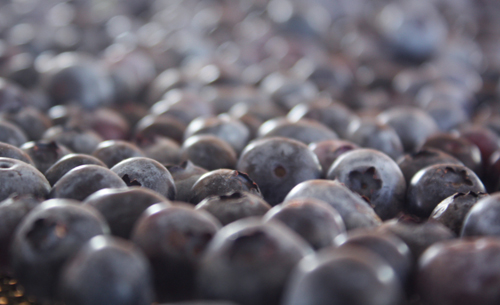
Blueberries may be effective in the treatment for post-traumatic stress disorder (PTSD)

Researchers from Louisiana State University have found that blueberries may be effective in the treatment for post-traumatic stress disorder (PTSD). Findings from the study have been presented at the Experimental Biology Meeting in Boston, MA.

Presently, the only therapy approved by the Food and Drug Administration (FDA) for PTSD is selective serotonin reuptake inhibitors (SSRIs) such as sertraline and paroxetine. Study authors have previously shown that SSRIs increase the level of serotonin (5-HT) and norepinephrine, and that the increased norepinephrine be a possible reason for the reduced efficacy of SSRI therapy.

For this study, the team studied the ability of blueberries to modulate neurotransmitter levels in a rat model of PTSD. Some of the rats received a 2% blueberry-enriched supplement diet and others received a control diet. A third control group consisted of rats without PTSD and received a standard diet without blueberries. Scientists used high-performance liquid chromatography to to measure monoamines and related metabolite levels.

Rats with PTSD who did not receive blueberries showed a predictable increase in 5-HT and norepinephrine level compared with the control group. But rats with PTSD that received blueberries showed a beneficial increase in 5-HT levels with no impact on norepinephrine levels, which suggest that blueberries can alter neurotransmitter levels in PTSD. More studies are needed to understand the protective effects of blueberries and its potential target as a treatment for PTSD.

http://www.empr.com/benefits-of-blueberries-for-post-traumatic-stress-disorder-explored-in-study/article/405810/

The Purpose of Our Eyes’ Strange Wiring Is Unveiled


The reverse-wiring of the eyeball has long been a mystery, but new research shows a remarkable structural purpose: increasing and sharpening our color vision.

by Erez Ribak, at the Israel Institute of Technology

The human eye is optimised to have good colour vision at day and high sensitivity at night. But until recently it seemed as if the cells in the retina were wired the wrong way round, with light travelling through a mass of neurons before it reaches the light-detecting rod and cone cells. New research presented at a meeting of the American Physical Society has uncovered a remarkable vision-enhancing function for this puzzling structure.

About a century ago, the fine structure of the retina was discovered. The retina is the light-sensitive part of the eye, lining the inside of the eyeball. The back of the retina contains cones to sense the colours red, green and blue. Spread among the cones are rods, which are much more light-sensitive than cones, but which are colour-blind.

Before arriving at the cones and rods, light must traverse the full thickness of the retina, with its layers of neurons and cell nuclei. These neurons process the image information and transmit it to the brain, but until recently it has not been clear why these cells lie in front of the cones and rods, not behind them. This is a long-standing puzzle, even more so since the same structure, of neurons before light detectors, exists in all vertebrates, showing evolutionary stability.

Researchers in Leipzig found that glial cells, which also span the retinal depth and connect to the cones, have an interesting attribute. These cells are essential for metabolism, but they are also denser than other cells in the retina. In the transparent retina, this higher density (and corresponding refractive index) means that glial cells can guide light, just like fibre-optic cables.

n view of this, my colleague Amichai Labin and I built a model of the retina, and showed that the directional of glial cells helps increase the clarity of human vision. But we also noticed something rather curious: the colours that best passed through the glial cells were green to red, which the eye needs most for daytime vision. The eye usually receives too much blue—and thus has fewer blue-sensitive cones.

Further computer simulations showed that green and red are concentrated five to ten times more by the glial cells, and into their respective cones, than blue light. Instead, excess blue light gets scattered to the surrounding rods.

This surprising result of the simulation now needed an experimental proof. With colleagues at the Technion Medical School, we tested how light crosses guinea pig retinas. Like humans, these animals are active during the day and their retinal structure has been well-characterised, which allowed us to simulate their eyes just as we had done for humans. Then we passed light through their retinas and, at the same time, scanned them with a microscope in three dimensions. This we did for 27 colours in the visible spectrum.

The result was easy to notice: in each layer of the retina we saw that the light was not scattered evenly, but concentrated in a few spots. These spots were continued from layer to layer, thus creating elongated columns of light leading from the entrance of the retina down to the cones at the detection layer. Light was concentrated in these columns up to ten times, compared to the average intensity.

Even more interesting was the fact that the colours that were best guided by the glial cells matched nicely with the colours of the cones. The cones are not as sensitive as the rods, so this additional light allowed them to function better—even under lower light levels. Meanwhile, the bluer light, that was not well-captured in the glial cells, was scattered onto the rods in its vicinity.

These results mean that the retina of the eye has been optimised so that the sizes and densities of glial cells match the colours to which the eye is sensitive (which is in itself an optimisation process suited to our needs). This optimisation is such that colour vision during the day is enhanced, while night-time vision suffers very little. The effect also works best when the pupils are contracted at high illumination, further adding to the clarity of our colour vision.

http://www.scientificamerican.com/article/the-purpose-of-our-eyes-strange-wiring-is-unveiled/

New study shows that use of psychedelic drugs does not increase risk of mental illness

An analysis of data provided by 135,000 randomly selected participants – including 19,000 people who had used drugs such as LSD and magic mushrooms – finds that use of psychedelics does not increase risk of developing mental health problems. The results are published in the Journal of Psychopharmacology.

Previously, the researchers behind the study – from the Norwegian University of Science and Technology in Trondheim – had conducted a population study investigating associations between mental health and psychedelic use. However, that study, which looked at data from 2001-04, was unable to find a link between use of these drugs and mental health problems.

“Over 30 million US adults have tried psychedelics and there just is not much evidence of health problems,” says author and clinical psychologist Pål-Ørjan Johansen.

“Drug experts consistently rank LSD and psilocybin mushrooms as much less harmful to the individual user and to society compared to alcohol and other controlled substances,” concurs co-author and neuroscientist Teri Krebs.

For their study, they analyzed a data set from the US National Health Survey (2008-2011) consisting of 135,095 randomly selected adults from the US, including 19,299 users of psychedelic drugs.

Krebs and Johansen report that they found no evidence for a link between use of psychedelic drugs and psychological distress, depression, anxiety or suicidal thoughts, plans and attempts.

In fact, on a number of factors, the study found a correlation between use of psychedelic drugs and decreased risk for mental health problems.

“Many people report deeply meaningful experiences and lasting beneficial effects from using psychedelics,” says Krebs.

However, Johansen acknowledges that – given the design of the study – the researchers cannot “exclude the possibility that use of psychedelics might have a negative effect on mental health for some individuals or groups, perhaps counterbalanced at a population level by a positive effect on mental health in others.”

Despite this, Johansen believes that the findings of the study are robust enough to draw the conclusion that prohibition of psychedelic drugs cannot be justified as a public health measure.

Krebs says:

“Concerns have been raised that the ban on use of psychedelics is a violation of the human rights to belief and spiritual practice, full development of the personality, and free-time and play.”

Commenting on the research in a piece for the journal Nature, Charles Grob, a paediatric psychiatrist at the University of California-Los Angeles, says the study “assures us that there were not widespread ‘acid casualties’ in the 1960s.” However, he urges caution when interpreting the results, as individual cases of adverse effects can and do occur as a consequence of psychedelic use.

For instance, Grob describes hallucinogen persisting perception disorder, sometimes referred to as “a never-ending trip.” Patients with this disorder experience “incessant distortions” in their vision, such as shimmering lights and colored dots. “I’ve seen a number of people with these symptoms following a psychedelic experience, and it can be a very serious condition,” says Grob.

http://www.medicalnewstoday.com/articles/290461.php