New research finds that evidence of autism shows up in the brain’s blood vessels

by BEC CREW

Evidence of autism can be identified in the composition of blood vessels in the brain, and certain defects or malfunctions in these vessels could serve as a new basis for detection, scientists have found.

While previous research has focussed on the neurological structure and function in a patient’s brain, a team from New York University (NYU) has found evidence of the disorder in the vascular system, suggesting that this could be a new target for medical treatments.

“Our findings show that those afflicted with autism have unstable blood vessels, disrupting proper delivery of blood to the brain,” says lead researcher, Efrain Azmitia.

“In a typical brain, blood vessels are stable, thereby ensuring a stable distribution of blood,” she adds. “Whereas in the autism brain, the cellular structure of blood vessels continually fluctuates, which results in circulation that is fluctuating and, ultimately, neurologically limiting.”

Azmita and her colleagues figured this out by examining the auditory cortex region in human postmortem brain tissue from people with diagnosed autism spectrum disorder (ADS) and an age-matched control group. To mitigate bias, they stripped the samples of all identifiers so they couldn’t tell which was which when examining them at a cellular level.

They found significant increases of two types of protein, called nestin and CD34, in the autistic brain vessels, but not in the control brains, which indicated that the vessels of the autistic patients had a higher level of plasticity. This protein surge was identified in several sections of the autistic brains, including the superior temporal cortex, the fusiform cortex (or face recognition centre), the pons/midbrain, and cerebellum.

This kind of plasticity is characteristic of a process known as angiogenesis, which controls the the production of new blood vessels. Publishing in the Journal of Autism and Developmental Disorders, the researchers suggest that evidence of angiogenesis in autistic brain tissue indicates that these vessels are being formed over and over and are in a state of constant flux. This could mean that inside the brains of people with autism, there’s a significant level of instability in the blood’s delivery mechanism.

“We found that angiogenesis is correlated with more neurogenesis in other brain diseases, therefore there is the possibility that a change in brain vasculature in autism means a change in cell proliferation or maturation, or survival, and brain plasticity in general,” said one of the team, psychiatrist Maura Boldrini. “These changes could potentially affect brain networks.”

So what now? The researchers hope to continue their investigation into how blood vessels in the brain differ in people with and without ADS, and if they can confirm angiogenesis markers as a reliable indication of the disorder, they could have a new detection method on their hands, and perhaps even a new avenue of research for future treatments.

“It’s clear that there are changes in brain vascularisation in autistic individuals from two to 20 years that are not seen in normally developing individuals past the age of two years,” says Azmitia. “Now that we know this, we have new ways of looking at this disorder and, hopefully with this new knowledge, novel and more effective ways to address it.”

http://www.sciencealert.com/evidence-of-autism-can-be-found-in-the-brain-s-blood-vessels-study-finds

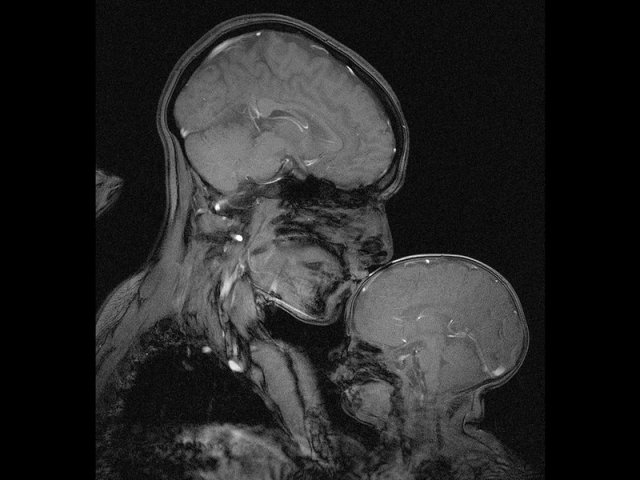
Mother-child MRI

While most new moms get their children’s first portrait done at, say, the local mall’s JC Penney Portrait Studio, neuroscientist Rebecca Saxe opted for a slightly different location: the tube of an MRI scanner.

“No one, to my knowledge, had ever made an MR image of a mother and child,” she wrote in a article for Smithsonian magazine.

“We made this one because we wanted to see it.”

A Professor of Cognitive Neuroscience at the Massachusetts Institute of Technology, Saxe told Mic that the inspiration behind the photo had little to do with the typical medical or research-based uses of MRI technology.

“We see brain scan images on TV and in subways advertisements as a proxy for technology and progress… [and] the Madonna is one of the oldest tropes in human art making,” she said of trying to capture the union between science and art in the image.

“These brain scanners are extremely modern technology, only available here and now, to the wealthiest place and time in human history,” she added. “[Yet] the image you see would look the same if it had been made on any continent or in any century, because the biology of human mothers and children you see in the picture has been the same for thousands, probably tens of thousands of years.”

In an interview with Today, Saxe suggested that the image may be indicative of how a child’s brain development is strengthened by a mother’s love. “Some people look at it and see mostly the differences: how thin his skull is, how little space there is between the outside world and his brain. It’s just this very fragile, very thin little shell,” she said. “On the other hand, you can look at it and see how similar it is to his mother’s brain. How close in size — so much closer in size than his hand is.”

Past MRI scans have also suggested that the bond between a child and mother can indeed have a major impact on brain size. Back in 2012, a side-by-side image of two three-year-olds’ brain scans indicated that the size of a neglected child’s brain is significantly smaller than one who was nurtured by his or her mother. Of that particular image, neurology professor Allan Schore told the Telegraph that the development of brain cells is a “consequence of an infant’s interaction with the main caregiver [usually the mother].”

Meanwhile, Saxe believes that the image can also help generate an interest in science. “I hope the main takeaway is that people who don’t normally feel a human connection to science and scientists, have a moment to pause and feel touched, and recognize that the scientific pursuit of self-knowledge is being done for, and by, people like us,” she told Mic.

http://mic.com/articles/130456/this-brain-scan-image-illustrates-the-powerful-bond-between-mother-and-child#.tkqP2UYTE

Women can navigate better when given testosterone, study finds

To investigate whether the differences in how men and women navigate are related to our sex or to cultural conditioning, researchers in Norway measured male and female brain activity while volunteers tried to find their way through a virtual reality maze.

Wearing 3D goggles and using a joystick to make their way through an artificial environment, the participants (18 males and 18 females) had their brain functions continuously recorded by an fMRI scanner as they carried out virtual navigation tasks.

In line with previous findings, the men performed better, using shortcuts, orienting themselves more using cardinal directions, and solving 50 percent more tasks than the women in the study.

“Men’s sense of direction was more effective,” said Carl Pintzka, a neuroscientist at the Norwegian University of Science and Technology (NTNU). “They quite simply got to their destination faster.”

One of the reasons for this is because of the difference in how men and women use their brains when we’re finding our way around. According to the researchers, men use the hippocampus more, whereas women place greater reliance on their brains’ frontal areas.

“That’s in sync with the fact that the hippocampus is necessary to make use of cardinal directions,” said Pintzka. “[M]en usually go in the general direction where [their destination is] located. Women usually orient themselves along a route to get there.”

Generally, the cardinal approach is more efficient, as it depends less on where you start.

But women’s brains make them better at finding objects locally, the researchers say. “In ancient times, men were hunters and women were gatherers. Therefore, our brains probably evolved differently,” said Pintzka. “In simple terms, women are faster at finding things in the house, and men are faster at finding the house.”

What was most remarkable about the study was what happened when the researchers gave women a drop of testosterone to see how it affected their ability to navigate the virtual maze. In a separate experiment, 21 women received a drop of testosterone under their tongues, while 21 got a placebo.

The researchers found that the women receiving testosterone showed improved knowledge of the layout of the maze, and relied on their hippocampus more to find their way around. Having said that, these hormone-derived benefits didn’t enable them to solve more maze tasks in the exercise.

It’s worth bearing in mind that the study used a fairly small sample size in both of the experiments carried out, so the findings need to be read in light of that. Nonetheless, the scientists believe their paper, which is published in Behavioural Brain Research, will help us to better understand the different ways male and female brains work, which could assist in the fight against diseases such as Alzheimer’s.

“Almost all brain-related diseases are different in men and women, either in the number of affected individuals or in severity,” said Pintzka. “Therefore, something is likely protecting or harming people of one sex. Since we know that twice as many women as men are diagnosed with Alzheimer’s disease, there might be something related to sex hormones that is harmful.”

http://www.sciencealert.com/women-can-navigate-better-when-given-testosterone-study-finds

Thanks to Dr. Enrique Leira for bringing this to the It’s Interesting community.

Air evacuation following traumatic brain injury may worsen outcomes for patients.


Over the past 15 years, more than 330,000 US soldiers have suffered a traumatic brain injury. Many were evacuated by air for further treatment. A new study has found evidence that such air evacuations may pose a significant added risk, potentially causing more damage to already injured brains.

Over the past 15 years, more than 330,000 U.S. soldiers have suffered a traumatic brain injury (TBI). It is one of the leading causes of death and disability connected to the country’s recent conflicts in Afghanistan and Iraq. Many of these patients were evacuated by air from these countries to Europe and the U.S. for further treatment. In general, these patients were flown quickly to hospitals outside the battle zone, where more extensive treatment was available.

But now a new study by researchers at the University of Maryland School of Medicine has found evidence that such air evacuations may pose a significant added risk, potentially causing more damage to already injured brains. The study is the first to suggest that air evacuation may be hazardous for TBI patients. The study was published in the Journal of Neurotrauma.

“This research shows that exposure to reduced barometric pressure, as occurs on military planes used for evacuation, substantially worsens neurological function and increases brain cell loss after experimental TBI — even when oxygen levels are kept in the normal range. It suggests that we need to carefully re-evaluate the cost-benefit of air transport in the first days after injury,” said lead researcher Alan Faden, MD, the David S. Brown Professor in Trauma in the Departments of Anesthesiology, Anatomy & Neurobiology, Neurology, and Neurosurgery, and director, Shock, Trauma and Anesthesiology Research Center (STAR) as well as the National Study Center for Trauma and Emergency Medical Services.

About a quarter of all injured soldiers evacuated from Afghanistan and Iraq have suffered head injuries.

Faden and his colleagues tested rats that were subjected to TBI, using a model that simulates key aspects of human brain injury. Animals were exposed to six hours of lowered air pressure, known as hypobaria, at levels that simulated conditions during transport; control animals were exposed to normal pressure. All the animals received extra oxygen to restore normal oxygen concentrations in the blood. In another study, animals received oxygen, either as in the first study or at much higher 100 percent concentration, which is often used during military air evacuations. On its own, low air pressure worsened long-term cognitive function and increased chronic brain inflammation and brain tissue loss. Pure oxygen further worsened outcomes.

Faden and his colleagues believe the findings raise concerns about the increased use of relatively early air evacuation, and suggest that this potential risk should be weighed against the benefits of improved care after evacuation. It may be necessary, he says, to change the current policy for TBI patients and delaying air evacuation in many cases.

In an accompanying editorial, Patrick Kochanek, MD, a leading expert on TBI and trauma care at the University of Pittsburgh, called the findings “highly novel and eye-opening,” and said that they could have “impactful clinical relevance for the field of traumatic brain injury in both military and civilian applications.”

Faden and colleagues believe that one of the mechanisms by which hypobaria worsens TBI is by increasing persistent brain inflammation after injury. They are currently examining how this process occurs and have tested treatments that can reduce the risks of air evacuation. Early results are promising. Scientists suspect that breathing pure oxygen could worsen TBI by increasing production of dangerous free radicals in the brain. After brain injury, these free radicals flood the site of injury, and pure oxygen may further boost these levels. Several recent studies from trauma centers, including from the R Adams Cowley Shock Trauma Center at the University of Maryland Medical Center, have found evidence that using 100 percent oxygen in trauma patients may be counterproductive.

Journal Reference:

Jacob W Skovira, Shruti V Kabadi, Junfang Wu, Zaorui Zhao, Joseph DuBose, Robert E Rosenthal, Gary Fiskum, Alan I Faden. Simulated Aeromedical Evacuation Exacerbates Experimental Brain Injury. Journal of Neurotrauma, 2015; DOI: 10.1089/neu.2015.4189

http://www.sciencedaily.com/releases/2015/11/151130110013.htm

New progress in understanding what may give animals a magnetic sense: a protein that acts as a compass

Quick – can you tell where north is? Animals as diverse as sea turtles, birds, worms, butterflies and wolves can, thanks to sensing Earth’s magnetic field.

But the magnet-sensing structures inside their cells that allow them to do this have evaded scientists – until now.

A team led by Can Xie’s at Peking University in China has now found a protein in fruit flies, butterflies and pigeons that they believe to be responsible for this magnetic sense.

“It’s provocative and potentially groundbreaking,” says neurobiologist Steven Reppert of the University of Massachusetts who was not involved in the work. “It took my breath away.”

There used to be two competing theories about magnetic sense: some thought it came from iron-binding molecules, others thought it came from a protein called cryptochrome, which senses light and has been linked to magnetic sense in birds.

Xie’s group was the first to guess these two were part of the same system, and has now figured out how they fit together.

“This was a very creative approach,” says Reppert. “Everyone thought they were two separate systems.”

Xie’s team first screened the fruit fly genome for a protein that would fit a very specific bill.

The molecule had to bind iron, it had to be expressed inside a cell instead of on the cell membrane and do so in the animal’s head – where animals tend to sense magnetic fields – and it also had to interact with cryptochrome.

“We found one [gene] fit all of our predictions,” says Xie. They called it MagR and then used techniques including electron microscopy and computer modelling to figure out the protein’s structure.

They found that MagR and cryptochrome proteins formed a cylinder, with an inside filling of 20 MagR molecules surrounded by 10 cryptochromes.

The researchers then identified and isolated this protein complex from pigeons and monarch butterflies.

In the lab, the proteins snapped into alignment in response to a magnetic field. They were so strongly magnetic that they flew up and stuck to the researchers’ tools, which contained iron. So the team had to use custom tools made of plastic.

The team hasn’t yet tried to remove the MagR protein from an animal like a fruit fly to see if it loses its magnetic sense, but Xie believes the proteins work the same way in a living animal.

Although this protein complex seems to form the basis of magnetic sense, the exact mechanism is still to be figured out.

One idea is that when an animal changes direction, the proteins may swing around to point north, “just like a compass needle,” says Xie. Perhaps the proteins’ movement could trigger a connected molecule, which would send a signal to the nervous system.

Journal reference: Nature Materials, DOI: 10.1038/nmat4484

https://www.newscientist.com/article/dn28494-animal-magnetic-sense-comes-from-protein-that-acts-as-a-compass

Thanks to Kebmodee for bringing this to the It’s Interesting community.

The Power of Music in Alleviating Dementia Symptoms

by Tori Rodriguez, MA, LPC

As the search continues for effective drug treatments for dementia, patients and caregivers may find some measure of relief from a common, non-pharmaceutical source. Researchers have found that music-related memory appears to be exempt from the extent of memory impairment generally associated with dementia, and several studies report promising results for several different types of musical experiences across a variety of settings and formats.

“We can say that perception of music can be intact, even when explicit judgments and overt recognition have been lost,” Manuela Kerer, PhD, told Psychiatry Advisor. “We are convinced that there is a specialized memory system for music, which is distinct from other domains, like verbal or visual memory, and may be very resilient against Alzheimer’s disease.”

Kerer is a full-time musical composer with a doctoral degree in psychology who co-authored a study on the topic while working at the University of Innsbruck in Austria. She and her colleagues investigated explicit memory for music among ten patients with early-state Alzheimer’s disease (AD) and ten patients with mild cognitive impairment (MCI), and compared their performance to that of 23 healthy participants. Not surprisingly, the patient group demonstrated worse performance on tasks involving verbal memory, but they did significantly better than controls on the music-perceptional tasks of detecting distorted tunes and judging timbre.

“The temporal brain structures necessary for verbal musical memory were mildly affected in our clinical patients, therefore attention might have shifted to the discrimination tasks which led to better results in this area,” she said. “Our results enhance the notion of an explicit memory for music that can be distinguished from other types of explicit memory — that means that memory for music could be spared in this patient group.”

Other findings suggest that music might even improve certain aspects of memory among people with dementia. In a randomized controlled trial published in last month in the Journal of Alzheimer’s Disease, music coaching interventions improved multiple outcomes for both patients with dementia and their caregivers. The researchers divided 89 pairs of patients with dementia and their caregivers into three groups: two groups were assigned to caregiver-led interventions that involved either singing or listening to music, while a third group received standard care. Before and after the 10-week intervention, and six months after the intervention, participants were assessed on measures of mood, quality of life and neuropsychological functioning.

Results showed that the singing intervention improved working memory among patients with mild dementia and helped to preserve executive function and orientation among younger patients, and it also improved the well-being of caregivers. The listening intervention was found to have a positive impact on general cognition, working memory and quality of life, particularly among patients in institutional care with moderate dementia not caused by AD. Both interventions led to reductions in depression.

The findings suggest that “music has the power to improve mood and stimulate cognitive functions in dementia, most likely by engaging limbic and medial prefrontal brain regions, which are often preserved in the early stages of the illness,” study co-author Teppo Särkämö, PhD, a researcher at the University of Helsinki, Finland, told Psychiatry Advisor. “The results indicate that when used regularly, caregiver-implemented musical activities can be an important and easily applicable way to maintain the emotional and cognitive well-being of persons with dementia and also to reduce the psychological burden of family caregivers.”

Singing has also been shown to increase learning and retention of new verbal material in patients with AD, according to research published this year in the Journal of Clinical & Experimental Neuropsychology, and findings published in 2013 show that listening to familiar music improves the verbal narration of autobiographical memories in such patients. Another study found that a music intervention delivered in a group format reduced depression and delayed the deterioration of cognitive functions, especially short-term recall, in patients with mild and moderate dementia. Group-based music therapy appears to also decrease agitation among patients in all stages of dementia, as described in a systematic review published in 2014 in Nursing Times.

n addition to the effects of singing and listening to music on patients who already have dementia, playing a musical instrument may also offer some protection against the condition, according to a population-based twin study reported in 2014 in the International Journal of Alzheimer’s Disease. Researchers at the University of Southern California found that older adults who played an instrument were 64% less likely than their non-musician twin to develop dementia or cognitive impairment.

“Playing an instrument is a unique activity in that it requires a wide array of brain regions and cognitive functions to work together simultaneously, throughout both the right and left hemispheres,” co-author Alison Balbag, PhD, told Psychiatry Advisor. While the study did not examine causal mechanisms, “playing an instrument may be a very effective and efficient way to engage the brain, possibly granting older musicians better maintained cognitive reserve and possibly providing compensatory abilities to mitigate age-related cognitive declines.”

She notes that clinicians might consider suggesting that patients incorporate music-making into their lives as a preventive activity, or encouraging them to keep it up if they already play an instrument.
Further research, particularly neuroimaging studies, is needed to elucidate the mechanisms behind the effects of music on dementia, but in the meantime it could be a helpful supplement to patients’ treatment plans. “Music has considerable potential and it should be introduced much more in rehabilitation and neuropsychological assessment,” Kerer said.

http://www.psychiatryadvisor.com/alzheimers-disease-and-dementia/neurocognitive-neurodegenerative-memory-musical-alzheimers/article/452120/3/

References

Kerer M, Marksteiner J, Hinterhuber H, et al. Explicit (semantic) memory for music in patients with mild cognitive impairment and early-stage Alzheimer’s disease. Experimental Aging Research; 2013; 39(5):536-64.

Särkämö T, Laitinen S, Numminen A, et al. Clinical and Demographic Factors Associated with the Cognitive and Emotional Efficacy of Regular Musical Activities in Dementia. Journal of Alzheimer’s Disease; 2015; published online ahead of print.

Palisson J, Roussel-Baclet C, Maillet D, et al. Music enhances verbal episodic memory in Alzheimer’s disease. Journal of Clinical & Experimental Neuropsychology; 2015; 37(5):503-17.

El Haj M, Sylvain Clément, Luciano Fasotti, Philippe Allain. Effects of music on autobiographical verbal narration in Alzheimer’s disease. Journal of Neurolinguistics; 2013; 26(6): 691–700.

Chu H, Yang CY, Lin Y, et al. The impact of group music therapy on depression and cognition in elderly persons with dementia: a randomized controlled study. Biological Research for Nursing; 2014; 16(2):209-17.

Craig J. Music therapy to reduce agitation in dementia. Nursing Times; 2014; 110(32-33):12-5.
Balbag MA, Pedersen NL, Gatz M. Playing a Musical Instrument as a Protective Factor against Dementia and Cognitive Impairment: A Population-Based Twin Study. International Journal of Alzheimer’s Disease; 2014; 2014: 836748.

Exploring the Biology of Eating Disorders

With the pressure for a certain body type prevalent in the media, eating disorders are on the rise. But these diseases are not completely socially driven; researchers have uncovered important genetic and biological components as well and are now beginning to tease out the genes and pathways responsible for eating disorder predisposition and pathology.

As we enter the holiday season, shoppers will once again rush into crowded department stores searching for the perfect gift. They will be jostled and bumped, yet for the most part, remain cheerful because of the crisp air, lights, decorations, and the sound of Karen Carpenter’s contralto voice ringing out familiar carols.

While Carpenter is mainly remembered for her musical talents, unfortunately, she is also known for introducing the world to anorexia nervosa (AN), a severe life-threatening mental illness characterized by altered body image and stringent eating patterns that claimed her life just before her 33rd birthday in 1983.

Even though eating disorders (ED) carry one of the highest mortality rates of any mental illness, many researchers and clinicians still view them as socially reinforced behaviors and diagnose them based on criteria such as “inability to maintain body weight,” “undue influence of body weight or shape on self-evaluation,” and “denial of the seriousness of low body weight” (1). This way of thinking was prevalent when Michael Lutter, then an MD/PhD student at the University of Texas Southwestern Medical Center, began his psychiatry residency in an eating disorders unit. “I just remember the intense fear of eating that many patients exhibited and thought that it had to be biologically driven,” he said.

Lutter carried this impression with him when he established his own research laboratory at the University of Iowa. Although clear evidence supports the idea that EDs are biologically driven—they predominantly affect women and significantly alter energy homeostasis—a lack of well-defined animal models combined with the view that they are mainly behavioral abnormalities have hindered studies of the neurobiology of EDs. Still, Lutter is determined to find the biological roots of the disease and tease out the relationship between the psychiatric illness and metabolic disturbance using biochemistry, neuroscience, and human genetics approaches.

We’ve Only Just Begun

Like many diseases, EDs result from complex interactions between genes and environmental risk factors. They tend to run in families, but of course, for many family members, genetics and environment are similar enough that teasing apart the influences of nature and nurture is not easy. Researchers estimate that 50-80% of the predisposition for developing an ED is genetic, but preliminary genome-wide analyses and candidate gene studies failed to identify specific genes that contribute to the risk.

According to Lutter, finding ED study participants can be difficult. “People are either reluctant to participate, or they don’t see that they have a problem,” he reported. Set on finding the genetic underpinnings of EDs, his team began recruiting volunteers and found 2 families, 1 with 20 members, 10 of whom had an ED and another with 5 out of 8 members affected. Rather than doing large-scale linkage and association studies, the team decided to characterize rare single-gene mutations in these families, which led them to identify mutations in the first two genes, estrogen-related receptor α (ESRRA) and histone deacetylase 4 (HDAC4), that clearly associated with ED predisposition in 2013 (1).

“We have larger genetic studies on-going, including the collection of more families. We just happened to publish these two families first because we were able to collect enough individuals and because there is a biological connection between the two genes that we identified,” Lutter explained.

ESRRA appears to be a transcription factor upregulated by exercise and calorie restriction that plays a role in energy balance and metabolism. HDAC4, on the other hand, is a well-described histone deacteylase that has previously been implicated in locomotor activity, body weight homeostasis, and neuronal plasticity.

Using immunoprecipitation, the researchers found that ESRRA interacts with HDAC4, in both the wild type and mutant forms, and transcription assays showed that HDAC4 represses ESRRA activity. When Lutter’s team repeated the transcription assays using mutant forms of the proteins, they found that the ESRRA mutation seen in one family significantly reduced the induction of target gene transcription compared to wild type, and that the mutation in HDAC4 found in the other family increased transcriptional repression for ESRRA target genes.

“ESRRA is a well known regulator of mitochondrial function, and there is an emerging view that mitochondria in the synapse are critical for neurotransmission,” Lutter said. “We are working on identifying target pathways now.”

Bless the Beasts and the Children

Finding genes associated with EDs provides the groundwork for molecular studies, but EDs cannot be completely explained by the actions of altered transcription factors. Individuals suffering these disorders often experience intense anxiety, intrusive thoughts, hyperactivity, and poor coping strategies that lead to rigid and ritualized behaviors and severe crippling perfectionism. They are less aware of their emotions and often try to avoid emotion altogether. To study these complex behaviors, researchers need animal models.

Until recently, scientists relied on mice with access to a running wheel and restricted access to food. Under these conditions, the animals quickly increase their locomotor activity and reduce eating, frequently resulting in death. While some characteristics of EDs—excessive exercise and avoiding food—can be studied in these mice, the model doesn’t allow researchers to explore how the disease actually develops. However, Lutter’s team has now introduced a promising new model (3).

Based on their previous success with identifying the involvement of ESRRA and HDAC4 in EDs, the researchers wondered if mice lacking ESRRA might make suitable models for studies on ED development. To find out, they first performed immunohistochemistry to understand more about the potential cognitive role of ESRRA.

“ESRRA is not expressed very abundantly in areas of the brain typically implicated in the regulation of food intake, which surprised us,” Lutter said. “It is expressed in many cortical regions that have been implicated in the etiology of EDs by brain imaging like the prefrontal cortex, orbitofrontal cortex, and insula. We think that it probably affects the activity of neurons that modulate food intake instead of directly affecting a core feeding circuit.”

With these data, the team next tried providing only 60% of the normal daily calories to their mice for 10 days and looked again at ESRRA expression. Interestingly, ESRRA levels increased significantly when the mice were insufficiently fed, indicating that the protein might be involved in the response to energy balance.

Lutter now believes that upregulation of ESRRA helps organisms adapt to calorie restriction, an effect possibly not happening in those with ESRRA or HDAC4 mutations. “This makes sense for the clinical situation where most individuals will be doing fine until they are challenged by something like a diet or heavy exercise for a sporting event. Once they start losing weight, they don’t adapt their behaviors to increase calorie intake and rapidly spiral into a cycle of greater and greater weight loss.”

When Lutter’s team obtained mice lacking ESRRA, they found that these animals were 15% smaller than their wild type littermates and put forth less effort to obtain food both when fed restricted calorie diets and when they had free access to food. These phenotypes were more pronounced in female mice than male mice, likely due to the role of estrogen signaling. Loss of ESRRA increased grooming behavior, obsessive marble burying, and made mice slower to abandon an escape hole after its relocation, indicating behavioral rigidity. And the mice demonstrated impaired social functioning and reduced locomotion.

Some people with AN exercise extensively, but this isn’t seen in all cases. “I would say it is controversial whether or not hyperactivity is due to a genetic predisposition (trait), secondary to starvations (state), or simply a ritual that develops to counter the anxiety of weight related obsessions. Our data would suggest that it is not due to genetic predisposition,” Lutter explained. “But I would caution against over-interpretation of mouse behavior. The locomotor activity of mice is very different from people and it’s not clear that you can directly translate the results.”

For All We Know

Going forward, Lutter’s group plans to drill down into the behavioral phenotypes seen in their ESRRA null mice. They are currently deleting ESRRA from different neuronal cell types to pair individual neurons with the behaviors they mediate in the hope of working out the neural circuits involved in ED development and pathology.

In addition, the team has created a mouse line carrying one of the HDAC4 mutations previously identified in their genetic study. So far, this mouse “has interesting parallels to the ESRRA-null mouse line,” Lutter reported.

The team continues to recruit volunteers for larger-scale genetic studies. Eventually, they plan to perform RNA-seq to identify the targets of ESRRA and HDAC4 and look into their roles in mitochondrial biogenesis in neurons. Lutter suspects that this process is a key target of ESRRA and could shed light on the cognitive differences, such as altered body image, seen in EDs. In the end, a better understanding of the cells and pathways involved with EDs could create new treatment options, reduce suffering, and maybe even avoid the premature loss of talented individuals to the effects of these disorders.

References

1. Lutter M, Croghan AE, Cui H. Escaping the Golden Cage: Animal Models of Eating Disorders in the Post-Diagnostic and Statistical Manual Era. Biol Psychiatry. 2015 Feb 12.

2. Cui H, Moore J, Ashimi SS, Mason BL, Drawbridge JN, Han S, Hing B, Matthews A, McAdams CJ, Darbro BW, Pieper AA, Waller DA, Xing C, Lutter M. Eating disorder predisposition is associated with ESRRA and HDAC4 mutations. J Clin Invest. 2013 Nov;123(11):4706-13.

3. Cui H, Lu Y, Khan MZ, Anderson RM, McDaniel L, Wilson HE, Yin TC, Radley JJ, Pieper AA, Lutter M. Behavioral disturbances in estrogen-related receptor alpha-null mice. Cell Rep. 2015 Apr 21;11(3):344-50.

http://www.biotechniques.com/news/Exploring-the-Biology-of-Eating-Disorders/biotechniques-361522.html

People Without Electricity Don’t Get 8 Hours’ Sleep Either

By Traci Watson, National Geographic

Don’t blame the lure of a glowing smartphone for keeping you up too late. Even people without modern technology don’t sleep the night away, new research says.

Members of three hunter-gatherer societies who lack electricity—and thus evenings filled with Facebook, Candy Crush, and 200 TV channels—get an average of only 6.4 hours of shut-eye a night, scientists have found. That’s no more than many humans who lead a harried industrial lifestyle, and less than the seven to nine hours recommended for most adults by the National Sleep Foundation.

People from these groups—two in Africa, one in South America—tend to nod off long after sundown and wake before dawn, contrary to the romantic vision of life without electric lights and electronic gadgets, the researchers report in Thursday’s Current Biology.

“Seeing the same pattern in three groups separated by thousands of miles on two continents (makes) it pretty clear that this is the natural pattern,” says study leader and sleep researcher Jerome Siegel of the University of California, Los Angeles. “Maybe people should be a little bit more relaxed about sleeping. If you sleep seven hours a night, that’s close to what our ancestors were sleeping.”

Previous research has linked lack of sleep to ills ranging from poor judgment to obesity to heart disease. The rise of mesmerizing electronic devices small enough to carry into bed has only heightened worries about a modern-day epidemic of bad sleep. One recent study found that after bedtime sessions with an eBook reader, test subjects took longer to fall asleep and were groggier in the morning than when they’d curled up with an old-fashioned paper book.

Many scientists argue that artificial lighting curtailed our rest, leading to sleep deficits. But Siegel questioned that storyline. He was studying the sleep of wild lions when he got the inspiration to monitor the sleep of pre-industrial people, whose habits might provide insight into the slumber of early humans.

Siegel and his colleagues recruited members of Bolivia’s Tsimane, who hunt and grow crops in the Amazonian basin, and hunter-gatherers from the Hadza society of Tanzania and the San people in Namibia. These are among the few remaining societies without electricity, artificial lighting, and climate control. At night, they build small fires and retire to simple houses built of materials such as grass and branches.

The researchers asked members of each group to wear wristwatch-like devices that record light levels and the smallest twitch and jerk. Many Tsimane thought the request comical, but almost all wanted to participate, says study co-author Gandhi Yetish of the University of New Mexico. People in the study fell asleep an average of just under three and a half hours after sunset, sleep records showed, and mostly awakened an average of an hour before sunrise.

The notable slugabeds are the San, who in the summer get up an hour after sunrise. The researchers noticed that at both the San and Tsimane research sites, summer nights during the study period lasted 11 hours, but mornings were chillier in the San village. That fits with other data showing the three groups tend to nod off when the night grows cold and rouse when temperature bottoms out before dawn.

Our time to wake and our time to sleep, Siegel says, seem to be dictated in part by natural temperature and light levels—and modern humans are divorced from both. He suggests some insomniacs might benefit from re-creating our ancient exposure to warmth and cold.

http://news.nationalgeographic.com/2015/10/20151015-paleo-sleep-time-hadza-san-tsimane-science/

New research shows that infants need to be able to freely move their tongues in order to distinguish sounds.

A team of researchers led by Dr Alison Bruderer, a postdoctoral fellow at the University of British Columbia, has discovered a direct link between tongue movements of infants and their ability to distinguish speech sounds.

“Until now, research in speech perception development and language acquisition has primarily used the auditory experience as the driving factor. Researchers should actually be looking at babies’ oral-motor movements as well,” said Dr Bruderer, who is the lead author on a study published in the Proceedings of the National Academy of Sciences on October 12, 2015.

In the study, teething toys were placed in the mouths of six-month-old English-learning infants while they listened to speech sounds – two different Hindi ‘d’ sounds that infants at this age can readily distinguish.

When the teethers restricted movements of the tip of the tongue, the infants were unable to distinguish between the two sounds.

But when their tongues were free to move, the babies were able to make the distinction.

“Before infants are able to speak, their articulatory configurations affect the way they perceive speech, suggesting that the speech production system shapes speech perception from early in life,” the scientists said.

“These findings implicate oral-motor movements as more significant to speech perception development and language acquisition than current theories would assume and point to the need for more research.”

http://www.sci-news.com/othersciences/psychology/science-infants-tongue-movement-speech-sounds-03336.html?utm_source=feedburner&utm_medium=feed&utm_campaign=Feed%3A+BreakingScienceNews+%28Breaking+Science+News%29

Discovery of fat breakdown trigger opens door for new obesity treatments

While it’s known that the brain is responsible for instructing our fat stores to break down and release energy as we need it, scientists haven’t yet been able to pin down exactly how this process plays out. Leptin, a hormone produced by our fat cells, travels to the brain to regulate appetite, metabolism and energy, but it hasn’t been clear what communication was coming back the other way. New research has now uncovered this missing link for the first time, revealing a set of nerves that connect with fat tissue to stimulate the process in a development that could lead to new types of anti-obesity treatments.

The leptin hormone was identified around 20 years ago as a regulator of the body’s metabolism. Low levels of the hormone serve to boost one’s appetite and slow metabolism, while conversely, high leptin levels dull the appetite and facilitate better fat breakdown. Using a combination of techniques, a research team led by Ana Domingos from Portugal’s Instituto Gulbenkian de Ciência were able to shed light on how leptin behaves when sending signals back to the fat by finding the nerves that meet with white fat tissue to prompt its breakdown.

“We dissected these nerve fibers from mouse fat, and using molecular markers identified these as sympathetic neurons,” explains Domingos. “When we used an ultra sensitive imaging technique, on the intact white fat tissue of a living mouse, we observed that fat cells can be encapsulated by these sympathetic neural terminals.”

But to determine the extent of these neurons’ role in obesity, the team carried out further research on mice. The rodents were genetically engineered so that these neurons could be switched on and off through optogenetics, where brain cells are made to behave differently by exposing them to light. Optogenetics is an emerging technique we have seen explored as a means of treating blindness and altering our pain threshold, among other things.

Domingos’ team found that flicking the switch on the neurons locally triggered the release of a neurotransmitter called norepinephrine, which in turn flooded the fat cells with signals that brought about fat breakdown. The team report that without these sympathetic neurons, leptin was not able to stimulate fat breakdown on its own. Therefore the findings suggest that these sympathetic neurons offer a potential target for obesity treatments other than leptin, which the brains of many obese people have a resistance to.

“This result provides new hopes for treating central leptin resistance, a condition in which the brains of obese people are insensitive to leptin,” says Domingos.

The team’s research was published in the journal Cell.

http://www.gizmag.com/neural-mechanism-fat-breakdown-anti-obesity-therapies/39601/