Diamond Light Source particle accelerator enables discovery of CRF1 receptor structure that may help design new drugs for anxiety and depression

crf

Scientists have used one of the world’s most powerful X-ray machines to identify the molecule responsible for feelings of stress, anxiety and even depression.

The pituitary gland is known to the medical world as a key player in stress and anxiety, as it releases stress chemicals in the blood.

However, scientists have now discovered that the protein receptor CRF1 is responsible for releasing hormones which can cause anxiety and depression over extended periods of time. The protein receptor is found in the brain and controls our response to stress. When it detects stress molecules released by the hypothalamus, it releases these hormones.

The study, conducted by drug company Heptares Therapeutics, was published in the Nature journal on 17 July.

Researchers used a particle accelerator called the Diamond Light Source to understand the structure of CRF1. The X-ray machine’s powerful beams illuminated the protein’s structure, according to the Sunday Times, including a crevice that could become a new target for drug therapy.

The information gained from this study will be used to design small molecule drugs that fit into this new pocket to treat depression.

Speaking to the Sunday Times, Dr Fiona Marshall, Chief Scientific Officer at Heptares Therapeutics, said: “Now we know its shape, we can design a molecule that will lock into this crevice and block it so that CRF1 becomes inactive — ending the biochemical cascade that ends in stress.”

Writing on Diamond’s website, Dr. Andrew Dore, a senior scientist with Heptares added that the structure of the protein receptor “can be used as a template to solve closely related receptors that open up the potential for new drugs to treat a number of major diseases including Type 2 diabetes and osteoporosis”.

Thanks to Tracy Lindley for bringing this to the attention of the It’s Interesting community.

http://www.independent.co.uk/news/science/scientists-discover-the-molecule-responsible-for-causing-feelings-of-depression-8724471.html

New research suggests diet soda may do more harm than good

soda

Diet soda drinkers have the same health issues as those who drink regular soda, according to a new report published Wednesday.

Purdue University researchers reviewed a dozen studies published in past five years that examined the relationship between consuming diet soda and health outcomes for the report, published as an opinion piece in the journal Trends in Endocrinology & Metabolism. They say they were “shocked” by the results.

“Honestly, I thought that diet soda would be marginally better compared to regular soda in terms of health,” said Susan Swithers, the report’s author and a behavioral neuroscientist and professor of psychological sciences. “But in reality it has a counterintuitive effect.”

Artificial sweeteners in diet soda fulfill a person’s craving for a sweet taste, without the calories. But that’s the problem, according to researchers. Think of it like crying wolf.

Fake sugar teases your body by pretending to give it real food. But when your body doesn’t get the things it expects to get, it becomes confused on how to respond.

“You’ve messed up the whole system, so when you consume real sugar, your body doesn’t know if it should try to process it because it’s been tricked by the fake sugar so many times,” says Swithers.

On a physiological level, this means when diet soda drinkers consume real sugar, the body doesn’t release the hormone that regulates blood sugar and blood pressure.

Diet soda drinkers also tend to pack on more pounds than those who don’t drink it, the report says.

“The taste of sweet does cause the release of insulin, which lowers blood sugar , and if carbohydrates are not consumed, it causes a drop in blood sugar, which triggers hunger and cravings for sugar,” says CNN diet and fitness expert Dr. Melina Jampolis.

The artificial sweeteners also dampen the “reward center” in your brain, which may lead you to indulge in more calorie-rich, sweet-tasting food, according to the report.

The American Beverage Association says the report was “an opinion piece, not a scientific study.

“Low-calorie sweeteners are some of the most studied and reviewed ingredients in the food supply today,” the association said in a statement. “They are safe and an effective tool in weight loss and weight management, according to decades of scientific research and regulatory agencies around the globe.”

Diet soda’s negative effects are not just linked to weight gain, however, the report says.

It found that diet soda drinkers who maintained a healthy weight range still had a significantly increased risk of the top three killers in the United States: diabetes, heart disease and stroke.

“We’ve gotten to a place where it is normal to drink diet soda because people have the false impression that it is healthier than indulging in a regular soda,” says Swithers. “But research is now very clear that we need to also be mindful of how much fake sugar they are consuming.”

There are five FDA-approved artificial sweeteners: acesulfame potassium (Sunett, Sweet One), aspartame (Equal, NutraSweet), neotame, saccharin (SugarTwin, Sweet’N Low), and sucralose (Splenda).

“Saccharin was one of the first commercially-available artificially sweeteners, and it’s actually a derivative of tar,” says Swithers.

Even natural sweeteners like Stevia, which has no calories and is 250 times sweeter than regular sugar, are still processed extracts of a natural plant and may have increased health risks.

“Just because something is natural does not always mean that it is safer,” says Jampolis.

There more studies and research that need to be done. But in the meantime, experts say: Limit consumption.

“No one is saying cut it out completely,” says Swithers. “But diet soda should be a treat or indulgence just like your favorite candy, not an everyday
thing.”

Study: Diet soda may do more harm than good

New Human Body Part Discovered

Eye_iris

The newest addition to human anatomy is just 15 microns thick, but its discovery will make eye surgery safer and simpler. Harminder Dua, a professor at the University of Nottingham, recently found a new layer in the human cornea, and he’s calling it Dua’s layer.

Dua’s layer sits at the back of the cornea, which previously had only five known layers. Dua and his colleagues discovered the new body part by injecting air into the corneas of eyes that had been donated for research and using an electron microscope to scan each separated layer.

The researchers now believe that a tear in Dua’s layer is the cause of corneal hydrops, a disorder that leads to fluid buildup in the cornea. According to Dua, knowledge of the new layer could dramatically improve outcomes for patients undergoing corneal grafts and transplants.

“This is a major discovery that will mean that ophthalmology textbooks will literally need to be re-written,” Dua says. “From a clinical perspective, there are many diseases that affect the back of the cornea which clinicians across the world are already beginning to relate to the presence, absence or tear in this layer.”

The study appears in the journal Ophthalmology.

http://www.popsci.com/science/article/2013-06/new-body-part-discovered-human-eye

New theory on why some people may be better than others at getting inside people’s heads

Mind-Reading-300x232

Humans have an impressive ability to take on other viewpoints – it’s crucial for a social species like ours. So why are some of us better at it than others?

Picture two friends, Sally and Anne, having a drink in a bar. While Sally is in the bathroom, Anne decides to buy another round, but she notices that Sally has left her phone on the table. So no one can steal it, Anne puts the phone into her friend’s bag before heading to the bar. When Sally returns, where will she expect to see her phone?

If you said she would look at the table where she left it, congratulations! You have a theory of mind – the ability to understand that another person may have knowledge, ideas and beliefs that differ from your own, or from reality.

If that sounds like nothing out of the ordinary, perhaps it’s because we usually take it for granted. Yet it involves doing something no other animal can do to the same extent: temporarily setting aside our own ideas and beliefs about the world – that the phone is in the bag, in this case – in order to take on an alternative world view.

This process, also known as “mentalising”, not only lets us see that someone else can believe something that isn’t true, but also lets us predict other people’s behaviour, tell lies, and spot deceit by others. Theory of mind is a necessary ingredient in the arts and religion – after all, a belief in the spirit world requires us to conceive of minds that aren’t present – and it may even determine the number of friends we have.

Yet our understanding of this crucial aspect of our social intelligence is in flux. New ways of investigating and analysing it are challenging some long-held beliefs. As the dust settles, we are getting glimpses of how this ability develops, and why some of us are better at it than others. Theory of mind has “enormous cultural implications”, says Robin Dunbar, an evolutionary anthropologist at the University of Oxford. “It allows you to look beyond the world as we physically see it, and imagine how it might be different.”

The first ideas about theory of mind emerged in the 1970s, when it was discovered that at around the age of 4, children make a dramatic cognitive leap. The standard way to test a child’s theory of mind is called the Sally-Anne test, and it involves acting out the chain of events described earlier, only with puppets and a missing ball.

When asked, “When Sally returns, where will she look for the ball?”, most 3-year-olds say with confidence that she’ll look in the new spot, where Anne has placed it. The child knows the ball’s location, so they cannot conceive that Sally would think it was anywhere else.

Baby change
But around the age of 4, that changes. Most 4 and 5-year olds realise that Sally will expect the ball to be just where she left it.

For over two decades that was the dogma, but more recently those ideas have been shaken. The first challenge came in 2005, when it was reported in Science (vol 308, p 255) that theory of mind seemed to be present in babies just 15 months old.

Such young children cannot answer questions about where they expect Sally to look for the ball, but you can tell what they’re thinking by having Sally look in different places and noting how long they stare: babies look for longer at things they find surprising.

When Sally searched for a toy in a place she should not have expected to find it, the babies did stare for longer. In other words, babies barely past their first birthdays seemed to understand that people can have false beliefs. More remarkable still, similar findings were reported in 2010 for 7-month-old infants (Science, vol 330, p 1830).

Some say that since theory of mind seems to be present in infants, it must be present in young children as well. Something about the design of the classic Sally-Anne test, these critics argue, must be confusing 3-year-olds.

Yet there’s another possibility: perhaps we gain theory of mind twice. From a very young age we possess a basic, or implicit, form of mentalising, so this theory goes, and then around age 4, we develop a more sophisticated version. The implicit system is automatic but limited in its scope; the explicit system, which allows for a more refined understanding of other people’s mental states, is what you need to pass the Sally-Anne test.

If you think that explanation sounds complicated, you’re not alone. “The key problem is explaining why you would bother acquiring the same concept twice,” says Rebecca Saxe, a cognitive scientist at Massachusetts Institute of Technology.

Yet there are other mental skills that develop twice. Take number theory. Long before they can count, infants have an ability to gauge rough quantities; they can distinguish, for instance, between a general sense of “threeness” and “fourness”. Eventually, though, they do learn to count and multiply and so on, although the innate system still hums beneath the surface. Our decision-making ability, too, may develop twice. We seem to have an automatic and intuitive system for making gut decisions, and a second system that is slower and more explicit.

Double-think
So perhaps we also have a dual system for thinking about thoughts, says Ian Apperly, a cognitive scientist at the University of Birmingham, UK. “There might be two kinds of processes, on the one hand for speed and efficiency, and on the other hand for flexibility,” he argues (Psychological Review, vol 116, p 953).

Apperly has found evidence that we still possess the fast implicit system as adults. People were asked to study pictures showing a man looking at dots on a wall; sometimes the man could see all the dots, sometimes not. When asked how many dots there were, volunteers were slower and less accurate if the man could see fewer dots than they could. Even when trying not to take the man’s perspective into account, they couldn’t help but do so, says Apperly. “That’s a strong indication of an automatic process,” he says – in other words, an implicit system working at an unconscious level.

If this theory is true, it suggests we should pay attention to our gut feelings about people’s state of mind, says Apperly. Imagine surprising an intruder in your home. The implicit system might help you make fast decisions about what they see and know, while the explicit system could help you to make more calculated judgments about their motives. “Which system is better depends on whether you have time to make the more sophisticated judgement,” says Apperly.

The idea that we have a two-tier theory of mind is gaining ground. Further support comes from a study of people with autism, a group known to have difficulty with social skills, who are often said to lack theory of mind. In fact, tests on a group of high-functioning people with Asperger’s syndrome, a form of autism, showed they had the explicit system, yet they failed at non-verbal tests of the kind that reveal implicit theory of mind in babies (Science, vol 325, p 883). So people with autism can learn explicit mentalising skills, even without the implicit system, although the process remains “a little bit cumbersome” says Uta Frith, a cognitive scientist at University College London, who led the work. The finding suggests that the capacity to understand others should not be so easily written off in those with autism. “They can handle it when they have time to think about it,” says Frith.

If theory of mind is not an all-or-nothing quality, does that help explain why some of us seem to be better than others at putting ourselves into other people’s shoes? “Clearly people vary,” points out Apperly. “If you think of all your colleagues and friends, some are socially more or less capable.”

Unfortunately, that is not reflected in the Sally-Anne test, the mainstay of theory of mind research for the past four decades. Nearly everyone over the age of 5 can pass it standing on their head.

To get the measure of the variation in people’s abilities, different approaches are needed. One is called the director task; based on a similar idea to Apperly’s dot pictures, this involves people moving objects around on a grid while taking into account the viewpoint of an observer. This test reveals how children and adolescents improve progressively as they mature, only reaching a plateau in their 20s.

How does that timing square with the fact that the implicit system – which the director test hinges on – is supposed to emerge in early infancy? Sarah-Jayne Blakemore, a cognitive neuroscientist at University College London who works with Apperly, has an answer. What improves, she reckons, is not theory of mind per se but how we apply it in social situations using cognitive skills such as planning, attention and problem-solving, which keep developing during adolescence. “It’s the way we use that information when we make decisions,” she says.

So teenagers can blame their reputation for being self-centred on the fact they are still developing their theory of mind. The good news for parents is that most adolescents will learn how to put themselves in others’ shoes eventually. “You improve your skills by experiencing social scenarios,” says Frith.

It is also possible to test people’s explicit mentalising abilities by asking them convoluted “who-thought-what-about-whom” questions. After all, we can do better than realising that our friend mistakenly thinks her phone will be on the table. If such a construct represents “second-order” theory of mind, most of us can understand a fourth-order sentence like: “John said that Michael thinks that Anne knows that Sally thinks her phone will be on the table.”

In fact Dunbar’s team has shown that such a concept would be the limit of about 20 per cent of the general population (British Journal of Psychology, vol 89, p 191). Sixty per cent of us can manage fifth-order theory of mind and the top 20 per cent can reach the heights of sixth order.

As well as letting us keep track of our complex social lives, this kind of mentalising is crucial for our appreciation of works of fiction. Shakespeare’s genius, according to Dunbar, was to make his audience work at the edge of their ability, tracking multiple mind states. In Othello, for instance, the audience has to understand that Iago wants jealous Othello to mistakenly think that his wife Desdemona loves Cassio. “He’s able to lift the audience to his limits,” says Dunbar.

So why do some of us operate at the Bard’s level while others are less socially capable? Dunbar argues it’s all down to the size of our brains.

According to one theory, during human evolution the prime driver of our expanding brains was the growing size of our social groups, with the resulting need to keep track of all those relatives, rivals and allies. Dunbar’s team has shown that among monkeys and apes, those living in bigger groups have a larger prefrontal cortex. This is the outermost section of the brain covering roughly the front third of our heads, where a lot of higher thought processes go on.

Last year, Dunbar applied that theory to a single primate species: us. His team got 40 people to fill in a questionnaire about the number of friends they had, and then imaged their brains in an MRI scanner. Those with the biggest social networks had a larger region of the prefrontal cortex tucked behind the eye sockets. They also scored better on theory of mind tests (Proceedings of the Royal Society B, vol 279, p 2157). “The size of the bits of prefrontal cortex involved in mentalising determine your mentalising competencies,” says Dunbar. “And your mentalising competencies then determine the number of friends you have.” It’s a bold claim, and one that has not convinced everyone in the field. After all, correlation does not prove causation. Perhaps having lots of friends makes this part of the brain grow bigger, rather than the other way round, or perhaps a large social network is a sign of more general intelligence.

Lying robots
What’s more, there seem to be several parts of the brain involved in mentalising – perhaps unsurprisingly for such a complex ability. In fact, so many brain areas have been implicated that scientists now talk about the theory of mind “network” rather than a single region.

A type of imaging called fMRI scanning, which can reveal which parts of the brain “light up” for specific mental functions, strongly implicates a region called the right temporoparietal junction, located towards the rear of the brain, as being crucial for theory of mind. In addition, people with damage to this region tend to fail the Sally-Anne test.

Other evidence has emerged for the involvement of the right temporoparietal junction. When Rebecca Saxe temporarily disabled that part of the brain in healthy volunteers, by holding a magnet above the skull, they did worse at tests that involved considering others’ beliefs while making moral judgments (PNAS, vol 107, p 6753).

Despite the explosion of research in this area in recent years, there is still lots to learn about this nifty piece of mental machinery. As our understanding grows, it is not just our own skills that stand to improve. If we can figure out how to give mentalising powers to computers and robots, they could become a lot more sophisticated. “Part of the process of socialising robots might draw upon things we’re learning from how people think about people,” Apperly says.

For instance, programmers at the Georgia Institute of Technology in Atlanta have developed robots that can deceive each other and leave behind false clues in a high-tech game of hide-and-seek. Such projects may ultimately lead to robots that can figure out the thoughts and intentions of people.

For now, though, the remarkable ability to thoroughly worm our way into someone else’s head exists only in the greatest computer of all – the human brain.

(Article by Kirsten Weir, who is a science writer based in Minneapolis).

http://beyondmusing.wordpress.com/2013/06/07/mind-reading-how-we-get-inside-other-peoples-heads/

MERS-CoV: Middle East respiratory syndrome coronavirus – poorly understood and on the rise

MERS-CoV

Saudi Arabia reported today that five more people have been infected with the Middle East respiratory syndrome coronavirus (MERS-CoV), as if to underline yesterday’s warning from the head of the World Health Organization (WHO) that the novel virus is a global threat.

In a brief statement, the Saudi Ministry of Health (MOH) said, “Within the framework of the epidemiological surveillance of the novel Coronavirus (MERS-CoV), the Ministry of Health (MOH) has announced that five novel Coronavirus cases have been recorded among citizens in the Eastern Region, ranging in age from 73 to 85 years, but they have all chronic diseases.”

Also, two more deaths from MERS have been reported in the past few days. Yesterday Agence France Presse (AFP) reported the death of France’s first MERS-CoV patient, a 65-year-old man whose illness was first reported on May 8. And on May 26 the Saudi MOH announced the death of an 81-year-old woman.

With today’s Saudi announcement, the unofficial global case count has reached 49; the death toll stands at 24, according to the US Centers for Disease Control and Prevention (CDC). Unofficially, Saudi Arabia has had 37 cases, with 18 deaths.

WHO concern
Deep concern about MERS-CoV was expressed yesterday by WHO Director-General Margaret Chan, MD, MPH, as she closed the annual World Health Assembly (WHA), the WHO’s policy-making body.

“Looking at the overall global situation, my greatest concern right now is the novel coronavirus,” she said as quoted in a WHO press release. “We understand too little about this virus when viewed against the magnitude of its potential threat. Any new disease that is emerging faster than our understanding is never under control.

“These are alarm bells and we must respond. The novel coronavirus is not a problem that any single affected country can keep to itself or manage all by itself. The novel coronavirus is a threat to the entire world.”

The WHO plans to send a second team to Saudi Arabia in coming weeks to help investigate the mysterious virus, according to a May 25 Arab News story that quoted Chan. The source of the pathogen remains unknown, but several case clusters have shown that it can spread between people in close contact.

“Without that proper risk assessment, we cannot have clarity on the incubation period, on the signs and symptoms of the disease, on the proper clinical management and then, last but not least, on travel advice,” Chan told Arab News.

The WHO, which sent a group of experts to Saudi Arabia earlier this month, will provide a fresh risk assessment ahead of this year’s Haj pilgrimage, which will take place in October, the story said.

Details on deaths
Concerning the five new cases, the Saudi MOH left many questions unanswered, including whether the patients are part of a hospital-centered outbreak of MERS-CoV that began in April in the Al-Ahsa region of Eastern province. The cluster has been reported to include 22 cases with 10 deaths. The statement gave no information on the patients’ conditions, gender, where they live, or how long they have been sick.

The French patient who died became ill on Apr 23, six days after he returned home from a vacation in Dubai, United Arab Emirates. Another person contracted the virus after sharing a hospital room with him from Apr 27 to 29.

The 81-year-old Saudi woman who died was among the previously announced cases in Al-Ahsa governorate, the Saudi MOH said in a May 26 statement. It said she was suffering from chronic kidney failure and other chronic diseases.

Her case appears to be the one announced by the WHO on May 18. That announcement said the 81-year-old’s illness was the 22nd case in the hospital-centered cluster in Al-Ahsa.

The May 26 MOH statement also said that nine other case-patients have recovered and been discharged from hospitals since the first MERS-CoV in Saudi Arabia, which occurred in June 2012.

MERS-CoV designation

In other developments, the WHO announced today that it is accepting the name MERS-CoV for the novel virus, despite a general aversion to geographic references in the names of newly discovered viruses.

“Given the experience in previous international public health events, WHO generally prefers that virus names do not refer to the region or place of the initial detection of the virus,” the agency said in a statement. “This approach aims at minimizing unnecessary geographical discrimination that could be based on coincidental detection rather than on the true area of emergence of a virus.”

The name was proposed by the Coronavirus Study Group of the International Committee on Taxonomy of Viruses, the WHO noted. The statement said the term emerged from consultations with a large group of scientists and represents an acceptable consensus

Patent issues
Also today, a story in BMJ offered more details on intellectual property issues related to MERS-CoV. Albert Osterhaus, DVM, PhD, head of viriology at Erasmus Medical Center in the Netherlands, told the journal that Erasmus has applied for patents on MERS-CoV genetic sequences and on possible related products such as diagnostics and vaccines.

Erasmus scientists were the first to analyze the virus and identify it as novel last year, after an Egyptian physician working in Saudi Arabia sent them a sample. Last week Chan and Saudi officials complained that restrictions imposed by Erasmus on use of MERS-CoV samples that it has supplied to other labs were impeding the investigation of the outbreak.

Erasmus officials have rejected the criticism and said they have supplied samples to all labs that want to use it for public health research and are equipped to handle if safely. But Osterhaus told BMJ, “We have patent applications submitted and that is on the sequences and the possibilities to eventually make diagnostics, vaccines, antivirals, and the like. It’s quite a normal thing if you find something new to patent it.”

He added that Erasmus has not made a deal with any company yet, because it’s too early. “At the end of the day, if you want something to happen for the benefit of public health—including making a vaccine, antivirals, whatever—you need to have at least some intellectual property. Otherwise the companies will not be interested,” he said.

http://www.cidrap.umn.edu/cidrap/content/other/sars/news/may2813corona.html

The Virtual Therapist

_67807883_face_research

_67807877_virtualshrink

Ellie is a creation of ICT, and could serve as an important diagnostic and therapeutic tool for veterans with Post-Traumatic Stress Disorder.

By Alastair Leithead
BBC News, Los Angeles

The University of Southern California’s Institute for Creative Technologies is leading the way in creating virtual humans. The result may produce real help for those in need.

The virtual therapist sits in a big armchair, shuffling slightly and blinking naturally, apparently waiting for me to get comfortable in front of the screen.

“Hi, I’m Ellie,” she says. “Thanks for coming in today.”

She laughs when I say I find her a little bit creepy, and then goes straight into questions about where I’m from and where I studied.

“I’m not a therapist, but I’m here to learn about people and would love to learn about you,” she asks. “Is that OK?”

Ellie’s voice is soft and calming, and as her questions grow more and more personal I quickly slip into answering as if there were a real person in the room rather than a computer-generated image.

“How are you at controlling your temper?” she probes. “When did you last get into an argument?”

With every answer I’m being watched and studied in minute detail by a simple gaming sensor and a webcam.

How I smile, which direction I look, the tone of my voice, and my body language are all being precisely recorded and analysed by the computer system, which then tells Ellie how best to interact with me.

“Wizard of Oz mode” is how researcher Louis-Philippe Morency describes this experiment at the University of Southern California’s Institute for Creative Technologies (ICT).

In the next room his team of two are controlling what Ellie says, changing her voice and body language to get the most out of me.

Real people come in to answer Ellie’s questions every day as part of the research, and the computer is gradually learning how to react in every situation.

It is being taught how to be human, and to respond as a doctor would to the patients’ cues.

Soon Ellie will be able to go it alone. That opens up a huge opportunity for remote therapy sessions online using the knowledge of some of the world’s top psychologists.

But Dr Morency doesn’t like the expression “virtual shrink”, and doesn’t think this method will replace flesh-and-blood practitioners.

“We see it more as being an assistant for the clinician in the same way you take a blood sample which is analysed in a lab and the results sent back to the doctor,” he said.

The system is designed to assess signs of depression or post-traumatic stress, particularly useful among soldiers and veterans.

“We’re looking for an emotional response, or perhaps even any lack of emotional response,” he says.

“Now we have an objective way to measure people’s behaviour, so hopefully this can be used for a more precise diagnosis.”

The software allows a doctor to follow a patient’s progress over time. It objectively and scientifically compares sessions.

“The problem we have, particularly with the current crisis in mental health in the military, is that we don’t have enough well trained providers to handle the problem,” says Skip Rizzo, the associate director for medical virtual reality at the ICT.

“This is not a replacement for a live provider, but it might be a stop-gap that helps to direct a person towards the kind of care they might need.”

The centre does a lot of work with the US military, which after long wars in Iraq and Afghanistan has to deal with hundreds of thousands of troops and veterans suffering from various levels of post-traumatic stress disorder.

“We have an issue in the military with stigma and a lot of times people feel hesitant talking about their problems,” he says. A virtual counselling tool can alleviate some of this reluctance.

“We see this as a way for service members or veterans to talk openly and explore their issues.”

The whole lab is running experiments with virtual humans. To do so, it blends a range of technologies and disciplines such as movement sensing and facial recognition.

Dr Morency has won awards for his work into the relationship between psychology and minute physical movements in the face.

“People who are anxious fidget with their hands more, and people who are distressed often have a shorter smile with less intensity. People who are depressed are looking away a lot more,” he says.

Making computer-generated images appear human isn’t easy, but if believable they can be powerful tools for teaching and learning. To that end, the lab is involved in several different projects to test the limits and potential of virtual interactions.

In the lab’s demonstration space a virtual soldier sits behind a desk and responds to a disciplinary scenario as part of officer training.

The team have even built a Wild West style saloon, complete with swinging doors and bar.

Full-size characters appear on three projection screens and interact with a real person walking in, automatically responding to questions and asking their own to play out a fictional scenario.

Downstairs, experiments are creating 3D holograms of a human face.

Throughout the building, the work done is starting to blur the lines between the real world and the virtual world.

And the result just may be real help for humans who need it.

http://www.bbc.co.uk/news/magazine-22630812

Many thanks to Jody, for bringing this to the attention of the It’s Interesting community.

Cholesterol-lowering statin drugs may partially block the health benefits of exercise

statin

An important new study suggests that statins, the cholesterol-lowering medications that are the most prescribed drugs in the world, may block some of the fitness benefits of exercise, one of the surest ways to improve health. No one is saying that people with high cholesterol or a family history of heart disease should avoid statins, which studies show can be lifesaving. But the discovery could create something of dilemma for doctors and patients, since the people who should benefit the most from exercise — those who are sedentary, overweight, at risk of heart disease or middle-aged — are also the people most likely to be put on statins, possibly undoing some of the good of their workouts.

For the new study, which was published online in The Journal of the American College of Cardiology, researchers from the University of Missouri and other institutions gathered a group of overweight, sedentary men and women, all of whom had multiple symptoms of metabolic problems, including wide waistlines, high blood pressure or excess abdominal fat.

Most had slightly but not dangerously elevated cholesterol levels. None had exercised regularly in the past year. All underwent muscle biopsies and treadmill testing to determine their aerobic fitness — which was generally quite low — and agreed to continue with their normal diet. Then they all began a supervised 12-week exercise program, during which they visited the university lab five times a week and walked or jogged on a treadmill for 45 minutes at a moderately vigorous pace (about 65 to 70 percent of their individual aerobic maximum).

Half of the group also began taking a daily 40-milligram dose of simvastatin, a particular type of statin sold under the brand name Zocor. At the end of 12 weeks, the participants fitness and muscles were retested.

Statins, as most of us know, are medications designed to reduce the body’s cholesterol levels, particularly levels of low-density lipoprotein, or “bad” cholesterol. The drugs routinely are prescribed for those with high cholesterol and other risk factors for heart disease, and some physicians believe that they should be used prophylactically by virtually everyone over 50.

Exercise also typically is recommended as a means of fighting heart disease and prolonging life span.

And both statins and sweating indisputably are effective. In past studies, researchers have shown that statins reduce the risk of a heart attack in people at high risk by 10 to 20 percent for every 1-millimole-per-liter reduction in blood cholesterol levels (millimoles measure the actual number of cholesterol molecules in the bloodstream), equivalent to about a 40-point drop in LDL levels. Meanwhile, improving aerobic fitness by even a small percentage through exercise likewise has been found to lessen someone’s likelihood of dying prematurely by as much as 50 percent.

So, theoretically, it would seem that combining statins and exercise should provide the greatest possible health benefit. But until the current study, no experiment scrupulously had explored the interactions of statin drugs and workouts in people. And the results, as it turns out, are worrisome.

The unmedicated volunteers improved their aerobic fitness significantly after three months of exercise, by more than 10 percent on average. But the volunteers taking the statins gained barely 1 percent on average in their fitness, and some possessed less aerobic capacity at the end of the study than at its start.

Why there should be such a discrepancy between the two groups’ fitness levels wasn’t clear on the surface. But when the researchers looked microscopically at biopsied muscle tissue, they found notable differences in the levels of an enzyme related to the health of mitochondria, the tiny energy-producing parts of a cell. Mitochondria generally increase in number and potency when someone exercises.

But in the volunteers taking statins, enzyme levels related to mitochondrial health fell by about 4.5 percent over the course of the experiment. The same levels increased by 13 percent in the group not taking the drug. In effect, the volunteers taking statins “were not getting the same bang from their exercise buck” as the other exercisers, says John P. Thyfault, a professor of nutrition and exercise physiology at the University of Missouri and senior author of the study.

This finding joins a small but accumulating body of other studies indicating that statins can negatively affect exercise response. Lab rodents given statins, for instance, can’t run as far as unmedicated animals, while in humans, marathon runners on statins develop more markers of muscle damage after a race than runners not using the drugs.

None of which suggests, Dr. Thyfault says, that statins are not worthwhile. For people who have a family history of high cholesterol or heart disease or who themselves have high cholesterol, he says, “there’s no doubt that statins save lives.”

But for other people, the risk-benefit calculation involving statins may be trickier in light of this and other new science.

“Low aerobic fitness is one of the best predictors” of premature death, Dr. Thyfault says. And if statins prevent people from raising their fitness through exercise, then “that is a concern.”

A possible remedy, he continues, could be for people to get in shape and raise their aerobic fitness before starting the drug, but that’s an issue to discuss with your doctor. “There’s still a great deal we don’t understand” about how statins and exercise mix, he says.

Thanks to Dr. Aarati Didwania for bringing this to the attention of the It’s Interesting community.

Depression and some antidepressant medications may raise risk of gut infection

Clostridium%20difficile%20C

Two studies have found that depression and the use of certain antidepressants are both associated with increased risk for Clostridium difficile infection, an increasingly common cause of diarrhea that in the worst cases can be fatal.

Researchers studied 16,781 men and women, average age 68, using hospital records and interviews to record cases of the infection, often called C. diff, and diagnoses of depression. The interviews were conducted biennially from 1991 to 2007 to gather self-reports of feelings of sadness and other emotional problems. There were 404 cases of C. difficile infection. After adjusting for other variables, the researchers found that the risk of C. diff infection among people with a history of depression or depressive symptoms was 36 to 47 percent greater than among people without depression.

A second study, involving 4,047 hospitalized patients, average age 58, found a similar association of infection with depression. In addition, it found an association of some antidepressants — Remeron, Prozac and trazodone — with C. diff infection. There was no association with other antidepressants. “We have known for a long time that depression is associated with changes in the gastrointestinal system,” said the lead author, Mary A.M. Rogers, a research assistant professor at the University of Michigan, “and this interaction between the brain and the gut deserves more study.”

Both reports appeared in the journal BMC Medicine.

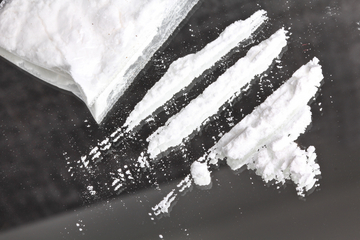
Cocaine Vaccine Passes Key Testing Hurdle of Preventing Drug from Reaching the Brain – Human Clinical Trials soon

cocaine

Researchers at Weill Cornell Medical College have successfully tested their novel anti-cocaine vaccine in primates, bringing them closer to launching human clinical trials. Their study, published online by the journal Neuropsychopharmacology, used a radiological technique to demonstrate that the anti-cocaine vaccine prevented the drug from reaching the brain and producing a dopamine-induced high.

“The vaccine eats up the cocaine in the blood like a little Pac-man before it can reach the brain,” says the study’s lead investigator, Dr. Ronald G. Crystal, chairman of the Department of Genetic Medicine at Weill Cornell Medical College. “We believe this strategy is a win-win for those individuals, among the estimated 1.4 million cocaine users in the United States, who are committed to breaking their addiction to the drug,” he says. “Even if a person who receives the anti-cocaine vaccine falls off the wagon, cocaine will have no effect.”

Dr. Crystal says he expects to begin human testing of the anti-cocaine vaccine within a year.

Cocaine, a tiny molecule drug, works to produce feelings of pleasure because it blocks the recycling of dopamine — the so-called “pleasure” neurotransmitter — in two areas of the brain, the putamen in the forebrain and the caudate nucleus in the brain’s center. When dopamine accumulates at the nerve endings, “you get this massive flooding of dopamine and that is the feel good part of the cocaine high,” says Dr. Crystal.

The novel vaccine Dr. Crystal and his colleagues developed combines bits of the common cold virus with a particle that mimics the structure of cocaine. When the vaccine is injected into an animal, its body “sees” the cold virus and mounts an immune response against both the virus and the cocaine impersonator that is hooked to it. “The immune system learns to see cocaine as an intruder,” says Dr. Crystal. “Once immune cells are educated to regard cocaine as the enemy, it produces antibodies, from that moment on, against cocaine the moment the drug enters the body.”

In their first study in animals, the researchers injected billions of their viral concoction into laboratory mice, and found a strong immune response was generated against the vaccine. Also, when the scientists extracted the antibodies produced by the mice and put them in test tubes, it gobbled up cocaine. They also saw that mice that received both the vaccine and cocaine were much less hyperactive than untreated mice given cocaine.

In this study, the researchers sought to precisely define how effective the anti-cocaine vaccine is in non-human primates, who are closer in biology to humans than mice. They developed a tool to measure how much cocaine attached to the dopamine transporter, which picks up dopamine in the synapse between neurons and brings it out to be recycled. If cocaine is in the brain, it binds on to the transporter, effectively blocking the transporter from ferrying dopamine out of the synapse, keeping the neurotransmitter active to produce a drug high.

In the study, the researchers attached a short-lived isotope tracer to the dopamine transporter. The activity of the tracer could be seen using positron emission tomography (PET). The tool measured how much of the tracer attached to the dopamine receptor in the presence or absence of cocaine.

The PET studies showed no difference in the binding of the tracer to the dopamine transporter in vaccinated compared to unvaccinated animals if these two groups were not given cocaine. But when cocaine was given to the primates, there was a significant drop in activity of the tracer in non-vaccinated animals. That meant that without the vaccine, cocaine displaced the tracer in binding to the dopamine receptor.

Previous research had shown in humans that at least 47 percent of the dopamine transporter had to be occupied by cocaine in order to produce a drug high. The researchers found, in vaccinated primates, that cocaine occupancy of the dopamine receptor was reduced to levels of less than 20 percent.

“This is a direct demonstration in a large animal, using nuclear medicine technology, that we can reduce the amount of cocaine that reaches the brain sufficiently so that it is below the threshold by which you get the high,” says Dr. Crystal.

When the vaccine is studied in humans, the non-toxic dopamine transporter tracer can be used to help study its effectiveness as well, he adds.

The researchers do not know how often the vaccine needs to be administered in humans to maintain its anti-cocaine effect. One vaccine lasted 13 weeks in mice and seven weeks in non-human primates.

“An anti-cocaine vaccination will require booster shots in humans, but we don’t know yet how often these booster shots will be needed,” says Dr. Crystal. “I believe that for those people who desperately want to break their addiction, a series of vaccinations will help.”

Co-authors of the study include Dr. Anat Maoz, Dr. Martin J. Hicks, Dr. Shankar Vallabhajosula, Michael Synan, Dr. Paresh J. Kothari, Dr. Jonathan P. Dyke, Dr. Douglas J. Ballon, Dr. Stephen M. Kaminsky, Dr. Bishnu P. De and Dr. Jonathan B. Rosenberg from Weill Cornell Medical College; Dr. Diana Martinez from Columbia University; and Dr. George F. Koob and Dr. Kim D. Janda from The Scripps Research Institute.

The study was funded by grants from the National Institute on Drug Abuse (NIDA).

Thanks to Kebmodee and Dr. Rajadhyaksha for bringing this to the attention of the It’s Interesting community.

New study links first-person singular pronouns to relationship problems and higher rates of depression

me

Researchers in Germany have found that people who frequently use first-person singular words like “I,” “me,” and “myself,” are more likely to be depressed and have more interpersonal problems than people who often say “we” and “us.”

In the study, 103 women and 15 men completed 60- to 90-minute psychotherapeutic interviews about their relationships, their past, and their self-perception. (99 of the subjects were patients at a psychotherapy clinic who had problems ranging from eating disorders to anxiety.) They also filled out questionnaires about depression and their interpersonal behavior.

Then, researchers led by Johannes Zimmerman of Germany’s University of Kassel counted the number of first-person singular (I, me) and first-person plural (we, us) pronouns used in each interview. Subjects who said more first-personal singular words scored higher on measures of depression. They also were more likely to show problematic interpersonal behaviors such as attention seeking, inappropriate self-disclosure, and an inability to spend time alone.

By contrast, the participants who used more pronouns like “we” and “us” tended to have what the researches called a “cold” interpersonal style. But, they explained, the coldness functioned as a positive way to maintain appropriate relationship boundaries while still helping others with their needs.

“Using first-person singular pronouns highlights the self as a distinct entity,” Zimmermann says, “whereas using first-person plural pronouns emphasizes its embeddedness into social relationships.” According to the study authors, the use of more first-person singular pronouns may be part of a strategy to gain more friendly attention from others.

Zimmerman points out that there’s no evidence that using more “I” and “me” words actually causes depression—instead, the speaking habit probably reflects how people see themselves and relate to others, he says.

The study appears in the June 2013 issue of the Journal of Research in Personality.

http://www.popsci.com/science/article/2013-05/people-who-often-say-me-myself-and-i-are-more-depressed?src=SOC&dom=tw