Potential Drug Target for Bipolar Disease Identified

Bipolar Disorder (BD) is a multifactorial brain disorder in which patients experience radical shifts in mood and undergo periods of depression followed by periods of mania. It has been known for some time that both environmental and genetic factors play important roles in the disease. For instance, being exposed to high levels of stress for long periods, and especially during childhood, has been associated with the development of BD.

Immediate early genes (IEGs) are a class of genes that respond very rapidly to environmental stimuli, and that includes stress. IEGs respond to a stressor by activating other genes that lead to neuronal plasticity, the ability of brain cells to change in form and function in response to changes in the environment. Ultimately, it is the process of neuronal plasticity that gives the brain the ability to learn from and adapt to new experiences.

One type of protein produced by IEGs is the so-called Early Growth Response (EGR) proteins, which translate environmental influence into long-term changes in the brain. These proteins are found throughout the brain and are highly produced in response to environmental changes such as stressful stimuli and sleep deprivation. Without the action played out by these proteins, brain cells and the brain itself cannot appropriately respond to the many stimuli that are constantly received from the environment.

Effective neuronal plasticity also depends on neurotrophins, which are regulatory factors that promote development and survival of brain cells. Brain-derived neurotrophic factor (BDNF) is the neurotrophin mostly found in the brain. It has been extensively investigated in BD patients and has been suggested as a hallmark of BD. Indeed, some studies have shown that the levels of BDNF in the serum of BD patients are reduced whenever patients undergo a period of depression, hypomania, or mania. Other studies have shown that regardless of mood state, BD patients present reduced levels of BDNF. Overall, changes in BDNF levels seem to be a characteristic found in BD patients that may contribute to the pathophysiology of the disease.

Now an international team of researchers from Universidade Federal do Rio Grande do Sul in Brazil, University of Arizona College of Medicine in the United States and McMaster University in Canada have published an article connecting the dots between these two players to explain the impaired cellular resilience observed in BD that in the grand scheme of things may relate to the impaired resilience presented by BD patients to respond to events, including stress.

In a previous study done by the group in 2016, one type of IEG gene known as EGR3, that normally responds to environmental events and stressful stimuli, was found repressed in the brain of BD patients, suggesting that when facing a stressor, the EGR3 in BD patients does not respond to the stimulus appropriately. Indeed, BD patients are highly prone to stress and have more difficulties dealing with stress or adapting to it if compared to healthy individuals. What the research group is now suggesting is that both EGR3 and BDNF may each play a critical role in the impaired cellular resilience seen in BD, and that each of these two genes may affect each other’s expression in the cell. “We believe that the reduced level of BDNF that has been extensively observed in BD patients is caused by the fact that EGR3 is repressed in the brain of BD patients. The two molecules are interconnected in a regulatory pathway that is disrupted in BD patients,” says Fabio Klamt, leading author of the article entitled “EGR3 immediate early gene and the brain-derived neurotrophic factor in bipolar disorder” and published on February 5th in the journal Frontiers in Behavioral Neuroscience.

The authors also add that the fact that EGR3 responds very quickly to environmental stimuli renders the molecule a potential drug target. “It is possible to imagine that EGR3 may be modulated in order to increase its expression and that of BDNF, which may have a positive impact on BD patients,” says Bianca Pfaffenseller, a scientist working at Hospital de Clínicas de Porto Alegre, in Brazil, and the first author of the study.

The idea that mental disorders should be seen as any other chronic disease in which the underlying biology plays an important role has replaced the old descriptions of mental illnesses as the result of bad psychological influences. As Nobel prize laureate Eric Kandel has said, “all mental processes are brain processes and therefore all disorders of mental functioning are biological diseases.” The perspective article authored by Fabio Klamt and colleagues supports this view by offering new insights into the underlying biology of this lifelong and devastating mental disorder affecting millions of people worldwide.

This article has been republished from materials provided by Universidade Federal do Rio Grande do Sul. Note: material may have been edited for length and content. For further information, please contact the cited source.

Reference
Pfaffenseller, B., Kapczinski, F., Gallitano, A., & Klamt, F. (2018). EGR3 immediate early gene and the brain-derived neurotrophic factor in bipolar disorder. Frontiers in Behavioral Neuroscience, 12, 15.

https://www.technologynetworks.com/genomics/news/potential-drug-target-for-bipolar-identified-297204?utm_campaign=Newsletter_TN_BreakingScienceNews&utm_source=hs_email&utm_medium=email&utm_content=60440362&_hsenc=p2ANqtz-89oHJTQFUqboYjSURU_IOr9bzx6r5zFJCMV1mEAzlZHgi02vXuuEgb5JNs196HT9b7QaknWb1xraugbZ8U_bITr6Kw-A&_hsmi=60440362

Self-cloning crayfish may be unstoppable

by NOEL KIRKPATRICK

nvasions are usually difficult to miss, whether it’s a military invasion conducted by countries or political factions, or the fictional invasion of alien lifeforms and their very big ships.

However, one invasion began so quietly that we’re not even sure where, or how, it started. All we do know for sure is that the invaders are all over Europe and Madagascar, and that they have toeholds in other continents, including North America. Or maybe “clawholds” is a better phrase since the invaders are mutant crayfish that can clone themselves.

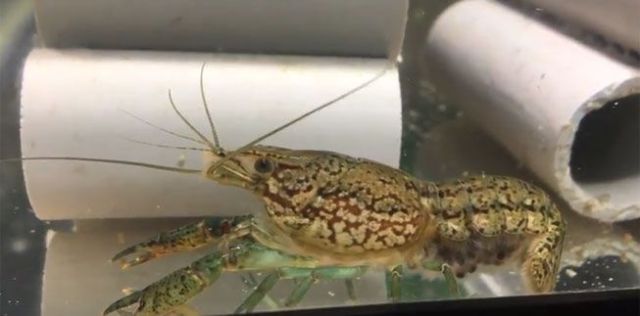
Yes, that’s right. Self-cloning crayfish called marbled crayfish (Procambarus virginalis) have invaded the planet, and it may be not be possible to stop them.

Marbled crayfish didn’t even exist until at least 1995. The story goes that it scientists only became aware of it because of a German aquarium owner who had gotten a bag of “Texan crayfish” from an American pet trader. Not long after the crayfish reached adulthood, the owner suddenly had a tank full of the creatures. Indeed, a single marbled crayfish can produce hundreds of eggs at a time, and all without needing to mate.

Scientists officially described the crayfish in 2003, confirming the reports of a crayfish capable of unisexual reproduction (all marbled crayfish are female), or parthenogenesis. These researchers did try to warn us about the havoc the crayfish could cause, writing that the species poses a “potential ecological threat” that could “outcompete native forms should even a single specimen be released into European lakes and rivers.”

Now, thanks to unwitting pet owners who dumped them into nearby lakes, feral populations of the marbled crayfish have been found in in a number of countries, including Croatia, the Czech Republic, Hungary, Japan, Sweden and Ukraine. In Madagascar, the marbled crayfish is threatening the existence of seven other crayfish species because its population grows so quickly and it will eat just about anything. In the European Union, the species, which is also called marmorkrebs, is banned; it’s illegal to own, distribute, sell or release the marbled crayfish into the wild.

A team of researchers decided to get to the bottom of the marbled crayfish’s origins and began work on sequencing its genome in 2013. This was no easy task since no one had sequenced the genome of a crayfish before, or even a relative of the crayfish. Once they sequenced it, however, they sequenced another 15 specimens’ genomes to suss out how this invasive clone army got started.

The study of the marbled crayfish’s genome was published in Nature Ecology and Evolution.

Marbled crayfish likely got their start when two slough crayfish, a species found in Florida, mated. One of those slough crayfish had a mutation in a sex cell — researchers couldn’t determine if it was an egg or sperm cell — that carried two sets of chromosomes instead of just one. Despite this mutation, the sex cells fused and the result was a female crayfish with three sets of chromosomes instead of the usual two. Also unexpectedly, the female offspring didn’t have any deformities as a result of those extra chromosomes.

That female was able to induce her own eggs and essentially clone herself, creating hundreds of offspring. The genetic similarities were constant across specimens, regardless of where they were collected. Only a few letters in crayfish’s DNA sequence were different.

As to how the crayfish is able to survive in such different waters, its extra chromosome may provide enough genetic material for it to adapt. And it may need that chromosome for other aspects of survival, too. Sexual reproduction creates different combinations of genes that in turn can increase the odds of developing a defense to pathogens. Should one pathogen develop a way to kill a single clone, the crayfish’s lack of genetic diversity could be its downfall.

Until then, scientists are intrigued to observe how well the crayfish can thrive, and for how long.

“Maybe they just survive for 100,000 years,” Frank Lyko, and lead author on the gene study suggested to The New York Times. “That would be a long time for me personally, but in evolution it would just be a blip on the radar.”

https://www.mnn.com/earth-matters/animals/stories/marbled-crayfish-self-cloning-invasion

Thanks to Kebmodee for bringing this to the It’s Interesting community.

Tiny Particles of Pollution May Strengthen Storms

By Chelsea Harvey

The tiniest particles of airborne pollution may affect the weather, new research suggests—even in some of the most pristine parts of the world.

A study published in the journal Science found that ultra-fine aerosol particles, produced by industrial activity, are helping storms grow bigger and more intense in the Amazon basin. Many scientists had long assumed that these microscopic particles—which can be more than 1,000 times smaller than the width of a human hair—were far too small to have any effect on the weather.

But a combination of observations and model simulations, focusing on the tropical rainforest outside the Brazilian city of Manaus, indicate that these tiny particles are actually causing bigger storm clouds and heavier rainfall. The findings suggest that the increase in pollution since the onset of the Industrial Revolution may have “appreciably changed” the formation of storm clouds, the researchers write. And they suggest that changes in the Amazon’s climate could potentially reverberate in other parts of the world.

The research comes at a time of growing interest in aerosols—small pollution particles, often produced by industrial activities—and their influence on global weather and climate. Aerosols are known to produce a temporary cooling effect on the climate, and research increasingly suggests that air pollution may have helped to cover up some of the effects of human-caused climate change (Climatewire, Jan. 22). This means ongoing efforts to reduce pollution may be accompanied by enhanced warming, scientists note, along with a variety of other weather-related side effects.

The new study reinforces the idea that pollution has a significant influence on atmospheric processes, down to daily weather patterns. Previous research has already demonstrated that larger aerosol particles can lead to stronger storms.

Particles in the air can interact with water vapor and form droplets, influencing the formation of clouds. One widely covered modeling study, published in the Proceedings of the National Academy of Sciences in 2014, suggested that pollution from Asia can intensify storms in the northwestern Pacific and may even affect weather patterns over North America.

But until now, the influence of the tiniest pollution particles has been largely overlooked.

“Previously, scientists had this concept that these ultra-fine particles, they are too small to be ‘activated,’ to be transformed into cloud droplets,” Jiwen Fan, the lead study author and a scientist at the Pacific Northwest National Laboratory, told E&E News.

The Amazon provided a “perfect setting” to investigate, she added. Rainforest outside Manaus remains relatively untouched by human activity, and the background aerosol levels are low. But winds often sweep in pollution from the city, providing a kind of natural laboratory to test the effects of higher and lower levels of particles in the air.

The researchers found that the tiny particles had an even greater effect on storm intensity than their larger counterparts. The tiny particles are lifted higher into the air before they begin to interact with water vapor and transform into cloud droplets, forming taller clouds. The resulting high concentration of water droplets forming the clouds release large amounts of heat as they condense, which helps to invigorate the air rising up through the cloud and intensify the brewing storm.

So far, the study only documents the process in a specific part of the Brazilian Amazon, meaning more research would be needed to determine whether the same effects apply elsewhere. But the researchers suggest that other humid and remote parts of the world, where human influence is starting to grow, may be similarly affected. For instance, the influence of shipping traffic in the open ocean might be a point worth investigating, Fan suggested.

The researchers also suggest that climatic changes in the Amazon could affect precipitation patterns in other places. This remains to be investigated—but the authors point out that the water cycle in the warm, humid Amazon plays a significant role in regulating climate patterns elsewhere around the world.

If human pollution continues to encroach on the region’s remaining untouched areas, they write, the resulting weather changes “could have profound effects on other places around the globe.”

https://www.scientificamerican.com/article/tiny-particles-of-pollution-may-strengthen-storms/

Some stroke patients can be successfully treated up to 16 hours after stroke

The time window for treating stroke patients may be considerably longer than doctors previously thought. Results from a multi-center clinical trial published Jan. 24 in the New England Journal of Medicine show that certain stroke patients can be successfully treated up to 16 hours after stroke.

Key to the success of the treatment was the use of advanced brain imaging that can identify stroke patients who still have salvageable brain tissue if blood flow can be restored. The study demonstrated that physically removing brain clots up to 16 hours after symptom onset in these selected patients led to improved outcomes compared to standard medical therapy.

University of Iowa Hospitals and Clinics was one of 38 stroke centers involved in the new study known as the Endovascular Therapy Following Imaging Evaluation for the Ischemic Stroke (DEFUSE 3) trial. The trial was led by researchers at Stanford University School of Medicine in California and funded by the National Institute of Neurological Disorders and Stroke (NINDS), part of the National Institutes of Health. The findings also were presented Jan. 24 at the International Stroke Conference in Los Angeles.

“This study will provide us with the opportunity to offer a life-saving and life-changing therapy to thousands of people,” says Santiago Ortega, MD, clinical assistant professor and neurointerventional surgery director in the UI Department of Neurology and principal investigator for the UI DEFUSE 3 study site. “As the top enrolling center in the study, the UI was an important contributor to this advance in the field of stroke and improving the treatment of this devastating disease.”


Saving brain tissue

Ischemic stroke occurs when a cerebral blood vessel becomes blocked, cutting off the delivery of oxygen and nutrients to brain tissue. The area immediately surrounding the blockage is known as the core. When a stroke occurs, brain tissue in the core typically cannot be saved, and the core can expand over time. However, physicians have long believed that tissue in the area surrounding the core (known as the ischemic penumbra) can potentially be saved based on how quickly blood flow can be restored.

The key to the new study was an advanced brain scan called perfusion imaging, which measures blood flow in brain tissue. Perfusion imaging can identify patients with brain tissue that can still be salvaged by removing the blockage.

Using an automated software to analyze perfusion MRI or CT scans, the DEFUSE 3 researchers identified patients thought to have salvageable tissue up to 16 hours after stroke onset. The participants were randomized to either receive endovascular thrombectomy plus standard medical therapy or medical therapy alone.

Endovascular thrombectomy, or the physical removal of the blockage, is currently approved for use up to six hours following onset of stroke symptoms. The DEFUSE 3 researchers discovered that this intervention can be effective up to 16 hours after symptoms begin in this select group of patients. The findings also showed that patients in the thrombectomy group had substantially better outcomes 90 days after treatment compared to those in the medical therapy control group. For example, 45 percent of the patients treated with the clot removal procedure achieved functional independence compared to 17 percent in the control group. Thrombectomy treatment was also associated with improved survival. According to the results, 14 percent of the treated group had died within 90 days of the study, compared to 26 percent in the control group.

The DEFUSE 3 results along with other recent trials are so compelling they have provided a basis for significant changes in the guidelines for managing acute stroke. The new guidelines, announced Jan. 24 by the American Heart Association/American Stroke Association, recommend thrombectomy in eligible patients six to 16 hours after a stroke.


DEFUSE 3 study at UI

The DEFUSE 3 study was supported by NINDS’ StrokeNet, a network of hospitals providing research infrastructure for multi-site clinical trials in stroke care. The UI is one of StrokeNet’s 25 Regional Coordinating Centers (RCC), and the UI site enrolled the highest number of participants (15 of 182) in the DEFUSE 3 study. Enrique Leira, MD, director of the UI Comprehensive Stroke Center is the principal investigator for the StrokeNet UIRCC. Leira, along with Harold Adams, MD, UI professor of neurology, have been instrumental in establishing the UI Comprehensive Stroke Center as a national leader in stroke care.

“UI Comprehensive Stroke Center team has worked hard on developing an acute endovascular protocol and infrastructure to expedite the assessment and treatment of patients suffering from this devastating disease in our state,” Ortega says. “Numerous members from different departments including, EMS personnel, emergency medicine physicians and nurses, radiology technologists, neurologists, anesthesiologist and OR nurses, and neurointerventional surgeons are constantly involved in the process and deserve recognition for their important contributions to the success of this study.”

Colin Derdeyn, MD, professor and DEO of the UI Department of Radiology, who also served on the DEFUSE 3 central steering committee, adds his praise for the study team’s work.

“Our success in this trial is related to several factors, one being Dr. Ortega’s great leadership and the work of his team, of which I am glad to be a part. Another major reason is the incredible network built by Dr. Adams and Dr. Leira to provide fast, state-of-the-art care to patients affected by acute stroke across Iowa,” Derdeyn says. “I am not aware of another institution in the country that supports so many small rural hospitals and accepts so many stroke patients in transfer for advanced care and access to really important trials like this.”

https://medcom.uiowa.edu/theloop/news/stroke-patients-can-be-successfully-treated-up-to-16-hours-after-stroke

Eyes and eardrums move in sync

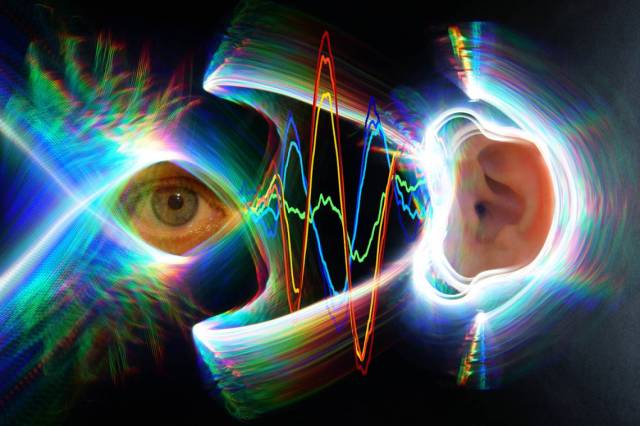
Simply moving the eyes triggers the eardrums to move too, says a new study by Duke University neuroscientists.

The researchers found that keeping the head still but shifting the eyes to one side or the other sparks vibrations in the eardrums, even in the absence of any sounds.

Surprisingly, these eardrum vibrations start slightly before the eyes move, indicating that motion in the ears and the eyes are controlled by the same motor commands deep within the brain.

“It’s like the brain is saying, ‘I’m going to move the eyes, I better tell the eardrums, too,’” said Jennifer Groh, a professor in the departments of neurobiology and psychology and neuroscience at Duke.

The findings, which were replicated in both humans and rhesus monkeys, provide new insight into how the brain coordinates what we see and what we hear. It may also lead to new understanding of hearing disorders, such as difficulty following a conversation in a crowded room.

The paper appeared Jan. 23 in Proceedings of the National Academy of Sciences.

It’s no secret that the eyes and ears work together to make sense of the sights and sounds around us. Most people find it easier to understand somebody if they are looking at them and watching their lips move. And in a famous illusion called the McGurk Effect, videos of lip cues dubbed with mismatched audio cause people to hear the wrong sound.

But researchers are still puzzling over where and how the brain combines these two very different types of sensory information.

“Our brains would like to match up what we see and what we hear according to where these stimuli are coming from, but the visual system and the auditory system figure out where stimuli are located in two completely different ways,” Groh said. “The eyes are giving you a camera-like snapshot of the visual scene, whereas for sounds, you have to calculate where they are coming from based on differences in timing and loudness across the two ears.”

Because the eyes are usually darting about within the head, the visual and auditory worlds are constantly in flux with respect to one another, Groh added.

In an experiment designed by Kurtis Gruters, a formal doctoral student in Groh’s lab and co-first author on the paper, 16 participants were asked to sit in a dark room and follow shifting LED lights with their eyes. Each participant also wore small microphones in their ear canals that were sensitive enough to pick up the slight vibrations created when the eardrum sways back and forth.

Though eardrums vibrate primarily in response to outside sounds, the brain can also control their movements using small bones in the middle ear and hair cells in the cochlea. These mechanisms help modulate the volume of sounds that ultimately reach the inner ear and brain, and produce small sounds known as otoacoustic emissions.

Gruters found that when the eyes moved, both eardrums moved in sync with one another, one side bulging inward at the same time the other side bulged outward. They continued to vibrate back and forth together until shortly after the eyes stopped moving. Eye movements in opposite directions produced opposite patterns of vibrations.

Larger eye movements also triggered bigger vibrations than smaller eye movements, the team found.

“The fact that these eardrum movements are encoding spatial information about eye movements means that they may be useful for helping our brains merge visual and auditory space,” said David Murphy, a doctoral student in Groh’s lab and co-first author on the paper. “It could also signify a marker of a healthy interaction between the auditory and visual systems.”

The team, which included Christopher Shera at the University of Southern California and David W. Smith of the University of Florida, is still investigating how these eardrum vibrations impact what we hear, and what role they may play in hearing disorders. In future experiments, they will look at whether up and down eye movements also cause unique signatures in eardrum vibrations.

“The eardrum movements literally contain information about what the eyes are doing,” Groh said. “This demonstrates that these two sensory pathways are coupled, and they are coupled at the earliest points.”

Cole Jenson, an undergraduate neuroscience major at Duke, also coauthored the new study.

CITATION: “The Eardrums Move When the Eyes Move: A Multisensory Effect on the Mechanics of Hearing,” K. G. Gruters, D. L. K. Murphy, Cole D. Jensen, D. W. Smith, C. A. Shera and J. M. Groh. Proceedings of the National Academy of Sciences, Jan. 23, 2018. DOI: 10.1073/pnas.1717948115

Meet Zhong Zhong and Hua Hua, the First Monkey Clones Produced by Method that Made Dolly

The first primate clones made by somatic cell nuclear transfer are two genetically-identical long-tailed macaques born recently at the Institute of Neuroscience of Chinese Academy of Sciences in Shanghai. Researchers named the newborns Zhong Zhong and Hua Hua—born six and eight weeks ago, respectively—after the Chinese adjective “Zhōnghuá,” which means Chinese nation or people. The technical milestone, presented January 24 in the journal Cell, makes it a realistic possibility for labs to conduct research with customizable populations of genetically uniform monkeys.

“There are a lot of questions about primate biology that can be studied by having this additional model,” says senior author SUN Qiang, Director of the Nonhuman Primate Research Facility at the Chinese Academy of Sciences Institute of Neuroscience. “You can produce cloned monkeys with the same genetic background except the gene you manipulated. This will generate real models not just for genetically based brain diseases, but also cancer, immune or metabolic disorders, and allow us to test the efficacy of the drugs for these conditions before clinical use.”

Zhong Zhong and Hua Hua are not the first primate clones—the title goes to Tetra, a rhesus monkey made in 1999 by a simpler method called embryo splitting (Science, v. 287, no. 5451, pp. 317-319). This approach is how twins are made, but can only generate up to 4 offspring at a time. Zhong Zhong and Hua Hua are the product of somatic cell nuclear transfer (SCNT), the technique used to create Dolly the sheep over 20 years ago, in which researchers remove the nucleus from an egg cell and replace it with another nucleus from differentiated body cells. This reconstructed egg then develops into a clone of whatever donated the replacement nucleus.

Differentiated monkey cell nuclei, compared to other mammals such as mice or dogs, have proven resistant to SCNT. SUN and his colleagues overcame this challenge primarily by introducing epigenetic modulators after the nuclear transfer that switch on or off the genes that are inhibiting the embryo development. The researchers found their success rate increased by transferring nuclei taken from fetal differentiated cells, such as fibroblasts, a cell type in the connective tissue. Zhong Zhong and Hua Hua are clones of the same macaque fetal fibroblasts. Cells from adult donor cells were also used, but those babies only lived for a few hours after birth.

“We tried several different methods but only one worked,” says SUN. “There was much failure before we found a way to successfully clone a monkey.”

The first author LIU Zhen, a postdoctoral fellow, spent three years practicing and optimizing the SCNT procedure. Including quickly and precisely removing of the nuclear materials from the egg cell and various methods of promoting the fusion of the nucleus-donor cell and enucleated egg. With additional help of epigenetic modulators that help re-activate the suppressed genes in the differentiated nucleus, he was able to achieve much higher rates of normal embryo development and pregnancy in the surrogate female monkeys.

“The SCNT procedure is rather delicate, so the faster you do it the less damage to the egg you have, and Dr. LIU has a green thumb for doing this,” says Muming Poo, a co-author on the study, who directs the Institute of Neuroscience of CAS Center for Excellence in Brain Science and Intelligence Technology and helps to supervise the project. “It takes a lot of practice, not everybody can do the enucleation and cell fusion process quickly and precisely, and it is likely that the optimization of transfer procedure greatly helped us to achieve this success.”

The researchers plan to continue improving the technique, which will also benefit from future work in other labs, and monitoring Zhong Zhong and Hua Hua for their physical and intellectual development. The babies are currently bottle fed and are growing normally compared to monkeys their age. The group is also expecting more macaque clones to be born over the coming months.

The lab is following strict international guidelines for animal research set by the US National Institutes of Health, but encourage the scientific community to discuss what should or should not be acceptable practices when it comes to cloning of non-human primates. “We are very aware that future research using non-human primates anywhere in the world depends on scientists following very strict ethical standards,” Poo says.

This work was supported by grants from Chinese Academy of Sciences, the CAS Key Technology Talent Program, the Shanghai Municipal Government Bureau of Science and Technology, the National Postdoctoral Program for Innovative Talents and the China Postdoctoral Science Foundation.

http://english.cas.cn/head/201801/t20180123_189488.shtml

Fiber-Rich Diet Fights Off Obesity by Altering Microbiota

Consumption of dietary fiber can prevent obesity, metabolic syndrome and adverse changes in the intestine by promoting growth of “good” bacteria in the colon, according to a study led by Georgia State University.

The researchers found enriching the diet of mice with the fermentable fiber inulin prevented metabolic syndrome that is induced by a high-fat diet, and they identified specifically how this occurs in the body. Metabolic syndrome is a cluster of conditions closely linked to obesity that includes increased blood pressure, high blood sugar, excess body fat around the waist and abnormal cholesterol or triglyceride levels. When these conditions occur together, they increase a person’s risk of heart disease, stroke and diabetes.

Obesity and metabolic syndrome are associated with alterations in gut microbiota, the microorganism population that lives in the intestine. Modern changes in dietary habits, particularly the consumption of processed foods lacking fiber, are believed to affect microbiota and contribute to the increase of chronic inflammatory disease, including metabolic syndrome. Studies have found a high-fat diet destroys gut microbiota, reduces the production of epithelial cells lining the intestine and causes gut bacteria to invade intestinal epithelial cells.

This study found the fermentable fiber inulin restored gut health and protected mice against metabolic syndrome induced by a high-fat diet by restoring gut microbiota levels, increasing the production of intestinal epithelial cells and restoring expression of the protein interleukin-22 (IL-22), which prevented gut microbiota from invading epithelial cells. The findings are published in the journal Cell Host & Microbe.

“We found that manipulating dietary fiber content, particularly by adding fermentable fiber, guards against metabolic syndrome,” said Dr. Andrew Gewirtz, professor in the Institute for Biomedical Sciences at Georgia State. “This study revealed the specific mechanism used to restore gut health and suppress obesity and metabolic syndrome is the induction of IL-22 expression. These results contribute to the understanding of the mechanisms that underlie diet-induced obesity and offer insight into how fermentable fibers might promote better health.”

For four weeks, the researchers fed mice either a grain-based rodent chow, a high-fat diet (high fat and low fiber content with 5 percent cellulose as a source of fiber) or a high-fat diet supplemented with fiber (either fermentable inulin fiber or insoluble cellulose fiber). The high-fat diet is linked to an increase in obesity and conditions associated with metabolic syndrome.

They discovered a diet supplemented with inulin reduced weight gain and noticeably reduced obesity induced by a high-fat diet, which was accompanied by a reduction in the size of fat cells. Dietary enrichment with inulin also markedly lowered cholesterol levels and largely prevented dysglycemia (abnormal blood sugar levels). The researchers found insoluble cellulose fiber only modestly reduced obesity and dysglycemia

Supplementing the high-fat diet with inulin restored gut microbiota. However, inulin didn’t restore the microbiota levels to those of mice fed a chow diet. A distinct difference in microbiota levels remained between mice fed a high-fat diet versus those fed a chow diet. Enrichment of high-fat diets with cellulose had a mild effect on microbiota levels.

In addition, the researchers found switching mice from a grain-based chow diet to a high-fat diet resulted in a loss of colon mass, which they believe contributes to low-grade inflammation and metabolic syndrome. When they switched mice back to a chow diet, the colon mass was fully restored.

https://www.technologynetworks.com/tn/news/fiber-rich-diet-fights-off-obesity-by-altering-microbiota-296642?utm_campaign=Newsletter_TN_BreakingScienceNews&utm_source=hs_email&utm_medium=email&utm_content=60184554&_hsenc=p2ANqtz-9YDsGiTl44CBfQpgNtYgc43xBeVKpAbPZym9Lh_GzlHoEVts0rAwMhHHXIDam3Jit0D3aTqKGhCceUREgr6sZfLGMWpQ&_hsmi=60184554

US and Russian computer scientists develop algorithm called VarQuest that discovers over 1000 antibiotic proteins in a few hours

A team of American and Russian computer scientists has developed an algorithm that can rapidly search databases to discover novel variants of known antibiotics — a potential boon in fighting antibiotic resistance.

In just a few hours, the algorithm, called VarQuest, identified 10 times more variants of peptidic natural products, or PNPs, than all previous PNP discovery efforts combined, the researchers report in the latest issue of the journal Nature Microbiology. Previously, such a search might have taken hundreds of years of computation, said Hosein Mohimani, assistant professor in Carnegie Mellon University’s Computational Biology Department.

“Our results show that the antibiotics produced by microbes are much more diverse than had been assumed,” Mohimani said. VarQuest found more than a thousand variants of known antibiotics, he noted, providing a big picture perspective that microbiologists could not obtain while studying one antibiotic at a time.

Mohimani and Pavel A. Pevzner, professor of computer science at the University of California, San Diego, designed and directed the effort, which included colleagues at St. Petersburg State University in Russia.

PNPs have an unparalleled track record in pharmacology. Many antimicrobial and anticancer agents are PNPs, including the so-called “antibiotics of last resort,” vancomycin and daptomycin. As concerns mount regarding antibiotic drug resistance, finding more effective variants of known antibiotics is a means for preserving the clinical efficacy of antibiotic drugs in general.

The search for these novel variants received a boost in recent years with the advent of high-throughput methods that enable environmental samples to be processed in batches, rather than one at a time. Researchers also recently launched the Global Natural Products Social (GNPS) molecular network, a database of mass spectra of natural products collected by researchers worldwide. Already, the GNPS based at UC San Diego contains more than a billion mass spectra.

The GNPS represents a gold mine for drug discovery, Mohimani said. The VarQuest algorithm, which employs a smarter way of indexing the database to enhance searches, should help GNPS meet its promise, he added.

“Natural product discovery is turning into a Big Data territory, and the field has to get prepared for this transformation in terms of collecting, storing and making sense of Big Data,” Mohimani said. “VarQuest is the first step toward digesting the Big Data already collected by the community.”

Reference: Gurevich, A., Mikheenko, A., Shlemov, A., Korobeynikov, A., Mohimani, H., & Pevzner, P. A. (2018). Increased diversity of peptidic natural products revealed by modification-tolerant database search of mass spectra. Nature Microbiology, 1. https://doi.org/10.1038/s41564-017-0094-2

https://www.technologynetworks.com/informatics/news/algorithm-unearths-over-1000-antibiotic-proteins-in-a-few-hours-296639?utm_campaign=Newsletter_TN_BreakingScienceNews&utm_source=hs_email&utm_medium=email&utm_content=60184554&_hsenc=p2ANqtz-9YDsGiTl44CBfQpgNtYgc43xBeVKpAbPZym9Lh_GzlHoEVts0rAwMhHHXIDam3Jit0D3aTqKGhCceUREgr6sZfLGMWpQ&_hsmi=60184554

Desire and Dislike Mapped in the Amygdala

The amygdala is a tiny hub of emotions where in 2016 a team led by MIT neuroscientist Kay Tye found specific populations of neurons that assign good or bad feelings, or “valence,” to experience. Learning to associate pleasure with a tasty food, or aversion to a foul-tasting one, is a primal function and key to survival.

In a new study in Cell Reports, Tye’s team at the Picower Institute for Learning and Memory returns to the amygdala for an unprecedentedly deep dive into its inner workings. Focusing on a particular section called the basolateral amygdala, the researchers show how valence-processing circuitry is organized and how key neurons in those circuits interact with others. What they reveal is a region with distinct but diverse and dynamic neighborhoods where valence is sorted out by both connecting with other brain regions and sparking cross-talk within the basolateral amygdala itself.

“Perturbations of emotional valence processing is at the core of many mental health disorders,” says Tye, associate professor of neuroscience at the Picower Institute of Learning and Memory and the Department of Brain and Cognitive Sciences. “Anxiety and addiction, for example, may be an imbalance or a misassignment of positive or negative valence with different stimuli.”

Despite the importance of valence assignment in both healthy behavior and psychiatric disorders, neuroscientists don’t know how the process really works. The new study therefore sought to expose how the neurons and circuits are laid out and how they interact.

Bitter, sweet

To conduct the study, lead author Anna Beyeler, a former postdoc in Tye’s lab and currently a faculty member at the University of Bordeaux in France, led the group in training mice to associate appealing sucrose drops with one tone and bitter quinine drops with another. They recorded the response of different neurons in the basolateral amygdala when the tones were played to see which ones were associated with the conditioned learned valence of the different tastes. They labeled those key neurons associated with valence encoding and engineered them to become responsive to pulses of light. When the researchers then activated them, they recorded the electrical activity not only of those neurons but also of many of their neighbors to see what influence their activity had in local circuits.

They also found, labeled, and made similar measurements among neurons that became active on the occasion that a mouse actually licked the bitter quinine. With this additional step, they could measure not only the neural activity associated with the learned valence of the bitter taste but also that associated with the innate reaction to the actual experience.

Later in the lab, they used tracing technologies to highlight three different kinds of neurons more fully, visualizing them in distinct colors depending on which other region they projected their tendrilous axons to connect with. Neurons that project to a region called the nucleus accumbens are predominantly associated with positive valence, and those that connect to the central amygdala are mainly associated with negative valence. They found that neurons uniquely activated by the unconditioned experience of actually tasting the quinine tended to project to the ventral hippocampus.

In all, the team mapped over 1,600 neurons.

To observe the three-dimensional configuration of these distinct neuron populations, the researchers turned the surrounding brain tissues clear using a technique called CLARITY, invented by Kwanghun Chung, assistant professor of chemical engineering and neuroscience and a colleague in the Picower Institute.

Neighborhoods without fences

Beyeler, Tye, and their co-authors were able to make several novel observations about the inner workings of the basolateral amygdala’s valence circuitry.

One finding was that the different functional populations of neurons tended to cluster together in neighborhoods, or “hotspots.” For example, picturing the almond-shaped amygdala as standing upright on its fat bottom, the neurons projecting to the central amygdala tended to cluster toward the point at the top and then on the right toward the bottom. Meanwhile the neurons that projected to the nucleus accumbens tended to run down the middle, and the ones that projected to the hippocampus were clustered toward the bottom on the opposite side from the central amygdala projectors.

Despite these trends, the researchers also noted that the neighborhoods were hardly monolithic. Instead, neurons of different types frequently intermingled creating a diversity where the predominant neuron type was never far from at least some representatives of the other types.

Meanwhile, their electrical activity data revealed that the different types exerted different degrees of influence over their neighbors. For example, neurons projecting to the central amygdala, in keeping with their association with negative valence, had a very strong inhibitory effect on neighbors, while nucleus accumbens projectors had a smaller influence that was more balanced between excitation and inhibition.

Tye speculates that the intermingling of neurons of different types, including their propensity to influence each other with their activity, may provide a way for competing circuits to engage in cross-talk.

“Perhaps the intermingling that there is might facilitate the ability of these neurons to influence each other,” says Tye.

Notably, Tye’s research has indicated the projections the different cell types may appear immutable, but the influence those cells have over each other is flexible. The basolateral amygdala may therefore be arranged to both assign valence and negotiate it, for instance in those situations when a mouse spies some desirable cheese, but that mean cat is also nearby.

“This helps us understand how form might give rise to function,” says Tye.

Reference:
Beyeler et al. “Organization of Valence-Encoding and Projection Defined Neurons in the Basolateral Amygdala” Cell Reports. https://doi.org/10.1016/j.celrep.2017.12.097

https://www.technologynetworks.com/neuroscience/news/valence-mapped-brain-study-reveals-roots-of-desire-and-dislike-in-the-amygdala-296668?utm_campaign=NEWSLETTER_TN_Neuroscience_2017&utm_source=hs_email&utm_medium=email&utm_content=60184122&_hsenc=p2ANqtz-_uyMIjTK1pmq-79zMcyJIvQNsa8i7gH9l8Tn-_75Taz2opCD4t1otYN6OBmeI-iAKoenGO8wKWNZ7VV6E_JcYum4fHlA&_hsmi=60184122

Pupil size changes with different stages of sleep, getting smaller as sleep gets deeper, in mice

When people are awake, their pupils regularly change in size. Those changes are meaningful, reflecting shifting attention or vigilance, for example. Now, researchers reporting in Current Biology on January 18 have found in studies of mice that pupil size also fluctuates during sleep. They also show that pupil size is a reliable indicator of sleep states.

“We found that pupil size rhythmically fluctuates during sleep,” says Daniel Huber of the University of Geneva in Switzerland. “Intriguingly, these pupil fluctuations follow the sleep-related brain activity so closely that they can indicate with high accuracy the exact stage of sleep—the smaller the pupil, the deeper the sleep.”

Studies of pupil size had always been a challenge for an obvious reason: people and animals generally sleep with their eyes closed. Huber says that he and his colleagues were inspired to study pupil size in sleep after discovering that their laboratory mice sometimes sleep with their eyes open. They knew that pupil size varies strongly during wakefulness. What, they wondered, happened during sleep?

To investigate this question, they developed a novel optical pupil-tracking system for mice. The device includes an infrared light positioned close to the head of the animal. That invisible light travels through the skull and brain to illuminate the back of the eye. When the eyes are imaged with an infrared camera, the pupils appear as bright circles. Thanks to this new method, it was suddenly possible to track changes in pupil size accurately, particularly when the animals snoozed naturally with their eyelids open.

Their images show that mouse pupils rhythmically fluctuate during sleep and that those fluctuations are not at all random; they correlate with changes in sleep states.

Further experiments showed that changes in pupil size are not just a passive phenomenon, either. They are actively controlled by the parasympathetic autonomic nervous system. The evidence suggests that in mice, at least, pupils narrow in deep sleep to protect the animals from waking up with a sudden flash of light.

“The common saying that ‘the eyes are the window to the soul’ might even hold true behind closed eyelids during sleep,” Özge Yüzgeç, the student conducting the study, says. “The pupil continues to play an important role during sleep by blocking sensory input and thereby protecting the brain in periods of deep sleep, when memories should be consolidated.”

Huber says they would like to find out whether the findings hold in humans and whether their new method can be adapted in the sleep clinic. “Inferring brain activity by non-invasive pupil tracking might be an interesting alternative or complement to electrode recordings,” he says.

Reference:

Yüzgeç, Ö., Prsa, M., Zimmermann, R., & Huber, D. (2018). Pupil Size Coupling to Cortical States Protects the Stability of Deep Sleep via Parasympathetic Modulation. Current Biology. doi:10.1016/j.cub.2017.12.049

https://www.technologynetworks.com/neuroscience/news/pupil-size-couples-to-cortical-states-to-protect-deep-sleep-stability-296519?utm_campaign=NEWSLETTER_TN_Neuroscience_2017&utm_source=hs_email&utm_medium=email&utm_content=60184122&_hsenc=p2ANqtz-_uyMIjTK1pmq-79zMcyJIvQNsa8i7gH9l8Tn-_75Taz2opCD4t1otYN6OBmeI-iAKoenGO8wKWNZ7VV6E_JcYum4fHlA&_hsmi=60184122