Researchers are keeping pig brains alive outside the body

by Antonio Regalado

In a step that could change the definition of death, researchers have restored circulation to the brains of decapitated pigs and kept the reanimated organs alive for as long as 36 hours.

The feat offers scientists a new way to study intact brains in the lab in stunning detail. But it also inaugurates a bizarre new possibility in life extension, should human brains ever be kept on life support outside the body.

The work was described on March 28 at a meeting held at the National Institutes of Health to investigate ethical issues arising as US neuroscience centers explore the limits of brain science.

During the event, Yale University neuroscientist Nenad Sestan disclosed that a team he leads had experimented on between 100 and 200 pig brains obtained from a slaughterhouse, restoring their circulation using a system of pumps, heaters, and bags of artificial blood warmed to body temperature.

There was no evidence that the disembodied pig brains regained consciousness. However, in what Sestan termed a “mind-boggling” and “unexpected” result, billions of individual cells in the brains were found to be healthy and capable of normal activity.

Reached by telephone yesterday, Sestan declined to elaborate, saying he had submitted the results for publication in a scholarly journal and had not intended for his remarks to become public.

Since last spring, however, a widening circle of scientists and bioethicists have been buzzing about the Yale research, which involves a breakthrough in restoring micro-circulation—the flow of oxygen to small blood vessels, including those deep in the brain.

“These brains may be damaged, but if the cells are alive, it’s a living organ,” says Steve Hyman, director of psychiatric research at the Broad Institute in Cambridge, Massachusetts, who was among those briefed on the work. “It’s at the extreme of technical know-how, but not that different from preserving a kidney.”

Hyman says the similarity to techniques for preserving organs like hearts or lungs for transplant could cause some to mistakenly view the technology as a way to avoid death. “It may come to the point that instead of people saying ‘Freeze my brain,’ they say ‘Hook me up and find me a body,’” says Hyman.

Such hopes are misplaced, at least for now. Transplanting a brain into a new body “is not remotely possible,” according to Hyman.

Brain in a bucket

The Yale system, called BrainEx, involves connecting a brain to a closed loop of tubes and reservoirs that circulate a red perfusion fluid, which is able to carry oxygen to the brain stem, the cerebellar artery, and areas deep in the center of the brain.

In his presentation to the NIH officials and ethics experts, Sestan said the technique was likely to work in any species, including primates. “This is probably not unique to pigs,” he said.

The Yale researchers, who began work on the technique about four years ago and are seeking NIH funding for it, acted out of a desire to construct a comprehensive atlas of connections between human brain cells.

Some of these connections probably span large regions of the brain and would thus be traced more easily in a complete, intact organ.

Sestan acknowledged that surgeons at Yale had already asked him if the brain-preserving technology could have medical uses. Disembodied human brains, he said, could become guinea pigs for testing exotic cancer cures and speculative Alzheimer’s treatments too dangerous to try on the living.

The setup, jokingly dubbed the “brain in a bucket,” would quickly raise serious ethical and legal questions if it were tried on a human.

For instance, if a person’s brain were reanimated outside the body, would that person awake in what would amount to the ultimate sensory deprivation chamber, without ears, eyes, or a way to communicate? Would someone retain memories, an identity, or legal rights? Could researchers ethically dissect or dispose of such a brain?

Also, because federal safety regulations apply to people, not “dead” tissues, it is uncertain whether the US Food and Drug Administration would have any say over whether scientists could attempt such a reanimation procedure.

“There are going to be a lot of weird questions even if it isn’t a brain in a box,” said an advisor to the NIH who didn’t wish to speak on the record. “I think a lot of people are going to start going to slaughterhouses to get heads and figure it out.”

Sestan said he was concerned about how the technology would be received by the public and by his peers. “People are fascinated. We have to be careful how fascinated,” he said.

Comatose state

It’s well known that a comatose brain can be kept alive for at least decades. That is the case with brain-dead people whose families elect to keep them attached to ventilating machines.

Less well explored are artificial means of maintaining a brain wholly separated from its body. There have been previous attempts, including a 1993 report involving rodents, but Sestan’s team is the first to achieve it with a large mammal, without using cold temperatures, and with such promising results.

At first, the Yale group was uncertain if an “ex vivo” brain to which circulation was restored would regain consciousness. To answer that question, the scientists checked for signs of complex activity in the pig brains using a version of EEG, or electrodes placed on the brain’s surface. These can pick up electrical waves reflecting broad brain activity indicating thoughts and sensations.

Initially, Sestan said, they believed they had found such signals, generating both alarm and excitement in the lab, but they later determined that those signals were artifacts created by nearby equipment.

Sestan now says the organs produce a flat brain wave equivalent to a comatose state, although the tissue itself “looks surprisingly great” and, once it’s dissected, the cells produce normal-seeming patterns.

The lack of wider electrical activity could be irreversible if it is due to damage and cell death. The pigs’ brains were attached to the BrainEx device roughly four hours after the animals were decapitated.

However, it could also be due to chemicals the Yale team added to the blood replacement to prevent swelling, which also severely dampen the activity of neurons. “You have to understand that we have so many channel blockers in our solution,” Sestan told the NIH. “This is probably the explanation why we don’t get [any] signal.”

Sestan told the NIH it is conceivable that the brains could be kept alive indefinitely and that steps could be attempted to restore awareness. He said his team had elected not to attempt either because “this is uncharted territory.”

“That animal brain is not aware of anything, I am very confident of that,” Sestan said, although he expressed concern over how the technique might be used by others in the future. “Hypothetically, somebody takes this technology, makes it better, and restores someone’s [brain] activity. That is restoring a human being. If that person has memory, I would be freaking out completely.”

Brain experiments

Consciousness isn’t necessary for the type of experiments on brain connections that scientists hope to carry out on living ex vivo brains. “The EEG brain activity is a flat line, but a lot of other things keep on ticking,” says Anna Devor, a neuroscientist at the University of California, San Diego, who is familiar with the Yale project.

Devor thinks the ability to work on intact, living brains would be “very nice” for scientists working to build a brain atlas. “The whole question of death is a gray zone,” she says. “But we need to remember the isolated brain is not the same as other organs, and we need to treat it with the same level of respect that we give to an animal.”

Today in the journal Nature, 17 neuroscientists and bioethicists, including Sestan, published an editorial arguing that experiments on human brain tissue may require special protections and rules.

They identified three categories of “brain surrogates” that provoke new concerns. These include brain organoids (blobs of nerve tissue the size of a rice grain), human-animal chimeras (mice with human brain tissue added), and ex vivo human brain tissue (such as chunks of brain removed during surgery).

They went on to suggest a variety of ethical safety measures, such as drugging animals that possess human brain cells so they stay in a “comatose-like brain state.”

Hyman, who also signed the letter, says he did so reluctantly, because he thinks most of the scenarios are exaggerated or unlikely. It’s hardly possible a tiny brain organoid will feel or think anything, he says.

The one type of research he thinks may call for quick action to set up rules of the road is Sestan’s unpublished brain preservation technique (which the Nature editorial did not discuss). “If people want to keep human brains alive post mortem, that is a more pressing and realistic problem,” says Hyman. “Given that it is possible with a pig brain, there should be guidelines for human tissue.”

https://www.technologyreview.com/s/611007/researchers-are-keeping-pig-brains-alive-outside-the-body/amp/

Laboratory mouse studies suggest that long-term, low dose caffeine worsens anxiety and emotional and cognitive flexibility in people with Alzheimer’s disease, while providing only little benefit to learning and memory.


The study simulated long-term consumption of three cups of coffee a day.

It is well known that memory problems are the hallmarks of Alzheimer’s disease. However, this dementia is also characterized by neuro-psychiatric symptoms, which may be strongly present already in the first stages of the disorder. Known as Behavioural and Psychological Symptoms of Dementia (BPSD), this array of symptoms — including anxiety, apathy, depression, hallucinations, paranoia and sundowning (or late-day confusion) — are manifested in different manners depending on the individual patient, and are considered the strongest source of distress for patients and caregivers.


Coffee and caffeine: good or bad for dementia?

Caffeine has recently been suggested as a strategy to prevent dementia, both in patients with Alzheimer’s disease and in normal ageing processes. This is due to its action in blocking molecules — adenosine receptors — which may cause dysfunctions and diseases in old age. However, there is some evidence that once cognitive and neuro-psychiatric symptoms develop, caffeine may exert opposite effects.

To investigate this further, researchers from Spain and Sweden conducted a study with normal ageing mice and familial Alzheimer’s models. The research, published in Frontiers in Pharmacology, was conducted from the onset of the disease up to more advanced stages, as well as in healthy age-matched mice.

“The mice develop Alzheimer’s disease in a very close manner to human patients with early-onset form of the disease,” explains first author Raquel Baeta-Corral, from Universitat Autònoma de Barcelona, Spain. “They not only exhibit the typical cognitive problems but also a number of BPSD-like symptoms. This makes them a valuable model to address whether the benefits of caffeine will be able to compensate its putative negative effects.”

“We had previously demonstrated the importance of the adenosine A1 receptor as the cause of some of caffeine’s adverse effects,” explains Dr. Björn Johansson, a researcher and physician at the Karolinska University Hospital, Sweden.

“In this study, we simulated a long oral treatment with a very low dose of caffeine (0.3 mg/mL) — equivalent to three cups of coffee a day for a human — to answer a question which is relevant for patients with Alzheimer’s, but also for the ageing population in general, and that in people would take years to be solved since we would need to wait until the patients were aged.”

Worsened Alzheimer’s symptoms outweigh cognition benefits

The results indicate that caffeine alters the behavior of healthy mice and worsens the neuropsychiatric symptoms of mice with Alzheimer’s disease. The researchers discovered significant effects in the majority of the study variables — and especially in relation to neophobia (a fear of everything new), anxiety-related behaviors, and emotional and cognitive flexibility.

In mice with Alzheimer’s disease, the increase in neophobia and anxiety-related behaviours exacerbates their BPSD-like profile. Learning and memory, strongly influenced by anxiety, got little benefit from caffeine.

“Our observations of adverse caffeine effects in an Alzheimer’s disease model, together with previous clinical observations, suggest that an exacerbation of BPSD-like symptoms may partly interfere with the beneficial cognitive effects of caffeine. These results are relevant when coffee-derived new potential treatments for dementia are to be devised and tested,” says Dr. Lydia Giménez-Llort, researcher from the INc-UAB Department of Psychiatry and Legal Medicine, Universitat Autònoma de Barcelona, and lead researcher of the project.

The results of the study form part of the PhD thesis of Raquel Baeta-Corral, first author of the article, and are the product of a research led by Lydia Giménez-Llort, Director of the Medical Psychology Unit, Department of Psychiatry and Legal Medicine and researcher at the UAB Institute of Neuroscience, together with Dr Björn Johansson, Researcher at the Department of Molecular Medicine and Surgery, Karolinska Institutet and the Department of Geriatrics, Karolinska University Hospital, Sweden, under the framework of the Health Research Fund project of the Institute of Health Carlos III.

Long-term caffeine worsens symptoms associated with Alzheimer’s disease

Food that helps battle depression

By Elizabeth Bernstein

You’re feeling depressed. What have you been eating?

Psychiatrists and therapists don’t often ask this question. But a growing body of research over the past decade shows that a healthy diet—high in fruits, vegetables, whole grains, fish and unprocessed lean red meat—can prevent depression. And an unhealthy diet—high in processed and refined foods—increases the risk for the disease in everyone, including children and teens.

Now recent studies show that a healthy diet may not only prevent depression, but could effectively treat it once it’s started.

Researchers, led by epidemiologist Felice Jacka of Australia’s Deakin University, looked at whether improving the diets of people with major depression would help improve their mood. They chose 67 people with depression for the study, some of whom were already being treated with antidepressants, some with psychotherapy, and some with both. Half of these people were given nutritional counseling from a dietitian, who helped them eat healthier. Half were given one-on-one social support—they were paired with someone to chat or play cards with—which is known to help people with depression.

After 12 weeks, the people who improved their diets showed significantly happier moods than those who received social support. And the people who improved their diets the most improved the most. The study was published in January 2017 in BMC Medicine. A second, larger study drew similar conclusions and showed that the boost in mood lasted six months. It was led by researchers at the University of South Australia and published in December 2017 in Nutritional Neuroscience.

And later this month in Los Angeles at the American Academy of Neurology’s annual meeting, researchers from Rush University Medical Center in Chicago will present results from their research that shows that elderly adults who eat vegetables, fruits and whole grains are less likely to develop depression over time.

The findings are spurring the rise of a new field: nutritional psychiatry. Dr. Jacka helped to found the International Society for Nutritional Psychiatry Research in 2013. It held its first conference last summer. She’s also launched Deakin University’s Food & Mood Centre, which is dedicated to researching and developing nutrition-based strategies for brain disorders.

The annual American Psychiatric Association conference has started including presentations on nutrition and psychiatry, including one last year by chef David Bouley on foods that support the peripheral nervous system. And some medical schools, including Columbia University’s Vagelos College of Physicians and Surgeons, are starting to teach psychiatry residents about the importance of diet on mental health.

Depression has many causes—it may be genetic, triggered by a specific event or situation, such as loneliness, or brought on by lifestyle choices. But it’s really about an unhealthy brain, and too often people forget this. “When we think of cardiac health, we think of strengthening an organ, the heart,” says Drew Ramsey, a psychiatrist in New York, assistant clinical professor of psychiatry at Columbia and author of “Eat Complete.” “We need to start thinking of strengthening another organ, the brain, when we think of mental health.”

A bad diet makes depression worse, failing to provide the brain with the variety of nutrients it needs, Dr. Ramsey says. And processed or deep-fried foods often contain trans fats that promote inflammation, believed to be a cause of depression. To give people evidenced-based information, Dr. Ramsey created an e-course called “Eat to Beat Depression.”

A bad diet also affects our microbiome—the trillions of micro-organisms that live in our gut. They make molecules that can alter the production of serotonin, a neurotransmitter found in the brain, says Lisa Mosconi, a neuroscientist, nutritionist and associate director of the Alzheimer’s Prevention Clinic at Weill Cornell Medical College in New York. The good and bad bacteria in our gut have complex ways to communicate with our brain and change our mood, she says. We need to maximize the good bacteria and minimize the bad.

So what should we eat? The research points to a Mediterranean-style diet made up primarily of fruits and vegetables, extra-virgin olive oil, yogurt and cheese, legumes, nuts, seafood, whole grains and small portions of red meat. The complexity of this diet will provide the nutrition our brain needs, regulate our inflammatory response and support the good bacteria in our gut, says Dr. Mosconi, author of “Brain Food: The Surprising Science of Eating for Cognitive Power.”

Can a good diet replace medicine or therapy? Not for everyone. But people at risk for depression should pay attention to the food they eat. “It really doesn’t matter if you need Prozac or not. We know that your brain needs nutrients,” Dr. Ramsey says. A healthy diet may work even when other treatments fail. And at the very least, it can serve as a supplemental treatment—one with no bad side effects, unlike antidepressants—that also has a giant upside. It can prevent other health problems, such as heart disease, obesity and diabetes.

Loretta Go, a 60-year-old mortgage consultant in Ballwin, Mo., suffered from depression for decades. She tried multiple antidepressants and cognitive behavioral therapy, but found little relief from symptoms including insomnia, crying jags and feelings of hopelessness. About five years ago, after her doctor wanted to prescribe yet another antidepressant, she refused the medicine and decided to look for alternative treatments.

Ms. Go began researching depression and learned about the importance of diet. When she read that cashews were effective in reducing depression symptoms, she ordered 100 pounds, stored them in the freezer, and started putting them in all her meals.

She also ditched processed and fried foods, sugar and diet sodas. In their place, she started to eat primarily vegetables and fruits, eggs, turkey and a lot of tofu. She bought a Vitamix blender and started making a smoothie with greens for breakfast each morning.

Within a few months, Ms. Go says she noticed a difference in her mood. She stopped crying all the time. Her insomnia went away and she had more energy. She also began enjoying activities again that she had given up when she was depressed, such as browsing in bookstores and volunteering at the animal shelter.

Ms. Go’s depression has never come back. “This works so well,” she says. “How come nobody else talks about this?”

https://www.wsj.com/articles/the-food-that-helps-battle-depression-1522678367

Brain-boosting prosthesis moves from mice to humans

by Robbie Gonzalez

THE SHAPE ON the screen appears only briefly—just long enough for the test subject to commit it to memory. At the same time, an electrical signal snakes past the bony perimeter of her skull, down through a warm layer of grey matter toward a batch of electrodes near the center of her brain. Zap zap zap they go, in a carefully orchestrated pattern of pulses. The picture disappears from the screen. A minute later, it reappears, this time beside a handful of other abstract images. The patient pauses, recognizes the shape, then points to it with her finger.

What she’s doing is remarkable, not for what she remembers, but for how well she remembers. On average, she and seven other test subjects perform 37 percent better at the memory game with the brain pulses than they do without—making them the first humans on Earth to experience the memory-boosting benefits of a tailored neural prosthesis.

If you want to get technical, the brain-booster in question is a “closed-loop hippocampal neural prosthesis.” Closed loop because the signals passing between each patient’s brain and the computer to which it’s attached are zipping back and forth in near-real-time. Hippocampal because those signals start and end inside the test subject’s hippocampus, a seahorse-shaped region of the brain critical to the formation of memories. “We’re looking at how the neurons in this region fire when memories are encoded and prepared for storage,” says Robert Hampson, a neuroscientist at Wake Forest Baptist Medical Center and lead author of the paper describing the experiment in the latest issue of the Journal of Neural Engineering.

By distinguishing the patterns associated with successfully encoded memories from unsuccessful ones, he and his colleagues have developed a system that improves test subjects’ performance on visual memory tasks. “What we’ve been able to do is identify what makes a correct pattern, what makes an error pattern, and use microvolt level electrical stimulations to strengthen the correct patterns. What that has resulted in is an improvement of memory recall in tests of episodic memory.” Translation: They’ve improved short-term memory by zapping patients’ brains with individualized patterns of electricity.

Today, their proof-of-concept prosthetic lives outside a patient’s head and connects to the brain via wires. But in the future, Hampson hopes, surgeons could implant a similar apparatus entirely within a person’s skull, like a neural pacemaker. It could augment all manner of brain functions—not just in victims of dementia and brain injury, but healthy individuals, as well.

If the possibility of a neuroprosthetic future strikes you as far-fetched, consider how far Hampson has come already. He’s been studying the formation of memories in the hippocampus since the 1980s. Then, about two decades ago, he connected with University of Southern California neural engineer Theodore Berger, who had been working on ways to model hippocampal activity mathematically. The two have been collaborating ever since. In the early aughts, they demonstrated the potential of a neuroprosthesis in slices of brain tissue. In 2011 they did it in live rats. A couple years later, they pulled it off in live monkeys. Now, at long last, they’ve done it in people.

“In one sense, that makes this prosthesis a culmination,” Hampson says. “But in another sense, it’s just the beginning. Human memory is such a complex process, and there is so much left to learn. We’re only at the edge of understanding it.”

To test their system in human subjects, the researchers recruited people with epilepsy; those patients already had electrodes implanted in their hippocampi to monitor for seizure-related electrical activity. By piggybacking on the diagnostic hardware, Hampson and his colleagues were able to record, and later deliver, electrical activity.

You see, the researchers weren’t just zapping their subjects’ brains willy nilly. They determined where and when to deliver stimulation by first recording activity in the hippocampus as each test subject performed the visual memory test described above. It’s an assessment of working memory—the short-term mental storage bin you use to stash, say, a two-factor authentication code, only to retrieve it seconds later.

All the while, electrodes were recording the brain’s activity, tracking the firing patterns in the hippocampus when the patient guessed right and wrong. From those patterns, Berger, together with USC biomedical engineer Dong Song, created a mathematical model that could predict how neurons in each subject’s hippocampus would fire during successful memory-formation. And if you can predict that activity, that means you can stimulate the brain to mimic that memory formation.

Stimulating the patients’ hippocampi had a similar effect on longer-term memory retention—like your ability to remember where you parked when you leave the grocery store. In a second test, Hampson’s team introduced a 30- to 60-minute delay between displaying an image and asking the subjects to pull it out of a lineup. On average, test subjects performed 35 percent better in the stimulated trials.

The effect came as a shock to the researchers. “We weren’t surprised to see improvement, because we’d had success in our preliminary animal studies. We were surprised by the amount of improvement,” Hampson says. “We could tell, as we were running the patients, that they were performing better. But we didn’t appreciate how much better until we went back and analyzed the results.”

The results have impressed other researchers, as well. “The loss of one’s memories and the ability to encode new memories is devastating—we are who we are because of the memories we have formed throughout our lifetimes,” Rob Malenka, a psychiatrist and neurologist at Stanford University who was unaffiliated with the study, said via email. In that light, he says, “this very exciting neural prosthetic approach, which borders on science fiction, has great potential value. (Malenka has expressed cautious optimism about neuroprosthetic research in the past, noting as recently as 2015 that the translation of the technology from animal to human subjects would constitute “a huge leap.”) However, he says, it’s important to be remain clear-headed. “This kind of approach is certainly worth pursuing with vigor but I think it will still be decades before this kind of approach will ever be used routinely in large numbers of patient populations.”

Then again, with enough support, it could happen sooner than that. Facebook is working on brain computer interfaces; so is Elon Musk. Berger himself briefly served as the chief science officer of Kernel, an ambitious neurotechnology startup led by entrepreneur Bryan Johnson. “Initially, I was very hopeful about working with Bryan,” Berger says now. “We were both excited about the possibility of the work, and he was willing to put in the kind of money that would be required to see it thrive.”

But the partnership crumbled, right in the middle of Kernel’s first clinical test. Berger declines to go into details, except to say that Johnson—either out of hubris or ignorance—wanted to move too fast. (Johnson declined to comment for this story.)

https://www.wired.com/story/hippocampal-neural-prosthetic?mbid=nl_040618_daily_list3_p1&CNDID=50678559

New research shows that human make lots of new nerve cells in the brain well into old age.


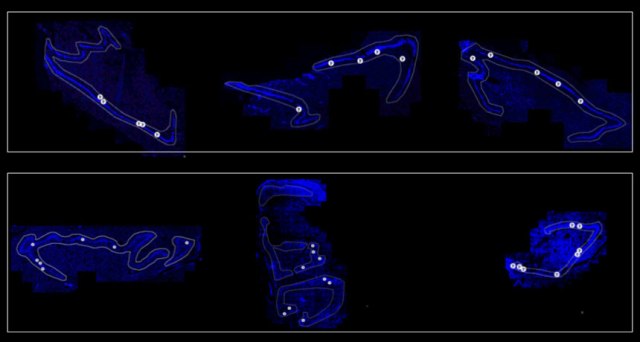
Roughly the same number of new nerve cells (dots) exist in the hippocampus of people in their 20s (three hippocampi shown, top row) as in people in their 70s (bottom). Blue marks the dentate gyrus, where new nerve cells are born.

BY LAUREL HAMERS

Healthy people in their 70s have just as many young nerve cells, or neurons, in a memory-related part of the brain as do teenagers and young adults, researchers report in the April 5 Cell Stem Cell. The discovery suggests that the hippocampus keeps generating new neurons throughout a person’s life.

The finding contradicts a study published in March, which suggested that neurogenesis in the hippocampus stops in childhood (SN Online: 3/8/18). But the new research fits with a larger pile of evidence showing that adult human brains can, to some extent, make new neurons. While those studies indicate that the process tapers off over time, the new study proposes almost no decline at all.

Understanding how healthy brains change over time is important for researchers untangling the ways that conditions like depression, stress and memory loss affect older brains.

When it comes to studying neurogenesis in humans, “the devil is in the details,” says Jonas Frisén, a neuroscientist at the Karolinska Institute in Stockholm who was not involved in the new research. Small differences in methodology — such as the way brains are preserved or how neurons are counted — can have a big impact on the results, which could explain the conflicting findings. The new paper “is the most rigorous study yet,” he says.

Researchers studied hippocampi from the autopsied brains of 17 men and 11 women ranging in age from 14 to 79. In contrast to past studies that have often relied on donations from patients without a detailed medical history, the researchers knew that none of the donors had a history of psychiatric illness or chronic illness. And none of the brains tested positive for drugs or alcohol, says Maura Boldrini, a psychiatrist at Columbia University. Boldrini and her colleagues also had access to whole hippocampi, rather than just a few slices, allowing the team to make more accurate estimates of the number of neurons, she says.

To look for signs of neurogenesis, the researchers hunted for specific proteins produced by neurons at particular stages of development. Proteins such as GFAP and SOX2, for example, are made in abundance by stem cells that eventually turn into neurons, while newborn neurons make more of proteins such as Ki-67. In all of the brains, the researchers found evidence of newborn neurons in the dentate gyrus, the part of the hippocampus where neurons are born.

Although the number of neural stem cells was a bit lower in people in their 70s compared with people in their 20s, the older brains still had thousands of these cells. The number of young neurons in intermediate to advanced stages of development was the same across people of all ages.

Still, the healthy older brains did show some signs of decline. Researchers found less evidence for the formation of new blood vessels and fewer protein markers that signal neuroplasticity, or the brain’s ability to make new connections between neurons. But it’s too soon to say what these findings mean for brain function, Boldrini says. Studies on autopsied brains can look at structure but not activity.

Not all neuroscientists are convinced by the findings. “We don’t think that what they are identifying as young neurons actually are,” says Arturo Alvarez-Buylla of the University of California, San Francisco, who coauthored the recent paper that found no signs of neurogenesis in adult brains. In his study, some of the cells his team initially flagged as young neurons turned out to be mature cells upon further investigation.

But others say the new findings are sound. “They use very sophisticated methodology,” Frisén says, and control for factors that Alvarez-Buylla’s study didn’t, such as the type of preservative used on the brains.

M. Boldrini et al. Human hippocampal neurogenesis persists throughout aging. Cell Stem Cell. Vol. 22, April 5, 2018, p. 589. doi:10.1016/j.stem.2018.03.015.

S.F. Sorrells et al. Human hippocampal neurogenesis drops sharply in children to undetectable levels in adults. Nature. Vol. 555, March 15, 2018, p. 377. doi: 10.1038/nature25975.

Human brains make new nerve cells — and lots of them — well into old age

Lab mini-brains now growing their own blood vasculature systems

THE FIRST HUMAN brain balls—aka cortical spheroids, aka neural organoids—agglomerated into existence just a few short years ago. In the beginning, they were almost comically crude: just stem cells, chemically coerced into proto-neurons and then swirled into blobs in a salty-sweet bath. But still, they were useful for studying some of the most dramatic brain disorders, like the microcephaly caused by the Zika virus.

Then they started growing up. The simple spheres matured into 3D structures, fusing with other types of brain balls and sparking with electricity. The more like real brains they became, the more useful they were for studying complex behaviors and neurological diseases beyond the reach of animal models. And now, in their most human act yet, they’re starting to bleed.

Neural organoids don’t yet, even remotely, resemble adult brains; developmentally, they’re just pushing second trimester tissue organization. But the way Ben Waldau sees it, brain balls might be the best chance his stroke patients have at making a full recovery—and a homegrown blood supply is a big step toward that far-off goal. A blood supply carries oxygen and nutrients, allowing brain balls to grow bigger, complex networks of tissues, those that a doctor could someday use to shore up malfunctioning neurons.

“The whole idea with these organoids is to one day be able to develop a brain structure the patient has lost made with the patient’s own cells,” says Waldau, a vascular neurosurgeon at UC Davis Medical Center. “We see the injuries still there on the CT scans, but there’s nothing we can do. So many of them are left behind with permanent neural deficits—paralysis, numbness, weakness—even after surgery and physical therapy.”

Last week, it was Waldau’s group at UC Davis that published the first results of vascularized human neural organoids. Using brain membrane cells taken from one of his patients during a routine surgery, the team coaxed them first into stem cells, then some of them into the endothelial cells that line blood vessels’ insides. The stem cells they grew into brain balls, which they incubated in a gel matrix coated with those endothelial cells. After incubating for three weeks, they took a single organoid and transplanted it into a tiny cavity carefully carved into a mouse’s brain. Two weeks later the organoid was alive, well—and, critically, had grown capillaries that penetrated all the way to its inner layers.

Waldau got the idea from his work treating a rare disorder called Moyamoya disease. Patients have blocked arteries at the base of their brain, keeping blood from reaching the rest of the organ. “We sometimes lay a patient’s own artery on top of the brain to get the blood vessels to start growing in,” says Waldau. “When we replicated that process on a miniaturized scale we saw these vessels self-assemble.”

While it wasn’t clear from this experiment whether or not there was rodent blood coursing through its capillaries—the scientists had to flush them to accomplish fluorescent staining—the UC Davis team did demonstrate that the blood vessels themselves were comprised of human cells. Other research groups at the Salk Institute and the University of Pennsylvania have successfully transplanted human organoids into the brains of mice, but in both cases, blood vessels from the rodent host spontaneously grew into the transplanted tissue. When brain balls make their own blood vessels, they can potentially live much longer by hooking them up to microfluidic pumps—no rodent required.

That might give them a chance to actually mature into a complex computational organ. “It’s a big deal,” says Christof Koch, president of the Allen Institute for Brain Science in Seattle, “but it’s still early days.” The next problem will be getting these cells wired into circuits that can receive and process information. “The fact that I can look out at the world and see it as spatially organized—left, right, near, far— is all due to the organization of my cortex that reflects the regularity of the world,” says Koch. “There’s nothing like that in these organoids yet.”

Not yet, maybe, but it’s not too soon to start asking what happens when they do. How large do they have to be before society has a moral mandate to provide them some kind of special protections? If an organoid comes from your cells, are you then its legal guardian? Can a brain ball give its consent to be studied?

Just last week the National Institutes of Health convened a neuroethics workshop to confront some of these thorny questions. Addressing a room filled with neuroscientists, doctors, and philosophers, Walter Koroshetz, director of the NIH’s National Institute of Neurological Disorders and Stroke, said the time for involving the public was now, even if the technology takes a century to become reality. “The question here is, as those cells come together to form information processing units, when do they get to the point where they’re as good as what we do now in a mouse? When does it go beyond that, to information processing you only see in a human? And what type of information processing would be to a point where you would say, ‘I don’t think we should go there’?”

https://www.wired.com/story/mini-brains-just-got-creepiertheyre-growing-their-own-veins/

How flashing lights and pink noise might banish Alzheimer’s, improve memory and more


Illustration by Paweł Jońca

by Helen Thomson

In March 2015, Li-Huei Tsai set up a tiny disco for some of the mice in her laboratory. For an hour each day, she placed them in a box lit only by a flickering strobe. The mice — which had been engineered to produce plaques of the peptide amyloid-β in the brain, a hallmark of Alzheimer’s disease — crawled about curiously. When Tsai later dissected them, those that had been to the mini dance parties had significantly lower levels of plaque than mice that had spent the same time in the dark.

Tsai, a neuroscientist at Massachusetts Institute of Technology (MIT) in Cambridge, says she checked the result; then checked it again. “For the longest time, I didn’t believe it,” she says. Her team had managed to clear amyloid from part of the brain with a flickering light. The strobe was tuned to 40 hertz and was designed to manipulate the rodents’ brainwaves, triggering a host of biological effects that eliminated the plaque-forming proteins. Although promising findings in mouse models of Alzheimer’s disease have been notoriously difficult to replicate in humans, the experiment offered some tantalizing possibilities. “The result was so mind-boggling and so robust, it took a while for the idea to sink in, but we knew we needed to work out a way of trying out the same thing in humans,” Tsai says.

Scientists identified the waves of electrical activity that constantly ripple through the brain almost 100 years ago, but they have struggled to assign these oscillations a definitive role in behaviour or brain function. Studies have strongly linked brainwaves to memory consolidation during sleep, and implicated them in processing sensory inputs and even coordinating consciousness. Yet not everyone is convinced that brainwaves are all that meaningful. “Right now we really don’t know what they do,” says Michael Shadlen, a neuroscientist at Columbia University in New York City.

Now, a growing body of evidence, including Tsai’s findings, hint at a meaningful connection to neurological disorders such as Alzheimer’s and Parkinson’s diseases. The work offers the possibility of forestalling or even reversing the damage caused by such conditions without using a drug. More than two dozen clinical trials are aiming to modulate brainwaves in some way — some with flickering lights or rhythmic sounds, but most through the direct application of electrical currents to the brain or scalp. They aim to treat everything from insomnia to schizophrenia and premenstrual dysphoric disorder.

Tsai’s study was the first glimpse of a cellular response to brainwave manipulation. “Her results were a really big surprise,” says Walter Koroshetz, director of the US National Institute of Neurological Disorders and Stroke in Bethesda, Maryland. “It’s a novel observation that would be really interesting to pursue.”


A powerful wave

Brainwaves were first noticed by German psychiatrist Hans Berger. In 1929, he published a paper describing the repeating waves of current he observed when he placed electrodes on people’s scalps. It was the world’s first electroencephalogram (EEG) recording — but nobody took much notice. Berger was a controversial figure who had spent much of his career trying to identify the physiological basis of psychic phenomena. It was only after his colleagues began to confirm the results several years later that Berger’s invention was recognized as a window into brain activity.

Neurons communicate using electrical impulses created by the flow of ions into and out of each cell. Although a single firing neuron cannot be picked up through the electrodes of an EEG, when a group of neurons fires again and again in synchrony, it shows up as oscillating electrical ripples that sweep through the brain.

Those of the highest frequency are gamma waves, which range from 25 to 140 hertz. People often show a lot of this kind of activity when they are at peak concentration. At the other end of the scale are delta waves, which have the lowest frequency — around 0.5 to 4 hertz. These tend to occur in deep sleep (see ‘Rhythms of the mind’).

At any point in time, one type of brainwave tends to dominate, although other bands are always present to some extent. Scientists have long wondered what purpose, if any, this hum of activity serves, and some clues have emerged over the past three decades. For instance, in 1994, discoveries in mice indicated that the distinct patterns of oscillatory activity during sleep mirrored those during a previous learning exercise. Scientists suggested that these waves could be helping to solidify memories.

Brainwaves also seem to influence conscious perception. Randolph Helfrich at the University of California, Berkeley, and his colleagues devised a way to enhance or reduce gamma oscillations of around 40 hertz using a non-invasive technique called transcranial alternating current stimulation (tACS). By tweaking these oscillations, they were able to influence whether a person perceived a video of moving dots as travelling vertically or horizontally.

The oscillations also provide a potential mechanism for how the brain creates a coherent experience from the chaotic symphony of stimuli hitting the senses at any one time, a puzzle known as the ‘binding problem’. By synchronizing the firing rates of neurons responding to the same event, brainwaves might ensure that the all of the relevant information relating to one object arrives at the correct area of the brain at exactly the right time. Coordinating these signals is the key to perception, says Robert Knight, a cognitive neuroscientist at the University of California, Berkeley, “You can’t just pray that they will self-organize.”


Healthy oscillations

But these oscillations can become disrupted in certain disorders. In Parkinson’s disease, for example, the brain generally starts to show an increase in beta waves in the motor regions as body movement becomes impaired. In a healthy brain, beta waves are suppressed just before a body movement. But in Parkinson’s disease, neurons seem to get stuck in a synchronized pattern of activity. This leads to rigidity and movement difficulties. Peter Brown, who studies Parkinson’s disease at the University of Oxford, UK, says that current treatments for the symptoms of the disease — deep-brain stimulation and the drug levodopa — might work by reducing beta waves.

People with Alzheimer’s disease show a reduction in gamma oscillations5. So Tsai and others wondered whether gamma-wave activity could be restored, and whether this would have any effect on the disease.

They started by using optogenetics, in which brain cells are engineered to respond directly to a flash of light. In 2009, Tsai’s team, in collaboration with Christopher Moore, also at MIT at the time, demonstrated for the first time that it is possible to use the technique to drive gamma oscillations in a specific part of the mouse brain6.

Tsai and her colleagues subsequently found that tinkering with the oscillations sets in motion a host of biological events. It initiates changes in gene expression that cause microglia — immune cells in the brain — to change shape. The cells essentially go into scavenger mode, enabling them to better dispose of harmful clutter in the brain, such as amyloid-β. Koroshetz says that the link to neuroimmunity is new and striking. “The role of immune cells like microglia in the brain is incredibly important and poorly understood, and is one of the hottest areas for research now,” he says.

If the technique was to have any therapeutic relevance, however, Tsai and her colleagues had to find a less-invasive way of manipulating brainwaves. Flashing lights at specific frequencies has been shown to influence oscillations in some parts of the brain, so the researchers turned to strobe lights. They started by exposing young mice with a propensity for amyloid build-up to flickering LED lights for one hour. This created a drop in free-floating amyloid, but it was temporary, lasting less than 24 hours, and restricted to the visual cortex.

To achieve a longer-lasting effect on animals with amyloid plaques, they repeated the experiment for an hour a day over the course of a week, this time using older mice in which plaques had begun to form. Twenty-four hours after the end of the experiment, these animals showed a 67% reduction in plaque in the visual cortex compared with controls. The team also found that the technique reduced tau protein, another hallmark of Alzheimer’s disease.

Alzheimer’s plaques tend to have their earliest negative impacts on the hippocampus, however, not the visual cortex. To elicit oscillations where they are needed, Tsai and her colleagues are investigating other techniques. Playing rodents a 40-hertz noise, for example, seems to cause a decrease in amyloid in the hippocampus — perhaps because the hippo-campus sits closer to the auditory cortex than to the visual cortex.

Tsai and her colleague Ed Boyden, a neuro-scientist at MIT, have now formed a company, Cognito Therapeutics in Cambridge, to test similar treatments in humans. Last year, they started a safety trial, which involves testing a flickering light device, worn like a pair of glasses, on 12 people with Alzheimer’s.

Caveats abound. The mouse model of Alzheimer’s disease is not a perfect reflection of the disorder, and many therapies that have shown promise in rodents have failed in humans. “I used to tell people — if you’re going to get Alzheimer’s, first become a mouse,” says Thomas Insel, a neuroscientist and psychiatrist who led the US National Institute of Mental Health in Bethesda, Maryland, from 2002 until 2015.

Others are also looking to test how manipulating brainwaves might help people with Alzheimer’s disease. “We thought Tsai’s study was outstanding,” says Emiliano Santarnecchi at Harvard Medical School in Boston, Massachusetts. His team had already been using tACS to stimulate the brain, and he wondered whether it might elicit stronger effects than a flashing strobe. “This kind of stimulation can target areas of the brain more specifically than sensory stimulation can — after seeing Tsai’s results, it was a no-brainer that we should try it in Alzheimer’s patients.”

His team has begun an early clinical trial in which ten people with Alzheimer’s disease receive tACS for one hour daily for two weeks. A second trial, in collaboration with Boyden and Tsai, will look for signals of activated microglia and levels of tau protein. Results are expected from both trials by the end of the year.

Knight says that Tsai’s animal studies clearly show that oscillations have an effect on cellular metabolism — but whether the same effect will be seen in humans is another matter. “In the end, it’s data that will win out,” he says.

The studies may reveal risks, too. Gamma oscillations are the type most likely to induce seizures in people with photosensitive epilepsy, says Dora Hermes, a neuroscientist at Stanford University in California. She recalls a famous episode of a Japanese cartoon that featured flickering red and blue lights, which induced seizures in some viewers. “So many people watched that episode that there were almost 700 extra visits to the emergency department that day.”

A brain boost

Nevertheless, there is clearly a growing excitement around treating neurological diseases using neuromodulation, rather than pharmaceuticals. “There’s pretty good evidence that by changing neural-circuit activity we can get improvements in Parkinson’s, chronic pain, obsessive–compulsive disorder and depression,” says Insel. This is important, he says, because so far, pharmaceutical treatments for neurological disease have suffered from a lack of specificity. Koroshetz adds that funding institutes are eager for treatments that are innovative, non-invasive and quickly translatable to people.

Since publishing their mouse paper, Boyden says, he has had a deluge of requests from researchers wanting to use the same technique to treat other conditions. But there are a lot of details to work out. “We need to figure out what is the most effective, non-invasive way of manipulating oscillations in different parts of the brain,” he says. “Perhaps it is using light, but maybe it’s a smart pillow or a headband that could target these oscillations using electricity or sound.” One of the simplest methods that scientists have found is neurofeedback, which has shown some success in treating a range of conditions, including anxiety, depression and attention-deficit hyperactivity disorder. People who use this technique are taught to control their brainwaves by measuring them with an EEG and getting feedback in the form of visual or audio cues.

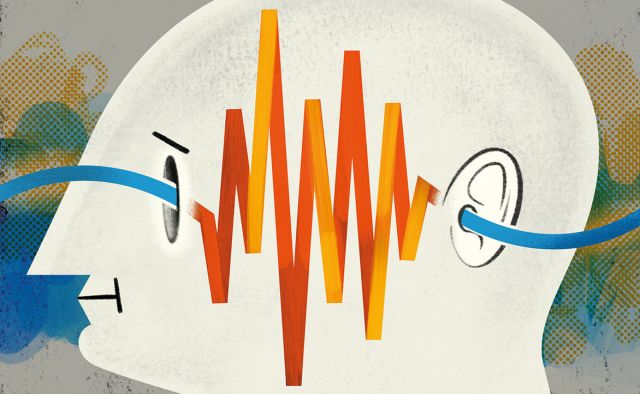
Phyllis Zee, a neurologist at Northwestern University in Chicago, Illinois, and her colleagues delivered pulses of ‘pink noise’ — audio frequencies that together sound a bit like a waterfall — to healthy older adults while they slept. They were particularly interested in eliciting the delta oscillations that characterize deep sleep. This aspect of sleep decreases with age, and is associated with a decreased ability to consolidate memories.

So far, her team has found that stimulation increased the amplitude of the slow waves, and was associated with a 25–30% improvement in recall of word pairs learnt the night before, compared with a fake treatment7. Her team is midway through a clinical trial to see whether longer-term acoustic stimulation might help people with mild cognitive impairment.

Although relatively safe, these kinds of technologies do have limitations. Neurofeedback is easy to learn, for instance, but it can take time to have an effect, and the results are often short-lived. In experiments that use magnetic or acoustic stimulation, it is difficult to know precisely what area of the brain is being affected. “The field of external brain stimulation is a little weak at the moment,” says Knight. Many approaches, he says, are open loop, meaning that they don’t track the effect of the modulation using an EEG. Closed loop, he says, would be more practical. Some experiments, such as Zee’s and those involving neuro-feedback, already do this. “I think the field is turning a corner,” Knight says. “It’s attracting some serious research.”

In addition to potentially leading to treatments, these studies could break open the field of neural oscillations in general, helping to link them more firmly to behaviour and how the brain works as a whole.

Shadlen says he is open to the idea that oscillations play a part in human behaviour and consciousness. But for now, he remains unconvinced that they are directly responsible for these phenomena — referring to the many roles people ascribe to them as “magical incantations”. He says he fully accepts that these brain rhythms are signatures of important brain processes, “but to posit the idea that synchronous spikes of activity are meaningful, that by suddenly wiggling inputs at a specific frequency, it suddenly elevates activity onto our conscious awareness? That requires more explanation.”

Whatever their role, Tsai mostly wants to discipline brainwaves and harness them against disease. Cognito Therapeutics has just received approval for a second, larger trial, which will look at whether the therapy has any effect on Alzheimer’s disease symptoms. Meanwhile, Tsai’s team is focusing on understanding more about the downstream biological effects and how to better target the hippocampus with non-invasive technologies.

For Tsai, the work is personal. Her grandmother, who raised her, was affected by dementia. “Her confused face made a deep imprint in my mind,” Tsai says. “This is the biggest challenge of our lifetime, and I will give it all I have.”

https://www.nature.com/articles/d41586-018-02391-6

Heavy drinking leads to early-onset dementia

Research published in The Lancet Public Health indicated that alcohol use disorder is a major risk factor for dementia, especially early-onset dementia.

“The relationships between alcohol use and cognitive health in general, and dementia in particular, are complex,” Michaël Schwarzinger, MD, of the Translational Health Economics Network, France, and colleagues wrote. “Moderate drinking has been consistently associated with detrimental effects on brain structure, and nearly every review describes methodological problems of underlying studies, such as inconsistent measurement of alcohol use or dementia, or both, and insufficient control of potential confounders. By contrast, heavy drinking seems detrimentally related to dementia risk, whatever the dementia type.”

To determine how alcohol use disorders effect dementia risk, especially among those aged younger than 65 years, researchers conducted a nationwide retrospective cohort of hospitalized adults in France discharged with alcohol-related brain damage, vascular dementia or other dementias between 2008 and 2013. Alcohol use disorder was the primary exposure, and dementia was the main outcome. Using the French National Hospital Discharge database, they studied the prevalence of early-onset dementia and determined whether alcohol use disorders or other risk factors were associated with dementia onset.

In total, 1,109,343 adults discharged from hospital in France were diagnosed with dementia and included in the study. Of those, 35,034 cases of dementia were attributable to alcohol-related brain damage, and 52,625 cases had other alcohol use disorders. Among the 57,353 early-onset dementia cases, 22,338 (38.9%) were attributable to alcohol-related brain damage and 10,115 (17.6%) had an additional diagnosis of alcohol use disorders.

Analysis revealed that alcohol use disorders were linked to a threefold increased risk for all types of dementia and “were the strongest modifiable risk factor for dementia onset” (adjusted HR = 3.34 [95% CI, 3.28–3.41] for women; HR = 3.36 [95% CI, 3.31–3.41] for men). Alcohol use disorders remained associated with an increased risk for vascular and other dementias even after excluding alcohol-related brain damage, according to the findings. Furthermore, chronic heavy drinking was also linked to all other independent risk factors for dementia onset, including tobacco smoking, high blood pressure, diabetes, lower education, depression and hearing loss.

“Our findings suggest that the burden of dementia attributable to alcohol use disorders is much larger than previously thought, suggesting that heavy drinking should be recognized as a major risk factor for all types of dementia,” Schwarzinger said in a press release. “A variety of measures are needed, such as reducing availability, increasing taxation and banning advertising and marketing of alcohol, alongside early detection and treatment of alcohol use disorders.”

Previous research has largely focused on modest alcohol use, and its possible beneficial effect, thus overlooking the effect of heavy alcohol use as a modifiable risk factor for dementia, according to a related comment written by Clive Ballard, MBChB, MRCPsych, and Iain Lang, PhD, of the University of Exeter Medical School, U.K.

“Although many questions remain, several can be answered using existing data, which would provide an opportunity to refine our understanding of the pathways of modifiable risk and develop optimal prevention strategies,” Ballard and Lang wrote. “In our view, this evidence is robust, and we should move forward with clear public health messages about the relationship between both alcohol use disorders and alcohol consumption, respectively, and dementia.” – by Savannah Demko

https://www.healio.com/psychiatry/alzheimers-disease-dementia/news/online/%7B90f5e375-9dd3-4715-9206-7c148d563d80%7D/heavy-drinking-may-increase-risk-for-dementia?utm_source=selligent&utm_medium=email&utm_campaign=psychiatry%20news&m_bt=1162769038120

Longer duration of untreated psychosis has now been linked to loss of brain volume

Longer duration of untreated psychosis was associated with accelerated hippocampal atrophy during initial antipsychotic treatment of first-episode schizophrenia, suggesting that psychosis may have persistent, negative effects on brain structure, according to finding published in JAMA Psychiatry.

“Several factors … have been linked to early psychosis and could mediate an association between [duration of untreated psychosis] and hippocampal volume loss, but evidence from longitudinal studies is lacking,” Donald C. Goff, MD, department of psychiatry, New York University Langone Medical Center, and colleagues wrote. “Whereas the negative association of [duration of untreated psychosis] with clinical course is attenuated by the initiation of antipsychotic treatment, the evidence is mixed as to whether antipsychotics contribute to loss of brain volume or protect against it.”

The extent to which loss of brain volume early in psychosis treatment reflects an illness effect, a drug effect or both remains unknown, according to the researchers. Therefore, Goff and colleagues examined loss of hippocampal volume during the first 8 weeks of treatment for schizophrenia, its link to duration of untreated psychosis and molecular biomarkers related to hippocampal volume loss and duration of untreated psychosis.

At Shanghai Mental Health Center in China, researchers conducted a longitudinal study with age- and sex-matched healthy controls between Mar. 5, 2013, and Oct. 8, 2014. They assessed 71 patients with nonaffective first-episode psychosis treated with second-generation antipsychotics and 73 controls. They reassessed 31 participants with psychosis and 32 controls 8 weeks later, measuring hippocampal volumetric integrity (HVI), duration of untreated psychosis, 13 molecular biomarkers and 14 single-nucleotide polymorphisms from 12 candidate genes.

Participants in the first-episode psychosis group had lower baseline median left HVI (n = 57) compared with those in the control group (n = 54; P = .001). Left HVI decreased in 24 participants with psychosis at a median annualized rate of –.03791 throughout the 8 weeks of treatment, whereas left HVI increased in 31 controls at a rate of 0.00115 (P = .001). Furthermore, researchers observed an inverse association between the change in left hippocampal volume and duration of untreated psychosis (P = .002).

Although they observed similar results in the right HVI, the relationship between change in right HVI and duration of psychosis was not significant. According to the results of analyses that looked at left-side hippocampal volume only, left HVI was associated with molecular biomarkers of inflammation, oxidative stress, brain-derived neurotrophic factor, glial injury and those reflecting dopaminergic and glutamatergic transmission.

“We found significantly lower HVI at baseline in participants with [first episode psychosis] compared with healthy controls and additional HVI reduction during antipsychotic treatment that correlated with [duration of untreated psychosis], consistent with a persistent, possibly deleterious, effect of untreated psychosis on brain structure,” Goff and colleagues wrote. “Larger longitudinal studies of longer duration are needed to examine the association between [duration of untreated psychosis], hippocampal volume and clinical outcomes.” – by Savannah Demko

https://www.healio.com/psychiatry/schizophrenia/news/online/%7Bf6c3c940-fe57-41d1-9eb7-7c835e3c48ea%7D/longer-duration-of-untreated-psychosis-linked-to-loss-of-brain-volume?utm_source=selligent&utm_medium=email&utm_campaign=psychiatry%20news&m_bt=1162769038120

Key Link Between Mitochondria and Cocaine Addiction Discovered

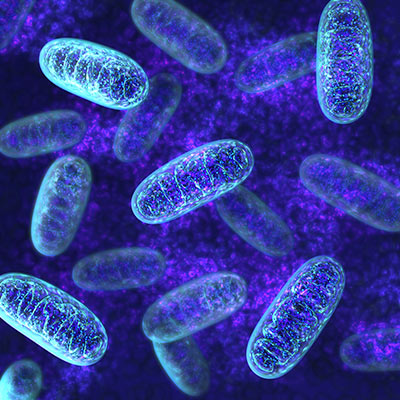
For years, scientists have known that mitochondria—the power source of cells—play a role in brain disorders such as depression, bipolar disorder, anxiety and stress responses. But recently scientists at the University of Maryland School of Medicine (UMSOM) have identified significant mitochondrial changes in brain cells that take place in cocaine addiction, and they have been able to block them.

In mice exposed repeatedly to cocaine, UMSOM researchers were able to identify an increase in a molecule that plays a role in mitochondria division (or fission) in a reward region of the brain. Researchers were able to block this change by using a special chemical, Mdivi-1. The researchers also blocked responses to cocaine by genetically manipulating the fission molecule within the mitochondria of brain cells, according to research published in Neuron.

“We are actually showing a new role for mitochondria in cocaine-induced behavior, and it’s important for us to further investigate that role,” said Mary Kay Lobo, PhD, Associate Professor of Anatomy and Neurobiology.

The researchers initially studied the mitochondria in cocaine-exposed mice and determined that mitochondria fission increased in the major reward region of the brain. To confirm this same change in humans, researchers were able to identify similar changes in the mitochondrial fission molecule in tissue collected from post mortem individuals who were cocaine dependents.

Dr. Lobo said that this latest research could help UMSOM researchers better understand changes in brain cells and mitochondria from other addictive disorders. “We are interested to see if there are mitochondrial changes when animals are taking opiates. That is definitely a future direction for the lab,” she said.

“This research is another great example of our ground-breaking work at the University of Maryland School of Medicine to better understand the biology behind drug addiction,” said E. Albert Reece, MD, PhD, MBA, University Executive Vice President of Medical Affairs and the John Z. and Akiko K. Bowers Distinguished Professor and Dean at the University of Maryland School of Medicine.

http://www.medschool.umaryland.edu/news/2018/University-of-Maryland-School-of-Medicine-Researchers-Discover-Key-Link-Between-Mitochondria-and-Cocaine-Addiction.html