Retinal screening for Alzheimer’s disease

A technology that originated at the University of Minnesota is well on its way to commercialization thanks to an investment award from Alzheimer’s Drug Discovery Foundation (ADDF).

The investment of up to $500,000 was awarded through the ADDF’s Diagnostics Accelerator initiative. Toronto, Ontario-based RetiSpec licensed through the University of Minnesota’s Technology Commercialization program. The technology harnesses hyperspectral imaging and machine learning.

“We are focused on bringing to market a noninvasive, easy-to-use, screening technology that can change when and how we detect Alzheimer’s disease at its earliest stages including before a patient presents with symptoms,” said Eliav Shaked, CEO of RetiSpec. “Early detection provides an important window of opportunity for timely therapeutic interventions that can slow or even prevent the progression of Alzheimer’s disease. ADDF’s investment represents another point of external validation of the promise of our technology.”

In preclinical studies and a pilot human study, the retinal imaging technology was effective in detecting small changes in biomarkers associated with elevated cerebral amyloid beta levels early in the disease process including before the onset of clinical symptoms.

RetiSpec is currently collaborating with Toronto Memory Program, Canada’s largest Alzheimer’s clinical trial site, to validate the accuracy and usability of the technology in patients.

“We believe that RetiSpec’s retinal scanner stands out and shows promise as a unique diagnostic tool among a range of technologies in development,” said Howard Fillit , MD, founding executive director and chief science officer of ADDF The technology has the potential to facilitate early diagnosis, improve the lives of patients and their loved ones and save the healthcare system money and resources. The technology will also be useful in making clinical trials for Alzheimer’s disease more efficient.”

https://www.mddionline.com/feast-your-eyes-new-technology-early-alzheimers-screening

How Fast You Walk Might Show How Fast You’re Aging

By Dennis Thompson

Middle-aged folks who worry about healthy aging would do well to keep an eye on their walking speed.

Turns out that the walking speed of 45-year-olds is a pretty solid marker of how their brains and bodies are aging, a new study suggests.

Slow walkers appear to be aging more rapidly, said senior researcher Terrie Moffitt, a professor of psychology and neuroscience at Duke University. They’ve lost more brain volume in middle-age than folks with a quicker walking pace, and also perform worse on physical and mental tests, she said.

“For those people who were slow walkers for their age group, they already had many of the signs of failing health that are regularly tested in a geriatric clinic,” Moffitt said.

In the study, middle-aged people who walked slower than 3.6-feet per second ranked in the lowest fifth when it comes to walking speed, and those are the individuals already showing signs of rapid aging, said Dr. Stephanie Studenski, a geriatrician with the University of Pittsburgh School of Medicine.

“It takes many body systems to have you walk well,” Studenski said. “It takes a good heart, good lungs, good nervous system, good strength, good musculoskeletal system and a variety of other things. Gait speed summarizes the health of all of your body’s systems.”

Gait speed tests are a standard part of geriatric care, and are regularly given to people 65 and older, Moffitt said.

“The slower a person walks, that is a good predictor of impending mortality,” Moffitt said. “The slower they walk, the more likely they will pass away.”

Moffitt and her colleagues suspected that gait tests might be valuable given at an earlier age, figuring that walking speed could serve as an early indicator of how well middle-aged people are aging.

To test this notion, the researchers turned to a long-term study of nearly 1,000 people born in a single year in Dunedin, New Zealand. These people have been tested regularly since their birth in 1972-1973 regarding a wide variety of medical concerns.

This group of study participants recently turned 45, and as they did, the research team tested their walking speed by asking each to repeatedly amble down a 25-foot-long electronic pad, Moffitt said.

Each person walked down the pad at their normal rate, and then again as fast as they could. They also were asked to walk as fast as possible while reciting the alphabet backward, Moffitt said.

All of the participants then were subjected to a battery of aging tests normally used in geriatric clinics.

In addition, they underwent an MRI brain scan to test the volume of their brains, since a shrinking brain has been linked to dementia and Alzheimer’s disease.

The participants also were given a variety of mental and physical tests. The physical tests involved things like balancing on one foot, standing up out of a chair as fast as they could, or gripping a monitor as tightly as they could to test hand strength.

“All these things are very subtle,” Moffitt said. “They’re not anything that would knock you over with a feather. You have to test them in order to find them.”

The findings showed that people who were in the lowest fifth for walking speed had signs of premature and rapid aging.

Studenski said, “It’s the bottom 20% that’s by far in bigger trouble than the others.”

The slower walkers also looked older to a panel of eight screeners asked to guess each participant’s age from a facial photograph.

The findings were published online Oct. 11 in JAMA Network Open.

A gait test could be an easy and low-cost way for primary care doctors to test how well middle-aged patients are aging, said Studenski, who wrote an editorial accompanying the new study.

Doctors could place sensors at the beginning and end of a hallway, and test patients’ walking speed as they head down to the examination room, she added.

However, doctors would need to be taught how to interpret gait speed for middle-aged patients, the same way that geriatricians already are trained to interpret walking speed in seniors.

Middle-aged people with a slower gait could try to slow their aging by eating healthy, exercising, quitting smoking, and maintaining better control over risk factors like high blood pressure and elevated cholesterol, Studenski and Moffitt suggested.

An even better use of walking speed could be as an early test of drugs and therapies meant to counter dementia and other diseases of aging, Moffitt said.

These therapies usually are difficult to assess because researchers have to wait years for people to grow old and display the hoped-for benefits, she noted.

“They need something cheap and effective they can do now to evaluate these treatments,” Moffitt said. “If they give it to people and it speeds up their walking, we’ve really got something there.”

SOURCES: Terrie Moffitt, Ph.D., professor, psychology and neuroscience, Duke University, Durham, N.C.; Stephanie Studenski, M.D., MPH, geriatrician, University of Pittsburgh School of Medicine; Oct. 11, 2019, JAMA Network Open, online

https://consumer.healthday.com/senior-citizen-information-31/misc-aging-news-10/how-fast-you-walk-might-show-how-fast-you-re-aging-751167.html

Auto-brewery syndrome


Microbes can produce so much alcohol that people become drunk—and sustain liver damage—without touching any booze.

by Ed Yong

The man’s troubles began in 2004, when, having moved from China to attend college in Australia, he got really drunk. That would hardly have been a noteworthy event, except that the man hadn’t consumed any alcohol—only fruit juice.

The bizarre incident soon turned into a pattern. About once a month, and out of the blue, he’d become severely inebriated without drinking any alcohol. Over time, the episodes became more severe and more frequent. He lost jobs because people suspected him of being a closet drinker. He was frequently hospitalized. In 2011, he returned to China and his mother cared for him while monitoring him with a Breathalyzer. His blood-alcohol levels, she found, would erratically and inexplicably soar to 10 times the legal limit for driving.

In June 2014, at the age of 27, he was admitted to the intensive-care unit of Chinese PLA General Hospital, in Beijing. At one point, so much alcohol was on his breath that he couldn’t sleep through the night. Another time, he threw up and blacked out after chugging some soda water. A CT scan showed that his liver was damaged, inflamed, and riddled with fatty deposits.

The man was diagnosed with a rare condition aptly known as auto-brewery syndrome, in which microbes in a person’s gut ferment carbohydrates into excessive amounts of alcohol. The earliest cases were documented in Japan in the 1950s, and a few dozen more have been reported since, in people all over the world, and even in children as young as 3. The microbial culprits are usually yeasts—the same fungi used to brew beer and wine—and the condition can often be treated with antifungal drugs.

But those drugs didn’t work on the Chinese patient. Baffled, a team of doctors, led by Jing Yuan from the Capital Institute of Pediatrics, analyzed the man’s stool samples and found that the alcohol in his body was being produced not by yeast, but by bacteria. During his first episode in the hospital, Klebsiella bacteria had bloomed so vigorously that it made up 19 percent of the microbes in his gut, and became 900 times more common than in healthy people.

Klebsiella pneumoniae is extremely common in both soils and human bodies. Though usually harmless, it’s also an opportunistic pathogen that can cause severe infections if given the chance. And while Klebsiella is not known for intoxicating its hosts, Yuan’s team found that the patient had two particular strains that can churn out alcohol. Many gut microbes do this, but at such low levels that their boozy by-products are easily removed by the liver. The Klebsiella strains in Yuan’s patient were exceptions: At one point, they produced so much of the stuff that it was as if the man had knocked back 15 shots of whiskey. “We were surprised that bacteria can produce so much alcohol,” Yuan says.

Auto-brewery syndrome is extreme, but it has similarities to other, milder and more prevalent conditions. For example, people with nonalcoholic fatty liver disease (NAFLD) build up fatty deposits in their liver in the style of heavy drinkers, despite touching little or no alcohol. This condition is very common, affecting 30 to 40 percent of American adults; the causes are still unclear and likely varied. Yuan wondered if Klebsiella might be involved, and when she analyzed 43 Chinese people with NAFLD, she found that 61 percent had the same high-alcohol strains as the man with auto-brewery syndrome. By contrast, just 6 percent of people with a healthy liver carry those strains.

To see if those strains were actually causing fatty livers, the team fed them to mice that had been raised in sterile conditions and lacked microbes of their own. Within two months, the rodents had signs of liver disease, inflammation, and scarring, comparable to mice that had been drinking alcohol itself. The same thing happened if the team transplanted the stool from an NAFLD patient into germ-free mice, but not if they first removed the alcohol-making Klebsiella using a virus—a phage—that specifically kills those strains. Although studies in mice should be treated with caution, Yuan nonetheless suggests that these strains could be an important cause of NAFLD, through the alcohol they produce.

Other researchers have suggested this before. In 2000, Anna Mae Diehl from Johns Hopkins University noticed that obese mice often have alcohol on their breath, which goes away after antibiotic treatment. “Intestinal production of ethanol may contribute to the genesis of obesity-related fatty liver,” she speculated. Two groups later showed that alcohol-producing microbes are more common in the guts of people with NAFLD than in those of their healthy peers.

While Yuan’s team pointed their fingers at Klebsiella, “it was found in only 60 percent of the human subjects they studied with NAFLD,” says Susan Baker at the State University of New York at Buffalo. “Others have identified other likely bacteria as possible culprits.” She cautions against focusing on any specific microbe, and instead considering the entire ecosystem of the body—bacteria, yeasts, viruses, gut cells, immune cells, liver, and all.

Yuan agrees. She notes that NAFLD is a complex and varied condition, and that even if Klebsiella does turn out to be a cause, it would be one of many. It also raises several questions: Why do some strains produce so much alcohol? Where do they come from? What makes them bloom so vigorously in people such as the unfortunate Chinese man who launched this study—genetics, diet, or something else? And perhaps most important, what can be done about them?

Phages might eventually help, as they did in Yuan’s mice. But for her patient with auto-brewery syndrome, simpler measures did the trick. He was treated with an antibiotic and put on a no-sugar, no-carbohydrate diet for three weeks. His intoxication symptoms eventually subsided, and two months later he was released from the hospital.

https://amp.theatlantic.com/amp/article/598414/

Electric tech could help reverse baldness simply by wearing a hat

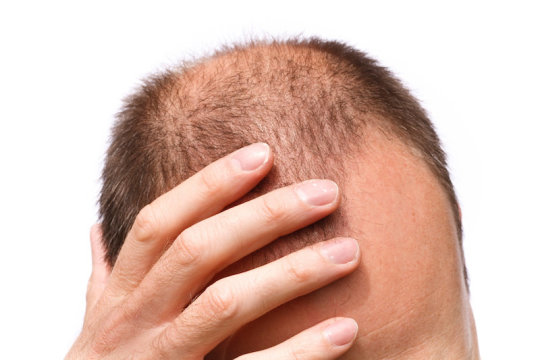
Reversing baldness could someday be as easy as wearing a hat, thanks to a noninvasive, low-cost hair-growth-stimulating technology developed by engineers at the University of Wisconsin-Madison.

“I think this will be a very practical solution to hair regeneration,” says Xudong Wang, a professor of materials science and engineering at UW-Madison.

Wang and colleagues published a description of the technology in the journal ACS Nano.

Based on devices that gather energy from a body’s day-to-day motion, the hair-growth technology stimulates the skin with gentle, low-frequency electric pulses, which coax dormant follicles to reactivate hair production.

The devices don’t cause hair follicles to sprout anew in smooth skin. Instead they reactivate hair-producing structures that have gone dormant. That means they could be used as an intervention for people in the early stages of pattern baldness, but they wouldn’t bestow cascading tresses to someone who has been as bald as a billiard ball for several years.

Because the devices are powered by the movement of the wearer, they don’t require a bulky battery pack or complicated electronics. In fact, they’re so low-profile that they could be discreetly worn underneath the crown of an everyday baseball cap.

Wang is a world expert in the design and creation of energy-harvesting devices. He has pioneered electric bandages that stimulate wound-healing and a weight-loss implant that uses gentle electricity to trick the stomach into feeling full.

The hair-growth technology is based on a similar premise: Small devices called nanogenerators passively gather energy from day-to-day movements and then transmit low-frequency pulses of electricity to the skin. That gentle electric stimulation causes dormant follicles to “wake up.”

“Electric stimulations can help many different body functions,” says Wang. “But before our work there was no really good solution for low-profile devices that provide gentle but effective stimulations.”

Because the electric pulses are incredibly gentle and don’t penetrate any deeper than the very outermost layers of the scalp, the devices don’t seem to cause any unpleasant side effects. That’s a marked advantage over other baldness treatments, like the medicine Propecia, which carries risks of sexual dysfunction, depression and anxiety.

What’s more, in side-by-side tests on hairless mice, the devices stimulated hair growth just as effectively as two different compounds found in baldness medicines.

“It’s a self-activated system, very simple and easy to use,” says Wang. “The energy is very low so it will cause minimal side effects.”

The researchers have patented the concept with the Wisconsin Alumni Research Foundation, and they hope to move forward with human testing soon.

Story Source:

Materials provided by University of Wisconsin-Madison. Original written by Sam Million-Weaver. Note: Content may be edited for style and length.

Journal Reference:

Guang Yao, Dawei Jiang, Jun Li, Lei Kang, Sihong Chen, Yin Long, Yizhan Wang, Peng Huang, Yuan Lin, Weibo Cai, Xudong Wang. Self-Activated Electrical Stimulation for Effective Hair Regeneration via a Wearable Omnidirectional Pulse Generator. ACS Nano, 2019; DOI: 10.1021/acsnano.9b03912

https://www.sciencedaily.com/releases/2019/09/190919165334.htm

It’s in everyone’s benefit if physicians participate in research.


Physician-scientists have often changed the history of medicine by identifying a problem in the clinic and taking to the lab to address it.

By Mukesh K. Jain, Tadataka Yamada and Robert Lefkowitz
Drs. Jain, Yamada and Lefkowitz are board members of the Physician-Scientist Support Foundation.

About a decade from now, public health statistics will begin to show a substantial decrease in cervical cancer in the United States and other developed countries. That’s because in 2006, young people began receiving vaccines against a sexually transmitted virus, HPV, that causes cervical cancer. By preventing HPV infections today, those vaccines have the potential to avert hundreds of thousands of cervical cancer cases.

The HPV vaccine exists because Dr. Douglas Lowy, a physician, and his research collaborator Dr. John Schiller recognized the potential for it after more than a decade studying the family of infectious agents to which HPV belongs.

Unfortunately, Dr. Lowy’s career transition from stethoscope to microscope might not be as feasible today as it was a few decades ago. The number of physicians able to engage in scientific research either alongside a medical career or after medical training has waned greatly. Physician education in medical school has shifted away from basic science. In addition, federal funding has declined. After adjusting for inflation, the 2013 N.I.H. budget was 21.9 percent below its 2003 level. These and other trends have driven the proportion of medical doctors engaged in scientific research to a paltry 1.5 percent of the physician work force.

Time and again, physician-scientists have changed the history of medicine by identifying a problem in the clinic and taking to the lab to address it. Alexander Fleming watched men die of sepsis during World War I while serving in the Royal Army Medical Corps, then returned home to create penicillin. Sidney Farber, a young physician at Children’s Hospital in Boston, committed himself to finding treatments for childhood leukemia, and laid the foundation for modern cancer chemotherapy.

In the 1970s, the physicians Michael Brown and Joseph Goldstein set out to understand how a young child’s arteries could be as clogged as those of an overweight septuagenarian. This patient-inspired research led to the discovery of LDL-cholesterol receptors, and paved the way for the statin drugs that are taken by millions of people every year in the United States alone.

And more recently, the research efforts of two physicians, Robert Lefkowitz and Brian Kobilka, seeking to understand how hormones conferred their biological effects led to the discovery of a large family of receptors that have formed the basis for the development of hundreds of F.D.A.-approved medications.

The biomedical research establishment has long recognized the importance of clinical experience to medical research. In the 1950s and 1960s, during the Korean and Vietnam Wars, physicians were conscripted within a few years of their medical school graduation. Of those young physicians commissioned as officers in the United States Public Health Service, a small fraction was posted to the N.I.H., where they cared for patients and also learned to perform laboratory research.

This program essentially trained an entire generation of medical professors, and its graduates went on to engage in research that has produced major insights into cancer, infections and heart disease, forming the basis for lifesaving therapies. Indeed, physician-scientists account for 37 percent of Nobel Prizes in Physiology or Medicine.

Of course, medical doctors are not the only people who can make great medical discoveries. The discoverers of the structure of DNA and the developers of CT scans had no medical background. But there could not be a worse moment than now to allow the vital role of physician-scientists to disappear. Trends like an aging global population and the resurgence of infectious disease have increased the need for medical advances.

Meanwhile, science is becoming more relevant to medical practice with the emergence of innovations like precision medicine, which requires a detailed understanding of disease mechanisms and genetic data in order to determine the best treatment for each individual patient. More than ever, we need doctors who are competent at both the lab bench and the hospital bedside.

Unfortunately, the career path of the physician-scientist has become longer and a lot less appealing. In the United States, about 20,000 graduates emerge from medical school each year, many with significant debt. Many physicians are well into their 30s by the time they complete their clinical training. Doctors who decide to take the research path face the daunting prospect of many more years struggling to win grants and establish a lab. According to N.I.H. statistics, researchers with medical degrees on average receive their first major N.I.H. grant only at age 45.

Recognizing the problem, the National Institutes of Health’s Physician-Scientist Workforce report, published in 2014, laid out a road map to address it. Nonetheless, the number of young doctors pursuing research continues to wane.

In response, six physician-scientists from across the country have formed a nonprofit organization, the Physician-Scientist Support Foundation, to raise funds to support the research efforts of talented young medical students and physicians. The foundation aims to mentor and inspire new doctors to undertake research programs to solve unmet medical needs.

Physician-scientists are among the most highly trained investigators in the research enterprise. Their efforts will be crucial to improving health care. Our world needs a growing, corps of professionals who bring a human understanding of patients to medical research, and a researcher’s expertise to improving patients’ lives.

We need to ensure that the brightest young doctors can contribute to further advancements in their field, or we risk stalling the engine that consistently delivers better medicine, longer lives and a stronger economy for Americans and people around the world.

Dr. Mukesh K. Jain is a cardiologist at University Hospitals and a professor at Case Western Reserve’s medical school. Dr. Tadataka Yamada formerly served as president of global health programs at the Bill & Melinda Gates Foundation and oversaw research and development at Takeda Pharmaceuticals. Dr. Robert Lefkowitz is a professor at Duke University’s medical school who won the Nobel Prize in Chemistry in 2012. They are board members of the Physician-Scientist Support Foundation.

Biohackers are pirating a cheap version of a million-dollar Glybera gene therapy


A group of independent biologists say they plan to copy a costly gene therapy. Are they medicine’s Robin Hood or a threat to safety?

by Alex Pearlman

Citing the tremendous cost of new drugs, an international group of biohackers say they are creating a knock-off of a million-dollar gene therapy.

The drug being copied is Glybera, a gene therapy that was the world’s most expensive drug when it came on the market in Europe in 2015 with a $1 million per treatment price tag. Glybera was the first gene therapy ever approved to treat an inherited disease.

Now a band of independent and amateur biologists say they have engineered a prototype of a simpler, low-cost version of Glybera, and they plan to call on university and corporate scientists to help them check, improve, and test it on animals.

The group says it will start sharing the materials and describe their activities this weekend at Biohack the Planet, a conference in Las Vegas that hosts citizen scientists, journalists, and researchers for two days of presentations on body implants, biosafety, and hallucinogens.

“This was developed in a shed in Mississippi, a warehouse in Florida, a bedroom in Indiana, and on a computer in Austria,” says Gabriel Licina, a biohacker based in South Bend, Indiana. He says the prototype gene therapy cost less than $7,000 to create.

Experts briefed on the biohacking project were divided, with some calling it misguided and unlikely to work. Others say the excessive cost of genetic treatments has left patients without options and created an incentive to pirate genetic breakthroughs.

“It’s a fairly big deal to see biohackers turning their focus to gene therapies because the potential consequences can be quite large,” said Rachel Sachs, an associate professor of law at Washington University in St. Louis and an expert on drug pricing. “They may see themselves as serving the interests of the patient community.”

This year the Swiss pharmaceutical firm Novartis introduced another gene therapy, Zolgesma, for spinal muscular atrophy, with a price of $2.1 million. Because of the cost, some parents have struggled to obtain it for their children and the treatment is unlikely to be made available in most of the world.

Disrupting the narrative

The gene therapy that the biohackers say they are copying, Glybera, was approved for people with an ultra-rare blood disease called lipoprotein lipase deficiency. But it didn’t prove cost-effective and was pulled from the market in 2017 by its manufacturer, UniQure. To date, only one insurer, in Germany, is known to have paid for the treatment.

Andreas Stürmer, a biotechnologist and environmental engineer who is based in Linz, Austria, says after the idea of reverse engineering the treatment occurred to him he brought the concept to Licina. Their collaboration took place through Facebook messages and Skype calls, and included help from David Ishee, a biohacker in Mississippi.

In another recent example of copy-cat gene therapy, a biohacker in Florida in 2018 produced and ate an oral gene therapy for lactose intolerance using a 20-year-old scientific paper as a recipe.

“It’s about disrupting the narrative,” says Licina, also the cofounder of SciHouse, a community biotechnology lab in Indiana. “It was like, ‘Well, why not?”

One reason not to is that copying and selling the drug could infringe on UniQure’s intellectual property. Tom Malone, a spokesperson for UniQure, says the company had not been informed of the biohacking attempt. He says it still owns a patent on the drug but it does not believe there is strong demand for the treatment. “To that end, a “knock off” version of Glybera would likely face significant regulatory and commercial hurdles,” says Malone.

Also, the US Food and Drug Administration has said it is illegal to sell do-it-yourself gene therapy supplies. Still, some biohackers feel confident grabbing information from published papers, even if some of it has been patented. “This thing is protected 10 different ways,” says Ishee. “I don’t care. Because I’m not selling it.”

Get the job done

To make their knock-off, the biohackers checked the original Glybera papers for the information about the genetic sequence of the gene that patients require corrected copies of. They then placed an order with a gene synthesis company for a copy of the DNA, which was added to a circular genetic construct called a “minicircle.” When added to a cell, the mincircle will begin manufacturing small amounts of the lipoprotein lipase enzyme.

That is an important difference from the original Glybera, which employed an injection of viruses into the leg muscle to deliver the gene. Viral “delivery” is a complex undertaking but is the most commonly used strategy in gene therapy. The biohackers don’t have access to viruses because of their high cost, but say minicircles can potentially be injected, too.

Robert Kotin, an expert in gene therapy production, calls the minicircle technology controversial and says it has shown contradictory results. While minicircles, unlike viruses, could possibly be readministered time and again, they are not as efficient in getting cells to follow genetic instructions.

“It’s not the same [but] it can get the job done. It’s just less efficient,” says Ishee of the minicircles, which are based on his design. He thinks they could be injected over a period of half a year. “It’s like if you wanted to dig a swimming pool or a pond—you could buy a backhoe and dig it in a day or you could do it with a shovel at no cost over several months.”

https://www.technologyreview.com/s/614245/biohackers-are-pirating-a-cheap-version-of-a-million-dollar-gene-therapy/

Thanks to Kebmodee for bringing this to the It’s Interesting community.

FDA Approves New Adjunct Treatment for Parkinson Disease


Nourianz is the first adenosine A2A receptor antagonist approved for use in Parkinson Disease

By Brian Park

The Food and Drug Administration (FDA) has approved Nourianz (istradefylline; Kyowa Kirin) tablets as adjunctive treatment to levodopa/carbidopa in adult patients with Parkinson disease (PD) experiencing “off” episodes.

Nourianz is an oral selective adenosine A2A receptor antagonist and non-dopaminergic pharmacologic option. Adenosine A2A receptors are found in the basal ganglia of the brain where degeneration or abnormality is noted in PD; the basal ganglia are involved in motor control.

The approval was based on data from four 12-week, randomized, placebo-controlled clinical trials that evaluated the efficacy and safety of Nourianz in 1143 patients with PD taking a stable dose of levodopa/carbidopa with or without other PD medications.

Results from all 4 studies have demonstrated a statistically significant decrease from baseline in daily “off” time in patients treated with Nourianz compared with placebo. Regarding safety, the most common treatment-emergent adverse reactions were dyskinesia, dizziness, constipation, nausea, hallucination, and insomnia.

“Istradefylline is an Adenosine A2A receptor antagonist, and is a novel non-dopaminergic pharmacologic approach to treating OFF episodes for people living with PD,” said Dr Stuart Isaacson, MD, Parkinson’s Disease and Movement Disorders Center of Boca Raton, Florida. “Based on data from four clinical studies, istradefylline taken as an adjunct to levodopa significantly improved OFF time and demonstrated a well-tolerated safety profile. Istradefylline represents an important new treatment option for patients with Parkinson’s disease who experience ‘OFF’ episodes.”

The FDA had accepted the resubmitted NDA for Nourianz in April 2019 after previously rejecting the submission in 2008 due to concerns over efficacy findings.

For more information visit kyowakirin.com.

FDA Approves New Adjunct Treatment for Parkinson Disease

We’re One Step Closer to a Blood Test that Predicts When a Person Will Die

By Alice Park

While death is inevitable, knowing when it will come isn’t necessarily, and scientists have been trying to develop a test that could reliably and easily predict how long a person will live — or, more technically, how healthy they are and therefore how vulnerable they might be to major mortality risk factors. Blood tests are the most likely avenue to such a test, since it’s easy to obtain blood samples and labs equipped to handle them are common.

The latest effort is described in a new paper published in Nature Communications, by a team led by Joris Deelen, postdoctoral researcher at the Max Planck Institute for the Biology of Aging and P. Eline Slagboom, head of molecular epidemiology at Leiden University Medical Center. The researchers report that, in a group of more than 44,000 healthy patients, their blood test was around 80% accurate in predicting mortality risk within five to 10 years.

The patients, who ranged in age from 18 to 109 years, provided blood samples and had their health events tracked for up to 16 years. The researchers analyzed a group of 226 so-called metabolites, or by-products of things that various cells and tissues in the body pour into the blood stream for circulation and removal. From this collection of markers, the team narrowed down the list to 14 that they determined could together, and along with the person’s sex, provide a pretty good picture of each person’s health risk, and, by association, their risk of dying in the next five to 10 years. They accomplished this by comparing those who died during the study to those who did not and isolating which agents in their blood differed to statistically significant amounts. The link between the final 14 factors and mortality remained strong even after the scientists accounted for potential confounding factors that also affect survival such as age, sex, and cause of death.

“We want to tackle the vulnerability of people’s health that is hidden and that doctors cannot see from the outside,” says Slagboom. “I am still surprised by the fact that in a group of people you can take one blood sample at one point of time in their life, and that would say anything meaningful about their five to 10 year mortality risk.”

Both Deelen and Slagboom stress that the test is not ready yet for doctors to use in the clinic with their patients, but that it does establish a foundation for one down the road. An eventual test could be most useful at first in assessing older patients and guiding treatment decisions, since the 14 metabolites represent a range of processes including the breakdown of fat and glucose, inflammation and fluid balance in the body, that impact a range of chronic ailments, as well as a person’s ability to recover from illness or injury.

Researchers at Leiden University are currently studying the test to see if it can help doctors predict which patients with hip fractures are more likely to develop complications during their recovery after surgery. Another study is looking at whether the test can predict which people with kidney failure are more likely to develop dementia or side effects like delirium as a result of their treatment; this information could help doctors to better adjust dosage and treatment decisions.

The researchers are also hoping to work with large databanks around the world to further validate the findings. “We see this as a foundation,” says Slagboom, “we do not see this test as an endpoint.”

https://time.com/5656767/blood-test-longevity/

Alzheimer’s Directly Kills Brain Cells That Keep You Awake


Brain tissue from deceased patients with Alzheimer’s has more tau protein buildup (brown spots) and fewer neurons (red spots) as compared to healthy brain tissue.

By Yasemin Saplakoglu

Alzheimer’s disease might be attacking the brain cells responsible for keeping people awake, resulting in daytime napping, according to a new study.

Excessive daytime napping might thus be considered an early symptom of Alzheimer’s disease, according to a statement from the University of California, San Francisco (UCSF).

Some previous studies suggested that such sleepiness in patients with Alzheimer’s results directly from poor nighttime sleep due to the disease, while others have suggested that sleep problems might cause the disease to progress. The new study suggests a more direct biological pathway between Alzheimer’s disease and daytime sleepiness.

In the current study, researchers studied the brains of 13 people who’d had Alzheimer’s and died, as well as the brains from seven people who had not had the disease. The researchers specifically examined three parts of the brain that are involved in keeping us awake: the locus coeruleus, the lateral hypothalamic area and the tuberomammillary nucleus. These three parts of the brain work together in a network to keep us awake during the day.

The researchers compared the number of neurons, or brain cells, in these regions in the healthy and diseased brains. They also measured the level of a telltale sign of Alzheimer’s: tau proteins. These proteins build up in the brains of patients with Alzheimer’s and are thought to slowly destroy brain cells and the connections between them.

The brains from patients who had Alzheimer’s in this study had significant levels of tau tangles in these three brain regions, compared to the brains from people without the disease. What’s more, in these three brain regions, people with Alzheimer’s had lost up to 75% of their neurons.

“It’s remarkable because it’s not just a single brain nucleus that’s degenerating, but the whole wakefulness-promoting network,” lead author Jun Oh, a research associate at UCSF, said in the statement. “This means that the brain has no way to compensate, because all of these functionally related cell types are being destroyed at the same time.”

The researchers also compared the brains from people with Alzheimer’s with tissue samples from seven people who had two other forms of dementia caused by the accumulation of tau: progressive supranuclear palsy and corticobasal disease. Results showed that despite the buildup of tau, these brains did not show damage to the neurons that promote wakefulness.

“It seems that the wakefulness-promoting network is particularly vulnerable in Alzheimer’s disease,” Oh said in the statement. “Understanding why this is the case is something we need to follow up in future research.”

Though amyloid proteins, and the plaques that they form, have been the major target in several clinical trials of potential Alzheimer’s treatments, increasing evidence suggests that tau proteins play a more direct role in promoting symptoms of the disease, according to the statement.

The new findings suggest that “we need to be much more focused on understanding the early stages of tau accumulation in these brain areas in our ongoing search for Alzheimer’s treatments,” senior author Dr. Lea Grinberg, an associate professor of neurology and pathology at the UCSF Memory and Aging Center, said in the statement.

The findings were published Monday (Aug. 12) in Alzheimer’s & Dementia: The Journal of the Alzheimer’s Association.

https://www.livescience.com/alzheimers-attacks-wakefulness-neurons.html?utm_source=notification

Doctors find 526 teeth in boy’s mouth after he complains of jaw pain

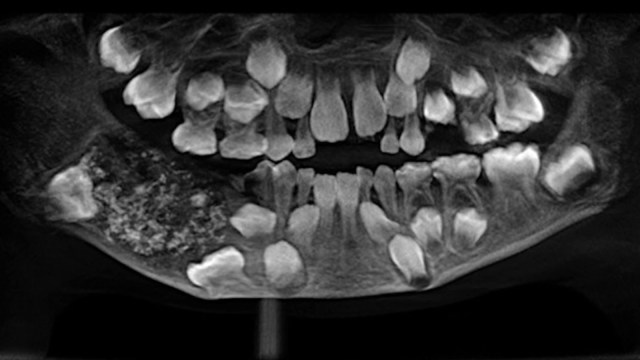
A 7-year-old boy complaining of jaw pain was found to have 526 teeth inside his mouth, according to the hospital in India where he was treated.

The boy was admitted last month in the southern city of Chennai because of swelling and pain near his molars in his lower right jaw.

When doctors scanned and x-rayed his mouth, they found a sac embedded in his lower jaw filled with “abnormal teeth,” Dr. Prathiba Ramani, the head of Oral and Maxillofacial Pathology at Saveetha Dental College and Hospital, told CNN.

While the surgery to remove the teeth took place last month, doctors needed time to individually examine each tooth before they could confirm their findings.

After discovering the sac, two surgeons removed it from the boy’s mouth. Then Ramani’s team took four to five hours to empty the sac to confirm its contents and discovered the hundreds of teeth.

“There were a total of 526 teeth ranging from 0.1 millimeters (.004 inches) to 15 millimeters (0.6 inches). Even the smallest piece had a crown, root and enamel coat indicating it was a tooth,” she said.

The boy was released three days after the surgery and is expected to make a full recovery, Ramani said.

Ramani said the boy was suffering from a very rare condition called compound composite odontoma. She said what caused the condition is unclear, but it could be genetic or it could be due to environmental factors like radiation.

The boy actually may have had the extra teeth for some time. His parents told doctors that they had noticed swelling in his jaw when he was as young as 3, but they couldn’t do much about it because he would not stay still or allow doctors to examine him.

Dr. P. Senthilnathan, head of the hospital’s Oral and Maxillofacial Surgery Department and one of two surgeons who operated on the boy, detailed the procedure to CNN.

“Under general anesthesia, we drilled into the jaw from the top,” he said. “We did not break the bone from the sides, meaning reconstruction surgery was not required. The sac was removed. You can think of it as a kind of balloon with small pieces inside.”

Dr. Senthilnathan said the discovery showed it was important to seek treatment for dental issues as early as possible.

Awareness about dental and oral health was improving, he said, though access in rural areas remained problematic.

“Earlier, things like not as many dentists, lack of education, poverty meant that there was not as much awareness. These problems are still there.

“You can see people in cities have better awareness but people who are in rural areas are not as educated or able to afford good dental health.”

In Ravindrath’s case, all has turned out well; the boy now has a healthy count of 21 teeth, Dr. Senthilnathan said.

Doctors find 526 teeth in boy’s mouth after he complains of jaw pain