New drug approved by U.S. FDA to dissolve chin fat without surgery

The Food and Drug Administration will now let you say bye-bye to nasty neck fat and hello to a jawline that doesn’t jiggle. The agency approved the first drug that can eliminate neck fat in most people without surgery.

The drug, known by its commercial name of Kybella, is a deoxycholic acid made by Californa’s Kythera Biopharmaceuticals. This is the same acid your body produces to help it absorb fat. It takes only a few minutes for a licensed dermatologist to inject it under the jawline right into your fat tissue.

The drug immediately goes to work on your wattle, destroying the cell membrane of what doctors call “submental fat,” causing it to burst and go away permanently. That’s great news for patients seeking improvement in an area many people consider a real problem. About 68% of people surveyed by the American Society for Dermatologic Surgery in 2014 named excess fat under the chin and neck one of their top concerns. Many people say they think a double chin makes them look older than they actually are.

Maybe that will make the pain of getting up to 50 injections in a single treatment go down a little bit easier. The good news is it takes only a few days to heal, and there are no bandages necessary to make you look like a Dickensian Jacob Marley’s ghost. But it may take several sessions to eliminate all your problem areas.

The FDA approved the drug after the manufacturer submitted 19 clinical studies involving nearly 2,600 patients. The tests showed the drug worked to eliminate moderate to severe chin fat. Currently, the only other way to delete your double chin is to have surgery, having the fat removed with traditional liposuction. In the past, a drug called Lipodissolve, also known on the streets of Beverly Hills as “lunchtime lipo,” prompted an FDA warning letter in 2010 that suggested that treatment could cause permanent scarring and skin deformities.

Side effects for a small number of patients in the Kybella drug trials included nerve injury in the jaw that lead to a lopsided smile or facial weakness. It also may cause bruising, swelling, redness and some pain in some patients. Insurance does not cover this treatment.

While this drug may be a success for your neck, don’t expect to see it dissolving fat in other problem places, the FDA warns.

“It is important to remember that Kybella is only approved for the treatment of fat occurring below the chin, and it is not known if Kybella is safe or effective for treatment outside of this area,” Dr. Amy G. Egan, deputy director of the Office of Drug Evaluation III in the FDA’s Center for Drug Evaluation and Research, said in a news release.

The drug should be commercially available in June, the company said.

http://edition.cnn.com/2015/04/30/health/chin-fat-drug-fda-approval/index.html

New typing test may help diagnose Parkinson’s disease

Whether it’s on a keyboard, a smartphone, or even a credit card reader, you spend a lot of your day typing. Well, researchers at MIT noticed the value of this daily habit, and are putting it to a secondary use; they’ve developed software that can gauge the speed at which a typist is tapping the keyboard to help diagnose Parkinson’s disease.

In order to type a word, your brain has to send signals down through your spinal cord to the nerves that operate your fingers. If your central nervous system is functioning perfectly, then you should be able to tap most of the keys at a fairly constant rate. But a number of conditions might slow the signal from the brain to the fingers, such as sleep deprivation (which slows all motor skills) and diseases that affect the central nervous system, including Parkinson’s.

For the first version of this study, the researchers were looking at typing patterns that indicated whether a person was sleep-deprived or well rested. They created a browser plug-in that detected the timing at which the volunteers hit they keys and found that the people who were sleepy had a much wider variation in their typing speed. They found similar results in their preliminary test with Parkinson’s patients; the 21 typists with Parkinson’s tapped the keys at much more variable rates than the 15 healthy volunteers. The researchers called it a “window into the brain.”

Right now, the algorithm they’ve developed is not refined enough to distinguish Parkinson’s patients from people who are sleep deprived, though the results might be clearer after a number of trials. The researchers plan to conduct a study with a larger group of subjects, but they hope that this type test could eventually lead to earlier diagnoses of Parkinson’s–today most people are diagnosed after they have had symptoms for 5-10 years–and to distinguish Parkinson’s from other conditions that might affect a person’s motor skills, like rheumatoid arthritis. They are currently developing a smartphone app that can test participants even more easily.

http://www.popsci.com/type-test-diagnose-parkinsons

Guatemalans deliberately infected with STDs sue Johns Hopkins University and Rockefeller Foundation for $1billion dollars


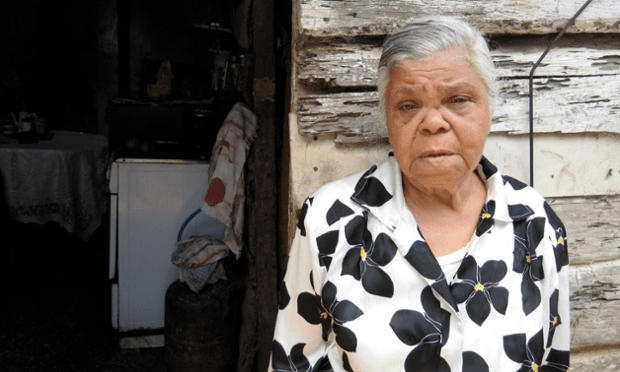
Marta Orellana was experimented on when she was nine. Photograph: Rory Carroll/Guardian

Lawsuit with 800 plaintiffs seeks damages for individuals, spouses and children of people deliberately infected with STDs through US government program.

Nearly 800 plaintiffs have launched a billion-dollar lawsuit against Johns Hopkins University over its alleged role in the deliberate infection of hundreds of vulnerable Guatemalans with sexually transmitted diseases, including syphilis and gonorrhea, during a medical experiment program in the 1940s and 1950s.

The lawsuit, which also names the philanthropic Rockefeller Foundation, alleges that both institutions helped “design, support, encourage and finance” the experiments by employing scientists and physicians involved in the tests, which were designed to ascertain if penicillin could prevent the diseases.

Researchers at Johns Hopkins School of Medicine held “substantial influence” over the commissioning of the research program by dominating panels that approved federal funding for the research, the suit claims.

The lawsuit asserts that a researcher paid by the Rockefeller Foundation was assigned to the experiments, which he travelled to inspect on at least six occasions.

The suit also claims that predecessor companies of the pharmaceutical giant Bristol-Myers Squibb supplied penicillin for use in the experiments, which they knew to be both secretive and non-consensual.

The experiments, which occurred between 1945 and 1956, were kept secret until they were discovered in 2010 by a college professor, Susan Reverby. The program published no findings and did not inform Guatemalans who were infected of the consequences of their participation, nor did it provide them with follow up medical care or inform them of ways to prevent the infections spreading, the lawsuit states.

Orphans, prisoners and mental health patients were deliberately infected in the experiments.

The plaintiffs’ case quotes the correspondence from one of the program’s lead researchers who tells another doctor that if it were discovered by “some goody organization” that the program was testing people who were mentally ill it would “raise a lot of smoke”. The manager continues: “I see no reason to say where the work was done and the type of volunteer.”

Baltimore-based attorney for the plaintiffs Paul Bekman told the Guardian that of the 774 claimants, about 60 were direct survivors of the program. Many have died as a result of deliberate infection and others had passed on disease to family members and partners.

“The people who are responsible [for carrying out the research] now are long dead,” said Bekman “But the records are there, and we have detailed documentation that supports the allegations in our complaint.”

Marta Orellana was a nine-year-old orphan when she was included in the experiments. In an interview with the Guardian in 2011 she recalled being forcibly examined by light-complexioned foreigners and a Guatemalan doctor in the orphanage infirmary.

“They never told me what they were doing, never gave me a chance to say no,” Orellana said. “I’ve lived almost my whole life without knowing the truth. May God forgive them.”

Included within the legal claim are graphic descriptions of some of the methods used by the researchers to infect their subjects:

During the experiments, the following occurred:
1.Prostitutes were infected with venereal disease and then provided for sex to subjects for intentional transmission of the disease;
2.Subjects were inoculated by injection of syphilis spirochaetes into the spinal fluid that bathes the brain and spinal cord, under the skin, and on mucous membranes;
3.An emulsion containing syphilis or gonorrhoea was spread under the foreskin of the penis in male subjects;
4.The penis of male subjects was scraped and scarified and then coated with the emulsion containing syphilis or gonorrhea;
5.A woman from the psychiatric hospital was injected with syphilis, developed skin lesions and wasting, and then had gonorrhoeal pus from a male subject injected into both of her eyes and;
6.Children were subjected to blood studies to check for the presence of venereal disease.

The then secretary of state Hillary Clinton apologised for the programme in 2010 after a presidential bioethics commission investigation found the experiments “involved unconscionable basic violations of ethics”.

A federal lawsuit for damages under the Federal Tort Claims Act failed in 2012 after a judge determined the US government cannot be held liable for actions outside the US. Bekman told the Guardian he believed the new lawsuit stood a greater chance of success as it was lodged in the state court of Maryland and against private entities.

Both Johns Hopkins University and the Rockefeller Foundation have vigorously denied any involvement in the experiments.

A spokeswoman for Johns Hopkins School of Medicine said the institute expressed “profound sympathy” for the victims of the experiments and their families, but added: “Johns Hopkins did not initiate, pay for, direct of conduct the study in Guatemala. No nonprofit university or hospital has ever been held liable for a study conducted by the US government.”

The university stated it would “vigorously defend” the lawsuit.

The Rockefeller Foundation issued a detailed response to the claim online, which it described as seeking to “improperly to assign ‘guilt by association’ in the absence of compensation from the United States federal government”.

The statement continued: “In the absence of a connection to the Rockefeller Foundation, the lawsuit attempts to connect the Foundation to the experiments through misleading characterizations of relationships between the Foundation and individuals who were in some way associated with the experiments.”

A spokeswoman for Bristol-Myers Squibb declined to comment.

http://www.theguardian.com/us-news/2015/apr/02/johns-hopkins-lawsuit-deliberate-std-infections-guatemala

Thank to Kebmodee.

Art informing science: possible medieval remedy for modern day superbugs?

A one thousand year old Anglo-Saxon remedy for eye infections which originates from a manuscript in the British Library has been found to kill the modern-day superbug MRSA in an unusual research collaboration at The University of Nottingham.

Dr Christina Lee, an Anglo-Saxon expert from the School of English has enlisted the help of microbiologists from University’s Centre for Biomolecular Sciences to recreate a 10th century potion for eye infections from Bald’s Leechbook an Old English leatherbound volume in the British Library, to see if it really works as an antibacterial remedy. The Leechbook is widely thought of as one of the earliest known medical textbooks and contains Anglo-Saxon medical advice and recipes for medicines, salves and treatments.

Early results on the ‘potion’, tested in vitro at Nottingham and backed up by mouse model tests at a university in the United States, are, in the words of the US collaborator, “astonishing”. The solution has had remarkable effects on Methicillin-resistant Staphylococcus aureus (MRSA) which is one of the most antibiotic-resistant bugs costing modern health services billions.

The team now has good, replicated data showing that Bald’s eye salve kills up to 90% of MRSA bacteria in ‘in vivo’ wound biopsies from mouse models. They believe the bactericidal effect of the recipe is not due to a single ingredient but the combination used and brewing methods/container material used. Further research is planned to investigate how and why this works.

The testing of the ancient remedy was the idea of Dr Christina Lee, Associate Professor in Viking Studies and member of the University’s Institute for Medieval Research. Dr Lee translated the recipe from a transcript of the original Old English manuscript in the British Library.

The recipe calls for two species of Allium (garlic and onion or leek), wine and oxgall (bile from a cow’s stomach). It describes a very specific method of making the topical solution including the use of a brass vessel to brew it in, a straining to purify it and an instruction to leave the mixture for nine days before use.

The scientists at Nottingham made four separate batches of the remedy using fresh ingredients each time, as well as a control treatment using the same quantity of distilled water and brass sheet to mimic the brewing container but without the vegetable compounds.

The remedy was tested on cultures of the commonly found and hard to treat bacteria, Staphylococcus aureus, in both synthetic wounds and in infected wounds in mice.

The team made artificial wound infections by growing bacteria in plugs of collagen and then exposed them to each of the individual ingredients, or the full recipe. None of the individual ingredients alone had any measurable effect, but when combined according to the recipe the Staphylococcus populations were almost totally obliterated: about one bacterial cell in a thousand survived.

The team then went on to see what happened if they diluted the eye salve – as it is hard to know just how much of the medicine bacteria would be exposed to when applied to a real infection. They found that when the medicine is too dilute to kill Staphylococcus aureus, it interfered with bacterial cell-cell communication (quorum sensing). This is a key finding, because bacteria have to talk to each other to switch on the genes that allow them to damage infected tissues. Many microbiologists think that blocking this behaviour could be an alternative way of treating infection.

Dr Lee said: “We were genuinely astonished at the results of our experiments in the lab. We believe modern research into disease can benefit from past responses and knowledge, which is largely contained in non-scientific writings. But the potential of these texts to contribute to addressing the challenges cannot be understood without the combined expertise of both the arts and science.

“Medieval leech books and herbaria contain many remedies designed to treat what are clearly bacterial infections (weeping wounds/sores, eye and throat infections, skin conditions such as erysipelas, leprosy and chest infections). Given that these remedies were developed well before the modern understanding of germ theory, this poses two questions: How systematic was the development of these remedies? And how effective were these remedies against the likely causative species of bacteria? Answering these questions will greatly improve our understanding of medieval scholarship and medical empiricism, and may reveal new ways of treating serious bacterial infections that continue to cause illness and death.”

University microbiologist, Dr Freya Harrison has led the work in the laboratory at Nottingham with Dr Steve Diggle and Research Associate Dr Aled Roberts. She will present the findings at the Annual Conference of the Society for General Microbiology which starts on Monday 30th March 2015 in Birmingham.

Dr Harrison commented: “We thought that Bald’s eyesalve might show a small amount of antibiotic activity, because each of the ingredients has been shown by other researchers to have some effect on bacteria in the lab – copper and bile salts can kill bacteria, and the garlic family of plants make chemicals that interfere with the bacteria’s ability to damage infected tissues. But we were absolutely blown away by just how effective the combination of ingredients was. We tested it in difficult conditions too; we let our artificial ‘infections’ grow into dense, mature populations called ‘biofilms’, where the individual cells bunch together and make a sticky coating that makes it hard for antibiotics to reach them. But unlike many modern antibiotics, Bald’s eye salve has the power to breach these defences.”

Dr Steve Diggle added: “When we built this recipe in the lab I didn’t really expect it to actually do anything. When we found that it could actually disrupt and kill cells in S. aureus biofilms, I was genuinely amazed. Biofilms are naturally antibiotic resistant and difficult to treat so this was a great result. The fact that it works on an organism that it was apparently designed to treat (an infection of a stye in the eye) suggests that people were doing carefully planned experiments long before the scientific method was developed.”

Dr Kendra Rumbaugh carried out in vivo testing of the Bald’s remedy on MRSA infected skin wounds in mice at Texas Tech University in the United States. Dr Rumbaugh said: “We know that MRSA infected wounds are exceptionally difficult to treat in people and in mouse models. We have not tested a single antibiotic or experimental therapeutic that is completely effective; however, this ‘ancient remedy’ performed as good if not better than the conventional antibiotics we used.”

Dr Harrison concludes: “The rise of antibiotic resistance in pathogenic bacteria and the lack of new antimicrobials in the developmental pipeline are key challenges for human health. There is a pressing need to develop new strategies against pathogens because the cost of developing new antibiotics is high and eventual resistance is likely. This truly cross-disciplinary project explores a new approach to modern health care problems by testing whether medieval remedies contain ingredients which kill bacteria or interfere with their ability to cause infection”.

http://www.nottingham.ac.uk/news/pressreleases/2015/march/ancientbiotics—a-medieval-remedy-for-modern-day-superbugs.aspx

The Purpose of Our Eyes’ Strange Wiring Is Unveiled


The reverse-wiring of the eyeball has long been a mystery, but new research shows a remarkable structural purpose: increasing and sharpening our color vision.

by Erez Ribak, at the Israel Institute of Technology

The human eye is optimised to have good colour vision at day and high sensitivity at night. But until recently it seemed as if the cells in the retina were wired the wrong way round, with light travelling through a mass of neurons before it reaches the light-detecting rod and cone cells. New research presented at a meeting of the American Physical Society has uncovered a remarkable vision-enhancing function for this puzzling structure.

About a century ago, the fine structure of the retina was discovered. The retina is the light-sensitive part of the eye, lining the inside of the eyeball. The back of the retina contains cones to sense the colours red, green and blue. Spread among the cones are rods, which are much more light-sensitive than cones, but which are colour-blind.

Before arriving at the cones and rods, light must traverse the full thickness of the retina, with its layers of neurons and cell nuclei. These neurons process the image information and transmit it to the brain, but until recently it has not been clear why these cells lie in front of the cones and rods, not behind them. This is a long-standing puzzle, even more so since the same structure, of neurons before light detectors, exists in all vertebrates, showing evolutionary stability.

Researchers in Leipzig found that glial cells, which also span the retinal depth and connect to the cones, have an interesting attribute. These cells are essential for metabolism, but they are also denser than other cells in the retina. In the transparent retina, this higher density (and corresponding refractive index) means that glial cells can guide light, just like fibre-optic cables.

n view of this, my colleague Amichai Labin and I built a model of the retina, and showed that the directional of glial cells helps increase the clarity of human vision. But we also noticed something rather curious: the colours that best passed through the glial cells were green to red, which the eye needs most for daytime vision. The eye usually receives too much blue—and thus has fewer blue-sensitive cones.

Further computer simulations showed that green and red are concentrated five to ten times more by the glial cells, and into their respective cones, than blue light. Instead, excess blue light gets scattered to the surrounding rods.

This surprising result of the simulation now needed an experimental proof. With colleagues at the Technion Medical School, we tested how light crosses guinea pig retinas. Like humans, these animals are active during the day and their retinal structure has been well-characterised, which allowed us to simulate their eyes just as we had done for humans. Then we passed light through their retinas and, at the same time, scanned them with a microscope in three dimensions. This we did for 27 colours in the visible spectrum.

The result was easy to notice: in each layer of the retina we saw that the light was not scattered evenly, but concentrated in a few spots. These spots were continued from layer to layer, thus creating elongated columns of light leading from the entrance of the retina down to the cones at the detection layer. Light was concentrated in these columns up to ten times, compared to the average intensity.

Even more interesting was the fact that the colours that were best guided by the glial cells matched nicely with the colours of the cones. The cones are not as sensitive as the rods, so this additional light allowed them to function better—even under lower light levels. Meanwhile, the bluer light, that was not well-captured in the glial cells, was scattered onto the rods in its vicinity.

These results mean that the retina of the eye has been optimised so that the sizes and densities of glial cells match the colours to which the eye is sensitive (which is in itself an optimisation process suited to our needs). This optimisation is such that colour vision during the day is enhanced, while night-time vision suffers very little. The effect also works best when the pupils are contracted at high illumination, further adding to the clarity of our colour vision.

http://www.scientificamerican.com/article/the-purpose-of-our-eyes-strange-wiring-is-unveiled/

First human head transplant could happen in two years

head-transplant-rhesus

IT’S heady stuff. The world’s first attempt to transplant a human head will be launched this year at a surgical conference in the US. The move is a call to arms to get interested parties together to work towards the surgery.

The idea was first proposed in 2013 by Sergio Canavero of the Turin Advanced Neuromodulation Group in Italy. He wants to use the surgery to extend the lives of people whose muscles and nerves have degenerated or whose organs are riddled with cancer. Now he claims the major hurdles, such as fusing the spinal cord and preventing the body’s immune system from rejecting the head, are surmountable, and the surgery could be ready as early as 2017.

Canavero plans to announce the project at the annual conference of the American Academy of Neurological and Orthopaedic Surgeons (AANOS) in Annapolis, Maryland, in June. Is society ready for such momentous surgery? And does the science even stand up?

The first attempt at a head transplant was carried out on a dog by Soviet surgeon Vladimir Demikhov in 1954. A puppy’s head and forelegs were transplanted onto the back of a larger dog. Demikhov conducted several further attempts but the dogs only survived between two and six days.

The first successful head transplant, in which one head was replaced by another, was carried out in 1970. A team led by Robert White at Case Western Reserve University School of Medicine in Cleveland, Ohio, transplanted the head of one monkey onto the body of another. They didn’t attempt to join the spinal cords, though, so the monkey couldn’t move its body, but it was able to breathe with artificial assistance. The monkey lived for nine days until its immune system rejected the head. Although few head transplants have been carried out since, many of the surgical procedures involved have progressed. “I think we are now at a point when the technical aspects are all feasible,” says Canavero.

This month, he published a summary of the technique he believes will allow doctors to transplant a head onto a new body (Surgical Neurology International, doi.org/2c7). It involves cooling the recipient’s head and the donor body to extend the time their cells can survive without oxygen. The tissue around the neck is dissected and the major blood vessels are linked using tiny tubes, before the spinal cords of each person are cut. Cleanly severing the cords is key, says Canavero.

The recipient’s head is then moved onto the donor body and the two ends of the spinal cord – which resemble two densely packed bundles of spaghetti – are fused together. To achieve this, Canavero intends to flush the area with a chemical called polyethylene glycol, and follow up with several hours of injections of the same stuff. Just like hot water makes dry spaghetti stick together, polyethylene glycol encourages the fat in cell membranes to mesh.

Next, the muscles and blood supply would be sutured and the recipient kept in a coma for three or four weeks to prevent movement. Implanted electrodes would provide regular electrical stimulation to the spinal cord, because research suggests this can strengthen new nerve connections.

When the recipient wakes up, Canavero predicts they would be able to move and feel their face and would speak with the same voice. He says that physiotherapy would enable the person to walk within a year. Several people have already volunteered to get a new body, he says.

The trickiest part will be getting the spinal cords to fuse. Polyethylene glycol has been shown to prompt the growth of spinal cord nerves in animals, and Canavero intends to use brain-dead organ donors to test the technique. However, others are sceptical that this would be enough. “There is no evidence that the connectivity of cord and brain would lead to useful sentient or motor function following head transplantation,” says Richard Borgens, director of the Center for Paralysis Research at Purdue University in West Lafayette, Indiana.

If polyethylene glycol doesn’t work, there are other options Canavero could try. Injecting stem cells or olfactory ensheathing cells – self-regenerating cells that connect the lining of the nose to the brain – into the spinal cord, or creating a bridge over the spinal gap using stomach membranes have shown promise in helping people walk again after spinal injury. Although unproven, Canavero says the chemical approach is the simplest and least invasive.

But what about the prospect of the immune system rejecting the alien tissue? Robert White’s monkey died because its head was rejected by its new body. William Mathews, chairman of the AANOS, says he doesn’t think this would be a major problem today. He says that because we can use drugs to manage the acceptance of large amounts of tissue, such as a leg or a combined heart and lung transplant, the immune response to a head transplant should be manageable. “The system we have for preventing immune rejection and the principles behind it are well established.”

Canavero isn’t alone in his quest to investigate head transplants. Xiao-Ping Ren of Harbin Medical University in China recently showed that it is possible to perform a basic head transplant in a mouse (CNS Neuroscience & Therapeutics, doi.org/2d5). Ren will attempt to replicate Canavero’s protocol in the next few months in mice, and monkeys.

The essence of you

Another hurdle will be finding a country to approve such a transplant. Canavero would like to do the experiment in the US, but believes it might be easier to get approval somewhere in Europe. “The real stumbling block is the ethics,” he says. “Should this surgery be done at all? There are obviously going to be many people who disagree with it.”

Patricia Scripko, a neurologist and bioethicist at the Salinas Valley Memorial Healthcare System in California, says that many of the ethical implications related to the surgery depend on how you define human life. “I believe that what is specifically human is held within the higher cortex. If you modify that, then you are not the same human and you should question whether it is ethical. In this case, you’re not altering the cortex.” However, she adds that many cultures would not approve of the surgery because of their belief in a human soul that is not confined to the brain.

As with many unprecedented procedures, there may also be concerns about a slippery slope. In this case, it would be whether this would eventually lead to people swapping bodies for cosmetic reasons. However, Scripko – who doesn’t believe the surgery will ever happen – doesn’t think this applies here. “If a head transplant were ever to take place, it would be very rare. It’s not going to happen because someone says ‘I’m getting older, I’m arthritic, maybe I should get a body that works better and looks better’.”

Unsurprisingly, the surgical community is also wary of embracing the idea. Many surgeons contacted by New Scientist refused to comment on the proposed project, or said it sounded “too outlandish” to be a serious consideration.

“This is such an overwhelming project, the possibility of it happening is very unlikely,” says Harry Goldsmith, a clinical professor of neurological surgery at the University of California, Davis, who has performed one of the few surgeries that enabled someone with a spinal cord injury to regain the ability to walk. “I don’t believe it will ever work, there are too many problems with the procedure. Trying to keep someone healthy in a coma for four weeks – it’s not going to happen.”

Nick Rebel, executive director of the US branch of the International College of Surgeons, says that although his organisation, along with the AANOS, is giving Canavero a stage, it is not sponsoring his ideas. “We’re creating a venue for him to launch the project. There will be a lot of top international surgeons at the conference and we shall see whether it is well received or not.”

Mathews is more enthusiastic about the project. “I embrace the concept of spinal fusion,” he says, “and I think there are a lot of areas that a head transplant can be used, but I disagree with Canavero on the timing. He thinks it’s ready, I think it’s far into the future.”

Canavero is philosophical. “This is why I first spoke about the idea two years ago, to get people talking about it,” he says. “If society doesn’t want it, I won’t do it. But if people don’t want it in the US or Europe, that doesn’t mean it won’t be done somewhere else. I’m trying to go about this the right way, but before going to the moon, you want to make sure people will follow you.”

http://www.newscientist.com/article/mg22530103.700-first-human-head-transplant-could-happen-in-two-years.html?full=true

Florida teenager undergoes world’s first penis reduction operation

17-year-old boy has undergone the world’s first penis reduction surgery, surgeons claim.

The American teen requested the surgery after his penis grew too large, restricting his ability to have sex or play competitive sports.

The boy’s surgeons were shocked when he came to them complaining that his penis was too big.

When flaccid, it measured almost seven inches in length and had a circumference of 10 inches – around the size of a grapefruit.

Surgeons described it as being shaped like an American football.

The surgeon who treated the teenager, Rafael Carrion, a urologist at the University of South Florida, said ‘There comes a time in every urologist’s career that a patient makes a request so rare and impossible to comprehend that all training breaks down and leaves the physician speechless.

‘That question was “can you make my penis smaller”?’

The teenager had suffered from several bouts of priapism – an unwanted erection, due to having a condition in which abnormally-shaped blood cells block vessels in the penis, causing it to swell.

These episodes had left his penis bloated and misshapen.

He said he was unable to have sex or play competitive sport, had difficulty wearing his pants due to his ‘large and heavy phallus’, and was embarrassed by how visible it appeared underneath regular clothing.

Though his penis was so large, it did not grow when he had erections – it merely became firmer.

‘His penis had inflated like a balloon,’ said Dr Carrion.

‘It sounds like a man’s dream – a tremendously inflated phallus – but unfortunately although it was a generous length, it’s girth was just massive, especially around the middle.

‘It looked like an American football.’

Dr Carrion and his team looked at the medical literature but couldn’t find any precedent for what to do.

‘Lord knows there’s a global race on how to make it longer and thicker in plastic surgery circles, but very little on how to make it smaller,’ he said.

In the end, they decided to embark on a surgical technique normally used to treat Peyronie’s disease, a condition where scar tissue develops along the penis, causing it to bend.

The surgeons sliced along an old circumcision scar, unwrapped the skin of the penis, and cut out two segments of tissue from either side.

‘It was a bit like having two side tummy-tucks – that’s how we explained it to him,’ said Dr Carrion.

The doctors were able to bypass the urethra – the tube which carries urine through the penis – and all of the nerves that provide sensation.

The teenager spent just two days in hospital before returning home, apparently ‘ecstatic’ with his new penis.

The doctors did not take final measurements of the penis, although Dr Carrion stated the result was ‘generous’.

It’s slightly longer and slightly thicker than the average male, but now it looks symmetrical, and the patient was very satisfied,’ he said.

The teen now has no problem having normal erections and has full sensation.

‘It looks cosmetically appealing, and he said it was a life-changing event, he’s all smiles,’ said Carrion.

Since the paper describing the surgery was published in The Journal of Sexual Medicine, Dr Carrion has only had one person approach him to request the same surgery.

He said: ‘This [second] man seems to have a naturally large penis, because there’s nothing unusual in his medical history, so it doesn’t seem like there’s any real abnormality in this case’.

Whereas the first teenager had an obvious medical condition that needed treating, performing surgery on someone who is completely healthy but having difficulties with the size of his penis is another matter, said Dr Carrion.

‘These are controversial waters we’re stepping in,’ he added. ‘Who is to judge what is a legitimate complaint and what isn’t?

‘You don’t normally have men complaining about this kind of thing. These are very unique cases.’

Read more: http://www.dailymail.co.uk/health/article-2950409/World-s-penis-REDUCTION-surgery-Teenager-requested-op-genitals-grew-large-stopped-having-sex.html#ixzz3RdedoFoy

Andy Grant defies odds to become runner after waking up from operation to remove leg below knee and finding key word missing from You’ll Never Walk Alone tattoo

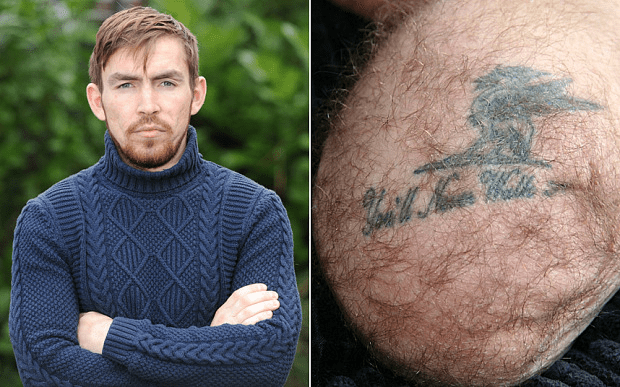
A Royal Marine who had his leg blown off, leaving his Liverpool FC tattoo missing a word and reading You’ll Never Walk, has defied the odds to become a runner and climber.

Andy Grant, 26, had his limb amputated after he stood on an improvised explosive device (IED) while on routine foot patrol in Afghanistan.

He had an operation to remove the leg below the knee and woke up to find the word Alone missing from his You’ll Never Walk Alone tattoo.

However, the father of three used the ironic inking as inspiration and went through vigorous rehabilitation sessions for 18 months.

He has not only learnt to walk, but is now closing in on a running world record.

Mr Grant, who lives in Liverpool and was serving with 45 Commando at the time of the blast, said he has always seen the funny side.

He said: “I am a huge Liverpool fan so had the Liver bird and the words to the song You’ll Never Walk Alone on my leg.

“The tattoo that I have been left with has always been a bit of a joke. I use it in my motivational speeches.

“It is ironic that it says I will never walk as I have gone on to run 10k in 40 mins. At the moment I am just two minutes off a record record for the 10k for a single leg amputee and I have that in my sights.

“It is bizarre and I just laugh about it. But it adds to my story I guess. The fact is that regardless of what the words says, the operation allowed me to walk and run and do so much else. You have got to see the funny side of it.

“I also won a couple of gold medals at the Invictus Games and got to abseil the shard so I don’t think I have done too badly.

“I guess I did use the tattoo I was left with as an extra inspiration. But I was always going to prove it wrong.”

The impact of the IED blast in Sangin six years ago severed Mr Grant’s femoral artery and took out a “big chunk” of his thigh. He broke both the fibula and tibia in his right leg and lost 6cm of bone.

But two years after the blast, the 26-year-old decided to have his right leg amputated after watching comrades with similar injuries enjoying activities with their prosthetic legs.

He can still recall the conversation he had with surgeon Anthony Lambert when he woke up.

Mr Lambert told him: “Well, we had to raise a flap of skin on your leg to cover the bone ends… and it’s meant that your Liverpool Football Club tattoos are a bit messed up. The Liver bird is a bit all over the place, and your tattoo now says ‘you’ll never walk’.”

The date of his blast, February 3, and the date of his amputation, November 25, are both anniversaries that Andy marks.

He said: “The anniversary of the blast is a bitter sweet day, but one that I like to get together with friends and family.

“I am very proud of my achievements and like to turn my story around to try and inspire other people about what they can achieve in the face of adversity.

“I am all about looking forward. I can not undo what happened and I have no regrets. I am all about making the best of a bad situation.”

Such is his positive outlook on life now, he says he feels like the bomb blast was “worthwhile”.

He said: “It’s been a rollercoaster ride of emotions, and it’s been bittersweet for me. On that day in 2009 I basically ended my career in the corps. I lost a bit of myself on that day and, as a 20-year-old I changed.

“It’s been hard when you look at it like that, but on the flip side I’ve had some amazing experiences that almost make it seem like it was worthwhile.

“It is weird to hear myself say that, but it just shows the level of recovery. It’s opened so many doors.

“My job as an inspirational speaker takes me around the world; I’ve started amazing relationships with people; I have three children and an amazing family; I’m looking to row across the Atlantic; and I’m hoping to be picked for the Paralympics next year.

“My life has moved on in an amazing way and it’s all down to what happened. It’s given me more of a life than I probably would have had.”

The Liverpool Football Club fan left the Royal Marines in May, 2012 and now works as a motivational speaker.

http://www.telegraph.co.uk/news/uknews/defence/11394618/Royal-Marines-Liverpool-FC-tattoo-reads-Youll-Never-Walk-after-amputation.html

A more expensive placebo works better than a cheaper one.

Results of a small study suggest that Parkinson’s patients seem to improve if they think they’re taking a costly medication. The findings have been published online Jan. 28 in Neurology.

In the study, 12 patients had their movement symptoms evaluated hourly, for about four hours after receiving each of the placebos. On average, patients had bigger short-term improvements in symptoms like tremor and muscle stiffness when they were told they were getting the costlier of two drugs. In reality, both “drugs” were nothing more than saline, given by injection. But the study patients were told that one drug was a new medication priced at $1,500 a dose, while the other cost just $100 — though, the researchers assured them, the medications were expected to have similar effects.

Yet, the researchers found that when patients’ movement symptoms were evaluated in the hours after receiving the fake drugs, they showed greater improvements with the pricey placebo. What’s more, magnetic resonance imaging scans showed differences in the patients’ brain activity, depending on which placebo they’d received. The patients in the study didn’t get as much relief from the two placebos as they did from their regular medication, levodopa. But the magnitude of the expensive placebo’s benefit was about halfway between that of the cheap placebo and levodopa. What’s more, patients’ brain activity on the pricey placebo was similar to what was seen with levodopa.

And this effect is “not exclusive to Parkinson’s,” according to Peter LeWitt, M.D., a neurologist at the Henry Ford West Bloomfield Hospital in Michigan, who wrote an editorial published with the study. Research has documented the placebo effect in various medical conditions, he told HealthDay. “The main message here is that medication effects can be modulated by factors that consumers are not aware of — including perceptions of price.”

http://www.empr.com/pricey-placebo-works-better-than-cheaper-one-in-parkinsons-study/article/395255/?DCMP=EMC-MPR_DailyDose_rd&CPN=edgemont14,emp_lathcp&hmSubId=&hmEmail=5JIkN8Id_eWz7RlW__D9F5p_RUD7HzdI0&dl=0&spMailingID=10518237&spUserID=MTQ4MTYyNjcyNzk2S0&spJobID=462545599&spReportId=NDYyNTQ1NTk5S0

New death test to predict whether someone will die in the next 30 days of being admitted to the hospital

A test to determine if elderly patients will die within 30 days of being admitted to hospital has been developed by doctors to give them the chance to go home or say goodbye to loved ones.

Health experts say the checklist will prevent futile and expensive medical treatments which merely prolong suffering.

The screening test looks at 29 indicators of health, including age, frailty, illness, mental impairment, previous emergency admissions and heart rate and produces a percentage chance of death within one month and 12 weeks.

Researchers say the aim of Critera for Screening and Triaging to Appropriate aLternative care, or CriSTAL for short, is to kick-start frank discussions about end of life care, and minimise the risk of invasive ineffective treatment.

“Delaying unavoidable death contributes to unsustainable and escalating healthcare costs, despite aggressive and expensive interventions,” said lead author Dr Magnolia Cardona-Morrel, a researcher at the University of New South Wales.

“These interventions may not influence patient outcome; often do not improve the patient’s quality of life; may compromise bereavement outcomes for families; and cause frustration for health professionals.”

The new test aims to provide a ‘starting point’ for ‘honest communication with patients and families about recognising that dying is part of the life cycle.’

Researchers looked at 112 peer-reviewed studies to find out which tests and questions were the best predictors of death.

They claim the test will help doctors and nurses who are often under great pressure from family members and society to prolong the life of patients at all costs.

“While there are accepted policies for de-escalating treatment in terminally ill patients, there are also inherent and societal pressures on medicine to continue utilising technological advances to prolong life even in plainly futile situations,” said Dr Cardona-Morrel.

“Training for nurses and doctors in the use of the screening tool and in approaching patients and families with concrete information about inevitability of death and lack of benefit of further intensive treatment are paramount.”

Most patients end up dying in hospital, even though that is not their stated preference, when asked.

Caroline Abrahams, Charity Director at Age UK, said:“The best time to begin discussing end of life issues and an older person’s wishes, is well in advance, when they are fit and well, but we acknowledge that this isn’t always possible.

“The ability to accurately identify people entering hospital who are nearing the end of their lives ought to help ensure they receive high quality care, appropriate to their needs, so we welcome this development. However, in practice, access to good end of life care services remains extremely variable and discussions with older people and their families about this most difficult of subjects are not always handled sensitively and well.

“So as well as improved analysis and triage of people’s needs, better training and support for medical staff in speaking compassionately with older people and their families about end of life care is also required. “

By giving families and patients some options about the preferred place of death, the test could also help terminally ill elderly people choose to go home, the authors said.

The checklist is yet to be tested but the researchers hope it will eventually be used for all hospital admissions.

The research was published in the BMJ Open publication Supportive & Palliative Care.

http://www.telegraph.co.uk/news/science/science-news/11363731/Death-test-could-predict-chance-of-dying-within-30-days.html