Coffee drinkers may live longer

Coffee lovers may live longer than those who don’t imbibe — with lower risks of early death from heart disease and neurological conditions such as Parkinson’s disease, a large U.S. study finds.

Researchers said the study, published online Nov. 16 in Circulation, adds to a large body of evidence on the good side of coffee.

People often think of coffee-drinking as a bad habit that they need to break, said study leader Dr. Frank Hu, a professor of nutrition and epidemiology at Harvard School of Public Health in Boston.

But, Hu said, many studies have linked moderate coffee intake to lower risks of developing various diseases — from heart disease and diabetes, to liver cancer, to neurological diseases such as Parkinson’s, multiple sclerosis and Alzheimer’s.

His team’s study, funded by the U.S. National Institutes of Health, adds another layer of evidence. It found that coffee drinkers were not only less likely to develop certain diseases — they also tended to live longer.

Over 30 years, nonsmokers who drank three to five cups of coffee a day were 15 percent less likely to die of any cause, versus nondrinkers. Specifically, they had lower rates of death from heart disease, stroke, neurological conditions and suicide.

Both regular coffee and decaf were linked to longer survival, the study found.

None of that proves coffee, itself, extends people’s lives or directly protects against certain diseases, Hu said. Other factors might explain the connection.

But, Hu added, his team did account for many of those factors. And the coffee benefit remained.

The findings are based on more than 200,000 U.S. doctors, nurses and other health professionals who were surveyed repeatedly over almost three decades. During that time, almost 32,000 study participants died.

It turned out that people who drank one to five cups of coffee at the outset had lower odds of dying during the study period when other lifestyle habits and certain health problems, such as high blood pressure and diabetes, were taken into account.

The relationship grew stronger when the researchers looked only at nonsmokers: Those who drank three to five cups of coffee a day were 15 percent less likely to die during the study period, compared with adults who didn’t drink coffee. Lower risks were even seen among the heaviest coffee drinkers (more than five cups a day), who had a 12 percent lower death risk than nondrinkers.

“The body of evidence does suggest coffee can fit into a healthy lifestyle,” Hu said.

That evidence, Hu noted, has already been incorporated into the latest U.S. dietary guidelines, which say that a healthy diet can include up to three to five cups of coffee a day.

But overall lifestyle is key, Hu said. That is, there’s a difference between a person who gets little sleep, then uses coffee to function during the day, and a person who sleeps well, exercises, and eats a balanced diet that includes some coffee.

Alice Lichtenstein, a spokesperson for the American Heart Association, agreed.

“This doesn’t mean you should start drinking coffee in the hopes of getting health benefits,” said Lichtenstein, who is also a professor of nutrition science and policy at Tufts University in Boston.

But, she added, the new findings build on years of evidence that coffee is not the bad guy many believe it is. “There’s this lingering idea that coffee must be bad for you because it’s enjoyable,” Lichtenstein said. “It’s almost like we’ve been trying to find something wrong with it.”

There are caveats, though. “You do need to be careful about what you’re putting in your coffee,” Lichtenstein pointed out. Some milk is fine, she said, but watch the sugar and heavy cream.

And why would coffee be related to health benefits? It’s not clear from this study, Hu said, but other research has suggested that compounds in coffee can reduce inflammation, act as antioxidants, and improve blood sugar regulation, among other things.

Also, when it comes to some neurological conditions, such as Parkinson’s disease, Hu said, there’s evidence that caffeine offers benefits.

SOURCES: Frank Hu, M.D., Ph.D., professor, nutrition and epidemiology, Harvard School of Public Health, Boston; Alice Lichtenstein, D.Sc., professor, nutrition science and policy, Tufts University, Boston; Nov. 16, 2015, Circulation, online

Read more at http://www.philly.com/philly/health/HealthDay705311_20151116_Coffee_Drinkers_May_Live_Longer.html#rPogcDb2tVXwEFwz.99

The Power of Music in Alleviating Dementia Symptoms

by Tori Rodriguez, MA, LPC

As the search continues for effective drug treatments for dementia, patients and caregivers may find some measure of relief from a common, non-pharmaceutical source. Researchers have found that music-related memory appears to be exempt from the extent of memory impairment generally associated with dementia, and several studies report promising results for several different types of musical experiences across a variety of settings and formats.

“We can say that perception of music can be intact, even when explicit judgments and overt recognition have been lost,” Manuela Kerer, PhD, told Psychiatry Advisor. “We are convinced that there is a specialized memory system for music, which is distinct from other domains, like verbal or visual memory, and may be very resilient against Alzheimer’s disease.”

Kerer is a full-time musical composer with a doctoral degree in psychology who co-authored a study on the topic while working at the University of Innsbruck in Austria. She and her colleagues investigated explicit memory for music among ten patients with early-state Alzheimer’s disease (AD) and ten patients with mild cognitive impairment (MCI), and compared their performance to that of 23 healthy participants. Not surprisingly, the patient group demonstrated worse performance on tasks involving verbal memory, but they did significantly better than controls on the music-perceptional tasks of detecting distorted tunes and judging timbre.

“The temporal brain structures necessary for verbal musical memory were mildly affected in our clinical patients, therefore attention might have shifted to the discrimination tasks which led to better results in this area,” she said. “Our results enhance the notion of an explicit memory for music that can be distinguished from other types of explicit memory — that means that memory for music could be spared in this patient group.”

Other findings suggest that music might even improve certain aspects of memory among people with dementia. In a randomized controlled trial published in last month in the Journal of Alzheimer’s Disease, music coaching interventions improved multiple outcomes for both patients with dementia and their caregivers. The researchers divided 89 pairs of patients with dementia and their caregivers into three groups: two groups were assigned to caregiver-led interventions that involved either singing or listening to music, while a third group received standard care. Before and after the 10-week intervention, and six months after the intervention, participants were assessed on measures of mood, quality of life and neuropsychological functioning.

Results showed that the singing intervention improved working memory among patients with mild dementia and helped to preserve executive function and orientation among younger patients, and it also improved the well-being of caregivers. The listening intervention was found to have a positive impact on general cognition, working memory and quality of life, particularly among patients in institutional care with moderate dementia not caused by AD. Both interventions led to reductions in depression.

The findings suggest that “music has the power to improve mood and stimulate cognitive functions in dementia, most likely by engaging limbic and medial prefrontal brain regions, which are often preserved in the early stages of the illness,” study co-author Teppo Särkämö, PhD, a researcher at the University of Helsinki, Finland, told Psychiatry Advisor. “The results indicate that when used regularly, caregiver-implemented musical activities can be an important and easily applicable way to maintain the emotional and cognitive well-being of persons with dementia and also to reduce the psychological burden of family caregivers.”

Singing has also been shown to increase learning and retention of new verbal material in patients with AD, according to research published this year in the Journal of Clinical & Experimental Neuropsychology, and findings published in 2013 show that listening to familiar music improves the verbal narration of autobiographical memories in such patients. Another study found that a music intervention delivered in a group format reduced depression and delayed the deterioration of cognitive functions, especially short-term recall, in patients with mild and moderate dementia. Group-based music therapy appears to also decrease agitation among patients in all stages of dementia, as described in a systematic review published in 2014 in Nursing Times.

n addition to the effects of singing and listening to music on patients who already have dementia, playing a musical instrument may also offer some protection against the condition, according to a population-based twin study reported in 2014 in the International Journal of Alzheimer’s Disease. Researchers at the University of Southern California found that older adults who played an instrument were 64% less likely than their non-musician twin to develop dementia or cognitive impairment.

“Playing an instrument is a unique activity in that it requires a wide array of brain regions and cognitive functions to work together simultaneously, throughout both the right and left hemispheres,” co-author Alison Balbag, PhD, told Psychiatry Advisor. While the study did not examine causal mechanisms, “playing an instrument may be a very effective and efficient way to engage the brain, possibly granting older musicians better maintained cognitive reserve and possibly providing compensatory abilities to mitigate age-related cognitive declines.”

She notes that clinicians might consider suggesting that patients incorporate music-making into their lives as a preventive activity, or encouraging them to keep it up if they already play an instrument.
Further research, particularly neuroimaging studies, is needed to elucidate the mechanisms behind the effects of music on dementia, but in the meantime it could be a helpful supplement to patients’ treatment plans. “Music has considerable potential and it should be introduced much more in rehabilitation and neuropsychological assessment,” Kerer said.

http://www.psychiatryadvisor.com/alzheimers-disease-and-dementia/neurocognitive-neurodegenerative-memory-musical-alzheimers/article/452120/3/

References

Kerer M, Marksteiner J, Hinterhuber H, et al. Explicit (semantic) memory for music in patients with mild cognitive impairment and early-stage Alzheimer’s disease. Experimental Aging Research; 2013; 39(5):536-64.

Särkämö T, Laitinen S, Numminen A, et al. Clinical and Demographic Factors Associated with the Cognitive and Emotional Efficacy of Regular Musical Activities in Dementia. Journal of Alzheimer’s Disease; 2015; published online ahead of print.

Palisson J, Roussel-Baclet C, Maillet D, et al. Music enhances verbal episodic memory in Alzheimer’s disease. Journal of Clinical & Experimental Neuropsychology; 2015; 37(5):503-17.

El Haj M, Sylvain Clément, Luciano Fasotti, Philippe Allain. Effects of music on autobiographical verbal narration in Alzheimer’s disease. Journal of Neurolinguistics; 2013; 26(6): 691–700.

Chu H, Yang CY, Lin Y, et al. The impact of group music therapy on depression and cognition in elderly persons with dementia: a randomized controlled study. Biological Research for Nursing; 2014; 16(2):209-17.

Craig J. Music therapy to reduce agitation in dementia. Nursing Times; 2014; 110(32-33):12-5.
Balbag MA, Pedersen NL, Gatz M. Playing a Musical Instrument as a Protective Factor against Dementia and Cognitive Impairment: A Population-Based Twin Study. International Journal of Alzheimer’s Disease; 2014; 2014: 836748.

People Without Electricity Don’t Get 8 Hours’ Sleep Either

By Traci Watson, National Geographic

Don’t blame the lure of a glowing smartphone for keeping you up too late. Even people without modern technology don’t sleep the night away, new research says.

Members of three hunter-gatherer societies who lack electricity—and thus evenings filled with Facebook, Candy Crush, and 200 TV channels—get an average of only 6.4 hours of shut-eye a night, scientists have found. That’s no more than many humans who lead a harried industrial lifestyle, and less than the seven to nine hours recommended for most adults by the National Sleep Foundation.

People from these groups—two in Africa, one in South America—tend to nod off long after sundown and wake before dawn, contrary to the romantic vision of life without electric lights and electronic gadgets, the researchers report in Thursday’s Current Biology.

“Seeing the same pattern in three groups separated by thousands of miles on two continents (makes) it pretty clear that this is the natural pattern,” says study leader and sleep researcher Jerome Siegel of the University of California, Los Angeles. “Maybe people should be a little bit more relaxed about sleeping. If you sleep seven hours a night, that’s close to what our ancestors were sleeping.”

Previous research has linked lack of sleep to ills ranging from poor judgment to obesity to heart disease. The rise of mesmerizing electronic devices small enough to carry into bed has only heightened worries about a modern-day epidemic of bad sleep. One recent study found that after bedtime sessions with an eBook reader, test subjects took longer to fall asleep and were groggier in the morning than when they’d curled up with an old-fashioned paper book.

Many scientists argue that artificial lighting curtailed our rest, leading to sleep deficits. But Siegel questioned that storyline. He was studying the sleep of wild lions when he got the inspiration to monitor the sleep of pre-industrial people, whose habits might provide insight into the slumber of early humans.

Siegel and his colleagues recruited members of Bolivia’s Tsimane, who hunt and grow crops in the Amazonian basin, and hunter-gatherers from the Hadza society of Tanzania and the San people in Namibia. These are among the few remaining societies without electricity, artificial lighting, and climate control. At night, they build small fires and retire to simple houses built of materials such as grass and branches.

The researchers asked members of each group to wear wristwatch-like devices that record light levels and the smallest twitch and jerk. Many Tsimane thought the request comical, but almost all wanted to participate, says study co-author Gandhi Yetish of the University of New Mexico. People in the study fell asleep an average of just under three and a half hours after sunset, sleep records showed, and mostly awakened an average of an hour before sunrise.

The notable slugabeds are the San, who in the summer get up an hour after sunrise. The researchers noticed that at both the San and Tsimane research sites, summer nights during the study period lasted 11 hours, but mornings were chillier in the San village. That fits with other data showing the three groups tend to nod off when the night grows cold and rouse when temperature bottoms out before dawn.

Our time to wake and our time to sleep, Siegel says, seem to be dictated in part by natural temperature and light levels—and modern humans are divorced from both. He suggests some insomniacs might benefit from re-creating our ancient exposure to warmth and cold.

http://news.nationalgeographic.com/2015/10/20151015-paleo-sleep-time-hadza-san-tsimane-science/

Cancer drug nilotinib may reverse Parkinson’s disease

by Jon Hamilton

A drug that’s already approved for treating leukemia appears to dramatically reduce symptoms in people who have Parkinson’s disease with dementia, or a related condition called Lewy body dementia.

A pilot study of 12 patients given small doses of nilotinib found that movement and mental function improved in all of the 11 people who completed the six-month trial, researchers reported Saturday at the Society for Neuroscience meeting in Chicago.

And for several patients the improvements were dramatic, says Fernando Pagan, an author of the study and director of the Movement Disorders Program at Georgetown University Medical Center. One woman regained the ability to feed herself, one man was able to stop using a walker, and three previously nonverbal patients began speaking again, Pagan says.

“After 25 years in Parkinson’s disease research, this is the most excited I’ve ever been,” Pagan says.

If the drug’s effectiveness is confirmed in larger, placebo-controlled studies, nilotinib could become the first treatment to interrupt a process that kills brain cells in Parkinson’s and other neurodegenerative diseases, including Alzheimer’s.

One of the patients in the pilot study was Alan Hoffman, 74, who lives with his wife, Nancy, in Northern Virginia.

Hoffman was diagnosed with Parkinson’s in 1997. At first, he had trouble moving his arms. Over time, walking became more difficult and his speech became slurred. And by 2007, the disease had begun to affect his thinking.

“I knew I’d dropped off in my ability to read,” Hoffman says. “People would keep giving me books and I’d have read the first chapter of about 10 of them. I had no ability to focus on it.”

“He had more and more difficulty making sense,” Nancy Hoffman says. He also became less active, less able to have conversations, and eventually stopped doing even household chores, she says.

But after a few weeks on nilotinib, Hoffman “improved in every way,” his wife says. “He began loading the dishwasher, loading the clothes in the dryer, things he had not done in a long time.”

Even more surprising, Hoffman’s scores on cognitive tests began to improve. At home, Nancy Hoffman says her husband was making sense again and regained his ability to focus. “He actually read the David McCullough book on the Wright Brothers and started reading the paper from beginning to end,” she says.

The idea of using nilotinib to treat people like Alan Hoffman came from Charbel Moussa, an assistant professor of neurology at Georgetown University and an author of the study.

Moussa knew that in people who have Parkinson’s disease with dementia or a related condition called Lewy body dementia, toxic proteins build up in certain brain cells, eventually killing them. Moussa thought nilotinib might be able to reverse this process.

His reasoning was that nilotinib activates a system in cells that works like a garbage disposal — it clears out unwanted proteins. Also, Moussa had shown that while cancer cells tend to die when exposed to nilotinib, brain cells actually become healthier.

So Moussa had his lab try the drug on brain cells in a Petri dish. “And we found that, surprisingly, with a very little amount of the drug we can clear all these proteins that are supposed to be neurotoxic,” he says.

Next, Moussa had his team give the drug to transgenic mice that were almost completely paralyzed from Parkinson’s disease. The treatment “rescued” the animals, he says, allowing them to move almost as well as healthy mice.

Moussa’s mice got the attention of Pagan from Georgetown’s Movement Disorders Program. “When Dr. Moussa showed them to me,” Pagan says, “it looked like, hey, this is type of drug that we’ve been looking for because it goes to the root of the problem.”

The pilot study was designed to determine whether nilotinib was safe for Parkinson’s patients and to determine how much drug from the capsules they were taking was reaching their brains. “But we also saw efficacy, which is really unheard of in a safety study,” Pagan says.

The study found that levels of toxic proteins in blood and spinal fluid decreased once patients began taking nilotinib. Also, tests showed that the symptoms of Parkinson’s including tremor and “freezing” decreased. And during the study patients were able to use lower doses of Parkinson’s drugs, suggesting that the brain cells that produce dopamine were working better.

But there are some caveats, Pagan says. For one thing, the study was small, not designed to measure effectiveness, and included no patients taking a placebo.

Also, nilotinib is very expensive. The cost of providing it to leukemia patients is thousands of dollars a month.

And finally, Parkinson’s and dementia patients would have to keep taking nilotinib indefinitely or their symptoms would continue to get worse.

Alan Hoffman was okay for about three weeks after the study ended and he stopped taking the drug. Since then, “There’s (been) a pretty big change,” his wife says. “He does have more problems with his speech, and he has more problems with cognition and more problems with mobility.”

The Hoffmans hope to get more nilotinib from the drug’s maker, Novartis, through a special program for people who improve during experiments like this one.

Meanwhile, the Georgetown team plans to try nilotinib in patients with another brain disease that involves toxic proteins: Alzheimer’s.

http://www.npr.org/sections/health-shots/2015/10/17/448323916/can-a-cancer-drug-reverse-parkinsons-disease-and-dementia

Discovery of fat breakdown trigger opens door for new obesity treatments

While it’s known that the brain is responsible for instructing our fat stores to break down and release energy as we need it, scientists haven’t yet been able to pin down exactly how this process plays out. Leptin, a hormone produced by our fat cells, travels to the brain to regulate appetite, metabolism and energy, but it hasn’t been clear what communication was coming back the other way. New research has now uncovered this missing link for the first time, revealing a set of nerves that connect with fat tissue to stimulate the process in a development that could lead to new types of anti-obesity treatments.

The leptin hormone was identified around 20 years ago as a regulator of the body’s metabolism. Low levels of the hormone serve to boost one’s appetite and slow metabolism, while conversely, high leptin levels dull the appetite and facilitate better fat breakdown. Using a combination of techniques, a research team led by Ana Domingos from Portugal’s Instituto Gulbenkian de Ciência were able to shed light on how leptin behaves when sending signals back to the fat by finding the nerves that meet with white fat tissue to prompt its breakdown.

“We dissected these nerve fibers from mouse fat, and using molecular markers identified these as sympathetic neurons,” explains Domingos. “When we used an ultra sensitive imaging technique, on the intact white fat tissue of a living mouse, we observed that fat cells can be encapsulated by these sympathetic neural terminals.”

But to determine the extent of these neurons’ role in obesity, the team carried out further research on mice. The rodents were genetically engineered so that these neurons could be switched on and off through optogenetics, where brain cells are made to behave differently by exposing them to light. Optogenetics is an emerging technique we have seen explored as a means of treating blindness and altering our pain threshold, among other things.

Domingos’ team found that flicking the switch on the neurons locally triggered the release of a neurotransmitter called norepinephrine, which in turn flooded the fat cells with signals that brought about fat breakdown. The team report that without these sympathetic neurons, leptin was not able to stimulate fat breakdown on its own. Therefore the findings suggest that these sympathetic neurons offer a potential target for obesity treatments other than leptin, which the brains of many obese people have a resistance to.

“This result provides new hopes for treating central leptin resistance, a condition in which the brains of obese people are insensitive to leptin,” says Domingos.

The team’s research was published in the journal Cell.

http://www.gizmag.com/neural-mechanism-fat-breakdown-anti-obesity-therapies/39601/

Paralyzed man walks again, using only his mind.


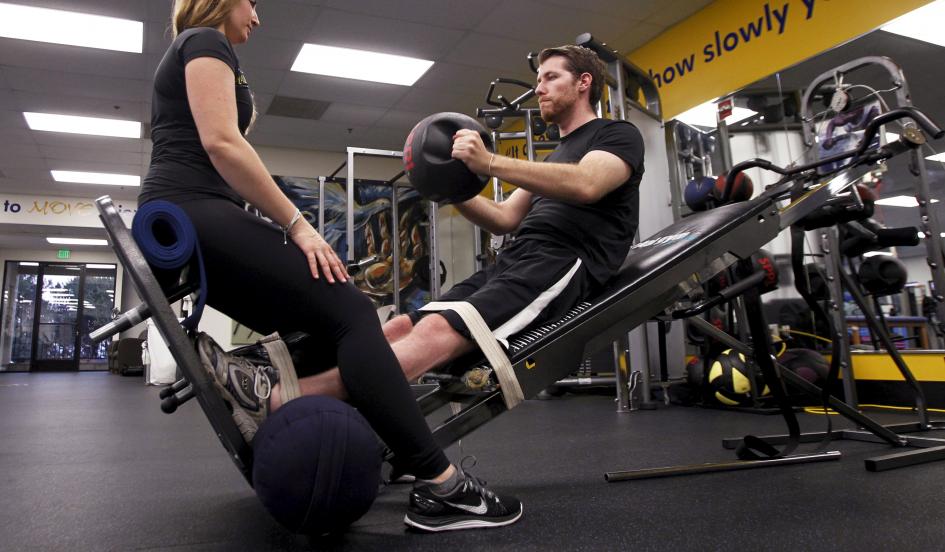
Paraplegic Adam Fritz works out with Kristen Johnson, a spinal cord injury recovery specialist, at the Project Walk facility in Claremont, California on September 24. A brain-to-computer technology that can translate thoughts into leg movements has enabled Fritz, paralyzed from the waist down by a spinal cord injury, to become the first such patient to walk without the use of robotics.

It’s a technology that sounds lifted from the latest Marvel movie—a brain-computer interface functional electrical stimulation (BCI-FES) system that enables paralyzed users to walk again. But thanks to neurologists, biomedical engineers and other scientists at the University of California, Irvine, it’s very much a reality, though admittedly with only one successful test subject so far.

The team, led by Zoran Nenadic and An H. Do, built a device that translates brain waves into electrical signals than can bypass the damaged region of a paraplegic’s spine and go directly to the muscles, stimulating them to move. To test it, they recruited 28-year-old Adam Fritz, who had lost the use of his legs five years earlier in a motorcycle accident.

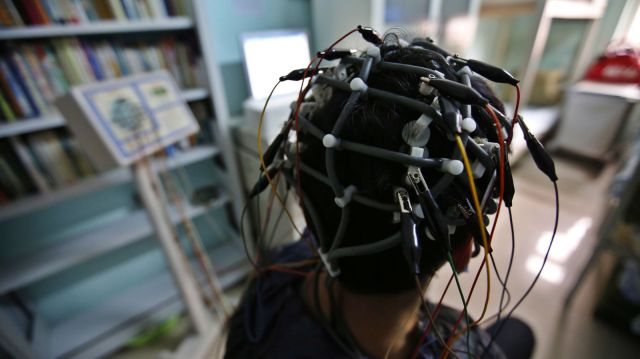
Fritz first had to learn how exactly he’d been telling his legs to move for all those years before his accident. The research team fitted him with an electroencephalogram (EEG) cap that read his brain waves as he visualized moving an avatar in a virtual reality environment. After hours training on the video game, he eventually figured out how to signal “walk.”

The next step was to transfer that newfound skill to his legs. The scientists wired up the EEG device so that it would send electrical signals to the muscles in Fritz’s leg. And then, along with physical therapy to strengthen his legs, he would practice walking—his legs suspended a few inches off the ground—using only his brain (and, of course, the device). On his 20th visit, Fritz was finally able to walk using a harness that supported his body weight and prevented him from falling. After a little more practice, he walked using just the BCI-FES system. After 30 trials run over a period of 19 weeks, he could successfully walk through a 12-foot-long course.

As encouraging as the trial sounds, there are experts who suggest the design has limitations. “It appears that the brain EEG signal only contributed a walk or stop command,” says Dr. Chet Moritz, an associate professor of rehab medicine, physiology and biophysics at the University of Washington. “This binary signal could easily be provided by the user using a sip-puff straw, eye-blink device or many other more reliable means of communicating a simple ‘switch.’”

Moritz believes it’s unlikely that an EEG alone would be reliable enough to extract any more specific input from the brain while the test subject is walking. In other words, it might not be able to do much more beyond beginning and ending a simple motion like moving your legs forward—not so helpful in stepping over curbs or turning a corner in a hallway.

The UC Irvine team hopes to improve the capability of its technology. A simplified version of the system has the potential to work as a means of noninvasive rehabilitation for a wide range of paralytic conditions, from less severe spinal cord injuries to stroke and multiple sclerosis.

“Once we’ve confirmed the usability of this noninvasive system, we can look into invasive means, such as brain implants,” said Nenadic in a statement announcing the project’s success. “We hope that an implant could achieve an even greater level of prosthesis control because brain waves are recorded with higher quality. In addition, such an implant could deliver sensation back to the brain, enabling the user to feel their legs.

http://www.newsweek.com/paralyzed-man-walks-again-using-only-his-mind-379531

Scientific testing of the ‘5 second rule’ of food on the floor

The five-second rule is based on the not-entirely-scientific belief that bacteria cannot contaminate food within five seconds, so you won’t get sick eating things you have picked up from the floor.

The first person to investigate this urban myth scientifically was Jillian Clarke, an American high-school student, during an apprenticeship in a microbiology laboratory at the University of Illinois in 2003. Clarke and her colleagues inoculated rough and smooth tiles with the bacterium E coli (certain strains of which cause stomach cramps, diarrhoea and vomiting) and put gummy bears or cookies on the tiles for five seconds. She found that E coli was transferred to gummy bears within five seconds, more so from smooth than rough tiles. As a side issue, Clarke also established in her work that university floors are remarkably clean and that people are more likely to pick up cookies from the floor than cauliflower.

Paul Dawson, professor of food science at Clemson University in South Carolina is a five-second-rule expert. His 2007 study, published in the Journal of Applied Microbiology, found that the dirtiness of the floor was more important than how long the food lay on it. His study was a progression from Clarke’s because it measured the amount of contamination. Using bread or bologna, he showed that it was better to drop either of them on carpet inoculated with salmonella, where less than 1% of the bacteria were transferred, than on tiles or wood, where up to 70% got on to the food. A similar study from Aston University found that, as soon as food hit the floor, it became contaminated – especially on smooth surfaces – but that the number of bacteria on the food increased up to 10 times between lying from three seconds to 30 seconds on the floor.

Dawson says that the five-second rule is simply not true because, if food hits a virulent brand of E coli, even the small number of bacteria it attracts immediately will make you sick. He doesn’t eat food when it falls on the floor. The very young or old shouldn’t use the five-second rule as their immune systems may not cope with even tiny amounts of bacteria. If the floor is filthy, then the rule is invalid on the grounds of grossness anyway. But the likelihood is that, for most of us, eating food off the floor isn’t going to hurt us. So if you are very hungry and you must pick food off the floor, then do it quickly, and preferably off a carpet.

http://www.theguardian.com/lifeandstyle/2015/sep/28/is-the-five-second-food-rule-really-true?channel=us

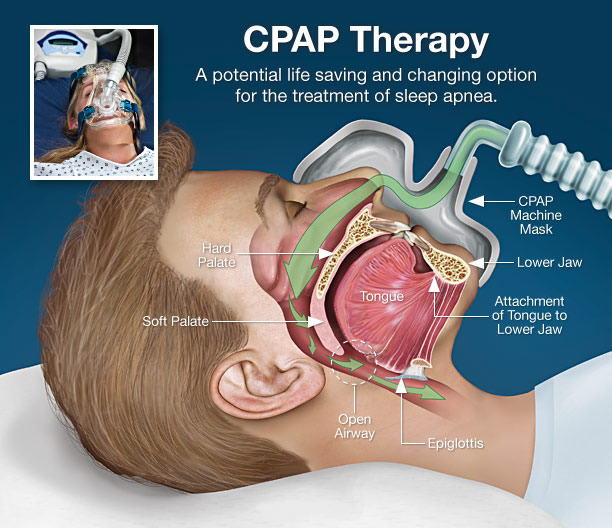
CPAP therapy demonstrated to reduce depression in adults with obstructive sleep apnea

A new study shows that depressive symptoms are extremely common in people who have obstructive sleep apnea, and these symptoms improve significantly when sleep apnea is treated with continuous positive airway pressure therapy.

Results show that nearly 73 percent of sleep apnea patients (213 of 293 patients) had clinically significant depressive symptoms at baseline, with a similar symptom prevalence between men and women. These symptoms increased progressively and independently with sleep apnea severity.

However, clinically significant depressive symptoms remained in only 4 percent of the sleep apnea patients who adhered to CPAP therapy for 3 months (9 of 228 patients). Of the 41 treatment adherent patients who reported baseline feelings of self-harm or that they would be “better dead,” none reported persisting suicidal thoughts at the 3-month follow-up.

“Effective treatment of obstructive sleep apnea resulted in substantial improvement in depressive symptoms, including suicidal ideation,” said senior author David R. Hillman, MD, clinical professor at the University of Western Australia and sleep physician at the Sir Charles Gairdner Hospital in Perth. “The findings highlight the potential for sleep apnea, a notoriously underdiagnosed condition, to be misdiagnosed as depression.”

Study results are published in the September issue of the Journal of Clinical Sleep Medicine.

The American Academy of Sleep Medicine reports that obstructive sleep apnea (OSA) is a common sleep disease afflicting at least 25 million adults in the U.S. Untreated sleep apnea increases the risk of other chronic health problems including heart disease, high blood pressure, Type 2 diabetes, stroke and depression.

The study group comprised 426 new patients referred to a hospital sleep center for evaluation of suspected sleep apnea, including 243 males and 183 females. Participants had a mean age of 52 years. Depressive symptoms were assessed using the validated Patient Health Questionnaire (PHQ-9), and the presence of obstructive sleep apnea was determined objectively using overnight, in-lab polysomnography. Of the 293 patients who were diagnosed with sleep apnea and prescribed CPAP therapy, 228 were treatment adherent, which was defined as using CPAP therapy for an average of 5 hours or more per night for 3 months.

According to the authors, the results emphasize the importance of screening people with depressive symptoms for obstructive sleep apnea. These patients should be asked about common sleep apnea symptoms including habitual snoring, witnessed breathing pauses, disrupted sleep, and excessive daytime sleepiness.

http://www.eurekalert.org/pub_releases/2015-09/aaos-ctr092215.php

Head transplant team selected for operation in 2017

The likely date and location for the first-ever human head transplant have been set, after the controversial Italian doctor that will lead the surgery said that he has selected his team of surgeons.

Radical Italian surgeon Sergio Canavero has drawn fascination and criticism after he announced plans to cut off a man’s head and put it onto another body. Many had expected that the planned operation would probably never happen – but a team has now been appointed to lead the operation.

Canavero is hoping to complete the procedure – which will take 36-hours, and cost $11 million – by December 2017, according to Russia Today.

The transplant is likely to happen in China, with a team made up largely of doctors from the country, according to AFP. That is likely to raise worries about the already highly-controversial operation, since China has been criticised for using the organs of executed prisoners without their consent.

The procedure has already drawn widespread condemnation, from doctors who say that it is likely to kill the person undergoing it, and that if he does survive he will undergo something a “lot worse than death”.

Russian Valery Spiridonov has already been selected as the recipient of the new body. He suffers from the rare, genetic Werdnig-Hoffmann disease, which gradually wastes away his muscles.

During the procedure, the donor and patient will each have their head sliced off their body in a super-fast procedure. The transplanted parts will then be stuck together with glue and stitches.

Spiridinov will then be placed in a month-long coma and injected with drugs intended to stop the body and head from rejecting each other.

Since the procedure is unprecedented, apart from mixed results in dogs and monkeys, doctors are not sure what could happen during the surgery – or how Spiridinov is likely to be if and when he wakes up.

Ren Xiaoping, who will work with Canavero to try and attempt the procedure in the next two years, said that the team will only attempt it if research and tests show that it is likely to be successful.

The operation will probably happen in China, at the Harbin Medical University, according to reports.

Since Ren refused to say where the donated body might be found, some have worried that the donated body might be taken from an executed prisoner.

In China – where the huge population and a low number of donations have led to a high demand for organs – an industry of forced donations and a black market for the sale of organs have flourished.

Canavero has said that China is keen to be involved in the procedure as a way of demonstrating its keenness for scientific research to the world, likening the race to complete the transplant to the space race. The Italian doctor has recognised that he could go to jail for performing the procedure in an unfriendly country and said that he has “been studying Chinese for a few years”.

The doctor has said that the procedure is just a first step towards his ultimate aim of immortality.

http://www.independent.co.uk/life-style/gadgets-and-tech/news/head-transplant-team-selected-for-controversial-operation-that-will-go-ahead-in-2017-10498627.html

Thanks to Kebmodee for bringing this to the It’s Interesting community.

The human brain is particularly vulnerable to trauma at two distinct ages

Our brain’s ability to process information and adapt effectively is dependent on a number of factors, including genes, nutrition, and life experiences. These life experiences wield particular influence over the brain during a few sensitive periods when our most important muscle is most likely to undergo physical, chemical, and functional remodeling.

According to Tara Swart, a neuroscientist and senior lecturer at MIT, your “terrible twos” and those turbulent teen years are when the brain’s wiring is most malleable. As a result, traumatic experiences that occur during these time periods can alter brain activity and ultimately change gene expressions—sometimes for good.

Throughout the first two years of life, the brain develops at a rapid pace. However, around the second year, something important happens—babies begin to speak.

“We start to understand speech first, then we start to articulate speech ourselves and that’s a really complex thing that goes on in the brain,” Swart, who conducts ongoing research on the brain and how it affects how we become leaders, told Quartz. “Additionally, children start to walk—so from a physical point of view, that’s also a huge achievement for the brain.

Learning and understanding a new language forces your brain to work in new ways, connecting neurons and forming new pathways. This is a mentally taxing process, which is why learning a new language or musical instrument often feels exhausting.

With so many important changes happening to the brain in such a short period of time, physical or emotional trauma can cause potentially momentous interruptions to neurological development. Even though you won’t have any memories of the interruptions (most people can’t remember much before age five), any kind of traumatic event—whether it’s abuse, neglect, ill health, or separation from your loved ones—can lead to lasting behavioral and cognitive deficits later in life, warns Swart.

To make her point, Swart points to numerous studies on orphans in Romania during the 1980s and 1990s. After the nation’s communist regime collapsed, an economic decline swept throughout the region and 100,000 children found themselves in harsh, overcrowded government institutions.

“[The children] were perfectly well fed, clothed, washed, but for several reasons—one being that people didn’t want to spread germs—they were never cuddled or played with,” explains Swart. “There was a lot of evidence that these children grew up with some mental health problems and difficulty holding down jobs and staying in relationships.”

Swart continues: “When brain scanning became possible, they scanned the brains of these children who had grown up into adults and showed that they had issues in the limbic system, the part of the brain [that controls basic emotions].”

In short, your ability to maintain proper social skills and develop a sense of empathy is largely dependent on the physical affection, eye contact, and playtime of those early years. Even something as simple as observing facial expressions and understanding what those expressions mean is tied to your wellbeing as a toddler.

The research also found that the brains of the Romanian orphans had lower observable brain activity and were physically smaller than average. As a result, researchers concluded that children adopted into loving homes by age two have a much better chance of recovering from severe emotional trauma or disturbances.

The teenage years

By the time you hit your teenage years, the brain has typically reached its adult weight of about three pounds. Around this same time, the brain is starting to eliminate, or “prune” fragile connections and unused neural pathways. The process is similar to how one would prune a garden—cutting back the deadwood allows other plants to thrive.

During this period, the brain’s frontal lobes, especially the prefrontal cortex, experience increased activity and, for the first time, the brain is capable of comparing and analyzing several complex concepts at once. Similar to a baby learning how to speak, this period in an adolescent’s life is marked by a need for increasingly advanced communication skills and emotional maturity.

“At that age, they’re starting to become more understanding of social relationships and politics. It’s really sophisticated,” Swart noted. All of this brain activity is also a major reason why teenagers need so much sleep.

Swart’s research dovetails with the efforts of many other scientists who have spent decades attempting to understand how the brain develops, and when. The advent of MRIs and other brain-scanning technology has helped speed along this research, but scientists are still working to figure out what exactly the different parts of the brain do.

What is becoming more certain, however, is the importance of stability and safety in human development, and that such stability is tied to cognitive function. At any point in time, a single major interruption has the ability to throw off the intricate workings of our brain. We may not really understand how these events affect our lives until much later.

http://qz.com/470751/your-brain-is-particularly-vulnerable-to-trauma-at-two-distinct-ages/