Weill Cornell scientists discover gene that links experience of reward of adolescent females to the psychoactive ingredient of marijuana


Dr. Anjali Rajadhyaksha
Professor of Neuroscience in Pediatrics
Associate Dean of Program Development
Weill Cornell Graduate School


Dr. Francis Lee
Psychiatry/Pharmacology; Chair and Psychiatrist-in-Chief
Mortimer D. Sackler, M.D. Professor in Psychiatry, Weill Cornell Medicine


Dr. Caitlin Burgdorf

A common variation in a human gene that affects the brain’s reward processing circuit increases vulnerability to the rewarding effects of the main psychoactive ingredient of cannabis in adolescent females, but not males, according to preclinical research by Weill Cornell Medicine investigators. As adolescence represents a highly sensitive period of brain development with the highest risk for initiating cannabis use, these findings in mice have important implications for understanding the influence of genetics on cannabis dependence in humans.

The brain’s endocannabinoid system regulates activity of cannabinoids that are normally produced by the body to influence brain development and regulate mood, as well as those from external sources, such as the psychoactive ingredient THC, also known as Δ9-tetrahydrocannabinol, which is found in cannabis. An enzyme called fatty acid amide hydrolase (FAAH) breaks down a cannabinoid called anandamide that is naturally found in the brain and is most closely related to THC, helping to remove it from circulation.

In the study, published Feb. 12 in Science Advances, the investigators examined mice harboring a human gene variant that causes FAAH to degrade more easily, increasing overall anandamide levels in the brain. They discovered that the variant resulted in an overactive reward circuit in female—but not male adolescent mice—that resulted in higher preference for THC in females. Previous clinical studies linked this FAAH variant with increased risk for problem drug use, but no studies had specifically looked at the mechanistic effect on cannabis dependence.

“Our study shows that a variant in the FAAH gene, which is found in about one-third of people, increases vulnerability to THC in females and has large-scale impact on brain regions and pathways responsible for processing reward,” said lead author Dr. Caitlin Burgdorf, a recent doctoral graduate from the Weill Cornell Graduate School of Medical Sciences. “Our findings suggest that genetics can be a contributing factor for increased susceptibility to cannabis dependence in select populations.”

The team found that female mice with the FAAH variant showed an increased preference for the environment in which they’d been exposed to THC over a neutral environment when they were exposed to the substance during adolescence, and the effect persisted into adulthood. However, if female mice with this variant were exposed to THC for the first time in adulthood, there was no increased preference for THC. These findings in mice parallel observations in humans that a select population of females are more sensitive to the effects of cannabis and demonstrate a quicker progression to cannabis dependence. “Our findings suggest that we have discovered a genetic factor to potentially identify subjects at risk for cannabis dependence,” said Dr. Burgdorf.

The investigators also found that the genetic variant led to increased neuronal connections and neural activity between two regions of the brain heavily implicated in reward behavior. Next, the team reversed the overactive reward circuit in female mice and found that decreasing circuit activity dampened the rewarding effects of THC.

As substance abuse disorders often emerge during adolescence, the investigators say this study has significant implications for translating these findings to inform developmental and genetic risk factors for human cannabis dependence.

“Our study provides new insights into cannabis dependence and provides us with a circuit and molecular framework to further explore the mechanisms of cannabis dependence,” said co-senior author Dr. Anjali Rajadhyaksha, professor of neuroscience in pediatrics and associate professor of neuroscience in the Feil Family Brain and Mind Research Institute and a member of the Drukier Institute for Children’s Health at Weill Cornell Medicine.

Although genetic factors are increasingly found to be associated with risk for other types of addiction, very few studies have investigated genetic factors associated with increasing risk for cannabis dependence. “In the future, we could use the presence of this FAAH genetic variant to potentially predict if an individual is more likely to be vulnerable to cannabis dependence,” said co-senior author, Dr. Francis Lee, chair of the Department of Psychiatry at Weill Cornell Medicine and psychiatrist-in-chief at NewYork-Presbyterian/Weill Cornell Medical Center. “We are getting one step closer to understanding exactly how neurodevelopmental and genetic factors play interrelated roles to increase susceptibility for cannabis dependence.”

Additional authors on the study were Dr. Deqiang Jing, Ruirong Yang and Chienchum Huang from the Department of Psychiatry at Weill Cornell Medicine; Drs. Teresa A. Milner and Dr. Virginia M. Pickel from the Feil Family Brain and Mind Research Institute at Weill Cornell Medicine; Dr. Matthew N. Hill from departments of Cell Biology and Anatomy and Psychiatry at University of Calgary; and Dr. Ken Mackie from the Department of Psychological and Brain Sciences at Indiana University Bloomington.

This research was supported by the National Institute of Health (Grants T32DA039080, R01DA08259, R01HL098351, R01HL136520, R01DA042943, R01NS052819, R01DA029122), Weill Cornell’s Mowrer Memorial Graduate Student Fellowship, NewYork-Presbyterian Youth Anxiety Center, the Pritzker Neuropsychiatric Disorders Research Consortium, the DeWitt-Wallace Fund of the New York Community Trust, and The Paul Fund.

https://news.weill.cornell.edu/news/2020/02/preclinical-study-links-human-gene-variant-to-thc-reward-in-adolescent-females

AI is learning how to use brain scans to predict the right antidepressant for patients

By Jason Arunn Murugesu

An AI can predict from people’s brainwaves whether an antidepressant is likely to help them. The technique may offer a new approach to prescribing medicines for mental illnesses.

Antidepressants don’t always work, and we aren’t sure why. “We have a central problem in psychiatry because we characterise diseases by their end point, such as what behaviours they cause,” says Amit Etkin at Stanford University in California. “You tell me you’re depressed, and I don’t know any more than that. I don’t really know what’s going on in the brain and we prescribe medication on very little information.”

Etkin wanted to find out if a machine-learning algorithm could predict from the brain scans of people diagnosed with depression who was most likely to respond to treatment with the antidepressant sertraline. The drug is typically effective in only a third of the people who take it.

He and his team gathered electroencephalogram (EEG) recordings showing the brainwaves of 228 people aged between 18 and 65 with depression. These individuals had previously tried antidepressants, but weren’t on such drugs at the start of the study.

Roughly half the participants were given sertraline, while the rest got a placebo. The researchers then monitored the participants’ mood over eight weeks, measuring any changes using a depression rating scale.

Brain activity patterns
By comparing the EEG recordings of those who responded well to the drug with those who didn’t, the machine-learning algorithm was able to identify a specific pattern of brain activity linked with a higher likelihood of finding sertraline helpful.

The team then tested the algorithm on a different group of 279 people. Although only 41 per cent of overall participants responded well to sertraline, 76 per cent of those the algorithm predicted would benefit did so.

Etkin has founded a company called Alto Neuroscience to develop the technology. He hopes it results in more efficient sertraline prescription by giving doctors “the tools to make decisions about their patients using objective tests, decisions that they’re currently making by chance”, says Etkin.

This AI “could have potential future relevance to patients with depression”, says Christian Gluud at the Copenhagen Trial Unit in Denmark. But the results need to be replicated by other researchers “before any transfer to clinical practice can be considered”, he says.

Journal reference: Nature Biotechnology, DOI: 10.1038/s41587-019-0397-3

Read more: https://www.newscientist.com/article/2232792-brain-scans-can-help-predict-wholl-benefit-from-an-antidepressant/#ixzz6DeyTJYpK

Aerobic exercise limits risk of Alzheimer’s in vulnerable adults


A new study has found a new link between regular aerobic exercise and improved cognitive function in brain regions associated with Alzheimer’s disease.

By Nick Lavars

Previous research has shown us how regular exercise can be beneficial for cognitive function and help stave off the brain degeneration associated with dementia and Alzheimer’s, but scientists continue to learn more about the mechanisms at play. The latest discovery in this area comes courtesy of researchers from the University of Wisconsin (UW), who have published a new study describing a relationship between regular aerobic exercise and a reduced vulnerability to Alzheimer’s among high-risk adults.

More and more research is establishing stronger and stronger links between exercise and the prevention or slowing of Alzheimer’s and dementia. Last September, one study found that a regime of regular aerobic exercise could slow the degeneration of the hippocampus, while another from early in 2019 found that a hormone released during exercise can improve brain plasticity and memory.

For the new study, the UW researchers enlisted 23 subjects, with the participants all cognitively healthy young adults but with a heightened risk of Alzheimer’s due to family history and genetics. All lived what the researchers describe as a sedentary lifestyle and were first put through examinations to assess their cardiorespiratory fitness, cognitive function, typical daily physical activity, and brain glucose metabolism, which is considered a measure of neuronal health.

From there, half of the subjects were given information about how to lead a more active lifestyle, but were then left to their own devices. The other half of the group was given a personal trainer and put through a treadmill training program described as “moderate intensity,” involving three sessions a week across 26 weeks.

Unsurprisingly, the active group demonstrated improved cardio fitness and took on less sedentary lifestyles once the training program had finished. But in addition, they scored higher on cognitive tests of executive functioning, which is the capacity of the brain to plan, pay attention, remember instructions and multitask. Executive function is known to deteriorate during the onset of Alzheimer’s.

“This study is a significant step toward developing an exercise prescription that protects the brain against AD, even among people who were previously sedentary,” explains lead investigator Ozioma C. Okonkwo.

In addition to this improved executive function, brain scans also revealed some marked differences in brain glucose metabolism in the posterior cingulate cortex, a region again linked with Alzheimer’s.

“This research shows that a lifestyle behavior – regular aerobic exercise – can potentially enhance brain and cognitive functions that are particularly sensitive to the disease,” says Okonkwo. “The findings are especially relevant to individuals who are at a higher risk due to family history or genetic predisposition.”

With the sample size on the small side, the researchers are now working towards larger studies with more subjects to see if their findings can be replicated.

The research was published in the journal Brain Plasticity.

https://newatlas.com/medical/aerobic-exercise-risk-alzheimers-vulnerable-adults/

Drinking alcohol every day can speed up brain aging by one week per session, according to a study of more than 17,000 people

Researchers at the University of Southern California looked at more than 17,000 brain scans to see if daily smoking and drinking advanced brain age. The study found that every gram of alcohol consumed a day aged the brain by 11 days. Smoking a pack of cigarettes a day for a year aged the brain by 11 days. It is one of the largest studies ever done on brain aging and alcohol, making the findings quite robust.

by Shira Feder

Over time, drinking a little bit more alcohol than recommended could accelerate the brain’s aging process, according to a new study.

Though previous studies have found the same, most were tentative findings based on small groups of people or large groups of mice.

The new study, from researchers at the University of Southern California, offers a more robust estimate, reached by examining 17,308 human brain scans from the UK Biobank — one of the biggest sample sizes ever seen.

The team found that for every gram of alcohol consumed a day, the brain aged 0.02 years — or, seven-and-a-half days. (The average can of beer or small glass of wine contains 14 grams of alcohol). People who reported drinking every day had brains which were, on average, 0.4 years older than people who didn’t drink daily.

Smoking had even stronger effect: the team found that those who smoke a pack of cigarettes a day for a year age their brains by 0.03 years (11 days).

The researchers took 30% of the brain scans in their study, all from people aged 45 to 81, and used them to train a computer, which scanned each brain to see how old or young they looked.

They then compared the computer’s estimates of each brain’s age with the person’s real age, and their self-reports of how much alcohol and tobacco they consume daily, in order to see if consuming alcohol or tobacco regularly aged the brain.

Comparing those results with the other 70% of their brain scans, they found that the more you drank and smoke, the more likely you were to have a brain aged beyond your actual age.

Lucina Uddin, director of the Cognitive and Behavioral Neuroscience Division at the University of Miami, who was not involved in the study, told Insider that the use of an algorithm is what makes this study’s findings so compelling.

“Back in the day we’d scan 20 or 40 subjects, if we were lucky, for neuroimaging studies,” Uddin said. “Now we’re getting bigger numbers like 200 or 300 individuals. But this is the biggest sample we’ve ever seen.”

Because the sample size is so big, scientists can ask questions that apply to the entire population, rather than just a few people.

Brain age is essentially a measure of brain health, says Uddin, who was not surprised by the study’s findings.

“Looking at brain age is a way of checking how well you’ve been taking care of your brain,” she told Insider. “My age is 40, but does my brain look more like a 50-year-old brain or a 60-year-old brain? Do you look younger than your age or older than your age?”

The lead author of the study, Arthur Toga, told Inverse: “The 0.4 years of difference was statistically significant. We suggest that daily or almost daily alcohol consumption can be detrimental to the brain.”

However, many super-agers — people who live well beyond 100 years old, and often appear resistant to the dementia gene — report drinking alcohol now and then.

What’s more, a recent Harvard study found drinking in moderation can have some benefits, particularly for the heart.

Dr. Qi Sun, a co-author of the Harvard study, previously told Insider: “If you drink alcohol, it’s very important that you drink responsibly, not in excess, and that you also focus on eating a healthy diet, maintaining a healthy body weight, not smoking, and exercising. If you don’t drink you don’t need to start drinking.”

https://www.insider.com/alcohol-every-day-ages-your-brain-quicker-17000-brain-scans-2020-1

Robert Moir, 58, Dies; His Research Changed Views on Alzheimer’s disease


Dr. Moir’s radical and iconoclastic theories defied conventional views of the disease. But some scientists were ultimately won over.

By Gina Kolata

Robert D. Moir, a Harvard scientist whose radical theories of the brain plaques in Alzheimer’s defied conventional views of the disease, but whose research ultimately led to important proposals for how to treat it, died on Friday at a hospice in Milton, Mass. He was 58.

His wife, Julie Alperen, said the cause was glioblastoma, a type of brain cancer.

Dr. Moir, who grew up on a farm in Donnybrook, a small town in Western Australia, had a track record for confounding expectations. He did not learn to read or write until he was nearly 12; Ms. Alperen said he had told her that the teacher at his one-room schoolhouse was “a demented nun.” Yet, she said, he also knew from age 7 that he wanted to be a scientist.

Dr. Moir succeeded in becoming a researcher who was modest and careful, said his Ph.D. adviser, Dr. Colin Masters, a neuropathologist at the University of Melbourne. So Dr. Masters was surprised when Dr. Moir began publishing papers proposing an iconoclastic rethinking of the pathology of Alzheimer’s disease.

Dr. Moir’s hypothesis “was and is a really novel and controversial idea that he alone developed,” Dr. Masters said.

“I never expected this to come from this quiet achiever,” he said.

Dr. Moir’s theory involved the protein beta amyloid, which forms plaques in the brains of Alzheimer’s patients.

Conventional wisdom held that beta amyloid accumulation was a central part of the disease, and that clearing the brain of beta amyloid would be a good thing for patients.

Dr. Moir proposed instead that beta amyloid is there for a reason: It is the way the brain defends itself against infections. Beta amyloid, he said, forms a sticky web that can trap microbes. The problem is that sometimes the brain goes overboard producing it, and when that happens the brain is damaged.

The implication is that treatments designed to clear the brain of amyloid could be detrimental. The goal would be to remove some of the sticky substance, but not all of it.

The idea, which Dr. Moir first proposed 12 years ago, was met with skepticism. But he kept at it, producing a string of papers with findings that supported the hypothesis. Increasingly, some of the doubters have been won over, said Rudolph Tanzi, a close friend and fellow Alzheimer’s researcher at Harvard.

Dr. Moir’s unconventional ideas made it difficult for him to get federal grants. Nearly every time he submitted a grant proposal to the National Institutes of Health, Dr. Tanzi said in a phone interview, two out of three reviewers would be enthusiastic, while a third would simply not believe it. The proposal would not be funded.

But Dr. Moir took those rejections in stride.

“He’d make a joke about it,” Dr. Tanzi said. “He never got angry. I never saw Rob angry in my life. He’d say, ‘What do we have to do next?’ He was always upbeat, always optimistic.”

Dr. Moir was supported by the Cure Alzheimer’s Fund, and he eventually secured some N.I.H. grants.

Dr. Moir first came to the United States in 1994, when Dr. Tanzi was looking for an Alzheimer’s biochemist to work in his lab. Working with the lab as a postdoctoral fellow and later as a faculty member with his own lab, Dr. Moir made a string of major discoveries about Alzheimer’s disease.

For example, Dr. Moir and Dr. Tanzi found that people naturally make antibodies to specific forms of amyloid. These antibodies protect the brain from Alzheimer’s but do not wipe out amyloid completely. The more antibodies a person makes, the greater the protection against Alzheimer’s.

That finding, Dr. Tanzi said, inspired the development of an experimental drug, which its manufacturer, Biogen, says is helping to treat some people with Alzheimer’s disease. Biogen plans to file for approval from the Food and Drug Administration.

Robert David Moir was born on April 2, 1961, in Kojonup, Australia, to Mary and Terrence Moir, who were farmers. He studied the biochemistry of Alzheimer’s disease at the University of Western Australia before joining Dr. Tanzi’s lab.

Once he learned to read, Ms. Alperen said, he never stopped — he read science fiction, the British magazine New Scientist and even PubMed, the federal database of scientific publications.

“Rob had an encyclopedic knowledge of the natural world,” she said.

He shared that love with his family, on frequent hikes and on trips with his young children to look for rocks, insects and fossils. He also played Australian-rules football, which has elements of rugby as well as American football, and helped form the Boston Demons Australian Rules Football Team in 1997, his wife said.

In addition to his wife, with whom he lived in Sharon, Mass., Dr. Moir’s survivors include three children, Alexander, Maxwell and Holly Moir; a brother, Andrew; and a sister, Catherine Moir. His marriage to Elena Vaillancourt ended in divorce.

Bionic neurons could enable implants to restore failing brain circuits


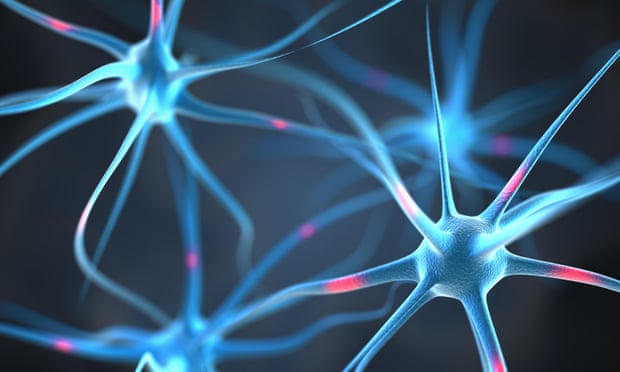
Neurons in the brain. Rather than implanting directly into the brain, the bionic neurons are built into ultra-low power microchips that form the basis for devices that would plug straight into the nervous system.

Scientists have created artificial neurons that could potentially be implanted into patients to overcome paralysis, restore failing brain circuits, and even connect their minds to machines.

The bionic neurons can receive electrical signals from healthy nerve cells, and process them in a natural way, before sending fresh signals on to other neurons, or to muscles and organs elsewhere in the body.

One of the first applications may be a treatment for a form of heart failure that develops when a particular neural circuit at the base of the brain deteriorates through age or disease and fails to send the right signals to make the heart pump properly.

Rather than implanting directly into the brain, the artificial neurons are built into ultra-low power microchips a few millimetres wide. The chips form the basis for devices that would plug straight into the nervous system, for example by intercepting signals that pass between the brain and leg muscles.

“Any area where you have some degenerative disease, such as Alzheimer’s, or where the neurons stop firing properly because of age, disease, or injury, then in theory you could replace the faulty biocircuit with a synthetic circuit,” said Alain Nogaret, a physicist who led the project at the University of Bath.

The breakthrough came when researchers found they could model live neurons in a computer program and then recreate their firing patterns in silicon chips with more than 94% accuracy. The program allows the scientists to mimic the full variety of neurons found in the nervous system.

Writing in the journal Nature Communications, the researchers describe how they fed the program with data recorded from two types of rat neuron, which were stimulated in a dish. The neurons were either from the hippocampus, a region that is crucial for memory and learning, or were involved in the subconscious control of breathing.

Armed with the program, the researchers claim they can now build bionic neurons based on any of the real nerve cells found in the brain, spinal cord, or the more distant reaches of the peripheral nervous system, such as the sensory neurons in the skin.

Because the artificial neurons both receive and send signals, they can be used to make implants that respond to neural feedback signals that are constantly coursing around the body.

“The potential is endless in terms of understanding how the brain works, because we now have the fundamental understanding and insight into the functional unit of the brain, and indeed applications, which might be to improve memory, to overcome paralysis and ameliorate disease,” said Julian Paton, a co-author on the study who holds posts at the Universities of Bristol and Auckland.

“They can be used in isolation or connected together to form neuronal networks to perform brain functions,” he added.

With development, trials and regulations to satisfy, it could be many years before the artificial neurons are helping patients. But if they prove safe and effective, they could ultimately be used to circumvent nerve damage in broken spines and help paralysed people regain movement, or to connect people’s brains to robotic limbs that can send touch sensations back through the implant to the brain.

Despite the vast possibilities the artificial neurons open up, Nogaret said the team was nowhere near building a whole brain, an organ which in a human consists of 86bn neurons and at least as many supporting cells. “We are not claiming that we are building a brain, there’s absolutely no way,” he said.

The scientists’ approach differs from that taken by many other peers who hope to recreate brain activity in computers. Rather than focusing on individual neurons, they typically model brain regions or even whole brains, but with far less precision. For example, the million-processor SpiNNaker machine at the University of Manchester can model an entire mouse brain, but not to the level of individual brain cells.

“If you wanted to model a whole mouse brain using the approach in this paper you might end up designing 100 million individual, but very precise, neurons on silicon, which is clearly unfeasible within a reasonable time and budget,” said Stephen Furber, professor of computer engineering at the University of Manchester.

“Because the approach is detailed and laboriously painstaking, it can really only be applied in practice to smallish neural units, such as the respiratory neurons described above, but there are quite a few critical small neural control circuits that are vital to keeping us alive,” he added.

https://www.theguardian.com/science/2019/dec/03/bionic-neurons-could-enable-implants-to-restore-failing-brain-circuits

One in two homeless people has had a traumatic brain injury.

by Joe Gramigna

More than half of people who are homeless or dwell in unstable housing may have experienced a traumatic brain injury, according to results of a systematic review and meta-analysis published in The Lancet Public Health.

“Health care providers should be aware of the burden of TBI in this population,” Jacob L. Stubbs, BKin, a PhD student in the department of psychiatry at the University of British Columbia, Vancouver, told Healio Psychiatry. “Identifying a history of serious injury or new TBIs may allow for more targeted care. However, more research is urgently needed to better understand this issue.”

According to Stubbs and colleagues, a previous systematic review and previous studies have suggested that the lifetime incidence and prevalence of TBI in homeless and marginally housed individuals might be significantly higher than the general population. However, they noted that the present study is the first meta-analysis to their knowledge to evaluate TBI prevalence and incidence in these specific populations.

The researchers searched for original research studies that reported data on the association between TBI and one or more health- or function-related outcome measures, or on the prevalence or incidence of TBI. They included studies with clearly identifiable groups or subgroups of individuals who were homeless, seeking services for homeless people or marginally housed.

Among 21 studies with data from 11,417 individuals, the lifetime prevalence of any severity of TBI in homeless and marginally housed individuals was 53.4% (95% CI, 47.6-59.1). Among 12 studies with data from 6,302 individuals, the lifetime prevalence of moderate or severe TBI was 24.9% (95% CI, 16.3-35.9). Several factors significantly moderated estimated lifetime prevalence of any severity of TBI — the definition of TBI, the method used to determine TBI history and the age of the sample. The researchers noted that TBI was consistently associated with poorer self-reported mental and physical health, higher suicide risk and suicidality, memory concerns and increased criminal justice system involvement and health service use.

“Confirmation of structural brain damage caused by TBI might facilitate triage and referral to specialized services, such as cognitive rehabilitation, which could improve functional outcomes,” the researchers wrote. “Furthermore, imaging findings might positively inform the patient-caregiver relationship (eg, by increasing understanding of challenging behaviors that might be attributable to damage visible on neuroimaging).”

In a related editorial, Jesse T. Young, PhD, MPH, BSc, and Nathan Hughes, PhD, of Murdoch Children’s Research Institute in Melbourne, Australia, offered potential solutions to ameliorate the burden of TBIs among this population.

“Given the increasing evidence for a potential causal relationship, a randomized controlled trial investigating the effect of a housing intervention on TBI incidence is both feasible and warranted,” they wrote. “The Housing First model, in which homeless people are provided immediate access to permanent, noncontingent housing, has been found to reduce hospital contact for injury. Establishing the effectiveness of a Housing First approach in preventing TBI among people at risk of housing instability should be a public health priority for researchers and policy makers.”

Stubbs JL, et al. Lancet Public Health. 2019;doi:10.1016/S2468-2667(19)30188-4.
Young JT, Hughes N. Lancet Public Health. 2019;doi:10.1016/S2468-2667(19)30225-7.

https://www.healio.com/psychiatry/violence-trauma/news/online/%7B3684f5f6-57bc-4a44-92f2-1739e4a3f85e%7D/one-in-two-homeless-people-has-a-tbi?utm_source=selligent&utm_medium=email&utm_campaign=psychiatry%20news&m_bt=1162769038120

New evidence that dogs can recognize vowel changes in words

by Gege Li

Dogs pay much closer attention to what humans say than we realised, even to words that are probably meaningless to them.

Holly Root-Gutteridge at the University of Sussex, UK, and her colleagues played audio recordings of people saying six words to 70 pet dogs of various breeds. The dogs had never heard these voices before and the words only differed by their vowels, such as “had”, “hid” and “who’d”.

Each recording was altered so the voices were at the same pitch, ensuring that the only cue the dogs had was the difference between vowels, rather than how people said the words.

After hearing the recordings just once, 48 of the dogs reacted when either the same speaker said a new word or the same word was said by a different speaker. The remainder either didn’t visibly respond or got distracted.

The team based its assessment of the dogs’ reactions on how long they paid attention when the voice or word changed – if the dogs moved their ears or shifted eye contact, for example, it showed that they noticed the change. In contrast, when the dogs heard the same word repeated several times, their attention waned.

Until now, it was thought that only humans could detect vowels in words and realise that these sounds stay the same across different speakers. But the dogs could do both spontaneously without any previous training.

“I was surprised by how well some of the dogs responded to unfamiliar voices,” says Root-Gutteridge. “It might mean that they comprehend more than we give them credit for.”

This ability may be the result of domestication, says Root-Guttridge, as dogs that pay closer attention to human sounds are more likely to have been chosen for breeding.

The work highlights the strength of social interactions between humans and dogs, says Britta Osthaus at Canterbury Christ Church University, UK. “It would be interesting to see whether a well-trained dog would react differently to the command of ‘sat’ instead of ‘sit’,” she says.

Journal reference: Biology Letters, DOI: 10.1098/rsbl.2019.0555

Read more: https://www.newscientist.com/article/2225746-dogs-have-a-better-ear-for-language-than-we-thought/#ixzz679cb3PFN

Ketamine Could Help Cut Alcohol Consumption by Rewiring Memory of Alcohol Reward


Preliminary findings from a clinical trial of heavy drinkers suggest that the drug can weaken certain memories tied to the reward of imbibing, although the mechanisms aren’t fully clear.

by CATHERINE OFFORD

he anesthetic drug ketamine could be used to rewire heavy drinkers’ memories and help them cut down on alcohol consumption, according to a study published yesterday (November 26) in Nature Communications. In a clinical trial of people who reported consuming around 590 grams of alcohol—equivalent to nearly two cases of beer—per week on average, researchers found that a procedure that involved administering the drug while people were thinking about drinking durably reduced consumption.

While it’s not clear how the method works at a neurological level, the study represents “a really exciting development,” Amy Milton, a behavioral neuroscientist at the University of Cambridge who was not involved in the work, tells STAT. She adds that the findings mark “the first time it’s been shown in a clinical population that this can be effective.”

The study was designed to manipulate the brain’s retrieval and stabilization of memories—in this case, those linking the sight and thoughts of alcohol to the reward of drinking it, study coauthor Ravi Das, a psychopharmacologist at University College London, tells Science News. “We’re trying to break down those memories to stop that process from happening.”

To do that, the team asked 30 of the participants to look at a glass of beer, followed by a sequence of images of alcoholic and non-alcoholic drinks. On the first day of tests, the session ended with participants being invited to drink the beer. On the second day, after viewing the beer and images, the screen cut off, and instead of drinking the beer, participants were given a shot of ketamine.

Among various functions, ketamine blocks NMDA receptors—key proteins in the brain’s reward pathways—so the researchers hypothesized that administering the drug during memory retrieval would help weaken participants’ associations between the sight or contemplation of alcohol and the reward of drinking it. Their results somewhat support that hypothesis. Nine months following the several-day trial, the volunteers reported cutting their drinking back by half.

“To actually get changes in [participants’] behavior when they go home and they’re not in the lab is a big deal,” Mary Torregrossa, a neuroscientist at the University of Pittsburgh who was not involved in the work, tells Science. But she notes that it’s not clear whether it was the ketamine or some other part of the procedure that led to the effect.

Another 60 participants, split into two control groups, received slightly different procedures that involved either beer or ketamine and still showed, on average, a 35 percent decrease in alcohol consumption after nine months. The participants themselves were recruited to the study through online ads—meaning that the researchers may have selected for people already interested in reducing consumption.

Whatever the mechanisms behind the effect, the results so far suggest the method is worth investigating, David Epstein, an addiction researcher at the National Institute on Drug Abuse, tells Science News. “If a seemingly small one-time experience in a lab produces any effects that are detectable later in real life, the data are probably pointing toward something important.”

Catherine Offord is an associate editor at The Scientist. Email her at cofford@the-scientist.com.

https://www.the-scientist.com/news-opinion/ketamine-could-help-cut-alcohol-consumption-by-rewiring-memory-66792?utm_campaign=TS_DAILY%20NEWSLETTER_2019&utm_source=hs_email&utm_medium=email&utm_content=80070748&_hsenc=p2ANqtz-_mk5jB1Vyqx3xPsKPzk1WcGdxEqSmuirpfpluu4Opm4tMO6n7rXROJrCvQp0yKBw2eCo4R4TZ422Hk6FcfJ7tDWkMpyg&_hsmi=80070748

Study shows extra virgin olive oil staves off multiple forms of dementia in mice

Boosting brain function is key to staving off the effects of aging. And if there was one thing every person should consider doing right now to keep their brain young, it is to add extra virgin olive oil (EVOO) to their diet, according to research by scientists at the Lewis Katz School of Medicine at Temple University (LKSOM). EVOO is a superfood, rich in cell-protecting antioxidants and known for its multiple health benefits, including helping put the brakes on diseases linked to aging, most notably cardiovascular disease. Previous LKSOM research on mice also showed that EVOO preserves memory and protects the brain against Alzheimer’s disease.

In a new study in mice published online in the journal Aging Cell, LKSOM scientists show that yet another group of aging-related diseases can be added to that list—tauopathies, which are characterized by the gradual buildup of an abnormal form of a protein called tau in the brain. This process leads to a decline in mental function, or dementia. The findings are the first to suggest that EVOO can defend against a specific type of mental decline linked to tauopathy known as frontotemporal dementia.

Alzheimer’s disease is itself one form of dementia. It primarily affects the hippocampus—the memory storage center in the brain. Frontotemporal dementia affects the areas of the brain near the forehead and ears. Symptoms typically emerge between ages 40 and 65 and include changes in personality and behavior, difficulties with language and writing, and eventual deterioration of memory and ability to learn from prior experience.

Senior investigator Domenico Praticò, MD, Scott Richards North Star Foundation Chair for Alzheimer’s Research, Professor in the Departments of Pharmacology and Microbiology, and Director of the Alzheimer’s Center at Temple at LKSOM, describes the new work as supplying another piece in the story about EVOO’s ability to ward off cognitive decline and to protect the junctions where neurons come together to exchange information, which are known as synapses.

“EVOO has been a part of the human diet for a very long time and has many benefits for health, for reasons that we do not yet fully understand,” he said. “The realization that EVOO can protect the brain against different forms of dementia gives us an opportunity to learn more about the mechanisms through which it acts to support brain health.”

In previous work using a mouse model in which animals were destined to develop Alzheimer’s disease, Dr. Praticò’s team showed that EVOO supplied in the diet protected young mice from memory and learning impairment as they aged. Most notably, when the researchers looked at brain tissue from mice fed EVOO, they did not see features typical of cognitive decline, particularly amyloid plaques—sticky proteins that gum up communication pathways between neurons in the brain. Rather, the animals’ brains looked normal.

The team’s new study shows that the same is true in the case of mice engineered to develop tauopathy. In these mice, normal tau protein turns defective and accumulates in the brain, forming harmful tau deposits, also called tangles. Tau deposits, similar to amyloid plaques in Alzheimer’s disease, block neuron communication and thereby impair thinking and memory, resulting in frontotemporal dementia.

Tau mice were put on a diet supplemented with EVOO at a young age, comparable to about age 30 or 40 in humans. Six months later, when mice were the equivalent of age 60 in humans, tauopathy-prone animals experienced a 60 percent reduction in damaging tau deposits, compared to littermates that were not fed EVOO. Animals on the EVOO diet also performed better on memory and learning tests than animals deprived of EVOO.

When Dr. Praticò and colleagues examined brain tissue from EVOO-fed mice, they found that improved brain function was likely facilitated by healthier synapse function, which in turn was associated with greater-than-normal levels of a protein known as complexin-1. Complexin-1 is known to play a critical role in maintaining healthy synapses.

Dr. Praticò and colleagues now plan to explore what happens when EVOO is fed to older animals that have begun to develop tau deposits and signs of cognitive decline, which more closely reflects the clinical scenario in humans. “We are particularly interested in knowing whether EVOO can reverse tau damage and ultimately treat tauopathy in older mice,” Dr. Praticò added.

More information: Elisabetta Lauretti et al, Extra virgin olive oil improves synaptic activity, short‐term plasticity, memory, and neuropathology in a tauopathy model, Aging Cell (2019). DOI: 10.1111/acel.13076

https://m.medicalxpress.com/news/2019-11-extra-virgin-olive-oil-staves.html