Clock Nucleus and Aggression Centres Linked, Implication For Alzheimer’s Treatment

A research team at University of Copenhagen including a researcher from the Faculty of Health and Medical Sciences has discovered a circuit in the brains of mice connecting circadian rhythm to aggressive behaviour. The discovery is particularly interesting to Alzheimer’s patients who experience increased aggression at night. The researchers have developed special protein tools capable of turning off the cells in the brain causing the behaviour.

Each year around 8,000 Danes are diagnosed with a form of dementia. Alzheimer’s disease is one of them. The disease manifests itself in memory difficulties in particular, but can also result in personality changes and mood swings.

When the sun sets 20 per cent of all Alzheimer’s patients experience increased bewilderment, anxiety, unease, disorientation, irritation and aggression. This phenomenon is called ‘sundowning’ or sundown syndrome. At worst, the condition can mean that the patient must be left in professional care, as it can be difficult for family members to handle. The cause of the condition is unknown, but previous research has suggested that it is connected to the circadian rhythm.

A research team including a researcher from the Department of Drug Design and Pharmacology at the University of Copenhagen is now able to confirm this connection. The researchers have identified and mapped a circuit between the part of the brain containing the circadian clock or circadian rhythm and a part of the brain controlling aggression.

’We have shown that the circadian clock in mice is closely linked to an aggression centre in the mouse brain by a cell circuit. The human brain has those same groups of cells that the circuit goes through. With this knowledge, we are now enabled to target this circuit pharmacologically and target cells that make people aggressive at the end of the day’, says Assistant Professor Timothy Lynagh from the Department of Drug Design and Pharmacology at the University of Copenhagen.

Turn off the Aggression
The inner clock or circadian rhythm is located in the part of the brain called suprachiasmatic nucleus. One of the parts of the brain that control aggressive behaviour is called the ventromedial hypothalamus. Researchers have previously observed a connection between the two parts of the brain, though none have had knowledge of the specific circuit connecting them.

Using electrophysiology and microscopy, the researchers measured the activity of the brain cells at main author Clifford Saper’s laboratory in Boston. They also turned off parts of the cell circuit in the brains of mice to map the circuit and to identify the cells connecting the two parts of the brain. To map circuits in the brain you need a protein tool that can turn off the various cells to determine their function. Assistant Professor Timothy Lynagh has designed precisely such a tool.

‘We take a receptor and mutate it, so that it is not sensitive to anything in the brain, but very sensitive to a particular drug. The tool works like an on/off switch. When you put the protein tool in the mouse brain, under normal circumstances, nothing will happen. But when you give the animal the drug, the cells that have the receptor on them will be turned off’, Timothy Lynagh explains.

Using this tool, the researchers can thus in theory turn off the cells that cause people suffering from sundown syndrome to become more aggressive at night.

May Be Used on Humans 20 Years into the Future
The tool can also be used in other contexts than sundown syndrome. In other studies, Tim Lynagh’s tool has been used to turn off cells in rats linked to anxiety and fear.

‘If you can start understanding which cells in the brain lead to which problems, you can then put this tool into any of those parts of the brain. The person who takes the drug will then have the cells causing the problem turned off’, Timothy Lynagh says.

Even though the study was conducted on mice, the tool and the knowledge the research has generated can potentially be used in the treatment of humans.

‘Because of the huge advances that are coming along with CRISPR, I would be tempted to say that based on a recent demonstration of gene therapy for brain disease, potentially, it could be used in the human brain in 20 years’ time. Of course it needs a lot more research’, he says.

Reference:
Todd, W. D., Fenselau, H., Wang, J. L., Zhang, R., Machado, N. L., Venner, A., … & Lowell, B. B. (2018). A hypothalamic circuit for the circadian control of aggression. Nature neuroscience, 1.

http://healthsciences.ku.dk/news/2018/05/researchers-discover-connection-between-circadian-rhythm-and-aggression/

Merck study failure may signal doom for a broad group of pivotal Alzheimer’s studies focused on the amyloid theory of treatment.

by John Carroll

You need a license to cut-and-paste this copyrighted news content.
Use this link to purchase your paid subscription ($200/year for individuals and $1,000/year for companies of every size): https://endpts.com/subscribe
Already a paid subscriber? Sign in to Endpoints News to remove this message.

The BACE theory in Alzheimer’s R&D is simple. Cut off the flow of amyloid beta to the brain and you can eliminate what is widely believed — though not proven — to be a cause of the disease. Do that, and you could bend the course of this devastating illness in millions of people with mild to moderate forms of the disease.

And Merck $MRK just spent a fortune to demonstrate that it may well be completely wrong.

To be sure, Merck ran a clean study for verubecestat, the leading BACE drug in the clinic, and displayed the data on 1,958 patients for all to see today in the New England Journal of Medicine. Investigators carefully tracked amyloid beta flows in cerebrospinal cords and found that the drug did what it was intended to do, with a dramatic reduction of the toxic protein. 

It had no effect, with patients in the two dosage groups tracking in parallel decline on both cognition and function, the two classic measures for Alzheimer’s. 

The conclusion they reached is that the damage already present in the brains of patients with Alzheimer’s may be too extensive to treat with any BACE drug. And they also concede that the amyloid theory itself may be just flat wrong.

This suggests that once dementia is present, disease progression may be independent of Aβ production or, alternatively, that the amyloid hypothesis of Alzheimer’s disease may not be correct. Because Aβ deposition takes place years before clinical symptoms become apparent, it has been proposed that treatments targeting amyloid should be implemented early in the disease process, before the onset of clinical symptoms.

Soon after this study failed, Merck also threw in the towel on their second pivotal trial, noting it too was a flop. Those data are still being evaluated, but it underscores the belief that all of the BACE studies — including those at Eli Lilly $LLY, partnered with AstraZeneca $AZN, or Biogen $BIIB, allied with Eisai — are headed straight to failure.

Biogen is also rolling the dice on aducanumab, which the company has touted as a leading amyloid beta therapy. But with investigators in the field openly wondering whether the amyloid theory has lured a long lineup into a clinical disaster zone, it’s likely to face growing skepticism that it can develop a safe, effective therapy with just one drug.

This doesn’t by any means eliminate work in the area. True, Pfizer recently pulled out after spending hundreds of millions of dollars on their programs. But startups like Denali believe that new and better technology can give them better odds at success, while Celgene is jumping in with its own new pipeline. Others want to see if combination approaches using tau and amyloid beta together could work. 

Merck’s suggestion about going even earlier in the disease process has also prompted a range of studies in pre-symptomatic patients, while the FDA has signaled its interest in coming up with biomarkers to help speed new studies.

After more than 200 R&D projects ended in disaster, though, Alzheimer’s is looking like an increasingly daunting challenge, with no clear path forward that would inspire confidence among patients with the disease.

Merck study may signal doom for a broad group of pivotal Alzheimer’s studies

Brain folds may indicate risk of schizophrenia

By Bahar Gholipour

Schizophrenia may have a special fingerprint in the brain, even before its symptoms fully emerge. Now, a new method of analyzing this fingerprint — found within the folds of the brain — could help predict which young adults at high risk for schizophrenia will go on to develop the illness, a new study suggests.

The method, which was based on MRI scans of the brain, looked at the correlation between the amount of folding in different brain areas, which can reflect the strength of underlying connections between those areas. Using this method, the researchers could predict the outcome of 79 high-risk individuals with 80 percent accuracy, they reported yesterday (April 25) in the journal JAMA Psychiatry.

These findings need to be confirmed in larger future studies before the method can be used to in the clinic, the researchers said. And even then, a simple brain scan on its own won’t be enough to predict the future — it has to be used in conjunction with other symptoms for which a person is seeking help. But the goal is to find what clues from the brain’s structure could help clinicians better identify and treat patients before they experience full-blown schizophrenia and drop out of schools or lose their jobs due to a psychotic episode, said study investigator Dr. Lena Palaniyappan, an associate professor of psychiatry at Western University in Ontario, Canada.

Partner Series
What the Folds of Your Brain Could Tell You About Schizophrenia Risk
A simplified representation of the folds in different brain regions.
Credit: University Psychiatric Clinics Basel
Schizophrenia may have a special fingerprint in the brain, even before its symptoms fully emerge. Now, a new method of analyzing this fingerprint — found within the folds of the brain — could help predict which young adults at high risk for schizophrenia will go on to develop the illness, a new study suggests.

The method, which was based on MRI scans of the brain, looked at the correlation between the amount of folding in different brain areas, which can reflect the strength of underlying connections between those areas. Using this method, the researchers could predict the outcome of 79 high-risk individuals with 80 percent accuracy, they reported yesterday (April 25) in the journal JAMA Psychiatry.

These findings need to be confirmed in larger future studies before the method can be used to in the clinic, the researchers said. And even then, a simple brain scan on its own won’t be enough to predict the future — it has to be used in conjunction with other symptoms for which a person is seeking help. But the goal is to find what clues from the brain’s structure could help clinicians better identify and treat patients before they experience full-blown schizophrenia and drop out of schools or lose their jobs due to a psychotic episode, said study investigator Dr. Lena Palaniyappan, an associate professor of psychiatry at Western University in Ontario, Canada. [10 Things You Didn’t Know About the Brain]

Schizophrenia is a mental disorder characterized by psychotic episodes involving delusional thoughts and distorted perception. It is often preceded by subtle symptoms: A teenager who is withdrawn and suspicious, has anxiety, depression or sleep problems, and who experiences subtle changes in thinking and perception may be deemed by a doctor to be at high risk for developing schizophrenia in the next two or three years. But having these symptoms, which overlap with those of many other mental health conditions, doesn’t mean one will surely go on to develop schizophrenia — in fact, just about a third of individuals with these symptoms do.

“It’s really hard to know who is going to develop schizophrenia and who is not,” Palaniyappan told Live Science.

A wrinkle in the brain

Compared with other animals, the surface of the human brain is especially wrinkly — likely as a solution to fit a large brain inside a small skull. The patterns of folds in the brain’s surface, called the cortex, are determined before birth and change very little after the first or second year of life.

Previous studies of people with conditions such as schizophrenia and autism have detected local differences in folding patterns. For example, they have found a smoother surface in one brain region or a more wrinkled one in another, when comparing people with these conditions to the general population.

Palaniyappan and his colleagues examined all the brain regions and the relationship between their folding patterns. The idea is that the degree of folding would be similar between two brain areas if they are strongly interconnected. So, if an individual doesn’t show the same folding patterns as everyone else, it may suggest a problem in the wiring beneath the brain’s surface.

“Imagine two brain regions have a strong wire between them. If you cut the wire off, both of these regions would not be properly folded,” Palaniyappan said.

Sorting through scans

The team collected MRI brain scans from a group of people in Switzerland, who were on average 24 years old. The participants included 79 people with symptoms suggesting a high risk of schizophrenia and 44 healthy control subjects.

Then, the researchers followed the participants for four years and found 16 people in the high-risk group developed schizophrenia.

Looking back at the brain scans, the researchers found that 80 percent of the time, the relationship between folding patterns could correctly identify who developed schizophrenia and who didn’t. Those who did seemed to have a disorganized brain network — the folds of their cortical regions didn’t go hand in hand as much as the folds in the controls and in the high-risk people who didn’t develop the illness.

The earlier patients with schizophrenia receive psychotherapy or medication, the better they fare, according to a 2005 review of 30 studies published in the American Journal of Psychiatry. Early intervention may even change the course of the illness. One study published last year in Nature Neuropsychopharmacology, for instance, found a longer period of untreated symptoms was associated with weaker connectivity in the brain, especially in areas associated with responding to antipsychotic medications.

https://www.livescience.com/62414-brain-folds-schizophrenia.html

Personal subjective reports of memory ability may be a reliable early marker of Alzheimer’s disease.


Psychological sciences doctoral student Marci Horn (left) conducts a name-face memory test as part of a study at the Center for Vital Longevity.

New research from the Center for Vital Longevity (CVL) at The University of Texas at Dallas suggests that subjective complaints about poor memory performance, especially in people over 60, could be a useful early marker for the onset of mild cognitive decline, which sometimes foreshadows Alzheimer’s disease.

Subjective memory is a person’s unscientific self-evaluation of how good his or her memory is, and whether, in that person’s opinion, there has been any worsening of memory through age. While some changes may be undetectable to others and are often too subtle to register on cognitive tests, the person subjectively believes that memory is slipping.

Published recently in Psychology and Aging, the research from Dr. Karen Rodrigue’s lab at CVL examined subjective memory complaints in nearly 200 healthy adults, ages 20 to 94. Previous studies suggest that subjective memory complaints are not necessarily indicative of cognitive decline, and may stem from underlying conditions such as anxiety and depression, which have been shown to impede memory.

The current study measured mood and screened out depressed individuals. Researchers also measured participants for known risk factors for memory loss and Alzheimer’s, such as higher levels of beta-amyloid in the brain and the presence of a gene variant called ApoE4. These factors were taken into account to examine whether subjective memory alone was a reliable correlate of actual memory ability.

The study focused on associative memory — for example, remembering word pairs and name-face pairs. This type of memory is particularly sensitive to age-related decline, and the most common complaint of aging individuals.

The study found that a person’s intuitive or intrinsic assessment of his or her own memory was actually a reliable predictor of performance on the laboratory memory assessment. This result was particularly true for individuals with genetic risk for memory loss.

“Our findings show that subjective memory can be a reliable indicator of memory performance, even in cognitively healthy adults,” said psychological sciences doctoral student Marci Horn, the lead author of the study. “The same people who self-report memory problems may also have other risk factors associated with increased risk of Alzheimer’s disease.”

The researchers also found that men who had higher amyloid levels reported the most subjective memory complaints in the study. Previous studies had not uncovered a sex-specific relationship, nor did they account for the genetic and amyloid risk factors in these associations, the researchers said.

The strongest correlation of subjective memory complaints with actual cognitive performance was in study participants older than 60, when people are generally at greater risk for Alzheimer’s disease.

“It seems that awareness of memory changes may be a reliable indicator of one’s current memory ability, and may serve as another harbinger of future loss, as this relationship was strongest in those with known risk factors for Alzheimer’s disease, namely ApoE4 genotype and beta-amyloid burden in the brain,” said Rodrigue, the senior author of the study and assistant professor in the School of Behavioral and Brain Sciences (BBS). “We are following these individuals over time to further test this idea.”

Dr. Kristen Kennedy, an assistant professor in BBS, also was an author of the study. The research was funded in part by grants from the National Institutes of Health.

https://www.utdallas.edu/news/2018/4/30-32929_Subjective-Memory-May-Play-Role-in-Signaling-Cogni_story-wide.html?WT.mc_id=NewsHomePageCenterColumn

Holographic brain stimulation can now fool us into thinking we are experiencing something real.

What if we could edit the sensations we feel; paste in our brain pictures that we never saw, cut out unwanted pain or insert non-existent scents into memory?

UC Berkeley neuroscientists are building the equipment to do just that, using holographic projection into the brain to activate or suppress dozens and ultimately thousands of neurons at once, hundreds of times each second, copying real patterns of brain activity to fool the brain into thinking it has felt, seen or sensed something.

The goal is to read neural activity constantly and decide, based on the activity, which sets of neurons to activate to simulate the pattern and rhythm of an actual brain response, so as to replace lost sensations after peripheral nerve damage, for example, or control a prosthetic limb.

“This has great potential for neural prostheses, since it has the precision needed for the brain to interpret the pattern of activation. If you can read and write the language of the brain, you can speak to it in its own language and it can interpret the message much better,” said Alan Mardinly, a postdoctoral fellow in the UC Berkeley lab of Hillel Adesnik, an assistant professor of molecular and cell biology. “This is one of the first steps in a long road to develop a technology that could be a virtual brain implant with additional senses or enhanced senses.”

Mardinly is one of three first authors of a paper appearing online April 30 in advance of publication in the journal Nature Neuroscience that describes the holographic brain modulator, which can activate up to 50 neurons at once in a three-dimensional chunk of brain containing several thousand neurons, and repeat that up to 300 times a second with different sets of 50 neurons.

“The ability to talk to the brain has the incredible potential to help compensate for neurological damage caused by degenerative diseases or injury,” said Ehud Isacoff, a UC Berkeley professor of molecular and cell biology and director of the Helen Wills Neuroscience Institute, who was not involved in the research project. “By encoding perceptions into the human cortex, you could allow the blind to see or the paralyzed to feel touch.”

Holographic projection

Each of the 2,000 to 3,000 neurons in the chunk of brain was outfitted with a protein that, when hit by a flash of light, turns the cell on to create a brief spike of activity. One of the key breakthroughs was finding a way to target each cell individually without hitting all at once.

To focus the light onto just the cell body — a target smaller than the width of a human hair — of nearly all cells in a chunk of brain, they turned to computer generated holography, a method of bending and focusing light to form a three-dimensional spatial pattern. The effect is as if a 3D image were floating in space.

In this case, the holographic image was projected into a thin layer of brain tissue at the surface of the cortex, about a tenth of a millimeter thick, though a clear window into the brain.

“The major advance is the ability to control neurons precisely in space and time,” said postdoc Nicolas Pégard, another first author who works both in Adesnik’s lab and the lab of co-author Laura Waller, an associate professor of electrical engineering and computer sciences. “In other words, to shoot the very specific sets of neurons you want to activate and do it at the characteristic scale and the speed at which they normally work.”

The researchers have already tested the prototype in the touch, vision and motor areas of the brains of mice as they walk on a treadmill with their heads immobilized. While they have not noted any behavior changes in the mice when their brain is stimulated, Mardinly said that their brain activity — which is measured in real-time with two-photon imaging of calcium levels in the neurons — shows patterns similar to a response to a sensory stimulus. They’re now training mice so they can detect behavior changes after stimulation.

Prosthetics and brain implants

The area of the brain covered — now a slice one-half millimeter square and one-tenth of a millimeter thick — can be scaled up to read from and write to more neurons in the brain’s outer layer, or cortex, Pégard said. And the laser holography setup could eventually be miniaturized to fit in a backpack a person could haul around.

Mardinly, Pégard and the other first author, postdoc Ian Oldenburg, constructed the holographic brain modulator by making technological advances in a number of areas. Mardinly and Oldenburg, together with Savitha Sridharan, a research associate in the lab, developed better optogenetic switches to insert into cells to turn them on and off. The switches — light-activated ion channels on the cell surface that open briefly when triggered — turn on strongly and then quickly shut off, all in about 3 milliseconds, so they’re ready to be re-stimulated up to 50 or more times per second, consistent with normal firing rates in the cortex.

Pégard developed the holographic projection system using a liquid crystal screen that acts like a holographic negative to sculpt the light from 40W lasers into the desired 3D pattern. The lasers are pulsed in 300 femtosecond-long bursts every microsecond. He, Mardinly, Oldenburg and their colleagues published a paper last year describing the device, which they call 3D-SHOT, for three-dimensional scanless holographic optogenetics with temporal focusing.

“This is the culmination of technologies that researchers have been working on for a while, but have been impossible to put together,” Mardinly said. “We solved numerous technical problems at the same time to bring it all together and finally realize the potential of this technology.”

As they improve their technology, they plan to start capturing real patterns of activity in the cortex in order to learn how to reproduce sensations and perceptions to play back through their holographic system.

Reference:
Mardinly, A. R., Oldenburg, I. A., Pégard, N. C., Sridharan, S., Lyall, E. H., Chesnov, K., . . . Adesnik, H. (2018). Precise multimodal optical control of neural ensemble activity. Nature Neuroscience. doi:10.1038/s41593-018-0139-8

https://www.technologynetworks.com/neuroscience/news/using-holography-to-activate-the-brain-300329?utm_campaign=Newsletter_TN_BreakingScienceNews&utm_source=hs_email&utm_medium=email&utm_content=62560457&_hsenc=p2ANqtz–bJrpQXF2dp2fYgPpEKUOIkhpHxOYZR7Nx-irsQ649T-Ua02wmYTaBOkA9joFtI9BGKIAUb1NoL7-s27Rj9XMPH44XUw&_hsmi=62560457

Researchers are keeping pig brains alive outside the body

by Antonio Regalado

In a step that could change the definition of death, researchers have restored circulation to the brains of decapitated pigs and kept the reanimated organs alive for as long as 36 hours.

The feat offers scientists a new way to study intact brains in the lab in stunning detail. But it also inaugurates a bizarre new possibility in life extension, should human brains ever be kept on life support outside the body.

The work was described on March 28 at a meeting held at the National Institutes of Health to investigate ethical issues arising as US neuroscience centers explore the limits of brain science.

During the event, Yale University neuroscientist Nenad Sestan disclosed that a team he leads had experimented on between 100 and 200 pig brains obtained from a slaughterhouse, restoring their circulation using a system of pumps, heaters, and bags of artificial blood warmed to body temperature.

There was no evidence that the disembodied pig brains regained consciousness. However, in what Sestan termed a “mind-boggling” and “unexpected” result, billions of individual cells in the brains were found to be healthy and capable of normal activity.

Reached by telephone yesterday, Sestan declined to elaborate, saying he had submitted the results for publication in a scholarly journal and had not intended for his remarks to become public.

Since last spring, however, a widening circle of scientists and bioethicists have been buzzing about the Yale research, which involves a breakthrough in restoring micro-circulation—the flow of oxygen to small blood vessels, including those deep in the brain.

“These brains may be damaged, but if the cells are alive, it’s a living organ,” says Steve Hyman, director of psychiatric research at the Broad Institute in Cambridge, Massachusetts, who was among those briefed on the work. “It’s at the extreme of technical know-how, but not that different from preserving a kidney.”

Hyman says the similarity to techniques for preserving organs like hearts or lungs for transplant could cause some to mistakenly view the technology as a way to avoid death. “It may come to the point that instead of people saying ‘Freeze my brain,’ they say ‘Hook me up and find me a body,’” says Hyman.

Such hopes are misplaced, at least for now. Transplanting a brain into a new body “is not remotely possible,” according to Hyman.

Brain in a bucket

The Yale system, called BrainEx, involves connecting a brain to a closed loop of tubes and reservoirs that circulate a red perfusion fluid, which is able to carry oxygen to the brain stem, the cerebellar artery, and areas deep in the center of the brain.

In his presentation to the NIH officials and ethics experts, Sestan said the technique was likely to work in any species, including primates. “This is probably not unique to pigs,” he said.

The Yale researchers, who began work on the technique about four years ago and are seeking NIH funding for it, acted out of a desire to construct a comprehensive atlas of connections between human brain cells.

Some of these connections probably span large regions of the brain and would thus be traced more easily in a complete, intact organ.

Sestan acknowledged that surgeons at Yale had already asked him if the brain-preserving technology could have medical uses. Disembodied human brains, he said, could become guinea pigs for testing exotic cancer cures and speculative Alzheimer’s treatments too dangerous to try on the living.

The setup, jokingly dubbed the “brain in a bucket,” would quickly raise serious ethical and legal questions if it were tried on a human.

For instance, if a person’s brain were reanimated outside the body, would that person awake in what would amount to the ultimate sensory deprivation chamber, without ears, eyes, or a way to communicate? Would someone retain memories, an identity, or legal rights? Could researchers ethically dissect or dispose of such a brain?

Also, because federal safety regulations apply to people, not “dead” tissues, it is uncertain whether the US Food and Drug Administration would have any say over whether scientists could attempt such a reanimation procedure.

“There are going to be a lot of weird questions even if it isn’t a brain in a box,” said an advisor to the NIH who didn’t wish to speak on the record. “I think a lot of people are going to start going to slaughterhouses to get heads and figure it out.”

Sestan said he was concerned about how the technology would be received by the public and by his peers. “People are fascinated. We have to be careful how fascinated,” he said.

Comatose state

It’s well known that a comatose brain can be kept alive for at least decades. That is the case with brain-dead people whose families elect to keep them attached to ventilating machines.

Less well explored are artificial means of maintaining a brain wholly separated from its body. There have been previous attempts, including a 1993 report involving rodents, but Sestan’s team is the first to achieve it with a large mammal, without using cold temperatures, and with such promising results.

At first, the Yale group was uncertain if an “ex vivo” brain to which circulation was restored would regain consciousness. To answer that question, the scientists checked for signs of complex activity in the pig brains using a version of EEG, or electrodes placed on the brain’s surface. These can pick up electrical waves reflecting broad brain activity indicating thoughts and sensations.

Initially, Sestan said, they believed they had found such signals, generating both alarm and excitement in the lab, but they later determined that those signals were artifacts created by nearby equipment.

Sestan now says the organs produce a flat brain wave equivalent to a comatose state, although the tissue itself “looks surprisingly great” and, once it’s dissected, the cells produce normal-seeming patterns.

The lack of wider electrical activity could be irreversible if it is due to damage and cell death. The pigs’ brains were attached to the BrainEx device roughly four hours after the animals were decapitated.

However, it could also be due to chemicals the Yale team added to the blood replacement to prevent swelling, which also severely dampen the activity of neurons. “You have to understand that we have so many channel blockers in our solution,” Sestan told the NIH. “This is probably the explanation why we don’t get [any] signal.”

Sestan told the NIH it is conceivable that the brains could be kept alive indefinitely and that steps could be attempted to restore awareness. He said his team had elected not to attempt either because “this is uncharted territory.”

“That animal brain is not aware of anything, I am very confident of that,” Sestan said, although he expressed concern over how the technique might be used by others in the future. “Hypothetically, somebody takes this technology, makes it better, and restores someone’s [brain] activity. That is restoring a human being. If that person has memory, I would be freaking out completely.”

Brain experiments

Consciousness isn’t necessary for the type of experiments on brain connections that scientists hope to carry out on living ex vivo brains. “The EEG brain activity is a flat line, but a lot of other things keep on ticking,” says Anna Devor, a neuroscientist at the University of California, San Diego, who is familiar with the Yale project.

Devor thinks the ability to work on intact, living brains would be “very nice” for scientists working to build a brain atlas. “The whole question of death is a gray zone,” she says. “But we need to remember the isolated brain is not the same as other organs, and we need to treat it with the same level of respect that we give to an animal.”

Today in the journal Nature, 17 neuroscientists and bioethicists, including Sestan, published an editorial arguing that experiments on human brain tissue may require special protections and rules.

They identified three categories of “brain surrogates” that provoke new concerns. These include brain organoids (blobs of nerve tissue the size of a rice grain), human-animal chimeras (mice with human brain tissue added), and ex vivo human brain tissue (such as chunks of brain removed during surgery).

They went on to suggest a variety of ethical safety measures, such as drugging animals that possess human brain cells so they stay in a “comatose-like brain state.”

Hyman, who also signed the letter, says he did so reluctantly, because he thinks most of the scenarios are exaggerated or unlikely. It’s hardly possible a tiny brain organoid will feel or think anything, he says.

The one type of research he thinks may call for quick action to set up rules of the road is Sestan’s unpublished brain preservation technique (which the Nature editorial did not discuss). “If people want to keep human brains alive post mortem, that is a more pressing and realistic problem,” says Hyman. “Given that it is possible with a pig brain, there should be guidelines for human tissue.”

https://www.technologyreview.com/s/611007/researchers-are-keeping-pig-brains-alive-outside-the-body/amp/


Music Activates Regions of the Brain Spared by Alzheimer’s Disease

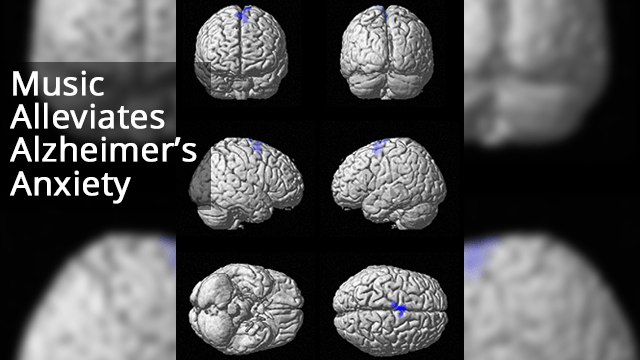
Ever get chills listening to a particularly moving piece of music? You can thank the salience network of the brain for that emotional joint. Surprisingly, this region also remains an island of remembrance that is spared from the ravages of Alzheimer’s disease. Researchers at the University of Utah Health are looking to this region of the brain to develop music-based treatments to help alleviate anxiety in patients with dementia. Their research will appear in the April online issue of The Journal of Prevention of Alzheimer’s Disease.

“People with dementia are confronted by a world that is unfamiliar to them, which causes disorientation and anxiety” said Jeff Anderson, M.D., Ph.D., associate professor in Radiology at U of U Health and contributing author on the study.“We believe music will tap into the salience network of the brain that is still relatively functioning.”

Previous work demonstrated the effect of a personalized music program on mood for dementia patients. This study set out to examine a mechanism that activates the attentional network in the salience region of the brain. The results offer a new way to approach anxiety, depression and agitation in patients with dementia. Activation of neighboring regions of the brain may also offer opportunities to delay the continued decline caused by the disease.

For three weeks, the researchers helped participants select meaningful songs and trained the patient and caregiver on how to use a portable media player loaded with the self-selected collection of music.

“When you put headphones on dementia patients and play familiar music, they come alive,” said Jace King, a graduate student in the Brain Network Lab and first author on the paper. “Music is like an anchor, grounding the patient back in reality.”

Using a functional MRI, the researchers scanned the patients to image the regions of the brain that lit up when they listened to 20-second clips of music versus silence. The researchers played eight clips of music from the patient’s music collection, eight clips of the same music played in reverse and eight blocks of silence. The researchers compared the images from each scan.

The researchers found that music activates the brain, causing whole regions to communicate. By listening to the personal soundtrack, the visual network, the salience network, the executive network and the cerebellar and corticocerebellar network pairs all showed significantly higher functional connectivity.

“This is objective evidence from brain imaging that shows personally meaningful music is an alternative route for communicating with patients who have Alzheimer’s disease,” said Norman Foster, M.D., Director of the Center for Alzheimer’s Care at U of U Health and senior author on the paper.“Language and visual memory pathways are damaged early as the disease progresses, but personalized music programs can activate the brain, especially for patients who are losing contact with their environment.”

However, these results are by no means conclusive. The researchers note the small sample size (17 participants) for this study. In addition, the study only included a single imaging session for each patient. It is remains unclear whether the effects identified in this study persist beyond a brief period of stimulation or whether other areas of memory or mood are enhanced by changes in neural activation and connectivity for the long term.

“In our society, the diagnoses of dementia are snowballing and are taxing resources to the max,” Anderson said. “No one says playing music will be a cure for Alzheimer’s disease, but it might make the symptoms more manageable, decrease the cost of care and improve a patient’s quality of life.”

https://www.technologynetworks.com/neuroscience/news/music-activation-of-salience-network-could-alleviate-anxiety-in-alzheimers-disease-300268?utm_campaign=Newsletter_TN_BreakingScienceNews&utm_source=hs_email&utm_medium=email&utm_content=62522460&_hsenc=p2ANqtz-9ihWyFIxhX4_ZqRqTTeOrNwa0ZHtTKERWsL_8k0sb5boN7jUkYGkdh9HwUwTgNxQfBVCpLL2CkwNk4uJpbMDlvKJPNJw&_hsmi=62522460

Frequently heading the ball in soccer is more dangerous to the brain than acute concussions

Frequent soccer ball heading is a common and under recognized cause of concussion symptoms, according to a study of amateur players led by Albert Einstein College of Medicine researchers. The findings run counter to earlier soccer studies suggesting concussion injuries mainly result from inadvertent head impacts, such as collisions with other players or a goalpost. The study was published in Neurology, the medical journal of the American Academy of Neurology.

“The prevailing wisdom is that routine heading in soccer is innocuous and we need only worry about players when they have unintentional head collisions,” says study leader Michael L. Lipton, M.D., Ph.D., professor of radiology and of psychiatry and behavioral sciences at Einstein and director of MRI Services at Montefiore. “But our study suggests that you don’t need an overt collision to warrant this type of concern. Many players who head the ball frequently are experiencing classic concussion symptoms such as headache, confusion, and dizziness during games and practice, even though they are not actually diagnosed with concussion. Concussion sufferers should avoid additional collisions or head impacts during the following days or weeks, when their risk of incurring a second concussion is extremely high. Because these injuries go unrecognized and unmanaged, there may be important clinical consequences for the short and long term.”

Studies clearly show that single or repeated concussion causes neurologic problems. But little is known about the effects of frequent but lesser impacts, such as those experienced while heading a soccer ball. Some research, notably a recent study of adolescent players published in JAMA Pediatrics, suggest that heading is not a common cause of concussion. “However, these studies did not actually measure heading, and thus they were unable to separate the relative contributions of intentional and unintentional head impacts,” says Dr. Lipton.

In the current study, a part of the Einstein Soccer Study, Dr. Lipton and his colleagues asked 222 adult amateur soccer players (80 percent men, ages 18 to 55) to fill out online questionnaires on their soccer-related activities during the previous two weeks, including details about heading and other unintentional head impacts and any resulting headaches, pain and dizziness as well as more severe symptoms, such as feeling dazed, needing medical attention, and becoming unconscious. Some of the 222 players filled out questionnaires for more than a single two-week span, resulting in a total of 470 questionnaires during a nine-month period in 2013-2014.

Approximately 35 percent of the participants reported one unintentional head impact, and 16 percent reported more than one such impact. The median number of headings during the two-week reporting period for all respondents was 40.5. Twenty percent of the participants reported experiencing moderate-to-very severe concussion symptoms, with 18 percent reporting severe and 7 percent very severe symptoms. Although these symptoms were more strongly connected with unintentional head impacts, heading was shown to be an independent risk factor for concussion symptoms.

“This finding is consistent with one of our previous studies, where 30 percent of soccer players who’d had more than 1,000 headings per year had a higher risk of microstructural changes in the brain’s white matter, typical of traumatic brain injury, and worse cognitive performance,” says Dr. Lipton

In the new study, players who headed the most were the most susceptible to concussion. “The extent to which lesser degrees of exposure to heading lead to cumulative injury over time is not known and deserves further study,” Dr. Lipton says. “Our findings certainly indicate that heading is more than just a ‘sub-concussive’ impact, and that heading-related concussions are common. We need to give people who have these injuries proper care and make efforts to prevent multiple head impacts, which are particularly dangerous.”

The study is titled, “Symptoms from Repeated Intentional and Unintentional Head Impact in Soccer Players.” Other contributors are Walter F. Stewart, Ph.D., M.P.H., at Sutter Health Research, Walnut Creek, CA; Namhee Kim, Chloe Ifrah, Richard B. Lipton, M.D., Tamar Glattstein, and Mimi Kim, Sc.D., all at Einstein; and Molly E. Zimmerman, Ph.D., at Einstein and Fordham University, Bronx, NY.

http://www.einstein.yu.edu/news/releases/1218/soccer-ball-heading-may-commonly-cause-concussion-symptoms/

Laboratory mouse studies suggest that long-term, low dose caffeine worsens anxiety and emotional and cognitive flexibility in people with Alzheimer’s disease, while providing only little benefit to learning and memory.


The study simulated long-term consumption of three cups of coffee a day.

It is well known that memory problems are the hallmarks of Alzheimer’s disease. However, this dementia is also characterized by neuro-psychiatric symptoms, which may be strongly present already in the first stages of the disorder. Known as Behavioural and Psychological Symptoms of Dementia (BPSD), this array of symptoms — including anxiety, apathy, depression, hallucinations, paranoia and sundowning (or late-day confusion) — are manifested in different manners depending on the individual patient, and are considered the strongest source of distress for patients and caregivers.


Coffee and caffeine: good or bad for dementia?

Caffeine has recently been suggested as a strategy to prevent dementia, both in patients with Alzheimer’s disease and in normal ageing processes. This is due to its action in blocking molecules — adenosine receptors — which may cause dysfunctions and diseases in old age. However, there is some evidence that once cognitive and neuro-psychiatric symptoms develop, caffeine may exert opposite effects.

To investigate this further, researchers from Spain and Sweden conducted a study with normal ageing mice and familial Alzheimer’s models. The research, published in Frontiers in Pharmacology, was conducted from the onset of the disease up to more advanced stages, as well as in healthy age-matched mice.

“The mice develop Alzheimer’s disease in a very close manner to human patients with early-onset form of the disease,” explains first author Raquel Baeta-Corral, from Universitat Autònoma de Barcelona, Spain. “They not only exhibit the typical cognitive problems but also a number of BPSD-like symptoms. This makes them a valuable model to address whether the benefits of caffeine will be able to compensate its putative negative effects.”

“We had previously demonstrated the importance of the adenosine A1 receptor as the cause of some of caffeine’s adverse effects,” explains Dr. Björn Johansson, a researcher and physician at the Karolinska University Hospital, Sweden.

“In this study, we simulated a long oral treatment with a very low dose of caffeine (0.3 mg/mL) — equivalent to three cups of coffee a day for a human — to answer a question which is relevant for patients with Alzheimer’s, but also for the ageing population in general, and that in people would take years to be solved since we would need to wait until the patients were aged.”

Worsened Alzheimer’s symptoms outweigh cognition benefits

The results indicate that caffeine alters the behavior of healthy mice and worsens the neuropsychiatric symptoms of mice with Alzheimer’s disease. The researchers discovered significant effects in the majority of the study variables — and especially in relation to neophobia (a fear of everything new), anxiety-related behaviors, and emotional and cognitive flexibility.

In mice with Alzheimer’s disease, the increase in neophobia and anxiety-related behaviours exacerbates their BPSD-like profile. Learning and memory, strongly influenced by anxiety, got little benefit from caffeine.

“Our observations of adverse caffeine effects in an Alzheimer’s disease model, together with previous clinical observations, suggest that an exacerbation of BPSD-like symptoms may partly interfere with the beneficial cognitive effects of caffeine. These results are relevant when coffee-derived new potential treatments for dementia are to be devised and tested,” says Dr. Lydia Giménez-Llort, researcher from the INc-UAB Department of Psychiatry and Legal Medicine, Universitat Autònoma de Barcelona, and lead researcher of the project.

The results of the study form part of the PhD thesis of Raquel Baeta-Corral, first author of the article, and are the product of a research led by Lydia Giménez-Llort, Director of the Medical Psychology Unit, Department of Psychiatry and Legal Medicine and researcher at the UAB Institute of Neuroscience, together with Dr Björn Johansson, Researcher at the Department of Molecular Medicine and Surgery, Karolinska Institutet and the Department of Geriatrics, Karolinska University Hospital, Sweden, under the framework of the Health Research Fund project of the Institute of Health Carlos III.

Long-term caffeine worsens symptoms associated with Alzheimer’s disease

What Blind People Experience When They Take LSD

By Bahar Gholipour

The consciousness-altering drug LSD is best known for its bizarre visual effects: even a small dose of the drug can turn the flat walls of your living room into something out of Wonderland. Objects bend, colors blend and intricate patterns cast a shimmer on everything you see. But what would LSD feel like if you couldn’t see?

In an unusual case report published in the April issue of the journal Cognition and Consciousness, a blind 70-year-old former rock musician has some answers.

The man, who is referred to as “Mr. Blue Pentagon” after his favorite kind of LSD, gave researchers a detailed account of what he experienced when taking the drug during his music career in the 1970s. Mr. Pentagon was born blind. He did not perceive vision, with or without LSD. Instead, under the influence of psychedelics, he had strong auditory and tactile hallucinations, including an overlap of the two in a form of synesthesia, according to the report.

“I never had any visual images come to me. I can’t see or imagine what light or dark might look like,” Mr. Blue Pentagon told the researchers. But under the influence of LSD (lysergic acid diethylamide, also known as acid), sounds felt unique and listening to music felt like being immersed in a waterfall, he said. “The music of Bach’s third Brandenburg concerto brought on the waterfall effect. I could hear violins playing in my soul and found myself having a one hour long monologue using different tones of voices … LSD gave everything ‘height.’ The sounds coming from songs I would normally listen to became three dimensional, deep and delayed.”

Mr. Blue Pentagon’s account is a rare glimpse into how LSD may feel in the absence of vision. Beyond a few Q&A threads on Reddit, the only other resource is a 1963 study of 24 blind people, which was actually conducted by an ophthalmologist to test whether a functioning retina (the part of the eye that senses light) is enough for visual hallucinations (it’s not), and didn’t include the participants’ psychological experiences beyond vision.

Understanding Mr. Blue Pentagon’s experience with the drugmay give unique insights about how novel synesthetic experiences through multiple senses are concocted by the brain — especially a brain that is wired differently due to lack of vision, according to the researchers from the University of Bath in the U.K. who published the report. Synesthesia is a rare condition in which one sense is perceived in the form of another; for example, a person may “hear” colors or “taste” sounds. This overlap of senses may ocurr because of cross communication between brain networks processing each sense, scientists have proposed.

As numerous anecdotal reports suggest and a few studies have documented, LSD causes auditory-visual synesthesia, an experience in which sounds and sights influence each other. Mr. Blue Pentagon appeared to experience a similar phenomenon, but rather than mixing sound and sight, it involved the senses that were available to him: sound and touch, the researchers suggested.

Still, there’s only so much to be gleaned from a qualitative report based on a single person.

“It is next to impossible to gain ‘general’ insights from individual narratives,” said Ilsa Jerome, a clinical researcher for the Multidisciplinary Association for Psychedelic Studies (MAPS) who was not involved with the report.

Jerome, who is visually impaired herself, said she is unconvinced that having a visual impairment provides any special insight on how LSD alters sensory processes. “But it might provide greater motivation or interest in the sensory impact of psychedelic compounds,” she told Live Science.

The brain in blindness
The details of what exactly LSD does in the brain are still unclear, but research suggests that the drug’s psychedelic effects occur because LSD alters neuronal communication in the brain. Specifically, LSD latches onto receptors for serotonin, one of the neurotranmitters neurons use to communicate. The visual hallucinations are likely a result of LSD stimulating these receptors in the visual cortex, the part of the brain that processes light, color and other visual information. [10 Things You Didn’t Know About the Brain]

The first studyto look at the brain effects of LSD using modern technology was published recently, in 2016, in the journal Proceedings of the National Academy of Sciences. In that study, when people took LSD, the researchers observed that the visual cortex was unusually activeand showed greater synchronous activity with many areas of the brain. This connectivity was correlated with the complex visual hallucinations reported by the participants.

The visual cortex develops into a fully functioning system during early life in response to sensory information from the eyes. But in the absence of early visual experience, which is the case for people born blind, the visual cortex doesn’t develop normally. Instead, it rewires to process sound and touch.

This could explain the nature of Mr. Blue Pentagon’s experience with LSD.

“I expect that the cortical ‘real estate’ that would have housed vision does not do so in Mr. Pentagon’s case,” Jerome said. “So LSD may be doing the same thing with that area of cortex, but since that area is, for him, connected with other senses, those experiences — such as sound, touch or sense of self in space — are altered.”

Visual or other sensory hallucinations are only one part of LSD’s effects. The compound can cause profound changes in emotions and consciousness, all of which are reported by both blind and sighted people. The few studies that exist on the subject suggest LSD may be doing this by lowering the barriers between brain networks, allowing them to communicate in a more flexible way.

Original article on Live Science.

https://www.livescience.com/62343-psychedelics-lsd-effects-blind-people.html