A new University of Liverpool study has concluded that the anglers’ myth ‘that fish don’t feel pain’ can be dispelled: fish do indeed feel pain, with a similarity to that experienced by mammals including humans.
From hyper-ventilating and loss of appetite to long-term behavioural changes after a painful experience, the review by Dr Lynne Sneddon explores pain among fish and across the animal kingdom and explains its shared molecular foundations and the behaviours associated with avoiding and alleviating it.
Dr Lynne Sneddon, a biologist and one of the world’s leading experts on fish pain, said: “When subject to a potentially painful event fishes show adverse changes in behaviour such as suspension of feeding and reduced activity, which are prevented when a pain-relieving drug is provided.
“When the fish’s lips are given a painful stimulus they rub the mouth against the side of the tank much like we rub our toe when we stub it.
“If we accept fish experience pain, then this has important implications for how we treat them. Care should be taken when handling fish to avoid damaging their sensitive skin and they should be humanely caught and killed.”
The paper is published as part of ‘Evolution of mechanisms and behaviour important for pain’ – the latest theme issue of Philosophical Transactions of the Royal Society B that includes over a dozen articles on pain.
Microbes can produce so much alcohol that people become drunk—and sustain liver damage—without touching any booze.
by Ed Yong
The man’s troubles began in 2004, when, having moved from China to attend college in Australia, he got really drunk. That would hardly have been a noteworthy event, except that the man hadn’t consumed any alcohol—only fruit juice.
The bizarre incident soon turned into a pattern. About once a month, and out of the blue, he’d become severely inebriated without drinking any alcohol. Over time, the episodes became more severe and more frequent. He lost jobs because people suspected him of being a closet drinker. He was frequently hospitalized. In 2011, he returned to China and his mother cared for him while monitoring him with a Breathalyzer. His blood-alcohol levels, she found, would erratically and inexplicably soar to 10 times the legal limit for driving.
In June 2014, at the age of 27, he was admitted to the intensive-care unit of Chinese PLA General Hospital, in Beijing. At one point, so much alcohol was on his breath that he couldn’t sleep through the night. Another time, he threw up and blacked out after chugging some soda water. A CT scan showed that his liver was damaged, inflamed, and riddled with fatty deposits.
The man was diagnosed with a rare condition aptly known as auto-brewery syndrome, in which microbes in a person’s gut ferment carbohydrates into excessive amounts of alcohol. The earliest cases were documented in Japan in the 1950s, and a few dozen more have been reported since, in people all over the world, and even in children as young as 3. The microbial culprits are usually yeasts—the same fungi used to brew beer and wine—and the condition can often be treated with antifungal drugs.
But those drugs didn’t work on the Chinese patient. Baffled, a team of doctors, led by Jing Yuan from the Capital Institute of Pediatrics, analyzed the man’s stool samples and found that the alcohol in his body was being produced not by yeast, but by bacteria. During his first episode in the hospital, Klebsiella bacteria had bloomed so vigorously that it made up 19 percent of the microbes in his gut, and became 900 times more common than in healthy people.
Klebsiella pneumoniae is extremely common in both soils and human bodies. Though usually harmless, it’s also an opportunistic pathogen that can cause severe infections if given the chance. And while Klebsiella is not known for intoxicating its hosts, Yuan’s team found that the patient had two particular strains that can churn out alcohol. Many gut microbes do this, but at such low levels that their boozy by-products are easily removed by the liver. The Klebsiella strains in Yuan’s patient were exceptions: At one point, they produced so much of the stuff that it was as if the man had knocked back 15 shots of whiskey. “We were surprised that bacteria can produce so much alcohol,” Yuan says.
Auto-brewery syndrome is extreme, but it has similarities to other, milder and more prevalent conditions. For example, people with nonalcoholic fatty liver disease (NAFLD) build up fatty deposits in their liver in the style of heavy drinkers, despite touching little or no alcohol. This condition is very common, affecting 30 to 40 percent of American adults; the causes are still unclear and likely varied. Yuan wondered if Klebsiella might be involved, and when she analyzed 43 Chinese people with NAFLD, she found that 61 percent had the same high-alcohol strains as the man with auto-brewery syndrome. By contrast, just 6 percent of people with a healthy liver carry those strains.
To see if those strains were actually causing fatty livers, the team fed them to mice that had been raised in sterile conditions and lacked microbes of their own. Within two months, the rodents had signs of liver disease, inflammation, and scarring, comparable to mice that had been drinking alcohol itself. The same thing happened if the team transplanted the stool from an NAFLD patient into germ-free mice, but not if they first removed the alcohol-making Klebsiella using a virus—a phage—that specifically kills those strains. Although studies in mice should be treated with caution, Yuan nonetheless suggests that these strains could be an important cause of NAFLD, through the alcohol they produce.
Other researchers have suggested this before. In 2000, Anna Mae Diehl from Johns Hopkins University noticed that obese mice often have alcohol on their breath, which goes away after antibiotic treatment. “Intestinal production of ethanol may contribute to the genesis of obesity-related fatty liver,” she speculated. Two groups later showed that alcohol-producing microbes are more common in the guts of people with NAFLD than in those of their healthy peers.
While Yuan’s team pointed their fingers at Klebsiella, “it was found in only 60 percent of the human subjects they studied with NAFLD,” says Susan Baker at the State University of New York at Buffalo. “Others have identified other likely bacteria as possible culprits.” She cautions against focusing on any specific microbe, and instead considering the entire ecosystem of the body—bacteria, yeasts, viruses, gut cells, immune cells, liver, and all.
Yuan agrees. She notes that NAFLD is a complex and varied condition, and that even if Klebsiella does turn out to be a cause, it would be one of many. It also raises several questions: Why do some strains produce so much alcohol? Where do they come from? What makes them bloom so vigorously in people such as the unfortunate Chinese man who launched this study—genetics, diet, or something else? And perhaps most important, what can be done about them?
Phages might eventually help, as they did in Yuan’s mice. But for her patient with auto-brewery syndrome, simpler measures did the trick. He was treated with an antibiotic and put on a no-sugar, no-carbohydrate diet for three weeks. His intoxication symptoms eventually subsided, and two months later he was released from the hospital.
When a devastating storm tore through the east side on Friday night, it felled a tree that predated Ohio (as a state) and Cleveland (as a city). The White Oak had lived through droughts, blizzards, presidents, wars and the founding of the nation. It could not, however, outlive a microburst with 100 mph winds.
Friday’s microburst, an intense downdraft during a thunderstorm, tore branches from trees, downed power lines and left thousands of people without power. Streets flooded, intersections closed and police did their best to manage traffic in the dark.
A tree fell at the Nature Center at Shaker Lakes and landed on power lines, leaning against the transformer. Trails were blocked, the wild flower garden was smashed by fallen limbs, and one of the biggest and oldest trees in the region was snapped at its base.
History Counted In Rings
The White Oak was a point of fascination for the Doan Brook Watershed Partnership, which had done research on the age of the tree, going so far as to conduct a coring, Nick Mikash, a natural resources specialist at the Nature Center, said. A coring removes a sliver of a tree to determine its age and history.
The group discovered the White Oak was more than 300 years old. It predated the founding of America in 1776 and the statehood of Ohio, granted in 1803. The tree was in Shaker Heights before it was known as Shaker Heights.
The North Union Shakers, a religious sect, settled the area now know as Shaker Heights in 1802, a year before Ohio joined the U.S. The planned pastoral utopia failed when Cleveland became an industrial center and two brothers began buying up land from the North Union Shakers.
The brothers — Oris Paxton and Mantis James Van Sweringen — named their new land Shaker Village. It was incorporated in 1912. The village later became a city and was renamed Shaker Heights, the city said on its website.
The White Oak, which grew on the west side of the lower lake near North Park, witnessed the gradual urbanization of its surroundings. The tree witnessed a religious sect become a village and then a city with paved roads and electrical wires. It saw residents born in Shaker grow old in the city. It stood as those residents went to war, opened businesses, entered their golden years and died. It watched the children of those residents mature and move away.
The tree was not an isolated watcher of events, though. It was seen and beloved as well.
Ashley Hall, the marketing coordinator for the Nature Center at Shaker Lakes, said educational programs frequently occurred around the tree. One visitor told her a costumed man used to climb the tree and then scamper out to tell stories to kids.
“In 1983 Fernway Elementary used to take us on field trips to [the] tree,” a Facebook user named Oliver wrote on the Nature Center’s page. “We would sit around the tree in silence and wait until this old bearded man in overalls would come crawling out of a hole in the base of the trunk. He would then tell us stories. It may have been the head of the nature center in costume.”
Hall jokingly said she hoped he worked for the Nature Center.
Memories like those shared by Oliver poured forth when news of the tree’s fate was made public. When the tree came down, it left many feeling emptier, more melancholy.
“People really have connections to these pieces of nature,” Hall said.
The Demise of History
Lightning didn’t hasten the death of the White Oak. Nature merely took its natural course.
The tree played an important role in its ecosystem. It was home to 500 inspect species and provided nutrients for parasitic honey mushrooms. Those mushrooms gradually ate away at the tree’s roots.
Mikash said the mushrooms may have been chipping away at the White Oak for a century. When the microburst hit, bringing tornado-strength winds with it, the tree was bowled over.
“It was weakened by the fungus and … 100 mph winds are hard to stand up against,” Mikash noted.
After it was felled, the White Oak’s interior appeared nearly hollow. People could climb inside the tree and literally be inside history, Hall and Mikash said.
In the aftermath of the storm, volunteers surveyed the White Oak and the damage at the Nature Center. They picked through the debris and found three acorns from the tree, Mikash said.
Maybe they’ll grow a new White Oak, a new tree that can observe another three centuries of human history, and serve as our silent companion in the woods.
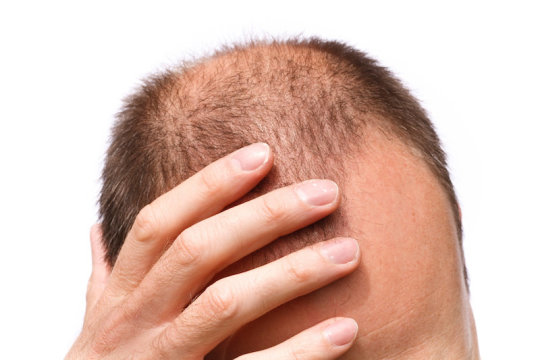
Reversing baldness could someday be as easy as wearing a hat, thanks to a noninvasive, low-cost hair-growth-stimulating technology developed by engineers at the University of Wisconsin-Madison.
“I think this will be a very practical solution to hair regeneration,” says Xudong Wang, a professor of materials science and engineering at UW-Madison.
Wang and colleagues published a description of the technology in the journal ACS Nano.
Based on devices that gather energy from a body’s day-to-day motion, the hair-growth technology stimulates the skin with gentle, low-frequency electric pulses, which coax dormant follicles to reactivate hair production.
The devices don’t cause hair follicles to sprout anew in smooth skin. Instead they reactivate hair-producing structures that have gone dormant. That means they could be used as an intervention for people in the early stages of pattern baldness, but they wouldn’t bestow cascading tresses to someone who has been as bald as a billiard ball for several years.
Because the devices are powered by the movement of the wearer, they don’t require a bulky battery pack or complicated electronics. In fact, they’re so low-profile that they could be discreetly worn underneath the crown of an everyday baseball cap.
Wang is a world expert in the design and creation of energy-harvesting devices. He has pioneered electric bandages that stimulate wound-healing and a weight-loss implant that uses gentle electricity to trick the stomach into feeling full.
The hair-growth technology is based on a similar premise: Small devices called nanogenerators passively gather energy from day-to-day movements and then transmit low-frequency pulses of electricity to the skin. That gentle electric stimulation causes dormant follicles to “wake up.”
“Electric stimulations can help many different body functions,” says Wang. “But before our work there was no really good solution for low-profile devices that provide gentle but effective stimulations.”
Because the electric pulses are incredibly gentle and don’t penetrate any deeper than the very outermost layers of the scalp, the devices don’t seem to cause any unpleasant side effects. That’s a marked advantage over other baldness treatments, like the medicine Propecia, which carries risks of sexual dysfunction, depression and anxiety.
What’s more, in side-by-side tests on hairless mice, the devices stimulated hair growth just as effectively as two different compounds found in baldness medicines.
“It’s a self-activated system, very simple and easy to use,” says Wang. “The energy is very low so it will cause minimal side effects.”
The researchers have patented the concept with the Wisconsin Alumni Research Foundation, and they hope to move forward with human testing soon.
Story Source:
Materials provided by University of Wisconsin-Madison. Original written by Sam Million-Weaver. Note: Content may be edited for style and length.
Journal Reference:
Guang Yao, Dawei Jiang, Jun Li, Lei Kang, Sihong Chen, Yin Long, Yizhan Wang, Peng Huang, Yuan Lin, Weibo Cai, Xudong Wang. Self-Activated Electrical Stimulation for Effective Hair Regeneration via a Wearable Omnidirectional Pulse Generator. ACS Nano, 2019; DOI: 10.1021/acsnano.9b03912
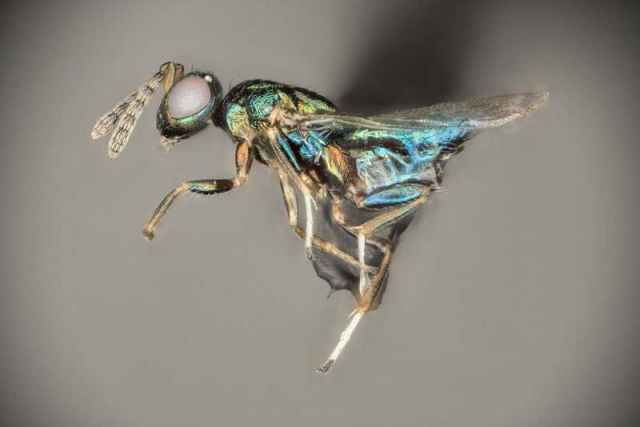
A recently discovered parasitic wasp appears to have extraordinary mind-controlling abilities – it can alter the behaviour of at least seven other species.
Many parasites manipulate the behaviour of their victims in extraordinary ways. For instance, sacculina barnacles invade crabs and make them care for barnacle larvae as if they were their own offspring. If the host crab is male, the parasite turns them female.
It was thought each species of parasite could manipulate the behaviour of only one host, or least only very closely related species. But the crypt-keeper wasp Euderus set is more versatile.
It parasitises other wasps called gall wasps. Gall wasps lay their eggs in plants, triggering abnormal growths – galls – inside which the wasp larvae feed and grow. Adult gall wasps chew their way out of the gall and fly off.
The crypt-keeper wasp seeks out oak galls and lays an egg inside them. The crypt-keeper larva then attacks the gall wasp larva. Infected gall wasps still start chewing their way out of the gall, but they stop chewing when the hole is still small and then remain where they are with their head blocking the exit and thus protecting the larva growing inside them – “keeping the crypt”.
How the crypt-keeper larva makes the gall wasp stop chewing at such a precise point is not clear. “I’d love to know how they do it,” says Anna Ward of the University of Iowa.
When the crypt-keeper larva turns into an adult wasp after a few days, it then chews through the head of the gall wasp to get out of the gall.
The crypt-keeper wasp, which was only described in 2017, was thought to parasitise just one species. But when Ward’s team collected 23,000 galls from 10 kinds of oak trees as part of a bigger study, they found at least 7 of the 100 species of gall wasp they collected were parasitised by the same crypt-keeper wasp. “What we found is that it is attacking different hosts that don’t seem to be closely related,” says Ward.
And there are likely many more extraordinary parasites out there. Ward thinks there are more species of parasitic wasps – most yet to be discovered – than there are species of beetle. So far 350,000 species of beetle have been described, the most of any group of animals. Parasitic wasps are small and hard to find, and hardly anyone looks for them, she says.
Physician-scientists have often changed the history of medicine by identifying a problem in the clinic and taking to the lab to address it.
By Mukesh K. Jain, Tadataka Yamada and Robert Lefkowitz
Drs. Jain, Yamada and Lefkowitz are board members of the Physician-Scientist Support Foundation.
About a decade from now, public health statistics will begin to show a substantial decrease in cervical cancer in the United States and other developed countries. That’s because in 2006, young people began receiving vaccines against a sexually transmitted virus, HPV, that causes cervical cancer. By preventing HPV infections today, those vaccines have the potential to avert hundreds of thousands of cervical cancer cases.
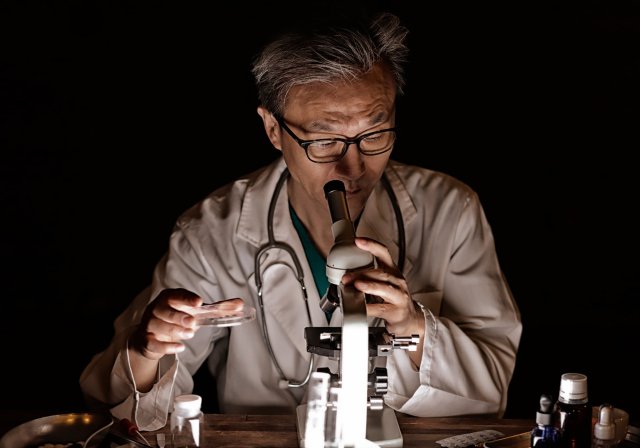
The HPV vaccine exists because Dr. Douglas Lowy, a physician, and his research collaborator Dr. John Schiller recognized the potential for it after more than a decade studying the family of infectious agents to which HPV belongs.
Unfortunately, Dr. Lowy’s career transition from stethoscope to microscope might not be as feasible today as it was a few decades ago. The number of physicians able to engage in scientific research either alongside a medical career or after medical training has waned greatly. Physician education in medical school has shifted away from basic science. In addition, federal funding has declined. After adjusting for inflation, the 2013 N.I.H. budget was 21.9 percent below its 2003 level. These and other trends have driven the proportion of medical doctors engaged in scientific research to a paltry 1.5 percent of the physician work force.
Time and again, physician-scientists have changed the history of medicine by identifying a problem in the clinic and taking to the lab to address it. Alexander Fleming watched men die of sepsis during World War I while serving in the Royal Army Medical Corps, then returned home to create penicillin. Sidney Farber, a young physician at Children’s Hospital in Boston, committed himself to finding treatments for childhood leukemia, and laid the foundation for modern cancer chemotherapy.
In the 1970s, the physicians Michael Brown and Joseph Goldstein set out to understand how a young child’s arteries could be as clogged as those of an overweight septuagenarian. This patient-inspired research led to the discovery of LDL-cholesterol receptors, and paved the way for the statin drugs that are taken by millions of people every year in the United States alone.
And more recently, the research efforts of two physicians, Robert Lefkowitz and Brian Kobilka, seeking to understand how hormones conferred their biological effects led to the discovery of a large family of receptors that have formed the basis for the development of hundreds of F.D.A.-approved medications.
The biomedical research establishment has long recognized the importance of clinical experience to medical research. In the 1950s and 1960s, during the Korean and Vietnam Wars, physicians were conscripted within a few years of their medical school graduation. Of those young physicians commissioned as officers in the United States Public Health Service, a small fraction was posted to the N.I.H., where they cared for patients and also learned to perform laboratory research.
This program essentially trained an entire generation of medical professors, and its graduates went on to engage in research that has produced major insights into cancer, infections and heart disease, forming the basis for lifesaving therapies. Indeed, physician-scientists account for 37 percent of Nobel Prizes in Physiology or Medicine.
Of course, medical doctors are not the only people who can make great medical discoveries. The discoverers of the structure of DNA and the developers of CT scans had no medical background. But there could not be a worse moment than now to allow the vital role of physician-scientists to disappear. Trends like an aging global population and the resurgence of infectious disease have increased the need for medical advances.
Meanwhile, science is becoming more relevant to medical practice with the emergence of innovations like precision medicine, which requires a detailed understanding of disease mechanisms and genetic data in order to determine the best treatment for each individual patient. More than ever, we need doctors who are competent at both the lab bench and the hospital bedside.
Unfortunately, the career path of the physician-scientist has become longer and a lot less appealing. In the United States, about 20,000 graduates emerge from medical school each year, many with significant debt. Many physicians are well into their 30s by the time they complete their clinical training. Doctors who decide to take the research path face the daunting prospect of many more years struggling to win grants and establish a lab. According to N.I.H. statistics, researchers with medical degrees on average receive their first major N.I.H. grant only at age 45.
Recognizing the problem, the National Institutes of Health’s Physician-Scientist Workforce report, published in 2014, laid out a road map to address it. Nonetheless, the number of young doctors pursuing research continues to wane.
In response, six physician-scientists from across the country have formed a nonprofit organization, the Physician-Scientist Support Foundation, to raise funds to support the research efforts of talented young medical students and physicians. The foundation aims to mentor and inspire new doctors to undertake research programs to solve unmet medical needs.
Physician-scientists are among the most highly trained investigators in the research enterprise. Their efforts will be crucial to improving health care. Our world needs a growing, corps of professionals who bring a human understanding of patients to medical research, and a researcher’s expertise to improving patients’ lives.
We need to ensure that the brightest young doctors can contribute to further advancements in their field, or we risk stalling the engine that consistently delivers better medicine, longer lives and a stronger economy for Americans and people around the world.
Dr. Mukesh K. Jain is a cardiologist at University Hospitals and a professor at Case Western Reserve’s medical school. Dr. Tadataka Yamada formerly served as president of global health programs at the Bill & Melinda Gates Foundation and oversaw research and development at Takeda Pharmaceuticals. Dr. Robert Lefkowitz is a professor at Duke University’s medical school who won the Nobel Prize in Chemistry in 2012. They are board members of the Physician-Scientist Support Foundation.
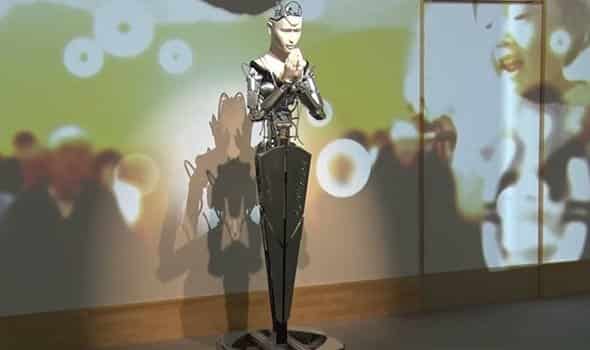
A new priest named Mindar is holding forth at Kodaiji, a 400-year-old Buddhist temple in Kyoto, Japan. Like other clergy members, this priest can deliver sermons and move around to interface with worshippers. But Mindar comes with some … unusual traits. A body made of aluminum and silicone, for starters.
Mindar is a robot.
Designed to look like Kannon, the Buddhist deity of mercy, the $1 million machine is an attempt to reignite people’s passion for their faith in a country where religious affiliation is on the decline.
For now, Mindar is not AI-powered. It just recites the same preprogrammed sermon about the Heart Sutra over and over. But the robot’s creators say they plan to give it machine-learning capabilities that’ll enable it to tailor feedback to worshippers’ specific spiritual and ethical problems.
“This robot will never die; it will just keep updating itself and evolving,” said Tensho Goto, the temple’s chief steward. “With AI, we hope it will grow in wisdom to help people overcome even the most difficult troubles. It’s changing Buddhism.”
Robots are changing other religions, too. In 2017, Indians rolled out a robot that performs the Hindu aarti ritual, which involves moving a light round and round in front of a deity. That same year, in honor of the Protestant Reformation’s 500th anniversary, Germany’s Protestant Church created a robot called BlessU-2. It gave preprogrammed blessings to over 10,000 people.
Then there’s SanTO — short for Sanctified Theomorphic Operator — a 17-inch-tall robot reminiscent of figurines of Catholic saints. If you tell it you’re worried, it’ll respond by saying something like, “From the Gospel according to Matthew, do not worry about tomorrow, for tomorrow will worry about itself. Each day has enough trouble of its own.”
Roboticist Gabriele Trovato designed SanTO to offer spiritual succor to elderly people whose mobility and social contact may be limited. Next, he wants to develop devices for Muslims, though it remains to be seen what form those might take.
As more religious communities begin to incorporate robotics — in some cases, AI-powered and in others, not — it stands to change how people experience faith. It may also alter how we engage in ethical reasoning and decision-making, which is a big part of religion.
For the devout, there’s plenty of positive potential here: Robots can get disinterested people curious about religion or allow for a ritual to be performed when a human priest is inaccessible. But robots also pose risks for religion — for example, by making it feel too mechanized or homogenized or by challenging core tenets of theology. On the whole, will the emergence of AI religion make us better or worse off? The answer depends on how we design and deploy it — and on whom you ask.
Some cultures are more open to religious robots than others
New technologies often make us uncomfortable. Which ones we ultimately accept — and which ones we reject — is determined by an array of factors, ranging from our degree of exposure to the emerging technology to our moral presuppositions.
Japanese worshippers who visit Mindar are reportedly not too bothered by questions about the risks of siliconizing spirituality. That makes sense given that robots are already so commonplace in the country, including in the religious domain.
For years now, people who can’t afford to pay a human priest to perform a funeral have had the option to pay a robot named Pepper to do it at a much cheaper rate. And in China, at Beijing’s Longquan Monastery, an android monk named Xian’er recites Buddhist mantras and offers guidance on matters of faith.
What’s more, Buddhism’s non-dualistic metaphysical notion that everything has inherent “Buddha nature” — that all beings have the potential to become enlightened — may predispose its adherents to be receptive to spiritual guidance that comes from technology.
At the temple in Kyoto, Goto put it like this: “Buddhism isn’t a belief in a God; it’s pursuing Buddha’s path. It doesn’t matter whether it’s represented by a machine, a piece of scrap metal, or a tree.”
“Mindar’s metal skeleton is exposed, and I think that’s an interesting choice — its creator, Hiroshi Ishiguro, is not trying to make something that looks totally human,” said Natasha Heller, an associate professor of Chinese religions at the University of Virginia. She told me the deity Kannon, upon whom Mindar is based, is an ideal candidate for cyborgization because the Lotus Sutra explicitly says Kannon can manifest in different forms — whatever forms will best resonate with the humans of a given time and place.
Westerners seem more disturbed by Mindar, likening it to Frankenstein’s monster. In Western economies, we don’t yet have robots enmeshed in many aspects of our lives. What we do have is a pervasive cultural narrative, reinforced by Hollywood blockbusters, about our impending enslavement at the hands of “robot overlords.”
Plus, Abrahamic religions like Islam or Judaism tend to be more metaphysically dualistic — there’s the sacred and then there’s the profane. And they have more misgivings than Buddhism about visually depicting divinity, so they may take issue with Mindar-style iconography.
They also have different ideas about what makes a r
eligious practice effective. For example, Judaism places a strong emphasis on intentionality, something machines don’t possess. When a worshipper prays, what matters is not just that their mouth forms the right words — it’s also very important that they have the right intention.
Meanwhile, some Buddhists use prayer wheels containing scrolls printed with sacred words and believe that spinning the wheel has its own spiritual efficacy, even if nobody recites the words aloud. In hospice settings, elderly Buddhists who don’t have people on hand to recite prayers on their behalf will use devices known as nianfo ji — small machines about the size of an iPhone, which recite the name of the Buddha endlessly.
Despite such theological differences, it’s ironic that many Westerners have a knee-jerk negative reaction to a robot like Mindar. The dream of creating artificial life goes all the way back to ancient Greece, where the ancients actually invented real animated machines as the Stanford classicist Adrienne Mayor has documented in her book Gods and Robots. And there is a long tradition of religious robots in the West.
In the Middle Ages, Christians designed automata to perform the mysteries of Easter and Christmas. One proto-roboticist in the 16th century designed a mechanical monk that is, amazingly, performing ritual gestures to this day. With his right arm, he strikes his chest in a mea culpa; with his left, he raises a rosary to his lips.
In other words, the real novelty is not the use of robots in the religious domain but the use of AI.
How AI may change our theology and ethics
Even as our theology shapes the AI we create and embrace, AI will also shape our theology. It’s a two-way street.
Some people believe AI will force a truly momentous change in theology, because if humans create intelligent machines with free will, we’ll eventually have to ask whether they have something functionally similar to a soul.
“There will be a point in the future when these free-willed beings that we’ve made will say to us, ‘I believe in God. What do I do?’ At that point, we should have a response,” said Kevin Kelly, a Christian co-founder of Wired magazine who argues we need to develop “a catechism for robots.”
Other people believe that, rather than seeking to join a human religion, AI itself will become an object of worship. Anthony Levandowski, the Silicon Valley engineer who triggered a major Uber/Waymo lawsuit, has set up the first church of artificial intelligence, called Way of the Future. Levandowski’s new religion is dedicated to “the realization, acceptance, and worship of a Godhead based on artificial intelligence (AI) developed through computer hardware and software.”
Meanwhile, Ilia Delio, a Franciscan sister who holds two PhDs and a chair in theology at Villanova University, told me AI may also force a traditional religion like Catholicism to reimagine its understanding of human priests as divinely called and consecrated — a status that grants them special authority.
“The Catholic notion would say the priest is ontologically changed upon ordination. Is that really true?” she asked. Maybe priestliness is not an esoteric essence but a programmable trait that even a “fallen” creation like a robot can embody. “We have these fixed philosophical ideas and AI challenges those ideas — it challenges Catholicism to move toward a post-human priesthood.” (For now, she joked, a robot would probably do better as a Protestant.)
Then there are questions about how robotics will change our religious experiences. Traditionally, those experiences are valuable in part because they leave room for the spontaneous and surprising, the emotional and even the mystical. That could be lost if we mechanize them.
To visualize an automated ritual, take a look at this video of a robotic arm performing a Hindu aarti ceremony:
Another risk has to do with how an AI priest would handle ethical queries and decision-making. Robots whose algorithms learn from previous data may nudge us toward decisions based on what people have done in the past, incrementally homogenizing answers to our queries and narrowing the scope of our spiritual imagination.
That risk also exists with human clergy, Heller pointed out: “The clergy is bounded too — there’s already a built-in nudging or limiting factor, even without AI.”
But AI systems can be particularly problematic in that they often function as black boxes. We typically don’t know what sorts of biases are coded into them or what sorts of human nuance and context they’re failing to understand.
Let’s say you tell a robot you’re feeling depressed because you’re unemployed and broke, and the only job that’s available to you seems morally odious. Maybe the robot responds by reciting a verse from Proverbs 14: “In all toil there is profit, but mere talk tends only to poverty.” Even if it doesn’t presume to interpret the verse for you, in choosing that verse it’s already doing hidden interpretational work. It’s analyzing your situation and algorithmically determining a recommendation — in this case, one that may prompt you to take the job.
But perhaps it would’ve worked out better for you if the robot had recited a verse from Proverbs 16: “Commit your work to the Lord, and your plans will be established.” Maybe that verse would prompt you to pass on the morally dubious job, and, being a sensitive soul, you’ll later be happy you did. Or maybe your depression is severe enough that the job issue is somewhat beside the point and the crucial thing is for you to seek out mental health treatment.
A human priest who knows your broader context as a whole person may gather this and give you the right recommendation. An android priest might miss the nuances and just respond to the localized problem as you’ve expressed it.
The fact is human clergy members do so much more than provide answers. They serve as the anchor for a community, bringing people together. They offer pastoral care. And they provide human contact, which is in danger of becoming a luxury good as we create robots to more cheaply do the work of people.
On the other hand, Delio said, robots can excel in a social role in some ways that human priests might not. “Take the Catholic Church. It’s very male, very patriarchal, and we have this whole sexual abuse crisis. So would I want a robot priest? Maybe!” she said. “A robot can be gender-neutral. It might be able to transcend some of those divides and be able to enhance community in a way that’s more liberating.”
Ultimately, in religion as in other domains, robots and humans are perhaps best understood not as competitors but as collaborators. Each offers something the other lacks.
As Delio put it, “We tend to think in an either/or framework: It’s either us or the robots. But this is about partnership, not replacement. It can be a symbiotic relationship — if we approach it that way.”
he most commonly prescribed antidepressant barely relieves symptoms of modern depression, a major study reveals.
The largest independent investigation ever undertaken found patients taking sertraline experienced negligible improvements in mood.
Published in the Lancet Psychiatry, the study comes amid mounting controversy over increased use of antidepressants by GPs in recent decades, with roughly 7.3 million people in England issued a prescription each year.
Its authors said they were “shocked and surprised” by the results, and called for the development of new classes of medication.
However, in the absence of better drugs, they do not want current prescribing practice to be changed because the trial also showed sertraline is effective in reducing anxiety, which often accompanies depression.
The new trial is by far the largest to be conducted without the involvement of the pharmaceutical industry.
It is also the most in-depth examination of sertraline – a type of selective serotonin reuptake inhibitor (SSRI) – in patients with a range of depression severities, rather than just in severely depressed patients in specialist mental health units.
The study included 654 people aged 18 to 74 who were given either the antidepressant for 12 weeks or a placebo.
The results showed depressive symptoms were five per cent lower after six weeks in the sertraline group, which was “no convincing evidence” of an effect.
After 12 weeks, there was a 13 per cent reduction, a finding the experts described as “weak”.
But the drug did offer clear benefits in reducing anxiety, with a 21 per cent reduction in symptoms at six weeks and 23 per cent at 12 weeks.
This is likely to explain why patients taking sertraline were twice as likely to say they felt generally better compared to the placebo group, even once questioned on specific symptoms of depression the benefit was far weaker.
Symptoms of depression include poor concentration, low mood, trouble with sleep, lack of enjoyment, whereas anxiety is presents as worry, nervousness, irritability and restlessness.
Professor Glyn Lewis, who led the research at University College London, said: “We were shocked and surprised when we did our analysis.
“There is absolutely no doubt this is an unexpected result.’
“Our primary hypothesis was that it would affect those depressive symptoms at six weeks and we didn’t find that.
“We definitely need better treatments for depression, and we need more research in this area.”
He suggested that new, more effective classes of antidepressants could be based on ketamine, psilocybin, the psychedelic in magic mushrooms, and anti-inflammatories.
It is thought that roughly four million people in England are long-term users of antidepressants.
Prescribing data shows that SSRI’s such as sertraline make up 54 per cent of antidepressant prescriptions.
Scientists have responded to the new study by pointing out that some of the patients had very mild symptoms of depression to start with, making it less likely that sertraline would cause an improvement.
However, others have pointed out that this is exactly the basis upon which GPs tend to hand out the drugs in practice.
Dr Gemma Lewis, who co-authored the new research, said: “I think it’s really important to understand that anxiety symptoms are very, very common among people with depression.”
She added: “It appears that people taking the drug are feeling less anxious, so they feel better overall, even if their depressive symptoms were less affected.
“We hope that we have cast new light on how antidepressants work, as they may be primarily affecting anxiety symptoms such as nervousness, worry and tension, and taking longer to affect depressive symptoms.”
Professor Helen Stokes-Lampard, Chair of the Royal College of GPs, said: “It is well-established that it often takes a while for patients to feel the full benefits of modern antidepressants and that they work best when taken for significant periods of time, which is one reason why doctors will often review patients after several weeks of use and then prescribe a fairly long course of the drugs, if they appear to be beneficial.”
Current estimates are that 4% to 5% of the population is at risk for a disorder on the bipolar spectrum. Among the patients in the so-called soft portion of that spectrum are those with a disturbance of temperament in the direction of hypomania.
The concept of temperament is a product of German nosological research from a century ago starting with Kraepelin. In the US, the concept has been championed by Hagop Akiskal, MD and his colleagues. Akiskal is now the editor emeritus of the Journal of Affective Disorders. The notion of depressive temperament has been incorporated into DSM-5 nosology in the form of “persistent depressive disorder” (previously called dysthymia). The other pole was called hyperthymia by the Germans. DSM committees have considered adding hyperthymia but have not done so. The research base on it is still, to many, unconvincing. However, it seems that in clinical practice one encounters individuals who have chronic low-grade hypomanic symptoms—high energy, need for less sleep than others, chronic optimism, chronic risk taking. These individuals can be prone to major depressions and can become severely suicidal.
Akiskal and colleagues have been describing these patients for almost 40 years. Their research criteria for hyperthymic temperament include onset before age 21, habitual sleep of less than 6 hours even on weekends, excessive use of denial, and traits (described originally by Schneider et al) that include being overoptimistic, self-assured, grandiose, overtalkative, warm and people-seeking, uninhibited, promiscuous, and meddlesome (1). Neurobiological studies have suggested the individuals have dopaminergic dysregulation (2),
Treatment issues have focused on what medications to use when hyperthymic individuals become depressed. The studies have all been uncontrolled. However, it seems that antidepressants are ineffective for these depressions and often trigger a mixed state or frank mania at times. Mood stabilizers and medications effective for bipolar depression may be more appropriate for the depressions in these patients.Usually their sunny temperament itself doesn’t require treatment and may, in fact, foster excellent productivity and creativity during much of their lifespan.
Disclosures:
Dr Osser is a Consulting Psychiatrist, US Department of Veterans Affairs, National Telemental Health Center, Bipolar Disorders Telehealth Program, Brockton, MA.
References:
1. Akiskal HS, Mallya G. Criteria for the “soft” bipolar spectrum: treatment implications. Psychopharmacol Bull. 1987;23:68-73.
2. Rihmer Z, Akiskal KK, Rihmer A, Akiskal HS. Current research on affective temperaments. Curr Opin Psychiatry. 2010;23:12-18.
The tantalizing prospect that statins could be repurposed as adjunctive antidepressant drugs in a defined subgroup of patients with major depression is finally about to undergo rigorous testing.
Several lines of preliminary evidence, including large observational cohort studies as well as three small, short-duration randomized trials, suggest that this might indeed be the case. It’s an extremely attractive possibility, since patients and physicians wish that antidepressant therapy were more effective, statins are among the most widely prescribed drugs worldwide, and their safety profile is thoroughly established. The expectation is that a definitive answer as to whether repurposing of statins as antidepressants is worthwhile will be provided by the SIMCODE trial, recently approved for funding by the German Federal Ministry of Education and Research, Christian Otte, MD, announced at the annual congress of the European College of Neuropsychopharmacology.
SIMCODE is a multicenter, double-blind, placebo-controlled randomized trial to be conducted at eight German academic medical centers. Participants, all of whom must have major depressive disorder and comorbid obesity, will be randomized to simvastatin or placebo on top of standard antidepressant therapy with escitalopram, an SSRI which, like simvastatin, is available as a relatively inexpensive generic, explained Dr. Otte, professor and vice director of the department of psychiatry and psychotherapy at Charite University in Berlin.
For Dr. Otte, SIMCODE will close a circle he helped open with his 2012 report from the Heart and Soul Study, a prospective longitudinal study of nearly 1,000 San Francisco Bay Area patients with coronary heart disease who were assessed annually for depressive symptoms for 6 years. The 65% of patients who were on statin therapy, albeit in nonrandomized fashion, had an adjusted 38% lower risk of developing depression (J Clin Psychiatry. 2012 May;73[5]:610-5).
His was one of seven observational studies involving more than 9,000 patients included in a subsequent meta-analysis showing that statin users were 37% less likely to develop depression than were nonusers (J Affect Disord. 2014 May;160:62-7).
At a symposium on repurposing statins as antidepressants held at ECNP 2019, Dr. Otte was joined by other researchers who have made key contributions in this area. All agreed that the verdict isn’t in yet as to statins’ effectiveness as adjunctive antidepressants, and that the subgroup of patients with major depression who are most likely to gain added antidepressive effect from a statin are those with what the speakers variously described as comorbid cardiometabolic disease, immunometabolic disease, or simply, as in SIMCODE, obesity. These are patients with a high degree of systemic inflammation, which often makes their depression less responsive to standard antidepressant therapies. The working hypothesis is that the pleiotropic anti-inflammatory effects of statins will result in a greater response to conventional antidepressants.
Animal studies point to multiple potential mechanisms by which statins might have antidepressant efficacy in clinical practice, according to Dr. Otte. Beyond their anti-inflammatory effects, these include the drugs’ documented effects on glutamatergic N-methyl-D-aspartate (NMDA) receptors, dopamine receptors, brain-derived neurotrophic factor, glucocorticoid receptors, and hippocampal serotonin 2A receptors.






 It's Interesting