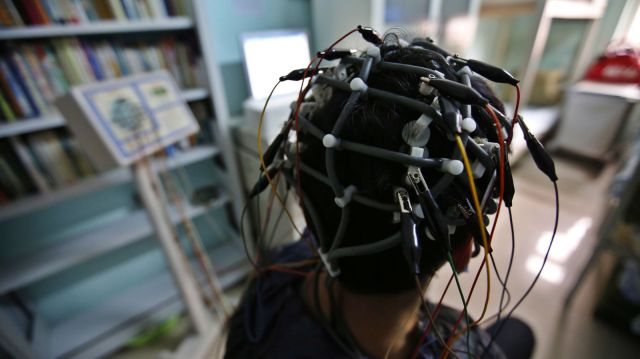
The human brain is particularly vulnerable to trauma at two distinct ages

Our brain’s ability to process information and adapt effectively is dependent on a number of factors, including genes, nutrition, and life experiences. These life experiences wield particular influence over the brain during a few sensitive periods when our most important muscle is most likely to undergo physical, chemical, and functional remodeling.

According to Tara Swart, a neuroscientist and senior lecturer at MIT, your “terrible twos” and those turbulent teen years are when the brain’s wiring is most malleable. As a result, traumatic experiences that occur during these time periods can alter brain activity and ultimately change gene expressions—sometimes for good.

Throughout the first two years of life, the brain develops at a rapid pace. However, around the second year, something important happens—babies begin to speak.

“We start to understand speech first, then we start to articulate speech ourselves and that’s a really complex thing that goes on in the brain,” Swart, who conducts ongoing research on the brain and how it affects how we become leaders, told Quartz. “Additionally, children start to walk—so from a physical point of view, that’s also a huge achievement for the brain.

Learning and understanding a new language forces your brain to work in new ways, connecting neurons and forming new pathways. This is a mentally taxing process, which is why learning a new language or musical instrument often feels exhausting.

With so many important changes happening to the brain in such a short period of time, physical or emotional trauma can cause potentially momentous interruptions to neurological development. Even though you won’t have any memories of the interruptions (most people can’t remember much before age five), any kind of traumatic event—whether it’s abuse, neglect, ill health, or separation from your loved ones—can lead to lasting behavioral and cognitive deficits later in life, warns Swart.

To make her point, Swart points to numerous studies on orphans in Romania during the 1980s and 1990s. After the nation’s communist regime collapsed, an economic decline swept throughout the region and 100,000 children found themselves in harsh, overcrowded government institutions.

“[The children] were perfectly well fed, clothed, washed, but for several reasons—one being that people didn’t want to spread germs—they were never cuddled or played with,” explains Swart. “There was a lot of evidence that these children grew up with some mental health problems and difficulty holding down jobs and staying in relationships.”

Swart continues: “When brain scanning became possible, they scanned the brains of these children who had grown up into adults and showed that they had issues in the limbic system, the part of the brain [that controls basic emotions].”

In short, your ability to maintain proper social skills and develop a sense of empathy is largely dependent on the physical affection, eye contact, and playtime of those early years. Even something as simple as observing facial expressions and understanding what those expressions mean is tied to your wellbeing as a toddler.

The research also found that the brains of the Romanian orphans had lower observable brain activity and were physically smaller than average. As a result, researchers concluded that children adopted into loving homes by age two have a much better chance of recovering from severe emotional trauma or disturbances.

The teenage years

By the time you hit your teenage years, the brain has typically reached its adult weight of about three pounds. Around this same time, the brain is starting to eliminate, or “prune” fragile connections and unused neural pathways. The process is similar to how one would prune a garden—cutting back the deadwood allows other plants to thrive.

During this period, the brain’s frontal lobes, especially the prefrontal cortex, experience increased activity and, for the first time, the brain is capable of comparing and analyzing several complex concepts at once. Similar to a baby learning how to speak, this period in an adolescent’s life is marked by a need for increasingly advanced communication skills and emotional maturity.

“At that age, they’re starting to become more understanding of social relationships and politics. It’s really sophisticated,” Swart noted. All of this brain activity is also a major reason why teenagers need so much sleep.

Swart’s research dovetails with the efforts of many other scientists who have spent decades attempting to understand how the brain develops, and when. The advent of MRIs and other brain-scanning technology has helped speed along this research, but scientists are still working to figure out what exactly the different parts of the brain do.

What is becoming more certain, however, is the importance of stability and safety in human development, and that such stability is tied to cognitive function. At any point in time, a single major interruption has the ability to throw off the intricate workings of our brain. We may not really understand how these events affect our lives until much later.

http://qz.com/470751/your-brain-is-particularly-vulnerable-to-trauma-at-two-distinct-ages/

Mystery surrounds hallucinatory chaos at German homeopathy conference


2C-E was one of the hundreds of drugs synthesised by Alexander Shulgin, who was known as the ‘godfather of ecstasy’. Photograph: Scott Houston/Corbis

Police investigating a mass intoxication of a homeopathy conference in Germany with psychedelic drugs have said they still do not know nearly a week later whether it was an accident or an experiment gone wrong.

Emergency services called to the meeting in Handeloh, south of Hamburg, found a group of 29 alternative healers hallucinating, staggering around, groaning and rolling on the grass.

Police spokesman Lars Nicklesen said on Thursday that investigators believe a psychedelic drug was to blame but remain unsure of how or why it was taken. The delegates are now all out out of physical danger, he said, but there may yet be legal consequences for the healers in the course of the ongoing criminal investigation.

“We’re now questioning the delegates and awaiting the results of blood and urine tests,” he said. “We still don’t know if they took the drugs on purpose. The question is whether they want to talk about it; they have the right to remain silent.”

Nicklesen added that police suspect the group took 2C-E, known in Germany as Aquarust, a drug which heightens perceptions of colours and sounds and in higher doses triggers hallucinations, psychosis and severe cramps.

Germany’s health ministry banned the drug last year due to its highly addictive nature and unknown side effects.

The homeopaths’ meeting – billed as a “further education seminar” – was suspended shortly after it started when delegates began experiencing psychotic hallucinations, cramps, racing heartbeats and shortage of breath. One of them alerted the emergency services.

Alarmed by the sight of so many grown men and women rolling around on the floor, the first fire crews on the scene called for backup, triggering a major incident response. A total of 160 police, fire crews, and ambulance staff and a helicopter were involved in the four hour operation to treat the group.

“It was great that none of the people were in mortal danger in the end”, said fire service spokesman Matthias Köhlbrandt. “The leading emergency doctor at the scene believed they would all recover without lasting damage.”

Unsure of what they had taken, medical staff gave the homeopaths oxygen on site before transferring them to seven different nearby hospitals.

The Hamburger Abendblatt newspaper reported that in one clinic, the Asklepios in Harburg, hallucinating patients had to be strapped down to a bed to prevent them causing danger to others. “They were completely off their heads,” a spokesman for the clinic said.

Staff at the conference centre were unable to shed light on the mystery as they had all gone home at the time of the incident. “We’re absolutely shocked, we’ve only had good experiences in the past with the group,” a spokeswoman for the Tanzheimat Inzmühlen conference centre told the Hamburger Abendblatt.

The Association of German Healing Practitioners was quick to distance itself from the incident and emphasised that hallucinogenic drugs had no place in the study of homeopathy. “If I find out that one of our members took part [in what happened in Handeloh] then they will be excluded from the association,” Heinz Kropmanns, the association president, told NDR.

The drug 2C-E was one of hundreds synthesised by the American chemist Alexander Shulgin. The scientist, who died in 2014, and had become known as the godfather of ecstasy after he introduced MDMA to psychotherapists on the US west coast in the late 1970s.

http://www.theguardian.com/science/2015/sep/10/homeopathy-conference-in-germany-goes-awry-as-delegates-take-lsd-like-drug

Thanks to Kebmodee for bringing this to the It’s Interesting community.

Woman undergoes surgery to recover stolen 6 carat diamond she swallowed

A Chinese woman who swallowed a six-carat (1.2g) diamond was forced to take laxatives and endure colonoscopy. Jiang Xulian, 39, stole the diamond worth Thb10m (£180,000) diamond from the Bangkok Gems and Jewellery Fair in Nonthaburi, Thailand.

She confessed to her theft to police when an X-ray showed the stone in her large intestine. The woman was later given laxatives before she and her alleged partner-in-crime – identified as Hae Ying, 34 – were held in police custody for legal action.

The couple had been brought to the attention of Thai police by an exhibitor at the fair. CCTV images showed the pair visiting the exhibition stand, where they allegedly switched the six-carat diamond with a fake, after asking to give it a closer inspection while at the jewellery fair.

The stall owner reported Jiang and Hae to the police, and they were detained at Suvarnabhumi airport on Thursday night. The pair tried to evade arrest by claiming they were tourists returning from their holidays, but their tale was proven to be fiction when a scan revealed the precious stone in Jiang’s stomach.

Jiang was given laxatives to speed up the movement of the diamond through her digestive system, but the diamond stayed in place. Jiang finally agreed to have an operation to remove the diamond, after being told that the jewel could cause damage to her digestive system.

The stone was identified as the stolen gemstone by its owner after its removal. The couple face up to three years in prison if convicted of the crime.

https://itsinterestingdotcom.wordpress.com/wp-admin/post-new.php

Keeping gut bacteria in balance could help delay age-related diseases

Why do some people remain healthy into their 80s and beyond, while others age faster and suffer serious diseases decades earlier? New research led by UCLA life scientists may produce a new way to answer that question—and an approach that could help delay declines in health.

Specifically, the study suggests that analyzing intestinal bacteria could be a promising way to predict health outcomes as we age.

The researchers discovered changes within intestinal microbes that precede and predict the death of fruit flies. The findings were published in the open-source journal Cell Reports.

“Age-onset decline is very tightly linked to changes within the community of gut microbes,” said David Walker, a UCLA professor of integrative biology and physiology, and senior author of the research. “With age, the number of bacterial cells increase substantially and the composition of bacterial groups changes.”

The study used fruit flies in part because although their typical life span is just eight weeks, some live to the age equivalent of humans’ 80s and 90s, while others age and die much younger. In addition, scientists have identified all of the fruit fly’s genes and know how to switch individual ones on and off.

In a previous study, the UCLA researchers discovered that five or six days before flies died, their intestinal tracts became more permeable and started leaking.

In the latest research, which analyzed more than 10,000 female flies, the scientists found that they were able to detect bacterial changes in the intestine before the leaking began. As part of the study, some fruit flies were given antibiotics that significantly reduce bacterial levels in the intestine; the study found that the antibiotics prevented the age-related increase in bacteria levels and improved intestinal function during aging.

The biologists also showed that reducing bacterial levels in old flies can significantly prolong their life span.

“When we prevented the changes in the intestinal microbiota that were linked to the flies’ imminent death by feeding them antibiotics, we dramatically extended their lives and improved their health,” Walker said. (Microbiota are the bacteria and other microorganisms that are abundant in humans, other mammals, fruit flies and many other animals.)

Flies with leaky intestines that were given antibiotics lived an average of 20 days after the leaking began—a substantial part of the animal’s life span. On average, flies with leaky intestines that did not receive antibiotics died within a week.

The intestine acts as a barrier to protect our organs and tissue from environmental damage.

“The health of the intestine—in particular the maintenance of the barrier protecting the rest of the body from the contents of the gut—is very important and might break down with aging,” said Rebecca Clark, the study’s lead author. Clark was a UCLA postdoctoral scholar when the research was conducted and is now a lecturer at England’s Durham University.

The biologists collaborated with William Ja, an assistant professor at Florida’s Scripps Research Institute, and Ryuichi Yamada, a postdoctoral research associate in Ja’s laboratory, to produce an additional group of flies that were completely germ-free, with no intestinal microbes. Those flies showed a very dramatic delay in intestinal damage, and they lived for about 80 days, approximately one-and-a-half times as long as the animal’s typical life span.

Scientists have recently begun to connect a wide variety of diseases, including diabetes and Parkinson’s, among many others, to changes in the microbiota, but they do not yet know exactly what healthy microbiota look like.

“One of the big questions in the biology of aging relates to the large variation in how we age and how long we live,” said Walker, who added that scientific interest in intestinal microbes has exploded in the last five years.

When a fruit fly’s intestine begins to leak, its immune response increases substantially and chronically throughout its body. Chronic immune activation is linked with age-related diseases in people as well, Walker said.

Walker said that the study could lead to realistic ways for scientists to intervene in the aging process and delay the onset of Parkinson’s disease, Alzheimer’s disease, cancer, stroke, cardiovascular disease, diabetes and other diseases of aging—although such progress could take many years, he said.

New 3 million year old human-like species discovered in South Africa indicates ritualistic behavior and symbolic thought, which were not previously considered possible earlier than 200,000 years ago.

By

by Pallab Ghosh
Science correspondent, BBC News, Johannesburg

Scientists have discovered a new human-like species in a burial chamber deep in a cave system in South Africa. The discovery of 15 partial skeletons is the largest single discovery of its type in Africa.

The researchers claim that the discovery will change ideas about our human ancestors.

The studies which have been published in the journal Elife also indicate that these individuals were capable of ritualistic behaviour.

The species, which has been named naledi, has been classified in the grouping, or genus, Homo, to which modern humans belong.

The researchers who made the find have not been able to find out how long ago these creatures lived – but the scientist who led the team, Prof Lee Berger, told BBC News that he believed they could be among the first of our kind (genus Homo) and could have lived in Africa up to three million years ago.

Like all those working in the field, he is at pains to avoid the term “missing link”. Prof Berger says naledi could be thought of as a “bridge” between more primitive bipedal primates and humans.

“We’d gone in with the idea of recovering one fossil. That turned into multiple fossils. That turned into the discovery of multiple skeletons and multiple individuals.

“And so by the end of that remarkable 21-day experience, we had discovered the largest assemblage of fossil human relatives ever discovered in the history of the continent of Africa. That was an extraordinary experience.”

Prof Chris Stringer of the Natural History Museum said naledi was “a very important discovery”.

“What we are seeing is more and more species of creatures that suggests that nature was experimenting with how to evolve humans, thus giving rise to several different types of human-like creatures originating in parallel in different parts of Africa. Only one line eventually survived to give rise to us,” he told BBC News.

I went to see the bones which are kept in a secure room at Witwatersrand University. The door to the room looks like one that would seal a bank vault. As Prof Berger turned the large lever on the door, he told me that our knowledge of very early humans is based on partial skeletons and the occasional skull.

he haul of 15 partial skeletons includes both males and females of varying ages – from infants to elderly. The discovery is unprecedented in Africa and will shed more light on how the first humans evolved.

“We are going to know everything about this species,” Prof Berger told me as we walked over to the remains of H. naledi.

“We are going to know when its children were weaned, when they were born, how they developed, the speed at which they developed, the difference between males and females at every developmental stage from infancy, to childhood to teens to how they aged and how they died.”

I was astonished to see how well preserved the bones were. The skull, teeth and feet looked as if they belonged to a human child – even though the skeleton was that of an elderly female.
Its hand looked human-like too, up to its fingers which curl around a bit like those of an ape.

Homo naledi is unlike any primitive human found in Africa. It has a tiny brain – about the size of a gorilla’s and a primitive pelvis and shoulders. But it is put into the same genus as humans because of the more progressive shape of its skull, relatively small teeth, characteristic long legs and modern-looking feet.

“I saw something I thought I would never see in my career,” Prof Berger told me.

“It was a moment that 25 years as a paleoanthropologist had not prepared me for.”

One of the most intriguing questions raised by the find is how the remains got there.

I visited the site of the find, the Rising Star cave, an hour’s drive from the university in an area known as the Cradle of Humankind. The cave leads to a narrow underground tunnel through which some of Prof Berger’s team crawled in an expedition funded by the National Geographic Society.

Small women were chosen because the tunnel was so narrow. They crawled through darkness lit only by their head torches on a precarious 20 minute-long journey to find a chamber containing hundreds of bones.

Among them was Marina Elliott. She showed me the narrow entrance to the cave and then described how she felt when she first saw the chamber.

“The first time I went to the excavation site I likened it to the feeling that Howard Carter must have had when he opened Tutankhamen’s tomb – that you are in a very confined space and then it opens up and all of a sudden all you can see are all these wonderful things – it was incredible,” she said.

Ms Elliott and her colleagues believe that they have found a burial chamber. The Homo naledi people appear to have carried individuals deep into the cave system and deposited them in the chamber – possibly over generations.

If that is correct, it suggests naledi was capable of ritual behaviour and possibly symbolic thought – something that until now had only been associated with much later humans within the last 200,000 years.

Prof Berger said: “We are going to have to contemplate some very deep things about what it is to be human. Have we been wrong all along about this kind of behaviour that we thought was unique to modern humans?

“Did we inherit that behaviour from deep time and is it something that (the earliest humans) have always been able to do?”

Prof Berger believes that the discovery of a creature that has such a mix of modern and primitive features should make scientists rethink the definition of what it is to be human – so much so that he himself is reluctant to describe naledi as human.

Other researchers working in the field, such as Prof Stringer, believe that naledi should be described as a primitive human. But he agrees that current theories need to be re-evaluated and that we have only just scratched the surface of the rich and complex story of human evolution.

http://www.bbc.com/news/science-environment-34192447

Computers are now able to predict who will develop psychosis years later based on analysis of their speech patterns.

An automated speech analysis program correctly differentiated between at-risk young people who developed psychosis over a two-and-a-half year period and those who did not. In a proof-of-principle study, researchers at Columbia University Medical Center, New York State Psychiatric Institute, and the IBM T. J. Watson Research Center found that the computerized analysis provided a more accurate classification than clinical ratings. The study, “Automated Analysis of Free Speech Predicts Psychosis Onset in High-Risk Youths,” was recently published in NPJ-Schizophrenia.

About one percent of the population between the age of 14 and 27 is considered to be at clinical high risk (CHR) for psychosis. CHR individuals have symptoms such as unusual or tangential thinking, perceptual changes, and suspiciousness. About 20% will go on to experience a full-blown psychotic episode. Identifying who falls in that 20% category before psychosis occurs has been an elusive goal. Early identification could lead to intervention and support that could delay, mitigate or even prevent the onset of serious mental illness.
Speech provides a unique window into the mind, giving important clues about what people are thinking and feeling. Participants in the study took part in an open-ended, narrative interview in which they described their subjective experiences. These interviews were transcribed and then analyzed by computer for patterns of speech, including semantics (meaning) and syntax (structure).

The analysis established each patient’s semantic coherence (how well he or she stayed on topic), and syntactic structure, such as phrase length and use of determiner words that link the phrases. A clinical psychiatrist may intuitively recognize these signs of disorganized thoughts in a traditional interview, but a machine can augment what is heard by precisely measuring the variables. The participants were then followed for two and a half years.
The speech features that predicted psychosis onset included breaks in the flow of meaning from one sentence to the next, and speech that was characterized by shorter phrases with less elaboration. The speech classifier tool developed in this study to mechanically sort these specific, symptom-related features is striking for achieving 100% accuracy. The computer analysis correctly differentiated between the five individuals who later experienced a psychotic episode and the 29 who did not. These results suggest that this method may be able to identify thought disorder in its earliest, most subtle form, years before the onset of psychosis. Thought disorder is a key component of schizophrenia, but quantifying it has proved difficult.

For the field of schizophrenia research, and for psychiatry more broadly, this opens the possibility that new technology can aid in prognosis and diagnosis of severe mental disorders, and track treatment response. Automated speech analysis is inexpensive, portable, fast, and non-invasive. It has the potential to be a powerful tool that can complement clinical interviews and ratings.

Further research with a second, larger group of at-risk individuals is needed to see if this automated capacity to predict psychosis onset is both robust and reliable. Automated speech analysis used in conjunction with neuroimaging may also be useful in reaching a better understanding of early thought disorder, and the paths to develop treatments for it.

http://medicalxpress.com/news/2015-08-psychosis-automated-speech-analysis.html

Eye tests may predict schizophrenia

Schizophrenia is associated with structural and functional alterations of the visual system, including specific structural changes in the eye. Tracking such changes may provide new measures of risk for, and progression of the disease, according to a literature review published online in the journal Schizophrenia Research: Cognition, authored by researchers at New York Eye and Ear Infirmary of Mount Sinai and Rutgers University.

Individuals with schizophrenia have trouble with social interactions and in recognizing what is real. Past research has suggested that, in schizophrenia, abnormalities in the way the brain processes visual information contribute to these problems by making it harder to track moving objects, perceive depth, draw contrast between light and dark or different colors, organize visual elements into shapes, and recognize facial expressions. Surprisingly though, there has been very little prior work investigating whether differences in the retina or other eye structures contribute to these disturbances.

“Our analysis of many studies suggests that measuring retinal changes may help doctors in the future to adjust schizophrenia treatment for each patient,” said study co-author Richard B. Rosen, MD, Director of Ophthalmology Research, New York Eye and Ear Infirmary of Mount Sinai, and Professor of Ophthalmology, Icahn School of Medicine at Mount Sinai. “More studies are needed to drive the understanding of the contribution of retinal and other ocular pathology to disturbances seen in these patients, and our results will help guide future research.”

The link between vision problems and schizophrenia is well established, with as many as 62 percent of adult patients with schizophrenia experience visual distortions involving form, motion, or color. One past study found that poorer visual acuity at four years of age predicted a diagnosis of schizophrenia in adulthood, and another that children who later develop schizophrenia have elevated rates of strabismus, or misalignment of the eyes, compared to the general population.

Dr. Rosen and Steven M. Silverstein, PhD, Director of the Division of Schizophrenia Research at Rutgers University Behavioral Health Care, were the lead authors of the analysis, which examined the results of approximately 170 existing studies and grouped the findings into multiple categories, including changes in the retina vs. other parts of the eye, and changes related to dopamine vs. other neurotransmitters, key brain chemicals associated with the disease.

The newly published review found multiple, replicated, indicators of eye abnormalities in schizophrenia. One of these involves widening of small blood vessels in the eyes of schizophrenia patients, and in young people at high risk for the disorder, perhaps caused by chronic low oxygen supply to the brain. This could explain several key vision changes and serve as a marker of disease risk and worsening. Also important in this regard was thinning of the retinal nerve fiber layer in schizophrenia, which is known to be related to the onset of hallucinations and visual acuity problems in patients with Parkinson’s disease. In addition, abnormal electrical responses by retinal cells exposed to light (as measured by electroretinography) suggest cellular-level differences in the eyes of schizophrenia patients, and may represents a third useful measure of disease progression, according to the authors.

In addition, the review highlighted the potentially detrimental effects of dopamine receptor-blocking medications on visual function in schizophrenia (secondary to their retinal effects), and the need for further research on effects of excessive retinal glutamate on visual disturbances in the disorder.

Interestingly, the analysis found that there are no reports of people with schizophrenia who were born blind, suggesting that congenital blindness may completely or partially protect against the development of schizophrenia. Because congenitally blind people tend to have cognitive abilities in certain domains (e.g., attention) that are superior to those of healthy individuals, understanding brain re-organization after blindness may have implications for designing cognitive remediation interventions for people with schizophrenia.

“The retina develops from the same tissue as the brain,” said Dr. Rosen. “Thus retinal changes may parallel or mirror the integrity of brain structure and function. When present in children, these changes may suggest an increased risk for schizophrenia in later life. Additional research is needed to clarify these relationships, with the goals of better predicting emergence of schizophrenia, and of predicting relapse and treatment response and people diagnosed with the condition.”

Dr. Silverstein points out that, to date, vision has been understudied in schizophrenia, and studies of the retina and other ocular structures in the disorder are in their infancy. However, he added, “because it is much faster and less expensive to obtain data on retinal structure and function, compared to brain structure and function, measures of retinal and ocular structure and function may have an important role in both future research studies and the routine clinical care of people with schizophrenia.”

http://www.eurekalert.org/pub_releases/2015-08/tmsh-rcm081715.php

New evidence that sleeping on your side may be better for the brain

Removal of waste, including soluble amyloid β (Aβ), from the brain may be most efficient in the lateral vs. the prone position, according to an experimental study published in the August 5 issue of the Journal of Neuroscience.

Hedok Lee, PhD, from Stony Brook University in New York, and colleagues examined whether body posture impacts cerebrospinal fluid (CSF)-interstitial fluid (ISF) exchange efficiency. They quantified CSF-ISF exchange rates using dynamic-contrast-enhanced magnetic resonance imaging (MRI) and kinetic modeling in the brains of rodents in supine, prone, or lateral positions. Fluorescence microscopy and radioactive tracers were used to validate the MRI data and assess the influence of body posture on clearance of Aβ.

The researchers found that glymphatic transport was most efficient in the lateral vs. the supine or prone positions. Transport was characterized by “retention” of the tracer, slower clearance, and more CSF efflux along larger caliber cervical vessels in the prone position, in which the rat’s head was in the most upright position (mimicking posture during the awake state). Glymphatic transport and Aβ clearance were superior in the lateral and supine positions in optical imaging and radiotracer studies.

“We propose that the most popular sleep posture (lateral) has evolved to optimize waste removal during sleep and that posture must be considered in diagnostic imaging procedures developed in the future to assess CSF-ISF transport in humans,” the authors write.

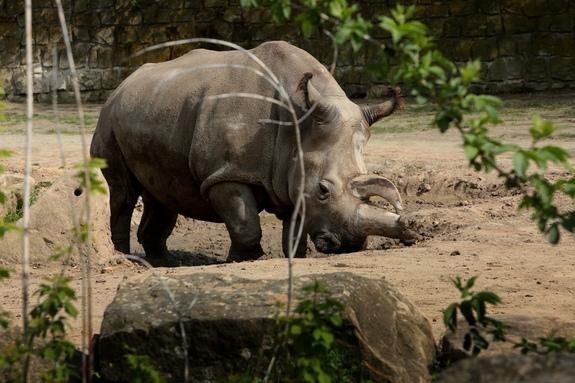
Northern White Rhino Dies, Leaving Only 4 on Earth

One of the last five northern white rhinoceroses in the world has died.

Nabiré, a 31-year-old female northern white rhino, died of a ruptured cyst, authorities at the Dv?r Králové Zoo in the Czech Republic announced today (July 28). Nabiré’s death leaves only three females of this subspecies alive. One male, Sudan, survives on a reserve in Kenya.

Northern white rhinos (Ceratotherium simum cottoni) have been on the brink of extinction for years because of poaching and habitat loss. According to Ol Pejeta Conservancy, home to Sudan and two of the remaining female northern whites, there were only a few dozen of the animals living in the Democratic Republic of the Congo in the early 2000s. The remaining four wild survivors were last seen in 2007 and are presumed dead.

Now, the only northern whites left behind are Sudan, 42, and three females. Najin and Fatu live with Sudan in Kenya but are not capable of carrying babies — Najin because of her age and Fatu because of a uterine condition. The San Diego Zoo is home to Nola, now the only female surviving outside of Africa. She, too, is beyond reproductive age.

Nabiré was born in captivity on Nov. 15, 1983. She was plagued with uterine cysts, making it impossible for her to breed naturally. Conservationists hoped, however, that they could harvest eggs from her healthy left ovary for use in in vitro fertilization (IVF). The goal is to artificially fertilize an egg using sperm from Sudan or frozen white rhino sperm from a long-dead animal. This egg would then be transplanted into a southern white rhinoceros, the closest living relative to the rare northern whites.

But Nabiré’s condition proved fatal.

“The pathological cyst inside the body of Nabiré was huge. There was no way to treat it,” Ji?í Hrubý, a rhino curator at the zoo, said in a statement.

After Nabiré’s death, zoo researchers removed the ovary in hopes of saving some of the rhino’s now-rare genetic material.

Though more female rhinos than males survive, it’s actually eggs that are in short supply, researchers told Live Science in June. Northern white rhinos ovulate only one egg at a time every 30 days or so, which makes collecting mature eggs a slow process. Immature eggs can be harvested from the ovaries, but researchers have to develop techniques to mature those eggs in the lab.

Scientists also have to develop IVF procedures that work on rhinos, which has never been done before.

“Every species requires different culture conditions, and that’s because the actual conditions in the uterus in the animal are different,” said Barbara Durrant, director of reproductive physiology at the San Diego Zoo Institute for Conservation Research.

Durrant and her colleagues around the world are trying to make use of research on horse IVF, as horses are close relatives of rhinoceroses. But IVF is also difficult in horses, Durrant said in June.

The Dv?r Králové Zoo plans to continue its efforts to save the subspecies.

“It is our moral obligation to try to save them,” zoo director P?emysl Rabas said in a statement. “We are the only ones, perhaps with San Diego Zoo, who have enough of collected biological material to do so.”

The loss also struck Nabiré’s keepers on a personal level.

“Nabiré was the kindest rhino ever bred in our zoo,” Rabas said.

http://news.yahoo.com/northern-white-rhino-dies-leaving-only-4-left-123056144.html;_ylt=A0LEVifrd7lVKA0AHKMPxQt.;_ylu=X3oDMTEyNWZlN21nBGNvbG8DYmYxBHBvcwMxBHZ0aWQDQjA3MDBfMQRzZWMDc2M-