New Blood Test for TB Could Save Millions of Lives

As much as one third of the global population is currently infected with the bacterium that causes tuberculosis (TB), a disease typically concentrated in the lungs and characterized by weakness, fever, coughing and chest pain. About 9.6 million new infections occurred in 2014, the most recent year for which numbers are available. Roughly 1.5 million people died of TB that same year. The ability to easily, inexpensively and accurately diagnose TB is of utmost importance, but the most commonly used method fails, at least to some extent, on all three counts. A new blood-based technique might considerably rein in this epidemic.

The conventional TB test scans for bacterial DNA in coughed-up mucus, or sputum. But some children struggle to produce a sample on request. The test also can miss TB in people simultaneously infected with HIV because the telltale bacteria may exist in numbers too low to detect or outside the lungs. In addition, the test costs up to $10, a prohibitive fee in many developing countries. As a result of these constraints, a large percentage of TB cases are diagnosed late or not at all, leaving serious infections untreated and more liable to spread.

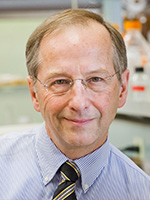
Two years ago the World Health Organization put out a call for an improved TB diagnostic. In response, Purvesh Khatri, a Stanford University medical professor, and his colleagues combed through the human genome and found three genes that distinguish active TB from other diseases. The team then developed a way to detect these genes in blood.

According to their study, published in the Lancet Respiratory Medicine, the test is equally sensitive among patients with and without HIV coinfection and correctly detected TB in 86 percent of pediatric cases. Additional points in favor of a blood assay include that it can be performed at a clinic and yield same-day results, unlike the case for a sputum test. That is especially advantageous in the developing world, where showing up for even a single appointment presents a tremendous burden. “You want to be able to initiate treatment immediately,” says Sheela Shenoi, a Yale University professor of medicine focused on AIDS.

The technology has not been used in the diagnosis of new patients and may be difficult to scale up, but in the meantime, Khatri has filed a patent for the test. He thinks it could cost less than half as much as the current one. “If this three-gene signature could be developed into a point-of-care test,” Shinoi says, “it would revolutionize TB diagnostics.”

http://www.scientificamerican.com/article/a-new-blood-test-for-tb-could-save-millions-of-lives/

How LSD Makes Your Brain One With The Universe

lsd

by Angus Chen

Some users of LSD say one of the most profound parts of the experience is a deep oneness with the universe. The hallucinogenic drug might be causing this by blurring boundaries in the brain, too.

The sensation that the boundaries between yourself and the world around you are erasing correlates to changes in brain connectivity while on LSD, according to a study published Wednesday in Current Biology. Scientists gave 15 volunteers either a drop of acid or a placebo and slid them into an MRI scanner to monitor brain activity.

After about an hour, when the high begins peaking, the brains of people on acid looked markedly different than those on the placebo. For those on LSD, activity in certain areas of their brain, particularly areas rich in neurons associated with serotonin, ramped up.

Their sensory cortices, which process sensations like sight and touch, became far more connected than usual to the frontal parietal network, which is involved with our sense of self. “The stronger that communication, the stronger the experience of the dissolution [of self],” says Enzo Tagliazucchi, the lead author and a researcher at the Netherlands Institute for Neuroscience.

Tagliazucchi speculates that what’s happening is a confusion of information. Your brain on acid, flooded with signals crisscrossing between these regions, begins muddling the things you see, feel, taste or hear around you with you. This can create the perception that you and, say, the pizza you’re eating are no longer separate entities. You are the pizza and the world beyond the windowsill. You are the church and the tree and the hill.

Albert Hofmann, the discoverer of LSD, described this in his book LSD: My Problem Child. “A portion of the self overflows into the outer world, into objects, which begin to live, to have another, a deeper meaning,” he wrote. He felt the world would be a better place if more people understood this. “What is needed today is a fundamental re-experience of the oneness of all living things.”

The sensation is neurologically similar to synesthesia, Tagliazucchi thinks. “In synesthesia, you mix up sensory modalities. You can feel the color of a sound or smell the sound. This happens in LSD, too,” Tagliazucchi says. “And ego dissolution is a form of synesthesia, but it’s a synesthesia of areas of brain with consciousness of self and the external environment. You lose track of which is which.”

Tagliazucchi and other researchers also measured the volunteers’ brain electrical activity with another device. Our brains normally generate a regular rhythm of electrical activity called the alpha rhythm, which links to our brain’s ability to suppress irrelevant activity. But in a different paper published on Monday in the Proceedings of the National Academy of Sciences, he and several co-authors show that LSD weakens the alpha rhythm. He thinks this weakening could make the hallucinations seem more real.

The idea is intriguing if still somewhat speculative, says Dr. Charles Grob, a psychiatrist at the Harbor-UCLA Medical Center who was not involved with the work. “They may genuinely be on to something. This should really further our understanding of the brain and consciousness.” And, he says, the work highlights hallucinogens’ powerful therapeutic potential.

The altered state of reality that comes with psychedelics might enhance psychotherapy, Grob thinks. “Hallucinogens are a catalyst,” he says. “In well-prepared subjects, you might elicit powerful, altered states of consciousness. [That] has been predicative of positive therapeutic outcomes.”

In recent years, psychedelics have been trickling their way back to psychiatric research. LSD was considered a good candidate for psychiatric treatment until 1966, when it was outlawed and became very difficult to obtain for study. Grob has done work testing the treatment potential of psilocybin, the active compound in hallucinogenic mushrooms.

He imagines a future where psychedelics are commonly used to treat a range of conditions. “[There could] be a peaceful room attractively fixed up with nice paintings, objects to look at, fresh flowers, a chair or recliner for the patient and two therapists in the room,” he muses. “A safe container for that individual as they explore deep inner space, inner terrain.”

Grob believes the right candidate would benefit greatly from LSD or other hallucinogen therapy, though he cautions that bad experiences can still happen for some on the drugs. Those who are at risk for schizophrenia may want to avoid psychedelics, Tagliazucchi says. “There has been evidence saying what could happen is LSD could trigger the disease and turn it into full-fledged schizophrenia,” he says. “There is a lot of debate around this. It’s an open topic.”

Tagliazucchi thinks that this particular ability of psychedelics to evoke a sense of dissolution of self and unity with the external environment has already helped some patients. “Psilocybin has been used to treat anxiety with terminal cancer patients,” he says. “One reason why they felt so good after treatment is the ego dissolution is they become part of something larger: the universe. This led them to a new perspective on their death.”

http://www.npr.org/sections/health-shots/2016/04/13/474071268/how-lsd-makes-your-brain-one-with-the-universe

Meditating in a tiny Iowa town to help recovery from war

By Supriya Venkatesan

At 19, I enlisted in the U.S. Army and was deployed to Iraq. I spent 15 months there — eight at the U.S. Embassy, where I supported the communications for top generals. I understand that decisions at that level are complex and layered, but for me, as an observer, some of those actions left my conscience uneasy.

To counteract my guilt, I volunteered as a medic on my sole day off at Ibn Sina Hospital, the largest combat hospital in Iraq. There I helped wounded Iraqi civilians heal or transition into the afterlife. But I still felt lost and disconnected. I was nostalgic for a young adulthood I never had. While other 20-somethings had traditional college trajectories, followed by the hallmarks of first job interviews and early career wins, I had spent six emotionally numbing years doing ruck marches, camping out on mountaintops near the demilitarized zone in South Korea and fighting someone else’s battle in Iraq.

During my deployment, a few soldiers and I were awarded a short resort stay in Kuwait. There, I had a brief but powerful experience in a meditation healing session. I wanted more. So when I returned to the United States at the end of my service, I headed to Iowa.

Forty-eight hours after being discharged from the Army, I arrived on campus at Maharishi University of Management in Fairfield, Iowa. MUM is a small liberal arts college, smack dab in the middle of the cornfields, founded by Maharishi Mahesh Yogi, the guru of transcendental meditation. I joked that I was in a quarter-life crisis, but in truth my conscience was having a crisis. Iraq left me with questions about the world and grappling with my own mortality and morality.

Readjustment was a sucker punch of culture shock. While on a camping trip for incoming students, I watched girls curl their eyelashes upon waking up and burn incense and bundles of sage to ward off negative energy. I was used to being in a similar field environment but with hundreds of guys who spit tobacco, spoke openly of their sexual escapades and played video games incessantly. Is this what it looked like to be civilian woman? Is this what spirituality looked like?

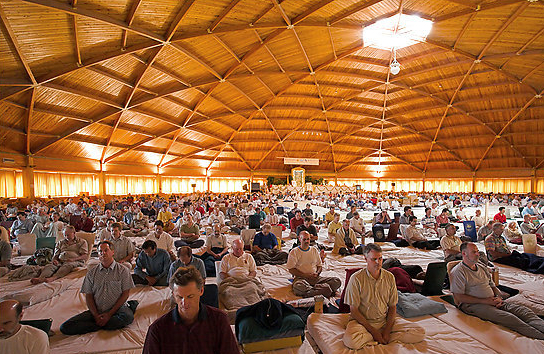
Mediation was mandatory for students on campus, and the rest of the town was composed mainly of former students or longtime followers of the maharishi. Shortly after arriving, I completed an advanced meditator course and began meditating three hours a day — a habit that is still with me five years later. Every morning, I went to a dome where students, teachers and the people of Fairfield gathered to practice meditation. In the evening, we met again for another round of meditation. During my time in Fairfield, even Oprah came to meditate in the dome.

I was incredibly lucky to have supportive mentors in the Army, but Fairfield embraced me in a maternal way. I cried for hours during post-meditation reflection. I released the trauma that is familiar to every soldier who has gone to war but is rarely discussed or even acknowledged. I let go, and I blossomed. I was emancipated of the unhealthy habits of binge-drinking and co-dependency in romantic interludes, as well as a fear that I didn’t know controlled me.

Suicide and other byproducts of post-traumatic stress disorder plague the military. In 2010, a veteran committed suicide every 65 minutes. In 2012, there were more deaths by suicide than by combat. In Iraq, one of my neighbors took his M16, put it in his mouth and shot himself. Overwhelmed with PTSD-related issues from back-to-back deployments and with no clear solution to the problem, in 2012, the Defense Department began researching meditation practices to see whether they would affect PTSD. The first study of meditation and the military population, done with Vietnam veterans in 1985, had shown 70 percent of veterans finding relief, but meditation never gained in popularity nor was it offered through veterans’ services. Even in 2010, when I learned TM, the military was alien to the concept.

But today, the results of the studies showcase immense benefits for veterans. According to the journal Military Medicine, meditation has shown a 40 percent to 55 percent reduction in symptoms of PTSD and depression among veterans. Furthermore, studies show that meditation correlates with a 42 percent reduction in insomnia and a 25 percent reduction in the stress hormone cortisol in the veteran population. To complement meditation, yoga has also been embraced as a tool for treatment by the military. With the growing acceptance of holistic approaches, psychological wounds are beginning to heal.

The four-day training course to learn TM is now available at every Veterans Affairs facility for those who have PTSD or traumatic brain injury. Even medical staff and counselors who help veterans at the VA are offered training in both TM and mindfulness meditation. Additionally, Norwich University, the oldest military college in the country, has done extensive research on TM and incoming cadets, and many military installations have integrated meditation programs into their mental health services. When I had first learned to meditate, many of my active-duty friends found it a bit too crunchy. But with the military’s recent efforts at researching meditation and funding it for all veterans, the stigma is gone, and my battle buddies see meditation as a tool for building resilience.

For me, meditation has created small but significant changes. One day, while going for a walk downtown, I stopped and patted a dog. A few minutes later, I came to a halt. I realized what I had done. While in Iraq, during a month when we were under heavy mortar attack, a bomb-sniffing K-9 had become traumatized and attacked me. This, coupled with a life-long fear of dogs, had left me guarded around the canines. I touched the scar on my elbow from where the K-9 had latched on and could no longer find the fear that had been there. Soon I was shedding all the things that held me back from living my life in an entirely unforeseen way.

For the first time in my life, I found forgiveness for those who had wronged me in the past. I literally stopped to smell the flowers on my way to work every day. And I smiled. All the freaking time. I even felt smarter. Research shows that meditation raises IQ. I’m not surprised. After graduation, I went on to complete my master’s at Columbia University.

Fairfield is also home to generations of Iowans who are born there, brought up there and die there. Many of these blue-collar Midwesterners have had animosity toward the meditators. Locals felt as if their town had been overtaken. They preferred steak to quinoa, beers at the bar to yoga and pickup trucks to carbon-reducing bicycles. And with MUM having a student body from more than 100 countries, the ethnic differences were a challenge. However, things are changing. Meditators and townspeople now fill less stereotypical roles. And with the economic boom that meditating entrepreneurs have provided the town, the differences are easier to ignore.

It was strange for me to live removed from the local Iowans. When I went shopping at the only Walmart the town had, I’d see the “Wall of Heroes” — a wall of photos of veterans from Fairfield. One day, I noticed a familiar face — a soldier from my last assignment. Fairfield and other socioeconomically depressed areas are where most military recruits come from. Here I was living among them, but not moving in step with them. Having that synchronous experience made me come back full circle. When I had first learned to meditate, my teacher had asked me what my goal was. I told her, “I want to be in the world, but not of it.” And that’s exactly what I got.

For me, this little Iowan town provided a place of respite and rejuvenation. It was easy for me to trade one lifestyle of order and discipline for another, and this provided me with nourishment and an understanding of self. Nowhere else in America can you find an entire town living and breathing the principles of Eastern mysticism. It goes way beyond taking a yoga class or going to the Burning Man festival. I continue my meditation practice and am grateful for the gifts it has provided me. But in the end, my time had come, and I had to leave. As residents would say, that was just my karma.

https://www.washingtonpost.com/posteverything/wp/2016/04/06/how-meditating-in-a-tiny-iowa-town-helped-me-recover-from-war/

“Joke Addiction” As A Neurological Symptom

In a new paper, neurologists Elias D. Granadillo and Mario F. Mendez describe two patients in whom brain disorders led to an unusual symptom: “intractable joking.”

Patient #1 was

A 69-year-old right-handed man presented for a neuropsychiatric evaluation because of a 5-year history of compulsive joking… On interview, the patient reported feeling generally joyful, but his compulsive need to make jokes and create humor had become an issue of contention with his wife. He would wake her up in the middle of the night bursting out in laughter, just to tell her about the jokes he had come up with. At the request of his wife, he started writing down these jokes as a way to avoid waking her. As a result, he brought to our office approximately 50 pages filled with his jokes.

Granadillo and Mendez quote some of the patient’s gags:

Q: What is a pill-popping sexual molester guilty of? A: Rape and pillage.
Q: What did the proctologist say to his therapist? A: All day long I am dealing with assholes.

Went to the Department of Motor Vehicles to get my driver’s license. They gave me an eye exam and here is what they said:
ABCDEFG, HIJKMNLOP, QRS, TUV, WXY and Z; now I know my ABC’s, can I have my license please?

The man’s comedic compulsion was attributed to a stroke, which had damaged part of his left caudate nucleus, although an earlier lesion to the right frontal cortex, caused by a subarachnoid hemorrhage, may have contributed to the pathological punning. Granadillo and Mendez say that a series of medications, including antidepressants, had little impact on his “compulsive need to constantly make and tell jokes.”

Patient #2 was a 57-year old man, who had become “a jokester”, a transformation that had occurred gradually, over a three period. At the same time, the man became excessively forward and disinhibited, making inappropriate actions and remarks. He eventually lost his job after asking “Who the hell chose this God-awful place?”

The patient constantly told jokes and couldn’t stop laughing at them. However, he did not seem to find other people’s jokes funny at all.

The man’s case, however, came to a sad end. His behavior continued to deteriorate and he developed symptoms of Parkinson’s. He died several years later. The diagnosis was Pick’s disease, a rare form of dementia. A post mortem revealed widespread neurodegeneration: “frontotemporal atrophy, severe in the frontal lobes and moderate in the temporal lobes, affecting the right side more than the left” was noted.

Neuroskeptic
« The Myth of “Mind-Altering Parasite” Toxoplasma Gondii?
“Joke Addiction” As A Neurological Symptom
By Neuroskeptic | February 28, 2016 5:51 am
26
In a new paper, neurologists Elias D. Granadillo and Mario F. Mendez describe two patients in whom brain disorders led to an unusual symptom: “intractable joking.”

Patient #1 was

A 69-year-old right-handed man presented for a neuropsychiatric evaluation because of a 5-year history of compulsive joking… On interview, the patient reported feeling generally joyful, but his compulsive need to make jokes and create humor had become an issue of contention with his wife. He would wake her up in the middle of the night bursting out in laughter, just to tell her about the jokes he had come up with. At the request of his wife, he started writing down these jokes as a way to avoid waking her. As a result, he brought to our office approximately 50 pages filled with his jokes.

Granadillo and Mendez quote some of the patient’s gags:

Q: What is a pill-popping sexual molester guilty of? A: Rape and pillage.
Q: What did the proctologist say to his therapist? A: All day long I am dealing with assholes.

Went to the Department of Motor Vehicles to get my driver’s license. They gave me an eye exam and here is what they said:
ABCDEFG, HIJKMNLOP, QRS, TUV, WXY and Z; now I know my ABC’s, can I have my license please?

The man’s comedic compulsion was attributed to a stroke, which had damaged part of his left caudate nucleus, although an earlier lesion to the right frontal cortex, caused by a subarachnoid hemorrhage, may have contributed to the pathological punning. Granadillo and Mendez say that a series of medications, including antidepressants, had little impact on his “compulsive need to constantly make and tell jokes.”

granadillo_mendez

Patient #2 was a 57-year old man, who had become “a jokester”, a transformation that had occurred gradually, over a three period. At the same time, the man became excessively forward and disinhibited, making inappropriate actions and remarks. He eventually lost his job after asking “Who the hell chose this God-awful place?”

The patient constantly told jokes and couldn’t stop laughing at them. However, he did not seem to find other people’s jokes funny at all.

The man’s case, however, came to a sad end. His behavior continued to deteriorate and he developed symptoms of Parkinson’s. He died several years later. The diagnosis was Pick’s disease, a rare form of dementia. A post mortem revealed widespread neurodegeneration: “frontotemporal atrophy, severe in the frontal lobes and moderate in the temporal lobes, affecting the right side more than the left” was noted.

The authors say that both of these patients displayed Witzelsucht, a German term literally meaning ‘joke addiction’. Several cases have been reported in the neurological literature, often associated with damage to the right hemisphere of the brain. Witzelsucht should be distinguished from ‘pathological laughter‘, in which patients start laughing ‘out of the blue’ and the laughter is incongruent with their “mood and emotional experience.” In Witzelsucht, the laughter is genuine: patients really do find their own jokes funny, although they often fail to appreciate those of others.

Granadillo ED, & Mendez MF (2016). Pathological Joking or Witzelsucht Revisited. The Journal of Neuropsychiatry and Clinical Neurosciences PMID: 26900737

Virtual Reality Therapy Shows Promise Against Depression

An immersive virtual reality therapy could help people with depression to be less critical and more compassionate towards themselves, reducing depressive symptoms, finds a new study from UCL (University College London) and ICREA-University of Barcelona.

The therapy, previously tested by healthy volunteers, was used by 15 depression patients aged 23-61. Nine reported reduced depressive symptoms a month after the therapy, of whom four experienced a clinically significant drop in depression severity. The study is published in the British Journal of Psychiatry Open and was funded by the Medical Research Council.

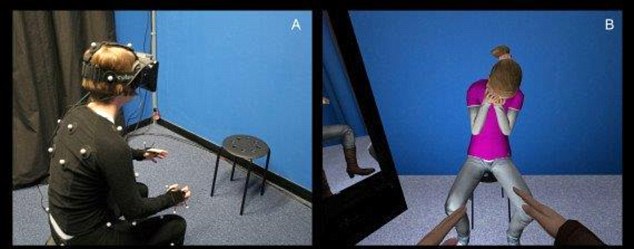
Patients in the study wore a virtual reality headset to see from the perspective of a life-size ‘avatar’ or virtual body. Seeing this virtual body in a mirror moving in the same way as their own body typically produces the illusion that this is their own body. This is called ’embodiment’.

While embodied in an adult avatar, participants were trained to express compassion towards a distressed virtual child. As they talked to the child it appeared to gradually stop crying and respond positively to the compassion. After a few minutes the patients were embodied in the virtual child and saw the adult avatar deliver their own compassionate words and gestures to them. This brief 8-minute scenario was repeated three times at weekly intervals, and patients were followed up a month later.

“People who struggle with anxiety and depression can be excessively self-critical when things go wrong in their lives,” explains study lead Professor Chris Brewin (UCL Clinical, Educational & Health Psychology). “In this study, by comforting the child and then hearing their own words back, patients are indirectly giving themselves compassion. The aim was to teach patients to be more compassionate towards themselves and less self-critical, and we saw promising results. A month after the study, several patients described how their experience had changed their response to real-life situations in which they would previously have been self-critical.”

The study offers a promising proof-of-concept, but as a small trial without a control group it cannot show whether the intervention is responsible for the clinical improvement in patients.

“We now hope to develop the technique further to conduct a larger controlled trial, so that we can confidently determine any clinical benefit,” says co-author Professor Mel Slater (ICREA-University of Barcelona and UCL Computer Science). “If a substantial benefit is seen, then this therapy could have huge potential. The recent marketing of low-cost home virtual reality systems means that methods such as this could potentially be part of every home and be used on a widespread basis.”

Publication: Embodying self-compassion within virtual reality and its effects on patients with depression. Falconer, CJ et al. British Journal of Psychiatry Open (February, 2016)

Houston’s health crisis: by 2040, one in five residents will be diabetic

houston

Diabetes is so common in Patricia Graham’s neighbourhood that it has its own slang term. “At churches you run into people you ain’t seen in years, and they say, ‘I’ve got sugar,’” she says.

Graham does not quite have “sugar”, but when foot surgery in 2014 reduced her activity level, her blood sugar level soared. And there is a history of diabetes in her family: three of four brothers and her mother, who lost a leg to it.

So three times a week she comes to the smart, modern Diabetes Awareness and Wellness Network (Dawn) centre in Houston’s third ward, a historically African American district near downtown. Used by about 520 people a month, Dawn is in effect a free, city-run gym and support group for diabetics and pre-diabetics: a one-stop shop for inspiration, information and perspiration. Last Friday Graham, 68, was there for a walking session.

Not that she or the half-dozen other participants went anywhere. This was walking on the spot to pulsating music. Had the class stepped outside they would have enjoyed perfect conditions for a stroll: a blue sky and a temperature of 21C. If they had worked up an appetite, a soul food restaurant was only a 15-minute walk away, serving celebrated (if not exactly sugar-free) food that belies its unpromising location in a standard shopping mall on a busy road next to a dialysis centre.

But most of Houston is not built for walking, even on a sunny January day. There’s the constant traffic belching fumes that linger in the humid air; the uneven sidewalks that have a pesky habit of vanishing halfway along the street; the sheer distances to cover in this elongated, ever-expanding metropolis. Walking can feel like a transgressive act against Houston’s car-centric culture of convenience – and its status as the capital of the north American oil and gas industry.

It’s one reason why Houston regularly finishes top, or close, in surveys that crown “America’s fattest city”. Unsurprisingly, it has a diabetes problem as outsized as its residents’ waistlines. By 2040, one in five Houstonians is predicted to have the disease.

According to data from pharmaceutical company Novo Nordisk, the prevalence of type 2 diabetes in the city is 9.1% – with an estimated one in four of these being undiagnosed. Almost a third of adult Houstonians self-describe as obese, according to a 2010-11 survey. Without action, the number of people with diabetes is projected to nearly treble by 2040 to 1.1 million people, with diabetes-related costs soaring from $4.1bn in 2015 to $11.4bn by 2040.

Graham is alarmed by the damage diabetes is wreaking on her community. “I was talking to my friends and saying, so many of the people we grew up with got diabetes and lost limbs,” she says. “It’s not even so much the seniors any more, it’s the young people. But it doesn’t scare them. They act like they’re not afraid.”

Another Dawn member, Verne Jenkins, was diagnosed three years ago. “I had picked up a bit of weight that I shouldn’t have,” says the 63-year-old. “I knew what to eat, I knew what I was doing, I just got out of control.”

Jenkins loves to bake but has cut back on carbs, red meat, salt and sugar, abstaining from one of her guilty pleasures, German chocolate cake. Not that it’s easy in a city with so much choice: “All these wonderful restaurants, all these different kinds of cuisines, of course you’re going to try some. I imagine it leads to our delinquency,” she says.

Graham has watched her diet since she was in her 20s. “I eat pretty good,” she said. “‘She eats like white folks’ – that’s what they tell me!”

Time poverty

Diabetes is a major cause of death, blindness, kidney disease and amputations in the US. While federal researchers announced last year that the rate of new diabetes cases dropped from 1.7 million in 2009 to 1.4 million in 2014, in Texas the percentage of diagnosed adults rose from 9.8% in 2009 to 11% in 2014.

Houston, America’s fourth-largest city, is one of five participating in the Cities Changing Diabetes programme, along with Mexico City, Copenhagen, Tianjin and Shanghai. Vancouver and Johannesburg are soon to join the project, which attempts to understand, publicise and combat the threat through cultural analysis.

“The majority of people with diabetes live in cities,” says Jakob Riis, an executive vice-president at Novo Nordisk, one of the lead partners in the programme alongside the Steno Diabetes Center and University College London. “We need to rethink cities so that they are healthier to live in … otherwise we’re not really addressing the root cause of the problem.”

One of the programme’s key – and perhaps surprising – findings, however, is that assessing the risk of developing diabetes is not as simple as dividing the population according to income and race. The problem is broad – much like Houston itself.

The view stretches for miles from Faith Foreman’s eighth-floor office next to the Astrodome, the famous old indoor baseball stadium. It’s an impressive sight, but for someone tasked with tackling the city’s diabetes epidemic, also a worrying one: the sheer scale of the urban sprawl is part of the problem. The threat of the disease has expanded along with the city.

A low cost of living and a strong jobs market helped Houston become one of the fastest growing urban areas in the US. In response, the city loosened its beltways. Its third major ring road is under construction, with a northwestern segment set to open soon that is some 35 miles from downtown.

Once completed, the Grand Parkway – whose northwestern segment has just opened – will boast a circumference of about 180 miles. That is far in excess of the 117 miles of the M25, although about 14 million people live inside the boundary of London’s orbital motorway, more than twice as many as reside in the Houston area.

Large homes sprout in the shadow of recently opened sections, promising cheap middle-class living with a heavy cost: a commute to central Houston of up to 90 minutes each way during rush hour, with minimal public transport options.
“A lot of time in Houston is spent in a car,” says Foreman, assistant director of Houston’s Department of Health and Human Services. This informs one of the Cities Changing Diabetes study’s most notable findings: that “time poverty” is among the risk factors in Houston for developing type 2 diabetes.

This means that young, relatively well-off people can also be considered a vulnerable population segment, even though they might not fit the traditional profile of people who may develop type 2 diabetes – that is, aged over 45, with high blood pressure and a high BMI, and perhaps disadvantaged through poverty or a lack of health insurance.

“You generally think of marginalised, lower income communities in poverty as your keys to health disparities but I think what we learned from our data in Houston is that we now have to expand the definition of what vulnerable is and what at-risk means. Just because we live in an urban environment, we may all indeed be vulnerable,” says Foreman.

In other words, not only its residents’ dietary choices but the way Houston is constructed as a city appears to be contributing to its diabetes problem, so tackling the issue requires architects as well as doctors; more sidewalks as well as fewer steaks.

Urban isolation is a key challenge, says David Napier of UCL, the lead academic for Cities Changing Diabetes. “Houston is growing so quickly and also expanding geographically at such a rapid rate. When you look at how difficult it is for people just to get out and walk, or walk to work; the fact that so many people commute long distances, spend a lot of time eating out – they have a number of obstacles to overcome,” he says.

A city with notoriously lax planning regulations is now making a conscious effort to put more care into its built environment, with more public transport, expanded bike trails, better parks and denser, more walkable neighbourhoods all evident in recent years, even as the suburbs continue to swell.

Foreman’s agency has more input when officials gather to map out the future city. “That is something that has been a big change over the last two or three years in Houston,” she says. “We are at the table and we are working with city planning to make those decisions.”

But prevention is a vital focus as well as treatment. Along with his team, Stephen Linder of the University of Texas’ school of public health – the local academic lead for Houston’s Cities Changing Diabetes research – gathered data on 5,000 households in Harris County, which includes much of the Houston area.

“One way to approach this project wasn’t to focus on diabetes itself but rather to look at some of the preconditioned social factors that seemed to generate the patterns of living that then led to the clinical signs that would designate people as being prediabetic,” he says from his office at the Texas Medical Center near downtown Houston – the world’s largest medical complex.

“These were people who had neither disadvantage nor biological risk factors. They tended to be the youngest group and would normally escape any kind of assessment – we called them the ‘time-pressured-young’. They’re the ones who did the long commutes; they’re the ones whose perception was they could not manage their day’s worth of stuff, that they have no time for anything.”

For this group, obesity is so prevalent in Houston that it distorts an understanding of what a healthy weight is, Linder found. “Their perception of their health was affected by their peers as opposed to other sorts of references. If all of their peers were overweight then in a relative sense they were fine. The judgments were about one’s peers and not relative to any sort of expert standard,” he says.

Three neighbourhoods were identified as having the highest concentration of people vulnerable to developing diabetes, and a Dallas-area research company, 2M, conducted detailed interviews with 125 residents. One place was particularly surprising: Atascocita, a desirable middle-class area near a large lake and golf courses, about 30 miles north of downtown.

Houston has become, according to a 2012 Rice University study, the most ethnically diverse large metropolitan area in the US. But this cosmopolitan air – one of the qualities sought by any place seeking to become a globally renowned city – may also unwittingly be contributing to the diabetes crisis, the study found.

Some in Atascocita, Linder said, “emphasised this sense of change and transition in their neighbourhoods, that that was a source of stress for them and that they were resistant to making changes in their own lives given the flux that was around them. Because that group happened to be older, even though they were economically secure they did have some other chronic diseases and they satisfied our biorisk characteristics.

“We call them concerned seniors. They weren’t making changes because there was too much else going on for them. And so if we were to say to them ‘you’ve got to change your diet’, they’d say ‘no, I can’t handle any more changes’.”

This matters since food portions are no exception to the “everything’s bigger in Texas” cliche, while Houston’s location near Mexico and the deep south, its embrace of the Lone Star state’s love of barbecued red meat and its enormous variety of restaurants serving international cuisine combine to unhealthy effect.

“The food that had a traditional aspect to it tended not to be the healthiest food – southern food that’s fried and lots of butter and lots of starch, then there’s African American soul food and then there’s Hispanic heavy fat, prepared tamales and the like, and so we found people kind of gravitated to what the UCL people called nourishing traditions,” Linder said.

“People used food as not only a reinforcement of tradition and ritual but also as a way of connecting socially. You’ve moved here from somewhere else, it’s a way to reinforce your identity, it’s a real cultural asset to have, but in a biological sense it’s not the best thing.”

For Linder, one lesson is that generalised advice about healthy eating that has long been part of diabetes awareness efforts may not be effective locally, given the complexity and variety of Houston’s neighbourhoods and the social factors that make populations vulnerable to diabetes.

“It does make the task of dietary change a much more complex one than the simple messages about changing your diet, eat more fruit and vegetables, get more colour on your plate would suggest. Those things bounce off, it’s not a useful set of interventions then for that particular group who rely on these nourishing traditions and find some solace in the change around them,” he said.

Foreman agrees that a targeted approach is vital. “How do you change diabetes in Houston? One neighbourhood at a time, in a sense, but at the same time you have bigger things that you can change systemwide in policies and how you work together collaboratively,” she said. “But then as you narrow it and get more granular it is neighbourhood, and what works in one neighbourhood may or may not work in another.”

Patricia Graham is hoping that the Dawn programme expands to other parts of the city to combat the dangerous union of unhealthy traditional food with a modern convenience culture. “Everything is food, and I mean lots of it and all the time,” she said. “Some people don’t know how to cook without grease or butter. That’s just the way we learn.”

http://www.theguardian.com/cities/2016/feb/11/houston-health-crisis-diabetes-sugar-cars-diabetic?CMP=oth_b-aplnews_d-1

Thanks to Kebmodee for bringing this to the It’s Interesting community.

Risk of suicide increases 3X after a concussion

New research published in the Canadian Medical Association Journal shows that even mild concussions sustained in ordinary community settings might be more detrimental than anyone anticipated; the long-term risk of suicide increases threefold in adults if they have experienced even one concussion. That risk increases by a third if the concussion is sustained on a weekend instead of a weekday—suggesting recreational concussions are riskier long-term than those sustained on the job.

“The typical patient I see is a middle-aged adult, not an elite athlete,” says Donald Redelmeier, a senior scientist at the University of Toronto and one of the study’s lead authors. “And the usual circumstances for acquiring a concussion are not while playing football; it is when driving in traffic and getting into a crash, when missing a step and falling down a staircase, when getting overly ambitious about home repairs—the everyday activities of life.”

Redelmeier and his team wanted to examine the risks of the concussions acquired under those circumstances. They identified nearly a quarter of a million adults in Ontario who were diagnosed with a mild concussion over a timespan of 20 years—severe cases that resulted in hospital admission were excluded from the study—and tracked them for subsequent mortality due to suicide. It turned out that more than 660 suicides occurred among these patients, equivalent to 31 deaths per 100,000 patients annually—three times the population norm. On average, suicide occurred almost six years after the concussion. This risk was found to be independent of demographics or previous psychiatric conditions, and it increased with additional concussions.

For weekend concussions, the later suicide risk increased to four times the norm. Redelmeier and his fellow researchers had wondered whether the risk would differ between occupational and recreational concussions. They did not have information about how the concussions happened, so they used day of the week as a proxy. Although they do not know why weekend risk is indeed higher, they suspect it may be because on weekends medical staff may not be as available or accessible or people may not seek immediate care.

Although the underlying causes of the connection between concussion and suicide are not yet known, Redelmeier says that there were at least three potential explanations. A concussion may be a marker but not necessarily a mechanism of subsequent troubles—or, in other words, people who sustain concussions may already have baseline life imbalances that increase their risks for depression and suicide. “But we also looked at the subgroup of patients who had no past psychiatric history, no past problems, and we still found a significant increase in risk. So I don’t think that’s the entire story,” he notes. One of the more likely explanations, he says, is that concussion causes brain injury such as inflammation (as has been found in some studies) from which the patient may never fully recover. Indeed, a study conducted in 2014 found that sustaining a head injury leads to a greater risk of mental illness later in life. The other possibility is that some patients may not give themselves enough time to get better before returning to an ordinary schedule, leading to strain, frustration and disappointment—which, in turn, may result in depression and ultimately even suicide.

Lea Alhilali, a physician and researcher at the Barrow Neurological Institute who did not participate in this study, uses diffusion tensor imaging (an MRI technique) to measure the integrity of white matter in the brain. Her team has found similarities between white matter degeneration patterns in patients with concussion-related depression and noninjured patients with major depressive disorder—particularly in the nucleus accumbens, or the “reward center” of the brain. “It can be difficult to tease out what’s related to an injury and what’s related to the circumstances surrounding the trauma,” Alhilali says. “There could be PTSD, loss of job, orthopedic injuries that can all influence depression. But I do believe there’s probably an organic brain injury.”

Alhilali points to recent studies on chronic traumatic encephalopathy (CTE), a progressive degenerative brain disease associated with repeated head traumas. Often linked to dementia, depression, loss of impulse control and suicide, CTE was recently diagnosed in 87 of 91 deceased NFL players. Why, then, she says, should we not suspect that concussion causes other brain damage as well?

This new study may only represent the tip of the iceberg. “We’re only looking at the most extreme outcomes, at taking your own life,” Redelmeier says. “But for every person who dies from suicide, there are many others who attempt suicide, and hundreds more who think about it and thousands more who suffer from depression.”

More research needs to be done; this study was unable to take into account the exact circumstances under which the concussions were sustained. Redelmeier’s research examined only the records of adults who sought medical attention, it did not include more severe head injuries that required hospitalization or extensive emergency care. To that extent, his findings may have underestimated the magnitude of the absolute risks at hand.

Yet many people are not aware of these risks.

Redelmeier is adamant that people should take concussions seriously. “We need to do more research about prevention and recovery,” he says. “But let me at least articulate three things to do: One, give yourself permission to get some rest. Two, when you start to feel better, don’t try to come back with a vengeance. And three, even after you’re feeling better, after you’ve rested properly, don’t forget about it entirely. If you had an allergic reaction to penicillin 15 years ago, you’d want to mention that to your doctor and have it as a permanent part of your medical record. So, too, if you’ve had a concussion 15 years ago.”

http://www.scientificamerican.com/article/a-single-concussion-may-triple-the-long-term-risk-of-suicide1/

Chinese restaurants shut down after seasoning food with opium to ‘hook’ customers

35 restaurants across China have been found illegally using opium as seasoning in their food, state officials say.

Five restaurants are being prosecuted over the findings, whilst 30 more are under investigation, according to the China Food and Drug Administration.

The eateries include a popular chain of hot pot restaurants in Beijing.

It is unclear how the opium came to enter the food, however, previous cases in China have seen chefs try to ‘hook’ customers on their food through use of the narcotic which can cause serious addiction.

In 2014, a failed drugs test led Shaanxi provincial police to uncover a noodle seller deliberately lacing meals with opium.

In 2004, a string of 215 restaurants in the Guizhou region were closed down following similar charges.

According to the official news agency Xinhau, poppy powder is available to buy in China at $60 or approximately £42 per kilogram.

It is commonly mixed with chilli oil and powders, which make it difficult for authorities to detect.

http://www.independent.co.uk/news/world/asia/chinese-restaurants-shut-for-seasoning-food-with-opium-a6826971.html

A cystic fibrosis mystery solved – University of Iowa scientists identify protein that causes problems for CF lungs

New research from the University of Iowa answers a question that has vexed cystic fibrosis (CF) researchers for almost 25 years: Why don’t mice with CF gene mutations develop the life-threatening lung disease that affects most people with CF?

The research team, led by Michael Welsh, discovered an answer to this long-standing scientific puzzle, and in doing so, identified a proton pump that could be a target for new CF therapies. They published their results Jan. 29 in the journal Science.

“Since the first CF mouse was reported in 1992, I have been asked hundreds of times, ‘Why don’t CF mice have respiratory host-defense defects and develop lung infections?’” says Welsh, who is a professor of internal medicine, molecular physiology, and biophysics; a Howard Hughes Medical Institute Investigator; and director of the Pappajohn Biomedical Institute at the UI.

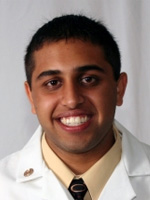
In answering this question, Viral Shah, first author on the study and a student in the Medical Scientist Training Program at the UI Carver College of Medicine, homed in on the thin layer of liquid that covers the mice’s airways, i.e., the tracheal and bronchial passages. Shah and his colleagues studied the liquid’s acidity, the importance of which was revealed in earlier UI studies using pigs with CF. That work showed that the CF pigs had an abnormally acidic airway liquid, and that increased acidity impaired the ability of their airways to fight off infection.

Shah explains that, normally, two opposing processes control airway acidity. The cystic fibrosis transmembrane conductance regulator (CFTR) channel secretes bicarbonate, a base. That process is countered by the secretion of protons—an acid. The balance tightly controls the acidity of liquid in the airways.

In people, pigs, and mice with CF, the CFTR channel is lost, stopping the flow of bicarbonate into the airways. When that happens in people and pigs, their airway liquid becomes more acidic, reducing their ability to fight infection. But in mice, the airway liquid does not become more acidic, and they are not prone to infection. That fact led the scientists to ask what secretes acid into the airways of people and pigs that is missing in the mice. They discovered that a proton pump called ATP12A is responsible.

Shah and his colleagues made the discovery by comparing airway tissue from humans, pigs, and mice. The scientists showed that blocking ATP12A in airway tissue from pigs and humans with CF reduces the acidity of their airway liquid and restores their airways’ defenses against infection. Conversely, putting the ATP12A proton pump into the airways of CF mice increases the acidity of the liquid and predisposes the CF mice to bacterial infections.

“This discovery helps us understand the cause of lung disease in people with CF. It may also identify ATP12A as a new therapeutic target,” Shah says. “We wonder if blocking ATP12A in people with CF could halt the progression of lung disease.”

Shah adds that targeting ATP12A could potentially be helpful for all forms of CF, regardless of a patient’s CFTR mutation, because ATP12A is independent of CFTR.

The CF pig model was developed in 2008 by Welsh and his research team at the UI, with colleagues from the University of Missouri. The CF pig closely mimics human CF disease, including the lung problems absent from CF mice, and has proven very useful in advancing our understanding of CF lung problems.

In addition to Shah and Welsh, the research team on the Science study included David Meyerholz, Xiao-Xiao Tang, Leah Reznikov, Mahmoud Abou Alaiwa, Sarah Ernst, Philip Karp, Christine Wohlford-Lenane, Kristopher Heilmann, Mariah Leidinger, Patrick Allen, Joseph Zabner, Paul McCray, Lynda Ostedgaard, David Stoltz, and Christoph Randak.

The research was funded in part by grants from the National Institutes of Health, the Cystic Fibrosis Foundation, and the Roy J. Carver Charitable Trust.

http://now.uiowa.edu/2016/01/cystic-fibrosis-mystery-solved?utm_source=IANowFaculty&utm_medium=fibrosis&utm_campaign=IANowFaculty-2-2-2016

New research links subgroups of schizophrenia to specific visualized brain anomalies

An international team of researchers has linked specific symptoms of schizophrenia with various anatomical characteristics in the brain, according to research published in NeuroImage.

By analyzing the brain’s anatomy with magnetic resonance imaging (MRI), researchers from the University of Granada, Washington University in St. Louis, and the University of South Florida have demonstrated the existence of distinctive subgroups among patients with schizophrenia who suffer from different symptoms.

These findings could herald a significant step forward in diagnosing and treating schizophrenia.

To perform the study, the researchers conducted the MRI technique “diffusion tensor imaging” on 36 healthy participants and 47 schizophrenic participants.

The researchers found that tests on schizophrenic participants revealed various abnormalities in parts of the corpus callosum, a bundle of neural fibers that connects the left and right cerebral hemispheres and is essential for effective interhemispheric communication.

Different anomalies in the corpus callosum were associated with different symptoms in the schizophrenic participants. An anomaly in one part of the brain structure was associated with strange and disorganized behavior; another anomaly was associated with disorganized thought and speech, as well as negative symptoms such as a lack of emotion; and other anomalies were associated with hallucinations.

In 2014, this same research group proved that schizophrenia is not a single illness. The team demonstrated the existence of 8 genetically distinct disorders, each with its own symptoms. Igor Zwir, PhD, and Javier Arnedo from the University of Granada’s Department of Computer Technology and Artificial Intelligence found that different sets of genes were strongly linked with different clinical symptoms.

“The current study provides further evidence that schizophrenia is a heterogeneous group of disorders, as opposed to a single illness, as was previously thought to be case,” Dr Zwir said in a statement.

While current treatments for schizophrenia tend to be generic regardless of the symptoms exhibited by each patient, the researchers believe that in the future, analyzing how specific gene networks are linked to various brain features and specific symptoms will help develop treatments that are adapted to each patient’s individual disorder.

To conduct the analysis of the gene groups and brain scans, the researchers developed a new, complex analysis of the relationships between different types of data and recommendations regarding new data. The system is similar to that used by companies such as Netflix to determine what movies they want to broadcast.

“To conduct the research, we did not begin by studying individuals who had certain schizophrenic symptoms in order to determine whether they had the corresponding brain anomalies,” said Dr Zwir in a statement. “Instead, we first analyzed the data, and that’s how we discovered these patterns. This type of information, combined with data on the genetics of schizophrenia, will someday be of vital importance in helping doctors treat the disorders in a more precise and effective way.”

Reference
Arnedo J, Mamah D, Baranger DA, et al. Decomposition of brain diffusion imaging data uncovers latent schizophrenias with distinct patterns of white matter anisotropy. NeuroImage. 2015; doi:10.1016/j.neuroimage.2015.06.083.

http://www.psychiatryadvisor.com/schizophrenia-and-psychoses/types-subgroups-schizophrenia-linked-various-different-brain-anomalies-corpus-callosum/article/470226/?DCMP=EMC-PA_Update_rd&cpn=psych_md&hmSubId=&hmEmail=5JIkN8Id_eWz7RlW__D9F5p_RUD7HzdI0&NID=&dl=0&spMailingID=13630678&spUserID=MTQ4MTYyNjcyNzk2S0&spJobID=720090900&spReportId=NzIwMDkwOTAwS0