‘Nose-y’ Bacteria Could Yield A New Antibiotic to Fight Drug-Resistant SuperBugs: lugdunin


Once scientists grew these Staphylococcus lugdunensis bacteria in a lab dish, they were able to isolate a compound that’s lethal to another strain commonly found in the nose that can make us sick — Staphylococcus aureus.

by Carolyn Beans

With antibiotic-resistant super bugs on the rise, researchers are on an urgent hunt for other bacteria that might yield chemicals we can harness as powerful drugs. Scientists once found most of these helpful bacteria in soil, but in recent decades this go-to search location hasn’t delivered.

Now, researchers at the University of Tübingen in Germany say that to find at least one promising candidate, we need look no further than our own noses.

The scientists report Wednesday in the journal Nature that a species of bacteria inside the human nose produces a substance capable of killing a range of bacteria, including the strain of drug-resistant Staphylococcus aureus known as MRSA.

The Tübingen team is delighted with their find. “It was totally unexpected,” says study author Andreas Peschel.

The scientists already knew that S. aureus lives in the noses of about 30 percent of humans, usually without causing harm — most people never know they are carriers of the bacterium. But if the body becomes compromised (whether by surgery, physical trauma, an underlying illness or suppressed immune system) the little cache of S. aureus in the nose can suddenly launch an attack against its human host. And if the strain of bacteria is MRSA, that infection can be lethal.

The scientists wondered how 70 percent of human noses are able to avoid harboring S. aureus. They guessed it might have something to do with neighboring bacteria.

So the researchers pitted 90 different human nasal bacteria in one-on-one battles with S. aureus in the lab. Indeed, one of these bacteria — Staphylococcus lugdunensis — prevented the dangerous pathogen from growing.

They then studied the arsenal of chemicals that S. lugdunensis produces until they found one that stops S. aureus in its tracks – a new antibiotic that they named lugdunin.

Follow-up work confirmed that lugdunin can treat S. aureus skin infections in mice, and limit the spread of S. aureus in a rat’s nose.

Lugdunin may already be keeping S. aureus out of our noses. In a group of 187 hospitalized people, the same scientists found S. aureus in the noses of just 5.9 percent of people who also harbored the lugdunin-producing bacteria, but 34.7 percent of those who didn’t.

Other recent studies have shown that bacteria living in humans carry genes that have the potential to make antibiotics. The Tübingen study takes those results a step further by showing that an antibiotic produced by a bacterium in the human nose can successfully treat an animal’s infection.

“This paper is a really nice follow-up,” says Dr. Nita Salzman, a pathologist at the Medical College of Wisconsin. “It’s a sort of proof of principle that the microbiome is a good source for novel antibiotics.”

The researchers have applied for a patent for lugdunin, but say that the prototype antibiotic is still many years away from being ready to treat humans.

The really important contribution of this study is not lugdunin itself, says microbiologist Kim Lewis of Northeastern University, but rather the new approach for finding antibiotic-producing bacteria within our own bodies.

“The reason we ran out of antibiotics in the first place is because most of them came from soil bacteria and they make up 1 percent of the total [bacterial] diversity,” Lewis says.

Scientists kept searching in soil, he says, because they already had some success there and know that soil bacteria are exceptionally good at producing antibiotics.

But now it’s time to look within us. And the team in Tübingen has only just begun their hunt.

“We have started a larger screening program and we’re sure there will be many additional antibiotics that can be discovered,” says Peschel.

http://www.npr.org/sections/health-shots/2016/07/27/487529338/nose-y-bacteria-could-yield-a-new-way-to-fight-infection

Scientists May Have Discovered What Causes Migraines and a Path toward a Cure

by Philip Perry

Those who get migraines know how painful and debilitating they can be. In extreme cases, they can take you out of commission for days. One in seven suffer from them, making migraines the third most common illness in the world. Symptoms include a pounding headache, sometimes on one side of the head, nausea, vomiting, and sensitivity to light and sound.

A laundry list of causes and triggers have been implicated including genetics, eating certain foods, lack of sleep, hormonal changes, neurological issues, and much more. Though there have been lots of indicators, medical science has been stumped as to what causes them, which has made the development of new therapies difficult. Now, according to a group of scientists at the International Headache Genetics Consortium (IHGC), the cause has most likely been discovered. It all has to do with blood flow. Specifically, blood vessels within the brain becoming restricted may be what causes migraines.

There has been a long running debate as to whether migraines are caused by a neurological problem or a vascular one—having to do with circulation. This study, published in the journal Nature Genetics, is likely to put the controversy to rest, and help researchers develop novel approaches to treat the condition. 59,674 migraine sufferers and 316,078 controls, or those who didn’t get the headaches, participated. They hailed from 12 different countries. All participants were part of previous studies, where they had their DNA or genome scanned.


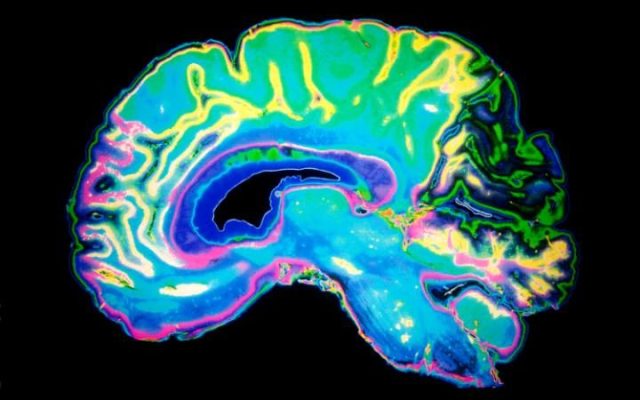
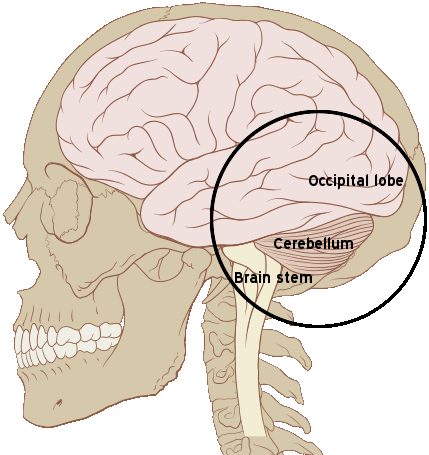
The part of the brain where migraines originate.

Researchers identified 38 specific genes or loci tied to migraines, 28 of which had never been implicated before. What’s interesting is these same genes are associated with other forms of illness, all in the realm of vascular disease. Due to this, researchers believe blood vessel problems are at the heart of migraines.

Aarno Palotie is the leader of the IHGC. He is also associated with the Center for Human Genome Research at Massachusetts General Hospital, in Boston, and at the Broad Institute of MIT and Harvard. Palotie hailed the discovery. He also said the IHGC’s approach was necessary in achieving it. “Because all of these variants modify the disease risk only slightly, the effect could only be seen when this large amount of samples became available.” Migraines have been difficult to treat. Symptoms and severity run the spectrum, and drugs effective in some patients, have been less potent, or even ineffective in others. Now, researchers have a place to start for developing new drugs, which must somehow target the “regulation of vascular tone.” John-Anker Zwart is another member of IHGC. He hails from the Oslo University Hospital in Norway.

Zwart said, “These genetic findings are the first concrete step towards developing personalized, evidence-based treatments for this very complex disease.” He added, “In the future, we hope this information can be utilized in dividing the patients into different genetic susceptibility groups for clinical drug trials, thus increasing the chances of identifying the best possible treatment for each subgroup.”

Previous studies implicated brain tissue genes. But researchers here say that those studies may not have used enough tissue samples. Another neurological theory was that it had something to do with ion channels in the central nervous system (CNS). This was thought to be an area that warranted more study, until now.

The authors of the IHGC study say that the widespread sharing of data played a critical role in this discovery. Palotie said, “We simply can’t overstate the importance of international collaboration when studying genetics of complex, common diseases.” More studies will now be conducted to understand the pathogenesis or development of migraines and what role each gene plays, in order to find entryways suitable for therapeutic intervention.

http://bigthink.com/philip-perry/scientists-discover-the-cause-of-migraines-and-a-path-toward-a-cure?utm_source=Big+Think+Weekly+Newsletter+Subscribers&utm_campaign=709f2481ff-Newsletter_072016&utm_medium=email&utm_term=0_6d098f42ff-709f2481ff-41106061

Having a socially interactive job helps protect from Alzheimer’s disease.

By Patrick Foster

Lawyers, teachers and doctors have a better chance of fighting off the effects of Alzheimer’s disease, because of the complex nature of their jobs, scientists reported this week.

Researchers found that people whose jobs combined complex thinking with social engagement with others – such as social workers and engineers – were better protected against the onset of Alzheimer’s, compared to those in manual work.

The study came as another report suggested that people with a poor diet could protect themselves against cognitive decline by adopting a mentally stimulating lifestyle.

Both pieces of research, published at the international conference of the Alzheimer’s Association, in Toronto, examined the impact of complex thinking on the onset of the disease.

In the first study, carried out by scientists at the Alzheimer’s Disease Research Centre, in Wisconsin, researchers examined white matter hyperintensities (WMHs) – white spots that appear on brain scans and are associated with Alzheimer’s – in 284 late-middle-aged patients considered at risk of contracting the disease.

They found that people who worked primarily with other people, as opposed to with “things or data”, were less likely to be affected by brain damage indicated by WMHs.

While lawyers, social workers, teachers and doctors were best protected, those who enjoyed the least protection included shelf-stackers, machine operators and labourers.

Elizabeth Boots, a researcher on the project, said: “These findings indicate that participants with higher occupational complexity are able to withstand pathology associated with Alzheimer’s and cerebrovascular disease and perform at a similar cognitive level as their peers.

“This association is primarily driven by work with people, rather than data or things. These analyses underscore the importance of social engagement in the work setting for building resilience to Alzheimer’s disease.”

The second study, carried out by Baycrest Health Sciences, in Toronto, examined the diet of 351 older adults.

Researchers found that those who had a traditional Western diet of red and processed meat, white bread, potatoes and sweets were more likely to experience cognitive decline.

However, those who adhered to such a diet but who had a mentally stimulating lifestyle enjoyed some protection from such decline.

Dr Matthew Parrott, one member of the team, said: “Our results show the role higher educational attainment, mentally stimulating work and social engagement can play in protecting your brain from cognitive decline, counteracting some negative effects of an unhealthy diet.

“This adds to the growing body of evidence showing how various lifestyle factors may combine to increase or protect against vulnerability to Alzheimer’s disease.”

Other research put forward at the convention included a study showing that digital brain training exercises can help stave of Alzheimer’s, and another paper that suggested that some newly-identified genes may also increase resilience to the disease.

Maria C. Carrillo, the chief science officer at the Alzheimer’s Association, said: “These new data add to a growing body of research that suggests more stimulating lifestyles, including more complex work environments with other people, are associated with better cognitive outcomes in later life.

“As each new study emerges, we further understand just how powerful cognitive reserve can be in protecting the brain from disease. Formal education and complex occupation could potentially do more than just slow cognitive decline – they may actually help compensate for the cognitive damage done by bad diet and small vessel disease in the brain.

“It is becoming increasingly clear that in addition to searching for pharmacological treatments, we need to address lifestyle factors to better treat and ultimately prevent Alzheimer’s and other dementias.”

http://www.telegraph.co.uk/news/2016/07/24/stressful-job-it-might-help-you-fight-off-alzheimers/

New study shows that brief hyperthermia treats depression

Whole-body hyperthermia is a promising antidepressant modality that works quickly and offers prolonged benefit, according to a study recently published in the online JAMA Psychiatry.

Researchers came to that conclusion after conducting a double-blind study that randomized 30 adults with major depressive disorder to either a single session of active whole-body hyperthermia or a sham treatment that mimicked all aspects of whole-body hyperthermia except its intense heat.

The sham condition was included to strengthen the study design.

“A prior open trial found that a single session of whole-body hyperthermia reduced depressive symptoms,” researchers wrote. “However, the lack of a placebo control raises the possibility that the observed antidepressant effects resulted not from hyperthermia per se, but from nonspecific aspects of the intervention.”

Among participants randomized to sham treatment in the new study, more than 70% believed they had received whole-body hyperthermia, researchers reported, suggesting the placebo was convincing.

When researchers looked at participants’ scores on the Hamilton Depression Rating Scale throughout the 6-week period following the session, they found participants who received active whole-body hyperthermia had significantly reduced scores compared to participants who received sham treatment. Adverse events were mild.

Psych Congress Steering Committee member Charles L. Raison, MD, discussed the findings prior to their publication during a session at last year’s U.S. Psychiatric and Mental Health Congress in San Diego.

“Like ketamine, like scopolamine, and other rapid treatments for depression that are of intense interest in psychiatry, hyperthermia shows the same effect,” he said. “It doesn’t take a week or 2 to work. People feel better very, very quickly, and the effects appear to persist for an extended period of time.”

– Jolynn Tumolo

References

Janssen CW, Lowry CA, Mehl MR, et al. Whole-body hyperthermia for the treatment of major depressive disorder: a randomized clinical trial. JAMA Psychiatry. 2016 May 12. [Epub ahead of print].

Lebano L. New data support whole body hyperthermia for rapid treatment of major depression. Psych Congress Network. 2015 Sept. 10.

http://www.psychcongress.com/article/hyperthermia-provides-significant-rapid-relief-depression-study-suggests-27981

One striking chart shows why pharma companies are fighting legal marijuana

By Christopher Ingraham

There’s a body of research showing that painkiller abuse and overdose are lower in states with medical marijuana laws. These studies have generally assumed that when medical marijuana is available, pain patients are increasingly choosing pot over powerful and deadly prescription narcotics. But that’s always been just an assumption.

Now a new study, released in the journal Health Affairs, validates these findings by providing clear evidence of a missing link in the causal chain running from medical marijuana to falling overdoses. Ashley and W. David Bradford, a daughter-father pair of researchers at the University of Georgia, scoured the database of all prescription drugs paid for under Medicare Part D from 2010 to 2013.

They found that, in the 17 states with a medical-marijuana law in place by 2013, prescriptions for painkillers and other classes of drugs fell sharply compared with states that did not have a medical-marijuana law. The drops were quite significant: In medical-marijuana states, the average doctor prescribed 265 fewer doses of antidepressants each year, 486 fewer doses of seizure medication, 541 fewer anti-nausea doses and 562 fewer doses of anti-anxiety medication.

But most strikingly, the typical physician in a medical-marijuana state prescribed 1,826 fewer doses of painkillers in a given year.

These conditions are among those for which medical marijuana is most often approved under state laws. So as a sanity check, the Bradfords ran a similar analysis on drug categories that pot typically is not recommended for — blood thinners, anti-viral drugs and antibiotics. And on those drugs, they found no changes in prescribing patterns after the passage of marijuana laws.

“This provides strong evidence that the observed shifts in prescribing patterns were in fact due to the passage of the medical marijuana laws,” they write.

In a news release, lead author Ashley Bradford wrote, “The results suggest people are really using marijuana as medicine and not just using it for recreational purposes.”

One interesting wrinkle in the data is glaucoma, for which there was a small increase in demand for traditional drugs in medical-marijuana states. It’s routinely listed as an approved condition under medical-marijuana laws, and studies have shown that marijuana provides some degree of temporary relief for its symptoms.

The Bradfords hypothesize that the short duration of the glaucoma relief provided by marijuana — roughly an hour or so — may actually stimulate more demand in traditional glaucoma medications. Glaucoma patients may experience some short-term relief from marijuana, which may prompt them to seek other, robust treatment options from their doctors.

The tanking numbers for painkiller prescriptions in medical marijuana states are likely to cause some concern among pharmaceutical companies. These companies have long been at the forefront of opposition to marijuana reform, funding research by anti-pot academics and funneling dollars to groups, such as the Community Anti-Drug Coalitions of America, that oppose marijuana legalization.

Pharmaceutical companies have also lobbied federal agencies directly to prevent the liberalization of marijuana laws. In one case, recently uncovered by the office of Sen. Kirsten Gillibrand (D-N.Y.), the Department of Health and Human Services recommended that naturally derived THC, the main psychoactive component of marijuana, be moved from Schedule 1 to Schedule 3 of the Controlled Substances Act — a less restrictive category that would acknowledge the drug’s medical use and make it easier to research and prescribe. Several months after HHS submitted its recommendation, at least one drug company that manufactures a synthetic version of THC — which would presumably have to compete with any natural derivatives — wrote to the Drug Enforcement Administration to express opposition to rescheduling natural THC, citing “the abuse potential in terms of the need to grow and cultivate substantial crops of marijuana in the United States.”

The DEA ultimately rejected the HHS recommendation without explanation.

In what may be the most concerning finding for the pharmaceutical industry, the Bradfords took their analysis a step further by estimating the cost savings to Medicare from the decreased prescribing. They found that about $165 million was saved in the 17 medical marijuana states in 2013. In a back-of-the-envelope calculation, the estimated annual Medicare prescription savings would be nearly half a billion dollars if all 50 states were to implement similar programs.

“That amount would have represented just under 0.5 percent of all Medicare Part D spending in 2013,” they calculate.

Cost-savings alone are not a sufficient justification for implementing a medical-marijuana program. The bottom line is better health, and the Bradfords’ research shows promising evidence that medical-marijuana users are finding plant-based relief for conditions that otherwise would have required a pill to treat.

“Our findings and existing clinical literature imply that patients respond to medical marijuana legislation as if there are clinical benefits to the drug, which adds to the growing body of evidence suggesting that the Schedule 1 status of marijuana is outdated,” the study concludes.

One limitation of the study is that it only looks at Medicare Part D spending, which applies only to seniors. Previous studies have shown that seniors are among the most reluctant medical-marijuana users, so the net effect of medical marijuana for all prescription patients may be even greater.

The Bradfords will next look at whether similar patterns hold for Medicaid.

https://www.washingtonpost.com/news/wonk/wp/2016/07/13/one-striking-chart-shows-why-pharma-companies-are-fighting-legal-marijuana/

Thanks to Kebmodee for bringing this to the It’s Interesting community.

New drug for postpartum depression succeeds in mid-stage study

ppd

By Natalie Grover

Sage Therapeutics Inc said its drug alleviated symptoms of severe postpartum depression, meeting the main goal of a small mid-stage study and sending the company’s shares soaring.

About one in seven women experience postpartum depression that eventually interferes with her ability to take care of the baby and handle daily tasks, according to the American Psychological Association. There are no specific therapies for PPD. Existing options include standard antidepressants and psychotherapy.

Data on 21 patients showed that the drug, SAGE-547, achieved a statistically significant reduction in symptoms at 60 hours, compared to placebo, on a standard depression scale, Sage said in a news release reporting topline results from the study. (http://bit.ly/29KtPBI)

“This represented a greater than 20 point mean reduction in the depression scores of the SAGE-547 group at the primary endpoint of 60 hours through trial completion with a greater than 12 point difference from placebo. The statistically significant difference in treatment effect began at 24 hours, (p=0.006) with an effect that was maintained at similar magnitude through to the 30-day follow-up (p=0.01),” the company reported.

Typical antidepressants take about four-to-six weeks to take effect, trial investigator Samantha Meltzer-Brody told Reuters. “So the rapid onset of response of this drug is unlike anything else available in the field,” she said.

A woman with PPD can suffer a whirlwind of emotions, including severe anxiety, panic attacks, thoughts of harming herself or the baby, and feelings of worthlessness, shame, guilt or inadequacy.

Cambridge, Massachusetts-based Sage said it had initiated an expansion of the mid-stage study to determine optimal dosing for the injectable drug.

Sage is also evaluating the drug for use in super refractory status epilepticus (SRSE), a life-threatening seizure disorder, as well as essential tremor.

http://www.psychcongress.com/article/drug-postpartum-depression-succeeds-mid-stage-study-27946

New discovery on brain chemistry of patients with schizophrenia and their relatives

katharine-thakkar

People with schizophrenia have different levels of the neurotransmitters glutamate and gamma-aminobutyric acidergic (GABA) than healthy people do, and their relatives also have lower glutamate levels, according to a study published online in Biological Psychiatry.

Using magnetic resonance spectroscopy, researchers discovered reduced levels of glutamate — which promotes the firing of brain cells — in both patients with schizophrenia and healthy relatives. Patients also showed reduced levels of GABA, which inhibits neural firing. Healthy relatives, however, did not.

Researchers are unsure why healthy relatives with altered glutamate do not show symptoms of schizophrenia or how they maintain normal GABA levels despite a predisposition to the illness.

“This finding is what’s most exciting about our study,” said lead investigator Katharine Thakkar, PhD, assistant professor of clinical psychology at Michigan State University, East Lansing. “It hints at what kinds of things have to go wrong for someone to express this vulnerability toward schizophrenia. The study gives us more specific clues into what kinds of systems we want to tackle when we’re developing new treatments for this very devastating illness.”

The study included 21 patients with chronic schizophrenia, 23 healthy relatives of other people with schizophrenia not involved in the study, and 24 healthy nonrelatives who served as controls.

Many experts believe there are multiple risk factors for schizophrenia, including dopamine and glutamate-GABA imbalance. Drugs that regulate dopamine do not work for all patients with schizophrenia. Dr. Thakkar believes magnetic resonance spectroscopy may help clinicians target effective treatments for specific patients.

“There are likely different causes of the different symptoms and possibly different mechanisms of the illness across individuals,” said Dr. Thakkar.

“In the future, as this imaging technique becomes more refined, it could conceivably be used to guide individual treatment recommendations. That is, this technique might indicate that one individual would benefit more from treatment A and another individual would benefit more from treatment B, when these different treatments have different mechanisms of action.”

—Jolynn Tumolo

References

Thakkar KN, Rösler L, Wijnen JP, et al. 7T proton magnetic resonance spectroscopy of GABA, glutamate, and glutamine reveals altered concentrations in schizophrenia patients and healthy siblings [publisehd online ahead of print April 19, 2016]. Biological Psychiatry.
Study uncovers clue to deciphering schizophrenia [press release]. Washington, DC: EurekAlert!; June 7, 2016.

New treatment protocol shows promise of improving cognition in patients with Alzheimer’s disease

Ten patients with early Alzheimer’s disease or its precursors showed improvement in memory after treatment with Metabolic Enhancement for NeuroDegeneration (MEND), a programmatic and personalized therapy protocol.

Researchers described results from the small trial, which used quantitative MRI and neuropsychological testing of participants before and after treatment, in the study published online in Aging.

“ The magnitude of the improvement is unprecedented,” researchers wrote, “providing additional objective evidence that this programmatic approach to cognitive decline is highly effective.”

Before starting the program, the 10 participants had well-defined mild cognitive impairment, subjective cognitive impairment, or had been diagnosed with Alzheimer’s disease. Their subsequent treatment consisted of a complex, 36-point therapeutic personalized program that included comprehensive changes in diet, brain stimulation, exercise, optimization of sleep, specific pharmaceuticals and vitamins, and multiple additional steps that affect brain chemistry.

Researcher Dale Bredesen, MD, a professor at the Buck Institute for Research on Aging and at the Easton Laboratories for Neurodegenerative Disease Research at UCLA, Los Angeles, believes the protocol’s broader-based approach is key to its apparent success in reversing cognitive decline.

“Imagine having a roof with 36 holes in it, and your drug patched one hole very well — the drug may have worked, a single ‘hole’ may have been fixed, but you still have 35 other leaks, and so the underlying process may not be affected much,” Dr. Bredesen said. “We think addressing multiple targets within the molecular network may be additive, or even synergistic, and that such a combinatorial approach may enhance drug candidate performance as well.”

Tests showed some participants “going from abnormal to normal,” Dr. Bredesen said.

In Aging , researchers describe the impact of MEND on all 10 patients, including:
•A 66-year-old man whose neuropsychological testing was compatible with a diagnosis of mild cognitive impairment. After 10 months on the MEND protocol, his hippocampal volume increased from the 17 th percentile for his age to the 75 th percentile, with an associated absolute increase in volume of nearly 12%.
•A 69-year-old entrepreneur with 11 years of progressive memory loss. After 22 months on the protocol, he showed marked improvements in all categories of neuropsychological testing, with long-term recall increasing from the 3 rd to 84 th percentile.
•A 49-year-old woman in the early stages of cognitive decline who, after 9 months on the protocol, no longer showed evidence on quantitative neuropsychological testing of cognitive decline.

Plans for larger studies are under way.

“Even though we see the far-reaching implications of this success,” Dr. Bredesen said, “we also realize that this is a very small study that needs to be replicated in larger numbers at various sites.”

http://www.psychcongress.com/article/mend-protocol-reverses-memory-loss-alzheimer%E2%80%99s-disease-27858

Urinary biomarker of Parkinson’s disease identified

New findings indicate that phosphorylated LRRK2 (leucine-rich repeat kinase 2) protein levels in urine are elevated in patients diagnosed with idiopathic Parkinson Disease (PD), and that urinary phosphorylated LRRK2 levels correlate with the presence and severity of symptoms such as cognitive impairment in individuals with PD. Researchers affiliated with the University of Alabama at Birmingham published their findings in Neurology and in Movement Disorders (1,2).

The etiology of PD is currently unknown and mechanisms of action are still not completely clarified. It is well established, however, that aging is the single most important risk factor. PD is the second most frequent age-related neurodegenerative disorder, and one of the key pathogenic features is slow and progressive neuronal death that is concomitant with cognitive dysfunction. Current therapeutic modalities are inadequate and clinical need is significant. More than 6 million individuals worldwide are diagnosed with PD.

To date, several common genetic variants, or single nucleotide polymorphisms (SNPs), have been identified that influence the risk for disease. For example, polymorphic variants in LRRK2 gene have previously been validated as genetic factors that confer susceptibility to PD.

Although the gene remains poorly characterized, five different mutations in the gene encoding LRRK2 are considered a common cause of inherited PD (3). One of the five mutations that are causal is the G2019S mutation in the LRRK2 kinase domain, a mutation that significantly increases phosphorylation activity (1,3).

“There are currently no known ways to predict which G2019S mutation carriers will develop PD,” the authors wrote in the Neurology publication. Investigators purified LRRK2 protein from urinary exosomes collected from a total of 76 men. (Exosomes are membrane vesicles of endosomal origin that are secreted by most cells in culture, and are present in most biological fluids such as urine, blood, and saliva.) Then, they compared the ratio of phosphorylated LRRK2 to total LRRK2 in urine exosomes. Results show that “elevated … phosphorylated LRRK2 predicted the risk” for onset of PD in LRRK2 G2019S mutation carriers (1).

In their follow-up study, which was published in Movement Disorders, investigators compared phosphorylated LRRK2 levels in urine samples of 79 individuals diagnosed with PD to those of 79 healthy control participants. Results show that phosphorylated LRRK2 levels were significantly elevated in patients with PD when compared to those of controls. Also, phosphorylated LRRK2 levels correlated with the severity of cognitive impairment in patients with PD (2).

“Because few viable biomarkers for PD exist … phosphorylated LRRK2 levels may be a promising candidate for further exploration,” the authors concluded in their publication.

References
1. Fraser KB, Moehle MS, Alcalay RN, et al. Urinary LRRK2 phosphorylation predicts parkinsonian phenotypes in G2019S LRRK2 carriers. Neurology. 2016;86:994-999.
2. Fraser KB, Rawlins AB, Clar RG, et al. Ser(P)-1292 LRRK2 in urinary exosomes is elevated in idiopathic Parkinson’s disease. Mov Disord. 2016. doi: 10.1002/mds.26686.
3. Greggio E, Cookson MR. Leucine-rich repeat kinase 2 mutations and Parkinson’s disease: three questions. ASN Neuro. 2009;1:e00002.

http://www.psychiatryadvisor.com/neurocognitive-disorders/urinary-biomarker-of-parkinson-disease-identified/article/508195/?DCMP=EMC-PA_Update_RD&cpn=psych_md,psych_all&hmSubId=&hmEmail=5JIkN8Id_eWz7RlW__D9F5p_RUD7HzdI0&NID=1710903786&dl=0&spMailingID=14919209&spUserID=MTQ4MTYyNjcyNzk2S0&spJobID=820575619&spReportId=ODIwNTc1NjE5S0

Researchers Solve Historical Medical Mysteries

A woman wearing men’s clothing and claiming to talk directly with God wouldn’t seem to be committing capital crimes.

But in the 15th century, she certainly would have been.

These offenses play a part in the legendary history of Joan of Arc, the teenage heroine who led giant armies to fight against the English during the Hundred Years’ War. She was eventually captured, tried for her crimes, and burned at the stake at the age of 19.

But in modern times, would she be convicted of her crimes on the basis of an insanity plea?

According to a jury of about 200 physicians, forensic psychologists, lawyers, judges, and medical students, the future saint would have been acquitted.

Apparently, having visions of other saints is a sign of mental instability, not heresy.

“She was not mentally responsible for what she had done, as in she was delusional,” Dr. Philip A. Mackowiak, a Carolyn Frenkil and Selvin Passen History of Medicine Scholar-in-Residence at the University of Maryland School of Medicine.

Mackowiak founded the Historical Clinicopathological Conference, held this year at the University of Maryland School of Medicine’s Davidge Hall, the oldest medical facility in the country continuously used for medical education. While similar groups meet to discuss current cases at the university, every year they choose one historic case to dig into.

In 24 years, they’ve covered cases including Beethoven (syphilis), Florence Nightingale (bipolar disorder with psychotic features), Christopher Columbus (HLA-B27-related reactive arthritis), and Charles Darwin (cyclic vomiting syndrome).

At this year’s conference, held last week, they dug into a case memorialized in tempera paint and currently hanging in the Museum of Modern Art in New York.

What Disease Shaped ‘Christina’s World?’

In Andrew Wyeth’s 1948 painting “Christina’s World,” a woman lies in an open field looking toward a house in the distance.

The woman depicted in the painting, Anna Christina Olson, was a friend of Wyeth. She suffered from a mysterious disorder that slowly degraded her ability to walk, so she’d make her way around the grounds by pulling herself along with her hands.

She was later confined to a wheelchair and died in 1968 at the age of 74.

What exactly was the cause of her symptoms?

Charcot-Marie-Tooth disease (CMT), according to Mayo Clinic neurologist Marc Patterson.

CMT, named after the doctors who discovered it, is a group of inherited disorders that affect the peripheral nerves, causing symptoms that include loss of muscle and fine motor skills. It remains incurable and one of the most common inherited neurological disorders.

To reach his diagnosis, Patterson reviewed not only the painting but also what was available of Olson’s medical records from what little biographical information her nieces wrote about her.

“This was a fascinating case,” Patterson said in a press release. “This painting has long been a favorite of mine, and the question of Christina’s ailment was an intriguing medical mystery. I think her case best fits the profile of this disease.”

Piecing Together Historical Health Records

Besides Patterson and the rest of the conference’s expertise, the symptoms were checked using a super computer located at Oak Ridge Leadership Computing Facility, which confirmed the diagnosis.

It also affirmed the previous year’s case, Oliver Cromwell, the English monarch who died in 1658. His undoing was a combination of malaria and typhoid fever caused by a salmonella infection.

Mackowiak takes pride in selecting the case and keeping it under an air of mystery before each year’s conference. The cases are often given vague titles, yet he says most people figure it out before they convene.

Beethoven was “The Sound That Failed,” and Alexander the Great was “Death of a Deity.”

Who was “The Greatest Tragedy in the History of Music?”

No, not Prince, David Bowie, or even John Lennon. It was Mozart, who died of acute rheumatic fever.

Another part of the mystery is that these historical House M.D.s rarely have full autopsy reports or even a single medical record for their subjects, so there is quite a bit of detective work. That only adds to the fun.

In the case of Booker T. Washington, researchers found his great-grandson, who is a physician and helped find Washington’s great-granddaughter. She gave them access to his medical records.

While syphilis was first suspected as a potential cause of death, a blood test done at Rockefeller Hospital in New York City tested negative.

In 2006, the clinicopathological conference determined the slave-turned-advisor to the president died of nephrosclerosis and hypertensive cardiomyopathy. In other words, the man worked his heart to death.

Other cases had to be decided on what was written in the legends.

In the case of Pericles, dubbed “the first citizen of Athens,” researchers went off of descriptions of what happened during the plague that also claimed his sons and first wife.

“To say we provide shocking new information would be an exaggeration,” Mackowiak said.

Mackowiak provides more information on these cases in his two books, “Post-Mortem: Solving History’s Great Medical Mysteries” and “Diagnosing Giants: Solving the Medical Mysteries of Thirteen Patients Who Changed the World.”

For him, every case, every conference meeting highlights how although doctors believe what they’re doing right now is correct, their grandchildren and great-grandchildren will look back and see how wrong they were.

“There is no perfect knowledge,” Mackowiak said. “You do the best with what you have.”

http://www.healthline.com/health-news/medical-researchers-solve-historic-deaths#6