Art informing science: possible medieval remedy for modern day superbugs?

A one thousand year old Anglo-Saxon remedy for eye infections which originates from a manuscript in the British Library has been found to kill the modern-day superbug MRSA in an unusual research collaboration at The University of Nottingham.

Dr Christina Lee, an Anglo-Saxon expert from the School of English has enlisted the help of microbiologists from University’s Centre for Biomolecular Sciences to recreate a 10th century potion for eye infections from Bald’s Leechbook an Old English leatherbound volume in the British Library, to see if it really works as an antibacterial remedy. The Leechbook is widely thought of as one of the earliest known medical textbooks and contains Anglo-Saxon medical advice and recipes for medicines, salves and treatments.

Early results on the ‘potion’, tested in vitro at Nottingham and backed up by mouse model tests at a university in the United States, are, in the words of the US collaborator, “astonishing”. The solution has had remarkable effects on Methicillin-resistant Staphylococcus aureus (MRSA) which is one of the most antibiotic-resistant bugs costing modern health services billions.

The team now has good, replicated data showing that Bald’s eye salve kills up to 90% of MRSA bacteria in ‘in vivo’ wound biopsies from mouse models. They believe the bactericidal effect of the recipe is not due to a single ingredient but the combination used and brewing methods/container material used. Further research is planned to investigate how and why this works.

The testing of the ancient remedy was the idea of Dr Christina Lee, Associate Professor in Viking Studies and member of the University’s Institute for Medieval Research. Dr Lee translated the recipe from a transcript of the original Old English manuscript in the British Library.

The recipe calls for two species of Allium (garlic and onion or leek), wine and oxgall (bile from a cow’s stomach). It describes a very specific method of making the topical solution including the use of a brass vessel to brew it in, a straining to purify it and an instruction to leave the mixture for nine days before use.

The scientists at Nottingham made four separate batches of the remedy using fresh ingredients each time, as well as a control treatment using the same quantity of distilled water and brass sheet to mimic the brewing container but without the vegetable compounds.

The remedy was tested on cultures of the commonly found and hard to treat bacteria, Staphylococcus aureus, in both synthetic wounds and in infected wounds in mice.

The team made artificial wound infections by growing bacteria in plugs of collagen and then exposed them to each of the individual ingredients, or the full recipe. None of the individual ingredients alone had any measurable effect, but when combined according to the recipe the Staphylococcus populations were almost totally obliterated: about one bacterial cell in a thousand survived.

The team then went on to see what happened if they diluted the eye salve – as it is hard to know just how much of the medicine bacteria would be exposed to when applied to a real infection. They found that when the medicine is too dilute to kill Staphylococcus aureus, it interfered with bacterial cell-cell communication (quorum sensing). This is a key finding, because bacteria have to talk to each other to switch on the genes that allow them to damage infected tissues. Many microbiologists think that blocking this behaviour could be an alternative way of treating infection.

Dr Lee said: “We were genuinely astonished at the results of our experiments in the lab. We believe modern research into disease can benefit from past responses and knowledge, which is largely contained in non-scientific writings. But the potential of these texts to contribute to addressing the challenges cannot be understood without the combined expertise of both the arts and science.

“Medieval leech books and herbaria contain many remedies designed to treat what are clearly bacterial infections (weeping wounds/sores, eye and throat infections, skin conditions such as erysipelas, leprosy and chest infections). Given that these remedies were developed well before the modern understanding of germ theory, this poses two questions: How systematic was the development of these remedies? And how effective were these remedies against the likely causative species of bacteria? Answering these questions will greatly improve our understanding of medieval scholarship and medical empiricism, and may reveal new ways of treating serious bacterial infections that continue to cause illness and death.”

University microbiologist, Dr Freya Harrison has led the work in the laboratory at Nottingham with Dr Steve Diggle and Research Associate Dr Aled Roberts. She will present the findings at the Annual Conference of the Society for General Microbiology which starts on Monday 30th March 2015 in Birmingham.

Dr Harrison commented: “We thought that Bald’s eyesalve might show a small amount of antibiotic activity, because each of the ingredients has been shown by other researchers to have some effect on bacteria in the lab – copper and bile salts can kill bacteria, and the garlic family of plants make chemicals that interfere with the bacteria’s ability to damage infected tissues. But we were absolutely blown away by just how effective the combination of ingredients was. We tested it in difficult conditions too; we let our artificial ‘infections’ grow into dense, mature populations called ‘biofilms’, where the individual cells bunch together and make a sticky coating that makes it hard for antibiotics to reach them. But unlike many modern antibiotics, Bald’s eye salve has the power to breach these defences.”

Dr Steve Diggle added: “When we built this recipe in the lab I didn’t really expect it to actually do anything. When we found that it could actually disrupt and kill cells in S. aureus biofilms, I was genuinely amazed. Biofilms are naturally antibiotic resistant and difficult to treat so this was a great result. The fact that it works on an organism that it was apparently designed to treat (an infection of a stye in the eye) suggests that people were doing carefully planned experiments long before the scientific method was developed.”

Dr Kendra Rumbaugh carried out in vivo testing of the Bald’s remedy on MRSA infected skin wounds in mice at Texas Tech University in the United States. Dr Rumbaugh said: “We know that MRSA infected wounds are exceptionally difficult to treat in people and in mouse models. We have not tested a single antibiotic or experimental therapeutic that is completely effective; however, this ‘ancient remedy’ performed as good if not better than the conventional antibiotics we used.”

Dr Harrison concludes: “The rise of antibiotic resistance in pathogenic bacteria and the lack of new antimicrobials in the developmental pipeline are key challenges for human health. There is a pressing need to develop new strategies against pathogens because the cost of developing new antibiotics is high and eventual resistance is likely. This truly cross-disciplinary project explores a new approach to modern health care problems by testing whether medieval remedies contain ingredients which kill bacteria or interfere with their ability to cause infection”.
http://www.nottingham.ac.uk/news/pressreleases/2015/march/ancientbiotics—a-medieval-remedy-for-modern-day-superbugs.aspx

Blueberries may be effective in the treatment for post-traumatic stress disorder (PTSD)

Researchers from Louisiana State University have found that blueberries may be effective in the treatment for post-traumatic stress disorder (PTSD). Findings from the study have been presented at the Experimental Biology Meeting in Boston, MA.

Presently, the only therapy approved by the Food and Drug Administration (FDA) for PTSD is selective serotonin reuptake inhibitors (SSRIs) such as sertraline and paroxetine. Study authors have previously shown that SSRIs increase the level of serotonin (5-HT) and norepinephrine, and that the increased norepinephrine be a possible reason for the reduced efficacy of SSRI therapy.

For this study, the team studied the ability of blueberries to modulate neurotransmitter levels in a rat model of PTSD. Some of the rats received a 2% blueberry-enriched supplement diet and others received a control diet. A third control group consisted of rats without PTSD and received a standard diet without blueberries. Scientists used high-performance liquid chromatography to to measure monoamines and related metabolite levels.

Rats with PTSD who did not receive blueberries showed a predictable increase in 5-HT and norepinephrine level compared with the control group. But rats with PTSD that received blueberries showed a beneficial increase in 5-HT levels with no impact on norepinephrine levels, which suggest that blueberries can alter neurotransmitter levels in PTSD. More studies are needed to understand the protective effects of blueberries and its potential target as a treatment for PTSD.

http://www.empr.com/benefits-of-blueberries-for-post-traumatic-stress-disorder-explored-in-study/article/405810/

The Purpose of Our Eyes’ Strange Wiring Is Unveiled


The reverse-wiring of the eyeball has long been a mystery, but new research shows a remarkable structural purpose: increasing and sharpening our color vision.

by Erez Ribak, at the Israel Institute of Technology

The human eye is optimised to have good colour vision at day and high sensitivity at night. But until recently it seemed as if the cells in the retina were wired the wrong way round, with light travelling through a mass of neurons before it reaches the light-detecting rod and cone cells. New research presented at a meeting of the American Physical Society has uncovered a remarkable vision-enhancing function for this puzzling structure.

About a century ago, the fine structure of the retina was discovered. The retina is the light-sensitive part of the eye, lining the inside of the eyeball. The back of the retina contains cones to sense the colours red, green and blue. Spread among the cones are rods, which are much more light-sensitive than cones, but which are colour-blind.

Before arriving at the cones and rods, light must traverse the full thickness of the retina, with its layers of neurons and cell nuclei. These neurons process the image information and transmit it to the brain, but until recently it has not been clear why these cells lie in front of the cones and rods, not behind them. This is a long-standing puzzle, even more so since the same structure, of neurons before light detectors, exists in all vertebrates, showing evolutionary stability.

Researchers in Leipzig found that glial cells, which also span the retinal depth and connect to the cones, have an interesting attribute. These cells are essential for metabolism, but they are also denser than other cells in the retina. In the transparent retina, this higher density (and corresponding refractive index) means that glial cells can guide light, just like fibre-optic cables.

n view of this, my colleague Amichai Labin and I built a model of the retina, and showed that the directional of glial cells helps increase the clarity of human vision. But we also noticed something rather curious: the colours that best passed through the glial cells were green to red, which the eye needs most for daytime vision. The eye usually receives too much blue—and thus has fewer blue-sensitive cones.

Further computer simulations showed that green and red are concentrated five to ten times more by the glial cells, and into their respective cones, than blue light. Instead, excess blue light gets scattered to the surrounding rods.

This surprising result of the simulation now needed an experimental proof. With colleagues at the Technion Medical School, we tested how light crosses guinea pig retinas. Like humans, these animals are active during the day and their retinal structure has been well-characterised, which allowed us to simulate their eyes just as we had done for humans. Then we passed light through their retinas and, at the same time, scanned them with a microscope in three dimensions. This we did for 27 colours in the visible spectrum.

The result was easy to notice: in each layer of the retina we saw that the light was not scattered evenly, but concentrated in a few spots. These spots were continued from layer to layer, thus creating elongated columns of light leading from the entrance of the retina down to the cones at the detection layer. Light was concentrated in these columns up to ten times, compared to the average intensity.

Even more interesting was the fact that the colours that were best guided by the glial cells matched nicely with the colours of the cones. The cones are not as sensitive as the rods, so this additional light allowed them to function better—even under lower light levels. Meanwhile, the bluer light, that was not well-captured in the glial cells, was scattered onto the rods in its vicinity.

These results mean that the retina of the eye has been optimised so that the sizes and densities of glial cells match the colours to which the eye is sensitive (which is in itself an optimisation process suited to our needs). This optimisation is such that colour vision during the day is enhanced, while night-time vision suffers very little. The effect also works best when the pupils are contracted at high illumination, further adding to the clarity of our colour vision.

http://www.scientificamerican.com/article/the-purpose-of-our-eyes-strange-wiring-is-unveiled/

Biogen Reports Its Alzheimer’s Drug Sharply Slowed Cognitive Decline

An experimental drug for Alzheimer’s disease sharply slowed the decline in mental function in a small clinical trial, researchers reported Friday, reviving hopes for an approach to therapy that until now has experienced repeated failures.

The drug, being developed by Biogen Idec, could achieve sales of billions of dollars a year if the results from the small trial are replicated in larger trials that Biogen said it hoped to begin this year. Experts say that there are no really good drugs now to treat Alzheimer’s.

Biogen’s stock has risen about 50 percent since early December, when the company first announced that the drug had slowed cognitive decline in the trial, without saying by how much. Analysts and investors had been eagerly awaiting the detailed results, some of them flying to France to hear Biogen researchers present them at a neurology meeting on Friday.

The drug, called aducanumab, met and in some cases greatly exceeded Wall Street expectations in terms of how much the highest dose slowed cognitive decline. However, there was a high incidence of a particular side effect that might make it difficult to use the highest dose.

Still, the net impression was positive. “Out-of-the-ballpark efficacy, acceptable safety,” Ravi Mehrotra, an analyst at Credit Suisse, wrote on Friday. Shares of Biogen rose $42.33, or 10 percent, to $475.98.

Alzheimer’s specialists were impressed, but they cautioned that it was difficult to read much from a small early-stage, or Phase 1, trial that was designed to look at safety, not the effect on cognition. Also, other Alzheimer’s drugs that had looked promising in early studies ended up not working in larger trials.

“It’s certainly encouraging,” said Dr. Samuel Gandy, director of the Center for Cognitive Health at Mount Sinai Hospital in New York, who was not involved in the study. He said the effect of the highest dose was “pretty impressive.”

Aducanumab, which until now has been called BIIB037, is designed to get rid of amyloid plaque in the brain, which is widely believed to be a cause of the dementia in Alzheimer’s disease. However, other drugs designed to prevent or eliminate plaque have failed in large clinical trials, raising questions about what role the plaque really plays.

Johnson & Johnson and Pfizer abandoned a drug they were jointly developing after it showed virtually no effect in large trials. Eli Lilly and Roche are continuing to test their respective drugs despite initial failures. Experts say there is some suggestion the drugs might work if used early enough, when the disease is still mild.

Biogen tried to increase its chances of success by treating patients with either mild disease or so-called prodromal disease, an even earlier stage. It also enrolled only patients shown to have plaque in their brains using a new imaging technique. In some trials of other drugs, some of the patients turned out not to have plaque, which could have been a reason the trials were not successful.

The results reported Friday were for 166 patients, who were randomly assigned to get one of several doses of the drug or a placebo. The drug not only slowed cognitive decline but also substantially reduced plaque in the brain, and higher doses were better than lower doses. Those are signs that the effects seen were from the drug.

“It would be kind of hard to get those kind of results by chance,” said Dr. Rachelle S. Doody, director of the Alzheimer’s Disease and Memory Disorders Center at Baylor College of Medicine, who was not involved in the study but has been a consultant to Biogen and many other companies.

On one measure of cognition, a 30-point scale called the mini-mental state exam or M.M.S.E., those receiving the placebo worsened by an average of 3.14 points over the course of a year. The decline at one year was only 0.58 points for those getting the highest dose and 0.75 points for a middle dose. The difference with a placebo was statistically significant for both doses.

On another measure of both cognition and the ability to function in daily tasks, patients in the placebo group worsened by an average of 2.04 points at one year. Those getting the highest dose of the drug had a decline of only 0.59, a statistically significant difference.

Some analysts said they would have been impressed if the drug had slowed the rate of cognitive decline by 20 or 30 percent. But the actual reduction for the high dose was above 70 percent. They said the drug’s effect was stronger than that of Lilly’s drug.

A major side effect was a localized swelling in the brain, known as A.R.I.A.-E. This has been seen with other drugs in this class, though the rate for aducanumab seems higher.

Among patients with a genetic variant that raises the risk of getting Alzheimer’s, 55 percent of those who got the highest dose suffered this side effect, and about 35 percent of the high-dose patients dropped out of the trial because of this. Among those without the genetic variant, 17 percent of those who got the highest dose suffered the side effect and 8 percent discontinued treatment.

Biogen said the swelling often did not cause symptoms and probably could be managed by watching for it and reducing doses. Dr. Doody and Dr. Gandy agreed.

But Dr. Thomas M. Wisniewski, a professor of neurology at NYU Langone Medical Center, disagreed. “Most clinicians would find that unacceptable,” he said in a conference call hosted by the Wall Street firm Evercore ISI. He said the side effect was “something you definitely don’t want happening in your patients.”

Over all, however, Dr. Wisniewski was enthusiastic, saying the drug looked to be “way better” than Lilly’s.

A lesser dose might suffice. There were no discontinuations from this side effect among patients taking a middle dose. And that middle dose also seemed somewhat effective in slowing cognitive decline.

The results were presented in Nice, France, at the International Conference on Alzheimer’s and Parkinson’s Diseases and Related Neurological Disorders.

New study shows that use of psychedelic drugs does not increase risk of mental illness

An analysis of data provided by 135,000 randomly selected participants – including 19,000 people who had used drugs such as LSD and magic mushrooms – finds that use of psychedelics does not increase risk of developing mental health problems. The results are published in the Journal of Psychopharmacology.

Previously, the researchers behind the study – from the Norwegian University of Science and Technology in Trondheim – had conducted a population study investigating associations between mental health and psychedelic use. However, that study, which looked at data from 2001-04, was unable to find a link between use of these drugs and mental health problems.

“Over 30 million US adults have tried psychedelics and there just is not much evidence of health problems,” says author and clinical psychologist Pål-Ørjan Johansen.

“Drug experts consistently rank LSD and psilocybin mushrooms as much less harmful to the individual user and to society compared to alcohol and other controlled substances,” concurs co-author and neuroscientist Teri Krebs.

For their study, they analyzed a data set from the US National Health Survey (2008-2011) consisting of 135,095 randomly selected adults from the US, including 19,299 users of psychedelic drugs.

Krebs and Johansen report that they found no evidence for a link between use of psychedelic drugs and psychological distress, depression, anxiety or suicidal thoughts, plans and attempts.

In fact, on a number of factors, the study found a correlation between use of psychedelic drugs and decreased risk for mental health problems.

“Many people report deeply meaningful experiences and lasting beneficial effects from using psychedelics,” says Krebs.

However, Johansen acknowledges that – given the design of the study – the researchers cannot “exclude the possibility that use of psychedelics might have a negative effect on mental health for some individuals or groups, perhaps counterbalanced at a population level by a positive effect on mental health in others.”

Despite this, Johansen believes that the findings of the study are robust enough to draw the conclusion that prohibition of psychedelic drugs cannot be justified as a public health measure.

Krebs says:

“Concerns have been raised that the ban on use of psychedelics is a violation of the human rights to belief and spiritual practice, full development of the personality, and free-time and play.”

Commenting on the research in a piece for the journal Nature, Charles Grob, a paediatric psychiatrist at the University of California-Los Angeles, says the study “assures us that there were not widespread ‘acid casualties’ in the 1960s.” However, he urges caution when interpreting the results, as individual cases of adverse effects can and do occur as a consequence of psychedelic use.

For instance, Grob describes hallucinogen persisting perception disorder, sometimes referred to as “a never-ending trip.” Patients with this disorder experience “incessant distortions” in their vision, such as shimmering lights and colored dots. “I’ve seen a number of people with these symptoms following a psychedelic experience, and it can be a very serious condition,” says Grob.

http://www.medicalnewstoday.com/articles/290461.php

Ecstasy and other drugs temporarily legal in Ireland

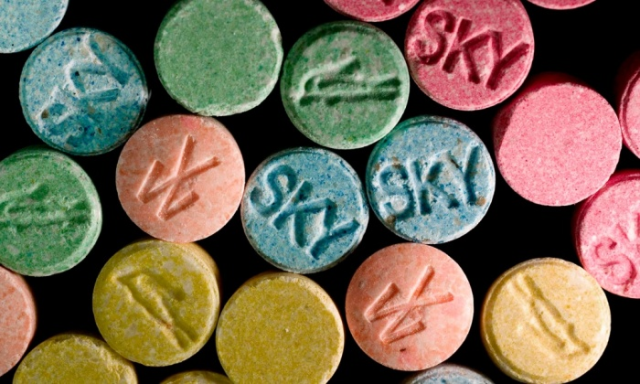
Possession of ecstasy and other drugs is currently legal in Ireland, but only for a day, after a court ruling on Tuesday morning.

A written judgment released by the Republic’s court of appeal said part of the Misuse of Drugs Act 1977, which allows certain substances to be controlled, is unconstitutional, meaning all government orders banning substances such as ecstasy and magic mushrooms are void – and it is not an offence to possess them.

Specifically, the court found that the act was being added to via ministerial order and without consulting the Oireachtas (both houses of the Irish parliament) and deemed this unconstitutional.

The appeal court’s ruling came in favor of a man who was prosecuted for possession of methylethcathinone, which was among a number of substances put on the controlled drugs list in 2010.

Stanislav Bederev denied the charge of having the substance for supply in 2012, and then brought a high court challenge in Dublin seeking to stop his trial, claiming that additions to the 1977 act were unconstitutional.

Bederev’s legal team argued it was not lawful to put the substance on the controlled drug list because there are no principles and policies guiding the introduction of such rules – and specifically no consultation with the Irish parliament.

The Irish government now has to force through emergency legislation in its parliament on Tuesday evening in response to the ruling.

The emergency law won’t come into place until the Republic’s second chamber, the Seanad, endorses the legislation. Following that the country’s president, Michael D Higgins, will have to gave his approval.

http://www.theguardian.com/world/2015/mar/10/irish-es-are-smiling-ecstasy-drugs-temporarily-legal-in-ireland

First human head transplant could happen in two years

head-transplant-rhesus

IT’S heady stuff. The world’s first attempt to transplant a human head will be launched this year at a surgical conference in the US. The move is a call to arms to get interested parties together to work towards the surgery.

The idea was first proposed in 2013 by Sergio Canavero of the Turin Advanced Neuromodulation Group in Italy. He wants to use the surgery to extend the lives of people whose muscles and nerves have degenerated or whose organs are riddled with cancer. Now he claims the major hurdles, such as fusing the spinal cord and preventing the body’s immune system from rejecting the head, are surmountable, and the surgery could be ready as early as 2017.

Canavero plans to announce the project at the annual conference of the American Academy of Neurological and Orthopaedic Surgeons (AANOS) in Annapolis, Maryland, in June. Is society ready for such momentous surgery? And does the science even stand up?

The first attempt at a head transplant was carried out on a dog by Soviet surgeon Vladimir Demikhov in 1954. A puppy’s head and forelegs were transplanted onto the back of a larger dog. Demikhov conducted several further attempts but the dogs only survived between two and six days.

The first successful head transplant, in which one head was replaced by another, was carried out in 1970. A team led by Robert White at Case Western Reserve University School of Medicine in Cleveland, Ohio, transplanted the head of one monkey onto the body of another. They didn’t attempt to join the spinal cords, though, so the monkey couldn’t move its body, but it was able to breathe with artificial assistance. The monkey lived for nine days until its immune system rejected the head. Although few head transplants have been carried out since, many of the surgical procedures involved have progressed. “I think we are now at a point when the technical aspects are all feasible,” says Canavero.

This month, he published a summary of the technique he believes will allow doctors to transplant a head onto a new body (Surgical Neurology International, doi.org/2c7). It involves cooling the recipient’s head and the donor body to extend the time their cells can survive without oxygen. The tissue around the neck is dissected and the major blood vessels are linked using tiny tubes, before the spinal cords of each person are cut. Cleanly severing the cords is key, says Canavero.

The recipient’s head is then moved onto the donor body and the two ends of the spinal cord – which resemble two densely packed bundles of spaghetti – are fused together. To achieve this, Canavero intends to flush the area with a chemical called polyethylene glycol, and follow up with several hours of injections of the same stuff. Just like hot water makes dry spaghetti stick together, polyethylene glycol encourages the fat in cell membranes to mesh.

Next, the muscles and blood supply would be sutured and the recipient kept in a coma for three or four weeks to prevent movement. Implanted electrodes would provide regular electrical stimulation to the spinal cord, because research suggests this can strengthen new nerve connections.

When the recipient wakes up, Canavero predicts they would be able to move and feel their face and would speak with the same voice. He says that physiotherapy would enable the person to walk within a year. Several people have already volunteered to get a new body, he says.

The trickiest part will be getting the spinal cords to fuse. Polyethylene glycol has been shown to prompt the growth of spinal cord nerves in animals, and Canavero intends to use brain-dead organ donors to test the technique. However, others are sceptical that this would be enough. “There is no evidence that the connectivity of cord and brain would lead to useful sentient or motor function following head transplantation,” says Richard Borgens, director of the Center for Paralysis Research at Purdue University in West Lafayette, Indiana.

If polyethylene glycol doesn’t work, there are other options Canavero could try. Injecting stem cells or olfactory ensheathing cells – self-regenerating cells that connect the lining of the nose to the brain – into the spinal cord, or creating a bridge over the spinal gap using stomach membranes have shown promise in helping people walk again after spinal injury. Although unproven, Canavero says the chemical approach is the simplest and least invasive.

But what about the prospect of the immune system rejecting the alien tissue? Robert White’s monkey died because its head was rejected by its new body. William Mathews, chairman of the AANOS, says he doesn’t think this would be a major problem today. He says that because we can use drugs to manage the acceptance of large amounts of tissue, such as a leg or a combined heart and lung transplant, the immune response to a head transplant should be manageable. “The system we have for preventing immune rejection and the principles behind it are well established.”

Canavero isn’t alone in his quest to investigate head transplants. Xiao-Ping Ren of Harbin Medical University in China recently showed that it is possible to perform a basic head transplant in a mouse (CNS Neuroscience & Therapeutics, doi.org/2d5). Ren will attempt to replicate Canavero’s protocol in the next few months in mice, and monkeys.

The essence of you

Another hurdle will be finding a country to approve such a transplant. Canavero would like to do the experiment in the US, but believes it might be easier to get approval somewhere in Europe. “The real stumbling block is the ethics,” he says. “Should this surgery be done at all? There are obviously going to be many people who disagree with it.”

Patricia Scripko, a neurologist and bioethicist at the Salinas Valley Memorial Healthcare System in California, says that many of the ethical implications related to the surgery depend on how you define human life. “I believe that what is specifically human is held within the higher cortex. If you modify that, then you are not the same human and you should question whether it is ethical. In this case, you’re not altering the cortex.” However, she adds that many cultures would not approve of the surgery because of their belief in a human soul that is not confined to the brain.

As with many unprecedented procedures, there may also be concerns about a slippery slope. In this case, it would be whether this would eventually lead to people swapping bodies for cosmetic reasons. However, Scripko – who doesn’t believe the surgery will ever happen – doesn’t think this applies here. “If a head transplant were ever to take place, it would be very rare. It’s not going to happen because someone says ‘I’m getting older, I’m arthritic, maybe I should get a body that works better and looks better’.”

Unsurprisingly, the surgical community is also wary of embracing the idea. Many surgeons contacted by New Scientist refused to comment on the proposed project, or said it sounded “too outlandish” to be a serious consideration.

“This is such an overwhelming project, the possibility of it happening is very unlikely,” says Harry Goldsmith, a clinical professor of neurological surgery at the University of California, Davis, who has performed one of the few surgeries that enabled someone with a spinal cord injury to regain the ability to walk. “I don’t believe it will ever work, there are too many problems with the procedure. Trying to keep someone healthy in a coma for four weeks – it’s not going to happen.”

Nick Rebel, executive director of the US branch of the International College of Surgeons, says that although his organisation, along with the AANOS, is giving Canavero a stage, it is not sponsoring his ideas. “We’re creating a venue for him to launch the project. There will be a lot of top international surgeons at the conference and we shall see whether it is well received or not.”

Mathews is more enthusiastic about the project. “I embrace the concept of spinal fusion,” he says, “and I think there are a lot of areas that a head transplant can be used, but I disagree with Canavero on the timing. He thinks it’s ready, I think it’s far into the future.”

Canavero is philosophical. “This is why I first spoke about the idea two years ago, to get people talking about it,” he says. “If society doesn’t want it, I won’t do it. But if people don’t want it in the US or Europe, that doesn’t mean it won’t be done somewhere else. I’m trying to go about this the right way, but before going to the moon, you want to make sure people will follow you.”

http://www.newscientist.com/article/mg22530103.700-first-human-head-transplant-could-happen-in-two-years.html?full=true

Florida teenager undergoes world’s first penis reduction operation

17-year-old boy has undergone the world’s first penis reduction surgery, surgeons claim.

The American teen requested the surgery after his penis grew too large, restricting his ability to have sex or play competitive sports.

The boy’s surgeons were shocked when he came to them complaining that his penis was too big.

When flaccid, it measured almost seven inches in length and had a circumference of 10 inches – around the size of a grapefruit.

Surgeons described it as being shaped like an American football.

The surgeon who treated the teenager, Rafael Carrion, a urologist at the University of South Florida, said ‘There comes a time in every urologist’s career that a patient makes a request so rare and impossible to comprehend that all training breaks down and leaves the physician speechless.

‘That question was “can you make my penis smaller”?’

The teenager had suffered from several bouts of priapism – an unwanted erection, due to having a condition in which abnormally-shaped blood cells block vessels in the penis, causing it to swell.

These episodes had left his penis bloated and misshapen.

He said he was unable to have sex or play competitive sport, had difficulty wearing his pants due to his ‘large and heavy phallus’, and was embarrassed by how visible it appeared underneath regular clothing.

Though his penis was so large, it did not grow when he had erections – it merely became firmer.

‘His penis had inflated like a balloon,’ said Dr Carrion.

‘It sounds like a man’s dream – a tremendously inflated phallus – but unfortunately although it was a generous length, it’s girth was just massive, especially around the middle.

‘It looked like an American football.’

Dr Carrion and his team looked at the medical literature but couldn’t find any precedent for what to do.

‘Lord knows there’s a global race on how to make it longer and thicker in plastic surgery circles, but very little on how to make it smaller,’ he said.

In the end, they decided to embark on a surgical technique normally used to treat Peyronie’s disease, a condition where scar tissue develops along the penis, causing it to bend.

The surgeons sliced along an old circumcision scar, unwrapped the skin of the penis, and cut out two segments of tissue from either side.

‘It was a bit like having two side tummy-tucks – that’s how we explained it to him,’ said Dr Carrion.

The doctors were able to bypass the urethra – the tube which carries urine through the penis – and all of the nerves that provide sensation.

The teenager spent just two days in hospital before returning home, apparently ‘ecstatic’ with his new penis.

The doctors did not take final measurements of the penis, although Dr Carrion stated the result was ‘generous’.

It’s slightly longer and slightly thicker than the average male, but now it looks symmetrical, and the patient was very satisfied,’ he said.

The teen now has no problem having normal erections and has full sensation.

‘It looks cosmetically appealing, and he said it was a life-changing event, he’s all smiles,’ said Carrion.

Since the paper describing the surgery was published in The Journal of Sexual Medicine, Dr Carrion has only had one person approach him to request the same surgery.

He said: ‘This [second] man seems to have a naturally large penis, because there’s nothing unusual in his medical history, so it doesn’t seem like there’s any real abnormality in this case’.

Whereas the first teenager had an obvious medical condition that needed treating, performing surgery on someone who is completely healthy but having difficulties with the size of his penis is another matter, said Dr Carrion.

‘These are controversial waters we’re stepping in,’ he added. ‘Who is to judge what is a legitimate complaint and what isn’t?

‘You don’t normally have men complaining about this kind of thing. These are very unique cases.’

Read more: http://www.dailymail.co.uk/health/article-2950409/World-s-penis-REDUCTION-surgery-Teenager-requested-op-genitals-grew-large-stopped-having-sex.html#ixzz3RdedoFoy

How Much Sleep Should You Get? New Recommendations Released

There are new recommendations for how much time people should spend snoozing.

The new guidelines, released by the National Sleep Foundation, include small changes to the recommended ranges for the amount of sleep that children and teens should get. Most of the new advice recommends wider sleep ranges than before. Now, there are also specific sleep ranges for young and older adults, as well as for middle-age adults. Previously, the National Sleep Foundation had a single sleep recommendation for all adults.

To come up with the recommendations, a panel of experts reviewed more than 300 scientific studies on sleep — including studies of the health effects of getting too little or too much sleep — that were published between 2004 and 2014. Here are the new recommended sleep duration ranges for each age group:

• Newborns (up to 3 months old): 14 to 17 hours a day. (Previously, the recommendation was 12 to 18 hours daily.)
• Infants (4 to 11 months): 12 to 15 hours. (Previously, the recommendation was 14 to 15 hours.)
• Toddlers (ages 1 to 2): 11 to 14 hours. (Previously, the recommendation was 12 to 14 hours.)
• Preschoolers (ages 3 to 5): 10 to 13 hours. (Previously, the recommendation was 11 to 13 hours.)
• School-age children (ages 6 to 13): 9 to 11 hours. (Previously, the recommendation was 10 to 11 hours.)
• Teenagers (ages 14 to 17): 8 to 10 hours. (Previously, the recommendation was 8.5 to 9.5 hours.)
• Younger adults (ages 18 to 25): 7 to 9 hours (new age category)
• Adults (ages 26 to 64): 7 to 9 hours (same recommendation as before)
• Older adults (ages 65 and older): 7 to 8 hours (new age category)

“The National Sleep Foundation Sleep Duration Recommendations will help individuals make sleep schedules that are within a healthy range. They also serve as a useful starting point for individuals to discuss their sleep with their health care providers,” David Cloud, CEO of the National Sleep Foundation, said in a statement.

The panel also acknowledged that some people may naturally sleep for shorter or longer periods than the recommendations call for, without experiencing adverse health consequences. For this reason, the recommendations also include sleep ranges that “may be appropriate for some individuals.”

The panel also acknowledged that some people may naturally sleep for shorter or longer periods than the recommendations call for, without experiencing adverse health consequences. For this reason, the recommendations also include sleep ranges that “may be appropriate for some individuals.”

For example, although the NSF recommends that adults ages 26 to 64 sleep 7 to 9 hours, it may be appropriate for some people to sleep for as little as 6 hours, or as long as 10 hours, the guidelines say.

However, “individuals with sleep durations far outside the normal range may be engaging in volitional sleep restriction, or have serious health problems,” the recommendations say.

Too little sleep has been linked with health problems, including obesity and high blood pressure, as well as decreased productivity and drowsy driving, the NSF says. Too much sleep has been linked with health conditions as well, including heart disease and premature death.

A full chart of the recommendations is available from the National Sleep Foundation. The guidelines were released yesterday Feb. 2, and were published in Sleep Health: The Official Journal of the National Sleep Foundation.

The National Sleep Foundation is a non-profit organization that advocates for sleep-related research and education. It accepts funding from corporations involved in healthcare and consumer products, but the organization says that it accepts such money only on an unrestricted basis, meaning the corporations giving the money do not influence the ideas and content published or promoted by the research.

http://www.livescience.com/49676-new-sleep-recommendations.html

Among New York Subway’s Millions of Riders, a Study Finds Many Mystery Microbes

Have you ever been on the subway and seen something that you did not quite recognize, something mysteriously unidentifiable?

Well, there is a good chance scientists do not know what it is either.

Researchers at Weill Cornell Medical College released a study on Thursday that mapped DNA found in New York’s subway system — a crowded, largely subterranean behemoth that carries 5.5 million riders on an average weekday, and is filled with hundreds of species of bacteria (mostly harmless), the occasional spot of bubonic plague, and a universe of enigmas. Almost half of the DNA found on the system’s surfaces did not match any known organism and just 0.2 percent matched the human genome.

“People don’t look at a subway pole and think, ‘It’s teeming with life,’ ” said Dr. Christopher E. Mason, a geneticist at Weill Cornell Medical College and the lead author of the study. “After this study, they may. But I want them to think of it the same way you’d look at a rain forest, and be almost in awe and wonder, effectively, that there are all these species present — and that you’ve been healthy all along.”

Dr. Mason said the inspiration for the study struck about four years ago when he was dropping off his daughter at day care. He watched her explore her new surroundings by happily popping objects into her mouth. As is the custom among tiny children, friendships were made on the floor, by passing back and forth toys that made their way from one mouth to the next.

“I couldn’t help thinking, ‘How much is being transferred, and on which kinds of things?’ ” Dr. Mason said. So he considered a place where adults can get a little too close to each other, the subway.

Thus was the project, called PathoMap, born. Over the past 17 months, a team mainly composed of medical students, graduate students and volunteers fanned out across the city, using nylon swabs to collect DNA, in triplicate, from surfaces that included wooden benches, stairway handrails, seats, doors, poles and turnstiles.

In addition to the wealth of mystery DNA — which was not unexpected given that only a few thousand of the world’s genomes have been fully mapped — the study’s other findings reflected New York’s famed diversity, both human and microbial.

The Bronx was found to be the most diverse borough in terms of microbial species. Brooklyn claimed second place, followed by Manhattan, Queens and Staten Island, where researchers took samples on the Staten Island Railway.

On the human front, Dr. Mason said that, in some cases, the DNA that was found in some subway stations tended to match the neighborhood’s demographic profile. An area with a high concentration of Hispanic residents near Chinatown in Manhattan, for example, yielded a large amount of Hispanic and Asian genes.

In an area of Brooklyn to the south of Prospect Park that roughly encompassed the Kensington and Windsor Terrace neighborhoods, the DNA gathered frequently read as British, Tuscan, and Finnish, three groups not generally associated with the borough. Dr. Mason had an explanation for the finding: Scientists have not yet compiled a reliable database of Irish genes, so the many people of Irish descent who live in the area could be the source of DNA known to be shared with other European groups. The study produced some less appetizing news. Live, antibiotic-resistant bacteria were discovered in 27 percent of the collected samples, though among all the bacteria, only 12 percent could be associated with disease. Researchers also found three samples associated with bubonic plague and two with DNA fragments of anthrax, though they noted that none of those samples showed evidence of being alive, and that neither disease had been diagnosed in New York for some time. The presence of anthrax, Dr. Mason said, “is consistent with the many documented cases of anthrax in livestock in New York State and the East Coast broadly.”

The purpose of the study was not simply to satisfy scientific curiosity, the authors said. By cataloging species now, researchers can compare them against samples taken in the future to determine whether certain diseases, or even substances used as bioterrorism weapons, had spread.

City and transit officials did not sound grateful for the examination.

“As the study clearly indicates, microbes were found at levels that pose absolutely no danger to human life and health,” Kevin Ortiz, a spokesman for the Metropolitan Transportation Authority, said in an email. And the city’s health department called the study “deeply flawed” and misleading.

Dr. Mason responded by saying he and his team had simply presented their complete results.

“For us to not report the fragments of anthrax and plague in the context of a full analysis would have been irresponsible,” he said. “Our findings indicate a normal, healthy microbiome, and we welcome others to review the publicly available data and run the same analysis.”

Thanks to Kebmodee for bringing this to the attention of the It’s Interesting community.