Graphene successfully interfaced with neurons in the brain

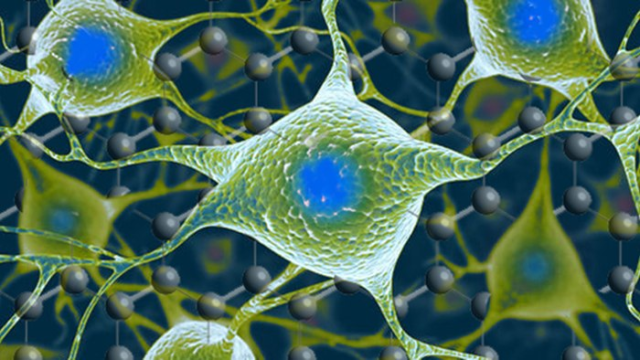
Scientists have long been on a quest to find a way to implant electrodes that interface with neurons into the human brain. If successful, the idea could have huge implications for the treatment of Parkinson’s disease and other neurological disorders. Last month, a team of researchers from Italy and the UK made a huge step forward by showing that the world’s favorite wonder-material, graphene, can successfully interface with neurons.

Previous efforts by other groups using treated graphene had created an interface with a very low signal to noise ratio. But an interdisciplinary collaborative effort by the University of Trieste and the Cambridge Graphene Centre has developed a significantly improved electrode by working with untreated graphene.

“For the first time we interfaced graphene to neurons directly,” said Professor Laura Ballerini of the University of Trieste in Italy. “We then tested the ability of neurons to generate electrical signals known to represent brain activities, and found that the neurons retained their neuronal signaling properties unaltered. This is the first functional study of neuronal synaptic activity using uncoated graphene based materials.”

Prior to experimenting with graphene-based substrates (GBS), scientists implanted microelectrodes based on tungsten and silicon. Proof-of-concept experiments were successful, but these materials seem to suffer from the same fatal flaws. The body’s reaction to the insertion trauma is to form scarring tissue, inhibiting clear electrical signals. The structures were also prone to disconnecting, due to the stiffness of the materials, which were unsuitable for a semi-fluid organic environment.

Pure graphene is promising because it is flexible, non-toxic, and does not impair other cellular activity.

The team’s experiments on rat brain cell cultures showed that the untreated graphene electrodes interfaced well with neurons, transmitting electrical impulses normally with none of the adverse reactions seen previously.

The biocompatibility of graphene could allow it to be used to make graphene microelectrodes that could help measure, harness and control an impaired brain’s functions. It could be used to restore lost sensory functions to treat paralysis, control prosthetic devices such a robotic limbs for amputees and even control or diminish the impact of the out-of-control electrical impulses that cause motor disorders such as Parkinson’s and epilepsy.

“We are currently involved in frontline research in graphene technology towards biomedical applications,” said Professor Maurizio Prato from the University of Trieste. “In this scenario, the development and translation in neurology of graphene-based high-performance bio-devices requires the exploration of the interactions between graphene nano and micro-sheets with the sophisticated signaling machinery of nerve cells. Our work is only a first step in that direction.”

The results of this research were recently published in the journal ACS Nano. The research was funded by the Graphene Flagship, a European initiative that aims to connect theoretical and practical fields and reduce the time that graphene products spend in laboratories before being brought to market.

http://www.cam.ac.uk/research/news/graphene-shown-to-safely-interact-with-neurons-in-the-brain

Region of the brain that responds specifically to music identified.

M.I.T. researchers Nancy Kanwisher, Josh H. McDermott and Sam Norman-Haignere have uncovered specific parts of the brain that are activated primarily by music — and not, say, human speech or ambient sound.

In fact, according to the findings they published in the journal Neuron, the circuits that “light up” to different kinds of sound are located in completely different parts of the auditory cortex.

n unpacking this groundbreaking study, M.I.T. News explains that by utilizing a new method working with functional magnetic resonance imaging (fMRI), the researchers were able to identify six different neural population response patterns in 10 human subjects who were each played 165 sound clips. In summary, “one population responded most to music, another to speech, and the other four to different acoustic properties such as pitch and frequency.”

Dr. Horman-Haignere, the lead author of the findings, told the New York Times that, “the sound of a solo drummer, whistling, pop songs, rap, almost everything that has a musical quality to it, melodic or rhythmic” would activate the part of the auditory cortex called the sulcus, or major crevice.

Josef Rauschecker, director of the Laboratory of Integrative Neuroscience and Cognition at Georgetown University, praised the study, noting that “the idea that the brain gives specialized treatment to music recognition, that it regards music as fundamental a category as speech, is very exciting to me.

“There are theories that music is older than speech or language,” he added. “Some even argue that speech evolved from music.”

Though it’s still unclear what particular features of music are lighting up that part of the brain, the study proves something that we suspected all along: though we may not know how to describe what good music is, our bodies certainly know it when they hear it.

http://www.billboard.com/articles/news/6873880/music-brain-effect-scientists-mit-study

Scientific evidence that bad habits are wired into your brain

by Ben Taub

Bad habits are never easy to kick, and the reason could be down to more than just flimsy will power. According to a new study into the neurological mechanisms behind habit formation, such problematic modes of behavior can actually cause changes in the way the brain is wired, to the point where our little (or not so little) imperfections become written into our mental machinery.

This process is mediated via the dorsolateral striatum, a brain region that processes sensory-motor signals in order to stimulate the striatal projection neurons (SPNs) of another part of the brain called the basal ganglia, which has been associated with controlling habitual behavior. The SPNs in the basal ganglia are arranged in two pathways, called the direct and indirect pathways.

Previous research has indicated that the SPNs of the direct pathway stimulate action, while those of the indirect pathway inhibit action. As such, the direct and indirect pathways are sometimes described as the “go” and “stop” pathways, respectively.

To test how these mechanisms become disrupted by the formation of habits, a team of researchers from Duke University conducted an experiment in which mice were trained to press a lever in order to receive a sugary pellet. When the supply of these treats was later stopped, some mice continued to press the lever – indicating they had formed a habit – while others did not. The researchers then used a dye to observe the firing of neurons in the basal ganglia of the mice, noting the differences between those who had formed a habit and those who had not.

Describing their findings in the journal Neuron, the study authors reveal that firing rates increased for both the direct and indirect pathways in habit-forming mice, and that the order in which these neurons fired had become disrupted. More specifically, they found that the SNPs of the “go” pathway tended to fire earlier than those of the “stop” pathway, which would appear to explain why the mice habitually performed a particular action.

Furthermore, they noted that this disparity between direct and indirect SNPs was apparent throughout the basal ganglia, rather than just in those neurons involved in the lever-pressing task. Because of this, they suggest that the formation of a single habit causes “broad modifications” to the neural firing pathways of the brain, which may then make a person more vulnerable to developing other habits. In other words, it may be possible to develop a “habit-forming brain.”

To conclude their study, the researchers attempted to erase the habit that some of the mice had developed. To do so, they began rewarding mice with treats if they stopped pressing the lever, and then once again traced the neural patterns in those who overcame their habit.

This was found to result in a reduction in direct SNP firing, but did not affect indirect SNP firing. Therefore, the study authors conclude that while the formation of a habit distorts both pathways, the erasure of this behavior only affects one of the two pathways.

Whether or not this research can be used to develop new treatments for those with harmful habits such as addictions remains to be seen. For instance, while these findings raise the possibility of erasing habits by stimulating certain neurons, such as through a technique known as transcranial magnetic stimulation, the side effects of any such intervention could ultimately outweigh the benefits, since the neurons of the basal ganglia are involved in a wide range of processes beyond those associated with habit formation.

http://www.iflscience.com/brain/bad-habits-may-be-wired-your-brain

Risk of suicide increases 3X after a concussion

New research published in the Canadian Medical Association Journal shows that even mild concussions sustained in ordinary community settings might be more detrimental than anyone anticipated; the long-term risk of suicide increases threefold in adults if they have experienced even one concussion. That risk increases by a third if the concussion is sustained on a weekend instead of a weekday—suggesting recreational concussions are riskier long-term than those sustained on the job.

“The typical patient I see is a middle-aged adult, not an elite athlete,” says Donald Redelmeier, a senior scientist at the University of Toronto and one of the study’s lead authors. “And the usual circumstances for acquiring a concussion are not while playing football; it is when driving in traffic and getting into a crash, when missing a step and falling down a staircase, when getting overly ambitious about home repairs—the everyday activities of life.”

Redelmeier and his team wanted to examine the risks of the concussions acquired under those circumstances. They identified nearly a quarter of a million adults in Ontario who were diagnosed with a mild concussion over a timespan of 20 years—severe cases that resulted in hospital admission were excluded from the study—and tracked them for subsequent mortality due to suicide. It turned out that more than 660 suicides occurred among these patients, equivalent to 31 deaths per 100,000 patients annually—three times the population norm. On average, suicide occurred almost six years after the concussion. This risk was found to be independent of demographics or previous psychiatric conditions, and it increased with additional concussions.

For weekend concussions, the later suicide risk increased to four times the norm. Redelmeier and his fellow researchers had wondered whether the risk would differ between occupational and recreational concussions. They did not have information about how the concussions happened, so they used day of the week as a proxy. Although they do not know why weekend risk is indeed higher, they suspect it may be because on weekends medical staff may not be as available or accessible or people may not seek immediate care.

Although the underlying causes of the connection between concussion and suicide are not yet known, Redelmeier says that there were at least three potential explanations. A concussion may be a marker but not necessarily a mechanism of subsequent troubles—or, in other words, people who sustain concussions may already have baseline life imbalances that increase their risks for depression and suicide. “But we also looked at the subgroup of patients who had no past psychiatric history, no past problems, and we still found a significant increase in risk. So I don’t think that’s the entire story,” he notes. One of the more likely explanations, he says, is that concussion causes brain injury such as inflammation (as has been found in some studies) from which the patient may never fully recover. Indeed, a study conducted in 2014 found that sustaining a head injury leads to a greater risk of mental illness later in life. The other possibility is that some patients may not give themselves enough time to get better before returning to an ordinary schedule, leading to strain, frustration and disappointment—which, in turn, may result in depression and ultimately even suicide.

Lea Alhilali, a physician and researcher at the Barrow Neurological Institute who did not participate in this study, uses diffusion tensor imaging (an MRI technique) to measure the integrity of white matter in the brain. Her team has found similarities between white matter degeneration patterns in patients with concussion-related depression and noninjured patients with major depressive disorder—particularly in the nucleus accumbens, or the “reward center” of the brain. “It can be difficult to tease out what’s related to an injury and what’s related to the circumstances surrounding the trauma,” Alhilali says. “There could be PTSD, loss of job, orthopedic injuries that can all influence depression. But I do believe there’s probably an organic brain injury.”

Alhilali points to recent studies on chronic traumatic encephalopathy (CTE), a progressive degenerative brain disease associated with repeated head traumas. Often linked to dementia, depression, loss of impulse control and suicide, CTE was recently diagnosed in 87 of 91 deceased NFL players. Why, then, she says, should we not suspect that concussion causes other brain damage as well?

This new study may only represent the tip of the iceberg. “We’re only looking at the most extreme outcomes, at taking your own life,” Redelmeier says. “But for every person who dies from suicide, there are many others who attempt suicide, and hundreds more who think about it and thousands more who suffer from depression.”

More research needs to be done; this study was unable to take into account the exact circumstances under which the concussions were sustained. Redelmeier’s research examined only the records of adults who sought medical attention, it did not include more severe head injuries that required hospitalization or extensive emergency care. To that extent, his findings may have underestimated the magnitude of the absolute risks at hand.

Yet many people are not aware of these risks.

Redelmeier is adamant that people should take concussions seriously. “We need to do more research about prevention and recovery,” he says. “But let me at least articulate three things to do: One, give yourself permission to get some rest. Two, when you start to feel better, don’t try to come back with a vengeance. And three, even after you’re feeling better, after you’ve rested properly, don’t forget about it entirely. If you had an allergic reaction to penicillin 15 years ago, you’d want to mention that to your doctor and have it as a permanent part of your medical record. So, too, if you’ve had a concussion 15 years ago.”

http://www.scientificamerican.com/article/a-single-concussion-may-triple-the-long-term-risk-of-suicide1/

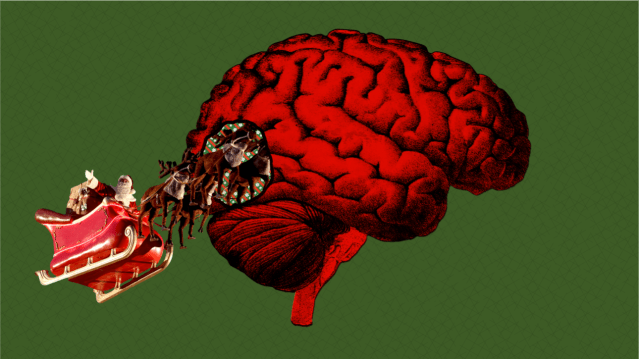
Scientists claim to have localized the brain region of Christmas Spirit

It being a widespread phenomenon, researchers were interested to determine where in the human body holiday people find their penchant for “merriment, gifts, delightful smells, and copious amounts of good food.” They recruited 26 participants to undergo functional magnetic resonance imaging (fMRI), given this technology has long been used to locate emotional and functional centers in the human brain; feelings such as joy, sorrow, and disgust.

Participants watched a series of images through video goggles as they were being scanned. It was a continual series of 84 images, where each one was displayed for two seconds each and were organized in a way that after six consecutive images of all things Christmas, there were then six everyday images with similar form and features. Afterward, participants answered questionnaires about their Christmas traditions (if any), feelings associated with Christmas, and ethnicity.

Based on their answers, 10 were put into the “Christmas group,” 10 were put into the “non-Christmas group,” and six ended up being excluded for either too strong a spirit or non-positive associations with Christmas. The Christmas group was comprised entirely of ethnic Danes, while the non-Christmas group consisted of people from Pakistan, India, Iraq, and Turkey.

The scans showed an increase of brain activity in the primary visual cortex of both groups when the images were Christmas-themed compared to everyday images. The Christmas group, however, also experienced increased activity in the somatosensory cortex. When comparing brain activation maps of both groups, researchers found five areas with more neural activity among the Christmas group responding to Christmas images than those in the non-Christmas group.

After the primary visual and somatosensory cortex, the left primary motor and premotor cortex, right inferior/superior parietal lobe, and bilateral primary somatosensory cortex were also activated. These parts of the brain have been associated with spirituality, somatic sense, and recognizing facial emotional.

“There is a cerebral response when people view Christmas images, and there are differences in this response between people who celebrate Christmas compared with those with no Christmas traditions,” researchers wrote. “Cerebral perfusion was similar between the two groups, despite the Christmas group’s yearly yuletide feast.”

Researchers propose the Christmas spirit is a functional neurological network, which they realize their colleagues may not agree with. They anticipate the argument that “studies such as the present one overemphasize the importance of localized brain activity and that attempts to localize complex emotions in the brain contribute little to the understanding of these emotions.” But, they added, “with the good spirit of the holiday they reject these negative perspectives.”

“We generally believe that fMRI is an outstanding technology for exploring the brain, but that any fMRI experiment is only as good as its hypothesis, design, and interpretation,” they explained. “While celebrating the current results at a subsequent Christmas party, we discussed some limitations of the study.”

They continued: “For instance, the study design doesn’t distinguish whether the observed activation is Christmas specific or the result of any combination of joyful, festive, or nostalgic emotions in general. The paired Christmas/non-Christmas pictures might have been systematically different in a way that we were not aware of — for example, the ‘Christmas pictures’ containing more red color. Maybe the groups were different in other ways apart from the obvious cultural difference.”

But even they can acknowledge further research into this topic is necessary to identify the factors affecting one’s response to Christmas. Understanding how this spirit works as a neurological network could “be an important first step in transcultural neuroscience and the associations humans have with their festive traditions.”

Source: Haddock BT et al. Evidence of a Christmas spirit network in the brain: functional MRI study. BMJ Open. 2015.

http://www.medicaldaily.com/lack-christmas-spirit-may-be-traced-back-brain-bah-humbug-365468

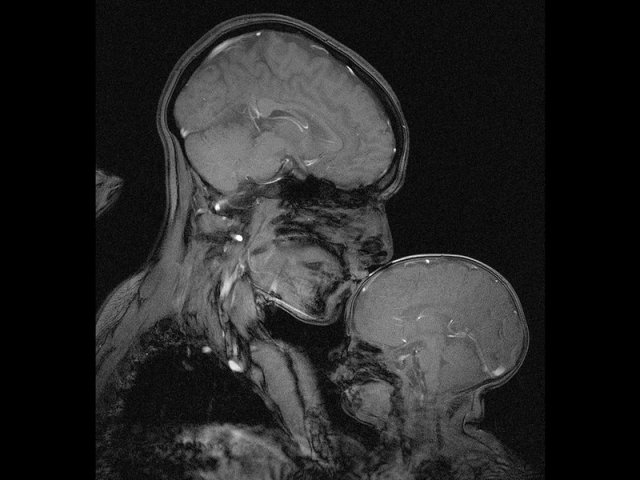
Mother-child MRI

While most new moms get their children’s first portrait done at, say, the local mall’s JC Penney Portrait Studio, neuroscientist Rebecca Saxe opted for a slightly different location: the tube of an MRI scanner.

“No one, to my knowledge, had ever made an MR image of a mother and child,” she wrote in a article for Smithsonian magazine.

“We made this one because we wanted to see it.”

A Professor of Cognitive Neuroscience at the Massachusetts Institute of Technology, Saxe told Mic that the inspiration behind the photo had little to do with the typical medical or research-based uses of MRI technology.

“We see brain scan images on TV and in subways advertisements as a proxy for technology and progress… [and] the Madonna is one of the oldest tropes in human art making,” she said of trying to capture the union between science and art in the image.

“These brain scanners are extremely modern technology, only available here and now, to the wealthiest place and time in human history,” she added. “[Yet] the image you see would look the same if it had been made on any continent or in any century, because the biology of human mothers and children you see in the picture has been the same for thousands, probably tens of thousands of years.”

In an interview with Today, Saxe suggested that the image may be indicative of how a child’s brain development is strengthened by a mother’s love. “Some people look at it and see mostly the differences: how thin his skull is, how little space there is between the outside world and his brain. It’s just this very fragile, very thin little shell,” she said. “On the other hand, you can look at it and see how similar it is to his mother’s brain. How close in size — so much closer in size than his hand is.”

Past MRI scans have also suggested that the bond between a child and mother can indeed have a major impact on brain size. Back in 2012, a side-by-side image of two three-year-olds’ brain scans indicated that the size of a neglected child’s brain is significantly smaller than one who was nurtured by his or her mother. Of that particular image, neurology professor Allan Schore told the Telegraph that the development of brain cells is a “consequence of an infant’s interaction with the main caregiver [usually the mother].”

Meanwhile, Saxe believes that the image can also help generate an interest in science. “I hope the main takeaway is that people who don’t normally feel a human connection to science and scientists, have a moment to pause and feel touched, and recognize that the scientific pursuit of self-knowledge is being done for, and by, people like us,” she told Mic.

http://mic.com/articles/130456/this-brain-scan-image-illustrates-the-powerful-bond-between-mother-and-child#.tkqP2UYTE

Women can navigate better when given testosterone, study finds

To investigate whether the differences in how men and women navigate are related to our sex or to cultural conditioning, researchers in Norway measured male and female brain activity while volunteers tried to find their way through a virtual reality maze.

Wearing 3D goggles and using a joystick to make their way through an artificial environment, the participants (18 males and 18 females) had their brain functions continuously recorded by an fMRI scanner as they carried out virtual navigation tasks.

In line with previous findings, the men performed better, using shortcuts, orienting themselves more using cardinal directions, and solving 50 percent more tasks than the women in the study.

“Men’s sense of direction was more effective,” said Carl Pintzka, a neuroscientist at the Norwegian University of Science and Technology (NTNU). “They quite simply got to their destination faster.”

One of the reasons for this is because of the difference in how men and women use their brains when we’re finding our way around. According to the researchers, men use the hippocampus more, whereas women place greater reliance on their brains’ frontal areas.

“That’s in sync with the fact that the hippocampus is necessary to make use of cardinal directions,” said Pintzka. “[M]en usually go in the general direction where [their destination is] located. Women usually orient themselves along a route to get there.”

Generally, the cardinal approach is more efficient, as it depends less on where you start.

But women’s brains make them better at finding objects locally, the researchers say. “In ancient times, men were hunters and women were gatherers. Therefore, our brains probably evolved differently,” said Pintzka. “In simple terms, women are faster at finding things in the house, and men are faster at finding the house.”

What was most remarkable about the study was what happened when the researchers gave women a drop of testosterone to see how it affected their ability to navigate the virtual maze. In a separate experiment, 21 women received a drop of testosterone under their tongues, while 21 got a placebo.

The researchers found that the women receiving testosterone showed improved knowledge of the layout of the maze, and relied on their hippocampus more to find their way around. Having said that, these hormone-derived benefits didn’t enable them to solve more maze tasks in the exercise.

It’s worth bearing in mind that the study used a fairly small sample size in both of the experiments carried out, so the findings need to be read in light of that. Nonetheless, the scientists believe their paper, which is published in Behavioural Brain Research, will help us to better understand the different ways male and female brains work, which could assist in the fight against diseases such as Alzheimer’s.

“Almost all brain-related diseases are different in men and women, either in the number of affected individuals or in severity,” said Pintzka. “Therefore, something is likely protecting or harming people of one sex. Since we know that twice as many women as men are diagnosed with Alzheimer’s disease, there might be something related to sex hormones that is harmful.”

http://www.sciencealert.com/women-can-navigate-better-when-given-testosterone-study-finds

Thanks to Dr. Enrique Leira for bringing this to the It’s Interesting community.

Air evacuation following traumatic brain injury may worsen outcomes for patients.


Over the past 15 years, more than 330,000 US soldiers have suffered a traumatic brain injury. Many were evacuated by air for further treatment. A new study has found evidence that such air evacuations may pose a significant added risk, potentially causing more damage to already injured brains.

Over the past 15 years, more than 330,000 U.S. soldiers have suffered a traumatic brain injury (TBI). It is one of the leading causes of death and disability connected to the country’s recent conflicts in Afghanistan and Iraq. Many of these patients were evacuated by air from these countries to Europe and the U.S. for further treatment. In general, these patients were flown quickly to hospitals outside the battle zone, where more extensive treatment was available.

But now a new study by researchers at the University of Maryland School of Medicine has found evidence that such air evacuations may pose a significant added risk, potentially causing more damage to already injured brains. The study is the first to suggest that air evacuation may be hazardous for TBI patients. The study was published in the Journal of Neurotrauma.

“This research shows that exposure to reduced barometric pressure, as occurs on military planes used for evacuation, substantially worsens neurological function and increases brain cell loss after experimental TBI — even when oxygen levels are kept in the normal range. It suggests that we need to carefully re-evaluate the cost-benefit of air transport in the first days after injury,” said lead researcher Alan Faden, MD, the David S. Brown Professor in Trauma in the Departments of Anesthesiology, Anatomy & Neurobiology, Neurology, and Neurosurgery, and director, Shock, Trauma and Anesthesiology Research Center (STAR) as well as the National Study Center for Trauma and Emergency Medical Services.

About a quarter of all injured soldiers evacuated from Afghanistan and Iraq have suffered head injuries.

Faden and his colleagues tested rats that were subjected to TBI, using a model that simulates key aspects of human brain injury. Animals were exposed to six hours of lowered air pressure, known as hypobaria, at levels that simulated conditions during transport; control animals were exposed to normal pressure. All the animals received extra oxygen to restore normal oxygen concentrations in the blood. In another study, animals received oxygen, either as in the first study or at much higher 100 percent concentration, which is often used during military air evacuations. On its own, low air pressure worsened long-term cognitive function and increased chronic brain inflammation and brain tissue loss. Pure oxygen further worsened outcomes.

Faden and his colleagues believe the findings raise concerns about the increased use of relatively early air evacuation, and suggest that this potential risk should be weighed against the benefits of improved care after evacuation. It may be necessary, he says, to change the current policy for TBI patients and delaying air evacuation in many cases.

In an accompanying editorial, Patrick Kochanek, MD, a leading expert on TBI and trauma care at the University of Pittsburgh, called the findings “highly novel and eye-opening,” and said that they could have “impactful clinical relevance for the field of traumatic brain injury in both military and civilian applications.”

Faden and colleagues believe that one of the mechanisms by which hypobaria worsens TBI is by increasing persistent brain inflammation after injury. They are currently examining how this process occurs and have tested treatments that can reduce the risks of air evacuation. Early results are promising. Scientists suspect that breathing pure oxygen could worsen TBI by increasing production of dangerous free radicals in the brain. After brain injury, these free radicals flood the site of injury, and pure oxygen may further boost these levels. Several recent studies from trauma centers, including from the R Adams Cowley Shock Trauma Center at the University of Maryland Medical Center, have found evidence that using 100 percent oxygen in trauma patients may be counterproductive.

Journal Reference:

Jacob W Skovira, Shruti V Kabadi, Junfang Wu, Zaorui Zhao, Joseph DuBose, Robert E Rosenthal, Gary Fiskum, Alan I Faden. Simulated Aeromedical Evacuation Exacerbates Experimental Brain Injury. Journal of Neurotrauma, 2015; DOI: 10.1089/neu.2015.4189

http://www.sciencedaily.com/releases/2015/11/151130110013.htm

New progress in understanding what may give animals a magnetic sense: a protein that acts as a compass

Quick – can you tell where north is? Animals as diverse as sea turtles, birds, worms, butterflies and wolves can, thanks to sensing Earth’s magnetic field.

But the magnet-sensing structures inside their cells that allow them to do this have evaded scientists – until now.

A team led by Can Xie’s at Peking University in China has now found a protein in fruit flies, butterflies and pigeons that they believe to be responsible for this magnetic sense.

“It’s provocative and potentially groundbreaking,” says neurobiologist Steven Reppert of the University of Massachusetts who was not involved in the work. “It took my breath away.”

There used to be two competing theories about magnetic sense: some thought it came from iron-binding molecules, others thought it came from a protein called cryptochrome, which senses light and has been linked to magnetic sense in birds.

Xie’s group was the first to guess these two were part of the same system, and has now figured out how they fit together.

“This was a very creative approach,” says Reppert. “Everyone thought they were two separate systems.”

Xie’s team first screened the fruit fly genome for a protein that would fit a very specific bill.

The molecule had to bind iron, it had to be expressed inside a cell instead of on the cell membrane and do so in the animal’s head – where animals tend to sense magnetic fields – and it also had to interact with cryptochrome.

“We found one [gene] fit all of our predictions,” says Xie. They called it MagR and then used techniques including electron microscopy and computer modelling to figure out the protein’s structure.

They found that MagR and cryptochrome proteins formed a cylinder, with an inside filling of 20 MagR molecules surrounded by 10 cryptochromes.

The researchers then identified and isolated this protein complex from pigeons and monarch butterflies.

In the lab, the proteins snapped into alignment in response to a magnetic field. They were so strongly magnetic that they flew up and stuck to the researchers’ tools, which contained iron. So the team had to use custom tools made of plastic.

The team hasn’t yet tried to remove the MagR protein from an animal like a fruit fly to see if it loses its magnetic sense, but Xie believes the proteins work the same way in a living animal.

Although this protein complex seems to form the basis of magnetic sense, the exact mechanism is still to be figured out.

One idea is that when an animal changes direction, the proteins may swing around to point north, “just like a compass needle,” says Xie. Perhaps the proteins’ movement could trigger a connected molecule, which would send a signal to the nervous system.

Journal reference: Nature Materials, DOI: 10.1038/nmat4484

https://www.newscientist.com/article/dn28494-animal-magnetic-sense-comes-from-protein-that-acts-as-a-compass

Thanks to Kebmodee for bringing this to the It’s Interesting community.

The Power of Music in Alleviating Dementia Symptoms

by Tori Rodriguez, MA, LPC

As the search continues for effective drug treatments for dementia, patients and caregivers may find some measure of relief from a common, non-pharmaceutical source. Researchers have found that music-related memory appears to be exempt from the extent of memory impairment generally associated with dementia, and several studies report promising results for several different types of musical experiences across a variety of settings and formats.

“We can say that perception of music can be intact, even when explicit judgments and overt recognition have been lost,” Manuela Kerer, PhD, told Psychiatry Advisor. “We are convinced that there is a specialized memory system for music, which is distinct from other domains, like verbal or visual memory, and may be very resilient against Alzheimer’s disease.”

Kerer is a full-time musical composer with a doctoral degree in psychology who co-authored a study on the topic while working at the University of Innsbruck in Austria. She and her colleagues investigated explicit memory for music among ten patients with early-state Alzheimer’s disease (AD) and ten patients with mild cognitive impairment (MCI), and compared their performance to that of 23 healthy participants. Not surprisingly, the patient group demonstrated worse performance on tasks involving verbal memory, but they did significantly better than controls on the music-perceptional tasks of detecting distorted tunes and judging timbre.

“The temporal brain structures necessary for verbal musical memory were mildly affected in our clinical patients, therefore attention might have shifted to the discrimination tasks which led to better results in this area,” she said. “Our results enhance the notion of an explicit memory for music that can be distinguished from other types of explicit memory — that means that memory for music could be spared in this patient group.”

Other findings suggest that music might even improve certain aspects of memory among people with dementia. In a randomized controlled trial published in last month in the Journal of Alzheimer’s Disease, music coaching interventions improved multiple outcomes for both patients with dementia and their caregivers. The researchers divided 89 pairs of patients with dementia and their caregivers into three groups: two groups were assigned to caregiver-led interventions that involved either singing or listening to music, while a third group received standard care. Before and after the 10-week intervention, and six months after the intervention, participants were assessed on measures of mood, quality of life and neuropsychological functioning.

Results showed that the singing intervention improved working memory among patients with mild dementia and helped to preserve executive function and orientation among younger patients, and it also improved the well-being of caregivers. The listening intervention was found to have a positive impact on general cognition, working memory and quality of life, particularly among patients in institutional care with moderate dementia not caused by AD. Both interventions led to reductions in depression.

The findings suggest that “music has the power to improve mood and stimulate cognitive functions in dementia, most likely by engaging limbic and medial prefrontal brain regions, which are often preserved in the early stages of the illness,” study co-author Teppo Särkämö, PhD, a researcher at the University of Helsinki, Finland, told Psychiatry Advisor. “The results indicate that when used regularly, caregiver-implemented musical activities can be an important and easily applicable way to maintain the emotional and cognitive well-being of persons with dementia and also to reduce the psychological burden of family caregivers.”

Singing has also been shown to increase learning and retention of new verbal material in patients with AD, according to research published this year in the Journal of Clinical & Experimental Neuropsychology, and findings published in 2013 show that listening to familiar music improves the verbal narration of autobiographical memories in such patients. Another study found that a music intervention delivered in a group format reduced depression and delayed the deterioration of cognitive functions, especially short-term recall, in patients with mild and moderate dementia. Group-based music therapy appears to also decrease agitation among patients in all stages of dementia, as described in a systematic review published in 2014 in Nursing Times.

n addition to the effects of singing and listening to music on patients who already have dementia, playing a musical instrument may also offer some protection against the condition, according to a population-based twin study reported in 2014 in the International Journal of Alzheimer’s Disease. Researchers at the University of Southern California found that older adults who played an instrument were 64% less likely than their non-musician twin to develop dementia or cognitive impairment.

“Playing an instrument is a unique activity in that it requires a wide array of brain regions and cognitive functions to work together simultaneously, throughout both the right and left hemispheres,” co-author Alison Balbag, PhD, told Psychiatry Advisor. While the study did not examine causal mechanisms, “playing an instrument may be a very effective and efficient way to engage the brain, possibly granting older musicians better maintained cognitive reserve and possibly providing compensatory abilities to mitigate age-related cognitive declines.”

She notes that clinicians might consider suggesting that patients incorporate music-making into their lives as a preventive activity, or encouraging them to keep it up if they already play an instrument.
Further research, particularly neuroimaging studies, is needed to elucidate the mechanisms behind the effects of music on dementia, but in the meantime it could be a helpful supplement to patients’ treatment plans. “Music has considerable potential and it should be introduced much more in rehabilitation and neuropsychological assessment,” Kerer said.

http://www.psychiatryadvisor.com/alzheimers-disease-and-dementia/neurocognitive-neurodegenerative-memory-musical-alzheimers/article/452120/3/

References

Kerer M, Marksteiner J, Hinterhuber H, et al. Explicit (semantic) memory for music in patients with mild cognitive impairment and early-stage Alzheimer’s disease. Experimental Aging Research; 2013; 39(5):536-64.

Särkämö T, Laitinen S, Numminen A, et al. Clinical and Demographic Factors Associated with the Cognitive and Emotional Efficacy of Regular Musical Activities in Dementia. Journal of Alzheimer’s Disease; 2015; published online ahead of print.

Palisson J, Roussel-Baclet C, Maillet D, et al. Music enhances verbal episodic memory in Alzheimer’s disease. Journal of Clinical & Experimental Neuropsychology; 2015; 37(5):503-17.

El Haj M, Sylvain Clément, Luciano Fasotti, Philippe Allain. Effects of music on autobiographical verbal narration in Alzheimer’s disease. Journal of Neurolinguistics; 2013; 26(6): 691–700.

Chu H, Yang CY, Lin Y, et al. The impact of group music therapy on depression and cognition in elderly persons with dementia: a randomized controlled study. Biological Research for Nursing; 2014; 16(2):209-17.

Craig J. Music therapy to reduce agitation in dementia. Nursing Times; 2014; 110(32-33):12-5.
Balbag MA, Pedersen NL, Gatz M. Playing a Musical Instrument as a Protective Factor against Dementia and Cognitive Impairment: A Population-Based Twin Study. International Journal of Alzheimer’s Disease; 2014; 2014: 836748.