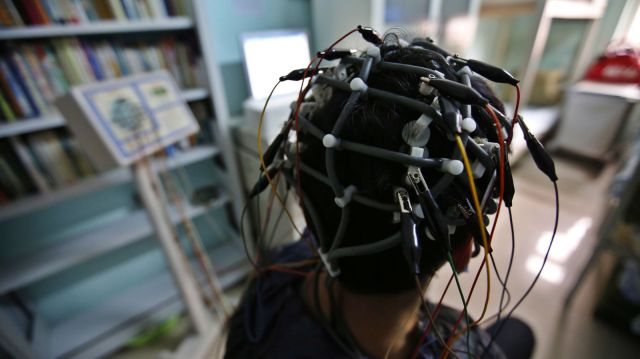
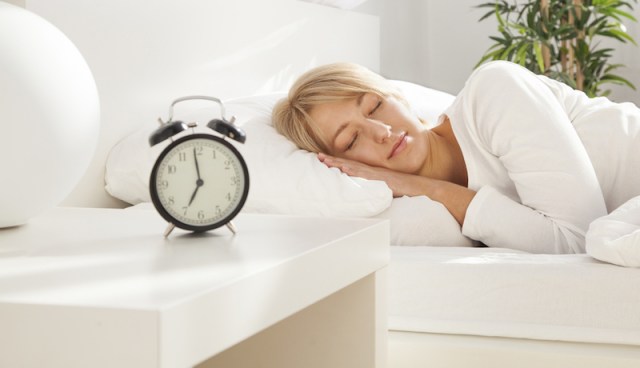
People who need very little sleep

By Helen Thomson

What would you do if you had 60 days of extra free time a year? Ask Abby Ross, a retired psychologist from Miami, Florida, a “short-sleeper”. She needs only four hours sleep a night, so has a lot of spare time to fill while the rest of the world is in the land of nod.

“It’s wonderful to have so many hours in my day – I feel like I can live two lives,” she says.

Short-sleepers like Ross never feel lethargic, nor do they ever sleep in. They wake early – normally around four or five o’clock – raring to get on with their day. Margaret Thatcher may have been one – she famously said she needed just four hours a night, whereas Mariah Carey claims she needs 15.

What makes some people fantastically efficient sleepers, while others spend half their day snoozing? And can we change our sleeping pattern to make it more efficient?

In 2009, a woman came into Ying-Hui Fu’s lab at the University of California, San Francisco, complaining that she always woke up too early. At first, Fu thought the woman was an extreme morning lark – a person who goes to bed early and wakes early. However, the woman explained that she actually went to bed around midnight and woke at 4am feeling completely alert. It was the same for several members of her family, she said.

Fu and her colleagues compared the genome of different family members. They discovered a tiny mutation in a gene called DEC2 that was present in those who were short-sleepers, but not in members of the family who had normal length sleep, nor in 250 unrelated volunteers.

When the team bred mice to express this same mutation, the rodents also slept less but performed just as well as regular mice when given physical and cognitive tasks.

Getting too little sleep normally has a significant impact on health, quality of life and life expectancy. It can cause depression, weight gain and put you at greater risk of stroke and diabetes. “Sleep is so important, if you sleep well you can avoid many diseases, even dementia,” says Fu. “If you deprive someone of just two hours sleep a day, their cognitive functions become significantly impaired almost immediately.”

But why sleep is so important is still a bit of a mystery. The general consensus is that the brain needs sleep to do some housekeeping and general maintenance, since it doesn’t get much downtime during the day. While we sleep, the brain can repair cellular damage, remove toxins that accumulate during the day, boost flagging energy supplies and lay down memories.

“Clearly people with the DEC2 mutation can do the same cleaning up process in a shorter period of time – they are just more efficient than the rest of us at sleeping,” says Fu. “But how are they doing that? That’s the key question.”

Since discovering the DEC2 mutation, a lot of people have come forward claiming to only sleep a few hours a day, says Fu. Most of these had insomnia, she says. “We’re not focusing on those people who have sleeping issues that make them sleep less, we wanted to focus on people who sleep for a few hours and feel great.”

A positive outlook is common among all of the short-sleepers that Fu has studied. “Anecdotally,” she says, “they are all very energetic, very optimistic. It’s very common for them to feel like they want to cram as much into life as they can, but we’re not sure how or whether this is related to their mutations.”

Ross would seem to fit that mould. “I always feel great when I wake up,” she says. She has been living on four to five hours sleep every day for as long as she can remember.

“Those hours in the morning – around five o’clock – are just fabulous. It’s so peaceful and quiet and you can get so much done. I wish more shops were open at that time, but I can shop online, or I can read – oh there’s so much to read in this world! Or I can go out and exercise before anyone else is up, or talk to people in other time zones.”

Her short sleeping patterns allowed her to complete university in two and a half years, as well as affording her time to learn lots of new skills. For example, just three weeks after giving birth to her first son, Ross decided to use one of her early mornings to attempt to run around the block. It took her 10 minutes. The following day she did it again, running a little further. She slowly increased the time she ran, finally completing not one, but 37 marathons – one a month over three years – plus several ultramarathons. “I can get up and do my exercise before anyone else is up and then it’s done, out of the way,” she says.

As a child, Ross remembers spending very early mornings with her dad, another short-sleeper. “Our early mornings gave us such a special time together,” she says. Now, if she ever oversleeps – which she says has only ever happened a handful of times, her husband thinks she’s dead. “I just don’t lay in, I’d feel terrible if I did,” she says.

Fu has subsequently sequenced the genomes of several other families who fit the criteria of short-sleepers. They’re only just beginning to understand the gene mutations that lead to this talent, but in principle, she says, it might one day be possible to enable short sleeping in others.

Until then, are there any shortcuts to a more efficient night’s sleep for the rest of us? Neil Stanley, an independent sleep consultant, says yes: “The most effective way to improve your sleep is to fix your wake-up time in the morning.”

Stanley says that when your body gets used to the time it needs to wake up, it can use the time it has to sleep as efficiently as possible. “Studies show that your body prepares to wake up one and a half hours prior to actually waking up. Your body craves regularity, so if you chop and change your sleep pattern, your body hasn’t got a clue when it should prepare to wake up or not.”

You could also do yourself a favour by ignoring society’s views on sleep, he says. “There’s this social view that short sleeping is a good thing and should be encouraged – we’re always hauling out the example of Margaret Thatcher and top CEOs who don’t need much sleep. In fact, the amount of sleep you need is genetically determined as much as your height or shoe size. Some people need very little sleep, others need 11 or 12 hours to feel their best.”

Stanley says that a lot of people with sleep issues actually don’t have any problem sleeping, instead they have an expectation that they need to sleep for a certain amount of time. “If we could all figure out what kind of sleeper we are, and live our life accordingly, that would make a huge difference to our quality of life,” he says.

http://www.bbc.com/future/story/20150706-the-woman-who-barely-sleeps
Mystery of what sleep does to our brains may finally be solved

By Clare Wilson

It is one of life’s great enigmas: why do we sleep? Now we have the best evidence yet of what sleep is for – allowing housekeeping processes to take place that stop our brains becoming overloaded with new memories.

All animals studied so far have been found to sleep, but the reason for their slumber has eluded us. When lab rats are deprived of sleep, they die within a month, and when people go for a few days without sleeping, they start to hallucinate and may have epileptic seizures.

One idea is that sleep helps us consolidate new memories, as people do better in tests if they get a chance to sleep after learning. We know that, while awake, fresh memories are recorded by reinforcing connections between brain cells, but the memory processes that take place while we sleep have remained unclear.

Support is growing for a theory that sleep evolved so that connections in the brain can be pruned down during slumber, making room for fresh memories to form the next day. “Sleep is the price we pay for learning,” says Giulio Tononi of the University of Wisconsin-Madison, who developed the idea.

Now we have the most direct evidence yet that he’s right. Tononi’s team measured the size of these connections or synapses in brain slices taken from mice. The synapses in samples taken at the end of a period of sleep were 18 per cent smaller than those in samples taken from before sleep, showing that the synapses between neurons are weakened during slumber.

A good night’s sleep

Tononi announced these findings at the Federation of European Neuroscience Societies meeting in Copenhagen, Denmark, last week. “The data was very solid and well documented,” says Maiken Nedergaard of the University of Rochester, who attended the conference.

“It’s an extremely elegant idea,” says Vladyslav Vyazovskiy of the University of Oxford

If the housekeeping theory is right, it would explain why, when we miss a night’s sleep, the next day we find it harder to concentrate and learn new information – we may have less capacity to encode new experiences. The finding suggests that, as well as it being important to get a good night’s sleep after learning something, we should also try to sleep well the night before.

It could also explain why, if our sleep is interrupted, we feel less refreshed the next day. There is some indirect evidence that deep, slow-wave sleep is best for pruning back synapses, and it takes time for our brains to reach this level of unconsciousness.

Waking refreshed

Previous evidence has also supported the housekeeping theory. For instance, EEG recordings show that the human brain is less electrically responsive at the start of the day – after a good night’s sleep – than at the end, suggesting that the connections may be weaker. And in rats, the levels of a molecule called the AMPA receptor – which is involved in the functioning of synapses – are lower at the start of their wake periods.

The latest brain-slice findings that synapses get smaller is the most direct evidence yet that the housekeeping theory is right, says Vyazovskiy. “Structural evidence is very important,” he says. “That’s much less affected by other confounding factors.”

Protecting what matters

Getting this data was a Herculean task, says Tononi. They collected tiny chunks of brain tissue, sliced it into ultrathin sections and used these to create 3D models of the brain tissue to identify the synapses. As there were nearly 7000 synapses, it took seven researchers four years.

The team did not know which mouse was which until last month, says Tononi, when they broke the identification code, and found their theory stood up.

“People had been working for years to count these things. You start having stress about whether it’s really possible for all these synapses to start getting fatter and then thin again,” says Tononi.

The team also discovered that some synapses seem to be protected – the biggest fifth stayed the same size. It’s as if the brain is preserving its most important memories, says Tononi. “You keep what matters.”

https://www.newscientist.com/article/2096921-mystery-of-what-sleep-does-to-our-brains-may-finally-be-solved/

The Japanese art of (not) sleeping

By Brigitte Steger

The Japanese don’t sleep. This is what everyone – the Japanese above all – say. It’s not true, of course. But as a cultural and sociological statement, it is very interesting.

I first encountered these intriguing attitudes to sleep during my first stay in Japan in the late 1980s. At that time Japan was at the peak of what became known as the Bubble Economy, a phase of extraordinary speculative boom. Daily life was correspondingly hectic. People filled their schedules with work and leisure appointments, and had hardly any time to sleep. The lifestyle of this era is aptly summed up by a wildly popular advertising slogan of the time, extolling the benefits of an energy drink. “Can you battle through 24 hours? / Businessman! Businessman! Japanese businessman!”

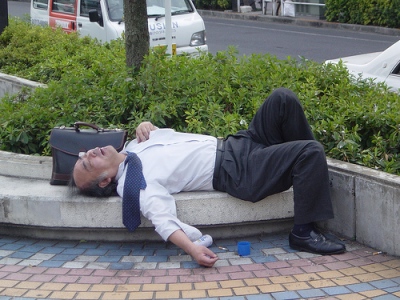
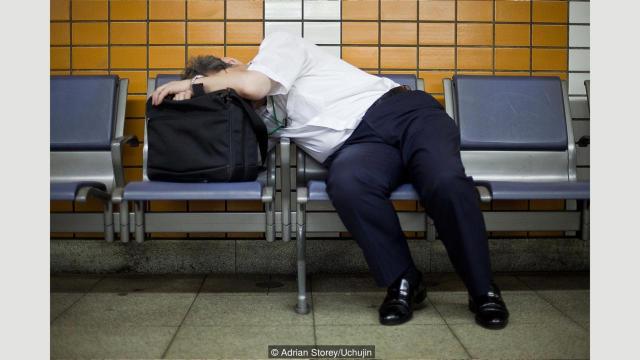
Many voiced the complaint: “We Japanese are crazy to work so much!” But in these complaints one detected a sense of pride at being more diligent and therefore morally superior to the rest of humanity. Yet, at the same time, I observed countless people dozing on underground trains during my daily commute. Some even slept while standing up, and no one appeared to be at all surprised by this.

I found this attitude contradictory. The positive image of the worker bee, who cuts back on sleep at night and frowns on sleeping late in the morning, seemed to be accompanied by an extensive tolerance of so-called ‘inemuri’ – napping on public transportation and during work meetings, classes and lectures. Women, men and children apparently had little inhibition about falling asleep when and wherever they felt like doing so.

If sleeping in a bed or a futon was considered a sign of laziness, then why wasn’t sleeping during an event or even at work considered an even greater expression of indolence? What sense did it make to allow children to stay up late at night to study if it meant that they would fall asleep during class the next day? These impressions and apparent contradictions led to my more intensive involvement with the theme of sleep for my PhD project several years later.

Initially, I had to fight against prejudice as people were reluctant to consider sleep a serious topic for academic enquiry. Of course, it was precisely such attitudes that had originally caught my attention. Sleep can be loaded with a variety of meanings and ideologies; analysing sleep arrangements and the discourse on it reveals attitudes and values embedded in the contexts in which sleep is organised and discussed. In my experience, it is the everyday and seemingly natural events upon which people generally do not reflect that reveal essential structures and values of a society.

We often assume that our ancestors went to bed ‘naturally’ when darkness fell and rose with the Sun. However, sleep times have never been such a simple matter, whether in Japan or elsewhere. Even before the invention of electric light, the documentary evidence shows that people were scolded for staying up late at night for chatting, drinking and other forms of pleasure. However, scholars – particularly young samurai – were considered highly virtuous if they interrupted their sleep to study, even though this practice may not have been very efficient as it required oil for their lamps and often resulted in them falling asleep during lectures.

Napping is hardly ever discussed in historical sources and seems to have been widely taken for granted. Falling asleep in public tends to be only mentioned when the nap is the source for a funny anecdote, such as when someone joins in with the wrong song at a ceremony, unaware that they have slept through most of it. People also seem to have enjoyed playing tricks on friends who had involuntarily dozed off.

Early rising, on the other hand, has clearly been promoted as a virtue, at least since the introduction of Confucianism and Buddhism. In antiquity, sources show a special concern for the work schedule of civil servants, but from the Middle Ages onwards, early rising was applied to all strata of society, with “going to bed late and rising early” used as a metaphor to describe a virtuous person.

Another interesting issue is co-sleeping. In Britain, parents are often told they should provide even babies with a separate room so that they can learn to be independent sleepers, thus establishing a regular sleep schedule. In Japan, by contrast, parents and doctors are adamant that co-sleeping with children until they are at least at school age will reassure them and help them develop into independent and socially stable adults.

Maybe this cultural norm helps Japanese people to sleep in the presence of others, even when they are adults – many Japanese say they often sleep better in company than alone. Such an effect could be observed in spring 2011 after the huge tsunami disaster destroyed several coastal towns. Survivors had to stay in evacuation shelters, where dozens or even hundreds of people shared the same living and sleeping space. Notwithstanding various conflicts and problems, survivors described how sharing a communal sleeping space provided some comfort and helped them to relax and regain their sleep rhythm.

However, this experience of sleeping in the presence of others as children is not sufficient on its own to explain the widespread tolerance of inemuri, especially at school and in the workplace. After some years of investigating this subject, I finally realised that on a certain level, inemuri is not considered sleep at all. Not only is it seen as being different from night-time sleep in bed, it is also viewed differently from taking an afternoon nap or power nap.

How can we make sense of this? The clue lies in the term itself, which is composed of two Chinese characters. ‘I’ which means ‘to be present’ in a situation that is not sleep and ‘nemuri’ which means ‘sleep’. Erving Goffman’s concept of “involvement within social situations” is useful I think in helping us grasp the social significance of inemuri and the rules surrounding it. Through our body language and verbal expressions we are involved to some extent in every situation in which we are present. We do, however, have the capacity to divide our attention into dominant and subordinate involvement.

In this context, inemuri can be seen as a subordinate involvement which can be indulged in as long as it does not disturb the social situation at hand – similar to daydreaming. Even though the sleeper might be mentally ‘away’, they have to be able to return to the social situation at hand when active contribution is required. They also have to maintain the impression of fitting in with the dominant involvement by means of body posture, body language, dress code and the like.

Inemuri in the workplace is a case in point. In principle, attentiveness and active participation are expected at work, and falling asleep creates the impression of lethargy and that a person is shirking their duties. However, it is also viewed as the result of work-related exhaustion. It may be excused by the fact that meetings are usually long and often involve simply listening to the chair’s reports. The effort made to attend is often valued more than what is actually achieved. As one informant told me: “We Japanese have the Olympic spirit – participating is what counts.”

Diligence, which is expressed by working long hours and giving one’s all, is highly valued as a positive moral trait in Japan. Someone who makes the effort to participate in a meeting despite being exhausted or ill demonstrates diligence, a sense of responsibility and their willingness to make a sacrifice. By overcoming physical weaknesses and needs, a person becomes morally and mentally fortified and is filled with positive energy. Such a person is considered reliable and will be promoted. If, in the end, they succumb to sleep due to exhaustion or a cold or another health problem, they can be excused and an “attack of the sleep demon” can be held responsible.

Moreover, modesty is also a highly valued virtue. Therefore, it is not possible to boast about one’s own diligence – and this creates the need for subtle methods to achieve social recognition. Since tiredness and illness are often viewed as the result of previous work efforts and diligence, inemuri – or even feigning inemuri by closing one’s eyes – can be employed as a sign that a person has been working hard but still has the strength and moral virtue necessary to keep themselves and their feelings under control.

Thus, the Japanese habit of inemuri does not necessarily reveal a tendency towards laziness. Instead, it is an informal feature of Japanese social life intended to ensure the performance of regular duties by offering a way of being temporarily ‘away’ within these duties. And so it is clear: the Japanese don’t sleep. They don’t nap. They do inemuri. It could not be more different.

http://www.bbc.com/future/story/20160506-the-japanese-art-of-not-sleeping

The interesting way that your brain makes space to build new and stronger connections so you can learn more

There’s an old saying in neuroscience: neurons that fire together wire together. This means the more you run a neuro-circuit in your brain, the stronger that circuit becomes. This is why, to quote another old saw, practice makes perfect. The more you practice piano, or speaking a language, or juggling, the stronger those circuits get.

For years this has been the focus for learning new things. But as it turns out, the ability to learn is about more than building and strengthening neural connections. Even more important is our ability to break down the old ones. It’s called “synaptic pruning.” Here’s how it works.

Imagine your brain is a garden, except instead of growing flowers, fruits, and vegetables, you grow synaptic connections between neurons. These are the connections that neurotransmitters like dopamine, seratonin, and others travel across.

“Glial cells” are the gardeners of your brain—they act to speed up signals between certain neurons. But other glial cells are the waste removers, pulling up weeds, killing pests, raking up dead leaves. Your brain’s pruning gardeners are called “microglial cells.” They prune your synaptic connections. The question is, how do they know which ones to prune?

Researchers are just starting to unravel this mystery, but what they do know is the synaptic connections that get used less get marked by a protein, C1q (as well as others). When the microglial cells detect that mark, they bond to the protein and destroy—or prune—the synapse.

This is how your brain makes the physical space for you to build new and stronger connections so you can learn more.

Have you ever felt like your brain is full? Maybe when starting a new job, or deep in a project. You’re not sleeping enough, even though you’re constantly taking in new information. Well, in a way, your brain actually is full

When you learn lots of new things, your brain builds connections, but they’re inefficient, ad hoc connections. Your brain needs to prune a lot of those connections away and build more streamlined, efficient pathways. It does that when we sleep.

Your brain cleans itself out when you sleep—your brain cells shrinking by up to 60% to create space for your glial gardeners to come in take away the waste and prune the synapses.

Have you ever woken up from a good night’s rest and been able to think clearly and quickly? That’s because all the pruning and pathway-efficiency that took place overnight has left you with lots of room to take in and synthesize new information—in other words, to learn.

This is the same reason naps are so beneficial to your cognitive abilities. A 10- or 20-minute nap gives your microglial gardeners the chance to come in, clear away some unused connections, and leave space to grow new ones.

Thinking with a sleep-deprived brain is like hacking your way through a dense jungle with a machete. It’s overgrown, slow-going, exhausting. The paths overlap, and light can’t get through. Thinking on a well-rested brain is like wandering happily through Central Park; the paths are clear and connect to one another at distinct spots, the trees are in place, you can see far ahead of you. It’s invigorating.

And in fact, you actually have some control over what your brain decides to delete while you sleep. It’s the synaptic connections you don’t use that get marked for recycling. The ones you do use are the ones that get watered and oxygenated. So be mindful of what you’re thinking about.

If you spend too much time reading theories about the end of Game of Thrones and very little on your job, guess which synapses are going to get marked for recycling?

If you’re in a fight with someone at work and devote your time to thinking about how to get even with them, and not about that big project, you’re going to wind up a synaptic superstar at revenge plots but a poor innovator.

To take advantage of your brain’s natural gardening system, simply think about the things that are important to you. Your gardeners will strengthen those connections and prune the ones that you care about less. It’s how you help the garden of your brain flower.

http://www.fastcompany.com/3059634/your-most-productive-self/your-brain-has-a-delete-button-heres-how-to-use-it

People Without Electricity Don’t Get 8 Hours’ Sleep Either

By Traci Watson, National Geographic

Don’t blame the lure of a glowing smartphone for keeping you up too late. Even people without modern technology don’t sleep the night away, new research says.

Members of three hunter-gatherer societies who lack electricity—and thus evenings filled with Facebook, Candy Crush, and 200 TV channels—get an average of only 6.4 hours of shut-eye a night, scientists have found. That’s no more than many humans who lead a harried industrial lifestyle, and less than the seven to nine hours recommended for most adults by the National Sleep Foundation.

People from these groups—two in Africa, one in South America—tend to nod off long after sundown and wake before dawn, contrary to the romantic vision of life without electric lights and electronic gadgets, the researchers report in Thursday’s Current Biology.

“Seeing the same pattern in three groups separated by thousands of miles on two continents (makes) it pretty clear that this is the natural pattern,” says study leader and sleep researcher Jerome Siegel of the University of California, Los Angeles. “Maybe people should be a little bit more relaxed about sleeping. If you sleep seven hours a night, that’s close to what our ancestors were sleeping.”

Previous research has linked lack of sleep to ills ranging from poor judgment to obesity to heart disease. The rise of mesmerizing electronic devices small enough to carry into bed has only heightened worries about a modern-day epidemic of bad sleep. One recent study found that after bedtime sessions with an eBook reader, test subjects took longer to fall asleep and were groggier in the morning than when they’d curled up with an old-fashioned paper book.

Many scientists argue that artificial lighting curtailed our rest, leading to sleep deficits. But Siegel questioned that storyline. He was studying the sleep of wild lions when he got the inspiration to monitor the sleep of pre-industrial people, whose habits might provide insight into the slumber of early humans.

Siegel and his colleagues recruited members of Bolivia’s Tsimane, who hunt and grow crops in the Amazonian basin, and hunter-gatherers from the Hadza society of Tanzania and the San people in Namibia. These are among the few remaining societies without electricity, artificial lighting, and climate control. At night, they build small fires and retire to simple houses built of materials such as grass and branches.

The researchers asked members of each group to wear wristwatch-like devices that record light levels and the smallest twitch and jerk. Many Tsimane thought the request comical, but almost all wanted to participate, says study co-author Gandhi Yetish of the University of New Mexico. People in the study fell asleep an average of just under three and a half hours after sunset, sleep records showed, and mostly awakened an average of an hour before sunrise.

The notable slugabeds are the San, who in the summer get up an hour after sunrise. The researchers noticed that at both the San and Tsimane research sites, summer nights during the study period lasted 11 hours, but mornings were chillier in the San village. That fits with other data showing the three groups tend to nod off when the night grows cold and rouse when temperature bottoms out before dawn.

Our time to wake and our time to sleep, Siegel says, seem to be dictated in part by natural temperature and light levels—and modern humans are divorced from both. He suggests some insomniacs might benefit from re-creating our ancient exposure to warmth and cold.

http://news.nationalgeographic.com/2015/10/20151015-paleo-sleep-time-hadza-san-tsimane-science/

7 habits to avoid in order to have a healthy brain

Why are some people sharp as a tack at 95 years old, while others begin struggling with mental clarity in their 50s?

A lot of it has to do with genetics, but certain lifestyle factors also play an important role in how our brain ages. So while you can’t control your genes, you can take advantage of the latest science and avoid these seven big brain mistakes:

Mistake No. 1: Eating a standard American diet

Foods high in sugar, unhealthy fats and processed foods — i.e., the typical American diet — can wreak havoc on your brain over time. Studies have shown that excess sugar consumption can impair learning and memory, and increase your vulnerability to neurodegenerative diseases like Alzheimer’s. Some scientists have even referred to Alzheimer’s as “Type 3 Diabetes,” suggesting that diet may have some role in an individual’s risk for developing the disease.

A Mediterranean-based diet, on the other hand, can help protect the brain from signs of aging and ward off cognitive decline. A recent study showed that following this type of diet — which is a good source of brain-healthy nutrients and includes a lot of fish, healthy fats, whole grains and vegetables — could slash Alzheimer’s risk by up to 50 percent.

Mistake No. 2: Living next to a highway

Living in a smoggy city might be bad news for your brain. According to research published this month in the journal Stroke, exposure to air pollution is linked with premature aging of the brain.

The researchers found that people who lived closer to a major highway had greater markers of pollution in their lungs and blood, which increased their risk for a form of brain damage known as “silent strokes,” or symptomless strokes. Increased pollution volume was also linked to decreased brain volume — a major sign of aging.

Mistake No. 3: Drinking a few evening cocktails

Don Draper’s daily cigarettes and two-martini lunches might seem glamorous on “Mad Men,” but research suggests that they’re a fast track to neurodegeneration.

It should come as no surprise that excessive drinking and cigarette smoking at any stage of life can have a negative effect on the brain, damaging brain tissue and leading to cognitive impairment. Alcoholism can cause or accelerate aging of the brain.

But just a couple of glasses of wine a night could pose a risk to brain health, even though there are some cardiovascular benefits. A 2012 Rutgers University study found that moderate to binge drinking — drinking relatively lightly during the week and then more on the weekends — can decrease adult brain cell production by 40 percent.

“In the short term there may not be any noticeable motor skills or overall functioning problems, but in the long term this type of behavior could have an adverse effect on learning and memory,” one of the study’s authors, Rutgers neuroscience graduate student Megan Anderson, said in a statement.

Mistake No. 4: Giving in to stress

Living a stressful lifestyle may be the worst thing you can do for your health as you age. Chronic stress is known to shorten the length of telomeres, the sequences at the end of DNA strands that help determine how fast (or slow) the cells in our body age. By shortening telomeres, stress can accelerate the onset of age-related health problems.

What about the brain? Well, some research has suggested that high levels of stress hormones can increase an individual’s risk for age-related brain damage.

“Over the course of a lifetime, the effects of chronic stress can accumulate and become a risk factor for cognitive decline and Alzheimer’s disease,” Howard Fillit, a clinical professor of geriatric medicine at The Mount Sinai School of Medicine, wrote in Psychology Today. “Several studies have shown that stress, and particularly one’s individual way of reacting to stress (the propensity to become ‘dis-stressed’ often found in neurotic people for example), increases the risk for Alzheimer’s disease.”

If you’re feeling stressed out, try picking up a meditation practice. Research has shown that meditation is effective in lowering levels of the stress hormone cortisol and protecting the brain from aging.

Mistake No. 5: Getting by on less sleep than you need

There are a number of scary health effects associated with sleep deprivation, from a higher risk of stroke and diabetes to impaired cognitive functioning. Over the years, losing shut-eye can also accelerate brain aging. In a study conducted last year, researchers from Singapore found that the less that older adults slept, the faster their brains aged.

The study’s lead author explained in a statement that among older adults, “sleeping less will increase the rate their brain ages and speed up the decline in their cognitive functions.”

Mistake No. 6: Sitting all day

It’s a well-established fact that sitting for long periods is terrible for your health. A growing body of research has linked a sedentary lifestyle with health risks including heart disease, diabetes, cancer and early death, even among people who get the recommended daily amount of exercise.

And it turns out that sitting is also pretty bad for your brain. Research has linked physical inactivity with cognitive decline. Moreover, weight gain in older adults — which may result from too much sitting — has been linked with shrinkage in brain areas associated with memory.

So when in doubt, move around. Physical activity has been linked with a number of brain health benefits, including improved learning and memory.

Mistake No. 7: Zoning out

Use it or lose it! If you want to keep your brain sharp, keep it engaged. It doesn’t have to be a challenging intellectual task or a brain-training game, either — simply engaging in everyday activities like reading, cooking or having a conversation (as opposed to vegging out in front of the TV or computer) can make a difference.

But mental exercises like crossword puzzles and sudoku can help, too. A 2013 study published in the Canadian Medical Association Journal found that brain exercises are more effective than drugs in preventing cognitive decline.

The bottom line? Doing new and novel things promotes neurogenesis, the creation of new neurons in the brain. So get outside, learn, discover and try something new to keep your brain sharp through the decades.

http://www.huffingtonpost.com/2015/04/30/brain-aging-risk-factors_n_7169912.html

CPAP therapy demonstrated to reduce depression in adults with obstructive sleep apnea

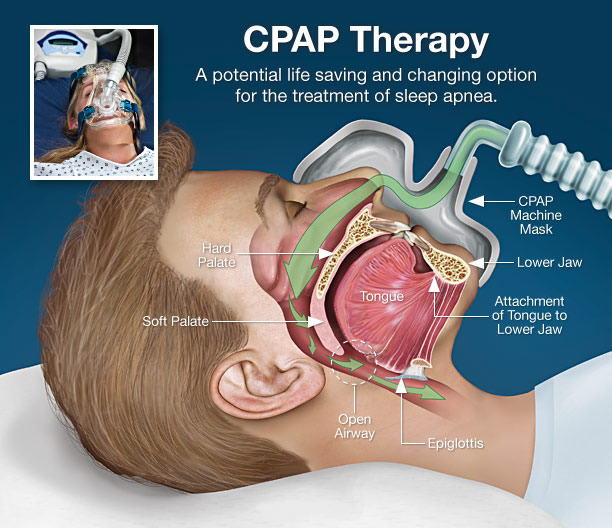
A new study shows that depressive symptoms are extremely common in people who have obstructive sleep apnea, and these symptoms improve significantly when sleep apnea is treated with continuous positive airway pressure therapy.

Results show that nearly 73 percent of sleep apnea patients (213 of 293 patients) had clinically significant depressive symptoms at baseline, with a similar symptom prevalence between men and women. These symptoms increased progressively and independently with sleep apnea severity.

However, clinically significant depressive symptoms remained in only 4 percent of the sleep apnea patients who adhered to CPAP therapy for 3 months (9 of 228 patients). Of the 41 treatment adherent patients who reported baseline feelings of self-harm or that they would be “better dead,” none reported persisting suicidal thoughts at the 3-month follow-up.

“Effective treatment of obstructive sleep apnea resulted in substantial improvement in depressive symptoms, including suicidal ideation,” said senior author David R. Hillman, MD, clinical professor at the University of Western Australia and sleep physician at the Sir Charles Gairdner Hospital in Perth. “The findings highlight the potential for sleep apnea, a notoriously underdiagnosed condition, to be misdiagnosed as depression.”

Study results are published in the September issue of the Journal of Clinical Sleep Medicine.

The American Academy of Sleep Medicine reports that obstructive sleep apnea (OSA) is a common sleep disease afflicting at least 25 million adults in the U.S. Untreated sleep apnea increases the risk of other chronic health problems including heart disease, high blood pressure, Type 2 diabetes, stroke and depression.

The study group comprised 426 new patients referred to a hospital sleep center for evaluation of suspected sleep apnea, including 243 males and 183 females. Participants had a mean age of 52 years. Depressive symptoms were assessed using the validated Patient Health Questionnaire (PHQ-9), and the presence of obstructive sleep apnea was determined objectively using overnight, in-lab polysomnography. Of the 293 patients who were diagnosed with sleep apnea and prescribed CPAP therapy, 228 were treatment adherent, which was defined as using CPAP therapy for an average of 5 hours or more per night for 3 months.

According to the authors, the results emphasize the importance of screening people with depressive symptoms for obstructive sleep apnea. These patients should be asked about common sleep apnea symptoms including habitual snoring, witnessed breathing pauses, disrupted sleep, and excessive daytime sleepiness.

http://www.eurekalert.org/pub_releases/2015-09/aaos-ctr092215.php

The human brain is particularly vulnerable to trauma at two distinct ages

Our brain’s ability to process information and adapt effectively is dependent on a number of factors, including genes, nutrition, and life experiences. These life experiences wield particular influence over the brain during a few sensitive periods when our most important muscle is most likely to undergo physical, chemical, and functional remodeling.

According to Tara Swart, a neuroscientist and senior lecturer at MIT, your “terrible twos” and those turbulent teen years are when the brain’s wiring is most malleable. As a result, traumatic experiences that occur during these time periods can alter brain activity and ultimately change gene expressions—sometimes for good.

Throughout the first two years of life, the brain develops at a rapid pace. However, around the second year, something important happens—babies begin to speak.

“We start to understand speech first, then we start to articulate speech ourselves and that’s a really complex thing that goes on in the brain,” Swart, who conducts ongoing research on the brain and how it affects how we become leaders, told Quartz. “Additionally, children start to walk—so from a physical point of view, that’s also a huge achievement for the brain.

Learning and understanding a new language forces your brain to work in new ways, connecting neurons and forming new pathways. This is a mentally taxing process, which is why learning a new language or musical instrument often feels exhausting.

With so many important changes happening to the brain in such a short period of time, physical or emotional trauma can cause potentially momentous interruptions to neurological development. Even though you won’t have any memories of the interruptions (most people can’t remember much before age five), any kind of traumatic event—whether it’s abuse, neglect, ill health, or separation from your loved ones—can lead to lasting behavioral and cognitive deficits later in life, warns Swart.

To make her point, Swart points to numerous studies on orphans in Romania during the 1980s and 1990s. After the nation’s communist regime collapsed, an economic decline swept throughout the region and 100,000 children found themselves in harsh, overcrowded government institutions.

“[The children] were perfectly well fed, clothed, washed, but for several reasons—one being that people didn’t want to spread germs—they were never cuddled or played with,” explains Swart. “There was a lot of evidence that these children grew up with some mental health problems and difficulty holding down jobs and staying in relationships.”

Swart continues: “When brain scanning became possible, they scanned the brains of these children who had grown up into adults and showed that they had issues in the limbic system, the part of the brain [that controls basic emotions].”

In short, your ability to maintain proper social skills and develop a sense of empathy is largely dependent on the physical affection, eye contact, and playtime of those early years. Even something as simple as observing facial expressions and understanding what those expressions mean is tied to your wellbeing as a toddler.

The research also found that the brains of the Romanian orphans had lower observable brain activity and were physically smaller than average. As a result, researchers concluded that children adopted into loving homes by age two have a much better chance of recovering from severe emotional trauma or disturbances.

The teenage years

By the time you hit your teenage years, the brain has typically reached its adult weight of about three pounds. Around this same time, the brain is starting to eliminate, or “prune” fragile connections and unused neural pathways. The process is similar to how one would prune a garden—cutting back the deadwood allows other plants to thrive.

During this period, the brain’s frontal lobes, especially the prefrontal cortex, experience increased activity and, for the first time, the brain is capable of comparing and analyzing several complex concepts at once. Similar to a baby learning how to speak, this period in an adolescent’s life is marked by a need for increasingly advanced communication skills and emotional maturity.

“At that age, they’re starting to become more understanding of social relationships and politics. It’s really sophisticated,” Swart noted. All of this brain activity is also a major reason why teenagers need so much sleep.

Swart’s research dovetails with the efforts of many other scientists who have spent decades attempting to understand how the brain develops, and when. The advent of MRIs and other brain-scanning technology has helped speed along this research, but scientists are still working to figure out what exactly the different parts of the brain do.

What is becoming more certain, however, is the importance of stability and safety in human development, and that such stability is tied to cognitive function. At any point in time, a single major interruption has the ability to throw off the intricate workings of our brain. We may not really understand how these events affect our lives until much later.

http://qz.com/470751/your-brain-is-particularly-vulnerable-to-trauma-at-two-distinct-ages/

New evidence that sleeping on your side may be better for the brain

Removal of waste, including soluble amyloid β (Aβ), from the brain may be most efficient in the lateral vs. the prone position, according to an experimental study published in the August 5 issue of the Journal of Neuroscience.

Hedok Lee, PhD, from Stony Brook University in New York, and colleagues examined whether body posture impacts cerebrospinal fluid (CSF)-interstitial fluid (ISF) exchange efficiency. They quantified CSF-ISF exchange rates using dynamic-contrast-enhanced magnetic resonance imaging (MRI) and kinetic modeling in the brains of rodents in supine, prone, or lateral positions. Fluorescence microscopy and radioactive tracers were used to validate the MRI data and assess the influence of body posture on clearance of Aβ.

The researchers found that glymphatic transport was most efficient in the lateral vs. the supine or prone positions. Transport was characterized by “retention” of the tracer, slower clearance, and more CSF efflux along larger caliber cervical vessels in the prone position, in which the rat’s head was in the most upright position (mimicking posture during the awake state). Glymphatic transport and Aβ clearance were superior in the lateral and supine positions in optical imaging and radiotracer studies.

“We propose that the most popular sleep posture (lateral) has evolved to optimize waste removal during sleep and that posture must be considered in diagnostic imaging procedures developed in the future to assess CSF-ISF transport in humans,” the authors write.

How Much Sleep Should You Get? New Recommendations Released

There are new recommendations for how much time people should spend snoozing.

The new guidelines, released by the National Sleep Foundation, include small changes to the recommended ranges for the amount of sleep that children and teens should get. Most of the new advice recommends wider sleep ranges than before. Now, there are also specific sleep ranges for young and older adults, as well as for middle-age adults. Previously, the National Sleep Foundation had a single sleep recommendation for all adults.

To come up with the recommendations, a panel of experts reviewed more than 300 scientific studies on sleep — including studies of the health effects of getting too little or too much sleep — that were published between 2004 and 2014. Here are the new recommended sleep duration ranges for each age group:

• Newborns (up to 3 months old): 14 to 17 hours a day. (Previously, the recommendation was 12 to 18 hours daily.)
• Infants (4 to 11 months): 12 to 15 hours. (Previously, the recommendation was 14 to 15 hours.)
• Toddlers (ages 1 to 2): 11 to 14 hours. (Previously, the recommendation was 12 to 14 hours.)
• Preschoolers (ages 3 to 5): 10 to 13 hours. (Previously, the recommendation was 11 to 13 hours.)
• School-age children (ages 6 to 13): 9 to 11 hours. (Previously, the recommendation was 10 to 11 hours.)
• Teenagers (ages 14 to 17): 8 to 10 hours. (Previously, the recommendation was 8.5 to 9.5 hours.)
• Younger adults (ages 18 to 25): 7 to 9 hours (new age category)
• Adults (ages 26 to 64): 7 to 9 hours (same recommendation as before)
• Older adults (ages 65 and older): 7 to 8 hours (new age category)

“The National Sleep Foundation Sleep Duration Recommendations will help individuals make sleep schedules that are within a healthy range. They also serve as a useful starting point for individuals to discuss their sleep with their health care providers,” David Cloud, CEO of the National Sleep Foundation, said in a statement.

The panel also acknowledged that some people may naturally sleep for shorter or longer periods than the recommendations call for, without experiencing adverse health consequences. For this reason, the recommendations also include sleep ranges that “may be appropriate for some individuals.”

The panel also acknowledged that some people may naturally sleep for shorter or longer periods than the recommendations call for, without experiencing adverse health consequences. For this reason, the recommendations also include sleep ranges that “may be appropriate for some individuals.”

For example, although the NSF recommends that adults ages 26 to 64 sleep 7 to 9 hours, it may be appropriate for some people to sleep for as little as 6 hours, or as long as 10 hours, the guidelines say.

However, “individuals with sleep durations far outside the normal range may be engaging in volitional sleep restriction, or have serious health problems,” the recommendations say.

Too little sleep has been linked with health problems, including obesity and high blood pressure, as well as decreased productivity and drowsy driving, the NSF says. Too much sleep has been linked with health conditions as well, including heart disease and premature death.

A full chart of the recommendations is available from the National Sleep Foundation. The guidelines were released yesterday Feb. 2, and were published in Sleep Health: The Official Journal of the National Sleep Foundation.

The National Sleep Foundation is a non-profit organization that advocates for sleep-related research and education. It accepts funding from corporations involved in healthcare and consumer products, but the organization says that it accepts such money only on an unrestricted basis, meaning the corporations giving the money do not influence the ideas and content published or promoted by the research.

http://www.livescience.com/49676-new-sleep-recommendations.html