Presidential executive order to allow free access of publicly-funded scientific research is under consideration.

White House officials are working on an executive order that would boost public access to federally funded research, prompting publishers to panic about the future of their business models, according to people familiar with the plan.

Ostensibly, the order would follow longtime bipartisan interest in improving public access to research that is paid for by taxpayers.

It is expected to require that publicly funded science be obtainable for free immediately, building on an Obama initiative, multiple sources said.

A memo adopted in 2013 mandated that the results of such research be made available within one year of publication.

Though there is generally broad support for public access, publishing groups like the Association of American Publishers worry that a tougher order would upend their subscription-based business model.

Once it caught wind of the effort, AAP began drafting a sharply worded letter of concern to the White House, multiple sources said. The letter could be sent as early as tomorrow.

About a dozen sources told E&E News that they were aware the White House has been considering an executive order but the details remain murky. A senior administration official declined to comment on “internal deliberative processes that may or may not be happening.”

“President Trump’s Administration continues to be focused on scientific discovery and economic expansion,” the official added via email.

Michael Stebbins, who helped draft the Obama-era memo, generally expressed support for public access and noted that it could spur innovation. “But the devil is definitely in the details,” he said.

Many academic journals are funded by subscription fees collected in the first year of publication. The Trump mandate could force publishers to shift their model so authors pay hefty article processing charges, or APCs.

“Here’s the challenge: A world in which there is immediate open access will result in serious pain to a scientific society or small publisher who relies on subscription revenue,” Stebbins added. “That revenue will have to be made up somehow for them to survive.”

Some scientific experts, who are generally skeptical of the Trump team, are worried that the initiative parallels what they call the administration’s incessant attack on science and, by extension, provides favors to industry.

“What problem are we trying to solve?” asked Andrew Rosenberg, an advocate with the Union of Concerned Scientists.

Others noted that the order would give international competitors like China access to American research, which has been a concern of the Trump administration.

It’s also unusual, sources noted, that a Republican administration would adopt policies that could seriously affect business models.

Impacts to publishers could vary. A spokeswoman for the American Association for the Advancement of Science had no direct comment on the administration’s reported plans but obliquely expressed concerns about the potential financial impact.

The nonprofit association publishes a half-dozen journals. One offers immediate free access to its articles, and the other five allow open access to peer-reviewed articles after a year for registered users, the spokeswoman, Tiffany Lohwater, said in an email this week. Articles in those five journals are also available for free as soon as they are posted in university archives technically known as “institutional repositories.”

“High-quality scientific publishing, as AAAS does, requires considerable resource investment, including to identify the papers that have the potential to significantly impact the pace of science,” she said.

George Allen, chief scientist with Northeast States for Coordinated Air Use Management, a Boston-based consortium of air pollution agencies, did not doubt the Trump order would get huge pushback from publishers.

“If you completely take away their business model, then they have no incentive to exist,” he said. He thought allowing free access after a year would be “a reasonable compromise

https://www.eenews.net/stories/1061836761

Pig-Monkey Hybrid Engineered in China


This piglet had some cells from a monkey but died within a week of birth
Tang Hai

By Michael Le Page

Pig-primate chimeras have been born live for the first time but died within a week. The two piglets, created by a team in China, looked normal although a small proportion of their cells were derived from cynomolgus monkeys.

“This is the first report of full-term pig-monkey chimeras,” says Tang Hai at the State Key Laboratory of Stem Cell and Reproductive Biology in Beijing.

The ultimate aim of the work is to grow human organs in animals for transplantation. But the results show there is still a long way to go to achieve this, the team says.

Hai and his colleagues genetically modified cynomolgus monkey cells growing in culture so they produced a fluorescent protein called GFP. This enabled the researchers to track the cells and their descendents. They then derived embryonic stem cells from the modified cells and injected them into pig embryos five days after fertilisation.

More than 4000 embryos were implanted in sows. Ten piglets were born as a result, of which two were chimeras. All died within a week. In the chimeric piglets, multiple tissues – including in the heart, liver, spleen, lung and skin – partly consisted of monkey cells, but the proportion was low: between one in 1000 and one in 10,000.

It is unclear why the piglets died, says Hai, but because the non-chimeric pigs died as well, the team suspects it is to do with the IVF process rather than the chimerism. IVF doesn’t work nearly as well in pigs as it does in humans and some other animals.

The team is now trying to create healthy animals with a higher proportion of monkey cells, says Hai. If that is successful, the next step would be to try to create pigs in which one organ is composed almost entirely of primate cells.

Something like this has already been achieved in rodents. In 2010, Hiromitsu Nakauchi, now at Stanford University in California, created mice with rat pancreases by genetically modifying the mice so their own cells couldn’t develop into a pancreas.

Pig-human chimeras

In 2017, Juan Carlos Izpisua Belmonte’s team at the Salk Institute in California created pig-human chimeras, but only around one in 100,000 cells were human and, for ethical reasons, the embryos were only allowed to develop for a month. The concern is that a chimera’s brain could be partly human.

This is why Hai and his team used monkey rather than human cells. But while the proportion of monkey cells in their chimeras is higher than the proportion of human cells in Belmonte’s chimeras, it is still very low.

“Given the extremely low chimeric efficiency and the deaths of all the animals, I actually see this as fairly discouraging,” says stem cell biologist Paul Knoepfler at the University of California, Davis.

He isn’t convinced that it will ever be possible to grow organs suitable for transplantation by creating animal-human chimeras. However, it makes sense to continue researching this approach along with others such as tissue engineering, he says.

According to a July report in the Spanish newspaper El País, Belmonte’s team has now created human-monkey chimeras, in work carried out in China. The results have not yet been published.

While interspecies chimerism doesn’t occur naturally, the bodies of animals including people can consist of a mix of cells. Mothers have cells from their children growing in many of their organs, for instance, a phenomenon called microchimerism.

Journal reference: Protein & Cell, DOI: 10.1007/s13238-019-00676-8

Read more: https://www.newscientist.com/article/2226490-exclusive-two-pigs-engineered-to-have-monkey-cells-born-in-china/#ixzz67RYaU5XS

Fascinating Study Finds That Stressed Out Baby Worms Tend to Live Longer

by David Nield

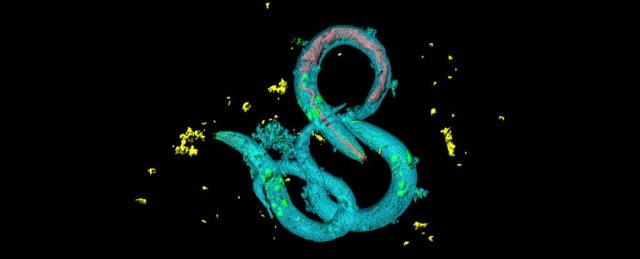
Scientists researching a key aspect of biochemistry in living creatures have been taking a very close look at the tiny Caenorhabditis elegans roundworm. Their latest results show that when these nematodes get put under more biochemical stress early in their lives, they somehow tend to live longer.

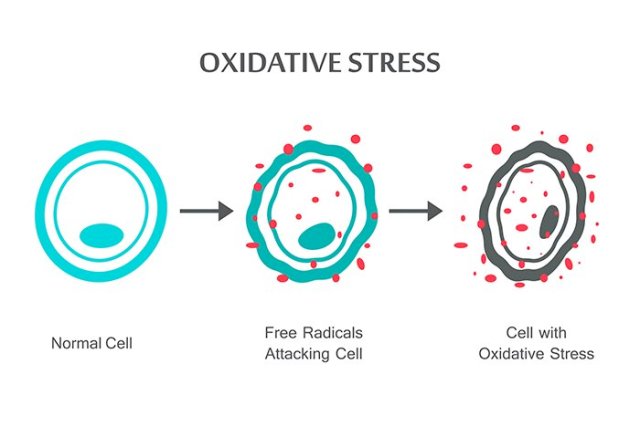
This type of stress, called oxidative stress – an imbalance of oxygen-containing molecules that can result in cellular and tissue damage – seems to better prepare the worms for the strains of later life, along the same lines as the old adage that whatever doesn’t kill you, makes you stronger.

You might think that worm lifespans have no bearing on human life. And surely, until we have loads more research done in this field, it would be a big leap to say the same principles of prolonging one’s lifespan might hold true for human beings.

But there’s good reason to put C. elegans through the paces. This model organism has proven immensely helpful for researchers trying to better understand key biological functions present in worm and human alike – and oxidative stress is one such function.

The little wriggly creatures are known to have significant variations in their lifespan even when the whole population is genetically identical and grows up in the exact same conditions. So the team went looking for other factors that affect C. elegans’ longevity.

“The general idea that early life events have such profound, positive effects later in life is truly fascinating,” says biochemist Ursula Jakob from the University of Michigan.

Jakob and her colleagues sorted thousands of C. elegans larvae based on the oxidative stress levels they experienced during development – this stress arises when cells produce more oxidants and free radicals than they can handle. It’s a normal part of the ageing process, but it’s also triggered by exercise and a limited food supply.

One way to measure this stress is by the levels of reactive oxygen species (ROS) molecules an organism produces – simply put, this measurement indicates the biochemical stress an organism is under. In the case of these roundworms, the more ROS were produced during development, the longer their lifespans turned out to be.

To explain how this effect of ROS might come about, the researchers went looking for changes in the worms’ genetic regulation, specifically those genes that are known to be involved in dealing with oxidative stress.

While doing so, they detected a key difference – the nematodes exposed to more ROS during development appeared to have undergone an epigenetic change (a gene expression switch that can happen due to environmental influences) that increased the oxidative stress resistance of their body’s cells.

There are still a lot of questions to answer, but the researchers think their results identify one of the stochastic – or random – influences on the lifespan of organisms; it’s something that has been hypothesised in the field of the genetics of ageing. And down the line, it may turn out to be relevant for ageing humans, too.

“This study provides a foundation for future work in mammals, in which very early and transient metabolic events in life seem to have equally profound impacts on lifespan,” the researchers conclude.

The study has been published in Nature.

https://www.sciencealert.com/biological-stress-in-early-life-could-be-one-of-the-keys-to-a-long-lifespan?perpetual=yes&limitstart=1

Using artificial intelligence to determine whether immunotherapy is working


Case Western Reserve researchers use AI with routine CT scans to predict how well lung cancer patients will respond to expensive treatment based off changes in texture patterns inside and outside the tumor.

Scientists from the Case Western Reserve University digital imaging lab, already pioneering the use of artificial intelligence (AI) to predict whether chemotherapy will be successful, can now determine which lung-cancer patients will benefit from expensive immunotherapy.

And, once again, they’re doing it by teaching a computer to find previously unseen changes in patterns in CT scans taken when the lung cancer is first diagnosed compared to scans taken after the first two to three cycles of immunotherapy treatment. And, as with previous work, those changes have been discovered both inside—and outside—the tumor, a signature of the lab’s recent research.

“This is no flash in the pan—this research really seems to be reflecting something about the very biology of the disease, about which is the more aggressive phenotype, and that’s information oncologists do not currently have,” said Anant Madabhushi, whose Center for Computational Imaging and Personalized Diagnostics (CCIPD) has become a global leader in the detection, diagnosis and characterization of various cancers and other diseases by meshing medical imaging, machine learning and AI.

Currently, only about 20% of all cancer patients will actually benefit from immunotherapy, a treatment that differs from chemotherapy in that it uses drugs to help your immune system fight cancer, while chemotherapy uses drugs to directly kill cancer cells, according to the National Cancer Institute.

Madabhushi said the recent work by his lab would help oncologists know which patients would actually benefit from the therapy, and who would not.

“Even though immunotherapy has changed the entire ecosystem of cancer, it also remains extremely expensive—about $200,000 per patient, per year,” Madabhushi said. “That’s part of the financial toxicity that comes along with cancer and results in about 42% of all new diagnosed cancer patients losing their life savings within a year of diagnosis.”

Having a tool based on the research being done now by his lab would go a long way toward “doing a better job of matching up which patients will respond to immunotherapy instead of throwing $800,000 down the drain,” he added, referencing the four patients out of five who will not benefit, multiplied by annual estimated cost.

Case Western Reserve researchers use AI with routine CT scans to predict how well lung cancer patients will respond to expensive treatment based off changes in texture patterns inside and outside the tumor
Scientists from the Case Western Reserve University digital imaging lab, already pioneering the use of artificial intelligence (AI) to predict whether chemotherapy will be successful, can now determine which lung-cancer patients will benefit from expensive immunotherapy.

And, once again, they’re doing it by teaching a computer to find previously unseen changes in patterns in CT scans taken when the lung cancer is first diagnosed compared to scans taken after the first two to three cycles of immunotherapy treatment. And, as with previous work, those changes have been discovered both inside—and outside—the tumor, a signature of the lab’s recent research.

“This is no flash in the pan—this research really seems to be reflecting something about the very biology of the disease, about which is the more aggressive phenotype, and that’s information oncologists do not currently have,” said Anant Madabhushi, whose Center for Computational Imaging and Personalized Diagnostics (CCIPD) has become a global leader in the detection, diagnosis and characterization of various cancers and other diseases by meshing medical imaging, machine learning and AI.

Currently, only about 20% of all cancer patients will actually benefit from immunotherapy, a treatment that differs from chemotherapy in that it uses drugs to help your immune system fight cancer, while chemotherapy uses drugs to directly kill cancer cells, according to the National Cancer Institute.

Madabhushi said the recent work by his lab would help oncologists know which patients would actually benefit from the therapy, and who would not.

“Even though immunotherapy has changed the entire ecosystem of cancer, it also remains extremely expensive—about $200,000 per patient, per year,” Madabhushi said. “That’s part of the financial toxicity that comes along with cancer and results in about 42% of all new diagnosed cancer patients losing their life savings within a year of diagnosis.”

Having a tool based on the research being done now by his lab would go a long way toward “doing a better job of matching up which patients will respond to immunotherapy instead of throwing $800,000 down the drain,” he added, referencing the four patients out of five who will not benefit, multiplied by annual estimated cost.

New research published
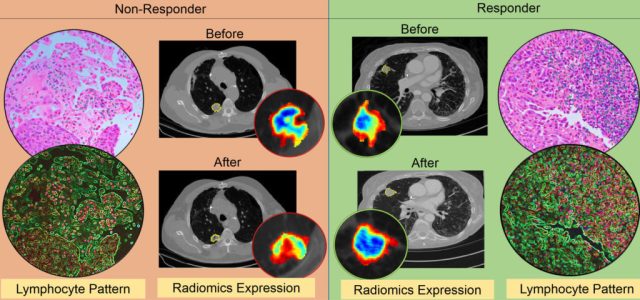
The figure above shows differences in CT radiomic patterns before and after initiation of checkpoint inhibitor therapy.

The new research, led by co-authors Mohammadhadi Khorrami and Prateek Prasanna, along with Madabhushi and 10 other collaborators from six different institutions was published in November in the journal Cancer Immunology Research.

Khorrami, a graduate student working at the CCIPD, said one of the more significant advances in the research was the ability of the computer program to note the changes in texture, volume and shape of a given lesion, not just its size.

“This is important because when a doctor decides based on CT images alone whether a patient has responded to therapy, it is often based on the size of the lesion,” Khorrami said. “We have found that textural change is a better predictor of whether the therapy is working.

“Sometimes, for example, the nodule may appear larger after therapy because of another reason, say a broken vessel inside the tumor—but the therapy is actually working. Now, we have a way of knowing that.”

Prasanna, a postdoctoral research associate in Madabhushi’s lab, said the study also showed that the results were consistent across scans of patients treated at two different sites and with three different types of immunotherapy agents.

“This is a demonstration of the fundamental value of the program, that our machine-learning model could predict response in patients treated with different immune checkpoint inhibitors,” he said. “We are dealing with a fundamental biological principal.”

Prasanna said the initial study used CT scans from 50 patients to train the computer and create a mathematical algorithm to identify the changes in the lesion. He said the next step will be to test the program on cases obtained from other sites and across different immunotherapy agents. This research recently won an ASCO 2019 Conquer Cancer Foundation Merit Award.

Additionally, Madabhushi said, researchers were able show that the patterns on the CT scans which were most associated with a positive response to treatment and with overall patient survival were also later found to be closely associated with the arrangement of immune cells on the original diagnostic biopsies of those patients.

This suggests that those CT scans actually appear to capturing the immune response elicited by the tumors against the invasion of the cancer—and that the ones with the strongest immune response were showing the most significant textural change and most importantly, would best respond to the immunotherapy, he said.

Madabhushi established the CCIPD at Case Western Reserve in 2012. The lab now includes nearly 60 researchers.

Some of the lab’s most recent work, in collaboration with New York University and Yale University, has used AI to predict which lung cancer patients would benefit from adjuvant chemotherapy based on tissue-slide images. That advancement was named by Prevention Magazine as one of the top 10 medical breakthroughs of 2018.

Other authors on the paper were: Germán Corredor, Mehdi Alilou and Kaustav Bera from biomedical engineering, Case Western Reserve University; Pingfu Fu from population and quantitative health sciences, Case Western Reserve University; Amit Gupta of University Hospitals Cleveland Medical Center; Pradnya Patil of Cleveland Clinic; Priya D. Velu of Weill Cornell Medicine; Rajat Thawani of Maimonides Medical Center; Michael Feldman from Perelman School of Medicine of the University of Pennsylvania; and Vamsidhar Velcheti from NYU-Langone Medical Center.

For more information, contact Mike Scott at mike.scott@case.edu.

Using artificial intelligence to determine whether immunotherapy is working

Scientists create strain of bacteria that consumes carbon dioxide

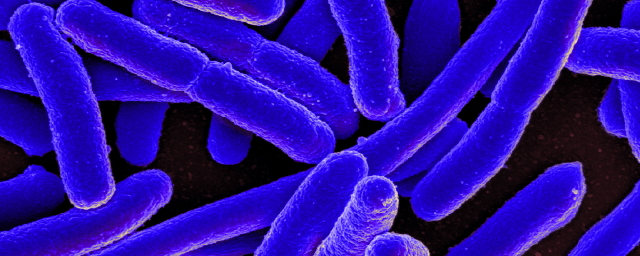
Researchers have engineered Escherichia coli bacteria to make energy exclusively from carbon dioxide, according to a paper published November 27 in Cell.

E. coli are normally heterotrophs—organisms that get their energy sources from ingesting organic compounds, such as glucose—but the new study shows that they can be turned into autotrophs, making their own energy by turning carbon dioxide from the atmosphere into biomass.

“I find it fundamentally amazing that an organism which evolved over billions of years to live a heterotrophic lifestyle can so quickly and completely change into an autotroph,” Dave Savage, a biochemist at University of California, Berkeley, who was not involved with the study, tells The Scientist in an email. “It suggests that metabolism is extremely malleable.”

This process of using inorganic carbon to make biomass, called carbon fixation, could be used to solve “some of the biggest challenges of humanity today,” Ron Milo, a systems biologist at the Weizmann Institute of Science in Israel and the lead author of the paper, tells The Scientist. For example, increasing carbon fixation in plants generates more biomass, which could increase the world’s food supply.

The team set out to make E. coli—a “very genetically malleable model organism,” says Milo—fix carbon as a step toward sustainable industrial processes such as creating biofuel.

E. coli doesn’t normally have molecular mechanisms in place to use CO2, so the researchers gave it genes for the ability to fix carbon that were based on the gene sequence of carbon-fixing Pseudomonas bacteria. These changes weren’t enough to force the bacteria to switch to being autotrophic, so the team also disabled three genes involved in heterotrophic metabolism and put the bacteria into growth chambers with limited amounts of sugar, which starved them. In this environment, there was an advantage for bacteria that used CO2 instead of the finite sugar supply, and the researchers wanted to see if the bacteria could evolve to only use CO2.

The E. coli were grown on sodium formate, a carbon molecule that donates the necessary electrons during the process of making energy, but doesn’t contribute to biomass. The air in the growth chambers was also enriched with carbon dioxide.

After approximately 200 days, the bacteria relied completely on carbon dioxide from the air to generate biomass while taking in formate as a necessary ingredient for the chemical reactions. When the scientists analyzed the bacterial genome, they found that the bacteria evolved to use carbon dioxide as their energy source after as few as 11 mutations. Some of the changes occurred in genes related to carbon fixation, while others were in genes that are known to mutate in other lab evolution experiments or have no known role in energy production from CO2.


Heterotrophic E. coli (left) produce biomass from sugar, but lab-evolved autotrophic E. coli from the new study (center) use CO2 instead. The authors envision autotrophic E. coli that use renewable energy and have no net carbon emissions in the future (right).

“It’s a proof of concept for the field, that you can really rewire . . . the metabolic features of living organisms from scratch. It’s an exciting step forward,” Tobias Erb, a synthetic biologist at the Max Planck Institute for Terrestrial Microbiology in Germany who wrote a commentary on the study, tells The Scientist. However, “if the strain that they created [is] of biotechnological relevance in the future . . . I think is still up to debate,” he says.

For instance, the autotrophic E. coli currently produce more carbon dioxide as a byproduct than they take in. This could be solved by producing formate from carbon dioxide in the future, so that there are no net carbon dioxide emissions.

In addition, the researchers used high carbon dioxide levels in the bacteria’s growth chambers—around 10 percent of the air—but it’s only 0.04 percent of Earth’s atmosphere. “We’re interested to see if we could move it towards ambient carbon dioxide levels, meaning that one could use the ambient atmosphere that has much less [carbon dioxide], 400 parts per million,” says Milo.

“It’s an interesting concept now. Whether it actually is something that becomes useful in terms of application, that’s another question,” Patrik Jones, who studies microbial metabolic engineering at Imperial College London and was not involved with the study, tells The Scientist. “It’s definitely a step towards that direction . . . But then I think it’s important to realize that there are more steps needed in order to utilize this.”

ABOVE: FLICKR.COM, NIAID
Researchers have engineered Escherichia coli bacteria to make energy exclusively from carbon dioxide, according to a paper published today (November 27) in Cell.

E. coli are normally heterotrophs—organisms that get their energy sources from ingesting organic compounds, such as glucose—but the new study shows that they can be turned into autotrophs, making their own energy by turning carbon dioxide from the atmosphere into biomass.

“I find it fundamentally amazing that an organism which evolved over billions of years to live a heterotrophic lifestyle can so quickly and completely change into an autotroph,” Dave Savage, a biochemist at University of California, Berkeley, who was not involved with the study, tells The Scientist in an email. “It suggests that metabolism is extremely malleable.”

This process of using inorganic carbon to make biomass, called carbon fixation, could be used to solve “some of the biggest challenges of humanity today,” Ron Milo, a systems biologist at the Weizmann Institute of Science in Israel and the lead author of the paper, tells The Scientist. For example, increasing carbon fixation in plants generates more biomass, which could increase the world’s food supply.

The team set out to make E. coli—a “very genetically malleable model organism,” says Milo—fix carbon as a step toward sustainable industrial processes such as creating biofuel.

E. coli doesn’t normally have molecular mechanisms in place to use CO2, so the researchers gave it genes for the ability to fix carbon that were based on the gene sequence of carbon-fixing Pseudomonas bacteria. These changes weren’t enough to force the bacteria to switch to being autotrophic, so the team also disabled three genes involved in heterotrophic metabolism and put the bacteria into growth chambers with limited amounts of sugar, which starved them. In this environment, there was an advantage for bacteria that used CO2 instead of the finite sugar supply, and the researchers wanted to see if the bacteria could evolve to only use CO2.

The E. coli were grown on sodium formate, a carbon molecule that donates the necessary electrons during the process of making energy, but doesn’t contribute to biomass. The air in the growth chambers was also enriched with carbon dioxide.

After approximately 200 days, the bacteria relied completely on carbon dioxide from the air to generate biomass while taking in formate as a necessary ingredient for the chemical reactions. When the scientists analyzed the bacterial genome, they found that the bacteria evolved to use carbon dioxide as their energy source after as few as 11 mutations. Some of the changes occurred in genes related to carbon fixation, while others were in genes that are known to mutate in other lab evolution experiments or have no known role in energy production from CO2.

Heterotrophic E. coli (left) produce biomass from sugar, but lab-evolved autotrophic E. coli from the new study (center) use CO2 instead. The authors envision autotrophic E. coli that use renewable energy and have no net carbon emissions in the future (right).
GLEIZER ET AL.
“It’s a proof of concept for the field, that you can really rewire . . . the metabolic features of living organisms from scratch. It’s an exciting step forward,” Tobias Erb, a synthetic biologist at the Max Planck Institute for Terrestrial Microbiology in Germany who wrote a commentary on the study, tells The Scientist. However, “if the strain that they created [is] of biotechnological relevance in the future . . . I think is still up to debate,” he says.

For instance, the autotrophic E. coli currently produce more carbon dioxide as a byproduct than they take in. This could be solved by producing formate from carbon dioxide in the future, so that there are no net carbon dioxide emissions.

In addition, the researchers used high carbon dioxide levels in the bacteria’s growth chambers—around 10 percent of the air—but it’s only 0.04 percent of Earth’s atmosphere. “We’re interested to see if we could move it towards ambient carbon dioxide levels, meaning that one could use the ambient atmosphere that has much less [carbon dioxide], 400 parts per million,” says Milo.

“It’s an interesting concept now. Whether it actually is something that becomes useful in terms of application, that’s another question,” Patrik Jones, who studies microbial metabolic engineering at Imperial College London and was not involved with the study, tells The Scientist. “It’s definitely a step towards that direction . . . But then I think it’s important to realize that there are more steps needed in order to utilize this.”

Emily Makowski is an intern at The Scientist. Email her at emakowski@the-scientist.com.

https://www.the-scientist.com/news-opinion/lab-evolved-e–coli-makes-energy-solely-from-carbon-dioxide-66788?utm_campaign=TS_DAILY%20NEWSLETTER_2019&utm_source=hs_email&utm_medium=email&utm_content=80070748&_hsenc=p2ANqtz-_mk5jB1Vyqx3xPsKPzk1WcGdxEqSmuirpfpluu4Opm4tMO6n7rXROJrCvQp0yKBw2eCo4R4TZ422Hk6FcfJ7tDWkMpyg&_hsmi=80070748

Archaeologists Unearth Remains of Infants Wearing ‘Helmets’ Made From the Skulls of Other Children


Members of Ecuador’s Guangala culture may have outfitted the infants in skulls as a protective measure

By Jason Daley

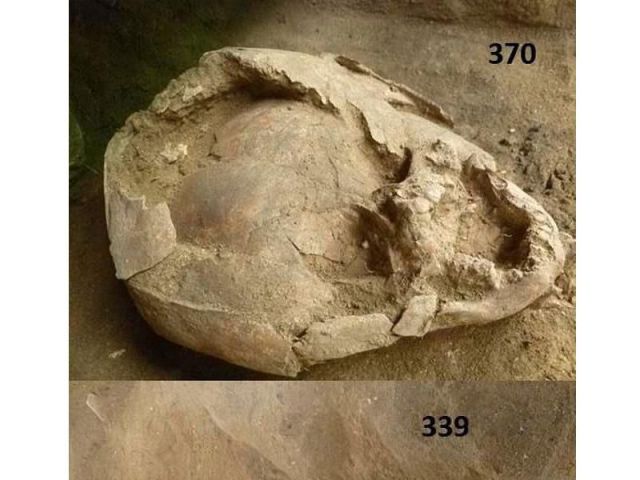
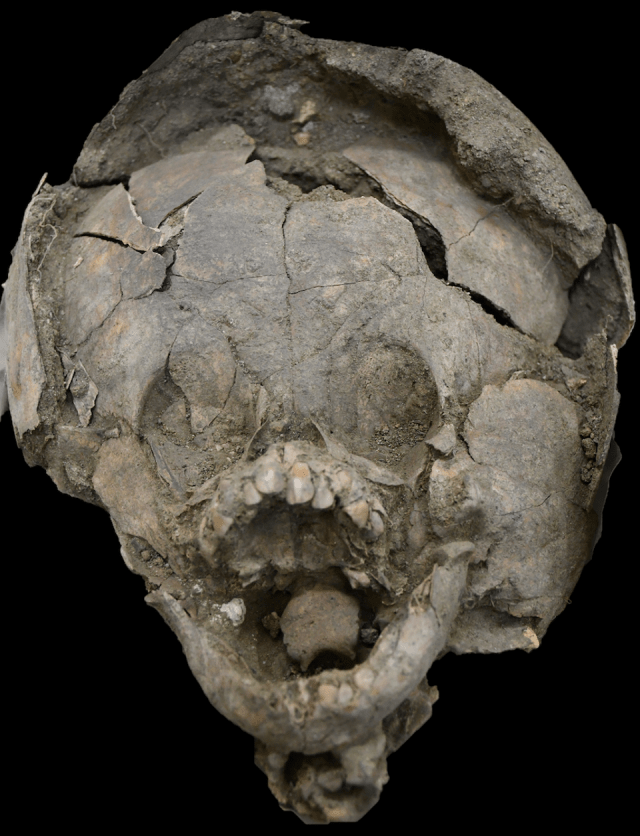
Archaeologists excavating a site in Salango, Ecuador, have discovered evidence of a burial ritual that might even make Indiana Jones shiver. As the researchers report in the journal Latin American Antiquity, excavations at a pair of 2,100-year-old funerary mounds revealed several unusual sets of remains: namely, the skeletons of two infants wearing what appear to be bone “helmets” made from the skulls of older children.

Members of the Guangala culture interred the infants at Salango, an ancient ritual complex on the country’s central coast, around 100 B.C. Archaeologists unearthed the remains—as well as those of nine other individuals, many of whom were buried with small objects including figurines and shells—while conducting excavations between 2014 and 2016. Per the study, the discovery represents the only known evidence of “using juvenile crania as mortuary headgear” found to date.

One of the babies was around 18 months old at time of death, while the second was between 6 and 9 months old.

As the study’s authors write, “The modified cranium of a second juvenile was placed in a helmet-like fashion around the head of the first, such that the primary individual’s face looked through and out of the cranial vault of the second.”

The older infant’s helmet originally belonged to a child aged 4 to 12 years old; interestingly, the researchers found a small shell and a finger bone sandwiched between the two layered skulls. The second baby’s helmet was fashioned from the cranium of a child between 2 and 12 years old.


The researchers found a small shell and a finger bone sandwiched between the two layered skulls. (Sara Juengst/UNC Charlotte)

Perhaps most eerily, the older children’s skulls likely still had flesh when they were outfitted over the infants’ heads. Juvenile skulls “often do not hold together” if they are simply bare bone, the archaeologists note.

“We’re still pretty shocked by the find,” lead author Sara Juengst of the University of North Carolina at Charlotte tells Forbes’ Kristina Killgrove. “Not only is it unprecedented, there are still so many questions.”

Potential explanations for the unexpected burials abound: DNA and isotope analysis currently underway may clarify whether the infants and children were related, but even if these tests fail to provide a definitive answer, Juengst says the researchers “definitely have a lot of ideas to work with.”

Speaking with New Atlas’ Michael Irving, Jeungst explains that “heads were commonly depicted in iconography, pottery, stone, and with literal heads in pre-Columbian South America.”

She adds, “They are generally representative of power, ancestors, and may demonstrate dominance over other groups—such as through the creation of trophy heads from conquered enemies.”

According to the paper, the helmets could have been intended to protect the deceased’s “presocial and wild” souls as they navigated the afterlife. Other infants found in the funerary platform were buried with figurines placed near their heads, perhaps for a similar purpose. An alternative theory posits the skull helmets belonged to the infants’ ancestors and were actually worn in both life and death.

Jeungst and her colleagues also outline a “tantalizing hypothesis” centered on a volcano located near the burial site. Ash found at Salango suggests the volcano was active and likely interfering with agriculture in the area, potentially subjecting the children to malnourishment and even starvation. Sîan Halcrow, an archaeologist at New Zealand’s University of Otago whose research focuses on juvenile health and disease, tells Killgrove that all four sets of bones showed signs of anemia.

Another less likely explanation identifies the children as victims of a ritual designed to quiet the volcano. The remains show no signs of trauma, however, and as Juengst says to Newsweek’s Aristos Georgiou, the evidence suggests the four juveniles “probably were quite ill anyway.”

The most plausible explanation, according to Jeungst, is that the Guangala outfitted the infants with skulls “in reaction to some sort of natural or social disaster and [to ensure] that these infants had extra protection or extra links to ancestors through their burials.”

While the unusual burial may seem macabre to modern readers, Juengst tells Killgrove she found the helmets “strangely comforting.”

“Dealing with the death of young infants is always emotional,” she explains, “but in this case, it was strangely comforting that those who buried them took extra time and care to do it in a special place, perhaps accompanied by special people, in order to honor them.”

Read more: https://www.smithsonianmag.com/smart-news/remains-infants-found-wearing-helmets-made-skulls-other-children-180973608/#qA6mSw6T0mpl92KM.99

A blue whale’s heart beats just twice a minute when it dives for food

By Layal Liverpool

We have checked the pulse of a wild-living blue whale for the first time, and discovered something remarkable. When blue whales dive for food they can reduce their heart rates to as low as 2 beats per minute. This is well below the rates the large animals were calculated to have. Previous predictions were that the whales would have a resting heart rate of 15 beats per minute.

The finding is particularly extraordinary given that whales have an energetically demanding feeding method, says Jeremy Goldbogen at Stanford University, California. During lunge feeding, a blue whale engulfs a volume of prey-filled water that can be larger than its own body.

From a large inflatable boat in Monterey Bay, California, Goldbogen and his team used a 6-metre pole to attach heart rate monitors to a single blue whale. The monitors were held in place with suction cups. The researchers were then able to monitor the whale’s heart rate for almost 9 hours. They detected heart rates of just 2 to 8 beats per minute hundreds of times.

The whale dived for as long as 16.5 minutes at a time, reaching a maximum depth of 184 metres, and stayed at the surface for intervals ranging from 1 to 4 minutes. The whale’s heart rate was at its lowest when it was diving for food and shot up after it resurfaced, reaching a peak of 37 beats per minute.

The reduction in heart rate during dives enables whales to temporarily redistribute oxygenated blood from the heart to other muscles needed for lunging, says Goldbogen. Whales then recover upon resurfacing by dramatically increasing their breathing and heart rate, he says.

These results demonstrate “the quite extraordinary level of flexibility and control that these diving mammals have over their heart rate and blood flow”, says Sascha Hooker at the University of St Andrews, UK.

Recent technological advances have enabled these kinds of readings to be collected from free-living whales, says Hooker. “These are opening the door to a much greater understanding of how these animals are able to perform some quite amazing feats of diving and exercise,” she says.

Journal reference: PNAS, DOI: 10.1073/pnas.1914273116

Read more: https://www.newscientist.com/article/2224674-a-blue-whales-heart-beats-just-twice-a-minute-when-it-dives-for-food/#ixzz66PRZuGAd

New late-onset Alzheimer’s disease risk gene discovered: Mucin 6

A new paper in the Journal of Neuropathology & Experimental Neurology finds a gene that may help explain a large part of the genetic risk for developing Alzheimer disease.

Late-onset Alzheimer disease, the most common form of the illness, is a devastating neurological condition with aspects of heritable risk that are incompletely understood. Unfortunately, the complexity of the human genome and shortcomings of earlier research are limiting factors, so that some genetic phenomena were not surveyed completely in prior studies. For example, there are many incompletely mapped genomic regions, and areas with repetitive sequences, that could not be studied previously.

Although Alzheimer’s is known to be largely heritable, a substantial proportion of the actual genetic risk for the disease has remained unexplained, despite extensive studies. This knowledge gap is known to researchers are the “missing (or hidden) heritability” problem. For example, while heritability explained 79% of late-onset Alzheimer disease risk in a Swedish twin study, common risk variants identified by pervious genetic studies explained only 20% to 50% of late-onset Alzheimer disease. In other words, a relatively large amount of genetic influence on late-onset Alzheimer disease risk was not explained by prior genetic studies.

Recent advances in sequencing technologies have enabled more comprehensive studies. Such developments allow for more precise and accurate identification of genetic material than was available in earlier gene variant studies.

In the present study, researchers analyzed Alzheimer’s Disease Sequencing Project data derived from over 10,000 people (research volunteers who agreed to have their genetic data evaluated in combination with their disease status), with the goal of identifying genetic variation associated with late-onset Alzheimer disease.

Preliminary results found evidence of late-onset Alzheimer disease -linked genetic variation within a segment of a gene called Mucin 6. Although the underlying mechanisms are mostly still unknown, researchers here believe that it’s possible to draw credible and testable hypotheses based on these results. For example, the genetic variant that was associated with Alzheimer’s disease risk may implicate a biochemical pathway in the brain that then represents a potential therapeutic target, a topic for future studies.

Corresponding authors were Yuriko Katsumata and Peter Nelson, both from the University of Kentucky. Dr. Nelson said of this study, “Our findings were made in a group of patients that is relatively small for a genetics study–some recent studies included hundreds of thousands of research subjects! That small sample size means two things: first, we should exercise caution and we need to make sure the phenomenon can be replicated in other groups; and second, it implies that there is a very large effect size–the genetic variation is strongly associated with the disease.”

https://eurekalert.org/pub_releases/2019-11/oupu-nar111819.php

How Behavioral Science Solved Chicago’s Plastic Bag Problem: the fee works better than the ban

Like a lot of cities seeking to reduce the unrecyclable plastic waste that has burdened their landfills and fouled their waterways, Chicago officials had two basic policy remedies to pick from: a ban or a fee. And like a lot of cities, they made that choice based largely on gut instinct and voter preference. They picked a ban but soon after it went into effect in August 2015, officials discovered it was having some unintended and unwelcome consequences.

“It was only a matter of months,” said Paul Sajovec, chief of staff to Alderman Scott Waguespack, “because people pretty quickly realized that it wasted more plastic.”

The ban applied to only thin, single-use plastic bags, prompting stores to find alternatives like paper bags, which are less likely to wind up in local waterways but cost more energy to manufacture than plastic. One independent grocer gave out 9,500 fewer plastic bags a week after the ban, according to the Illinois Retail Merchant Association, but those bags were twice the thickness—negating the benefit of the ban. In all, it was a real-time confirmation of a 2017 study by the University of Sydney: plastic bag bans tend to increase purchases of both plastic trash bags and paper bag use.

There was some anecdotal evidence consumers were changing their behavior by bringing their own reusable bags but the law was generally earning mixed reviews. Politicians and environmentalists wanted more impact. Retailers were frustrated at the increased cost of bagging supplies.

“The silver lining in that bad policy was it brought retailers to the table,” said Jordan Parker, founder and director of Bring Your Own Bag Chicago, an environmental advocacy group that helped shape the new legislation.

In November 2016, the city repealed the ban, replacing it with a 7-cent fee on paper and plastic bags. In a short period of time, Chicago had effectively become a municipal laboratory to study which of the two basic policy remedies works best. What researchers found when they examined the data was that consumers are less motivated by emotional appeals to save the environment and more by the impact on their pocketbook—even when it’s just a few cents. Over the course of the first year, Chicagoans reduced their disposable bag usage from 2.3 bags per trip to 1.8 bags per trip—a nearly 28 percent difference, according to a 2018 study by the University of Chicago, New York University and the non-profit ideas42.

Tatiana Homonoff, an assistant professor of economics and public policy at New York University, and her research team surveyed shoppers inside Chicago and its neighboring suburbs, which were not subject to a bag fee, before and after the city’s tax went into effect. When she asked why they brought a reusable bag, shoppers would tick off environmentalist talking points such as the pile of garbage twice the size of Texas floating in the Pacific Ocean. But when Homonoff asked customers when they started bringing their own bag they answered, “After the tax was passed.”

“Sometimes these informational campaigns can work,” she said. “Telling people about the environmental ills of plastic isn’t going to work.” At least not on its own.


Washington, D.C. resident Takia Holmes carries a jumble of groceries to her car without using a plastic bag, which would have cost her an extra nickel.

To understand the bag tax’s success, Homonoff points to a phenomenon in behavioral economics known as loss aversion. The painful experience of loss is more effective at changing habits than a positive gain. During her surveys, customers often said they wouldn’t bring a reusable bag if they could save a nickel but would bring a bag if it meant avoiding a 5-cent charge.

“You do see this asymmetry when we’re talking about a bonus versus a tax,” she said.

Interestingly, that small but painful fee proved effective on customers across all demographics and income levels, she added.

“It’s not to say that it only works when it’s a big financial burden, then you would expect the drop in low-income neighborhoods but not high-income neighborhoods,” she said. “This tells me that it’s not just about the financial burden of this, that maybe there’s something behavioral.”

Knowing that the modest fee can work at different income levels could also help policymakers understand how to calculate the most palatable tax for consumers. In Seattle, the plastic bag industry goaded voters to reject a 20-cent plastic bag fee. The city ultimately replaced the fee with a hybrid solution that banned plastic bags and charged 5 cents for larger paper bags. In the four years after the policy went into effect, the city of Seattle reported a 50 percent reduction of plastic bags going to city dumps. However, the same report noted that about half of convenience stores and grocery stores were out of compliance.

The takeaway, Homonoff says, is that while you might get a bigger change if you have a large tax, you can change consumer habits with a small tax as well.

Parker agreed that even a modest tax can force people to think twice about the environment.

“These tiny slaps on the wrist are effective at making people care,” she said. “The data points to money. If they feel like they’re losing money, the loss aversion is so much more powerful when changing human behavior.”

The city had initially projected the fee would garner $9.2 million in revenue. Instead, the tax collected just $5.6 million in the first year. (Unlike some municipalities that dedicate revenue from the bag fee to environmental cleanups, Chicago retailers collect 2 cents while the city retains the other 5 for its general operating budget.)

While revenue climbed to $6.4 million in 2018, the city’s fiscal year 2020 budget overview projects that number will decline to $5.9 million in 2019 and will stabilize the following year. That drop doesn’t bother the city’s budget experts, who argue the tax wasn’t really about the revenue in the first place.

“It really was trying to encourage people to bring reusable bags when shopping,” said Susie Park, the city’s budget director. “The decline in revenue is potentially a good thing, because it shows a change in behavior. So we’re hoping that continues.”

Evidence of the fee’s success is anecdotal in other cities, such as Washington, D.C., that have implemented one. In Washington, the Anacostia River has served as the poster child for the city’s 5-cent fee. The waterway is the intended recipient of the tax’s revenue and despite evidence that some of the funds earmarked for cleaning the river have floated down other revenue streams, local politicians say there is less plastic clogging the river.

Even as Chicago acknowledges its bag tax hasn’t beefed up the city’s coffers, its performance hasn’t dissuaded the state government from eyeing a similar fee as a potential revenue source. In February, Illinois Governor J.B. Pritzker proposed a 5-cent tax on plastic checkout bags across the state, a fee his administration expects would garner between $19 million and $23 million. State Rep. Ann Williams, a Democrat whose district encompasses parts of northern Chicago neighborhoods, introduced a bag tax bill in the Illinois House of Representatives earlier this year. Williams noticed a dramatic change in behavior in her home district after the tax, but can’t say the same for the state capital, where there’s no disposable bag policy. Her new habits, she said, travel with her.

“I’m throwing stuff in my purse,” she said. “… I absolutely try and there’s that guilt factor.”

https://www.politico.com/news/magazine/2019/11/21/plastic-bag-environment-policy-067879

Life-long strategies that may help decrease the risk of developing dementia

There are no instant, miracle cures. But recent studies suggest we have more control over our cognitive health than we might think. It just takes some effort.

When it comes to battling dementia, the unfortunate news is this: Medications have proven ineffective at curing or stopping the disease and its most common form, Alzheimer’s disease. But that isn’t the end of the story. According to a recent wave of scientific studies, we have more control over our cognitive health than is commonly known. We just have to take certain steps—ideally, early and often—to live a healthier lifestyle.

In fact, according to a recent report commissioned by the Lancet, a medical journal, around 35% of dementia cases might be prevented if people do things including exercising and engaging in cognitively stimulating activities. “When people ask me how to prevent dementia, they often want a simple answer, such as vitamins, dietary supplements or the latest hyped idea,” says Eric Larson, a physician at Kaiser Permanente in Seattle and one of a group of scientists who helped prepare the report. “I tell them they can take many common-sense actions that promote health throughout life.”

The Lancet report, distilling the findings of hundreds of studies, identifies several factors that likely contribute to dementia risk, many of which can be within people’s power to control. These include midlife obesity, physical inactivity, high blood pressure, Type 2 diabetes, social isolation and low education levels.

Of course, there are no guarantees. Dementia is a complicated disease that has multiple causes and risk factors, some of which remain unknown. Nevertheless, there is increasing evidence that people—even those who inherit genes that put them at greater risk of developing Alzheimer’s in later life—can improve their chances by adopting lifestyle changes.

“It’s not just about running three times a week,” says Sarah Lenz Lock, executive director of AARP’s Global Council on Brain Health. “Instead, it’s about a package of behaviors, including aerobic exercise, strength training, a healthy diet, sleep and cognitive training.”

Because most neurodegenerative diseases take years, if not decades, to develop, researchers say the best time to focus on brain health is long before symptoms occur—ideally by midlife if not before. Still, they emphasize that it is never too late to start.

What follows is a look at what scientific studies tell us about possible ways to reduce dementia risk.

1. Blood-pressure control

The potential role that cardiovascular health—including blood pressure—plays in dementia has been one of the tantalizing highlights of recent research based on the Framingham Heart Study, which has followed thousands of residents of Framingham, Mass., and their relatives since 1948.

The research found a 44% decline in the dementia rate among people age 60 or older for the period 2004 to 2008, compared with 1977 to 1983. Diagnoses fell to two for every 100 study participants from 3.6 in the earlier period. Over the same roughly 30 years, the average age at which dementia was diagnosed rose to 85 from 80.

Co-author Claudia Satizabal, an assistant professor at UT Health San Antonio, says the research suggests that improvements in cardiovascular health and education levels help explain the trend. Improvements in dementia rates have occurred only in participants “who had at least a high-school diploma,” the study says. And as dementia rates have fallen, the study also says, so have the rates of “stroke and other cardiovascular diseases,” thanks in part to a greater use of blood-pressure medication.

Unlike studies in which participants are randomly assigned to different treatment groups and then monitored for results, the Framingham study and others that analyze population data cannot definitively prove a cause-and-effect relationship. Dr. Satizabal says that while the significant decline in dementia rates since 1977 suggests that management of stroke and heart issues could have contributed, that “is something that needs more research.”

A recent study that randomly assigned participants to different treatment goals offers further evidence for the idea that high blood pressure is a treatable risk factor that leads to dementia.

In 2010, researchers at Wake Forest School of Medicine began enrolling almost 9,400 people age 50 and older with high blood pressure in one of two groups. With the aid of medication, one group reduced its systolic blood pressure—which measures pressure in the arteries when the heart contracts—to less than 120. The other group aimed for less than 140.

The group with lower blood pressures experienced such significantly lower rates of death, strokes and heart attacks that in 2015 the researchers stopped the trial ahead of schedule. The scientists concluded it would be unethical to continue because most people should be targeting the lower blood pressure, says the study’s co-author Jeff Williamson, a Wake Forest medical school professor.

In 2017 and 2018, the researchers performed a final round of cognitive tests on participants and discovered that the lower-blood-pressure group had 19% fewer diagnoses of mild cognitive impairment, often a precursor to dementia, and 15% fewer cases of any type of dementia, mild or otherwise.

Using MRIs, the researchers scanned 673 participants’ brains and, upon follow-up, found less damaging changes in the lower-blood-pressure group.

“This is the first trial that has demonstrated an effective strategy for prevention of cognitive impairment,” says Kristine Yaffe, professor of psychiatry, neurology and epidemiology at the University of California, San Francisco. “That’s pretty big news,” says Dr. Yaffe, who wasn’t involved in the study.

2. Exercise

Several studies that have followed large numbers of people for years suggest that physically active individuals are less likely than inactive peers are to develop dementia, according to a recent World Health Organization report.

Exercise increases the flow of blood to the brain, improves the health of blood vessels and raises the level of HDL cholesterol, which together help protect against cardiovascular disease and dementia, says Laura Baker, a professor at Wake Forest School of Medicine. Exercise can also lead to the formation of new brain synapses and protect brain cells from dying.

Prof. Baker’s studies suggest that aerobic exercise can help improve cognitive function in people with mild memory, organizational and attention deficits, which are often the first symptoms of cognitive impairment.

One recent study conducted by Prof. Baker and several co-authors enrolled 65 sedentary adults ages 55 to 89 with mild memory problems. For six months, half completed four 60-minute aerobic-exercise sessions at the gym each week. Under a trainer’s supervision, they exercised mainly on treadmills at 70% to 80% of maximum heart rate. The other half did stretching exercises at 35% of maximum heart rate.

At the beginning and end of the study, researchers collected participants’ blood and spinal fluid and obtained MRI scans of their brains. Over the six months, the aerobic-exercise group had a statistically significant reduction in the level in their spinal fluid of tau protein, which accumulates in the brains of people with Alzheimer’s. They also had increased blood flow to areas of the brain that are important for attention and concentration, and their scores on cognitive tests improved. The stretching group, in contrast, showed no improvement on cognitive tests or tau levels.

3. Cognitive training

Many population studies suggest that education increases cognitive reserve, a term for the brain’s ability to compensate for neurological damage. The Framingham study, for example, found that participants with at least a high-school diploma benefited the most from declining dementia rates, compared with participants with less education.

In another population study, researchers at Columbia University analyzed data from 593 people age 60 or older, 106 of whom developed dementia. People with clerical, unskilled or semiskilled jobs had greater risk of getting the disease than managers and professionals.

In a separate study, some of the same researchers followed 1,772 people age 65 or older, 207 of whom developed dementia. After adjusting the results for age, ethnic group, education and occupation, the authors found that people who engaged in more than six activities a month—including hobbies, reading, visiting friends, walking, volunteering and attending religious services—had a 38% lower rate of developing dementia than people who did fewer activities.

In yet another study, researchers at institutions including Rush University Medical Center’s Rush Institute for Healthy Aging examined the brains of 130 deceased people who had undergone cognitive evaluations when alive. Among individuals in whom similar levels of Alzheimer’s-related brain changes were seen in the postmortem examinations, the researchers found that those who had more education generally had shown higher cognitive function.

Yaakov Stern, a professor at Columbia University College of Physicians and Surgeons who has written about these studies and the impact of education on dementia, recommends maintaining “educational and mentally stimulating activities throughout life.” This fosters growth of new neurons and may slow the rate at which certain regions of the brain shrink with age. It also promotes cognitive reserve, he says.

4. Diet

Efforts to study the impact of diet on dementia are relatively new, but there are some indications that certain diets may be beneficial in lowering the risk of dementia.

Several population studies, for instance, suggest that people with a Mediterranean diet, which is high in fish, fruits, nuts and vegetables, have lower rates of dementia, according to the World Health Organization.

But a variation on that diet may offer even more protection against the development of Alzheimer’s disease, according to a study released in 2015.

In this study, researchers including Dr. Martha Clare Morris, director of the Rush Institute for Healthy Aging, analyzed data from 923 people ages 58 to 98 who kept detailed food diaries about what they ate from 2004 to 2013.

In total, 158 subjects developed dementia. But among individuals who remained cognitively healthy, a high proportion had consumed a diet heavy in leafy green and other vegetables, nuts, berries, beans, whole grains, fish, poultry, olive oil and wine (in moderation). Their diets were limited in red meat, butter, cheese, sweets and fried and fast foods.

This diet, which researchers named the Mind diet, shares many elements of a Mediterranean diet. But the Mind diet prescribes more foods—including berries and leafy green vegetables—that are associated with lower rates of neurological diseases.

The researchers scored each of the 923 participants on how closely their detailed eating habits followed three diets: Mind, Mediterranean, and Dash diet, designed to reduce high blood pressure. For each diet, researchers ranked the participants based on their scores, subdividing them by the degree to which they followed each diet—closely, partly or little.

This led to several discoveries: First, there were about 50% fewer Alzheimer’s diagnoses among participants who most closely followed either the Mind diet or the Mediterranean diet, compared with those who followed either diet only a little. For the Dash diet, there was a 39% reduction for those who were most faithful to its rules.

Meanwhile, even those who only partly followed the Mind diet saw a 35% reduction in Alzheimer’s diagnoses, while no reduction was seen for those who only partly followed either the Mediterranean or Dash diet.

In contrast to the Mediterranean and Dash diets, “even modest adherence to the Mind diet may have substantial benefits for prevention of Alzheimer’s disease,” says Kristin Gustashaw, a dietitian at Rush.

5. Sleep

No one knows for sure why we sleep. One theory is that sleep helps us remember important information by performing a critical housekeeping function on brain synapses, including eliminating some connections and strengthening others.

Another theory is that sleep washes “toxic substances out of our brains that shouldn’t be there,” including beta amyloid and tau proteins that are implicated in Alzheimer’s, says Ruth Benca, a professor of medicine at the University of California, Irvine.

In a 2015 study, Prof. Benca and others examined 98 participants without dementia ages 50 to 73. Many were at genetic risk for the disease. Brain scans revealed that those reporting more sleep problems had higher levels of amyloid deposits in areas of the brain typically affected by Alzheimer’s.

“Poor sleep may be a risk factor for Alzheimer’s,” says Prof. Benca, who is conducting a study to see whether treating sleep problems may help prevent dementia.

She says sleep—or a lack of it—may help explain why about two-thirds of Alzheimer’s patients are women. Some researchers theorize that during menopause women can become vulnerable to the disease, in part due to increased prevalence of insomnia.

6. Combination

There is a growing consensus that when it comes to preserving brain health, the more healthy habits you adopt, the better.

According to a forthcoming study of 2,765 older adults by researchers at Rush, nonsmokers who stuck to the Mind diet, got regular exercise, engaged in cognitively stimulating activities and drank alcohol in moderation had 60% fewer cases of dementia over six years than people with just one such habit.

A study published in July found that people at greater genetic risk for Alzheimer’s appear to benefit just as much from eating well, exercising and drinking moderately as those who followed the same habits but weren’t at elevated genetic risk for the disease.

The study, by researchers including Kenneth Langa, associate director of the Institute of Gerontology at the University of Michigan, examined data from 196,383 Britons age 60 and older. Over about a decade, there were 38% fewer dementia diagnoses among individuals who had healthy habits and a gene, APOE4, that puts people at higher risk for Alzheimer’s, than there were among people who had the gene and poor habits. The gene increases the risk for Alzheimer’s by two to 12 times, depending on how many copies a person has.

Among participants with low genetic risk for Alzheimer’s, healthy habits were associated with a 40% reduction in the incidence of the disease. The results suggest a correlation between lifestyle, genetic risk and dementia, the study says.

Many point to a recent clinical trial in Finland of 1,260 adults ages 60 to 77 as proof that a multipronged approach can work.

The researchers, from institutions including the Karolinska Institute in Sweden and the National Institute for Health and Welfare in Helsinki, randomly assigned half of the participants, all deemed at high risk for dementia, to regular sessions with nutritionists, exercise trainers and instructors in computerized brain-training programs. The participants attended social events and were closely monitored for conditions including high blood pressure, excess abdominal weight and high blood sugar.

“They got support from each other to make lifestyle changes,” says co-author Miia Kivipelto, a professor at the Karolinska Institute in Sweden.

The other half received only general health advice.

After two years, both groups showed improvements in cognitive performance. But the overall scores of the intensive-treatment group improved by 25% more than the scores for the other group. The intensive-treatment group scored between 40% and 150% better on tests of executive function, mental speed and complex memory tasks, suggesting that a multifaceted approach can “improve or maintain cognitive functioning in at-risk elderly people,” the study says.

“We are studying whether exercise and lifestyle can be medicine to protect brain health as we get older,” says Prof. Baker, who is overseeing a U.S. study modeled on the Finnish trial.

https://apple.news/AzlC5CLNvQJWJrsP-qrJFIw