Magnetic particle mapped in the human brain

Researchers at Ludwing Maximilliams Universitat Muchen have for the first time mapped the distribution of magnetic particles in the human brain. The study reveals that the particles are primarily located in the cerebellum and the brainstem, which are the more ancient parts of the brain.

Many living organisms, such as migratory birds, are thought to possess a magnetotactic sense, which enables them to respond to the Earth’s magnetic field. Whether or not humans are capable of sensing magnetism is the subject of debate. However, several studies have already shown that one of the preconditions required for such a magnetic sensory system is indeed met: magnetic particles exist in the human brain. Now a team led by Stuart A. Gilder (a professor at LMU‘s Department of Earth and Environmental Sciences) and Christoph Schmitz (a professor at LMU’s Department of Neuroanatomy) has systematically mapped the distribution of magnetic particles in human post mortem brains. Their findings were published in the journal Scientific Reports (Nature Publishing Group)

In their study, the LMU researchers confirmed the presence of magnetic particles in human brains. The particles were found primarily in the cerebellum and the brainstem, and there was striking asymmetry in the distribution between the left and right hemispheres of the brain. “The human brain exploits asymmetries in sensory responses for spatial orientation, and also for sound-source localization,” Schmitz explains. The asymmetric distribution of the magnetic particles is therefore compatible with the idea that humans might have a magnetic sensor. But in all probability, this sensor is much too insensitive to serve any useful biological function, he adds. Furthermore, the chemical nature of the magnetic particles remains unknown. “We assume that they are all made of magnetite (Fe3O4), but it is not yet possible to be sure,” says Gilder.

The study was funded by the Volkswagen Foundation’s “Experiment!” program, which is designed specifically to get daring new research projects, whose ultimate outcome is uncertain, off the ground. This is in contrast to traditional NIH-style support, which largely supports research that has already been conducted and for which the outcome is almost certain. The data were obtained from seven human post mortem brains, which had been donated for use in medical research. In all, a total of 822 tissue samples were subjected to magnetometry. The measurements were performed under the supervision of Stuart Gilder in a magnetically shielded laboratory located in a forest 80 km from Munich which is largely free from pervasive magnetic pollution that is characteristic of urban settings nowadays.

In further experiments, the LMU team plans to characterize the properties of the magnetic particles found in human brains. In collaboration with Professor Patrick R. Hof (Fishberg Department of Neuroscience, Icahn School of Medicine at Mount Sinai, New York), they also hope to perform analogous localization studies on far larger mammals – whales. These huge marine mammals are known to migrate between feeding and breeding grounds across great distances in the world’s oceans. “We want determine whether we can detect magnetic particles in the brains of whales, and if so whether they are also asymmetrically distributed“ says Schmitz. “It goes without saying that such studies will be carried out on animals that have died of natural causes.”

https://www.en.uni-muenchen.de/news/newsarchiv/2018/schmitz_magnetite.html

Distribution of magnetic remanence carriers in the human brain
Stuart A. Gilder, Michael Wack, Leon Kaub, Sophie C. Roud, Nikolai Petersen, Helmut Heinsen, Peter Hillenbrand, Stefan Milz & Christoph Schmitz
Scientific Reportsvolume 8, Article number: 11363 (2018)
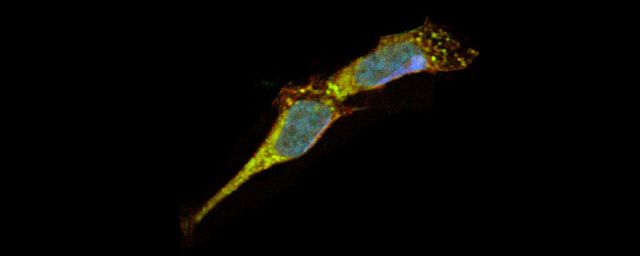
LRRK2 enzyme is implicated in even more Parkinson’s disease cases than originally realized, suggesting that inhibitors of the enzyme could treat more patients.

by SUKANYA CHARUCHANDRA

Even when Parkinson’s patients don’t have mutations in a gene called LRRK2, more of the active enzyme the gene generates is present in their brains than in healthy brains, researchers reported last week (July 25) in Science Translational Medicine. The finding suggests that LRRK2 inhibitors could help to reduce harmful effects of the enzyme in the vast majority of Parkinson’s patients.

“This is the really interesting bit of data … the demonstration that when you look in the brains of individuals with idiopathic Parkinson’s [where the cause is unknown], that there’s evidence that LRRK2 is activated,” says Patrick Lewis, who studies Parkinson’s disease at University College London and the University of Reading in the UK. He has collaborated with one of the paper’s coauthors but was not involved in this study.

Ten percent of Parkinson’s cases have known genetic causes. Three percent of cases are due to a mutation in LRRK2, the gene encoding the LRRK2 enzyme. The enzyme is highly active in Parkinson’s patients with a mutated LRRK2 gene, and the increased enzyme activity has been linked to the development of the disease.

In the new study, Timothy Greenamyre, a professor of neurology at the University of Pittsburgh, and his team wanted to look at the level of active LRRK2 in patients without an LRRK2 mutation. “Because [LRRK2] is a low-abundance protein, people have had difficulty detecting it,” Greenamyre says. To spot active LRRK2, the researchers first developed two versions of an assay: the first detects the active enzyme and the second, the inactive enzyme. In the first detection method, researchers used two different antibodies, one that binds to a specific subunit that acts as a known indicator of the active enzyme and another that binds to a different proximal portion of it. When both antibodies bind successfully, their close contact generates a fluorescent signal—a sign of active LRRK2. The second method detects a protein known to regulate LRRK2 activity. Higher levels of this protein indicate lower levels of available active LRRK2.

The team used the assay on postmortem brain tissue from Parkinson’s disease patients and from healthy individuals. The researchers observed higher levels of the active LRRK2 enzyme in substantia nigra dopamine-producing neurons—the death of which indicate neurodegenerative disease—in the brain tissue of Parkinson’s patients’ with no mutation in the LRRK2 gene than in healthy brain tissue.

“We have been wondering for a very long time whether LRRK2 plays a role in sporadic Parkinson’s disease,” says Mark Cookson, who studies the neurodegenerative disorder in the National Institutes of Health’s Laboratory of Neurogenetics. He has collaborated with Greenamyre before but was not involved in this work. According to Cookson, this study provides “defensive evidence” of LRRK2’s role in the disease, even in patients without a mutation in the gene.

In the next set of experiments, Greenamyre and his colleagues wanted to see if active LRRK2 turned up in two rat models of Parkinson’s disease. In the first rodent model, the animals were given the toxin rotenone to induce symptoms of the disease. Even without a mutation in the LRRK2 gene, the rats had higher levels of active LRRK2 protein. In the rats’ brains, the active LRRK2 enzymes were linked with clumps of another protein, α-synuclein. The clumps eventually help form Lewy bodies, a characteristic feature of Parkinson’s brains. In the second rodent model, the researchers overexpressed wildtype α-synuclein in the rats’ substantia nigra, which caused levels of active LRRK2 to rise. When the group treated the rotenone-rodent model with a drug that inhibited the LRRK2 protein, the number of clumps and Lewy bodies dropped.

The team also observed higher levels of reactive oxygen species (ROS)—chemically responsive molecules such as peroxides—in the brains of both rat models of Parkinson’s disease. As a result, Greenamyre and his colleagues wanted to see if directly increasing ROS led to more active LRRK2. In a third set of experiments, the team dosed healthy human cell lines with hydrogen peroxide and found the addition of the ROS increased the levels of LRRK2. A spike in ROS levels, the researchers suggest, activates LRRK2, which in turn aids in the development of some classic Parkinson’s features. Blocking the production of ROS resulted in a drop in active LRRK2. The result gives clues to an environmental cause for Parkinson’s disease.

Pharmaceutical companies are already developing LRRK2 inhibitors that can help the small percentage of Parkinson’s patients that have a mutation in the LRRK2 gene. “The inhibitors may benefit patients not only with the mutation but also patients who have idiopathic diseases—they’re much more common,” says coauthor Dario Alessi, a professor who studies signaling pathways in neurodegenerative disorders at the University of Dundee in the UK.

LRRK2 inhibitors, the researchers note, cause mild, yet reversible side effects, in the lungs and kidneys.

R.D. Maio et al., “LRRK2 activation in idiopathic Parkinson’s disease,” Science Translational Medicine, doi:10.1126/scitranslmed.aar5429, 2018.

https://www.the-scientist.com/news-opinion/key-enzyme-active-in-brains-of-patients-without-parkinsons-mutation-64599

Blood serum study reveals networks of proteins that impact aging

by Bob Yirka

A team of researchers from several institutions in Iceland and the U.S. has conducted a unique blood serum investigation and discovered multiple protein networks that are involved in the aging process. In their paper published in the journal Science, the group describes their study and what they found.

Prior research has shown that when older mice have their blood systems connected to younger mice, the older mice experience improvements in age-related organ deterioration. This finding has led scientists to suspect that aging might be caused by something in the blood. In this new effort, the researchers sought to test this idea by studying proteins in the circulatory system.

The study consisted of analyzing blood samples from 5,457 people living in Iceland, all of whom were over the age of 65 and who were participants in an ongoing study called Age, Gene/Environment Susceptibility. The volunteers had also been chosen specifically to represent a cross section of the people living in Iceland. The major part of the blood analysis involved creating a panel of DNA aptamers (short sequences that bind to proteins) that could be used to recognize proteins, both known and unknown. Blood serum from the volunteers was then compared against the panels and the results were analyzed by a computer looking for patterns.

The researchers report that they discovered 27 networks that showed evidence of coordinated pattern expression. These networks, or modules, as the researchers call them, were different from one another in size and form and were made of proteins from both tissue and organs. They also report that many of the modules had expression patterns that have in the past been associated with age-related diseases such as heart disease and metabolic syndrome—and there were some that were also associated with mortality in the years after the samples were taken from the volunteers. The group suggests their findings offer more evidence of the role blood serum plays in the aging process.

The researchers report that they also looked for the means by which the networks they discovered are regulated and found that approximately 60 percent of mechanisms involved are unknown.

More information: Valur Emilsson et al. Co-regulatory networks of human serum proteins link genetics to disease, Science (2018). DOI: 10.1126/science.aaq1327

https://m.medicalxpress.com/news/2018-08-blood-serum-reveals-networks-proteins.html

New lung cell with role in cystic fibrosis discovered


Ionocytes (orange) extend through neighboring epithelial cells (nuclei, cyan) to the surface of the respiratory epithelial lining. This newly identified cell type expresses high levels of CFTR, a gene that is associated with cystic fibrosis when mutated.

by ABBY OLENA

Two independent research teams have used single-cell RNA sequencing to generate detailed molecular atlases of mouse and human airway cells. The findings, reported in two studies today (August 1) in Nature, reveal the gene-expression patterns of thousands of lung cells, as well as the existence of a previously unknown cell type that expresses high levels of the gene mutated in cystic fibrosis, the cystic fibrosis transmembrane conductance regulator (CFTR).

“These papers are extremely exciting,” says Amy Ryan, a lung biologist at the University of Southern California who was not involved in either study. “They’ve interrogated the cellular composition and the cellular hierarchy of the airways by using a single-cell RNA-sequencing technique. That kind of information is going to have a significant impact on advancing the research that we can do, and hopefully the derivation of new therapeutic approaches for any number of airway diseases.”

Jayaraj Rajagopal, a pulmonary physician at Massachusetts General Hospital and Harvard University and coauthor of one of the studies, had been studying lung regeneration and wanted to use single-cell sequencing to look at differences in the lungs’ stem-cell populations. He and his colleagues teamed up with Aviv Regev, a computational biologist at the Broad Institute of MIT and Harvard University, and together, the two groups characterized the transcriptomes of thousands of epithelial cells from the adult mouse trachea.

Rajagopal, Regev, and colleagues uncovered previously unknown differences in gene expression in several groups of airway cells; identified novel structures in the lung; and found new paths of cellular differentiation. They also described several new cell types, including one that the team has named the pulmonary ionocyte, after salt-regulating cells in fish and amphibian skin. These lung cells express similar genes as fish and amphibian ionocytes, the team found, including a gene coding for the transcription factor Foxi1, which regulates genes that play a role in ion transport.

The team also showed that pulmonary ionocytes highly express CFTR, and are in fact the primary source of its product, CFTR—a membrane protein that helps regulate fluid transport and the consistency of mucus—in both mouse and human lungs, suggesting that the cells might play a role in cystic fibrosis.

“So much that we found rewrites the way we think about lung biology and lung cells,” says Rajagopal. “I think the entire community of pulmonologists and lung biologists will have to take a step back and think about their problems with respect to all these new cell types.”

For the other study, Aron Jaffe, a biologist at Novartis who studies how different airway cell types are made, combined forces with Harvard systems biologist Allon Klein and his team. Klein’s group had previously developed a single-cell RNA-sequencing method that Jaffe describes as “the perfect technology to take a big picture view and really define the full repertoire of epithelial cell types in the airway.”

Jaffe, Klein, and colleagues sequenced RNA from thousands of single human bronchial epithelial and mouse tracheal epithelial cells. The atlas generated by their sequencing analysis revealed pulmonary ionocytes, as well as new gene-expression patterns in familiar cells. The team examined the expression of CFTR in human and mouse ionocytes in order to better understand the possible role for the cells in cystic fibrosis. Consistent with the findings of the other study, the researchers showed that pulmonary ionocytes make the majority of CFTR protein in the airways of humans and mice.

“Finding this new rare cell type that accounts for the majority of CFTR activity in the airway epithelium was really the biggest surprise,” Jaffe tells The Scientist. “CFTR has been studied for a long time, and it was thought that the gene was broadly expressed in many cells in the airway. It turns out that the epithelium is more complicated than previously appreciated.”

These studies are “very exciting work [and] a wonderful example of how new technologies that have come online in the last few years—in this case single-cell RNA sequencing—have made a very dramatic advance in our understanding of aspects of biology,” says Ann Harris, a geneticist at Case Western Reserve University who did not participate in either study.

In terms of future directions, the authors “have shown that transcription factor [Foxi1] is central to the transcriptional program of these ionocytes,” says Harris. One of the next questions is, “does it directly interact with the CFTR gene or is it working through other transcription factors or other proteins that regulate CFTR gene expression?”

According to Jennifer Alexander-Brett, a pulmonary physician and researcher at Washington University School of Medicine in St. Louis who was not involved in the studies, the possibility that a rare cell type could be playing a part in regulating airway physiology is “captivating.”

Apart from investigating the potential role for ionocytes in lung function, Alexander-Brett says that researchers can likely make broad use of the data from the studies—particularly details on the expression of genes coding for transcription factors and cell-surface markers. “One area that we really struggle with in airway biology . . . is [that] we just don’t have good markers” to differentiate cell types, she explains. But these papers are “very comprehensive. There’s a ton of data here.”

D.T. Montoro et al., “A revised airway epithelial hierarchy includes CFTR-expressing ionocytes,” Nature, doi:10.1038/s41586-018-0393-7, 2018.

L.W. Plasschaert et al., “A single-cell atlas of the airway epithelium reveals the CFTR-rich pulmonary ionocyte,” Nature, doi:10.1038/s41586-018-0394-6, 2018.

https://www.the-scientist.com/news-opinion/new-lung-cell-identified-64594?utm_campaign=TS_DAILY%20NEWSLETTER_2018&utm_source=hs_email&utm_medium=email&utm_content=64924537&_hsenc=p2ANqtz-_M5n43mM_3CJb8-lIkjE6yt4ij2HduxgVeZi_X5bG7ATrAOGkvtsg4DpCbuAc0NAG8lx4myMxN3kiH4C1qc9OdlQkAGg&_hsmi=64924537

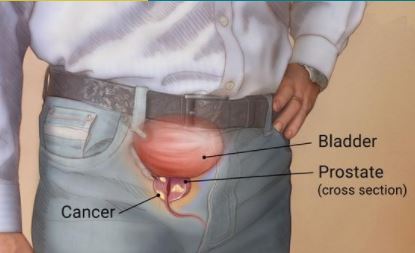
Researchers identify dozens of new gene changes that point to elevated risk of prostate cancer in men of European descent

As the result of a six-year long research process, Fredrick R. Schumacher, a cancer epidemiology researcher at Case Western Reserve University School of Medicine, and an international team of more than 100 colleagues have identified 63 new genetic variations that could indicate higher risk of prostate cancer in men of European descent. The findings, published in a research letter in Nature Genetics, contain significant implications for which men may need to be regularly screened because of higher genetic risk of prostate cancer. The new findings also represent the largest increase in genetic markers for prostate cancer since they were first identified in 2006.

The changes, known as genetic markers or SNPs (“snips”), occur when a single base in the DNA differs from the usual base at that position. There are four types of bases: adenine (A), thymine (T), guanine (G) and cytosine (C). The order of these bases determines DNA’s instructions, or genetic code. They can serve as a flag to physicians that a person may be at higher risk for a certain disease. Previously, about 100 SNPs were associated with increased risk of prostate cancer. There are 3 billion base pairs in the human genome; of these, 163 have now been associated with prostate cancer.

One in seven men will be diagnosed with prostate cancer during their lifetimes.

“Our findings will allow us to identify which men should have early and regular PSA screenings and these findings may eventually inform treatment decisions,” said Schumacher. Prostate-specific antigen (PSA) screenings measure how much PSA, a protein produced by both cancerous and noncancerous tissue in the prostate, is in the blood.

Adding the 63 new SNPs to the 100 that are already known allows for the creation of a genetic risk score for prostate cancer. In the new study, the researchers found that men in the top one percent of the genetic risk score had a six-fold risk-increase of prostate cancer compared to men with an average genetic risk score. Those who had the fewest number of these SNPs, or a low genetic risk score, had the lowest likelihood of having prostate cancer.

In a meta-analysis that combined both previous and new research data, Schumacher, with colleagues from Europe and Australia, examined DNA sequences of about 80,000 men with prostate cancer and about 60,000 men who didn’t have the disease. They found that men with cancer had a higher frequency of 63 different SNPs (also known as single nucleotide polymorphisms) that men without the disease did not have. Additionally, the more of these SNPs that a man has, the more likely he is to develop prostate cancer.

The researchers estimate that there are about 500-1,000 genetic variants possibly linked to prostate cancer, not all of which have yet been identified. “We probably only need to know 10 percent to 20 percent of these to provide relevant screening guidelines,” continued Schumacher, who is an associate professor in the Department of Population and Quantitative Health Sciences at Case Western Reserve School of Medicine.

Currently, researchers don’t know which of the SNPs are the most predictive of increased prostate cancer risk. Schumacher and a number of colleagues are working to rank those most likely to be linked with prostate cancer, especially with aggressive forms of the disease that require surgery, as opposed to slowly developing versions that call for “watchful waiting” and monitoring.

The research lays a foundation for determining who and how often men should undergo PSA tests. “In the future, your genetic risk score may be highly indicative of your prostate cancer risk, which will determine the intensity of PSA screening,” said Schumacher. “We will be working to determine that precise genetic risk score range that would trigger testing. Additionally, if you have a low score, you may need screening less frequently such as every two to five years.” A further implication of the findings of the new study is the possibility of precise treatments that do not involve surgery. “Someday it may be feasible to target treatments based on a patient’s prostate cancer genetic risk score,” said Schumacher.

In addition to the work in the new study, which targets men of European background, there are parallel efforts underway looking at genetic signals of prostate cancer in men of African-American and Asian descent.

Researchers identify dozens of new gene changes that point to elevated risk of prostate cancer in men of European descent

Why the Medical Research Grant System Could Be Costing Us Great Ideas

By Aaron E. Carroll

The medical research grant system in the United States, run through the National Institutes of Health, is intended to fund work that spurs innovation and fosters research careers. In many ways, it may be failing.

It has been getting harder for researchers to obtain grant support. A study published in 2015 in JAMA showed that from 2004 to 2012, research funding in the United States increased only 0.8 percent year to year. It hasn’t kept up with the rate of inflation; officials say the N.I.H. has lost about 23 percent of its purchasing power in a recent 12-year span.

Because the money available for research doesn’t go as far as it used to, it now takes longer for scientists to get funding. The average researcher with an M.D. is 45 years old (for a Ph.D. it’s 42 years old) before she or he obtains that first R01 (think “big” grant).

Given that R01-level funding is necessary to obtain promotion and tenure (not to mention its role in the science itself), this means that more promising researchers are washing out than ever before. Only about 20 percent of postdoctoral candidates who aim to earn a tenured position in a university achieve that goal.

This new reality can be justified only if those who are weeded out really aren’t as good as those who remain. Are we sure that those who make it are better than those who don’t?

A recent study suggests the grant-making system may be unreliable in distinguishing between grants that are funded versus those that get nothing — its very purpose.

When a health researcher believes she or he has a good idea for a research study, they most often submit a proposal to the N.I.H. It’s not easy to do so. Grants are hard to write, take a lot of time, and require a lot of experience to obtain.

After they are submitted, applications are sorted by topic areas and then sent to a group of experts called a study section. If any experts have a conflict of interest, they recuse themselves. Applications are usually first reviewed by three members of the study section and then scored on a number of domains from 1 (best) to 9 (worst).

The scores are averaged. Although the bottom half of applications will receive written comments and scores from reviewers, the applications are not discussed in the study section meetings. The top half are presented in the meeting by the reviewers, then the entire study section votes using the same nine-point scale. The grants are then ranked by scores, and the best are funded based on how much money is available. Grants have to have a percentile better than the “payline,” which is, today, usually between 10 and 15 percent.

Given that there are far more applications than can be funded, and that only the best ones are even discussed, we hope that the study sections can agree on the grades they receive, especially at the top end of the spectrum.

In this study of the system, researchers obtained 25 funded proposals from the National Cancer Institute. Sixteen of them were considered “excellent,” as they were funded the first time they were submitted. The other nine were funded on resubmission — grant applications can be submitted twice — and so can still be considered “very good.”

They then set up mock study sections. They recruited researchers to serve on them just as they do on actual study sections. They assigned those researchers to grant applications, which were reviewed as they would be for the N.I.H. They brought those researchers together in groups of eight to 10 and had them discuss and then score the proposals as they would were this for actual funding.

The intraclass correlation — a statistic that refers to how much groups agree — was 0 for the scores assigned. This meant that there was no agreement at all on the quality of any application. Because they were concerned about the reliability of this result, the researchers also computed a Krippendorff’s alpha, another statistic of agreement. A score above 0.7 (range 0 to 1) is considered “acceptable.” None were; the values were all very close to zero. A final statistic measured overall similarity scores and found that scores for the same application were no more similar than scores for different applications.

There wasn’t even any difference between the scores for those funded immediately and those requiring resubmission.

Superslow Brain Waves May Play a Critical Role in Consciousness


Signals long thought to be “noise” appear to represent a distinct form of brain activity.

By Tanya Lewis

Every few seconds a wave of electrical activity travels through the brain, like a large swell moving through the ocean. Scientists first detected these ultraslow undulations decades ago in functional magnetic resonance imaging (fMRI) scans of people and other animals at rest—but the phenomenon was thought to be either electrical “noise” or the sum of much faster brain signals and was largely ignored.

Now a study that measured these “infraslow” (less than 0.1 hertz) brain waves in mice suggests they are a distinct type of brain activity that depends on an animal’s conscious state. But big questions remain about these waves’ origin and function.

An fMRI scan detects changes in blood flow that are assumed to be linked to neural activity. “When you put someone in a scanner, if you just look at the signal when you don’t ask the subject to do anything, it looks pretty noisy,” says Marcus Raichle, a professor of radiology and neurology at Washington University School of Medicine in St. Louis and senior author of the new study, published in April in Neuron. “All this resting-state activity brought to the forefront: What is this fMRI signal all about?”

To find out what was going on in the brain, Raichle’s team employed a combination of calcium/hemoglobin imaging, which uses fluorescent molecules to detect the activity of neurons at the cellular level, and electrophysiology, which can record signals from cells in different brain layers. They performed both measurements in awake and anesthetized mice; the awake mice were resting in tiny hammocks in a dark room.

The team found that infraslow waves traveled through the cortical layers of the awake rodents’ brains—and changed direction when the animals were anesthetized. The researchers say these waves are distinct from so-called delta waves (between 1 and 4 Hz) and other higher-frequency brain activity.

These superslow waves may be critical to how the brain functions, Raichle says. “Think of, say, waves on the water of Puget Sound. You can have very rough days where you have these big groundswells and then have whitecaps sitting on top of them,” he says. These “swells” make it easier for brain areas to become active—for “whitecaps” to form, in other words.

Other researchers praised the study’s general approach but were skeptical that it shows the infraslow waves are totally distinct from other brain activity. “I would caution against jumping to a conclusion that resting-state fMRI is measuring some other property of the brain that’s got nothing to do with the higher-frequency fluctuations between areas of the cortex,” says Elizabeth Hillman, a professor of biomedical engineering at Columbia University’s Zuckerman Institute, who was not involved in the work. Hillman published a study in 2016 finding that resting-state fMRI signals represent neural activity across a range of frequencies, not just low ones.

More studies are needed to tease apart how these different types of brain signals are related. “These kinds of patterns are very new,” Hillman notes. “We haven’t got much of a clue what they are, and figuring out what they are is really, really difficult.”

https://www.scientificamerican.com/article/superslow-brain-waves-may-play-a-critical-role-in-consciousness1/

Faulty Gene Leads to Alcohol-Induced Heart Failure

Scientists have revealed a new link between alcohol, heart health and our genes.

The researchers investigated faulty versions of a gene called titin which are carried by one in 100 people or 600,000 people in the UK.

Titin is crucial for maintaining the elasticity of the heart muscle, and faulty versions are linked to a type of heart failure called dilated cardiomyopathy.

Now new research suggests the faulty gene may interact with alcohol to accelerate heart failure in some patients with the gene, even if they only drink moderate amounts of alcohol.

The research was carried out by scientists from Imperial College London, Royal Brompton Hospital, and MRC London Institute of Medical Sciences, and published this week in the latest edition of the Journal of the American College of Cardiology.

The study was supported by the Department of Health and Social Care and the Wellcome Trust through the Health Innovation Challenge Fund.

In the first part of the study, the team analysed 141 patients with a type of heart failure called alcoholic cardiomyopathy (ACM). This condition is triggered by drinking more than 70 units a week (roughly seven bottles of wine) for five years or more. In severe cases the condition can be fatal, or leave patients requiring a heart transplant.

The team found that the faulty titin gene may also play a role in the condition. In the study 13.5 per cent of patients were found to carry the mutation – much higher than the proportion of people who carry them in the general population.

These results suggest this condition is not simply the result of alcohol poisoning, but arises from a genetic predisposition – and that other family members may be at risk too, explained Dr James Ware, study author from the National Heart and Lung Institute at Imperial.

“Our research strongly suggests alcohol and genetics are interacting – and genetic predisposition and alcohol consumption can act together to lead to heart failure. At the moment this condition is assumed to be simply due to too much alcohol. But this research suggests these patients should also be checked for a genetic cause – by asking about a family history and considering testing for a faulty titin gene, as well as other genes linked to heart failure,” he said.

He added that relatives of patients with ACM should receive assessment and heart scans – and in some cases have genetic tests – to see if they unknowingly carry the faulty gene.

In a second part of the study, the researchers investigated whether alcohol may play a role in another type of heart failure called dilated cardiomyopathy (DCM). This condition causes the heart muscle to become stretched and thin, and has a number of causes including viral infections and certain medications. The condition can also be genetic, and around 12 per cent of cases of DCM are thought to be linked to a faulty titin gene.

In the study the team asked 716 patients with dilated cardiomyopathy how much alcohol they consumed.

None of the patients consumed the high-levels of alcohol needed to cause ACM. But the team found that in patients whose DCM was caused by the faulty titin gene, even moderately increased alcohol intake (defined as drinking above the weekly recommended limit of 14 units), affected the heart’s pumping power.

Compared to DCM patients who didn’t consume excess alcohol (and whose condition wasn’t caused by the faulty titin gene), excess alcohol was linked to reduction in heart output of 30 per cent.

More research is now needed to investigate how alcohol may affect people who carry the faulty titin gene, but do not have heart problems, added Dr Paul Barton, study co-author from the National Heart and Lung Institute at Imperial:

“Alcohol and the heart have a complicated relationship. While moderate levels may have benefits for heart health, too much can cause serious cardiac problems. This research suggests that in people with titin-related heart failure, alcohol may worsen the condition.

“An important wider question is also raised by the study: do mutations in titin predispose people to heart failure when exposed to other things that stress the heart, such as cancer drugs or certain viral infections? This is something we are actively seeking to address.”

The research was supported by the Department of Health and Social Care and Wellcome Trust through the Health Innovation Challenge Fund, the Medical Research Council, the NIHR Cardiovascular Biomedical Research Unit at Royal Brompton & Harefield NHS Foundation Trust and the British Heart Foundation.

Reference: Ware, J. S., Amor-Salamanca, A., Tayal, U., Govind, R., Serrano, I., Salazar-Mendiguchía, J., … Garcia-Pavia, P. (2018). Genetic Etiology for Alcohol-Induced Cardiac Toxicity. Journal of the American College of Cardiology, 71(20), 2293–2302. https://doi.org/10.1016/j.jacc.2018.03.462

https://www.technologynetworks.com/genomics/news/faulty-gene-leads-to-alcohol-induced-heart-failure-304365?utm_campaign=Newsletter_TN_BreakingScienceNews&utm_source=hs_email&utm_medium=email&utm_content=63228690&_hsenc=p2ANqtz-9oqDIw3te1NPoj51s94kxnA1ClK8Oiecfela6I4WiITEbm_-SWdmw6pjMTwm2YP24gqSzRaBvUK1kkb2kZEJKPcL5JtQ&_hsmi=63228690

Rapamycin lotion reduces facial tumors caused by tuberous sclerosis


Researching tuberous sclerosis from the left are Adelaide Hebert, M.D.; John Slopis, M.D.; Mary Kay Koenig, M.D.; Joshua Samuels, M.D., M.P.H.; and Hope Northrup, M.D. PHOTO CREDIT Maricruz Kwon, UTHealth

Addressing a critical issue for people with a genetic disorder called tuberous sclerosis complex (TSC), doctors at The University of Texas Health Science Center at Houston (UTHealth) reported that a skin cream containing rapamycin significantly reduced the disfiguring facial tumors affecting more than 90 percent of people with the condition.

Findings of the multicenter, international study involving 179 people with tuberous sclerosis complex appear in the journal JAMA Dermatology.

“People with tuberous sclerosis complex want to look like everyone else,” said Mary Kay Koenig, M.D., the study’s lead author, co-director of the Tuberous Sclerosis Center of Excellence and holder of the Endowed Chair of Mitochondrial Medicine at McGovern Medical School at UTHealth. “And, they can with this treatment.”

Tuberous sclerosis complex affects about 50,000 people in the United States and is characterized by the uncontrolled growth of non-cancerous tumors throughout the body.

While benign tumors in the kidney, brain and other organs pose the greater health risk, the tumors on the face produce a greater impact on a patient’s daily life by making them look different from everyone else, Koenig said.

Koenig’s team tested two compositions of facial cream containing rapamycin and a third with no rapamycin. Patients applied the cream at bedtime for six months.

“Eighty percent of patients getting the study drug experienced a significant improvement compared to 25 percent of those getting the mixture with no rapamycin,” she said.

“Angiofibromas on the face can be disfiguring, they can bleed and they can negatively impact quality of life for individuals with TSC,” said Kari Luther Rosbeck, president and CEO of the Tuberous Sclerosis Alliance.

“Previous treatments, including laser surgery, have painful after effects. This pivotal study and publication are a huge step toward understanding the effectiveness of topical rapamycin as a treatment option. Further, it is funded by the TSC Research Program at the Department of Defense. We are so proud of this research,” Rosbeck said.

Rapamycin is typically given to patients undergoing an organ transplant. When administered by mouth, rapamycin suppresses the immune system to make sure the organ is not rejected.

Rapamycin and tuberous sclerosis complex are linked by a protein called mTOR. When it malfunctions, tuberous sclerosis complex occurs. Rapamycin corrects this malfunction.

Rapamycin was initially used successfully to treat brain tumors caused by tuberous sclerosis complex, so researchers decided to try it on TSC-related facial tumors. Building on a 2010 pilot study on the use of rapamycin to treat TSC-related facial tumors, this study confirmed that a cream containing rapamycin shrinks these tumors.

As the drug’s toxicity is a concern when taken by mouth, researchers were careful to check for problems tied to its use on the skin. “It looks like the medication stays on the surface of the skin. We didn’t see any appreciable levels in the bloodstreams of those participating in the study,” Koenig said.

The Topical Rapamycin to Erase Angiofibromas in TSC – Multicenter Evaluation of Novel Therapy or TREATMENT trial involved 10 test sites including one in Australia.

Koenig said additional studies are needed to gauge the long-term impact of the drug, the optimal dosage and whether the facial cream should be a combined with an oral treatment.

Koenig’s coauthors include Adelaide Hebert, M.D.; Joshua Samuels, M.D., M.P.H.; John Slopis, M.D.; Cynthia S. Bell; Joan Roberson, R.N.; Patti Tate; and Hope Northrup, M.D. All are from McGovern Medical School at UTHealth with the exception of Slopis, who is with The University of Texas MD Anderson Cancer Center. Hebert is also on the faculty of the MD Anderson Cancer Center and Northrup on the faculty of The University of Texas MD Anderson Cancer Center UTHealth Graduate School of Biomedical Sciences.

The study was supported in part by the United States Department of Defense grant DOD TSCRP CDMRP W81XWH-11-1-0240 and by the Tuberous Sclerosis Alliance of Australia.

“The face is our window to the world and when you look different from everyone else, it impacts your confidence and your ability to interact with others. This treatment will help those with TSC become more like everyone else,” Koenig said.

https://www.uth.edu/media/story.htm?id=37af25df-14a2-4c5e-b1ee-ac9585946aa0

New test is ably to reliably predict the risk of preterm birth

By Laura Kurtzman

Scientists at UC San Francisco have developed a test to predict a woman’s risk of preterm birth when she is between 15 and 20 weeks pregnant, which may enable doctors to treat them early and thereby prevent severe complications later in the pregnancy.

Preterm birth is the leading cause of death for children under five in the United States, and rates are increasing both in the U.S. and around the world. It is often associated with inflammation and has many potential causes, including an acute infection in the mother, exposure to environmental toxins, or chronic conditions like hypertension and diabetes.

The new test screens for 25 biomarkers of inflammation and immune system activation, as well as for levels of proteins that are important for placenta development. Combined with information on other risk factors, such as the mother’s age and income, the test can predict whether a woman is at risk for preterm birth with more than 80 percent accuracy. In the highest risk pregnancies—preterm births occurring before 32 weeks or in women with preeclampsia, a potentially fatal pregnancy complication marked by high blood pressure in the mother—the test predicted nearly 90 percent of cases.

In the study, published Thursday, May 24, 2018, in the Journal of Perinatology, the researchers built a comprehensive test that would capture both spontaneous preterm births, which occurs when the amniotic sac breaks or contractions begin spontaneously, and “indicated” preterm birth, in which a physician induces labor or performs a cesarean section because the health of the mother or baby is in jeopardy. The researchers also wanted to be able to identify risk for preeclampsia, which is not included in current tests for preterm birth.

“There are multifactorial causes of preterm birth, and that’s why we felt like we needed to build a model that took into account multiple biological pathways,” said first author Laura Jelliffe-Pawlowski, PhD, director of Precision Health and Discovery with the UCSF California Preterm Birth Initiative and associate professor of epidemiology and biostatistics at UCSF. “The model works especially well for early preterm births and preeclampsia, which suggests that we’re effectively capturing severe types of preterm birth.”

The researchers developed the screen using blood samples taken from 400 women as part of routine prenatal care during the second trimester, comparing women who went on to give birth before 32 weeks, between 32 and 36 weeks, and after 38 weeks (full-term). The researchers first tested the samples for more than 60 different immune and growth factors, ultimately narrowing the test down to 25 factors that together could help predict risk for preterm birth. When other data, including whether or not the mother was over 34 years old or if she qualified as low income (indicated by Medicaid eligibility), improved the accuracy of the test by an additional 6 percent.

Researchers said the test could help prevent some cases of preterm birth. Based on a woman’s probability of preterm birth derived by the test, she could discuss with her clinician how best to follow-up and try to lower her risk. Some cases of preterm birth, including those caused by preeclampsia, can be prevented or delayed by taking aspirin, but treatment is most helpful if started before 16 weeks. Physicians could also evaluate high-risk women for underlying infections that may have gone undetected but could be treated. For others, close monitoring by their doctor could help flag early signs of labor like cervical shortening that can be staved off with progesterone treatment.

“We hope that this test could lead to more education and counseling of women about their level of risk so that they know about preterm birth and know what preeclampsia or early signs of labor look like,” said Jelliffe-Pawlowski. “If we can get women to the hospital as soon as possible, even if they’ve gone into labor, we can use medications to stave off contractions. This might give her some additional days before she delivers, which can be really important for the baby.”

A test for preterm birth is currently available, but it is expensive and only screens for spontaneous preterm birth, not for signs that could lead to indicated preterm births or for preeclampsia. Jelliffe-Pawlowski said that the new screen would likely be a fraction of the cost, making it more accessible to women who need it the most.

“One of the reasons we’re most excited about this test is that we see some potential for it addressing preterm birth in those most at risk, including low-income women, women of color, and women living in low-income countries,” she said. “We want to make sure that we’re developing something that has the potential to help all women, including those most in need.”

Other authors on the study were Larry Rand, Scott Oltman, and Mary Norton of UCSF; Bruce Bedell, Jeffrey Murray, and Kelli Ryckman of the University of Iowa; Rebecca Baer of UC San Diego; and Gary Shaw and David Stevenson of Stanford University.

https://www.ucsf.edu/news/2018/05/410456/risk-preterm-birth-reliably-predicted-new-test?utm_source=feedburner&utm_medium=email&utm_campaign=Feed%3A+ucsf_press_releases+%28UCSF+Press+Releases%29