Impact of HD Gene on Childhood IQ and Brain Growth

by Jennifer Brown, University of Iowa

The genetic mutation that causes Huntington’s disease (HD)—a devastating brain disease that disrupts mobility and diminishes cognitive ability—may also enhance early brain development and play a role in promoting human intelligence.

This revelation comes from more than 10 years of brain imaging and brain function data, including motor, cognitive, and behavioral assessments, collected from a unique population—children and young adults who carry the gene for HD. While an HD mutation will eventually cause fatal brain disease in adulthood, the study finds that early in life, children with the HD mutation have bigger brains and higher IQ than children without the mutation.

“The finding suggests that early in life, the gene mutation is actually beneficial to brain development, but that early benefit later becomes a liability,” says Peg Nopoulos, MD, professor and head of psychiatry at the UI Carver College of Medicine, and senior author on the study published in The Annals of Neurology.

The finding may also have implications for developing effective treatments for HD. If the gene’s early action is beneficial, then simply aiming to knock out the gene might result in loss of the developmental benefit, too. Creating therapies that can disrupt the gene’s activity later in the patient’s lifetime might be more useful.

The new data about the gene’s positive effect on early brain development is also exciting to Nopoulos for another reason.

“We are very interested in the fact that this appears to be a gene that drives IQ,” she says. “No previous study has found any gene of significant effect on IQ, even though we know intelligence is heritable.”

HD gene linked to better brain development in early life

Huntington’s disease is caused by a mutation in the huntingtin (HTT) gene. The protein produced by the HTT gene is necessary for normal development, but variations within a segment of the protein have a profound effect on the brain.

The segment in question is a long repeat of one amino acid called glutamine. More repeats are associated with bigger, more complex brains. For example, species such as sea urchins or fish have no repeats, but these repeats start to appear higher up the evolutionary ladder. Rodents have a few repeats, while apes (our closest relatives) have even more repeats; and humans have the most.

Most people have repeats in the range of 10–26, but if a person has 40 or more repeats, then they develop HD. Although the gene expansion is present before birth, HD symptoms do not appear until middle age. Nopoulos’s team at the University of Iowa has a long history of studying how the HTT gene expansion affects brain development in the decades before disease onset.

“We know that the expanded gene causes a horrible degenerative disease later in life, but we also know it is a gene that is crucial for general development,” she says.

“We were surprised to find that it does have a positive effect on brain development early in life. Those who have the gene expansion have an enhanced brain with larger volumes of the cerebrum and higher IQ compared to those who don’t.”

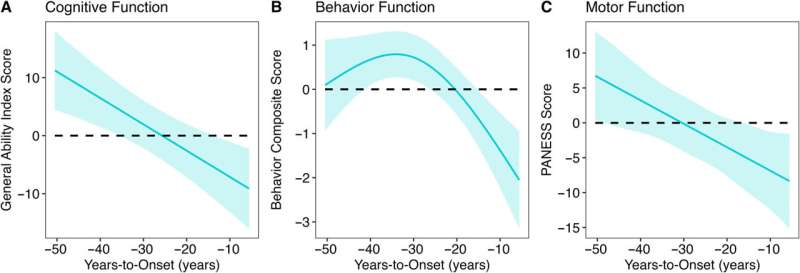
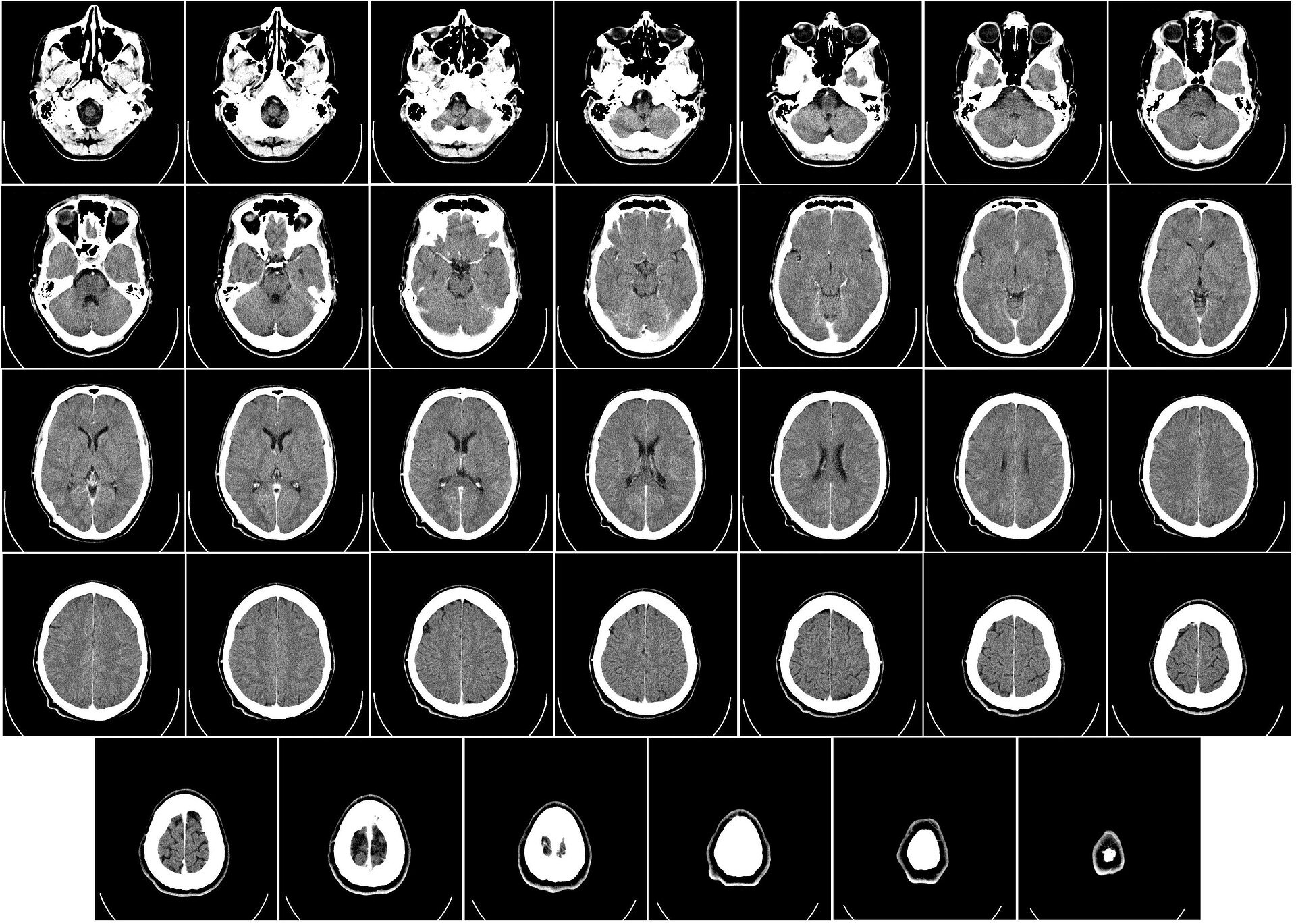
In particular, the study found that decades before HD symptoms appeared, children with the HD gene expansion showed significantly better cognitive, behavioral, and motor scores compared to children with repeats within the normal range. Children with the expanded gene also had larger cerebral volumes and greater cortical surface area and folding. After this initial peak, a prolonged deterioration was seen in both brain function and structure.

The study gathered this data by following almost 200 participants in the Kids-HD study, the only longitudinal study of children and young adults at risk for HD due to having a parent or grandparent with the disease.

Evolutionary benefit comes at a cost

Although surprising, the findings are in line with studies by evolutionary biologists who believe that genes like HTT may have been “positively selected” for human brain evolution. This theory, known as antagonistic pleiotropy, suggests that certain genes can produce a beneficial effect early in life, but come at a cost later in life.

The finding also challenges the idea that the protein produced by the HD gene is solely a toxic protein that causes brain degeneration.

“Overall, our study suggests that we should rethink the notion of the toxic protein theory,” says Nopoulos, who is also a member of the Iowa Neuroscience Institute.

“Instead, we should consider the theory of antagonistic pleiotropy—a theory that suggests that genes like HTT build a better brain early in life, but the cost of the superior brain is that it isn’t built to last and may be prone to premature or accelerating aging.

“This means that instead of knocking down the gene for therapy, drugs that slow the aging process may be more effective.”

Next steps

Nopoulos’s team is already making progress extending the research from the Kids-HD program. Nopoulos has established the Children to Adult Neurodevelopment in Gene-Expanded Huntington’s Disease (ChANGE-HD), a multi-site study that aims to recruit hundreds of participants for a total of over 1,200 assessments to validate the key findings from the Kids-HD study and to enhance future research on HD.

A primary area of focus will be understanding how an enlarged brain can later lead to degeneration. One hypothesis Nopoulos and her team will explore involves the idea that an enlarged cortex might produce excess glutamate (an important neurotransmitter), which is beneficial in early brain development, but later leads to neurotoxicity and brain degeneration.

In addition to Nopoulos, the UI team included Mohit Neema, MD, UI research scientist and first author of the study; Jordan Schultz, PharmD; Douglas Langbehn, MD, Ph.D.; Amy Conrad, Ph.D.; Eric Epping, MD, Ph.D.; and Vincent Magnotta, Ph.D.

More information: Mohit Neema et al, Mutant Huntingtin Drives Development of an Advantageous Brain Early in Life: Evidence in Support of Antagonistic Pleiotropy, Annals of Neurology (2024). DOI: 10.1002/ana.27046

Journal information: Annals of Neurology 

Provided by University of Iowa 

https://medicalxpress.com/news/2024-11-huntington-disease-gene-early-brain.html

Copenhagen Scientists Unveil Appetite-Control Drug with No Side Effects

by University of Copenhagen

Scientists at the University of Copenhagen have discovered a new weight loss drug target that reduces appetite, increases energy expenditure, and improves insulin sensitivity without causing nausea or loss of muscle mass. The discovery was reported in the journal Nature and could lead to a new therapy for millions of people with both obesity and type 2 diabetes who do not respond well to current treatments.

Millions of people around the world benefit from weight-loss drugs based on the incretin hormone GLP-1. These drugs also improve kidney function, reduce the risk of fatal cardiac events, and are linked to protection against neurodegeneration.

However, many people stop taking the drugs due to common side effects, including nausea and vomiting. Studies also show that incretin-based therapies like Wegovy and Mounjaro are much less effective at lowering weight in people living with both obesity and type 2 diabetes—a group numbering more than 380 million people globally.

In the study, scientists from the University of Copenhagen describe a powerful new drug candidate that lowers appetite without loss of muscle mass or side effects like nausea and vomiting. And, unlike the current generation of treatments, the drug also increases the body’s energy expenditure—the capacity of the body to burn calories.

“While GLP-1-based therapies have revolutionized patient care for obesity and type 2 diabetes, safely harnessing energy expenditure and controlling appetite without nausea remain two Holy Grails in this field. By addressing these needs, we believe our discovery will propel current approaches to make more tolerable, effective treatments accessible to millions more individuals,” says Associate Professor Zach Gerhart-Hines from the NNF Foundation Center for Basic Metabolic Research (CBMR) at the University of Copenhagen.

NK2R activation lowers body weight and reverses diabetes

Our weight is largely determined by the balance between the energy we consume and the amount of energy we expend. Eating more and burning less creates a positive energy balance leading to weight gain, while eating less and burning more creates a negative balance, resulting in weight loss.

The current generation of incretin-based therapies tip the scales toward a negative energy balance by lowering appetite and the total calories a person consumes. But scientists have also recognized the potential on the other side of the equation—increasing the calories the body burns.

This approach is especially relevant, given recent research that has shown that our bodies seem to be burning fewer calories at rest than they did a few decades ago. However, there are currently no clinically approved ways to safely increase energy expenditure, and few options are in development.

This was the starting point when scientists at the University of Copenhagen decided to test the effect of activating the neurokinin 2 receptor (NK2R) in mice. The Gerhart-Hines Group identified the receptor through genetic screens that suggested NK2R played a role in maintaining energy balance and glucose control.

They were astonished by the results of the studies—not only did activating the receptor safely increase calorie-burning, it also lowered appetite without any signs of nausea.

Further studies in non-human primates with type 2 diabetes and obesity showed that NK2R activation lowered body weight and reversed their diabetes by increasing insulin sensitivity and lowering blood sugar, triglycerides, and cholesterol.

“One of the biggest hurdles in drug development is translation between mice and humans. This is why we were excited that the benefits of NK2R agonism translated to diabetic and obese nonhuman primates, which represents a big step towards clinical translation,” says Ph.D. Student Frederike Sass from CBMR at the University of Copenhagen, and first author of the study.

The discovery could result in the next generation of drug therapies that bring more efficacious and tolerable treatments for the almost 400 million people globally who live with both type 2 diabetes and obesity.

The University of Copenhagen holds the patent rights for targeting NK2R. To date, research by the Gerhart-Hines lab has led to the creation of three biotech companies—Embark Biotech, Embark Laboratories, and Incipiam Pharma.

In 2023, Embark Biotech was acquired by Novo Nordisk to develop next generation therapeutics for cardiometabolic disease.

More information: Zachary Gerhart-Hines, NK2R control of energy expenditure and feeding to treat metabolic diseases, Nature (2024). DOI: 10.1038/s41586-024-08207-0www.nature.com/articles/s41586-024-08207-0

Journal information: Nature 

Provided by University of Copenhagen 

https://medicalxpress.com/news/2024-11-weight-loss-drug-energy-lowers.html

Transforming Neurosurgery with FastGlioma AI Technology

by University of Michigan

Researchers have developed an AI-powered model that—in 10 seconds—can determine during surgery if any part of a cancerous brain tumor that could be removed remains, a study published in Nature suggests.

The technology, called FastGlioma, outperformed conventional methods for identifying what remains of a tumor by a wide margin, according to the research team led by University of Michigan and University of California San Francisco.

“FastGlioma is an artificial intelligence-based diagnostic system that has the potential to change the field of neurosurgery by immediately improving comprehensive management of patients with diffuse gliomas,” said senior author Todd Hollon, M.D., a neurosurgeon at University of Michigan Health and assistant professor of neurosurgery at U-M Medical School.

“The technology works faster and more accurately than current standard of care methods for tumor detection and could be generalized to other pediatric and adult brain tumor diagnoses. It could serve as a foundational model for guiding brain tumor surgery.”

When a neurosurgeon removes a life threatening tumor from a patient’s brain, they are rarely able to remove the entire mass.

What remains is known as residual tumor.

Commonly, the tumor is missed during the operation because surgeons are not able to differentiate between healthy brain and residual tumor in the cavity where the mass was removed. Residual tumor’s ability to resemble healthy brain tissue remains a major challenge in surgery.

Neurosurgical teams employ different methods to locate that residual tumor during a procedure.

They may get MRI imaging, which requires intraoperative machinery that is not available everywhere. The surgeon might also use a fluorescent imaging agent to identify tumor tissue, which is not applicable for all tumor types. These limitations prevent their widespread use.

In this international study of the AI-driven technology, neurosurgical teams analyzed fresh, unprocessed specimens sampled from 220 patients who had operations for low- or high-grade diffuse glioma.

FastGlioma detected and calculated how much tumor remained with an average accuracy of approximately 92%.

In a comparison of surgeries guided by FastGlioma predictions or image- and fluorescent-guided methods, the AI technology missed high-risk, residual tumor just 3.8% of the time—compared to a nearly 25% miss rate for conventional methods.

“This model is an innovative departure from existing surgical techniques by rapidly identifying tumor infiltration at microscopic resolution using AI, greatly reducing the risk of missing residual tumor in the area where a glioma is resected,” said co-senior author Shawn Hervey-Jumper, M.D., professor of neurosurgery at University of California San Francisco and a former neurosurgery resident at U-M Health.

“The development of FastGlioma can minimize the reliance on radiographic imaging, contrast enhancement or fluorescent labels to achieve maximal tumor removal.”

How it works

To assess what remains of a brain tumor, FastGlioma combines microscopic optical imaging with a type of artificial intelligence called foundation models. These are AI models, such as GPT-4 and DALL·E 3, trained on massive, diverse datasets that can be adapted to a wide range of tasks.

After large scale training, foundation models can classify images, act as chatbots, reply to emails and generate images from text descriptions.

To build FastGlioma, investigators pre-trained the visual foundation model using over 11,000 surgical specimens and 4 million unique microscopic fields of view.

The tumor specimens are imaged through stimulated Raman histology, a method of rapid, high resolution optical imaging developed at U-M. The same technology was used to train DeepGlioma, an AI based diagnostic screening system that detects a brain tumor’s genetic mutations in under 90 seconds.

“FastGlioma can detect residual tumor tissue without relying on time-consuming histology procedures and large, labeled datasets in medical AI, which are scarce,” said Honglak Lee, Ph.D., co-author and professor of computer science and engineering at U-M.

Full resolution images take around 100 seconds to acquire using stimulated Raman histology; a “fast mode” lower resolution image takes just 10 seconds.

Researchers found that the full resolution model achieved accuracy up to 92%, with the fast mode slightly lower at approximately 90%.

“This means that we can detect tumor infiltration in seconds with extremely high accuracy, which could inform surgeons if more resection is needed during an operation,” Hollon said.

AI’s future in cancer

Over the last 20 years, the rates of residual tumor after neurosurgery have not improved.

Not only does residual tumor result in worse quality of life and earlier death for patients, but it increases the burden on a health system that anticipates 45 million annual surgical procedures needed worldwide by 2030.

Global cancer initiatives have recommended incorporating new technologies, including advanced methods of imaging and AI, into cancer surgery.

In 2015, The Lancet Oncology Commission on global cancer surgery noted that “the need for cost effective… approaches to address surgical margins in cancer surgery provides a potent drive for novel technologies.”

Not only is FastGlioma an accessible and affordable tool for neurosurgical teams operating on gliomas, but researchers say, it can also accurately detect residual tumor for several non-glioma tumor diagnoses, including pediatric brain tumors, such as medulloblastoma and ependymoma, and meningiomas.

“These results demonstrate the advantage of visual foundation models such as FastGlioma for medical AI applications and the potential to generalize to other human cancers without requiring extensive model retraining or fine-tuning,” said co-author Aditya S. Pandey, M.D., chair of the Department of Neurosurgery at U-M Health.

“In future studies, we will focus on applying the FastGlioma workflow to other cancers, including lung, prostate, breast, and head and neck cancers.”

More information: Foundation models for fast, label-free detection of glioma infiltration, Nature (2024). DOI: 10.1038/s41586-024-08169-3www.nature.com/articles/s41586-024-08169-3

Journal information: Nature 

Provided by University of Michigan 

New Molecule Shows Promise for Atherosclerosis Treatment

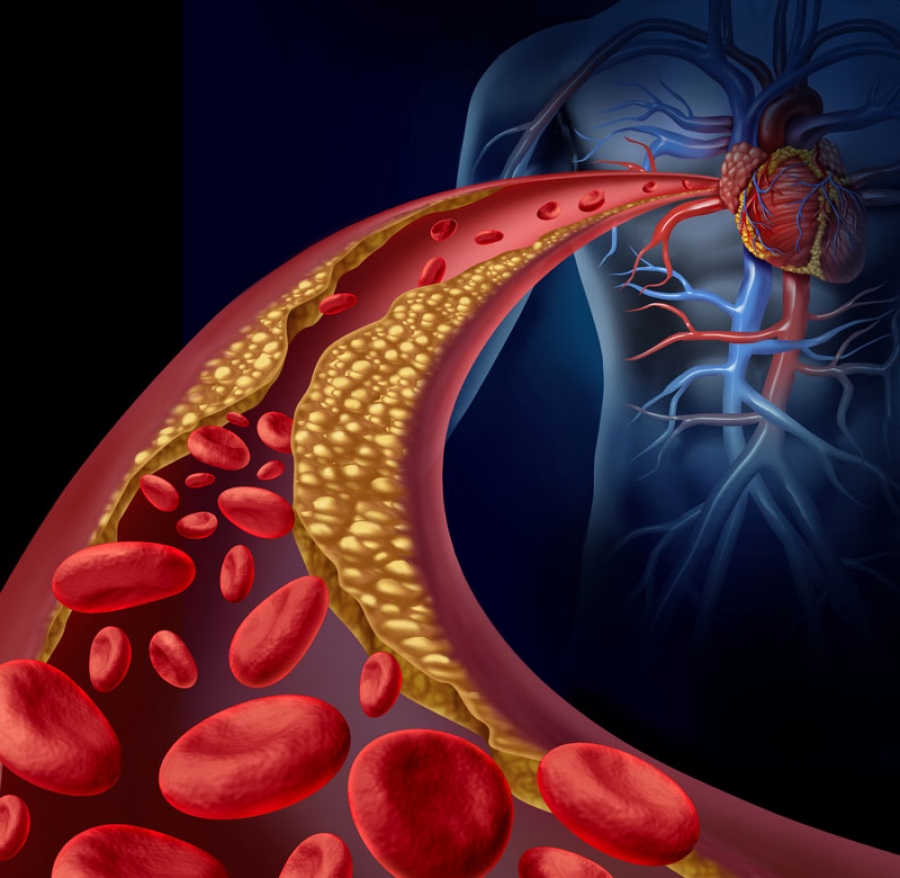
Researchers at Case Western Reserve University have identified a new target to treat atherosclerosis, a condition where plaque clogs arteries and causes major cardiac issues, including stroke and heart attack.

In a new study, published in the journal Cell Reports, the team identified an inflammation-reducing molecule—called itaconate (ITA)—that could be the foundation of a new approach to treat such a common and deadly disease.

Heart disease is the leading cause of death for men, women and people of most racial and ethnic groups, according to the U.S. Centers for Disease Control and Prevention.

Medications help but don’t completely protect patients from cardiovascular risk. So, doctors also recommend lifestyle changes, such as a low-cholesterol/low-fat diet (LCLFD), to further reduce plaque and inflammation that increase the risk of cardiovascular disease. Yet many patients find it challenging to follow diet restrictions long-term.

Identifying the role ITA plays in diet and heart disease may help address this.

“We’ve found that itaconate is crucial to the diet’s ability to stabilize plaques and reduce inflammation, which has been a mystery until now,” said Andrei Maiseyeu, associate professor at the Cardiovascular Research Institute and Department of Biomedical Engineering at Case Western Reserve’s School of Medicine.

“This discovery marks a major leap forward in the understanding of how diet-induced plaque resolution occurs at a molecular level.”

Based on their discovery, Maiseyeu and his team have developed a new treatment: ITA-conjugated lipid nanoparticles. This new therapeutic approach allows ITA to accumulate in plaque and bone marrow, where it reduces inflammation and mimics the beneficial effects of LCLFD without requiring drastic lifestyle changes.

“We have already seen its effectiveness in multiple models of atherosclerosis,” Maiseyeu said. “We are optimistic that this will result in better treatments that will greatly lower the long-term risk of heart attacks and strokes while also improving patients’ quality of life.”

Maiseyeu and his team are now taking steps to translate ITA-LNP to the clinic, including engineering a pill form of the treatment, which they believe will not only be convenient for patients, but also transformative.

More information: Natalie E. Hong et al, Nanoparticle-based itaconate treatment recapitulates low-cholesterol/low-fat diet-induced atherosclerotic plaque resolution, Cell Reports (2024). DOI: 10.1016/j.celrep.2024.114911

Journal information: Cell Reports 

https://medicalxpress.com/news/2024-11-inflammation-molecule-atherosclerosis.html

Robert Moir, 58, Dies; His Research Changed Views on Alzheimer’s disease


Dr. Moir’s radical and iconoclastic theories defied conventional views of the disease. But some scientists were ultimately won over.

By Gina Kolata

Robert D. Moir, a Harvard scientist whose radical theories of the brain plaques in Alzheimer’s defied conventional views of the disease, but whose research ultimately led to important proposals for how to treat it, died on Friday at a hospice in Milton, Mass. He was 58.

His wife, Julie Alperen, said the cause was glioblastoma, a type of brain cancer.

Dr. Moir, who grew up on a farm in Donnybrook, a small town in Western Australia, had a track record for confounding expectations. He did not learn to read or write until he was nearly 12; Ms. Alperen said he had told her that the teacher at his one-room schoolhouse was “a demented nun.” Yet, she said, he also knew from age 7 that he wanted to be a scientist.

Dr. Moir succeeded in becoming a researcher who was modest and careful, said his Ph.D. adviser, Dr. Colin Masters, a neuropathologist at the University of Melbourne. So Dr. Masters was surprised when Dr. Moir began publishing papers proposing an iconoclastic rethinking of the pathology of Alzheimer’s disease.

Dr. Moir’s hypothesis “was and is a really novel and controversial idea that he alone developed,” Dr. Masters said.

“I never expected this to come from this quiet achiever,” he said.

Dr. Moir’s theory involved the protein beta amyloid, which forms plaques in the brains of Alzheimer’s patients.

Conventional wisdom held that beta amyloid accumulation was a central part of the disease, and that clearing the brain of beta amyloid would be a good thing for patients.

Dr. Moir proposed instead that beta amyloid is there for a reason: It is the way the brain defends itself against infections. Beta amyloid, he said, forms a sticky web that can trap microbes. The problem is that sometimes the brain goes overboard producing it, and when that happens the brain is damaged.

The implication is that treatments designed to clear the brain of amyloid could be detrimental. The goal would be to remove some of the sticky substance, but not all of it.

The idea, which Dr. Moir first proposed 12 years ago, was met with skepticism. But he kept at it, producing a string of papers with findings that supported the hypothesis. Increasingly, some of the doubters have been won over, said Rudolph Tanzi, a close friend and fellow Alzheimer’s researcher at Harvard.

Dr. Moir’s unconventional ideas made it difficult for him to get federal grants. Nearly every time he submitted a grant proposal to the National Institutes of Health, Dr. Tanzi said in a phone interview, two out of three reviewers would be enthusiastic, while a third would simply not believe it. The proposal would not be funded.

But Dr. Moir took those rejections in stride.

“He’d make a joke about it,” Dr. Tanzi said. “He never got angry. I never saw Rob angry in my life. He’d say, ‘What do we have to do next?’ He was always upbeat, always optimistic.”

Dr. Moir was supported by the Cure Alzheimer’s Fund, and he eventually secured some N.I.H. grants.

Dr. Moir first came to the United States in 1994, when Dr. Tanzi was looking for an Alzheimer’s biochemist to work in his lab. Working with the lab as a postdoctoral fellow and later as a faculty member with his own lab, Dr. Moir made a string of major discoveries about Alzheimer’s disease.

For example, Dr. Moir and Dr. Tanzi found that people naturally make antibodies to specific forms of amyloid. These antibodies protect the brain from Alzheimer’s but do not wipe out amyloid completely. The more antibodies a person makes, the greater the protection against Alzheimer’s.

That finding, Dr. Tanzi said, inspired the development of an experimental drug, which its manufacturer, Biogen, says is helping to treat some people with Alzheimer’s disease. Biogen plans to file for approval from the Food and Drug Administration.

Robert David Moir was born on April 2, 1961, in Kojonup, Australia, to Mary and Terrence Moir, who were farmers. He studied the biochemistry of Alzheimer’s disease at the University of Western Australia before joining Dr. Tanzi’s lab.

Once he learned to read, Ms. Alperen said, he never stopped — he read science fiction, the British magazine New Scientist and even PubMed, the federal database of scientific publications.

“Rob had an encyclopedic knowledge of the natural world,” she said.

He shared that love with his family, on frequent hikes and on trips with his young children to look for rocks, insects and fossils. He also played Australian-rules football, which has elements of rugby as well as American football, and helped form the Boston Demons Australian Rules Football Team in 1997, his wife said.

In addition to his wife, with whom he lived in Sharon, Mass., Dr. Moir’s survivors include three children, Alexander, Maxwell and Holly Moir; a brother, Andrew; and a sister, Catherine Moir. His marriage to Elena Vaillancourt ended in divorce.

Presidential executive order to allow free access of publicly-funded scientific research is under consideration.

White House officials are working on an executive order that would boost public access to federally funded research, prompting publishers to panic about the future of their business models, according to people familiar with the plan.

Ostensibly, the order would follow longtime bipartisan interest in improving public access to research that is paid for by taxpayers.

It is expected to require that publicly funded science be obtainable for free immediately, building on an Obama initiative, multiple sources said.

A memo adopted in 2013 mandated that the results of such research be made available within one year of publication.

Though there is generally broad support for public access, publishing groups like the Association of American Publishers worry that a tougher order would upend their subscription-based business model.

Once it caught wind of the effort, AAP began drafting a sharply worded letter of concern to the White House, multiple sources said. The letter could be sent as early as tomorrow.

About a dozen sources told E&E News that they were aware the White House has been considering an executive order but the details remain murky. A senior administration official declined to comment on “internal deliberative processes that may or may not be happening.”

“President Trump’s Administration continues to be focused on scientific discovery and economic expansion,” the official added via email.

Michael Stebbins, who helped draft the Obama-era memo, generally expressed support for public access and noted that it could spur innovation. “But the devil is definitely in the details,” he said.

Many academic journals are funded by subscription fees collected in the first year of publication. The Trump mandate could force publishers to shift their model so authors pay hefty article processing charges, or APCs.

“Here’s the challenge: A world in which there is immediate open access will result in serious pain to a scientific society or small publisher who relies on subscription revenue,” Stebbins added. “That revenue will have to be made up somehow for them to survive.”

Some scientific experts, who are generally skeptical of the Trump team, are worried that the initiative parallels what they call the administration’s incessant attack on science and, by extension, provides favors to industry.

“What problem are we trying to solve?” asked Andrew Rosenberg, an advocate with the Union of Concerned Scientists.

Others noted that the order would give international competitors like China access to American research, which has been a concern of the Trump administration.

It’s also unusual, sources noted, that a Republican administration would adopt policies that could seriously affect business models.

Impacts to publishers could vary. A spokeswoman for the American Association for the Advancement of Science had no direct comment on the administration’s reported plans but obliquely expressed concerns about the potential financial impact.

The nonprofit association publishes a half-dozen journals. One offers immediate free access to its articles, and the other five allow open access to peer-reviewed articles after a year for registered users, the spokeswoman, Tiffany Lohwater, said in an email this week. Articles in those five journals are also available for free as soon as they are posted in university archives technically known as “institutional repositories.”

“High-quality scientific publishing, as AAAS does, requires considerable resource investment, including to identify the papers that have the potential to significantly impact the pace of science,” she said.

George Allen, chief scientist with Northeast States for Coordinated Air Use Management, a Boston-based consortium of air pollution agencies, did not doubt the Trump order would get huge pushback from publishers.

“If you completely take away their business model, then they have no incentive to exist,” he said. He thought allowing free access after a year would be “a reasonable compromise

https://www.eenews.net/stories/1061836761

Life-long strategies that may help decrease the risk of developing dementia

There are no instant, miracle cures. But recent studies suggest we have more control over our cognitive health than we might think. It just takes some effort.

When it comes to battling dementia, the unfortunate news is this: Medications have proven ineffective at curing or stopping the disease and its most common form, Alzheimer’s disease. But that isn’t the end of the story. According to a recent wave of scientific studies, we have more control over our cognitive health than is commonly known. We just have to take certain steps—ideally, early and often—to live a healthier lifestyle.

In fact, according to a recent report commissioned by the Lancet, a medical journal, around 35% of dementia cases might be prevented if people do things including exercising and engaging in cognitively stimulating activities. “When people ask me how to prevent dementia, they often want a simple answer, such as vitamins, dietary supplements or the latest hyped idea,” says Eric Larson, a physician at Kaiser Permanente in Seattle and one of a group of scientists who helped prepare the report. “I tell them they can take many common-sense actions that promote health throughout life.”

The Lancet report, distilling the findings of hundreds of studies, identifies several factors that likely contribute to dementia risk, many of which can be within people’s power to control. These include midlife obesity, physical inactivity, high blood pressure, Type 2 diabetes, social isolation and low education levels.

Of course, there are no guarantees. Dementia is a complicated disease that has multiple causes and risk factors, some of which remain unknown. Nevertheless, there is increasing evidence that people—even those who inherit genes that put them at greater risk of developing Alzheimer’s in later life—can improve their chances by adopting lifestyle changes.

“It’s not just about running three times a week,” says Sarah Lenz Lock, executive director of AARP’s Global Council on Brain Health. “Instead, it’s about a package of behaviors, including aerobic exercise, strength training, a healthy diet, sleep and cognitive training.”

Because most neurodegenerative diseases take years, if not decades, to develop, researchers say the best time to focus on brain health is long before symptoms occur—ideally by midlife if not before. Still, they emphasize that it is never too late to start.

What follows is a look at what scientific studies tell us about possible ways to reduce dementia risk.

1. Blood-pressure control

The potential role that cardiovascular health—including blood pressure—plays in dementia has been one of the tantalizing highlights of recent research based on the Framingham Heart Study, which has followed thousands of residents of Framingham, Mass., and their relatives since 1948.

The research found a 44% decline in the dementia rate among people age 60 or older for the period 2004 to 2008, compared with 1977 to 1983. Diagnoses fell to two for every 100 study participants from 3.6 in the earlier period. Over the same roughly 30 years, the average age at which dementia was diagnosed rose to 85 from 80.

Co-author Claudia Satizabal, an assistant professor at UT Health San Antonio, says the research suggests that improvements in cardiovascular health and education levels help explain the trend. Improvements in dementia rates have occurred only in participants “who had at least a high-school diploma,” the study says. And as dementia rates have fallen, the study also says, so have the rates of “stroke and other cardiovascular diseases,” thanks in part to a greater use of blood-pressure medication.

Unlike studies in which participants are randomly assigned to different treatment groups and then monitored for results, the Framingham study and others that analyze population data cannot definitively prove a cause-and-effect relationship. Dr. Satizabal says that while the significant decline in dementia rates since 1977 suggests that management of stroke and heart issues could have contributed, that “is something that needs more research.”

A recent study that randomly assigned participants to different treatment goals offers further evidence for the idea that high blood pressure is a treatable risk factor that leads to dementia.

In 2010, researchers at Wake Forest School of Medicine began enrolling almost 9,400 people age 50 and older with high blood pressure in one of two groups. With the aid of medication, one group reduced its systolic blood pressure—which measures pressure in the arteries when the heart contracts—to less than 120. The other group aimed for less than 140.

The group with lower blood pressures experienced such significantly lower rates of death, strokes and heart attacks that in 2015 the researchers stopped the trial ahead of schedule. The scientists concluded it would be unethical to continue because most people should be targeting the lower blood pressure, says the study’s co-author Jeff Williamson, a Wake Forest medical school professor.

In 2017 and 2018, the researchers performed a final round of cognitive tests on participants and discovered that the lower-blood-pressure group had 19% fewer diagnoses of mild cognitive impairment, often a precursor to dementia, and 15% fewer cases of any type of dementia, mild or otherwise.

Using MRIs, the researchers scanned 673 participants’ brains and, upon follow-up, found less damaging changes in the lower-blood-pressure group.

“This is the first trial that has demonstrated an effective strategy for prevention of cognitive impairment,” says Kristine Yaffe, professor of psychiatry, neurology and epidemiology at the University of California, San Francisco. “That’s pretty big news,” says Dr. Yaffe, who wasn’t involved in the study.

2. Exercise

Several studies that have followed large numbers of people for years suggest that physically active individuals are less likely than inactive peers are to develop dementia, according to a recent World Health Organization report.

Exercise increases the flow of blood to the brain, improves the health of blood vessels and raises the level of HDL cholesterol, which together help protect against cardiovascular disease and dementia, says Laura Baker, a professor at Wake Forest School of Medicine. Exercise can also lead to the formation of new brain synapses and protect brain cells from dying.

Prof. Baker’s studies suggest that aerobic exercise can help improve cognitive function in people with mild memory, organizational and attention deficits, which are often the first symptoms of cognitive impairment.

One recent study conducted by Prof. Baker and several co-authors enrolled 65 sedentary adults ages 55 to 89 with mild memory problems. For six months, half completed four 60-minute aerobic-exercise sessions at the gym each week. Under a trainer’s supervision, they exercised mainly on treadmills at 70% to 80% of maximum heart rate. The other half did stretching exercises at 35% of maximum heart rate.

At the beginning and end of the study, researchers collected participants’ blood and spinal fluid and obtained MRI scans of their brains. Over the six months, the aerobic-exercise group had a statistically significant reduction in the level in their spinal fluid of tau protein, which accumulates in the brains of people with Alzheimer’s. They also had increased blood flow to areas of the brain that are important for attention and concentration, and their scores on cognitive tests improved. The stretching group, in contrast, showed no improvement on cognitive tests or tau levels.

3. Cognitive training

Many population studies suggest that education increases cognitive reserve, a term for the brain’s ability to compensate for neurological damage. The Framingham study, for example, found that participants with at least a high-school diploma benefited the most from declining dementia rates, compared with participants with less education.

In another population study, researchers at Columbia University analyzed data from 593 people age 60 or older, 106 of whom developed dementia. People with clerical, unskilled or semiskilled jobs had greater risk of getting the disease than managers and professionals.

In a separate study, some of the same researchers followed 1,772 people age 65 or older, 207 of whom developed dementia. After adjusting the results for age, ethnic group, education and occupation, the authors found that people who engaged in more than six activities a month—including hobbies, reading, visiting friends, walking, volunteering and attending religious services—had a 38% lower rate of developing dementia than people who did fewer activities.

In yet another study, researchers at institutions including Rush University Medical Center’s Rush Institute for Healthy Aging examined the brains of 130 deceased people who had undergone cognitive evaluations when alive. Among individuals in whom similar levels of Alzheimer’s-related brain changes were seen in the postmortem examinations, the researchers found that those who had more education generally had shown higher cognitive function.

Yaakov Stern, a professor at Columbia University College of Physicians and Surgeons who has written about these studies and the impact of education on dementia, recommends maintaining “educational and mentally stimulating activities throughout life.” This fosters growth of new neurons and may slow the rate at which certain regions of the brain shrink with age. It also promotes cognitive reserve, he says.

4. Diet

Efforts to study the impact of diet on dementia are relatively new, but there are some indications that certain diets may be beneficial in lowering the risk of dementia.

Several population studies, for instance, suggest that people with a Mediterranean diet, which is high in fish, fruits, nuts and vegetables, have lower rates of dementia, according to the World Health Organization.

But a variation on that diet may offer even more protection against the development of Alzheimer’s disease, according to a study released in 2015.

In this study, researchers including Dr. Martha Clare Morris, director of the Rush Institute for Healthy Aging, analyzed data from 923 people ages 58 to 98 who kept detailed food diaries about what they ate from 2004 to 2013.

In total, 158 subjects developed dementia. But among individuals who remained cognitively healthy, a high proportion had consumed a diet heavy in leafy green and other vegetables, nuts, berries, beans, whole grains, fish, poultry, olive oil and wine (in moderation). Their diets were limited in red meat, butter, cheese, sweets and fried and fast foods.

This diet, which researchers named the Mind diet, shares many elements of a Mediterranean diet. But the Mind diet prescribes more foods—including berries and leafy green vegetables—that are associated with lower rates of neurological diseases.

The researchers scored each of the 923 participants on how closely their detailed eating habits followed three diets: Mind, Mediterranean, and Dash diet, designed to reduce high blood pressure. For each diet, researchers ranked the participants based on their scores, subdividing them by the degree to which they followed each diet—closely, partly or little.

This led to several discoveries: First, there were about 50% fewer Alzheimer’s diagnoses among participants who most closely followed either the Mind diet or the Mediterranean diet, compared with those who followed either diet only a little. For the Dash diet, there was a 39% reduction for those who were most faithful to its rules.

Meanwhile, even those who only partly followed the Mind diet saw a 35% reduction in Alzheimer’s diagnoses, while no reduction was seen for those who only partly followed either the Mediterranean or Dash diet.

In contrast to the Mediterranean and Dash diets, “even modest adherence to the Mind diet may have substantial benefits for prevention of Alzheimer’s disease,” says Kristin Gustashaw, a dietitian at Rush.

5. Sleep

No one knows for sure why we sleep. One theory is that sleep helps us remember important information by performing a critical housekeeping function on brain synapses, including eliminating some connections and strengthening others.

Another theory is that sleep washes “toxic substances out of our brains that shouldn’t be there,” including beta amyloid and tau proteins that are implicated in Alzheimer’s, says Ruth Benca, a professor of medicine at the University of California, Irvine.

In a 2015 study, Prof. Benca and others examined 98 participants without dementia ages 50 to 73. Many were at genetic risk for the disease. Brain scans revealed that those reporting more sleep problems had higher levels of amyloid deposits in areas of the brain typically affected by Alzheimer’s.

“Poor sleep may be a risk factor for Alzheimer’s,” says Prof. Benca, who is conducting a study to see whether treating sleep problems may help prevent dementia.

She says sleep—or a lack of it—may help explain why about two-thirds of Alzheimer’s patients are women. Some researchers theorize that during menopause women can become vulnerable to the disease, in part due to increased prevalence of insomnia.

6. Combination

There is a growing consensus that when it comes to preserving brain health, the more healthy habits you adopt, the better.

According to a forthcoming study of 2,765 older adults by researchers at Rush, nonsmokers who stuck to the Mind diet, got regular exercise, engaged in cognitively stimulating activities and drank alcohol in moderation had 60% fewer cases of dementia over six years than people with just one such habit.

A study published in July found that people at greater genetic risk for Alzheimer’s appear to benefit just as much from eating well, exercising and drinking moderately as those who followed the same habits but weren’t at elevated genetic risk for the disease.

The study, by researchers including Kenneth Langa, associate director of the Institute of Gerontology at the University of Michigan, examined data from 196,383 Britons age 60 and older. Over about a decade, there were 38% fewer dementia diagnoses among individuals who had healthy habits and a gene, APOE4, that puts people at higher risk for Alzheimer’s, than there were among people who had the gene and poor habits. The gene increases the risk for Alzheimer’s by two to 12 times, depending on how many copies a person has.

Among participants with low genetic risk for Alzheimer’s, healthy habits were associated with a 40% reduction in the incidence of the disease. The results suggest a correlation between lifestyle, genetic risk and dementia, the study says.

Many point to a recent clinical trial in Finland of 1,260 adults ages 60 to 77 as proof that a multipronged approach can work.

The researchers, from institutions including the Karolinska Institute in Sweden and the National Institute for Health and Welfare in Helsinki, randomly assigned half of the participants, all deemed at high risk for dementia, to regular sessions with nutritionists, exercise trainers and instructors in computerized brain-training programs. The participants attended social events and were closely monitored for conditions including high blood pressure, excess abdominal weight and high blood sugar.

“They got support from each other to make lifestyle changes,” says co-author Miia Kivipelto, a professor at the Karolinska Institute in Sweden.

The other half received only general health advice.

After two years, both groups showed improvements in cognitive performance. But the overall scores of the intensive-treatment group improved by 25% more than the scores for the other group. The intensive-treatment group scored between 40% and 150% better on tests of executive function, mental speed and complex memory tasks, suggesting that a multifaceted approach can “improve or maintain cognitive functioning in at-risk elderly people,” the study says.

“We are studying whether exercise and lifestyle can be medicine to protect brain health as we get older,” says Prof. Baker, who is overseeing a U.S. study modeled on the Finnish trial.

https://apple.news/AzlC5CLNvQJWJrsP-qrJFIw

Scientists may have now worked out why we hiccup

By Rory Sullivan

Although hiccups seem a nuisance, scientists have discovered they may play a crucial role in our development — by helping babies to regulate their breathing.

In a study led by University College London (UCL), researchers monitoring 13 newborn babies found that hiccupping triggered a large wave of brain signals which could aid their development.

Lorenzo Fabrizi, the study’s senior author, said in a statement that this brain activity might help babies “to learn how to monitor the breathing muscles,” eventually leading to an ability to control breathing voluntarily.

He added: “When we are born, the circuits which process body sensations are not fully developed, so the establishment of such networks is a crucial developmental milestone for newborns.”

Since the babies involved in the study were pre-term and full-term, ranging from 30 to 42 weeks gestational age, the scientists believe this development could be typical of the final trimester of pregnancy.

According to the researchers, fetuses and newborn infants often hiccup.

The phenomenon is seen as early as nine weeks into pregnancy, and pre-term infants — those born at least three weeks premature — spend approximately 15 minutes hiccupping every day.

The pre-term and full-term newborns involved in the study had electrodes placed on their scalps and sensors on their torsos to monitor for hiccups.

Scientists found that contractions in the babies’ diaphragms produced three brainwaves, and believe that through the third brainwave babies may be able to link the ‘hic’ sound of the hiccup to the physical contraction they feel.

Kimberley Whitehead, the study’s lead author, told CNN: “The muscle contraction of a hiccup is quite big — it’s good for the developing brain because it suddenly gives a big boost of input, which helps the brain cells to all link together for representing that particular body part.”

She added that hiccups have no known advantage for adults, and suggested they could be an example of “a hangover from early periods of our life that persists into later life.”

The same researchers have previously theorized that a baby’s kicks in the womb may help it to create a mental map of its own body.

Their new findings may show the same process occurring internally.

https://www.cnn.com/2019/11/12/health/babies-hiccup-wellness-scli-intl-scn/index.html?utm_source=The+Good+Stuff&utm_campaign=2aa589d67e-EMAIL_CAMPAIGN_2019_11_14_08_33&utm_medium=email&utm_term=0_4cbecb3309-2aa589d67e-103653961

China approves 1st new drug for Alzheimer’s disease in 17 years

By Julie Zaugg and Jared Peng

Authorities in China have approved a drug for the treatment of Alzheimer’s disease, the first new medicine with the potential to treat the cognitive disorder in 17 years.

The seaweed-based drug, called Oligomannate, can be used for the treatment of mild to moderate Alzheimer’s, according to a statement from China’s drug safety agency. The approval is conditional however, meaning that while it can go on sale during additional clinical trials, it will be strictly monitored and could be withdrawn should any safety issues arise.

In September, the team behind the new drug, led by Geng Meiyu at the Shanghai Institute of Materia Medica under the Chinese Academy of Sciences, said they were inspired to look into seaweed due to the relatively low incidence of Alzheimer’s among people who consume it regularly.

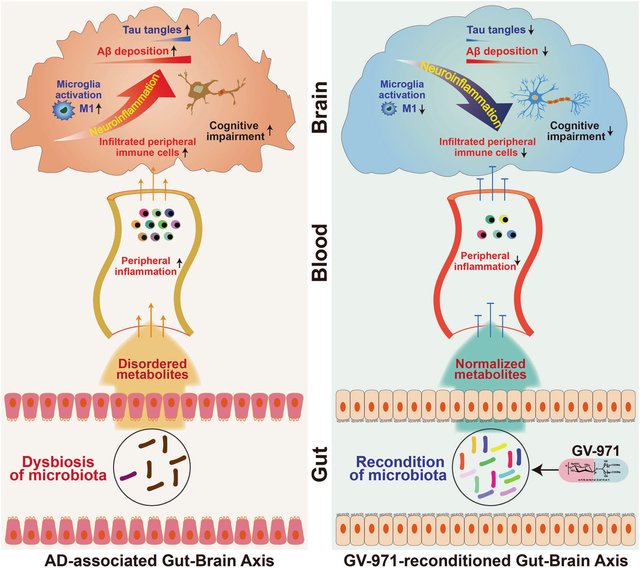
In a paper in the journal Cell Research, Geng’s team described how a sugar contained within seaweed suppresses certain bacteria contained in the gut which can cause neural degeneration and inflammation of the brain, leading to Alzheimer’s.

This mechanism was confirmed during a clinical trial carried out by Green Valley, a Shanghai-based pharmaceutical company that will be bringing the new drug to market.

Conducted on 818 patients, the trial found that Oligomannate — which is derived from brown algae — can statistically improve cognitive function among people with Alzheimer’s in as little as four weeks, according to a statement from Green Valley.

“These results advance our understanding of the mechanisms that play a role in Alzheimer’s disease and imply that the gut microbiome is a valid target for the development of therapies,” neurologist Philip Scheltens, who advises Green Valley and heads the Alzheimer Center Amsterdam, said in the statement.

Vincent Mok, who heads the neurology division at the Chinese University of Hong Kong, said the new drug showed “encouraging results” when compared to acetylcholinesterase inhibitors — the existing treatment for mild to severe Alzheimer’s.

“It is just as effective but it has fewer side effects,” he told CNN. “It will also open up new avenues for Alzheimer’s research, focusing on the gut microbiome.”

Since very little is known about the mechanisms of the new drug, Mok said it should also be probed to see if it could have a protective effect and possibly slow down the progression of the disease in patients who have yet to develop strong symptoms of dementia.

The company said Oligomannate will be available in China “very soon,” and it is currently seeking approval to market it abroad, with plans to launch third-phase clinical trials in the US and Europe in early 2020.

Alzheimer’s disease, which starts with memory loss and escalates to severe brain damage, is believed to cause 60% to 70% of the cases of dementia reported worldwide, according to the World Health Organization. Dementia affects an estimated 50 million people worldwide, including 9.5 million people in mainland China, Hong Kong and Taiwan.

Named after Alois Alzheimer, the neuropathologist who discovered the disease in 1906, it has so far confounded researchers and pharmaceutical companies.

In October, US pharmaceutical giant Biogen said it would pursue Food and Drug Administration (FDA) approval for an experimental treatment called aducanumab, after announcing in March it was canceling a large clinical trial for the drug.

Johnson & Johnson, Merck, Pfizer and Eli Lilly have all previously abandoned projects to develop a drug for Alzheimer’s after unsatisfactory clinical data.

https://www.cnn.com/2019/11/03/health/china-alzheimers-drug-intl-hnk-scli/index.html

Scientists concerned US environment agency’s plan to limit animal research will hamper chemical research and regulations


Laboratory animals such as mice are an important part of chemical safety tests, say researchers

by Jeff Tollefson

The US Environmental Protection Agency (EPA) is trying to sharply reduce its use of animals in toxicity tests. Many scientists and environmentalists say the move is premature and could undermine chemical regulation.

In a memo to staff, EPA administrator Andrew Wheeler said that the agency would make use of “cutting-edge, ethically sound science” that does not rely on animal testing.

Wheeler signed a directive on 10 September that commits the EPA to reduce its funding request for animal studies by 30% by 2025, and to phase them out entirely by 2035. After 2035, any tests or funds for studies involving animals such as mice would require the approval of the EPA administrator. The plan, which will affect research by EPA scientists and industry, has been in the works for more than a year. Agency officials have said that the shift away from animal experiments won’t limit chemical regulation or reduce public safety.

Wheeler also said that EPA had awarded US$4.25 million in grants to universities for research into alternative toxicity testing methods. The grant recipients are Johns Hopkins University in Baltimore, Maryland; Vanderbilt University in Nashville, Tennessee; Oregon State University in Corvallis; and the University of California, Riverside.

“I don’t think anyone would be saddened by reducing animal research,” says Laura Vandenberg, an environmental health scientist at the University of Massachusetts Amherst. But she fears that the EPA is effectively tying its own hands.

Uncertain outcomes

Scientists can and do use advanced screening tools to study the potential effects of chemicals at the cellular and biochemical level, Vandenberg says. But to regulate a chemical, the EPA must show that there are adverse effects in living organisms, she says. “There is no adverse effect in a Petri dish.”

And just because researchers don’t see negative effects of chemicals on cells in the lab, it doesn’t mean that they aren’t there, Vandenberg adds. “We are going to get caught in a position where we won’t really be able to regulate chemicals in the US.”

The Humane Society of the United States, an animal-advocacy group in Washington DC, praised the EPA’s decision. “We applaud the agency and urge industry and other stakeholders to continue this momentum and move away from animal testing,” said chief executive officer Kitty Block in a statement.

Not everyone is so sanguine about EPA’s decision. The move represents an “unholy alliance” between the chemical industry and animal-rights groups that are pushing to halt animal tests, says Jennifer Sass, a senior scientist at the Natural Resources Defense Council, an environmental advocacy group in New York City.

Sass says that the EPA has reduced its reliance on animal testing in certain areas. For instance, tests to see whether a chemical is corrosive to the skin can now be done on skin that is grown in a Petri dish. But without tests on animals such as mice or rabbits, the only way for companies to study chemical interactions in the body is to use computer models, she says. And those models are often proprietary, which makes it hard to assess their accuracy.

“A chemical goes into a black box, and out comes an answer that is very hard for people to understand and independently review,” Sass says.

https://www.nature.com/articles/d41586-019-02715-0?utm_source=Nature+Briefing&utm_campaign=c98b98c2f6-briefing-dy-20190910_COPY_01&utm_medium=email&utm_term=0_c9dfd39373-c98b98c2f6-44039353