Kundalini yoga shown to improve cognitive function in adults

Meet Helen Lavretsky, Professor of Psychiatry at UCLA, recently completed a pilot study of Kundalini yoga vs memory training in older adults with subjective memory complaints and mild cognitive impairment.

Patients assigned to yoga practice for 12 weeks with daily meditation for 12 minutes in weekly one hour classes did better than those who participated in memory training classes in verbal and visual memory, executive function, mood resilience, anxiety, and connectivity of the brain.

Results suggest that yoga can be a cognitive enhancement or brain fitness exercise that can confer similar or even more extensive cognitive resilience than memory training—the gold standard—in older adults.

Meditation in this study was practiced with music recorded on the White Sun album, which received a Grammy award this year.

Dr Lavretsky is Professor of Psychiatry at UCLA. She also directs the Late Life Mood, Stress, and Wellness Research Program at the Semel Institute at UCLA.

http://www.psychiatrictimes.com/geriatric-psychiatry/cognitive-enhancement-with-yoga?GUID=C523B8FD-3416-4DAC-8E3C-6E28DE36C515&rememberme=1&ts=17082017

Eyre HA1, Siddarth P1, Acevedo B1, et al. A randomized controlled trial of Kundalini yoga in mild cognitive impairment. Int Psychogeriatr. 2017;29:557-567. https://www.cambridge.org/core/journals/international-psychogeriatrics/article/randomized-controlled-trial-of-kundalini-yoga-in-mild-cognitive-impairment/138A3EB97520CE72B01D17059B7AA286.

Yang H, Leaver AM, Siddarth P, et al. Neurochemical and Neuroanatomical Plasticity Following Memory Training and Yoga Interventions in Older Adults with Mild Cognitive Impairment. Front Aging Neurosci. 2016;8:277. eCollection 2016. http://journal.frontiersin.org/article/10.3389/fnagi.2016.00277/full.

AI Can Now Predict Suicide with Remarkable Accuracy

When someone commits suicide, their family and friends can be left with the heartbreaking and answerless question of what they could have done differently. Colin Walsh, data scientist at Vanderbilt University Medical Center, hopes his work in predicting suicide risk will give people the opportunity to ask “what can I do?” while there’s still a chance to intervene.

Walsh and his colleagues have created machine-learning algorithms that predict, with unnerving accuracy, the likelihood that a patient will attempt suicide. In trials, results have been 80-90% accurate when predicting whether someone will attempt suicide within the next two years, and 92% accurate in predicting whether someone will attempt suicide within the next week.

The prediction is based on data that’s widely available from all hospital admissions, including age, gender, zip codes, medications, and prior diagnoses. Walsh and his team gathered data on 5,167 patients from Vanderbilt University Medical Center that had been admitted with signs of self-harm or suicidal ideation. They read each of these cases to identify the 3,250 instances of suicide attempts.

This set of more than 5,000 cases was used to train the machine to identify those at risk of attempted suicide compared to those who committed self-harm but showed no evidence of suicidal intent. The researchers also built algorithms to predict attempted suicide among a group 12,695 randomly selected patients with no documented history of suicide attempts. It proved even more accurate at making suicide risk predictions within this large general population of patients admitted to the hospital.

Walsh’s paper, published in Clinical Psychological Science in April, is just the first stage of the work. He’s now working to establish whether his algorithm is effective with a completely different data set from another hospital. And, once confidant that the model is sound, Walsh hopes to work with a larger team to establish a suitable method of intervening. He expects to have an intervention program in testing within the next two years. “I’d like to think it’ll be fairly quick, but fairly quick in health care tends to be in the order of months,” he adds.

Suicide is such an intensely personal act that it seems, from a human perspective, impossible to make such accurate predictions based on a crude set of data. Walsh says it’s natural for clinicians to ask how the predictions are made, but the algorithms are so complex that it’s impossible to pull out single risk factors. “It’s a combination of risk factors that gets us the answers,” he says.

That said, Walsh and his team were surprised to note that taking melatonin seemed to be a significant factor in calculating the risk. “I don’t think melatonin is causing people to have suicidal thinking. There’s no physiology that gets us there. But one thing that’s been really important to suicide risk is sleep disorders,” says Walsh. It’s possible that prescriptions for melatonin capture the risk of sleep disorders—though that’s currently a hypothesis that’s yet to be proved.

The research raises broader ethical questions about the role of computers in health care and how truly personal information could be used. “There’s always the risk of unintended consequences,” says Walsh. “We mean well and build a system to help people, but sometimes problems can result down the line.”

Researchers will also have to decide how much computer-based decisions will determine patient care. As a practicing primary care doctor, Walsh says it’s unnerving to recognize that he could effectively follow orders from a machine. “Is there a problem with the fact that I might get a prediction of high risk when that’s not part of my clinical picture?” he says. “Are you changing the way I have to deliver care because of something a computer’s telling me to do?”

For now, the machine-learning algorithms are based on data from hospital admissions. But Walsh recognizes that many people at risk of suicide do not spend time in hospital beforehand. “So much of our lives is spent outside of the health care setting. If we only rely on data that’s present in the health care setting to do this work, then we’re only going to get part of the way there,” he says.

And where else could researchers get data? The internet is one promising option. We spend so much time on Facebook and Twitter, says Walsh, that there may well be social media data that could be used to predict suicide risk. “But we need to do the work to show that’s actually true.”

Facebook announced earlier this year that it was using its own artificial intelligence to review posts for signs of self-harm. And the results are reportedly already more accurate than the reports Facebook gets from people flagged by their friends as at-risk.

Training machines to identify warning signs of suicide is far from straightforward. And, for predictions and interventions to be done successfully, Walsh believes it’s essential to destigmatize suicide. “We’re never going to help people if we’re not comfortable talking about it,” he says.

But, with suicide leading to 800,000 deaths worldwide every year, this is a public health issue that cannot be ignored. Given that most humans, including doctors, are pretty terrible at identifying suicide risk, machine learning could provide an important solution.

https://www.doximity.com/doc_news/v2/entries/8004313

Johns Hopkins clinical pharmacologist Roland Griffiths talks about a major new study hinting at psychedelic drugs as therapeutic powerhouses

By Richard Schiffman

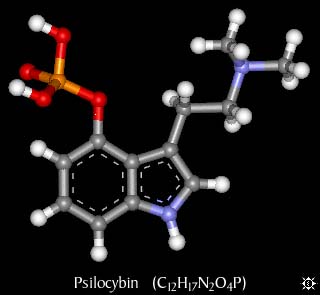
In one of the largest and most rigorous clinical investigations of psychedelic drugs to date, researchers at Johns Hopkins University and New York University have found that a single dose of psilocybin—the psychoactive compound in “magic” mushrooms—substantially diminished depression and anxiety in patients with advanced cancer.

Psychedelics were the subject of a flurry of serious medical research in the 1960s, when many scientists believed some of the mind-bending compounds held tremendous therapeutic promise for treating a number of conditions including severe mental health problems and alcohol addiction. But flamboyant Harvard psychology professor Timothy Leary—one of the top scientists involved—started aggressively promoting LSD as a consciousness expansion tool for the masses, and the youth counterculture movement answered the call in a big way. Leary lost his job and eventually became an international fugitive. Virtually all legal research on psychedelics shuddered to a halt when federal drug policies hardened in the 1970s.

The decades-long research blackout ended in 1999 when Roland Griffiths of Johns Hopkins was among the first to initiate a new series of studies on psilocybin. Griffiths has been called the grandfather of the current psychedelics research renaissance, and a 21st-century pioneer in the field—but the soft-spoken investigator is no activist or shaman/showman in the mold of Leary. He’s a scientifically cautious clinical pharmacologist and author of more than 300 studies on mood-altering substances from coffee to ketamine.

Much of Griffiths’ fascination with psychedelics stems from his own mindfulness meditation practice, which he says sparked his interest in altered states of consciousness. When he started administering psilocybin to volunteers for his research, he was stunned that more than two-thirds of the participants rated their psychedelic journey one of the most important experiences of their lives.

Griffiths believes that psychedelics are not just tools for exploring the far reaches of the human mind. He says they show remarkable potential for treating conditions ranging from drug and alcohol dependence to depression and post-traumatic stress disorder.

They may also help relieve one of humanity’s cruelest agonies: the angst that stems from facing the inevitability of death. In research conducted collaboratively by Griffiths and Stephen Ross, clinical director of the NYU Langone Center of Excellence on Addiction, 80 patients with life-threatening cancer in Baltimore and New York City were given laboratory-synthesized psilocybin in a carefully monitored setting, and in conjunction with limited psychological counseling. More than three-quarters reported significant relief from depression and anxiety—improvements that remained during a follow-up survey conducted six months after taking the compound, according to the double-blind study published December 1 in The Journal of Psychopharmacology.

“It is simply unprecedented in psychiatry that a single dose of a medicine produces these kinds of dramatic and enduring results,” Ross says. He and Griffiths acknowledge that psychedelics may never be available on the drugstore shelf. But the scientists do envision a promising future for these substances in controlled clinical use. In a wide-ranging interview, Griffiths told Scientific American about the cancer study and his other work with psychedelics—a field that he says could eventually contribute to helping ensure our survival as a species.

[An edited transcript of the interview follows.]

What were your concerns going into the cancer study?
The volunteers came to us often highly stressed and demoralized by their illness and the often-grueling medical treatment. I felt very cautious at first, wondering if this might not re-wound people dealing with the painful questions of death and dying. How do we know that this kind of experience with this disorienting compound wouldn’t exacerbate that? It turns out that it doesn’t. It does just the opposite. The experience appears to be deeply meaningful spiritually and personally, and very healing in the context of people’s understanding of their illness and how they manage that going forward.

Could you describe your procedure?
We spent at least eight hours talking to people about their cancer, their anxiety, their concerns and so on to develop good rapport with them before the trial. During the sessions there was no specific psychological intervention—we were just inviting people to lie on the couch and explore their own inner experience.

What did your research subjects tell you about that experience?
There is something about the core of this experience that opens people up to the great mystery of what it is that we don’t know. It is not that everybody comes out of it and says, ‘Oh, now I believe in life after death.’ That needn’t be the case at all. But the psilocybin experience enables a sense of deeper meaning, and an understanding that in the largest frame everything is fine and that there is nothing to be fearful of. There is a buoyancy that comes of that which is quite remarkable. To see people who are so beaten down by this illness, and they start actually providing reassurance to the people who love them most, telling them ‘it is all okay and there is no need to worry’— when a dying person can provide that type of clarity for their caretakers, even we researchers are left with a sense of wonder.

Was this positive result universal?
We found that the response was dose-specific. The larger dose created a much larger response than the lower dose. We also found that the occurrence of mystical-type experiences is positively correlated with positive outcomes: Those who underwent them were more likely to have enduring, large-magnitude changes in depression and anxiety.

Did any of your volunteers experience difficulties?
There are potential risks associated with these compounds. We can protect against a lot of those risks, it seems, through the screening and preparation procedure in our medical setting. About 30 percent of our people reported some fear or discomfort arising sometime during the experience. If individuals are anxious, then we might say a few words, or hold their hand. It is really just grounding them in consensual reality, reminding them that they have taken psilocybin, that everything is going to be alright. Very often these short-lived experiences of psychological challenge can be cathartic and serve as doorways into personal meaning and transcendence—but not always.

Where do you go from here?
The Heffter Research Institute, which funded our study, has just opened a dialogue with the FDA (Food and Drug Administration) about initiating a phase 3 investigation. A phase 3 clinical trial is the gold standard for determining whether something is clinically efficacious and meets the standards that are necessary for it to be released as a pharmaceutical. Approval would be under very narrow and restrictive conditions initially. The drug might be controlled by a central pharmacy, which sends it to clinics that are authorized to administer psilocybin in this therapeutic context. So this is not writing a prescription and taking it home. The analogy would be more like an anesthetic being dispensed and managed by an anesthesiologist.

You are also currently conducting research on psilocybin and smoking.
We are using psilocybin in conjunction with cognitive behavioral therapy with cigarette smokers to see if these deeply meaningful experiences that can happen with psilocybin can be linked with the intention and commitment to quit smoking, among people who have failed repeatedly to do so. Earlier we ran an uncontrolled pilot study on that in 50 volunteers, in which we had 80 percent abstinence rates at six months. Now we are doing a controlled clinical trial in that population.

How do you account for your remarkable initial results?
People who have taken psilocybin appear to have more confidence in their ability to change their own behavior and to manage their addictions. Prior to this experience, quite often the individual feels that they have no freedom relative to their addiction, that they are hooked and they don’t have the capacity to change. But after an experience of this sort—which is like backing up and seeing the larger picture—they begin to ask themselves ‘Why would I think that I couldn’t stop cigarette smoking? Why would I think that this craving is so compelling that I have to give in to it?’ When the psilocybin is coupled with cognitive behavioral therapy, which is giving smokers tools and a framework to work on this, it appears to be very helpful.

You are also working with meditation practitioners. Are they having similar experiences?
We have done an unpublished study with beginning meditators. We found that psilocybin potentiates their engagement with their spiritual practice, and it appears to boost dispositional characteristics like gratitude, compassion, altruism, sensitivity to others and forgiveness. We were interested in whether the psilocybin used in conjunction with meditation could create sustained changes in people that were of social value. And that appears to be the case.

So it is actually changing personality?
Yes. That is really interesting because personality is considered to be a fixed characteristic; it is generally thought to be locked down in an individual by their early twenties. And yet here we are seeing significant increases in their “openness” and other pro-social dimensions of personality, which are also correlated with creativity, so this is truly surprising.

Do we know what is actually happening in the brain?
We are doing neuro-imaging studies. Dr. Robin Carhart-Harris’s group at Imperial College in London is also doing neuro-imaging studies. So it is an area of very active investigation. The effects are perhaps explained, at least initially, by changes in something [in the brain] called “the default mode network,” which is involved in self-referential processing [and in sustaining our sense of ego]. It turns out that this network is hyperactive in depression. Interestingly, in meditation it becomes quiescent, and also with psilocybin it becomes quiescent. This may correlate with the experience of clarity of coming into the present moment.

That is perhaps an explanation of the acute effects, but the enduring effects are much less clear, and I don’t think that we have a good handle on that at all. Undoubtedly it is going to be much more complex than just the default mode network, because of the vast interconnectedness of brain function.

What are the practical implications of this kind of neurological and therapeutic knowledge of psychedelics?
Ultimately it is not really about psychedelics. Science is going to take it beyond psychedelics when we start understanding the brain mechanisms underlying this and begin harnessing these for the benefit of humankind.

The core mystical experience is one of the interconnectedness of all people and things, the awareness that we are all in this together. It is precisely the lack of this sense of mutual caretaking that puts our species at risk right now, with climate change and the development of weaponry that can destroy life on the planet. So the answer is not that everybody needs to take psychedelics. It is to understand what mechanisms maximize these kinds of experiences, and to learn how to harness them so that we don’t end up annihilating ourselves.

https://www.scientificamerican.com/article/psilocybin-a-journey-beyond-the-fear-of-death/

Psilocybin Study Results Hailed as Potentially Groundbreaking Treatment for Anxiety and Depression

Two new randomized and controlled trials show that just one dose of psilocybin—the compound in psychedelic mushrooms—can produce dramatic and long-lasting improvements in depression and anxiety symptoms.

The findings, published in The Journal of Psychopharmacology, are being hailed as unprecedented and potentially transformative for the treatment of psychiatric disorders.

“These findings, the most profound to date in the medical use of psilocybin, indicate it could be more effective at treating serious psychiatric diseases than traditional pharmaceutical approaches, and without having to take a medication every day,” said George R. Greer, MD, Medical Director of the Heffter Research Institute, which funded and reviewed the studies.

Psych Congress Steering Committee member Andrew Penn, RN, MS, NP, CNS, APRN-BC, said that if the findings can be replicated in larger studies, “we may be living witnesses to an event in psychiatry that is no less significant than when Alexander Fleming discovered penicillin.”

“These studies represent a new dawn of hope for our profession and our ability to help some of our most desperate patients, those whose lives are disrupted not only by cancer, but by the existential distress of dying, not only find relief from their suffering, but to find meaning in their illness,” said Penn, Psychiatric Nurse Practitioner at Kaiser Permanente in Redwood City, California.

The 2 studies were led by researchers at Johns Hopkins University School of Medicine in Baltimore, Maryland, and the New York University (NYU) Langone Medical Center in New York City. The participants in both trials had life-threatening cancer diagnoses and related mood disturbances.

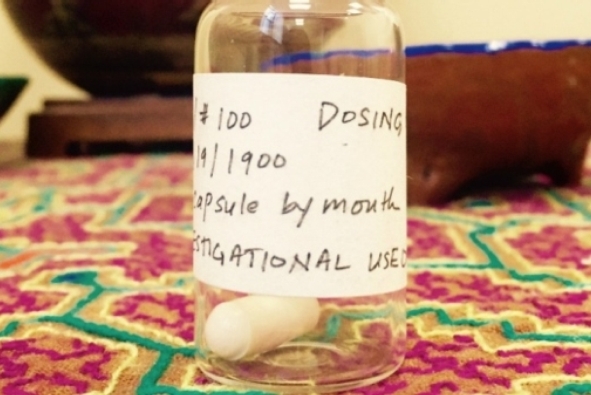
Fifty-one adults participated in the double-blind Johns Hopkins study. They received a capsule of psilocybin in what is considered a moderate or high dose (22 or 30 mg/70 kg) during 1 of 2 treatment sessions. At the other session, they received a low dose of psilocybin as a control.

Researchers reported they had considerable relief from their anxiety or depression symptoms for up to 6 months. About 80% of the participants continued to show clinically significant decreases in symptoms 6 months after the final treatment session.

“The most interesting and remarkable finding is that a single dose of psilocybin, which lasts four to six hours, produced enduring decreases in depression and anxiety symptoms, and this may represent a fascinating new model for treating some psychiatric conditions,” says Roland Griffiths, PhD, professor of Behavioral Biology in the Departments of Psychiatry and Behavioral Sciences and Neuroscience at the Johns Hopkins medical school.

The NYU double-blind crossover study involved 29 participants, who all received tailored counseling, a 0.3 mg/kg dose of psilocybin at one of 2 treatment sessions, and a vitamin placebo at the other session. Eighty percent of the participants experienced relief for more than 6 months, researchers reported.

“That a drug administered once can have this effect for so long is unprecedented. We have never had anything like it in the psychiatric field,” said Stephen Ross, MD, principal investigator of the NYU study and director of substance abuse services in the Department of Psychiatry at the Langone Medical Center.

Psych Congress co-chair Charles Raison, MD, said he has “had the privilege of being involved in the next stages of the work to explore whether psilocybin holds true potential for treating depression and anxiety.”

“This has given me an insider’s view of this area of research and from that perspective I think there is a very good chance that psychedelic medicines—which were abandoned long ago by psychiatry—may hold promise as some of the more powerful treatments for emotional disorders that we will identify in the 21st century,” said Dr. Raison, Professor of Human Development and Family Studies and of Psychiatry at the University of Wisconsin-Madison.

The Journal of Psychopharmacology published 11 commentaries with the study results, which generally support the research into psilocybin and its use in a clinical setting, according to a Johns Hopkins statement.

Penn noted that “few mental health professionals trained in the last 4 decades know anything about these drugs, beyond their use as an intoxicant.”

“When the sun set on psychedelic drug research amidst the hysteria of the ‘drug war’ begun in the 1960s, the promise of these compounds, including psilocybin, was almost lost to history,” Penn said.

– Terri Airov

http://www.psychcongress.com/article/psilocybin-study-results-hailed-potentially-groundbreaking

Computer Algorithms Accurately Identify Suicidal Patients


by Jolynn Tumolo

By analyzing a patient’s spoken and written words, computer tools classified with up to 93% accuracy whether the person was suicidal, in a study published online in Suicide and Life-Threatening Behavior.

“While basic sciences provide the opportunity to understand biological markers related to suicide,” researchers wrote, “computer science provides opportunities to understand suicide thought markers.”

The study included 379 patients from emergency departments, inpatient centers, and outpatient centers at 3 sites. Researchers classified 130 of the patients as suicidal, 126 as mentally ill but not suicidal, and 123 as controls with neither mental illness nor suicidality.

Patients completed standardized behavioral rating scales and participated in semi-structured interviews. Five open-ended questions were used to stimulate conversation, including “Do you have hope?” “Are you angry?” and “Does it hurt emotionally?”

Using machine learning algorithms to analyze linguistic and acoustic characteristics in patients’ responses, computers were 93% accurate in classifying a person who was suicidal and 85% accurate in identifying whether a person was suicidal, had a mental illness but was not suicidal, or was neither.

“These computational approaches provide novel opportunities to apply technological innovations in suicide care and prevention, and it surely is needed,” said study lead author John Pestian, PhD, a professor in the divisions of biomedical informatics and psychiatry at Cincinnati Children’s Hospital Medical Center in Ohio.

“When you look around health care facilities, you see tremendous support from technology, but not so much for those who care for mental illness. Only now are our algorithms capable of supporting those caregivers. This methodology easily can be extended to schools, shelters, youth clubs, juvenile justice centers, and community centers, where earlier identification may help to reduce suicide attempts and deaths.”

References

Pestian JP, Sorter M, Connolly B, et al. A machine learning approach to identifying the thought markers of suicidal subjects: a prospective multicenter trial. Suicide and Life-Threatening Behavior. 2016 November 3;[Epub ahead of print].

Using a patient’s own words machine learning automatically identifies suicidal behavior [press release]. Cincinnati, OH: Cincinnati Children’s Hospital Medical Center; November 7, 2016.

Dark treatment for people with mania

By James Phelps, MD

If light is an antidepressant (true) and antidepressants can make bipolar disorders worse (true), can darkness make bipolar disorders better? Might darkness be anti-manic?

This idea was explored over 2 decades ago, with a stunningly successful case report from the National Institute of Mental Health (NIMH) demonstrating that in at least 1 patient, darkness was indeed a mood stabilizer (1). But the protocol was arduous: 14 hours of enforced darkness every night.

It was so effective, they backed off to 10 hours, from 10 pm to 8 am, which kept the patient well with no medications for over a year. Yet, as clinicians know, patients still resist giving up their electric light, especially their TVs, tablets, and phones.

Hold that thought; and consider a completely separate line of research, which found that all wavelengths of light are not created equal. Blue light is by far the most powerful in setting circadian rhythm.

A new retinal photoreceptor, not a rod or cone, was discovered in 2001; it is sensitive primarily to blue light (2). These receptors connect not to the visual cortex but to the suprachiasmatic nucleus of the hypothalamus, wherein resides the primary biological clock. They are “circadian photoreceptors.”

Now put these 2 lines of research together. At night, when evolutionarily we should have 8 to 14 hours of darkness, one can create “virtual darkness” by blocking just the blue wavelengths of light. This can be done at the source (F.lux for Windows; NightShift for recent Apple products; and lowbluelights.com for no-blue bulbs and nightlights) or by simply donning a pair of amber-colored safety glasses.

The latter are available as fit-over-glasses, # S0360X; or a stylish version for young people with good eyes, # 3S1933X (purchase from Amazon—or, in a fun twist, from your local Airgas welding shop, ~$9). These safety glasses have been shown to preserve melatonin production at night even in a fully lit environment.3 About 50% of patients responded to wearing the amber lenses with reduced sleep latency and improved sleep quality (4).

But now the acid test: if darkness is a mood stabilizer, and if amber lenses produce physiologic darkness, then can the lenses treat acute mania?

This has just been shown quite conclusively(5) (to the extent that a single randomized trial is conclusive; but note this is a replication of another small inpatient study that used real darkness and found similar, though slightly less robust results (6).

In the new study from Norway, patients being admitted with bipolar mania were randomized to wear amber lenses or control clear lenses whenever they were not in real darkness during the 14-hour period from 6 pm to 8 am.

Thus, they replicated the intervention from the NIMH case report, using either real or “virtual darkness” with the amber lenses. The intervention began near admission and continued for 7 days, during which all participants received other treatments, including anti-manic medications, per usual.

Young Mania Rating Scale (YMRS) scores plummeted in the amber lenses group while those of the control group diminished only slightly: starting from a mean YMRS of 25, reductions were 14.1 vs 1.7, respectively.

Unfortunately, the sample size was smaller than originally intended because of growing public awareness of the effects of blue light and blue light–blocking glasses and consequently the patients knew what effect to expect. Thus, this may be the only such study we’ll ever see, and it took 10 years to replicate the first inpatient study6 of dark therapy.

So I hope that this new Norwegian study will not be dismissed as a pilot. The data are in. Time to move dark therapy into regular practice, as has already been suggested in the latest bipolar-specific psychotherapy, “CBT-IB: A Bipolar-Specific, All-Around Psychotherapy.”

But patients are often hesitant to increase their exposure to darkness: it means giving up things they value, especially television and other electronic entertainment. Blue light blockade can be much more acceptable.

http://www.psychiatrictimes.com/bipolar-disorder/new-zero-risk-treatment-mania/page/0/2?GUID=C523B8FD-3416-4DAC-8E3C-6E28DE36C515&rememberme=1&ts=12082016

Reduced activity of an important enzyme identified among suicidal patients

It is known that people who have attempted suicide have ongoing inflammation in their blood and spinal fluid. Now, a collaborative study from research teams in Sweden, the US and Australia published in Translational Psychiatry shows that suicidal patients have a reduced activity of an enzyme that regulates inflammation and its byproducts.

The study is the result of a longstanding partnership between the research teams of Professor Sophie Erhardt, Karolinska Institutet, Professor Lena Brundin at Van Andel Research Institute in Grand Rapids, USA, and Professor Gilles Guillemin at Macquarie University in Australia. The overall aim of the research is to find ways to identify suicidal patients.

Biological factors

“Currently, there are no biomarkers for psychiatric illness, namely biological factors that can be measured and provide information about the patient’s psychiatric health. If a simple blood test can identify individuals at risk of taking their lives, that would be a huge step forward”, said Sophie Erhardt, a Professor at the Department of Physiology and Pharmacology at the Karolinska Institutet, who led the work along with Lena Brundin.

The researchers analyzed certain metabolites, byproducts formed during infection and inflammation, in the blood and cerebrospinal fluid from patients who tried to take their own lives. Previously it has been shown that such patients have ongoing inflammation in the blood and cerebrospinal fluid. This new work has succeeded in showing that patients who have attempted suicide have reduced activity of an enzyme called ACMSD, which regulates inflammation and its byproducts.

“We believe that people who have reduced activity of the enzyme are especially vulnerable to developing depression and suicidal tendencies when they suffer from various infections or inflammation. We also believe that inflammation is likely to easily become chronic in people with impaired activity of ACMSD,” said Brundin

Important balance

The substance that the enzyme ACMSD produces, picolinic acid, is greatly reduced in both plasma and in the spinal fluid of suicidal patients. Another product, called quinolinic acid, is increased. Quinolinic acid is inflammatory and binds to and activates glutamate receptors in the brain. Normally, ACMSD produces picolinic acid at the expense of quinolinic acid, thus maintaining an important balance.

“We now want to find out if these changes are only seen in individuals with suicidal thoughts or if patients with severe depression also exhibit this. We also want to develop drugs that might activate the enzyme ACMSD and thus restore the balance between quinolinic and picolinic acid,” Erhardt said.

The study was funded with the support of the Swedish Research Council, Region Skåne and Central ALF funds. Additional support came from National Institute of Mental Health (NIMH), the American Foundation for Suicide Prevention, Van Andel Research Institute, Rocky Mountain MIRECC, the Merit Review CSR & D and the Joint Institute for Food Safety and Applied Nutrition (University of Maryland), and the Australian Research Council. Several of the researchers have indicated that they have business interests, which are recognized in the article.

Publication

An enzyme in the kynurenine pathway that governs vulnerability to suicidal behavior by regulating excitotoxicity and neuroinflammation
Lena Brundin, Carl M. Sellgren, Chai K. Lim, Jamie Grit, Erik Palsson, Mikael Landen, Martin Samuelsson, Christina Lundgren, Patrik Brundin, Dietmar Fuchs, Teodor T. Postolache, Lil Träskman-Bendz, Gilles J. Guillemin, Sophie Erhardt.
Translational Psychiatry, published online August 2, 2016, doi: 10.1038 / TP.2016.133.

http://ki.se/en/news/reduced-activity-of-an-important-enzyme-identified-among-suicidal-patients

Computers can now accurately predict future development of schizophrenia based on how a person talks


A new study finds an algorithmic word analysis is flawless at determining whether a person will have a psychotic episode.

by ADRIENNE LAFRANCE

Although the language of thinking is deliberate—let me think, I have to do some thinking—the actual experience of having thoughts is often passive. Ideas pop up like dandelions; thoughts occur suddenly and escape without warning. People swim in and out of pools of thought in a way that can feel, paradoxically, mindless.

Most of the time, people don’t actively track the way one thought flows into the next. But in psychiatry, much attention is paid to such intricacies of thinking. For instance, disorganized thought, evidenced by disjointed patterns in speech, is considered a hallmark characteristic of schizophrenia. Several studies of at-risk youths have found that doctors are able to guess with impressive accuracy—the best predictive models hover around 79 percent—whether a person will develop psychosis based on tracking that person’s speech patterns in interviews.

A computer, it seems, can do better.

That’s according to a researchers at Columbia University, the New York State Psychiatric Institute, and the IBM T. J. Watson Research Center. They used an automated speech-analysis program to correctly differentiate—with 100-percent accuracy—between at-risk young people who developed psychosis over a two-and-a-half year period and those who did not. The computer model also outperformed other advanced screening technologies, like biomarkers from neuroimaging and EEG recordings of brain activity.

“In our study, we found that minimal semantic coherence—the flow of meaning from one sentence to the next—was characteristic of those young people at risk who later developed psychosis,” said Guillermo Cecchi, a biometaphorical-computing researcher for IBM Research, in an email. “It was not the average. What this means is that over 45 minutes of interviewing, these young people had at least one occasion of a jarring disruption in meaning from one sentence to the next. As an interviewer, if my mind wandered briefly, I might miss it. But a computer would pick it up.”

Researchers used an algorithm to root out such “jarring disruptions” in otherwise ordinary speech. Their semantic analysis measured coherence and two syntactic markers of speech complexity—including the length of a sentence and how many clauses it entailed. “When people speak, they can speak in short, simple sentences. Or they can speak in longer, more complex sentences, that have clauses added that further elaborate and describe the main idea,” Cecchi said. “The measures of complexity and coherence are separate and are not correlated with one another. However, simple syntax and semantic incoherence do tend to aggregate together in schizophrenia.”

Here’s an example of a sentence, provided by Cecchi and revised for patient confidentiality, from one of the study’s participants who later developed psychosis:

I was always into video games. I mean, I don’t feel the urge to do that with this, but it would be fun. You know, so the one block thing is okay. I kind of lied though and I’m nervous about going back.

While the researchers conclude that language processing appears to reveal “subtle, clinically relevant mental-state changes in emergent psychosis,” their work poses several outstanding questions. For one thing, their sample size of 34 patients was tiny. Researchers are planning to attempt to replicate their findings using transcripts from a larger cohort of at-risk youths.

They’re also working to contextualize what their findings might mean more broadly. “We know that thought disorder is an early core feature of schizophrenia evident before psychosis onset,” said Cheryl Corcoran, an assistant professor of clinical psychiatry at Columbia University. “The main question then is: What are the brain mechanisms underlying this abnormality in language? And how might we intervene to address it and possibly improve prognosis? Could we improve the concurrent language problems and function of children and teenagers at risk, and either prevent psychosis or at least modify its course?”

Intervention has long been the goal. And so far it has been an elusive one. Clinicians are already quite good at identifying people who are at increased risk of developing schizophrenia, but taking that one step farther and determining which of those people will actually end up having the illness remains a huge challenge.

“Better characterizing a behavioral component of schizophrenia may lead to a clearer understanding of the alterations to neural circuitry underlying the development of these symptoms,” said Gillinder Bedi, an assistant professor of clinical psychology at Columbia University. “If speech analyses could identify those people most likely to develop schizophrenia, this could allow for more targeted preventive treatment before the onset of psychosis, potentially delaying onset or reducing the severity of the symptoms which do develop.”

All this raises another question about the nature of human language. If the way a person speaks can be a window into how that person is thinking, and further, a means of assessing how they’re doing, which mechanisms of language are really most meaningful? It isn’t what you say, the aphorism goes, it’s how you say it. Actually, though, it’s both.

As Cecchi points out, the computer analysis at the center of the study didn’t include any acoustic features like intonation, cadence, volume—all characteristics which could be meaningful in interpreting a person’s pattern of speaking and, by extension, thinking. “There is a deeper limitation, related to our current understanding of language and how to measure the full extent of what is being expressed and communicated when people speak to each other, or write,” Cecchi said. “The discriminative features that we identified are still a very simplified description of language. Finally, while language provides a unique window into the mind, it is still just one aspect of human behavior and cannot fully substitute for a close observation and interaction with the patient.”

http://www.theatlantic.com/technology/archive/2015/08/speech-analysis-schizophrenia-algorithm/402265/

Psychedelic Therapy and Bad Trips


Synthetic psilocybin, a compound found in magic mushrooms, has been administered to cancer patients in a study at New York University. Researcher Anthony Bossis says many subjects report decreased depression and fear of death after their session. Although some patients do not report persistent positive feelings, none report persistent adverse effects. Photo: Bossis, NYU.

By John Horgan

Bossis, a psychologist at New York University, belongs to an intrepid cadre of scientists reviving research into psychedelics’ therapeutic potential. I say “reviving” because research on psychedelics thrived in the 1950s and 1960s before being crushed by a wave of anti-psychedelic hostility and legislation.

Psychedelics such as LSD, psilocybin and mescaline are still illegal in the U.S. But over the past two decades, researchers have gradually gained permission from federal and other authorities to carry out experiments with the drugs. Together with physicians Stephen Ross and Jeffrey Guss, Bossis has tested the potential of psilocybin—the primary active ingredient of “magic mushrooms”–to alleviate anxiety and depression in cancer patients.

Journalist Michael Pollan described the work of Bossis and others in The New Yorker last year. Pollan said researchers at NYU and Johns Hopkins had overseen 500 psilocybin sessions and observed “no serious adverse effects.” Many subjects underwent mystical experiences, which consist of “feelings of unity, sacredness, ineffability, peace and joy,” as well as the conviction that you have discovered “an objective truth about reality.”

Pollan’s report was so upbeat that I felt obliged to push back a bit, pointing out that not all psychedelic experiences—or mystical ones–are consoling. In The Varieties of Religious Experience, William James emphasized that some mystics have “melancholic” or “diabolical” visions, in which ultimate reality appears terrifyingly alien and uncaring.

Taking psychedelics in a supervised research setting doesn’t entirely eliminate the risk of a bad trip. That lesson emerged from a study in the early 1990s by psychiatrist Rick Strassman, who injected dimethyltryptamine, DMT, into human volunteers.

From 1990 to 1995, Strassman supervised more than 400 DMT sessions involving 60 subjects. Many reported dissolving blissfully into a radiant light or sensing the presence of a loving god. But 25 subjects had “adverse effects,” including terrifying hallucinations of “aliens” that took the shape of robots, insects or reptiles. (For more on Strassman’s study, see this link: https://www.rickstrassman.com/index.php?option=com_content&view=article&id=61&Itemid=60

Swiss chemist Albert Hofmann, who discovered LSD’s powers in 1943 and later synthesized psilocybin, sometimes expressed misgivings about psychedelics. When I interviewed him in 1999, he said psychedelics have enormous scientific, therapeutic and spiritual potential. He hoped someday people would take psychedelics in “meditation centers” to awaken their religious awe.

Yet in his 1980 memoir LSD: My Problem Child, Hofmann confessed that he occasionally regretted his role in popularizing psychedelics, which he feared represent “a forbidden transgression of limits.” He compared his discoveries to nuclear fission; just as fission threatens our fundamental physical integrity, so do psychedelics “attack the spiritual center of the personality, the self.”

I had these concerns in mind when I attended a recent talk by Bossis near New York University. A large, bearded man who exudes warmth and enthusiasm, Bossis couldn’t reveal details of the cancer-patient study, a paper on which is under review, but he made it clear that the results were positive.

Many subjects reported decreased depression and fear of death and “improved well-being” after their session. Some called the experience among the best of their lives, with spiritual implications. An atheist woman described feeling “bathed in God’s love.”

Bossis said psychedelic therapy could transform the way people die, making the experience much more meaningful. He quoted philosopher Victor Frankl, who said, “Man is not destroyed by suffering. He is destroyed by suffering without meaning.”

During the Q&A, I asked Bossis about bad trips. Wouldn’t it be awful, I suggested, if a dying patient’s last significant experience was negative? Bossis said he and his co-researchers were acutely aware of that risk. They minimized adverse reactions by managing the set (i.e., mindset, or expectations, of the subject) and setting (context of the session).

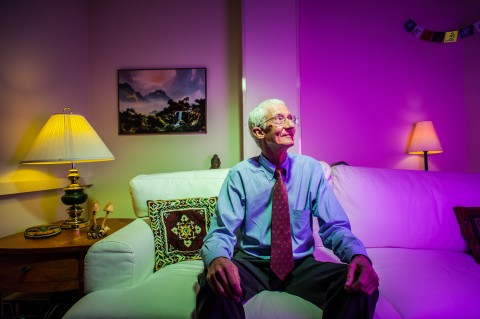
First, they screen patients for mental illness, eliminating those with, say, a family history of schizophrenia. Second, the researchers prepare patients for sessions, telling them to expect and explore rather than suppressing negative emotions, such as fear or grief. Third, the sessions take place in a safe, comfortable room, which patients can decorate with personal items, such as photographs or works of art. A researcher is present during sessions but avoids verbal interactions that might distract the patient from her inner journey. Patients and researchers generally talk about sessions the following day.

These methods seem to work. Some patients, to be sure, became frightened or melancholy. One dwelled on the horrors of the Holocaust, which had killed many members of his family, but he found the experience meaningful. Some patients did not emerge from their sessions with persistent positive feelings, Bossis said, but none reported persistent adverse effects.

Bossis has begun a new study that involves giving psilocybin to religious leaders, such as priests and rabbis. His hope is that these subjects will gain a deeper understanding of the mystical roots of their faiths.

http://blogs.scientificamerican.com/cross-check/psychedelic-therapy-and-bad-trips/

New study may explain gene’s role in major psychiatric disorders

A new study shows the death of newborn brain cells may be linked to a genetic risk factor for five major psychiatric diseases, and at the same time shows a compound currently being developed for use in humans may have therapeutic value for these diseases by preventing the cells from dying.

In 2013, the largest genetic study of psychiatric illness to date implicated mutations in the gene called CACNA1C as a risk factor in five major forms of neuropsychiatric disease — schizophrenia, major depression, bipolar disorder, autism, and attention deficit hyperactivity disorder (ADHD). All the conditions also share the common clinical feature of high anxiety. By recognizing an overlap between several lines of research, scientists at the University of Iowa and Weill Cornell Medicine of Cornell University have now discovered a new and unexpected role for CACNA1C that may explain its association with these neuropsychiatric diseases and provide a new therapeutic target.

The new study, recently published in eNeuro, shows that loss of the CACNA1C gene from the forebrain of mice results in decreased survival of newborn neurons in the hippocampus, one of only two regions in the adult brain where new neurons are continually produced – a process known as neurogenesis. Death of these hippocampal neurons has been linked to a number of psychiatric conditions, including schizophrenia, depression, and anxiety.

“We have identified a new function for one of the most important genes in psychiatric illness,” says Andrew Pieper, MD, PhD, co-senior author of the study, professor of psychiatry at the UI Carver College of Medicine and a member of the Pappajohn Biomedical Institute at the UI. “It mediates survival of newborn neurons in the hippocampus, part of the brain that is important in learning and memory, mood and anxiety.”

Moreover, the scientists were able to restore normal neurogenesis in mice lacking the CACNA1C gene using a neuroprotective compound called P7C3-A20, which Pieper’s group discovered and which is currently under development as a potential therapy for neurodegenerative diseases. The finding suggests that the P7C3 compounds may also be of interest as potential therapies for these neuropsychiatric conditions, which affect millions of people worldwide and which often are difficult to treat.

Pieper’s co-lead author, Anjali Rajadhyaksha, associate professor of neuroscience in Pediatrics and the Feil Family Brain and Mind Research Institute at Weill Cornell Medicine and director of the Weill Cornell Autism Research Program, studies the role of the Cav1.2 calcium channel encoded by the CACNA1C gene in reward pathways affected in various neuropsychiatric disorders.

“Genetic risk factors that can disrupt the development and function of brain circuits are believed to contribute to multiple neuropsychiatric disorders. Adult newborn neurons may serve a role in fine-tuning rewarding and environmental experiences, including social cognition, which are disrupted in disorders such as schizophrenia and autism spectrum disorders,” Rajadhyaksha says. “The findings of this study provide a direct link between the CACNA1C risk gene and a key cellular deficit, providing a clue into the potential neurobiological basis of CACNA1C-linked disease symptoms.”

Several years ago, Rajadhyaksha and Pieper created genetically altered mice that are missing the CACNA1C gene in the forebrain. The team discovered that the animals have very high anxiety.

“That was an exciting finding, because all of the neuropsychiatric diseases in which this gene is implicated are associated with symptoms of anxiety,” says Pieper who also holds appointments in the UI Departments of Neurology, Radiation Oncology, Molecular Physiology and Biophysics, the Holden Comprehensive Cancer Center, and the Iowa City VA Health Care System.

By studying neurogenesis in the mice, the research team has now shown that loss of the CACNA1C gene from the forebrain decreases the survival of newborn neurons in the hippocampus – only about half as many hippocampal neurons survive in mice without the gene compared to normal mice. Loss of CACNA1C also reduces production of BDNF, an important brain growth factor that supports neurogenesis.

The findings suggest that loss of the CACNA1C gene disrupts neurogenesis in the hippocampus by lowering the production of BDNF.

Pieper had previously shown that the “P7C3-class” of neuroprotective compounds bolsters neurogenesis in the hippocampus by protecting newborn neurons from cell death. When the team gave the P7C3-A20 compound to mice lacking the CACNA1C gene, neurogenesis was restored back to normal levels. Notably, the cells were protected despite the fact that BDNF levels remained abnormally low, demonstrating that P7C3-A20 bypasses the BDNF deficit and independently rescues hippocampal neurogenesis.

Pieper indicated the next step would be to determine if the P7C3-A20 compound could also ameliorate the anxiety symptoms in the mice. If that proves to be true, it would strengthen the idea that drugs based on this compound might be helpful in treating patients with major forms of psychiatric disease.

“CACNA1C is probably the most important genetic finding in psychiatry. It probably influences a number of psychiatric disorders, most convincingly, bipolar disorder and schizophrenia,” says Jimmy Potash, MD, professor and DEO of psychiatry at the UI who was not involved in the study. “Understanding how these genetic effects are manifested in the brain is among the most exciting challenges in psychiatric neuroscience right now.”

http://www.news-medical.net/news/20160427/Study-reveals-new-function-for-CACNA1C-gene-in-psychiatric-diseases.aspx