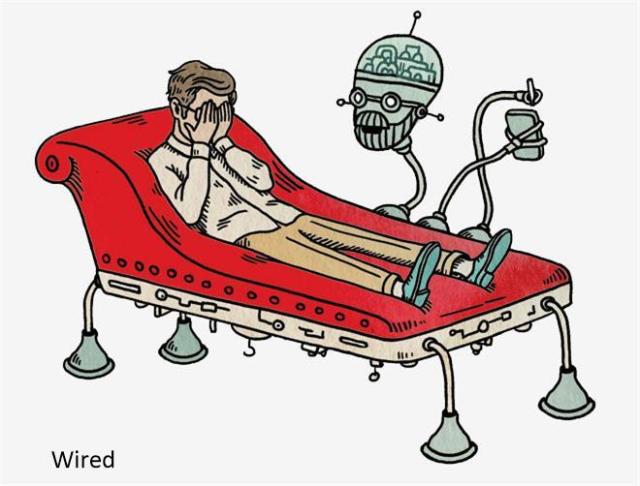
The Robot Will See You Now: The Increasing Role of Robotics in Psychiatric Care

by Nicola Davies, PhD

Robots are infiltrating the field of psychiatry, with experts like Dr Joanne Pransky of the San Francisco Bay area in California advocating for robots to be embraced in the medical field. In this article, Dr Pransky shares some examples of robots that have shown impressive psychiatric applications, as well as her thoughts on giving robots the critical role of delivering healthcare to human beings.

Meet the world’s first robotic psychiatrist

Dr Pransky, who was named the world’s first “robotic psychiatrist” because her patients are robots, said, “In 1986, I said that one day, when robots are as intelligent as humans, they would need assistance in dealing with humans on a day-to-day basis.” She imagines that in the near future it will be normal for families to come to a clinic with their robot to help the robot deal with the emotions it develops as a result of interacting with human beings. She also believes that having a robot as part of the family will reshape human family dynamics.

While Dr Pransky’s expertise may sound like science fiction to some, it illustrates just how interlaced robotics and psychiatry are becoming. With 32 years of experience in robotics, she said technology has come a long way, “to the point where robots are used as therapeutic tools.”

Robots in psychiatry

Dr Pransky cites some cases of robots that have been developed to help people with psychiatric health needs. One example is Paro, a robotic baby harp seal developed by the National Institute of Advanced Industrial Science and Technology (AIST), one of the largest public research organizations in Japan. Paro is used in the care of elderly people with dementia, Alzheimer disease, and other mental conditions.1 It has an appealing physical appearance that helps create a calming effect and encourages emotional responses from people. “The designers found that Paro enhances social interaction and communication. Patients can hold and pet the fur-covered seal, which is equipped with different tactile sensors. The seal can also respond to sounds and learn names, including its own,” said Dr Pransky. In 2009, Paro was certified as a type of neurologic therapeutic device by the US Food and Drug Administration (FDA).

Mabu, which is being developed by the patient care management firm Catalia Health in San Francisco, California, is another example. Mabu is a voice-activated robot designed to provide cognitive behavioral therapy by coaching patients on their daily health needs and sending health data to medical professionals.2 Dr Pransky points out that the team developing Mabu is composed of experts in psychiatry and robotics.

Then there is ElliQ, which was developed by Intuition Robotics in San Francisco to provide a social companion for the elderly. ElliQ is powered by artificial intelligence (AI) to provide personalized advice to senior patients regarding activities that can help them stay engaged, active, and mentally sharp.3 It also provides a communication channel between elderly patients and their loved ones.

Beside small robot assistants, however, robotics technology is also integrated into current medical devices, such as Axilum Robotics (Strasbourg, France) TMS-Robot, which assists with transcranial magnetic stimulation (TMS). TMS is a painless, non-invasive brain stimulation technique performed in patients with major depression and other neurologic diseases.4 TMS is usually performed manually, but the TMS-robot automates the procedure, providing more accuracy for patients while saving the operator from performing a repetitive and painful task.

Chatbots are another way in which robotics technology is providing care to psychiatric patients. Using AI and a conversational user interface, chatbots interact with individuals in a human-like manner. For example, Woebot (Woebot Labs, Inc, San Francisco), which runs in Facebook Messenger, converses with users to monitor their mood, make assessments, and recommend psychological treatments.5

Will robots replace psychiatrists?

Robotics has started to become an integral part of mental health treatment and management. Yet critics say there are potential negative side-effects and safety issues in incorporating robotics technology too far into human lives. For instance, over-reliance on robots may have social and legal implications, as well as encroaching on human dignity.6 These issues can be distinctly problematic in the field of psychiatry, in which patients share highly emotional and sensitive personal information. Dr Pransky herself has worked on films such as Ender’s Game and Eagle Eye, which have presented the risks to humans of robots with excessive control and intelligence.

However, Dr Pransky points out that robots are meant to supplement, not supplant, and to facilitate physicians’ work, not replace them. “I think there will be therapeutic success for robotics, but there’s nothing like the understanding of the human experience by a qualified human being. Robotics should extend and augment what a psychiatrist can do, she said. “It’s not the technology I would worry about but the people developing and using it. Robotics needs to be safe, so we have to design safe,” she adds, explaining that emotional and psychological safety should be key components in the design.

Who stands to benefit from robotics in psychiatry?

Dr Pransky explains that robots can help address psychiatric issues that a psychiatrist may be unable to with traditional techniques and tools: “The greatest benefit of robotics use will be in filling gaps. For example, for people who are not comfortable or available to talk about their problems with another human being, a robotic tool can be a therapeutic asset or a diagnostic tool.”

An interesting example of a robot that could be used to fill gaps in psychiatric care is the robot used in BlabDroid, a 2012 documentary created by Alex Reben at the MIT Media Lab for his Master’s thesis. It was the first documentary ever filmed and directed by robots. The robot interviewed strangers on the streets of New York City7 and people surprisingly opened up to the robot. “Some humans are better off with something they feel is non-threatening,” said Dr Pransky.

https://www.psychiatryadvisor.com/practice-management/the-robot-will-see-you-now-the-increasing-role-of-robotics-in-psychiatric-care/article/828253/2/

Lewis Judd, psychiatrist who probed the science of the brain, dies at 88


Dr. Lewis L. Judd led the National Institute of Mental Health from 1988 to 1990. (National Library of Medicine)

By Emily Langer

Lewis L. Judd, a nationally known psychiatrist who helped turn the focus of his profession from psychoanalysis to neuroscience, an approach that sought to destigmatize mental illness by treating it as cancer, heart disease or any other medical problem, died Dec. 16 in La Jolla, Calif. He was 88.

The cause was cardiac arrest, said his wife, Pat Judd.

For decades, psychiatrists were schooled in the theories of Sigmund Freud, the founder of psychoanalysis, who posited that mental disturbances could be treated through dialogue with a therapist. Practitioners sought to interpret their patients’ dreams, giving little attention to the physical functioning of the brain or the chemicals that regulate it.

Dr. Judd agreed, he once told the Associated Press, that a physician must look at patients as a “whole individual,” with all their “worries, concerns, aspirations and needs,” and not resort to simply “popping a pill in their mouth.” But he found the long-prevailing psychoanalytic approach too limiting to explain or treat afflictions such as depression, bipolar disorder, severe anxiety and schizophrenia — “these serious mental disorders that have defied our understanding for centuries,” he once told the Chicago Tribune.

Instead, he advocated a biological approach, starting at the molecular level of the brain. As director of the National Institute of Mental Health in Bethesda, Md. — a post he held from 1988 to 1990, during a hiatus from his decades-long chairmanship of the psychiatry department at the University of California at San Diego — he helped launch a federal research initiative known as the “Decade of the Brain.”

“He was obsessed with educating the public and the profession . . . that mental illnesses were biological illnesses, that schizophrenia and depression were diseases of the brain,” Alan I. Leshner, Dr. Judd’s deputy at NIMH and later chief executive of the American Association for the Advancement of Science, said in an interview. “At the time, that was a heretical thought.”

Today, the biological component of many mental illnesses is widely accepted. When Dr. Judd led NIMH, it was not; he once cited a survey in which 71 percent of respondents said mental illness was a result of personal weakness and a third attributed it to sinful behavior. Poor parenting was another common alleged culprit.

Dr. Judd argued that the biological approach to psychiatry held the promise not only of deepening understanding of the body’s most complex organ but of improving lives: If mental disorders could be shown to be a result of brain chemistry or of physical dysfunction, patients might feel less stigmatized and therefore more willing to seek treatment.

“We look at the homeless and feel that if they only got their act together, they could lift themselves up,” Dr. Judd told the Los Angeles Times in 1988, discussing the prevalence of mental illness among homeless people. “We would never believe that about someone who has cancer or some other physical disease.”

As head of NIMH, which is an arm of the National Institutes of Health and the chief federal agency for research on mental illness, Dr. Judd oversaw more than $500 million in research money. He described the Decade of the Brain — a designation conferred by Congress and President George H.W. Bush — as a “research plan designed to bring a precise and detailed understanding of all the elements of brain function within our own lifetimes.”

During his tenure at NIMH, scientists for the first time successfully grew brain tissue in a laboratory. Dr. Judd was among those scientists who touted the potential of medical imaging, such as MRIs and PET scans, to reveal the inner workings of the brain and the potential causes of diseases such as schizophrenia.

Almost 30 years after the Decade of the Brain began, much about the organ remains elusive. Leshner credited the initiative with helping bring attention to the importance of brain research as well as inspiring the Brain Initiative, a public-private research effort advanced by the Obama administration.

“The brain is really the last frontier for scientists,” Dr. Judd said.

Lewis Lund Judd was born in Los Angeles on Feb. 10, 1930. His father was an obstetrician-gynecologist, and his mother was a homemaker. Dr. Judd’s brother, Howard Judd, also became an OB/GYN and a noted researcher in women’s health at the University of California at Los Angeles.

Dr. Judd received a bachelor’s degree in psychology from the University of Utah in 1954 and a medical degree from UCLA in 1958. In the early years of his career, he served in the Air Force as a base psychiatrist.

He joined UC-San Diego in 1970 and became department chairman in 1977, helping grow his faculty into one of the most respected the country. He stepped down as chairman in 2013 and retired in 2015.

Dr. Judd’s first marriage, to Anne Nealy, ended in divorce. Survivors include his wife of 45 years, the former Patricia Hoffman, who is also a psychiatry professor at UC-San Diego, of La Jolla; three daughters from his first marriage, Allison Fee of Whidbey Island, Wash., Catherine Judd of Miami and Stephanie Judd of Chevy Chase, Md.; and four grandchildren.

Ever exploring the outer reaches of his field, Dr. Judd participated in a dialogue with the Dalai Lama in 1989 about life and the mind.

“Our model of mental health is mostly defined in terms of the absence of mental illness,” Dr. Judd told the New York Times, reflecting on the Tibetan Buddhist leader’s discussion of wisdom and compassion. “They may have more positive ones that might be worth our study.”

https://www.washingtonpost.com/local/obituaries/lewis-judd-psychiatrist-who-probed-the-science-of-the-brain-dies-at-88/2019/01/11/271e1f48-1549-11e9-b6ad-9cfd62dbb0a8_story.html?noredirect=on&utm_term=.18ed788ae8b3

Gluten Triggers Strange Delusions in Woman with Celiac Disease

By Sara G. Miller

Gluten has been implicated in a number of symptoms related to celiac disease that go beyond the digestive system, including rashes, anemia and headaches. But according to a recent case report, the wheat protein played a role in one woman’s severe psychosis.

The 37-year-old woman, whose case was described in the report, was studying for her Ph.D. when she started having delusions. Her symptoms began with a belief that people were talking about her as part of a conspiracy in which friends, family members and strangers were acting out scenes for her in a “game,” the doctors who treated the woman wrote in their report, published May 12 in The New England Journal of Medicine.

After making threats against her family, the patient was admitted to a psychiatric hospital and was diagnosed with a psychotic disorder, the doctors wrote. She was prescribed anti-psychotic medications to help control her symptoms, but they did not work very well, according to the report.

During the woman’s stay at the psychiatric hospital and at follow-up appointments after she was released, doctors noticed that she had several vitamin and mineral deficiencies, had lost a lot of weight and also had thyroid problems, according to the report.

These symptoms led doctors to suspect that the woman had celiac disease, said Dr. Alessio Fasano, director of the Center for Celiac Research and Treatment at Massachusetts General Hospital in Boston and one of the doctors who treated the woman. It was at that point that the doctors who wrote the case report got involved, he said.

The doctors at Massachusetts General Hospital confirmed that the woman had celiac disease, according to the report. However, her delusions led her to believe that the doctors were being “deceitful,” and she refused to follow a gluten-free diet, they wrote.

The woman lost her job, became homeless and attempted suicide, the doctors wrote. Eventually, she was rehospitalized at a psychiatric facility, where she was successfully placed on a gluten-free diet, they wrote.

When the woman was on a gluten-free diet, her symptoms improved, Fasano said. She was once again functional and aware of what gluten was doing to her, he said. She knew that being exposed to gluten caused her to lose control of her life, and she wanted people to understand that the gluten was causing this bizarre behavior, he added.

The differences between how the woman behaved on a gluten-free diet and after being exposed to gluten was like “Dr. Jekyll and Mr. Hyde,” Fasano said. “This was a bright young lady on her way to [getting] a Ph.D., and all of sudden,” something changed and she would do things that were harmful to herself and people around her, he said.

During the time the doctors were working with the woman, she inadvertently consumed gluten on several occasions, Fasano said. When this would happen, she would become completely lost, he said. But when she was gluten-free, she was well aware that she needed to avoid gluten because “she [didn’t] want to go to ‘that place,'” Fasano said.

When Fasano last saw the woman, around January 2016, he reported that she was doing very well. She was completely avoiding gluten, and her symptoms had gone away, he said. In fact, the woman was planning to participate in an experiment with her doctors so that they could study what happened to her when she consumed gluten, he said.

The plan was to do the experiment in a very controlled environment so that the patient would not do anything harmful, he said. The experiment would give the doctors the opportunity to study the inflammatory process that potentially caused these symptoms. They also planned to do some brain scans, he said.

But before the doctors could do the experiment, the woman accidentally ate some gluten, Fasano said. Her delusions returned, and she was put in jail after trying to kill her parents, he said.

https://www.livescience.com/55166-celiac-disease-gluten-psychosis.html

Scientists Find A Brain Circuit That Could Explain Seasonal Depression


Before light reaches these rods and cones in the retina, it passes through some specialized cells that send signals to brain areas that affect whether you feel happy or sad.

by Jon Hamilton

Just in time for the winter solstice, scientists may have figured out how short days can lead to dark moods.

Two recent studies suggest the culprit is a brain circuit that connects special light-sensing cells in the retina with brain areas that affect whether you are happy or sad.

When these cells detect shorter days, they appear to use this pathway to send signals to the brain that can make a person feel glum or even depressed.

“It’s very likely that things like seasonal affective disorder involve this pathway,” says Jerome Sanes, a professor of neuroscience at Brown University.

Sanes was part of a team that found evidence of the brain circuit in people. The scientists presented their research in November at the Society for Neuroscience meeting. The work hasn’t been published in a peer-reviewed journal yet, but the researchers plan to submit it.

A few weeks earlier, a different team published a study suggesting a very similar circuit in mice.

Together, the studies offer a strong argument that seasonal mood changes, which affect about 1 in 5 people, have a biological cause. The research also adds to the evidence that support light therapy as an appropriate treatment.

“Now you have a circuit that you know your eye is influencing your brain to affect mood,” says Samer Hattar, an author of the mouse study and chief of the section on light and circadian rhythms at the National Institute of Mental Health. The finding is the result of a decades-long effort to understand the elusive link between light and mood. “It is the last piece of the puzzle,” Hattar says.

The research effort began in the early 2000s, when Hattar and David Berson, a professor of neuroscience at Brown University, were studying cells in the retina.

At the time, most scientists thought that when light struck the retina, only two kinds of cells responded: rods and cones. But Hattar and Berson thought there were other light-sensitive cells that hadn’t been identified.

“People used to laugh at us if we say there are other photoreceptors distinct from rods and cones in the retina,” Hattar says.

The skeptics stopped laughing when the team discovered a third kind of photoreceptor that contained a light-sensitive substance called melanopsin not found in rods and cones. (The full name of these cells, if you’re interested, is intrinsically photosensitive retinal ganglion cells, or ipRGCs.) These receptors responded to light but weren’t part of the visual system.

Instead, their most obvious function was keeping the brain’s internal clock in sync with changes in daylight. And many scientists assumed that this circadian function also explained seasonal depression.

“People thought that the only reason you get mood problems is because your clock is misaligned,” Hattar says.

Other potential explanations included speculation that reduced sunlight was triggering depression by changing levels of serotonin, which can affect mood, or melatonin, which plays a role in sleep patterns and mood. But the evidence for either of these possibilities has been weak.

Hattar and Berson were pretty sure there was a better reason. And, after years of searching, they found one.

In September, Hattar’s team published a study about mice suggesting a direct pathway between the third kind of photoreceptor in the retina and brain areas that affect mood.

When these cells were present, an artificially shortened cycle of light and dark caused a version of depression in a mouse. But when the team removed the cells with gene-editing tools, the mouse didn’t become depressed.

Sanes knew about the research, in part because he and Berson are neuroscientists at Brown. And he was so intrigued by the discovery of the new pathway between retina and brain in mice that he decided to see whether something similar was going on in human brains.

Sanes’ team put young adults in an MRI machine and measured their brain activity as they were exposed to different levels of light. This allowed the team to identify brain areas that seemed to be receiving signals from the photoreceptors Hattar and Berson had discovered.

Two of these areas were in the front of the brain. “It’s interesting because these areas seem to be the areas that have been shown in many studies to be involved in depression and other affective disorders,” Sanes says.

The areas also appeared to be part of the same circuit found in mice.

The finding needs to be confirmed. But Hattar is pretty confident that this circuit explains the link between light exposure and mood.

So now he’s trying to answer a new question: Why would evolution produce a brain that works this way?

“You will understand why you would need light to see,” he says, “but why do you need light to make you happy?”

Hattar hopes to find out. In the meantime, he has some advice for people who are feeling low: “Try to take your lunch outside. That will help you adjust your mood.”

https://www.npr.org/sections/health-shots/2018/12/21/678342879/scientists-find-a-brain-circuit-that-could-explain-seasonal-depression

Chronic Bullying Could Actually Reshape The Brains of Teens

by Carly Cassella

Sticks and stones may break your bones, but name-calling could actually change the structure of your brain.

A new study has found that persistent bullying in high school is not just psychologically traumatising, it could also cause real and lasting damage to the developing brain.

The findings are drawn from a long-term study on teenage brain development and mental health, which collected brain scans and mental health questionnaires from European teenagers between the ages of 14 and 19.

Following 682 young people in England, Ireland, France and Germany, the researchers tallied 36 in total who reported experiencing chronic bullying during these years.

When the researchers compared the bullied participants to those who had experienced less intense bullying, they noticed that their brains looked different.

Across the length of the study, in certain regions, the brains of the bullied participants appeared to have actually shrunk in size.

In particular, the pattern of shrinking was observed in two parts of the brain called the putamen and the caudate, a change oddly reminiscent of adults who have experienced early life stress, such as childhood maltreatment.

Sure enough, the researchers found that they could partly explain these changes using the relationship between extreme bullying and higher levels of general anxiety at age 19. And this was true even when controlling for other types of stress and co-morbid depressive symptoms.

The connection is further supported by previous functional MRI studies that found differences in the connectivity and activation of the caudate and putamen activation in those with anxiety.

“Although not classically considered relevant to anxiety, the importance of structural changes in the putamen and caudate to the development of anxiety most likely lies in their contribution to related behaviours such as reward sensitivity, motivation, conditioning, attention, and emotional processing,” explains lead author Erin Burke Quinlan from King’s College London.

In other words, the authors think all of this shrinking could be a mark of mental illness, or at least help explain why these 19-year-olds are experiencing such unusually high anxiety.

But while numerous past studies have already linked childhood and adolescent bullying to mental illness, this is the very first study to show that unrelenting victimisation could impact a teenager’s mental health by actually reshaping their brain.

The results are cause for worry. During adolescence, a young person’s brain is absolutely exploding with growth, expanding at an incredible place.

And even though it’s normal for the brain to prune back some of this overabundance, in the brains of those who experienced chronic bullying, the whole pruning process appears to have spiralled out of control.

The teenage years are an extremely important and formative period in a person’s life, and these sorts of significant changes do not bode well. The authors suspect that as these children age, they might even begin to experience greater shrinkage in the brain.

But an even longer long-term study will need to be done if we want to verify that hunch. In the meantime, the authors are recommending that every effort be made to limit bullying before it can cause damage to a teenager’s brain and their mental health.

This study has been published in Molecular Psychiatry.

https://www.sciencealert.com/chronic-bullying-could-actually-reshape-the-brains-of-teens

The smartphone app that can tell you’re depressed before you know it yourself

by Rachel Metz

There are about 45 million people in the US alone with a mental illness, and those illnesses and their courses of treatment can vary tremendously. But there is something most of those people have in common: a smartphone.

A startup founded in Palo Alto, California, by a trio of doctors, including the former director of the US National Institute of Mental Health, is trying to prove that our obsession with the technology in our pockets can help treat some of today’s most intractable medical problems: depression, schizophrenia, bipolar disorder, post-traumatic stress disorder, and substance abuse.

Mindstrong Health is using a smartphone app to collect measures of people’s cognition and emotional health as indicated by how they use their phones. Once a patient installs Mindstrong’s app, it monitors things like the way the person types, taps, and scrolls while using other apps. This data is encrypted and analyzed remotely using machine learning, and the results are shared with the patient and the patient’s medical provider.

The seemingly mundane minutiae of how you interact with your phone offers surprisingly important clues to your mental health, according to Mindstrong’s research—revealing, for example, a relapse of depression. With details gleaned from the app, Mindstrong says, a patient’s doctor or other care manager gets an alert when something may be amiss and can then check in with the patient by sending a message through the app (patients, too, can use it to message their care provider).

For years now, countless companies have offered everything from app-based therapy to games that help with mood and anxiety to efforts to track smartphone activities or voice and speech for signs of depression. But Mindstrong is different, because it’s considering how users’ physical interactions with the phones—not what they do, but how they do it—can point to signs of mental illness. That may lead to far more accurate ways to track these problems over time. If Mindstrong’s method works, it could be the first that manages to turn the technology in your pocket into the key to helping patients with a wide range of chronic brain disorders—and may even lead to ways to diagnose them before they start.

Digital fingerprints
Before starting Mindstrong, Paul Dagum, its founder and CEO, paid for two Bay Area–based studies to figure out whether there might be a systemic measure of cognitive ability—or disability—hidden in how we use our phones. One hundred and fifty research subjects came into a clinic and underwent a standardized neurocognitive assessment that tested things like episodic memory (how you remember events) and executive function (mental skills that include the ability to control impulses, manage time, and focus on a task)—the kinds of high-order brain functions that are weakened in people with mental illnesses.

The assessment included neuropsychological tests that have been used for decades, like a so-called timed trail-­tracing test, where you have to connect scattered letters and numbers in the proper order—a way to measure how well people can shift between tasks. People who have a brain disorder that weakens their attention may have a harder time with this.

Subjects went home with an app that measured the ways they touched their phone’s display (swipes, taps, and keyboard typing), which Dagum hoped would be an unobtrusive way to log these same kinds of behavior on a smartphone. For the next year, it ran in the background, gathering data and sending it to a remote server. Then the subjects came back for another round of neurocognitive tests.

As it turns out, the behaviors the researchers measured can tell you a lot. “There were signals in there that were measuring, correlating—predicting, in fact, not just correlating with—the neurocognitive function measures that the neuropsychologist had taken,” Dagum says.

For instance, memory problems, which are common hallmarks of brain disorders, can be spotted by looking at things including how rapidly you type and what errors you make (such as how frequently you delete characters), as well as by how fast you scroll down a list of contacts. (Mindstrong can first determine your baseline by looking at how you use your handset and combining those characteristics with general measures.) Even when you’re just using the smartphone’s keyboard, Dagum says, you’re switching your attention from one task to another all the time—for example, when you’re inserting punctuation into a sentence.

He became convinced the connections presented a new way to investigate human cognition and behavior over time, in a way that simply isn’t possible with typical treatment like regularly visiting a therapist or getting a new medication, taking it for a month, and then checking back in with a doctor. Brain-disorder treatment has stalled in part because doctors simply don’t know that someone’s having trouble until it’s well advanced; Dagum believes Mindstrong can figure it out much sooner and keep an eye on it 24 hours a day.

In 2016, Dagum visited Verily, Alphabet’s life sciences company, where he pitched his work to a group including Tom Insel, a psychiatrist who had spent 13 years as director of the National Institute of Mental Health before he joined Verily in 2015.

Verily was trying to figure out how to use phones to learn about depression or other mental health conditions. But Insel says that at first, what Dagum presented—more a concept than a show of actual data—didn’t seem like a big deal. “The bells didn’t go off about what he had done,” he says.

Over several meetings, however, Insel realized that Dagum could do something he believed nobody in the field of mental health had yet been able to accomplish. He had figured out smartphone signals that correlated strongly with a person’s cognitive performance—the kind of thing usually possible only through those lengthy lab tests. What’s more, he was collecting these signals for days, weeks, and months on end, making it possible, in essence, to look at a person’s brain function continuously and objectively. “It’s like having a continuous glucose monitor in the world of diabetes,” Insel says.

Why should anyone believe that what Mindstrong is doing can actually work? Dagum says that thousands of people are using the app, and the company now has five years of clinical study data to confirm its science and technology. It is continuing to perform numerous studies, and this past March it began working with patients and doctors in clinics.

In its current form, the Mindstrong app that patients see is fairly sparse. There’s a graph that updates daily with five different signals collected from your smartphone swipes and taps. Four of these signals are measures of cognition that are tightly tied to mood disorders (such as the ability to make goal-based decisions), and the other measures emotions. There’s also an option to chat with a clinician.

For now, Insel says, the company is working mainly with seriously ill people who are at risk of relapse for problems like depression, schizophrenia, and substance abuse. “This is meant for the most severely disabled people, who are really needing some innovation,” he says. “There are people who are high utilizers of health care and they’re not getting the benefits, so we’ve got to figure out some way to get them something that works better.” Actually predicting that a patient is headed toward a downward spiral is a harder task, but Dagum believes that having more people using the app over time will help cement patterns in the data.

There are thorny issues to consider, of course. Privacy, for one: while Mindstrong says it protects users’ data, collecting such data at all could be a scary prospect for many of the people it aims to help. Companies may be interested in, say, including it as part of an employee wellness plan, but most of us wouldn’t want our employers anywhere near our mental health data, no matter how well protected it may be.

Spotting problems before they start
A study in the works at the University of Michigan is looking at whether Mindstrong may be beneficial for people who do not have a mental illness but do have a high risk for depression and suicide. Led by Srijan Sen, a professor of psychiatry and neuroscience, the study tracks the moods of first-year doctors across the country—a group that is known to experience intense stress, frequent sleep deprivation, and very high rates of depression.

Participants log their mood each day and wear a Fitbit activity tracker to log sleep, activity, and heart-rate data. About 1,500 of the 2,000 participants also let a Mindstrong keyboard app run on their smartphones to collect data about the ways they type and figure out how their cognition changes throughout the year.

Sen hypothesizes that people’s memory patterns and thinking speed change in subtle ways before they realize they’re depressed. But he says he doesn’t know how long that lag will be, or what cognitive patterns will be predictive of depression.

Insel also believes Mindstrong may lead to more precise diagnoses than today’s often broadly defined mental health disorders. Right now, for instance, two people with a diagnosis of major depressive disorder might share just one of numerous symptoms: they could both feel depressed, but one might feel like sleeping all the time, while the other is hardly sleeping at all. We don’t know how many different illnesses are in the category of depression, Insel says. But over time Mindstrong may be able to use patient data to find out. The company is exploring how learning more about these distinctions might make it possible to tailor drug prescriptions for more effective treatment.

Insel says it’s not yet known if there are specific digital markers of, say, auditory hallucinations that someone with schizophrenia might experience, and the company is still working on how to predict future problems like post-traumatic stress disorder. But he is confident that the phone will be the key to figuring it out discreetly. “We want to be able to do this in a way that just fits into somebody’s regular life,” he says.

https://www.technologyreview.com/s/612266/the-smartphone-app-that-can-tell-youre-depressed-before-you-know-it-yourself/

Researchers have discovered a gene that has evolved through natural selection to impact both psychiatric disorders and personality, and may help to maintain human diversity.

evolution-personality-neurosciencenews

How and why human-unique characteristics such as highly social behavior, languages and complex culture have evolved is a long-standing question. A research team led by Tohoku University in Japan has revealed the evolution of a gene related to such human-unique psychiatric traits.

PhD candidate Daiki Sato and Professor Masakado Kawata have discovered SLC18A1 (VMAT1), which encodes vesicular monoamine transporter 1, as one of the genes evolved through natural selection in the human lineage. VMAT1 is mainly involved in the transport of neurochemicals, such as serotonin and dopamine in the body, and its malfunction leads to various psychiatric disorders. VMAT1 has variants consisting of two different amino acids, threonine (136Thr) and isoleucine (136Ile), at site 136.

Several studies have shown that these variants are associated with psychiatric disorders, including schizophrenia, bipolar disorder, anxiety, and neuroticism (a personality trait). It has been known that individuals with 136Thr tend to be more anxious and more depressed and have higher neuroticism scores. They showed that other mammals have 136Asn at this site but 136Thr had been favored over 136Asn during human evolution. Moreover, the 136Ile variant had originated nearly at the Out-of-Africa migration, and then, both 136Thr and 136Ile variants have been positively maintained by natural selection in non-African populations.

The study by Sato and Kawata indicates that natural selection has possibly shaped our psychiatric traits and maintained its diversity. The results provide two important implications for human psychiatric evolution. First, through positive selection, the evolution from Asn to Thr at site 136 on SLC18A1 was favored by natural selection during the evolution from ancestral primates to humans, although individuals with 136Thr are more anxious and have more depressed minds.

Second, they showed that the two variants of 136Thr and 136Ile have been maintained by natural selection using several population genetic methods. Any form of natural selection that maintains genetic diversity within populations is called “balancing selection”. Individual differences in psychiatric traits can be observed in any human population, and some personality traits are also found in non-human primates. This suggests the possibility that a part of genetic diversity associated with personality traits and/or psychiatric disorders are maintained by balancing selection, although such selective pressure is often weak and difficult to detect.

The Evolution of Psychiatric Disorders and Personality Traits

ADHD Tied to Raised Risk of Early Parkinson’s Disease

SS39069

By Alan Mozes

People with attention-deficit/hyperactivity disorder (ADHD) may be more than twice as likely to develop an early onset form of Parkinson’s, new research warns.

What’s more, among “those ADHD patients who had a record of being treated with amphetamine-like drugs — especially Ritalin [methylphenidate] — the risk dramatically increased, to between eight- to nine-fold,” said senior study author Glen Hanson.

But his team did not prove that ADHD or its medications actually caused Parkinson’s risk to rise, and one ADHD expert noted that the absolute risk of developing Parkinson’s remains very small.

For the study, researchers analyzed nearly 200,000 Utah residents. All had been born between 1950 and 1992, with Parkinson’s onset tracked up until the age of 60.

Prior to any Parkinson’s diagnosis, roughly 32,000 had been diagnosed with ADHD.

Hanson, a professor of pharmacology and toxicology at the University of Utah, said that ADHD patients were found to be “2.4 times more likely to develop Parkinson’s disease-like disorders prior to the age of 50 to 60 years,” compared with those with no history of ADHD. That finding held up even after accounting for a number of influential factors, including smoking, drug and alcohol abuse, and other psychiatric disorders.

“Although we cannot accurately say how much time elapsed between ADHD and [a] Parkinson’s-like disorder diagnosis, it was probably between 20 to 50 years,” he said.

As to what might explain the link, Hanson said that both ADHD and most forms of Parkinson’s source back to a “functional disorder of central nervous system dopamine pathways.”

In addition, Hanson said that “the drugs used to treat ADHD apparently work because of their profound effects on the activity of these dopamine pathways.” Theoretically, the treatment itself might trigger a metabolic disturbance, promoting dopamine pathway degeneration and, ultimately, Parkinson’s, he explained.

Still, Hanson pointed out that, for now, “we are not able to determine if the increased risk associated with stimulant use is due to the presence of the drug or the severity of the ADHD,” given that those treated with ADHD drugs tend to have more severe forms of the disorder.

And while demonstrating “a very strong association” between ADHD and Parkinson’s risk, the findings are preliminary, the study authors added.

Also, the absolute risk of developing Parkinson’s remained low, even in the most pessimistic scenario.

For example, the findings suggest that the risk of developing early onset Parkinson’s before the age of 50 would be eight or nine people out of every 100,000 with ADHD. This compares with one or two out of every 100,000 among those with no history of ADHD, the researchers said.

But the scientists noted that the results should raise eyebrows, because Parkinson’s primarily strikes people over the age of 60. Given the age range of those tracked so far in the study, Hanson said that his team was not yet able to ascertain Parkinson’s risk among ADHD patients after the age of 60.

Hanson also pointed out that because ADHD was only first diagnosed in the 1960s, only about 1.5 percent of the people in the study had an ADHD diagnosis, despite current estimates that peg ADHD prevalence at 10 percent. That suggests that the current findings may underestimate the scope of the problem.

“Clearly, there are some critical questions left to be answered concerning what is the full impact of this increased risk,” Hanson said.

Dr. Andrew Adesman is chief of developmental and behavioral pediatrics at Cohen Children’s Medical Center of New York with Northwell Health in New York City. He was not involved with the study and said the findings “surprised” him.

But, “we need to keep in mind that this study needs to be replicated and that the incidence of these conditions was very low, even among those with ADHD,” Adesman said. “The reality is that this would not affect 99.99 percent of individuals with ADHD.”

Meanwhile, Adesman said, “given that this study needs to be replicated, given that it is unclear whether ADHD medications further increase the risks of Parkinson’s, and given the very low risk in an absolute sense, I believe individuals with ADHD should not be hesitant to pursue or continue medical treatment for their ADHD.”

The report was published online Sept. 12 in the journal Neuropsychopharmacology.

Glen Hanson, DDS, Ph.D., vice dean and professor, pharmacology, School of Dentistry, University of Utah, Salt Lake City; Andrew Adesman, M.D., chief, developmental and behavioral pediatrics, Steven & Alexandra Cohen Children’s Medical Center of New York, Northwell Health, New York City; Sept. 12, 2018, Neuropsychopharmacology, online

https://consumer.healthday.com/cognitive-health-information-26/parkinson-s-news-526/adhd-tied-to-raised-risk-of-early-parkinson-s-737637.html

Machine learning links dimensions of mental illness to abnormalities of brain networks

A new study using machine learning has identified brain-based dimensions of mental health disorders, an advance towards much-needed biomarkers to more accurately diagnose and treat patients. A team at Penn Medicine led by Theodore D. Satterthwaite, MD, an assistant professor in the department of Psychiatry, mapped abnormalities in brain networks to four dimensions of psychopathology: mood, psychosis, fear, and disruptive externalizing behavior. The research is published in Nature Communications this week.

Currently, psychiatry relies on patient reporting and physician observations alone for clinical decision making, while other branches of medicine have incorporated biomarkers to aid in diagnosis, determination of prognosis, and selection of treatment for patients. While previous studies using standard clinical diagnostic categories have found evidence for brain abnormalities, the high level of diversity within disorders and comorbidity between disorders has limited how this kind of research may lead to improvements in clinical care.

“Psychiatry is behind the rest of medicine when it comes to diagnosing illness,” said Satterthwaite. “For example, when a patient comes in to see a doctor with most problems, in addition to talking to the patient, the physician will recommend lab tests and imaging studies to help diagnose their condition. Right now, that is not how things work in psychiatry. In most cases, all psychiatric diagnoses rely on just talking to the patient. One of the reasons for this is that we don’t understand how abnormalities in the brain lead to psychiatric symptoms. This research effort aims to link mental health issues and their associated brain network abnormalities to psychiatric symptoms using a data-driven approach.”

To uncover the brain networks associated with psychiatric disorders, the team studied a large sample of adolescents and young adults (999 participants, ages 8 to 22). All participants completed both functional MRI scans and a comprehensive evaluation of psychiatric symptoms as part of the Philadelphia Neurodevelopmental Cohort (PNC), an effort lead by Raquel E. Gur, MD, Ph.D., professor of Psychiatry, Neurology, and Radiology, that was funded by the National Institute of Mental Health. The brain and symptom data were then jointly analyzed using a machine learning method called sparse canonical correlation analysis.

This analysis revealed patterns of changes in brain networks that were strongly related to psychiatric symptoms. In particular, the findings highlighted four distinct dimensions of psychopathology—mood, psychosis, fear, and disruptive behavior—all of which were associated with a distinct pattern of abnormal connectivity across the brain.

The researchers found that each brain-guided dimension contained symptoms from several different clinical diagnostic categories. For example, the mood dimension was comprised of symptoms from three categories, e.g. depression (feeling sad), mania (irritability), and obsessive-compulsive disorder (recurrent thoughts of self-harm). Similarly, the disruptive externalizing behavior dimension was driven primarily by symptoms of both Attention Deficit Hyperactivity Disorder(ADHD) and Oppositional Defiant Disorder (ODD), but also included the irritability item from the depression domain. These findings suggest that when both brain and symptomatic data are taken into consideration, psychiatric symptoms do not neatly fall into established categories. Instead, groups of symptoms emerge from diverse clinical domains to form dimensions that are linked to specific patterns of abnormal connectivity in the brain.

“In addition to these specific brain patterns in each dimension, we also found common brain connectivity abnormalities that are shared across dimensions,” said Cedric Xia, a MD-Ph.D. candidate and the paper’s lead author. “Specifically, a pair of brain networks called default mode network and frontal-parietal network, whose connections usually grow apart during brain development, become abnormally integrated in all dimensions.”

These two brain networks have long intrigued psychiatrists and neuroscientists because of their crucial role in complex mental processes such as self-control, memory, and social interactions. The findings in this study support the theory that many types of psychiatric illness are related to abnormalities of brain development.

The team also examined how psychopathology differed across age and sex. They found that patterns associated with both mood and psychosis became significantly more prominent with age. Additionally, brain connectivity patterns linked to mood and fear were both stronger in female participants than males.

“This study shows that we can start to use the brain to guide our understanding of psychiatric disorders in a way that’s fundamentally different than grouping symptoms into clinical diagnostic categories. By moving away from clinical labels developed decades ago, perhaps we can let the biology speak for itself,” said Satterthwaite. “Our ultimate hope is that understanding the biology of mental illnesses will allow us to develop better treatments for our patients.”

More information: Cedric Huchuan Xia et al, Linked dimensions of psychopathology and connectivity in functional brain networks, Nature Communications (2018). DOI: 10.1038/s41467-018-05317-y

https://medicalxpress.com/news/2018-08-machine-links-dimensions-mental-illness.html

Ketamine shows promise as an effective treatment for adolescents with depression

BY ARISTOS GEORGIOU

Young people suffering from treatment-resistant depression (TRD) showed a significant reduction of their symptoms after being administered ketamine injections, according to a study published in the Journal of Child and Adolescent Psychopharmacology.

Researchers from the University of Minnesota (UM) and the nonprofit Mayo Clinic found that ketamine caused an average decrease of 42 percent on the Children’s Depression Rating Scale (CDRS)—the most widely used rating scale in research trials for assessing the severity of depression and change in depressive symptoms among adolescents.

Ketamine is perhaps best known for being a popular recreational drug and a useful medical anesthetic, but a growing body of research is indicating that the compound could be an effective treatment for depression. Several recent studies have shown that even a single dose in adults can lead to rapid reductions in depressive symptoms. However, relatively little research has been conducted into ketamine’s antidepressant effects in adolescents.

“Adolescence is a very important time for studying depression, first because depression often starts during these years, and second because it is an important time for brain development,” Kathryn Cullen, from the Department of Psychiatry at UM, told Newsweek.

“When adolescent depression persists without successful treatment, it can interfere with achieving important developmental milestones. Finding the right treatment is critical to allow the restoration of healthy brain development and prevent negative outcomes like chronic depression, disability and suicide.”

Unfortunately, about 40 percent of adolescents do not respond to their first intervention and only half of nonresponders respond to the second treatment, according to the researchers.

“Standard antidepressant treatments do not work for everyone and take weeks to months to take effect, a time period when patients are at risk for continued suffering and suicide attempts,” Cullen said. “The field is in need of new treatment options. Ketamine has a very different mechanism of action than standard treatments.”

The latest study involved 13 young people ages 12 to 18 who had failed two previous trials of antidepressants. During a two-week period, the researchers gave them six ketamine infusions.

They found that the treatment was well tolerated, with the participants showing an average decrease in CDRS scores of 42.5 percent. Five of the participants met the criteria for clinical response and remission. Of these, three were still in remission after six weeks, while the remaining two relapsed within two weeks.

According to the scientists, the results demonstrate the potential role for ketamine in treating adolescents with TRD. However, they note that the study was limited by its small sample size, so future research will be needed to confirm these results.

“The purpose of our study was to investigate the effects of ketamine for TRD in younger patients for whom this indication for ketamine administration is not well studied,” Mark Roback, a professor of pediatrics at the University of Minnesota, told Newsweek.

“I think our results show promise for this population, however this study is just a beginning. The study serves to point out the need for further, rigorous, study designed to answer the many questions that remain about ketamine for TRD, such as optimal dosing and route of administration, dosing interval and treatment length, and long-term effects—just to name a few.”

James Stone, a clinical senior lecturer from the Institute of Psychiatry, Psychology and Neuroscience at King’s College London, who was not involved in the study, told Newsweek that there is “a lot of potential for the use of ketamine as a second or third line antidepressant where other treatments have failed.”

“Although ketamine is potentially a huge breakthrough in the treatment of depression, we still don’t know about the long-term safety, or about how to keep people well from depression without requiring regular ketamine dosing,” Stone added. “Further studies are needed to address these questions.”

https://www.newsweek.com/ketamine-shows-promise-treatment-adolescents-depression-1054021